
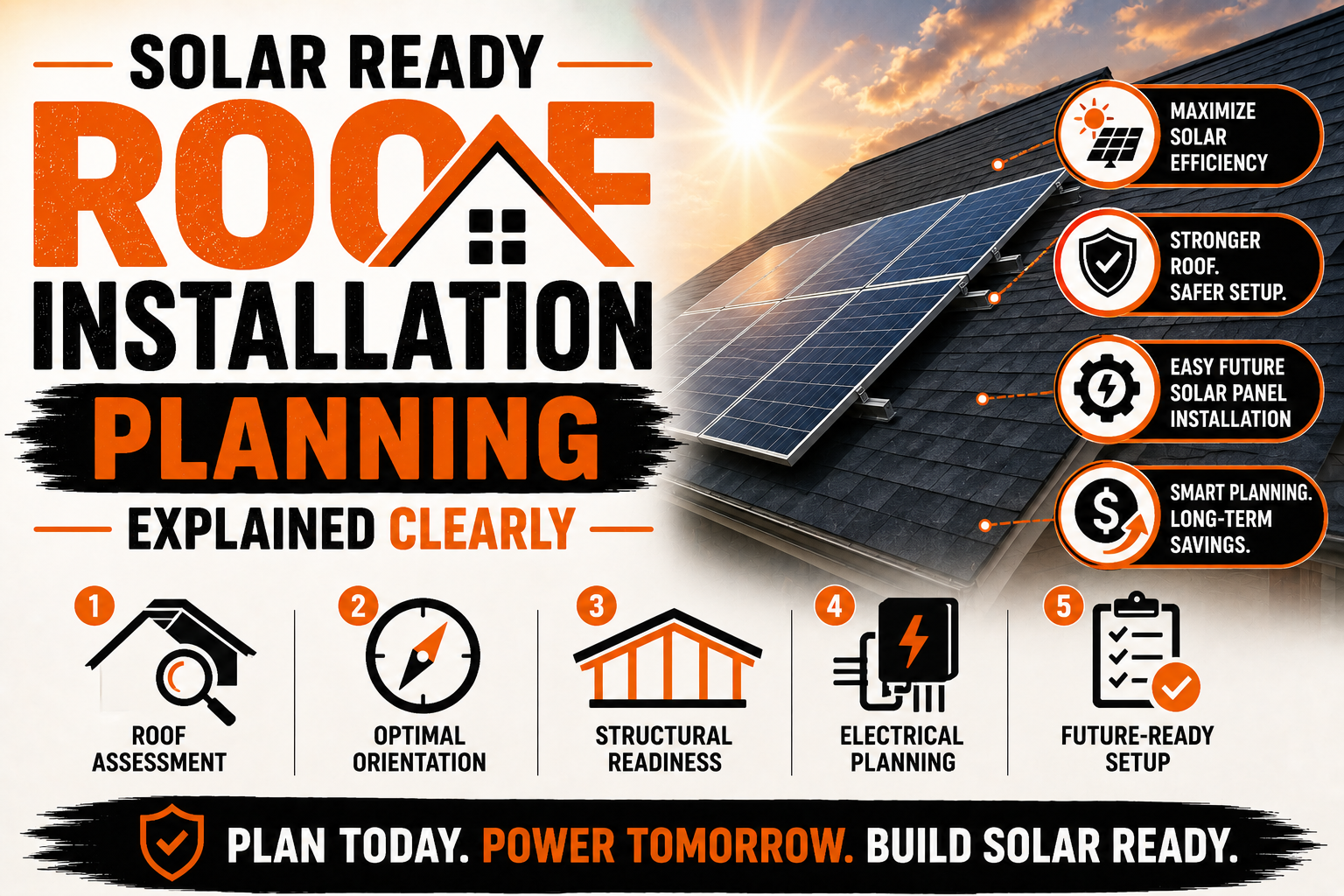
Solar Ready Roof Installation Planning Explained Clearly
Introduction
Solar energy can help homeowners generate electricity from sunlight, but successful solar installation begins with more than choosing panels and an inverter. The roof supporting the solar system needs to be in suitable condition, structurally capable of carrying the equipment, and designed to accommodate mounting hardware without creating unnecessary roofing problems. Planning these details before installation can make the entire project more efficient and reduce the possibility of expensive modifications later.
A solar-ready roof is essentially a roofing system that has been evaluated and prepared with future solar installation in mind. This does not necessarily mean that solar panels must be installed immediately. Instead, the roof is planned so that future solar equipment can be added with fewer structural, waterproofing, and layout complications.
Roofing and solar systems have different functions, but they must work together once panels are installed. The roof protects the home from weather, while the solar system generates electricity and transfers that electricity into the home’s electrical system. Mounting equipment connects the two systems, making proper planning particularly important around attachment points and roof penetrations.
Homeowners replacing an old roof may have a valuable opportunity to prepare for solar at the same time. Once new roofing materials are installed, adding certain structural or waterproofing provisions later can be more complicated. Planning ahead can help avoid unnecessary disruption and may allow roofing and solar professionals to coordinate their work more effectively.
Solar-ready planning also involves more than the roof surface. Roof orientation, pitch, available space, shading, structural capacity, electrical pathways, ventilation, and local weather conditions can all influence whether a future solar installation will be practical. Evaluating these factors early gives homeowners a clearer understanding of what their roof can support.
The goal is not simply to make a roof capable of holding solar panels. A well-planned solar-ready roof should provide reliable weather protection, accommodate appropriate mounting methods, preserve drainage and ventilation, and leave sufficient space for a useful solar array. Good planning can therefore create a stronger connection between roofing performance and future renewable energy goals.
Understanding Solar Ready Roof Installation
Solar-ready roof installation involves preparing or designing a roofing system so that solar panels can be installed in the future without unnecessary structural or roofing complications. The preparation may involve evaluating the roof’s condition, identifying suitable mounting areas, considering structural loads, and planning how solar equipment could be integrated with the roofing system.
A standard roof may provide adequate weather protection without being specifically considered for solar equipment. However, solar panels, mounting rails, brackets, and related hardware add loads to the roof structure. The installation also requires attachment points that must be properly integrated with the roofing system to prevent water intrusion.
Planning for solar does not mean that homeowners need to install every solar-related component during the roof replacement. In many cases, the most useful preparation involves making sure the roof has sufficient remaining service life and structural capacity. Other considerations include leaving suitable roof areas unobstructed and documenting construction details that may be useful when solar installation eventually takes place.
The roofing material also affects how solar equipment can be installed. Asphalt shingles, standing-seam metal roofs, tile systems, and low-slope roofing systems can each require different mounting approaches. A solar installer needs to understand the roofing assembly before selecting attachment hardware and installation methods.
A solar-ready roof should also account for future access. Solar panels occupy roof space, and maintenance workers may need pathways around equipment depending on the system design and applicable requirements. Placing vents, skylights, chimneys, and other roof features without considering future solar layout can reduce the usable area available for panels.
Another important consideration is the roof’s expected lifespan. Installing solar panels on a roof that is already near the end of its useful service life can create a difficult situation later. If the roof needs replacement while the panels are still in service, the solar equipment may need to be removed and reinstalled, potentially adding labor and expense.
Planning the roof and solar system together can help avoid this issue. When a homeowner knows that solar installation is a future goal, it may make sense to consider roof longevity during material selection and replacement planning. The objective is to create a roofing system that can remain reliable for a substantial portion of the solar equipment’s expected operating period.
Solar readiness can also improve communication between contractors. Roofing professionals can understand where future mounting may occur, while solar professionals can identify areas that need to remain accessible or structurally suitable. Early communication can reduce the chance that one project creates obstacles for the other.
Assessing Roof Condition Before Solar Planning
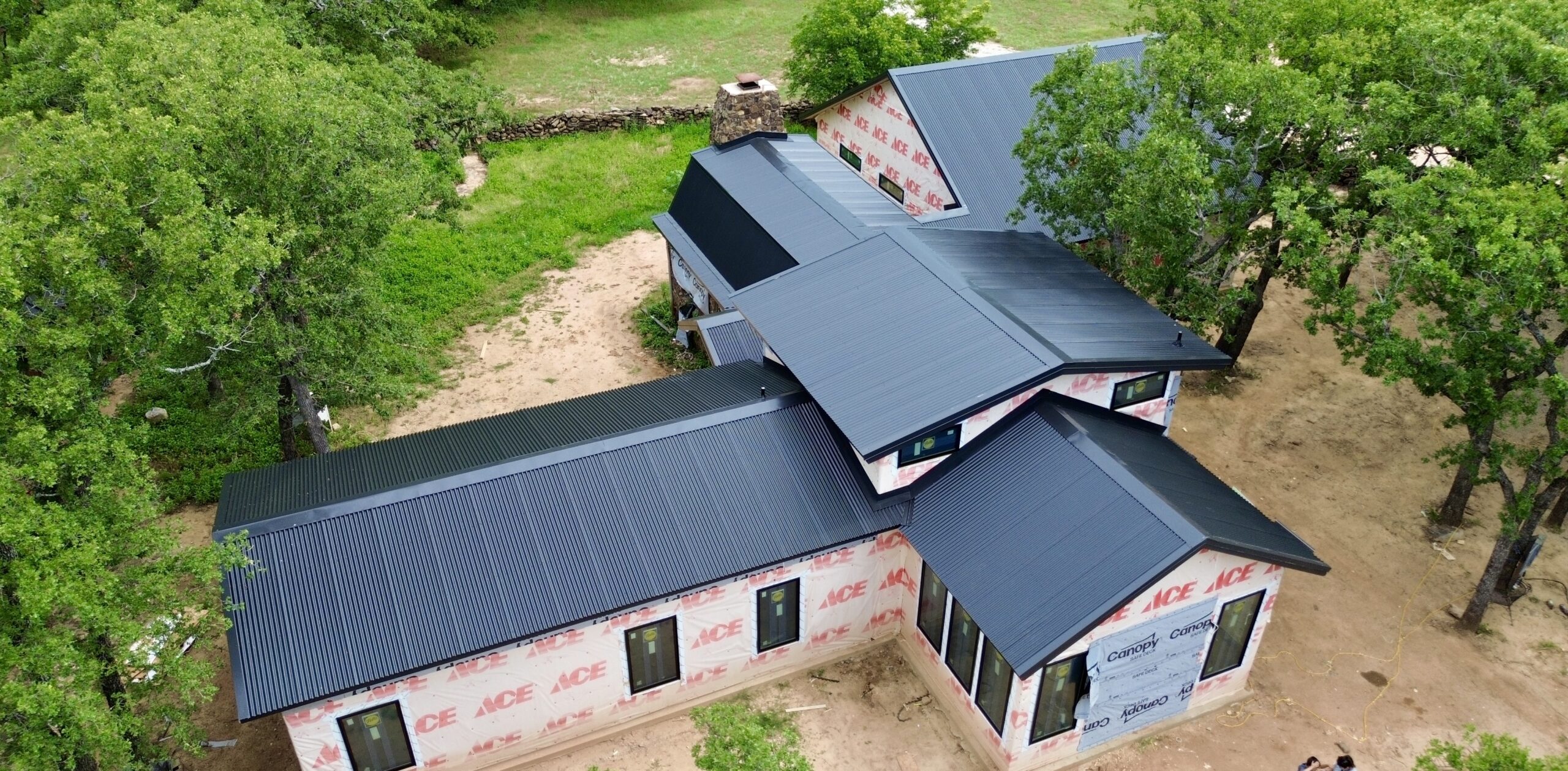
The condition of the existing roof should be evaluated before solar installation planning begins. Solar panels are designed to remain in place for many years, so placing them on a roof that already has significant deterioration can create maintenance and replacement complications. A roof may appear acceptable from ground level while hidden problems exist beneath the surface.
Age is one of the first considerations. Every roofing material has an expected service life, although actual performance varies according to installation quality, climate, maintenance, and exposure. If a roof is approaching the end of its useful life, homeowners may want to consider replacement before installing solar equipment.
Leaks and water damage also require attention. Existing leaks should be located and repaired before solar mounting hardware is installed. Installing panels over unresolved moisture problems can make future repairs more difficult and may allow damage to continue unnoticed.
The roof deck should also be inspected where possible. Solar mounting hardware ultimately transfers loads into the roof structure, so the supporting components need to be sound. Deteriorated decking, damaged framing, or other structural weaknesses should be addressed before solar equipment is attached.
Roofing materials require different types of assessment. Asphalt shingles should be checked for cracking, curling, missing sections, and deterioration. Metal roofing should be inspected for corrosion, damaged seams, loose fasteners, or other issues, while tile roofing requires attention to cracked or broken tiles and the condition of the underlying assembly.
Flashing deserves particular attention because it protects vulnerable transitions around roof penetrations and changes in roof geometry. Existing flashing that is already deteriorated may need repair or replacement before solar installation. Adding new mounting penetrations without addressing nearby weaknesses can increase the risk of future leaks.
Roof drainage should also be evaluated. Gutters, valleys, drains, and other drainage components need to remain functional after solar equipment is installed. Solar panels and mounting components should not interfere with the paths through which rainwater leaves the roof.
Homeowners should also consider the condition of insulation and ventilation. Solar panels can shade portions of the roof surface, but they do not replace proper insulation or attic ventilation. If the roof is being replaced before solar installation, this can be a useful opportunity to address energy-efficiency issues that may otherwise remain hidden.
A professional roof inspection can help establish whether the roof is ready for solar. The inspection should focus not only on visible roofing materials but also on structural and moisture-related conditions. The findings can then be shared with the solar installer so that both projects are based on the same understanding of the roof.
Replacing an aging roof before solar installation can sometimes make practical sense because it avoids removing newly installed solar equipment for a roof replacement later. The exact decision depends on the roof’s condition, expected remaining service life, project costs, and homeowner plans.
Structural Requirements for Solar Ready Roofs
Solar panels and mounting equipment add weight to a roof, so structural capacity is an important part of solar-ready planning. The roof must be able to support the equipment under normal conditions as well as additional forces created by wind, weather, and other environmental factors. Structural requirements vary according to the building, solar system, mounting method, and local standards.
The weight of the panels is only one part of the calculation. Mounting rails, brackets, clamps, fasteners, and other hardware also contribute to the overall load. The way these loads are distributed through the mounting system and transferred into the roof structure is also important.
Wind can create additional forces that are different from simple downward weight. Solar panels can experience uplift and other stresses during strong winds, particularly when installed on exposed roofs. Mounting systems therefore need to be selected and installed according to appropriate structural requirements for the location.
Roof framing is another important consideration. Rafters, trusses, beams, and other structural components transfer roof loads toward the building’s supporting walls and foundation. The ability of these components to support additional solar equipment should be evaluated rather than assumed.
The roof deck also matters because mounting hardware may attach through roofing materials into structural components. Fasteners need appropriate support and must be installed using methods suitable for the specific roof construction. Attaching equipment to an unsuitable location can weaken the installation or create problems with roof integrity.
A structural evaluation may be especially important when a roof has unusual construction, previous modifications, signs of deterioration, or a history of structural repairs. Older homes may also have different framing configurations from newer construction, making professional assessment valuable.
Solar-ready planning can begin before the roof is installed by identifying potential mounting zones. If a new roof is being designed or replaced, roofing and solar professionals can discuss where future loads may be transferred and how the roof assembly should accommodate them.
Homeowners should not assume that every roof requires major structural reinforcement. Many existing roofs can support appropriately designed solar systems without significant modification. The purpose of structural assessment is to determine what the particular property requires rather than automatically adding unnecessary work.
Professional coordination is especially important because structural, roofing, and solar requirements overlap. A roofing contractor understands the roof assembly and weatherproofing details, while a solar professional understands panel layout and mounting requirements. When necessary, a qualified structural professional can evaluate load capacity and recommend appropriate reinforcement.
The objective is to create a secure foundation for future solar equipment while preserving the roof’s primary function. Solar readiness should never compromise the roof’s ability to protect the building from weather. Proper structural planning ensures that future solar installation can be completed without creating avoidable weaknesses.
Roof Orientation, Pitch, and Solar Exposure
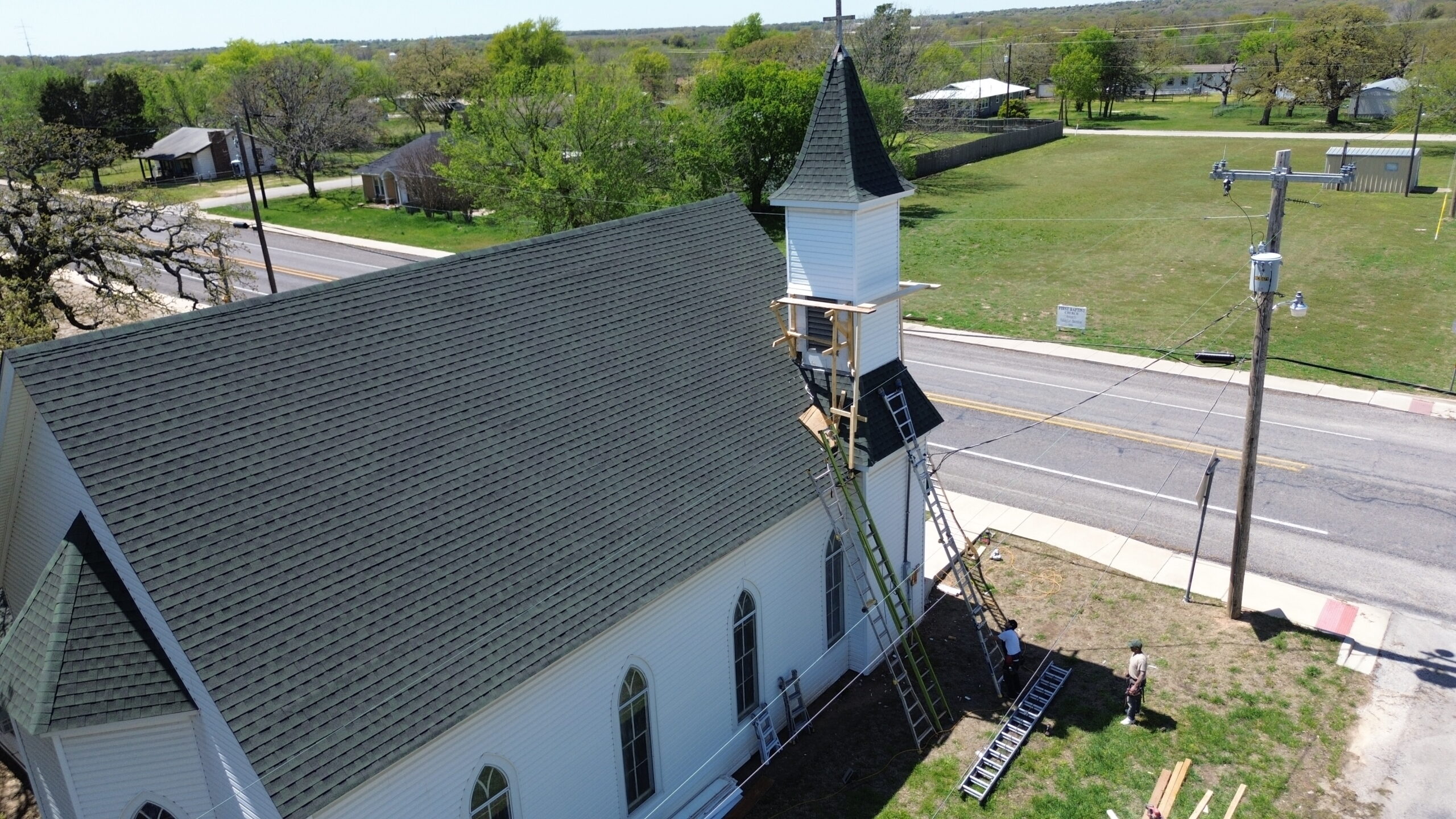
Roof orientation can strongly influence the amount of sunlight available for future solar panels. A roof surface that receives consistent, unobstructed sunlight generally provides more useful solar exposure than an area that remains shaded for significant portions of the day. Understanding this before roof replacement can help homeowners preserve the most suitable areas for future panels.
The direction a roof faces affects when it receives sunlight. However, the ideal orientation depends on the home’s geographic location, local solar path, roof design, and desired energy production. Solar professionals can evaluate these factors when determining where panels would be most effective.
Roof pitch also influences solar exposure. A roof that is very steep or very shallow may require different mounting approaches to achieve an appropriate panel orientation. The existing roof pitch does not automatically prevent solar installation, but it should be considered when planning the future system.
Shading can have a major impact on solar performance. Trees, neighboring buildings, chimneys, towers, vents, and other structures can cast shadows across roof areas. Even if a roof has plenty of physical space, heavily shaded sections may provide less useful area for solar panels.
Homeowners planning a future solar installation should therefore look beyond the roof itself. The surrounding property should be evaluated throughout different times of the day and, ideally, across different seasons. Trees that are small today may grow large enough to create significant shading later.
Available roof area is another key consideration. A roof may appear large enough for solar panels, but vents, skylights, chimneys, valleys, roof edges, and required clearances can reduce the usable space. Planning these features carefully during roof replacement can help preserve larger uninterrupted areas for future solar equipment.
Roof design can therefore influence both roofing performance and solar potential. A well-planned roof can provide suitable drainage and weather protection while leaving practical areas for future panels. The objective is not to redesign every roof around solar energy but to avoid unnecessary obstacles that could limit future installation.
Solar exposure should also be considered alongside structural and roofing requirements. The sunniest section of a roof may not be suitable if it has structural weaknesses or significant deterioration. A successful solar-ready plan balances energy potential with safety, durability, accessibility, and weather protection.
Early planning gives homeowners more flexibility. If solar is likely to become part of the home’s future energy strategy, roof orientation, pitch, shading, structural capacity, and available space can all be evaluated before major roofing work begins. This approach can make future solar installation more straightforward while helping the new roof serve the home reliably for years.
Roofing Materials Compatible With Solar Installation
The roofing material is an important consideration when preparing a roof for future solar panels because different materials require different mounting and installation techniques. A solar system can be installed on many common roofing types, but the attachment method, flashing requirements, and installation process need to match the specific roof. Choosing a compatible roofing material during replacement can make future solar work easier and help protect the roof from damage.
Asphalt shingles are widely used on residential properties and can generally accommodate solar mounting systems when the roof is structurally sound. Mounting hardware is typically secured through the roofing material into appropriate structural components below. Careful flashing and sealing around attachment points are necessary to prevent water from entering the roof assembly.
Metal roofing can also work well with solar installations, and some metal roof designs may allow mounting methods that reduce the need for penetrations. Standing-seam metal roofs, for example, can sometimes accommodate specialized clamps that attach to the seams rather than requiring numerous holes through the roof surface. The appropriate method depends on the specific metal roofing system and the manufacturer’s requirements.
Tile roofs require more specialized attention because individual tiles can crack if they are improperly handled. Solar installation on tile roofing may involve carefully removing and replacing tiles around mounting locations or using mounting components designed specifically for the roofing system. The underlying structure and waterproofing details must remain protected throughout the process.
Low-slope roofing systems may use membranes such as single-ply materials or other specialized coverings. Solar mounting methods for these roofs can vary significantly, including mechanically attached systems and other approaches designed to limit unnecessary penetrations. The roofing and solar systems must be carefully coordinated to maintain drainage and waterproofing.
Material selection should also consider the expected life of the roof. If a homeowner plans to install solar panels several years after replacing the roof, selecting a durable roofing material can reduce the likelihood of needing major roof work while the solar system is still operating. The goal is to avoid situations where solar equipment must be removed simply because the underlying roof has reached the end of its service life.
Homeowners should discuss future solar plans with the roofing contractor before selecting materials. This allows the contractor to consider the compatibility of the proposed roof with solar mounting methods, flashing systems, and future maintenance requirements. Early planning can also help the homeowner compare material options based on both roofing and solar needs.
Roof Deck and Mounting Preparation
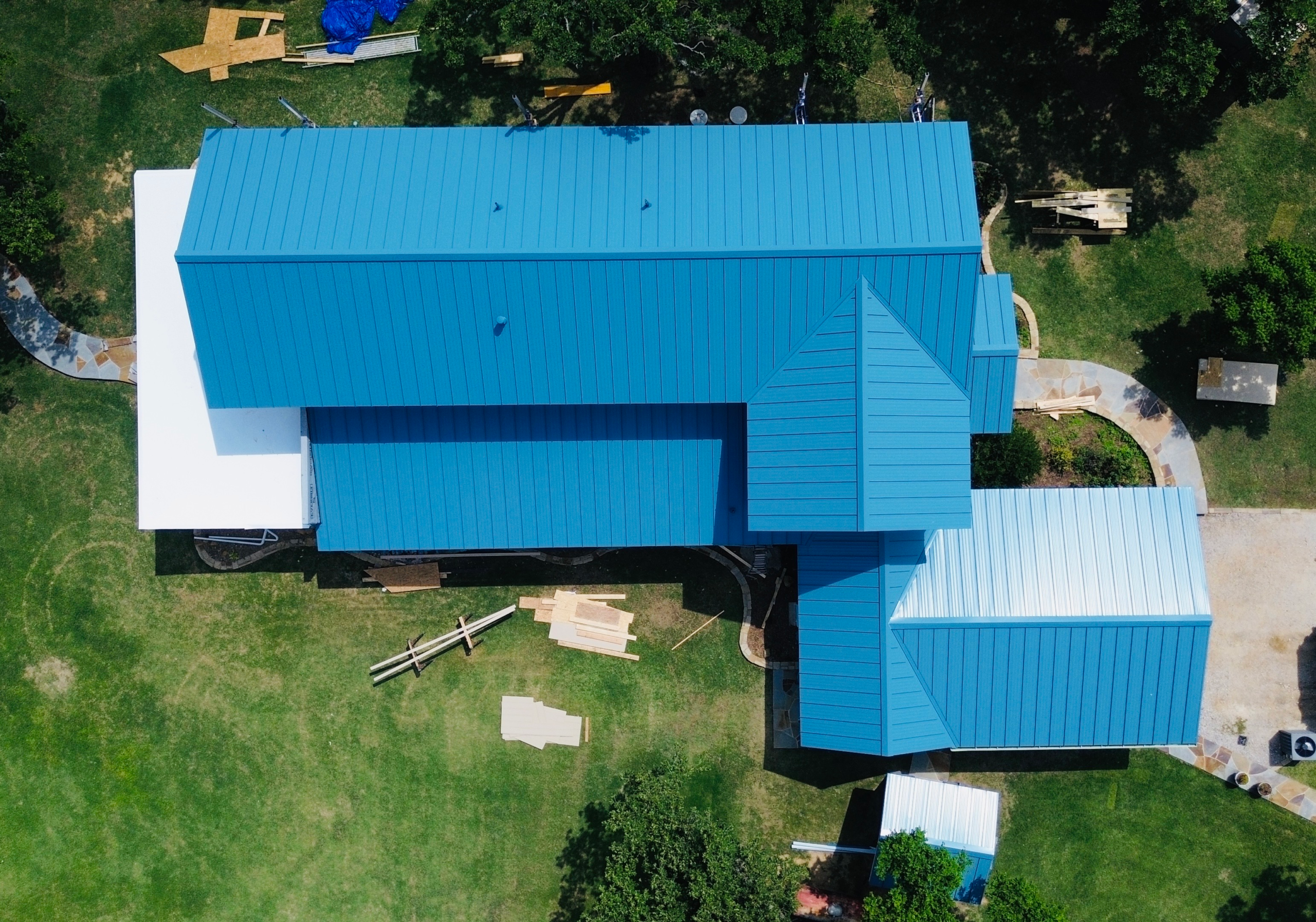
The roof deck provides an important structural and protective layer beneath the exterior roofing material. When solar panels are installed, mounting hardware must transfer loads through the roofing assembly into suitable structural components. This makes the condition and construction of the roof deck important parts of solar-ready planning.
Before a new roof is installed, the existing deck should be inspected for deterioration, moisture damage, or other weaknesses. Damaged sections may need to be repaired or replaced so that the new roofing system has a stable foundation. A strong roof deck can also provide better conditions for properly positioned solar mounting hardware.
Mounting locations should be planned carefully rather than selected randomly after the roofing project is complete. Solar installers need to know where structural members are located so that fasteners can be placed securely. A mounting plan can identify suitable attachment areas while also considering panel layout, roof edges, vents, valleys, and other features.
The location of mounting points can affect the roofing system’s weather resistance. Every penetration through a roof creates an area that requires careful waterproofing. Proper flashing, compatible sealants, and correct installation methods help prevent water from entering around fasteners and mounting components.
The roof deck should also be protected during installation. Workers should avoid unnecessary damage to the decking and surrounding roofing layers when installing mounting hardware. Correct fastener selection and installation depth are important because improperly installed hardware can weaken the connection or interfere with other roof components.
Planning mounting locations during a roof replacement can provide another advantage. Roofing and solar professionals can coordinate where future equipment is likely to be installed, helping ensure that the roof assembly is prepared for those locations. This does not necessarily mean installing solar mounts before the panels are ready, but it allows the roofing plan to account for future attachment requirements.
Documentation can also be useful. Homeowners can keep records showing the roof construction, structural details, roofing materials, and areas that were considered for future solar mounting. These records may help a solar contractor understand the roof more quickly when the future installation begins.
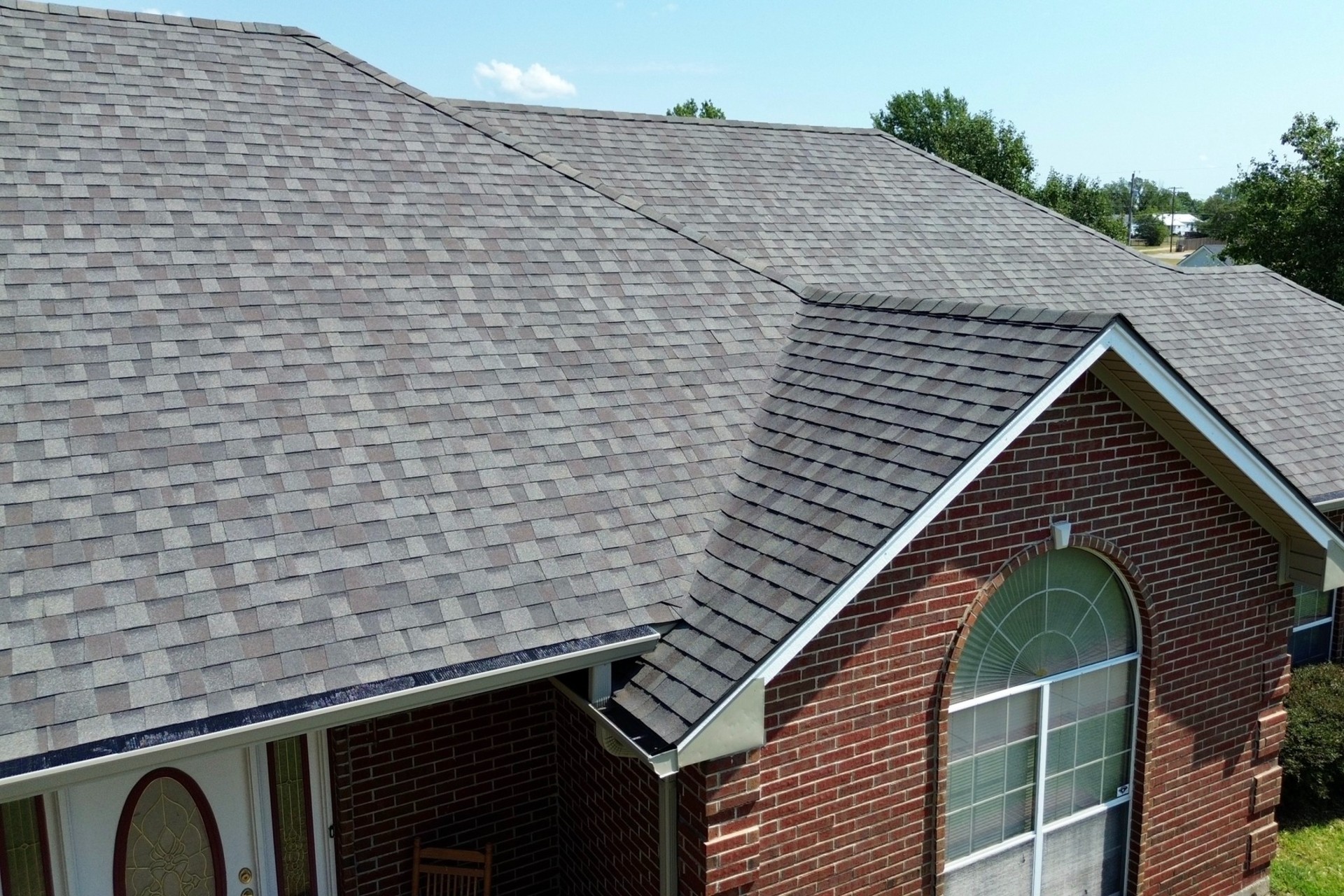
Roof Flashing, Waterproofing, and Solar Penetrations
Waterproofing is one of the most important aspects of integrating solar equipment with a roofing system. Solar mounting hardware may require penetrations through roofing materials, and every penetration creates a potential pathway for water if it is not properly sealed. Good planning ensures that solar attachments do not compromise the roof’s primary purpose of protecting the home.
Flashing is commonly used around vulnerable areas to direct water away from penetrations. When solar mounts are installed, flashing and other waterproofing components need to be compatible with the roofing material and mounting hardware. The installation method should follow appropriate manufacturer requirements and established roofing practices.
Roof penetrations can occur around mounting fasteners, conduits, equipment, and other components. Their locations should be planned so that they do not interfere with drainage pathways or existing flashing. Avoiding unnecessary penetrations can reduce the number of areas that require long-term maintenance.
Sealants can provide additional protection around certain roof components, but they should not be treated as the only waterproofing method. Sealants can deteriorate due to sunlight, temperature changes, moisture, and age. A properly designed flashing and attachment system should provide the primary protection, with sealants used where appropriate.
The condition of existing flashing should be considered before solar installation. If flashing around vents, chimneys, or skylights is already deteriorated, it may be better to address those problems before solar equipment is installed. Leaving weak areas untouched can make future roof maintenance more difficult.
Roof drainage should also remain unobstructed. Solar mounting components should not be positioned where they interfere with valleys, drains, gutters, or other paths used to move water away from the roof. Poor placement can contribute to standing water or direct water toward vulnerable areas.
A coordinated installation can reduce these risks. The roofing contractor understands how water moves across the roof and how the roofing layers are assembled, while the solar installer understands the requirements of the mounting system. Communication between both professionals can help ensure that attachment points are weatherproofed correctly.
Homeowners should also understand that a properly installed solar system does not automatically cause roof leaks. Problems are more likely when mounting hardware is installed incorrectly, penetrations are poorly sealed, or existing roof weaknesses are ignored. Choosing qualified professionals and using appropriate installation methods can help protect the roof throughout the solar system’s service life.
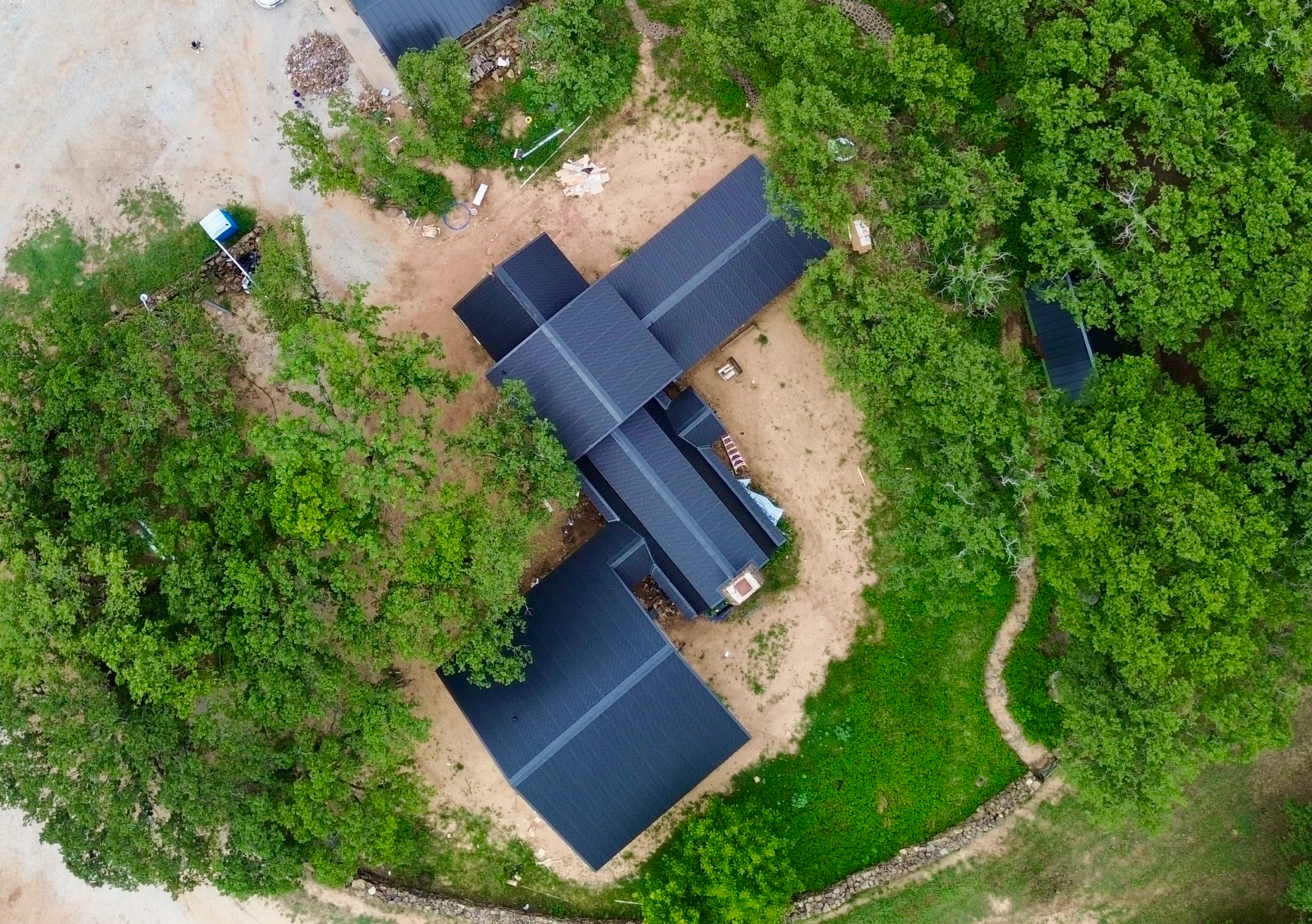
Electrical and Conduit Planning During Roof Installation
Solar-ready roof planning should include consideration of how electricity will travel from the roof-mounted panels to the rest of the solar system. Electrical wiring, conduit, inverters, disconnects, and related equipment need appropriate locations and pathways. Planning these details early can reduce unnecessary roof penetrations and avoid awkward equipment placement later.
Conduit routes should be selected carefully so that wiring can move safely from the solar array toward the inverter or other electrical equipment. The route may involve exterior or interior sections depending on the building design and system configuration. Electrical professionals should determine the appropriate approach according to applicable requirements.
Roof penetrations for electrical components should be minimized where practical. Each penetration requires appropriate weatherproofing, so reducing unnecessary openings can simplify roof maintenance and lower potential leak risks. Where penetrations are necessary, they should be positioned and sealed correctly.
The location of the inverter and related equipment can also affect planning. These components need appropriate ventilation, accessibility, and protection from environmental conditions. Their placement should be coordinated with the home’s electrical system and the planned solar array.
Roofing and electrical work should not be treated as completely separate projects. If a roof is being replaced before solar installation, the homeowner can inform both contractors about the future plan. This allows them to identify potential conflicts before the roofing work is completed.
Electrical pathways should also avoid interfering with attic ventilation and insulation. Improperly routed wiring or conduit can obstruct ventilation channels or create installation problems within insulated spaces. Careful coordination helps preserve the energy performance of the roof while accommodating future solar equipment.
Planning electrical routes in advance can also improve the appearance of the finished installation. Conduit placed without a clear plan may be more visible or require longer routes than necessary. A coordinated design can create cleaner pathways while maintaining accessibility for future inspection and maintenance.
Solar Ready Roof Design for Future Installation
A solar-ready roof should provide enough usable space for future panels while avoiding features that unnecessarily limit panel placement. Roof vents, skylights, chimneys, valleys, satellite equipment, and other structures can occupy valuable areas. During roof planning, homeowners can consider whether some features can be positioned in ways that leave more practical space for a future solar array.
Future solar capacity should also be considered. Homeowners may initially need only a small solar system but could later want additional panels because of increased electricity consumption. A roof with sufficient unobstructed space can provide greater flexibility for future expansion.
Shading should remain part of this planning process. A roof may have enough physical space for panels but still receive limited sunlight because of nearby trees or structures. Homeowners can consider current and future shading conditions when deciding which roof areas should remain available.
Roof orientation and pitch should also be considered together with available space. The largest roof section is not necessarily the most productive area if it receives significant shade. A smaller, better-exposed section may provide more useful solar potential.
Roof access is another consideration. Future technicians may need to inspect panels, wiring, mounting equipment, or roofing components. A roof layout that provides appropriate access can make future maintenance easier and reduce the risk of workers damaging roofing materials while moving around the system.
Solar-ready design should also account for roof edges and drainage. Panels and mounting equipment should not be placed too close to areas where their installation could interfere with water runoff or other roofing functions. Maintaining the roof’s drainage and weather-protection design is essential.
Homeowners should consider documenting the roof after installation. Photographs of the roof deck, framing, flashing, insulation, and other concealed components can be useful before they are covered by roofing materials. Future contractors may find this information valuable when determining where structural and electrical components can be installed.
The objective is to create flexibility without adding unnecessary complexity. A solar-ready roof does not need to predict every detail of a future solar system, but it should avoid preventable obstacles. Good planning leaves suitable roof space, maintains structural integrity, protects against water intrusion, and allows future contractors to work with reliable information.
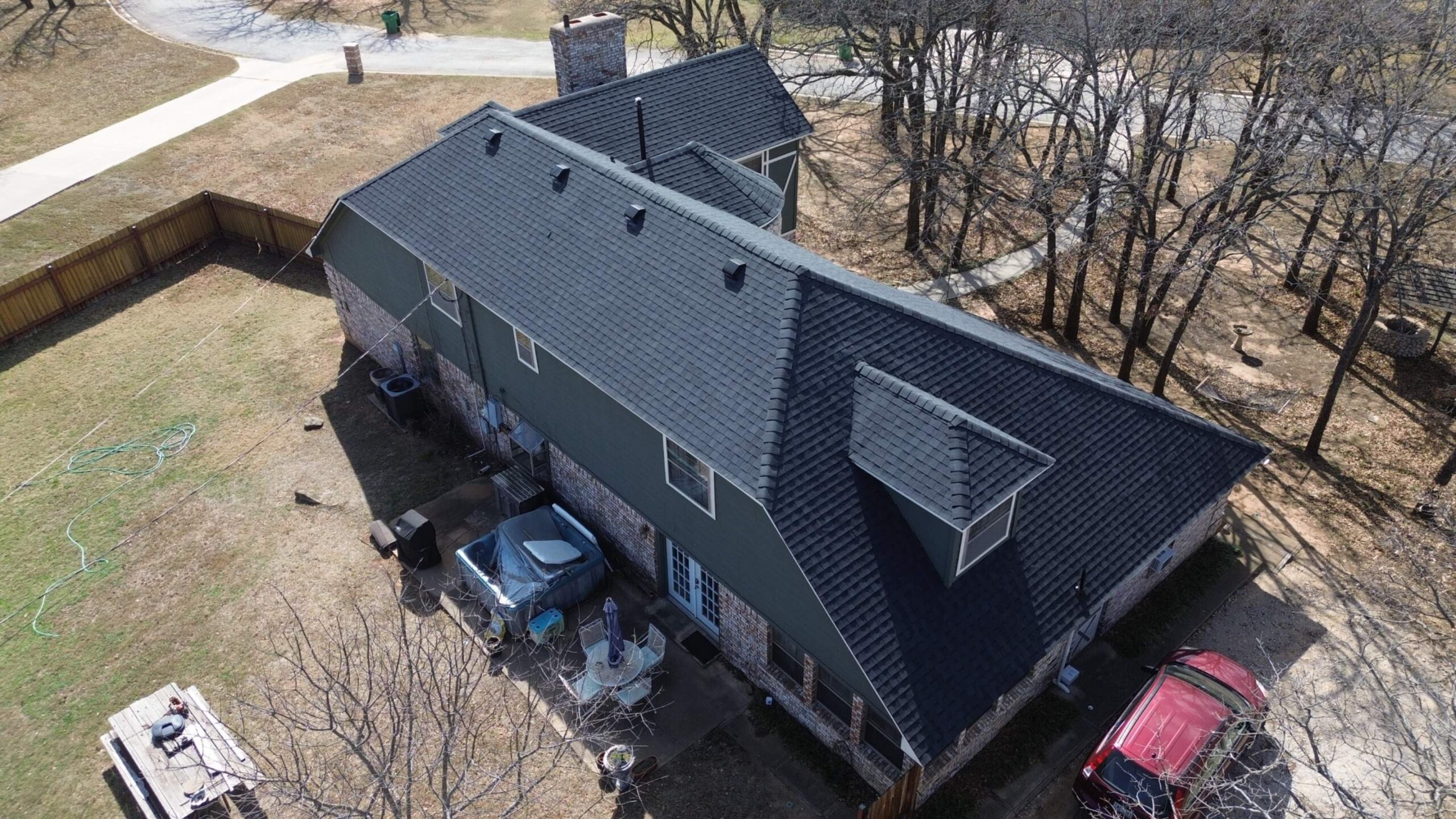
Weather, Wind, and Climate Considerations
Weather conditions should be considered when preparing a roof for future solar equipment because panels and mounting systems remain exposed to the same environment as the roof. Wind, rain, extreme temperatures, snow where applicable, and other conditions can place stress on both roofing and solar components.
Wind resistance is particularly important because solar panels can experience forces that are different from ordinary roof loads. Strong winds can create uplift around panels and mounting hardware, making secure attachment essential. The mounting system should be selected and installed according to the conditions expected in the property’s location.
Heavy rain also makes waterproofing critical. Water should continue to flow efficiently across the roof without being redirected toward vulnerable penetrations. Mounting locations should be planned so that they do not interfere with valleys, drains, gutters, or other drainage features.
Extreme heat can affect roofing materials, solar equipment, wiring, and sealants. Materials should be selected according to their intended environmental conditions and manufacturer specifications. Proper installation can help reduce the possibility of premature deterioration caused by repeated temperature changes.
In areas where snow and ice are common, the additional weight and movement associated with winter conditions should be considered. Roof structure, panel layout, mounting systems, and drainage all need to accommodate local conditions. The exact requirements depend on the location and applicable construction standards.
Climate can also affect the roofing material selected before solar installation. A roof designed for strong wind, heavy rainfall, high heat, or other regional conditions needs to meet those demands independently of the solar system. Solar readiness should enhance the roof rather than compromise its ability to withstand local weather.
Planning for weather conditions early can improve long-term reliability. A roof that is structurally sound, properly waterproofed, and designed for local climate conditions provides a stronger foundation for future solar equipment. When roofing and solar requirements are considered together, homeowners can reduce avoidable complications and create a system prepared for both energy production and year-round weather protection.
Coordinating Roofing and Solar Installation Projects
Roofing and solar installations should be coordinated carefully because the two systems eventually become part of the same building envelope. When homeowners plan both projects together, roofing and solar professionals can discuss structural requirements, mounting locations, flashing, electrical pathways, and project timing before work begins. This coordination can reduce duplicated labor and help prevent avoidable modifications.
If the roof is old or nearing the end of its service life, replacing it before installing solar panels may be a practical approach. Installing solar equipment on a roof that needs replacement soon can create additional costs because the panels and mounting hardware may need to be removed and reinstalled later. A newer roof can provide a more reliable foundation for a long-term solar system.
Project sequencing should be agreed upon before construction begins. Roofing work may need to be completed before solar mounting equipment is installed, while certain structural or electrical preparations may be coordinated during earlier stages. Clear communication between contractors helps ensure that one project does not interfere with another.
Roof Insulation and Energy Efficiency Before Solar
Solar panels generate electricity, but they do not replace the need for an efficient roofing system. A home can have a large solar array and still waste energy through inadequate insulation, air leakage, or poor attic ventilation. Improving the roof’s thermal performance before or during replacement can help homeowners make better use of the electricity their solar system produces.
Insulation helps reduce heat movement between the attic and living areas. In hot weather, it can limit the amount of heat reaching conditioned rooms, while in colder weather it can help retain indoor heat. Proper air sealing can further reduce unwanted movement of conditioned air through gaps around ducts, pipes, electrical fixtures, and other penetrations.
Attic ventilation should also be evaluated where the roof uses a vented attic design. Properly configured ventilation can help manage heat and moisture while working alongside insulation. Solar planning should not block existing ventilation pathways or create new problems within the roof assembly.
Combining solar generation with an efficient roof can provide broader household benefits. Reducing energy waste means less electricity is required for heating and cooling, while solar panels can help supply a portion of the electricity the home does use. The two improvements therefore address different parts of household energy performance.
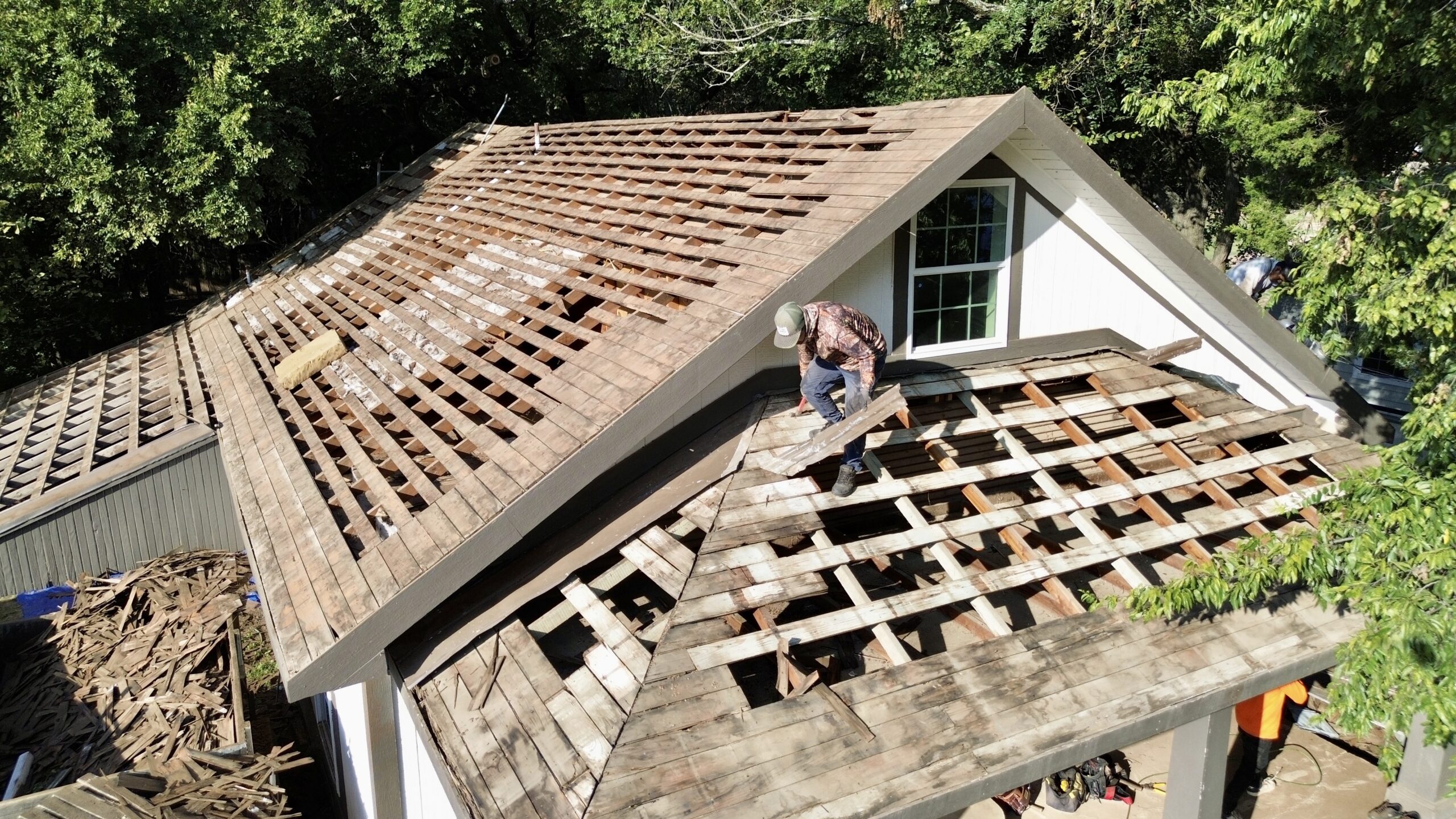
Solar Ready Roof Installation Costs
Solar-ready planning can involve several types of expenses depending on the condition and design of the roof. Basic preparation may only require inspection and suitable material selection, while some properties may need structural reinforcement, decking repairs, insulation improvements, or electrical preparation. The exact cost should be determined through a property-specific assessment.
Roofing material is one of the main cost factors. Asphalt shingles, metal roofing, tile, and membrane systems have different material and installation costs. Homeowners should consider expected service life and compatibility with future solar mounting rather than choosing solely according to the lowest initial price.
Structural preparation can add costs when the roof requires reinforcement. However, structural evaluation helps determine whether reinforcement is actually necessary rather than assuming that every solar-ready roof needs major modifications. The objective is to provide adequate support while avoiding unnecessary construction.
Waterproofing and flashing details can also affect project expenses. Solar mounting penetrations need appropriate protection, and existing flashing problems may need to be corrected before solar equipment is installed. Investing in proper waterproofing can help prevent future repair costs.
Long-term value should be considered alongside initial expenses. Preparing a roof correctly can reduce the likelihood of having to modify the roofing system after solar installation. A durable roof with suitable structural support can also provide a more stable foundation for future renewable energy equipment.
Common Solar Ready Roof Planning Mistakes
One common mistake is installing solar panels on a roof that is already approaching the end of its useful life. Although the solar system may operate effectively, the roof could require replacement before the panels reach the end of their service period. This can lead to additional removal and reinstallation work.
Ignoring structural capacity is another serious planning error. Solar equipment adds weight and can experience wind-related forces, so the roof should be evaluated before mounting hardware is selected. Assuming that an existing roof can support solar equipment without assessment can create unnecessary risks.
Poor penetration planning can also cause problems. Mounting hardware and electrical components may require openings through roofing materials, and each opening needs proper waterproofing. Poorly positioned or incorrectly sealed penetrations can increase the possibility of leaks.
Another mistake is blocking roof ventilation. Solar mounting components, roofing materials, insulation, or other work should not interfere with intended intake and exhaust pathways. Maintaining proper airflow is important for the long-term condition and performance of the roof.
Homeowners may also overlook shading. A roof can have enough physical space for panels but still produce limited solar energy if trees or nearby structures block sunlight. Evaluating shading before final roof planning can help preserve the most useful areas for future panels.
Finally, failing to coordinate roofing and solar contractors can create avoidable complications. Different contractors may make decisions independently that conflict with the requirements of the other system. Early communication can help align structural, waterproofing, electrical, and installation plans.
Solar Ready Roof Installation Checklist
A homeowner preparing a roof for future solar installation can work through several important planning stages. These steps help create a stronger foundation for future solar equipment while maintaining the roof’s weather-protection function.
- Inspect the existing roof and determine its remaining service life before planning solar equipment.
- Evaluate the roof deck, framing, and structural capacity for future panel and mounting loads.
- Review roof orientation, pitch, available space, and shading from surrounding structures or vegetation.
- Select roofing materials that are compatible with expected solar mounting methods and local weather conditions.
- Identify potential mounting locations while avoiding roof edges, drainage paths, vents, and other obstacles.
- Plan electrical and conduit pathways to minimize unnecessary roof penetrations.
- Coordinate flashing and waterproofing details around all future mounting and electrical penetrations.
- Document important roof construction details so future solar installers have useful information.
This checklist should support professional planning rather than replace it. Roofing, structural, and solar requirements vary between properties, so qualified professionals should determine the final installation approach.
Maintaining a Solar Ready Roof
Once a roof has been prepared for solar installation, regular maintenance remains important. Homeowners should monitor the roof for damaged materials, deteriorated flashing, blocked drainage, or signs of moisture. Addressing small problems early can help preserve the roof’s condition before solar equipment is eventually installed.
After solar panels are added, the roof and solar system should be considered together during inspections. Mounting areas, flashing, penetrations, drainage, and surrounding roofing materials should be checked for signs of deterioration. Any repair work involving the roof may require coordination with the solar equipment installer.
Keeping records is also useful for long-term maintenance. Homeowners can retain information about roofing materials, structural assessments, mounting locations, warranties, and installation details. These records can make future inspections, repairs, and solar upgrades easier to manage.

Long-Term Benefits of Solar Ready Roof Planning
Planning a roof for future solar installation can make the transition to renewable energy more straightforward. A structurally sound and appropriately designed roof can reduce the need for major modifications when solar equipment is eventually installed. This can help simplify project coordination and potentially reduce avoidable costs.
Solar-ready planning can also improve the long-term relationship between the roofing and energy systems. Proper waterproofing protects the home from moisture, structural preparation supports the solar equipment, and appropriate roof design preserves useful panel space. These elements work together to create a more integrated installation.
The biggest advantage is preparation. Homeowners do not have to install solar panels immediately to benefit from thoughtful roof planning. By considering future solar needs during roof replacement, they can avoid decisions today that may limit their options tomorrow.
Frequently Asked Questions About Solar Ready Roofs
What is a solar-ready roof?
A solar-ready roof is a roofing system that has been evaluated or designed to accommodate future solar equipment. It considers roof condition, structural support, available space, waterproofing, and potential mounting requirements.
Should the roof be replaced before solar panels are installed?
If the roof is old or nearing the end of its service life, replacement before solar installation may be practical. This can reduce the likelihood of removing and reinstalling solar equipment during a later roof replacement.
Can any roof support solar panels?
Many roofing systems can support solar panels when properly assessed and installed, but structural capacity, roofing material, roof condition, and mounting requirements must be considered.
Does roof pitch matter for solar installation?
Yes, roof pitch can influence panel orientation, mounting methods, and solar exposure. The best approach depends on the property’s location and specific roof design.
Conclusion
Solar-ready roof planning allows homeowners to prepare their roofing system for future renewable energy without compromising its primary role as a weather barrier. Evaluating roof condition, structural capacity, orientation, pitch, shading, roofing materials, waterproofing, ventilation, and electrical pathways can make future solar installation more efficient.
The most important step is to think about the roof and solar system as connected projects rather than completely separate upgrades. A durable roof with appropriate structural support and carefully planned mounting areas provides a stronger foundation for future solar equipment.
Homeowners considering a roof replacement should discuss future solar goals before installation begins. Early coordination between roofing, structural, and solar professionals can reduce unnecessary work, protect the roof from installation problems, and create greater flexibility for future energy upgrades.
A well-planned solar-ready roof does not require immediate panel installation. It simply ensures that today’s roofing decisions support tomorrow’s solar possibilities, helping homeowners build a safer, more practical, and more energy-conscious home.