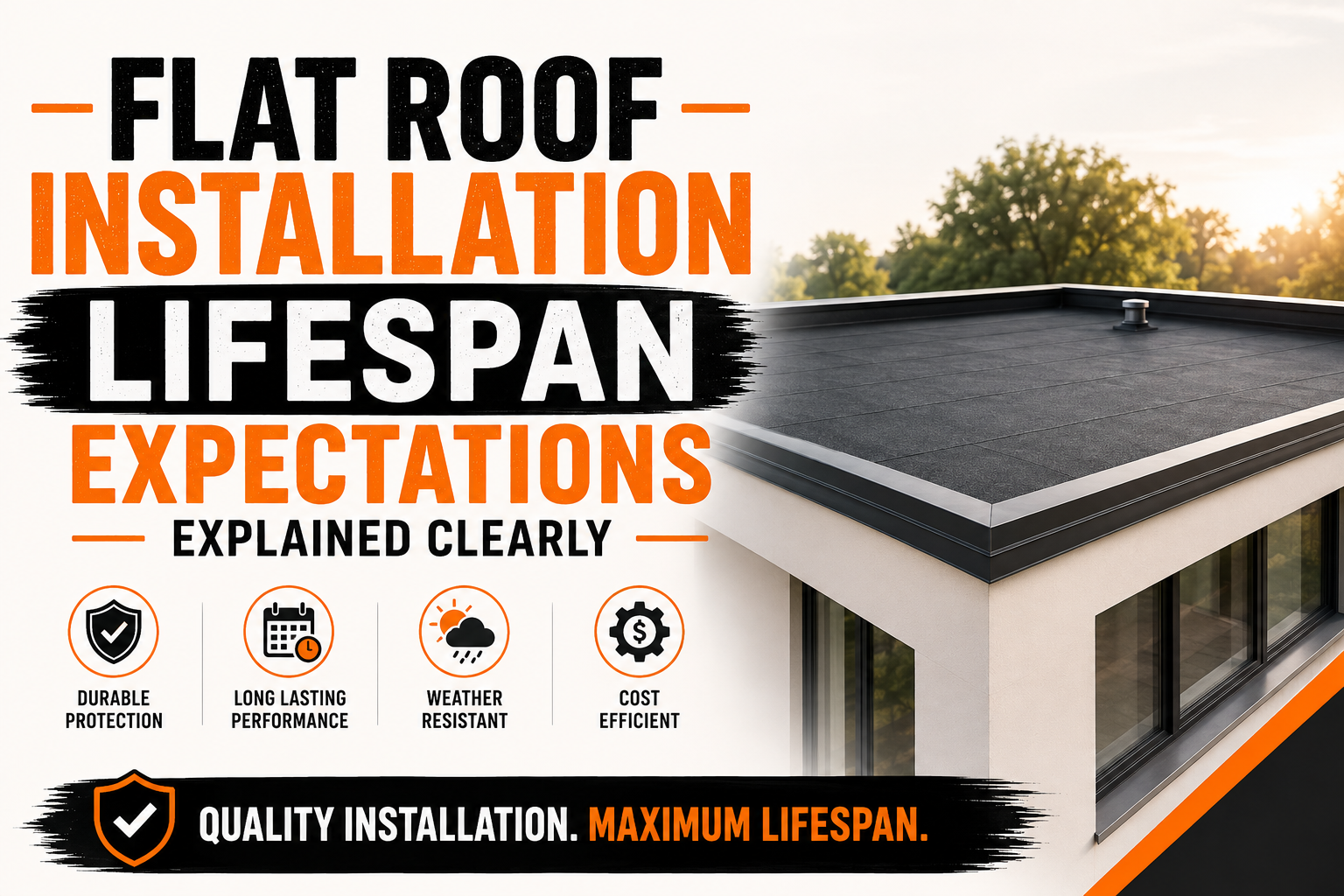
Flat Roof Installation Lifespan Expectations Explained Clearly
Introduction
A flat roof is one of the most practical roofing choices for commercial buildings and many modern residential properties. Its clean appearance, efficient use of space, and relatively straightforward construction make it a preferred option for property owners around the world. However, one of the biggest questions people ask before investing in a flat roof is how long it will actually last.
The lifespan of a flat roof depends on much more than the roofing material alone. Installation quality, climate, maintenance, drainage, and daily exposure to the elements all influence how well the roof performs over time. Even the best roofing material can fail early if it is installed incorrectly or neglected after installation.
Understanding realistic lifespan expectations helps property owners make informed decisions before beginning a roofing project. Instead of focusing only on the initial installation cost, it becomes easier to evaluate the long-term value of different roofing systems. A roof that lasts several decades with minimal repairs often provides greater savings than a cheaper option that requires frequent maintenance.
Many misconceptions surround flat roofs, especially the belief that they always have shorter lifespans than pitched roofs. Modern roofing technology has significantly improved flat roofing materials, installation techniques, and waterproofing systems. As a result, properly installed flat roofs can provide decades of dependable protection when cared for correctly.
This guide explains the factors that influence flat roof lifespan, compares common roofing materials, and discusses why professional installation is one of the most important investments property owners can make. By understanding these elements, you can set realistic expectations and maximize the service life of your roofing system.
Understanding Flat Roof Lifespan
When roofing professionals discuss a roof’s lifespan, they refer to the period during which the roof continues to protect the building effectively while maintaining structural integrity and waterproof performance. This estimate assumes that the roof receives appropriate maintenance and that unexpected events such as severe storms or physical damage do not significantly shorten its service life.
Flat roof lifespan should never be viewed as a fixed number. Instead, it represents a range based on material performance and environmental conditions. Two roofs built with identical materials may perform very differently if one receives regular maintenance while the other is ignored for years.
Modern flat roofing systems have improved considerably over the past few decades. Manufacturers continue developing stronger membranes, better insulation systems, improved adhesives, and more durable protective coatings. These advancements allow today’s flat roofs to perform longer than many older roofing systems.
Another important point is that a roof rarely fails all at once. Most flat roofs experience gradual aging through small issues such as minor membrane wear, seal deterioration, or drainage problems. Detecting these issues early often allows repairs that significantly extend the roof’s overall lifespan.
Many property owners mistakenly believe that a flat roof reaching its expected lifespan must immediately be replaced. In reality, roofing professionals evaluate the roof’s actual condition rather than relying solely on its age. A well-maintained roof may continue performing beyond its estimated lifespan if inspections confirm that the structure remains sound.
What Determines the Lifespan of a Flat Roof
Numerous factors influence how long a flat roof remains reliable. Some of these factors are within the owner’s control, while others depend on local weather conditions and environmental exposure.
The following factors have the greatest impact on flat roof longevity:
- Installation quality
- Roofing material selection
- Climate and seasonal weather
- Drainage efficiency
- Maintenance frequency
- Roof traffic
- Ventilation and insulation
- Quality of flashing and waterproofing details
These elements work together throughout the roof’s life. Even one weak area can reduce the overall performance of the roofing system.
Installation Quality
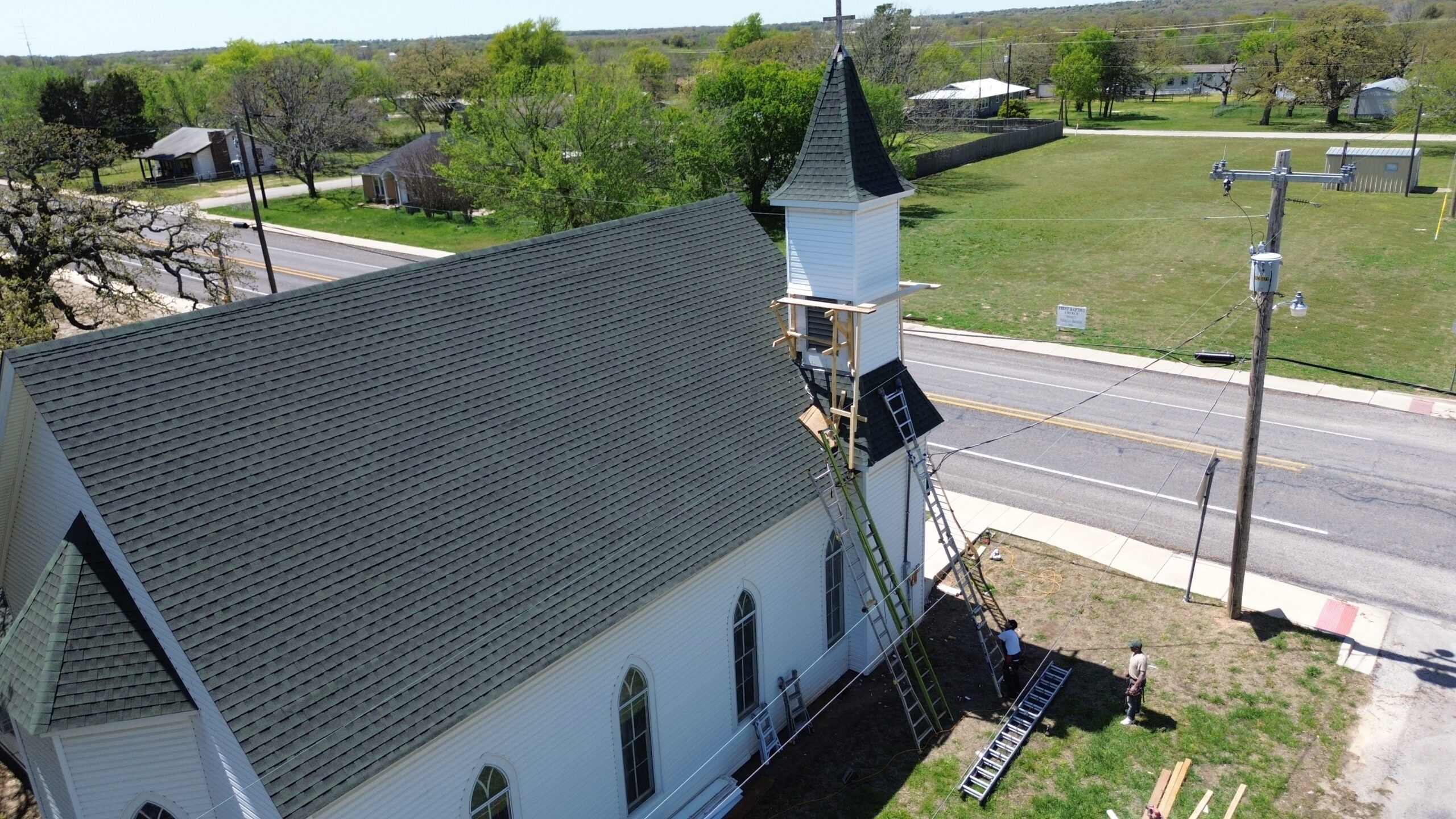
Professional installation is often the single most important factor affecting roof lifespan. Every roofing material has manufacturer guidelines that specify how seams, fasteners, insulation boards, flashing, and drainage components should be installed.
If shortcuts are taken during installation, small weaknesses may appear almost immediately. Poorly sealed seams, uneven insulation, or incorrectly installed flashing create opportunities for water infiltration that become more serious over time.
Experienced roofing contractors understand how to prepare the roof deck properly before installing new materials. They also inspect every stage of the installation process to ensure long-term performance rather than simply completing the project quickly.
Roofing Material
Different flat roofing materials naturally have different expected service lives. Some materials resist ultraviolet radiation better, while others provide superior flexibility during temperature changes.
Choosing a material should involve more than comparing prices. Property owners should consider expected maintenance needs, local climate, building usage, and long-term ownership plans before making a decision.
Maintenance
Regular maintenance helps identify small issues before they become major structural problems. Cleaning drains, removing debris, checking flashing, and repairing minor membrane damage all contribute to extending roof life.
Ignoring maintenance often causes damage that spreads unnoticed beneath the roofing membrane. Once moisture reaches insulation or the roof deck, repairs become more extensive and expensive.
Roof Traffic
Many commercial flat roofs support HVAC systems, solar panels, communication equipment, and maintenance personnel throughout the year. Constant foot traffic gradually wears protective surfaces and increases the risk of accidental damage.
Creating designated walkways and limiting unnecessary roof access reduces wear while protecting the roofing membrane.
How Different Flat Roofing Materials Compare
Material selection plays a major role in determining lifespan expectations. Each roofing system offers its own balance of durability, maintenance requirements, installation complexity, and overall value.
Built-Up Roofing
Built-up roofing, often called BUR, has been used successfully for well over a century. It consists of multiple layers of roofing felt combined with bitumen to create a thick waterproof barrier.
The multiple layers provide excellent redundancy because moisture must penetrate several protective surfaces before reaching the building structure. This makes BUR highly durable when installed correctly.
However, built-up roofing requires skilled installation because each layer must bond properly with the others. Poor workmanship can reduce the advantages of this traditional roofing system.
Modified Bitumen Roofing
Modified bitumen improves upon traditional asphalt roofing by adding polymers that increase flexibility and durability. These improvements help the material resist cracking caused by temperature fluctuations.
Many property owners appreciate modified bitumen because repairs are generally straightforward. Small damaged sections can often be repaired without replacing large portions of the roof.
Its durability makes it suitable for buildings experiencing moderate foot traffic while still providing dependable waterproof protection.
EPDM Roofing
EPDM is a synthetic rubber membrane widely used on both residential and commercial flat roofs. It is known for excellent flexibility, especially in regions that experience freezing winters and hot summers.
The material expands and contracts with temperature changes without becoming brittle. This flexibility reduces stress on seams and helps prevent cracking over many years.
EPDM also performs well against ultraviolet exposure, making it suitable for areas with prolonged sunlight.
TPO Roofing
Thermoplastic Polyolefin, commonly known as TPO, has become increasingly popular because of its energy-efficient reflective surface. The white membrane reflects sunlight, helping reduce heat absorption during warm weather.
Heat-welded seams create strong waterproof joints that resist separation over time. These welded seams often become one of the strongest parts of the roofing system when installed properly.
Many commercial property owners select TPO because it balances durability, energy efficiency, and relatively simple maintenance requirements.
PVC Roofing
PVC roofing membranes provide excellent resistance to chemicals, grease, and industrial pollutants. This makes them particularly valuable for restaurants, manufacturing facilities, and buildings exposed to harsh contaminants.
Like TPO, PVC uses heat-welded seams that create durable waterproof connections. The membrane also maintains flexibility throughout much of its service life.
Although PVC typically costs more initially, its long-term durability often offsets the higher installation expense.
Why Professional Flat Roof Installation Matters
Many roofing issues blamed on material failure actually originate during installation. Even premium roofing products cannot perform properly if installed incorrectly.
Professional roofing contractors follow manufacturer specifications from beginning to end. This ensures warranty compliance while maximizing long-term performance.
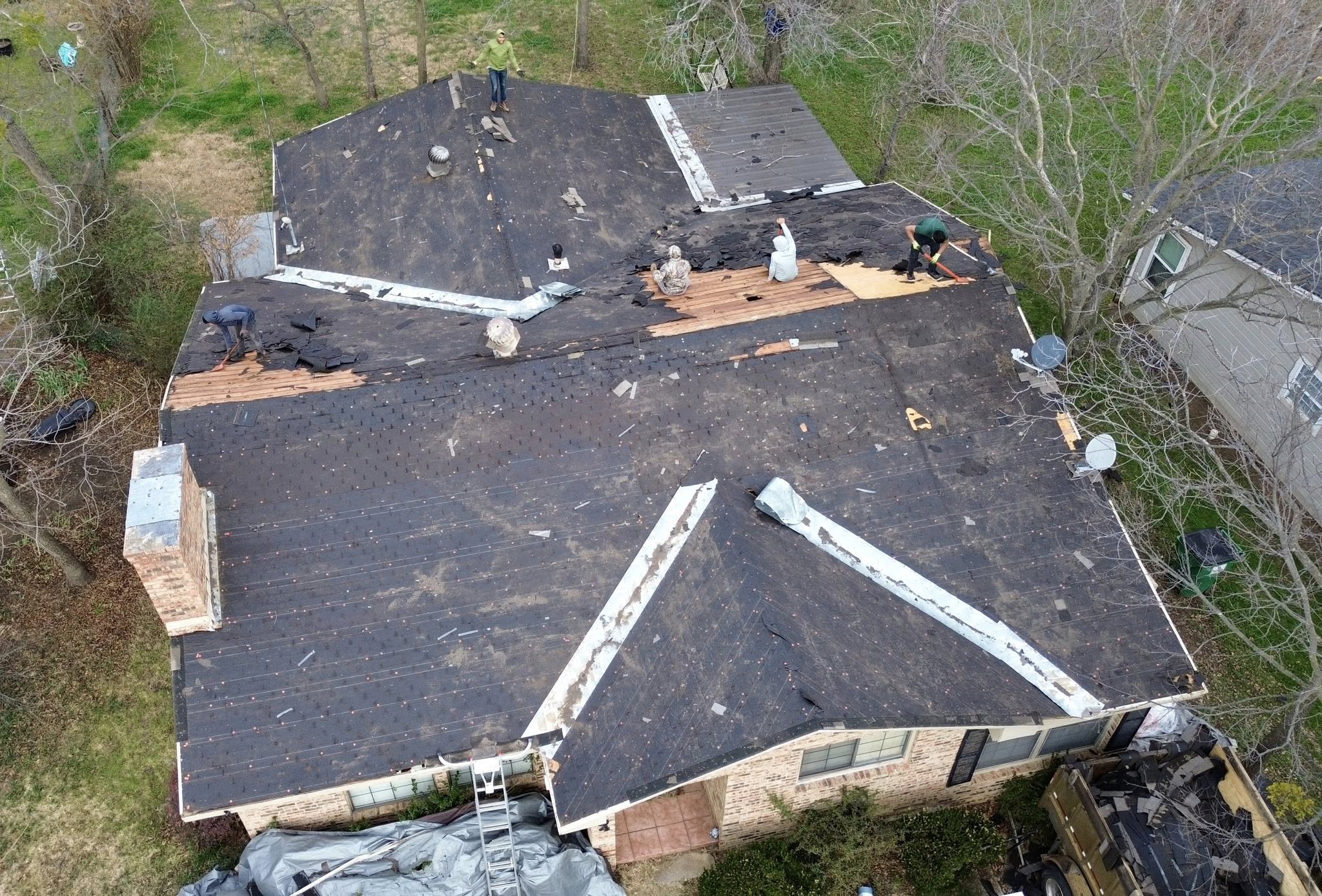
One major advantage of professional installation is accurate roof deck preparation. Contractors inspect the existing structure for moisture damage, uneven surfaces, weak decking, or structural concerns before installing new roofing materials.
Proper insulation placement is another critical step. Uneven insulation boards create low spots where water may collect after rainfall. These depressions eventually increase membrane stress and shorten roof lifespan.
Roof flashing requires exceptional attention because it protects vulnerable transition points where walls, vents, skylights, and HVAC equipment meet the roofing membrane. Improper flashing installation remains one of the leading causes of roof leaks.
Professional contractors also verify drainage slopes throughout the roof surface. Even flat roofs include slight slopes that guide water toward drains or scuppers. Without proper slope, standing water becomes more likely after every rainfall.
Another important benefit involves seam quality. Whether using adhesives, mechanical fasteners, or heat welding, professionals inspect every seam carefully to ensure complete waterproof protection.
Quality assurance inspections throughout the installation process help identify minor issues before they become permanent defects. Correcting these problems during installation is significantly easier than repairing them years later.
The Impact of Climate and Weather on Roof Longevity
Environmental conditions influence roofing performance every day throughout the year. Even identical roofing systems may experience very different lifespans depending on regional climate.
Strong sunlight gradually affects roofing membranes through ultraviolet radiation. Modern roofing materials include UV-resistant formulations, but constant exposure still contributes to natural aging over time.
Temperature fluctuations also create ongoing stress. Roofing materials expand during hot afternoons and contract during cooler nights. Repeating this cycle thousands of times places continuous pressure on seams, flashing, and attachment systems.
Heavy rainfall challenges every waterproof component of the roof. Efficient drainage removes water quickly, while poor drainage increases exposure time and raises the likelihood of leaks developing.
Snow creates additional weight that the roof structure must support safely. As snow melts and refreezes, expanding ice can place extra stress on roofing materials, especially around drains and flashing details.
High winds may lift loose membrane edges or carry debris across the roof surface. Flying branches and other objects can puncture roofing membranes if storms become severe enough.
Coastal environments introduce another challenge through salt exposure. Salt-laden air gradually affects certain roofing components and metal flashings, making material selection particularly important for buildings near the ocean.
Air pollution can also contribute to roofing deterioration in industrial areas. Chemical contaminants settling on roofing surfaces may slowly degrade certain materials if they are not cleaned during routine maintenance.
Property owners cannot control the weather, but they can prepare for it by selecting roofing materials designed for local environmental conditions. Working with experienced roofing professionals helps ensure that the chosen system matches the climate while providing the longest possible service life.
Understanding these lifespan factors provides a strong foundation for making informed roofing decisions. Material selection, installation quality, maintenance practices, and environmental conditions all work together to determine how long a flat roof will continue protecting a building effectively.
How Drainage Systems Affect Flat Roof Life
One of the biggest misconceptions about flat roofs is that they are perfectly level. In reality, professionally installed flat roofs have a slight slope that directs water toward drains, scuppers, or gutters. This subtle slope plays a critical role in protecting the roofing system from long-term water damage.
Water is one of the greatest threats to any roof, and flat roofs require especially effective drainage because rainwater does not naturally run off as quickly as it does on steep-sloped roofs. If water remains on the surface for extended periods, it gradually places additional stress on the roofing membrane and increases the likelihood of leaks.
Proper drainage begins during the design phase of a roofing project. Contractors calculate the roof’s slope, determine the number of drainage points required, and position them strategically so water flows efficiently across the surface. These calculations help prevent water from collecting in isolated areas after heavy rainfall.
Even the highest-quality roofing material cannot compensate for poor drainage. Standing water continually exposes seams, flashing, and membrane joints to moisture, allowing small weaknesses to develop into larger problems over time.
Several drainage components work together to protect a flat roof throughout its lifespan.
| Drainage Component | Primary Function | Benefit to Roof Lifespan |
|---|---|---|
| Internal drains | Remove water through the building drainage system | Prevent long-term ponding |
| Scuppers | Direct water through parapet walls | Reduce overflow during storms |
| Gutters | Collect runoff around roof edges | Protect building walls and foundation |
| Downspouts | Carry water safely away | Prevent water accumulation near structure |
Each component requires regular inspection to ensure it remains free of debris. Leaves, dirt, branches, and other materials can gradually block drainage pathways, allowing water to remain on the roof longer than intended.
Property owners should never assume that drainage systems maintain themselves. Seasonal cleaning helps prevent blockages before they become serious enough to affect roof performance.
Poor drainage can also contribute to structural concerns. When water remains on the roof for days after rainfall, the additional weight increases stress on the roof deck. Repeated exposure to this extra load may gradually weaken structural components over many years.
Drainage problems usually develop gradually rather than suddenly. Small depressions may slowly deepen, causing larger pools of water after each storm. Addressing these issues early prevents them from shortening the overall lifespan of the roofing system.
The Role of Roof Insulation and Ventilation
Many people think insulation only improves indoor comfort, but it also contributes significantly to roof longevity. Proper insulation helps maintain stable temperatures throughout the roofing assembly, reducing stress caused by constant expansion and contraction.
When roof temperatures fluctuate dramatically, roofing materials repeatedly expand during the day and contract at night. This continuous movement places strain on seams, flashing, adhesives, and fasteners. Over many years, these repeated cycles can accelerate aging.
High-quality insulation helps moderate these temperature swings. By reducing thermal stress, insulation allows roofing materials to perform more consistently throughout changing weather conditions.
Ventilation also supports long-term roof performance by controlling moisture within the building structure. Warm indoor air naturally rises toward the roof, carrying moisture with it. Without proper ventilation, this moisture may become trapped beneath the roofing system.
Excess moisture creates several long-term concerns, including:
- Reduced insulation performance
- Mold and mildew growth
- Wood deck deterioration
- Corrosion of metal components
- Increased risk of membrane damage
Modern roofing systems are designed so insulation, ventilation, waterproofing, and drainage work together rather than functioning independently. A weakness in one area often affects the performance of the others.
Insulation materials themselves continue to improve. Newer products offer better moisture resistance, greater compressive strength, and higher thermal performance than many older insulation systems. These improvements contribute to both energy savings and longer roof life.
Proper installation remains just as important as material quality. Gaps between insulation boards or uneven installation can create low spots that encourage water ponding while reducing overall roof performance.
Maintenance Habits That Extend Flat Roof Lifespan
Routine maintenance remains one of the simplest and most cost-effective ways to maximize the life of a flat roof. Small issues often develop gradually, making regular inspections essential for identifying problems before they require major repairs.
Many roofing warranties even require periodic maintenance. Failing to inspect and maintain the roof may reduce warranty protection if preventable damage occurs.
Maintenance does not necessarily involve complicated procedures. Instead, it focuses on identifying minor concerns while they are still easy to correct.
A practical maintenance routine includes the following tasks:
- Inspect the roof after major storms.
- Remove leaves and accumulated debris.
- Clear roof drains and gutters.
- Examine flashing around roof penetrations.
- Look for membrane punctures or loose seams.
- Check for standing water that remains after rainfall.
- Schedule professional roof inspections at regular intervals.
Following these steps consistently helps prevent many common roofing problems from becoming expensive repairs.
Cleaning the roof surface is particularly important during autumn when falling leaves can quickly block drainage systems. Even a partially blocked drain can allow significant water accumulation during heavy rainfall.
Professional inspections provide another valuable layer of protection. Experienced roofing contractors often identify subtle warning signs that property owners may overlook during routine visual inspections.
Maintenance records also become valuable over time. Documenting inspections, repairs, and observations creates a detailed history that helps contractors evaluate roof performance and identify recurring issues before they worsen.
Roof maintenance should also include inspecting nearby rooftop equipment. HVAC units, solar panel mounts, antennas, and ventilation systems all create roof penetrations that require proper sealing throughout the roof’s lifespan.
Ignoring small maintenance tasks often leads to much larger expenses later. A relatively inexpensive seam repair today may prevent thousands of dollars in structural repairs several years from now.
Common Causes of Premature Flat Roof Failure
Although many flat roofs achieve or even exceed their expected lifespan, others fail much earlier than anticipated. In most cases, premature failure results from preventable issues rather than unavoidable material aging.
Understanding these common causes helps property owners reduce unnecessary risks and make better long-term maintenance decisions.
Poor Installation Practices
Installation mistakes remain one of the leading reasons flat roofs fail early. Incorrect seam welding, inadequate adhesive coverage, poor flashing installation, or uneven insulation placement all create vulnerabilities that gradually worsen over time.
These defects may not become visible immediately. Some installation problems remain hidden for several years before developing into noticeable leaks.
Standing Water
Water that remains on the roof for extended periods continually stresses roofing materials. Ponding increases membrane deterioration while placing additional weight on the roof structure.
Repeated exposure to standing water also accelerates deterioration around seams and flashing connections.
Lack of Maintenance
Neglected roofs naturally experience faster deterioration than roofs receiving regular inspections.
Small punctures, clogged drains, loose flashing, and damaged sealants often remain unnoticed until water has already entered the roofing system.
Mechanical Damage
Flat roofs frequently support equipment that requires routine servicing. Maintenance workers, contractors, and equipment installations increase foot traffic throughout the year.
Improper walking practices, dropped tools, or moving heavy equipment across the roof can puncture membranes or damage protective surfaces.
Using designated walkway pads significantly reduces this type of wear.
Extreme Weather
Severe storms occasionally exceed the design limits of roofing systems.
High winds, hail, heavy snowfall, falling branches, and flying debris may all shorten roof lifespan if repairs are delayed after the event.
Inferior Materials
Selecting roofing products based solely on the lowest price often results in shorter service life.
Lower-quality materials may offer reduced resistance to ultraviolet radiation, temperature changes, and physical wear. Over time, the apparent savings from cheaper materials often disappear through increased maintenance and earlier replacement.
Improper Repairs
Temporary repairs performed incorrectly sometimes create larger problems later.
Applying incompatible materials or covering damaged areas without addressing the underlying cause may trap moisture beneath the roofing system. This hidden moisture gradually weakens insulation and structural components.
Warning Signs That Your Flat Roof Is Aging
Every roofing system eventually begins showing signs of natural wear. Recognizing these indicators early gives property owners the opportunity to repair damage before replacement becomes necessary.
Aging does not always mean the roof has reached the end of its useful life. Many roofs continue performing effectively for years after minor age-related issues first appear.
One of the earliest warning signs is surface cracking. Small cracks often develop as roofing materials repeatedly expand and contract through changing temperatures. While these cracks may appear minor initially, they should be monitored to prevent moisture infiltration.
Another common sign involves membrane shrinkage. Some roofing materials gradually contract over time, placing additional stress on seams, flashing, and attachment points.
Loose flashing around roof penetrations also deserves immediate attention. Flashing protects the most vulnerable areas of the roof, making early repairs especially important.
Interior water stains frequently indicate roofing issues that have already progressed beyond the surface. Even small ceiling stains deserve prompt investigation because water often travels considerable distances before becoming visible indoors.
Property owners should also pay attention to recurring repairs. If the same section of roof requires repeated maintenance, it may indicate a larger underlying problem affecting that portion of the roofing system.
Some common warning signs include:
- Persistent standing water after rainfall
- Bubbling or blistering of the membrane
- Visible cracks or splits
- Loose or damaged flashing
- Frequent leaks during storms
- Sagging roof sections
- Interior ceiling stains
- Mold or mildew near roof penetrations
Not every warning sign requires immediate roof replacement. Many problems can be corrected successfully when discovered early through routine inspections.
Age should always be considered alongside the roof’s actual condition. A well-maintained roof nearing the end of its expected lifespan may still have several productive years remaining. Conversely, a poorly maintained roof may require replacement much sooner despite being relatively young.
Roofing professionals evaluate several factors before recommending replacement. They assess membrane condition, insulation moisture, drainage performance, flashing integrity, structural stability, and repair history. This comprehensive evaluation provides a far more accurate picture than age alone.
Understanding these maintenance practices, drainage principles, insulation benefits, failure causes, and warning signs allows property owners to make informed decisions throughout the life of their roofing system.
Repair Versus Replacement Decision Making
Every flat roof eventually reaches a point where property owners must decide whether repairs are still practical or if a complete replacement offers better long-term value. This decision is rarely based on age alone. Instead, roofing professionals evaluate the roof’s overall condition, repair history, structural integrity, and expected future performance.
Minor damage does not automatically indicate that a roof has reached the end of its service life. Small punctures, isolated seam failures, or limited flashing problems can often be repaired successfully without affecting the rest of the roofing system. Addressing these issues promptly helps preserve the roof while delaying the need for a full replacement.
However, repeated repairs across multiple sections may signal that the roofing system is deteriorating beyond economical repair. When maintenance costs continue increasing each year, investing in a new roof often becomes the more cost-effective solution over the long term.
Moisture trapped beneath the roofing membrane is another important consideration. Surface repairs may temporarily stop leaks, but they cannot always correct hidden damage within insulation or the roof deck. If moisture has spread extensively beneath the membrane, replacing the roofing system often provides a more reliable solution.
Building owners should also consider future property plans. Someone planning to keep a building for several decades may benefit from investing in a high-quality replacement rather than continuing frequent repairs. On the other hand, a property scheduled for sale in the near future may only require targeted repairs to maintain roof performance.
Professional roof inspections provide valuable information during this decision-making process. Contractors use visual inspections, moisture detection equipment, and structural assessments to determine whether repairs remain practical or if replacement offers better long-term protection.
Factors That Influence the Repair or Replacement Decision
Several factors work together when determining the most appropriate course of action. Looking at only one factor may lead to unnecessary expenses or missed opportunities to extend roof life.
The following considerations are commonly evaluated during a professional roof assessment:
- Overall roof age
- Frequency of previous repairs
- Condition of flashing and seams
- Amount of trapped moisture
- Structural integrity of the roof deck
- Condition of insulation
- Drainage performance
- Future maintenance costs
- Building ownership plans
Each roofing project is unique. Two roofs of the same age may require completely different recommendations depending on how well they have been maintained throughout their service lives.
Expected Lifespan Comparison of Popular Flat Roofing Systems
While installation quality and maintenance significantly affect longevity, roofing materials still have typical lifespan ranges that help property owners compare available options.
| Roofing Material | Average Expected Lifespan | Maintenance Level | Overall Durability |
|---|---|---|---|
| Built-Up Roofing (BUR) | 20 to 30 years | Moderate | Very Good |
| Modified Bitumen | 20 to 30 years | Moderate | Very Good |
| EPDM Rubber | 25 to 35 years | Low to Moderate | Excellent |
| TPO Membrane | 20 to 30 years | Low | Excellent |
| PVC Membrane | 25 to 35 years | Low | Excellent |
These estimates assume professional installation, proper drainage, routine inspections, and timely maintenance. Exceptional care may allow some roofs to perform beyond these averages, while neglected roofs may require replacement much sooner.
Property owners should remember that lifespan estimates are guidelines rather than guarantees. Environmental exposure, building usage, and maintenance habits all influence actual performance.
How Property Owners Can Maximize Roof Life
A flat roof represents a significant investment, making proper care essential for achieving the longest possible service life. Fortunately, extending roof lifespan often involves consistent attention rather than expensive maintenance programs.
One of the best strategies is scheduling regular inspections instead of waiting for visible leaks. Many roofing problems begin long before water enters the building. Early detection allows contractors to correct small defects before they become larger structural concerns.
Keeping the roof surface clean also contributes to long-term performance. Leaves, branches, dirt, and windblown debris trap moisture while increasing the likelihood of clogged drainage systems. Routine cleaning allows rainwater to flow away efficiently.
Limiting unnecessary foot traffic protects roofing membranes from premature wear. Flat roofs often support mechanical equipment, making occasional access unavoidable. However, unnecessary walking across the membrane gradually increases surface wear and the risk of accidental punctures.
Roof penetrations deserve particular attention throughout the roof’s lifespan. HVAC systems, plumbing vents, skylights, communication equipment, and solar panel mounts all require properly sealed flashing. Regular inspections ensure these vulnerable areas remain watertight.
Property owners should also respond quickly after severe weather events. High winds, hail, fallen tree limbs, and heavy storms may cause damage that is not immediately obvious from ground level. Prompt inspections reduce the risk of hidden problems worsening over time.
Working with experienced roofing professionals provides another important advantage. Contractors familiar with specific roofing systems understand manufacturer recommendations, proper repair methods, and maintenance techniques that preserve warranty protection while extending roof life.
Long-Term Roof Care Best Practices
Although every building has unique maintenance needs, several best practices consistently improve flat roof performance throughout its lifespan.
Property owners should aim to develop a proactive maintenance routine rather than waiting until visible damage appears. Preventive care usually costs far less than emergency repairs or premature roof replacement.
Some practical long-term maintenance habits include inspecting the roof after major storms, cleaning drainage systems several times each year, documenting repairs, scheduling professional inspections, and correcting minor issues without delay.
Keeping maintenance records also provides long-term value. Inspection reports, repair invoices, photographs, and maintenance schedules help contractors evaluate roof performance while identifying recurring concerns more efficiently.
A well-documented maintenance history may also support warranty claims if manufacturer defects are ever discovered during the roof’s service life.
Frequently Asked Questions About Flat Roof Lifespan
How long should a professionally installed flat roof last?
Most professionally installed flat roofs remain reliable for approximately 20 to 35 years, depending on the roofing material, installation quality, climate, and maintenance practices. Some roofing systems continue performing beyond these estimates when they receive excellent care throughout their lifespan.
Can regular maintenance really extend roof life?
Yes. Routine inspections and preventive maintenance often add several years to a flat roof’s service life. Cleaning drains, repairing small defects, and inspecting flashing help prevent larger problems from developing.
Is standing water always a serious problem?
Temporary water after heavy rainfall is not always harmful. However, water that remains on the roof for more than a couple of days may indicate drainage issues that deserve professional evaluation. Persistent ponding places additional stress on roofing materials and can shorten their lifespan.
Does roof color affect longevity?
Roof color primarily influences heat absorption rather than overall durability. Reflective roofing systems, such as many white TPO membranes, reduce surface temperatures during sunny weather. Lower operating temperatures may reduce thermal stress and contribute to longer material performance in some climates.
Can leaks always be repaired instead of replacing the roof?
Not necessarily. Isolated leaks often respond well to professional repairs. However, widespread deterioration, moisture beneath the membrane, structural damage, or repeated failures across multiple areas may make replacement the more practical long-term solution.
How often should a flat roof be inspected?
Most roofing professionals recommend at least two inspections each year, typically during spring and autumn. Additional inspections should also follow severe storms, hail events, or unusually high winds that may have affected the roofing system.
Does installing rooftop equipment reduce roof lifespan?
Additional rooftop equipment does not automatically shorten roof life, provided it is installed correctly. Proper flashing, careful maintenance procedures, and designated walkways help minimize wear around HVAC units, solar panels, and other rooftop systems.
Common Misconceptions About Flat Roof Lifespan
Several myths continue to influence how people view flat roofing systems. Understanding the facts allows property owners to make more informed decisions.
One common misconception is that flat roofs always leak. In reality, modern membranes, improved flashing systems, and professional installation methods have made today’s flat roofs highly dependable. Most leaks result from poor workmanship, neglected maintenance, or physical damage rather than the flat design itself.
Another misunderstanding is that replacing a roof is always better than repairing it. Many roofs can continue performing effectively after targeted repairs if the overall structure remains in good condition. Professional inspections help determine the most appropriate solution.
Some people also believe maintenance is unnecessary until visible problems appear. Unfortunately, by the time water stains develop inside a building, hidden damage may already exist beneath the roofing membrane. Preventive inspections remain the most effective way to avoid expensive repairs.
Finally, many property owners assume that the cheapest roofing material offers the best value. While lower initial costs may appear attractive, premium materials combined with professional installation often provide greater long-term savings through longer service life and reduced maintenance requirements.
Conclusion
Understanding flat roof lifespan expectations begins with recognizing that no single factor determines how long a roof will last. Roofing material, installation quality, drainage, insulation, weather conditions, maintenance practices, and building usage all work together throughout the life of the roofing system.
Modern flat roofs are far more durable than many people realize. Advances in roofing membranes, waterproofing technology, insulation systems, and installation techniques have significantly improved long-term performance. When installed by experienced professionals and maintained consistently, many flat roofs provide dependable protection for two to three decades or even longer.
Property owners who focus only on installation cost often overlook the financial benefits of quality workmanship and preventive maintenance. Investing in proper installation, routine inspections, timely repairs, and effective drainage reduces the likelihood of premature failure while protecting the building from costly water damage.
Regular maintenance remains the key to maximizing roof lifespan. Cleaning drains, inspecting flashing, monitoring roof condition after storms, and correcting small issues before they expand all contribute to years of additional service. These simple practices often make the difference between a roof that requires early replacement and one that continues performing well beyond its expected lifespan.
Ultimately, a flat roof should be viewed as a long-term investment rather than a one-time construction expense. By selecting suitable materials, working with qualified roofing professionals, and following a proactive maintenance plan, property owners can enjoy reliable performance, lower repair costs, and greater confidence that their roofing system will continue protecting their property for many years to come.