
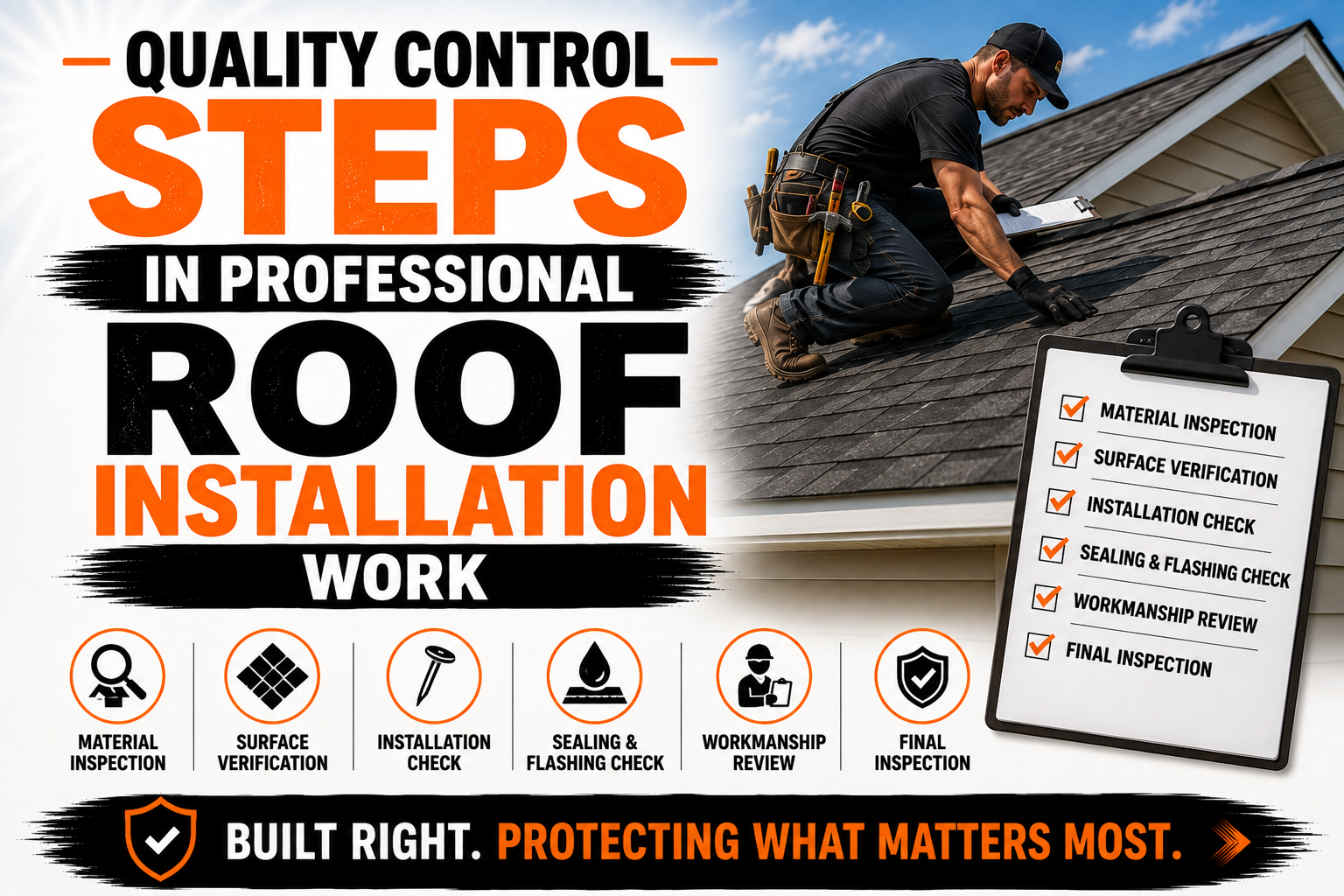
Quality Control Steps in Professional Roof Installation Work
Introduction
A professionally installed roof does more than protect a building from rain, wind, sunlight, and changing weather conditions. It must also provide dependable drainage, resist moisture intrusion, maintain structural performance, and remain durable for many years. Achieving these results requires more than selecting high-quality roofing materials because the quality of the installation itself has a major effect on how well the entire roofing system performs.
Quality control during roof installation is the process of checking materials, workmanship, preparation, and installation procedures at different stages of a roofing project. Professional roofing contractors use these checks to identify problems before they become hidden beneath later layers of the system. When quality control is treated as an ongoing process instead of a final inspection, contractors have a better opportunity to correct installation problems while they are still manageable.
A roof can look complete from the ground while still containing important defects underneath or in less visible areas. Incorrect fastening, damaged decking, poorly installed flashing, inadequate overlaps, blocked ventilation, and improperly positioned roofing materials can all contribute to premature roof failure. Careful inspections throughout the project help ensure that each component is installed correctly and works together as part of a complete roofing system.
Quality control also helps contractors maintain consistency across different projects and installation crews. A documented inspection process gives supervisors clear checkpoints for reviewing completed work and allows installation teams to follow established requirements. For property owners, this approach provides greater confidence that the new roof has been installed according to project specifications, manufacturer requirements, and applicable building standards.
Understanding Quality Control in Roof Installation
Quality control in professional roofing focuses on identifying and correcting defects during the actual installation process. It involves examining the roof deck, verifying materials, checking installation techniques, inspecting vulnerable areas, and confirming that completed sections meet the required standards. The goal is not simply to find mistakes at the end of the project, but to prevent mistakes from continuing through subsequent stages of construction.
Quality assurance and quality control are closely related, but they serve different purposes. Quality assurance generally focuses on establishing procedures and standards that guide the project, while quality control involves inspecting the actual work to determine whether those standards are being met. A roofing company may have detailed installation procedures as part of its quality assurance program, while supervisors use inspections and checklists as quality control measures during the project.
Professional roofing quality control should cover the entire installation process rather than focusing only on the visible roofing surface. A defect hidden under shingles, membranes, or other materials can be difficult and expensive to repair after the project is finished. Checking each stage before it becomes covered allows the roofing team to identify concerns when access to the affected area is still available.
Poor quality control can create problems that may not become obvious until months or years after installation. Water intrusion, loose roofing materials, premature deterioration, poor ventilation, and damaged structural components can result from installation mistakes that were never identified. These issues may lead to additional repair costs, property damage, customer complaints, and reduced confidence in the roofing contractor.
Pre-Installation Site Inspection
A thorough site inspection should take place before roofing installation begins. This inspection gives the roofing team an opportunity to understand the existing condition of the roof, identify potential obstacles, and determine whether additional preparation is required. Starting installation without understanding the condition of the roof structure can allow hidden problems to remain unresolved.
The inspection should consider the existing roof surface, roof deck, slope, drainage paths, penetrations, flashing areas, ventilation components, and roof edges. Contractors should also look for signs of moisture damage, deterioration, structural weakness, or previous repair work. These observations can influence the installation approach and help determine whether damaged sections need to be repaired or replaced before the new roofing system is installed.
Accurate measurements are another important part of pre-installation quality control. The roofing team needs reliable measurements to estimate material quantities and plan the placement of roofing components. Incorrect measurements can result in material shortages, unnecessary waste, poor layout, or delays during installation.
Site conditions should also be reviewed before materials are delivered and work begins. Contractors may need to consider access to the property, material storage areas, equipment placement, weather exposure, electrical hazards, landscaping, and other conditions that could affect the installation process. Preparing the work area in advance helps the crew work more efficiently while reducing the possibility of damage to materials or the property.
Reviewing Roofing Plans and Installation Requirements
Before installation starts, the roofing team should review the project specifications and understand the requirements for the selected roofing system. Different roofing materials have different installation procedures, fastening requirements, underlayment specifications, flashing details, and ventilation needs. Following a generic installation method without considering the requirements of the actual roofing system can lead to avoidable quality problems.
Manufacturer installation instructions are particularly important because roofing products are often designed to work as part of a specific system. Shingles, membranes, underlayments, flashing products, sealants, and fasteners may have requirements that affect how they should be installed. The roofing crew should understand these requirements before beginning work rather than relying on assumptions based on previous projects.
Local building requirements should also be considered as part of the planning process. Roofing requirements can vary depending on the location, building type, roof design, climate, and applicable construction standards. Professional contractors should verify the requirements that apply to the project and ensure that the installation process accounts for them.
Material compatibility is another important consideration. Roofing components need to work together without creating conditions that could cause premature deterioration or water intrusion. Reviewing the complete roofing system before installation helps contractors identify potential compatibility issues and confirm that the selected materials are appropriate for the project.
Establishing inspection checkpoints before work begins can make quality control more organized. Instead of waiting until the entire roof is finished, the project can be divided into stages where completed work is reviewed before the next layer is installed. This approach reduces the risk of covering defects that would later require significant removal and reinstallation.
Material Inspection and Verification
Roofing materials should be inspected when they arrive at the job site. Delivery inspection provides an opportunity to identify damaged, incorrect, or incomplete materials before they are installed. Discovering a material problem after installation has progressed can create unnecessary delays and may require sections of the roof to be removed.
The roofing team should verify that the delivered products match the project requirements. This includes checking product types, dimensions, quantities, specifications, and other relevant details. Materials that appear similar may have different performance characteristics or installation requirements, so assumptions should not replace proper verification.
Roofing materials should also be examined for visible damage. Shingles may have broken edges or other defects, membranes can be damaged during transportation, and flashing components may become bent or distorted. Damaged materials should be separated from usable materials so that they are not accidentally incorporated into the finished roof.
Proper storage is equally important because materials can become damaged after delivery if they are exposed to unsuitable conditions. Roofing products should be stored according to their handling requirements and protected from unnecessary moisture, contamination, impact, or other sources of damage. Good storage practices preserve material quality before installation even begins.
Important material checks may include:
- Confirming that products match the approved roofing specifications
- Checking delivered quantities against project requirements
- Inspecting materials for visible damage or manufacturing defects
- Separating damaged materials from products approved for installation
- Storing materials safely and according to manufacturer requirements
Material inspection is an early quality control step, but it can have an effect throughout the entire project. Using the correct materials in good condition gives the installation crew a reliable foundation for the work that follows. It also reduces the likelihood that material-related problems will be mistaken for workmanship problems later.
Preparing the Roof Deck
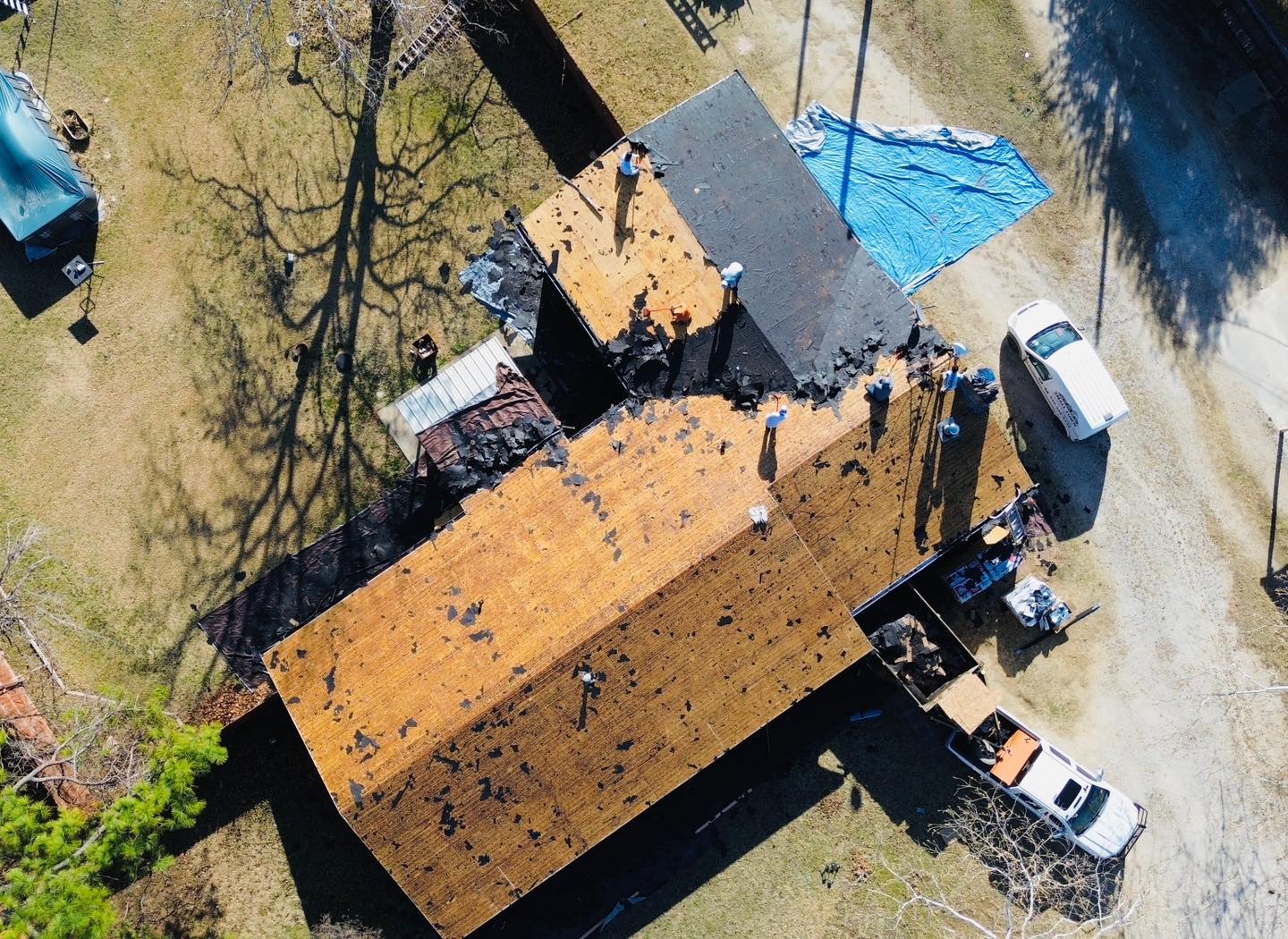
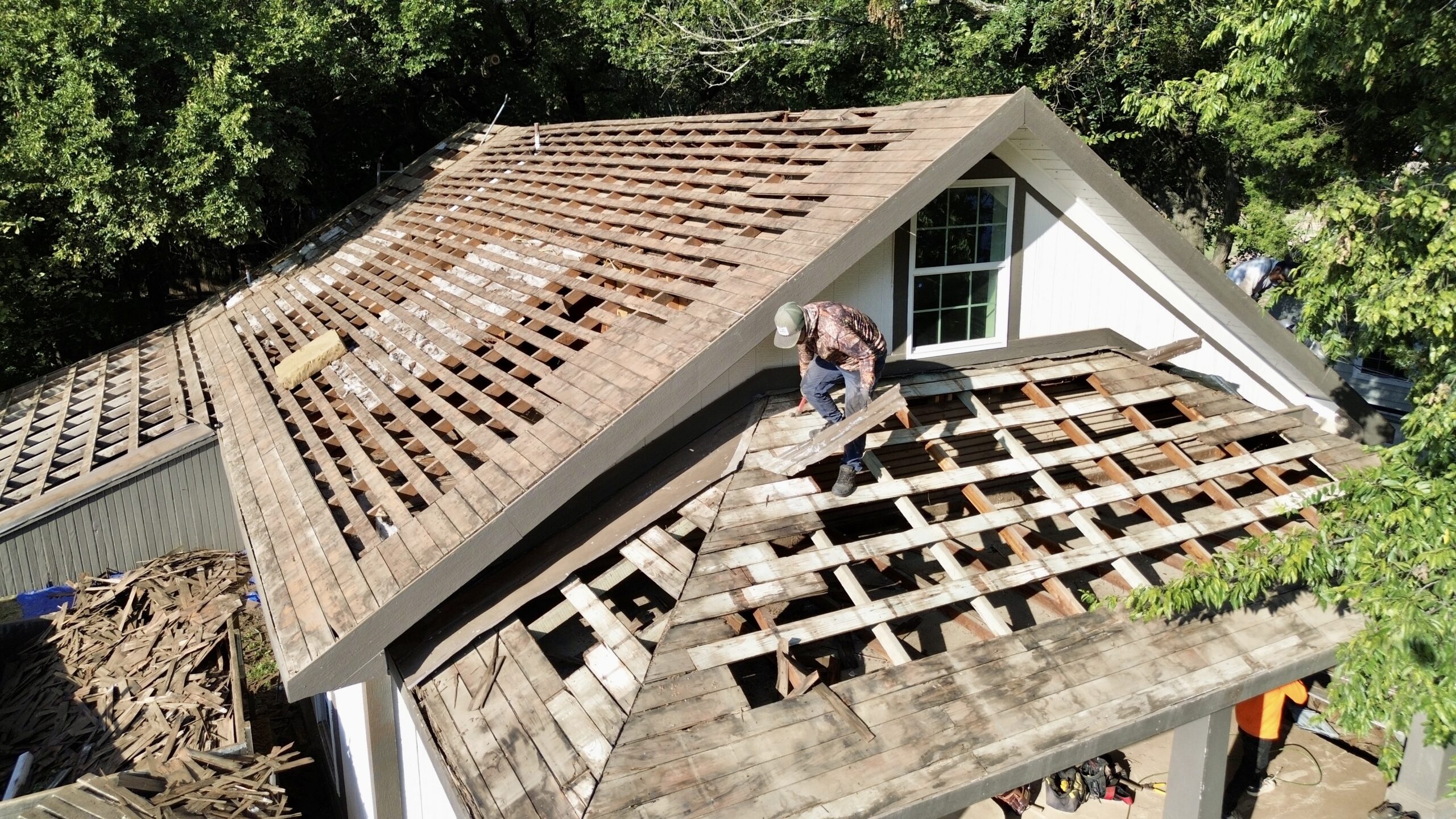
The roof deck provides the foundation for many roofing systems, making its condition one of the most important quality control considerations before installation. Roofing materials installed over a damaged or unstable deck may not perform properly even when the visible installation appears correct. For this reason, the roof deck should be inspected carefully after the existing roofing materials have been removed or before new construction begins.
Contractors should look for signs of rot, moisture damage, deterioration, warping, soft areas, broken sections, or other conditions that could compromise the deck. Areas that have been exposed to long-term moisture may require particular attention because deterioration is not always obvious until the roofing surface has been removed. Any damaged areas should be evaluated and addressed before the new roofing system is installed.
The deck should also provide a reasonably clean and suitable surface for the roofing components. Loose debris, old fasteners, damaged materials, and other unwanted objects can interfere with proper installation. Preparing the surface carefully helps ensure that underlayment and other roofing layers can be installed correctly.
Fastening of the roof deck itself should also be reviewed where applicable. Loose or inadequately secured decking can create movement beneath the roofing system and may contribute to installation problems. Addressing deck-related concerns before installing new roofing materials is generally more effective than trying to correct them after the finished roof is in place.
Another important consideration is surface uniformity. Significant uneven areas can affect how roofing materials sit on the deck and may influence the finished appearance of the roof. Proper preparation helps create a stable base that supports consistent installation and reduces potential problems during later stages.
Establishing Quality Control Checkpoints
Once the site has been inspected, materials verified, and roof deck prepared, the project should have clear checkpoints for reviewing completed work. These checkpoints allow supervisors or qualified personnel to confirm that each stage has been completed correctly before the crew moves forward. They are particularly valuable in areas that will become inaccessible after subsequent roofing layers are installed.
A practical inspection process may include reviewing the roof deck before underlayment, checking underlayment before roofing materials cover it, inspecting flashing before surrounding areas are completed, and examining finished sections before the crew moves to another part of the roof. The exact checkpoints can vary depending on the roofing system and project requirements.
Documentation can also strengthen the quality control process. Photographs, inspection notes, material records, and corrective action records can provide evidence of what was inspected and what was corrected during installation. Clear documentation is especially useful on larger projects where several crews or supervisors may be involved.
Quality control should not be viewed as an activity that slows down professional roofing work. When inspections are integrated into the installation process, they can help prevent larger delays caused by defects discovered after the project is substantially complete. Early identification and correction generally make it easier to maintain the expected quality of the roofing system.
Underlayment Installation Quality Checks
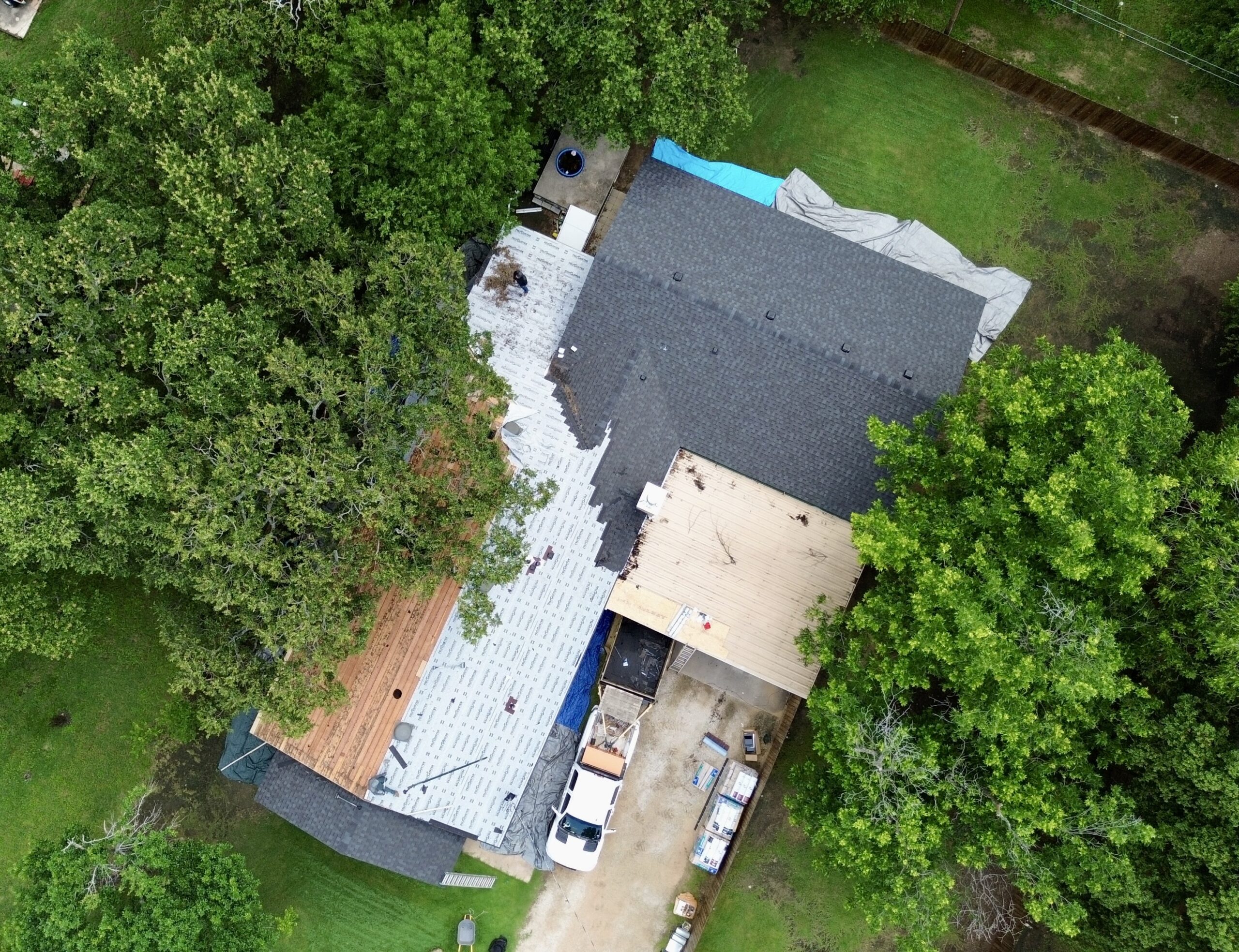
Underlayment provides an additional layer of protection beneath the primary roofing material and helps reduce the risk of moisture reaching the roof deck. Because much of the underlayment becomes concealed after installation, quality checks should be completed while the material remains accessible. Proper installation requires attention to coverage, alignment, overlaps, fastening, and transitions around roof features.
The selected underlayment should match the roofing system and project requirements. Depending on the roof design and material, the system may require a specific type of synthetic underlayment, felt, self-adhered membrane, or another approved product. Using a suitable material and following its installation instructions helps ensure that the underlayment performs as intended.
The roofing crew should install the material with appropriate overlaps and maintain consistent coverage across the roof deck. Gaps, exposed sections, excessive wrinkles, or improperly positioned seams can create vulnerable areas where water may travel beneath the roofing surface. Particular attention should be given to valleys, eaves, ridges, penetrations, and other areas where water management is especially important.
Fastening should also be checked during installation. Fasteners need to be placed according to the requirements for the specific underlayment and roof system, while avoiding conditions that could damage the material. If self-adhered products are being used, the crew should also ensure that the substrate is properly prepared and that the membrane is firmly bonded without significant air pockets or unsealed areas.
Underlayment should remain protected from unnecessary damage while other installation activities are taking place. Foot traffic, tools, fasteners, and equipment can puncture or tear exposed sections if the work area is not managed carefully. Any damaged areas should be repaired according to the applicable installation requirements before the next roofing layer covers them.
Drip Edge and Edge Protection Inspection
Roof edges are important areas of a roofing system because they are exposed to water movement, wind, and potential material displacement. Drip edge components help direct water away from vulnerable roof edges and contribute to proper finishing at the eaves and rake edges. Quality control should therefore verify that these components are correctly positioned, secured, and integrated with the surrounding roofing layers.
The installation team should check the placement of the drip edge along the appropriate roof edges and confirm that sections are properly aligned. Overlaps should be consistent with the applicable installation requirements, and fasteners should adequately secure the components without creating unnecessary damage. The relationship between the drip edge, underlayment, fascia, and roofing material should also be reviewed.
Improper edge installation can create several problems even when the main roof surface looks acceptable. Water may reach areas that were intended to remain protected, while wind can place additional stress on inadequately secured components. A careful inspection of the roof perimeter helps identify these issues before the rest of the roofing system is completed.
Edge details can also affect the appearance of the finished roof. Uneven lines, poorly aligned sections, excessive gaps, or exposed fasteners can make the installation look unfinished. Professional quality control considers both functional performance and the consistency of visible workmanship.
Flashing Installation and Inspection
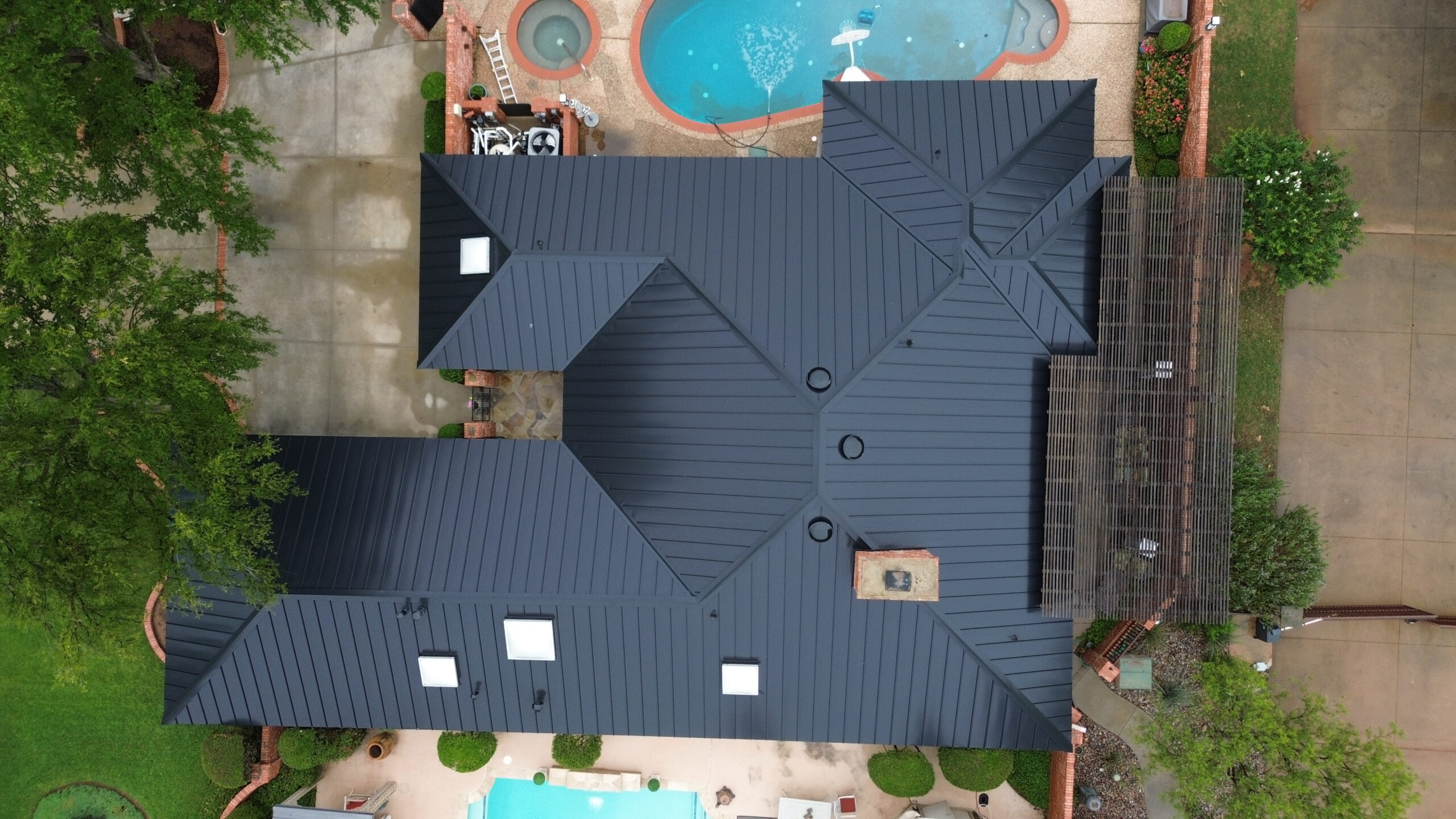
Flashing is one of the most important components for controlling water around roof transitions and penetrations. It is used where the roof meets walls, chimneys, vents, skylights, valleys, and other features that interrupt the normal flow of water. Because these locations are naturally more vulnerable to leaks, flashing installation requires careful attention throughout the project.
Roofing contractors should inspect flashing materials before installation and verify that they are suitable for the roofing system. Components should be properly shaped, positioned, overlapped, and secured according to the applicable installation requirements. Damaged or improperly formed flashing should not be incorporated into the completed roof.
Step flashing is commonly used where a roof slope meets a vertical wall. Each piece needs to work with the adjacent roofing material and wall-side protection so that water is directed away from the vulnerable joint. Improper sequencing or insufficient overlap can create pathways for water to enter behind the roofing system.
Chimney flashing requires particular attention because chimneys create large roof-to-wall transitions. Contractors should inspect the base flashing, counterflashing, corners, and surrounding roofing materials for proper integration. Existing flashing should not automatically be reused simply because it appears serviceable, as its condition and compatibility with the new roof need to be evaluated.
Roof penetrations also require careful flashing inspection. Plumbing vents, exhaust vents, skylights, and similar components create openings through the roofing system, making their seals and flashing details essential to moisture protection. The finished installation should not leave gaps, exposed openings, or poorly sealed transitions around these components.
A quality control review of flashing should consider the entire water-shedding arrangement rather than examining individual pieces in isolation. Water needs a continuous path away from vulnerable joints, and every overlapping component should support that path. A visually neat flashing installation is valuable, but its ability to manage water correctly is the primary concern.
Roof Ventilation Quality Control
Roof ventilation is another important part of professional roofing quality control. A properly designed and installed ventilation system helps manage heat and moisture within the roof assembly and can support the long-term performance of roofing materials. Ventilation components should therefore be inspected as part of the overall roofing system rather than treated as optional finishing details.
The roofing team should confirm that intake and exhaust ventilation components are installed according to the project design. Depending on the building, this may involve soffit vents, ridge vents, gable vents, or other approved ventilation components. The system should provide an appropriate airflow path rather than having one component installed without adequate support from the rest of the ventilation arrangement.
Ventilation openings should remain clear during installation. Underlayment, insulation, roofing materials, sealants, or debris should not unintentionally block areas designed to allow airflow. A blocked ventilation pathway can reduce the effectiveness of the system and may contribute to moisture or temperature-related problems.
Quality control should also consider how ventilation components interact with the roof covering. Ridge vents, for example, need to be installed and covered correctly so that they provide ventilation while maintaining protection against weather. The surrounding roofing materials should be checked for proper alignment and attachment without obstructing the intended ventilation path.
Shingle or Roofing Material Installation Checks
The primary roofing material is the most visible part of the finished system, but appearance alone cannot determine installation quality. Contractors need to inspect alignment, exposure, fastening, overlaps, transitions, and adherence to manufacturer requirements as the roofing material is installed. These checks should happen continuously rather than being postponed until the entire roof is complete.
Starter courses require particular attention because they establish the foundation for the courses that follow. The starter material should be positioned correctly along the appropriate roof edge and secured according to the roofing system requirements. Incorrect starter installation can influence the alignment and weather resistance of subsequent courses.
As shingles or other roofing materials are installed, the crew should maintain consistent alignment and exposure. Irregular spacing, excessive variation, or improperly positioned courses can affect the appearance of the roof and may indicate that installation requirements are not being followed. Supervisors should identify inconsistent sections while the crew can still make corrections without extensive rework.
Fastener placement is another critical quality control point. Nails or other approved fasteners should be installed in the correct locations and quantities for the selected roofing material, while maintaining the required penetration into the supporting structure. Fasteners that are overdriven, underdriven, misplaced, or missing can compromise the performance of the roofing system.
The roofing material should also be checked for damage during installation. Workers regularly move across the roof while carrying materials and equipment, which can create opportunities for cracking, tearing, scuffing, or other damage. Any damaged materials should be identified and addressed rather than left in place simply because the defect is not immediately noticeable from the ground.
Manufacturer installation instructions should remain an important reference throughout this stage. Requirements can vary based on the product, roof slope, climate conditions, fastening method, and other factors. Professional installation teams should avoid assuming that every roofing product can be installed using exactly the same techniques.
Quality Control for Roof Valleys and Penetrations
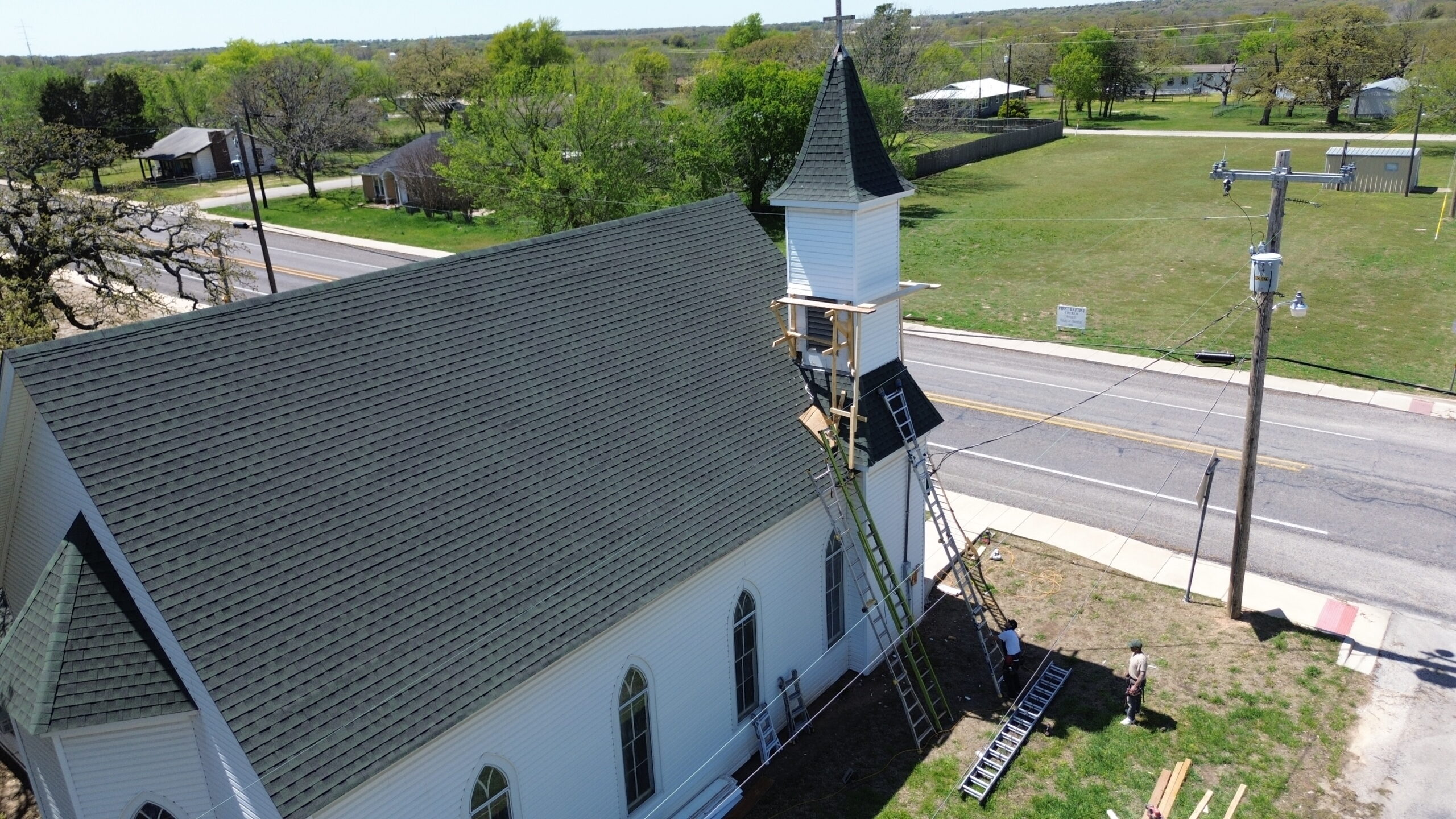
Roof valleys are areas where water from multiple roof surfaces is directed toward a common channel. Because of this concentrated water flow, valleys require careful installation and inspection. The valley design and material should be appropriate for the roofing system, with all surrounding components arranged to maintain a reliable drainage path.
Before roofing materials cover the valley area, the underlying preparation should be inspected. The valley should be free from unnecessary debris and should contain the required protective materials. Any visible gaps, damaged components, or irregular installation should be corrected before the surrounding roof materials make access more difficult.
The placement of roofing materials around valleys should also be carefully controlled. Materials should not obstruct the intended water path or create areas where water can collect. Cuts and transitions should be clean and consistent, while exposed components should be checked for proper integration with the rest of the roofing system.
Penetrations require similar attention because pipes, vents, skylights, and other openings interrupt the roof surface. Each penetration should have the appropriate flashing or sealing arrangement, and the surrounding roofing materials should be installed without creating gaps or unnecessary openings. A quality inspection should confirm that the finished detail provides both weather protection and a clean transition.
Fastener and Attachment Quality Checks
Fasteners are small components, but they play an important role in keeping roofing materials securely attached to the building. The correct fastener type, size, placement, and penetration can vary depending on the roofing system and substrate. Quality control should verify that the installation follows the applicable requirements instead of relying on visual appearance alone.
Overdriven fasteners can damage roofing materials by creating excessive compression or breaking through vulnerable areas. Underdriven fasteners may fail to hold materials securely and can interfere with the proper installation of overlapping components. Both conditions should be identified during installation so they can be corrected before the affected section becomes difficult to access.
Fasteners should also be positioned consistently. A nail that is installed outside the specified fastening zone may not provide the intended attachment, even if it appears secure. Supervisors should periodically inspect completed sections to confirm that workers are maintaining the required fastening pattern.
The supporting substrate should also be considered when evaluating attachment quality. Fasteners need to penetrate the appropriate material to provide reliable holding strength, and the installation should account for the construction of the roof deck or supporting structure. Where special attachment requirements apply, the crew should follow the approved project specifications.
Weather and Job-Site Quality Control
Weather conditions can directly influence roofing installation quality. Rain, strong winds, extreme temperatures, and other conditions may affect material handling, adhesion, worker safety, and the ability to protect unfinished sections. Professional crews should monitor conditions and adjust the work process when weather could compromise the quality or safety of the installation.
An unfinished roof should not be left unnecessarily exposed to changing weather conditions. Temporary protection may be needed when work stops before the roofing system has been fully completed. The protection should be installed securely and checked before the crew leaves the site.
Moisture management is particularly important during installation. Roofing materials and roof deck surfaces may need to remain dry for certain installation procedures, and wet conditions can make it more difficult to achieve proper adhesion or attachment. The crew should follow product-specific requirements rather than continuing work under conditions that could negatively affect the finished system.
The job site itself should also remain organized throughout the project. Loose materials, discarded packaging, tools, and debris can create hazards for workers and may damage roofing materials. Keeping work areas clean helps the crew maintain control over the installation process and makes inspection easier.
Mid-Project Inspection and Corrective Action
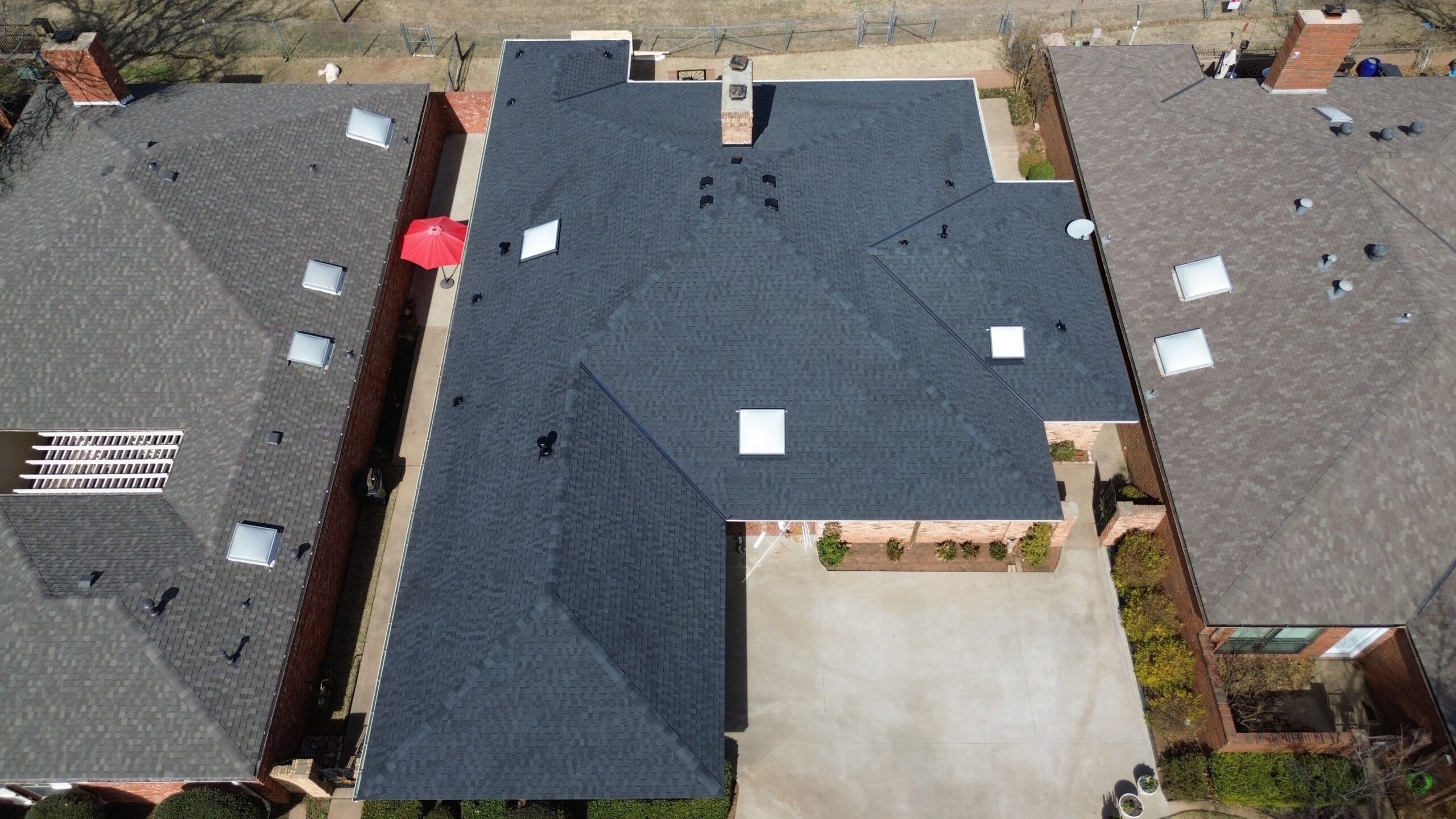
A mid-project inspection provides an opportunity to review completed sections before the installation moves too far ahead. Instead of waiting until the final day to inspect the roof, supervisors can examine selected areas while the crew is still actively working. This makes it easier to identify repeated installation errors and correct them before the same problem appears across the entire roof.
Mid-project inspections should focus on the components that have already been installed and may soon become inaccessible. Underlayment, flashing, fastening patterns, ventilation details, and other concealed elements deserve particular attention. If an issue is found, the affected area should be corrected before subsequent materials cover it.
Corrective action should address the underlying problem rather than only fixing the most visible defect. For example, if several fasteners are incorrectly positioned, the supervisor should determine whether the installation crew needs additional guidance before continuing. This helps prevent repeated errors and improves consistency across the project.
Documentation can make corrective action more effective. Inspection notes can identify the location of a problem, describe the required correction, and record when the correction was completed. Photographs can also provide useful evidence of installation conditions before and after corrective work.
Coordinating Quality Checks Across Installation Stages
Roof installation involves several components that depend on one another, so quality control should not treat each stage as completely separate. The underlayment must work with the flashing, edge protection must integrate with water-shedding layers, and the primary roofing material must be installed over a properly prepared base. Reviewing these relationships helps ensure that the completed roof functions as one coordinated system.
Communication between installers and supervisors is especially important during active installation. Workers should know which areas require inspection and should have a clear process for reporting unexpected conditions. Supervisors should communicate corrections clearly so that the same issue does not continue across other sections of the roof.
A simple inspection record can help organize these checkpoints throughout the project. The exact format may differ between contractors, but the purpose remains the same: confirm that important work has been completed correctly before the next stage begins.
| Installation stage | Key quality check | Why it matters |
|---|---|---|
| Roof deck preparation | Condition, stability, and cleanliness | Provides a suitable foundation for the roofing system |
| Underlayment | Coverage, overlaps, fastening, and damage | Adds moisture protection beneath the roof covering |
| Edge protection | Alignment, overlap, and attachment | Helps manage water at roof edges |
| Flashing | Placement, integration, and sealing | Protects vulnerable transitions and penetrations |
| Ventilation | Clear intake and exhaust pathways | Supports proper airflow through the roof assembly |
| Primary roofing material | Alignment, exposure, and fastening | Provides the main weather-resistant surface |
| Valleys and penetrations | Drainage path and protective details | Controls water around vulnerable roof areas |
Checking Roof Transitions and Difficult Areas
Roof transitions deserve additional attention because changes in slope, direction, or building geometry can create complicated installation conditions. Areas where different roof planes meet need to be examined for proper material sequencing and water management. A transition that looks acceptable from above may still contain a weakness if the underlying layers were not correctly integrated.
Dormers, sidewalls, roof-to-wall connections, and changes in roof pitch can require specialized flashing and installation details. The roofing team should verify these areas before moving on to surrounding sections. Careful inspection is particularly important because mistakes in transition areas can allow water to travel into concealed parts of the building.
Complex roof designs may also contain several penetrations close together. Contractors should make sure that these components do not interfere with each other or obstruct drainage paths. Maintaining adequate spacing and correctly integrating each component helps reduce the possibility of water accumulation and difficult-to-repair leaks.
Quality control in these areas requires patience rather than simply trying to complete the work quickly. Difficult details often require more careful measurement, cutting, fitting, and inspection than standard roof sections. Spending additional time on these locations can help prevent problems that might otherwise require significant corrective work later.
Maintaining Consistent Workmanship
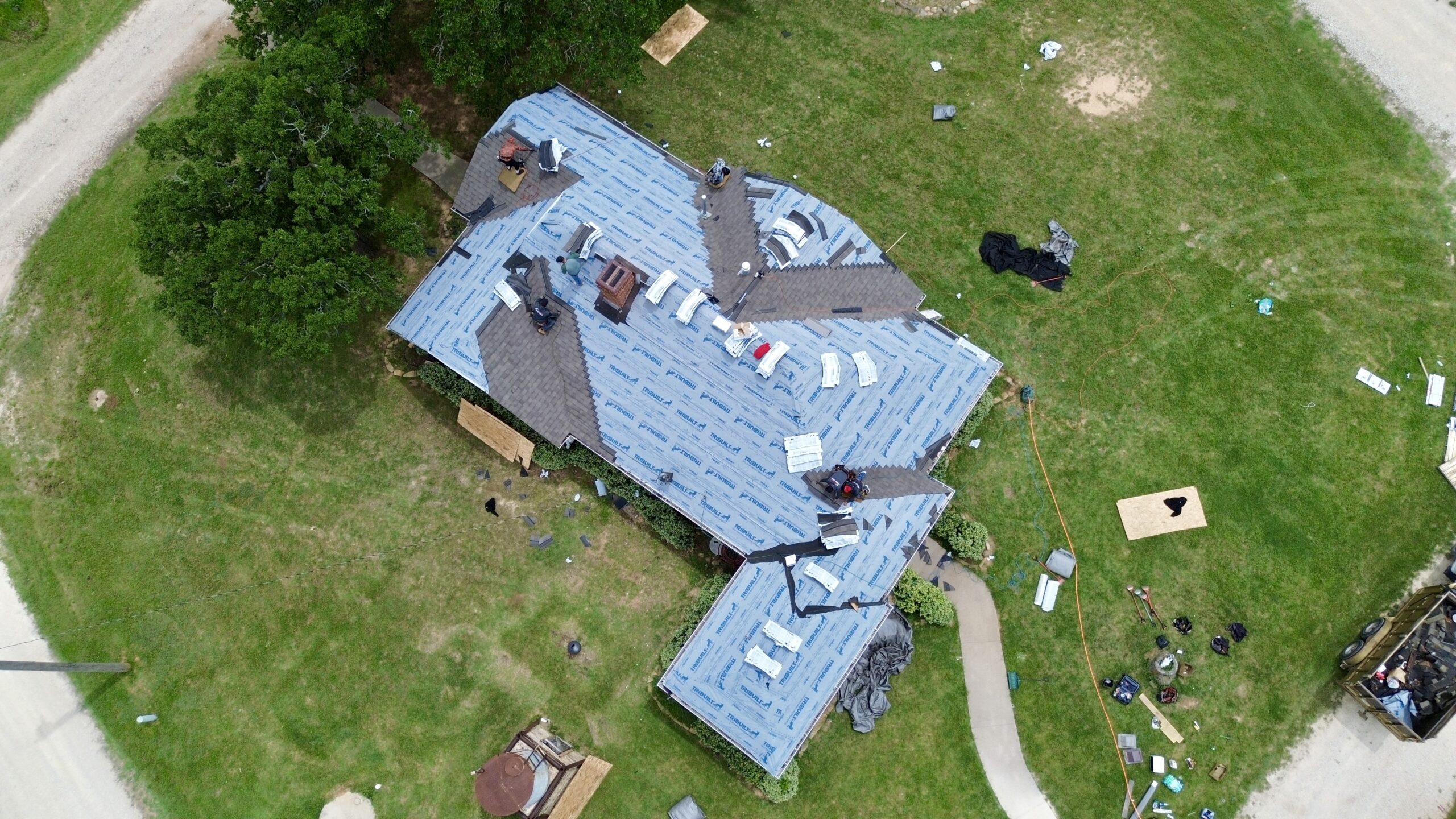
Consistency is an important indicator of professional roof installation. A roof may contain hundreds or thousands of individual materials and fasteners, so small differences can accumulate when installation practices are inconsistent. Supervisors should periodically review completed sections to confirm that the crew is maintaining the same installation standard throughout the project.
Consistency should be evaluated across alignment, exposure, fastening, material placement, flashing details, and finishing work. If one section looks significantly different from another, the difference should be investigated rather than automatically accepted. Consistent workmanship contributes to both the functional performance and professional appearance of the finished roof.
Crew training can support this consistency. Installers should understand the requirements of the roofing system before work begins and should know which details require particular attention. When new or less experienced workers join a project, supervisors may need to provide additional guidance and inspections to maintain the expected standard.
Quality control is therefore not only about inspecting materials after they have been installed. It also involves creating a working environment where installers understand the requirements, supervisors identify problems early, and corrective actions are applied consistently. This approach helps the project progress toward the final inspection with fewer unresolved defects.
Final Roof Installation Inspection
The final inspection is the last major quality control stage before a professional roofing project is considered complete. It should involve a systematic review of the entire roofing system rather than a quick visual check from ground level. The inspector should examine the roof surface, edges, valleys, flashing, penetrations, ventilation, drainage, and visible workmanship to identify any remaining concerns.
The inspection should begin with a general review of the completed roof and then move into specific details. Roofing materials should be checked for visible damage, missing components, improper alignment, exposed fasteners, and other installation defects. Any identified problem should be documented and corrected before the project receives final approval.
Flashing and penetration areas deserve particular attention during the final inspection because they are common locations for water intrusion. The inspector should review roof-to-wall transitions, chimneys, vents, skylights, valleys, and other areas where different components meet. These locations should have properly integrated materials without visible gaps, loose sections, or unfinished details.
The roof perimeter should also be examined carefully. Drip edges, rake edges, eaves, ridge areas, and other exposed boundaries should appear properly finished and securely attached. The inspection should confirm that edge components work with the surrounding roofing materials to support effective water management.
Water Management and Drainage Checks
A professional roof should provide a clear path for water to move away from the building. During the final quality control review, valleys, roof slopes, gutters, downspouts, drainage outlets, and other water management features should be checked for obstructions or improper installation. Debris left behind during construction should be removed so that it does not interfere with drainage.
Low-slope areas and complicated roof designs may require additional attention because water can accumulate when drainage paths are not properly maintained. Inspectors should look for areas where roofing materials, flashing, or construction debris could interrupt normal water flow. Any condition that could contribute to standing water or moisture intrusion should be addressed before the project is completed.
Workmanship and Appearance Inspection
A final workmanship inspection evaluates more than whether the roof is technically complete. The finished surface should demonstrate consistent installation, clean transitions, properly aligned materials, and professionally finished details. Visible inconsistencies can sometimes indicate underlying installation problems and therefore deserve investigation.
For shingle roofs, inspectors may review the consistency of courses, exposure, alignment, ridge finishing, and visible fastening. Other roofing systems may require different appearance and workmanship checks based on their materials and installation methods. In every case, the completed roof should reflect the requirements of the selected system and the expected standard of professional workmanship.
The property should also be checked for construction debris and installation-related damage. Roofing materials, packaging, discarded fasteners, and other waste should be removed from the roof and surrounding work areas. Gutters and drainage areas should be cleared, while the property itself should be left in an orderly condition.
Quality Control Documentation
Documentation is an important part of professional quality control because it creates a record of inspections, materials, corrections, and project completion. Records can include inspection checklists, photographs, product information, installation notes, and corrective action reports. Maintaining these records helps contractors demonstrate that important quality checks were performed.
Photographs can be especially useful when documenting areas that will become difficult to inspect later. Images taken during installation may show roof deck preparation, underlayment, flashing, ventilation, and other concealed components before they were covered. These records can provide useful project history if questions arise after completion.
A final quality control record should clearly identify any defects that were discovered and explain how they were addressed. The purpose is not simply to record problems but to demonstrate that identified issues were resolved before final approval. Organized documentation can also improve communication between contractors, supervisors, property owners, and other project stakeholders.
Safety Quality Control During Roof Installation
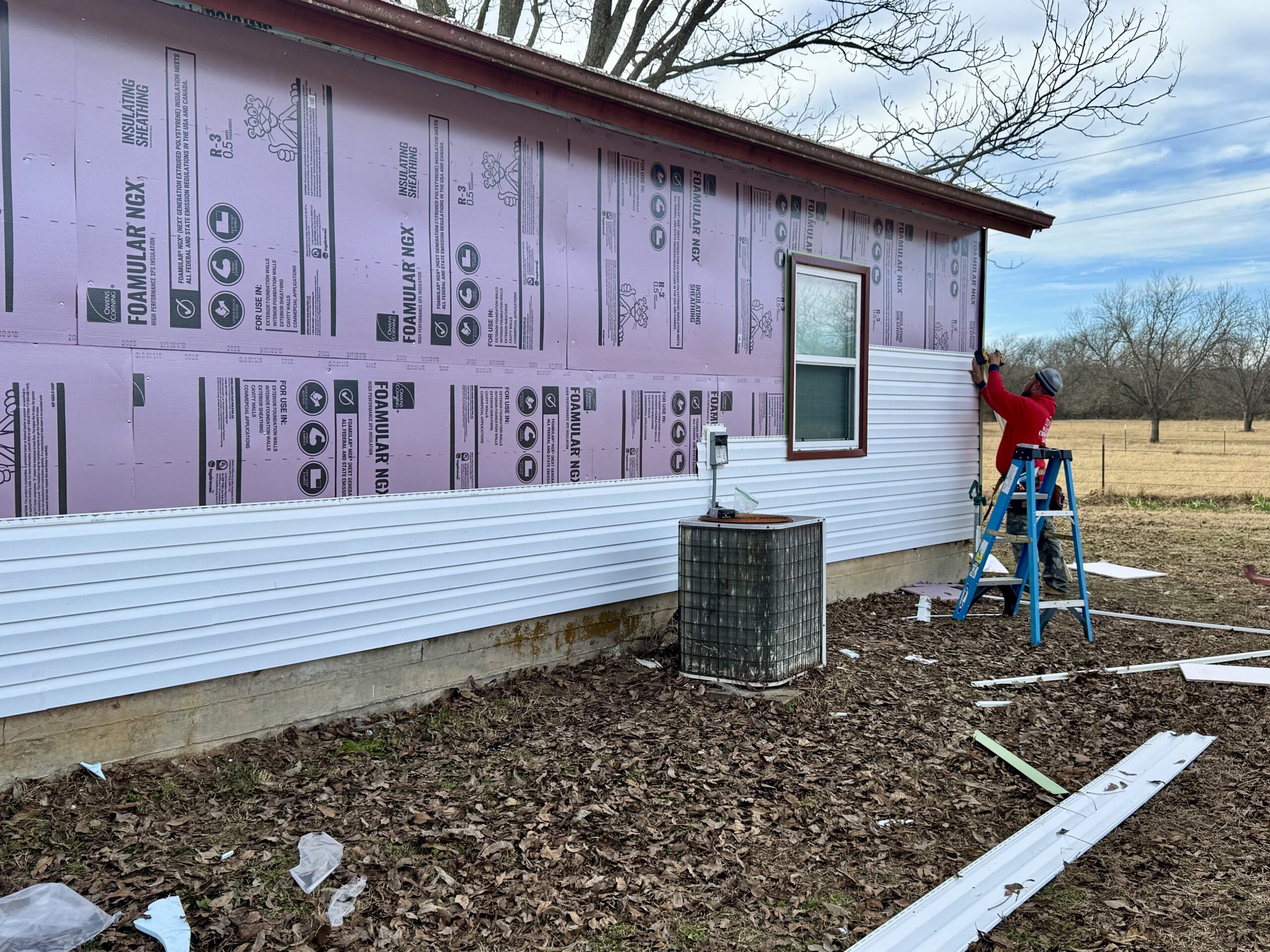
Safety should remain part of quality control throughout the roofing project. A rushed or unsafe installation can increase the likelihood of mistakes, damaged materials, and incomplete work. Professional roofing teams should maintain appropriate fall protection, safe access, suitable personal protective equipment, and proper handling procedures throughout installation.
Ladders, scaffolding, tools, and other equipment should be inspected and used according to applicable safety requirements. Workers should also maintain organized work areas to reduce trip hazards and prevent loose materials from falling or becoming damaged. Safety practices are especially important because roofing work involves elevated surfaces and changing site conditions.
Before the crew leaves the property, the site should be inspected for hazards created during installation. Loose fasteners, sharp materials, tools, packaging, and debris should be removed from accessible areas. A clean and secure site helps protect workers, occupants, visitors, vehicles, landscaping, and surrounding property.
Common Quality Control Failures in Roof Installation
Several recurring mistakes can weaken an otherwise professional roofing project. These failures often occur when installation progresses without adequate inspection or when small defects are accepted instead of corrected. Recognizing common problems helps roofing companies establish stronger quality control procedures.
Common failures include:
- Skipping or rushing the roof deck inspection
- Installing damaged or incorrect roofing materials
- Improper flashing around walls and penetrations
- Incorrect fastener placement or penetration
- Poor shingle alignment or inconsistent exposure
- Blocking roof ventilation pathways
- Leaving unfinished roof sections exposed to weather
- Failing to inspect concealed components before covering them
- Neglecting the final roof and property inspection
The most effective way to reduce these problems is to use quality checkpoints throughout the installation. Supervisors should not wait until the final inspection to discover issues that could have been identified earlier. Early corrections are generally easier and can prevent repeated defects across larger sections of the roof.
How Professional Roofing Contractors Maintain Consistent Quality
Professional contractors can improve consistency by establishing standardized installation procedures for every stage of the roofing project. These procedures should identify important preparation requirements, installation methods, inspection points, and corrective actions. Written procedures also help different crews follow the same expectations across multiple projects.
Training is another important factor. Installers should understand the roofing products they are working with and know the specific requirements that affect their installation tasks. Ongoing supervision can reinforce these requirements and help identify areas where additional training may be necessary.
A practical quality control process can follow these stages:
- Inspect the site and roof structure before installation.
- Verify roofing materials and inspect them for damage.
- Check roof deck preparation before covering the surface.
- Inspect underlayment, edge protection, flashing, and ventilation during installation.
- Review fastening, alignment, transitions, valleys, and penetrations.
- Complete a systematic final inspection and document corrections.
- Confirm that the roof and surrounding property are clean and ready for handover.
This structured approach makes quality control part of the installation process rather than treating it as a separate activity at the end. It also gives supervisors clear opportunities to stop, inspect, correct, and approve work before the next stage begins.
Long-Term Benefits of Strong Roofing Quality Control
Strong quality control can contribute to better long-term roof performance because installation defects are addressed before they become larger problems. Properly installed roofing materials, flashing, underlayment, ventilation, and drainage components can work together more effectively when each stage has been inspected carefully. This can reduce the likelihood of premature failures caused by preventable workmanship issues.
Quality control can also reduce callbacks and unexpected repair work. When defects are discovered and corrected during installation, property owners are less likely to encounter problems caused by incomplete or incorrect workmanship shortly after project completion. A consistent inspection process therefore benefits both the contractor and the property owner.
Another benefit is improved customer confidence. A contractor that can explain its inspection process and provide appropriate documentation demonstrates a commitment to workmanship rather than simply completing the visible portion of the job. Clear records can also help support warranty requirements and provide useful information for future maintenance.
When Professional Inspection May Be Necessary
Some roofing projects may require additional inspection because of their complexity, size, or specific building conditions. Large commercial roofs, complicated residential roof designs, major replacements, unusual roofing systems, and projects involving structural concerns may benefit from more detailed quality reviews. Professional inspection can also be valuable when an owner suspects that installation work does not meet the expected standard.
Independent inspections may provide another level of verification when required by project specifications or other applicable requirements. The scope of such an inspection can vary depending on the project and the roofing system. Contractors should make sure that any required inspection process is completed and properly documented before final project approval.
Quality Control Checklist for Professional Roof Installation
A complete roofing quality control process should cover the project from preparation through final cleanup. Important checkpoints include verifying the roof deck, confirming correct materials, inspecting underlayment, reviewing flashing and ventilation, checking fastening and alignment, and completing the final inspection. The checklist should be adapted to the specific roofing system rather than used as a generic substitute for manufacturer requirements.
The most important principle is consistency. Each stage should be reviewed before the next stage makes the work difficult to access, and identified defects should be corrected promptly. This approach creates a stronger connection between preparation, installation, inspection, and final approval.
Conclusion
Quality control is one of the most important elements of professional roof installation because even high-quality roofing materials can fail when they are installed incorrectly. A reliable roofing system depends on careful preparation, proper material handling, accurate installation, effective flashing, appropriate ventilation, secure attachment, and effective water management. Each of these components needs attention before the project can be considered complete.
The strongest quality control process begins before installation and continues through every major stage of construction. Inspecting the roof deck, verifying materials, checking underlayment, reviewing flashing and ventilation, monitoring workmanship, and conducting a detailed final inspection can help identify problems while they are still manageable. Documentation and corrective action further strengthen the process by creating a clear record of how quality standards were maintained.
Professional roofing contractors should therefore treat quality control as an ongoing responsibility rather than a final checklist. Consistent inspections, trained crews, manufacturer-compliant installation methods, proper documentation, and careful final review all contribute to a roofing system that is better prepared to handle everyday weather exposure and long-term use. When quality is controlled at every stage, the completed roof can provide property owners with greater confidence in its durability, performance, safety, and overall workmanship.