
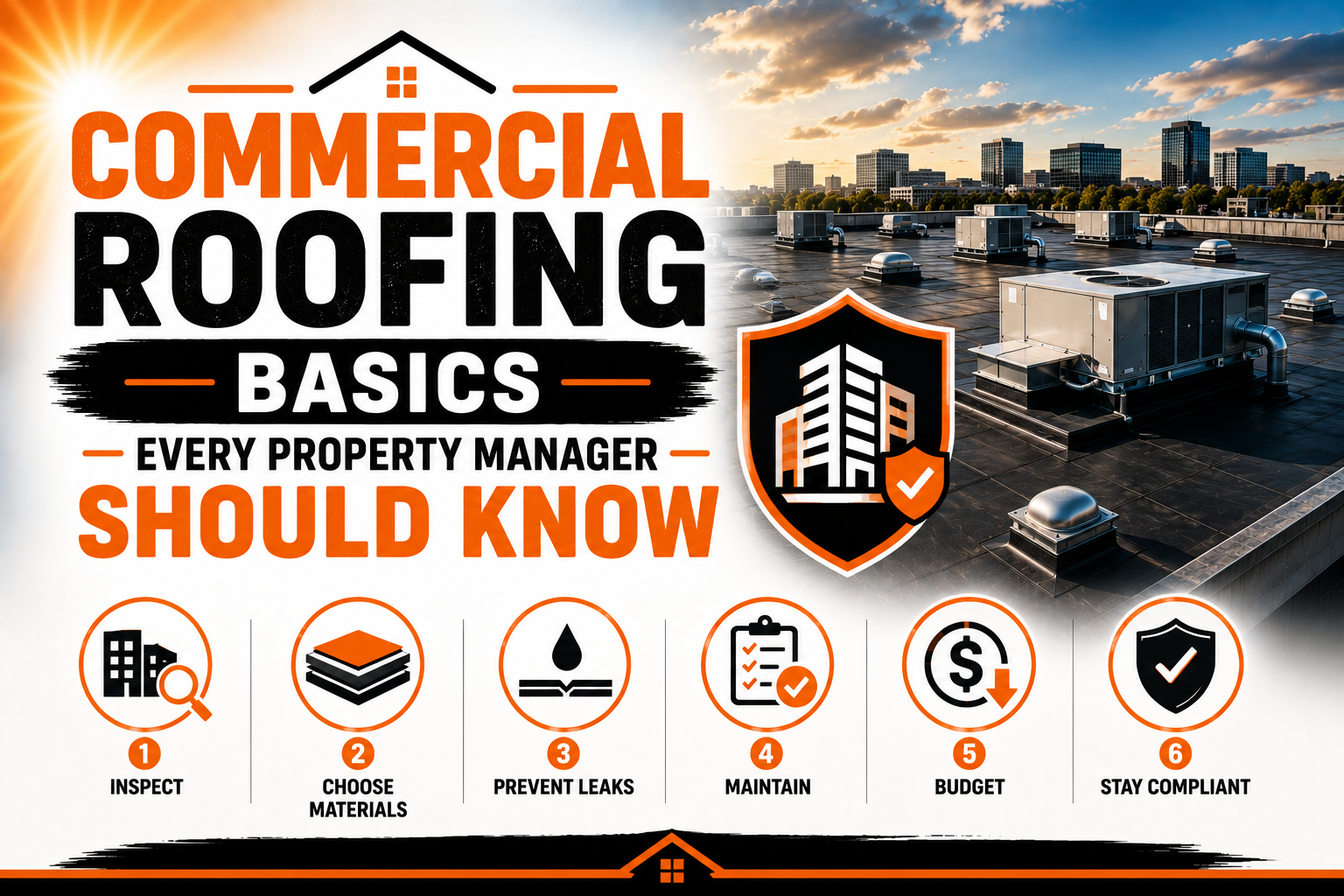
Commercial Roofing Basics Every Property Manager Should Know
Introduction
Commercial roofing is one of the most important building systems a property manager is responsible for maintaining. The roof protects the structure, interior spaces, equipment, inventory, employees, tenants, and business operations from rain, wind, sunlight, temperature changes, and other environmental conditions. When roofing problems are ignored, relatively small defects can develop into leaks, structural deterioration, interior damage, and costly operational disruptions.
A commercial roof is different from a simple protective covering placed over a building. It is a complete assembly made up of multiple components that must work together to control water, manage temperature, accommodate equipment, and withstand environmental stresses. The exact design depends on the building’s size, roof slope, construction, climate, occupancy, and intended use.
Property managers should understand the basic principles of commercial roofing even when they rely on professional contractors for inspections and repairs. This knowledge makes it easier to recognize warning signs, ask useful questions, evaluate recommendations, and prioritize maintenance. It also helps property managers communicate more effectively with owners, tenants, facility staff, and roofing professionals.
Commercial roofs frequently have low slopes rather than the steep slopes common on many residential properties. Because water may move more slowly across these surfaces, drainage design becomes especially important. Internal drains, scuppers, gutters, downspouts, tapered insulation, and carefully designed roof slopes may all be used to direct water away from the building.
The roof may also support or surround mechanical equipment such as heating and cooling units, exhaust systems, vents, skylights, communication equipment, and other installations. Every penetration and equipment connection introduces additional details that must be properly installed and maintained.
For property managers, the most important principle is to think about the roof as a system rather than a single material. The membrane or roof covering is only one part of the assembly, and the performance of the complete system depends on drainage, flashing, insulation, edges, penetrations, and supporting components.
Main Components of a Commercial Roof
Understanding the basic components of a commercial roof gives property managers a better foundation for managing inspections and maintenance. Although systems vary, most commercial roofs contain several major layers and supporting components that perform different functions.
The roof deck forms the structural base of the roofing assembly. It can be constructed from materials such as concrete, steel, wood, or other structural systems depending on the building. The condition of the deck is important because damaged or deteriorated areas can affect the performance of the roofing system installed above it.
Insulation is commonly placed within the roofing assembly to reduce heat transfer between the interior and exterior. Proper insulation can contribute to energy performance and help maintain more stable indoor conditions. Its placement and design depend on the building, climate, roof construction, and applicable requirements.
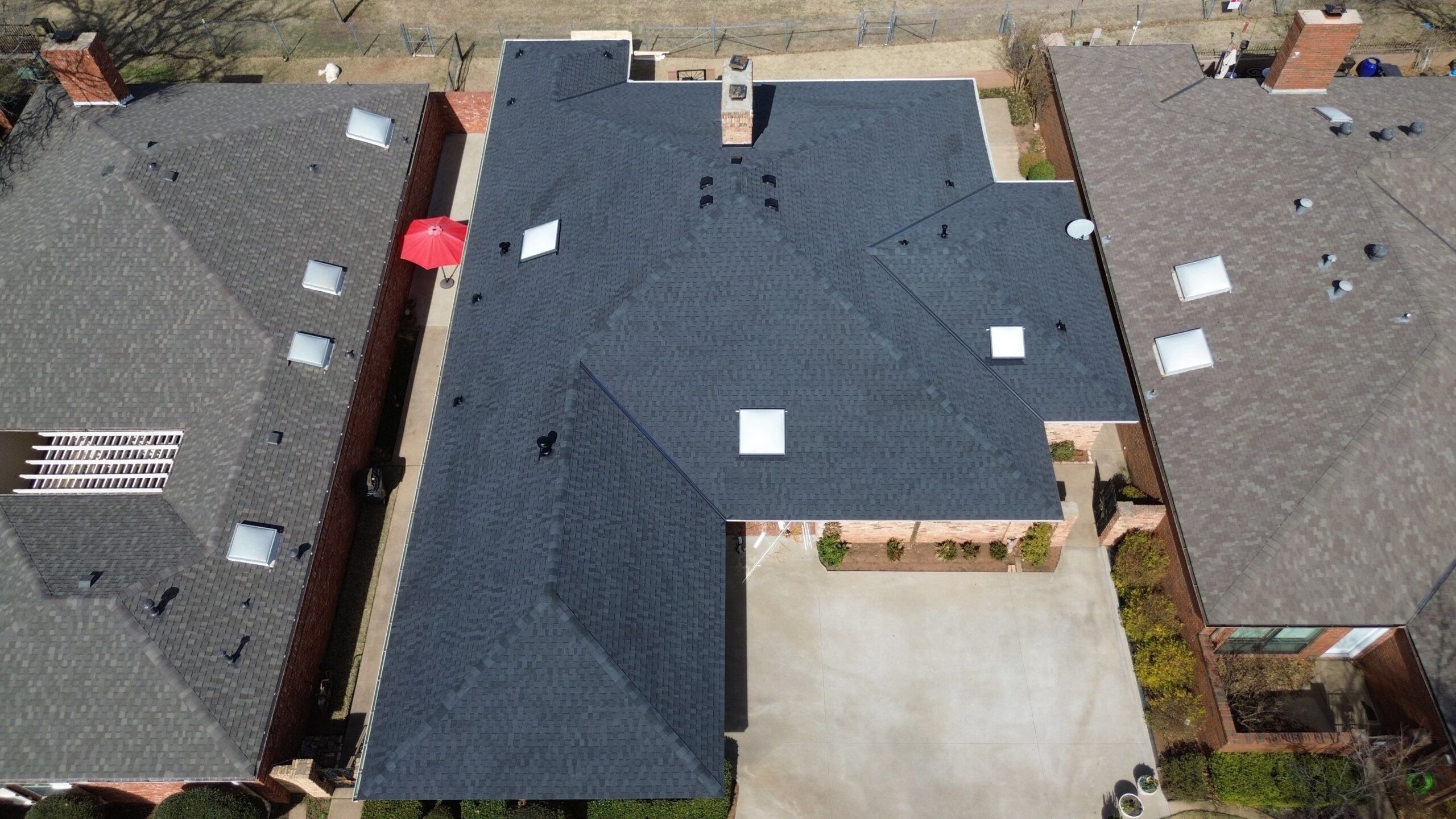
The roof membrane or covering provides the primary weather-resistant surface. Commercial properties may use single-ply membranes, modified bitumen, built-up roofing, metal systems, coatings, or other specialized materials. Each type has its own installation requirements, maintenance considerations, strengths, and limitations.
Flashing is another critical component. It is used around areas where the roof meets walls, equipment curbs, drains, vents, skylights, parapets, and other transitions. These areas are particularly vulnerable to water intrusion because they interrupt the main roofing surface.
Drainage components move water away from the roof. Depending on the building design, these may include internal drains, scuppers, gutters, downspouts, and other drainage features. Property managers should understand where the roof’s drainage points are located and ensure that they remain clear.
Roof edges also require attention because they can experience significant wind forces. Edge metal, coping, perimeter flashing, and related components help protect the boundary of the roofing assembly. Problems around roof edges can sometimes become serious during strong wind events.
Commercial roofs may also include protective walkways and pads around areas where maintenance personnel regularly travel. These features can reduce physical wear caused by repeated foot traffic. Property managers should make sure maintenance teams and outside contractors use designated access routes whenever possible.
The important point is that these components operate together. A high-quality membrane cannot compensate for blocked drainage, damaged flashing, inadequate insulation, or a deteriorated deck. Effective roof management therefore requires attention to the complete assembly.
Common Commercial Roofing Systems and Materials
Property managers may encounter several different commercial roofing systems depending on the age, design, and purpose of a building. Understanding the basic differences can make contractor recommendations easier to evaluate and can help managers recognize why maintenance requirements vary between properties.
Single-ply membrane systems are widely used on commercial buildings. These systems use flexible membrane materials installed over the roof assembly and may be mechanically attached, adhered, or installed using other approved methods. Their characteristics can vary depending on the specific membrane and installation approach.
Built-up roofing uses multiple layers to create a durable roofing assembly. These systems have been used extensively in commercial construction and can provide a robust weather-resistant surface. Their maintenance and repair requirements depend on the specific materials and installation details.
Modified bitumen systems use asphalt-based materials that have been modified to improve certain performance characteristics. They can be installed using different methods and are often used on low-slope commercial buildings. Proper seams, flashing, and surface detailing remain important for long-term performance.
Metal roofing is another option for commercial properties. It can provide durability and may be suitable for particular building designs and roof configurations. However, seams, fasteners, penetrations, flashing, and expansion-related movement must be managed correctly.
Roof coatings can sometimes be used as part of a maintenance or restoration strategy. Depending on the existing roof’s condition and the particular coating, they may provide additional protection or help extend the service life of a suitable existing system. A professional assessment is necessary before deciding whether a coating is appropriate.
Property managers should avoid selecting a roofing system solely because it has a low initial cost. Material price is only one part of the overall expense. Installation requirements, expected service life, maintenance needs, repairability, energy characteristics, and compatibility with the existing building should also be considered.
The building’s use is equally important. A warehouse with extensive rooftop equipment may have different requirements from an office building or retail property. The number of penetrations, frequency of rooftop access, expected environmental exposure, and drainage design can all influence which roofing system is appropriate.
When comparing roofing proposals, managers should confirm that the systems being compared have similar scopes and quality levels. A lower estimate may exclude important components such as flashing replacement, insulation upgrades, deck repairs, or drainage improvements. Reviewing the complete specification provides a much more meaningful comparison than looking at price alone.
Commercial Roof Drainage and Water Management
Water management is one of the most important responsibilities of a commercial roofing system. Rainwater must be collected and directed away from the building before it can create prolonged moisture exposure. Property managers should understand the roof’s drainage arrangement and make sure its components remain functional.
Commercial buildings may use internal drains located within the roof area. These drains connect to piping that carries water away from the building. Drain openings and strainers should remain free of leaves, dirt, packaging materials, and other debris that could restrict water movement.
Scuppers can also be used to move water through parapet walls or roof edges. They may discharge water directly outside or connect to additional drainage components. If a scupper becomes blocked, water may accumulate on the roof instead of leaving the building as intended.
Gutters and downspouts are common on certain commercial roof designs. They collect water from roof edges and direct it toward suitable discharge locations. Damaged, disconnected, or blocked components can cause water to overflow against exterior walls or accumulate around the building.
Some roofs incorporate tapered insulation or other design features to create drainage slopes. Although a commercial roof may appear flat, subtle slopes can direct water toward drains or edges. Property managers should recognize that standing water may indicate a drainage problem rather than simply being a normal characteristic of a flat roof.
Drainage maintenance should be performed regularly and adjusted according to site conditions. Buildings surrounded by trees may accumulate leaves more quickly than properties in open areas. Construction activity can also introduce debris that blocks drains and creates temporary drainage problems.
Persistent ponding should not simply be ignored. If water repeatedly remains in the same area after rainfall, the cause should be investigated. Possible factors can include blocked drainage, inadequate slope, membrane deformation, structural movement, or other conditions.
Water management also involves rooftop penetrations. HVAC equipment, vents, skylights, and other openings must be properly flashed and maintained. A drainage system can function correctly while a deteriorated penetration still allows water to enter the building.
Property managers should treat drainage as an ongoing maintenance responsibility rather than a one-time installation feature. Keeping drainage pathways clear and responding quickly to recurring ponding can help protect the roofing system and the building beneath it.
Factors That Affect Commercial Roof Performance
Commercial roof performance depends on much more than the roofing material selected during construction. Environmental exposure, installation quality, building use, maintenance, drainage, rooftop traffic, and the condition of supporting components can all influence how well the system performs over time.
Weather exposure is one of the most significant factors. Sunlight can gradually affect exposed materials, while wind can place stress on membranes, flashing, roof edges, and equipment details. Heavy rainfall can test drainage systems, while hail and falling debris can cause physical damage.
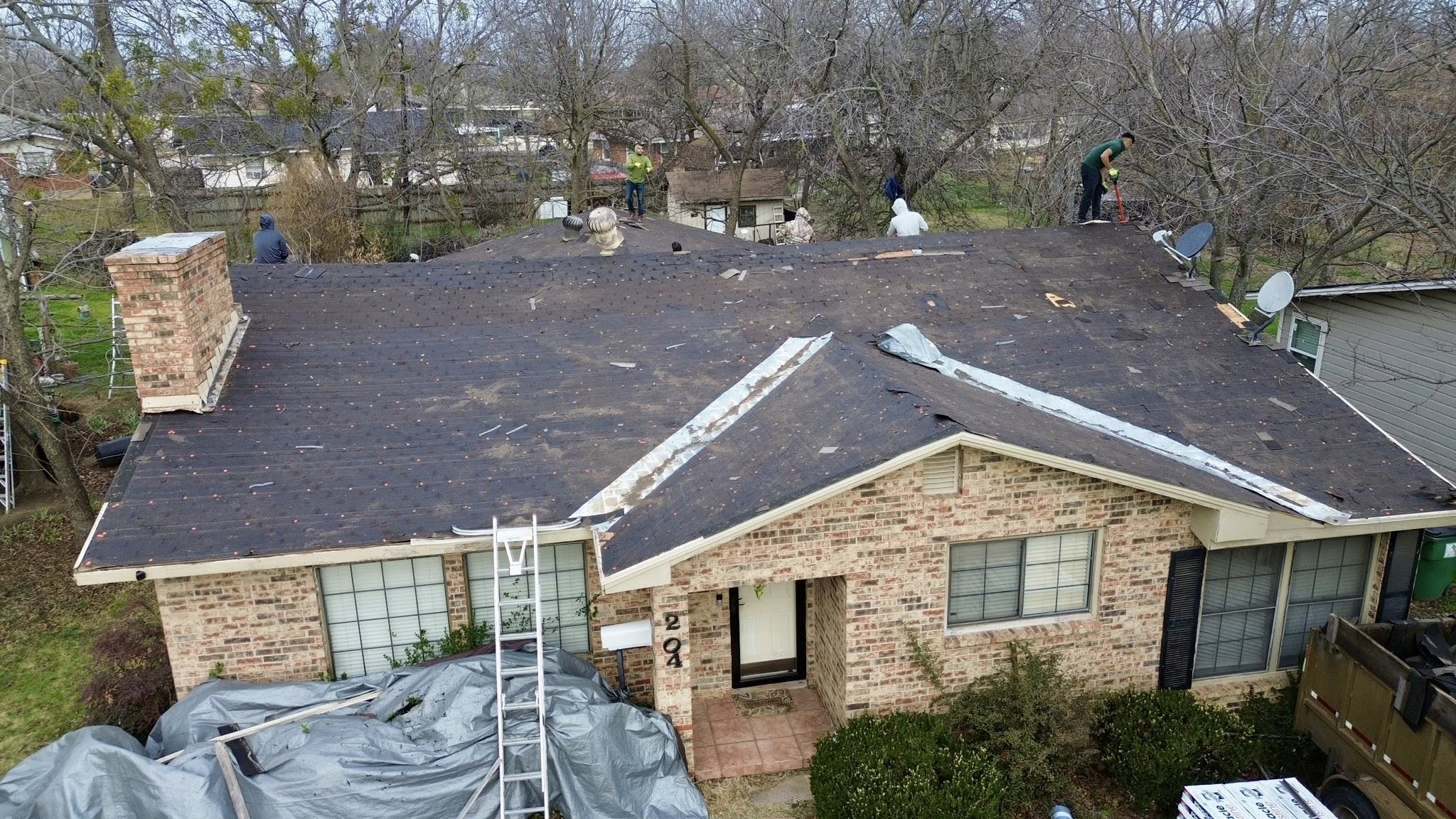
Installation quality is equally important. Roofing systems have specific requirements for seams, fasteners, adhesives, flashing, insulation, and drainage. If these details are installed incorrectly, problems may develop even when high-quality materials are used.
Rooftop activity can also affect performance. Maintenance workers and contractors may need regular access to mechanical equipment, but repeated foot traffic can damage some roofing surfaces. Protective walkways and designated service areas can help limit unnecessary wear.
Construction and renovation work present additional risks. Other contractors may place tools, materials, or equipment on the roof without understanding how easily certain roofing surfaces can be damaged. Property managers should coordinate rooftop activities and ensure that contractors understand access and protection requirements.
Maintenance history provides another important indicator of roof performance. A roof with frequent leaks and repeated repairs may require closer evaluation than one with a consistent maintenance history. Recurring problems can indicate that an underlying issue has not been fully corrected.
Building conditions beneath the roof can also provide clues. Ceiling stains, damp insulation, unusual odors, or moisture around interior areas may indicate a roofing or building-envelope problem. However, interior symptoms do not always identify the exact exterior source, so professional investigation may be necessary.
Finally, roof age should be considered alongside condition. Older roofs may require more frequent inspections and more careful budgeting for future work, but age alone does not determine whether replacement is necessary. A properly maintained roof may continue performing effectively, while a poorly maintained system may develop problems much earlier.
Property managers who understand these factors can move beyond simply reacting to leaks. They can identify conditions that increase risk, prioritize maintenance, and work with roofing professionals to develop a more reliable long-term management strategy.
Planning Commercial Roofing Work
Effective commercial roofing management begins with planning. Property managers should understand the roof’s current condition, maintenance history, major components, previous repairs, and expected future needs before approving significant work. Good planning reduces surprises and helps ensure that roofing decisions support the property’s operational requirements.
The first step is to establish a reliable record of the existing system. Information about the roof’s installation date, material, manufacturer, previous repairs, warranties, inspections, and known problem areas should be organized. Photographs and roof plans can also make future inspections and contractor discussions more efficient.
Before major repairs or replacement, a professional condition assessment is valuable. The inspection should identify visible defects, drainage conditions, flashing problems, membrane deterioration, and potential concealed issues. The resulting information can help determine whether localized repairs, restoration, or replacement should be considered.
Project scope should be clearly defined before work begins. Property managers should understand what materials will be installed, which components will be replaced, how existing roofing will be handled, and how unexpected conditions will be addressed. Written documentation is essential when comparing proposals and controlling project costs.
Scheduling is particularly important for occupied commercial properties. Roofing work can create noise, restrict access, affect parking or loading areas, and temporarily interfere with business activities. Managers should coordinate with tenants and building occupants before significant work begins.
A practical planning process includes:
- Reviewing current roof condition and maintenance history
- Identifying recurring leaks and problem areas
- Checking drainage and rooftop equipment requirements
- Obtaining detailed professional recommendations
- Comparing written scopes and costs
- Planning work around business operations
- Documenting completed repairs and future maintenance needs
Property managers should also plan for unexpected conditions. Concealed deck damage, deteriorated insulation, or hidden moisture may only become visible after roofing materials are removed. The contract should establish how such conditions will be documented, priced, and approved.
The goal of planning is not simply to complete roofing work quickly. It is to ensure that the work solves the appropriate problems, protects the building, minimizes disruption, and provides reliable long-term performance. A property manager who understands the basics of commercial roofing is better equipped to achieve that outcome.
Commercial Roof Inspection and Condition Assessment
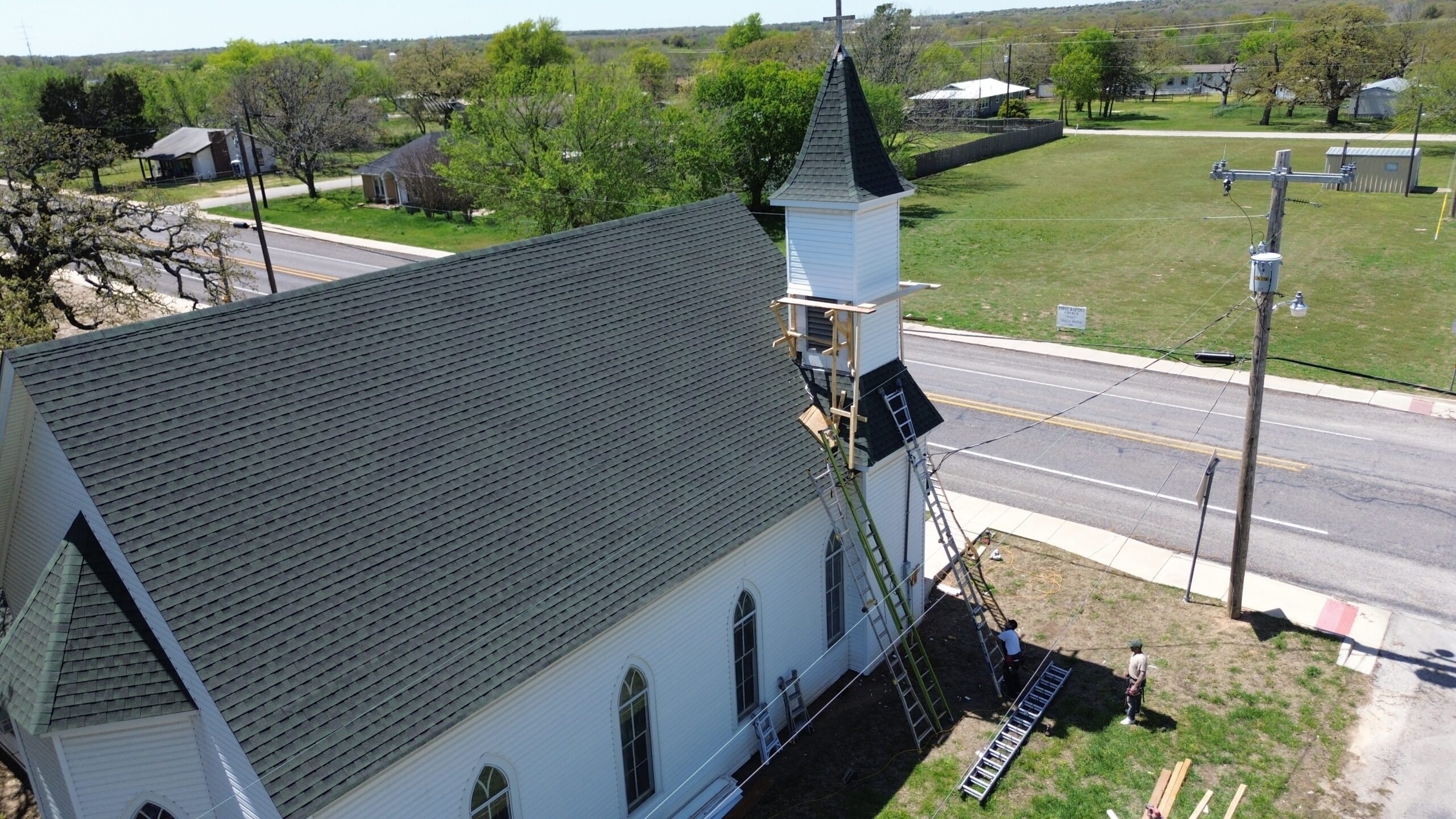
Regular roof inspections are essential for property managers because commercial roofing systems can develop problems that are not immediately visible from inside the building. An inspection provides an opportunity to identify damaged membranes, deteriorated flashing, blocked drainage components, exposed materials, and other conditions before they become larger failures. The frequency of inspections should depend on the roof’s age, material, environmental exposure, maintenance history, and building use.
A professional inspection should evaluate the entire roofing system rather than focusing only on obvious leaks. The inspector should examine the roof surface, seams, flashing, penetrations, drains, scuppers, gutters, roof edges, equipment areas, and accessible supporting components. Interior areas should also be considered because ceiling stains, damp insulation, or other moisture-related signs may provide useful clues about roof performance.
Property managers should pay particular attention to recurring problems. If the same area has been repaired multiple times, the issue may involve an underlying condition rather than an isolated defect. Repeated repairs can indicate deterioration, movement, drainage problems, or improperly addressed flashing details.
Standing water is another condition that deserves investigation. Temporary water accumulation after heavy rainfall may not necessarily indicate a major failure, but persistent ponding can place additional stress on roofing materials. The cause should be evaluated rather than simply allowing the condition to continue.
Roof inspections should be documented carefully so that current findings can be compared with previous reports. Photographs, roof plans, written observations, and repair recommendations can help property managers track changes over time. Good records also make communication with contractors easier when future work is required.
Inspection findings should be divided according to urgency. Conditions that threaten immediate water intrusion or safety may require prompt attention, while minor deterioration can sometimes be monitored as part of routine maintenance. This prioritization allows property managers to use available budgets more effectively.
Property managers should also understand that visual inspections have limitations. Moisture can sometimes exist beneath a membrane or within insulation without producing obvious exterior signs. When concealed damage is suspected, specialized testing or further investigation may be appropriate.
The purpose of an inspection is ultimately to understand the roof’s condition and make informed decisions. A professional assessment can help determine whether the appropriate response is maintenance, localized repair, restoration, or long-term replacement planning.
Commercial Roofing Maintenance Essentials
A commercial roof requires ongoing maintenance because weather exposure and building activity gradually affect its components. Preventive maintenance allows property managers to address small problems before they become major failures. It can also help extend useful service life and make roofing expenses more predictable.
Drainage maintenance should be a major priority. Drains, strainers, scuppers, gutters, and downspouts can become blocked by leaves, dirt, trash, construction debris, and other materials. When water cannot leave the roof efficiently, prolonged moisture exposure may increase the risk of leaks and deterioration.
Roof surfaces should also be kept reasonably clear of unnecessary debris. Branches, discarded materials, equipment parts, and other objects can damage roofing membranes or interfere with drainage. Debris should be removed using methods appropriate for the particular roofing system.
Flashing and roof penetrations deserve regular attention. Areas around HVAC equipment, vents, skylights, pipes, curbs, walls, and expansion joints can experience movement and weather-related deterioration. Damaged flashing should be professionally evaluated before water enters the roof assembly.
Rooftop traffic should be controlled as well. Maintenance workers frequently need access to mechanical equipment, but repeated walking across certain roofing surfaces can cause punctures, abrasion, or other damage. Designated walkways and protective pads can help reduce unnecessary wear.
Property managers should coordinate roofing maintenance with other contractors working on the building. HVAC technicians, electricians, solar installers, construction crews, and other professionals may need rooftop access. They should understand where sensitive roofing areas are located and what precautions are required.
Maintenance activities should be recorded after completion. Records can include the date of service, areas inspected, problems identified, repairs performed, materials used, and recommendations for future work. Over time, these records create a useful history of the roof’s performance.
A maintenance program should be adapted to the individual property. A large facility surrounded by trees and equipped with numerous rooftop units may need more frequent attention than a smaller building with limited rooftop activity. Climate and local weather patterns should also influence maintenance planning.
Preventive maintenance does not mean repairing every minor cosmetic issue immediately. Instead, it provides a structured process for identifying conditions, assessing their importance, and taking appropriate action. This approach helps property managers protect the roof while controlling unnecessary expenses.
Managing Roof Leaks and Emergency Repairs
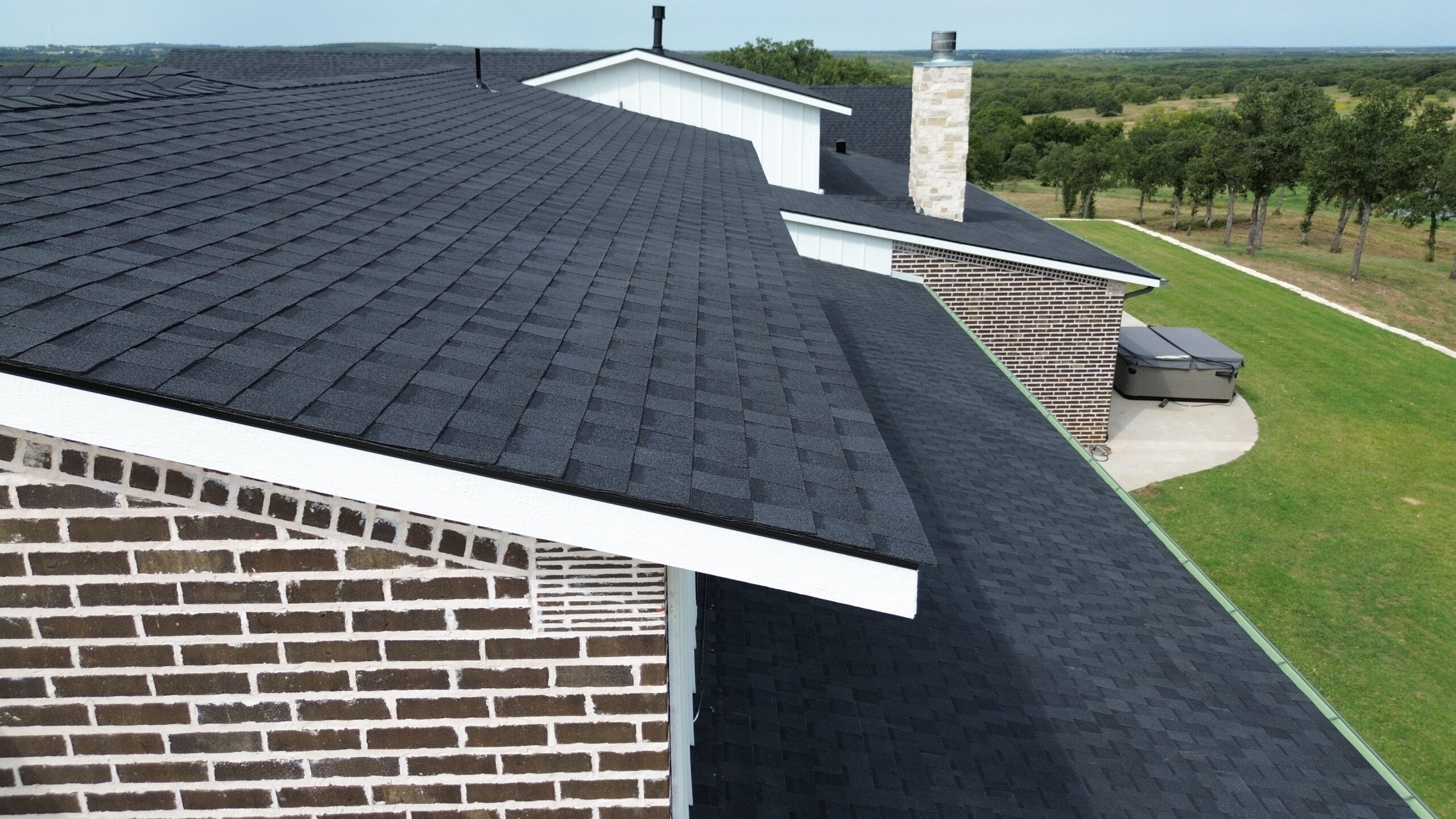
Roof leaks should always receive prompt attention because water can travel through roofing assemblies and affect areas far from the original entry point. A small visible stain may therefore represent a more complicated problem within the roof system. Property managers should treat leaks as conditions that require investigation rather than simply covering visible damage.
The location of an interior leak does not always identify the exact source. Water can move horizontally along insulation, decking, structural elements, or other building components before reaching the interior. Professional roofers may need to inspect a larger area to determine where the water is entering.
Emergency measures can sometimes be necessary when a significant leak occurs during severe weather or outside normal maintenance hours. Temporary protection may help limit water entry and protect equipment or inventory until a permanent repair can be completed. However, temporary measures should not become a substitute for identifying and correcting the underlying problem.
Once the immediate situation is controlled, the roof should be assessed carefully. The inspection should consider the membrane, seams, flashing, penetrations, drainage, and surrounding areas. If the roof has experienced previous repairs in the same location, those records should also be reviewed.
A proper repair should address the cause of the leak. Depending on the roofing system, this might involve repairing a membrane section, restoring a seam, replacing flashing, correcting a drainage problem, or repairing another damaged component. The appropriate method should be compatible with the existing roofing materials.
Property managers should avoid authorizing repeated temporary patches without understanding why the problem keeps returning. Multiple repairs in different areas may indicate broader deterioration, while repeated failure at one location may point toward an unresolved installation or design issue.
Emergency roofing procedures should be established before a major incident occurs. Property managers should know which roofing contractor to contact, where roof plans and warranties are stored, and which building personnel should be notified when water intrusion occurs.
Documentation is important after every leak and repair. Photographs, dates, locations, suspected causes, repair details, and follow-up recommendations can help identify patterns. This information can also become valuable when evaluating whether continued repairs remain practical.
Effective leak management protects both the roof and the business beneath it. Prompt response, professional investigation, appropriate repairs, and good documentation can reduce the potential for extensive water damage and help maintain business continuity.
Understanding Rooftop Equipment and Penetrations
Commercial roofs frequently support or surround mechanical and building equipment that requires regular access. HVAC units, exhaust fans, vents, skylights, pipes, communication equipment, electrical systems, and other installations can all interact with the roofing assembly. These features require careful management because each penetration or equipment connection can create a potential path for water intrusion.
Property managers should know where major rooftop equipment is located and understand which areas require regular maintenance access. A roof plan can be particularly useful for identifying drains, equipment curbs, penetrations, service pathways, and other important details.
Equipment installations should not compromise the roofing system. Curbs, supports, flashing, seals, and other components must be compatible with the roof design and installed correctly. When new equipment is added, the roofing contractor and equipment contractor should coordinate their work.
Maintenance activities can create unexpected roof damage. Technicians may carry tools, replacement parts, or equipment across the roof, and careless movement can puncture or damage certain roofing materials. Property managers should establish access procedures that protect the roofing surface.
Walkways can help guide maintenance traffic between frequently used equipment areas. Protective pads may also be appropriate around service locations where workers regularly stand or perform maintenance. These measures can reduce concentrated wear on the roof.
Penetrations should be inspected periodically because seals and flashing can deteriorate over time. Movement, weather exposure, and maintenance activities may gradually affect these details. Early detection can allow repairs before water reaches insulation or interior areas.
Solar installations require particular planning. Mounting systems, attachments, wiring pathways, and maintenance access can all affect the roofing assembly. Before adding solar equipment, property managers should consider the remaining service life of the existing roof and whether the installation could complicate future roof work.
Rooftop equipment replacement should also be coordinated with roofing maintenance. If an aging roof is likely to be replaced soon, installing new equipment without considering future roof access can create unnecessary complications. Long-term planning can help align mechanical and roofing projects.
Property managers do not need to perform technical evaluations themselves, but they should understand the relationship between rooftop equipment and the roof. Proper coordination protects both systems and reduces the possibility that maintenance activities will create avoidable roofing problems.
Commercial Roofing Safety and Compliance
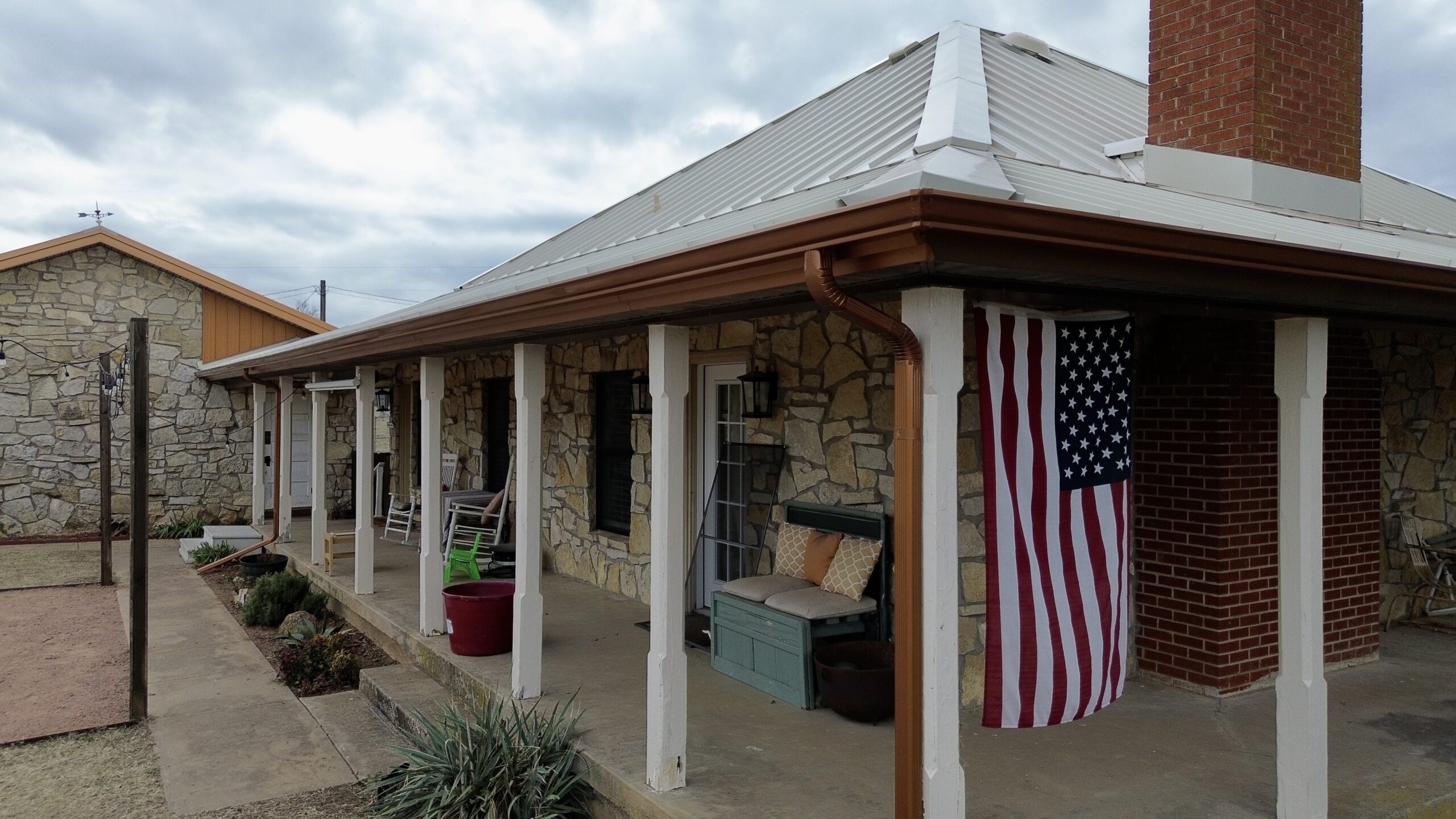
Commercial roofing work involves significant safety considerations because workers may operate at height, move heavy materials, use specialized tools, and work around mechanical and electrical equipment. Property managers should understand their role in maintaining a safe environment and should select contractors who follow appropriate safety practices.
Roof access should be controlled. Unauthorized personnel should not be allowed to walk across roofing surfaces without a legitimate reason and appropriate precautions. Restricting unnecessary access reduces both safety risks and the possibility of accidental roof damage.
Roof areas may contain hazards such as skylights, fragile surfaces, roof edges, electrical equipment, mechanical units, and other obstacles. These hazards should be identified before maintenance or construction work begins. Contractors should have appropriate procedures for accessing and working around them.
Building codes and applicable regulations may also affect roofing projects. Requirements can relate to structural conditions, insulation, energy performance, fire resistance, drainage, materials, permits, and other project characteristics. Property managers should confirm that the project will be handled in accordance with applicable local requirements.
Permits and inspections may be required depending on the nature and location of the work. Responsibilities for obtaining permits should be clearly established before construction begins. Property managers should retain relevant documentation for the property’s records.
Contractor qualifications are also important. Managers should evaluate relevant commercial roofing experience, insurance, safety practices, references, written scope, and warranty information. The lowest proposal is not necessarily the best choice if it excludes important work or creates additional long-term risks.
Tenant and occupant safety should be considered during roofing projects. Work may involve noise, odors, equipment movement, restricted areas, or temporary access changes. Property managers should communicate project schedules and safety requirements clearly to affected occupants.
Weather conditions can also influence roofing safety and installation quality. Certain materials and installation methods may have specific environmental limitations. Contractors should determine whether conditions are suitable for the planned work rather than rushing to complete a project under unsuitable circumstances.
Safety and compliance should be treated as integral parts of commercial roofing management. Proper planning protects workers, occupants, the building, and the property owner’s investment.
Working With Commercial Roofing Contractors
A strong relationship with a qualified commercial roofing contractor can make property management significantly easier. However, successful contractor relationships depend on clear communication, detailed documentation, and a shared understanding of project requirements. Property managers should be prepared to provide accurate information and ask questions before approving work.
Before requesting proposals, managers should gather available information about the existing roof. Installation records, previous inspection reports, repair documentation, warranties, photographs, and roof plans can help contractors understand the property’s history.
The scope of work should be written clearly. It should identify the areas being addressed, materials or systems proposed, preparation requirements, flashing work, drainage considerations, removal procedures, cleanup responsibilities, and treatment of unexpected conditions. A detailed scope makes competing proposals easier to compare.
Property managers should avoid comparing proposals based only on the final price. A lower proposal may contain a narrower scope, different materials, fewer included repairs, or different warranty terms. Reviewing each proposal line by line can reveal important differences.
Questions should be encouraged before work begins. Managers should understand why a particular repair or roofing system is being recommended and what alternatives may exist. Contractors should be able to explain technical recommendations in practical terms that property owners and managers can evaluate.
The contract should clearly establish responsibilities for scheduling, permits, safety, material storage, site protection, cleanup, warranty documentation, and unexpected conditions. Clear expectations can reduce disputes during the project.
Communication should continue throughout the work. Property managers should receive updates about progress, unexpected findings, schedule changes, and completed areas. If concealed damage is discovered, it should be documented and discussed before additional work is authorized.
After completion, the property manager should collect relevant closeout information. This may include warranties, product information, photographs, inspection records, repair details, and maintenance recommendations. These documents should be retained for future reference.
The best contractor relationship is based on more than completing one project. A knowledgeable contractor who understands the property’s roofing history can provide useful guidance during future inspections, repairs, and replacement planning. With organized records and consistent communication, property managers can make roofing decisions with greater confidence and maintain better control over the building’s long-term condition.
Managing Commercial Roof Repairs and Replacement
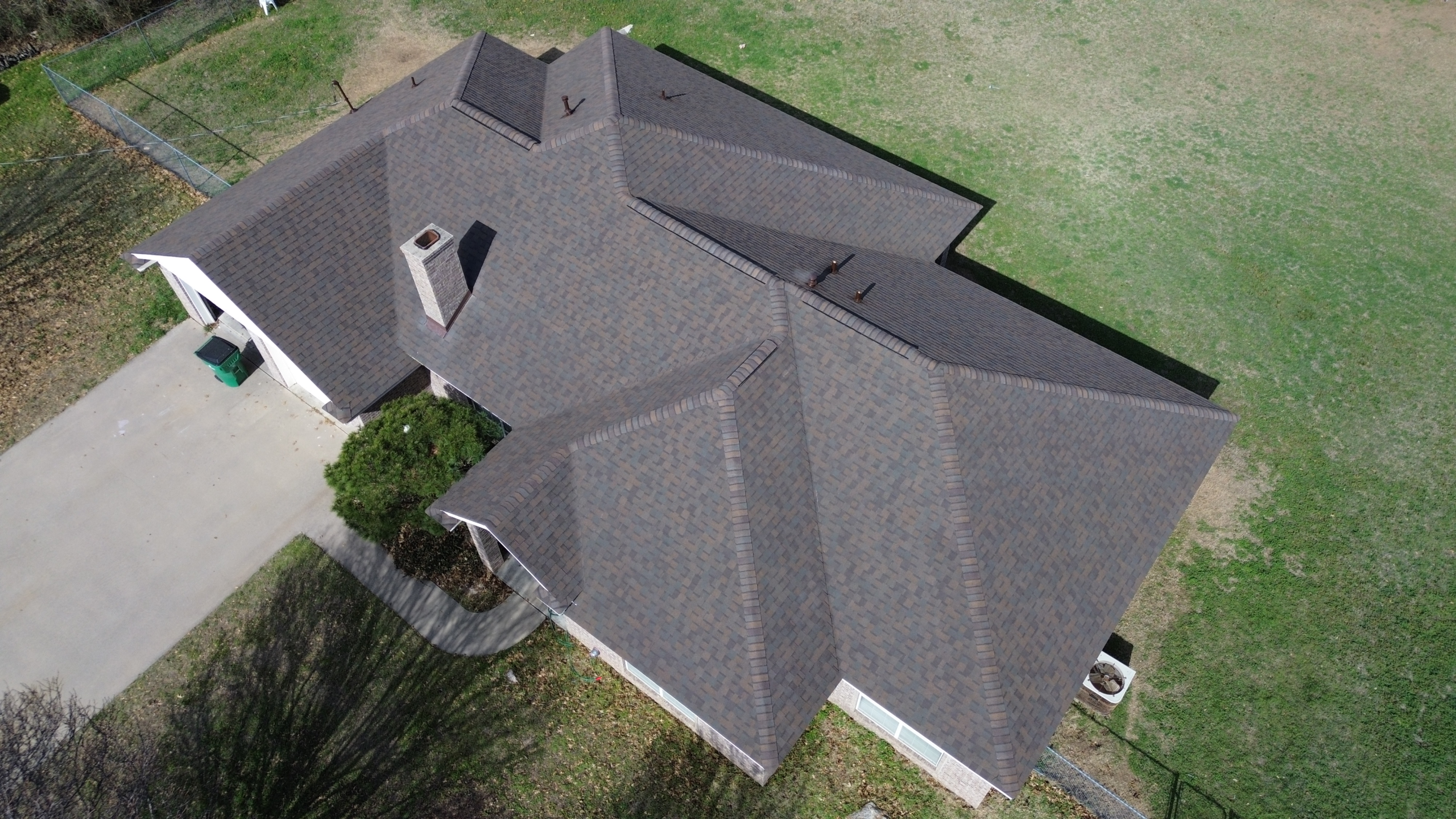
Commercial roof repairs and replacement are major responsibilities for property managers because the right decision can affect building protection, operating costs, tenant satisfaction, and long-term property value. A visible leak does not automatically mean the entire roof needs replacement, while repeated repairs do not always represent a good long-term solution. The decision should be based on the condition of the complete roofing system and the expected value of continued maintenance.
Localized damage on an otherwise healthy roof may often be addressed through repair. Damaged flashing, isolated membrane punctures, limited seam problems, or individual drainage defects can sometimes be corrected without disturbing the entire system. Prompt attention can prevent these relatively small problems from developing into more extensive damage.
Replacement becomes more appropriate when deterioration is widespread or the roof has reached the practical end of its service life. Multiple recurring leaks, extensive membrane deterioration, damaged insulation, widespread flashing failures, or significant underlying problems can indicate that repeated repairs are no longer the most effective strategy.
Roof age is an important consideration, but it should not be used as the only deciding factor. A well-maintained older roof may continue to perform effectively, while a poorly maintained system may experience serious problems earlier than expected. Inspection findings, repair history, material condition, and environmental exposure provide more useful information.
Property managers should also evaluate repair frequency and cost. If the same roof requires increasingly frequent repairs, the combined expense may eventually approach the cost of a planned replacement. A professional assessment can help determine whether the existing system has sufficient remaining service life to justify continued investment.
A replacement project should begin with a complete evaluation of the existing assembly. The assessment may identify damaged decking, wet insulation, drainage deficiencies, deteriorated flashing, or other conditions that need to be addressed. Knowing these conditions in advance allows property managers to develop a more realistic project budget.
When replacement is necessary, planning should begin before a complete failure occurs whenever possible. Advance planning gives managers time to compare roofing systems, obtain detailed proposals, schedule work around business activities, and prepare tenants or occupants for temporary disruptions.
The objective is not simply to choose between repair and replacement based on the immediate problem. The better approach is to consider technical condition, financial implications, operational risk, and expected future performance together. This helps property managers make decisions that provide stronger long-term value.
Understanding Commercial Roofing Costs and Budgeting
Commercial roofing costs can vary considerably from one property to another. Roof size is an important factor, but it is only one part of the total project cost. Roof design, accessibility, material selection, labor, existing conditions, drainage requirements, equipment, removal work, insulation, flashing, and unexpected repairs can all influence the final expense.
Property managers should begin budgeting by understanding the existing roof’s condition. A professional inspection can identify areas that may require repair or replacement and can provide information for developing a preliminary budget. Without a condition assessment, cost planning may rely too heavily on assumptions.
The roofing system selected can also affect total costs. Some materials may have higher initial installation costs but offer characteristics that support longer service life or different maintenance requirements. Others may provide a lower initial investment but require more frequent attention depending on the property.
Existing roof removal can represent a significant part of a replacement project. The cost depends on how many layers are present, how materials must be handled, site access, disposal requirements, and the condition of the underlying deck. Property managers should confirm whether removal and disposal are included in contractor proposals.
Unexpected conditions should also be included in financial planning. Concealed moisture, deteriorated decking, damaged insulation, or hidden structural issues may only become visible after the existing roof is opened. A reasonable contingency can help the project absorb necessary additional work without creating severe budget pressure.
Maintenance should be included in the property’s ongoing financial planning. Waiting until a major roof failure occurs can lead to emergency costs that are difficult to budget. Regular inspections and preventive repairs generally provide more opportunities for planned spending.
A useful budgeting approach is to separate immediate maintenance needs from future capital requirements. Routine repairs may belong within the property’s operating budget, while full replacement or major restoration may require longer-term capital planning. This distinction helps property managers communicate financial needs to owners and decision-makers.
Proposals should always be compared based on complete scope rather than price alone. A proposal that appears less expensive may exclude important flashing, insulation, drainage improvements, warranty coverage, or removal work. Reviewing every major component helps prevent misleading comparisons.
Long-term value should remain the focus of commercial roofing budgeting. The lowest initial cost is not necessarily the least expensive option over the roof’s entire service life. Property managers should consider durability, maintenance requirements, energy performance, repairability, and the consequences of premature failure when evaluating major investments.
Extending Commercial Roof Service Life
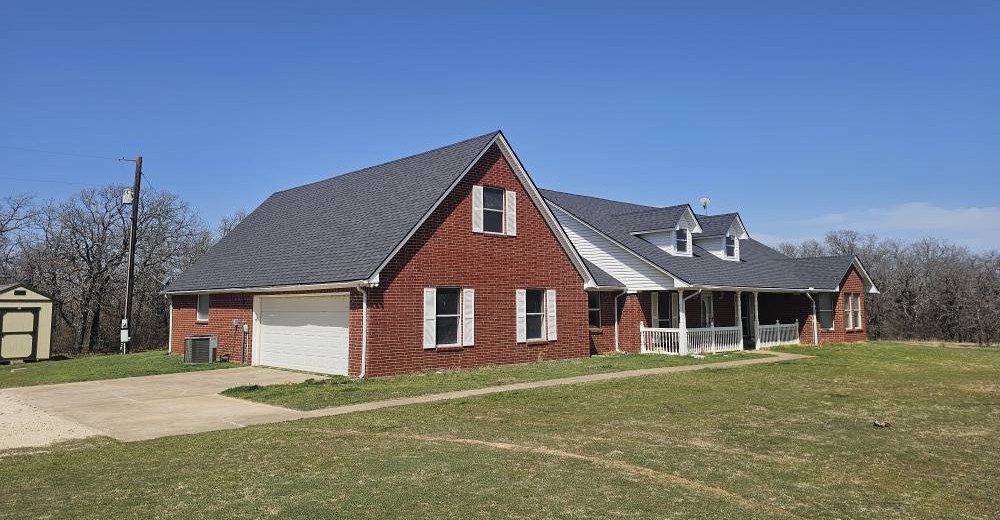
Property managers can often extend the useful life of a commercial roof through consistent preventive care. Although no roofing system lasts indefinitely, proper maintenance can help reduce avoidable deterioration and keep minor defects from becoming major problems.
Drainage is one of the most important areas to manage. Drains, scuppers, gutters, strainers, and downspouts should remain clear and functional. Water should be able to move away from the roof efficiently, and persistent ponding should be investigated rather than treated as an unavoidable condition.
Regular inspections can identify early signs of deterioration. Small membrane punctures, damaged flashing, loose components, and minor seam problems may be easier and less expensive to address when they are discovered early. Delaying repairs can allow water to enter deeper portions of the roof assembly.
Rooftop traffic should be controlled. Maintenance personnel should use established pathways where possible and avoid unnecessary movement across vulnerable roofing surfaces. Protective walkways and pads can help reduce damage around frequently serviced equipment.
Other contractors should also be required to respect the roof. HVAC, electrical, telecommunications, solar, and construction crews may need to carry equipment or perform work on the roof. Property managers should coordinate these activities and make sure roofing protection is considered.
Vegetation and debris should be managed around the building. Branches can fall onto roofing surfaces, while leaves and debris can obstruct drainage. Keeping the surrounding property maintained can therefore contribute to better roof performance.
Interior warning signs should not be ignored. Ceiling stains, damp insulation, unusual odors, peeling finishes, or recurring moisture may indicate a roofing problem. Even if the exterior roof appears acceptable, interior evidence can justify a professional investigation.
Repairs should use materials and methods compatible with the existing system. Improvised solutions can sometimes create additional problems or make future repairs more difficult. Professional contractors can determine appropriate repair methods based on the roof type and condition.
Extending service life does not mean avoiding replacement indefinitely. At some point, a roof may become too deteriorated for maintenance to remain economical. The purpose of preventive care is to maximize useful performance while making replacement decisions based on evidence rather than emergencies.
Creating a Preventive Commercial Roofing Program
A preventive roofing program gives property managers a structured method for maintaining the roof throughout its service life. Instead of responding only when leaks appear, managers can establish scheduled inspections, maintenance activities, documentation procedures, and long-term planning.
The program should begin with a complete record of the roofing system. Property managers should document the roof’s material, approximate installation date, major repairs, warranties, known problem areas, drainage layout, and rooftop equipment. Photographs and roof plans can make this information easier to understand.
Inspection schedules should be established according to the property’s specific conditions. Older roofs, buildings exposed to severe weather, properties with extensive rooftop equipment, and locations with significant debris may require closer attention. Additional inspections may be appropriate after major storms or construction activities.
Maintenance tasks should be prioritized according to risk. Drain cleaning, flashing inspection, leak investigation, and repair of active defects may receive higher priority than minor cosmetic concerns. This approach allows limited maintenance budgets to focus on conditions that could have the greatest consequences.
Property managers should also coordinate roof maintenance with building maintenance. HVAC servicing, exterior construction, electrical work, solar installations, and other projects can affect the roof. Including roofing considerations in these projects can prevent accidental damage and reduce conflicts between contractors.
A preventive program should include clear documentation. After each inspection or maintenance visit, managers should record findings, photographs, completed work, materials used, and recommended follow-up. These records provide valuable information for future decisions.
The program should also include emergency procedures. Property managers should know whom to contact when significant leaks, storm damage, or other urgent problems occur. Having contractor information and roof documentation readily available can reduce delays during emergencies.
Budget reviews should form part of the program as well. Managers can use inspection findings and repair histories to estimate future capital requirements. This makes it easier to prepare owners for major expenses before a roof reaches a critical condition.
A preventive roofing program does not need to be complicated. Its value comes from consistency and organization. Regular inspections, appropriate maintenance, prompt repairs, accurate records, and long-term planning can collectively improve roof reliability and make costs easier to manage.
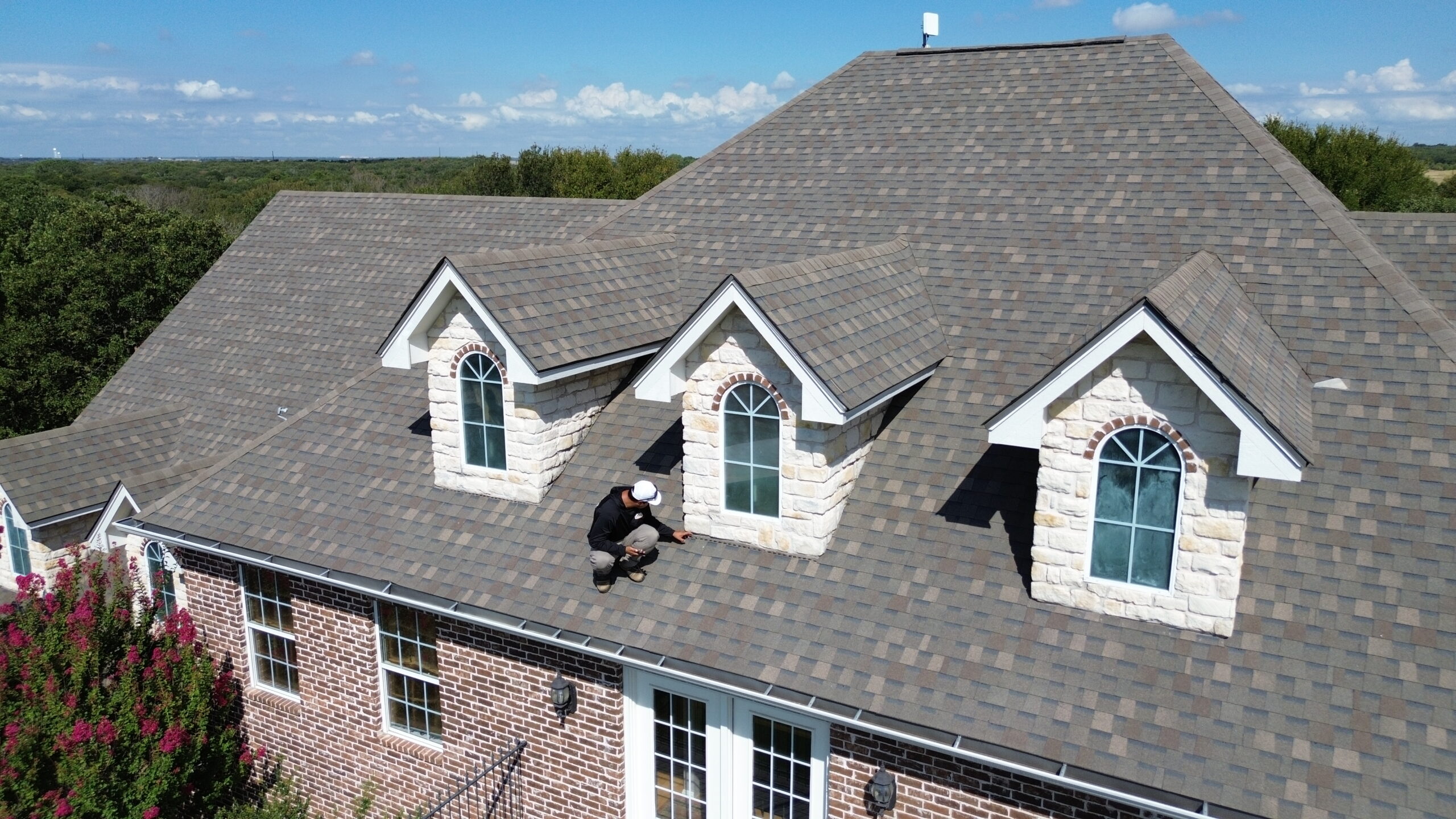
Commercial Roofing Records and Long-Term Planning
Accurate records are one of the most useful tools available to property managers. Roofing systems can remain in service for many years, and staff or contractors may change during that period. Without organized documentation, important information about the roof can easily be lost.
Property managers should maintain records of installation details, roofing materials, warranties, inspection reports, repair invoices, photographs, permits, maintenance activities, and replacement projects. These documents can help future contractors understand what has already been done and what conditions have been observed.
Repair history deserves particular attention. A record showing where leaks have occurred and how they were repaired can reveal recurring problem areas. It can also help managers evaluate whether repairs are providing lasting results or whether broader action may be necessary.
Warranty information should be stored carefully and reviewed periodically. Property managers should understand what is covered, how long coverage remains active, and whether specific maintenance requirements must be followed. Failure to follow required procedures may affect warranty protection.
Roof plans and diagrams can also be valuable. They can identify drains, equipment, penetrations, roof sections, access routes, and other important features. When a problem occurs, this information can help contractors reach the appropriate area quickly.
Long-term planning should use these records to track changes in roof condition. Managers can compare inspection reports from different years and identify whether deterioration is stable, progressing, or accelerating. This makes replacement planning more predictable.
Property managers should also consider how future building projects could affect the roof. New HVAC systems, solar installations, additions, renovations, and equipment changes may require roof penetrations or modifications. These projects should be coordinated with the roofing strategy.
A well-maintained record system provides continuity. Even when personnel change, the property’s roofing history remains available. This reduces the likelihood of duplicated work, forgotten repairs, or decisions based on incomplete information.
Long-term roofing management is ultimately about informed decision-making. When property managers combine reliable records with regular inspections and financial planning, they can better determine what the roof needs today and what it is likely to require in the future.
Conclusion
Commercial roofing is a major part of responsible property management because the roof protects the building and everything that operates inside it. Understanding the basic components, materials, drainage systems, inspection requirements, maintenance practices, and contractor responsibilities gives property managers a stronger foundation for making effective decisions.
The most important principle is to manage the roof proactively. Waiting for a major leak before taking action can lead to emergency repairs, interior damage, business disruption, and unexpected expenses. Regular inspections and preventive maintenance provide opportunities to identify problems earlier and address them before they become more difficult to manage.
Property managers should also understand the difference between isolated repairs and broader roof deterioration. A localized problem may require a straightforward repair, while widespread defects or recurring failures may justify restoration or replacement. These decisions should be based on the complete roof condition, repair history, remaining service life, and long-term financial value.
Budgeting should be part of the roofing strategy from the beginning. Maintenance expenses, emergency repairs, major restoration, and eventual replacement should all be considered when planning property costs. Detailed contractor proposals and realistic contingencies can help prevent unexpected expenses from creating unnecessary pressure.
Extending roof service life requires consistent care. Keeping drainage systems clear, controlling rooftop traffic, protecting roofing surfaces during other construction activities, maintaining flashing, and responding quickly to warning signs can all contribute to better long-term performance. Professional inspections remain essential because some problems may not be visible to untrained observers.
Documentation provides another important advantage. Installation information, warranties, inspection reports, repair histories, photographs, and maintenance records create a reliable history of the roofing system. These records help property managers make better decisions and provide future contractors with valuable information.
Ultimately, effective commercial roofing management is not about reacting to problems after they become emergencies. It is about understanding the roof as a long-term building asset and managing it accordingly. With regular inspections, preventive maintenance, informed budgeting, qualified contractors, accurate records, and timely decisions about repair or replacement, property managers can protect the building, support business operations, and maximize the value of the commercial roofing system.