

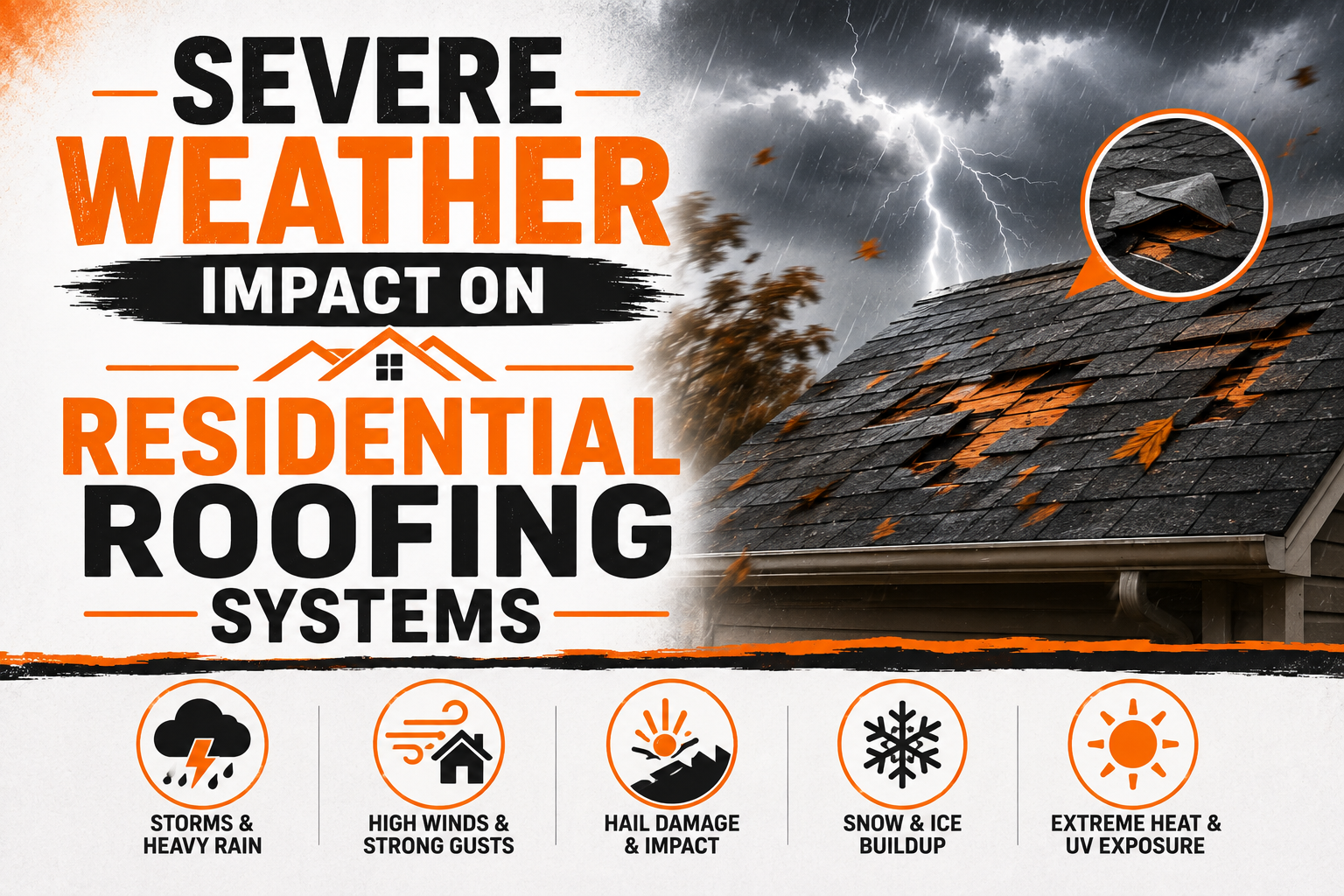
Severe Weather Impact on Residential Roofing Systems
Introduction
Severe weather can place significant stress on residential roofing systems and may cause damage that ranges from minor surface deterioration to serious structural problems. Strong winds can lift shingles, hail can impact roofing materials, heavy rain can expose weak areas, and falling branches can puncture or crush sections of the roof. Understanding how different weather conditions affect a roof can help homeowners recognize problems earlier and arrange appropriate repairs.
A residential roof is designed to provide continuous protection from outdoor conditions. It includes several components working together, such as the outer roofing material, underlayment, flashing, roof deck, ventilation components, and drainage system. Damage to one component can sometimes affect other parts of the system, especially when severe weather creates openings for water or allows materials to shift.
The impact of a storm also depends on the roof’s age, material, installation quality, maintenance history, and existing condition. A well-maintained roof may withstand ordinary severe weather better than a roof that already has loose materials or deteriorated flashing. However, even a properly maintained roof can experience significant damage during extreme weather events.
Recognizing common weather-related problems is an important part of residential roof maintenance. Homeowners who understand the warning signs can arrange professional inspections before minor damage develops into a more expensive roofing problem.
Understanding Severe Weather and Residential Roofing
Severe weather includes conditions that place unusual pressure or exposure on buildings. Depending on the location, residential roofs may experience thunderstorms, high winds, hail, heavy rainfall, hurricanes, tornadoes, snow, ice, extreme temperatures, or combinations of several hazards.
Different weather events affect roofing systems in different ways. Wind primarily creates movement and uplift, hail produces impact damage, while heavy rain tests the roof’s ability to control water. Freezing conditions can introduce expansion and contraction that affects certain materials and connections.
Storms can also create multiple forms of damage at the same time. For example, a thunderstorm may bring strong winds, heavy rainfall, hail, and falling branches within a short period. A roof that experiences several hazards simultaneously may require a more detailed inspection after the event.
The condition of the roof before the storm is also important. Existing cracks, loose shingles, deteriorated flashing, blocked drainage, and aging materials can become points of weakness when severe weather arrives.
For this reason, storm damage should be evaluated in context. An inspection should not only identify what the storm visibly damaged but should also determine whether previously existing conditions contributed to the problem or may create additional vulnerabilities.
How Strong Winds Affect Roofing Systems
Strong winds are among the most common causes of residential roofing damage. Wind can place upward and sideways forces on roofing materials, particularly around corners, edges, ridges, and other exposed areas.
Asphalt shingles may lift when wind gets underneath their edges. If the attachment is already weakened, a strong gust can loosen or remove individual shingles. Once one section becomes exposed, surrounding materials may also become more vulnerable.
Wind can affect other roofing materials as well. Metal panels may become loose if fasteners, seams, or surrounding components have deteriorated. Tiles can shift or break when exposed to strong gusts or flying debris.
Roof edges deserve particular attention because wind pressure can be stronger around these areas. Loose edge components may become detached and can sometimes expose the underlying roof structure to rain.
Strong winds can also damage flashing around chimneys, skylights, vents, and walls. If flashing becomes displaced, water may enter through a location that appears relatively small from the exterior.
Wind does not always produce obvious damage immediately. A shingle may remain attached but become partially lifted, creating a vulnerability that becomes worse during the next storm. Professional inspections can help identify these less obvious conditions.
Hail Damage and Roofing Materials
Hail can damage roofing surfaces through repeated impacts. The severity of the damage depends on hail size, wind conditions, roofing material, roof age, and the existing condition of the surface.
Asphalt shingles may develop impact-related deterioration after significant hail exposure. Damage can sometimes be difficult to identify from ground level, particularly when individual areas appear only slightly different from surrounding materials.
Hail can also affect metal roofing, gutters, flashing, vents, and other exterior components. Dents and impact marks may appear on exposed surfaces, although the importance of each mark depends on its location and effect on the roofing system.
Tile roofing can crack or fracture under significant impact. Broken tiles may expose areas underneath to water, particularly when subsequent rainfall occurs.
Hail damage should be professionally assessed when significant hail has affected a property. A qualified inspector can examine the roof systematically and distinguish storm-related damage from normal aging or pre-existing deterioration.
Homeowners should avoid walking across a roof after a hailstorm to search for damage. Roofing surfaces may be slippery or weakened, and some damage can only be evaluated properly by an experienced professional.
Heavy Rain and Water Intrusion
Heavy rain tests the roof’s ability to move water away from the home. When roofing materials, flashing, valleys, or drainage systems are compromised, large amounts of rainfall can reveal weaknesses that may not be obvious during dry weather.
Water can enter through damaged shingles, cracked tiles, loose flashing, failed seals, or openings around roof penetrations. Once inside the roofing assembly, it may travel away from the original entry point before becoming visible indoors.
This can make leak detection challenging. A ceiling stain does not necessarily indicate that the roof opening is directly above the stain. Water may move along decking, insulation, framing, or other building components before reaching the interior.
Heavy rainfall can also overwhelm blocked or damaged gutters. If water cannot move efficiently through the drainage system, it may accumulate around roof edges or other vulnerable locations.
Interior warning signs include new ceiling stains, damp walls, dripping water, wet insulation, and moisture around skylights or chimneys. These conditions should be investigated promptly to determine whether the roof has been compromised.
A professional inspection can help identify the source of water intrusion and determine whether the problem is limited to one area or affects a larger section of the roofing system.
Thunderstorms and Lightning-Related Roofing Risks
Thunderstorms can expose residential roofs to several hazards simultaneously. Strong winds, heavy rain, hail, falling branches, and lightning can occur during the same event, increasing the potential for roofing damage.
Lightning itself may affect a structure in ways that extend beyond the roofing surface. A lightning strike can create fire or electrical hazards and may damage components connected to the building’s electrical system.
Roof-mounted equipment can also be affected during severe thunderstorms. Antennas, satellite equipment, solar installations, and other exterior components may require professional evaluation after a significant event.
The combination of wind and rain can be particularly problematic. Wind may loosen roofing materials while heavy rain enters through the newly exposed areas.
Thunderstorms can also deposit branches, leaves, and other debris across the roof. Debris may block valleys and gutters, creating drainage problems during the same storm or subsequent rainfall.
Homeowners should avoid inspecting or repairing the roof while a thunderstorm is active. Lightning and wet surfaces create serious hazards, so roof assessment should wait until conditions are safe.
The Effects of Fallen Trees and Branches
Trees near residential structures can become significant roofing hazards during severe weather. Strong winds can break branches and send them onto the roof, while larger trees may fall completely and cause extensive structural damage.
Even a small branch can crack shingles, break tiles, damage flashing, or puncture exposed roofing materials. Larger limbs can damage the roof deck and supporting structure.
Fallen trees may also block gutters and drainage pathways. If branches remain on the roof, they can continue to place pressure on roofing materials and may make professional inspection more difficult.
Homeowners should not attempt to remove large branches or trees from the roof themselves. A branch may be unstable, and removing it incorrectly can cause additional structural damage or personal injury.
Professional tree-removal and roofing services may need to coordinate when a large tree has fallen onto a home. The tree may need to be stabilized or removed before the roofing system can be fully inspected.
Preventive tree maintenance can reduce some of these risks. Dead, damaged, or unstable branches near a home should be evaluated by qualified tree professionals before severe weather occurs.
Snow, Ice, and Freezing Weather Impacts
In regions where winter weather occurs, snow and ice can create additional roofing challenges. Accumulated snow adds weight to the roof, while repeated freezing and thawing can affect materials and drainage systems.
Ice can form around roof edges and drainage areas when melting water refreezes. These conditions can interfere with normal water movement and may contribute to moisture entering vulnerable areas.
Freezing temperatures can also affect roofing materials through repeated expansion and contraction. Materials and connections may respond differently to temperature changes, potentially contributing to deterioration over time.
Heavy snow should not automatically be removed by homeowners using improvised tools. Working on snow-covered roofs presents significant fall hazards and can also damage roofing materials.
Professional assessment may be appropriate when there is unusually heavy accumulation, visible structural stress, interior water intrusion, or other warning signs.
Snow and ice are not concerns for every residential roof, but where winter conditions are common, they should be included in the overall roofing maintenance plan.
Why Existing Roof Conditions Matter
Severe weather does not affect every roof in exactly the same way. Existing roof condition can influence how a system responds to strong wind, heavy rain, hail, and other hazards.
Older roofing materials may have experienced years of sunlight, temperature changes, moisture, and ordinary wear. If components have already deteriorated, severe weather may accelerate existing weaknesses.
Previous repairs can also influence the condition of a roof. Improperly installed replacement materials, damaged flashing, or incomplete repairs may become more noticeable during a storm.
Drainage problems are another important factor. A roof with blocked gutters or poor water flow may experience more moisture exposure during heavy rainfall.
Regular inspections can identify these vulnerabilities before severe weather occurs. Preventive maintenance allows homeowners to address weaknesses when conditions are calm rather than waiting for a storm to expose them.
A professional inspector can also determine whether visible damage appears consistent with recent weather or whether it may have developed gradually. This distinction can be important when planning appropriate repairs.
Early Warning Signs of Severe Weather Damage
Some storm-related roof problems become visible immediately, while others develop gradually. Homeowners should watch for changes after significant weather and arrange professional evaluation when necessary.
Common warning signs include:
- Missing, lifted, cracked, or visibly displaced roofing materials
- New water stains on ceilings or walls
- Damaged gutters, flashing, vents, or roof accessories
- Fallen branches or debris resting on the roof
- Visible sagging or changes in the roof’s shape
These signs do not necessarily indicate the same level of damage. A missing shingle may require localized repair, while sagging can indicate a more serious structural concern.
Interior signs are particularly useful because they can reveal water intrusion that is not easily visible from the ground. New stains or damp areas following heavy rainfall should not be ignored.
Homeowners should also remember that safe observation is different from climbing onto the roof. Ground-level inspection can identify obvious changes, but professional access may be required to evaluate the roofing surface properly.
Severe weather can affect nearly every part of a residential roofing system, from the outer materials to the drainage and structural components beneath them. Understanding these effects helps homeowners recognize why a detailed assessment may be necessary after a major storm and prepares them to consider how different roofing materials and components respond to specific weather conditions.
How Severe Weather Affects Different Roofing Materials
The effects of severe weather can vary considerably depending on the type of roofing material installed on a home. Asphalt shingles, metal panels, clay tiles, concrete tiles, and other roofing systems have different strengths and vulnerabilities. Understanding these differences helps homeowners recognize why the same storm may produce different types of damage on different properties.
The age and maintenance condition of the material also influence its response. A newer, properly installed roof may perform differently from an older roof with deteriorated components. However, no roofing material is completely immune to extreme weather, particularly when exposed to unusually strong winds, large hail, falling trees, or prolonged rainfall.
Professional inspections should therefore consider the specific roofing system rather than applying the same assessment approach to every home. The inspector evaluates the material, installation condition, surrounding components, and visible evidence of weather exposure before recommending repairs.
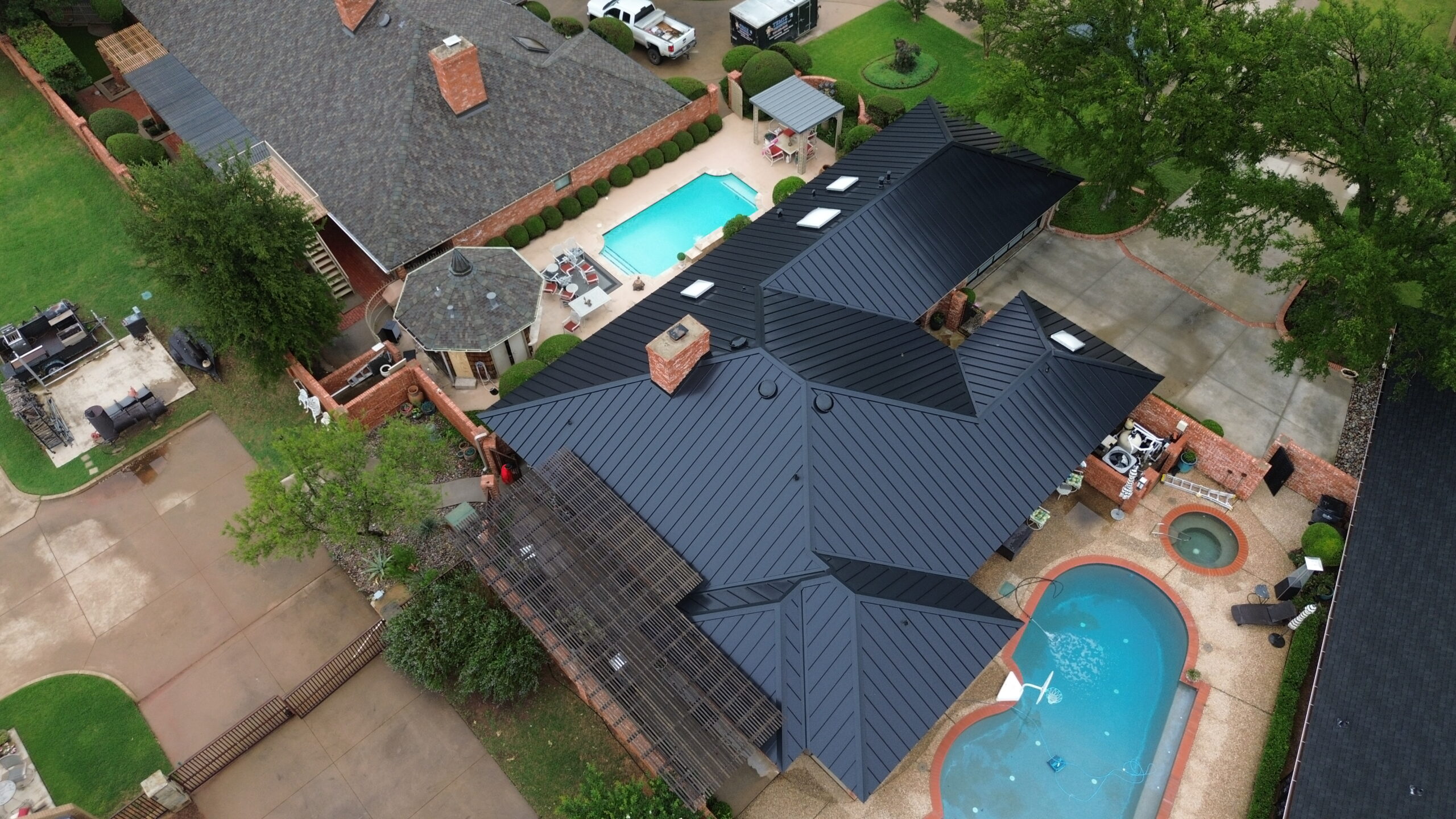
Impact on Asphalt Shingles
Asphalt shingles are widely used on residential properties and can experience several forms of severe weather damage. Strong winds may lift or loosen shingles, particularly around roof edges, corners, and other exposed areas.
Hail can also affect asphalt shingles through repeated impacts. Depending on the severity of the event, the surface may develop visible or less obvious signs of impact that require professional assessment.
Heavy rain can become a concern when shingles have been displaced or damaged. Water may move beneath compromised areas and reach the underlayment or roof deck.
Older shingles may be more vulnerable because prolonged exposure to sunlight and changing temperatures can gradually reduce their flexibility and overall condition. Existing deterioration can make storm-related problems more difficult to manage.
After severe weather, homeowners should avoid walking across the shingles to search for damage. A professional can evaluate the roof safely and determine whether individual shingles, larger sections, or underlying components require attention.
Impact on Metal Roofing
Metal roofing systems can provide strong performance under many weather conditions, but severe storms can still affect panels, seams, fasteners, flashing, and other components. High winds may place pressure on panels and connections.
Loose fasteners can become more significant when wind forces increase. Damaged seams may also create potential pathways for water during heavy rainfall.
Hail can leave dents or impact marks on exposed metal surfaces. The significance of these marks depends on their location and whether they affect the panel’s function or protective surface.
Falling branches can cause more substantial problems by bending panels or damaging seams. A large impact may also affect the supporting structure beneath the metal roofing.
After a major storm, a professional inspection can determine whether the metal system has experienced cosmetic damage, functional damage, or a combination of both. Repairs should be compatible with the existing roofing system rather than relying on improvised solutions.
Impact on Tile Roofing
Clay and concrete tiles can withstand many weather conditions, but individual tiles may crack, break, or become displaced during severe storms. Hail and falling branches can create direct impact damage, while strong winds can affect unsecured or weakened tiles.
A damaged tile can expose the underlying roofing layers to rain. If additional rainfall occurs before the tile is replaced, water may enter through the exposed area.
Tile roofs can also be challenging to inspect because walking on the surface may break additional tiles. Homeowners should therefore avoid climbing onto the roof after a storm.
Professionals familiar with tile roofing can evaluate damaged areas and identify whether surrounding tiles have shifted. They can also examine the underlayment and other components where necessary.
The condition of the supporting structure should also be considered when significant impact has occurred. A large branch or other object can damage more than the visible tile surface.
Damage to Roof Flashing and Penetrations
Roofing materials are only one part of a complete weather protection system. Flashing around chimneys, skylights, vents, walls, valleys, and other transitions plays an important role in controlling water.
Strong winds can loosen or displace flashing, while falling debris can bend or puncture it. Heavy rainfall may then enter through gaps that were not present before the storm.
Skylights can also become vulnerable when surrounding flashing or roofing materials are damaged. Water stains near a skylight may indicate that the exterior system requires inspection.
Chimneys present another important transition area. Damage to flashing or surrounding materials can allow water to enter around the chimney rather than through the main roof surface.
Vents and plumbing penetrations should also be evaluated after severe weather. Damaged seals, boots, or flashing can create small openings that become active leaks during heavy rainfall.
Because water can travel beneath roofing materials, the location of an interior stain may not directly identify the exterior entry point. Professional inspection can help trace the likely source and determine the extent of the problem.
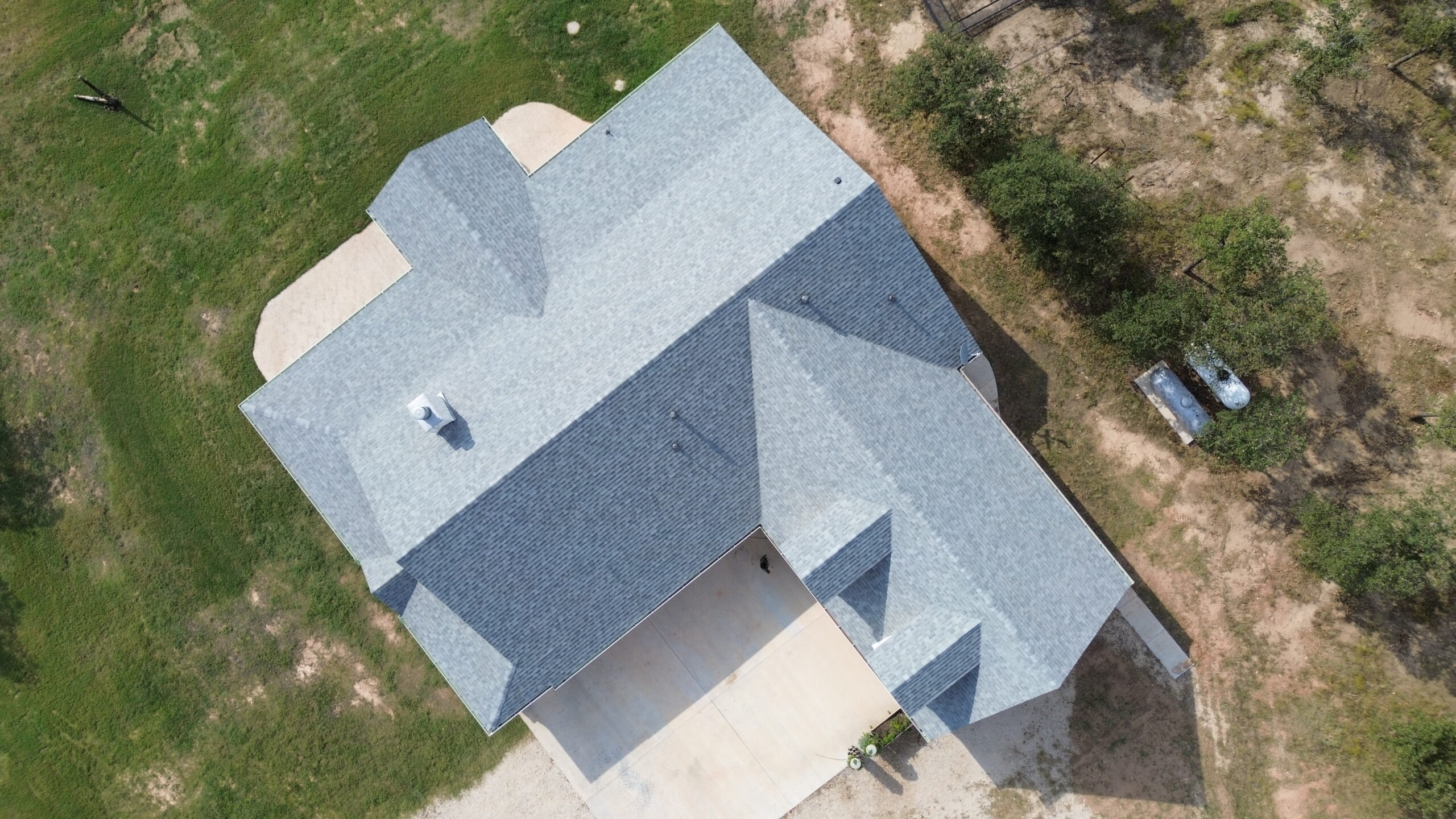
Effects on Roof Edges, Ridges, and Valleys
Roof edges are particularly exposed to wind forces. Shingles, metal components, and other materials near the perimeter may experience greater movement during strong gusts.
Corners can also be vulnerable because wind can approach the roof from different directions. Loose materials in these areas may become detached and create additional openings.
Ridges are exposed to weather from multiple directions and contain components that protect the highest points of the roof. Damaged ridge caps may allow water to enter or become loose during subsequent wind.
Valleys experience a different type of stress because they collect and direct large amounts of rainwater. Debris or damaged materials in a valley can interfere with normal drainage.
A severe storm can therefore affect different roof sections in different ways. A complete inspection should consider edges, ridges, valleys, and transitions rather than examining only the center of the roof.
Attic and Roof Deck Damage
The outer roofing surface can hide problems underneath. When severe weather creates openings, water may reach the underlayment, roof deck, insulation, or structural components.
The roof deck provides an important base for many roofing systems. If it becomes wet or damaged, the roofing materials above it may not perform as intended.
Signs of possible roof deck problems can include sagging areas, visible deterioration, staining, or soft sections discovered during professional repair work. These conditions require careful evaluation.
The attic can provide additional evidence after a storm. Water stains, damp insulation, wet wood, or visible daylight through unexpected openings may indicate that the roof has been compromised.
Moisture should be addressed promptly because prolonged exposure can create additional problems. The roof may need repair before interior restoration can be completed.
Professionals may inspect accessible attic areas as part of a broader storm damage assessment. This can help connect exterior damage with interior symptoms and determine whether the problem extends beyond the visible roofing surface.
How Severe Weather Can Cause Interior Damage
Roof damage can eventually affect many parts of a home. When rain enters through a damaged roof, moisture can travel through ceilings, walls, insulation, and other building components.
Ceiling stains are often among the first visible signs. A new stain after heavy rainfall should be investigated, even if the water has stopped appearing.
Water can also affect insulation. Wet insulation may lose effectiveness and can remain damp if the source of moisture is not corrected.
Walls and interior finishes may become damaged when water travels away from the original roof opening. In some cases, the visible interior damage can appear far from the actual exterior entry point.
Electrical components can also become a concern when water reaches areas containing wiring or fixtures. Homeowners should avoid handling electrical equipment affected by water and should seek appropriate professional assistance.
Interior damage is one reason prompt roof inspection is important. Repairing the exterior problem can help prevent additional moisture from entering while the affected interior materials are evaluated.
Temporary Protection After Severe Weather
When severe weather damages a roof and permanent repairs cannot happen immediately, temporary protection may help reduce additional exposure. The appropriate method depends on the size, location, and type of damage.
An exposed roof opening may require a temporary covering to reduce the chance of rain entering the structure. The covering should be installed securely and in a way that does not interfere with normal drainage.
Loose roofing materials may also require temporary stabilization. This can reduce movement until permanent repair or replacement can be completed.
Temporary protection should not be treated as a permanent repair. It is intended to provide short-term protection while a professional assessment and repair plan are arranged.
Homeowners should not attempt to install temporary coverings during dangerous weather. Wet surfaces, strong winds, damaged decking, and unstable roofing materials can create serious fall hazards.
If temporary protection has already been installed, it should be monitored from a safe location. Additional severe weather can loosen or damage the covering, requiring professional attention.
Professional Roof Inspection After a Storm
A professional inspection can determine how severe weather has affected the complete roofing system. The assessment generally begins with visible exterior conditions and may include accessible attic areas when appropriate.
The inspector looks for missing or displaced materials, impact damage, damaged flashing, loose components, drainage problems, and other signs of weather exposure. Surrounding areas are also examined because damage may extend beyond the most obvious location.
The roof’s age and previous condition can provide important context. Existing deterioration may look similar to storm-related damage, so the inspector considers the overall condition when evaluating findings.
Interior signs can also be useful. Water stains and damp areas may help identify possible pathways of water intrusion.
The final assessment should explain what was observed and what type of action may be appropriate. Some conditions may require immediate repair, while others may be monitored or addressed as part of routine maintenance.
A detailed inspection is especially valuable after major storms because damage that appears minor from the ground may extend into underlying components.
Common Mistakes Homeowners Should Avoid
One common mistake is immediately climbing onto the roof after a storm. Damaged materials may be unstable, while wet surfaces and debris can create serious fall hazards.
Another mistake is assuming that the absence of an interior leak means the roof has no damage. Some roofing problems may remain hidden until the next period of rainfall.
Homeowners may also attempt quick repairs using inappropriate materials. Improvised patches or unsecured coverings can sometimes create additional problems or interfere with later professional repairs.
Ignoring gutters and drainage components is another concern. A storm can deposit branches and debris into these systems, reducing their ability to move water away from the roof.
Some homeowners also focus only on visible damage. A missing shingle or broken tile may be easy to notice, but surrounding materials, flashing, roof edges, and underlying layers may also have been affected.
A safer approach is to observe the property from the ground after conditions improve and arrange professional inspection when damage is suspected. This allows the roof to be evaluated systematically before repair decisions are made.
Severe weather can affect virtually every component of a residential roofing system, and the consequences may extend from the exterior surface into the attic and interior of the home. Understanding how different materials and roof components respond provides a useful foundation for determining the full extent of storm damage, choosing appropriate repairs, and protecting the property from continued exposure.
Assessing the Full Extent of Severe Weather Damage
After severe weather passes, identifying visible damage is only the first step. A professional assessment should determine whether the storm affected only the outer roofing material or also damaged flashing, underlayment, decking, drainage components, or other parts of the roofing system.
Storm damage can sometimes be hidden beneath materials that appear intact. Wind may loosen roofing components without completely removing them, while water can enter through small openings and travel through the roof assembly before appearing inside the home.
The surrounding roof area should also be examined. Damage is not always limited to the location where a branch landed or where a missing shingle is visible. Nearby materials may have shifted, cracked, or become weakened during the same weather event.
A professional inspection can help establish the condition of the roof and identify which repairs are necessary. This approach reduces the chance of repairing one visible defect while leaving another storm-related vulnerability unresolved.
Repairing Storm-Damaged Roofing Systems
Once the damage has been evaluated, the next step is to determine the appropriate repair strategy. The solution depends on the roofing material, extent of damage, roof age, location of the problem, and condition of surrounding components.
Localized damage may sometimes be repaired by replacing individual shingles, tiles, flashing sections, or other components. More extensive damage may require replacement of larger areas or repair of the underlying roof deck.
Repairs should restore the roof’s weather-resistant function rather than simply improve its appearance. A visually repaired area may still allow water intrusion if the underlayment, flashing, or surrounding materials remain compromised.
Professionals should also inspect the transitions between repaired and undamaged areas. Proper integration is important because water and wind can exploit gaps where new and existing materials meet.
After repairs are completed, the affected area should be checked to confirm that drainage and weather protection have been restored. The goal is to return the roofing system to reliable service rather than simply covering evidence of the storm.
When Temporary Repairs Are Necessary
Severe weather can create situations where permanent repairs cannot be completed immediately. Roofing contractors may face high demand after widespread storms, or materials may need to be ordered before permanent work can begin.
Temporary protection can help reduce additional exposure during this period. An exposed opening may be covered using an appropriate temporary method designed to limit rain and wind exposure.
Temporary protection should be installed carefully because improper coverings can shift during another storm. The method should also avoid blocking drainage pathways or creating new points where water can collect.
Homeowners should understand that temporary protection is not a replacement for permanent repair. It provides short-term assistance while the roofing system is being evaluated and the necessary restoration is arranged.
If temporary protection becomes damaged or displaced, homeowners should contact a professional rather than attempting to access the roof themselves. Severe weather can make roof access especially dangerous.
When Roof Replacement May Be Required
Not every storm-damaged roof requires complete replacement. In many situations, localized repairs can restore the affected areas and provide continued service.
However, replacement may become a consideration when damage is widespread or when the existing roof is already severely deteriorated. A roof with extensive aging, repeated leaks, or numerous damaged sections may not be a good candidate for continued isolated repairs.
The age of the roof is only one factor in this decision. Professionals also consider material condition, previous maintenance, extent of storm damage, remaining serviceability, and the likely cost of continued repairs.
A major storm can reveal problems that were already developing. For example, widespread deterioration may become obvious after wind removes several shingles, even though the storm did not cause every underlying weakness.
Homeowners should avoid making replacement decisions based only on visible storm damage. A detailed professional assessment can help distinguish between repairable damage and conditions that justify a larger roofing project.
If replacement is recommended, homeowners can discuss roofing materials and installation methods appropriate for their property’s climate and expected weather exposure.
Preventing Future Severe Weather Damage
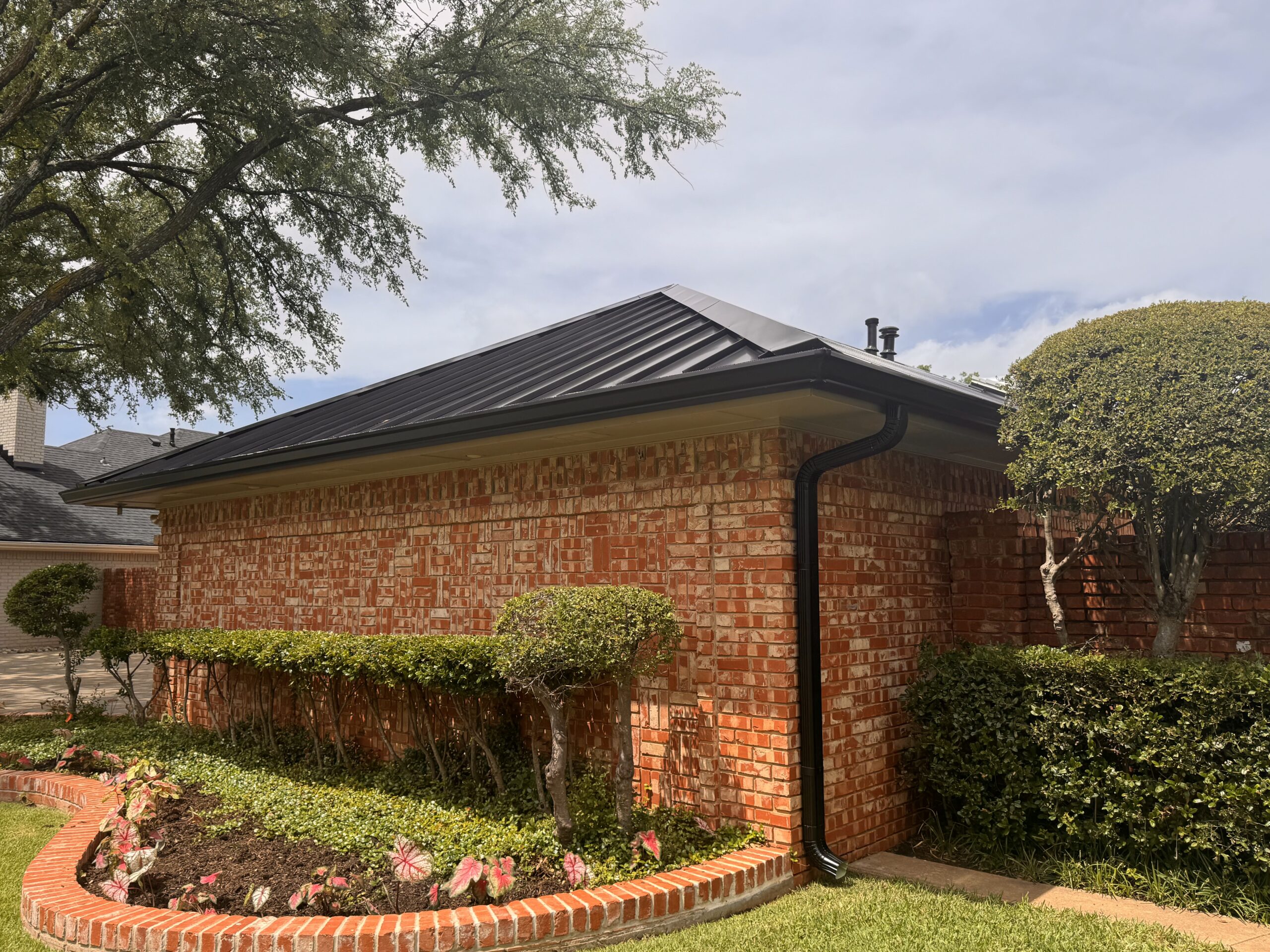
Although severe weather cannot be controlled, homeowners can take steps to reduce preventable roofing vulnerabilities. Preventive maintenance begins with keeping the roof in good condition before the next storm arrives.
Regular inspections can identify loose roofing materials, deteriorated flashing, damaged gutters, blocked valleys, and other issues. Correcting these problems early can reduce the number of weaknesses exposed during future weather events.
Trees around the home should also be maintained. Dead or unstable branches can become dangerous during strong winds and may fall onto the roof.
Roof-mounted equipment should be checked as well. Vents, antennas, satellite equipment, solar installations, and other components should remain properly secured and should not create unnecessary openings in the roofing system.
Preventive care cannot guarantee that a roof will survive every extreme event. However, maintaining the system properly can reduce avoidable problems and make storm-related damage easier to identify and address.
Importance of Regular Roofing Inspections
A professional roofing inspection is valuable even when there has been no recent storm. Regular assessments can identify developing problems before they become significant vulnerabilities.
Inspection frequency depends on the roof’s age, material, condition, local climate, and exposure to severe weather. Older roofs or properties that experience frequent storms may require more frequent professional attention.
An inspection can evaluate roofing materials, flashing, roof edges, valleys, penetrations, drainage systems, and accessible attic areas. This broader assessment provides a better understanding of the roof’s overall condition.
Homeowners should also arrange an inspection after significant weather when there is reason to suspect damage. Strong winds, large hail, fallen branches, and severe rainfall can affect components that may not be visible from ground level.
Regular inspections can also create a useful maintenance history. Documenting repairs and observations helps homeowners identify recurring problems and make informed decisions about future maintenance.
Maintaining Drainage and Surrounding Property
Proper drainage is essential after severe weather because heavy rainfall can quickly test the roof’s ability to move water away from the home. Gutters and downspouts should remain clear and properly connected.
Leaves, branches, and roofing debris can block drainage pathways after storms. If these materials remain in place, water may accumulate around vulnerable areas or overflow near the building.
Roof valleys should also be kept clear when maintenance can be performed safely. Because valleys concentrate water, blockages in these areas can interfere with normal runoff.
The surrounding property should be maintained as part of the same prevention strategy. Trees, outdoor structures, loose equipment, and other objects can become sources of debris during high winds.
Large tree limbs near the roof should be evaluated by qualified tree professionals. Homeowners should not attempt to remove heavy branches from the roof themselves, particularly when the branch may be supporting weight or affecting the structure.
Maintaining both the roof and surrounding property creates a more complete approach to severe weather preparation.
Creating a Severe Weather Roofing Preparedness Plan
A simple preparedness plan can help homeowners respond more effectively before and after severe weather. The plan should include routine maintenance, emergency contacts, inspection information, and procedures for checking the property safely after a storm.
Before severe weather is expected, homeowners should address known roofing problems when conditions allow. Loose materials, damaged gutters, unstable branches, and other known vulnerabilities should not be ignored.
During the storm, homeowners should remain away from the roof and avoid exterior repairs. Personal safety should take priority over protecting property from immediate damage.
After the weather has passed and conditions are safe, the property can be observed from the ground. Visible roof changes, fallen branches, damaged gutters, and interior signs of water intrusion should be documented.
If significant damage is suspected, a professional roofing inspection should be arranged. Temporary protection may be necessary when the roof has an exposed opening and permanent repair cannot occur immediately.
A practical preparedness plan can therefore follow a simple sequence:
- Maintain and inspect the roof before severe weather.
- Secure or address known hazards around the property.
- Avoid roof access during dangerous conditions.
- Check for visible damage after the storm has passed.
- Arrange professional inspection and temporary protection when needed.
- Complete permanent repairs and document the work.
This approach helps homeowners move from preparation to response without taking unnecessary risks.
Long-Term Protection and Maintenance
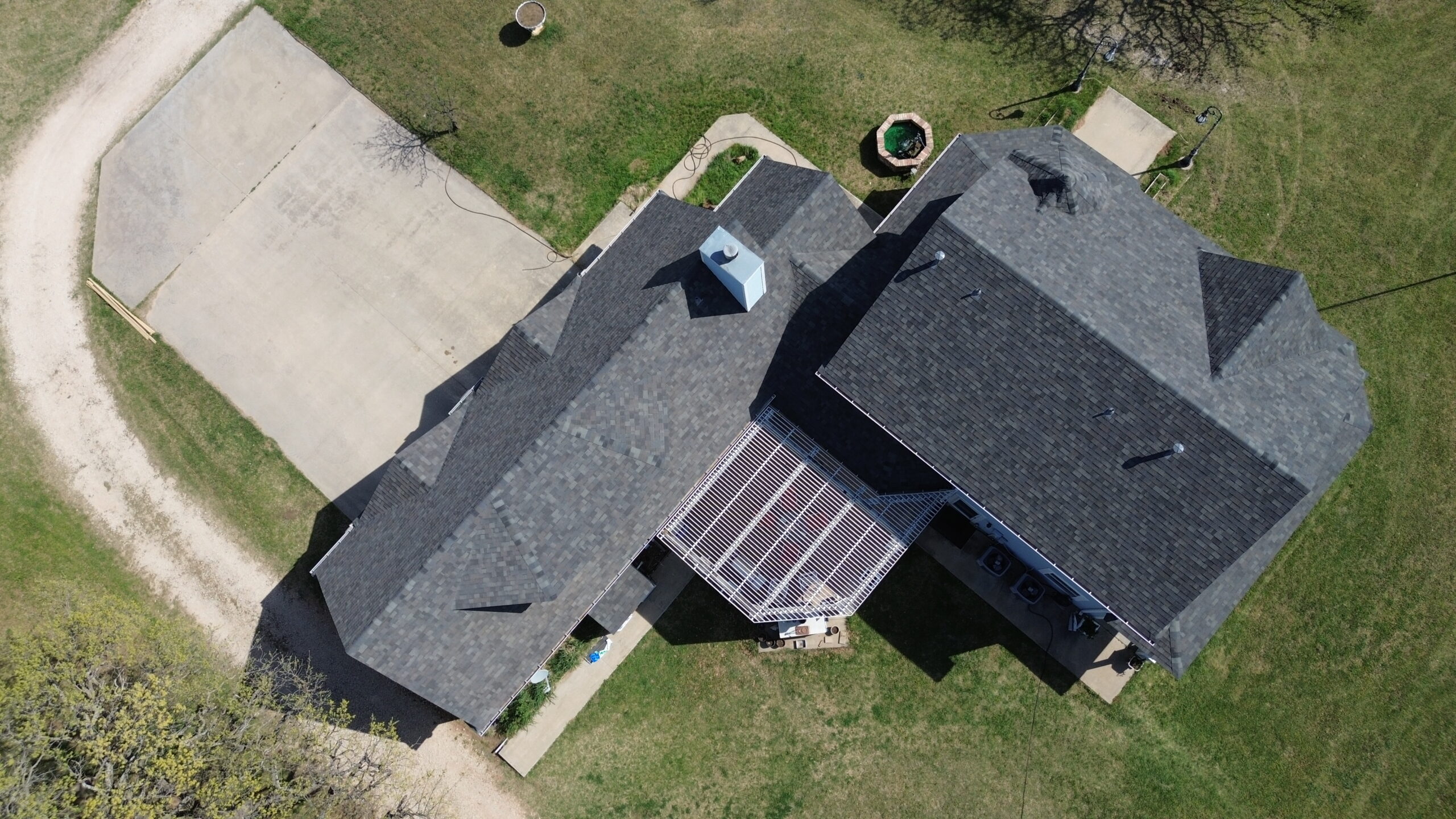
Long-term roof protection depends on consistent care rather than one-time storm preparation. Even when a roof survives a major weather event without obvious damage, routine maintenance remains important.
Homeowners should monitor changes in roofing materials, flashing, gutters, and other components. Small problems can become more serious when exposed to additional storms.
Professional inspections can provide a more detailed evaluation than ground-level observation. They can also help determine whether aging materials are approaching the point where replacement should be considered.
Keeping accurate records can support long-term maintenance. Homeowners can document inspection dates, repairs, roofing materials, and areas that require monitoring.
It is also useful to pay attention to recurring problems. Repeated leaks in the same location may indicate an underlying issue that has not been fully corrected.
A proactive maintenance approach can reduce emergency situations and give homeowners more time to plan repairs. Instead of reacting only after severe weather, they can manage the roof throughout its service life.
Conclusion
Severe weather can affect residential roofing systems in many ways, from loose shingles and cracked tiles to damaged flashing, roof decking, gutters, and interior building materials. Strong winds, hail, heavy rainfall, thunderstorms, falling branches, snow, and ice can each create different challenges for homeowners.
The condition of the roof before a storm plays an important role in how it responds to severe weather. Existing deterioration, loose materials, damaged flashing, blocked drainage, and aging components can create vulnerabilities that become more noticeable during extreme conditions.
A professional inspection after significant weather can help determine the full extent of damage. Looking only at missing shingles or visible debris may overlook problems beneath the roofing surface or around important transitions.
Temporary protection may be necessary when severe damage creates an exposed opening and permanent repairs cannot be completed immediately. Proper temporary measures can reduce additional exposure, but they should always be followed by permanent repairs.
Roof replacement may sometimes be appropriate when storm damage is extensive or when the existing roof is already significantly deteriorated. This decision should be based on a professional assessment of the roof’s overall condition rather than on one isolated defect.
Preventive maintenance remains one of the best ways to reduce avoidable roofing problems. Regular inspections, timely repairs, proper drainage, tree maintenance, and secure roof accessories can help keep the roofing system in better condition before the next severe weather event.
Homeowners should also understand the importance of safety. A damaged roof can contain unstable materials, wet surfaces, exposed fasteners, and weakened decking. Roof access should be left to qualified professionals when conditions are unsafe or when specialized equipment is required.
Severe weather cannot always be prevented from damaging a home, but preparation can improve the roof’s ability to handle ordinary exposure and help homeowners respond quickly when damage occurs. A combination of preventive maintenance, professional inspection, timely repair, and responsible storm preparedness provides a practical way to protect residential roofing systems over the long term.
Leave A Comment