
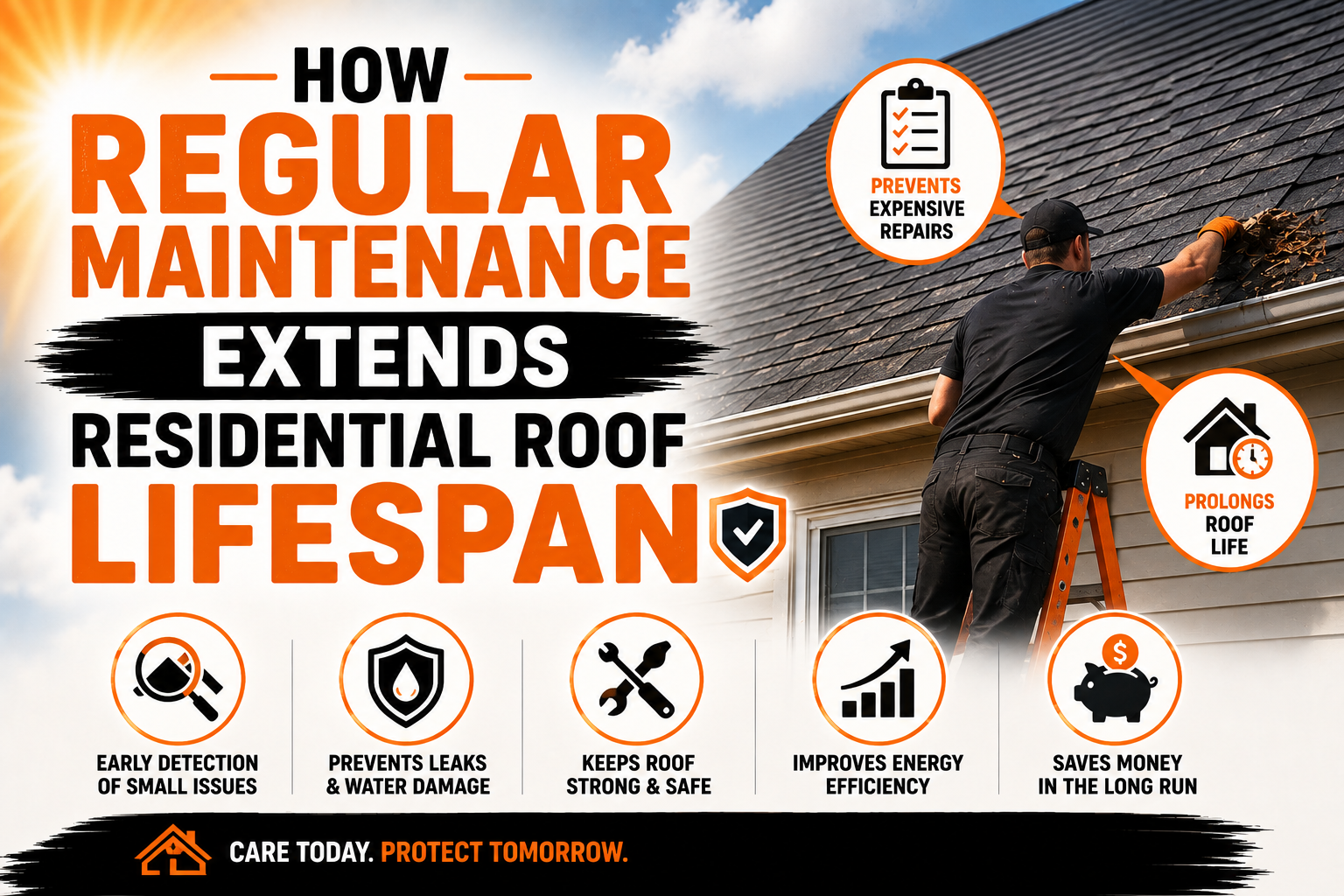
How Regular Maintenance Extends Residential Roof Lifespan
Introduction
A residential roof is one of the most important protective components of a home. It shields the interior from rain, wind, sunlight, temperature changes, and other environmental conditions while helping protect walls, insulation, ceilings, and household belongings. Although roofing materials are designed to last for many years, their actual lifespan depends on material quality, installation, climate, ventilation, drainage, and regular maintenance.
Regular maintenance can help homeowners identify small problems before they develop into expensive and extensive damage. A missing shingle, blocked gutter, damaged flashing component, or small leak may initially seem insignificant, but continued exposure to moisture and weather can gradually affect larger areas of the roofing system. Addressing these issues early can help preserve the roof and reduce unnecessary repair costs.
Maintenance does not mean that a roof will last indefinitely. Every roofing system eventually reaches the end of its useful service life, and different materials have different durability expectations. However, consistent care can help the roof perform closer to its expected lifespan instead of experiencing premature deterioration caused by preventable problems.
Homeowners can contribute to roof longevity through regular visual inspections, gutter maintenance, vegetation management, attic monitoring, and prompt attention to warning signs. Professional inspections are also valuable because some problems cannot be safely or accurately identified from the ground.
A long-lasting roof is therefore not simply the result of choosing durable materials. It is the result of combining appropriate installation, suitable materials, proper ventilation and drainage, routine maintenance, and timely repairs throughout the roof’s service life.
Understanding Residential Roof Lifespan
The lifespan of a residential roof varies according to several conditions. Roofing material is one of the most obvious factors, but it is not the only consideration. Installation quality, local climate, roof design, maintenance history, ventilation, exposure to sunlight, and the frequency of severe weather can all influence how long a roofing system performs effectively.
Asphalt shingles are commonly used because they provide a practical combination of cost, appearance, and performance. Their service life can vary depending on the specific product and environmental conditions. Premium roofing products may have different durability characteristics, but their higher initial cost does not eliminate the need for maintenance.
Metal roofing can provide long-term performance when properly installed and maintained. Tile, slate, and other specialty materials can also have substantial service lives, although individual components may still require inspection and repair. The surrounding roofing system, including flashing and drainage, remains important regardless of material.
Climate can accelerate deterioration. Strong sunlight can affect some roofing surfaces, while heavy rainfall can expose weaknesses in flashing and drainage. High winds may loosen or displace materials, and repeated temperature changes can contribute to expansion and contraction in certain roofing components.
Roof design also affects longevity. Complex roofs with multiple valleys, dormers, skylights, chimneys, and penetrations contain more transition areas that require careful installation and maintenance. A simple roof may have fewer vulnerable points, but it still requires appropriate drainage and regular inspection.
Maintenance history is another important factor. A roof that receives regular inspections and timely repairs may avoid some forms of preventable deterioration. In contrast, small issues that remain untreated can eventually affect the underlying structure and shorten the useful life of the entire system.
Homeowners should therefore avoid using age alone to determine whether a roof is healthy. A relatively young roof can have serious problems if it was poorly installed or severely damaged, while an older roof may continue functioning effectively with proper care. A professional assessment provides a more reliable understanding of the roof’s actual condition.
Why Preventive Roof Maintenance Matters
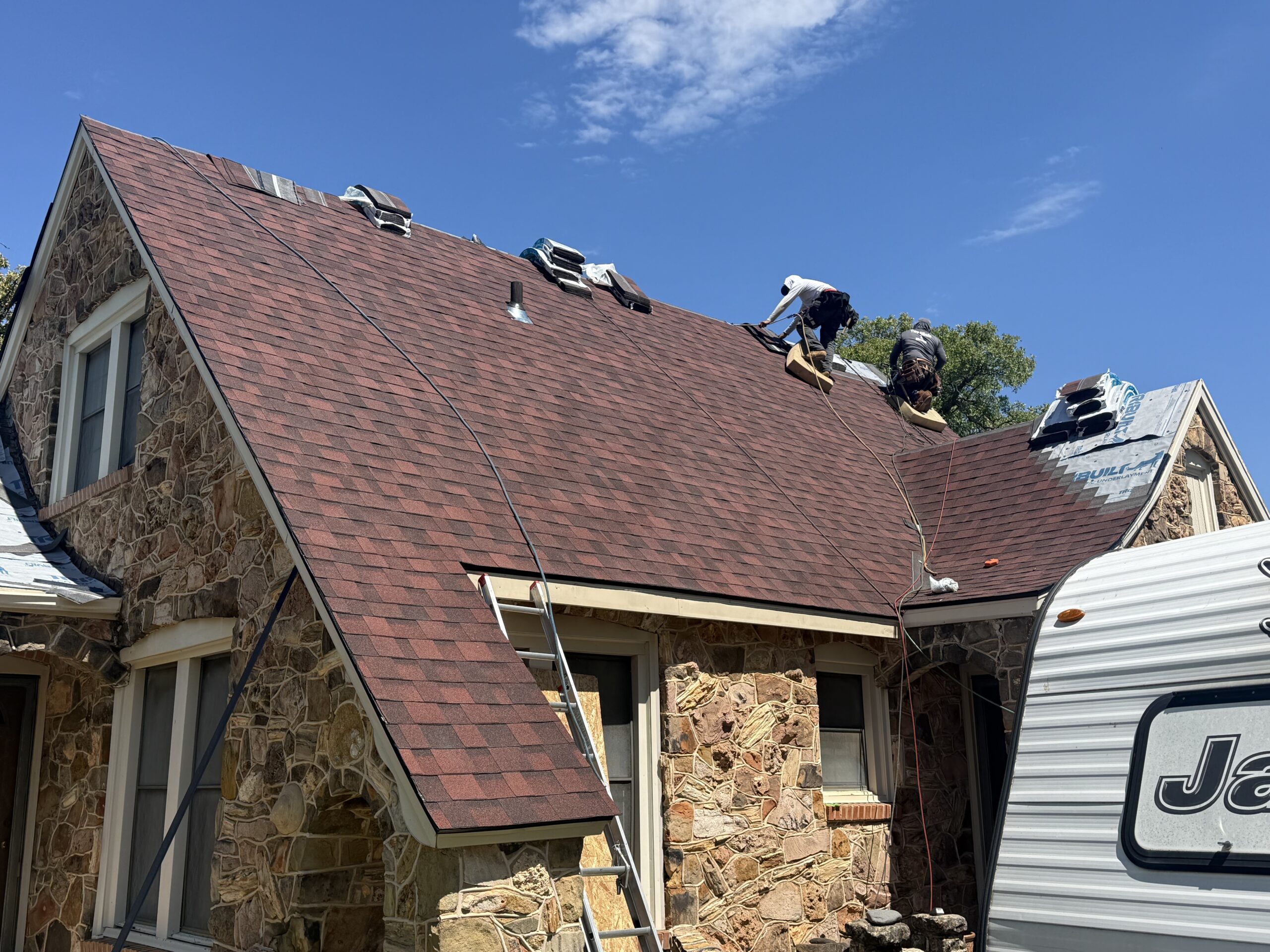
Preventive maintenance focuses on identifying and addressing potential problems before they become major failures. This approach can be especially valuable for roofing because damage often spreads gradually. Moisture that enters through a small opening can travel through roofing layers and affect insulation, wood components, ceilings, and walls.
Regular maintenance gives homeowners an opportunity to observe changes over time. A single inspection may show that a roof is generally healthy, while repeated inspections can reveal gradual deterioration. Comparing photographs and notes from different dates can make these changes easier to recognize.
One of the most important benefits of preventive maintenance is controlling moisture. Water is one of the main threats to residential roofing systems because persistent exposure can contribute to deterioration and hidden damage. Keeping roofing surfaces, flashing, gutters, valleys, and drainage components in good condition can help direct water away from vulnerable areas.
Maintenance can also reduce the effects of debris. Leaves, branches, and other materials can accumulate on roofs and inside gutters. When debris remains wet against roofing materials, it can create conditions that encourage deterioration or interfere with normal water flow.
Another benefit is improved repair planning. When homeowners discover a problem early, they may have more options for addressing it. A small repair may be possible before the damage expands, whereas delayed maintenance can sometimes result in more extensive work.
Preventive care also supports financial planning. Homeowners who understand the condition of their roof can prepare for future repairs or replacement instead of being forced into an emergency project. This can make major roofing expenses easier to manage.
A useful maintenance approach can include:
- Regular visual inspections from safe locations
- Gutter and downspout maintenance
- Checking for visible roofing damage
- Monitoring attic moisture and ventilation
- Managing nearby trees and branches
- Scheduling professional inspections when necessary
The purpose of these tasks is not to eliminate every possible roofing problem. Instead, they help homeowners maintain awareness of the roof’s condition and respond before minor concerns become larger issues.
Routine Roofing Inspections and Early Problem Detection
Routine inspections are among the most effective ways to support a longer roof lifespan. Homeowners can perform basic visual checks without climbing onto the roof, while qualified professionals can conduct more detailed inspections when roof access or specialized knowledge is required.
From the ground, homeowners can look for missing, cracked, curled, or displaced roofing materials. Changes in the appearance of one section compared with surrounding areas may also deserve attention. Binoculars can help homeowners observe higher sections without putting themselves at risk.
Interior inspections are equally valuable. Water stains on ceilings, damp insulation, musty odors, peeling paint, or discoloration around roof penetrations can indicate moisture problems. These signs should be investigated promptly rather than ignored.
Gutters can provide additional clues about roof condition. Excessive accumulation of roofing granules, pieces of roofing material, or unusual debris may indicate deterioration. While some debris is normal, repeated or significant changes can justify further inspection.
Flashing around chimneys, skylights, vents, and roof-to-wall transitions should also receive attention. These areas can become vulnerable as materials age or move. A small failure around a penetration can allow water to enter the roofing assembly.
Routine inspections are particularly important after severe weather. Strong winds, hail, falling branches, and heavy rainfall can create damage that is not immediately visible from inside the home. A professional inspection can help identify problems that require repair.
The timing of professional inspections should depend on the roof’s condition and environment. Older roofs, properties exposed to frequent storms, and homes surrounded by large trees may benefit from more frequent attention.
Homeowners should document inspection findings. Photographs, dates, notes, and repair records can establish a useful history. Over time, this information can help identify recurring problems and support better decisions about repair or replacement.
Early detection does not always mean that a repair will be inexpensive, but it can improve the likelihood that the problem remains manageable. The longer water and weather damage continue, the greater the possibility that additional roofing and structural components will be affected.
Protecting Roofing Materials From Weather Damage
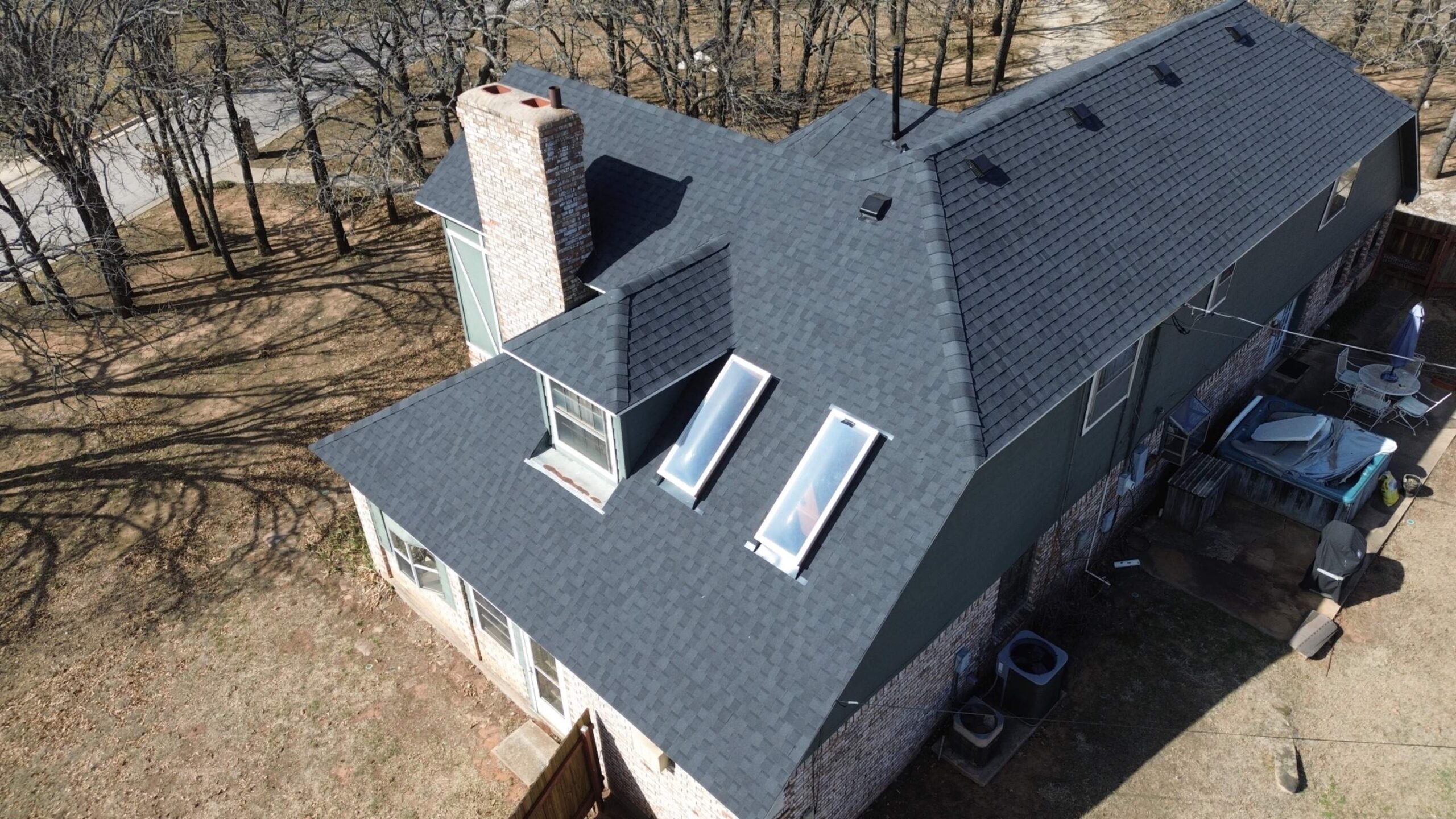
Weather is a major source of roofing deterioration, and regular maintenance can help reduce the impact of environmental exposure. Sunlight, wind, rain, humidity, temperature changes, and severe storms can gradually affect roofing materials.
Sun exposure can cause some roofing products to age, fade, dry out, or lose protective properties over time. While homeowners cannot control sunlight, they can monitor the roof for signs of deterioration and address localized problems before they spread.
Rain can be especially damaging when the roof has weak points. Properly maintained roofing materials, flashing, and drainage components work together to keep water moving away from the home. Blockages or damaged areas can interrupt this system.
Wind can lift or displace roofing materials, particularly when components have already become loose or deteriorated. After strong winds, homeowners should inspect the roof visually and arrange professional evaluation if anything appears out of place.
Temperature changes can also place stress on some roofing components. Materials may expand and contract as conditions change, and repeated movement can affect certain seals, joints, and connections. Proper installation and periodic inspection can help identify problems associated with aging or movement.
Severe weather requires additional attention. Hail can damage certain roofing surfaces, while falling branches can puncture or break materials. Homeowners should avoid attempting to inspect damaged roofs themselves when conditions are unsafe.
Preventive maintenance cannot stop severe weather from occurring, but it can help ensure that the roof is in better condition before a storm arrives. A well-maintained drainage system, secure roofing materials, and properly functioning flashing can reduce vulnerabilities.
Homeowners should also consider nearby environmental conditions. Properties exposed to coastal air, heavy rainfall, extreme sunlight, or frequent storms may require maintenance strategies suited to those conditions.
Protecting the roof from weather damage is therefore an ongoing process rather than a one-time task. Regular observation and timely repairs allow homeowners to address weaknesses before repeated environmental exposure creates more serious deterioration.
Maintaining Gutters and Proper Roof Drainage
Effective drainage is essential for extending the life of a residential roof. Rainwater needs to move efficiently from the roof surface into gutters, downspouts, drainage systems, or other appropriate outlets. When water cannot drain properly, it may accumulate around roofing edges and vulnerable areas.
Gutters should be inspected regularly for leaves, branches, dirt, and other debris. Blocked gutters can cause water to overflow against fascia boards, exterior walls, and roofing edges. In some situations, standing debris can also retain moisture against nearby materials.
Downspouts are equally important. They should provide a clear path for water to leave the gutter system and discharge at an appropriate location away from the foundation. A blocked or disconnected downspout can reduce the effectiveness of the entire drainage system.
Roof valleys deserve particular attention because they collect water from multiple roof sections. Debris that accumulates in valleys can restrict water movement and increase moisture exposure. Homeowners should avoid unsafe roof access and use professional assistance when valley cleaning requires climbing.
Trees can significantly affect drainage maintenance. Leaves and small branches can enter gutters throughout the year, particularly when trees overhang the roof. Proper tree management can reduce the amount of debris reaching the drainage system.
Gutter guards can sometimes reduce debris accumulation, but they do not necessarily eliminate maintenance. Homeowners should still inspect the system periodically to ensure that water flows freely and that the guards themselves are not blocked.
Signs of drainage problems can include overflowing gutters, water stains beneath the roof edge, sagging gutter sections, erosion around downspout outlets, or water pooling near the foundation. These conditions should be addressed before they cause additional property damage.
Maintaining drainage is a relatively straightforward part of roof care, but its impact can be significant. By keeping gutters, downspouts, valleys, and other drainage pathways functional, homeowners can help control moisture exposure and support the long-term performance of the roofing system.
Roof Flashing and Waterproofing Maintenance
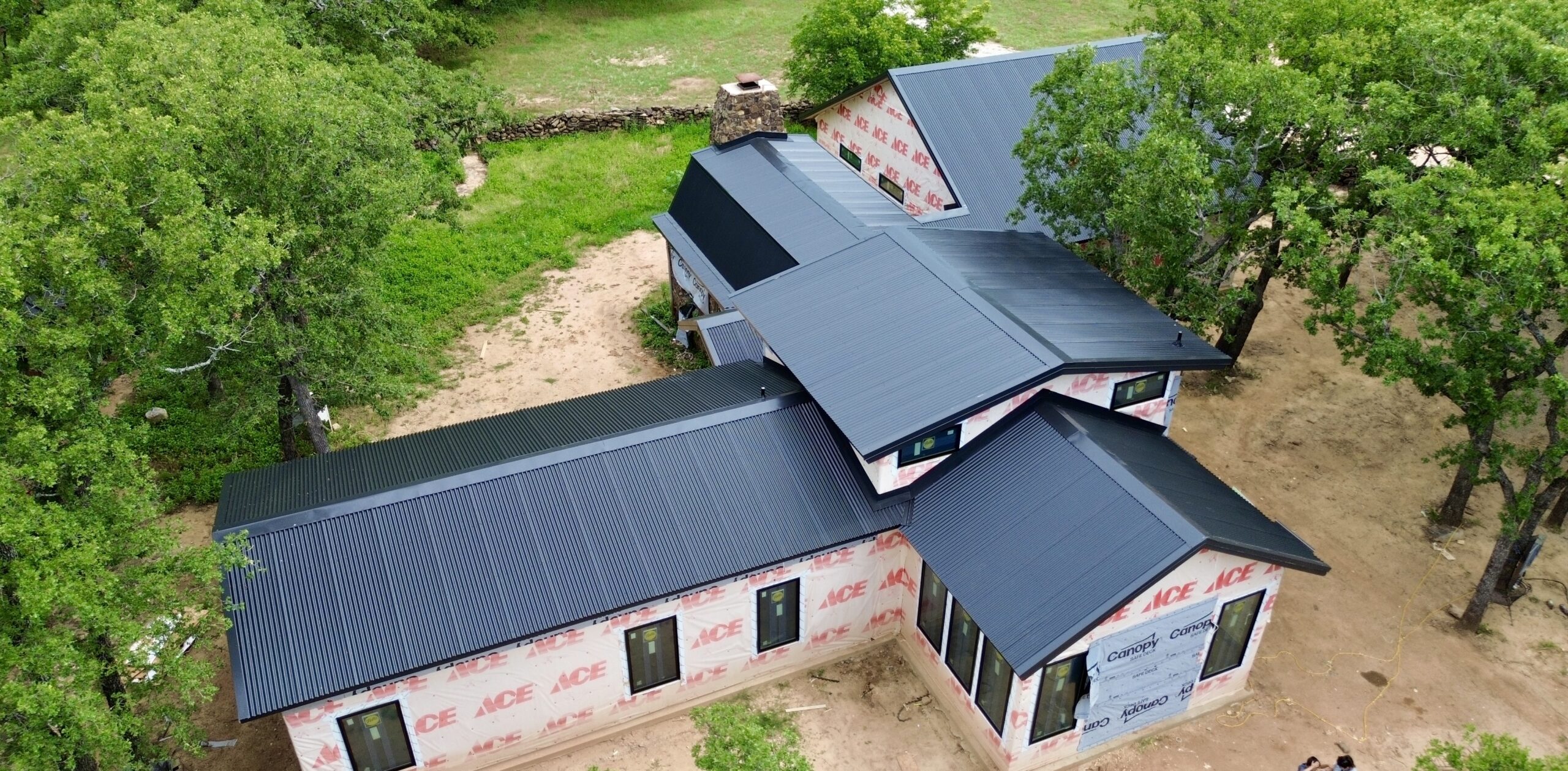
Roof flashing is one of the most important components for protecting areas where different surfaces meet. Flashing is commonly installed around chimneys, skylights, vents, roof valleys, walls, and other penetrations where water could otherwise find a pathway into the roofing system. Maintaining these areas can help prevent moisture intrusion and support a longer roof lifespan.
Flashing can deteriorate because of age, weather exposure, movement, corrosion, or poor installation. Small gaps, lifted edges, cracks, or damaged seals can allow water to enter beneath roofing materials. Because these areas may not be obvious from the ground, regular professional inspections can be especially useful.
Homeowners can perform safe visual checks from the ground or inspect accessible interior areas for signs of moisture. Water stains near chimneys, skylights, or ceiling penetrations may indicate a flashing problem. However, the visible stain may not be directly below the actual point where water entered.
Sealants around roofing components can also deteriorate over time. Simply applying new sealant over an existing problem may provide only temporary protection if the underlying flashing has moved or become damaged. A qualified professional can determine whether resealing, repair, or replacement is appropriate.
Roof-to-wall transitions should receive particular attention because water can collect or move along these areas. Proper flashing and compatible materials help direct water away from vulnerable joints. If these components fail, moisture can potentially reach wall cavities and interior finishes.
Chimneys can create additional maintenance requirements because they combine masonry with roofing materials. Cracked mortar, deteriorated flashing, or damaged surrounding materials can increase the risk of water entry. These conditions should be assessed before they develop into more extensive problems.
Skylights and roof vents also require periodic attention. The surrounding flashing and seals should remain in good condition, and interior areas should be monitored for signs of moisture. Persistent leaks around these features should be professionally evaluated.
Proper waterproofing is not simply about adding more sealant. It involves maintaining the complete system of roofing materials, flashing, underlayment, drainage, and penetrations. When these components work together, they provide better protection against water intrusion.
Timely attention to flashing problems can protect more than the roof itself. Preventing water from entering the building can reduce the risk of damaged insulation, wood framing, ceilings, walls, and other interior components. This makes flashing maintenance an important part of extending the useful life of the entire roofing system.
Attic Ventilation and Moisture Management
The condition of the attic can have a direct relationship with the performance and lifespan of a residential roof. Proper ventilation and moisture management can help create a healthier environment for roofing materials and structural components. The exact ventilation arrangement depends on the home’s design, climate, insulation, and roofing system.
Moisture is one of the main concerns in an attic. Condensation can develop when warm, moist air comes into contact with cooler surfaces. If moisture remains present for extended periods, it can affect insulation, wood components, and other parts of the building.
Homeowners can monitor accessible attic areas for damp surfaces, staining, musty odors, or visible condensation. These signs should not be ignored because they may indicate a ventilation problem, plumbing issue, roof leak, or another source of moisture.
Roof ventilation systems commonly use intake and exhaust openings to encourage appropriate airflow. These openings should remain clear so the system can operate as intended. Insulation, stored belongings, dust, or debris should not block designed ventilation pathways.
Bathroom and kitchen exhaust fans can also affect attic moisture if they are not properly vented. Exhaust air should be directed through an appropriate exterior outlet rather than released into the attic. If homeowners suspect an improper setup, a qualified professional should inspect it.
Adding insulation without considering existing ventilation can create unintended problems. Insulation may block intake openings or change airflow patterns if installed incorrectly. Homeowners should therefore seek professional advice before making significant changes to the attic.
Poor ventilation does not necessarily mean that simply adding more vents will solve the problem. An effective ventilation system needs appropriate balance and must work with the building’s overall design. A professional can assess the current arrangement and recommend suitable changes.
Moisture management also requires prompt roof leak repairs. Ventilation cannot compensate for water entering through damaged shingles, tiles, flashing, or other roofing components. Both the roof’s waterproofing and the attic’s airflow need to function correctly.
Maintaining suitable attic conditions can help protect the roof deck and structural components from unnecessary moisture exposure. This supports the overall goal of extending roof lifespan and reducing premature deterioration.
Managing Trees, Moss, Algae, and Roof Debris
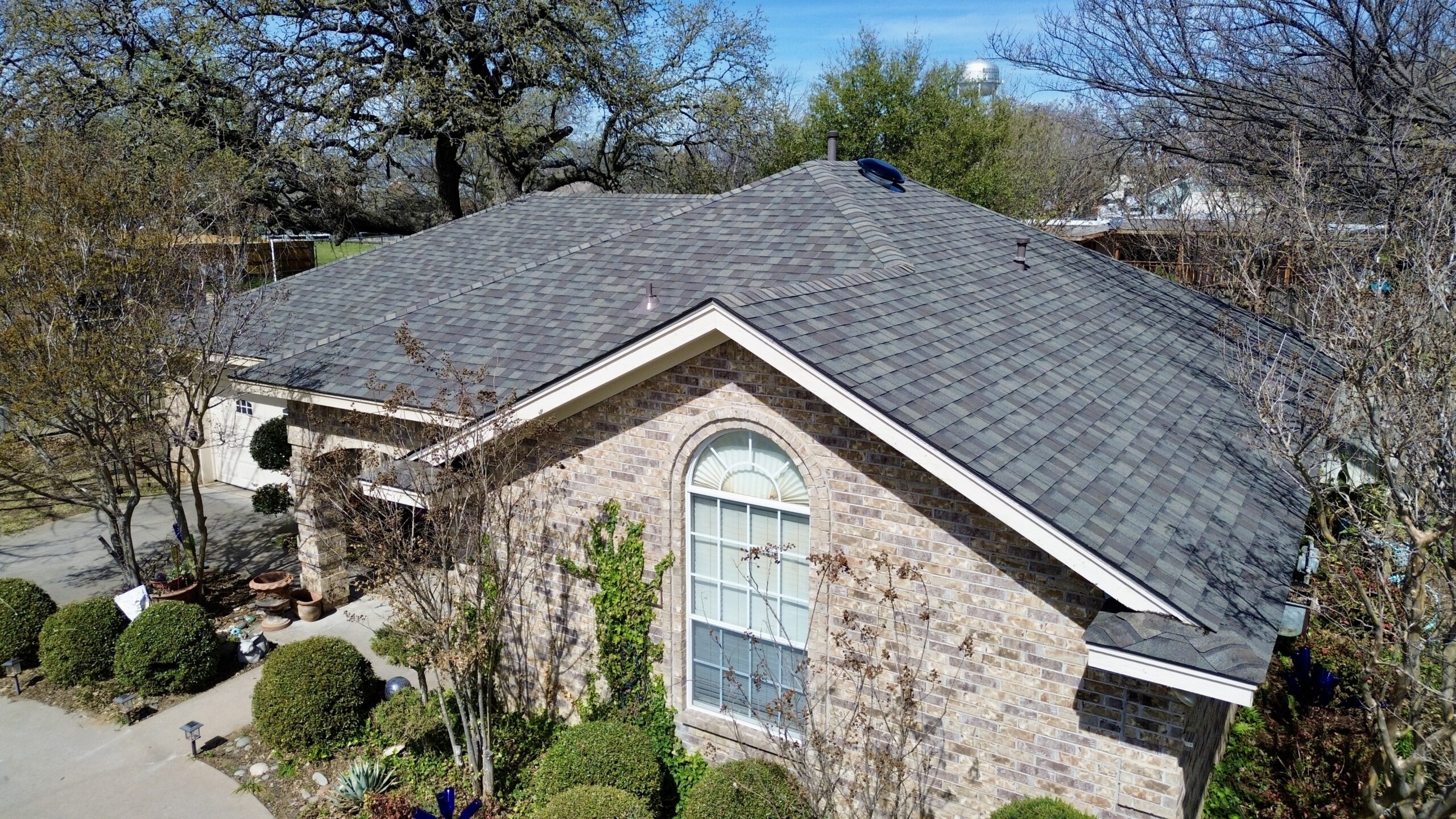
Vegetation and debris can affect roofing materials in several ways. Trees provide shade and improve the appearance of a property, but branches close to the roof can scrape surfaces, drop debris, and create opportunities for moisture accumulation. Managing nearby vegetation is therefore an important part of long-term roof maintenance.
Branches that touch or hang directly over the roof can rub against roofing materials during windy conditions. Repeated movement may cause wear or displace components. Dead or unstable branches can also fall during storms and create significant damage.
Homeowners should inspect trees around the property regularly and arrange professional trimming when necessary. Large branches should not be removed without appropriate equipment and expertise because tree work can be hazardous.
Leaves, twigs, and other debris can collect in roof valleys and gutters. When these materials remain wet, they can retain moisture against roofing surfaces. Regular removal from safe and accessible locations can help maintain drainage and reduce prolonged moisture exposure.
Moss can develop on roofs that receive limited sunlight and remain damp. It can grow between or across certain roofing materials and may contribute to moisture retention. Homeowners should avoid aggressively scraping moss because this can damage some roofing surfaces.
Algae can also affect the appearance of certain roofs, especially in warm and humid conditions. Its presence does not automatically indicate that a roof is failing, but persistent growth may warrant evaluation. Cleaning methods should be suitable for the roofing material.
Pressure washing is not appropriate for every roof. High-pressure cleaning can loosen protective granules, damage surfaces, or force water beneath roofing components. Professional advice should be obtained before using mechanical cleaning methods.
Debris should also be removed after major storms. Fallen branches and accumulated leaves can hide damaged roofing materials and interfere with drainage. Homeowners should inspect from a safe location and hire professionals when roof access is necessary.
Keeping the roof area relatively clean makes inspections easier as well. Visible roofing materials can be monitored more effectively when they are not covered by excessive debris or vegetation.
Managing vegetation and debris does not require homeowners to remove every leaf immediately. The goal is to prevent persistent accumulation, protect drainage, reduce unnecessary contact with roofing materials, and maintain conditions that allow the roof to dry properly.
Seasonal Maintenance for Longer Roof Performance
Different seasons create different challenges for residential roofs. A maintenance routine that changes with weather conditions can help homeowners identify seasonal risks before they become serious problems. The appropriate tasks depend on the local climate and the type of roofing system.
Before periods of heavy rainfall, homeowners should check gutters, downspouts, roof valleys, and other visible drainage areas. Removing accumulated debris can help water flow away from the roof efficiently. Any visible roofing damage should also be evaluated before severe weather arrives.
After storms, homeowners should conduct a safe visual inspection. Missing shingles, broken tiles, displaced panels, fallen branches, and damaged flashing can indicate that professional evaluation is needed. Homeowners should never climb onto a damaged or wet roof simply to complete an inspection.
During hot weather, homeowners can monitor the attic for signs of excessive heat or moisture. Proper ventilation can help manage attic conditions, although the system should be evaluated based on the home’s specific design rather than assumptions.
In colder climates, seasonal maintenance may involve preparing for snow, ice, freezing temperatures, or rapid temperature changes. Roof drainage and flashing should be monitored carefully because repeated freeze and thaw conditions can affect some materials.
Autumn can be an important time for gutter maintenance in areas with significant leaf fall. Keeping drainage pathways clear before heavy rainfall can reduce the possibility of overflow and moisture-related problems.
Homeowners should also monitor nearby trees throughout the year. Seasonal storms and changing weather conditions can weaken branches, increasing the possibility of roof damage.
A seasonal maintenance schedule can be simple, but it should be consistent. The objective is to identify conditions that could shorten the roof’s lifespan and address them before they become more difficult or expensive to repair.
Storm Damage Inspection and Timely Repairs
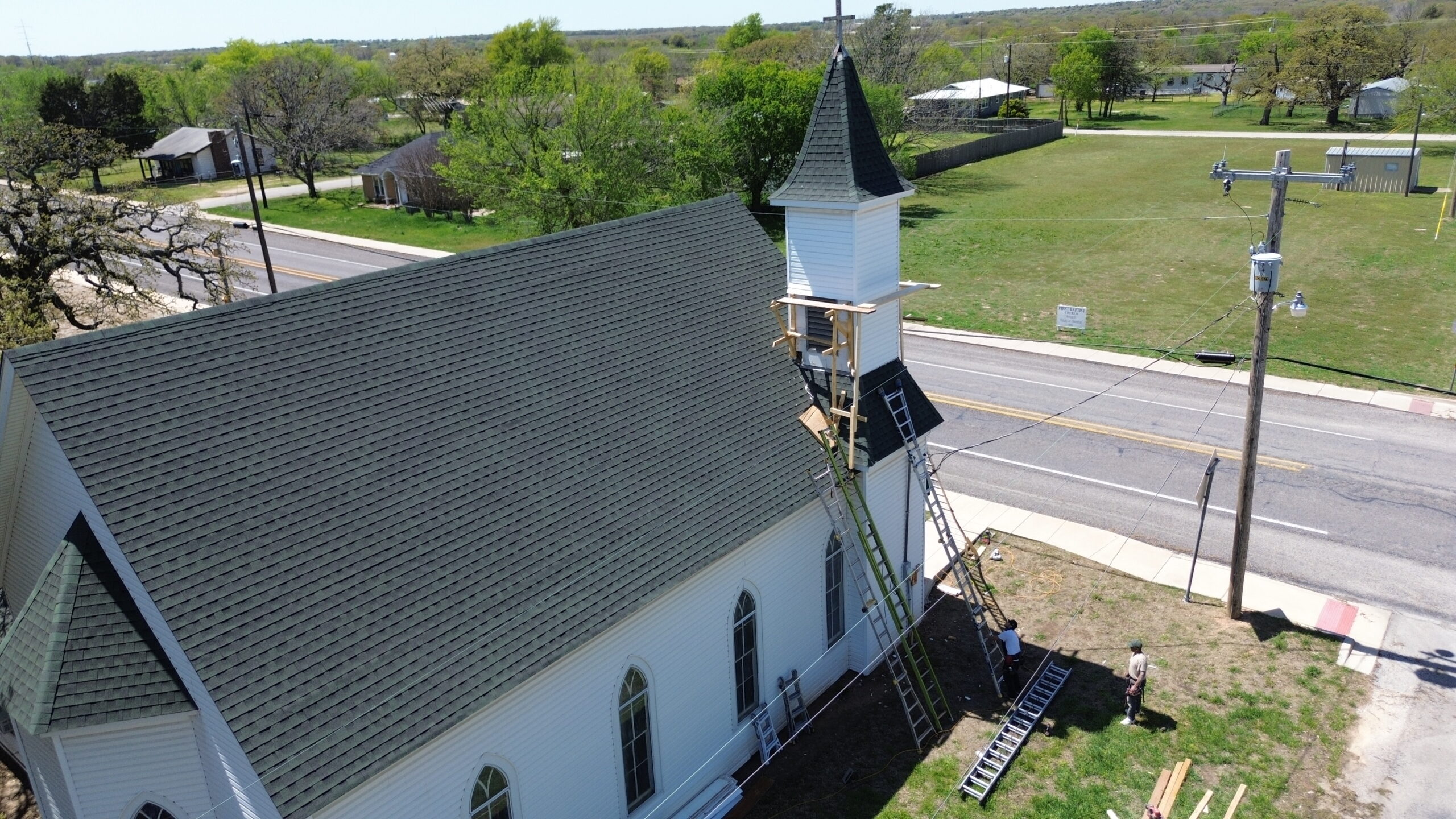
Severe weather can significantly affect the lifespan of a residential roof. Strong winds, hail, heavy rainfall, and falling branches can damage materials that may otherwise have continued performing for years. Prompt inspection after major weather events can help prevent small problems from becoming larger ones.
Wind can lift, loosen, or remove roofing materials. Even when only a few components appear damaged, underlying areas may require inspection. A professional can evaluate whether the roof remains properly sealed and whether repairs are necessary.
Hail can cause damage that is difficult to identify from the ground. Some roofing materials may develop dents, cracks, or surface damage that becomes more significant over time. Professional assessment is useful when hail damage is suspected.
Falling branches can puncture or crush roofing materials. Large debris should not be removed by homeowners if it creates a safety risk. Professional assistance can help protect both people and the property during cleanup.
Interior inspections are also important after storms. New ceiling stains, damp insulation, dripping water, or musty odors can indicate that the roof’s protective layer has been compromised.
Temporary protection may be necessary to prevent additional water intrusion while permanent repairs are arranged. Homeowners should document the condition and follow any applicable insurance procedures when storm damage may be covered.
Delaying repairs can shorten roof lifespan because damaged areas remain exposed to moisture and weather. Water may enter beneath roofing materials and affect components that were not originally damaged by the storm.
Timely repairs therefore serve two purposes. They restore the immediate protective function of the roof and help prevent secondary damage that could shorten the useful life of the roofing system.
Professional Roof Maintenance and Long-Term Lifespan
Professional roof maintenance can complement the routine care performed by homeowners. While homeowners can observe accessible areas and manage simple tasks, roofing professionals can inspect difficult locations and identify problems that may not be visible from the ground.
Professional inspections are especially valuable for older roofs, complex roof designs, properties exposed to severe weather, and homes with recurring leaks. A trained professional can examine roofing materials, flashing, penetrations, drainage areas, and other components more thoroughly.
A professional can also distinguish between minor repairs and signs of widespread deterioration. This can help homeowners avoid unnecessary replacement while also preventing them from continuing to repair a roof that has reached the end of its practical service life.
Maintenance recommendations should be documented. Homeowners can keep inspection reports, photographs, invoices, and repair records to create a long-term history of the roof. This information can help future contractors understand previous work and identify recurring issues.
Professional maintenance can also help homeowners plan financially. If an inspection shows that a roof is aging but still functional, the homeowner can begin preparing for future replacement instead of waiting for an emergency.
The goal of professional maintenance is not to guarantee a specific lifespan. Roofing materials are affected by factors outside the homeowner’s control, including severe weather and environmental exposure. However, consistent professional attention can help reduce preventable deterioration and improve the likelihood of maintaining the roof effectively throughout its useful life.
Combining professional inspections with regular homeowner maintenance creates a stronger long-term approach. The homeowner remains aware of the roof’s condition, while qualified professionals provide specialized evaluation and repairs when needed. This balanced strategy can help protect the roofing investment and support dependable performance for many years.
Creating a Long-Term Roof Maintenance Routine
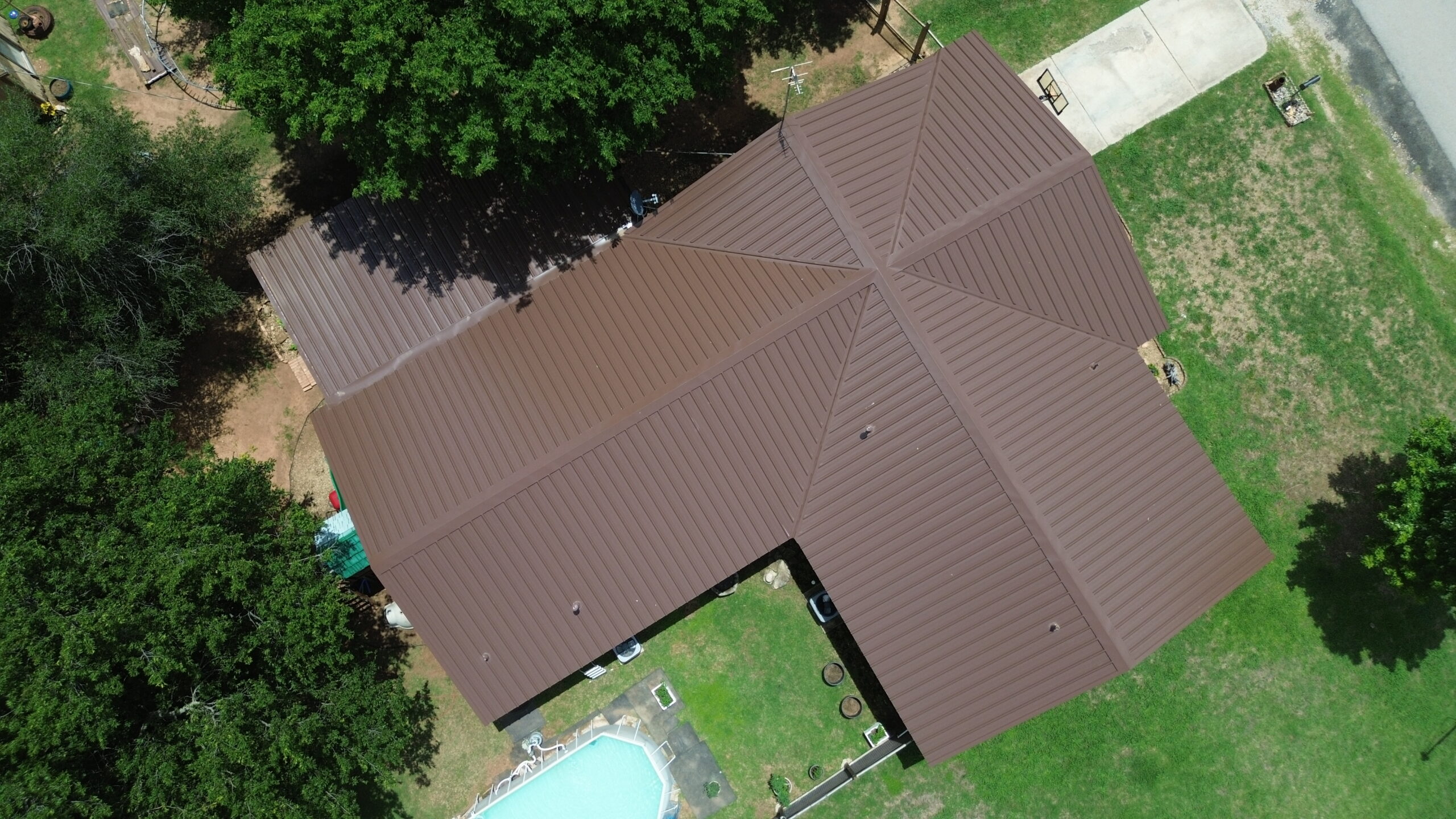
A long-lasting residential roof depends on consistent care rather than occasional attention. Homeowners who establish a regular maintenance routine can monitor changes, identify developing problems, and arrange repairs before damage spreads. The routine should be practical enough to follow throughout the year without requiring homeowners to perform unsafe roofing work.
A useful schedule can combine seasonal visual inspections, gutter maintenance, attic checks, and professional evaluations. Homeowners should also inspect the property after significant storms or other events that could affect the roof. The frequency of professional inspections can depend on roof age, material, climate, and overall condition.
Homeowners can maintain a simple record showing when inspections were completed and what was observed. Photographs can be especially helpful because they allow changes in roofing materials to be compared over time. Keeping invoices and repair information in the same record can also make future maintenance decisions easier.
The routine should become more detailed as the roof ages. An older roof may require closer attention to flashing, material deterioration, leaks, ventilation, and drainage. This does not mean that every older roof needs immediate replacement, but it does mean that homeowners should monitor its condition more carefully.
A maintenance routine should also include a financial component. Setting aside money for expected repairs and eventual replacement can reduce the pressure of an emergency roofing project. Regular maintenance and financial planning work together to make long-term roof ownership more manageable.
How Small Repairs Prevent Major Roofing Costs
Small roofing problems can become expensive when they are ignored for long periods. A damaged shingle, cracked tile, loose flashing component, or blocked drainage area may allow moisture to reach parts of the roofing system that are more difficult and expensive to repair. Prompt attention can help contain the problem.
Water is particularly capable of creating hidden damage. It can move beneath roofing materials, travel along structural components, and eventually reach insulation, ceilings, walls, or framing. By the time interior damage becomes visible, the original roofing problem may have existed for much longer.
Repairing a small damaged area can sometimes be significantly easier than replacing larger sections of the roofing system. However, the appropriate solution depends on the extent and cause of the damage. A qualified roofing professional can determine whether a localized repair is sufficient.
Regular maintenance also helps homeowners notice recurring problems. If the same area repeatedly requires repairs, it may indicate a deeper issue with flashing, drainage, ventilation, installation, or the condition of the roofing system. Continuing temporary repairs without investigating the cause may increase long-term costs.
Homeowners should therefore treat maintenance as an investment rather than simply another household task. Spending appropriately on inspections and timely repairs can help protect the much larger investment represented by the roof and the home itself.
Maintenance Considerations for Different Roofing Materials
Different roofing materials require different maintenance approaches, so homeowners should follow care practices appropriate for their specific system. Asphalt shingles should be checked for missing, cracked, curled, or deteriorated areas. Granule accumulation in gutters may also provide clues about aging, although some granule loss can occur naturally.
Metal roofing should be inspected for damaged panels, loose fasteners, corrosion, deteriorated coatings, and problems around seams or flashing. The appropriate repair method depends on the type of metal roofing and its installation system.
Tile roofs should be monitored for cracked, broken, or displaced tiles. Homeowners should avoid walking on tile surfaces because they can be fragile and difficult to navigate safely. Professional inspections are especially useful when damaged tiles occur in hard-to-reach locations.
Wood roofing materials can require closer monitoring for moisture, splitting, decay, and biological growth. Their maintenance requirements can vary based on climate and the specific product. Professional guidance can help determine appropriate cleaning and repair methods.
Synthetic roofing products may have different cleaning and inspection requirements depending on their design and manufacturer. Homeowners should avoid applying unfamiliar chemicals or aggressive cleaning methods without confirming that they are suitable.
Regardless of material, flashing, drainage, ventilation, and penetrations remain important. A durable roof covering cannot perform properly if water is allowed to enter around chimneys, vents, skylights, or roof edges.
Using maintenance methods appropriate to the roofing material can help avoid accidental damage. Homeowners should review manufacturer information and consult qualified professionals when they are uncertain about cleaning, repairs, or other maintenance procedures.
Signs That Maintenance Is No Longer Enough
Regular maintenance can extend roof lifespan, but it cannot prevent eventual aging. Homeowners need to recognize when a roof has moved beyond routine maintenance and requires more extensive repair or replacement planning. Widespread deterioration is one important warning sign.
Repeated leaks can indicate that the roofing system is no longer providing reliable protection. If multiple areas develop problems despite appropriate repairs, the roof may be approaching the end of its useful service life.
Widespread cracking, curling, splitting, missing materials, or severe surface deterioration can also indicate that replacement should be considered. The significance of these signs depends on the roofing material, age, installation, and overall condition.
Sagging areas deserve immediate professional attention. They can indicate problems involving the roof structure or underlying materials and should not be treated as simple cosmetic defects.
Frequent repair expenses can provide another warning. When homeowners continually spend money correcting different sections of an aging roof, replacing the system may eventually become more practical than continuing short-term repairs.
Roof age should be considered alongside physical condition. A roof may still perform well beyond a typical expected range with appropriate maintenance, while a younger roof can experience premature problems because of severe weather or installation issues.
A professional roof assessment can help homeowners determine whether maintenance, repair, partial replacement, or complete replacement is appropriate. This assessment can prevent homeowners from replacing a roof unnecessarily while also reducing the risk of continuing to invest in a system that is no longer reliable.
Budgeting for Roof Maintenance and Future Replacement
Roof maintenance should be included in the household budget rather than treated as an unexpected expense every time a problem appears. Regular inspections, gutter maintenance, minor repairs, and professional services can all require financial planning.
Homeowners should also establish a separate reserve for eventual roof replacement. Even a well-maintained roof will eventually require significant investment. Starting to save while the roof is still performing can make replacement easier to manage.
A practical roofing budget should consider the roof’s age, material, approximate size, condition, and local installation costs. Homeowners should also allow room for unexpected repairs because removing old roofing materials can sometimes reveal underlying problems.
Maintenance expenses should not automatically be viewed as unnecessary costs. A relatively small repair may help prevent water damage that affects several other areas of the home. The financial value of maintenance therefore includes both the cost of the work and the potential cost avoided through early intervention.
Homeowners can also compare estimates when significant work is required. A detailed estimate should explain materials, labor, removal, disposal, flashing, ventilation, and other relevant components. Comparing complete scopes of work is more useful than choosing a contractor based only on the lowest price.
Insurance may help with certain unexpected covered events, but homeowners should not rely on insurance to pay for normal aging or routine maintenance. Understanding the policy and maintaining personal savings for predictable roofing expenses can create a more balanced financial strategy.
Practical Homeowner Strategies for Maximizing Roof Lifespan
Homeowners can take several practical steps to support long-term roof performance. The most important is consistency. A roof should be observed regularly instead of being inspected only when a leak or other obvious problem appears.
Homeowners should keep gutters and downspouts clear, manage nearby trees, monitor attic conditions, and look for visible changes in roofing materials. These tasks can help control moisture and identify developing problems.
After severe weather, homeowners should perform a safe visual inspection and arrange professional assistance when necessary. Damage should not be ignored simply because there is no immediate interior leak. Some roofing problems may remain hidden until the next rainfall.
Professional inspections are also valuable. Qualified roofers can assess areas that homeowners cannot safely reach and can identify problems involving flashing, ventilation, structural components, or widespread material deterioration.
Homeowners should avoid unnecessary roof traffic. Walking on roofing materials can cause damage, particularly with fragile products such as tile or certain aging surfaces. If roof access is required, professional assistance is generally safer.
Using compatible repair materials is equally important. Temporary patches or unsuitable sealants may not provide lasting protection and can sometimes make future repairs more complicated. Repairs should address the underlying problem whenever possible.
Keeping complete maintenance records can also improve long-term management. A record of inspections, repairs, materials, warranties, photographs, and roof age gives homeowners a clearer picture of the property’s history.
Conclusion
Regular maintenance can significantly support the long-term performance of a residential roof by helping homeowners identify problems early, control moisture, maintain drainage, and address damage before it spreads. Although maintenance cannot stop natural aging or prevent every type of severe weather damage, it can reduce many avoidable causes of premature deterioration.
A successful maintenance strategy begins with routine observation. Homeowners can safely monitor visible roofing areas, gutters, nearby trees, attic conditions, and interior surfaces for warning signs. When problems involve difficult access, recurring leaks, storm damage, structural concerns, or extensive deterioration, qualified professionals should handle the inspection and repair.
Different roofing materials also require different care. Asphalt shingles, metal, tile, wood, and synthetic products each have specific maintenance considerations, but all roofing systems depend on effective drainage, appropriate flashing, proper installation, and moisture control.
Small repairs can have a major effect on long-term costs. Addressing a damaged roofing component early may help prevent moisture from reaching insulation, decking, framing, ceilings, and walls. This makes timely maintenance an important part of protecting both the roof and the wider home.
Homeowners should also recognize when maintenance is no longer enough. Repeated leaks, widespread deterioration, sagging, extensive damage, or frequent repair needs may indicate that replacement planning is more appropriate. Professional evaluation can help determine the right course of action.
Ultimately, extending roof lifespan is about consistency rather than a single maintenance task. By inspecting regularly, maintaining drainage, managing vegetation, controlling attic moisture, responding quickly to damage, and budgeting for future work, homeowners can help their roofs remain reliable for as long as practical. A well-maintained roofing system provides better protection for the home while helping families manage repair and replacement costs with greater confidence.
Leave A Comment