OSHA Guidelines for Residential Roofing Contractors
Introduction
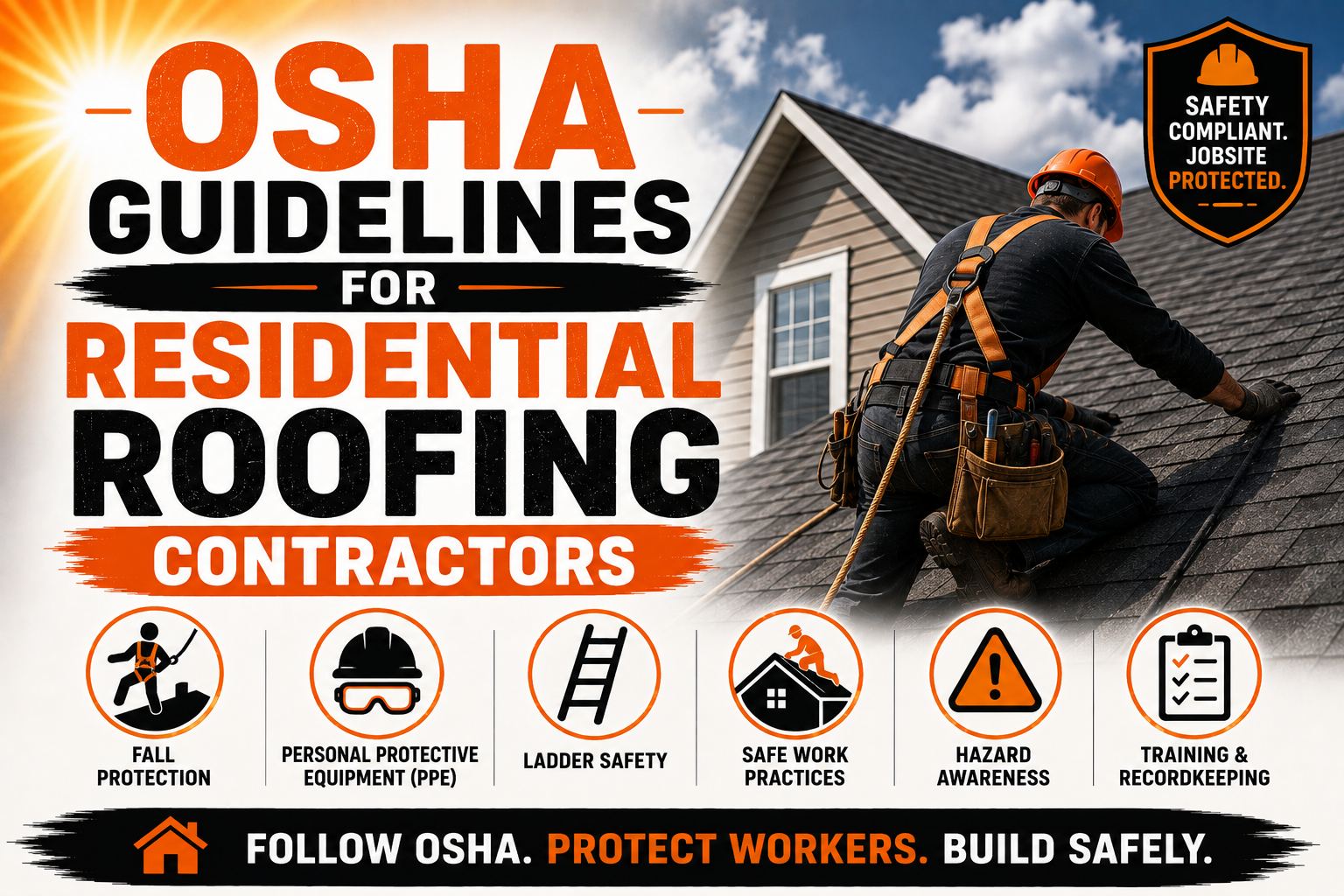
Residential roofing is one of the most demanding areas of construction because workers regularly perform tasks at elevated heights while handling tools, materials, ladders, and equipment. Falls remain a major concern in roofing, which makes proper planning and compliance with workplace safety requirements essential for contractors. The Occupational Safety and Health Administration, commonly known as OSHA, establishes workplace safety requirements that help protect employees from recognized hazards, including falls and unsafe access conditions.
OSHA requirements can apply to residential construction activities even when a project involves a single-family home. Contractors should understand that residential work does not automatically eliminate workplace safety responsibilities. Employers are expected to identify hazards, provide appropriate protection, train workers, and maintain safe working conditions throughout the project.
Roofing contractors should also understand the difference between OSHA requirements and local building codes. Building codes generally address the construction and performance of the structure, while OSHA focuses on workplace safety and employee protection. A roofing project may therefore need to satisfy both sets of requirements.
Fall protection is one of the most important areas for residential roofing contractors. OSHA’s construction standards address fall hazards and establish requirements for protecting workers who are exposed to falls from elevated surfaces. The appropriate protection depends on the work activity, roof configuration, height, and other site conditions.
Contractors should develop safety procedures before workers begin roofing operations. A pre-job assessment can identify roof edges, openings, unstable surfaces, ladders, electrical hazards, falling-object risks, and other conditions that could affect workers. Planning allows hazards to be controlled before employees are exposed to them.
Safety should continue throughout the project rather than being treated as a one-time inspection. Roof conditions can change as materials are removed, weather develops, and different construction stages begin. Supervisors should regularly evaluate the site and make adjustments when hazards change.
OSHA compliance also involves worker training and communication. Employees should understand the hazards associated with their tasks and know how to use protective equipment correctly. Contractors should create an environment where workers can report unsafe conditions without hesitation.
For residential roofing companies, OSHA compliance is therefore both a legal responsibility and an important part of professional project management. A strong safety program can reduce injuries, improve work practices, protect workers, and create more consistent roofing operations.
Fall Protection Requirements for Roofing Contractors
Fall protection is a central concern in residential roofing because workers often operate near roof edges, openings, and elevated surfaces. OSHA construction requirements address fall hazards and generally require appropriate protection when workers are exposed to falls at regulated heights. Contractors should determine which requirements apply to the specific roofing activity and site conditions.
The type of fall protection used can vary depending on the roof and work being performed. Systems may include guardrails, safety nets, personal fall arrest systems, or other permitted methods. Contractors should select protection based on the hazards present and applicable OSHA requirements rather than using the same approach for every project.
Personal fall arrest systems can include components such as a full-body harness, connecting equipment, and suitable anchorage. These components must be properly selected, installed, inspected, and used. A harness alone does not provide complete fall protection without a compatible system designed to arrest a fall safely.
Anchorage is particularly important. An anchor must be suitable for the intended fall protection system and properly connected to the supporting structure. Contractors should never improvise attachment points or connect equipment to components that have not been designed or evaluated for the purpose.
Workers should receive training before using personal fall protection equipment. They need to understand how to inspect the equipment, put it on correctly, connect to the system, and recognize conditions that could affect its performance. Training should also address what workers should do after a fall occurs.
Roof edges should be evaluated throughout the project. Temporary conditions can create new hazards as old roofing materials are removed or new materials are installed. Guardrails or other appropriate systems may need to be adjusted as the work progresses.
Roof openings require particular attention. Skylight openings, roof access points, and other openings can create serious fall hazards. Contractors should ensure that openings are properly protected according to applicable requirements.
Fall protection should also account for weather conditions. Rain, ice, strong wind, and other conditions can make an already hazardous roof more difficult to navigate. Contractors should not rely on fall protection equipment as a reason to continue work when weather creates unacceptable conditions.
A practical fall protection review should consider:
- Roof height and slope
- Roof edges and openings
- Access points
- Type of roofing work
- Fall protection equipment
- Anchorage locations
- Worker training
- Changing site conditions
- Weather and surface conditions
Proper fall protection should be planned before work starts and monitored throughout the project. Contractors who make fall prevention part of daily operations can reduce the likelihood of serious accidents.
Ladder and Roof Access Safety
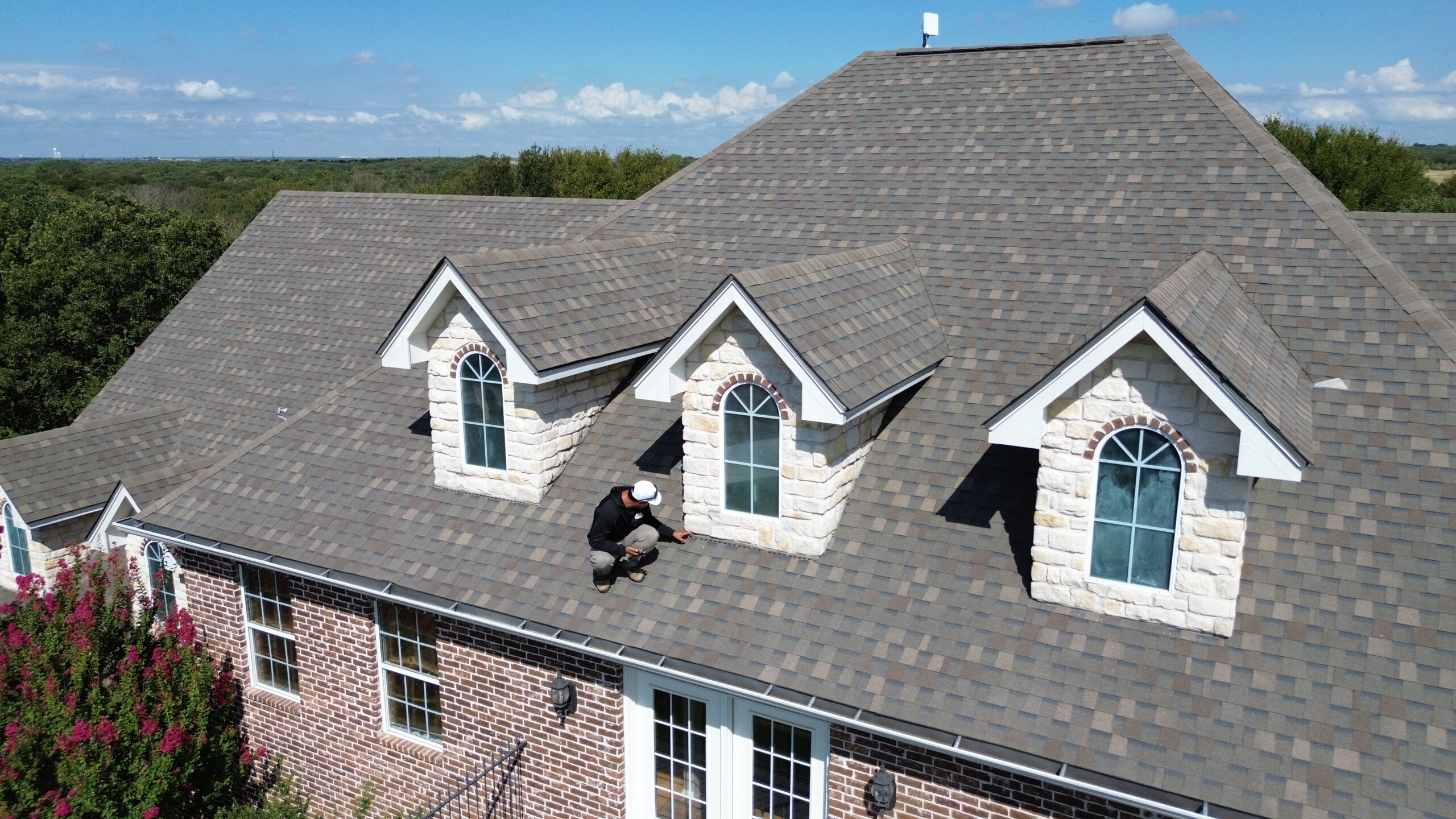
Ladders are commonly used on residential roofing projects to provide access between ground level and elevated work areas. Improper ladder selection, positioning, or use can create serious fall hazards. Contractors should ensure that workers use ladders according to OSHA requirements and manufacturer instructions.
Before a ladder is used, it should be inspected for visible damage or defects. Broken rungs, damaged rails, unstable feet, missing components, and other defects can make a ladder unsafe. Damaged ladders should be removed from service until they are properly repaired or replaced.
The ladder should be positioned on a stable and level surface. Workers should avoid placing ladders on unstable objects or improvised supports to gain additional height. Such practices can cause the ladder to shift unexpectedly.
Access conditions should also be considered when roofing work is performed during rain, snow, ice, or strong wind. A ladder that is stable under dry conditions may become hazardous when wet or slippery. Contractors should reassess access equipment whenever weather conditions change.
Workers should maintain appropriate contact with the ladder while climbing and should avoid carrying materials in a way that prevents secure climbing. Tools and materials can often be moved using appropriate equipment or procedures rather than being carried in both hands while climbing.
Ladder placement should provide safe access to the intended working area. Workers should not be forced to climb onto unstable surfaces or step over obstacles when reaching the roof. The access point should be planned as part of the overall roofing setup.
Extension ladders require particular attention because their length, angle, and support can affect stability. Contractors should follow applicable requirements and manufacturer instructions when positioning and securing them.
Ladders should also be protected from workplace traffic and other activities that could cause them to move. If vehicles, equipment, or workers could contact the ladder, appropriate precautions should be taken.
Supervisors should observe how ladders are being used rather than assuming that workers understand all requirements. Shortcuts can develop when workers are under time pressure, particularly on busy roofing sites. Regular communication and inspections can help prevent unsafe practices.
Safe roof access is an essential part of fall prevention. A properly planned ladder system gives workers a more controlled route onto and off the roof and reduces the likelihood of accidents during one of the most frequent movements on a roofing site.
Roofing Work Near Roof Edges and Openings
Roof edges are among the most significant hazards on residential roofing projects because workers can approach them frequently while installing shingles, flashing, underlayment, and other components. Contractors must provide appropriate protection when workers are exposed to fall hazards covered by OSHA requirements.
Workers should understand where protected and unprotected areas are located. Temporary conditions can change the position of an edge or opening, so workers should receive updated information when the work area changes.
Roof openings should never be left unprotected simply because they are temporarily unused. Skylights, holes, and other openings can be difficult to see, especially when workers are carrying materials or when lighting and weather conditions are poor.
Covers used over openings should meet applicable requirements and be capable of supporting the intended loads. A weak or unsecured cover can create a hazard rather than eliminating one. Covers should also be clearly marked or otherwise identified when necessary so workers do not mistake them for ordinary walking surfaces.
Roof edges may require guardrails or another suitable fall protection system depending on the work activity and applicable OSHA requirements. The selected system should remain effective as construction progresses.
Materials should not be stacked in locations where they create additional hazards near roof edges. Loose shingles, tools, debris, and equipment can fall from elevated areas and injure people below. Contractors should establish organized storage areas and keep work surfaces as clear as reasonably possible.
Falling-object hazards should also be considered below the roof. Workers, homeowners, visitors, vehicles, and neighboring property may be exposed to falling tools or materials. Barricades, controlled access areas, and appropriate procedures can help reduce exposure.
Roof edge work becomes more challenging in high winds. Materials can become difficult to control, and workers may lose balance. Contractors should evaluate weather conditions before beginning edge-related activities and suspend work when conditions are unsafe.
Supervisors should regularly inspect roof edges and openings because protection can be displaced during construction. A fall protection system that was properly installed in the morning may be affected by material movement or other work later in the day.
Maintaining effective protection around edges and openings requires continuous attention. Contractors should treat these areas as active hazards throughout the project rather than assuming that one safety setup will remain sufficient until completion.
Personal Protective Equipment for Roofing Crews
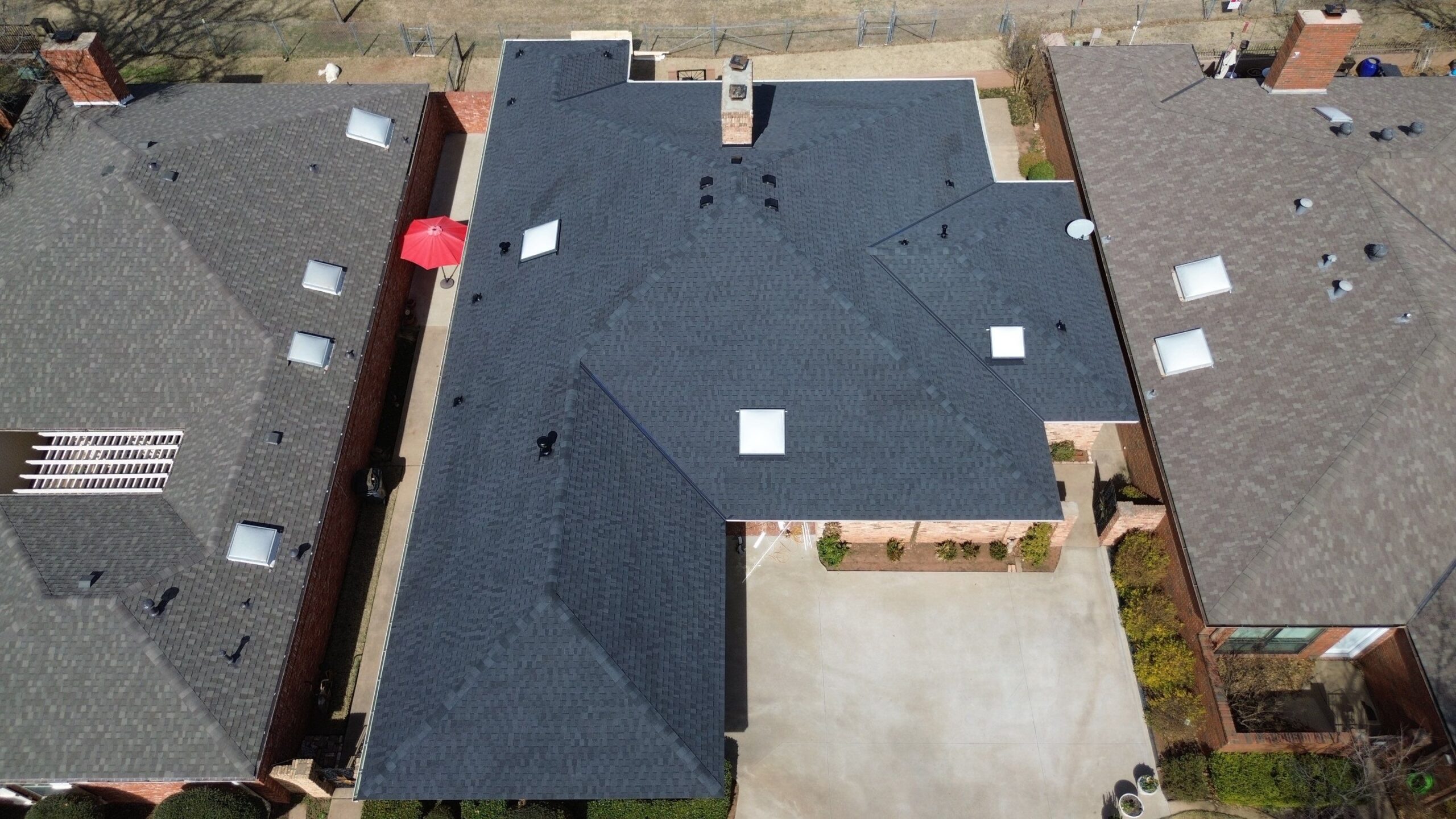
Personal protective equipment, or PPE, can provide an additional layer of protection when hazards cannot be eliminated through other methods. Roofing contractors should assess the worksite and determine what PPE workers need for their specific tasks. PPE should be properly selected, maintained, and used according to applicable requirements and manufacturer instructions.
Head protection is important where workers may be exposed to falling objects or other hazards that could cause head injury. Appropriate protective headgear should be provided and worn as required by the work conditions.
Eye protection may be necessary when workers cut roofing materials, use power tools, handle fasteners, or perform tasks that can produce dust or flying particles. Eye protection should be appropriate for the particular hazard rather than selected only for general appearance or convenience.
Hand protection can help reduce exposure to sharp materials, rough surfaces, hot components, and certain chemical products. Gloves should provide suitable protection while still allowing workers to maintain adequate control of tools and materials.
Foot protection is also important because roofing workers regularly move across sloped surfaces and handle heavy materials. Appropriate footwear should provide suitable traction and protection for the tasks being performed.
High-visibility clothing may be useful when workers are exposed to vehicle traffic or equipment movement around the site. The need for visibility should be evaluated according to the layout and activities of each project.
Fall protection equipment should receive particular attention because it is part of a system rather than ordinary PPE. Harnesses, connectors, lifelines, and other components should be inspected and used according to their intended design.
Workers should receive training on the limitations and correct use of PPE. Simply providing equipment does not ensure that employees know how to use it properly. Training should explain when protection is required, how to inspect it, and what to do if equipment is damaged.
PPE should be kept clean and stored appropriately. Damaged equipment should be removed from service and handled according to company procedures. Regular inspection helps identify problems before equipment is needed in an emergency.
Contractors should also avoid using PPE as the only solution when a hazard can be controlled more effectively through planning, engineering controls, or other measures. PPE is an important part of roofing safety, but it works best within a comprehensive safety program.
Safe Use of Roofing Tools and Equipment
Residential roofing contractors use a wide range of hand tools, power tools, cutting equipment, compressors, nail guns, and other machinery. Improper use of these tools can create hazards involving cuts, struck-by injuries, electrical shock, burns, and flying debris. OSHA requirements and safe work practices should be incorporated into daily operations so workers can perform their tasks without unnecessary exposure to these risks.
Before work begins, tools and equipment should be inspected for visible damage and defects. Handles, guards, cords, switches, blades, triggers, and other components should be checked according to the equipment manufacturer’s instructions. Damaged equipment should be removed from service until it has been properly repaired or replaced.
Power tools require particular attention because electrical or mechanical failures can result in serious injuries. Extension cords should be suitable for the intended use and maintained in good condition. Workers should avoid using cords with exposed wires, damaged insulation, broken plugs, or other defects.
Roofing nail guns are common on residential projects and can cause serious puncture injuries when used improperly. Workers should receive appropriate training before operating pneumatic nailers or similar equipment. The tool should be handled according to manufacturer instructions, and workers should avoid pointing it toward themselves or others.
Compressed-air equipment should also be handled carefully. Hoses should be positioned to reduce trip hazards and should not be exposed to unnecessary damage. Connections should be secure, and equipment should be maintained according to established procedures.
Cutting roofing materials can produce sharp edges and airborne particles. Workers should use appropriate eye protection and other PPE based on the material and cutting method. Cutting areas should be organized so other workers are not unnecessarily exposed to flying debris.
Tools should be stored securely when not in use. Leaving hammers, knives, drills, or other equipment near roof edges can create falling-object hazards. A falling tool can injure people below even when the worker using it is properly protected.
Weather can also affect tool safety. Rain and moisture may increase electrical hazards, while extreme temperatures can affect equipment performance. Contractors should evaluate conditions before using tools outdoors and stop operations when equipment cannot be used safely.
Regular maintenance is equally important. Equipment that is maintained according to manufacturer recommendations is less likely to develop unexpected failures. A consistent inspection and maintenance process can also help supervisors identify recurring equipment problems.
Workers should never bypass guards, safety devices, or other protective features to save time. Shortcuts can expose employees to hazards that the equipment was designed to prevent. Safe operation should remain the priority even when a project is behind schedule.
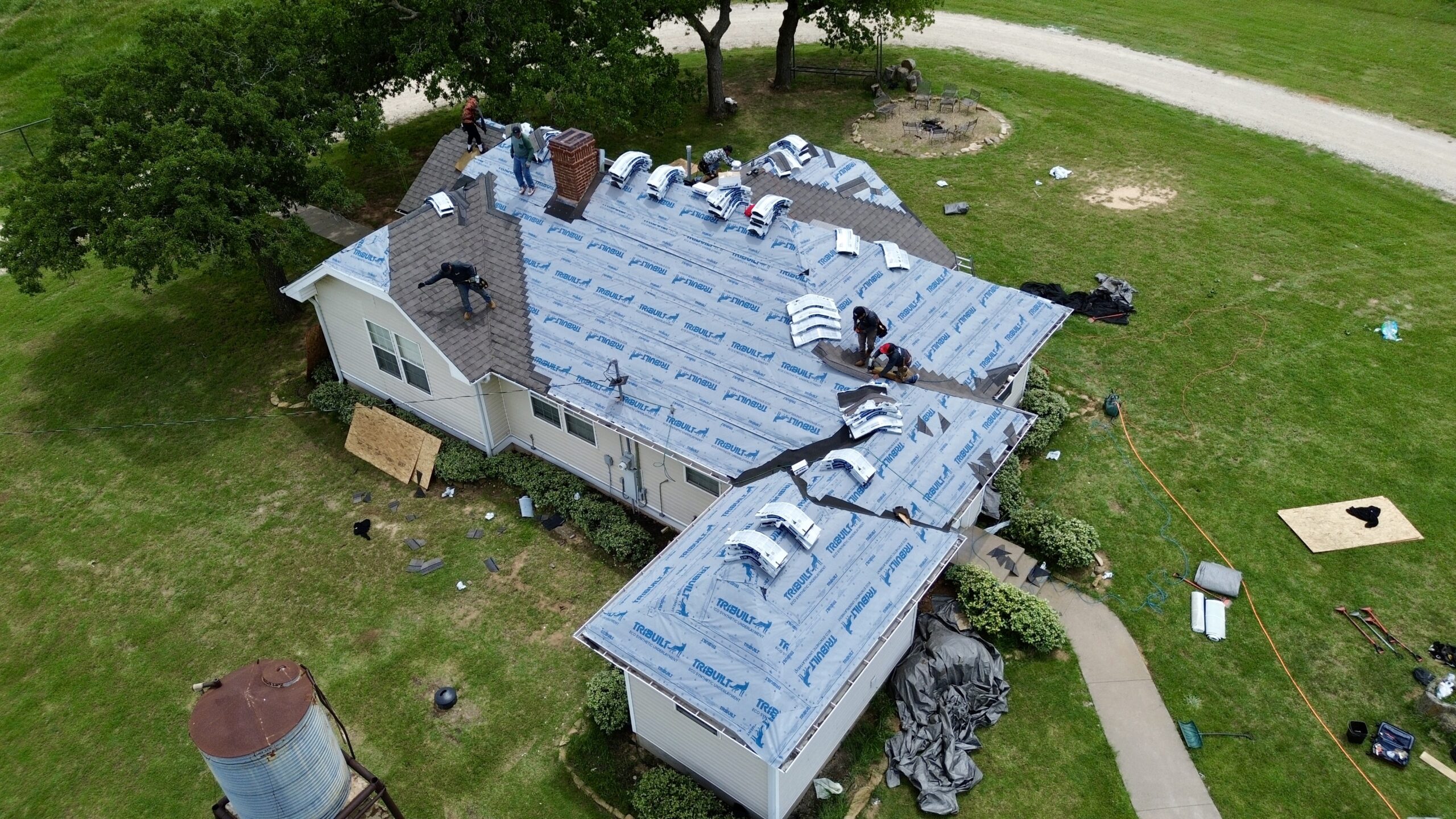
Electrical Safety on Residential Roofing Sites
Electrical hazards can exist on residential roofing projects even when electrical work is not part of the contractor’s main responsibilities. Power tools, temporary electrical systems, extension cords, generators, and existing electrical service can expose workers to shock, burns, or other injuries. Contractors should identify electrical hazards before workers begin roof-related activities.
Overhead power lines require particular attention because roofing workers may handle long tools, ladders, panels, and other materials near them. Contractors should identify power lines around the property before setting up ladders or moving large materials. Appropriate clearance and safety procedures should be maintained according to applicable requirements.
Workers should never assume that a power line is harmless because it appears insulated or inactive. Electrical systems should be treated with appropriate caution, and contractors should coordinate with qualified personnel when work could approach electrical hazards.
Extension cords should be inspected before use. Cuts, exposed conductors, damaged plugs, or other defects can create serious risks. Cords should also be routed carefully to reduce the chance of damage from vehicles, sharp materials, foot traffic, or roofing equipment.
Wet conditions increase electrical concerns. Roofing work should be evaluated carefully during rain or other conditions that can expose electrical equipment to moisture. Tools and temporary power systems should be used only in accordance with their intended requirements.
Ground-fault protection may be required for certain construction electrical equipment and locations. Contractors should understand the applicable requirements and ensure that electrical systems are maintained properly. Workers should not attempt unauthorized modifications to electrical equipment.
Generators should be positioned and operated safely. They should be located where exhaust cannot accumulate in enclosed areas or enter occupied spaces. Fuel storage and refueling should also follow appropriate safety procedures.
Workers should report damaged electrical equipment immediately. A damaged cord or tool should not remain in service simply because the defect appears minor. Removing faulty equipment can prevent an electrical incident from occurring later.
Contractors should provide workers with training appropriate to their tasks and exposure. Employees do not need to become electricians to understand basic electrical hazards, but they should recognize unsafe conditions and know when to stop work and seek qualified assistance.
Electrical safety should also be considered when installing roof-mounted equipment, solar systems, vents, or other components near electrical service. When specialized electrical work is involved, appropriate qualified professionals should perform the work.
Material Handling and Falling Object Prevention
Roofing materials can be heavy, awkward, sharp, or difficult to control. Moving shingles, tiles, panels, plywood, underlayment, and other products from the ground to the roof can create lifting, struck-by, and falling-object hazards. Contractors should plan material handling before work begins.
Workers should use appropriate methods for moving heavy or bulky materials. Mechanical lifting equipment may be appropriate for certain loads, while smaller materials may be moved using controlled manual methods. Workers should not attempt to lift loads beyond their capabilities simply to maintain productivity.
Roof materials should be stored in stable locations. Improperly stacked materials can shift or slide, particularly on sloped roofs. Materials should be positioned so they do not interfere with worker movement, access routes, or fall protection systems.
Wind can make material handling especially hazardous. Lightweight products can be lifted suddenly and may become difficult to control. Contractors should monitor weather conditions and suspend material movement when wind makes the task unsafe.
Falling materials can injure workers on the ground, homeowners, pedestrians, or other people near the property. Contractors should establish controlled areas beneath active roofing operations where appropriate. People who are not involved in the work should be kept away from areas where falling objects could reach.
Tools should also be controlled. Tool belts, buckets, hoists, and other equipment can help workers move materials without carrying items in ways that interfere with climbing or balance. Tools should never be tossed from roofs or elevated platforms.
Debris should be managed throughout the project. Broken shingles, nails, packaging, wood pieces, and other waste can create hazards on the roof and ground. Regular cleanup reduces slips, trips, puncture injuries, and falling-object risks.
Workers should communicate when moving large materials. A worker carrying a long panel may have limited visibility and may not see other people nearby. Clear communication can help coordinate movement and prevent collisions.
Material deliveries should also be planned around site conditions. Deliveries should not block emergency access, interfere with ladders, or create unstable storage areas. Proper organization from the beginning makes the roofing operation safer and more efficient.
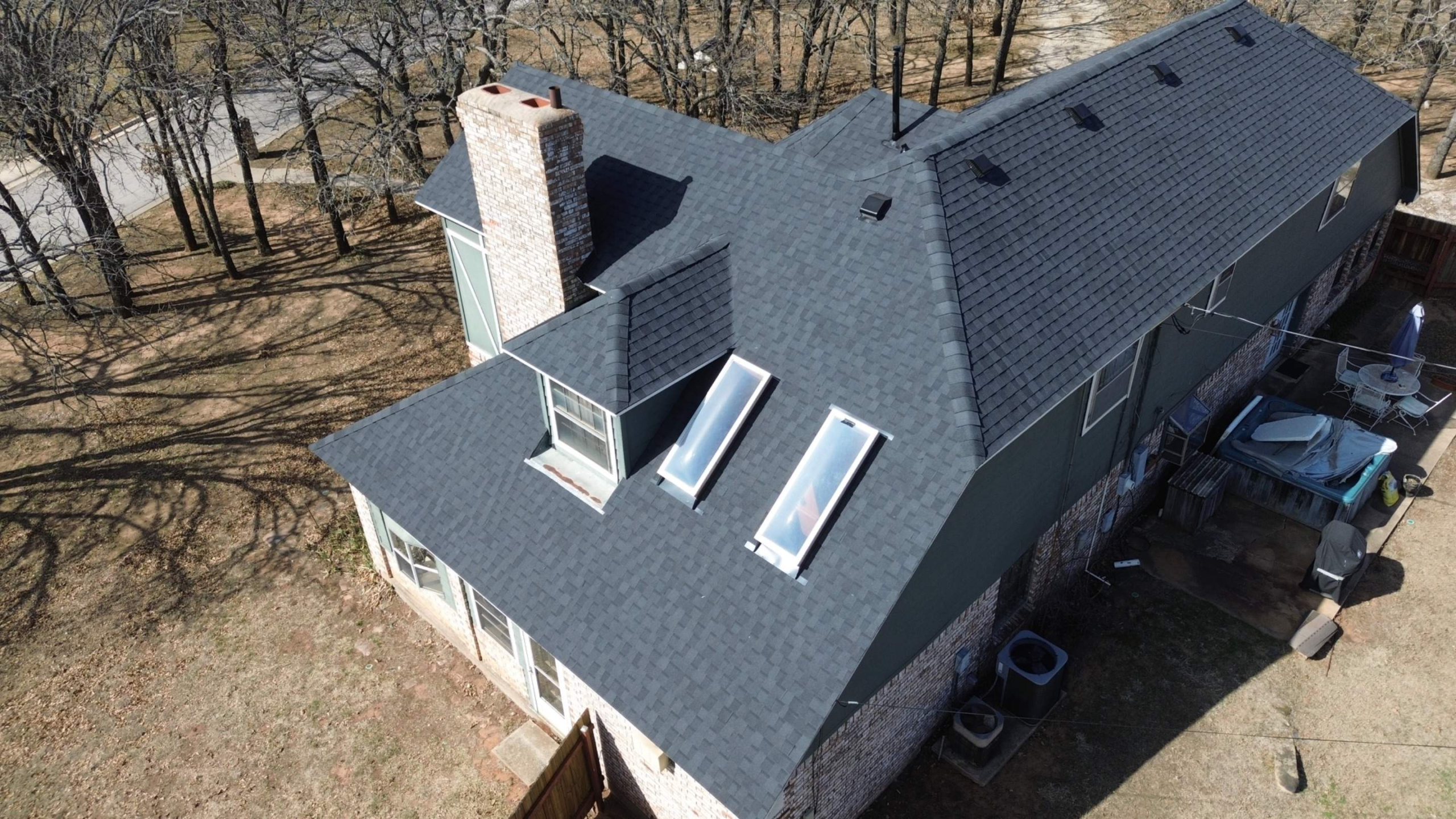
Housekeeping and Jobsite Organization
Good housekeeping is an important part of OSHA-oriented roofing safety because clutter can create multiple hazards at the same time. Roofing projects naturally generate waste, packaging, cut materials, tools, and debris. Without regular cleanup, these items can obstruct walkways and increase the risk of slips, trips, falls, and puncture injuries.
The roof surface should be kept as organized as reasonably possible. Tools and materials should have designated locations rather than being scattered across working areas. This is especially important on sloped roofs where loose objects can slide toward edges.
Ground-level areas should also be maintained. Nails, sharp metal, broken shingles, and other debris can injure workers or homeowners. Contractors should establish a routine for collecting and removing waste throughout the workday.
Access routes should remain clear. Ladders, stairs, walkways, and entrances should not be blocked by roofing materials or equipment. Workers need reliable access routes during normal operations and emergencies.
Debris should not be thrown from the roof unless an appropriate controlled procedure and equipment are being used. Uncontrolled disposal can expose people below to serious hazards. Contractors should use suitable methods for lowering and removing roofing waste.
Magnetic sweepers or other appropriate cleanup equipment can help collect loose roofing nails from ground-level areas. However, cleanup should not rely on one method alone. Workers should visually inspect the site and remove larger debris and sharp materials as well.
Homeowners and visitors can also be exposed to hazards if they enter the work area. Contractors should communicate site restrictions clearly and use appropriate barriers or signs when necessary.
Housekeeping should continue during breaks and at the end of each shift. A site that is organized at the beginning of the day can become hazardous after several hours of active work. Regular cleanup keeps hazards under control before they accumulate.
Poor housekeeping can also make emergency response more difficult. If ladders, exits, or pathways are blocked by materials, workers may have difficulty reaching a safe location quickly. Maintaining clear routes therefore supports both everyday safety and emergency preparedness.
A clean worksite is not simply more attractive. It reduces unnecessary hazards, improves movement around the property, and makes it easier for supervisors to identify safety problems before they cause injuries.
Roofing Safety Training and Worker Communication
Training is a critical component of a roofing safety program. Workers should understand the hazards associated with their jobs and receive appropriate instruction before performing tasks that expose them to those hazards. Training should be understandable to the workers and relevant to the actual conditions of the project.
New employees should receive orientation before entering active roofing areas. The orientation can cover fall protection, ladders, PPE, tools, emergency procedures, material handling, housekeeping, and other site-specific hazards. Workers should also understand who they should contact when they have safety concerns.
Training should continue when working conditions change. A worker who understands safety procedures for a completed roof may need additional information when the crew begins tear-off, structural repairs, skylight installation, or another phase with different hazards.
Supervisors should communicate safety expectations during regular meetings or briefings. These discussions can address the day’s tasks, expected weather, changing hazards, equipment requirements, and areas where workers need to take additional precautions.
Workers should be encouraged to report hazards and near misses. A near miss can reveal a weakness in the safety process even when nobody was injured. Addressing the cause can prevent a future incident.
Language and comprehension should also be considered during training. Instructions should be delivered in a manner workers can understand. Demonstrations, visual examples, and practical instruction can help reinforce written safety information.
Training records should be maintained when required. Documentation can show that employees received relevant instruction and can help contractors identify when refresher training may be necessary.
Workers should also understand that stopping unsafe work is acceptable. Employees should not feel pressured to continue a task when conditions have changed or protective equipment is unavailable. A strong safety culture encourages workers to speak up before an incident occurs.
Refresher training can be useful when repeated problems are identified. If workers regularly misuse ladders or leave materials unsecured, the contractor should address the underlying training or supervision issue rather than simply correcting individual incidents.
Effective communication connects every part of a roofing safety program. When workers understand expectations and supervisors consistently reinforce them, safety procedures become part of normal work rather than an occasional reminder.
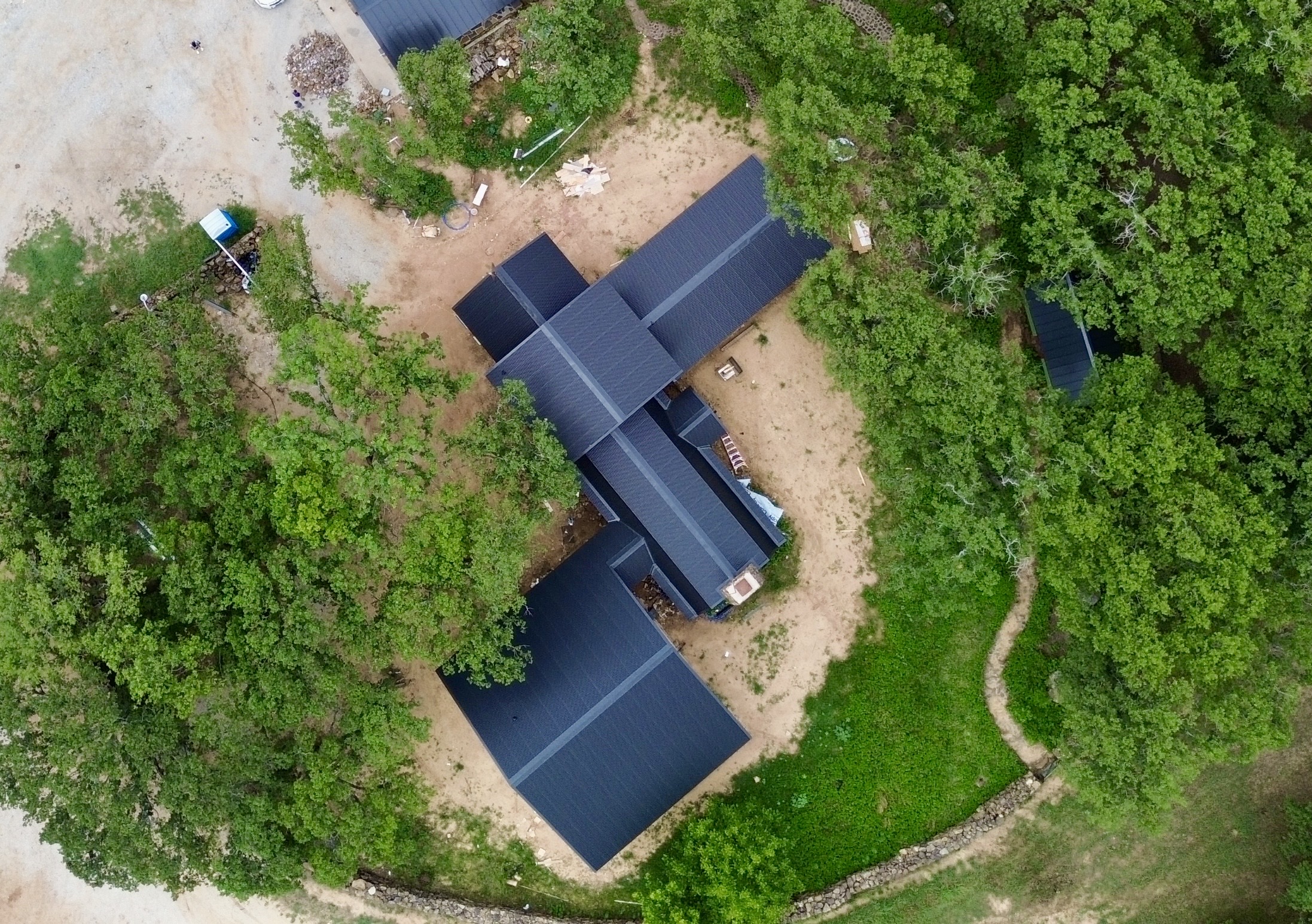
Emergency Planning and Incident Response
Residential roofing contractors should have emergency procedures that workers can follow when an accident, severe weather event, fire, electrical incident, or other unexpected situation occurs. Roofing work can involve elevated locations and difficult access, so emergency planning should be completed before work begins.
The worksite should have a reliable method for contacting emergency services when necessary. Workers should know how to report an emergency and provide accurate information about the property’s location and access points.
First-aid arrangements should be appropriate for the size and nature of the project. Workers should know where first-aid supplies are located and who has responsibility for responding to injuries. More serious incidents may require immediate professional medical assistance.
Fall incidents require special planning because a worker may remain suspended in a fall protection system after a fall. Contractors should have procedures for responding quickly and obtaining appropriate assistance. Workers should understand that remaining suspended for an extended period can create additional medical concerns.
Severe weather should also be included in emergency planning. Workers need to know where to go when lightning, high winds, heavy rain, or other dangerous conditions develop. The crew should not wait until the storm is directly overhead before deciding how to respond.
Emergency access routes should remain clear throughout the project. Materials, vehicles, ladders, and equipment should not block routes needed by emergency responders or workers leaving the site.
After an incident, contractors should document what happened and evaluate whether changes are needed in the safety program. The purpose should be to identify contributing factors and prevent similar events.
Emergency procedures should be communicated to every worker on the project. A plan that exists only in management records may not be useful when an incident occurs. Regular communication and practical preparation help workers respond more effectively.
OSHA compliance is ultimately an ongoing process rather than a single inspection or checklist. Contractors should combine hazard assessment, fall protection, safe equipment use, training, housekeeping, material control, and emergency planning to create a comprehensive roofing safety program. When these practices are consistently applied, residential roofing companies can better protect workers while completing projects efficiently and responsibly.
Weather Safety and Changing Jobsite Conditions
Weather can significantly affect the safety of residential roofing operations. Rain, strong winds, lightning, extreme heat, snow, and ice can change a normally manageable roof into a hazardous work surface. Contractors should monitor weather conditions before work begins and continue evaluating conditions throughout the day.
Wet roofing materials and decking can become slippery, increasing the risk of falls. Strong wind can move shingles, panels, tools, and other materials, while lightning creates additional danger for workers on exposed roofs. Contractors should establish clear procedures for suspending work when weather conditions become unsafe.
Heat is another important concern for roofing crews because workers often spend long periods under direct sunlight while performing physically demanding tasks. Employers should provide access to drinking water and appropriate opportunities for rest, while supervisors should watch for signs of heat-related illness. Work schedules may need to be adjusted when temperatures become extreme.
Cold weather can create different hazards, including frost, ice, reduced hand dexterity, and uncomfortable working conditions. Contractors should inspect ladders, roof surfaces, and access routes before allowing workers to begin operations. Snow or ice should not be treated as a minor inconvenience when it prevents workers from maintaining secure footing.
Weather conditions can also affect roofing materials and equipment. Certain products may have temperature or moisture requirements for installation, and contractors should follow manufacturer instructions. Tools and electrical equipment should also be evaluated carefully after exposure to rain or other severe conditions.
When work must stop because of weather, the crew should have enough time to leave the roof safely. Materials should be secured and unfinished sections protected when this can be done without exposing workers to additional hazards. Worker safety should always take priority over maintaining the original project schedule.
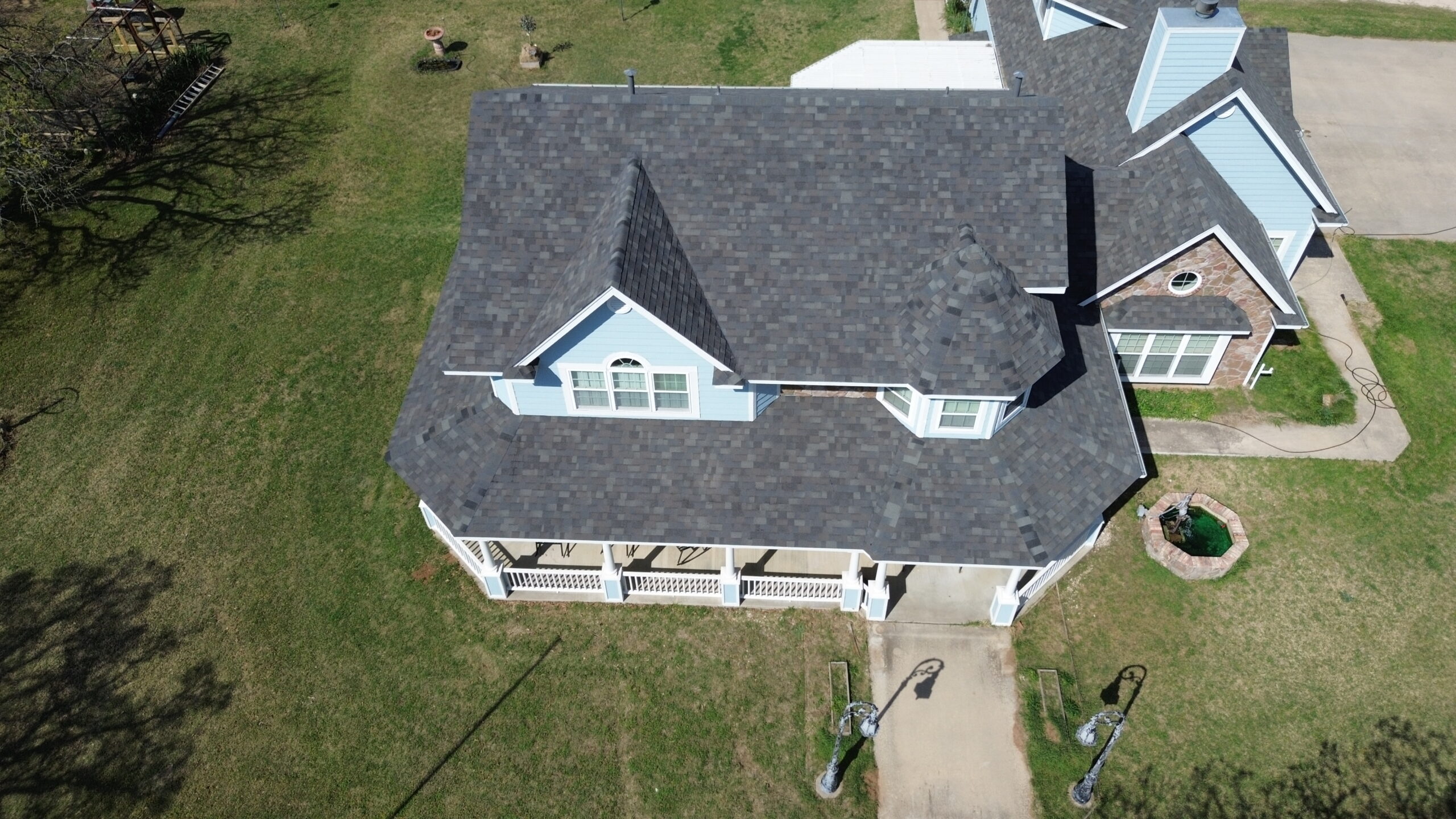
Residential Roofing Tear-Off and Replacement Safety
Roof tear-off creates several hazards because workers may encounter damaged decking, hidden moisture, old fasteners, sharp materials, and unstable surfaces. Before removing existing roofing, contractors should evaluate the condition of the roof and establish safe procedures for removing and lowering debris.
Old shingles, tiles, metal components, and underlayment can contain sharp edges that cause cuts or puncture injuries. Appropriate gloves, footwear, eye protection, and other PPE should be selected according to the materials being handled.
Workers should also be cautious when removing roofing materials near roof edges and openings. The removal process can expose openings or weaken areas that were previously covered. Fall protection should remain effective throughout the changing work conditions.
Damaged decking is another important concern. Once the roof covering is removed, deteriorated or weakened sheathing may be exposed. Workers should identify unsafe areas and avoid placing themselves on surfaces that cannot safely support them.
Debris removal should be planned before tear-off begins. Roofing waste should not be allowed to accumulate on the roof or be thrown uncontrolled to the ground. Appropriate containers, chutes, hoists, or other suitable methods can help control debris.
The tear-off area should also be separated from people who are not involved in the work. Homeowners, children, visitors, and other individuals should not enter active roofing zones where materials could fall.
Workers should understand that replacement work can create different hazards at different stages. A roof that was safe before tear-off may become more hazardous after the existing covering is removed. Supervisors should continuously reassess conditions and modify safety procedures as needed.
Hazard Assessment and Daily Safety Inspections
A strong roofing safety program depends on regular hazard assessment. Contractors should identify hazards before work begins and continue inspecting the site as conditions change. Daily inspections help identify problems involving fall protection, ladders, tools, materials, weather, electrical systems, and housekeeping.
The person conducting the inspection should understand the roofing activities taking place on the site. Different tasks can create different hazards, so the assessment should reflect the actual work being performed rather than relying on a generic checklist alone.
Fall protection equipment should be inspected before use. Harnesses, connectors, lifelines, anchors, guardrails, and other systems should be checked for damage or conditions that could affect their performance.
Ladders and access equipment should also be examined. Workers should have safe access to elevated work areas, and damaged or unstable equipment should be removed from service.
The roof surface should be checked for loose materials, debris, wet areas, damaged decking, openings, and other hazards. Supervisors should pay particular attention to areas where work has changed the condition of the roof.
Tools and equipment should be inspected before use. Damaged power cords, missing guards, defective nail guns, broken handles, and other problems should be addressed before equipment is returned to service.
Daily inspections should also consider the surrounding property. Vehicles, pedestrians, overhead power lines, nearby structures, and homeowner access can create hazards outside the immediate roof area.
When a hazard is identified, it should be corrected promptly when possible. If immediate correction is not possible, appropriate controls should be established to protect workers until the issue can be resolved.
Regular inspections demonstrate that safety is an active part of project management. They also help contractors identify repeated problems and improve their procedures over time.
OSHA Recordkeeping and Safety Documentation
Documentation can support a contractor’s overall safety program by showing that hazards were identified, workers were trained, equipment was inspected, and corrective actions were taken. The exact records required depend on the employer, workforce, project, and applicable OSHA requirements.
Training records should be maintained when appropriate. These records can include information about fall protection training, equipment use, hazard communication, emergency procedures, and other safety instruction provided to employees.
Inspection records can also be useful. Contractors may document routine checks of fall protection systems, ladders, tools, scaffolding, and other equipment. Recording deficiencies and corrective actions creates a clearer history of how safety issues were handled.
Incident and near-miss information should be reviewed carefully. A near miss may reveal a hazard that could have caused a serious injury under slightly different circumstances. Contractors can use this information to improve procedures before a more serious event occurs.
Safety documentation should be accurate and organized. Records should not be created simply to appear compliant after an incident or inspection. They should reflect actual safety activities performed throughout the project.
Contractors should also maintain relevant manufacturer instructions and equipment information. These documents can help workers understand proper use, inspection, maintenance, and limitations of tools and protective systems.
Documentation can support communication between supervisors and workers as well. A written record of recurring hazards can help identify where additional training or changes to work procedures may be needed.
The goal of recordkeeping is not to create unnecessary paperwork. Useful documentation helps contractors demonstrate that safety responsibilities are being actively managed and provides information that can improve future roofing operations.
Building a Strong OSHA Safety Culture
OSHA compliance becomes more effective when safety is treated as part of the company’s everyday culture rather than a requirement addressed only before an inspection. Company owners, supervisors, and workers should all understand their responsibilities and participate in maintaining safe conditions.
Management should provide appropriate resources for safety. This includes suitable fall protection, PPE, training, safe equipment, and adequate time for workers to perform tasks correctly. Safety expectations become difficult to enforce when workers are not provided with the tools needed to meet them.
Supervisors should lead by example. If supervisors ignore unsafe ladder practices, inadequate fall protection, or poor housekeeping, workers may assume that production is more important than safety. Consistent enforcement helps establish clear expectations across the entire crew.
Workers should also be encouraged to communicate concerns. A worker who notices damaged equipment, unstable decking, changing weather, or another hazard should have a clear way to report it. Employees should understand that reporting a hazard is part of responsible work.
Regular safety meetings can reinforce important procedures. Short discussions before work can cover the day’s tasks, expected weather, fall hazards, equipment, access routes, and other relevant concerns.
Subcontractors should follow the site’s safety expectations as well. Contractors should communicate requirements before subcontractors begin work and coordinate activities that could create hazards for different crews.
Safety culture also improves when companies learn from incidents and near misses. Instead of focusing only on individual mistakes, management should consider whether training, supervision, equipment, planning, or communication contributed to the event.
A strong safety culture makes compliance more practical because workers understand why procedures matter. When safe practices become routine, employees are more likely to use fall protection, inspect equipment, maintain clean work areas, and stop unsafe tasks without waiting for a supervisor to intervene.
Conclusion
OSHA guidelines provide an important framework for protecting residential roofing workers from hazards associated with elevated work, tools, equipment, weather, materials, and changing construction conditions. Compliance should begin before the first worker steps onto the roof and continue until the project is fully completed.
Fall protection should remain a central part of every roofing safety program. Contractors should also address ladders, roof openings, tools, electrical hazards, material handling, housekeeping, PPE, weather conditions, training, and emergency procedures as connected parts of overall workplace safety.
Daily planning and inspections are essential because roofing conditions can change quickly. Tear-off can expose damaged decking, weather can make surfaces slippery, and different construction stages can create new hazards. Supervisors should continually evaluate the work area and correct unsafe conditions before they result in injuries.
Training is equally important. Workers need practical knowledge about the equipment and procedures they are expected to use, while supervisors need to reinforce those expectations consistently. Clear communication helps create a workplace where employees understand that safety is part of completing the job correctly.
Finally, contractors should remember that OSHA compliance is not simply about avoiding penalties. Its primary purpose is to protect workers from preventable injuries and create safer construction practices. By combining proper planning, effective fall protection, equipment inspections, worker training, good housekeeping, weather awareness, and strong supervision, residential roofing contractors can build safer jobsites and complete projects with greater confidence and professionalism.