Durability Comparison of Residential Roofing Materials
Introduction
A residential roof does far more than complete the appearance of a home. It protects the structure from rain, wind, sunlight, temperature changes, hail, falling debris, and other environmental stresses that can gradually weaken a property. Because roofing materials respond differently to these conditions, durability is one of the most important factors homeowners should consider when selecting a roof.
The durability of a roofing system is influenced by several factors, including material quality, installation methods, climate, maintenance, ventilation, and the slope of the roof. A material with a long expected lifespan may not perform well if it is poorly installed or exposed to conditions it was not designed to handle. Understanding these differences can help homeowners make a more practical decision based on both immediate needs and long-term value.
Residential roofing materials range from widely used asphalt shingles to premium options such as natural slate, clay tile, concrete tile, and metal. Each material has its own strengths, weaknesses, maintenance requirements, and expected service life. Some materials are especially resistant to fire and weather, while others offer lower upfront costs and easier repairs.
When comparing roofing materials, homeowners should look beyond the initial purchase price. A roof that costs less initially may require more frequent repairs or replacement, while a more expensive system may provide decades of reliable protection with relatively little maintenance. The goal is to find a material that provides an appropriate balance between durability, climate resistance, appearance, maintenance, and overall ownership cost.
What Makes a Residential Roofing Material Durable?
Roof durability refers to the ability of a roofing system to maintain its protective function and structural performance over many years. A durable roof should resist common forms of deterioration without losing its ability to keep moisture outside the building. It should also remain stable when exposed to repeated cycles of heat, cold, wind, rain, and other environmental pressures.
Material composition plays a major role in determining how a roof ages. Some materials are naturally dense and resistant to moisture, while others depend on protective coatings, treatments, or multiple layers to provide long-term performance. The thickness, manufacturing quality, and resistance characteristics of the material can all influence how quickly it begins to deteriorate.
Weather resistance is another important part of durability. A roof may perform well under normal conditions but experience accelerated aging in regions with intense sunlight, heavy rainfall, strong winds, frequent hail, or freezing temperatures. For this reason, homeowners should evaluate roofing materials according to the environmental conditions their homes regularly experience.
Installation quality can be just as important as the material itself. Even a highly durable roofing product can develop problems when flashing is incorrectly installed, fasteners are improperly placed, ventilation is inadequate, or water drainage is poorly designed. Professional installation helps ensure that the roofing material performs according to its intended specifications.
Maintenance also affects how long a roof remains functional. Small problems such as damaged shingles, cracked tiles, loose flashing, or blocked drainage can allow moisture to enter the roofing system. Addressing these issues early can prevent minor damage from developing into expensive structural repairs.
How Climate and Weather Affect Roof Lifespan
Climate is one of the biggest influences on residential roof durability. A roofing material that performs exceptionally well in one region may require more maintenance or have a shorter practical lifespan in another. Homeowners should therefore consider local weather patterns before choosing a roofing system based solely on appearance or advertised lifespan.
Intense sunlight can gradually weaken some roofing materials. Ultraviolet radiation can cause fading, surface deterioration, drying, and loss of protective properties over time. Materials with strong UV resistance or protective finishes are generally better suited to homes that receive prolonged exposure to direct sunlight.
Rain and humidity create another major challenge. Continuous moisture can encourage deterioration, particularly when water remains trapped around roofing components or drainage areas. Materials with good moisture resistance can reduce these risks, but even highly resistant roofing systems require proper drainage and ventilation to perform effectively.
Strong winds can test the attachment and overall construction of a roof. Loose or improperly secured roofing components may lift, crack, or separate during severe weather. Roofing systems designed with appropriate fastening methods and wind-resistant features can provide better protection, especially in areas that experience storms or high seasonal winds.
Hail can cause sudden physical damage rather than gradual deterioration. Asphalt shingles may lose surface granules after repeated impacts, while certain metal and tile systems can also experience dents or cracks depending on the severity of the storm. Homeowners in hail-prone regions should pay particular attention to impact resistance when comparing materials.
Freezing temperatures create a different set of concerns. Water can enter small cracks and expand when it freezes, gradually making those cracks larger. Repeated freeze and thaw cycles can be particularly demanding for certain roofing materials, which makes climate-specific selection important for homes in colder regions.
Asphalt Shingles: Affordable Durability for Modern Homes
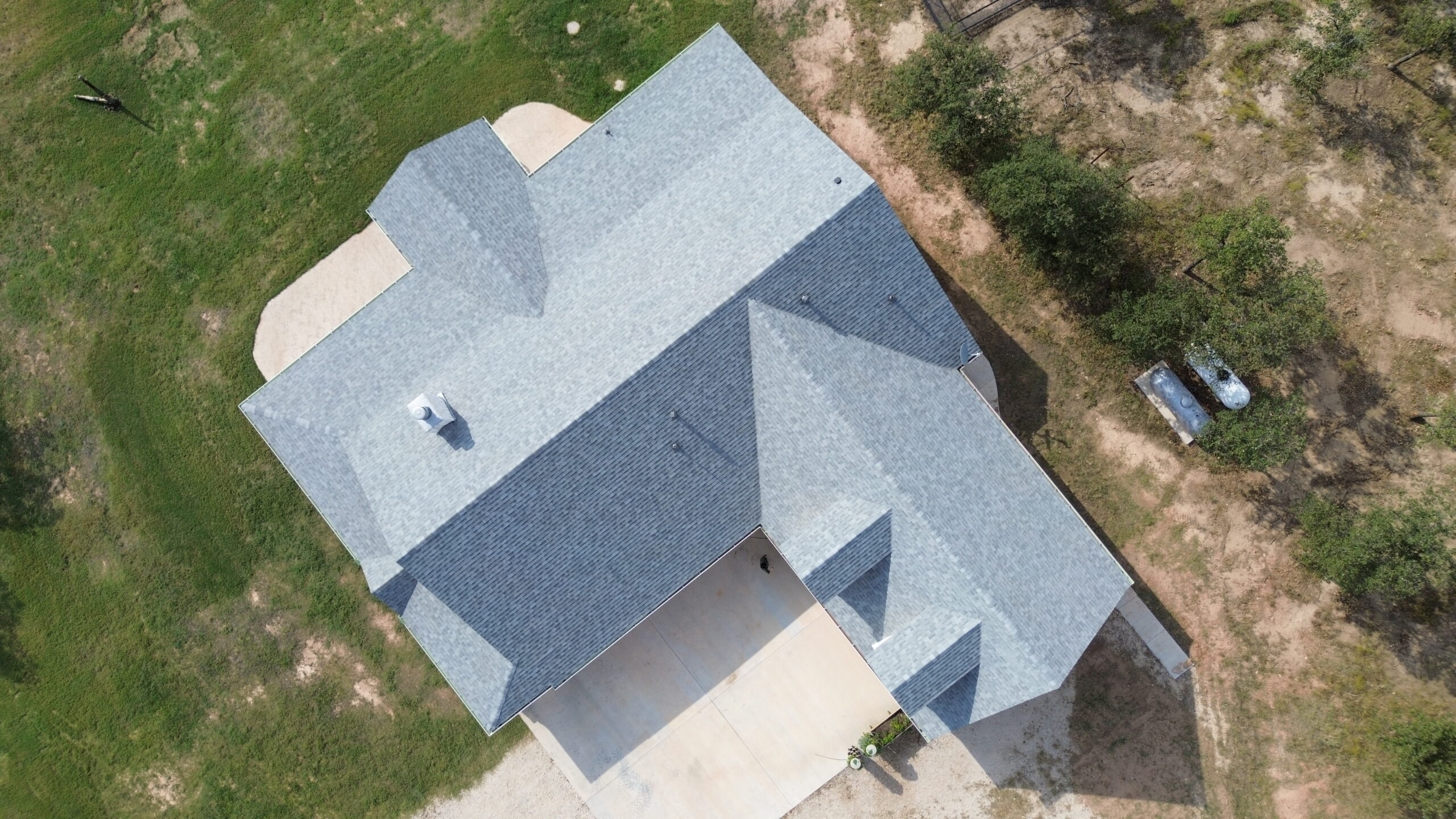
Asphalt shingles are among the most common residential roofing materials because they combine relatively affordable installation costs with practical durability. They are available in different grades and designs, allowing homeowners to choose between basic options and higher-performance architectural or premium shingles. Their widespread availability also makes repairs and replacement relatively straightforward in many areas.
Traditional three-tab shingles generally have a shorter expected service life than higher-quality architectural shingles. Architectural shingles are constructed with a dimensional appearance and often provide greater resistance to wind and weather. Premium asphalt products may include enhanced impact resistance, stronger reinforcement, or specialized protective features.
One major advantage of asphalt shingles is their relatively simple repair process. Individual damaged shingles can often be replaced without removing the entire roof, provided the underlying roofing system remains in good condition. This can help homeowners control maintenance expenses when localized damage occurs.
However, asphalt shingles can be affected by prolonged exposure to sunlight, severe weather, moisture, and temperature changes. Over time, granule loss, cracking, curling, blistering, and surface wear may become visible. Proper attic ventilation can also be important because excessive heat and moisture beneath the roof can contribute to premature aging.
The expected lifespan of asphalt roofing varies considerably according to product quality, installation, climate, and maintenance. A basic product may have a significantly shorter service life than a premium architectural shingle. Therefore, homeowners should compare the specific product warranty and performance specifications rather than assuming that all asphalt shingles have the same durability.
Asphalt shingles remain attractive for homeowners who want a practical combination of cost, appearance, availability, and reasonable longevity. They may not provide the extreme lifespan associated with slate or some metal roofing systems, but quality asphalt products can provide dependable protection when properly installed and maintained.
Metal Roofing: Long-Term Strength and Weather Resistance
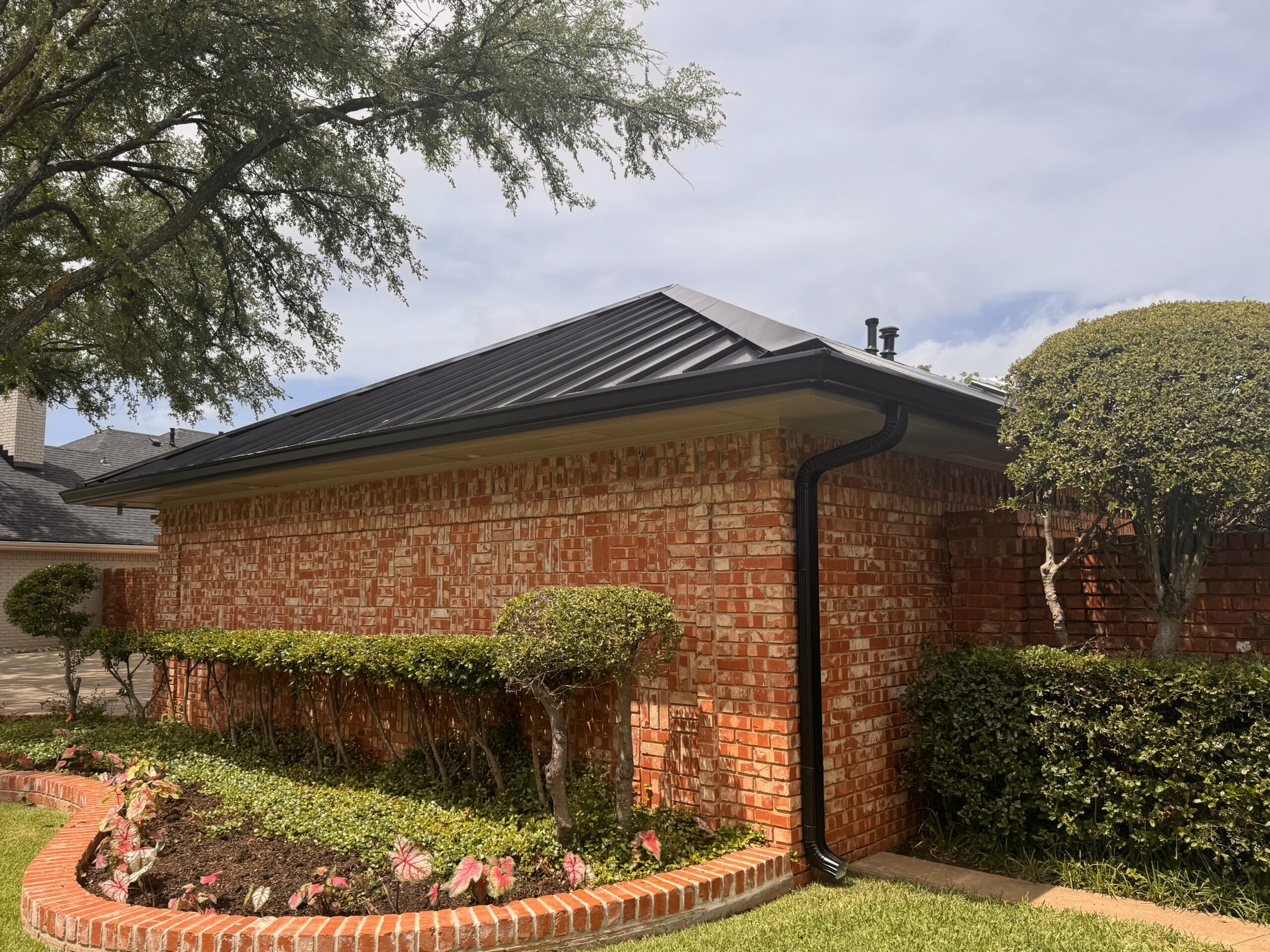
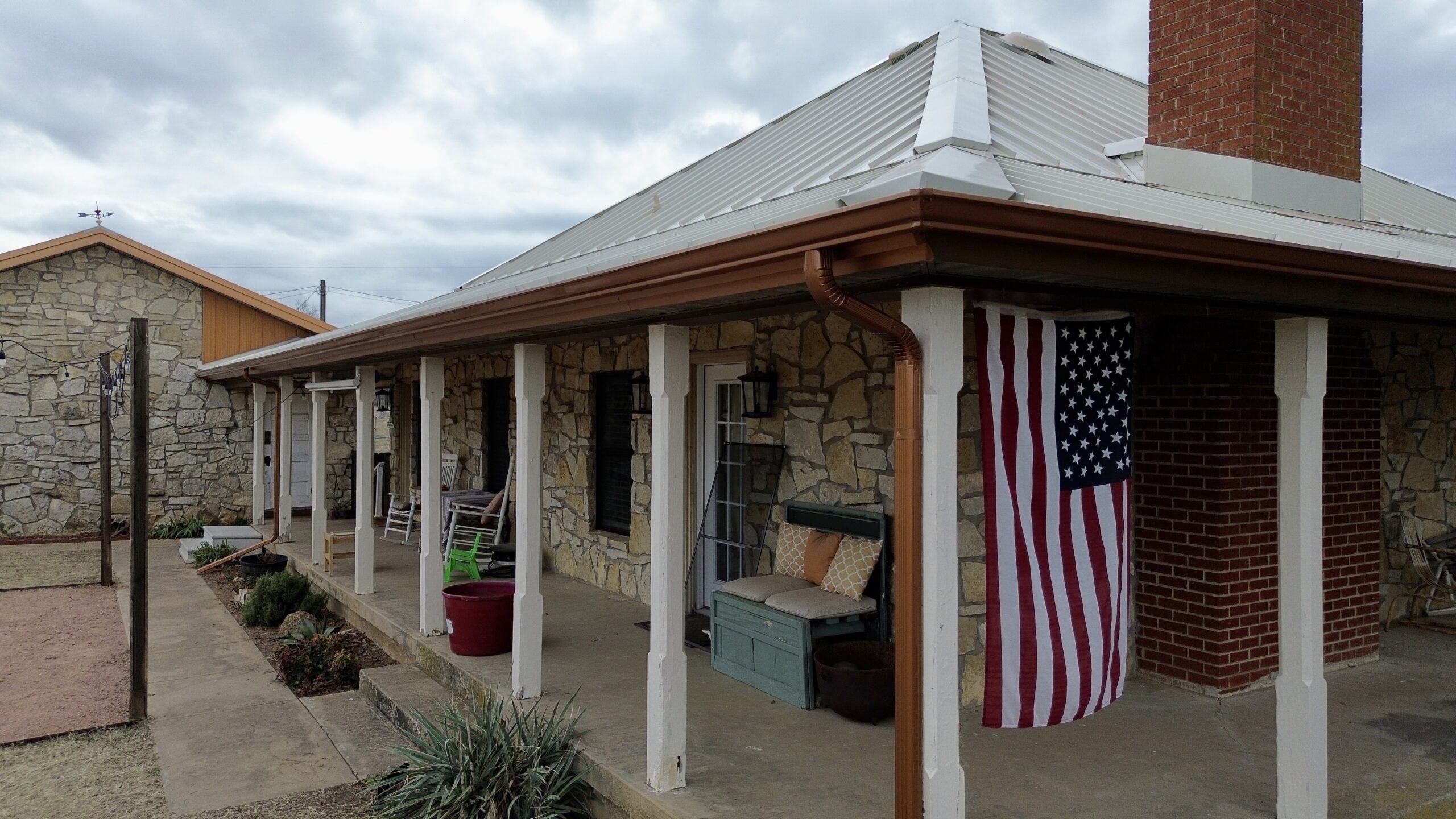
Metal roofing has become an increasingly popular choice for homeowners seeking a long-lasting roofing system. It is available in materials such as steel, aluminum, copper, and zinc, with different profiles and protective finishes available for residential applications. Depending on the product and environment, metal roofs can provide several decades of service.
One of the strongest characteristics of metal roofing is its resistance to many forms of severe weather. Properly installed metal panels can provide strong protection against wind and heavy rain, while many metal systems also have excellent fire resistance. Their ability to shed water efficiently can be especially useful when the roof is correctly designed and installed.
Metal roofing is also resistant to many problems that affect organic roofing materials. It does not rot, and properly coated steel and aluminum systems can resist corrosion under suitable conditions. However, the protective coating and quality of the installation remain important because scratches, exposed fasteners, or unsuitable materials can create opportunities for corrosion.
Another advantage is that metal roofing can be relatively lightweight compared with materials such as concrete or clay tile. This can reduce the structural load placed on a building while still providing a durable exterior covering. Some metal roofing systems are also designed to resemble shingles, tiles, or other traditional materials, giving homeowners greater flexibility in appearance.
Maintenance requirements for metal roofs are generally manageable, but they should not be ignored. Fasteners, seams, flashing, coatings, and drainage areas should be inspected periodically for signs of damage or deterioration. Coastal environments can require particular attention because salt-laden air can accelerate corrosion on unsuitable or poorly protected metals.
The long service life of metal roofing can make it attractive from a long-term ownership perspective. Although the initial installation cost may be higher than standard asphalt shingles, a properly selected and installed metal system may remain functional for many decades. Its durability, weather resistance, and relatively low maintenance needs make it an important option when comparing residential roofing materials.
Wood Shingles and Shakes: Traditional Beauty With Maintenance Needs
Wood shingles and shakes have been used on residential buildings for generations, offering a natural appearance that many homeowners find difficult to replicate with manufactured materials. Cedar is one of the most common choices because it contains natural properties that can provide some resistance to moisture and decay. However, the durability of wood roofing depends heavily on the quality of the material, local climate, installation, ventilation, and ongoing maintenance.
Wood shingles are generally thinner and more uniformly cut, while wood shakes are typically thicker and have a more textured appearance. This difference can affect how each product handles weather exposure, but neither should be viewed as completely maintenance-free. Regular inspections are important because moisture, moss, algae, insects, and prolonged sunlight can gradually affect untreated or poorly maintained wood.
One of the main challenges with wood roofing is moisture management. If water remains trapped between roofing components or ventilation is inadequate, the material can deteriorate more quickly. Proper spacing, underlayment, flashing, and roof ventilation can help reduce moisture-related problems and support a longer service life.
Wood can also be vulnerable to fire depending on the product and local conditions. Modern treated wood roofing products may offer improved fire performance compared with untreated materials, but homeowners should always check local building requirements and product specifications. In regions where wildfires are a significant concern, fire-resistant roofing materials may be more practical.
With appropriate care, high-quality wood roofing can provide many years of service while developing a distinctive aged appearance. Its durability is therefore closely connected to maintenance rather than being determined only by the material itself. Homeowners who choose wood should be prepared for more regular inspection and care than may be necessary with some metal or tile systems.
Clay and Concrete Tiles: Heavy-Duty Roofing for Lasting Performance
Clay and concrete tiles are widely recognized for their durability and ability to withstand demanding outdoor conditions. Clay tiles are produced from natural clay that is shaped and fired at high temperatures, while concrete tiles are manufactured from a mixture of cementitious materials and aggregates. Both options can provide long service lives when properly selected and installed.
Clay tile is particularly valued for its resistance to sunlight, moisture, and many forms of weather exposure. It does not rot or deteriorate in the same way as organic materials, and properly manufactured clay tiles can retain their appearance for decades. Their long service life makes them a common choice for homeowners who prioritize durability over lower initial costs.
Concrete tiles can provide similar long-term performance while offering a wide range of shapes, colors, and profiles. They are often available at a lower material cost than premium clay products, although the total installation cost depends on the roof structure, labor, underlayment, and other components. Over time, concrete may experience surface changes or color fading, but the underlying material can remain highly durable.
The major consideration with both clay and concrete roofing is weight. These materials are significantly heavier than many asphalt and metal roofing products, so the building must be capable of supporting the additional load. A structural assessment may be necessary before installation, especially when replacing a lighter roof with a tile system.
Tile roofing can also be vulnerable to impact damage. A strong impact from hail, falling branches, or improper foot traffic can crack individual tiles. Fortunately, damaged tiles can often be replaced individually, allowing the rest of the roof to remain in service when the underlying system is sound.
Another important factor is the underlayment beneath the tiles. The visible tiles may remain durable for decades, but the waterproofing layers beneath them may require maintenance or replacement sooner. This demonstrates why roofing durability should be evaluated as a complete system rather than by looking only at the surface material.
Natural Slate Roofing: Premium Durability and Longevity
Natural slate is one of the most durable roofing materials available for residential construction. It is a natural stone that can provide extremely long service when high-quality slate is properly installed. Historic buildings with slate roofs demonstrate how some slate systems can remain functional for many decades with appropriate care.
Slate is naturally resistant to water, insects, rot, and many common environmental threats. It also has excellent fire resistance and can maintain its appearance for a very long period. These characteristics make it especially appealing to homeowners seeking a premium roofing system designed for longevity.
Despite its impressive durability, slate is not suitable for every property. It is considerably heavier than asphalt shingles and requires a supporting structure capable of carrying the load. The installation process is also more specialized because slate pieces must be handled and fastened correctly to avoid unnecessary breakage.
Walking on a slate roof can cause damage if it is done incorrectly. Cracked or broken slate pieces may allow moisture to reach the layers beneath the roofing surface. For this reason, inspection and repair should generally be performed by professionals who understand how to work with the material.
The quality of the slate itself is another important consideration. Not all slate products have identical durability, and lower-quality material can deteriorate sooner than premium slate. Homeowners should consider the source, thickness, grade, and expected performance of the slate rather than choosing a product based only on its appearance.
Although natural slate often has a higher initial cost, its exceptionally long potential service life can change the overall cost calculation. A roof that remains functional for generations may require fewer complete replacements than a lower-cost system. For homeowners focused primarily on longevity, slate can therefore represent a significant long-term investment.
Synthetic Roofing Materials: Modern Alternatives to Traditional Options
Synthetic roofing materials have developed as alternatives to natural slate, wood, and other traditional roofing products. These materials are commonly manufactured from polymers, recycled materials, rubber compounds, or engineered blends designed to reproduce the appearance and performance of conventional roofing. Their growing popularity comes from the ability to combine modern manufacturing with familiar architectural styles.
One advantage of synthetic roofing is its lighter weight. Some synthetic slate and shake products can provide a similar visual appearance to natural materials without placing the same structural load on a building. This can make them easier to consider during renovation projects where structural limitations may affect material selection.
Synthetic products can also offer resistance to moisture, insects, and rot. Unlike natural wood, many synthetic roofing systems do not absorb water in the same way, reducing some common moisture-related concerns. Their resistance to cracking and impact varies by manufacturer and product, so homeowners should review performance specifications carefully.
Another consideration is maintenance. Synthetic roofing may require less routine care than natural wood, particularly in areas where moisture and insects create ongoing problems. However, reduced maintenance does not mean the roof can be ignored, because flashing, fasteners, drainage systems, and underlying waterproofing components still require periodic inspection.
The long-term performance of synthetic materials depends greatly on manufacturing quality and environmental exposure. Products should be evaluated for UV resistance, temperature stability, impact resistance, wind performance, and warranty coverage. A low-quality synthetic product may not deliver the same longevity as a premium system.
Synthetic roofing can be a practical middle ground for homeowners who want the appearance of slate or wood while seeking easier installation and lower structural weight. As the technology continues to develop, product quality and available design choices are also expanding. Comparing verified performance data rather than relying only on marketing claims is important when selecting these materials.
Comparing Roofing Materials by Expected Lifespan
Expected lifespan is one of the easiest ways to begin comparing roofing materials, but it should never be the only factor considered. Manufacturers typically provide expected service ranges or warranties based on specific products and installation conditions. Actual performance can vary because weather, maintenance, ventilation, workmanship, and exposure all influence how a roof ages.
For a general comparison, common residential roofing materials can be grouped according to their typical longevity. Basic asphalt shingles generally have a shorter service life, while premium asphalt, metal, tile, and slate systems can remain functional for substantially longer periods. The actual lifespan of any roof should be evaluated using the specific product rather than relying on a broad material category.
Several factors should be reviewed when comparing expected lifespan:
- Material quality: Higher-grade products generally offer better resistance to environmental wear and physical damage.
- Installation quality: Proper fastening, flashing, ventilation, and drainage help prevent premature deterioration.
- Climate exposure: Sun, rain, wind, hail, humidity, and freezing conditions can significantly influence performance.
- Maintenance: Regular inspections and timely repairs can help extend the useful life of the roofing system.
A longer expected lifespan does not automatically mean a material is the best choice for every homeowner. For example, a premium slate roof may last much longer than asphalt shingles but requires a higher initial investment and specialized installation. Similarly, tile can be extremely durable but may not be appropriate for a structure that cannot support its weight.
The better approach is to consider lifespan alongside installation cost, maintenance requirements, repairability, climate suitability, and structural requirements. This provides a more realistic understanding of value over the entire ownership period rather than focusing only on the initial purchase price.
Resistance to Wind, Rain, Hail, and Extreme Weather
A roof’s ability to resist extreme weather is a major part of its practical durability. Residential roofing systems face repeated exposure to wind, rain, hail, intense sunlight, and temperature fluctuations throughout their service life. Materials that handle these stresses effectively can help reduce repair frequency and protect the structure beneath.
Wind resistance depends not only on the roofing material but also on fastening systems and installation quality. Metal panels, properly installed tile systems, and high-quality asphalt shingles can all provide strong wind performance when they are designed and installed according to appropriate standards. Loose components, deteriorated fasteners, and damaged flashing can reduce performance regardless of the material.
Rain resistance is closely connected to roof design and drainage. A durable material can still experience water intrusion if flashing is poorly installed or water is allowed to collect in vulnerable areas. Gutters, valleys, underlayment, flashing, and roof slope all work together to move water away from the building.
Hail resistance varies significantly between roofing products. Some asphalt shingles are manufactured with enhanced impact resistance, while metal can resist many impacts but may develop dents depending on the severity of the storm. Tile and slate can provide long-term durability but may crack under strong impact, making local weather conditions an important consideration.
Extreme temperature changes can also affect roofing systems. Repeated expansion and contraction may place stress on certain materials, coatings, seams, and fasteners. Choosing a roofing system designed for the local climate and ensuring proper installation can reduce the effects of these repeated environmental cycles.
For homeowners in areas with frequent severe weather, durability should therefore be viewed as more than a simple lifespan estimate. A roof that lasts many years under mild conditions may not deliver the same results in a region with frequent storms or extreme temperature changes. Weather resistance should be considered together with material quality, installation standards, and ongoing maintenance.
Maintenance Requirements and Long-Term Durability
Maintenance has a direct relationship with roofing longevity. Even highly durable materials can develop problems when small defects remain unnoticed for long periods. Regular inspections allow homeowners to identify damaged areas before they become larger issues that affect the roof deck, insulation, walls, or interior of the home.
Different materials require different levels of maintenance. Asphalt shingles may need inspections for missing shingles, granule loss, cracking, or curling, while metal roofs may require attention to coatings, seams, fasteners, and corrosion. Tile and slate systems should be checked for cracked or displaced pieces, along with the condition of the underlayment and flashing.
Keeping the roof and drainage system clear is also important. Leaves, branches, dirt, and other debris can interfere with water movement and create areas where moisture remains for longer periods. Properly functioning gutters and downspouts help direct water away from the roof and foundation.
Maintenance should also include checking nearby trees and vegetation. Overhanging branches can scrape roofing surfaces during windy conditions and may fall during storms, causing physical damage. Trimming vegetation appropriately can reduce these risks while also improving airflow and limiting excessive debris accumulation.
The most effective maintenance strategy is preventive rather than reactive. Homeowners do not need to wait until a visible leak appears before inspecting the roof, because moisture may already have caused hidden damage by that point. Periodic professional inspections, combined with prompt repairs, can help preserve the performance of the roofing system and delay premature replacement.
The comparison of roofing materials becomes more meaningful when maintenance is included in the equation. A material with a long theoretical lifespan may require specialized care, while another may have a shorter expected life but offer simpler repairs and lower routine costs. Understanding this balance will be important when evaluating installation quality, ownership expenses, and the long-term value of different residential roofing systems.
Energy Efficiency and Durability Over Time
Energy efficiency is increasingly becoming part of the conversation when homeowners compare roofing materials. Although insulation and ventilation have a major influence on indoor comfort, the roofing material can also affect how much heat the home absorbs. A roof that manages solar exposure effectively may help reduce cooling demands and support a more comfortable indoor environment.
Metal roofing can perform well when paired with suitable coatings designed to reflect solar radiation. Some light-colored or reflective finishes can reduce heat absorption during hot weather, although the actual performance depends on the roof design, insulation, ventilation, and local climate. Metal can also be installed over suitable existing roofing assemblies in some situations, potentially reducing waste during replacement projects.
Clay and concrete tiles can also provide useful thermal characteristics because their shape can create air spaces between the roofing surface and underlying layers. This can contribute to ventilation and reduce direct heat transfer under certain roof designs. Their performance still depends on the complete roofing assembly rather than the tile alone.
Asphalt shingles are available in products designed to provide improved solar reflectance. However, their thermal performance can vary considerably depending on color, construction, ventilation, and local weather conditions. Proper attic insulation and ventilation remain essential because even a reflective roofing material cannot compensate for an inadequately designed building envelope.
Durability and energy efficiency can influence one another over the long term. A roof that maintains its protective surface and ventilation system properly can continue performing its intended role for many years. Regular maintenance therefore supports not only weather protection but also the continued efficiency of the overall home.
Homeowners should avoid selecting a roofing material based entirely on energy performance claims. Instead, they should evaluate the complete roofing system, including insulation, ventilation, underlayment, roof color, slope, and local climate. This broader approach provides a more realistic understanding of how the roof will perform throughout its service life.
Repairability, Replacement Costs, and Total Ownership Value
The initial cost of a roofing material is only one part of its financial impact. A more useful comparison considers how often the roof may need repairs, how easily damaged sections can be replaced, and how frequently the entire roofing system may need replacement. These factors can make a significant difference over several decades of home ownership.
Asphalt shingles are often attractive from a repairability perspective because individual damaged shingles can usually be replaced without disturbing large areas of the roof. Replacement materials are widely available, and many roofing contractors have experience working with them. This can make routine repairs comparatively straightforward.
Metal roofing can also provide strong long-term value, but repair work may require more specialized knowledge depending on the panel design. Damage to a small section may sometimes be repaired or replaced, while problems involving seams, fasteners, or coatings require careful attention. Proper installation can reduce the likelihood of major repair issues.
Tile and slate roofing systems can remain functional for a very long time, but individual pieces may break due to impact, improper walking, or severe weather. The damaged pieces can often be replaced, although repairs may require specialized contractors. The underlayment beneath the visible roofing material should also be considered because it may require attention before the tiles or slate themselves reach the end of their useful life.
Synthetic roofing products can offer a balance between appearance, durability, and repairability. Their lighter weight can simplify certain installation situations, while individual components may be replaceable depending on the product design. Homeowners should investigate the availability of replacement pieces before choosing a less common roofing system.
When evaluating total ownership value, homeowners should consider five major factors:
- Initial material and installation cost.
- Expected service life under local conditions.
- Routine maintenance and inspection expenses.
- Likely repair requirements after severe weather.
- Cost and frequency of eventual replacement.
A roofing system with a higher initial price can sometimes provide better long-term value if it lasts substantially longer and requires fewer major repairs. However, this does not mean the most expensive material is automatically the best investment. The right choice depends on the property’s structure, climate, budget, maintenance expectations, and how long the homeowner plans to remain in the property.
How Roofing Materials Perform in Different Climates
Climate should be one of the first considerations when evaluating residential roofing durability. Roofing materials experience different stresses in hot, humid, cold, dry, coastal, and storm-prone environments. A material that performs exceptionally well in one region may require different maintenance or installation practices in another.
In hot and sunny climates, prolonged ultraviolet exposure can accelerate surface aging. Roofing systems with strong UV resistance and appropriate protective coatings can be better suited to these conditions. Light-colored or reflective surfaces may also help reduce heat absorption, particularly when combined with effective attic insulation and ventilation.
Humid climates create greater concerns around moisture, algae, mold, and ventilation. Materials that resist moisture absorption can be advantageous, but the entire roofing assembly must still be designed to allow water to drain efficiently. Regular removal of organic debris can also help prevent damp areas from remaining against the roofing surface.
Cold climates present their own challenges because repeated freezing and thawing can stress roofing components. Ice buildup, snow accumulation, and trapped moisture can increase the risk of leaks and material damage. Proper insulation, ventilation, flashing, and drainage are especially important for maintaining roof performance under these conditions.
Coastal environments can expose roofing systems to salt-laden air and strong winds. Corrosion resistance becomes particularly important for metal roofing, while fasteners and flashing should also be selected for the environment. Materials and protective finishes that are appropriate for inland conditions may not provide the same performance near the coast.
Storm-prone areas require careful attention to wind and impact resistance. Roofing systems should be selected according to local building requirements and manufacturer specifications for severe weather. Strong attachment, correctly installed flashing, and properly sealed vulnerable areas can be just as important as the material selected.
Choosing the Right Roofing Material for a Residential Property
There is no single roofing material that is ideal for every home. The best choice depends on several interconnected factors, including the local climate, roof structure, budget, desired appearance, maintenance expectations, and anticipated service life. Homeowners should evaluate these factors together rather than choosing a material based on one feature.
The roof’s structural capacity should be assessed before selecting heavy materials such as clay, concrete, or natural slate. A roofing system that exceeds the structure’s design capacity can create serious problems even if the material itself is highly durable. Professional evaluation can help determine whether reinforcement or a lighter roofing option is more appropriate.
Budget is another important consideration, but it should be evaluated over the expected ownership period. Lower-cost asphalt shingles may be suitable for homeowners who prioritize affordability and straightforward repairs. Metal, tile, synthetic materials, or slate may be more attractive to homeowners who are willing to invest more initially in exchange for longer potential service life.
Appearance also matters because a roof is a major visual component of a residential property. Asphalt, metal, tile, slate, and synthetic products are available in different colors, textures, and profiles. Homeowners should select an option that complements the architectural style of the property while still meeting practical performance requirements.
Maintenance expectations should be considered honestly. Some homeowners prefer a system that requires minimal routine attention, while others may be comfortable maintaining a traditional material such as wood. Understanding the required inspections, cleaning, repairs, and specialized services can prevent unexpected maintenance responsibilities later.
The installation contractor is equally important. Even the most durable material can perform poorly when installation practices are inadequate. Homeowners should look for experienced professionals who understand the specific roofing system and follow manufacturer installation requirements.
Durability Comparison Table: Roofing Materials at a Glance
The following comparison provides a general overview of common residential roofing materials. Actual service life and performance vary according to product quality, climate, installation, maintenance, and exposure conditions.
| Roofing Material | Typical Durability | Main Strength | Main Consideration |
|---|---|---|---|
| Asphalt Shingles | Moderate | Affordable and easy to repair | Shorter lifespan than premium materials |
| Metal Roofing | High | Strong weather resistance and long service life | Higher initial cost and specialized installation |
| Clay Tile | Very High | Excellent resistance to weather and sunlight | Heavy and can crack under impact |
| Concrete Tile | Very High | Durable and available in many styles | Heavy and may require structural support |
| Natural Slate | Extremely High | Exceptional longevity and fire resistance | Expensive, heavy, and specialized to install |
| Wood Shingles and Shakes | Moderate to High | Natural appearance and traditional character | Requires regular maintenance |
| Synthetic Roofing | High | Lightweight alternative to traditional materials | Performance varies by product quality |
The table shows why durability should not be treated as a simple ranking. A material can perform extremely well in one category while presenting challenges in another. For example, slate can provide exceptional longevity, but its weight and installation requirements may make it unsuitable for some properties.
Asphalt shingles remain a practical choice for homeowners who need affordability and easy repairability. Metal offers a strong combination of longevity and weather resistance, while tile can provide excellent durability in suitable climates and structures. Wood remains appealing for its appearance, and synthetic materials can provide an alternative for homeowners seeking traditional styles with modern manufacturing.
Key Factors Homeowners Should Consider Before Choosing
A durable roof should protect the home throughout its expected service life without creating unreasonable maintenance or financial demands. Homeowners should therefore consider how the material fits the specific property rather than assuming that the longest-lasting product is automatically the best option.
Before making a final decision, homeowners should review the material’s expected service life, weather resistance, maintenance requirements, structural weight, installation requirements, repairability, and warranty. They should also consider whether replacement components will remain available in the future. These details can have a major influence on the practical value of the roofing system.
The surrounding environment deserves equal attention. Homes exposed to intense sunlight, heavy rainfall, hurricanes, hail, snow, or coastal air may require different roofing characteristics than homes located in mild climates. Local building codes and manufacturer specifications should also be reviewed before installation.
Another important factor is the quality of the roofing contractor. Correct installation protects the investment by ensuring that flashing, underlayment, ventilation, fasteners, drainage, and other components work together properly. Poor workmanship can shorten the life of even the most expensive roofing material.
Homeowners should also think about long-term plans for the property. Someone planning to remain in a home for several decades may benefit from investing in a highly durable system, while someone preparing to sell the property may prioritize a combination of appearance, reliability, and reasonable installation cost. There is no universal answer because the best value depends on the homeowner’s individual circumstances.
Ultimately, residential roof durability is determined by more than the material visible from the ground. The roof functions as a complete system, and its performance depends on material quality, installation, climate, ventilation, maintenance, drainage, and timely repairs. Understanding these factors makes it easier to choose a roofing system that provides dependable protection and lasting value.
Conclusion
Comparing residential roofing materials reveals that durability comes in different forms. Asphalt shingles provide affordability and straightforward repairs, while metal roofing offers long-term strength and strong resistance to many weather conditions. Clay and concrete tiles can provide decades of performance when the structure can support their weight, while natural slate offers exceptional longevity for homeowners prepared for its higher installation and maintenance requirements.
Wood shingles and shakes provide a distinctive natural appearance but require more attention to moisture, fire resistance, and routine maintenance. Synthetic roofing materials offer another option by combining modern manufacturing with the appearance of traditional materials. Their performance can be highly useful, but homeowners should evaluate product quality, testing, warranties, and long-term availability before making a decision.
The most durable roofing material is not necessarily the one with the longest advertised lifespan. A roof must be appropriate for the property’s structure, local climate, installation conditions, maintenance expectations, and budget. A material that is correctly selected and professionally installed can perform much more reliably than a theoretically superior material that is poorly suited to the building.
Long-term roof performance also depends on what happens after installation. Regular inspections, proper drainage, adequate ventilation, prompt repairs, and appropriate maintenance can help prevent small problems from becoming major failures. These practices protect both the roofing material and the underlying structure of the home.
For homeowners comparing roofing options, the best approach is to consider the complete cost and performance over the expected ownership period. Looking at durability, weather resistance, maintenance, repairability, energy performance, structural requirements, and installation quality provides a much clearer picture than comparing upfront prices alone.
A residential roof is a long-term investment in the protection and value of a property. By understanding how different materials perform over time and selecting a system suited to the home’s specific conditions, homeowners can make a more informed decision and achieve reliable protection for many years.