
Asphalt Roof Installation Ventilation Requirements for Longevity
Introduction
An asphalt roof is designed to protect a home from rain, wind, sunlight, and changing weather conditions for many years. While homeowners often focus on choosing durable shingles and quality underlayment, one equally important factor is frequently overlooked during the installation process. Proper roof ventilation is a critical part of every asphalt roofing system because it helps regulate temperature, control moisture, and preserve the structural integrity of the roof.
Ventilation is much more than simply allowing air to enter and leave the attic. A properly designed ventilation system creates continuous airflow that removes excess heat during warm months and reduces moisture buildup throughout the year. This balanced airflow protects roofing materials from premature aging while helping maintain a healthier indoor environment.
Without adequate ventilation, an asphalt roof may experience a variety of problems long before the shingles reach their expected lifespan. Heat trapped inside the attic can cause shingles to deteriorate faster, while excess moisture may lead to mold growth, wood rot, and insulation damage. These hidden issues often remain unnoticed until expensive repairs become necessary.
Modern asphalt roofing systems are designed to work as complete systems rather than individual components. Shingles, underlayment, flashing, roof decking, insulation, and ventilation all work together to provide dependable protection. Ignoring one of these elements can reduce the effectiveness of the entire roof regardless of the quality of the materials used.
Proper ventilation also contributes to energy efficiency. During the summer, improved airflow helps reduce attic temperatures, making it easier for cooling systems to maintain comfortable indoor conditions. During colder months, ventilation reduces condensation that may otherwise damage structural components and insulation.
This guide explains the ventilation requirements that support the long term performance of asphalt roofs. It explores how ventilation works, why it is essential during roof installation, the components involved, and the common mistakes that should be avoided to maximize roof longevity.
Understanding Roof Ventilation
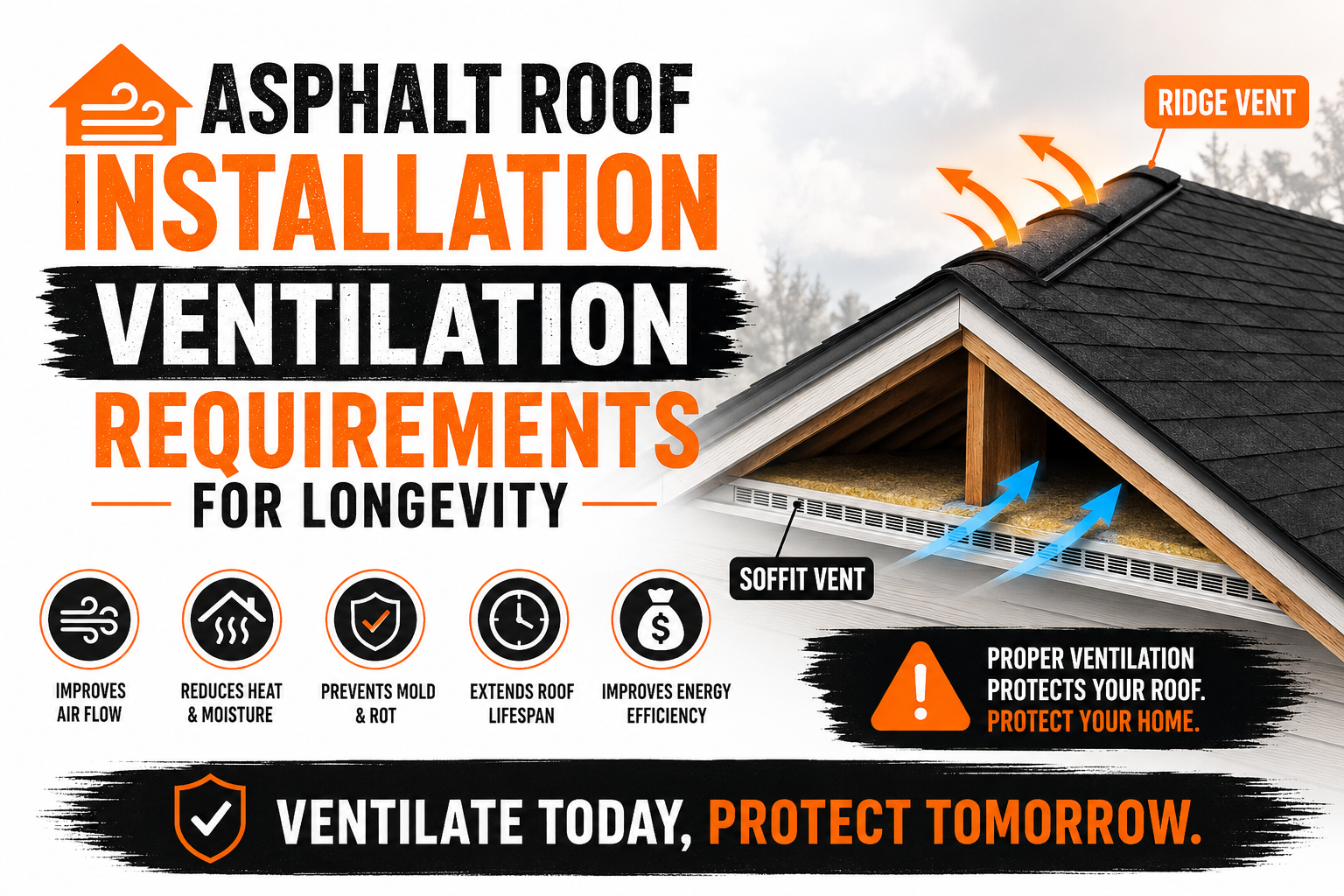
Roof ventilation is the controlled movement of air through the attic and roof assembly. The objective is to create continuous airflow that removes warm, humid air while allowing cooler outside air to enter the attic. This natural circulation helps maintain a stable environment beneath the roof throughout the year.
A complete ventilation system relies on two primary types of vents. Intake vents allow fresh air to enter the attic, while exhaust vents allow warm air to escape. These two components work together to create balanced airflow across the entire attic space.
The process begins when cooler outside air enters through intake vents located near the lower portion of the roof. As this air warms inside the attic, it naturally rises toward the highest point of the roof where it exits through exhaust vents. This continuous movement removes heat and moisture before they accumulate inside the roofing system.
Without both intake and exhaust ventilation, airflow becomes restricted. Installing only exhaust vents may create negative pressure that reduces efficiency, while relying solely on intake vents provides no effective path for warm air to escape. Balance is therefore one of the most important principles of roof ventilation.
Air circulation also protects the roof deck located beneath the shingles. Moisture that accumulates on the underside of the roof deck may eventually weaken wood components if it cannot evaporate properly. Consistent ventilation helps maintain dry structural materials throughout changing seasons.
Ventilation performs different functions depending on the time of year. During summer, it removes excessive attic heat created by solar radiation. During winter, it reduces humidity and condensation caused by warm indoor air rising into the attic.
Although ventilation systems often operate without homeowners noticing them, they continuously contribute to the health and performance of the roofing system. Their importance becomes especially clear when ventilation problems begin affecting roofing materials or interior living spaces.
Why Ventilation Matters for Asphalt Roof Longevity
The lifespan of an asphalt roof depends on more than weather exposure alone. Conditions beneath the roof are equally important because excessive heat and moisture gradually weaken roofing materials from the inside. Proper ventilation addresses both concerns simultaneously.
One of the greatest threats to asphalt shingles is prolonged heat exposure. During sunny weather, roof surfaces absorb significant amounts of solar energy. Without adequate attic ventilation, temperatures beneath the roof can rise dramatically, increasing stress on both the shingles and the roof deck.
High attic temperatures accelerate the aging process of asphalt shingles. The asphalt compounds gradually become less flexible, increasing the likelihood of cracking, curling, or premature deterioration. Even premium roofing materials may fail earlier than expected when exposed to excessive heat year after year.
Moisture presents another major concern. Everyday household activities such as cooking, showering, washing clothes, and even breathing generate water vapor. Much of this moisture naturally rises toward the attic. Without proper ventilation, humid air remains trapped beneath the roof where it condenses on cooler structural surfaces.
Condensation can gradually damage roof decking, rafters, insulation, and other structural components. Over time, persistent moisture creates conditions favorable for mold growth, wood decay, and reduced insulation performance.
Proper ventilation also supports consistent indoor comfort. Homes with well ventilated attics often experience fewer temperature extremes because excess heat does not remain trapped beneath the roof. This contributes to improved energy efficiency while reducing strain on heating and cooling equipment.
Manufacturer warranties frequently recognize the importance of ventilation. Some roofing manufacturers specify minimum ventilation requirements because improper airflow may reduce product performance and shorten roof lifespan.
Long term benefits of proper ventilation include:
- Reduced attic temperatures during hot weather.
- Lower moisture accumulation throughout the year.
- Extended asphalt shingle lifespan.
- Improved roof deck durability.
- Better insulation performance.
- Increased energy efficiency.
- Reduced risk of mold and wood deterioration.
Ventilation should therefore be viewed as a long term investment rather than an optional feature. Proper airflow protects nearly every component within the roofing system.
Components of an Asphalt Roof Ventilation System
An effective ventilation system contains several components that work together to maintain balanced airflow. Each part serves a specific purpose, and removing or improperly installing one component can reduce the performance of the entire system.
Intake Vents
Intake vents provide the starting point for attic airflow. They are typically installed near the lower edges of the roof where outside air can enter freely.
Fresh air entering through intake vents replaces the warm air that exits through exhaust vents. This continuous exchange prevents stagnant air from accumulating inside the attic.
Proper intake ventilation should remain unobstructed throughout the year. Insulation or stored materials that block airflow reduce the efficiency of the entire ventilation system.
Soffit Vents
Soffit vents are among the most common types of intake ventilation used in residential asphalt roofing systems. They are installed beneath the roof overhang where they remain protected from direct rainfall while allowing outside air to enter the attic.
Because they extend along much of the roof perimeter, soffit vents provide even airflow distribution across the entire attic. This consistent intake supports balanced ventilation regardless of changing weather conditions.
During installation, baffles are often used to keep insulation from blocking airflow through the soffit openings. Without these barriers, insulation may gradually reduce ventilation performance.
Ridge Vents
Ridge vents serve as one of the most effective exhaust ventilation options for asphalt roofs. Installed along the roof ridge, they allow warm air to escape naturally because heat rises toward the highest point of the attic.
Continuous ridge vents provide uniform exhaust across the entire roof rather than concentrating airflow at isolated locations. This promotes more consistent temperature control and moisture removal throughout the attic.
Proper ridge vent installation requires maintaining clear airflow beneath the vent while protecting the opening from rain, snow, insects, and debris.
Static Roof Vents
Static roof vents provide another form of exhaust ventilation. These vents rely entirely on natural air movement rather than mechanical equipment.
Installed near the upper sections of the roof, static vents allow warm attic air to escape continuously. Multiple vents may be required depending on roof size and ventilation requirements.
Although effective in many situations, their placement should complement the intake system to maintain balanced airflow.
Gable Vents
Some homes include gable vents positioned near the ends of the attic. These vents allow cross ventilation between opposite sides of the building.
Gable vents may supplement other ventilation systems but should be integrated carefully. Combining multiple ventilation methods without proper planning sometimes reduces overall airflow efficiency.
Powered Attic Vents
Certain homes use electrically powered attic ventilators to increase airflow during periods of extreme heat. These systems actively remove warm attic air rather than relying solely on natural convection.
Powered systems may improve ventilation in specific situations, but they should be selected carefully. If intake ventilation is insufficient, powered fans may draw conditioned air from the living space instead of outside air, reducing energy efficiency.
Selecting appropriate ventilation components depends on roof design, attic size, climate conditions, and manufacturer recommendations. The objective is always to create balanced airflow rather than simply increasing the number of vents.
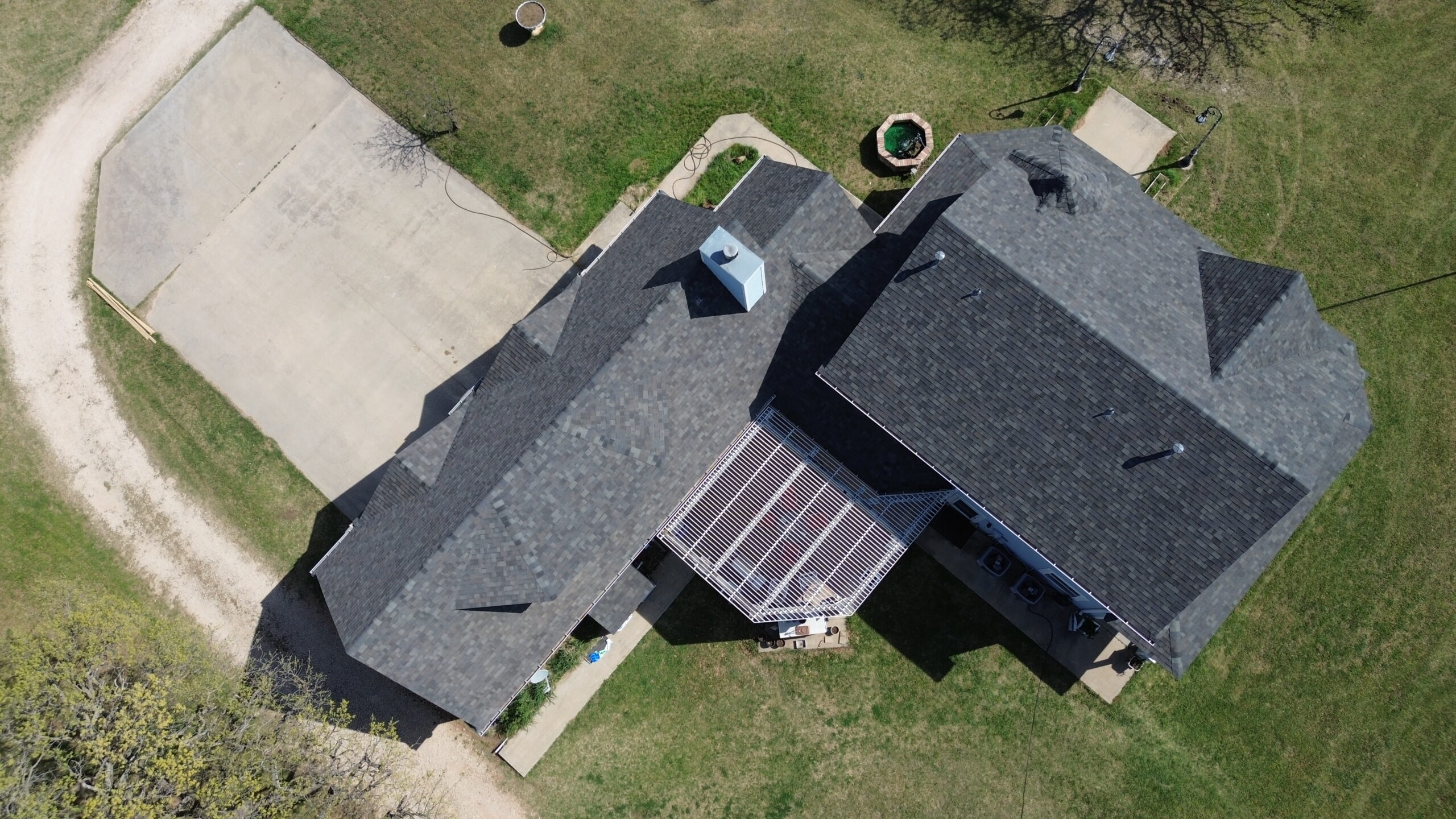
Planning Ventilation Before Roof Installation
Proper ventilation begins during the planning stage rather than after shingles have already been installed. Designing the ventilation system before construction starts allows every roofing component to work together efficiently.
The first step involves evaluating the roof design. Roof slope, overall size, ridge length, attic configuration, and architectural features all influence ventilation requirements. Complex roof designs may require different ventilation strategies than simple gable roofs.
Attic size should also be measured carefully. Larger attic spaces naturally require greater airflow than smaller ones. Calculating ventilation requirements before installation helps ensure that sufficient intake and exhaust capacity are included in the final design.
Climate plays a significant role as well. Homes located in hot climates generally prioritize heat removal during summer months, while colder regions often focus on preventing condensation and ice dam formation during winter.
Building orientation may also influence ventilation planning. Roof sections receiving prolonged sunlight often experience higher surface temperatures, making effective ventilation even more important.
Local building codes frequently establish minimum ventilation standards. Roofing contractors should verify these requirements before installation begins to ensure compliance while supporting long term roof performance.
Manufacturer recommendations should receive equal attention. Roofing products are tested under specific ventilation conditions, and following these guidelines helps maximize product lifespan while preserving warranty coverage.
Planning also includes coordinating ventilation with insulation. Although insulation reduces heat transfer between the attic and living space, it should never block airflow entering through intake vents. Proper coordination between these systems improves both energy efficiency and roof performance.
Taking time to design the ventilation system before installation reduces the likelihood of expensive modifications after the roof has been completed.
Common Ventilation Mistakes During Installation
Even when quality ventilation products are available, installation mistakes can significantly reduce system performance. Many roofing problems associated with ventilation result from avoidable errors made during construction.
One of the most common mistakes is providing insufficient intake ventilation. Some installers focus primarily on exhaust vents while overlooking the importance of fresh air entering the attic. Without adequate intake, warm air cannot circulate efficiently regardless of the exhaust system.
Poor exhaust vent placement also affects airflow. Exhaust vents should generally be positioned near the highest practical point of the roof so that rising warm air can escape naturally. Improper placement limits ventilation efficiency and creates uneven temperature distribution within the attic.
Blocked airflow paths represent another frequent issue. Insulation installed too tightly against soffit vents prevents outside air from entering the attic. Even a well designed ventilation system becomes ineffective when intake openings are obstructed.
Mixing incompatible ventilation systems can also create problems. Installing ridge vents together with certain types of powered exhaust systems or improperly positioned gable vents may interfere with natural airflow rather than improving it. Careful planning is necessary whenever multiple ventilation methods are combined.
Another mistake involves failing to calculate ventilation requirements accurately. Installing too few vents reduces airflow, while excessive ventilation without proper balance may also decrease system performance.
Some contractors also overlook attic obstructions. Storage platforms, mechanical equipment, or poorly positioned insulation may interrupt air circulation, leaving portions of the attic inadequately ventilated.
These mistakes often remain hidden after the roofing project is complete because the ventilation system is not immediately visible. However, their effects gradually appear through increased attic temperatures, moisture accumulation, reduced energy efficiency, and premature deterioration of roofing materials.
Proper installation practices eliminate these issues before they have an opportunity to affect the long term health of the asphalt roofing system.
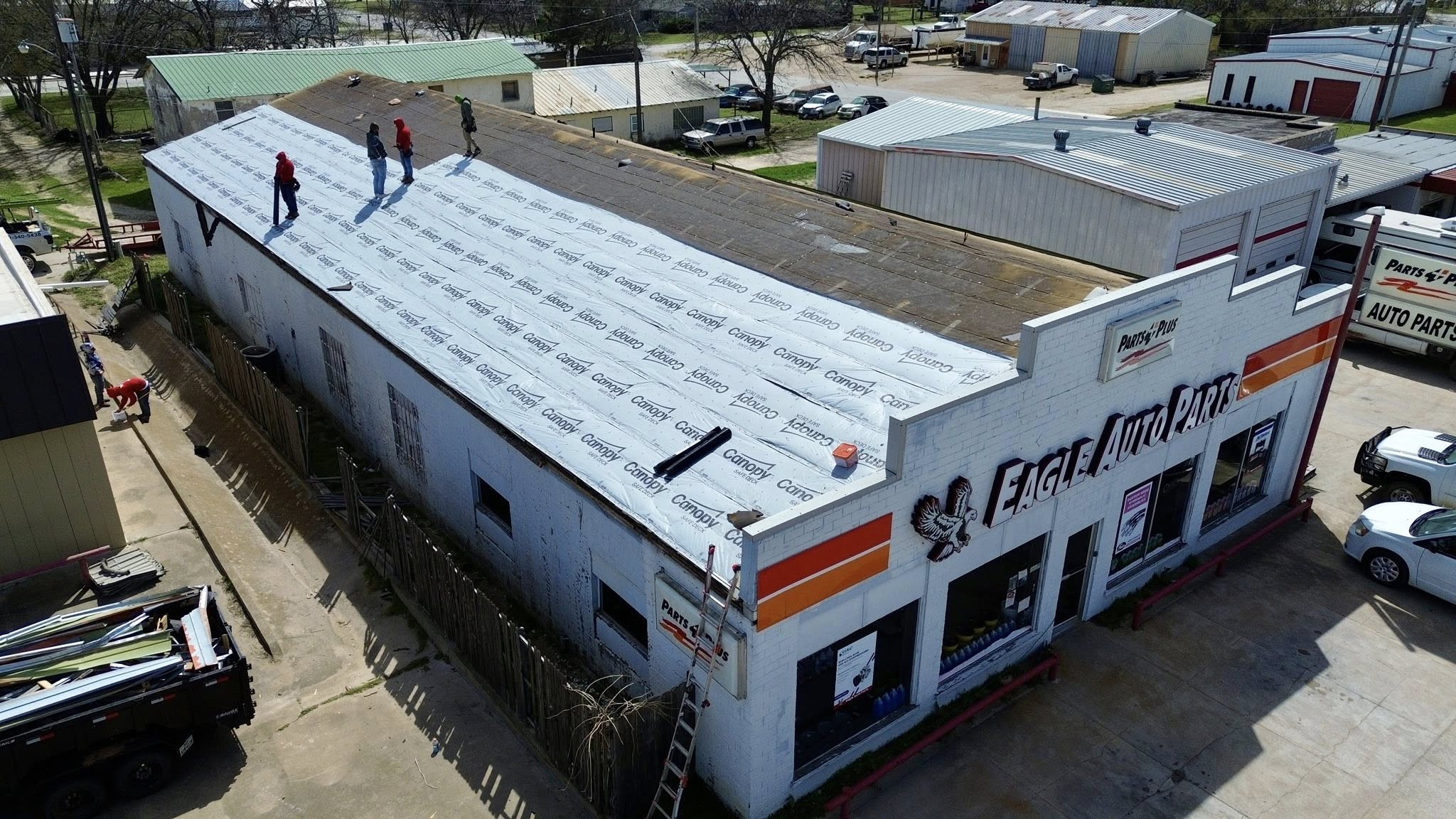
Installing Intake Ventilation Correctly
Intake ventilation forms the foundation of every effective roof ventilation system. While exhaust vents often receive more attention because they release warm air from the attic, the entire system depends on a steady supply of fresh outside air entering through the intake vents. Without sufficient intake ventilation, even the best exhaust system cannot perform efficiently.
Soffit vents are the most commonly used intake vents for asphalt roofing systems. Located beneath the roof overhang, they allow cooler outdoor air to enter the attic naturally. As warm air rises and exits through the exhaust vents, fresh air replaces it through the soffits, creating continuous circulation.
Proper installation begins with ensuring that every soffit vent remains open and unobstructed. During roof construction or attic insulation upgrades, insulation can accidentally cover the vent openings. When this happens, airflow is reduced significantly, limiting the effectiveness of the entire ventilation system.
Ventilation baffles play an important role in preventing this problem. These lightweight channels create a clear path between the soffit vents and the attic, allowing air to flow freely above the insulation. Without baffles, insulation may gradually shift and block the incoming airflow.
Spacing is another important consideration. Intake vents should be distributed evenly along the roof edges whenever possible. Concentrating all intake vents in one section of the roof may create uneven airflow, leaving portions of the attic poorly ventilated.
Roof overhang design also affects intake performance. Some architectural styles provide generous soffit areas that allow excellent airflow, while others offer limited space for ventilation. Planning should account for these design differences before installation begins.
Installers should inspect the soffit area carefully before installing the roofing system. Damaged vent screens, blocked openings, insect nests, or accumulated debris should all be removed to ensure unrestricted airflow.
Maintaining continuous intake airflow helps regulate attic temperature throughout the year. This simple but essential component supports every other part of the roof ventilation system.
Installing Exhaust Ventilation
Once fresh air enters the attic through the intake vents, it must have a clear pathway to exit the roof. Exhaust ventilation removes warm, humid air that naturally rises toward the highest point of the attic, helping maintain balanced airflow throughout the roofing system.
Ridge vents are among the most effective exhaust options for asphalt roofs. Installed along the roof peak, they provide continuous ventilation across the entire ridge rather than relying on individual vent openings. Their location allows warm air to escape naturally without requiring mechanical equipment.
Installing ridge vents requires careful preparation. The ridge opening must be cut according to manufacturer specifications so that adequate airflow is provided without weakening the structural integrity of the roof. Once the vent is installed, ridge cap shingles cover the system while allowing air to pass through specialized vent openings.
Static roof vents provide another exhaust option. These individual vents are positioned near the upper sections of the roof and rely on natural air movement rather than electrical power. Multiple static vents may be required depending on roof size and attic volume.
Powered attic ventilators actively remove warm air using electric motors. These systems may be useful in certain climates or large attic spaces where additional airflow is beneficial. However, powered vents should be installed only after confirming that adequate intake ventilation is available.
Improper placement of exhaust vents can reduce system efficiency. Installing vents too low on the roof limits their ability to remove the warmest attic air, while uneven spacing may leave portions of the attic with poor air circulation.
Weather protection is another important consideration. Exhaust vents should prevent rain, snow, insects, and debris from entering the attic while still allowing unrestricted airflow. Modern vent designs include protective features that balance ventilation with weather resistance.
Installers should also avoid placing exhaust vents where nearby roof structures or architectural features may restrict airflow. Chimneys, dormers, and intersecting roof sections can sometimes interfere with natural air movement if vent placement is not planned carefully.
A properly installed exhaust system completes the airflow cycle by allowing warm attic air to escape continuously, supporting both roof durability and indoor comfort.
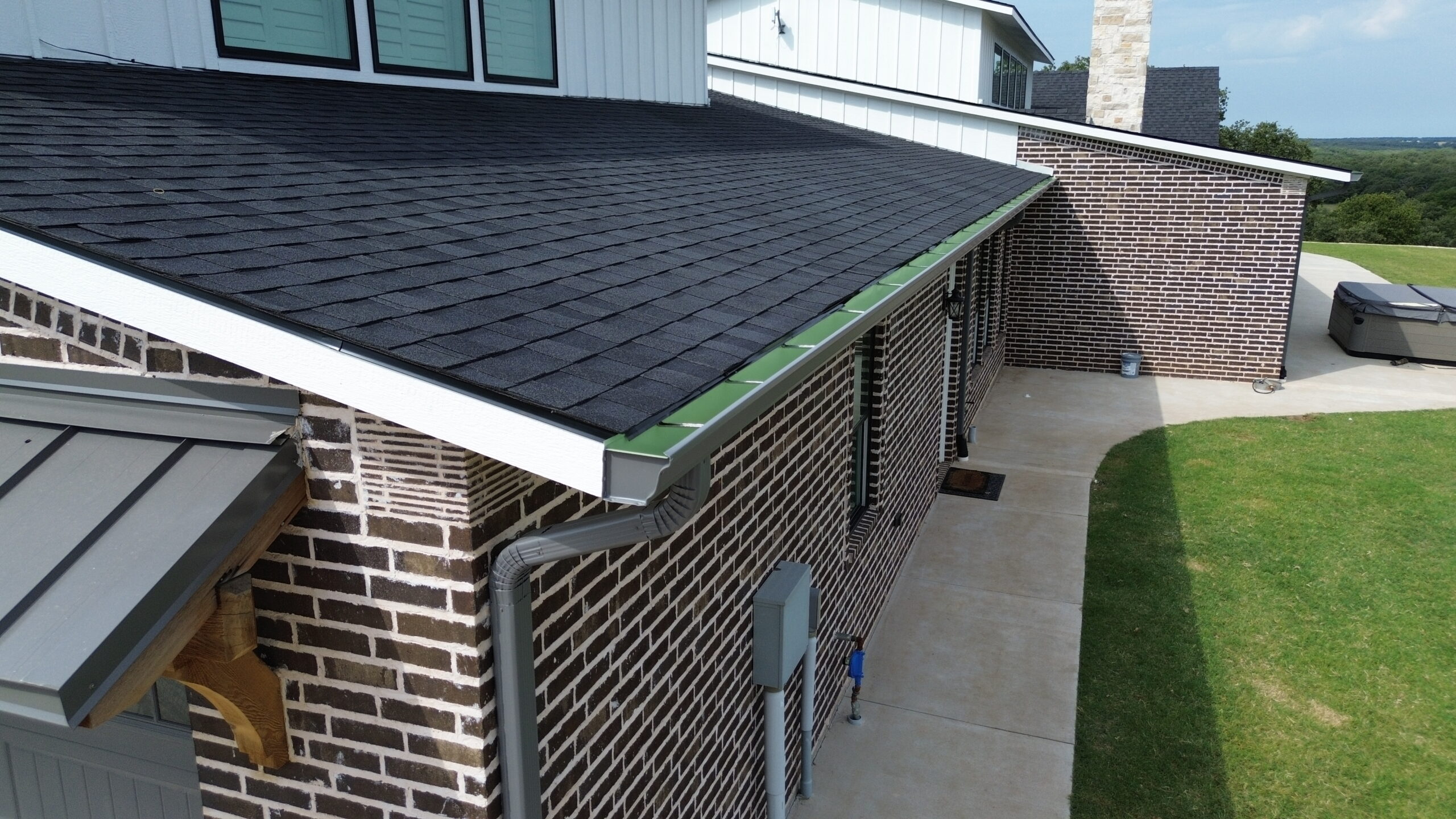
Achieving Balanced Ventilation
Balanced ventilation is one of the most important principles in asphalt roof installation. The objective is not simply to increase the number of vents but to create an efficient airflow system in which intake and exhaust ventilation work together.
When intake and exhaust ventilation remain balanced, fresh outside air enters through the lower roof areas while warm attic air exits through the highest points. This continuous circulation helps maintain consistent attic temperatures and reduces moisture accumulation throughout the year.
Problems arise when one component significantly exceeds the other. Excessive exhaust ventilation combined with limited intake may create negative pressure inside the attic. Instead of drawing fresh outdoor air through the soffits, the ventilation system may pull conditioned air from the living space below through small ceiling openings.
This unintended airflow increases heating and cooling costs because air that has already been conditioned by the home’s HVAC system escapes into the attic.
On the other hand, excessive intake ventilation without sufficient exhaust capacity traps warm air inside the attic. Fresh air enters the roof but cannot leave efficiently, reducing the effectiveness of the entire ventilation system.
Balanced airflow also improves temperature consistency throughout the attic. Rather than creating isolated hot or humid areas, proper ventilation distributes air evenly across the roof structure.
Roof shape influences ventilation balance as well. Complex roof designs containing multiple ridges, valleys, hips, and dormers often require additional planning to maintain even airflow throughout every section of the attic.
Contractors typically calculate ventilation requirements based on attic floor area while considering local building codes and manufacturer recommendations. These calculations help determine the amount of intake and exhaust ventilation needed for optimal performance.
Although balanced ventilation requires careful planning, the long term benefits include improved roof durability, better energy efficiency, and reduced maintenance requirements.
Moisture Control Through Proper Ventilation
One of the primary purposes of roof ventilation is controlling moisture before it causes structural damage. Moisture problems often develop gradually, making them difficult for homeowners to detect until repairs become expensive.
Everyday household activities continuously generate water vapor. Cooking meals, taking showers, operating washing machines, and even normal breathing release moisture into the indoor air. Much of this humid air naturally rises toward the attic.
Without proper ventilation, moisture remains trapped beneath the roof. As temperatures change, water vapor condenses on cooler roof decking, rafters, and other structural components. Repeated condensation gradually weakens wood while creating favorable conditions for mold and mildew growth.
Wet insulation presents another concern. Insulation loses much of its effectiveness when it becomes damp, reducing the home’s energy efficiency and increasing heating or cooling costs throughout the year.
Persistent moisture may also cause wood framing to expand, contract, or deteriorate over time. These structural changes can eventually affect the stability of the roofing system itself.
Ventilation removes humid air before condensation becomes significant. Fresh outside air entering through intake vents replaces moisture laden attic air that exits through the exhaust system, maintaining a healthier environment beneath the roof.
Proper ventilation also helps preserve indoor air quality. Mold growth within the attic can eventually affect living spaces if spores circulate through the home’s ventilation system.
Moisture control becomes especially important during colder months when warm indoor air meets colder roof surfaces. Even homes located in relatively dry climates benefit from effective attic ventilation because indoor humidity remains present throughout the year.
Managing moisture successfully requires more than simply installing vents. Every component of the ventilation system must function together to maintain continuous airflow under changing weather conditions.
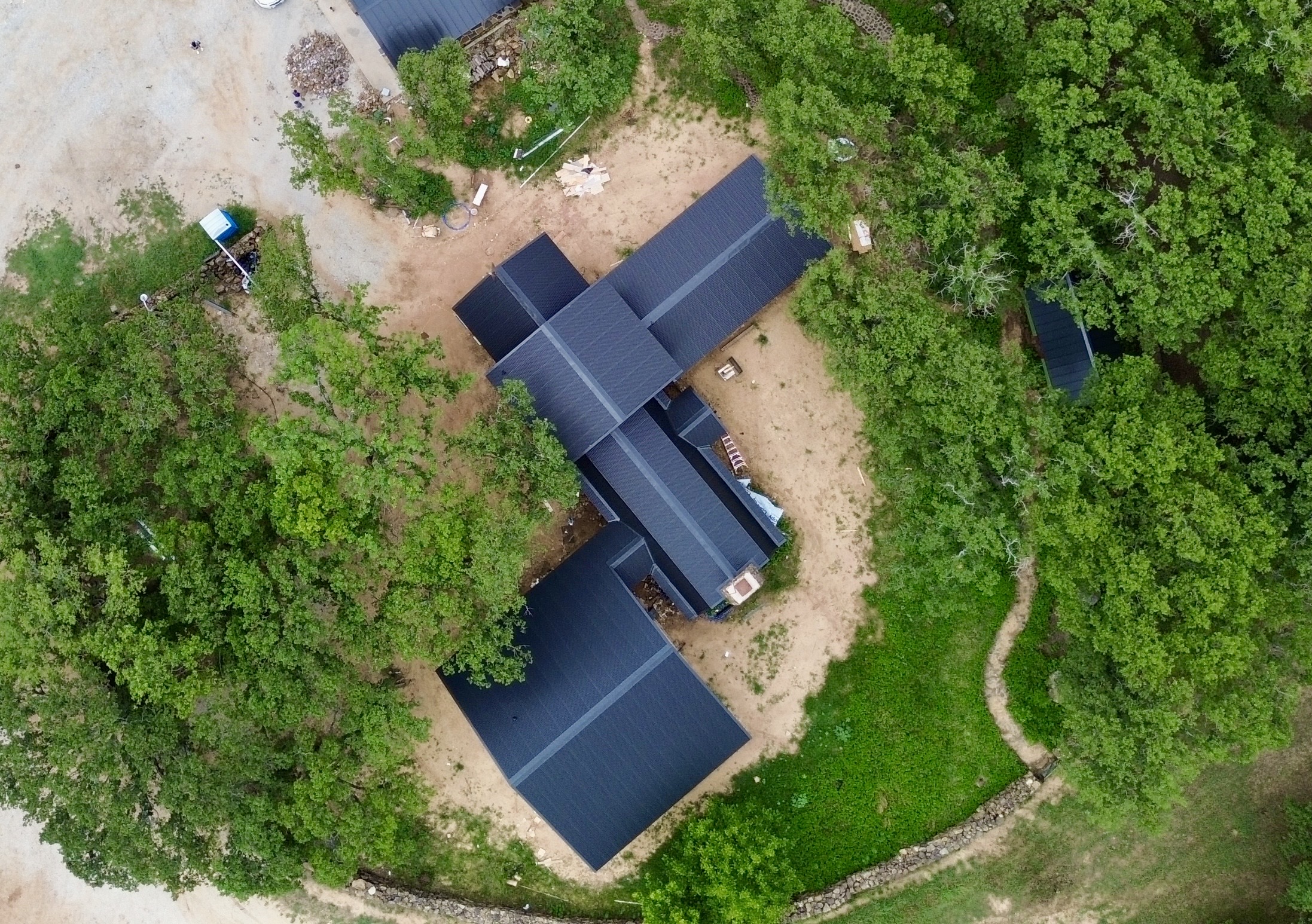
Heat Management and Energy Efficiency
Heat accumulation beneath an asphalt roof influences both roofing performance and household energy consumption. During sunny weather, roof surfaces absorb solar radiation throughout the day. Without effective ventilation, attic temperatures may become significantly higher than outdoor temperatures.
Excessive attic heat places continuous stress on asphalt shingles. Elevated temperatures accelerate the natural aging process of roofing materials, causing them to become brittle, lose flexibility, and deteriorate earlier than expected.
Roof decking also experiences greater expansion and contraction when exposed to prolonged heat. Repeated thermal movement may gradually weaken fasteners and contribute to long term structural wear.
Proper ventilation reduces attic temperatures by continuously removing heated air before it accumulates. Fresh air entering through the soffit vents replaces the warm air exiting through the ridge or other exhaust vents, creating ongoing temperature regulation.
Lower attic temperatures also improve energy efficiency. When less heat enters the living space below, air conditioning systems operate more efficiently to maintain comfortable indoor temperatures.
Reduced cooling demand often lowers electricity consumption during warm weather. Although ventilation alone does not eliminate cooling costs, it supports overall energy performance by reducing unnecessary heat transfer from the attic into occupied rooms.
Homes with proper ventilation also experience more consistent indoor comfort. Upper floors remain cooler during summer because less radiant heat builds beneath the roof.
Roof ventilation works together with insulation rather than replacing it. Insulation slows heat transfer, while ventilation removes excess heat before it affects the home’s interior. Together, these systems provide improved thermal performance throughout the year.
Long term energy savings represent an additional benefit of proper roof ventilation, making it valuable not only for roof longevity but also for household operating costs.
Ventilation Problems and Their Effects
Even well constructed roofs may develop problems if ventilation is poorly designed or improperly installed. Understanding these issues helps homeowners recognize warning signs before significant damage occurs.
| Ventilation Issue | Cause | Possible Long Term Impact |
|---|---|---|
| Insufficient intake ventilation | Blocked or undersized soffit vents | Poor airflow and excessive attic heat |
| Inadequate exhaust ventilation | Too few ridge or roof vents | Moisture buildup and reduced ventilation efficiency |
| Blocked soffit openings | Insulation or debris covering vents | Restricted fresh air entering the attic |
| Unbalanced airflow | Incorrect intake to exhaust ratio | Higher energy costs and uneven attic temperatures |
| Excess attic humidity | Poor ventilation during winter | Mold growth, wood rot, and insulation damage |
| Excessive attic heat | Limited summer airflow | Premature asphalt shingle aging |
| Improper vent placement | Incorrect installation planning | Uneven air circulation across the attic |
Many of these problems develop slowly over several years. Regular inspections help identify ventilation deficiencies before they significantly reduce the lifespan of the roofing system.
The Relationship Between Ventilation and Roof Warranties
Many homeowners are surprised to learn that roof ventilation may influence manufacturer warranty coverage. Asphalt shingle manufacturers design and test their products under specific ventilation conditions to ensure predictable long term performance.
When attic temperatures consistently exceed recommended levels because of inadequate ventilation, shingles may age more rapidly than expected. Similarly, excessive attic moisture may damage roof decking and other structural components even if the shingles themselves remain intact.
For this reason, many manufacturers include ventilation recommendations within their installation guidelines. Contractors who ignore these requirements may unintentionally reduce warranty protection for the completed roofing system.
Proper documentation during installation can be valuable if warranty questions arise later. Recording ventilation calculations, installation methods, and product specifications demonstrates that the roofing system was installed according to manufacturer recommendations.
Following accepted ventilation practices benefits both homeowners and contractors by improving long term roof performance while supporting warranty compliance.
Preparing for Long Term Roof Performance
Installing a balanced ventilation system is only one part of creating a durable asphalt roof. After installation is complete, regular inspections and routine maintenance help ensure that airflow continues functioning as intended.
Vents should remain free of debris, insulation should not block intake openings, and roof penetrations should be inspected periodically for signs of moisture. Small maintenance tasks performed regularly often prevent larger roofing problems from developing over time.
Inspecting Roof Ventilation After Installation
Completing the installation of an asphalt roof does not mean the ventilation system should be overlooked. A thorough inspection after installation helps confirm that every ventilation component is functioning correctly before the roofing project is considered complete. Since ventilation affects both roof durability and indoor comfort, verifying its performance is an essential part of quality control.
The inspection should begin by checking the intake vents. Soffit vents should remain open and free from insulation, construction debris, paint, or other materials that could restrict airflow. Even partially blocked intake vents can reduce the effectiveness of the entire ventilation system.
Exhaust vents also require careful examination. Ridge vents should run continuously along the roof peak without interruptions unless the roof design specifically requires otherwise. Static roof vents should be securely fastened and positioned according to the original ventilation plan.
Inspectors should verify that all vent covers remain firmly attached while allowing unrestricted airflow. Damaged vent screens, loose fasteners, or poorly sealed flashing around roof vents should be corrected before the project is completed.
The attic should also be inspected from inside the home whenever possible. During daylight hours, natural light entering through unintended openings may indicate gaps that require attention. However, ventilation openings designed for airflow should remain properly protected to prevent water or pests from entering.
Air circulation can often be evaluated by checking temperature differences inside the attic. While attic temperatures naturally rise during warm weather, excessively high temperatures may indicate inadequate ventilation or blocked airflow.
Moisture inspection is equally important. Water stains, damp insulation, mold growth, or condensation on roof decking suggest that humid air is not leaving the attic efficiently. Identifying these issues immediately after installation allows corrections before long term damage occurs.
Roof penetrations should receive one final review as well. Plumbing vents, chimneys, skylights, and other roof features should integrate smoothly with the ventilation system without creating unnecessary airflow restrictions.
Contractors often complete a final inspection checklist before handing the project over to the homeowner. This process helps ensure that the ventilation system complies with manufacturer recommendations and local building requirements while supporting the long term performance of the roof.
Ventilation Maintenance Best Practices
A properly installed ventilation system requires relatively little maintenance, but regular inspections help ensure it continues operating efficiently throughout the roof’s lifespan. Small maintenance tasks performed periodically often prevent larger roofing problems from developing later.
Cleaning ventilation openings is one of the simplest maintenance activities. Leaves, dust, insect nests, bird nesting materials, and windblown debris may gradually block intake or exhaust vents, reducing airflow. Removing these obstructions restores proper air circulation.
Soffit vents deserve particular attention because they are located close to the ground where dirt, pollen, and debris naturally accumulate. Homeowners should visually inspect these vents several times each year to confirm that air can enter freely.
Roof vents should also be examined after severe storms. Strong winds, hail, or falling tree branches may damage vent covers or loosen flashing around exhaust openings. Prompt repairs help preserve both ventilation efficiency and moisture protection.
Attic inspections provide another valuable maintenance opportunity. Homeowners should periodically look for signs of excessive heat, moisture, mold, or damaged insulation. These conditions often indicate ventilation problems before visible roof damage appears.
Tree branches that overhang the roof should be trimmed when necessary. Falling leaves and small branches can accumulate around roof vents, reducing airflow and increasing maintenance requirements.
Snow accumulation may temporarily cover certain ventilation components during winter in colder climates. While modern vent designs generally continue functioning under normal snow conditions, unusually heavy accumulation should be monitored to ensure ventilation pathways remain open.
Professional roof inspections every few years provide additional reassurance that the ventilation system continues operating as intended. Experienced roofing professionals can identify developing issues that homeowners may overlook during routine observations.
Consistent maintenance extends the service life of both the ventilation system and the asphalt roofing materials it protects.
Choosing the Right Ventilation System
Every home has unique ventilation requirements. Selecting the most appropriate ventilation system depends on several factors including roof design, attic size, climate, and overall building construction. There is no single solution that works equally well for every property.
Roof shape plays an important role when selecting ventilation products. Simple gable roofs often accommodate continuous ridge and soffit ventilation with relative ease, while more complex roof designs containing multiple hips, valleys, dormers, or intersecting roof sections may require additional planning.
Climate should also influence ventilation decisions. Homes located in warmer regions generally prioritize heat removal during long summer seasons, while colder climates often focus on reducing condensation and preventing ice dam formation.
Attic configuration is another important consideration. Finished attic spaces, cathedral ceilings, and limited attic clearances may require specialized ventilation approaches that differ from traditional open attic designs.
Existing insulation levels should also be evaluated before selecting a ventilation system. Proper insulation and ventilation complement one another by reducing heat transfer while maintaining continuous airflow.
Local building codes often establish minimum ventilation standards based on regional climate conditions. Roofing professionals should always verify these requirements before installation begins.
The quality of ventilation products also matters. Durable materials that resist corrosion, ultraviolet exposure, and weather related deterioration typically provide more reliable long term performance than lower quality alternatives.
Homeowners should discuss ventilation options with qualified roofing contractors before installation begins. A well designed ventilation system considers the entire roofing assembly rather than focusing on individual products alone.
Selecting compatible ventilation components helps ensure that intake and exhaust airflow remain balanced throughout the roof’s service life.
Best Practices for Long Lasting Roof Ventilation
Proper roof ventilation is achieved through careful planning, quality installation, and consistent maintenance. Following proven practices throughout the roofing project helps maximize both ventilation performance and overall roof longevity.
The following recommendations support a durable and efficient ventilation system.
- Evaluate the roof design and attic layout before installation begins.
- Calculate ventilation requirements according to building codes and manufacturer recommendations.
- Maintain balanced intake and exhaust airflow throughout the attic.
- Keep soffit vents free from insulation and other obstructions.
- Use compatible ventilation products designed to work together as a complete system.
- Inspect all ventilation components before installing the final roofing materials.
- Perform routine maintenance and periodic professional inspections after installation.
These practices help maintain stable attic temperatures, reduce moisture accumulation, and support the long term durability of the roofing system.
Roof ventilation should never be treated as an afterthought during asphalt roof installation. Incorporating ventilation planning into every stage of the project produces more reliable results while reducing future maintenance concerns.
Frequently Asked Questions About Roof Ventilation
Homeowners often have questions about roof ventilation because much of the system remains hidden after installation. Understanding these common concerns helps explain why proper ventilation receives so much attention during roofing projects.
Can an asphalt roof last without proper ventilation?
An asphalt roof may still function for many years, but inadequate ventilation often shortens its expected lifespan. Excessive heat and moisture gradually accelerate wear on roofing materials and structural components.
How can I tell if my attic has poor ventilation?
Common warning signs include unusually high attic temperatures, condensation on roof decking, mold growth, musty odors, damp insulation, and higher than expected energy bills during summer or winter.
Is more ventilation always better?
Not necessarily. Ventilation should remain balanced between intake and exhaust airflow. Installing excessive exhaust ventilation without sufficient intake may actually reduce system efficiency.
Can blocked soffit vents damage the roof?
Yes. Blocked soffit vents reduce fresh air entering the attic, limiting airflow and allowing heat and moisture to accumulate beneath the roof.
Should ventilation be upgraded during roof replacement?
Roof replacement often provides an excellent opportunity to evaluate and improve attic ventilation. Upgrading ventilation while the roofing system is already being replaced is generally more practical than modifying it later.
Do powered attic fans replace ridge vents?
Powered attic fans may supplement ventilation in certain situations, but they should not automatically replace ridge ventilation. Every home requires a ventilation system designed specifically for its roof structure and airflow requirements.
Understanding these questions helps homeowners appreciate that ventilation is a long term investment rather than simply another roofing accessory.
How Proper Ventilation Protects the Entire Roofing System
Roof ventilation benefits nearly every component of an asphalt roofing system rather than protecting only the shingles. Continuous airflow supports the performance of the roof deck, underlayment, flashing, insulation, structural framing, and even interior finishes.
Lower attic temperatures reduce thermal stress on asphalt shingles, allowing them to retain their flexibility and weather resistance for longer periods. Reduced moisture also helps preserve the strength of wooden framing members and roof decking.
Insulation performs more effectively when it remains dry, allowing the home’s heating and cooling systems to operate efficiently throughout the year. Proper ventilation therefore contributes not only to roof longevity but also to improved indoor comfort and lower operating costs.
When every roofing component functions together as a complete system, the roof is better prepared to withstand years of changing weather conditions with minimal maintenance.
Conclusion
Proper ventilation is one of the most important yet frequently overlooked aspects of asphalt roof installation. While shingles provide the visible protection against weather, the ventilation system works continuously behind the scenes to regulate temperature, remove excess moisture, and protect the structural components that support the roof.
A well designed ventilation system begins with careful planning before installation starts. Balanced intake and exhaust airflow, properly positioned vents, quality installation practices, and compliance with manufacturer recommendations all contribute to long term roof performance. These factors work together to reduce attic heat, prevent condensation, preserve insulation, and extend the lifespan of asphalt shingles.
Regular inspections and routine maintenance are equally important after installation is complete. Keeping ventilation openings clear, checking for signs of moisture, inspecting vent components after severe weather, and scheduling periodic professional evaluations help ensure the system continues operating efficiently throughout the life of the roof.
Investing in proper roof ventilation delivers benefits far beyond the attic. Homeowners often experience improved energy efficiency, greater indoor comfort, reduced maintenance costs, and stronger protection against moisture related damage. These advantages make ventilation an essential part of every successful asphalt roofing project.
By understanding ventilation requirements, selecting the appropriate components, following proven installation methods, and maintaining the system over time, homeowners and roofing professionals can create asphalt roofing systems that provide dependable performance, lasting durability, and reliable protection for decades.