
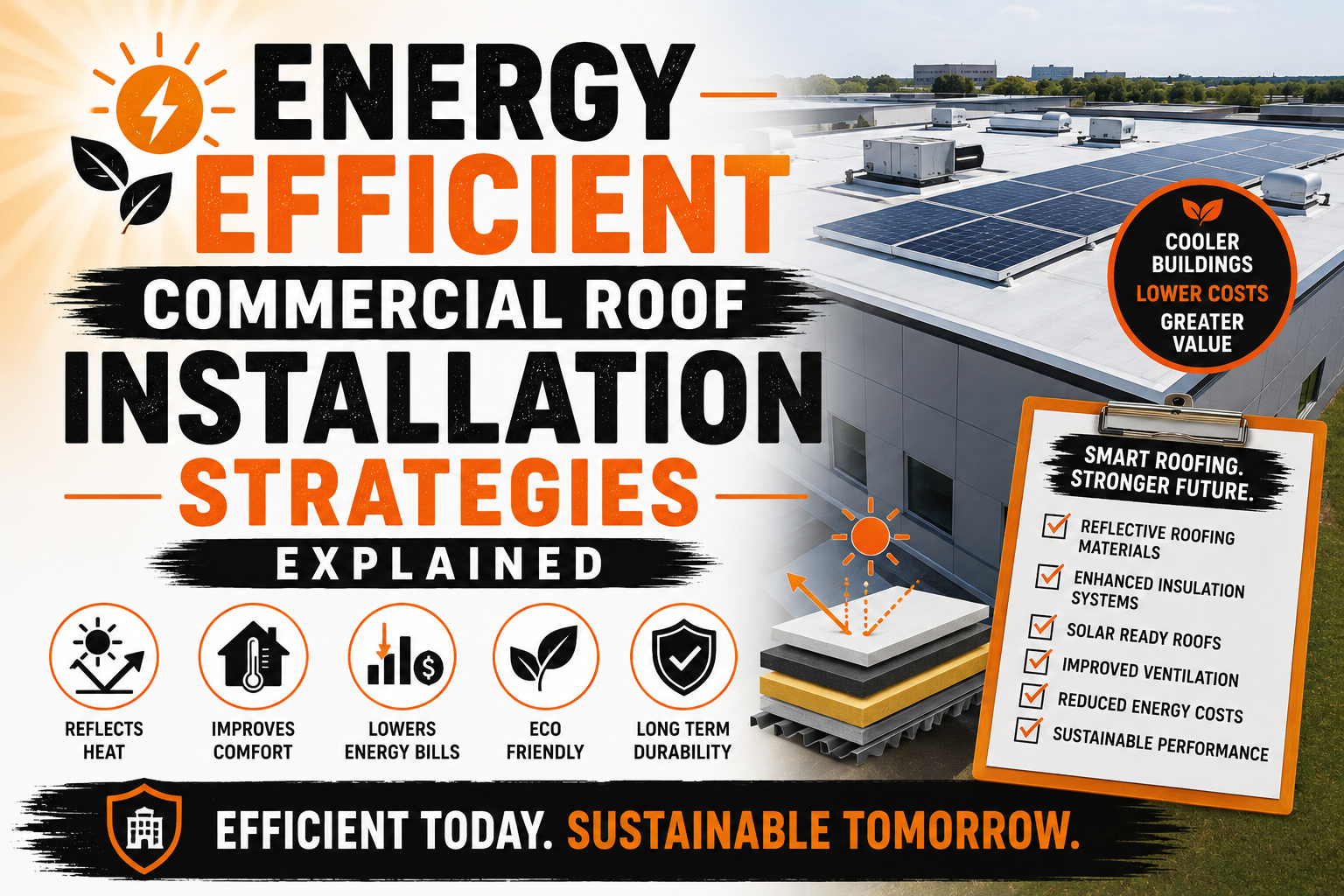
Energy Efficient Commercial Roof Installation Strategies Explained
Introduction
Energy efficiency has become one of the most important considerations in modern commercial construction. Businesses are constantly looking for ways to reduce operating costs, improve sustainability, and create more comfortable indoor environments. While heating, ventilation, and air conditioning systems often receive the most attention, the roof plays an equally significant role in determining how much energy a building consumes throughout the year.
A commercial roof is much more than a protective barrier against rain, wind, and sunlight. It acts as a thermal shield that influences heat transfer between the building and the surrounding environment. When installed using energy-efficient strategies, a commercial roofing system helps maintain consistent indoor temperatures, reduces strain on HVAC equipment, and lowers monthly utility expenses.
Advancements in roofing materials and installation techniques have transformed how commercial buildings manage energy. High-performance insulation, reflective roofing membranes, cool roof coatings, vapor barriers, and solar-ready designs now allow property owners to achieve significant improvements in building efficiency without sacrificing durability or weather protection.
However, energy efficiency is not determined by roofing materials alone. Proper installation practices are equally important because even premium products cannot perform effectively if they are installed incorrectly. Poor insulation placement, inadequate air sealing, or improper drainage can reduce the roof’s thermal performance and increase long-term operating costs.
Businesses investing in commercial roof installation should therefore evaluate both the materials being used and the installation methods employed by their contractor. Understanding these strategies allows building owners to make informed decisions that provide immediate energy savings while delivering reliable performance for decades.
This guide explores the principles behind energy-efficient commercial roof installation, examines the materials commonly used to improve thermal performance, and explains the planning decisions that help maximize energy savings throughout the roof’s service life.
Why Energy Efficiency Matters in Commercial Roofing
Energy costs represent a substantial portion of operating expenses for many commercial properties. Office buildings, manufacturing facilities, warehouses, schools, healthcare centers, and retail stores all require significant heating and cooling throughout the year. A properly designed roofing system helps reduce this energy demand by limiting unwanted heat transfer.
During hot weather, roofs receive continuous exposure to solar radiation. Dark or poorly insulated roofs absorb large amounts of heat, allowing it to transfer into the building below. As indoor temperatures rise, air conditioning systems work harder to maintain comfortable conditions, increasing electricity consumption and utility bills.
Cold weather presents a different challenge. Heat generated inside the building naturally moves toward colder outdoor temperatures. Without adequate insulation, valuable heat escapes through the roof, forcing heating systems to operate longer to maintain indoor comfort.
Energy-efficient roofing systems reduce both of these problems. Reflective roofing materials minimize solar heat absorption during summer, while high-quality insulation slows heat transfer throughout every season. The result is a more stable indoor environment that requires less mechanical heating and cooling.
Improved energy efficiency also extends the lifespan of HVAC equipment. When heating and cooling systems operate under reduced workloads, they experience less wear and require fewer repairs over time. Businesses benefit not only from lower utility costs but also from reduced maintenance expenses and longer equipment life.
Environmental sustainability has become another important factor influencing commercial roofing decisions. Lower energy consumption reduces greenhouse gas emissions associated with electricity generation, helping organizations achieve sustainability goals while supporting environmentally responsible building practices.
Many businesses also recognize the marketing value of sustainable facilities. Energy-efficient buildings often appeal to environmentally conscious customers, investors, and tenants who value responsible business operations. Roofing improvements therefore contribute to both financial performance and corporate reputation.
How Commercial Roofs Affect Building Energy Consumption
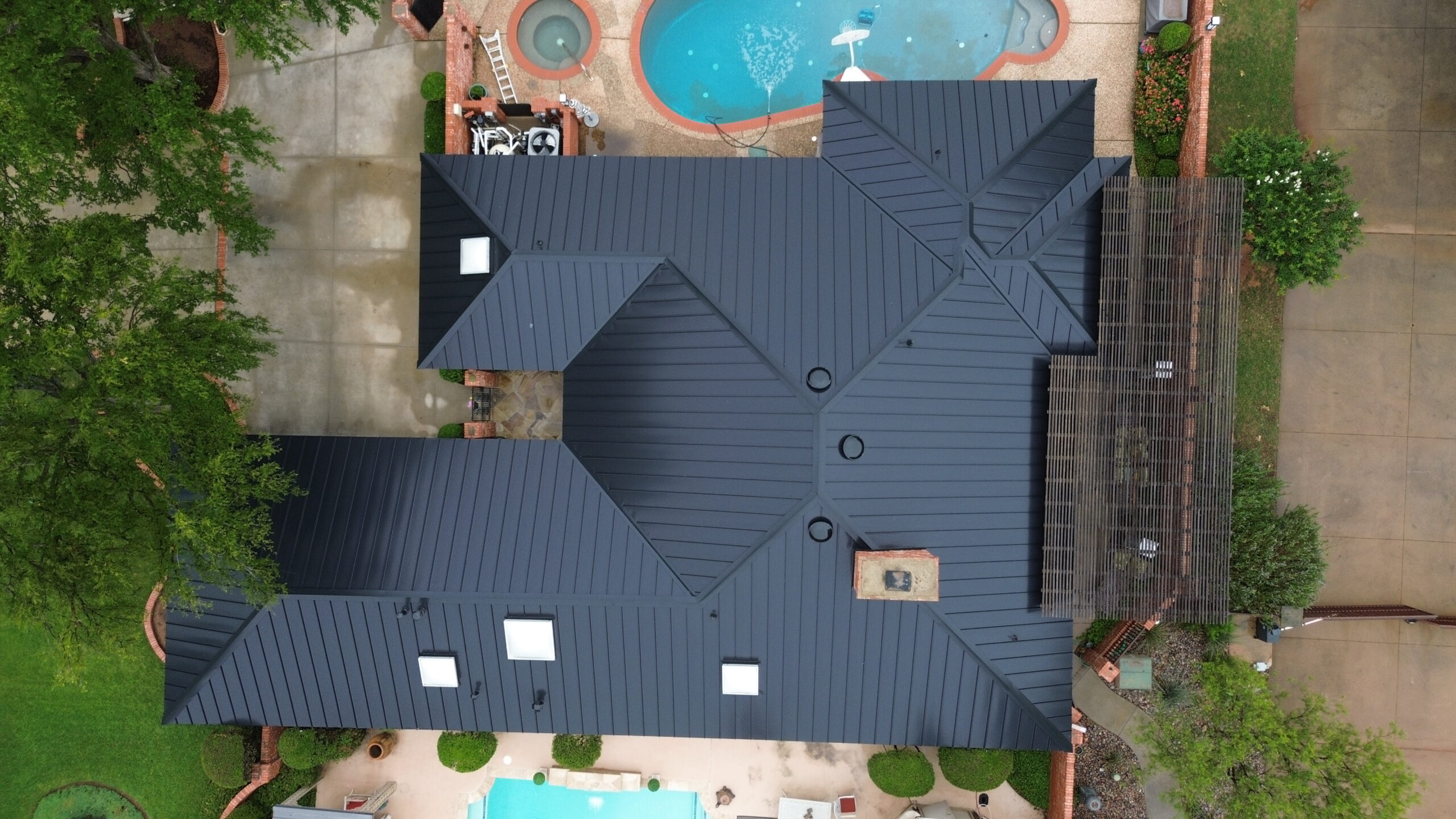
Every commercial roof influences how energy moves into and out of a building. Understanding this relationship helps explain why installation quality and material selection have such a significant impact on long-term operating costs.
Solar radiation is the largest source of heat entering most commercial roofs during warm weather. Roofing surfaces exposed to direct sunlight absorb varying amounts of solar energy depending on their color, material, and reflective properties. Dark roofing materials typically absorb more heat, while highly reflective surfaces redirect much of the sun’s energy away from the building.
Heat that enters the roofing system gradually transfers through insulation, structural components, and ceiling assemblies into occupied spaces below. Without sufficient thermal resistance, this heat increases indoor temperatures and places additional demand on air conditioning systems.
During colder months, the opposite process occurs. Heated indoor air naturally moves toward colder outdoor temperatures. Roof insulation slows this heat transfer, helping buildings retain warmth while reducing heating requirements.
Air leakage also affects energy performance. Small openings around roof penetrations, expansion joints, HVAC equipment, and flashing allow conditioned indoor air to escape while permitting outside air to enter. Even relatively minor air leaks can reduce the effectiveness of otherwise well-designed roofing systems.
Moisture presents another important consideration. Wet insulation loses much of its thermal resistance, allowing heat to move through the roofing assembly more easily. Proper waterproofing and vapor control therefore contribute directly to maintaining long-term energy efficiency.
The roof’s overall design determines how effectively these factors are controlled. Material selection, insulation thickness, drainage planning, membrane installation, and air sealing all work together to influence the building’s overall energy performance.
Key Principles of Energy Efficient Roof Design
Successful energy-efficient roofing begins during the planning stage rather than after installation has already started. Architects, engineers, contractors, and building owners work together to develop roofing systems that balance durability, energy performance, maintenance requirements, and project costs.
One of the primary design principles involves reducing heat transfer through the roof assembly. This is achieved by combining high-quality insulation with roofing materials that reflect rather than absorb solar radiation. Together, these components help stabilize indoor temperatures throughout the year.
Continuous insulation is another important design strategy. Interruptions or gaps within insulation layers create thermal bridges where heat can move more easily through the roofing system. Careful installation minimizes these weak points while improving overall thermal performance.
Effective moisture management also supports energy efficiency. Vapor barriers, waterproof membranes, and well-designed drainage systems prevent moisture from entering insulation layers where it could reduce thermal resistance and contribute to long-term structural deterioration.
Roof orientation and equipment placement may also influence energy performance. HVAC equipment, skylights, solar panels, and rooftop structures should be positioned thoughtfully to minimize shading issues, improve maintenance access, and optimize energy production when renewable energy systems are installed.
Proper ventilation further enhances roof performance in many building designs. Managing airflow within the roofing assembly helps control moisture while supporting consistent thermal conditions throughout changing seasons.
Several core principles guide modern energy-efficient commercial roof design:
- Maximize thermal insulation.
- Minimize unwanted heat transfer.
- Reduce air leakage.
- Control moisture infiltration.
- Improve solar reflectivity.
- Maintain effective drainage.
- Support long-term durability.
Applying these principles together creates roofing systems that perform efficiently throughout their entire service life rather than delivering only short-term energy savings.
Choosing the Right Roofing Material for Energy Savings
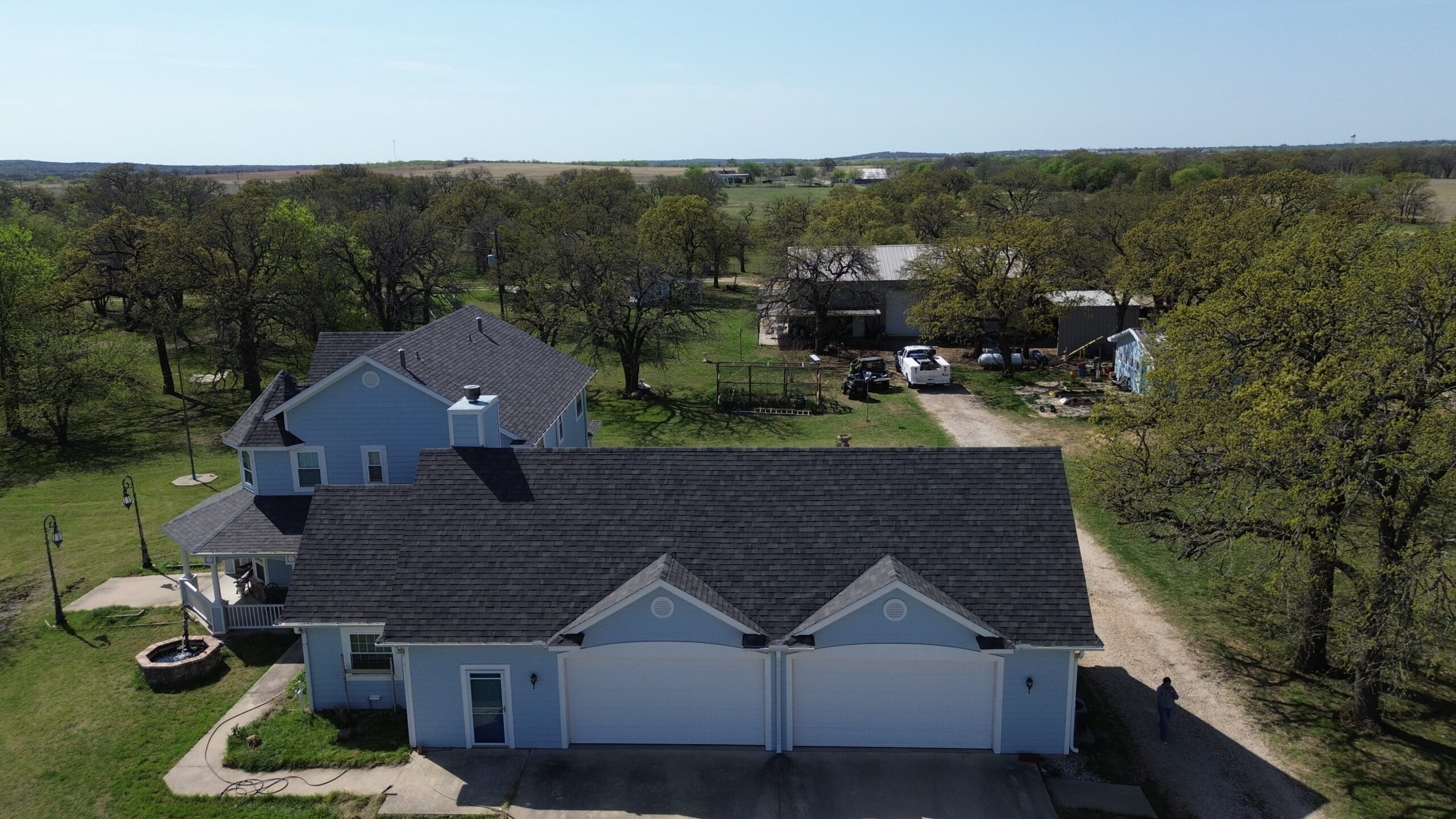
Material selection has a direct impact on the energy performance of a commercial roofing system. Modern roofing products offer different combinations of reflectivity, insulation compatibility, durability, and maintenance requirements, allowing businesses to select systems that align with their operational goals.
No single roofing material is ideal for every commercial building. Climate, building use, budget, maintenance expectations, and local weather conditions all influence the most appropriate choice. Understanding the characteristics of common roofing materials helps property owners make informed investment decisions.
TPO Roofing
Thermoplastic Polyolefin, commonly known as TPO, has become one of the most widely installed energy-efficient commercial roofing materials. Its bright reflective surface reduces solar heat absorption by reflecting a significant portion of incoming sunlight away from the building.
TPO membranes are manufactured in large sheets, reducing the number of seams across the roof. Heat-welded seams create durable waterproof connections while supporting long-term weather resistance. The combination of energy efficiency, durability, and relatively straightforward installation makes TPO a popular option for office buildings, retail centers, educational facilities, and warehouses.
Many businesses select TPO roofing because it balances initial installation costs with long-term utility savings. Proper installation further improves its thermal performance by ensuring seams remain watertight and insulation remains fully protected.
PVC Roofing
Polyvinyl Chloride, or PVC roofing, provides another highly reflective commercial roofing option. Like TPO, PVC membranes reflect sunlight effectively while helping reduce rooftop temperatures during periods of intense solar exposure.
PVC roofing also offers excellent resistance to chemicals, grease, and industrial contaminants. This makes it particularly suitable for restaurants, manufacturing facilities, food processing plants, and laboratories where rooftop exposure to chemical substances may occur.
Heat-welded seams contribute to the membrane’s waterproof integrity while reducing maintenance requirements over its service life. Although PVC systems often involve a higher initial investment, many businesses appreciate their combination of energy efficiency, durability, and long-term reliability.
Cool Roof Coatings
Cool roof coatings represent another strategy for improving energy efficiency without completely replacing an existing roofing system. These specialized coatings are applied over compatible roof surfaces to increase solar reflectivity and reduce heat absorption.
Many cool roof coatings contain highly reflective pigments that help maintain lower roof temperatures during hot weather. Cooler roof surfaces reduce heat transfer into the building, allowing air conditioning systems to operate more efficiently.
Proper surface preparation remains essential before coating application. Contractors carefully clean and inspect the existing roof to ensure the coating bonds effectively and delivers consistent long-term performance.
Cool roof coatings may also extend the service life of certain roofing systems by reducing thermal expansion and protecting underlying materials from prolonged ultraviolet exposure.
Metal Roofing Systems
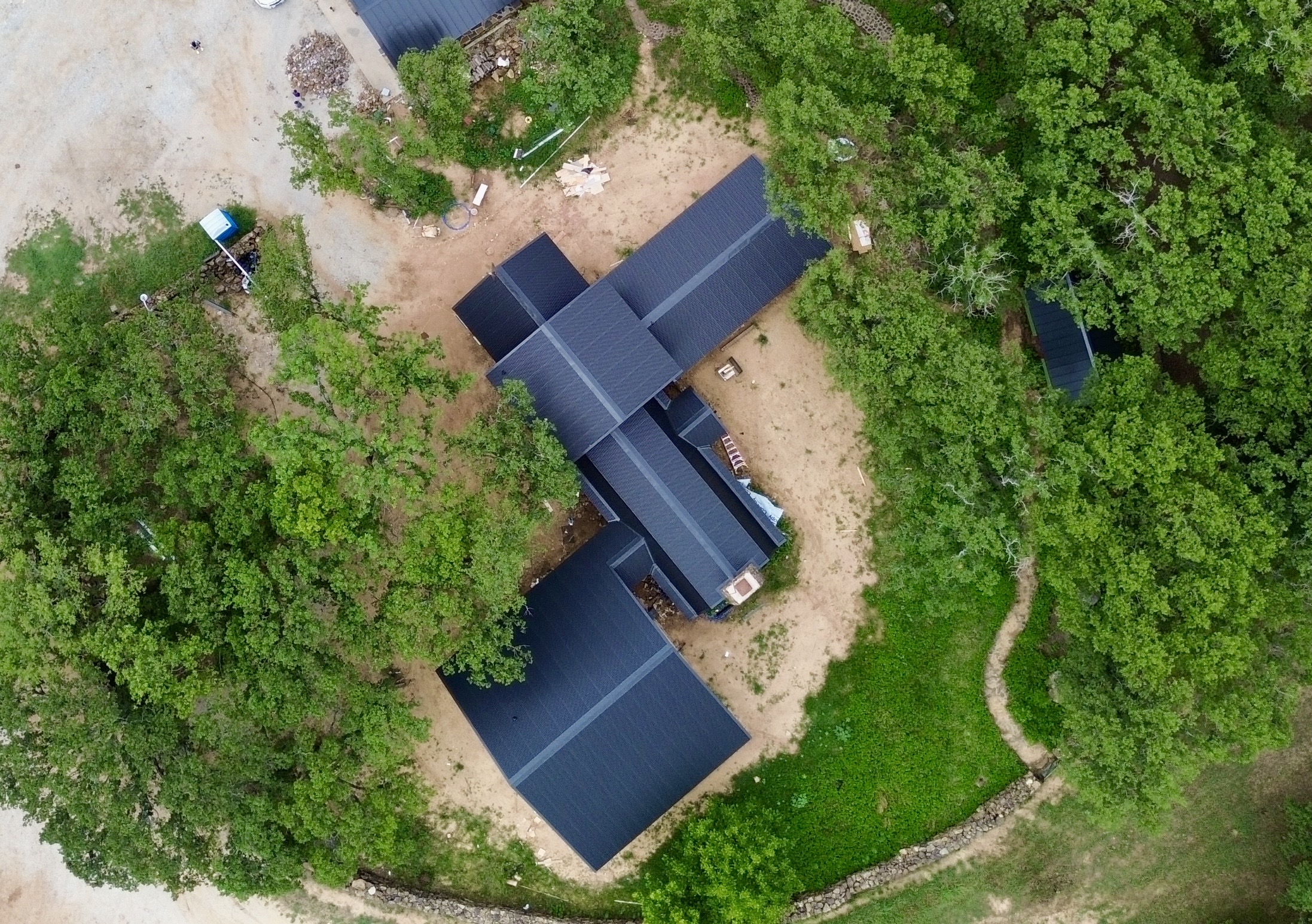
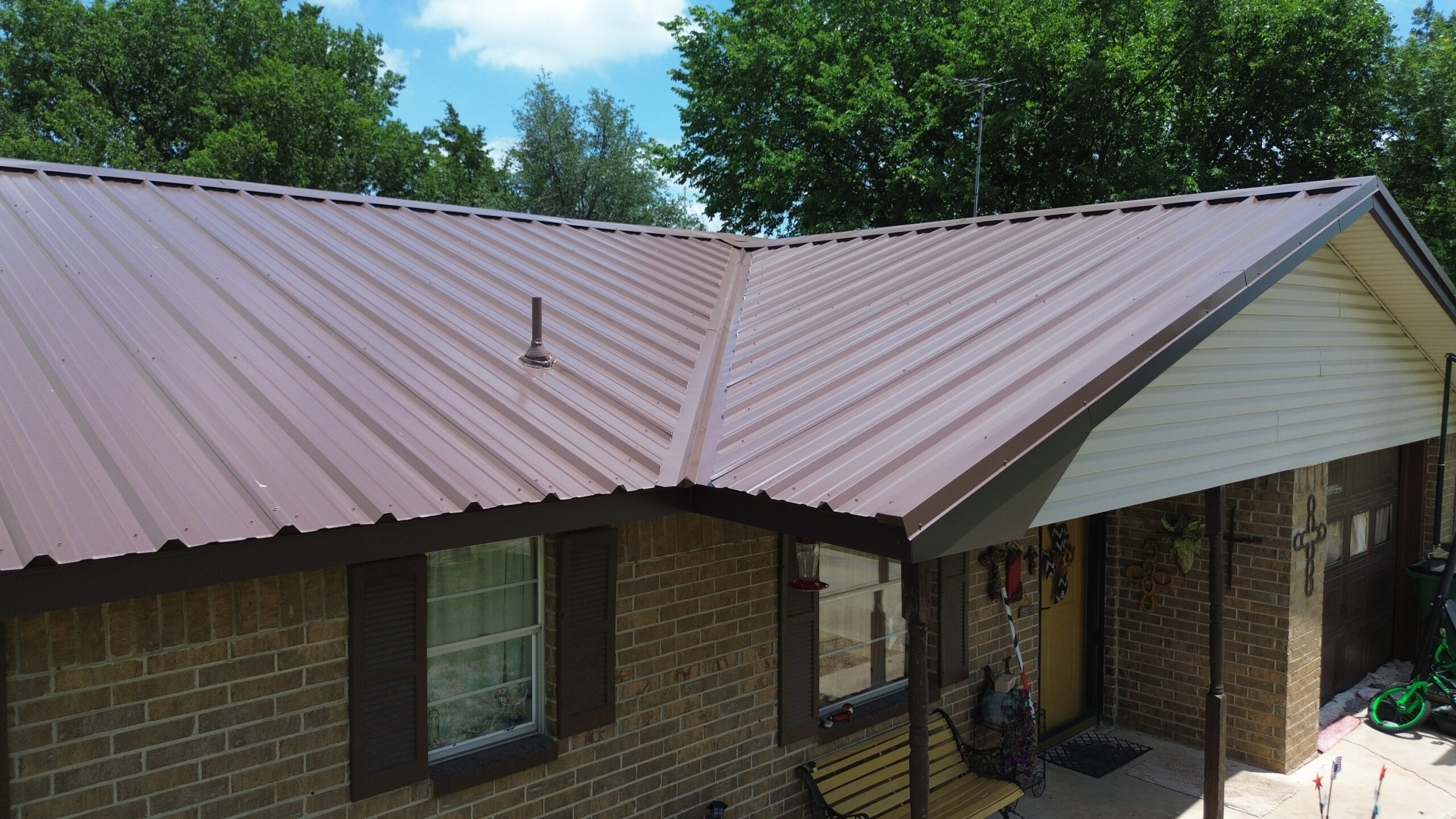
Metal roofing has gained popularity among commercial property owners seeking long-lasting and energy-efficient roofing solutions. Modern metal roofs often feature reflective finishes that minimize solar heat absorption while providing excellent durability.
Many metal roofing systems are compatible with additional insulation layers, allowing contractors to create highly energy-efficient roof assemblies. Their structural strength also makes them well suited for supporting rooftop solar panel installations.
Metal roofs require relatively little maintenance and often provide decades of reliable service when installed correctly. Although installation costs may be higher than some membrane systems, the combination of longevity and energy performance makes metal roofing an attractive long-term investment.
The Importance of High-Performance Roof Insulation
While reflective roofing materials reduce heat entering the building, insulation controls how quickly heat moves through the roofing assembly. High-performance insulation remains one of the most effective ways to improve commercial building energy efficiency regardless of climate.
Commercial roofing projects commonly use rigid insulation boards designed specifically for roofing applications. These materials provide high thermal resistance while supporting the roofing membrane above. Proper insulation selection depends on local climate conditions, building code requirements, and desired energy performance.
Installation quality is just as important as insulation thickness. Gaps, compression, or uneven placement reduce thermal performance by creating pathways where heat can bypass the insulation layer. Contractors carefully stagger insulation joints and secure boards firmly to maintain consistent coverage.
Tapered insulation systems offer an additional benefit by improving drainage while maintaining thermal performance. These specially designed boards create gentle slopes that direct rainwater toward drains without requiring structural modifications to the building.
Effective insulation also contributes to occupant comfort. Buildings maintain more consistent indoor temperatures throughout changing weather conditions, reducing hot and cold spots while improving working environments for employees and visitors.
Reflective Roofing and Solar Heat Reduction
Reflective roofing technology has become a defining feature of modern energy-efficient commercial buildings. Rather than absorbing large amounts of solar radiation, reflective roofing surfaces redirect much of the sun’s energy back into the atmosphere.
Lower roof surface temperatures reduce the amount of heat entering the building during warm weather. As indoor spaces remain cooler, air conditioning systems require less electricity to maintain comfortable conditions. Over time, these energy savings can significantly reduce operating expenses.
Reflective roofing also decreases thermal expansion caused by repeated heating and cooling cycles. Roofing materials experience less stress as temperature fluctuations become less extreme, helping improve long-term durability and reducing maintenance requirements.
Many municipalities encourage or require reflective roofing systems on certain commercial buildings because they help reduce urban heat island effects. Cooler rooftops contribute to lower surrounding air temperatures, benefiting both individual buildings and the broader community.
The effectiveness of reflective roofing depends on proper installation and ongoing maintenance. Dirt, debris, and weathering can gradually reduce surface reflectivity if roofs are not cleaned and inspected regularly. Maintaining the roof helps preserve its energy-saving capabilities throughout its service life.
Common Mistakes That Reduce Roofing Energy Efficiency
Even high-quality roofing materials cannot deliver their full energy-saving potential if installation mistakes occur. Avoiding common errors helps businesses maximize the return on their investment while ensuring the roofing system performs as designed.
One of the most common mistakes is installing insufficient insulation or leaving gaps between insulation boards. These openings create thermal bridges that allow heat to move through the roofing system more easily, reducing overall efficiency.
Poor air sealing around rooftop penetrations is another frequent issue. Gaps surrounding HVAC equipment, vents, skylights, and flashing allow conditioned indoor air to escape while permitting outside air to enter. These leaks increase heating and cooling demands throughout the year.
Improper drainage design can also reduce energy performance. Standing water accelerates roofing material deterioration while increasing the likelihood of moisture entering insulation layers. Wet insulation loses much of its thermal resistance, making moisture control essential for long-term efficiency.
Some projects also overlook the importance of selecting roofing materials appropriate for the local climate. Materials that perform exceptionally well in one region may provide less benefit under different environmental conditions. Climate-specific planning helps optimize long-term performance.
Proper Roof Deck Preparation
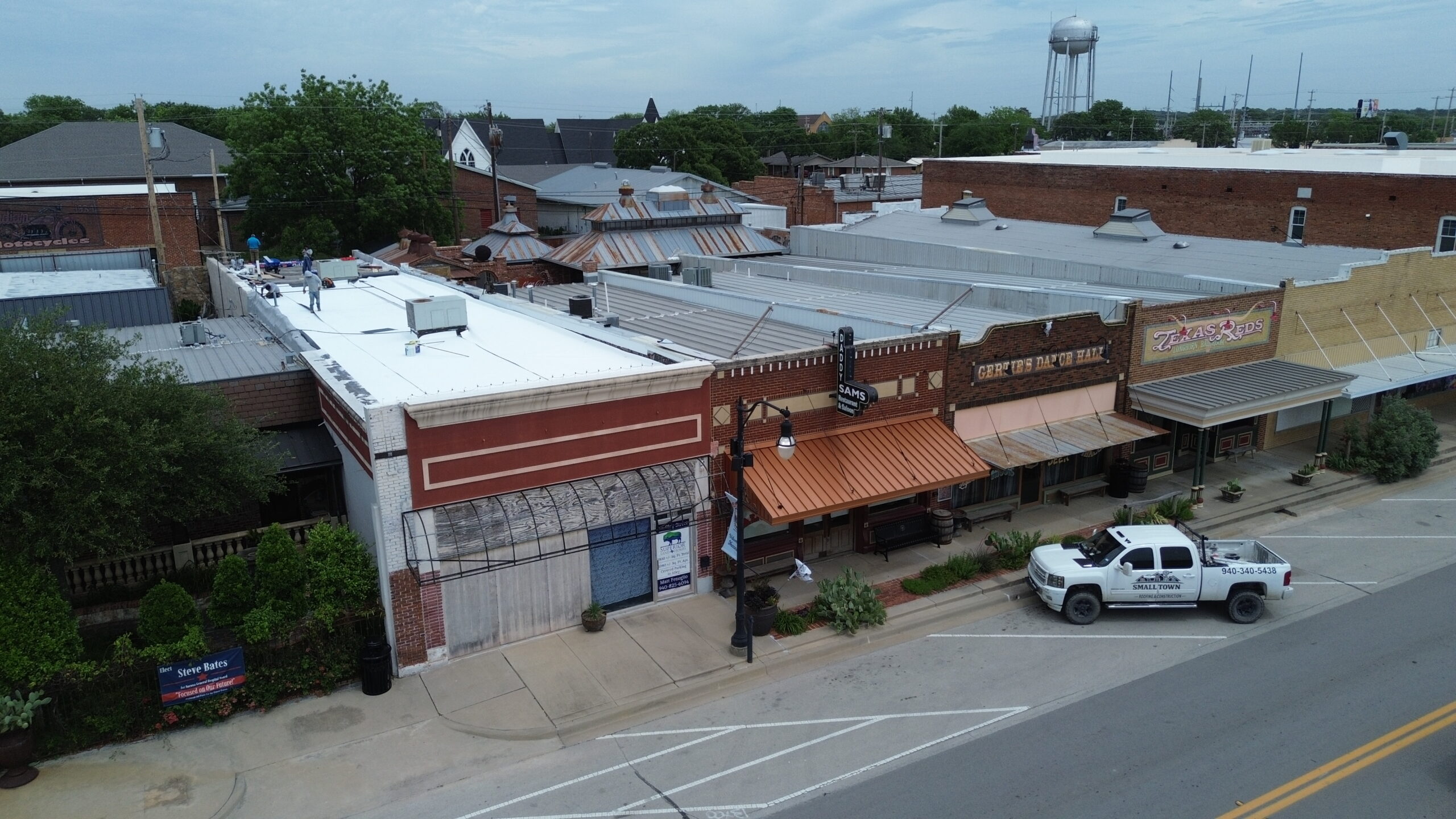
Every energy-efficient commercial roofing system begins with proper roof deck preparation. The roof deck provides the structural foundation for the entire roofing assembly, and its condition directly affects the performance of insulation, membranes, and vapor barriers. Even the most advanced roofing materials cannot achieve their intended energy efficiency if they are installed over a damaged or poorly prepared surface.
Before installation begins, contractors inspect the roof deck for moisture damage, cracks, corrosion, loose fasteners, and structural weaknesses. Any deteriorated sections are repaired or replaced to create a stable foundation for the new roofing system. Addressing these issues early prevents future problems that could compromise insulation performance or allow moisture infiltration.
The roof deck should also be thoroughly cleaned before new materials are installed. Dust, debris, grease, and leftover construction materials can interfere with adhesives and reduce the effectiveness of roofing membranes. A clean surface promotes stronger bonding while improving the long-term durability of the roofing assembly.
Surface levelness is another important consideration. Uneven areas may create low spots where rainwater collects after storms. Correcting these imperfections before installation supports proper drainage and reduces unnecessary stress on roofing materials throughout their service life.
Contractors also verify that the roof deck can safely support the combined weight of insulation, roofing membranes, rooftop equipment, and any future additions such as solar panels. Structural assessments ensure the completed roof performs efficiently without placing excessive loads on the building.
Installing Vapor Barriers for Better Thermal Performance
Moisture is one of the greatest threats to energy-efficient commercial roofing systems. Even small amounts of trapped moisture can reduce insulation effectiveness, increase energy consumption, and contribute to long-term structural damage. Vapor barriers help control this problem by limiting moisture movement through the roofing assembly.
A vapor barrier is installed between the roof deck and insulation when building conditions require additional moisture protection. Its primary function is to prevent water vapor generated inside the building from entering the insulation layer where condensation may occur.
The selection of an appropriate vapor barrier depends on several factors, including climate, indoor humidity levels, building occupancy, and roofing system design. Warehouses, food processing facilities, manufacturing plants, and buildings with high indoor humidity often benefit from carefully designed vapor control systems.
Proper installation is essential for effective moisture management. Seams must be sealed carefully, penetrations should be properly detailed, and transitions between roofing components require close attention. Small installation errors may allow moisture to bypass the barrier and reduce overall energy performance.
Contractors also coordinate vapor barrier installation with insulation placement to ensure continuous protection across the roof surface. Maintaining uninterrupted moisture control contributes to better thermal resistance while protecting the roofing assembly from long-term deterioration.
Insulation Installation Best Practices
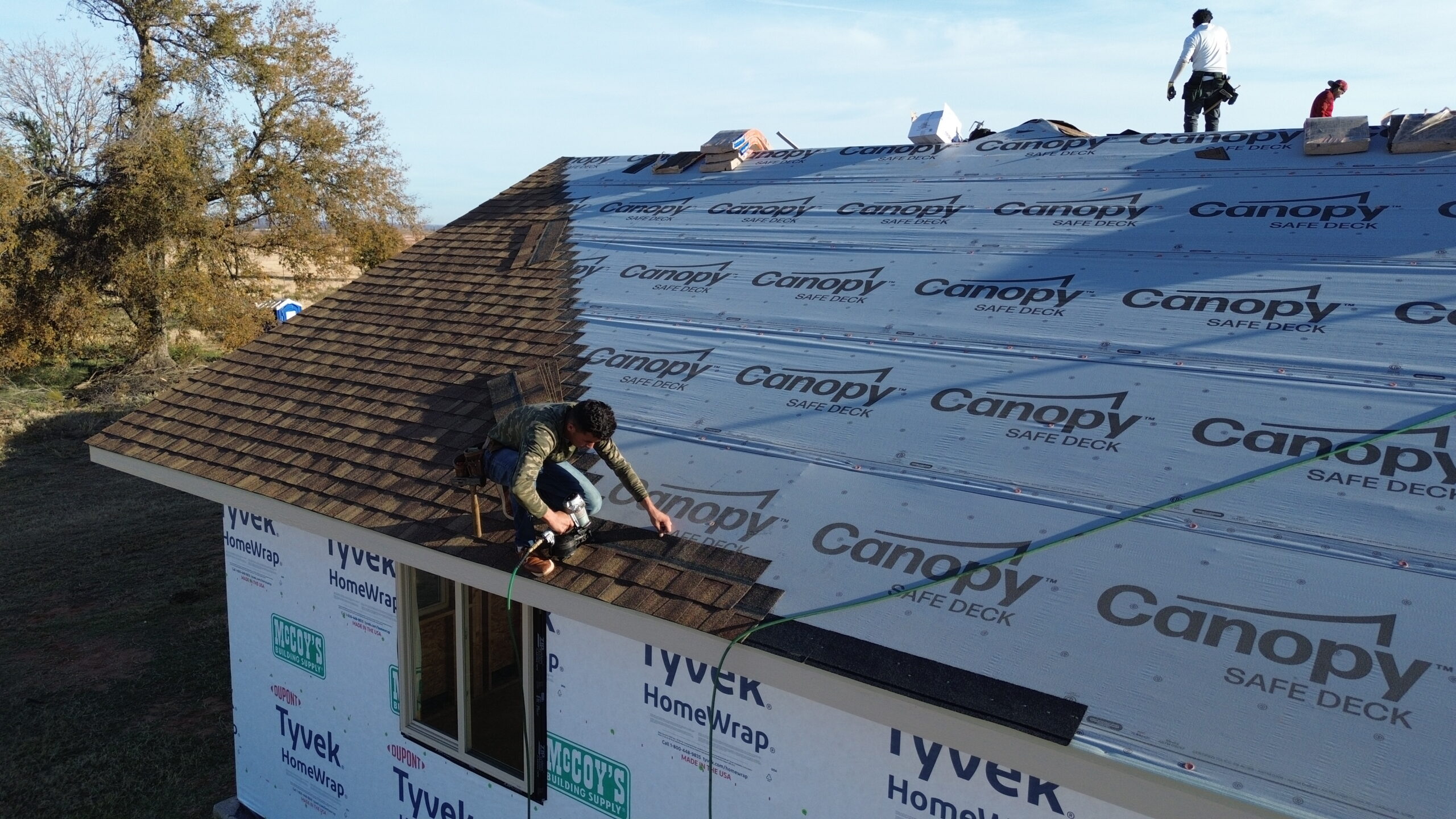
Roof insulation serves as the primary thermal barrier within an energy-efficient commercial roofing system. While selecting high-quality insulation is important, installation quality ultimately determines how effectively the insulation performs throughout the building’s lifespan.
Insulation boards should be installed tightly together to minimize gaps between adjacent panels. Even small openings create thermal bridges that allow heat to transfer more easily through the roof. Careful placement improves thermal consistency across the entire roofing system.
Many contractors stagger insulation joints rather than aligning them in continuous rows. This installation pattern reduces direct heat pathways while increasing overall structural stability. Proper staggering also improves load distribution beneath the roofing membrane.
Fastening methods vary depending on the roofing system. Some insulation boards are mechanically attached, while others use specially formulated adhesives. Regardless of the attachment method, insulation must remain securely positioned to prevent movement during temperature changes or strong winds.
Multiple insulation layers are frequently installed on commercial roofs to improve thermal performance. Layering insulation while offsetting the joints further reduces thermal bridging and enhances energy efficiency without significantly increasing roof thickness.
Tapered insulation systems offer an additional advantage by combining insulation with improved drainage. These specially designed panels create gradual slopes that direct water toward drains while maintaining consistent thermal protection throughout the roof assembly.
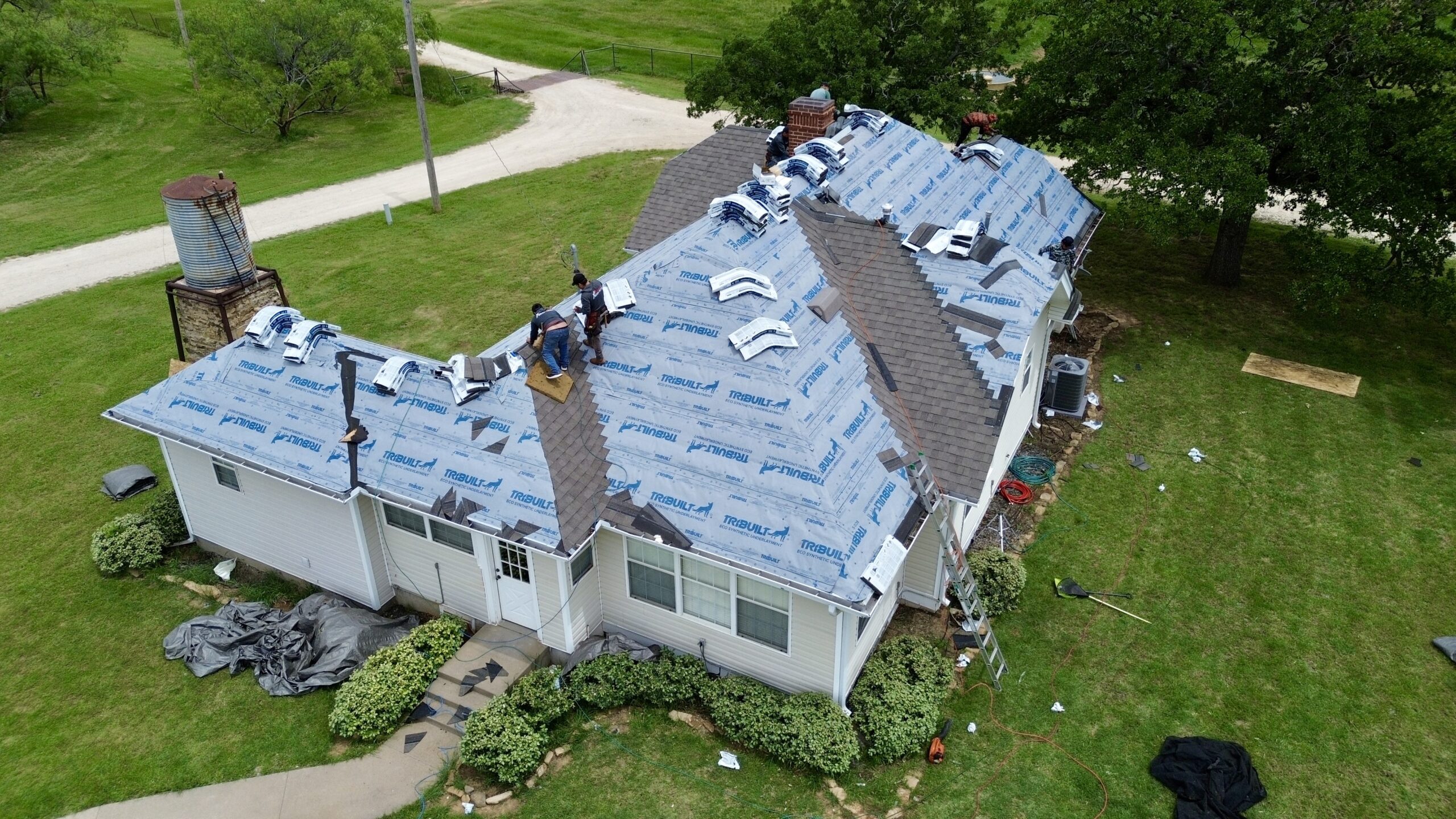
Installation crews also inspect insulation continuously as work progresses. Damaged boards, compressed insulation, or improperly fitted panels should be replaced immediately to preserve the roof’s energy-saving capabilities.
Air Sealing During Commercial Roof Installation
Air leakage can significantly reduce the energy performance of a commercial building even when premium insulation and reflective roofing materials are used. Preventing unwanted air movement is therefore an essential part of every energy-efficient roof installation strategy.
Air leaks commonly occur around roof penetrations, HVAC equipment, skylights, expansion joints, and flashing connections. These openings allow conditioned indoor air to escape while permitting outdoor air to enter the building. As a result, heating and cooling systems must operate longer to maintain comfortable indoor temperatures.
Effective air sealing begins during the design phase by identifying locations where leakage is most likely to occur. Contractors then apply compatible sealants, flashing systems, and membrane details that create continuous airtight connections around these vulnerable areas.
Transitions between roofing components deserve particular attention. Changes in material type, roof elevation, or structural movement require flexible sealing methods that maintain airtight performance despite expansion and contraction caused by changing temperatures.
Proper air sealing also improves indoor comfort by reducing drafts and minimizing temperature variations throughout the building. Occupants benefit from more consistent environmental conditions while businesses experience lower utility expenses and improved HVAC efficiency.
Routine inspections following installation help verify that air barriers remain intact. Early identification of damaged sealants or membrane separations prevents minor air leaks from becoming larger energy losses over time.
Cool Roof Installation Techniques
Cool roofs have become one of the most effective strategies for improving commercial building energy efficiency, particularly in regions experiencing high levels of solar exposure. Their success depends not only on reflective roofing materials but also on proper installation techniques that maximize long-term performance.
Installation begins by selecting roofing materials with high solar reflectance and thermal emittance. These properties enable the roof to reflect sunlight while releasing absorbed heat more efficiently than conventional roofing materials.
Contractors carefully position reflective roofing membranes to minimize wrinkles and maintain consistent surface appearance. Smooth installation improves water drainage while preserving the reflective characteristics of the roofing material.
Heat-welded or properly sealed membrane seams contribute to both waterproofing and thermal performance. Well-constructed seams reduce moisture infiltration while maintaining continuous reflectivity across the roof surface.
Reflective coatings may also be applied to compatible roofing systems as part of the installation process. Surface preparation remains critical because dirt, grease, and loose materials can reduce coating adhesion and long-term effectiveness.
Roof accessories should also support overall energy efficiency. Light-colored flashing components, reflective edge details, and compatible rooftop equipment finishes help maintain consistent thermal performance throughout the completed roofing system.
Maintaining the roof after installation is equally important. Periodic cleaning removes dirt and debris that gradually reduce reflectivity, allowing the roof to continue delivering energy savings throughout its service life.
Green Roofing Systems for Commercial Buildings
Green roofing systems combine traditional waterproof roofing assemblies with carefully designed vegetation layers to improve both energy efficiency and environmental performance. Although these systems require specialized planning and installation, they offer significant long-term benefits for many commercial properties.
A typical green roof includes several layers working together. Waterproof membranes protect the building, drainage layers remove excess water, root barriers prevent vegetation from damaging roofing materials, growing media support plant life, and carefully selected vegetation completes the system.
Vegetation naturally shades the roof surface, reducing solar heat absorption during warm weather. Plants also cool the surrounding environment through evapotranspiration, helping lower rooftop temperatures while reducing cooling demands inside the building.
Additional insulation provided by the growing media contributes to improved thermal performance throughout the year. Buildings experience more stable indoor temperatures while benefiting from reduced heating and cooling requirements.
Green roofs also improve stormwater management by temporarily retaining rainfall before gradually releasing it through drainage systems. This reduces runoff volume while decreasing pressure on municipal drainage infrastructure during heavy storms.
Successful installation requires close coordination between roofing specialists, structural engineers, and landscape professionals. Proper design ensures the building safely supports the additional weight while maintaining reliable waterproof protection beneath the vegetation.
Integrating Solar Panels with Commercial Roofing
Many businesses now view commercial roofing projects as opportunities to improve both energy efficiency and renewable energy production. Installing solar panels alongside a new roofing system allows property owners to maximize the long-term value of their investment.
Planning for solar integration begins before roof installation starts. Contractors evaluate structural capacity, roof orientation, shading conditions, and electrical infrastructure to determine the most suitable system design.
Roofing materials should be selected with long-term compatibility in mind. Durable membranes capable of lasting several decades reduce the likelihood that roofing repairs will require temporary removal of solar equipment during the system’s operational life.
Mounting systems should be carefully coordinated with the roofing assembly to maintain waterproof integrity. Improper attachment methods may create leak pathways or reduce membrane performance if not installed correctly.
Adequate spacing between solar panels supports maintenance access while promoting natural airflow beneath the panels. Improved ventilation helps regulate panel temperatures, allowing photovoltaic systems to operate more efficiently during periods of strong sunlight.
Future maintenance should also be considered during installation planning. Designing the roof to accommodate inspections, cleaning, and equipment servicing helps preserve both roofing performance and solar energy production over many years.
Quality Control During Energy Efficient Roof Installation
Quality control ensures that every energy-efficient roofing component performs according to design expectations. Without systematic inspection, small installation errors may reduce thermal performance and increase future operating costs.
Contractors conduct inspections throughout each stage of construction rather than waiting until installation has been completed. Early verification allows deficiencies to be corrected before additional roofing layers conceal the affected areas.
Insulation installation receives careful attention because gaps, damaged boards, or inconsistent fastening directly affect thermal performance. Supervisors verify that insulation remains continuous while confirming proper attachment methods have been followed.
Membrane seams, flashing details, vapor barriers, and air sealing components are also inspected before work progresses to the next phase. Proper documentation helps demonstrate compliance with manufacturer recommendations while supporting warranty requirements.
Moisture testing may be performed before roofing materials are installed over existing structures. Confirming that the roof deck remains dry protects insulation performance while reducing future moisture-related problems.
Communication between project managers, installers, and building owners further strengthens quality assurance. Regular progress updates allow questions to be addressed promptly while ensuring installation goals remain aligned throughout the project.
Comparing Energy Efficient Commercial Roofing Systems
Each commercial roofing system offers different strengths regarding energy efficiency, durability, maintenance requirements, and installation complexity. Comparing these characteristics helps businesses select the most appropriate solution for their specific operational needs.
| Roofing System | Energy Efficiency | Primary Advantage | Typical Lifespan | Best Application |
|---|---|---|---|---|
| TPO Roofing | Excellent | High solar reflectivity and energy savings | 20 to 30 years | Offices, schools, retail buildings |
| PVC Roofing | Excellent | Reflective surface with chemical resistance | 25 to 35 years | Restaurants, manufacturing facilities |
| Metal Roofing | Very High | Long lifespan and solar compatibility | 40 to 60 years | Industrial and commercial facilities |
| Cool Roof Coating | High | Improves reflectivity of existing roofs | 10 to 20 years before recoating | Roof restoration projects |
| Green Roofing System | Very High | Thermal insulation and environmental benefits | 40 years or more with proper maintenance | Office buildings and urban developments |
Selecting the right roofing system involves balancing installation costs, expected energy savings, maintenance requirements, climate conditions, and long-term business objectives. A well-planned installation ensures these materials perform at their highest potential while creating a roofing system that supports lower operating costs and improved building efficiency.
Maintaining Energy Efficient Commercial Roofs
An energy-efficient commercial roof continues delivering value only when it receives consistent maintenance throughout its service life. Even the most advanced roofing system gradually experiences wear from sunlight, rain, temperature fluctuations, and regular rooftop activity. Routine maintenance helps preserve its thermal performance while reducing the likelihood of expensive repairs.
Professional roof inspections should be scheduled at least twice each year, typically during the spring and fall. Additional inspections are recommended after severe storms, heavy snowfall, or high-wind events that may have affected the roofing system. Early detection of small problems prevents them from developing into larger issues that reduce energy efficiency.
Cleaning the roof surface is another important maintenance task. Dirt, leaves, dust, and debris gradually accumulate on commercial roofs and may reduce the reflectivity of cool roofing materials. A clean reflective surface continues redirecting solar heat more effectively, allowing the building to maintain lower cooling costs.
Drainage systems also require regular attention. Roof drains, gutters, downspouts, and scuppers should remain free from obstructions so rainwater can flow away efficiently. Standing water increases the risk of membrane deterioration and moisture infiltration, both of which negatively affect insulation performance.
Roof penetrations should be inspected carefully during every maintenance visit. Flashing around HVAC equipment, skylights, vents, antennas, and mechanical supports may loosen over time because of thermal expansion and contraction. Prompt repairs help preserve both waterproofing and airtight performance.
Building owners should also maintain detailed maintenance records. Inspection reports, repair histories, photographs, and warranty documentation provide valuable information that supports long-term asset management and simplifies future maintenance planning.
Factors That Impact Long-Term Energy Performance
The energy efficiency of a commercial roof is influenced by many factors beyond the initial installation. While proper construction creates a strong foundation, ongoing environmental conditions and maintenance practices determine how effectively the roof performs over the coming decades.
Climate remains one of the most significant influences. Buildings located in areas with intense sunlight, frequent storms, heavy snowfall, or high humidity experience different demands than those in milder environments. Roofing materials selected for local weather conditions generally maintain better long-term performance.
Ultraviolet radiation gradually affects every roofing material. Although modern membranes are designed to resist prolonged sun exposure, years of ultraviolet radiation eventually contribute to surface aging. Routine inspections help identify early signs of deterioration before energy performance declines.
Roof traffic also plays an important role. Commercial buildings frequently require technicians to service HVAC equipment, communication systems, or solar installations. Excessive foot traffic without designated walkways may damage roofing materials and create pathways for moisture infiltration.
Moisture control remains equally important throughout the roof’s lifespan. Even minor leaks that remain undetected for extended periods can saturate insulation, reducing its thermal resistance and increasing heating and cooling costs. Rapid repair of leaks protects both the roofing system and building interior.
The quality of previous repairs also influences future performance. Temporary fixes or incompatible repair materials may create weak points that reduce overall efficiency. Professional repairs using manufacturer-approved materials help maintain consistent roof performance while preserving warranty coverage.
Cost Versus Energy Savings
Businesses evaluating energy-efficient roofing often compare higher installation costs with the potential for long-term operational savings. While advanced roofing systems may require a larger initial investment, they frequently deliver financial benefits throughout their service life.
Reflective membranes, premium insulation, vapor barriers, and improved installation techniques generally increase project costs compared to basic roofing systems. However, these features reduce heating and cooling demands, allowing businesses to recover part of their investment through lower monthly utility expenses.
Energy-efficient roofs also reduce strain on HVAC systems. Heating and cooling equipment operates for fewer hours while maintaining comfortable indoor conditions, resulting in lower maintenance costs and longer equipment lifespan. These indirect savings contribute significantly to the overall financial value of the roofing system.
Maintenance costs may also decrease because stable roof temperatures reduce thermal expansion and contraction. Roofing materials exposed to smaller temperature variations generally experience less stress, helping extend membrane life and reducing repair frequency.
When evaluating commercial roofing investments, businesses should consider lifecycle costs rather than installation expenses alone. Factors that contribute to overall value include:
- Initial installation cost.
- Annual energy savings.
- Expected roof lifespan.
- Maintenance requirements.
- Repair frequency.
- HVAC operating costs.
- Potential warranty benefits.
- Property value improvements.
Looking beyond the initial purchase price often demonstrates that high-quality energy-efficient roofing provides better long-term financial performance than less efficient alternatives.
Government Incentives and Sustainability Programs
Many governments and local authorities encourage businesses to improve building energy efficiency through financial incentives and sustainability initiatives. These programs help offset installation costs while promoting environmentally responsible construction practices.
Energy-efficient roofing systems may qualify for tax incentives, rebates, grants, or utility-sponsored energy efficiency programs depending on local regulations. Businesses should research available opportunities before beginning construction because eligibility requirements often vary by region.
Some municipalities also encourage reflective roofing systems as part of broader urban heat reduction strategies. Lower rooftop temperatures contribute to reduced cooling demand across entire communities while improving environmental conditions in densely developed areas.
Green building certification programs recognize commercial properties that incorporate sustainable roofing practices. Energy-efficient roofing systems may contribute toward certifications by improving thermal performance, reducing energy consumption, and supporting responsible environmental management.
Solar-ready roofing systems may also qualify for renewable energy incentive programs when photovoltaic equipment is installed. Combining energy-efficient roofing with on-site electricity generation allows businesses to maximize both financial and environmental benefits.
Property owners should consult qualified roofing professionals, energy consultants, or local government agencies before beginning construction. Understanding available incentive programs early in the planning process helps businesses make informed investment decisions while maximizing potential savings.
Future Trends in Energy Efficient Commercial Roofing
Commercial roofing technology continues advancing as manufacturers develop innovative materials and smarter installation techniques. These improvements help businesses achieve greater energy efficiency while reducing maintenance requirements and environmental impact.
One of the most significant trends involves the development of advanced reflective roofing membranes. New surface technologies maintain higher solar reflectivity for longer periods, even after years of exposure to dirt, weather, and ultraviolet radiation. Improved durability allows buildings to sustain energy savings throughout the roof’s service life.
Smart roofing systems are also becoming increasingly common. Integrated sensors can monitor roof temperature, moisture levels, structural movement, and drainage performance in real time. Facility managers receive early warnings when conditions change, allowing maintenance teams to address problems before energy efficiency is affected.
Solar integration continues evolving beyond traditional photovoltaic panels. Building-integrated solar technologies are being developed to combine roofing materials and renewable energy generation into a single roofing system. These innovations may simplify installation while increasing available roof space for electricity production.
Recyclable and environmentally responsible roofing materials are receiving greater attention as sustainability becomes a priority for commercial property owners. Manufacturers continue improving production methods while developing products that reduce waste and support circular construction practices.
Digital inspection technology is also transforming roof maintenance. Drones, thermal imaging cameras, and artificial intelligence assist contractors in identifying heat loss, moisture infiltration, and insulation deficiencies with greater speed and accuracy. These tools improve maintenance planning while reducing inspection costs.
Another emerging trend involves enhanced insulation systems that provide greater thermal performance without significantly increasing roof thickness. Improved material technology allows commercial buildings to achieve higher energy efficiency while maintaining structural flexibility.
Frequently Asked Questions
What makes a commercial roof energy efficient?
An energy-efficient commercial roof combines reflective roofing materials, high-performance insulation, effective air sealing, moisture control, and proper installation techniques. Together, these features reduce heat transfer and lower heating and cooling demands.
Which roofing material offers the best energy savings?
TPO, PVC, reflective metal roofing, and properly designed green roofing systems are among the most energy-efficient options. The best choice depends on the building’s climate, operational requirements, maintenance expectations, and budget.
Can an existing commercial roof be improved for better energy efficiency?
Yes. Many existing roofs can be upgraded through improved insulation, reflective roof coatings, air sealing improvements, or partial system replacements. A professional roof assessment helps determine the most appropriate solution.
How often should an energy-efficient commercial roof be inspected?
Most commercial roofing professionals recommend inspections at least twice each year and after severe weather events. Routine maintenance helps preserve both waterproofing and thermal performance.
Are energy-efficient commercial roofs worth the investment?
In many cases, yes. Although installation costs may be higher initially, businesses often benefit from reduced utility bills, lower HVAC maintenance expenses, longer roof lifespan, and improved property value over time.
Final Thoughts
Energy-efficient commercial roof installation is no longer simply an optional building upgrade. It has become an important investment strategy for businesses seeking lower operating costs, improved sustainability, and greater long-term building performance. Every decision made during planning and installation influences how efficiently the roof performs throughout its lifespan.
Selecting appropriate roofing materials, installing high-quality insulation, maintaining airtight construction, and following professional installation practices all contribute to measurable energy savings. When combined with routine maintenance and regular inspections, these strategies help businesses maximize the value of their roofing investment.
As roofing technologies continue evolving, commercial property owners will gain access to even more efficient materials, smarter monitoring systems, and innovative renewable energy solutions. Organizations that prioritize energy-efficient roofing today position themselves to benefit from lower operating expenses and improved environmental performance well into the future.
Conclusion
Energy-efficient commercial roof installation combines thoughtful planning, advanced materials, and skilled workmanship to create roofing systems that perform far beyond basic weather protection. Reflective roofing membranes, high-performance insulation, vapor barriers, proper air sealing, and effective drainage all work together to reduce heat transfer, improve indoor comfort, and lower energy consumption throughout the year.
Successful installation depends not only on selecting premium roofing materials but also on following proven construction techniques. Proper roof deck preparation, careful insulation placement, accurate membrane installation, and comprehensive quality control ensure every component performs as intended. These practices maximize thermal efficiency while supporting long-term durability and weather resistance.
Ongoing maintenance remains equally important after installation. Regular inspections, timely repairs, clean drainage systems, and consistent monitoring preserve the roof’s energy-saving capabilities while extending its service life. Businesses that adopt proactive maintenance programs typically experience fewer unexpected repairs and greater long-term financial returns.
As sustainability goals continue shaping commercial construction, energy-efficient roofing has become an essential part of modern building design. With continuous advances in roofing technology, smart monitoring systems, reflective materials, and renewable energy integration, commercial property owners have more opportunities than ever to improve efficiency while reducing environmental impact. Investing in energy-efficient commercial roof installation provides lasting value through lower operating costs, enhanced building performance, and a stronger foundation for sustainable business operations.