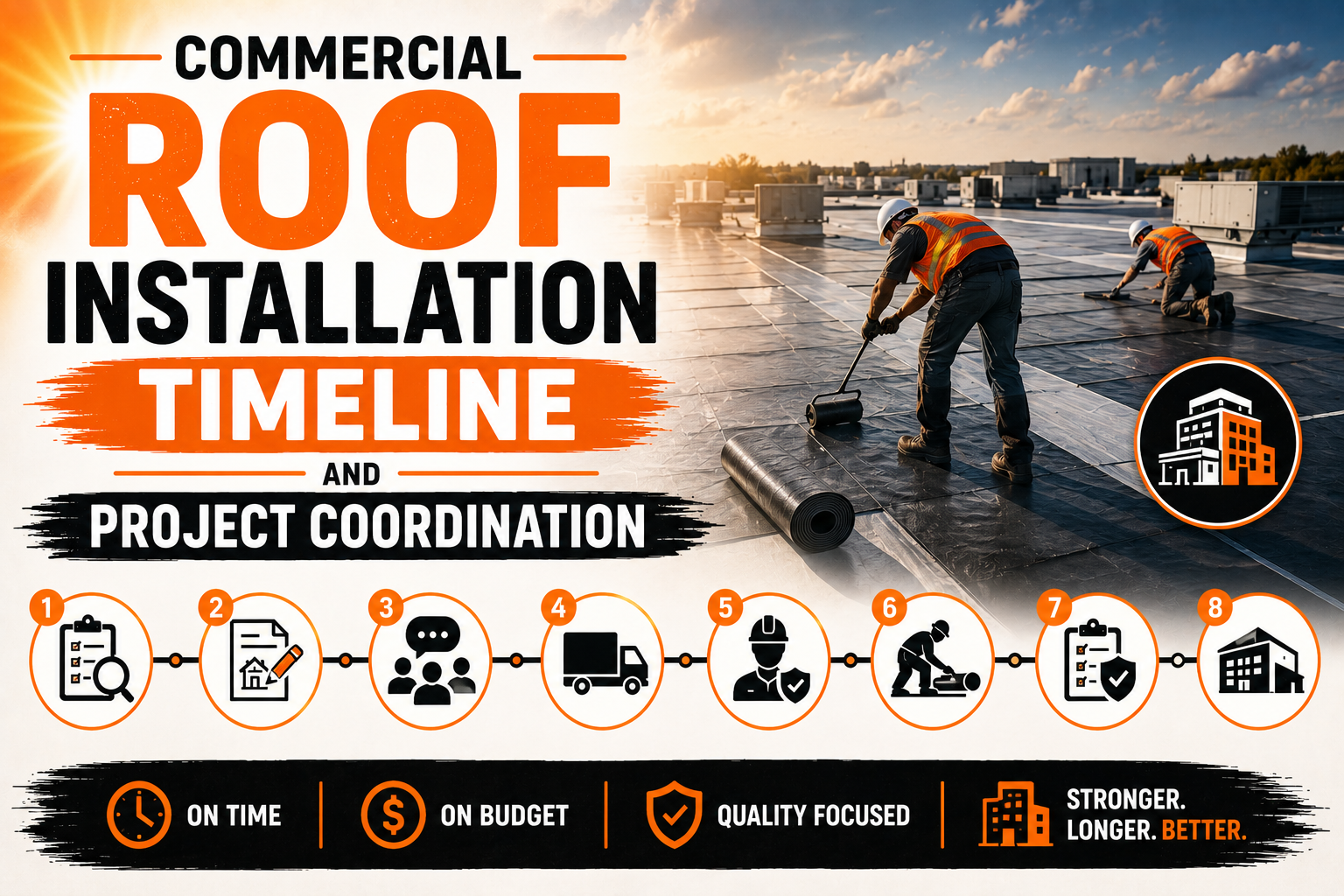
Commercial Roof Installation Timeline and Project Coordination Steps
Introduction
A commercial roof installation is one of the most significant construction projects a business can undertake. Whether replacing an aging roof or installing a roofing system on a newly constructed building, the project requires careful planning, precise coordination, and continuous communication among everyone involved. Unlike smaller residential roofing jobs, commercial installations often involve large roof areas, specialized materials, multiple contractors, and strict project schedules that must be managed efficiently.
A successful roofing project is not determined solely by the quality of the finished roof. Meeting deadlines, minimizing business disruptions, maintaining workplace safety, and ensuring every stage is completed in the correct sequence are equally important. Proper project coordination helps prevent delays, controls costs, and allows contractors to respond effectively when unexpected challenges arise.
Commercial roofing projects are influenced by many factors, including building size, roofing material selection, weather conditions, structural requirements, and the availability of labor and materials. Each of these elements affects the overall project timeline, making advance planning essential for keeping construction on schedule.
Modern project management techniques have significantly improved the efficiency of commercial roof installations. Digital scheduling tools, detailed communication plans, and structured quality control processes allow contractors to coordinate complex roofing projects more effectively than ever before. Businesses that understand these coordination strategies can better prepare for construction while making informed decisions throughout the project.
This guide explains the complete commercial roof installation timeline, explores the planning steps required before work begins, and examines how effective project coordination contributes to a successful roofing installation. By understanding each phase of the process, building owners and facility managers can work more confidently with contractors while ensuring the project progresses smoothly from planning through completion.
Why a Well-Planned Roofing Timeline Matters
Every commercial roofing project follows a series of carefully organized steps that build upon one another. Skipping or rushing any stage increases the likelihood of delays, quality issues, or unexpected costs later in the project. A well-planned timeline ensures that each task is completed at the appropriate time while maintaining steady progress toward project completion.
Planning begins long before workers arrive at the construction site. Contractors evaluate the existing roof, develop project schedules, order materials, coordinate subcontractors, and establish safety procedures before installation begins. These early activities create the foundation for efficient construction.
Businesses also benefit from predictable scheduling because commercial roof installation often takes place while daily operations continue. Office buildings, retail centers, hospitals, schools, and manufacturing facilities frequently remain occupied during construction, making careful scheduling essential for minimizing disruptions to employees, customers, and tenants.
A detailed project timeline improves communication between all stakeholders. Building owners understand when specific activities will occur, contractors coordinate labor and equipment more effectively, and suppliers schedule material deliveries according to construction progress. Clear expectations reduce confusion while helping everyone prepare for upcoming project milestones.
Financial planning also improves when project timelines are clearly defined. Businesses can better estimate labor expenses, equipment rentals, temporary operational adjustments, and other project-related costs. Effective scheduling reduces unnecessary downtime while improving overall budget management.
Another important benefit involves quality control. Contractors working within organized schedules have adequate time to complete inspections, verify workmanship, and correct any issues before progressing to the next installation stage. This systematic approach contributes to higher-quality roofing systems that perform reliably for many years.
Understanding the Typical Commercial Roof Installation Process
Although every commercial roofing project is unique, most installations follow a similar sequence of activities. Understanding this general process helps businesses prepare for construction while recognizing how individual tasks contribute to the finished roofing system.
The process begins with project planning and roof evaluation. Contractors inspect the building, assess structural conditions, discuss roofing options, and develop a detailed installation plan. This information forms the basis for scheduling, budgeting, and material selection.
Once planning is complete, contractors obtain necessary permits, order materials, and coordinate equipment deliveries. Construction begins only after these preparations have been completed and all required resources are available.
Existing roofing materials may need to be removed before new installation begins. Roof deck repairs, insulation placement, membrane installation, flashing work, and drainage improvements follow according to the project specifications. Each phase depends on the successful completion of the previous step.
Throughout construction, supervisors monitor quality, safety, and project progress. Routine inspections help identify any issues early while ensuring work continues according to manufacturer recommendations and applicable building codes.
The project concludes with final inspections, cleanup, warranty documentation, and owner orientation. Building owners receive information regarding maintenance recommendations, warranty requirements, and future inspection schedules that support long-term roof performance.
Although this sequence appears straightforward, successful execution requires careful coordination among roofing contractors, suppliers, engineers, building managers, inspectors, and other professionals participating in the project.
Factors That Influence the Project Timeline
Commercial roof installation timelines vary considerably because no two buildings present identical conditions. Several factors influence how long a project requires, making early evaluation an essential part of realistic scheduling.
Building size is one of the most obvious considerations. Larger roofs require additional materials, more labor, and longer installation periods than smaller commercial buildings. However, roof complexity often affects scheduling even more than overall size.
Buildings containing numerous skylights, HVAC units, exhaust systems, solar panels, or rooftop equipment require additional detailing around each penetration. These features increase installation time because contractors must carefully waterproof every transition while maintaining the roof’s overall integrity.
Roofing material selection also influences scheduling. Some systems install more quickly than others due to differences in attachment methods, curing times, seam construction, or weather sensitivity. Contractors consider these characteristics when developing project schedules.
Weather conditions remain another major influence. Rain, high winds, lightning, snow, or extreme temperatures may temporarily suspend roofing activities to protect both workers and roofing materials. Experienced contractors incorporate weather flexibility into project planning whenever possible.
Material availability can also affect construction schedules. Specialty roofing products, insulation systems, or custom flashing components occasionally require extended manufacturing or shipping times. Ordering materials early helps reduce delays caused by supply chain disruptions.
Other factors influencing project timelines include:
- Roof size and building design.
- Existing roof condition.
- Structural repair requirements.
- Roofing material selection.
- Weather conditions.
- Availability of skilled labor.
- Equipment access.
- Permit approval timelines.
Considering these factors together allows contractors to develop more accurate project schedules while preparing contingency plans for unexpected circumstances.
Initial Roof Inspection and Condition Assessment
Every commercial roof installation begins with a comprehensive inspection of the existing building. This assessment provides the information needed to determine project scope, identify potential challenges, and develop realistic construction schedules before installation begins.
Contractors examine the roof surface for visible signs of deterioration, including membrane damage, standing water, loose flashing, damaged insulation, and previous repair work. These observations help estimate the amount of preparation required before new roofing materials can be installed.
The roof deck also receives careful evaluation because structural integrity directly affects installation quality. Moisture damage, corrosion, deteriorated decking, or weakened structural components must be repaired before the new roofing system is installed.
Drainage systems are another important focus during the inspection process. Contractors evaluate roof drains, gutters, scuppers, and downspouts to ensure water will move efficiently away from the completed roofing system. Drainage improvements may become part of the installation plan if deficiencies are identified.
Interior inspections sometimes accompany rooftop evaluations. Water stains, ceiling damage, insulation moisture, or signs of structural movement inside the building provide additional information regarding existing roof performance and potential hidden problems.
Inspection findings are documented carefully through written reports, photographs, measurements, and recommendations. These records support project planning while helping building owners understand the scope of work before construction begins.
Budget Planning and Project Scheduling
Budget planning and scheduling work together throughout every commercial roofing project. Accurate cost estimates depend on realistic construction timelines, while detailed schedules help businesses allocate financial resources effectively throughout the installation process.
Contractors prepare project estimates based on roof measurements, material quantities, labor requirements, equipment needs, permit costs, disposal expenses, and any anticipated structural repairs. Transparent budgeting helps building owners understand how different project decisions affect overall costs.
Scheduling begins once the project scope has been established. Contractors identify major project milestones, estimate activity durations, coordinate material deliveries, and assign labor resources according to anticipated construction progress.
Many commercial roofing projects include contingency allowances within both the budget and schedule. These reserves provide flexibility if weather delays, hidden structural damage, or material shortages affect construction activities.
Building owners should review project schedules carefully before construction begins. Understanding when roofing work will occur allows businesses to coordinate employee access, customer activities, equipment maintenance, and other operational considerations around construction activities.
Regular schedule updates throughout the project also improve communication. Contractors can inform stakeholders about completed milestones, anticipated upcoming work, and any necessary adjustments caused by changing conditions or unforeseen challenges.
Selecting the Right Commercial Roofing Contractor
Choosing the right roofing contractor is one of the most important decisions affecting both project quality and schedule reliability. Experienced contractors bring technical knowledge, project management skills, and established coordination processes that help commercial roofing projects progress efficiently.
Contractors should possess appropriate licensing, insurance coverage, manufacturer certifications, and experience with commercial roofing systems similar to those being installed. Reviewing previous projects provides valuable insight into their workmanship and scheduling capabilities.
Communication skills are equally important. Contractors who provide detailed timelines, regular progress updates, and clear explanations help building owners remain informed throughout every stage of construction. Strong communication reduces misunderstandings while supporting faster decision-making when unexpected issues arise.
Project management capabilities also distinguish experienced commercial roofing contractors. Coordinating suppliers, subcontractors, inspectors, equipment operators, and safety personnel requires careful organization that extends well beyond roofing installation itself.
Businesses should request detailed written proposals that outline project scope, estimated timelines, warranty coverage, payment schedules, and quality control procedures. Comparing multiple proposals helps identify contractors offering the best balance of experience, reliability, and overall value.
Selecting a contractor based solely on the lowest price may increase long-term project risks. Quality workmanship, reliable scheduling, and professional coordination often provide greater value than modest savings achieved through less experienced providers.
Material Selection and Procurement Planning
Material selection influences every aspect of the commercial roof installation timeline. Roofing membranes, insulation systems, fasteners, flashing components, adhesives, and drainage products must all be selected before construction begins so procurement can proceed without unnecessary delays.
Contractors evaluate several factors when recommending roofing materials, including climate conditions, building use, expected roof traffic, energy efficiency goals, maintenance requirements, and available budget. The selected materials become the basis for detailed ordering schedules.
Procurement planning involves much more than purchasing roofing products. Contractors coordinate manufacturing lead times, transportation schedules, storage requirements, and phased deliveries that align with construction progress. Delivering materials in stages prevents overcrowding on the roof while improving job site organization.
Quality verification begins when materials arrive at the project site. Contractors inspect deliveries for shipping damage, verify product quantities, and confirm compatibility with project specifications before installation begins.
Careful procurement planning also reduces waste. Ordering appropriate material quantities while accounting for installation requirements helps control project costs without creating unnecessary surplus inventory.
Preparing the Building Before Installation Begins
The final stage before active construction involves preparing both the building and the job site for safe, efficient roofing operations. Proper preparation reduces disruptions while allowing installation crews to begin work according to schedule.
Contractors establish secure access routes for workers, equipment, and material deliveries while identifying restricted areas that protect building occupants during construction. Safety signage, temporary barriers, and designated loading zones help maintain organized site operations.
Building managers often notify employees, tenants, or customers regarding upcoming roofing activities. Advance communication allows occupants to prepare for temporary noise, restricted parking, modified entrances, or equipment movement around the property.
Rooftop mechanical equipment may also require temporary protection before roofing work begins. HVAC systems, communication equipment, skylights, and ventilation units are safeguarded to prevent accidental damage during construction.
Site Preparation and Safety Setup
Once planning has been completed and materials have arrived, the commercial roof installation enters the active construction phase. Before any roofing materials are removed or installed, contractors prepare the job site to create a safe and organized working environment. Proper site preparation reduces delays while protecting workers, building occupants, and surrounding property.
Temporary barriers are installed around the work area to prevent unauthorized access. Clearly marked pedestrian pathways and designated delivery zones help separate construction activities from normal business operations. These measures are especially important when offices, retail stores, schools, or healthcare facilities remain open during the project.
Roof access points are carefully organized to allow workers and materials to move efficiently throughout the day. Ladders, scaffolding, hoists, and cranes are positioned according to the project plan while ensuring emergency access remains available if needed.
Safety equipment is inspected before work begins each day. Fall protection systems, guardrails, warning lines, personal protective equipment, and emergency supplies are verified to ensure they remain in good working condition. Daily inspections help maintain compliance with workplace safety requirements while reducing accident risks.
Contractors also conduct pre-work meetings to review daily objectives, weather forecasts, equipment requirements, and potential hazards. These brief discussions improve communication while helping every member of the roofing crew understand their responsibilities before installation begins.
Roof Removal and Deck Preparation
Many commercial roofing projects involve replacing an existing roofing system before new materials can be installed. Roof removal requires careful planning because underlying structural conditions often become visible only after the old roofing materials have been removed.
Contractors typically remove roofing materials in sections rather than exposing the entire roof at once. This phased approach helps protect the building from unexpected weather while allowing installation to continue efficiently. It also reduces the amount of exposed roof deck at any given time.
Once the existing roofing materials have been removed, the roof deck undergoes another detailed inspection. Contractors check for moisture damage, structural deterioration, loose fasteners, corrosion, or other conditions that may affect the performance of the new roofing system.
Damaged decking is repaired or replaced before installation continues. Completing these repairs immediately prevents future structural issues while providing a stable foundation for insulation and roofing membranes.
The roof deck is then cleaned thoroughly to remove dust, debris, old adhesives, and loose materials. A clean surface improves the performance of adhesives, fasteners, and waterproof membranes while supporting long-term roof durability.
Throughout this stage, contractors coordinate closely with building owners to minimize disruption. Noise-producing activities, debris removal, and material transportation are often scheduled during periods that reduce interference with normal business operations.
Installing Insulation and Roofing Components
After the roof deck has been prepared, contractors begin installing the components that create the thermal and structural foundation of the new roofing system. Proper installation during this phase has a direct impact on energy efficiency, waterproofing performance, and long-term roof durability.
Vapor barriers are installed first when required by the project design. These barriers help prevent moisture from entering the insulation layer where condensation could reduce thermal performance. Proper sealing around joints and penetrations ensures continuous moisture protection.
Insulation boards are then positioned carefully across the roof surface. Contractors stagger insulation joints whenever possible to reduce thermal bridging while maintaining consistent support beneath the roofing membrane. Secure attachment prevents movement caused by wind or temperature changes.
Multiple insulation layers may be installed on larger commercial buildings to improve energy efficiency. Tapered insulation systems are also commonly used to create gradual slopes that direct rainwater toward roof drains without altering the building’s structural design.
Flashing components around roof edges, expansion joints, and equipment supports are prepared during this stage. Early installation of these details simplifies later membrane installation while improving waterproof continuity throughout the roofing system.
Continuous inspection accompanies every step of insulation installation. Contractors verify board alignment, fastening methods, insulation thickness, and overall installation quality before moving to the membrane installation phase.
Membrane Installation and Waterproofing
The roofing membrane serves as the building’s primary defense against water infiltration. Installing this protective layer requires careful coordination because every seam, transition, and penetration must remain watertight throughout the roof’s expected service life.
Large membrane sheets are positioned according to the installation plan while minimizing wrinkles and unnecessary stress. Proper alignment helps create uniform seams while simplifying flashing installation around rooftop equipment and structural transitions.
Different roofing materials require different installation techniques. TPO and PVC membranes typically use heat-welded seams, while EPDM systems often rely on specially designed seam tapes or adhesives. Contractors follow manufacturer specifications carefully to maintain warranty compliance and ensure long-term waterproof performance.
As installation progresses, crews inspect completed seams before additional membrane sections are installed. Identifying any deficiencies immediately allows corrections to be made before larger roof sections are completed.
Flashing installation continues alongside membrane placement. Roof penetrations, parapet walls, skylights, drains, and mechanical equipment all require carefully constructed flashing details that direct water away from vulnerable areas.
Temporary weather protection may also be used if changing weather interrupts installation. Contractors secure unfinished roof sections to prevent moisture infiltration while allowing work to resume safely when conditions improve.
Coordinating Contractors and Building Operations
Commercial roofing projects often involve multiple teams working simultaneously. Roofing contractors, electricians, HVAC technicians, crane operators, engineers, inspectors, and facility managers frequently share responsibility for different aspects of the project. Effective coordination ensures these activities progress without creating unnecessary conflicts.
Project managers typically develop detailed work schedules that define when each contractor performs specific tasks. Coordinating activities prevents different trades from interfering with one another while reducing idle time and improving overall efficiency.
Communication with building occupants also remains important throughout construction. Facility managers provide regular updates regarding temporary access restrictions, noise levels, parking changes, and planned utility interruptions when necessary.
Businesses that continue operating during roof installation require additional coordination. Contractors often schedule louder activities outside normal business hours or perform work in phases that allow uninterrupted operation within occupied areas of the building.
Material deliveries must also be coordinated carefully. Large commercial roofing projects receive multiple shipments throughout construction, making organized delivery schedules essential for maintaining efficient workflow while avoiding overcrowded job sites.
Daily progress meetings help project managers review completed work, discuss upcoming activities, resolve scheduling conflicts, and identify potential delays before they affect the overall timeline. Consistent communication allows projects to adapt more effectively to changing conditions.
Managing Weather Delays and Unexpected Challenges
Weather remains one of the most unpredictable factors affecting commercial roof installation timelines. Although experienced contractors develop realistic schedules, changing weather conditions occasionally require adjustments to protect workers, materials, and the building itself.
Rain is among the most common causes of temporary work stoppages. Roofing membranes, insulation, adhesives, and exposed roof decks should remain dry to maintain installation quality. Contractors closely monitor forecasts and often secure partially completed work before storms arrive.
Strong winds create additional challenges during membrane installation and crane operations. Large roofing sheets become difficult to handle safely under windy conditions, increasing both safety risks and the possibility of installation defects.
Extreme temperatures may also influence installation methods. Certain adhesives require specific temperature ranges for proper curing, while workers may need additional breaks during periods of excessive heat or cold to maintain both safety and productivity.
Unexpected structural damage occasionally becomes visible after roof removal begins. Moisture-damaged decking, hidden corrosion, or deteriorated structural components may require repairs before installation can continue. Although these discoveries may affect the schedule temporarily, addressing them immediately prevents larger problems later.
Supply chain interruptions, equipment malfunctions, or permit-related issues may also require schedule adjustments. Contractors who maintain flexible project plans and communicate openly with building owners generally manage these situations more effectively than those relying on rigid schedules.
Quality Control Throughout Installation
Maintaining quality throughout every stage of construction is essential for ensuring the completed roofing system performs as designed. Rather than waiting until installation has finished, contractors perform continuous inspections that verify workmanship before each phase progresses.
Supervisors examine insulation placement, membrane alignment, seam quality, flashing installation, fastener spacing, and drainage details throughout the project. Early inspections allow deficiencies to be corrected while the affected work remains easily accessible.
Manufacturer representatives may also participate in certain inspections, particularly for roofing systems requiring extended warranty coverage. Their involvement helps verify that installation procedures comply with product-specific recommendations.
Documentation supports quality control throughout construction. Contractors maintain inspection reports, photographs, moisture testing records, material delivery logs, and daily progress reports that create a complete record of the installation process.
Communication between quality inspectors and installation crews remains equally important. Immediate feedback allows workers to address any identified concerns before they affect subsequent phases of construction.
The final inspection is generally much more efficient when continuous quality control has been maintained throughout the project. Most issues have already been identified and corrected, allowing the completed roof to meet performance expectations while supporting long-term reliability.
Typical Timeline for Different Commercial Roofing Projects
Although every project follows its own schedule, general timeline estimates help businesses understand how building size and roofing system selection influence overall construction duration.
| Commercial Building Type | Common Roofing System | Approximate Installation Timeline | Notes |
|---|---|---|---|
| Small Office Building | TPO or EPDM | 3 to 7 days | Minimal rooftop equipment speeds installation |
| Retail Store | TPO or PVC | 1 to 2 weeks | Scheduling often coordinated around business hours |
| Warehouse | EPDM or Metal Roofing | 2 to 3 weeks | Large roof area but relatively simple layout |
| School or Educational Facility | TPO or Modified Bitumen | 2 to 4 weeks | Often scheduled during school breaks |
| Hospital or Healthcare Facility | PVC or TPO | 3 to 6 weeks | Requires extensive coordination to minimize operational disruption |
| Manufacturing Facility | PVC, Metal, or BUR | 3 to 6 weeks | Complex equipment and safety planning may extend timelines |
These estimates represent typical project durations under favorable conditions. Weather delays, structural repairs, material availability, and building complexity may extend or shorten actual schedules depending on project requirements.
Final Inspection and Punch List Completion
As the roofing installation nears completion, the project enters one of its most important stages, the final inspection. This process confirms that every component of the roofing system has been installed according to project specifications, manufacturer guidelines, and applicable building codes. A thorough inspection helps ensure the roof will provide reliable protection and long-term performance.
Project managers, roofing supervisors, and quality inspectors carefully examine the completed roof. They inspect membrane seams, flashing details, drainage systems, insulation placement, roof penetrations, and edge treatments to verify that all work meets the required standards. Any deficiencies identified during this review are documented for correction.
The punch list is created after the inspection. This document outlines minor items that require adjustment before the project is officially completed. Examples may include sealing a flashing detail, replacing a damaged trim component, removing excess materials, or correcting cosmetic imperfections that do not affect structural performance.
Contractors prioritize completing punch list items as quickly as possible. Addressing these issues before project handover ensures the building owner receives a finished roofing system that meets quality expectations while reducing the likelihood of future warranty concerns.
A final walkthrough with the building owner or facility manager often follows the completion of punch list items. This meeting allows both parties to confirm that the agreed scope of work has been completed successfully before the project is formally closed.
Post-Installation Cleanup and Site Restoration
Cleaning the project site is an essential part of every commercial roofing installation. A professional contractor leaves the property in a safe and organized condition, ensuring building operations can return to normal without unnecessary hazards or debris.
Roofing crews remove unused materials, packaging, temporary barriers, tools, equipment, and waste generated during construction. Debris is collected systematically to prevent loose materials from remaining on the roof or surrounding property.
Ground-level cleanup receives equal attention. Parking areas, sidewalks, loading zones, landscaping, and building entrances are inspected for nails, screws, membrane scraps, and other construction materials that could create safety hazards. Specialized magnetic equipment is often used to collect metal fasteners that may have fallen during installation.
Temporary access routes and safety barriers are removed once construction activities have concluded. Normal building access is restored, allowing employees, customers, and visitors to use the property without construction-related restrictions.
Contractors also inspect rooftop equipment to verify that HVAC systems, communication equipment, skylights, and drainage components remain clean and fully operational following installation. This final review helps ensure the roofing project has not affected other building systems.
A clean and organized job site reflects professional workmanship while reducing potential liability after construction has been completed.
Warranty Documentation and Project Handover
Project handover represents the transition from active construction to long-term roof ownership. During this stage, contractors provide building owners with the documentation necessary to maintain the roofing system and protect warranty coverage throughout its service life.
Warranty documents explain the coverage provided by both the roofing manufacturer and the installation contractor. These warranties may differ in duration and scope, making it important for property owners to understand what each warranty includes and the conditions required to maintain coverage.
Building owners also receive maintenance recommendations outlining routine inspection schedules, cleaning procedures, repair guidelines, and acceptable rooftop activities. Following these recommendations helps preserve both roof performance and warranty eligibility.
Project documentation typically includes roof drawings, product specifications, inspection reports, maintenance instructions, material certifications, and photographs documenting completed work. These records become valuable references for future maintenance or renovation projects.
Contractors often conduct an owner orientation before final project acceptance. During this meeting, they explain important roofing features, identify drainage components, review maintenance expectations, and answer questions regarding future inspections or service requirements.
Clear communication during project handover helps building owners understand how to protect their investment while supporting the long-term performance of the commercial roofing system.
Developing a Preventive Roof Maintenance Plan
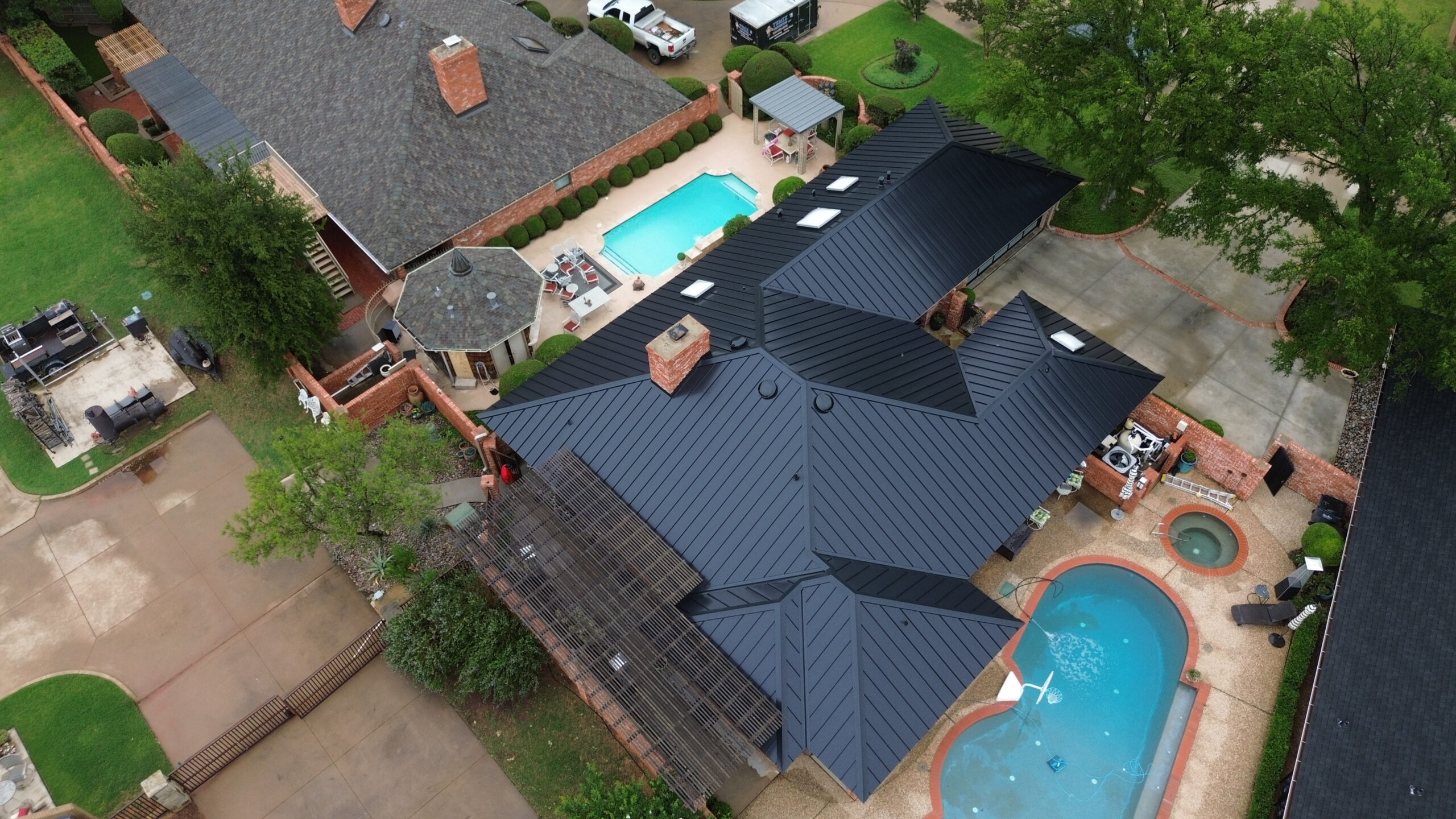
A commercial roofing project does not end when installation is complete. Ongoing maintenance plays a major role in extending roof lifespan, preserving energy efficiency, and reducing long-term repair costs. Developing a preventive maintenance plan helps businesses protect their investment throughout the roof’s service life.
Professional inspections should generally be scheduled twice each year, with additional inspections following severe weather events such as hailstorms, hurricanes, or heavy snowfall. Regular evaluations identify developing issues before they become major structural problems.
Maintenance activities include cleaning roof drains, removing debris, inspecting flashing, checking membrane seams, and examining rooftop equipment supports. These relatively simple tasks help prevent moisture infiltration while maintaining proper drainage performance.
Minor repairs should be completed promptly whenever inspection findings indicate developing problems. Delaying repairs often allows moisture to enter the roofing assembly, increasing repair costs while reducing insulation performance.
Businesses should also maintain detailed maintenance records. Inspection reports, repair histories, photographs, and contractor recommendations provide valuable information that supports warranty claims and future roofing decisions.
A well-organized maintenance program typically provides several important benefits:
- Extends the roof’s service life.
- Reduces emergency repair costs.
- Maintains manufacturer warranty coverage.
- Preserves energy efficiency.
- Protects interior building assets.
- Improves long-term budgeting.
Preventive maintenance transforms roofing from a reactive expense into a planned asset management strategy that supports reliable building operation.
Factors That Affect Long-Term Project Success
The success of a commercial roofing project is measured over many years rather than immediately after installation. Several factors determine whether the roofing system continues performing efficiently throughout its expected lifespan.
Installation quality remains the most significant factor. Proper membrane installation, accurate flashing details, consistent insulation placement, and effective drainage design establish the foundation for long-term durability. High-quality workmanship reduces future maintenance while improving overall roof reliability.
Material selection also influences long-term performance. Roofing systems should match the building’s operational requirements, local climate, expected roof traffic, and maintenance capabilities. Selecting appropriate materials helps maximize service life while supporting energy efficiency.
Routine inspections allow contractors to identify wear before significant damage develops. Small issues such as loose flashing or blocked drains are relatively inexpensive to correct when discovered early but may become costly repairs if ignored.
Weather conditions naturally affect every commercial roof. Buildings located in areas with intense sunlight, heavy rainfall, snow, or high winds require maintenance strategies that reflect local environmental conditions. Climate-specific maintenance improves long-term roof performance.
Communication between building owners and roofing contractors also contributes to project success. Prompt reporting of leaks, unusual roof conditions, or storm damage allows qualified professionals to respond before problems become more extensive.
Finally, following manufacturer maintenance recommendations helps preserve warranty coverage while ensuring roofing materials continue performing according to design expectations.
Frequently Asked Questions
How long does a commercial roof installation usually take?
Project duration depends on building size, roofing material, weather conditions, and project complexity. Smaller commercial buildings may require less than a week, while large industrial facilities or hospitals may require several weeks to complete.
Can businesses remain open during roof installation?
Yes. Many commercial roofing projects are completed while businesses continue operating. Contractors coordinate work schedules carefully to minimize disruption while maintaining safe access for employees, customers, and visitors.
What causes the biggest project delays?
Weather conditions, hidden structural damage, material delivery delays, and unexpected building repairs are among the most common factors affecting commercial roofing schedules.
Why are inspections performed throughout the project instead of only at the end?
Continuous inspections identify issues while work is still in progress. Correcting problems immediately is generally faster, less expensive, and helps maintain consistent installation quality.
How often should a newly installed commercial roof be inspected?
Most roofing professionals recommend inspections at least twice each year and after severe weather events. Routine inspections help identify developing concerns before they affect roof performance.
Final Thoughts
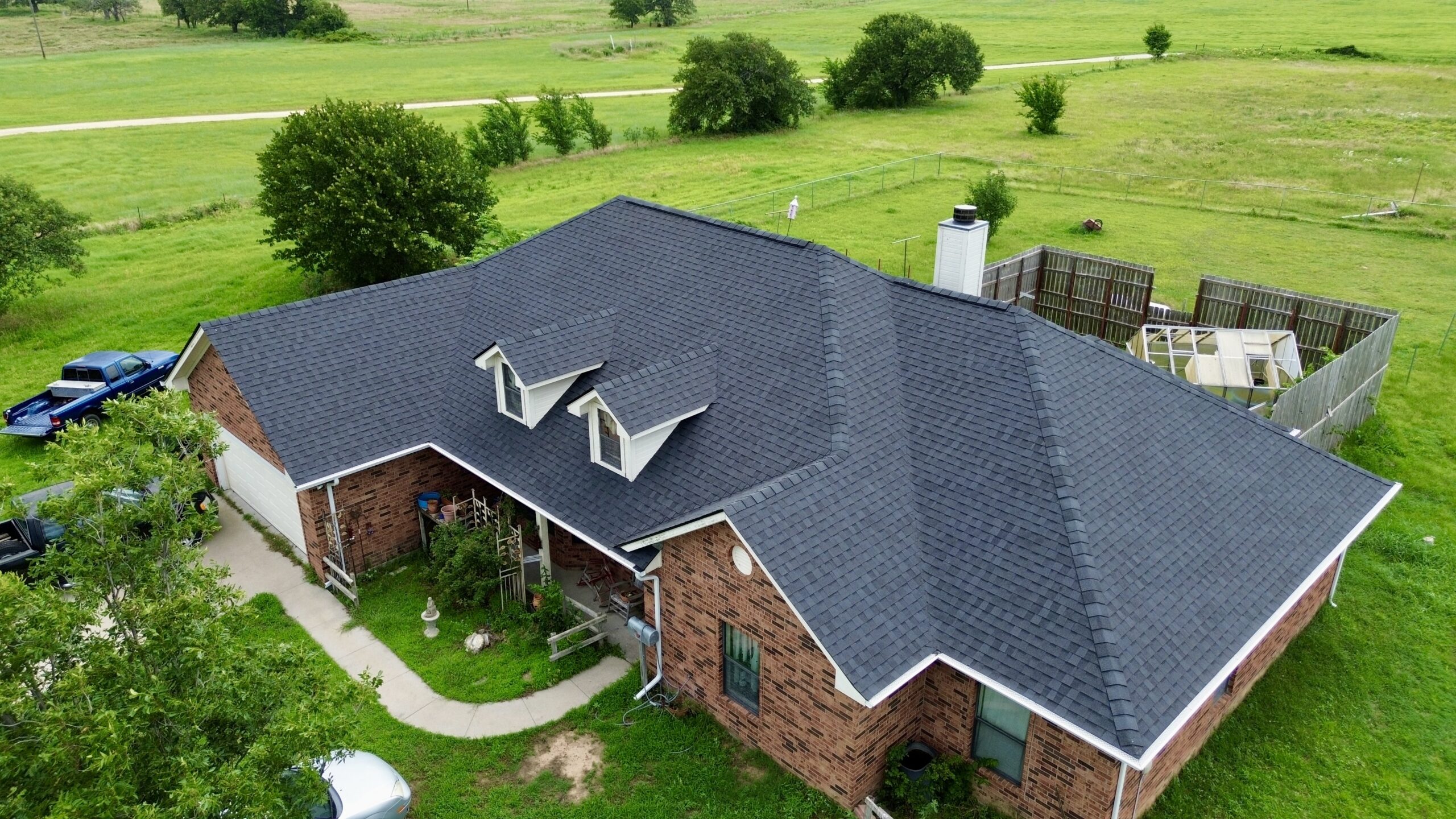
Commercial roof installation is a carefully coordinated process that extends far beyond simply installing roofing materials. Every stage, from initial planning and budgeting to final inspection and long-term maintenance, contributes to the overall success of the project.
Strong communication, organized scheduling, experienced contractors, and proactive quality control allow commercial roofing projects to progress efficiently while minimizing disruptions to normal business operations. Careful coordination ensures that each construction phase supports the next, resulting in a roofing system designed for long-term performance.
Businesses that understand the complete installation timeline are better prepared to make informed decisions, anticipate project milestones, and work collaboratively with their roofing contractor. This partnership helps create a smoother construction experience while protecting one of the building’s most valuable assets.
Conclusion
A successful commercial roof installation depends on detailed planning, realistic scheduling, effective coordination, and consistent quality management throughout every phase of the project. Beginning with comprehensive inspections and careful budgeting, the installation process progresses through material procurement, site preparation, roof construction, quality control, and final project handover in a structured and organized manner.
Project coordination plays a critical role in maintaining efficiency. Clear communication between contractors, suppliers, building owners, inspectors, and facility managers helps prevent delays while ensuring construction activities remain aligned with project objectives. Flexible scheduling also allows roofing teams to respond effectively to weather changes, material availability, and unexpected structural conditions.
The project does not truly end once construction is complete. Routine inspections, preventive maintenance, warranty management, and timely repairs ensure the roofing system continues protecting the building while delivering reliable performance for decades. Building owners who invest in long-term maintenance often experience lower repair costs and extended roof lifespan.
Understanding the complete commercial roof installation timeline allows businesses to prepare more effectively for construction while making informed decisions throughout the project. By combining professional project coordination with quality workmanship and proactive maintenance, commercial property owners can maximize the value of their roofing investment while ensuring dependable protection, operational efficiency, and long-term business success.