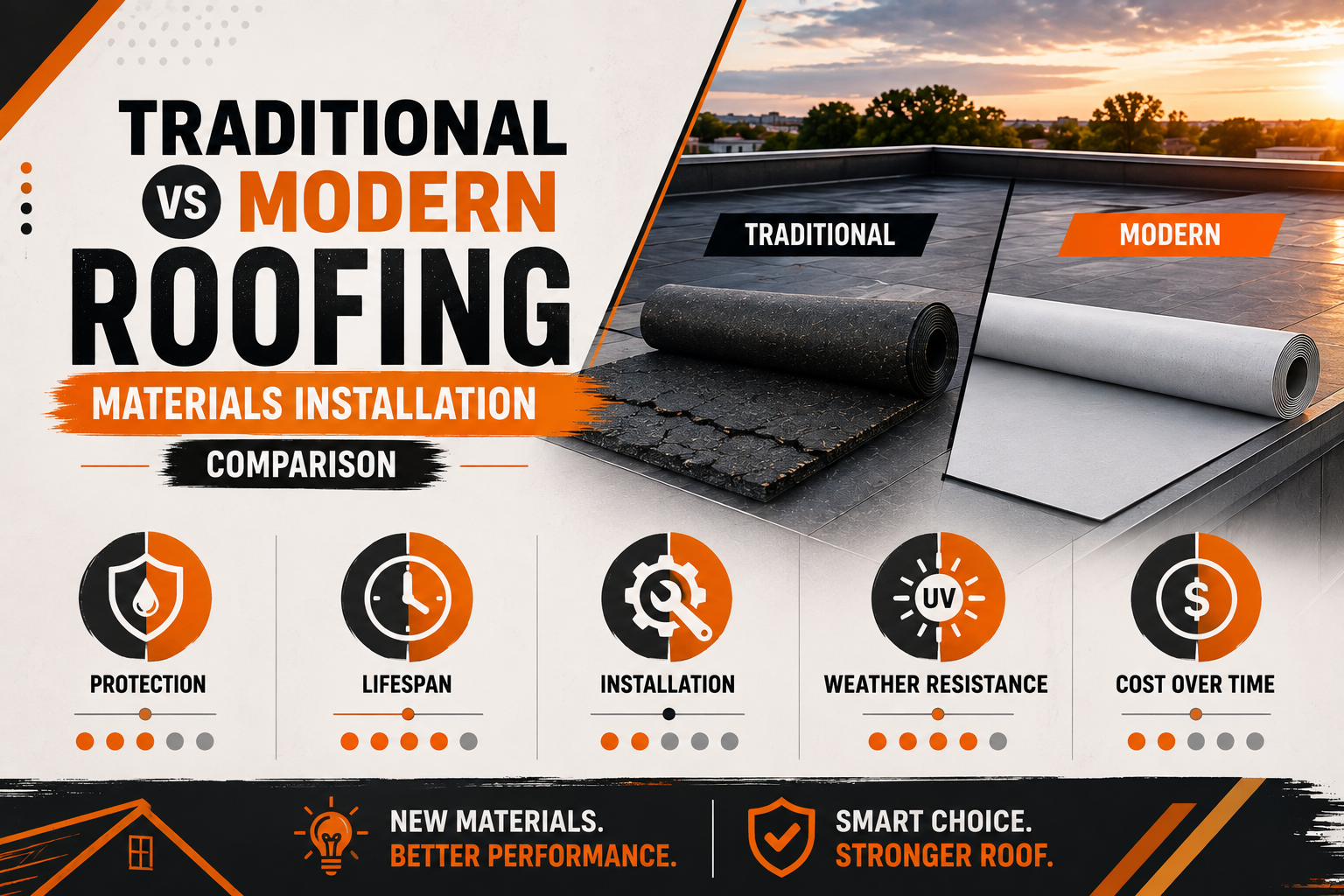
Traditional vs Modern Roofing Materials Installation Comparison
Introduction
Choosing the right roofing material is one of the most important decisions in any construction or renovation project. A roof protects the structure from weather, contributes to energy efficiency, enhances curb appeal, and plays a significant role in determining long term maintenance costs. While many roofing options are available today, property owners often find themselves comparing traditional roofing materials with modern alternatives before making a final decision.
Roofing technology has evolved considerably over the years. Traditional roofing materials have protected homes and commercial buildings for generations, proving their durability and reliability in a variety of climates. At the same time, advancements in manufacturing have introduced modern roofing materials that offer improved performance, lighter weight, easier installation, and lower maintenance requirements. This evolution has expanded the choices available to homeowners, architects, and contractors.
The comparison between traditional and modern roofing materials goes beyond appearance alone. Installation methods, structural requirements, weather resistance, expected lifespan, environmental impact, and overall ownership costs all influence the suitability of a roofing system. Understanding these differences helps property owners select materials that match both their practical needs and design preferences.
Modern construction projects often emphasize efficiency, sustainability, and long term value. However, many traditional roofing materials continue to remain popular because of their timeless appearance and proven track record. Rather than viewing one category as universally superior, it is more useful to evaluate how each performs under different building conditions and installation requirements.
This article compares traditional and modern roofing materials from an installation perspective while also examining their strengths, limitations, and ideal applications. By understanding the characteristics of both categories, property owners can make informed decisions that balance appearance, performance, durability, and budget.
Understanding Traditional Roofing Materials
Traditional roofing materials have been used for decades or even centuries in residential, commercial, and historic construction. These materials were originally selected because they were readily available, durable, and capable of protecting buildings from local weather conditions. Many traditional roofs remain in service today, demonstrating their ability to withstand years of exposure when properly maintained.
Although manufacturing techniques have improved over time, the basic characteristics of traditional roofing materials remain largely unchanged. They continue to provide attractive appearances while preserving architectural styles that have become closely associated with particular regions and building designs.
One of the defining features of traditional roofing is authenticity. Materials such as natural slate, cedar wood, and clay tile possess textures and color variations that are difficult to duplicate perfectly. These natural characteristics often increase their visual appeal and contribute to the distinctive appearance of many historic buildings.
Traditional roofing materials also vary considerably in weight, maintenance requirements, and installation complexity. Some products require highly skilled craftsmanship, while others are relatively straightforward to install. Understanding these differences is essential when planning a roofing project.
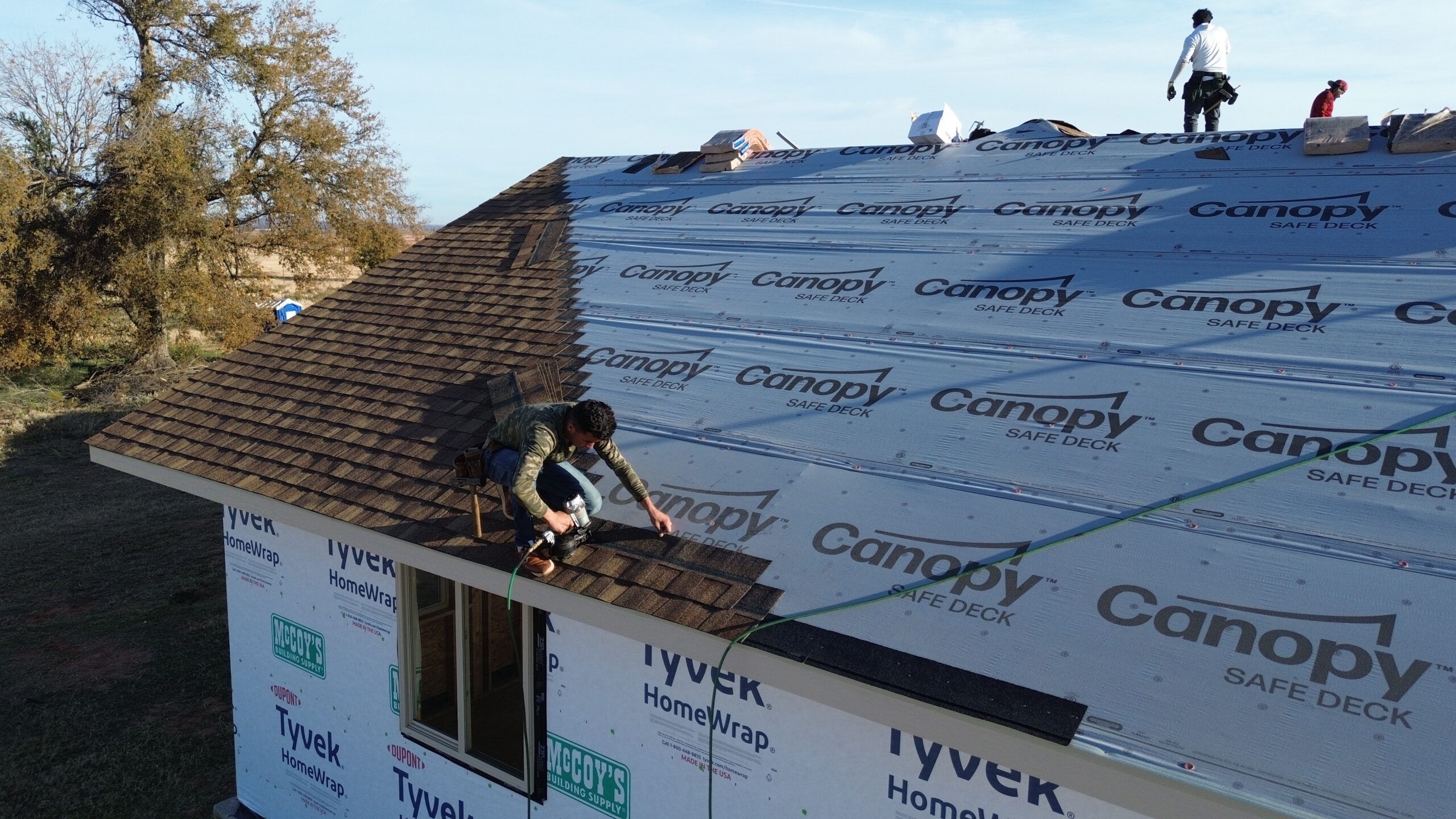
Common Traditional Roofing Materials
Several roofing materials have remained popular for generations because of their proven performance and timeless appearance. Each material offers unique characteristics that influence installation methods and long term maintenance.
Asphalt Shingles
Asphalt shingles are among the most widely used roofing materials throughout residential construction. Their popularity stems from their affordability, ease of installation, and broad availability.
Modern asphalt shingles consist of a fiberglass or organic base coated with asphalt and protective mineral granules. They are available in numerous colors and styles, allowing homeowners to select products that complement different architectural designs.
Installation typically involves overlapping individual shingles across the roof deck using nails and manufacturer approved fastening patterns. Contractors appreciate asphalt shingles because they are relatively lightweight and can be installed efficiently on many roof configurations.
Although asphalt shingles generally require more frequent replacement than some premium roofing materials, they remain an economical solution for many residential properties.
Wood Shakes and Wood Shingles
Wood roofing has long been valued for its natural beauty and distinctive appearance. Cedar remains one of the most common wood species used because of its natural resistance to insects and decay.
Wood shakes differ from wood shingles in their manufacturing process. Shakes are split from logs, producing a rough textured surface, while shingles are sawn to create a smoother and more uniform appearance.
Installing wood roofing requires careful attention to spacing, ventilation, and moisture management. Proper installation helps prevent premature deterioration while supporting long term durability.
Although wood roofing offers exceptional visual appeal, it generally requires more maintenance than many modern alternatives.
Clay Tiles
Clay tile roofing has been used for centuries in regions with warm climates. These tiles provide a distinctive appearance commonly associated with Mediterranean, Spanish, and Southwestern architecture.
Manufacturers shape natural clay into tiles before firing them at high temperatures. This process produces durable roofing components capable of resisting moisture, sunlight, and fire.
Clay tiles are considerably heavier than many other roofing materials. Buildings often require adequate structural support before installation can begin.
When properly installed, clay tile roofs may provide decades of reliable service while maintaining their attractive appearance.
Concrete Tiles
Concrete roof tiles resemble clay tiles but are manufactured using cement, sand, and water rather than natural clay.
These tiles provide excellent durability and weather resistance while offering flexibility in color and design. Manufacturers produce concrete tiles in profiles that imitate clay, slate, and wood roofing.
Like clay tiles, concrete roofing is relatively heavy and may require structural evaluation before installation.
Professional installation is particularly important because proper alignment and fastening contribute significantly to long term performance.
Natural Slate
Natural slate is widely regarded as one of the most durable roofing materials available. Formed naturally through geological processes, slate provides exceptional strength and a distinctive appearance that has remained desirable for centuries.
Each slate tile possesses unique color variations and textures, creating elegant roofing systems that enhance premium residential and institutional buildings.
Slate installation requires specialized skills because individual pieces must be handled carefully to avoid breakage. The material’s significant weight also demands strong structural support.
Although natural slate represents a substantial investment, its remarkable longevity often justifies the higher installation cost.
Traditional Metal Roofing
Metal roofing has existed for many decades and remains an important part of traditional roofing construction. Earlier installations commonly used galvanized steel, copper, zinc, or aluminum sheets secured using conventional fastening methods.
Traditional metal roofing performs well in areas experiencing heavy snowfall because its smooth surface encourages snow to slide away naturally.
Metal roofs also provide excellent fire resistance and relatively low maintenance compared with several other traditional materials.
Advancements in manufacturing have since introduced newer standing seam systems and coated metal products, bridging the gap between traditional and modern roofing technologies.

General Characteristics of Traditional Roofing Materials
Although traditional roofing products differ considerably from one another, they share several common characteristics that influence installation and long term performance.
Many traditional materials originate from natural resources such as stone, wood, clay, or metal. Their natural composition contributes to authentic appearance but may also introduce variations in size, texture, and color.
Traditional roofing often emphasizes craftsmanship. Experienced installers carefully position each component to create a durable and visually appealing roofing system. This attention to detail contributes to both structural performance and architectural character.
Several traditional roofing materials are relatively heavy compared with modern alternatives. This additional weight increases structural loading and may require reinforced roof framing before installation.
Maintenance requirements also vary. Natural materials may require inspections, cleaning, repairs, or protective treatments throughout their service life to maintain appearance and performance.
Understanding Modern Roofing Materials
Modern roofing materials represent decades of engineering innovation focused on improving performance while simplifying installation and reducing maintenance. Rather than relying exclusively on natural materials, manufacturers combine advanced polymers, recycled plastics, engineered rubber, fiberglass reinforcement, and composite technologies to create roofing systems capable of meeting today’s construction demands.
These materials have become increasingly popular because they address many limitations associated with traditional roofing products. Lighter weight, improved weather resistance, enhanced durability, and greater manufacturing consistency allow contractors to complete installations more efficiently while providing dependable long term protection.
Modern roofing materials also support evolving building standards emphasizing sustainability, energy efficiency, and reduced environmental impact. Many products incorporate recycled content while maintaining impressive structural performance.
Advancements in manufacturing have significantly improved appearance as well. Modern synthetic products now closely replicate natural slate, cedar shake, clay tile, and other traditional roofing styles while requiring less maintenance.
As technology continues advancing, modern roofing systems are expected to become even stronger, more efficient, and increasingly adaptable to changing construction requirements.
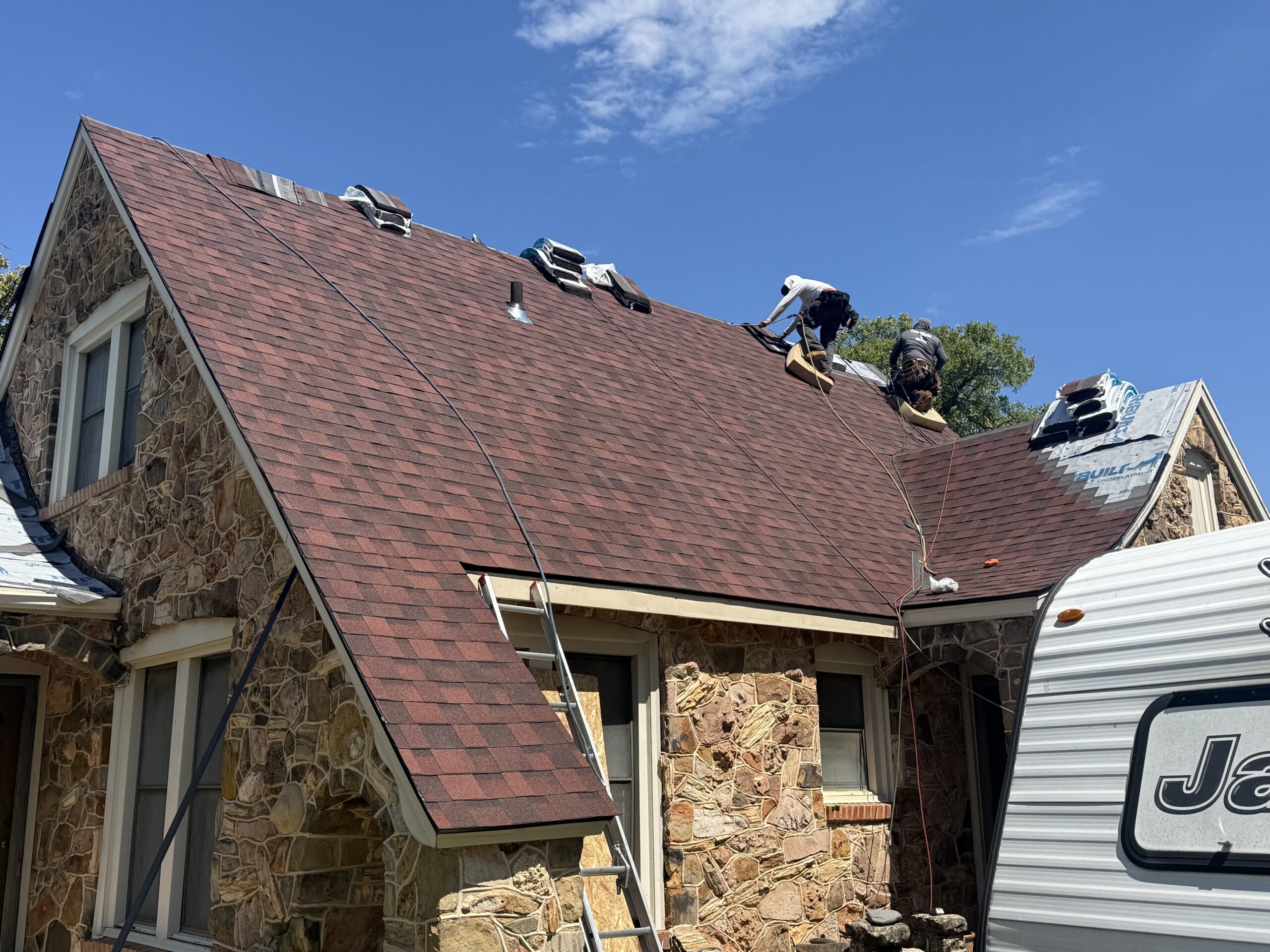
Common Modern Roofing Materials
Today’s roofing industry offers numerous modern materials designed for different climates, architectural styles, and project requirements.
Synthetic Slate
Synthetic slate is manufactured using engineered polymers, composite materials, or recycled plastics that imitate the appearance of natural stone.
Unlike natural slate, synthetic products weigh considerably less while remaining highly resistant to impact, moisture, and weathering. Their consistent manufacturing quality also simplifies installation.
Many homeowners select synthetic slate because it delivers premium aesthetics without the structural challenges associated with heavy natural stone roofing.
Composite Shingles
Composite shingles combine several engineered materials into durable roofing products suitable for residential construction.
Manufacturers produce these shingles in various colors, textures, and profiles that resemble wood, slate, or traditional asphalt roofing. Their lightweight construction improves installation efficiency while reducing structural loading.
Composite shingles also resist many common roofing problems such as cracking, moisture absorption, and insect damage.
Polymer Roofing Tiles
Polymer roofing tiles reproduce the appearance of traditional clay and concrete tiles while offering substantial weight reductions.
Their engineered composition provides excellent durability and flexibility, allowing them to withstand impact and changing weather conditions without significant cracking.
Polymer tiles are increasingly used in both residential and commercial construction because they combine attractive appearance with simplified installation.
TPO Roofing
Thermoplastic Polyolefin, commonly known as TPO, has become one of the most widely used roofing materials for commercial buildings.
TPO membranes are valued for their reflective surfaces, energy efficiency, and strong resistance to ultraviolet radiation.
Professional installation involves heat welding seams to create durable waterproof roofing systems suitable for low slope commercial roofs.
PVC Roofing
Polyvinyl Chloride roofing membranes provide exceptional resistance to chemicals, moisture, grease, and fire.
These characteristics make PVC roofing particularly suitable for restaurants, industrial facilities, healthcare buildings, and commercial structures requiring dependable waterproof performance.
Proper seam welding contributes to long lasting protection while supporting efficient maintenance.
EPDM Roofing
Ethylene Propylene Diene Monomer, commonly referred to as EPDM, is a durable synthetic rubber roofing membrane used extensively on commercial and industrial buildings.
Its flexibility allows it to perform well across wide temperature ranges without significant cracking.
EPDM roofing remains popular because of its relatively straightforward installation and dependable weather resistance.
Standing Seam Modern Metal Roofing
Modern standing seam metal roofing represents a significant advancement over earlier metal roofing systems.
Hidden fastening systems reduce opportunities for water intrusion while creating clean architectural lines. Factory applied protective coatings improve corrosion resistance and long term appearance.
Standing seam roofs are widely used on residential, agricultural, and commercial buildings seeking durable, energy efficient roofing solutions.
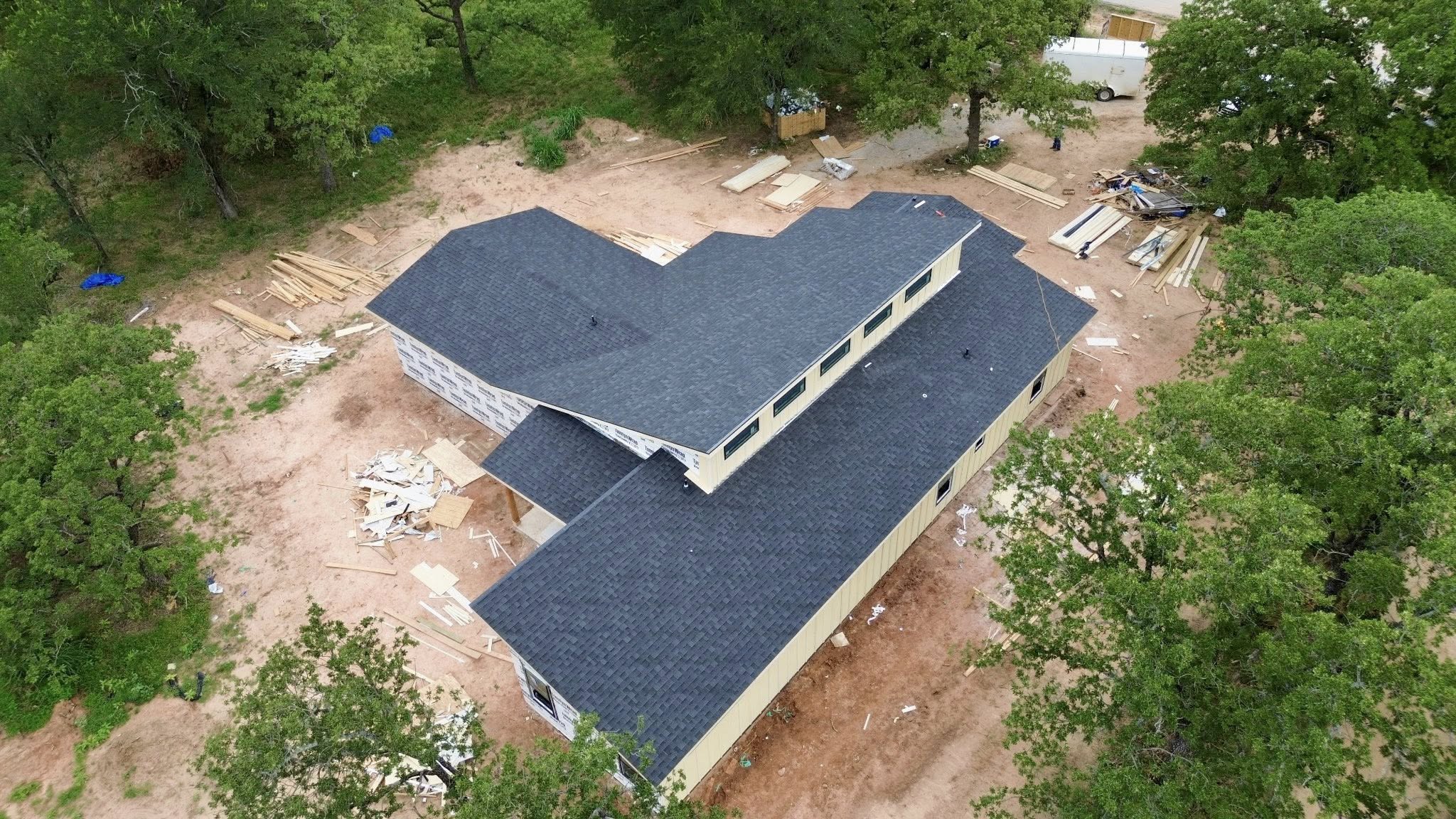
General Characteristics of Modern Roofing Materials
Modern roofing products share several characteristics that distinguish them from traditional materials.
Most are manufactured under carefully controlled conditions, ensuring consistent dimensions, strength, and appearance. This manufacturing precision improves installation efficiency while reducing material waste.
Lightweight construction remains one of the defining advantages of modern roofing materials. Reduced weight simplifies transportation, lowers structural demands, and often decreases labor requirements during installation.
Many modern products also require relatively little maintenance because they resist moisture, insects, ultraviolet radiation, and impact damage more effectively than some natural materials.
Manufacturers continue improving these products through ongoing research, allowing modern roofing materials to meet increasingly demanding performance standards while maintaining attractive appearances.
Key Differences Between Traditional and Modern Roofing Materials
Although both categories provide effective building protection, several important differences influence installation decisions and long term ownership.
Traditional roofing materials often emphasize natural beauty and historical authenticity. Modern materials prioritize engineering performance, manufacturing consistency, and installation efficiency while closely replicating traditional appearances.
Some of the most noticeable differences include:
- Material composition and manufacturing methods.
- Overall weight and structural requirements.
- Installation speed and labor demands.
- Long term maintenance expectations.
- Weather resistance and durability.
- Design flexibility and available finishes.
Understanding these differences provides a strong foundation for evaluating which roofing system best suits a particular construction project.
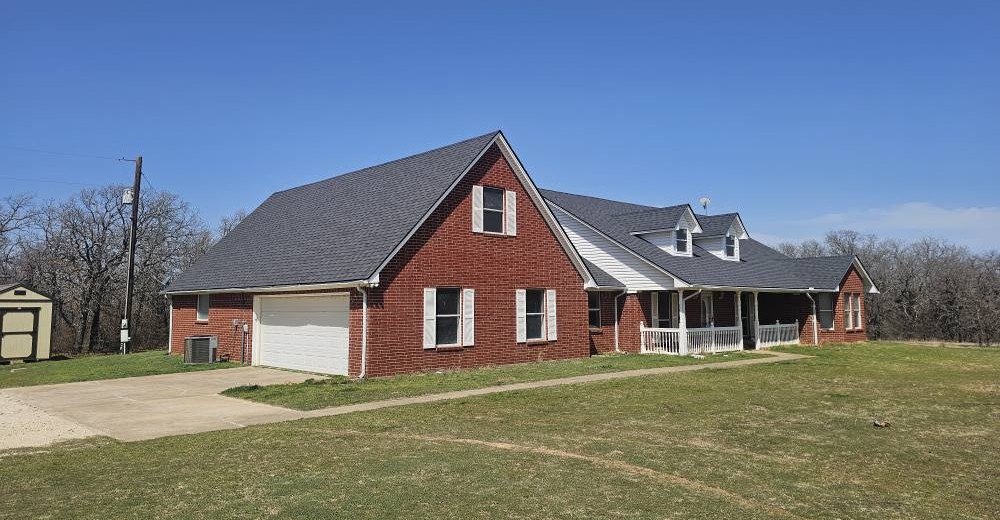
Installation Process Comparison
The installation process is one of the biggest differences between traditional and modern roofing materials. While both types require careful planning, quality workmanship, and attention to detail, the techniques used during installation often vary because of differences in material weight, flexibility, fastening systems, and manufacturing design.
A successful roofing installation involves much more than simply attaching shingles or tiles to the roof deck. Contractors must prepare the structure properly, install waterproofing components correctly, and ensure the completed roof can withstand years of weather exposure. Even the highest quality roofing materials can experience premature failure if installation procedures are not followed correctly.
Traditional roofing materials often demand specialized craftsmanship developed through years of experience. Modern roofing materials, on the other hand, are frequently engineered to simplify installation while maintaining high levels of durability and performance.
Understanding each stage of the installation process helps property owners appreciate why professional installation remains one of the most important investments in any roofing project.
Roof Inspection
Every roofing project should begin with a complete roof inspection regardless of the material being installed.
For traditional roofing systems, contractors pay particular attention to the structural framing because heavier materials such as natural slate, clay tiles, and concrete tiles place greater loads on the building. Existing damage, sagging rafters, water deterioration, or weakened decking must be corrected before installation begins.
Modern roofing materials generally create less structural stress because of their lighter weight. Even so, contractors still inspect the roof deck, ventilation system, flashing, and drainage components to ensure they provide a solid foundation for the new roofing system.
A detailed inspection also allows contractors to identify hidden issues that could shorten the lifespan of the new roof if left unresolved.
Structural Preparation
Once the inspection is complete, structural preparation begins.
Traditional roofing installations sometimes require reinforcement of roof framing to safely support heavy roofing materials. Additional framing members or deck repairs may be necessary before installation can proceed.
Modern roofing materials often reduce or eliminate the need for structural reinforcement. Their lighter weight makes them suitable for many existing buildings without requiring significant modifications.
Regardless of the material selected, the roof deck should be flat, dry, clean, and securely fastened before installation begins.
Underlayment Installation
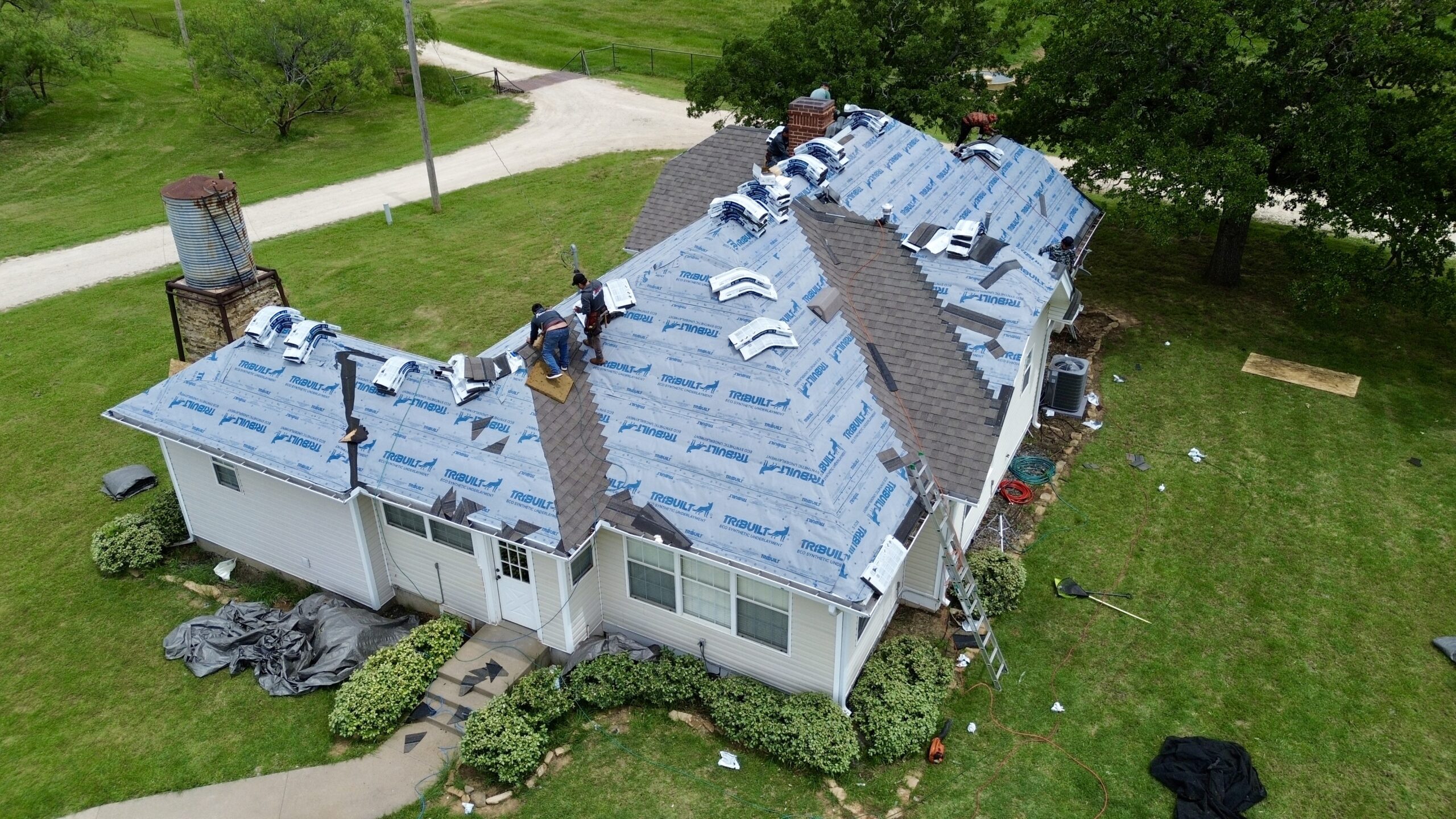
Roofing underlayment serves as an important secondary moisture barrier beneath the finished roofing material.
Traditional roofing systems commonly use high quality felt or synthetic underlayments depending on the roof design and local climate. Areas receiving heavy rainfall or snow often require additional waterproofing protection around valleys, eaves, and roof penetrations.
Modern roofing systems also depend heavily on quality underlayment. Since many synthetic roofing materials are designed for long service lives, durable underlayments help provide lasting moisture protection throughout the lifespan of the roof.
Proper underlayment installation improves overall weather resistance while protecting the roof deck if the outer roofing layer becomes damaged.
Material Installation Techniques
Traditional roofing materials frequently require individual placement of heavy components.
Natural slate must be positioned carefully to prevent breakage while maintaining proper overlap. Clay and concrete tiles demand precise alignment because small positioning errors become more noticeable across large roof surfaces. Wood shakes require correct spacing to allow natural expansion and contraction.
Modern roofing materials often simplify this process through consistent manufacturing dimensions. Composite shingles, synthetic slate, and polymer tiles are designed to fit together more predictably, reducing installation adjustments.
The improved uniformity of modern products allows contractors to work more efficiently while maintaining professional appearance.
Fastening Systems
Proper fastening ensures roofing materials remain securely attached throughout years of weather exposure.
Traditional roofing materials often rely on conventional nails, clips, or mechanical fasteners selected according to the specific material being installed. Heavy roofing products may require specialized fastening methods capable of supporting greater weight.
Modern roofing systems frequently incorporate advanced fastening designs. Hidden fasteners, interlocking edges, and engineered attachment systems improve both appearance and weather resistance.
Manufacturers provide detailed fastening instructions to maximize wind resistance and maintain warranty coverage.
Flashing Installation
Flashing protects areas where water naturally collects or changes direction.
Both traditional and modern roofing systems require flashing around chimneys, skylights, vents, valleys, dormers, and roof intersections. Improper flashing remains one of the most common causes of roof leaks regardless of roofing material.
Modern flashing products often incorporate corrosion resistant metals and improved sealing technologies that enhance long term performance.
Careful flashing installation is essential because these vulnerable areas experience continuous exposure to water throughout the life of the roof.
Ventilation Requirements
Roof ventilation contributes significantly to roofing performance.
Traditional roofing systems rely on balanced airflow to reduce attic moisture, regulate temperatures, and protect wooden structural components from condensation.
Modern roofing systems require similar ventilation principles. Proper intake and exhaust ventilation help preserve insulation performance while reducing heat buildup beneath the roofing materials.
Effective ventilation also contributes to longer roofing lifespan by minimizing thermal stress throughout changing seasons.
Final Inspection
The final inspection confirms that every roofing component has been installed correctly.
Contractors examine fasteners, flashing, ridge components, ventilation openings, drainage pathways, and overall roof appearance. They also verify that installation follows manufacturer specifications and applicable building codes.
This inspection provides an opportunity to correct any minor issues before the project is considered complete.
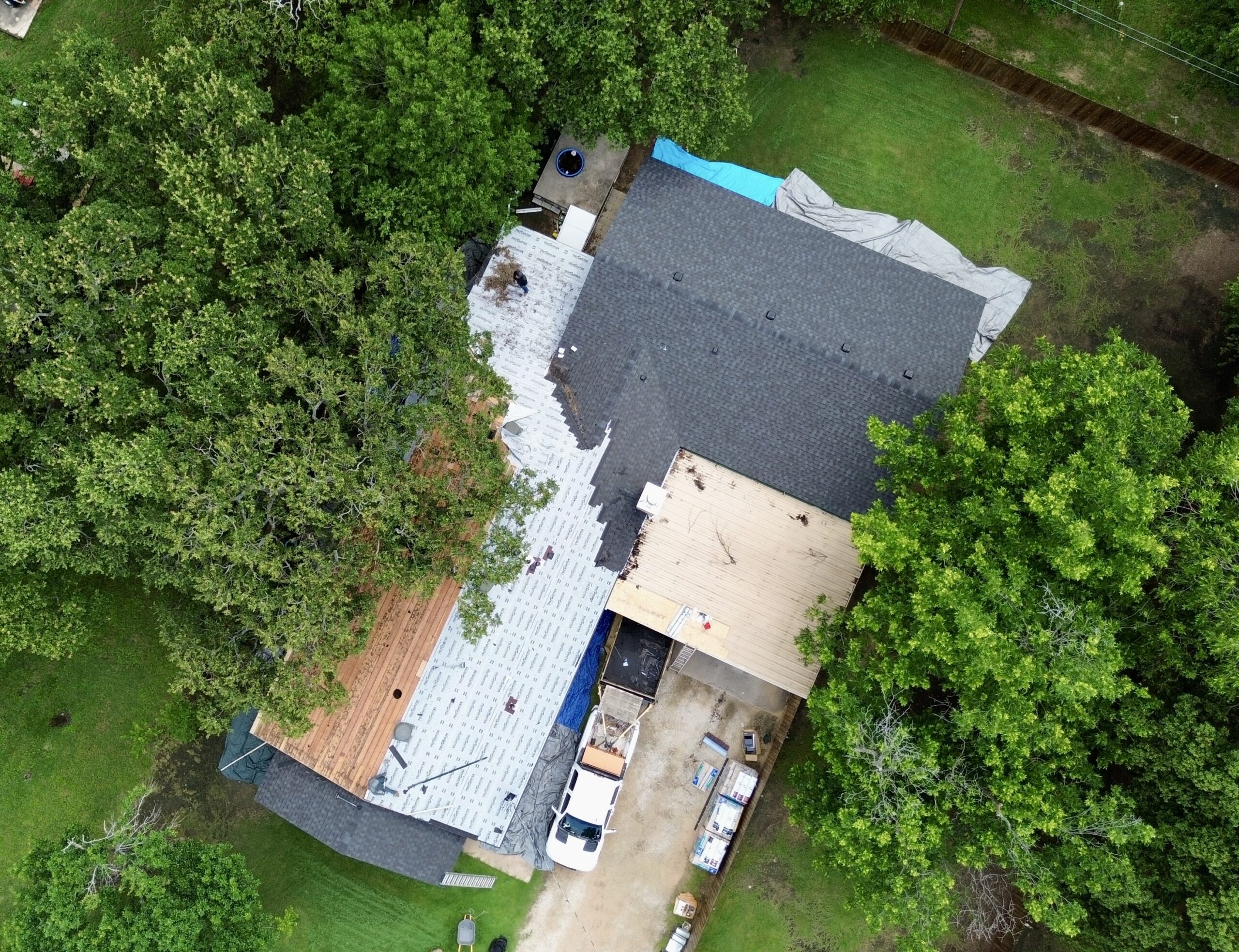
Performance Comparison
Installation quality is only one aspect of roofing performance. Property owners also want roofing systems capable of protecting buildings through decades of changing weather conditions.
Traditional and modern roofing materials both provide dependable protection, but they achieve this through different characteristics. Traditional products rely on naturally durable materials, while modern products depend on engineered designs that improve consistency and resistance to environmental damage.
Evaluating performance across several categories provides a more complete understanding of each roofing system.
Durability
Durability refers to a roof’s ability to maintain structural integrity over time.
Natural slate remains one of the longest lasting traditional roofing materials and can serve buildings for many decades with proper maintenance. Clay tile and metal roofing also demonstrate impressive longevity.
Modern roofing materials continue narrowing the durability gap through advanced composite technologies. Synthetic slate, polymer tiles, and composite shingles resist cracking, moisture absorption, and insect damage while maintaining consistent appearance.
Many modern roofing systems now offer service lives that approach or equal several traditional materials.
Weather Resistance
Weather exposure gradually affects every roofing material.
Traditional wood roofing may deteriorate from prolonged moisture exposure if maintenance is neglected. Clay and concrete tiles perform well under sunlight but can crack if subjected to severe impacts.
Modern roofing materials are specifically engineered to resist moisture, ultraviolet radiation, and changing temperatures. Their nonporous surfaces help reduce water absorption while improving long term reliability.
This engineered weather resistance contributes to lower maintenance requirements throughout the roof’s lifespan.
Wind Performance
Strong winds remain one of the leading causes of roof damage.
Traditional roofing performance depends largely on installation quality and fastening methods. Heavy materials provide stability but require secure attachment systems.
Modern roofing products often include interlocking designs and engineered fastening systems tested for high wind conditions.
When properly installed, both roofing categories can perform exceptionally well during severe weather.
Fire Resistance
Fire performance remains an important consideration in many regions.
Metal roofing, clay tile, concrete tile, and natural slate all demonstrate excellent fire resistance among traditional materials.
Many modern synthetic roofing products also achieve high fire ratings through specialized manufacturing techniques and fire resistant additives.
Property owners should review local building regulations when comparing fire performance.
Moisture Protection
Preventing water intrusion remains the primary function of every roof.
Traditional roofing systems rely on overlapping materials, quality flashing, and underlayment to shed water effectively.
Modern roofing products combine these same principles with engineered surfaces that absorb little or no moisture. This improves resistance against mold, rot, and freeze related damage.
Proper installation remains essential regardless of material type.
UV Resistance
Continuous sunlight gradually affects roofing materials.
Wood roofing may weather naturally while asphalt shingles can lose granules over time.
Modern roofing materials typically contain ultraviolet stabilizers that reduce fading and surface deterioration. These additives help preserve both appearance and structural performance.
Buildings located in sunny climates especially benefit from roofing products designed for prolonged solar exposure.
Impact Resistance
Roofs frequently encounter falling branches, hail, and airborne debris.
Traditional slate and clay tiles may crack when subjected to significant impacts. Metal roofing generally resists impact well but may dent under severe conditions.
Modern synthetic roofing materials often incorporate flexible polymers that absorb impacts without breaking.
This flexibility contributes to lower repair costs in regions experiencing frequent storms.
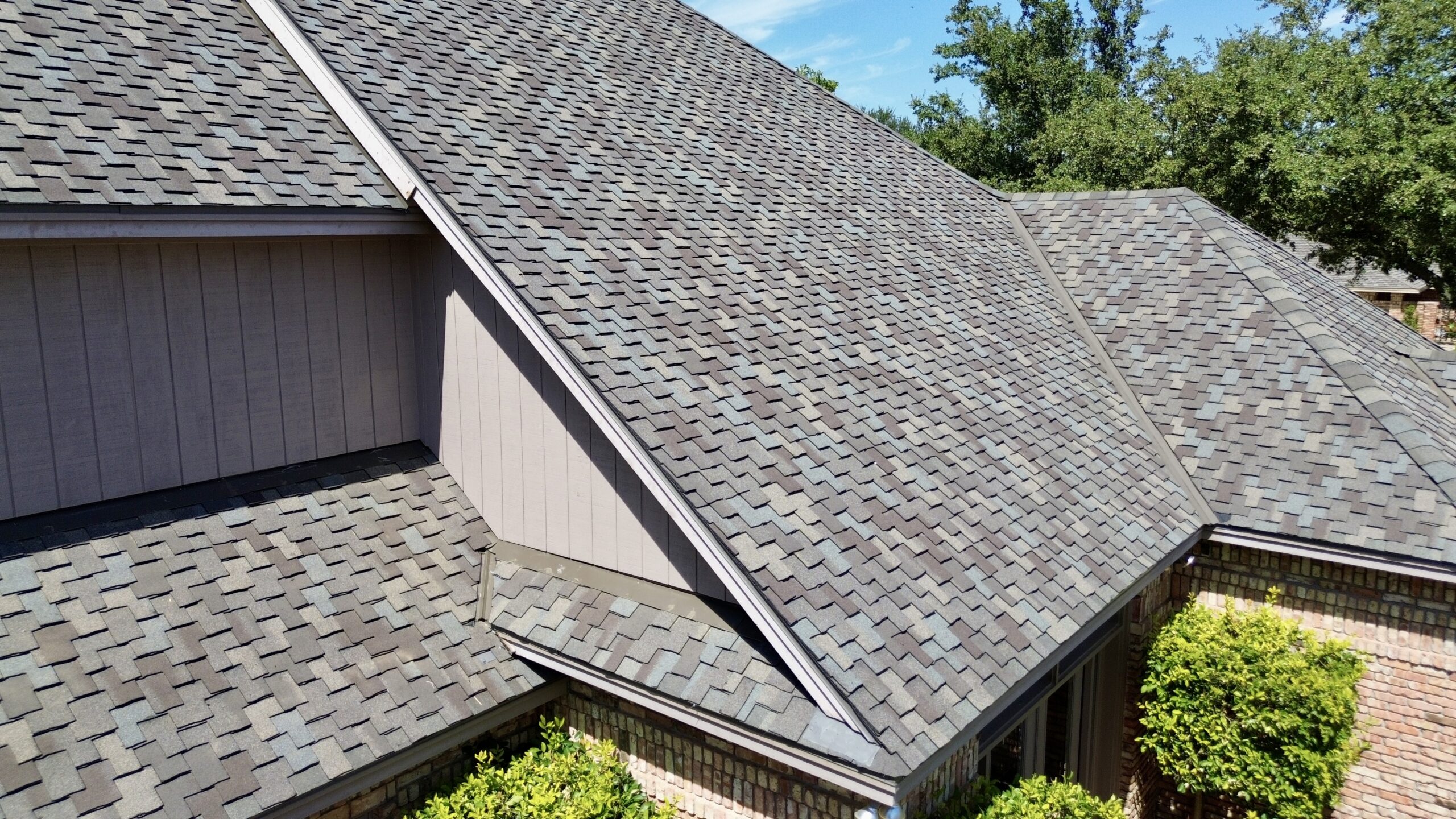
Roofing Performance Comparison
The following table summarizes major performance differences between traditional and modern roofing materials.
| Feature | Traditional Roofing Materials | Modern Roofing Materials |
|---|---|---|
| Weight | Often heavy | Usually lightweight |
| Installation Speed | Moderate to slow | Faster in many applications |
| Structural Reinforcement | Frequently required | Rarely required |
| Weather Resistance | Good to excellent | Excellent |
| Moisture Resistance | Varies by material | Generally excellent |
| UV Protection | Moderate to excellent | Excellent |
| Impact Resistance | Material dependent | Generally higher |
| Maintenance | Moderate to high | Low |
| Manufacturing Consistency | Natural variation | Highly consistent |
| Sustainability | Depends on material | Many recycled options available |
The comparison illustrates why modern roofing materials continue gaining popularity. However, traditional materials remain highly respected because of their authenticity, proven reliability, and architectural appeal.
Advantages of Traditional Roofing Materials
Traditional roofing materials continue to be selected for many construction projects despite the availability of newer alternatives.
One of their greatest strengths is authenticity. Natural wood, slate, and clay possess textures and color variations that many architects and homeowners consider impossible to replicate perfectly.
Historic restoration projects frequently require traditional materials to preserve the original architectural character of heritage buildings.
Many traditional roofing systems also have exceptionally long service histories. Their proven performance provides confidence that properly maintained roofs can remain functional for generations.
Experienced contractors are familiar with traditional installation methods because these materials have been widely used for decades.
Advantages of Modern Roofing Materials
Modern roofing materials have become increasingly popular because they address many challenges associated with traditional roofing.
Lightweight construction reduces transportation costs while simplifying installation. Contractors often complete projects more efficiently because synthetic materials are easier to handle and position.
Lower maintenance represents another major benefit. Modern products resist insects, moisture, ultraviolet radiation, and impact damage more effectively than many natural materials.
Many synthetic roofing systems also improve sustainability by incorporating recycled materials into manufacturing.
Additional advantages include:
- Improved manufacturing consistency.
- Greater design flexibility.
- Enhanced weather resistance.
- Easier replacement of individual components.
- Better compatibility with energy efficient building designs.
These advantages explain why many new construction projects increasingly utilize modern roofing technologies.
Common Installation Mistakes
Regardless of the roofing material selected, installation quality has a direct impact on long term performance.
Several mistakes occur repeatedly across both traditional and modern roofing projects. Avoiding these problems helps maximize roof lifespan while protecting manufacturer warranties.
The most common installation errors include:
- Failing to repair damaged roof decking before installation.
- Installing inadequate underlayment for local weather conditions.
- Improper fastener placement that reduces wind resistance.
- Incorrect flashing installation around roof penetrations.
- Poor attic ventilation that traps moisture and excessive heat.
- Ignoring manufacturer installation specifications.
- Allowing improper material alignment during installation.
Professional installation remains the most effective way to prevent these issues. Experienced roofing contractors understand how different materials behave and can adjust installation techniques accordingly.
A properly installed roof protects the building more effectively, requires fewer repairs, and provides better long term value regardless of whether traditional or modern roofing materials are selected.
Cost Comparison
Cost is often one of the first factors property owners consider when selecting roofing materials. While the initial installation price is important, it should not be the only factor influencing the decision. A roof is expected to protect a building for decades, making long term ownership costs just as significant as the purchase price.
Traditional and modern roofing materials differ considerably in terms of material costs, installation expenses, maintenance requirements, and replacement frequency. Some traditional products have lower initial costs but require more maintenance over time, while certain modern materials involve a higher upfront investment but reduce future repair expenses.
Evaluating roofing costs from a lifecycle perspective provides a more accurate understanding of overall value. Property owners who focus only on the lowest installation estimate may spend considerably more on maintenance and repairs during the roof’s lifespan.
Working with experienced roofing contractors helps produce realistic cost estimates that include labor, accessories, underlayment, flashing, ventilation improvements, waste removal, and warranty coverage. A complete proposal provides a better basis for comparison than material prices alone.
Material Costs
Traditional roofing materials are available across a wide range of price points.
Asphalt shingles remain one of the most affordable roofing options, making them a common choice for residential construction. Wood shakes, clay tiles, concrete tiles, and natural slate generally cost more because of their raw materials and manufacturing processes.
Modern roofing materials also vary in price. Composite shingles often compete closely with premium asphalt products, while synthetic slate, polymer tiles, and advanced metal roofing systems typically require a larger initial investment.
Higher quality materials usually include improved weather resistance, enhanced durability, and longer warranties. These features often contribute to greater long term value despite higher purchase costs.
Installation Costs
Labor expenses depend on roof size, complexity, accessibility, and the experience required to install the selected material.
Traditional roofing materials often require more installation time because heavier components must be handled carefully. Natural slate and clay tile installations demand skilled craftsmanship, increasing labor costs.
Modern roofing materials are generally lighter and more uniform in size. This allows installers to work more efficiently while maintaining consistent quality.
Reduced installation time may lower labor expenses, especially on larger roofing projects where efficiency significantly affects the overall budget.
Maintenance Expenses
Maintenance costs vary greatly between roofing materials.
Traditional wood roofing may require regular inspections, cleaning, sealing, or replacement of damaged sections. Clay and concrete tiles can crack from impact, requiring occasional repairs. Asphalt shingles may gradually deteriorate because of prolonged weather exposure.
Modern roofing materials are engineered to reduce these maintenance requirements. Composite products resist moisture, insects, ultraviolet radiation, and cracking more effectively than many natural materials.
Routine inspections remain important for every roofing system, but modern materials often require fewer repairs during normal service life.
Repair Costs
Unexpected repairs represent another important ownership expense.
Traditional roofing materials sometimes require specialized replacement components or skilled craftsmen familiar with older installation techniques. This may increase repair costs, particularly for historic properties.
Modern roofing materials often feature standardized manufacturing, allowing replacement components to match existing installations more easily.
Prompt repairs remain essential regardless of roofing type because small problems can develop into larger structural issues if ignored.
Lifetime Ownership Costs
Evaluating roofing materials over several decades provides the clearest comparison of their financial value.
Traditional roofing materials may offer exceptional longevity but sometimes require greater maintenance throughout their lifespan. Modern roofing systems often reduce maintenance demands while providing long service lives supported by advanced engineering.
When installation, repairs, maintenance, and expected replacement schedules are considered together, many property owners discover that modern roofing systems provide competitive or even lower ownership costs despite higher initial investments.
The best financial decision depends on project goals, expected occupancy, climate conditions, and maintenance preferences.
Maintenance Requirements Comparison
Every roofing system benefits from regular maintenance, regardless of the material used. Proper care helps preserve appearance, prevent small problems from becoming major repairs, and extend the roof’s service life.
Traditional roofing materials often require more attention because natural materials respond differently to moisture, sunlight, temperature changes, and biological growth. Modern roofing materials generally reduce these concerns through engineered designs that improve resistance to environmental damage.
Understanding maintenance expectations before installation allows property owners to select roofing systems that match their willingness and ability to perform routine upkeep.
Routine Cleaning
Leaves, dirt, branches, and organic debris should be removed from every roof to maintain proper drainage.
Traditional wood roofing may require additional cleaning to prevent moss and algae growth. Clay and concrete tiles also benefit from periodic cleaning to maintain appearance.
Modern synthetic roofing materials typically have smoother, nonporous surfaces that resist biological growth more effectively. This often simplifies cleaning while preserving attractive appearance.
Keeping gutters clean is equally important because blocked drainage systems can cause water to back up beneath roofing materials.
Regular Inspections
Professional inspections help identify developing problems before they become expensive repairs.
Traditional roofing materials should be inspected for cracked tiles, damaged wood, loose fasteners, deteriorated flashing, and weather related wear.
Modern roofing systems also benefit from inspections even though they generally experience fewer maintenance issues. Contractors examine flashing, sealants, fasteners, drainage components, and overall roof condition.
Many roofing professionals recommend inspections at least twice each year and after severe storms.
Repair Expectations
Every roofing material may eventually require repairs because of extreme weather, accidental damage, or natural aging.
Traditional materials sometimes require careful matching of replacement components to preserve appearance.
Modern roofing materials usually provide greater manufacturing consistency, making replacement sections easier to integrate with the existing roof.
Prompt repairs help maintain waterproof performance while extending the overall lifespan of the roofing system.
Replacement Expectations
Eventually every roof reaches the end of its useful service life.
Replacement timing depends on installation quality, environmental conditions, maintenance practices, and the specific roofing material selected.
Modern roofing technologies continue extending expected service life, reducing replacement frequency for many building owners.
Routine maintenance remains one of the most effective ways to maximize roofing longevity regardless of material choice.
Future of Roofing Materials
The roofing industry continues evolving through advances in engineering, sustainability, and digital manufacturing. Future roofing systems are expected to provide greater durability while reducing environmental impact and simplifying installation.
Research focuses not only on stronger materials but also on improving energy efficiency, weather resistance, recycling capabilities, and compatibility with renewable energy technologies.
Traditional roofing materials will continue serving important architectural and restoration roles. At the same time, modern roofing technologies are expected to expand rapidly as manufacturing capabilities improve.
Several innovations are shaping the future of roofing.
Smart Roofing Systems
Digital technologies are gradually becoming part of modern construction.
Future roofing systems may incorporate sensors capable of detecting moisture intrusion, structural movement, temperature changes, and potential maintenance concerns.
These monitoring systems could allow property owners to identify developing problems before visible damage occurs.
Early detection helps reduce repair costs while improving long term building protection.
Sustainable Manufacturing
Environmental responsibility continues influencing roofing production.
Manufacturers are increasing their use of recycled plastics, recycled rubber, reclaimed metals, and environmentally responsible production methods.
Reducing manufacturing waste while extending product lifespan supports sustainable construction practices that benefit both property owners and the environment.
Future regulations may further encourage environmentally friendly roofing materials.
Solar Integration
Solar energy adoption continues increasing worldwide.
Modern roofing materials are being designed with improved compatibility for photovoltaic systems. Some manufacturers are even developing roofing products capable of integrating solar technology directly into the roof surface.
These innovations may simplify installation while improving the appearance of renewable energy systems.
Better integration also helps reduce installation complexity for future construction projects.
Advanced Synthetic Materials
Material science continues producing stronger and lighter roofing products.
Future composite materials are expected to improve impact resistance, weather durability, flexibility, and ultraviolet protection while maintaining attractive appearance.
Manufacturers are also working to improve recyclability without sacrificing structural performance.
These developments will likely make modern roofing systems even more competitive with traditional alternatives.
Improved Weather Resistant Technologies
Climate conditions continue becoming more unpredictable in many regions.
Future roofing materials are expected to provide even greater resistance against hail, wind, heavy rainfall, prolonged sunlight, and rapid temperature changes.
Protective surface coatings, stronger composite formulations, and improved fastening systems will contribute to higher performance standards.
These advancements help ensure roofing systems remain dependable despite increasingly challenging environmental conditions.
Frequently Asked Questions
Property owners often ask similar questions when comparing traditional and modern roofing materials. The following answers address some of the most common concerns.
Which roofing material lasts longer?
Longevity depends on the specific product, installation quality, maintenance practices, and local climate. Natural slate, clay tile, and premium metal roofing have long histories of exceptional durability. Many modern synthetic roofing materials are also designed for decades of reliable service, offering impressive lifespan with lower maintenance.
Are modern roofing materials stronger than traditional materials?
Strength depends on the type of material being compared. Many modern products outperform traditional materials in areas such as impact resistance, moisture protection, and ultraviolet stability. Traditional materials, however, continue to demonstrate excellent durability when properly maintained.
Which roofing system requires less maintenance?
Modern roofing materials generally require less routine maintenance.
Engineered surfaces resist insects, moisture, algae growth, and ultraviolet damage more effectively than many natural materials.
Traditional materials may require additional inspections and periodic repairs depending on the specific roofing product.
Which option is more environmentally friendly?
Both categories offer environmentally responsible choices.
Natural roofing materials often originate from renewable or naturally occurring resources. Modern roofing products increasingly incorporate recycled materials while reducing replacement frequency because of their durability.
Selecting long lasting roofing systems contributes positively to sustainability regardless of material category.
Can modern roofing materials imitate traditional roofing?
Yes, Today’s manufacturing technologies produce synthetic slate, composite shingles, and polymer tiles that closely resemble natural stone, cedar shake, and clay roofing. Many products are difficult to distinguish from traditional materials when viewed from ground level.
Which Roofing Material Is the Better Choice?
There is no universal answer because every roofing project has unique priorities.
Traditional roofing materials remain excellent choices for historic buildings, luxury homes, and architectural styles where authentic appearance is especially important. Their long history of successful performance continues making them highly respected within the construction industry.
Modern roofing materials provide significant advantages for projects emphasizing installation efficiency, lower maintenance, lightweight construction, and advanced weather resistance. Their engineered designs make them particularly attractive for new construction and renovation projects seeking long term value.
The following factors can help guide the final decision:
- Choose traditional roofing when architectural authenticity is the highest priority.
- Consider modern roofing for projects requiring lightweight materials and reduced maintenance.
- Evaluate local climate before selecting any roofing system.
- Compare complete lifecycle costs rather than initial installation price.
- Hire experienced roofing professionals regardless of the material selected.
Carefully balancing these considerations allows property owners to choose roofing systems that best support their long term goals.
Conclusion
Traditional and modern roofing materials each offer valuable advantages, making them suitable for different construction projects and architectural styles. Traditional roofing products continue earning respect through their authentic appearance, proven durability, and historical significance. Materials such as slate, clay tile, wood shake, and conventional metal roofing have protected buildings for generations while contributing timeless character that many property owners still prefer.
Modern roofing materials build upon this foundation by incorporating advanced engineering, lightweight construction, improved weather resistance, and simplified installation techniques. Composite shingles, synthetic slate, polymer tiles, TPO, PVC, EPDM, and modern standing seam metal roofing provide dependable protection while reducing many of the maintenance challenges associated with traditional materials. Their consistent manufacturing quality also supports faster installation and long term reliability.
The best roofing material ultimately depends on the specific needs of the building, local climate, structural requirements, maintenance expectations, and available budget. Considering installation complexity, expected lifespan, repair requirements, energy efficiency, and total ownership costs provides a much clearer picture than comparing purchase prices alone.
Whether selecting a traditional roofing system with historic charm or a modern solution designed for today’s construction standards, professional installation remains the key to long lasting performance. By combining quality materials with skilled workmanship and regular maintenance, property owners can enjoy durable, attractive, and dependable roofing systems that protect their investment for many years to come.