Residential Roof Replacement Material Selection Guide for Beginners
Introduction
Replacing a residential roof is one of the most important investments a homeowner can make. While many people focus on finding a reliable contractor, selecting the right roofing material deserves equal attention because it directly affects durability, maintenance, appearance, and long term costs. Beginners often feel overwhelmed by the number of available options, making it difficult to know where to start.
Every roofing material has unique strengths, limitations, and ideal applications. Some are designed to provide excellent weather resistance, while others are chosen for their beauty, energy efficiency, or extended lifespan. Understanding these differences helps homeowners make informed decisions instead of relying solely on recommendations or marketing claims.
Roof replacement is not simply about installing new shingles or tiles. It involves evaluating the structure of your home, considering local climate conditions, planning your budget, and thinking about future maintenance needs. A thoughtful approach ensures that your investment provides reliable protection for many years.
This guide explains residential roof replacement materials in a beginner friendly way. By the end of this article, you will understand the key factors involved in selecting roofing materials and feel more confident when discussing options with roofing professionals.
Why Choosing the Right Roofing Material Matters
The roof serves as the primary barrier between your home and the outside environment. It protects your family, belongings, and the structural components of the house from rain, sunlight, wind, snow, and changing temperatures. Choosing the wrong material can reduce this protection and lead to expensive repairs much sooner than expected.
Many homeowners assume that all roofing materials perform similarly because they all cover the roof. In reality, different materials respond differently to moisture, heat, strong winds, and seasonal temperature changes. Selecting a material that matches your local environment greatly improves the roof’s overall performance.
Roofing materials also influence the appearance of your home. The color, texture, and style of the roof contribute significantly to curb appeal and can increase the property’s market value. A carefully selected roof creates a balanced appearance that complements the home’s architecture.
Long term ownership costs are another important reason to choose wisely. A roofing material with a higher initial price may require fewer repairs, less maintenance, and last much longer than a less expensive alternative. Looking beyond the installation cost helps homeowners achieve better value over time.
Energy efficiency has become another major consideration in residential roofing. Some roofing materials reflect more sunlight and absorb less heat, helping maintain comfortable indoor temperatures while reducing cooling expenses during warmer months.
Insurance companies may also consider roofing materials when evaluating risk. Durable materials that resist fire, impact, or severe weather can sometimes contribute to lower insurance premiums depending on the location and provider. Although this should not be the only deciding factor, it can influence the overall financial value of a roofing investment.
Factors Every Beginner Should Consider Before Selecting Roofing Materials
Choosing roofing materials involves balancing several important factors instead of focusing on only one feature. A beginner should understand how each consideration affects the roof’s overall performance throughout its lifespan.
The following factors deserve careful attention before making a final decision:
- Local climate and weather conditions
- Roof design and structural support
- Available budget for installation and future maintenance
- Expected lifespan of the roofing material
- Energy efficiency goals
- Maintenance requirements
- Home appearance and architectural style
- Local building regulations and neighborhood requirements
These factors work together rather than independently. For example, a material that performs exceptionally well in one climate may not provide the same benefits in another region. Evaluating the complete picture leads to a more practical and cost effective decision.
Homeowners should also think about their future plans. Someone planning to remain in the house for several decades may prioritize durability and low maintenance, while someone expecting to sell within a few years might place greater emphasis on appearance and resale value.
Understanding Roof Structure Before Material Selection
Before selecting roofing materials, it is important to understand that every roof has a structural system designed to support a certain amount of weight. Installing materials without considering the roof’s structure can create safety concerns and increase future repair costs.
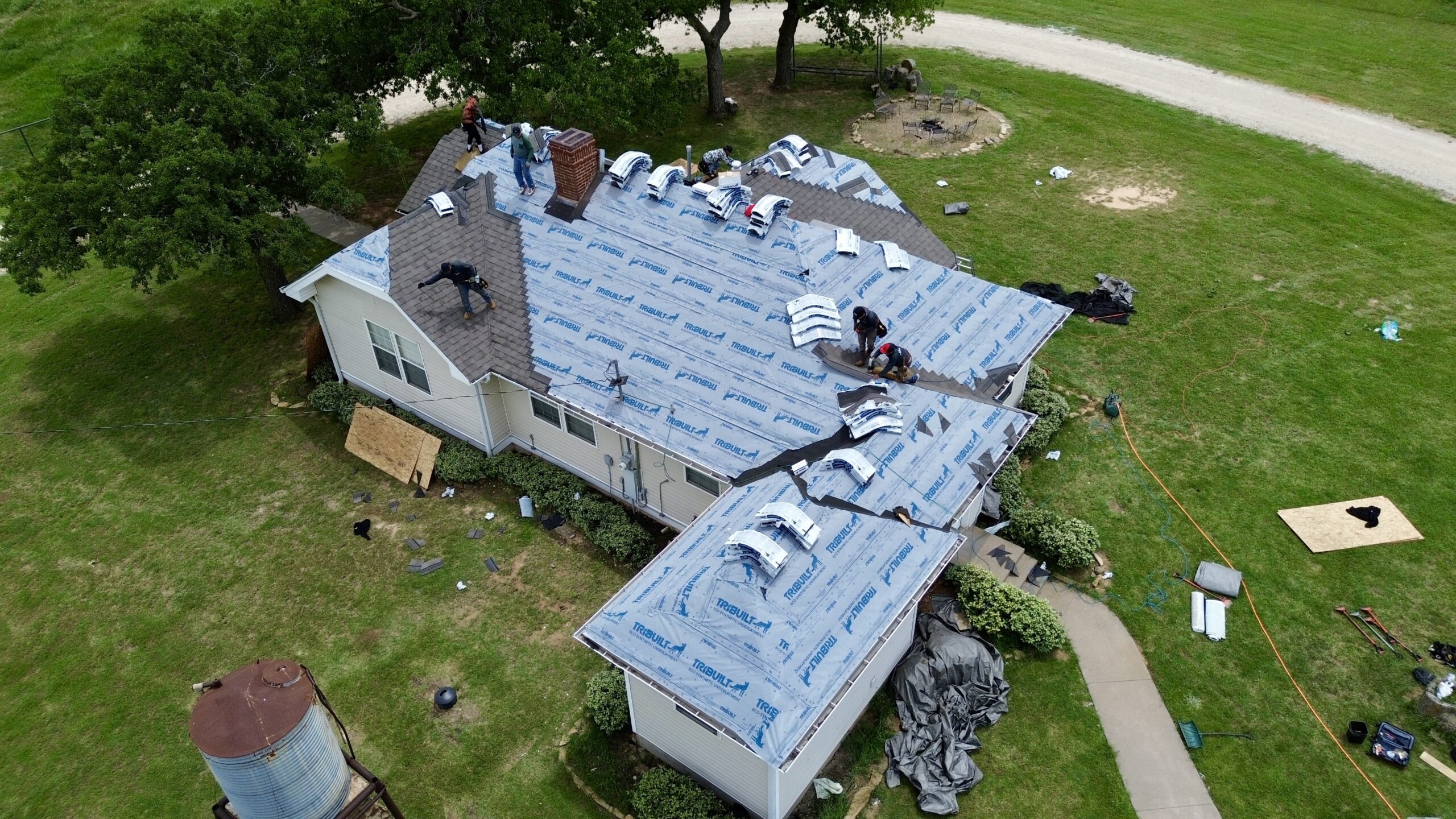
A residential roof consists of several components working together rather than a single surface. These components provide stability, insulation, ventilation, and moisture protection. When replacing a roof, contractors often inspect these elements to ensure they remain in good condition before installing new materials.
Some of the major structural components include:
| Roof Component | Primary Purpose |
|---|---|
| Roof Deck | Supports the roofing material |
| Underlayment | Provides an additional moisture barrier |
| Flashing | Prevents water entry around joints and openings |
| Rafters or Trusses | Support the entire roof structure |
| Ventilation System | Controls heat and moisture inside the attic |
A beginner may only notice the visible shingles or tiles, but these hidden components play an equally important role in roof performance. Even premium roofing materials cannot perform effectively if the underlying structure has existing problems.
Older homes deserve additional attention during roof replacement projects. Years of exposure to moisture, insects, or structural movement may weaken parts of the roof framing. Addressing these issues before installing new roofing materials helps avoid costly complications later.
Roof pitch also affects material selection. Steeper roofs allow water to drain quickly, making them compatible with many roofing products. Low slope roofs require materials specifically designed to resist standing water and provide additional waterproofing protection.
Weight capacity represents another important structural consideration. Asphalt shingles are generally lighter than clay tiles or natural slate. If heavier materials are selected, contractors may recommend reinforcing parts of the roof structure to safely support the additional load.
Proper attic ventilation should never be overlooked during material selection. Good airflow reduces heat buildup during summer and minimizes moisture accumulation during colder months. Adequate ventilation helps extend the lifespan of many roofing materials by reducing temperature related stress.
Climate and Weather Considerations for Different Roofing Materials
Weather is one of the most influential factors when selecting roofing materials. A roof experiences continuous exposure to sunlight, rain, wind, changing temperatures, and seasonal storms throughout its service life. Choosing materials suited to the local climate improves both durability and performance.
Homeowners living in hot climates often prioritize heat resistance and solar reflectivity. Roofing materials that reflect sunlight instead of absorbing it help reduce attic temperatures and improve indoor comfort. This can lower cooling demands during extended periods of warm weather.
Regions with heavy rainfall require roofing materials that effectively shed water and resist moisture damage. Proper installation becomes equally important because even high quality materials may develop leaks if flashing or underlayment is installed incorrectly.
Areas that experience snowfall present different challenges. Snow accumulation increases roof weight, while repeated freezing and thawing cycles can place additional stress on roofing materials. Durable products with excellent moisture resistance generally perform better under these conditions.
High wind regions require materials specifically rated to withstand strong gusts. Secure fastening systems, reinforced installation methods, and wind resistant roofing products help reduce the risk of damage during severe weather events.
Coastal environments expose roofs to salt laden air, increased humidity, and strong winds. Some roofing materials resist corrosion better than others, making them more suitable for homes located near the ocean. Material selection should always consider these environmental conditions.
The following steps provide a simple process for evaluating climate before selecting roofing materials:
- Identify the most common weather conditions in your region throughout the year.
- Determine which weather events create the greatest risk for residential roofs.
- Compare roofing materials based on their performance under those specific conditions.
- Consult experienced local roofing professionals who understand regional challenges.
- Choose materials that provide long term protection instead of focusing only on initial cost.
Climate should never be viewed as a secondary consideration. Even an attractive roofing material may deliver disappointing performance if it is not designed for the environmental conditions where the home is located.
Another often overlooked factor is temperature fluctuation. Some regions experience extremely hot days followed by cool nights, causing roofing materials to repeatedly expand and contract. Over time, these cycles can affect certain products more than others, making material flexibility and durability important characteristics.
Ultraviolet exposure also influences roofing lifespan. Continuous sunlight gradually ages roofing materials, especially in areas with long summers and minimal cloud cover. Products designed with enhanced UV resistance generally maintain their appearance and structural integrity for longer periods.
Homeowners should remember that climate affects maintenance requirements as well. Roofs exposed to heavy tree cover may require regular cleaning to remove leaves and debris, while homes in dry climates may experience fewer moisture related maintenance issues. Understanding these environmental influences helps create realistic expectations before selecting roofing materials.
Budget Planning and Long Term Cost Considerations
Many beginners begin the material selection process by asking one question: “Which roofing material costs the least?” While installation cost is certainly important, it represents only one part of the overall investment. Looking beyond the initial price often leads to better financial decisions.
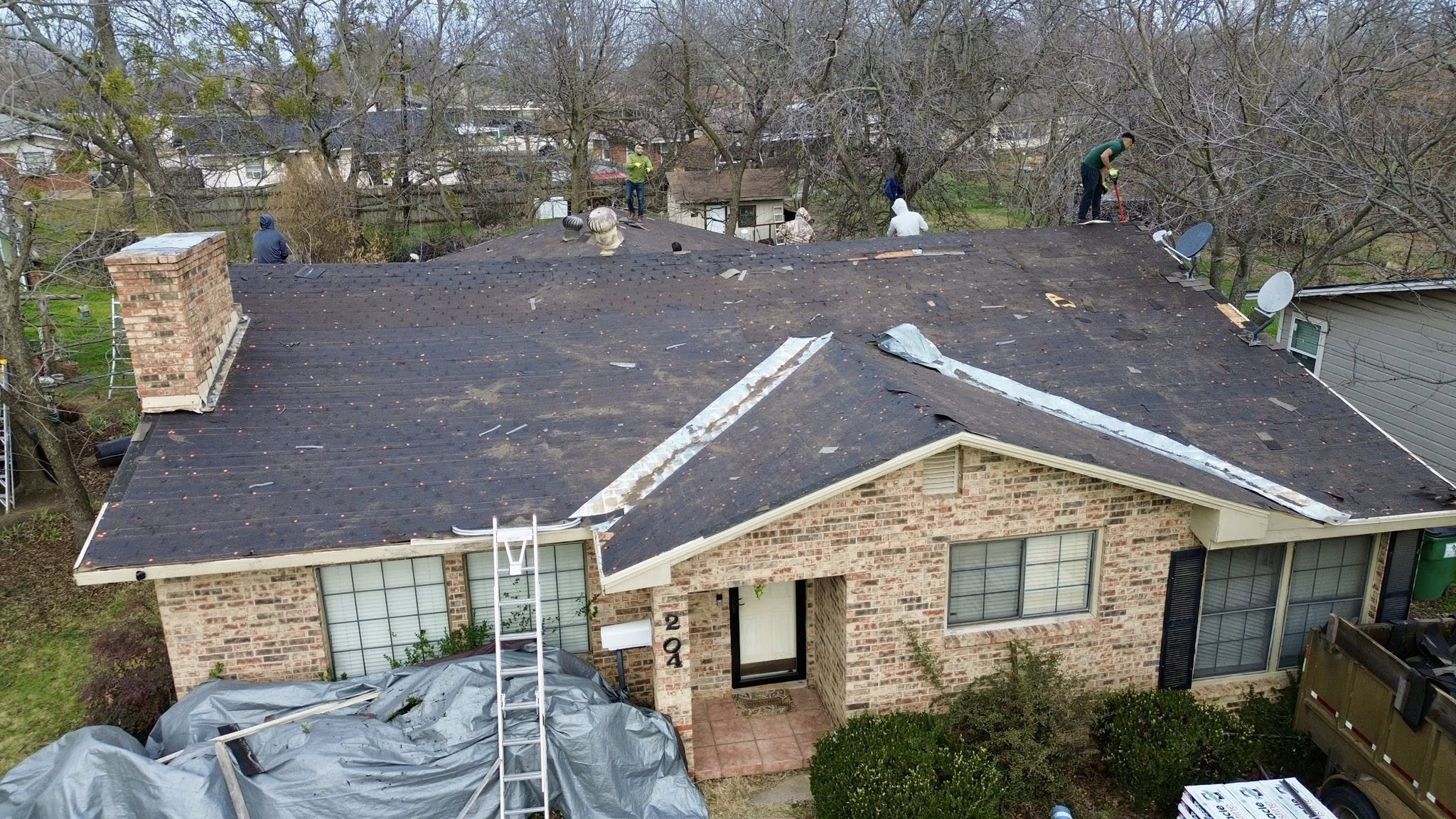
Roof replacement involves several cost categories besides the visible roofing material. Labor, underlayment, flashing, ventilation improvements, permits, structural repairs, and waste disposal all contribute to the final project cost. Understanding these expenses helps homeowners prepare realistic budgets from the beginning.
A less expensive roofing material may seem attractive initially but require more frequent repairs or replacement over time. Conversely, a premium material often has a higher upfront cost while offering longer service life and reduced maintenance expenses. Comparing lifetime value instead of purchase price provides a more complete financial picture.
Maintenance costs should also be considered during planning. Some roofing materials require periodic inspections, treatments, or repairs to maintain peak performance. Others require relatively little attention after installation, reducing ongoing ownership expenses.
Homeowners should also consider the potential effect of roofing materials on energy bills. Materials with better insulating properties or higher solar reflectivity may contribute to lower heating or cooling costs throughout the year. Although these savings accumulate gradually, they can become significant over the lifespan of the roof.
Budget planning should include a contingency fund for unexpected discoveries during installation. Contractors occasionally uncover damaged decking, deteriorated flashing, or structural issues after removing the old roof. Setting aside additional funds helps prevent project delays if these repairs become necessary.
Finally, homeowners should avoid making decisions based entirely on the lowest estimate. Quality materials, experienced installation, and proper workmanship often determine how well a roof performs for decades. Investing wisely at the beginning usually reduces repair costs, maintenance concerns, and replacement expenses in the future.
Comparing Popular Residential Roofing Materials
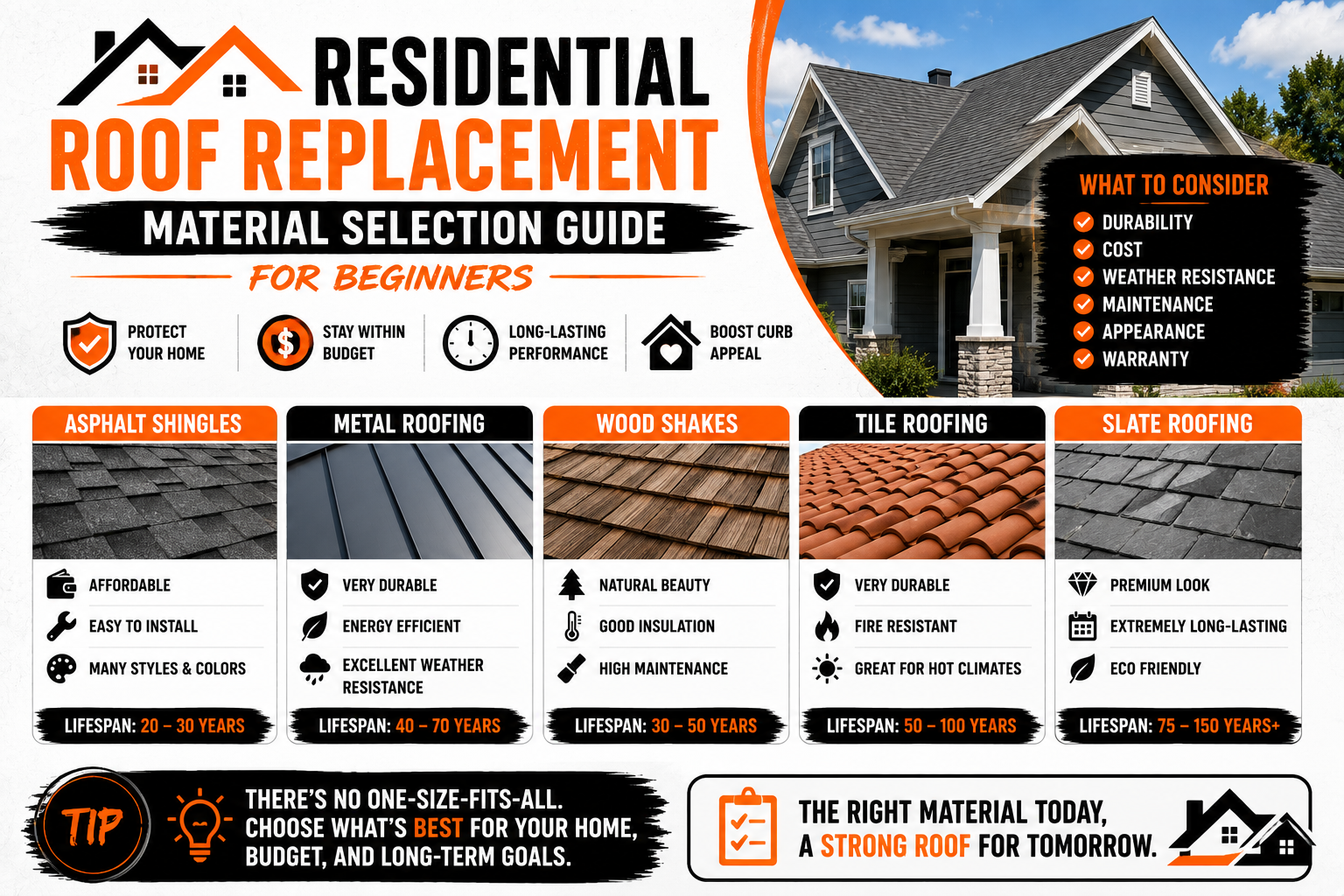
After understanding how climate, roof structure, and budget influence material selection, the next step is exploring the roofing materials commonly used on residential homes. Each material offers a different balance of durability, appearance, maintenance, energy efficiency, and cost. Understanding these differences helps beginners compare options based on their specific needs rather than choosing solely on price.
No roofing material is perfect for every home. The best choice depends on the property’s location, architectural style, long term ownership plans, and personal preferences. Looking at each option individually makes the selection process much easier.
Asphalt Shingles
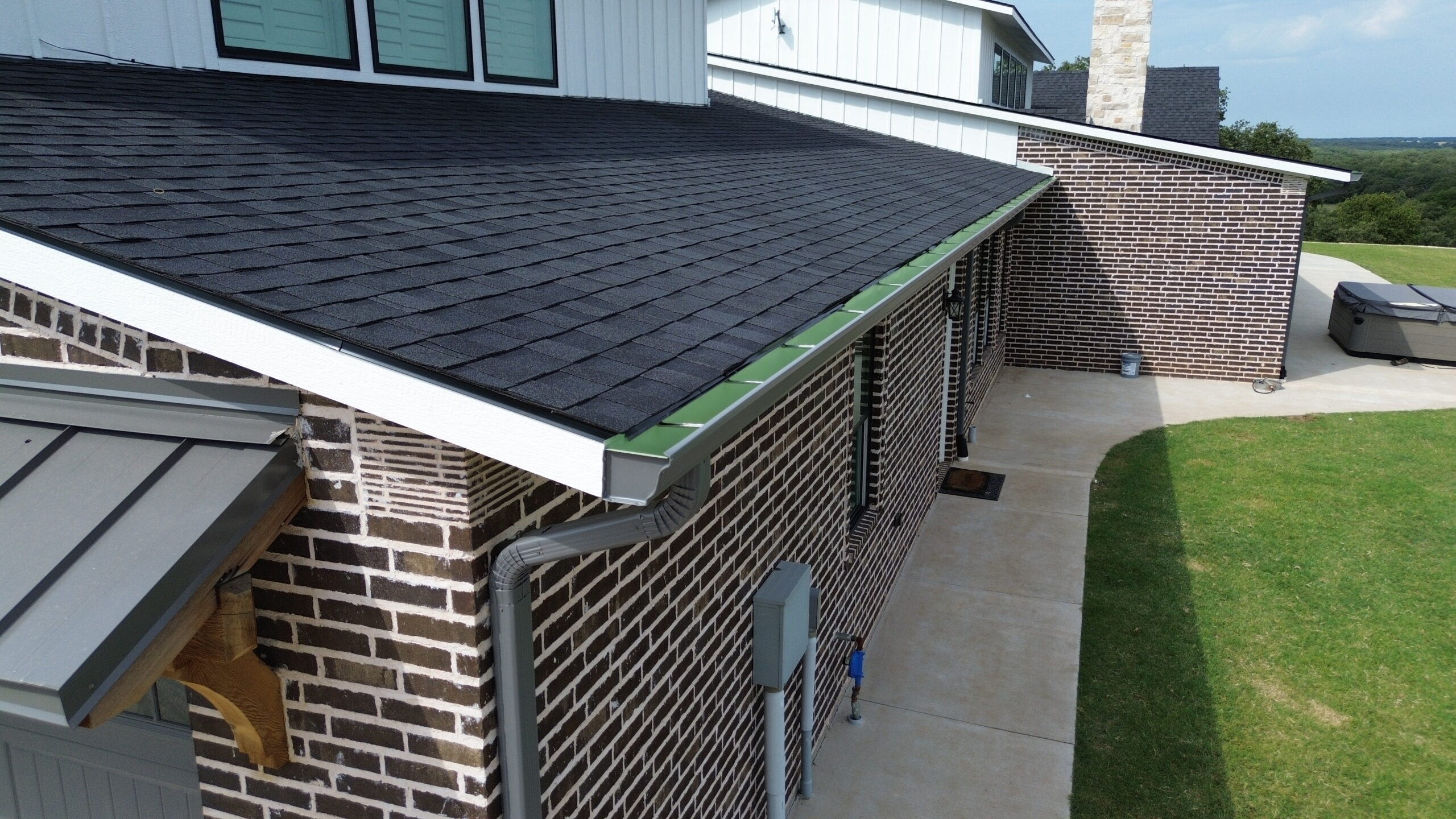
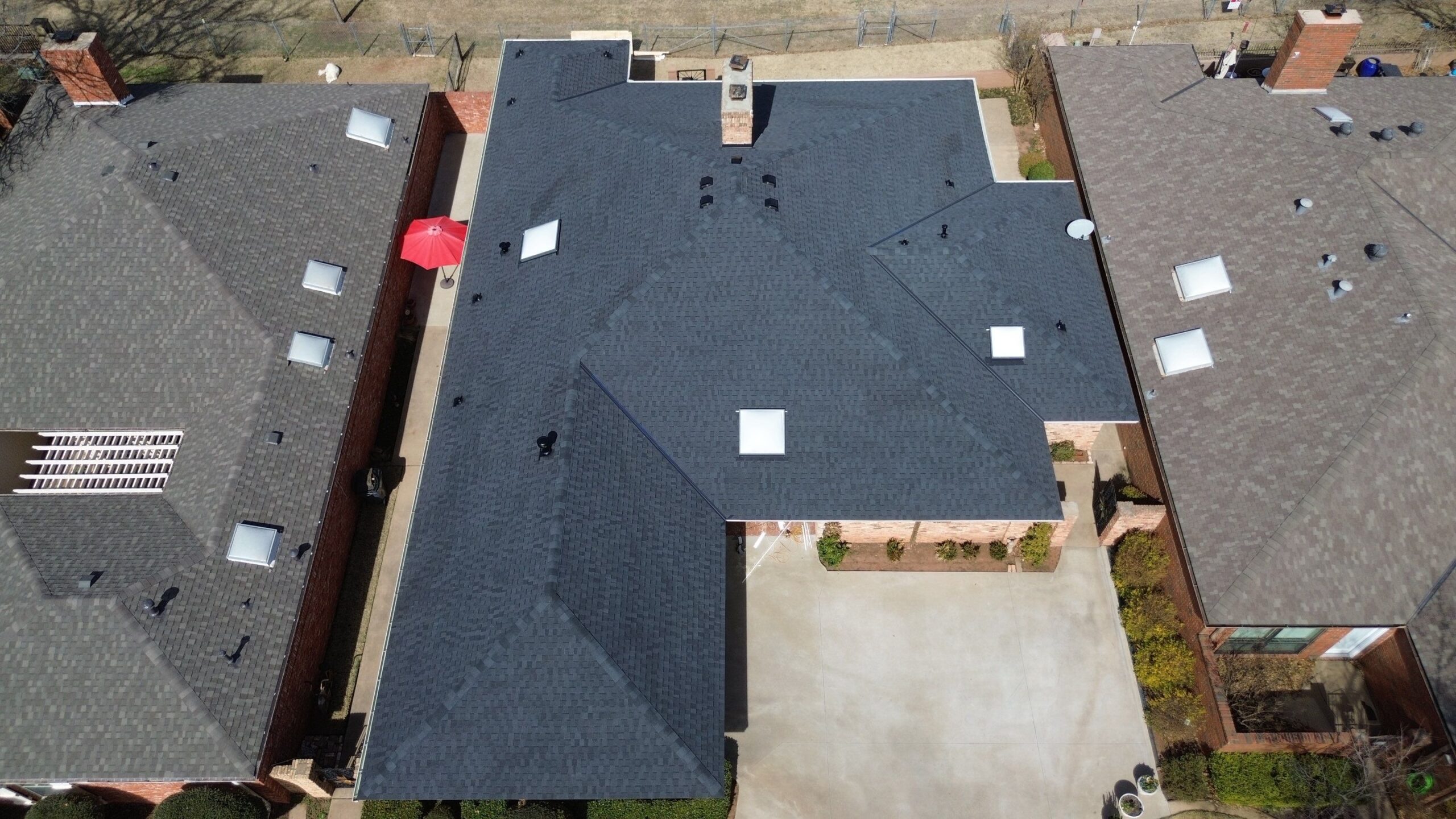
Asphalt shingles are the most widely used residential roofing material because they provide a practical combination of affordability, durability, and design flexibility. They are available in many colors, textures, and styles, allowing homeowners to match a wide variety of home designs without exceeding their budget.
Most asphalt shingles are manufactured using a fiberglass or organic base coated with asphalt and protective mineral granules. These granules help shield the shingles from ultraviolet rays while improving weather resistance and extending their service life. Modern manufacturing has also improved their wind resistance compared to older products.
One reason beginners often choose asphalt shingles is their relatively straightforward installation process. Since many roofing contractors regularly work with this material, homeowners generally have more installation options and competitive pricing. Replacement and repairs are also simpler because damaged shingles can often be replaced individually.
Maintenance requirements remain moderate throughout the roof’s lifespan. Periodic inspections, cleaning debris from the roof, and replacing damaged shingles when necessary usually keep the system performing well. Regular maintenance also helps prevent small issues from becoming larger repair projects.
Despite their popularity, asphalt shingles do have limitations. They generally do not last as long as premium materials like slate or metal roofing, and their lifespan may shorten in regions with intense sunlight or severe weather conditions. Homeowners should balance their lower initial cost with their expected replacement timeline.
Metal Roofing
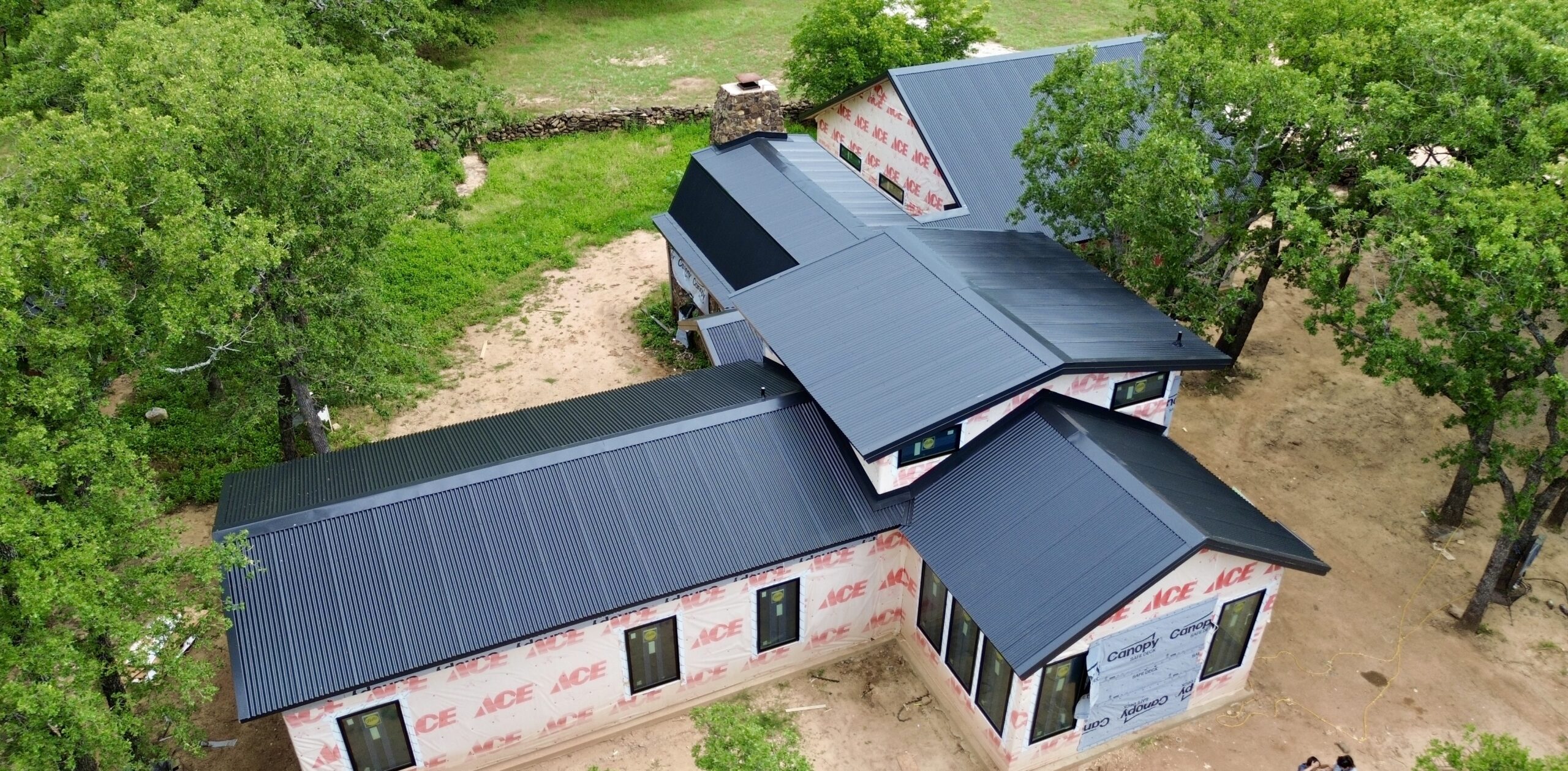
Metal roofing has become increasingly popular among homeowners looking for exceptional durability and long term value. Advances in manufacturing have created attractive designs that resemble traditional roofing while offering significantly improved performance against weather and environmental conditions.
Modern residential metal roofs are commonly made from steel, aluminum, copper, or zinc. Protective coatings help prevent corrosion while allowing the roof to maintain its appearance for many years. Manufacturers also offer numerous color options that complement both modern and traditional homes.
One of metal roofing’s greatest advantages is its impressive lifespan. When properly installed and maintained, many metal roofs remain functional for several decades, making them an appealing investment for homeowners planning to stay in their homes long term.
Metal roofing also performs well in challenging weather conditions. It sheds rain and snow efficiently, resists fire, and often provides excellent protection against high winds. These qualities make it suitable for areas that regularly experience severe weather events.
Energy efficiency represents another important benefit. Reflective metal surfaces reduce heat absorption, helping lower attic temperatures during hot weather. This characteristic may contribute to reduced cooling costs and improved indoor comfort throughout the summer.
The higher initial installation cost sometimes discourages beginners from selecting metal roofing. However, its durability, lower maintenance requirements, and extended lifespan often offset much of that investment over time. Homeowners should evaluate both the upfront expense and the long term financial value before making a decision.
Clay and Concrete Tiles
Clay and concrete roof tiles are known for their timeless appearance and exceptional durability. These materials have been used in residential construction for generations and continue to remain popular in regions where architectural styles complement their distinctive look.
Clay tiles are manufactured from natural clay that is molded and fired at high temperatures. Concrete tiles use a mixture of cement, sand, and water to create a similarly attractive appearance while often providing a more affordable alternative. Both materials offer impressive strength and weather resistance.
One major advantage of tile roofing is longevity. With proper installation and maintenance, these roofing systems can provide reliable protection for many decades. They also maintain their appearance well because their colors are integrated into the material rather than simply applied as a surface coating.
Tile roofing performs particularly well in warm climates. The natural air space beneath many tile systems helps reduce heat transfer into the home, contributing to improved energy efficiency. They also resist fire, insect damage, and moisture when properly installed.
Weight remains one of the most important considerations when choosing tile roofing. Clay and concrete tiles are significantly heavier than asphalt shingles, meaning the home’s roof structure must be capable of supporting the additional load. Structural evaluation often becomes necessary before installation begins.
Individual tiles may occasionally crack due to impact from falling branches or heavy objects. Fortunately, isolated damaged tiles can usually be replaced without replacing the entire roof, making repairs relatively manageable when performed promptly.
Slate Roofing
Slate roofing is widely recognized as one of the most durable and elegant roofing materials available. Natural slate is a dense stone that offers remarkable resistance to weather, moisture, fire, and temperature changes while creating a distinctive architectural appearance.
Each slate tile is cut from natural stone, giving every roof a unique texture and visual character. Homeowners seeking a premium appearance often appreciate the natural color variations and timeless style that slate provides. It complements historic homes particularly well but can also enhance many custom residential designs.
One of slate’s greatest strengths is its exceptional lifespan. Properly installed slate roofs can remain functional for many decades with relatively limited maintenance. This longevity often makes the higher purchase price easier to justify for homeowners planning long term ownership.
Slate also offers outstanding resistance to harsh environmental conditions. It withstands heavy rain, snow, ultraviolet exposure, and fire while maintaining its structural integrity over many years. These qualities contribute to its reputation as one of the most dependable roofing materials available.
However, slate is among the heaviest residential roofing materials. The roof structure must be carefully evaluated to ensure it can safely support the additional weight before installation begins. Specialized installation skills are also required because improper handling may damage individual slate tiles.
The premium cost associated with slate extends beyond the material itself. Installation requires experienced professionals familiar with natural stone roofing systems, making labor costs higher than many alternative roofing materials.
Wood Shingles and Wood Shakes
Wood roofing provides a warm, natural appearance that many homeowners find visually appealing. Cedar remains the most common material because it naturally resists moisture, insects, and decay better than many other wood species.
Although wood shingles and wood shakes appear similar from a distance, they differ in manufacturing. Wood shingles are machine cut to create a smooth and consistent appearance, while wood shakes are split by hand or machine, producing a thicker and more rustic texture.
Many homeowners choose wood roofing because it blends beautifully with natural surroundings and traditional architectural styles. The material develops an attractive weathered appearance over time, giving homes a distinctive character that synthetic materials often attempt to imitate.
Wood roofing also provides natural insulation properties that help regulate indoor temperatures throughout changing seasons. When properly maintained, it can contribute to improved comfort while offering reliable weather protection.
Maintenance requirements are generally higher than many other roofing materials. Regular inspections, cleaning, and treatments help prevent moisture damage, mold growth, insect activity, and premature deterioration. Homeowners should be prepared for this additional responsibility before choosing wood roofing.
Local building codes should also be reviewed because some areas with elevated wildfire risk restrict or regulate wood roofing installations. Fire resistant treatments may improve performance, but local regulations should always be confirmed before making a purchase.
Synthetic Roofing Materials
Synthetic roofing materials have gained popularity by combining the appearance of premium roofing products with modern manufacturing technology. Many are designed to resemble slate, wood shakes, or clay tiles while reducing weight and simplifying installation.
Manufacturers typically produce synthetic roofing using engineered polymers, recycled materials, or composite blends. These products aim to deliver the visual appeal of traditional materials while improving resistance to impact, moisture, and ultraviolet exposure.
One significant advantage is their lighter weight. Homes that may not support heavy natural slate or clay tiles can often accommodate synthetic alternatives without major structural reinforcement. This expands the range of design options available to homeowners.
Synthetic roofing also offers consistent manufacturing quality. Unlike natural materials that vary in appearance and size, engineered products provide greater uniformity, making installation more predictable and visually consistent across the completed roof.
Many synthetic products are engineered to resist fading, cracking, insect damage, and moisture absorption. These characteristics contribute to reduced maintenance requirements while helping the roof maintain its appearance over many years.
Since synthetic roofing products continue to evolve, homeowners should carefully review manufacturer warranties, performance certifications, and contractor recommendations. Product quality can vary between manufacturers, making research especially important before making a final selection.
Comparison of Residential Roofing Materials
Comparing roofing materials side by side makes it easier to understand how they differ across several important categories. Rather than focusing on only one feature, homeowners should evaluate overall performance based on their individual priorities.
| Roofing Material | Typical Lifespan | Maintenance Level | Initial Cost | Weight | Best Suited For |
|---|---|---|---|---|---|
| Asphalt Shingles | Moderate | Moderate | Low | Light | Budget friendly residential homes |
| Metal Roofing | Long | Low | Medium to High | Light to Moderate | Areas with severe weather |
| Clay Tiles | Very Long | Low | High | Heavy | Warm climates and Mediterranean style homes |
| Concrete Tiles | Long | Low | Medium to High | Heavy | Homes requiring durable tile appearance |
| Slate Roofing | Extremely Long | Low | Premium | Very Heavy | Luxury and historic homes |
| Wood Shingles and Shakes | Moderate to Long | High | Medium | Moderate | Rustic and traditional homes |
| Synthetic Roofing | Long | Low | Medium | Light | Homeowners seeking premium appearance with reduced weight |
This comparison demonstrates that every roofing material involves trade offs. Some prioritize affordability, while others focus on longevity, appearance, or weather resistance. Understanding these differences allows homeowners to narrow their choices more confidently.
How to Match Roofing Materials With Different Home Styles
Roofing materials should complement the overall design of the home rather than competing with it. A roof occupies a significant portion of a home’s exterior, making material selection an important architectural decision as well as a functional one.
Traditional suburban homes often pair well with asphalt shingles because they are available in numerous colors and textures. Their versatility allows homeowners to achieve either a classic or more contemporary appearance without major design compromises.
Modern homes frequently benefit from clean lined metal roofing systems. The sleek appearance, sharp profiles, and wide range of finishes create a contemporary look that complements minimalist architectural styles while providing outstanding durability.
Mediterranean, Spanish, and Southwestern homes are commonly associated with clay or concrete tile roofs. Their distinctive curved profiles and warm colors contribute significantly to the architectural identity of these home styles while performing well in warmer climates.
Historic homes often benefit from natural slate roofing because it preserves traditional architectural character. Although slate requires a larger investment, it provides an authentic appearance that many homeowners consider worthwhile when maintaining older properties.
Wood shingles and shakes naturally complement cottages, cabins, farmhouses, and homes surrounded by natural landscapes. Their organic appearance blends well with wood siding, stone accents, and other traditional exterior materials.
Synthetic roofing has become a versatile option because manufacturers now produce products that closely resemble multiple premium roofing materials. Homeowners seeking the appearance of slate, tile, or wood without the associated weight may find synthetic alternatives to be an attractive solution.
Selecting roofing materials should always balance appearance with practical performance. A beautiful roof that performs poorly in the local climate may become a costly mistake, while a material that combines visual appeal with reliable protection provides lasting value. In the next section, we will examine maintenance expectations, energy efficiency, common selection mistakes, contractor questions, and the final steps that help homeowners confidently choose the right residential roofing material.
Energy Efficiency and Environmental Considerations
Energy efficiency has become an important factor in residential roof replacement because the roof directly affects indoor comfort throughout the year. The material you choose influences how much heat enters or leaves your home, which can affect heating and cooling costs over time. Looking beyond appearance allows homeowners to gain long term financial and environmental benefits.
Some roofing materials naturally reflect more sunlight than others. Roofs that reflect solar radiation absorb less heat, helping keep attic temperatures lower during hot weather. This reduces the workload on air conditioning systems and may contribute to lower electricity bills.
Insulation also plays a role in overall roof performance. While roofing materials provide the outer layer of protection, they work together with proper insulation and ventilation to create an energy efficient roofing system. Even premium materials cannot deliver their full benefits without adequate attic insulation.
Many manufacturers now produce roofing products using recycled materials or environmentally responsible manufacturing processes. Choosing sustainable products can reduce environmental impact while maintaining excellent durability and performance.
Long lasting roofing materials also support sustainability. A roof that lasts several decades requires fewer replacements, reducing material waste and the environmental impact associated with manufacturing, transportation, and disposal.
Homeowners interested in environmentally friendly construction should also consider whether the roofing material can be recycled at the end of its service life. Some materials can be reused or recycled into new construction products, reducing landfill waste and supporting more sustainable building practices.
Maintenance Requirements of Different Roofing Materials
Every roofing material requires some level of maintenance, even those marketed as low maintenance options. Regular inspections help identify small issues before they become expensive repairs, extending the life of the roof and protecting the home’s structure.
Asphalt shingles generally require periodic inspections for loose, cracked, or missing shingles. Cleaning leaves and debris from the roof and gutters also helps prevent moisture buildup that could shorten the roof’s lifespan. Addressing minor damage early usually prevents larger repair projects.
Metal roofing requires relatively little maintenance compared to many other materials. Homeowners should occasionally inspect fasteners, flashing, and protective coatings to ensure the roof continues performing as intended. Removing debris and checking for scratches or surface damage also helps preserve corrosion resistance.
Clay and concrete tile roofs benefit from regular visual inspections. Individual cracked or displaced tiles should be replaced promptly to prevent water infiltration. Cleaning moss or algae growth where necessary also helps maintain both appearance and performance.
Natural slate roofing is highly durable but should still be inspected periodically. Broken or slipped slate tiles should be repaired by experienced professionals because walking on slate incorrectly may damage surrounding tiles. Specialized maintenance helps preserve the roof’s exceptional lifespan.
Wood shingles and wood shakes require more frequent attention than most alternatives. Homeowners should monitor for moisture damage, mold, insect activity, and natural weathering while performing routine cleaning and protective treatments when recommended.
Synthetic roofing products typically require minimal maintenance. Periodic inspections, cleaning accumulated debris, and ensuring drainage systems remain clear usually provide sufficient care for most synthetic roofing systems.
Regardless of the material selected, homeowners should establish a routine inspection schedule rather than waiting until visible leaks develop. Preventive maintenance almost always costs less than major structural repairs caused by unnoticed roof damage.
Common Mistakes Beginners Should Avoid When Selecting Roofing Materials
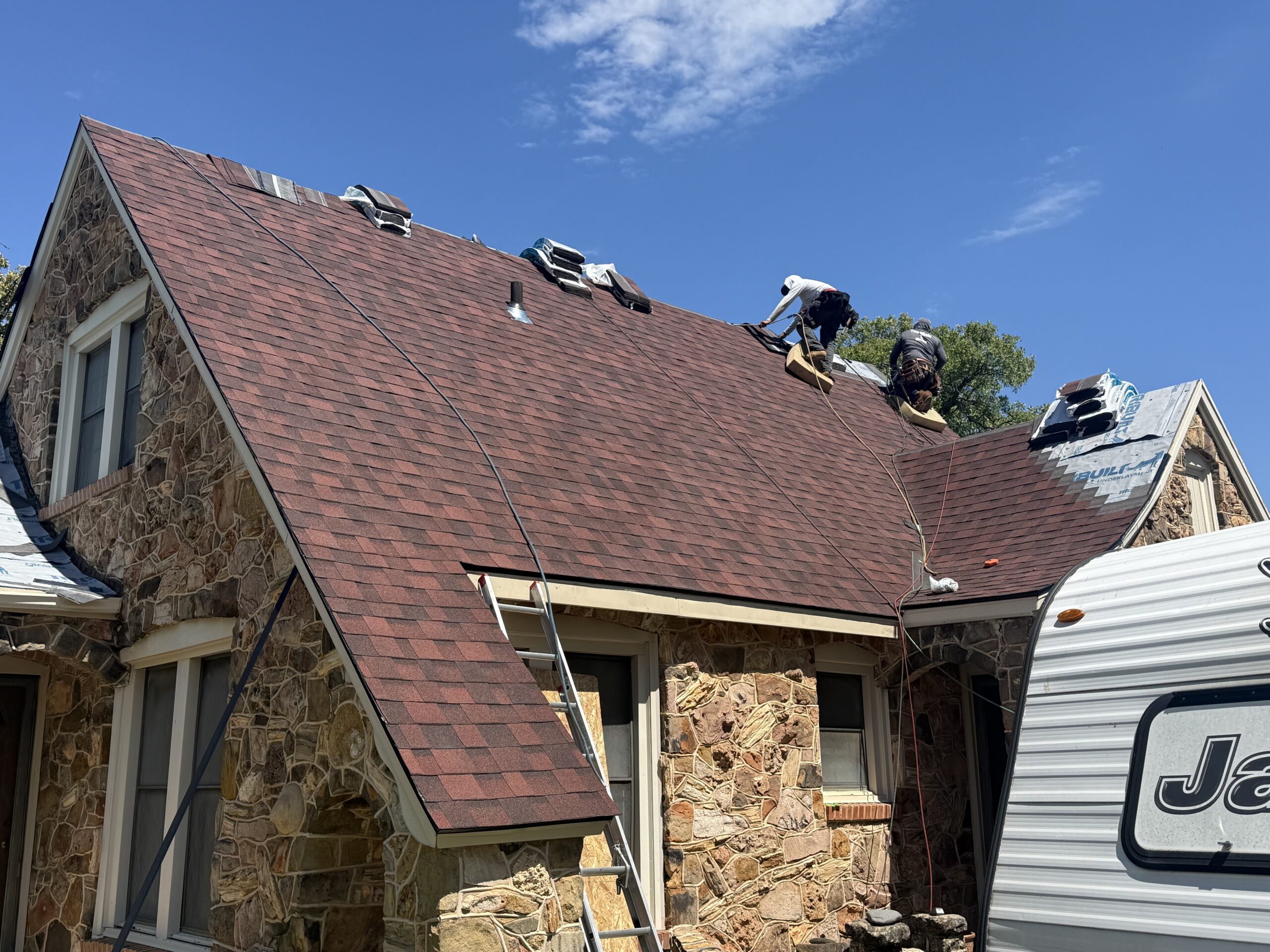
Choosing roofing materials for the first time can be challenging. Many homeowners unintentionally make decisions based on incomplete information, resulting in higher costs or disappointing long term performance. Recognizing these common mistakes helps simplify the selection process.
One frequent mistake is focusing only on the lowest installation price. While staying within budget is important, selecting the least expensive option without considering durability, maintenance, and expected lifespan often leads to greater expenses over the years.
Another common error is choosing materials based solely on appearance. A roof may look attractive in photographs or neighboring homes, but it may not perform well under your local weather conditions. Performance should always receive equal consideration alongside aesthetics.
Some homeowners overlook structural limitations before selecting heavier roofing materials. Installing clay tiles or natural slate on a roof that was not designed to support their weight may require costly structural reinforcement. Evaluating the roof structure early prevents unexpected project expenses.
Ignoring maintenance requirements is another mistake many beginners make. Every roofing material has different care expectations, and homeowners should honestly consider how much routine maintenance they are willing to perform over the coming years.
Failing to compare warranties also creates problems. Manufacturer warranties and workmanship warranties vary considerably, making it important to understand what is covered, how long protection lasts, and what maintenance responsibilities remain with the homeowner.
Some homeowners rush the decision without obtaining multiple professional opinions. Consulting experienced roofing contractors provides valuable insights into which materials have demonstrated reliable performance under local environmental conditions.
Questions to Ask Your Roofing Contractor Before Choosing Materials
Selecting the right contractor is just as important as selecting the right roofing material. Experienced professionals can explain material performance, identify structural concerns, and recommend products that suit both the home and the local climate.
Before signing a roofing contract, homeowners should ask clear questions that help them understand the proposed roofing system. These discussions often reveal important details that may not appear in written estimates alone.
Consider asking questions such as:
- Which roofing material performs best in my local climate?
- Will my existing roof structure support the selected material?
- What maintenance should I expect after installation?
- What manufacturer and workmanship warranties are included?
- How long is the expected installation timeline?
- Will ventilation or insulation improvements be recommended during replacement?
The answers should be detailed, practical, and supported by professional experience rather than sales language. A knowledgeable contractor will explain both the advantages and limitations of each material instead of recommending only one product without explanation.
Homeowners should also request written estimates that clearly identify materials, labor, warranties, cleanup procedures, and any additional work that may become necessary if hidden structural damage is discovered during installation.
Final Material Selection Checklist
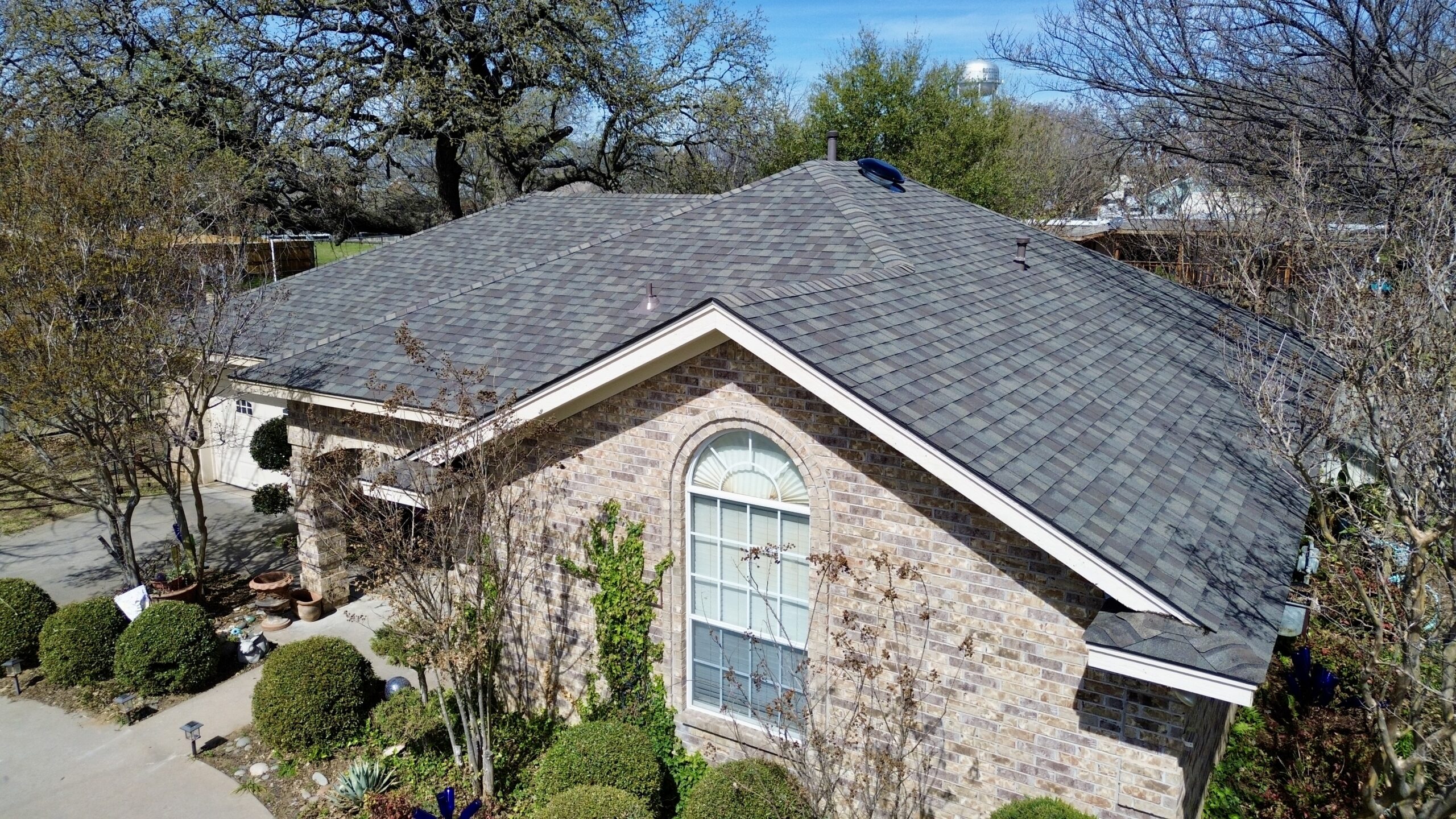
After comparing roofing materials and discussing options with contractors, homeowners can use a simple checklist to organize their final decision. Reviewing these considerations helps ensure that important details have not been overlooked before installation begins.
The following checklist provides a practical review before making the final selection:
- Confirm the roofing material is suitable for the local climate.
- Verify that the roof structure can safely support the selected material.
- Compare installation costs with expected lifespan rather than initial price alone.
- Review maintenance requirements and ensure they fit your expectations.
- Confirm warranty coverage for both materials and workmanship.
- Consider energy efficiency and potential long term utility savings.
- Ensure the roofing style complements the home’s architectural design.
- Choose an experienced contractor with proven installation expertise.
Completing this review gives homeowners greater confidence that their decision balances performance, appearance, durability, and long term value. Taking extra time during planning often prevents expensive mistakes after installation has already begun.
It is also helpful to keep project documentation after the roof replacement is complete. Warranty information, contractor details, maintenance recommendations, inspection reports, and material specifications should be stored together for future reference. These records can simplify maintenance, support warranty claims, and provide useful information if the home is sold later.
Conclusion
Selecting the right residential roofing material is a decision that affects the comfort, appearance, and protection of your home for many years. While the wide variety of available materials may seem overwhelming at first, understanding the strengths and limitations of each option makes the process much more manageable. Beginners who invest time in learning about roofing materials are better prepared to make informed and confident decisions.
Throughout this guide, we explored the factors that influence material selection, including climate, roof structure, budget, maintenance, and architectural style. We also compared the most common residential roofing materials, highlighting how each performs under different conditions. Looking beyond the initial purchase price allows homeowners to focus on long term value rather than short term savings.
Energy efficiency, environmental impact, and maintenance expectations should remain important parts of every roofing decision. A roof that performs well throughout changing weather conditions while requiring reasonable maintenance often provides the greatest return on investment. Careful planning also reduces the likelihood of unexpected repairs and premature replacement.
Working with an experienced roofing contractor further improves the likelihood of a successful project. Professional guidance, proper installation, and quality workmanship ensure that even the best roofing materials perform as intended throughout their expected lifespan. Open communication and detailed planning create a smoother replacement experience from start to finish.
Ultimately, there is no universal roofing material that suits every home. The ideal choice depends on your climate, budget, structural requirements, design preferences, and long term goals. By carefully evaluating each of these factors and approaching the project with a well informed perspective, homeowners can confidently select a roofing material that provides lasting protection, enhances curb appeal, and delivers dependable performance for decades to come.