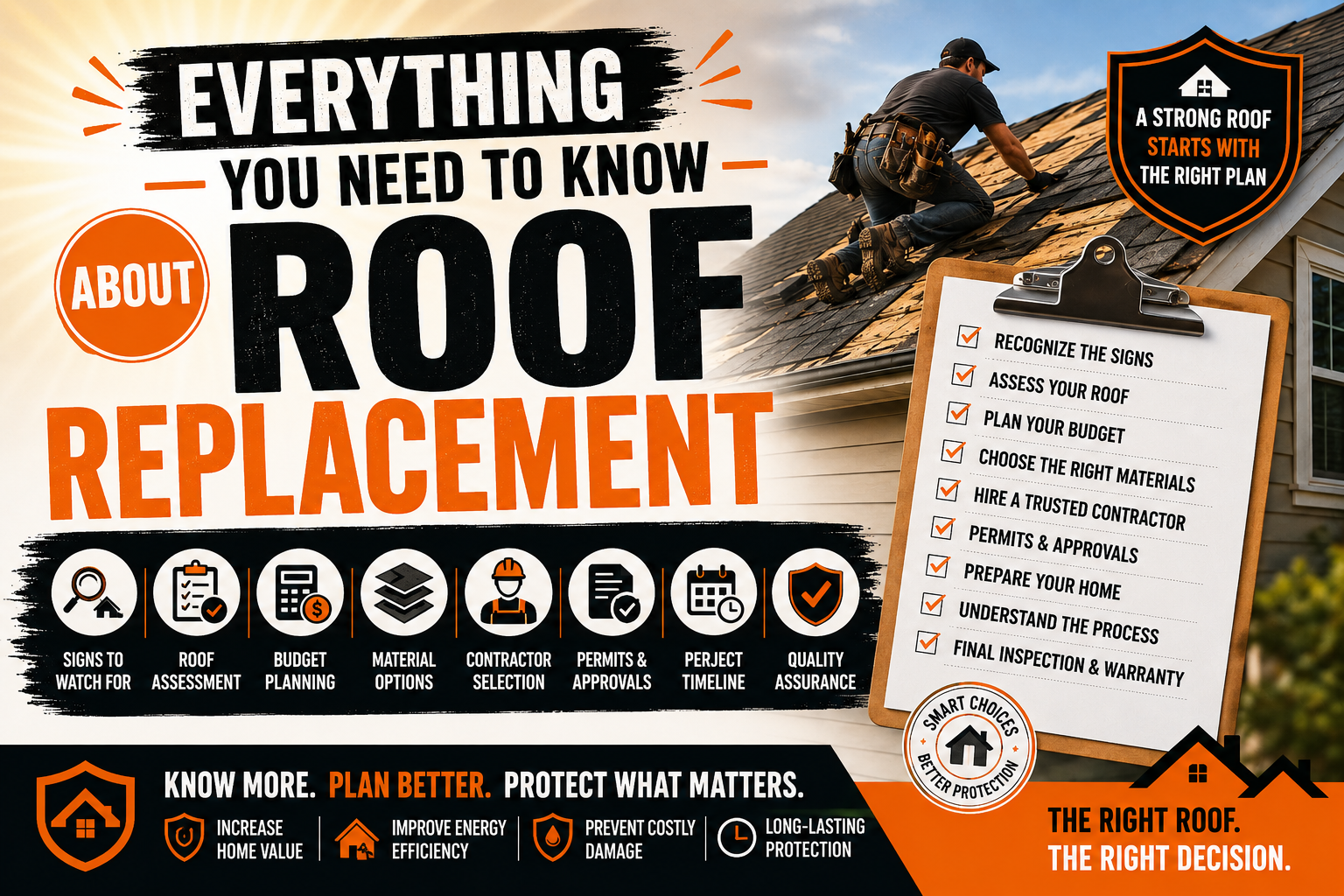
Everything You Need to Know About Roof Replacement
Introduction
A roof is one of the most important parts of any home because it protects the structure, belongings, and occupants from changing weather conditions throughout the year. It also contributes to energy efficiency, structural stability, and the overall appearance of a property. When a roof reaches the end of its lifespan or experiences significant damage, replacement becomes one of the most valuable investments a homeowner can make.
Many people delay roof replacement because they believe repairs will continue solving every problem. While repairs are effective for isolated issues, there comes a point where maintaining an aging roof becomes more expensive than installing a new one. Understanding when and why replacement is necessary helps homeowners make informed decisions before small problems become major structural concerns.
Roof replacement involves much more than removing old shingles and installing new materials. It requires careful inspection, planning, budgeting, material selection, and professional installation to ensure the new roofing system performs efficiently for many years. Every decision made before construction begins influences the long term durability and value of the investment.
Modern roofing systems also offer advantages that were not available decades ago. Improved materials, advanced ventilation systems, better insulation compatibility, and stronger weather resistance all contribute to greater comfort and reduced maintenance. Replacing an old roof therefore provides an opportunity to improve both the appearance and performance of the entire home.
Whether you are replacing a roof because of age, storm damage, or recurring repairs, understanding the complete process helps eliminate uncertainty. This guide explains everything homeowners need to know before beginning a roof replacement project, starting with the basics of what roof replacement actually involves and why it becomes necessary.
What Is Roof Replacement?
Roof replacement is the process of removing part or all of an existing roofing system and installing new materials that restore the roof’s ability to protect the building. Depending on the condition of the existing roof, replacement may involve installing new decking, underlayment, flashing, ventilation components, and the final roofing material.
Unlike routine repairs, which address isolated damage, roof replacement focuses on renewing the entire roofing system. This approach improves reliability because every major roofing component works together rather than combining old and new materials with different levels of wear.
A complete roof replacement also allows contractors to inspect structural components hidden beneath the roofing surface. Damaged roof decking, deteriorated flashing, moisture intrusion, or ventilation problems can all be corrected before the new roof is installed. Addressing these issues during replacement helps prevent future repairs and extends the life of the roofing system.
Homeowners often replace their roofs after decades of exposure to weather, repeated repairs, or severe storm damage. However, replacement is not always the result of visible problems alone. Some people choose to replace older roofs as part of major home renovations or before selling a property to improve its market value and buyer confidence.
Understanding the purpose of roof replacement helps homeowners appreciate that the project is not simply cosmetic. A properly installed roof protects structural components, improves indoor comfort, and contributes to the long term safety of the building.
Roof Replacement Versus Roof Repair
One of the most common questions homeowners ask is whether a roof should be repaired or replaced. The answer depends on the condition of the roof, the extent of the damage, and the expected remaining lifespan of the existing materials.
Roof repair is generally suitable when damage is limited to a small area. Replacing a few missing shingles, repairing flashing, or sealing minor leaks can restore protection without replacing the entire roof. Repairs are often the most economical solution for relatively new roofs that remain in good overall condition.
Replacement becomes the better option when deterioration affects large portions of the roof or when repeated repairs continue to appear in different locations. Spending money on frequent repairs may temporarily solve individual problems, but it rarely restores the overall reliability of an aging roofing system.
Another important factor is the age of the roof. Roofing materials gradually lose their protective qualities over time, even if they appear acceptable from the ground. Once the roof approaches the end of its expected lifespan, replacement often becomes a more practical long term investment than continued maintenance.
Professional inspections help homeowners make this decision with greater confidence. Experienced roofing contractors evaluate material condition, structural integrity, moisture damage, and repair history before recommending the most appropriate solution.
Complete Replacement Versus Overlay Roofing
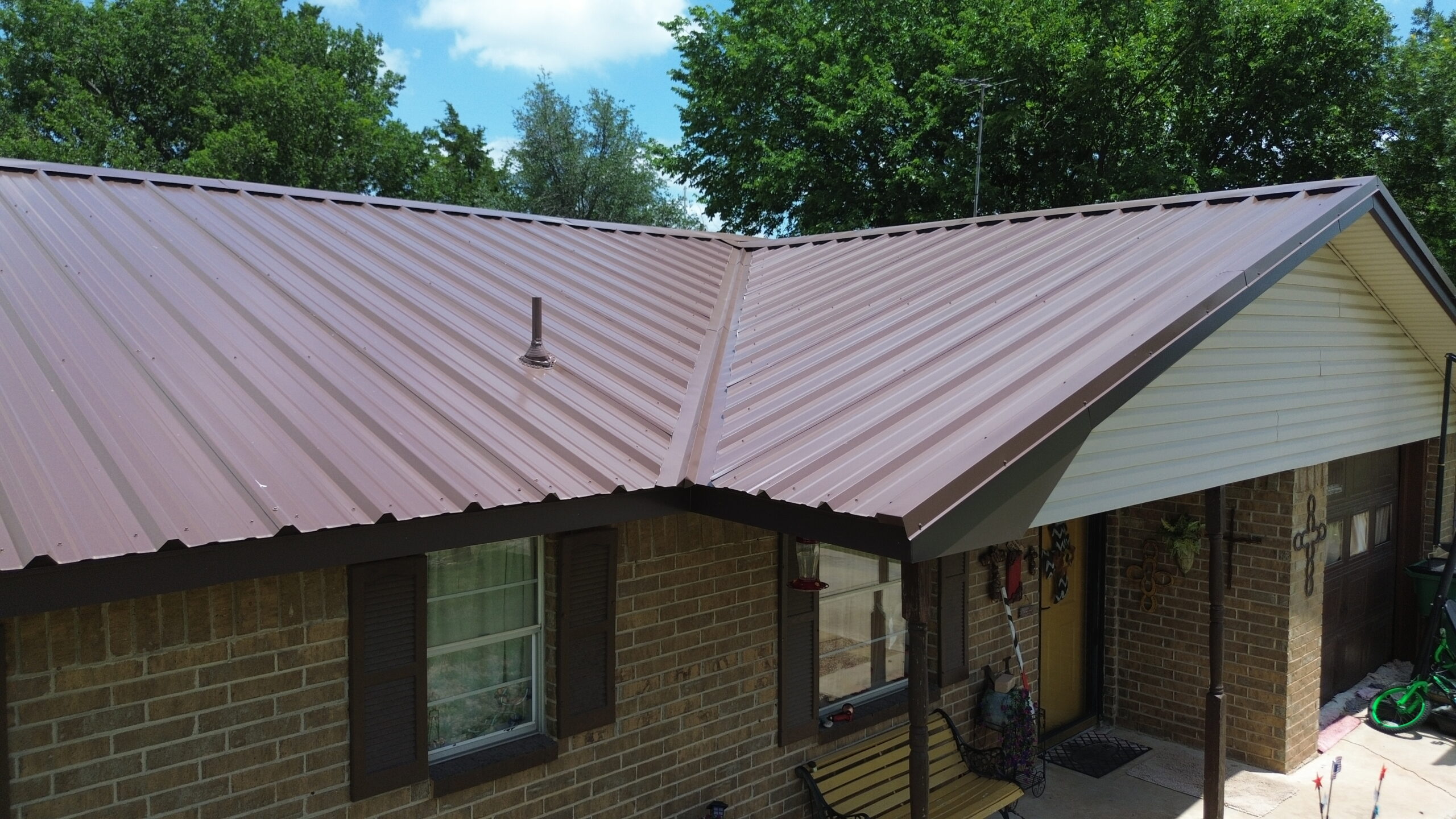
Not every roof replacement follows the same approach. In some situations, contractors install new roofing materials directly over the existing roof rather than removing everything first. This method is commonly known as an overlay or roof recover.
Overlay roofing reduces labor costs because old roofing materials remain in place. It may also shorten installation time since demolition work is minimized. However, this approach is only suitable under specific conditions and is not recommended for every property.
A complete roof replacement involves removing the existing roofing materials down to the roof deck. This process allows contractors to inspect hidden structural components and repair any damage before installing the new roofing system. Most roofing professionals recommend complete replacement because it provides the strongest foundation for long term performance.
Overlay installations may hide existing problems beneath the new roof. Moisture damage, deteriorated decking, or ventilation issues can continue developing unnoticed if the underlying roof is never inspected. For this reason, complete replacement is generally considered the more reliable and durable solution.
Local building codes may also restrict the number of roofing layers allowed on a structure. Homeowners should consult qualified contractors to determine which approach complies with local regulations and provides the best long term value.
Signs That Your Roof Needs Replacement
Recognizing the warning signs of roof failure helps homeowners act before extensive structural damage occurs. Some indicators develop gradually over many years, while others appear suddenly following severe weather events. Understanding these signs makes it easier to determine when professional evaluation is necessary.
Age remains one of the most reliable indicators that replacement should be considered. Every roofing material has an expected lifespan, and performance naturally declines as materials experience years of exposure to sunlight, rainfall, wind, and temperature changes.
Persistent leaks are another common warning sign. A single leak may be repairable, but recurring leaks appearing in multiple locations often indicate widespread deterioration rather than isolated damage. Continuing to repair these issues individually may eventually cost more than replacing the entire roof.
Missing, cracked, curled, or broken shingles also suggest declining roof performance. These damaged materials allow water to penetrate beneath the protective surface, increasing the likelihood of moisture intrusion and structural deterioration.
Inside the home, water stains on ceilings or walls may indicate roofing problems that require immediate attention. Even small stains can signal hidden leaks that gradually damage insulation, framing, and interior finishes if ignored.
A sagging roofline represents one of the most serious warning signs. Visible sagging may indicate weakened structural components caused by prolonged moisture exposure or excessive weight. This condition requires prompt professional assessment because it may affect the safety of the entire structure.
Warning Signs Homeowners Should Never Ignore
Some roofing problems develop slowly, making them easy to overlook during everyday life. Regular visual inspections help identify these issues before they become more expensive to repair.
The following signs deserve immediate professional evaluation:
- Frequent leaks during rainfall.
- Missing, curling, or cracked shingles.
- Excessive granules collecting in gutters.
- Visible sagging sections.
- Daylight visible through the attic.
- Mold, mildew, or persistent moisture odors.
- Higher heating and cooling bills without another obvious cause.
While one warning sign does not automatically require complete replacement, multiple symptoms occurring together usually indicate that the roof has reached the end of its reliable service life.
Common Causes of Roof Failure
Roofs are designed to withstand years of environmental exposure, but no roofing material lasts forever. Understanding the factors that contribute to roof failure helps homeowners recognize risks early and make better maintenance decisions throughout the roof’s lifespan.
Weather is one of the leading causes of roofing deterioration. Strong winds may lift shingles, heavy rain can exploit weak areas, hail creates impact damage, and prolonged sunlight gradually breaks down protective surfaces. Even moderate weather conditions slowly reduce roofing performance over time.
Natural aging also affects every roofing system. Materials become brittle, protective coatings wear away, sealants deteriorate, and fasteners gradually loosen after decades of expansion and contraction caused by changing temperatures.
Poor installation is another significant contributor to premature roof failure. Incorrect fastening, improper flashing installation, inadequate ventilation, or low quality workmanship may reduce the roof’s lifespan regardless of the quality of the materials used. Choosing experienced contractors helps minimize these risks.
Lack of routine maintenance allows minor problems to become major repairs. Blocked gutters, accumulated debris, damaged flashing, and neglected inspections all increase the likelihood of moisture intrusion and structural deterioration over time.
Moisture remains one of the most destructive forces affecting roofing systems. Water entering beneath roofing materials may damage decking, insulation, structural framing, and interior finishes while encouraging mold growth that affects indoor air quality.
Roof Inspection Before Replacement
A thorough roof inspection provides the information necessary to plan a successful replacement project. Professional inspections evaluate both visible roofing materials and hidden structural components that influence installation requirements and project costs.
Exterior inspections begin by examining the condition of shingles, tiles, metal panels, flashing, roof valleys, vents, and drainage systems. Contractors look for damaged materials, loose fasteners, deteriorated sealants, and evidence of water penetration. These observations help estimate the amount of work required during replacement.
Attic inspections provide valuable insight into the condition of the roof from below. Contractors check for water stains, mold growth, inadequate ventilation, compressed insulation, and visible daylight entering through the roof structure. These signs often reveal problems that cannot be detected from the exterior alone.
Structural evaluation is equally important during the inspection process. Roof decking, rafters, and supporting components must be capable of supporting the new roofing system safely. Identifying weakened structural areas before construction begins allows repairs to be incorporated into the overall project plan.
Moisture detection has become increasingly sophisticated with modern inspection methods. Some professionals use specialized moisture meters or infrared technology to locate hidden water intrusion beneath roofing materials. Detecting these issues early prevents surprises once construction begins.
Factors That Influence Roof Replacement Decisions
Deciding to replace a roof involves more than simply responding to visible damage. Homeowners should evaluate several important factors before moving forward with the project to ensure the investment delivers long term value.
The condition of the existing roof remains the primary consideration. Extensive deterioration affecting multiple roofing components usually supports replacement rather than continued repairs. Professional inspections provide objective information that helps guide this decision.
Budget also plays a significant role. Although roof replacement represents a substantial investment, delaying necessary work often increases long term costs as moisture damage spreads throughout the structure. Careful financial planning allows homeowners to complete the project before more serious repairs become necessary.
Future plans for the property should also be considered. Homeowners intending to remain in their homes for many years may prioritize premium roofing materials with longer lifespans. Those planning to sell in the near future may focus on materials that improve appearance, buyer confidence, and resale value.
Climate conditions influence material selection as well. Roofing systems should be chosen based on local weather patterns, including rainfall, wind exposure, temperature extremes, and sunlight intensity. Selecting materials appropriate for the local environment improves long term durability and overall performance.
Understanding these factors provides a strong foundation for the next stage of the roof replacement journey. With the basics established, the next part of this guide will explore roofing material options, cost considerations, contractor selection, project preparation, and the complete replacement process that transforms planning into action.
Types of Roofing Materials
Selecting the right roofing material is one of the most important decisions during a roof replacement project. The material influences the roof’s lifespan, maintenance requirements, weather resistance, energy efficiency, and overall appearance. Choosing the best option requires balancing budget, local climate, architectural style, and long term expectations.
Modern homeowners have access to a wide variety of roofing materials, each offering unique advantages. Some prioritize affordability, while others focus on durability or aesthetic appeal. Understanding the characteristics of each material makes it easier to select a roofing system that delivers lasting value.
Material selection should also take structural requirements into account. Heavier roofing products may require additional structural support, while lighter materials can often be installed on a wider range of homes. Consulting with a qualified roofing contractor helps ensure the chosen material is suitable for the existing structure.
Long term maintenance is another important consideration. Some materials require little attention beyond routine inspections, while others need periodic treatments or repairs to maintain their appearance and performance. Evaluating these maintenance needs before installation prevents unexpected responsibilities later.
Asphalt Shingles
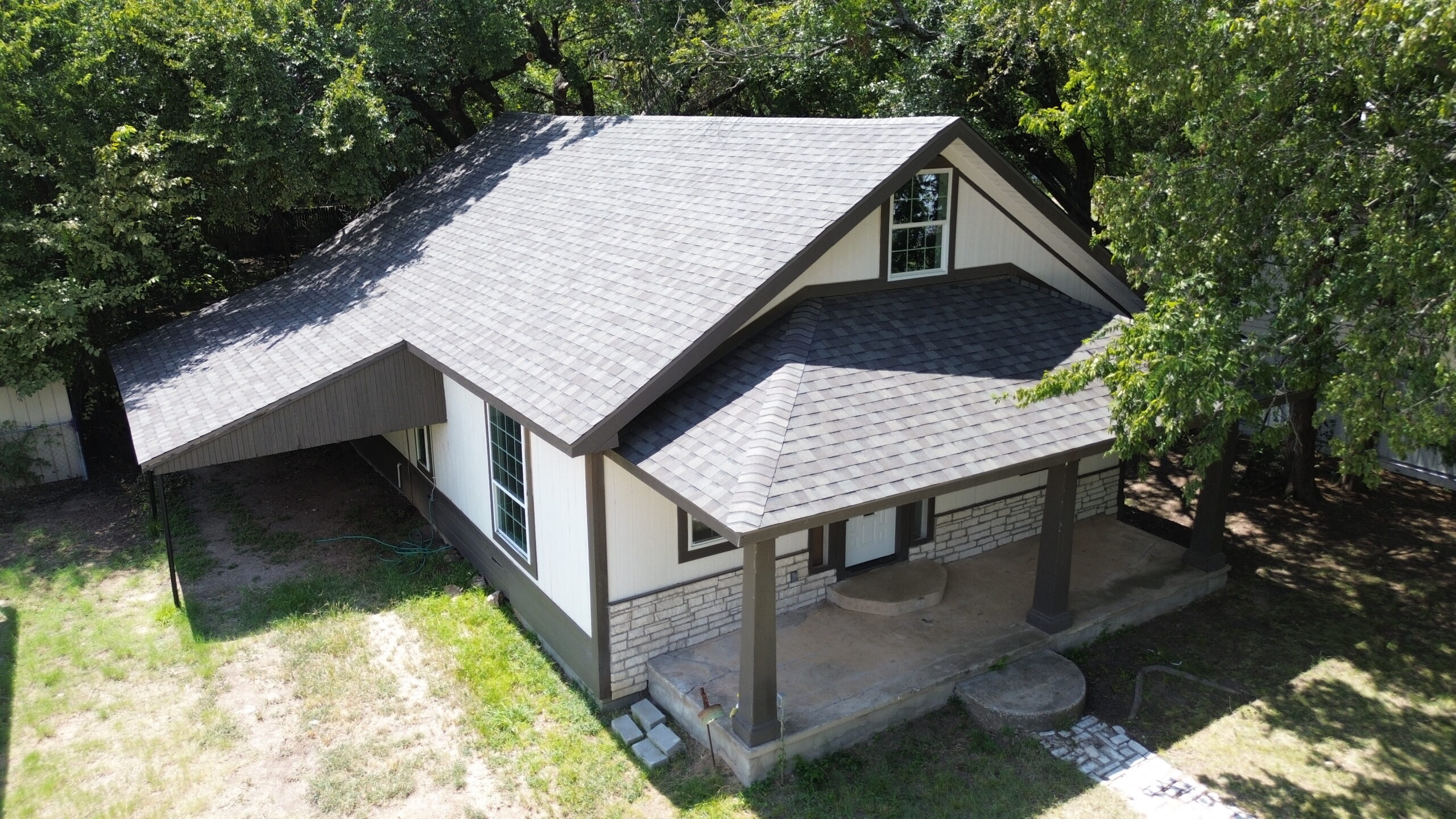
Asphalt shingles remain the most commonly installed residential roofing material because they provide an excellent balance between affordability and performance. They are available in a wide variety of colors, textures, and styles that complement different architectural designs.
Modern asphalt shingles offer improved resistance to wind, moisture, and ultraviolet exposure compared to older products. Many premium options also include enhanced impact resistance, making them suitable for regions that experience occasional hail or severe weather.
Installation is generally faster than many alternative materials, helping reduce labor costs. Repairs are also relatively straightforward since damaged shingles can often be replaced individually without affecting the surrounding roof.
Although asphalt shingles do not usually last as long as premium materials such as slate or metal, they continue to provide dependable performance for many homeowners when installed and maintained properly.
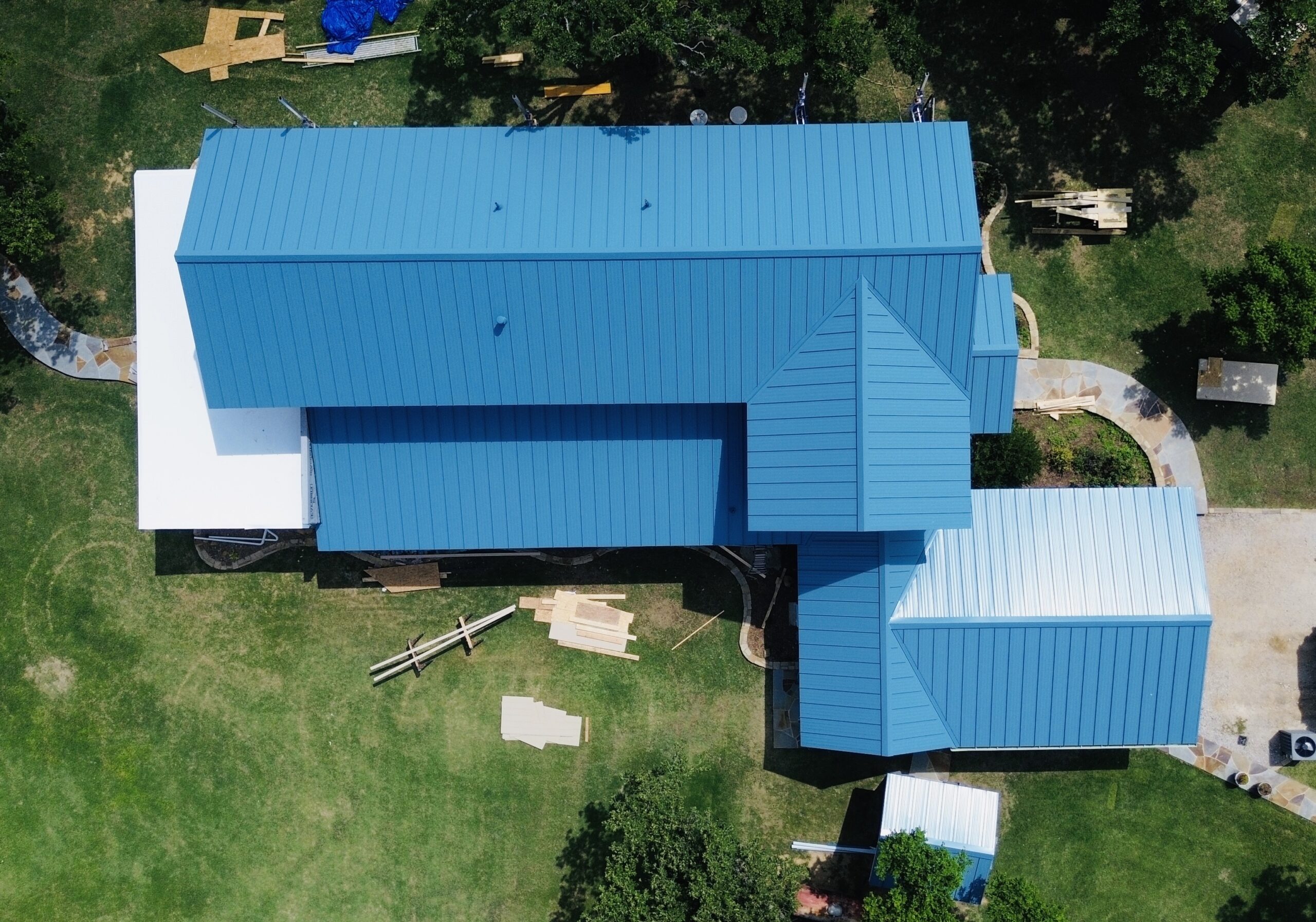
Metal Roofing
Metal roofing has become increasingly popular because of its exceptional durability and energy efficiency. Modern metal roofs are available in numerous styles that resemble traditional shingles, tiles, or standing seam panels, allowing homeowners to achieve different architectural appearances.
Reflective metal surfaces reduce solar heat absorption during warm weather, helping lower cooling costs. This improved energy efficiency makes metal roofing attractive for homes located in regions with long, hot summers.
Metal roofs also perform well during severe weather. They resist strong winds, heavy rainfall, snow accumulation, and fire more effectively than many traditional roofing materials. With proper installation and maintenance, many metal roofing systems remain functional for several decades.
Although the initial investment may be higher than asphalt shingles, the extended lifespan and lower maintenance requirements often provide significant long term value.
Clay and Concrete Tiles
Clay and concrete tiles are widely recognized for their distinctive appearance and remarkable longevity. These materials complement Mediterranean, Spanish, and Southwestern architectural styles while offering excellent resistance to sunlight and fire.
Clay tiles maintain their appearance for many years because their color extends throughout the material rather than existing only as a surface coating. Concrete tiles provide a similar appearance while offering greater flexibility in design and color options.
One important consideration is weight. Tile roofing systems are considerably heavier than asphalt shingles, which means the home’s structural framework must be capable of supporting the additional load. Professional structural evaluation is therefore essential before installation.
Although installation costs are generally higher, many homeowners appreciate the combination of durability, visual appeal, and long service life that tile roofing provides.
Slate Roofing
Slate is often considered one of the most durable roofing materials available. Natural stone provides exceptional resistance to weather, fire, insects, and moisture while creating an elegant appearance that enhances premium residential properties.
Properly installed slate roofs can remain functional for many decades with minimal maintenance. This remarkable longevity often offsets the higher initial installation cost for homeowners planning to remain in their homes long term.
Installation requires specialized expertise because slate is both heavy and fragile during handling. Contractors experienced with natural slate roofing understand the proper techniques needed to preserve both appearance and structural integrity.
Because of its premium price and structural requirements, slate is generally selected for homeowners seeking maximum durability and timeless architectural beauty.
Wood Shakes and Shingles
Wood roofing offers a natural appearance that many homeowners find attractive. Cedar is one of the most commonly used wood species because it naturally resists insects and moisture better than many other types of wood.
Wood shakes provide a more rustic appearance due to their hand split texture, while wood shingles create a smoother and more uniform look. Both options contribute warmth and character that complement traditional and cottage style homes.
Regular maintenance is important for wood roofing. Periodic cleaning, inspections, and protective treatments help preserve appearance while reducing the risk of moisture related deterioration.
Local building codes and fire regulations should also be reviewed before selecting wood roofing, as some areas restrict its use because of wildfire concerns.
Synthetic Roofing Materials
Synthetic roofing materials continue gaining popularity by combining the appearance of traditional materials with modern engineering. Many products successfully replicate slate, wood, or tile while offering lighter weight and improved impact resistance.
These materials often require less structural support than their natural counterparts, making them suitable for homes that cannot accommodate heavier roofing products. Installation may also be simpler, reducing labor requirements.
Many synthetic roofing products are manufactured using recycled materials, making them attractive to environmentally conscious homeowners. They also tend to resist cracking, fading, and moisture damage more effectively than some traditional materials.
Advancements in manufacturing continue improving the appearance and performance of synthetic roofing, making it an increasingly practical option for residential roof replacement.
Roofing Material Comparison
The following table provides a general comparison of popular roofing materials to help homeowners evaluate their options more effectively.
| Roofing Material | Typical Lifespan | Maintenance Level | Relative Cost | Best Known For |
|---|---|---|---|---|
| Asphalt Shingles | Moderate | Low | Low | Affordability and versatility |
| Metal Roofing | Long | Low | Medium to High | Durability and energy efficiency |
| Clay Tiles | Very Long | Low | High | Weather resistance and appearance |
| Concrete Tiles | Long | Low to Moderate | Medium to High | Strength and architectural style |
| Slate Roofing | Extremely Long | Very Low | Premium | Exceptional longevity |
| Wood Shakes | Moderate to Long | Moderate | Medium to High | Natural appearance |
| Synthetic Roofing | Long | Low | Medium | Lightweight durability |
Every roofing material has strengths and limitations. The ideal choice depends on climate conditions, maintenance preferences, budget, and the desired appearance of the property.
Understanding Roof Replacement Costs
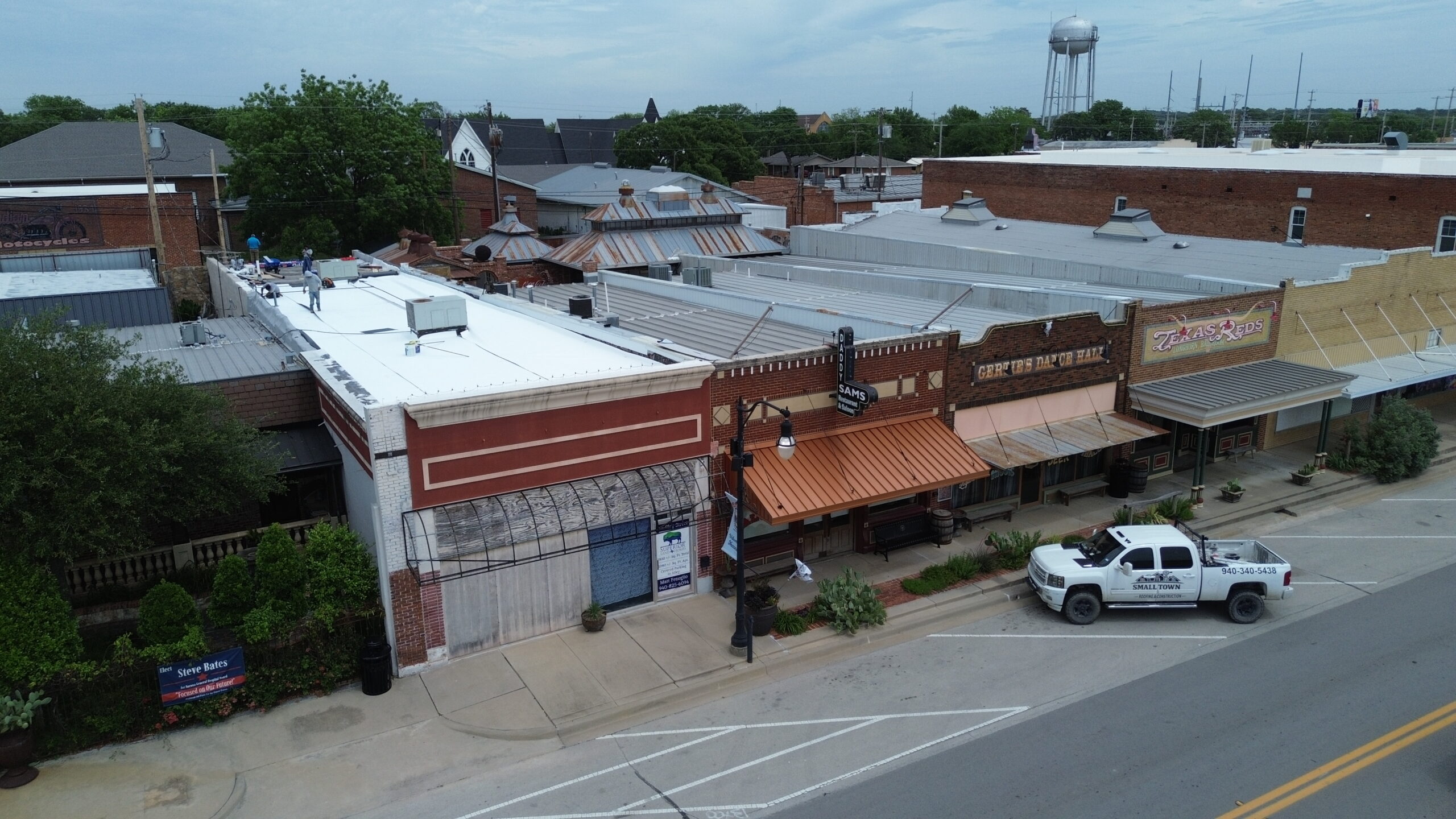
Roof replacement costs vary significantly because every project is unique. The final investment depends on material selection, roof size, labor requirements, structural repairs, geographic location, and several additional factors.
Many homeowners initially focus on the cost of roofing materials alone. While materials represent a substantial portion of the budget, labor, permits, disposal fees, underlayment, flashing replacement, ventilation improvements, and cleanup services also contribute to the total project cost.
Larger roofs naturally require more materials and installation time. Roofs with multiple slopes, valleys, dormers, chimneys, or skylights also increase labor complexity, resulting in higher installation expenses.
Removing existing roofing materials represents another important cost consideration. Older roofs with multiple layers often require additional demolition time and disposal services before installation can begin.
Hidden structural damage discovered after roof removal may also affect the final project cost. Including a contingency fund in the overall budget helps homeowners manage these unexpected expenses without interrupting construction.
Planning a Realistic Budget
Developing a realistic budget helps homeowners complete roof replacement projects with greater confidence. Rather than focusing solely on obtaining the lowest estimate, budgeting should emphasize overall value, workmanship quality, and long term durability.
Requesting multiple written estimates allows homeowners to compare pricing and understand what each contractor includes within the proposed scope of work. Detailed estimates provide transparency regarding materials, labor, warranties, cleanup, and any additional services.
Premium roofing materials generally require a higher initial investment but often provide longer service life and lower maintenance costs. Evaluating the total cost of ownership rather than only the installation price helps homeowners make financially sound decisions.
Financing options may also be available for homeowners who prefer spreading project costs over time. Understanding available payment methods early in the planning process reduces financial stress once construction begins.
Choosing the Right Roofing Contractor
Selecting a qualified roofing contractor is one of the most important decisions in the entire replacement process. Even the highest quality roofing materials depend on proper installation to deliver their expected lifespan and performance.
Begin by researching contractors with established reputations for quality workmanship. Companies with extensive experience are often better prepared to handle unexpected structural issues, changing weather conditions, and complex roof designs.
Customer reviews and references provide valuable insight into reliability, communication, and overall project satisfaction. Speaking with previous clients helps homeowners understand what to expect throughout the installation process.
Professional contractors willingly answer questions, explain recommendations clearly, and provide written documentation supporting their estimates. Strong communication before construction usually reflects the level of service homeowners will receive during the project itself.
Licensing, Insurance, and Certifications
Before hiring any roofing contractor, homeowners should verify that the company holds appropriate licenses required by local authorities. Licensing demonstrates compliance with applicable regulations and minimum professional standards.
Insurance coverage is equally important. Liability insurance protects property owners if accidental damage occurs during construction, while workers’ compensation insurance helps prevent homeowners from assuming financial responsibility for workplace injuries.
Manufacturer certifications represent another positive indicator of contractor expertise. Roofing manufacturers often provide specialized training programs that certify contractors to install their products according to approved installation methods.
Requesting documentation for these credentials is a standard part of the contractor selection process. Reputable companies understand these requests and readily provide the necessary information.
Comparing Estimates and Reviewing Contracts
Receiving estimates from multiple contractors provides a clearer understanding of market pricing and project scope. Rather than choosing solely based on cost, homeowners should compare the services included within each proposal.
A detailed estimate should specify roofing materials, underlayment, flashing replacement, ventilation improvements, cleanup procedures, warranties, and anticipated project timelines. Understanding exactly what is included helps prevent unexpected charges later.
Written contracts should also describe payment schedules, project completion expectations, and procedures for handling unforeseen structural repairs. Reviewing every section carefully before signing reduces the possibility of future misunderstandings.
If any contract language appears unclear, homeowners should request clarification before construction begins. Open communication creates stronger working relationships throughout the project.
Preparing for Roof Replacement
Preparing the property before construction begins helps protect personal belongings while allowing roofing crews to work efficiently. A small amount of preparation significantly reduces disruptions during installation.
Vehicles should be moved away from the home before roofing materials arrive. This creates space for contractor equipment while protecting vehicles from dust or falling debris during roof removal.
Outdoor furniture, grills, decorative items, and potted plants should also be relocated to secure areas. Although contractors take precautions to control debris, removing valuable items reduces the possibility of accidental damage.
Inside the home, fragile wall decorations and delicate objects displayed on shelves should be secured. Construction vibrations occasionally cause these items to shift unexpectedly during installation.
Protecting Family Members and Pets
Roof replacement creates considerable noise throughout the workday. Families with young children, elderly relatives, or individuals working from home may wish to plan alternative arrangements during the busiest stages of construction.
Pets may become anxious because of unfamiliar sounds and increased activity around the property. Keeping animals indoors or arranging temporary care elsewhere helps ensure their safety while allowing roofing crews to work without interruption.
Communicating household schedules with the contractor can also improve project coordination. Informing the project manager about special circumstances allows everyone to plan accordingly.
Simple preparation contributes to a smoother experience for both homeowners and installation crews.
Roof Replacement Process Step by Step
Understanding the overall replacement process helps homeowners know what to expect once construction begins.
- Conduct a professional roof inspection.
- Select roofing materials based on performance and budget.
- Obtain detailed estimates from qualified contractors.
- Finalize the written contract and project schedule.
- Secure required permits and approvals.
- Prepare the property before construction.
- Remove the existing roofing materials.
- Inspect and repair the roof deck if necessary.
- Install underlayment, flashing, ventilation, and new roofing materials.
- Complete final inspection, cleanup, and warranty documentation.
Each stage builds upon the previous one, creating a structured process that supports successful project completion. Careful preparation before installation often determines how smoothly the remainder of the project progresses.
With planning complete and materials selected, the final stage focuses on the installation itself, quality control, long term maintenance, common homeowner mistakes, frequently asked questions, and the concluding recommendations that bring the entire roof replacement journey together.
What Happens During Installation
After weeks or even months of planning, the roof replacement project finally enters the installation stage. This is where all the earlier decisions regarding materials, budgeting, contractor selection, and scheduling come together. While professional roofing crews handle the technical work, homeowners benefit from understanding each stage of the installation process.
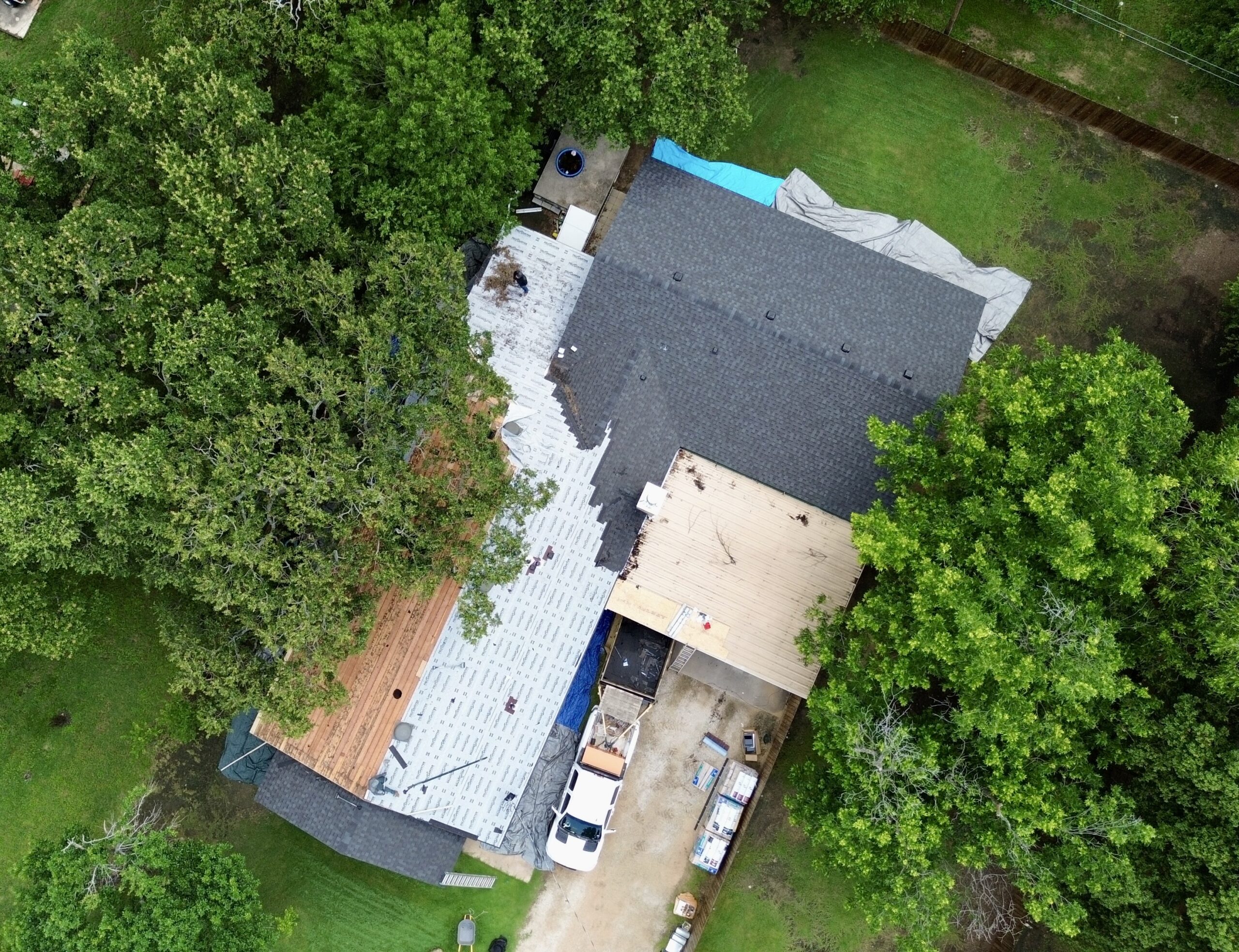
The first day usually begins with preparing the property for construction. Contractors position safety equipment, protect landscaping where possible, and deliver roofing materials. Waste containers are often placed nearby to collect debris generated during the removal process.
Professional roofing companies also review safety procedures before beginning work. Proper fall protection, secure ladders, and designated work areas help create a safe environment for both workers and homeowners. Good preparation reduces delays and allows the project to move forward efficiently.
Although every roofing project is unique, most follow a similar sequence from removing the old roof to completing the final inspection. Understanding these steps helps homeowners know what to expect throughout the construction period.
Removing the Existing Roof
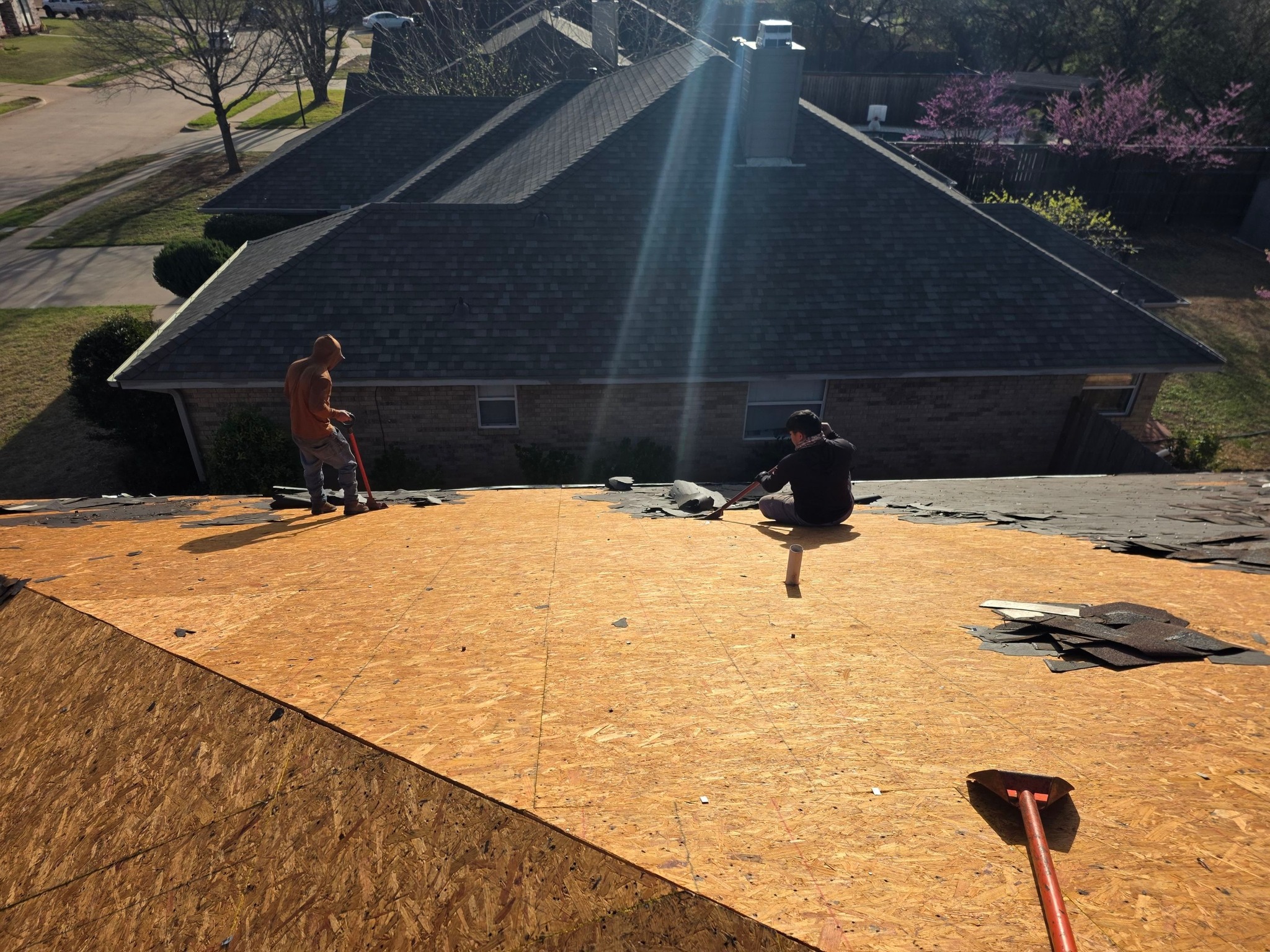
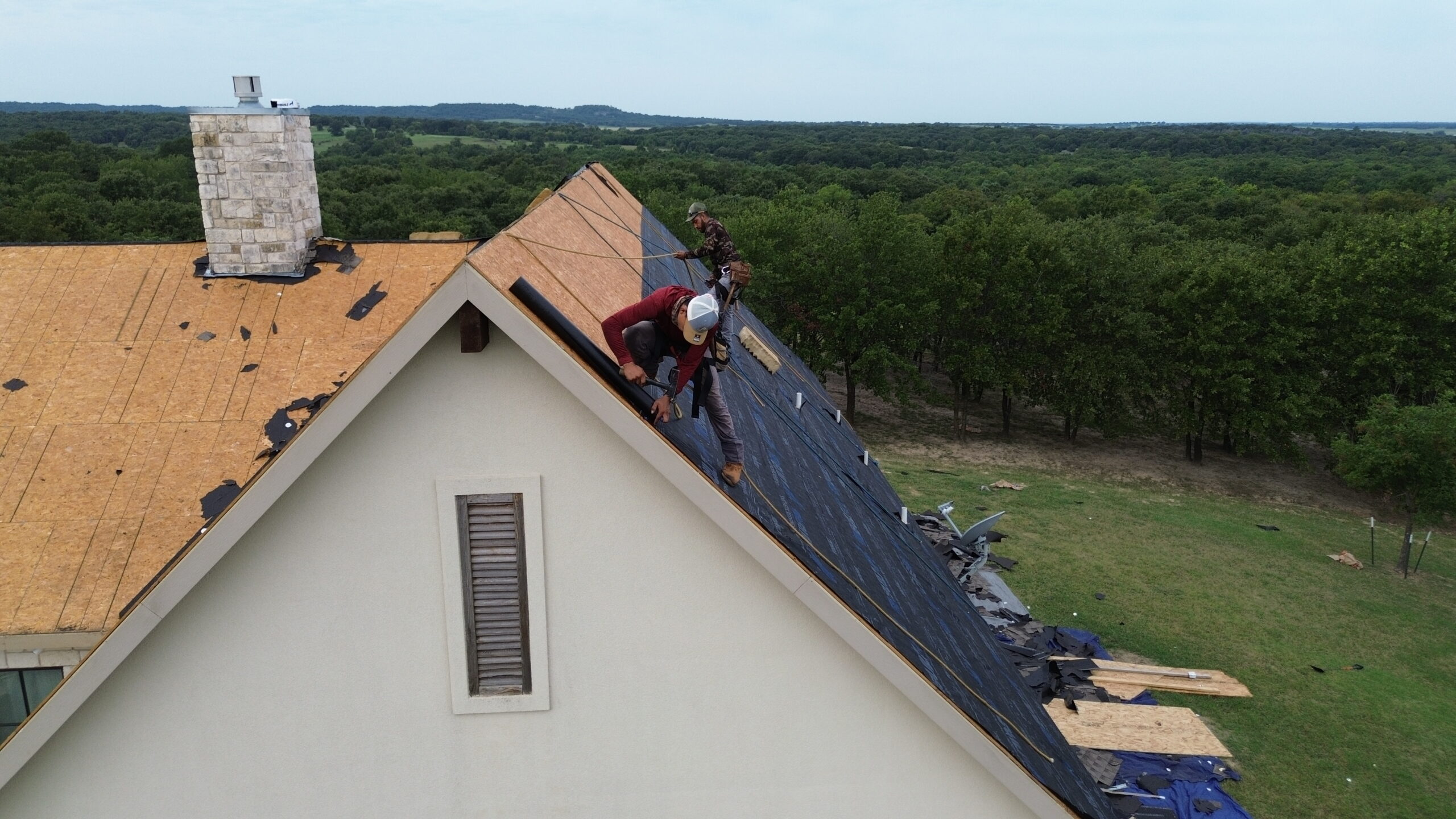
The first major stage involves removing the old roofing materials. Contractors carefully strip away shingles, tiles, or metal panels until the roof deck is exposed. Removing the existing roof allows the installation team to evaluate the condition of the underlying structure before installing new materials.
This process generates considerable noise because old roofing materials must be detached and transported to disposal containers. Homeowners should expect increased activity around the property during this stage. While the noise can be disruptive, complete removal provides a clean foundation for the new roofing system.
Removing the old roof also prevents hidden problems from remaining concealed beneath new materials. Moisture damage, deteriorated decking, or worn flashing become visible once the original roofing system has been removed. Addressing these issues immediately improves the long term reliability of the replacement.
Professional crews work systematically to minimize the amount of exposed roof at any given time. This approach helps protect the home if unexpected weather develops during construction.
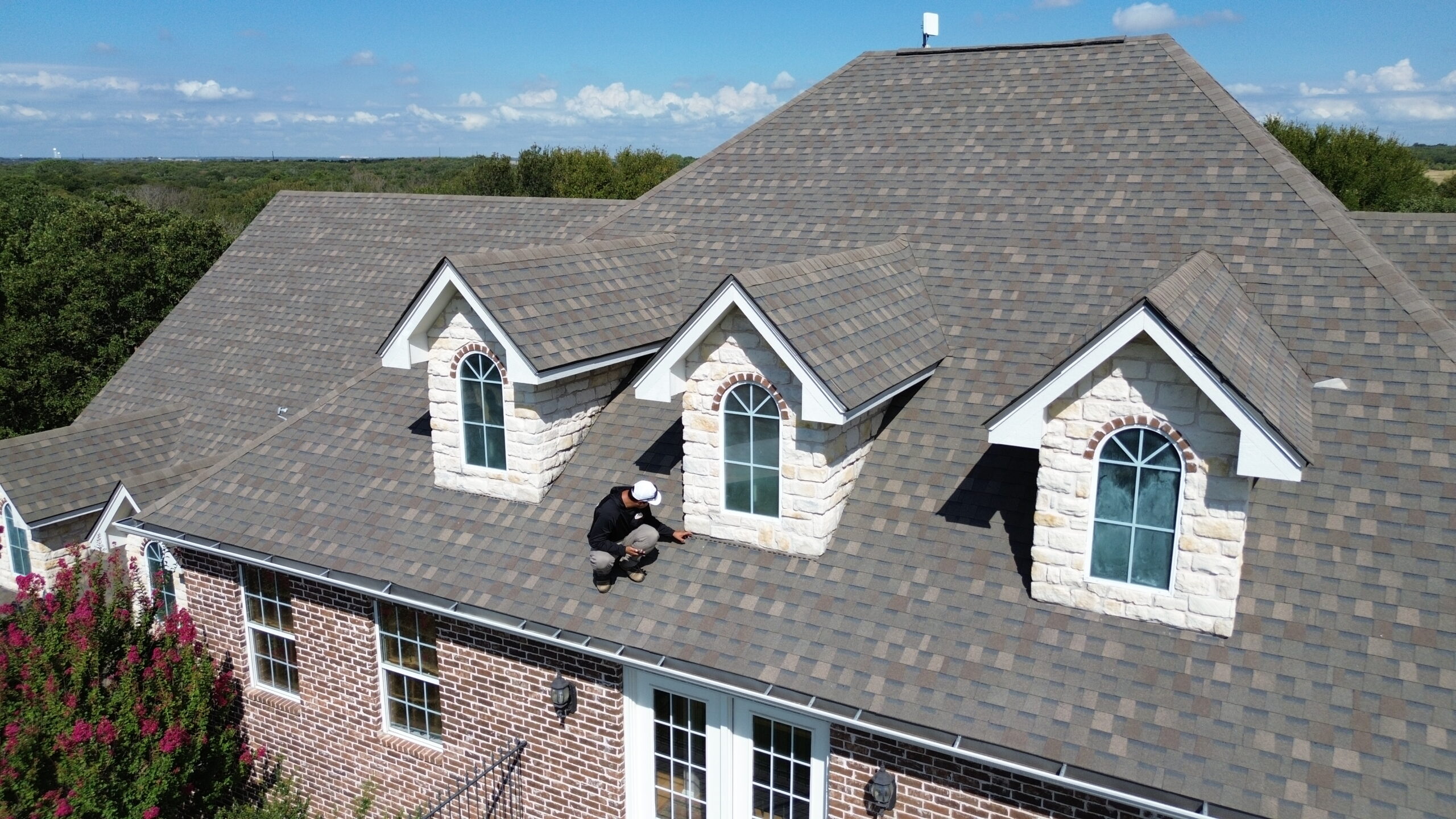
Roof Deck Inspection and Repairs
Once the old roofing materials have been removed, contractors inspect the roof deck carefully. The deck forms the structural base that supports the entire roofing system, making its condition critical to the success of the replacement project.
Moisture damage is one of the most common issues discovered during this stage. Prolonged leaks may weaken wooden decking, causing soft spots or structural deterioration that cannot safely support new roofing materials. Damaged sections are repaired or replaced before installation continues.
Contractors also inspect fasteners, joints, and supporting components to ensure the structure remains stable. Making these repairs during replacement prevents future structural concerns and provides a stronger foundation for the new roof.
Although deck repairs may increase project costs slightly, completing them before installation protects the investment and helps maximize the lifespan of the new roofing system.
Installing Underlayment
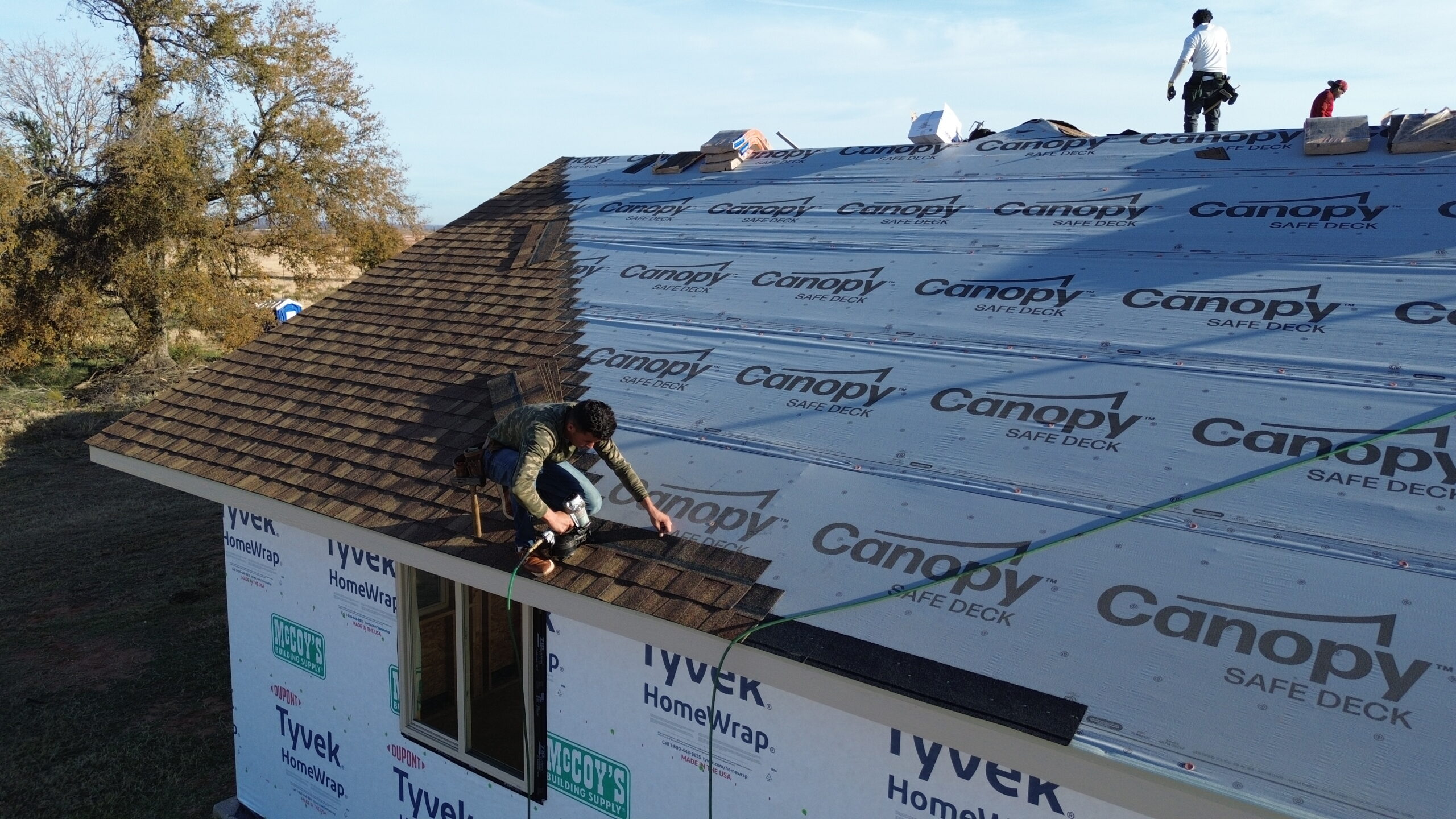
After structural repairs are completed, contractors install the roofing underlayment. This protective layer sits between the roof deck and the visible roofing material, providing additional defense against moisture intrusion.
Modern underlayment materials offer excellent water resistance while allowing trapped moisture to escape when appropriate. This additional layer protects the home if rain penetrates beneath shingles or tiles during severe weather conditions.
Proper underlayment installation requires careful overlapping and secure fastening. Incorrect installation may reduce its effectiveness and increase the likelihood of future leaks. Experienced contractors follow manufacturer guidelines to ensure maximum protection.
Special waterproof membranes are often installed in areas that experience greater moisture exposure, including roof valleys, eaves, and around roof penetrations. These extra protective measures help strengthen vulnerable sections of the roofing system.
Installing New Roofing Materials
Once the underlayment is in place, installation of the visible roofing material begins. Contractors follow precise installation patterns to ensure each section aligns correctly while maintaining proper water drainage across the roof surface.
Whether installing asphalt shingles, metal panels, clay tiles, slate, or synthetic materials, careful placement is essential. Proper overlap, fastening, and alignment prevent water infiltration while improving the roof’s resistance to wind and other environmental conditions.
Roofing crews generally work from the lower edge of the roof upward. This installation sequence allows each row to overlap the previous one, creating an effective barrier against rain and snow.
Attention to detail during this stage greatly influences the appearance and durability of the finished roof. Consistent spacing, straight alignment, and secure fastening all contribute to professional results that perform reliably for many years.
Flashing and Ventilation Installation
Flashing protects areas where the roof meets chimneys, skylights, walls, and roof vents. Because these intersections are more vulnerable to leaks, careful flashing installation is essential for maintaining a watertight roofing system.
New flashing is typically installed rather than reusing existing components. Fresh flashing materials provide better sealing performance and reduce the likelihood of future water intrusion around roof penetrations.
Ventilation improvements are often completed during this stage as well. Proper attic ventilation helps regulate temperature and moisture levels, reducing stress on roofing materials while improving indoor energy efficiency.
Balanced ventilation also protects attic insulation and minimizes condensation during seasonal temperature changes. These improvements contribute to both roof longevity and homeowner comfort.
Final Cleanup and Inspection
After installation has been completed, contractors perform a thorough cleanup of the property. Roofing debris, unused materials, packaging, and nails are collected and removed to restore the work area.
Professional roofing companies commonly use magnetic equipment to locate stray nails hidden in grass, driveways, and landscaping. This additional step helps protect family members, pets, and vehicle tires after construction is complete.
A final inspection follows the cleanup process. Contractors review the completed installation, verify that all work meets quality standards, and ensure every project requirement has been satisfied before requesting final payment.
Homeowners should participate in the final walkthrough whenever possible. This provides an opportunity to ask questions, review completed work, and receive maintenance recommendations for the new roofing system.
Common Challenges During Roof Replacement
Even carefully planned roof replacement projects may encounter unexpected situations. Understanding these possibilities helps homeowners remain flexible while avoiding unnecessary stress during construction.
Weather remains one of the most common causes of project delays. Heavy rain, strong winds, or extreme temperatures may temporarily pause installation to protect workers and roofing materials. Although delays can be inconvenient, waiting for safe conditions helps preserve installation quality.
Hidden structural damage frequently becomes visible after the old roofing materials have been removed. Rotten decking, damaged rafters, or moisture affected insulation often require additional repairs before installation continues.
Material availability may occasionally affect project schedules. High demand, transportation delays, or manufacturer shortages can influence delivery dates for specialized roofing products. Ordering materials early reduces this risk but may not eliminate it completely.
Unexpected expenses sometimes accompany these challenges. Maintaining a contingency fund during project planning allows homeowners to approve necessary repairs without disrupting construction.
Roof Maintenance After Replacement
Completing a roof replacement does not eliminate the need for ongoing maintenance. Regular inspections and preventive care help preserve the roof’s appearance, improve performance, and maximize its service life.
Seasonal inspections allow homeowners to identify loose materials, damaged flashing, clogged drainage systems, or debris accumulation before these issues develop into major repairs. Spring and autumn are excellent times to perform these routine evaluations.
Professional inspections should also be scheduled after severe storms. High winds, hail, or falling tree branches may damage roofing materials even if problems are not immediately visible from the ground.
Consistent maintenance protects the investment while reducing the likelihood of unexpected repair expenses throughout the roof’s lifespan.
Gutter Maintenance
Gutters play a vital role in protecting both the roof and the home’s foundation by directing rainwater safely away from the structure. Clogged gutters may cause water to back up beneath roofing materials or overflow onto exterior walls.
Leaves, twigs, and other debris should be removed regularly to maintain proper drainage. Clean gutters reduce the risk of moisture damage while helping preserve fascia boards and soffits.
Downspouts should also be checked to ensure water flows freely away from the foundation. Proper drainage contributes to the long term stability of both the roofing system and the building itself.
Routine gutter maintenance requires relatively little effort but provides significant protection against costly water related damage.
Tree Trimming and Ventilation Checks
Trees enhance the appearance of many properties, but overhanging branches can create roofing problems if left unmanaged. Branches rubbing against roofing materials during windy weather may cause unnecessary wear, while falling leaves increase debris accumulation.
Regular trimming reduces these risks while limiting opportunities for pests to access the roof. Maintaining appropriate clearance also decreases the likelihood of storm related branch damage.
Attic ventilation should continue to be monitored throughout the life of the roof. Balanced airflow helps regulate temperature and moisture, preventing condensation that may damage insulation or structural components.
Healthy ventilation contributes to lower energy costs while supporting the long term performance of the roofing system.
Mistakes Homeowners Should Avoid
Many roof replacement problems can be avoided through careful planning and informed decision making. Being aware of common mistakes helps homeowners protect both their investment and the long term performance of the new roof.
Some of the most common mistakes include:
- Delaying replacement after clear signs of roof failure appear.
- Choosing a contractor based only on the lowest price.
- Ignoring licensing, insurance, or warranty documentation.
- Selecting roofing materials without considering local climate.
- Skipping professional inspections after severe weather.
- Neglecting routine maintenance once the new roof is installed.
- Failing to keep records of warranties and project documentation.
Avoiding these mistakes improves project outcomes while reducing the likelihood of future repairs or unexpected expenses.
Frequently Asked Questions About Roof Replacement
How do I know when my roof should be replaced instead of repaired?
A professional inspection provides the most reliable answer. Widespread deterioration, repeated leaks, advanced age, and significant structural damage generally indicate that replacement offers greater long term value than continued repairs.
How long does a roof replacement usually take?
The duration depends on roof size, complexity, weather conditions, and material type. Many residential projects are completed within several days, while larger or more complex roofs may require additional time.
Will a new roof improve energy efficiency?
Yes. Modern roofing materials, improved underlayment, and better attic ventilation often reduce heat transfer and improve indoor temperature regulation. These improvements may contribute to lower heating and cooling costs.
Can roof replacement increase home value?
A professionally installed roof often improves curb appeal and increases buyer confidence. Many prospective buyers appreciate knowing that one of the home’s most important structural components has recently been replaced.
Is it necessary to replace flashing during roof replacement?
In most cases, replacing flashing is recommended. New flashing provides better moisture protection and helps prevent leaks around chimneys, vents, skylights, and roof intersections.
How often should my new roof be inspected?
Routine professional inspections every few years, along with inspections after severe storms, help identify minor concerns before they become major problems. Regular maintenance significantly extends roof lifespan.
Conclusion
Roof replacement is one of the most important investments a homeowner can make because it protects the entire structure while improving comfort, energy efficiency, and long term property value. Understanding the complete replacement process allows homeowners to approach the project with confidence rather than uncertainty. From recognizing the early signs of roof failure to selecting materials and qualified contractors, every decision contributes to the success of the final result.
Planning carefully before construction begins helps reduce unexpected expenses and minimizes project delays. Thorough inspections, realistic budgeting, thoughtful material selection, and clear communication with experienced roofing professionals create a strong foundation for a successful replacement. Taking the time to make informed choices often results in a roof that performs reliably for decades.
The installation stage is equally important because quality workmanship directly affects the durability of the finished roofing system. Proper deck preparation, underlayment installation, flashing, ventilation, and final inspections all work together to create lasting protection against weather and moisture. Choosing experienced professionals ensures these critical details receive the attention they deserve.
Even after installation is complete, ongoing maintenance remains essential. Regular inspections, clean gutters, proper ventilation, and prompt attention to minor concerns help maximize the lifespan of the new roof while protecting the investment for years to come. A well maintained roof not only safeguards the home but also provides lasting peace of mind.
By understanding every stage of the roof replacement journey, homeowners are better prepared to make informed decisions that balance performance, appearance, durability, and budget. With proper planning and professional installation, a new roof becomes far more than a home improvement project. It becomes a long term investment that strengthens the property, enhances daily comfort, and provides dependable protection through every season.