Age Based Roof Replacement Timing for Homeowners Explained
Introduction
Your roof works every day to protect your home from rain, wind, sunlight, snow, and changing temperatures. Unlike many household components that can be easily repaired or replaced, a roof is a complex system made up of multiple layers working together. Because it performs such a critical role, understanding its age and condition is essential for every homeowner.
Many people assume a roof should only be replaced after it begins leaking. While leaks are certainly a warning sign, waiting until visible water damage appears can lead to expensive repairs affecting insulation, ceilings, walls, and even the structural framework of the home. Knowing when a roof is approaching the end of its expected lifespan allows homeowners to plan ahead rather than react to an emergency.
Roof replacement timing is not determined by age alone. The type of roofing material, local climate, installation quality, maintenance history, and exposure to severe weather all influence how long a roof will continue performing effectively. Two roofs installed during the same year may reach the end of their service life at very different times because they have experienced different conditions throughout their lifespan.
Understanding how roof age relates to performance helps homeowners make informed decisions about inspections, maintenance, repairs, and eventual replacement. Instead of guessing whether a roof still has years of reliable service remaining, homeowners can evaluate its condition using realistic age expectations combined with visible warning signs.
In this guide, you will learn how different roofing materials age, what factors accelerate deterioration, which milestones deserve closer attention, and why some roofs require replacement much sooner than expected. By understanding age based roof replacement timing, you can protect your investment while avoiding unnecessary repairs and unexpected roofing emergencies.
Why Roof Age Matters More Than Most Homeowners Realize
Roof age provides valuable insight into the overall health of a roofing system. Although appearance can reveal obvious problems, many forms of deterioration develop gradually beneath the surface. As roofing materials age, they slowly lose their ability to resist moisture, sunlight, temperature changes, and strong winds.
Every roofing material experiences natural wear throughout its lifespan. Daily exposure to ultraviolet radiation, rain, humidity, and seasonal temperature changes slowly weakens protective coatings and structural strength. These changes often occur so gradually that homeowners do not notice them until more serious damage begins appearing.
Knowing the approximate age of your roof helps establish realistic expectations for future maintenance and replacement. A roof approaching the end of its expected lifespan deserves more frequent inspections because the likelihood of developing leaks or structural issues increases significantly during its later years.
Roof age also influences repair decisions. Replacing a few damaged shingles on a relatively new roof is usually a practical investment because the remaining materials still have many years of service left. Performing the same repair on a roof nearing the end of its lifespan may only provide temporary relief before additional problems develop.
Insurance companies and homebuyers also pay close attention to roof age. Older roofs may affect insurance coverage, policy costs, or property value because they represent a greater risk of future damage. Maintaining accurate records of roof installation dates helps homeowners during insurance claims, home sales, and maintenance planning.
Perhaps the greatest reason roof age matters is that deterioration accelerates over time. A roof may perform reliably for many years with only minor maintenance, but as materials begin reaching the limits of their durability, multiple problems often appear within a relatively short period. Understanding this pattern allows homeowners to prepare financially before replacement becomes unavoidable.
Understanding the Expected Lifespan of Roofing Materials
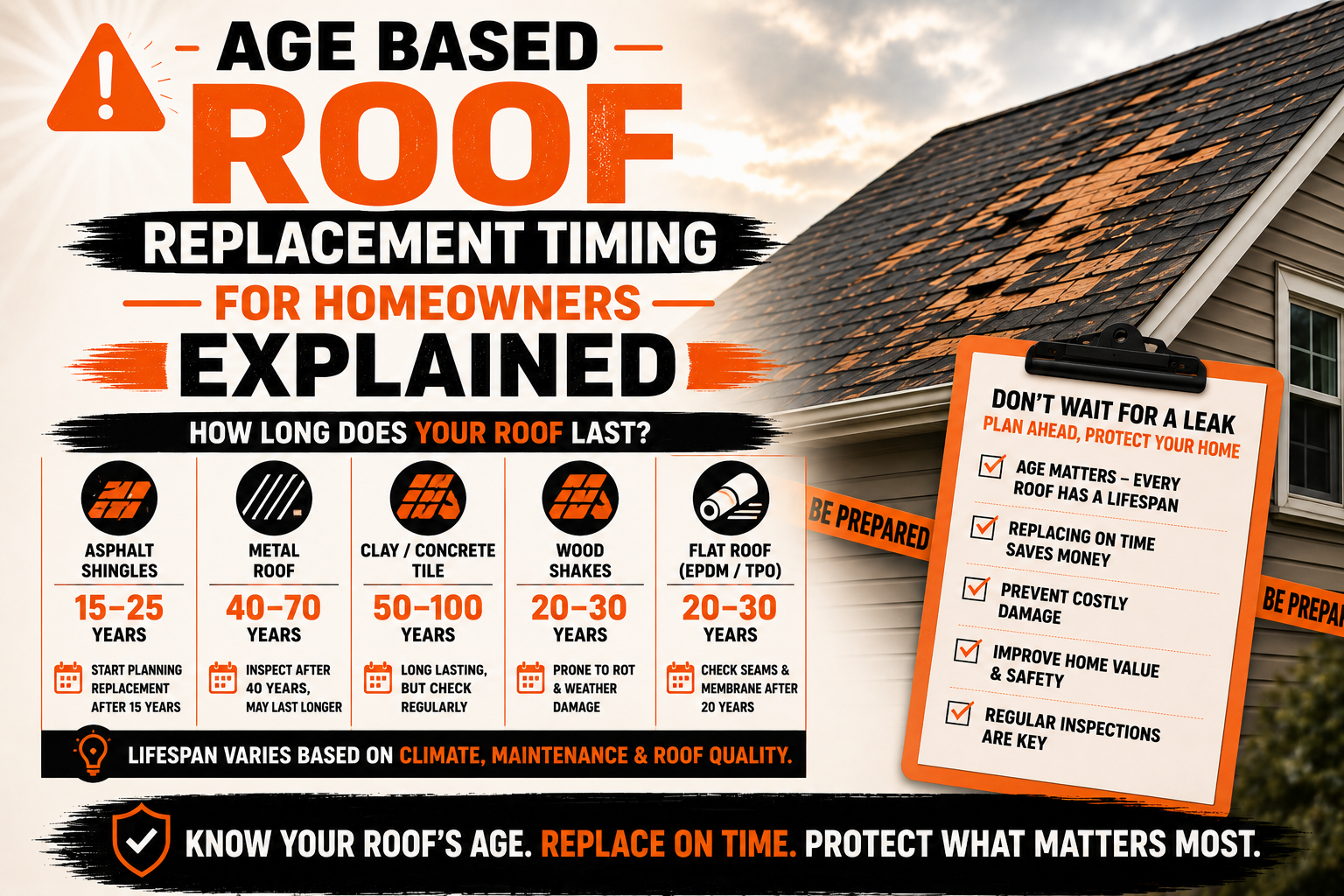
Different roofing materials are designed to provide different lengths of service. Material composition, manufacturing quality, and installation methods all influence how long a roof is expected to perform under normal conditions. Understanding these general lifespan ranges provides a useful starting point when evaluating replacement timing.
While manufacturers often provide estimated service lives, these figures assume proper installation, adequate ventilation, and routine maintenance. Environmental conditions can either shorten or extend these estimates depending on the circumstances.
| Roofing Material | Average Lifespan | Typical Replacement Consideration |
|---|---|---|
| Three Tab Asphalt Shingles | 20 to 25 years | Often evaluated closely after two decades |
| Architectural Asphalt Shingles | 25 to 35 years | Replacement usually considered when widespread aging appears |
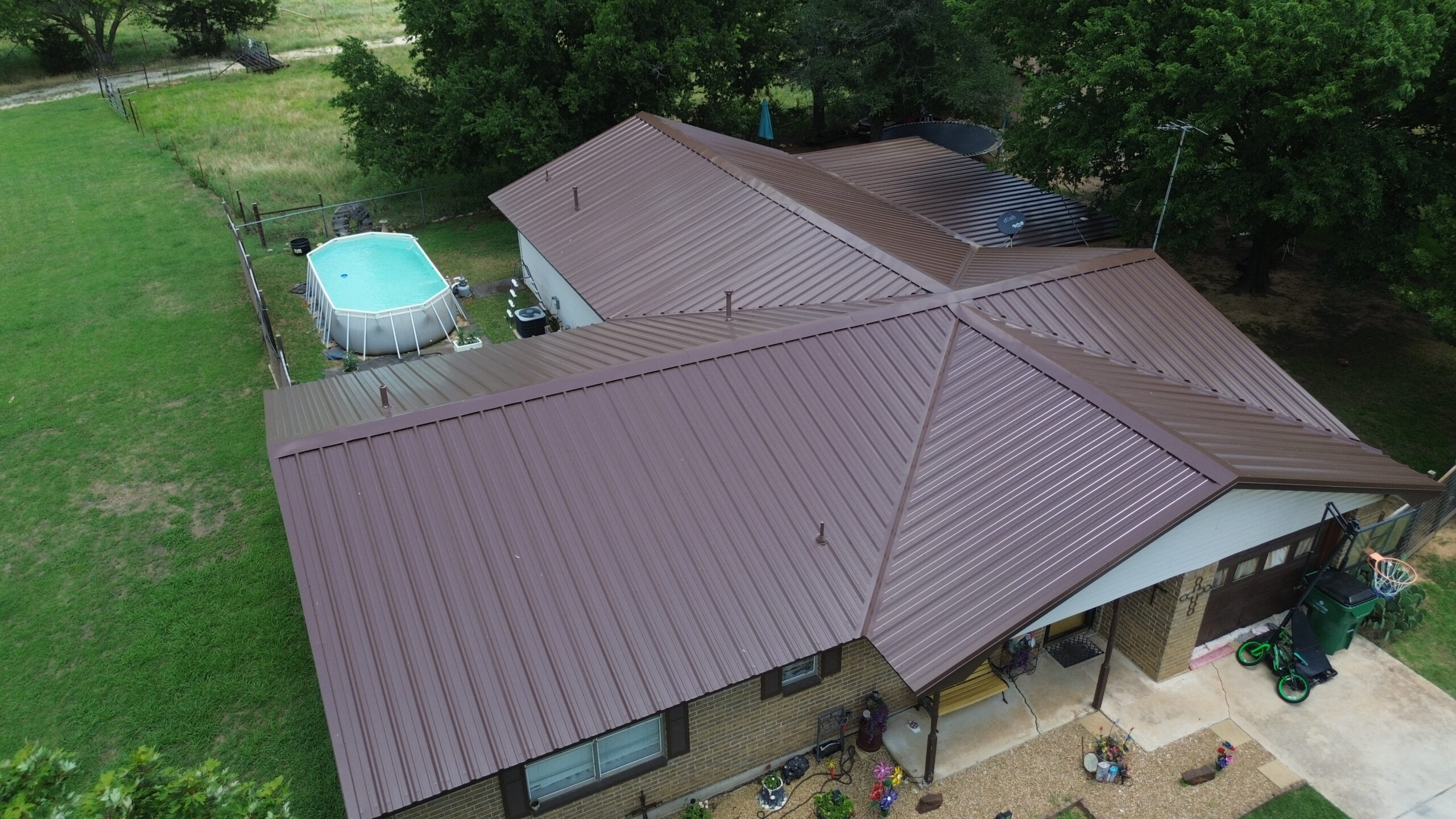
| Metal Roofing | 40 to 70 years | Depends on corrosion, coating condition, and structural integrity |
| Wood Shakes | 20 to 35 years | Moisture and insect damage may shorten lifespan |
| Clay Tiles | 50 to 100 years | Structural support should also be inspected regularly |
| Concrete Tiles | 40 to 75 years | Underlayment may require replacement before tiles |
| Slate Roofing | 75 to 150 years | Supporting components often age before the slate itself |
These estimates should be viewed as general guidelines rather than strict deadlines. A twenty year old roof that has received regular maintenance and experienced mild weather may remain in excellent condition. Conversely, a roof only fifteen years old may require replacement if it has endured severe storms, poor installation, or inadequate ventilation.
Homeowners should also remember that a roofing system includes much more than the visible surface material. Flashing, underlayment, fasteners, ventilation components, and roof decking all contribute to the roof’s overall performance. Even when shingles remain in reasonable condition, deterioration of these supporting components may justify replacement.
Understanding expected lifespan helps homeowners establish realistic inspection schedules. As a roof approaches the upper end of its anticipated service life, professional evaluations become increasingly valuable for identifying hidden deterioration before significant damage develops.
Factors That Influence Roof Aging Beyond Calendar Years
The number of years since a roof was installed tells only part of the story. Two roofs of identical age can perform very differently because numerous external factors influence how quickly roofing materials deteriorate over time.
Climate is one of the most important influences on roof longevity. Homes located in areas with intense sunlight experience faster ultraviolet degradation than homes in cooler or cloudier regions. Constant exposure to high temperatures gradually dries roofing materials, making them more brittle and susceptible to cracking.
Heavy rainfall also accelerates roof aging. Frequent moisture exposure increases the likelihood of leaks, mold growth, wood rot, and deterioration of underlayment. Proper drainage becomes especially important in wet climates because standing water places additional stress on roofing materials.
Wind plays an equally important role. Regular exposure to strong winds slowly loosens shingles, flashing, and fasteners. Even when storms do not cause immediate damage, years of repeated wind pressure gradually weaken the roof’s resistance to future weather events.
Ventilation inside the attic significantly affects roof lifespan. Poor ventilation traps heat during summer and moisture during colder months, creating conditions that accelerate deterioration from beneath the roof surface. Proper airflow helps regulate temperature and moisture, extending the life of many roofing materials.
Installation quality cannot be overlooked. A roof built using high quality materials may still fail prematurely if shingles were installed incorrectly, flashing was improperly sealed, or ventilation requirements were ignored. Skilled installation allows roofing materials to perform as intended throughout their expected lifespan.
Routine maintenance also influences how quickly a roof ages. Clearing gutters, removing debris, inspecting flashing, and addressing small repairs promptly all reduce unnecessary stress on the roofing system. Neglected maintenance often allows minor problems to develop into major structural concerns much sooner than expected.
Nearby trees can either benefit or harm a roof depending on their location. While shade reduces direct sun exposure, overhanging branches increase the risk of storm damage and debris accumulation. Leaves trapped on the roof retain moisture, encouraging mold growth and faster material deterioration.
These factors explain why roof replacement decisions should never rely solely on installation dates. Age provides useful context, but actual condition ultimately determines whether a roof continues providing reliable protection.
Age Milestones Every Homeowner Should Know
Rather than thinking about roof replacement as a single event, homeowners should view it as a gradual process that develops through several important age milestones. Each stage presents different maintenance priorities and inspection needs.
During the first ten years, most properly installed roofs require only routine maintenance. Homeowners should perform seasonal inspections, keep gutters clean, and repair isolated storm damage promptly. Significant deterioration during this stage often indicates installation defects or unusually severe weather exposure.
Between ten and twenty years, regular professional inspections become increasingly valuable. While many roofs continue performing well, early signs of aging may begin appearing depending on the roofing material and environmental conditions. Minor repairs completed during this period often help maximize the roof’s remaining lifespan.
As many asphalt roofs approach the twenty year mark, homeowners should pay closer attention to changes in appearance and performance. Curling shingles, granule loss, cracked sealant, and worn flashing become more common as protective materials begin deteriorating. These warning signs do not automatically require replacement, but they justify more frequent evaluations.
Roofs entering their third decade often experience faster deterioration than during earlier years. Materials lose flexibility, adhesives weaken, and repeated expansion and contraction gradually reduce weather resistance. At this stage, repairs may become more frequent as multiple components begin aging simultaneously.
Premium roofing materials such as metal, clay tile, concrete tile, and slate follow different aging timelines. Although they generally last much longer than asphalt shingles, supporting components including underlayment and flashing still require periodic inspection and maintenance. Replacement decisions should consider the condition of the entire roofing system rather than focusing only on the visible surface material.
Homeowners who understand these age milestones are less likely to be surprised when replacement eventually becomes necessary. Planning ahead allows sufficient time for budgeting, contractor selection, and material comparisons before urgent repairs become unavoidable.
Signs That a Young Roof May Need Earlier Replacement
Although roofing materials are designed to last for decades, some roofs require replacement much sooner than expected. Premature failure often results from factors unrelated to normal aging, making it important for homeowners to recognize warning signs even when the roof is relatively new.
Severe storm damage remains one of the leading causes of early roof replacement. Powerful winds, hail, falling trees, and flying debris can cause extensive structural damage that cannot always be repaired effectively. Even if only part of the roof appears damaged, hidden structural issues may extend much farther beneath the surface.
Poor installation also shortens roof lifespan significantly. Incorrect nail placement, inadequate flashing, improper ventilation, or low quality workmanship may create persistent problems within only a few years of installation. Repeated leaks on a relatively new roof often indicate installation deficiencies rather than natural aging.
Manufacturing defects occasionally affect roofing materials as well. Although quality control standards are generally high, defective shingles or underlayment can deteriorate much faster than expected. Homeowners should retain warranty documentation because some premature failures may qualify for manufacturer coverage.
Inadequate attic ventilation accelerates deterioration from below the roof surface. Excessive heat and trapped moisture weaken roofing materials, reduce insulation effectiveness, and encourage mold growth. Even high quality shingles cannot achieve their intended lifespan if ventilation problems remain unresolved.
Repeated leaks shortly after installation should never be dismissed as normal. While isolated issues may occur, recurring moisture intrusion often indicates more significant underlying problems affecting the roofing system. Prompt professional evaluation helps determine whether repairs will resolve the issue or whether more extensive corrective work is necessary.
Another warning sign involves widespread shingle movement after moderate wind events. Properly installed roofing materials should withstand ordinary weather conditions without repeated losses. If shingles continue loosening or detaching despite previous repairs, the roof may have deeper structural or installation related problems.
Homeowners should also pay attention to unusual sagging, uneven roof lines, or visible depressions. These conditions may indicate weakened decking or structural framing beneath the roofing materials. Structural issues rarely improve with simple repairs and often require more comprehensive solutions.
What to Expect from a Roof in Its Middle Years
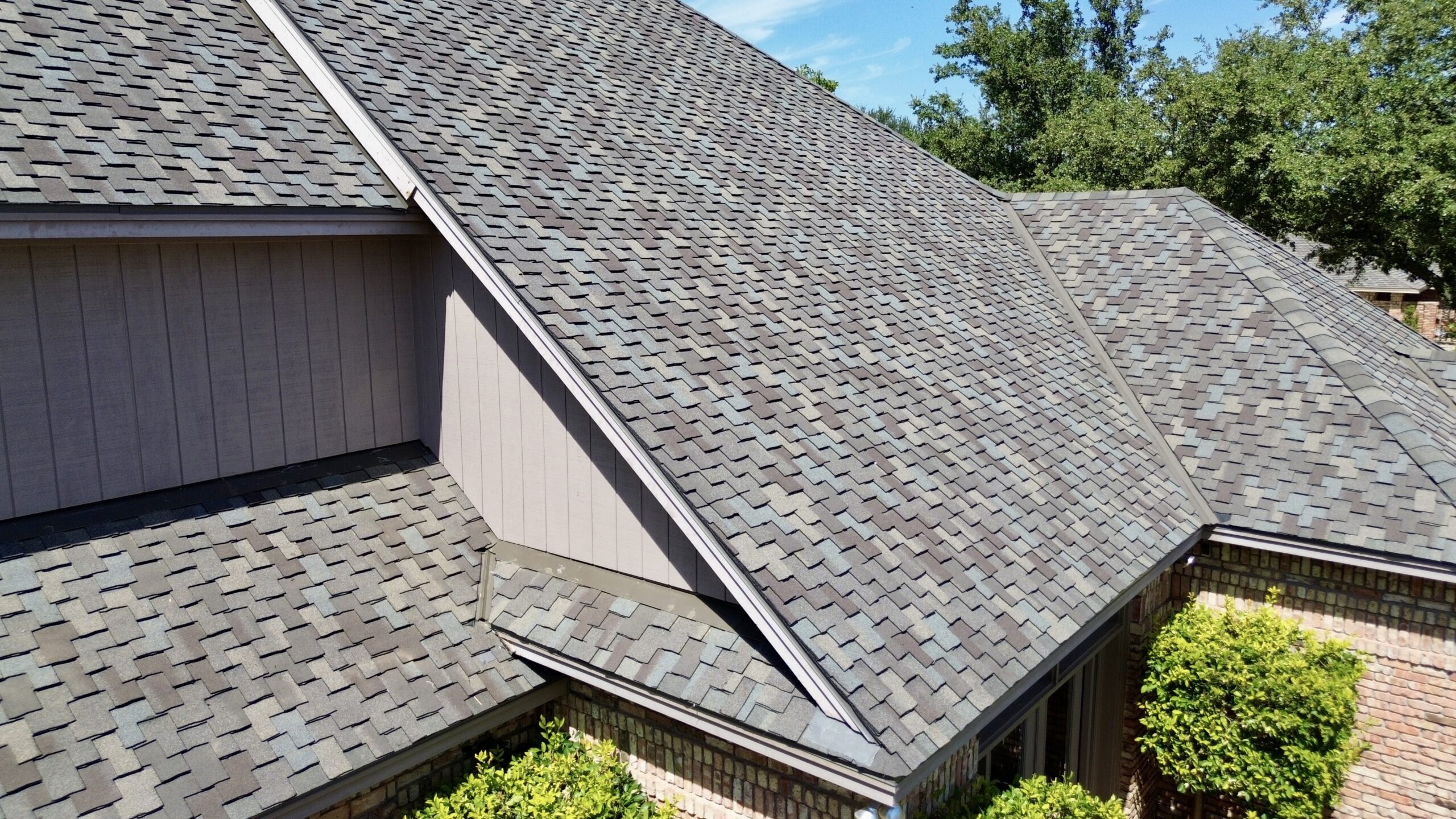
A roof that has reached its middle years often continues providing dependable protection, but this stage requires more attention than the early years after installation. While the roofing system may still appear attractive from the ground, gradual wear begins affecting materials beneath the surface. Homeowners who increase inspections during this period are more likely to identify problems before they become expensive repairs.
For most asphalt roofs, the middle years generally begin around the ten to fifteen year mark and continue until approximately twenty five years, depending on the material. Premium roofing systems such as metal or tile may remain in their middle years for much longer because of their greater durability. Regardless of the roofing material, this stage represents the transition from routine maintenance to more careful condition monitoring.
Shingles may begin showing small changes in appearance during this period. Slight fading, minor granule loss, or isolated curling around roof edges often develops naturally as materials age. These changes do not necessarily indicate immediate replacement, but they suggest the roof is gradually approaching the later stages of its service life.
Flashing deserves closer attention during the middle years as well. Metal flashing expands and contracts with changing temperatures, and sealants naturally dry out over time. Small gaps forming around chimneys, skylights, or roof vents can eventually allow moisture to enter if they are not addressed promptly.
Gutters and drainage systems also play an increasingly important role as roofs age. Debris buildup prevents proper water flow and increases the amount of moisture remaining on the roof after rainfall. Keeping gutters clean helps reduce unnecessary stress on roofing materials while protecting fascia boards and roof edges.
Professional inspections become particularly valuable during this stage because not all problems are visible from the ground. Roofing specialists can identify weakened fasteners, deteriorating underlayment, hidden moisture, and early structural issues before they begin affecting the interior of the home. Addressing these concerns promptly often extends the roof’s useful lifespan.
Many homeowners become concerned whenever they notice minor signs of aging. In reality, some cosmetic changes are expected as roofing materials mature. The key is distinguishing between normal aging and widespread deterioration that signals the roof is approaching replacement.
Warning Signs That Appear as Roofs Grow Older
As roofs continue aging, visible warning signs gradually become more frequent and more significant. These indicators help homeowners determine whether the roof remains suitable for repairs or whether replacement planning should begin.
One of the earliest signs involves increasing granule accumulation inside gutters. Asphalt shingles rely on these granules to protect against ultraviolet radiation and weather exposure. As more granules detach, the shingles become less capable of resisting environmental damage and begin aging more rapidly.
Curling and cupping shingles also become more common with age. These deformations occur when roofing materials lose flexibility after years of exposure to sunlight and changing temperatures. Curled shingles no longer create the tight seal needed to prevent wind driven rain from reaching the underlayment.
Cracks often appear after repeated expansion and contraction cycles. While a few isolated cracks may be repairable, widespread cracking usually indicates that roofing materials have become brittle throughout much of the roof. Continued repairs become less effective because surrounding shingles are likely experiencing similar deterioration.
Discoloration deserves careful evaluation as well. Although algae or dirt may simply affect appearance, uneven dark areas sometimes indicate trapped moisture beneath roofing materials. Moisture retention accelerates deterioration while creating favorable conditions for mold growth and wood rot.
Loose flashing frequently appears on older roofs. Flashing protects vulnerable areas where roof surfaces meet chimneys, walls, skylights, and vents. As flashing weakens or sealants fail, water gains easier access to the roof structure even when shingles remain relatively intact.
Recurring leaks become increasingly common during the later stages of roof aging. Instead of developing in a single location, leaks may begin appearing in different areas after each heavy rainfall. Multiple leak locations often suggest widespread deterioration rather than isolated damage.
Sagging sections require immediate professional attention regardless of roof age. Structural movement may indicate weakened decking, deteriorated framing, or prolonged water damage beneath the roofing surface. Structural concerns should never be postponed because they can affect the safety of the entire home.
Recognizing these warning signs allows homeowners to transition from reactive repairs to proactive planning. Instead of waiting for major failures, they can evaluate replacement options before damage spreads to other parts of the property.
Comparing Roof Age with Overall Condition
Roof age provides valuable information, but condition ultimately determines whether replacement is necessary. Two roofs installed during the same year may perform very differently depending on maintenance history, weather exposure, installation quality, and environmental conditions.
The following comparison illustrates how age and condition should be evaluated together rather than independently.
| Roof Age | Typical Condition | Recommended Action |
|---|---|---|
| Less than 10 years | Usually excellent with minimal wear | Continue routine maintenance and inspections |
| 10 to 20 years | Early aging signs may begin appearing | Schedule regular professional inspections and complete needed repairs |
| 20 to 30 years | Moderate to significant wear depending on material | Evaluate repair history, structural condition, and remaining lifespan |
| More than 30 years | Many asphalt roofs reach end of service life | Consider replacement if widespread deterioration is present |
| Any age after severe storm damage | Condition depends on extent of damage | Obtain professional inspection before deciding on repairs |
This comparison demonstrates why homeowners should avoid making decisions based solely on installation dates. A well maintained roof may continue performing reliably beyond its expected lifespan, while another roof of the same age may require immediate replacement because of storm damage or installation defects.
Professional inspections provide the most reliable assessment because they evaluate the roofing system as a whole. Surface appearance alone cannot reveal hidden moisture, deteriorated decking, or weakened structural components beneath the roofing material.
Combining roof age with actual condition allows homeowners to make balanced decisions that maximize both safety and financial value. This approach reduces the likelihood of replacing a roof too early while also preventing expensive damage caused by waiting too long.
Maintenance Practices That Can Extend Roof Life
Although every roof eventually requires replacement, consistent maintenance often extends its useful lifespan by several years. Preventive care reduces unnecessary wear while allowing small problems to be corrected before they develop into major structural concerns.
Regular visual inspections remain one of the most valuable maintenance practices. Homeowners should examine the roof from the ground several times each year and after significant storms. Looking for missing shingles, damaged flashing, sagging areas, or debris accumulation helps identify problems early.
Professional roof inspections should also become part of long term maintenance planning. Experienced roofing contractors recognize subtle signs of deterioration that homeowners may overlook. Periodic evaluations become increasingly valuable as the roof enters its middle and later years.
Keeping gutters clean supports proper drainage throughout the year. Overflowing gutters allow water to collect along roof edges, increasing moisture exposure and accelerating deterioration of fascia boards and roofing materials. Cleaning gutters regularly helps preserve the entire roofing system.
Tree maintenance is another important consideration. Trimming branches that extend over the roof reduces the risk of storm damage while limiting leaf accumulation. Better sunlight exposure also helps roofing materials dry more quickly after rainfall.
Prompt repairs prevent small problems from becoming larger ones. Replacing a few damaged shingles or resealing flashing costs far less than repairing widespread water damage after months of unnoticed leaks. Timely maintenance also protects underlying structural components from unnecessary moisture exposure.
Attic ventilation should not be overlooked. Balanced airflow reduces heat buildup during summer and limits moisture accumulation during colder seasons. Proper ventilation supports roofing material performance while helping insulation maintain its effectiveness.
Maintenance cannot prevent natural aging, but it significantly improves the likelihood that a roof will achieve its expected service life. Homeowners who consistently care for their roofing systems often delay replacement while reducing long term ownership costs.
When Repairs Still Make Sense and When They Do Not
One of the most common questions homeowners face is whether to repair an aging roof or replace it entirely. The answer depends on the extent of damage, the roof’s remaining lifespan, and the long term value provided by each option.
Repairs continue making sense when damage remains localized and the surrounding roofing materials are still in good condition. A few missing shingles after a windstorm or isolated flashing damage can often be corrected without affecting the overall performance of the roof. In these situations, repairs preserve the roof’s remaining service life while avoiding unnecessary replacement costs.
The roof’s age should also be considered when evaluating repair decisions. A relatively young roof with many years of expected performance remaining usually benefits from timely repairs. Investing in maintenance during this stage often delays replacement while protecting the home’s structural integrity.
Replacement becomes more practical when repairs become increasingly frequent. Multiple leaks appearing throughout the year often indicate widespread material deterioration rather than isolated failures. Continuing to repair separate locations rarely addresses the underlying condition of an aging roofing system.
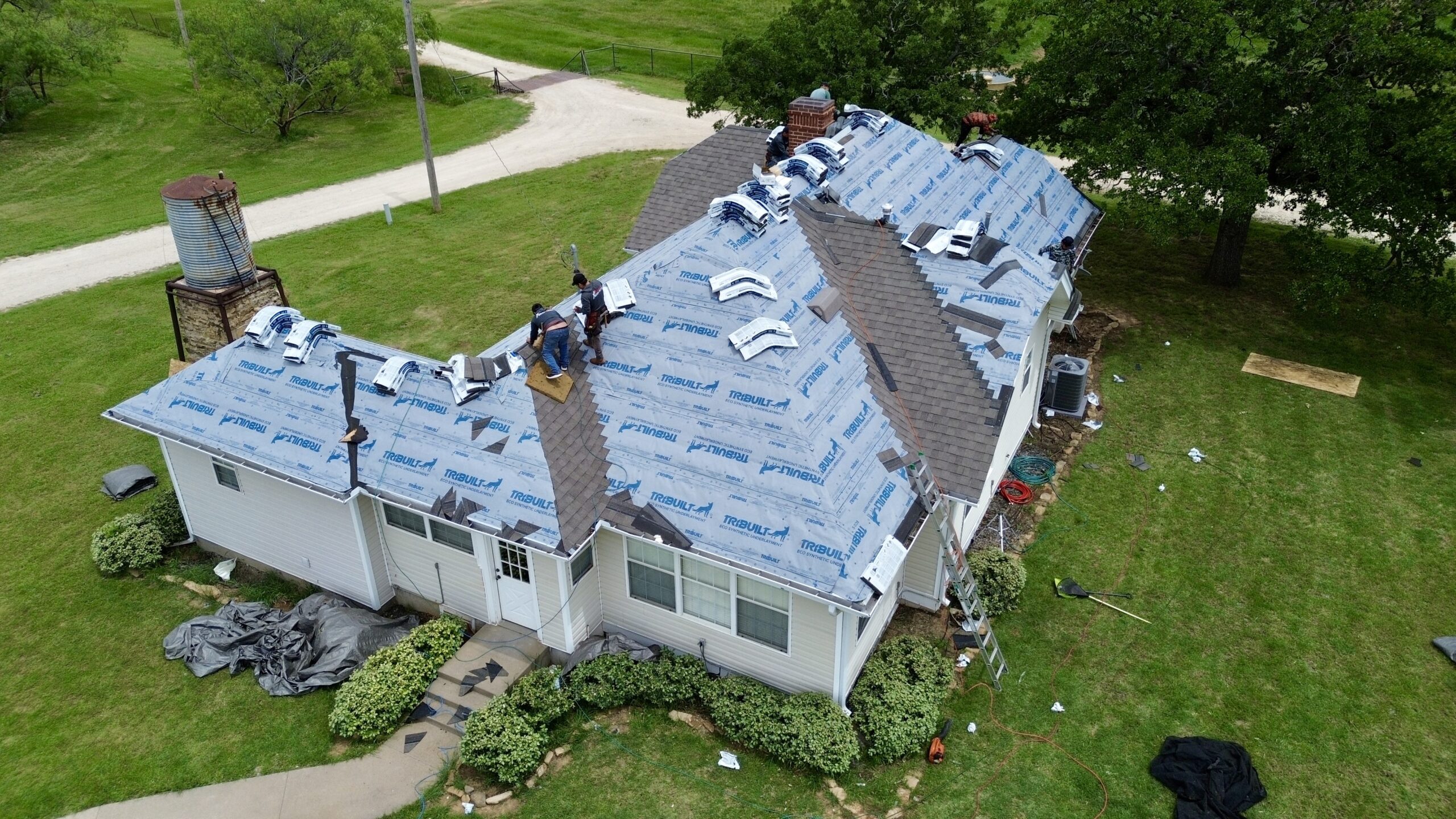
Structural damage also changes the decision significantly. Weak roof decking, deteriorated framing, or extensive moisture damage cannot be solved by replacing surface materials alone. Comprehensive replacement provides a stronger and more dependable long term solution.
Another important factor involves future expenses. If repair costs continue increasing while the roof approaches the end of its expected lifespan, investing those funds toward replacement often provides greater overall value. A new roof eliminates many recurring maintenance concerns while improving reliability for decades to come.
Rather than focusing only on immediate costs, homeowners should evaluate the remaining useful life of the roof. Spending money on repeated repairs for materials nearing the end of their lifespan may not represent the most effective long term investment.
Questions to Ask Before Deciding on Replacement
Making the right decision requires more than simply estimating roof age. Asking thoughtful questions helps homeowners evaluate both current condition and future performance before committing to repairs or replacement.
Consider these questions before making a final decision:
- How old is the roof compared with the expected lifespan of its roofing material?
- Have repairs become more frequent during the past few years?
- Are leaks occurring in multiple locations instead of one isolated area?
- Has a professional inspection identified structural or hidden moisture damage?
- Would investing in another repair significantly extend the roof’s useful life?
- Is the current roof still providing reliable weather protection and energy efficiency?
These questions encourage homeowners to evaluate the entire roofing system rather than focusing only on visible damage. Honest answers often reveal whether continued repairs remain worthwhile or whether replacement planning should begin.
How Climate Affects Roof Lifespan at Every Age
Climate influences roof performance from the day a new roofing system is installed until the day it is replaced. While every roof naturally ages over time, environmental conditions determine how quickly that aging process occurs. Homeowners who understand the relationship between climate and roof lifespan can make better decisions about inspections, maintenance, and replacement timing.
In regions with intense sunlight, ultraviolet radiation gradually breaks down roofing materials. Asphalt shingles become less flexible as protective oils dry out, increasing the likelihood of cracking and curling. Even premium roofing products experience faster wear when exposed to years of strong sunlight without interruption.
Heavy rainfall presents another long term challenge. Constant moisture places roofing materials under continuous stress and increases the possibility of leaks if flashing or underlayment begins to fail. Proper drainage becomes essential because standing water accelerates deterioration and shortens the roof’s useful life.
Homes located in areas that experience snow and freezing temperatures face different concerns. Snow accumulation adds weight to the roof, while repeated freezing and thawing create expansion and contraction that gradually weakens roofing materials. Ice dams can also force water beneath shingles, allowing hidden moisture damage to develop over time.
Strong winds affect roofs regardless of their age. New roofs generally withstand wind better because materials remain flexible and securely fastened. As the roof grows older, shingles become more brittle and fasteners gradually loosen, making wind damage increasingly likely during severe weather.
Humidity also contributes to roof aging. High moisture levels encourage mold, mildew, and algae growth that retain additional moisture against roofing materials. Over many years, this constant dampness accelerates deterioration of both the roof surface and the supporting wooden structure beneath it.
Coastal environments create unique roofing challenges due to salt carried by ocean air. Salt speeds up corrosion of metal flashing, fasteners, and roofing panels while increasing maintenance requirements. Homeowners living near the coast often benefit from selecting roofing materials specifically designed for marine conditions.
Climate does not automatically determine when a roof should be replaced, but it significantly affects how quickly materials age. A roof exposed to harsh environmental conditions generally requires closer monitoring than one located in a mild climate with fewer weather extremes.
Planning Financially for Roof Replacement
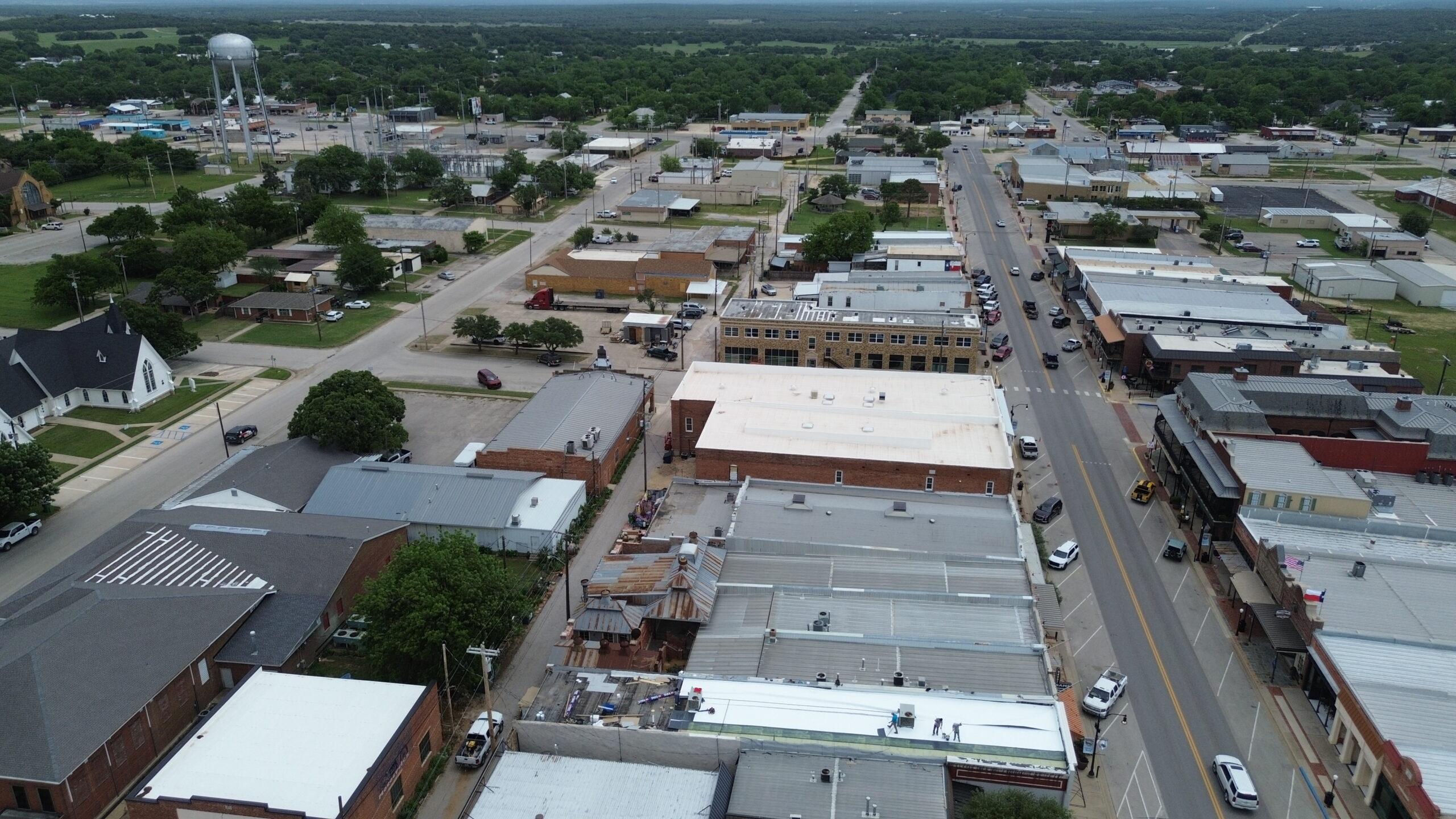
Replacing a roof is one of the largest maintenance investments most homeowners will make. Planning ahead reduces financial stress and allows homeowners to choose quality materials instead of making rushed decisions during an emergency. Understanding the expected lifespan of the current roof provides valuable time to prepare for future replacement.
Creating a long term home maintenance budget is a practical first step. Instead of waiting until the roof fails, homeowners can gradually set aside funds over several years. This approach makes replacement more manageable while reducing dependence on emergency financing.
Obtaining estimates before replacement becomes urgent also provides important advantages. Comparing multiple contractors allows homeowners to evaluate workmanship, warranties, materials, and project timelines without the pressure of an active roof leak. Better planning often leads to better overall value.
Material selection should be based on long term performance rather than initial cost alone. While premium roofing materials generally require a higher upfront investment, many offer longer lifespans, lower maintenance requirements, and improved resistance to weather. Evaluating lifetime value often leads to a more cost effective decision.
Homeowners should also consider additional expenses that may accompany roof replacement. Damaged decking, ventilation improvements, flashing replacement, and gutter repairs sometimes become necessary once the old roof has been removed. Including these possibilities in the budget helps prevent unexpected financial surprises.
Insurance coverage may reduce costs when roof replacement results from covered storm damage rather than normal aging. Reviewing policy details before filing a claim helps homeowners understand deductibles, coverage limits, and documentation requirements. Keeping maintenance records and inspection reports can also support future claims if damage occurs.
Planning financially before replacement becomes unavoidable allows homeowners to make thoughtful decisions based on quality and long term value. Instead of focusing only on immediate expenses, they can invest in a roofing system designed to protect the home for decades.
Common Mistakes Homeowners Make About Roof Age
Many homeowners misunderstand how roof age relates to replacement decisions. These misconceptions often result in unnecessary repairs, delayed maintenance, or premature replacement that could have been avoided through better understanding.
The following mistakes are among the most common.
- Assuming every roof should be replaced immediately after reaching its average lifespan.
- Believing that the absence of leaks means the roof is still in excellent condition.
- Ignoring professional inspections because the roof appears fine from the ground.
- Waiting until major interior water damage occurs before considering replacement.
- Choosing repairs repeatedly without evaluating the roof’s overall age and condition.
- Overlooking attic ventilation and maintenance while focusing only on shingles.
Avoiding these mistakes helps homeowners make decisions based on evidence rather than assumptions. Roof replacement should always consider both age and condition instead of relying on a single factor.
Regular inspections remain one of the most effective ways to avoid costly errors. Professional evaluations often identify hidden problems that cannot be detected during a casual visual inspection, allowing homeowners to act before serious structural damage develops.
Working with Roofing Professionals to Assess Roof Age
Although homeowners can recognize many visible warning signs, professional roofing assessments provide a much more complete understanding of a roof’s condition. Experienced roofing contractors evaluate not only surface materials but also the underlying components that determine long term performance.
A professional inspection begins with a detailed examination of the roofing surface. Contractors look for missing shingles, cracked flashing, granule loss, damaged sealants, and signs of weather related deterioration. They also evaluate drainage systems because improper water flow contributes significantly to premature roof aging.
The attic provides valuable information that cannot be seen from outside. Inspectors examine insulation, ventilation, roof decking, and structural framing for evidence of moisture, mold, wood rot, or hidden leaks. These findings often reveal problems long before they become visible inside living spaces.
Roofing professionals also assess the overall structural integrity of the roof. Sagging sections, weakened decking, or shifting framing may indicate issues extending beyond surface materials. Identifying these concerns early allows homeowners to make informed decisions about repairs or replacement before conditions worsen.
Another benefit of professional inspections involves estimating the roof’s remaining service life. While no contractor can predict an exact replacement date, experienced professionals evaluate current wear patterns alongside the roof’s age and environmental exposure. This guidance helps homeowners plan future maintenance and budgeting with greater confidence.
Detailed inspection reports also become valuable records for insurance companies and potential homebuyers. Documentation demonstrating regular maintenance and professional evaluations often strengthens confidence in the condition of the property. Maintaining organized records also simplifies future repair and replacement decisions.
Working with qualified roofing professionals does not necessarily mean replacement is immediately required. In many cases, inspections confirm that routine maintenance remains sufficient for several more years. The goal is to base important decisions on accurate information rather than guesswork.
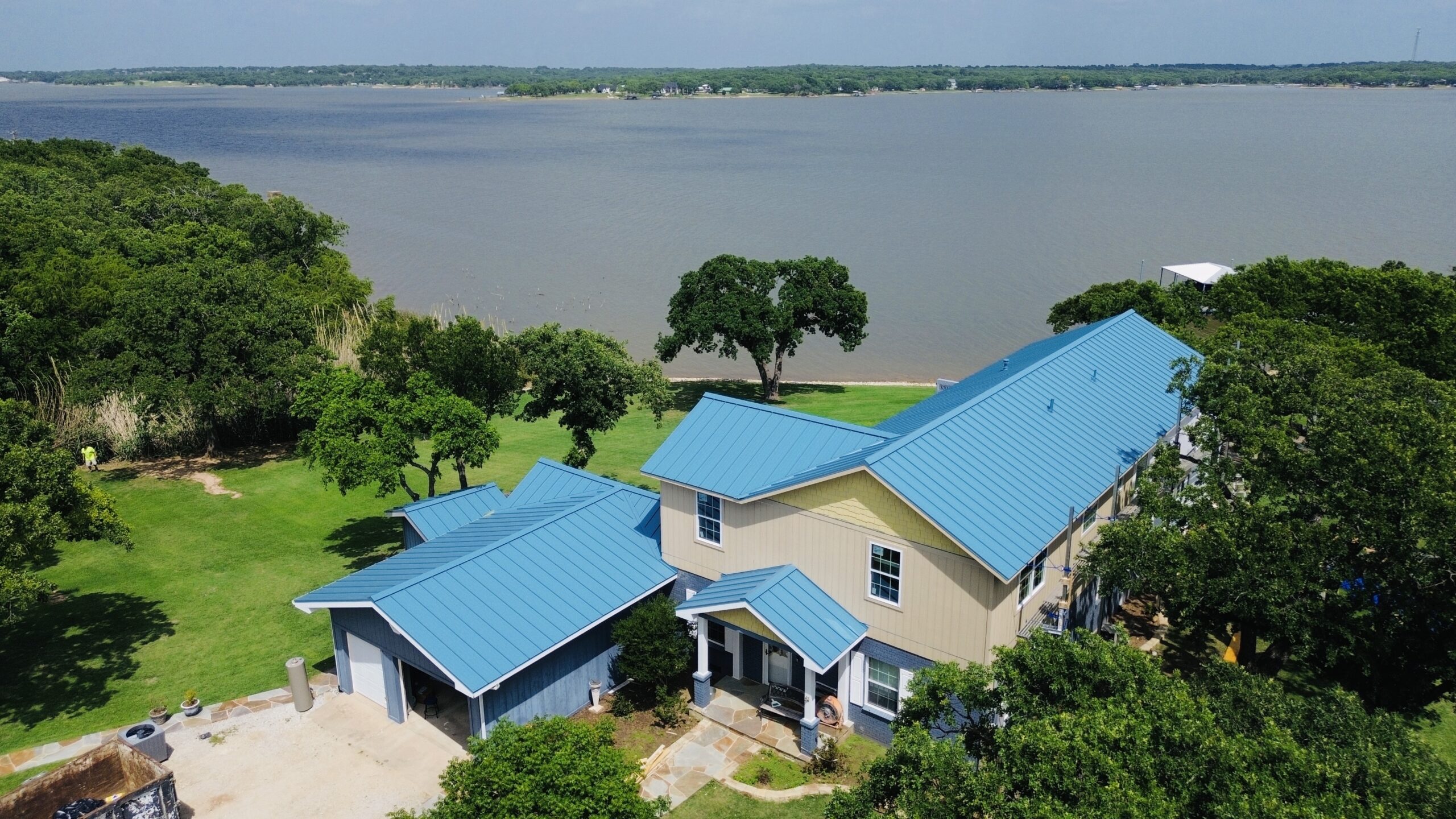
Long Term Benefits of Replacing a Roof at the Right Time
Replacing a roof at the appropriate stage of its lifespan provides advantages that extend far beyond eliminating leaks. Timely replacement protects the home’s structure, improves efficiency, and reduces the likelihood of unexpected repair expenses in the future.
One of the most important benefits is preventing secondary damage. Replacing the roof before widespread leaks develop protects ceilings, insulation, walls, flooring, and structural framing from costly moisture related repairs. Avoiding these additional expenses often offsets part of the investment made in the new roof.
Modern roofing materials also provide better performance than many older products. Advances in manufacturing have improved durability, weather resistance, and energy efficiency across a wide range of roofing systems. Homeowners often notice better indoor comfort after replacing an aging roof with newer materials.
Lower maintenance requirements represent another significant advantage. Instead of scheduling repeated repairs for aging materials, homeowners can focus on routine inspections and preventive care. This reduces both maintenance costs and the inconvenience associated with recurring roof problems.
Property value frequently benefits from a recently installed roof. Buyers appreciate knowing that one of the home’s largest maintenance expenses has already been addressed. A new roof also improves curb appeal, making the property more attractive from the first impression.
Energy efficiency may improve because modern roofing systems often include enhanced ventilation and moisture protection. Better temperature regulation helps heating and cooling systems operate more effectively throughout the year. Over time, these improvements may contribute to lower utility costs while increasing indoor comfort.
Replacing the roof at the right time also provides peace of mind. Instead of worrying whenever severe weather approaches, homeowners can feel confident that their roofing system is prepared to withstand changing conditions. That confidence becomes one of the most valuable long term benefits of timely replacement.
Conclusion
Understanding age based roof replacement timing helps homeowners make smarter maintenance decisions throughout the life of their roofing system. While every roof eventually reaches the end of its useful lifespan, replacement should never be based solely on calendar years. The condition of the roofing materials, structural integrity, maintenance history, installation quality, and environmental exposure all play equally important roles in determining the right time for replacement.
Throughout this guide, we have explored how different roofing materials age, the milestones homeowners should monitor, and the warning signs that become more common as roofs grow older. We also examined why climate, routine maintenance, professional inspections, and financial planning all contribute to successful long term roof management. Looking at these factors together provides a much clearer picture than relying on age alone.
Replacing a roof too early can result in unnecessary expense, while waiting too long may lead to costly structural damage and emergency repairs. The best approach is to combine regular inspections with realistic expectations based on the roofing material and local environmental conditions. This balanced strategy helps homeowners maximize the value of their existing roof while avoiding unnecessary risks.
Working with qualified roofing professionals provides additional confidence when evaluating an aging roof. Their expertise allows hidden issues to be identified before they develop into major problems, making it easier to choose between continued repairs and complete replacement. Informed decisions are almost always more cost effective than reactive ones.
A roof is one of the most valuable investments in any home, and understanding how age influences its performance is an essential part of responsible homeownership. By monitoring your roof throughout every stage of its lifespan, performing routine maintenance, and planning replacement before serious failure occurs, you can protect your home, preserve its value, and enjoy dependable protection for many years to come.