
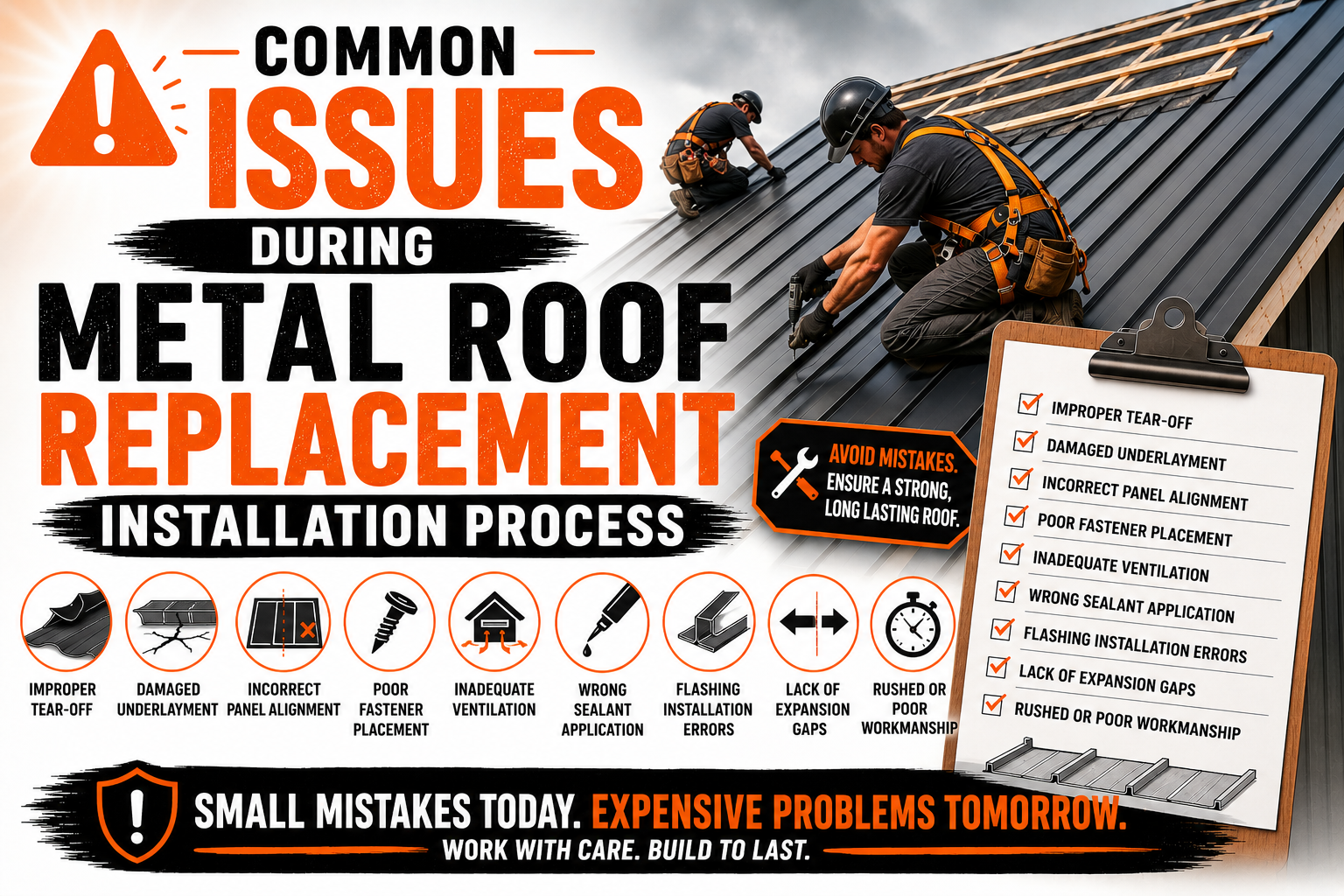
Common Issues During Metal Roof Replacement Installation Process
Introduction
A metal roof replacement is one of the most durable and valuable upgrades a homeowner can make. Modern metal roofing systems provide exceptional weather protection, impressive energy efficiency, and a lifespan that often exceeds many traditional roofing materials. However, achieving these benefits depends greatly on the quality of the installation process. Even the highest-quality roofing materials cannot perform as intended if installation challenges are not properly addressed.
Every roof replacement project presents unique conditions that may affect the installation schedule and overall complexity. Hidden structural damage, weather interruptions, roof design, ventilation concerns, and material handling all influence how smoothly the project progresses. Understanding these potential challenges before installation begins helps homeowners develop realistic expectations while reducing unnecessary stress.
Many installation issues are discovered only after the old roofing materials have been removed. Problems such as deteriorated roof decking, moisture damage, or inadequate ventilation may remain hidden for years beneath the existing roof. Identifying and correcting these conditions before installing the new metal roofing system is essential for ensuring long-term performance.
Metal roofing also requires specialized installation techniques that differ from asphalt shingles. Precision measurements, proper flashing, correct fastener placement, and allowance for natural thermal movement all contribute to a successful installation. Experienced contractors understand these requirements and follow manufacturer guidelines to achieve reliable results.
Homeowners who understand the installation process are better prepared to communicate with contractors, anticipate temporary delays, and appreciate why certain repairs may be necessary before the new roof is completed. Good preparation also encourages realistic budgeting because unforeseen structural issues occasionally increase project costs.
This guide explores the most common issues encountered during metal roof replacement installation. From roof preparation and hidden structural problems to weather delays and site logistics, each section explains the challenges that roofing professionals routinely manage while delivering a durable and long-lasting metal roofing system.
Why Proper Metal Roof Installation Matters
The performance of a metal roof depends on far more than the quality of the materials themselves. Proper installation ensures that every component of the roofing system works together to provide reliable protection against weather, moisture, and changing temperatures.
Metal roofing systems are engineered with precise manufacturing tolerances. Panels, flashing, fasteners, underlayment, and ventilation components must all be installed according to manufacturer specifications. Small installation errors may not be immediately visible, but they can affect the roof’s long-term durability and weather resistance.
Correct installation also protects manufacturer warranty coverage. Many roofing manufacturers require their products to be installed using approved methods before warranty protection applies. Following recommended installation procedures therefore protects both the homeowner’s investment and future warranty eligibility.
Proper workmanship contributes to appearance as well. Straight panel alignment, clean roof lines, and professionally installed trim create a finished roof that enhances the home’s architectural design. Precision installation prevents uneven spacing and visible inconsistencies that could otherwise affect curb appeal.
Weather resistance represents another important reason installation quality matters. Correct flashing, properly sealed penetrations, and secure fastening systems help prevent water intrusion while allowing the roof to withstand high winds and changing seasonal conditions.
Professional installation provides homeowners with confidence that the roofing system has been designed to perform efficiently throughout its expected lifespan rather than requiring unnecessary repairs because of preventable installation mistakes.
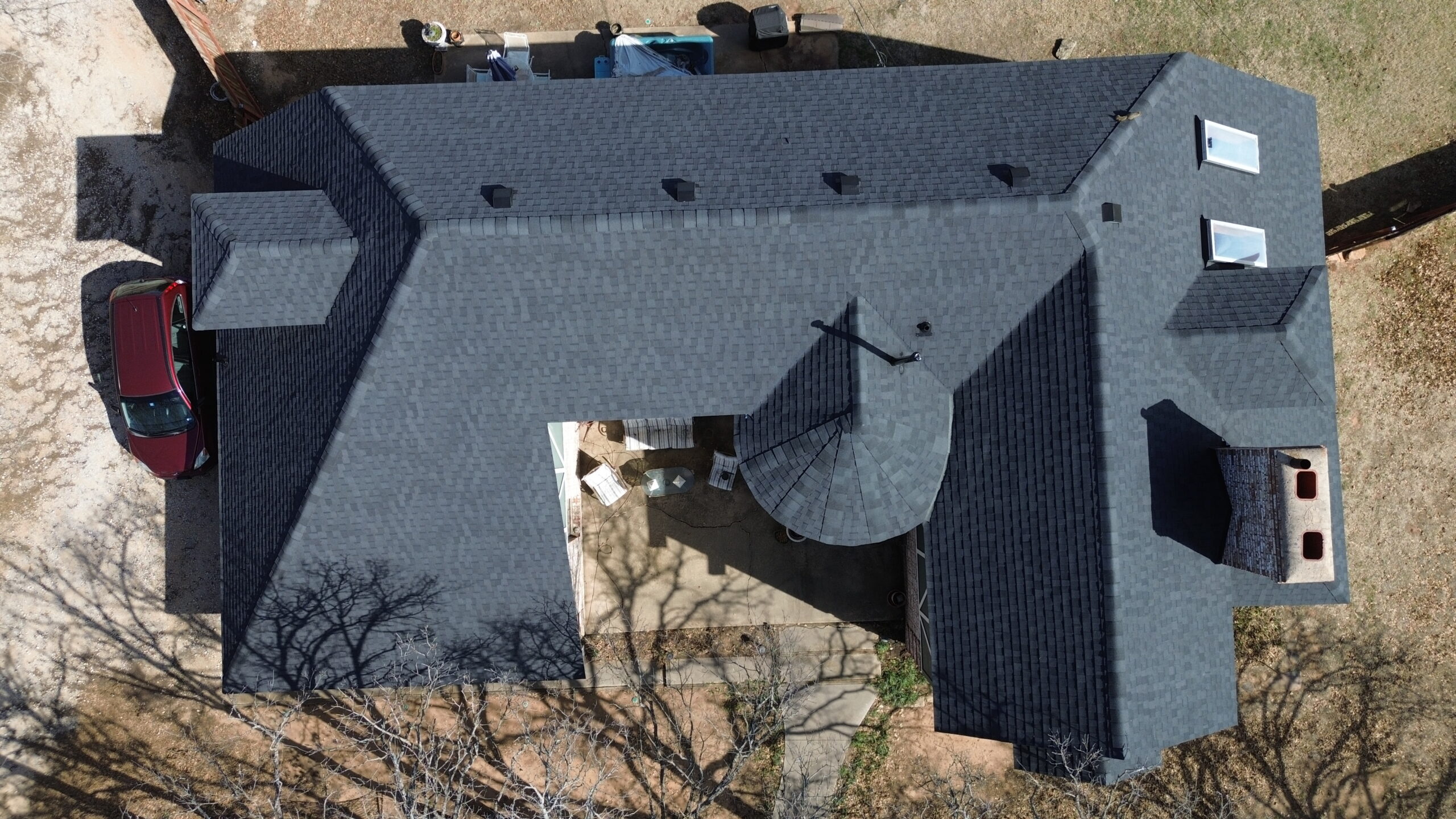
Understanding the Metal Roof Replacement Process
Before discussing installation challenges, it is helpful to understand the typical sequence followed during a residential metal roof replacement. Knowing what occurs at each stage makes it easier to understand why certain issues occasionally arise during the project.
The process generally begins with an initial inspection. Roofing professionals evaluate the existing roof, identify visible damage, measure the roof, and discuss material options with the homeowner. This assessment provides the information necessary to prepare an accurate project estimate.
Material ordering follows once the roofing system has been selected. Because many metal roofing panels are manufactured to specific lengths and project requirements, accurate measurements are essential before production begins.
Installation starts with site preparation. Contractors position equipment, establish safety zones, protect landscaping, and prepare work areas before removing the existing roofing materials. Careful preparation helps reduce unnecessary property damage while improving overall efficiency.
The next stage involves removing the old roof. Once existing shingles or roofing materials are taken away, the roof deck becomes visible for detailed inspection. Contractors examine structural components for moisture damage, rot, loose fasteners, and any repairs that may be required before installation continues.
After repairs are completed, underlayment, flashing, ventilation components, and metal roofing panels are installed in a carefully planned sequence. Each layer contributes to the performance of the finished roofing system.
The project concludes with cleanup, final inspection, and homeowner review. Contractors verify workmanship, remove debris, collect loose fasteners, and explain maintenance recommendations before officially completing the installation.
Understanding this workflow helps homeowners appreciate why some installation challenges cannot be identified until work is already underway.
Preparing the Existing Roof Before Installation
Successful metal roof replacement begins with proper preparation of the existing roof structure. Rushing through this stage increases the likelihood of installation problems that could affect the new roofing system for many years.
Contractors first evaluate whether the existing roofing materials should be completely removed or whether local building regulations and roof conditions permit alternative installation methods. In most residential replacement projects, removing the old roof provides the best opportunity to inspect the underlying structure thoroughly.
Once the old roofing materials have been removed, the roof deck should be cleaned of nails, debris, and leftover underlayment. A clean working surface allows contractors to identify damaged areas while ensuring the new roofing system rests on a stable foundation.
Existing flashing around chimneys, skylights, vents, and valleys also requires careful evaluation. Worn or damaged flashing should generally be replaced rather than reused because these components play a critical role in preventing water intrusion.
Roof geometry deserves attention as well. Uneven framing, sagging sections, or structural movement may require correction before new metal panels are installed. Addressing these issues early helps create a finished roof with consistent appearance and reliable performance.
Preparing the existing roof properly may require additional time, but it significantly reduces the risk of future problems while providing the best possible foundation for the new roofing system.
Hidden Structural Damage Discovered During Tear Off
One of the most common challenges during any roof replacement is discovering hidden structural damage after the old roofing materials have been removed. These issues often remain completely invisible during the initial inspection because they are concealed beneath the existing roof.
Moisture intrusion is among the most frequent causes of hidden damage. Small roof leaks may slowly affect roof decking, rafters, or supporting framing over many years without creating obvious signs inside the home. Once exposed, contractors may discover areas requiring repair before installation can continue.
Wood deterioration caused by prolonged moisture exposure is another common finding. Soft or weakened decking cannot provide adequate support for the new roofing system and should be replaced before additional roofing components are installed.
Previous repair work sometimes introduces unexpected complications. Older patches, improperly installed flashing, or multiple roofing layers may create structural inconsistencies that require correction before new materials are applied.
In some homes, roofing professionals also discover damage caused by insects or long-term weather exposure. Although these issues may increase project costs temporarily, correcting them before installing the new roof protects the home’s structural integrity.
Homeowners should understand that hidden damage is not necessarily a sign of poor workmanship by the current contractor. Rather, it reflects conditions that simply could not be evaluated until the existing roofing materials were removed.
Addressing structural issues immediately ensures the new metal roof is supported by a strong, reliable framework capable of providing long-term performance.
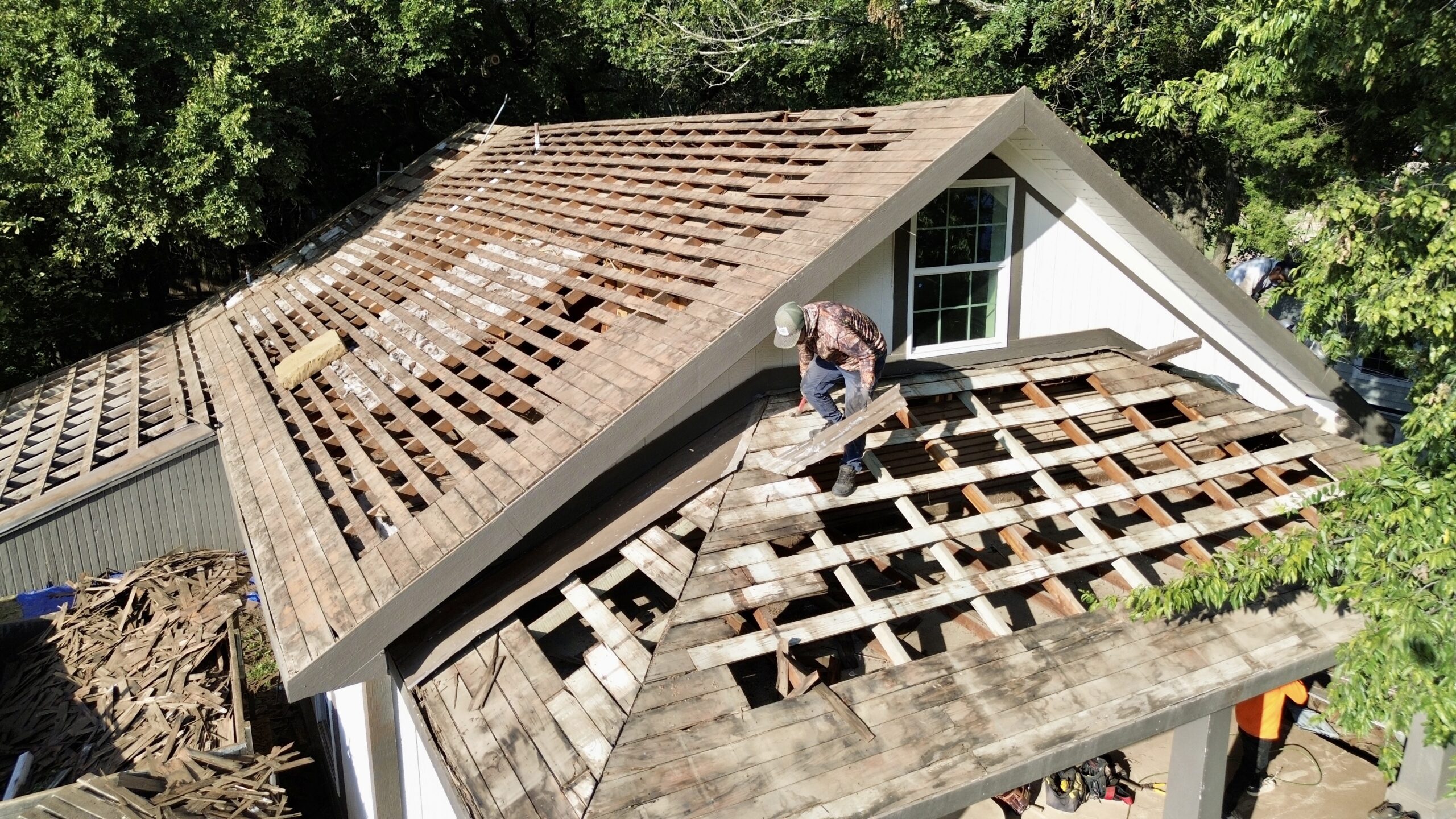
Moisture Problems Beneath the Existing Roofing System
Moisture is one of the greatest threats to any roofing structure. During roof replacement, contractors frequently discover evidence of water intrusion beneath the existing roofing materials, even when homeowners have not noticed active leaks inside the house.
Water may enter through damaged flashing, aging roofing materials, improperly sealed penetrations, or previous storm damage. Once moisture reaches the roof deck, it can gradually affect wood, insulation, and structural framing over extended periods.
Wet insulation presents another concern. Insulation that has absorbed moisture loses much of its thermal effectiveness while creating conditions favorable for mold growth and wood deterioration. Replacing damaged insulation during roof replacement helps restore both energy efficiency and structural protection.
Moisture problems are not always obvious from inside the home. Small leaks may evaporate before reaching interior ceilings, allowing damage to progress unnoticed beneath the roof surface.
Proper moisture management begins with identifying the source of water intrusion. Contractors inspect flashing, valleys, roof penetrations, and drainage systems to determine how moisture entered the roofing assembly before installing new materials.
Correcting moisture issues before installing the metal roof helps prevent recurring problems while improving the overall durability of the complete roofing system.
Roof Deck Repairs That Can Delay Installation
The roof deck serves as the structural foundation supporting every roofing component. If this surface is damaged or weakened, repairs become necessary before installation of the new metal roof can proceed.
Roof decking may require replacement because of rot, moisture damage, warping, or structural deterioration. Contractors inspect every section carefully after removing the old roofing materials to verify that the deck provides adequate support.
Even small areas of damaged decking deserve attention. Installing metal roofing over compromised structural components may lead to reduced performance, uneven panel alignment, or future maintenance issues that could have been avoided with timely repairs.
Repair work occasionally affects the project schedule. Replacement lumber must be measured, cut, and securely installed before underlayment and roofing panels can be applied. Although these repairs extend installation time slightly, they contribute significantly to the roof’s long-term reliability.
In some cases, contractors may recommend reinforcing sections of the roof structure to improve support or accommodate updated building standards. These recommendations are intended to strengthen the roofing system rather than simply complete the installation as quickly as possible.
Homeowners should view roof deck repairs as an investment in the quality of the finished roof rather than an unnecessary project delay.
Material Delivery and Site Preparation Challenges
Proper site preparation plays an important role in ensuring an efficient roofing project. Even before installation begins, contractors must coordinate material delivery, equipment placement, and work area organization while minimizing disruption to the homeowner.
Metal roofing panels are often manufactured in long continuous lengths, requiring careful transportation and storage before installation. Limited access to the property, narrow driveways, or restricted work areas can make unloading materials more challenging.
Protecting landscaping is another important consideration. Contractors typically use protective coverings for shrubs, flower beds, patios, and outdoor equipment while establishing designated material storage locations that minimize interference with daily household activities.
Weather conditions also influence material handling. Strong winds require additional precautions because lightweight metal panels can become difficult to control during unloading and positioning. Proper storage helps protect materials until installation begins.
Equipment placement requires thoughtful planning as well. Ladders, scaffolding, compressors, dumpsters, and cutting stations must be positioned where workers can operate safely without creating unnecessary hazards around the property.
Good site preparation contributes to project efficiency while reducing the possibility of accidental damage to landscaping, vehicles, or outdoor living spaces.
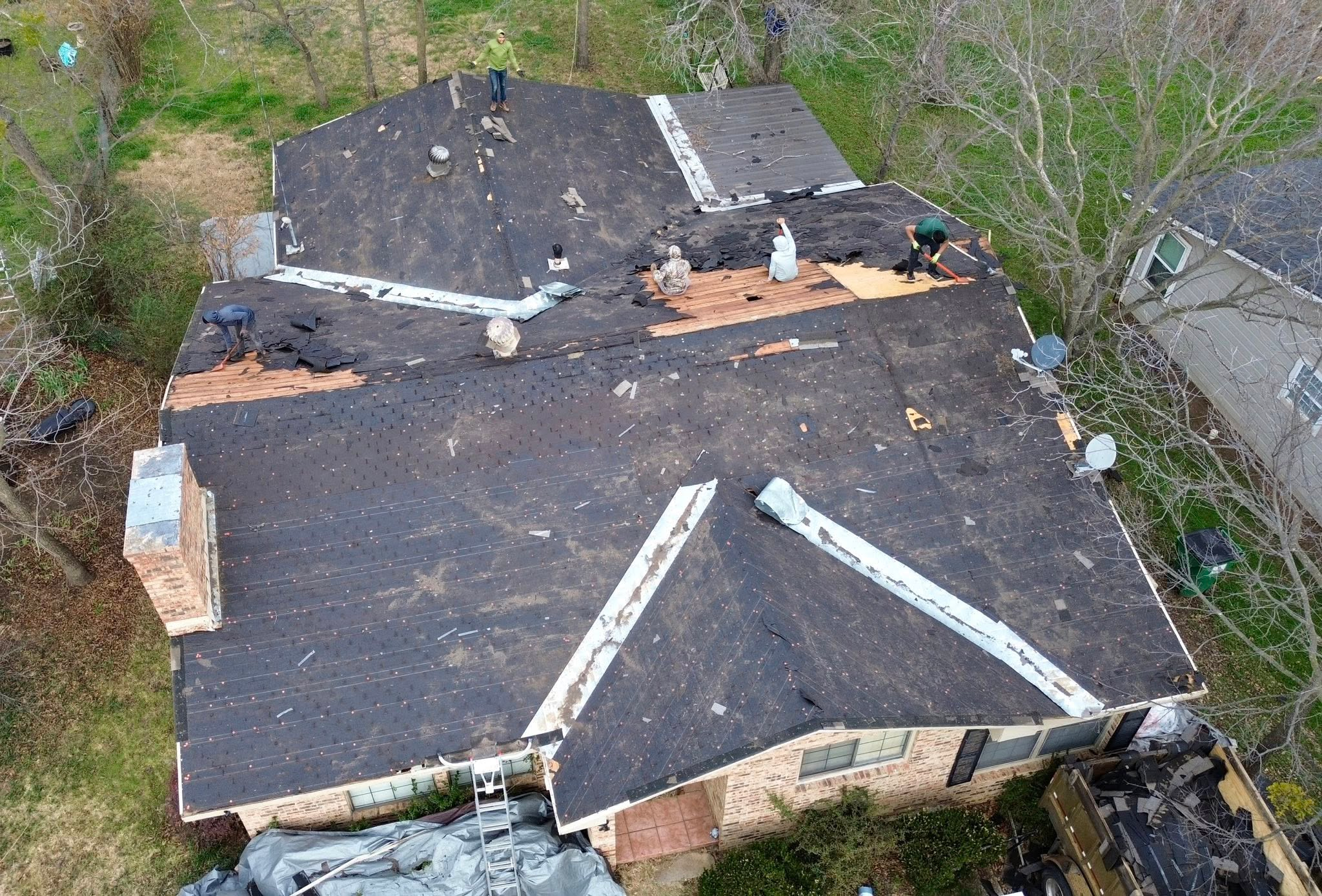
Weather Conditions That Affect Metal Roof Installation
Weather is one of the few aspects of roof replacement that contractors cannot control. Even with careful scheduling and accurate forecasts, changing weather conditions sometimes require adjustments to ensure both worker safety and installation quality.
Rain presents one of the most significant challenges because exposed roof decking should remain dry before underlayment and roofing materials are installed. Contractors monitor weather forecasts closely and may temporarily pause work when precipitation is expected.
Strong winds create additional concerns during metal roof installation. Large roofing panels become difficult to handle safely when wind speeds increase, making precise alignment more challenging while increasing safety risks for roofing crews.
Extreme temperatures also affect installation efficiency. Very hot weather increases physical demands on workers, while extremely cold conditions may influence certain installation materials or sealing components depending on manufacturer recommendations.
Unexpected weather delays occasionally extend project timelines. Although homeowners naturally hope for rapid completion, postponing installation during unsuitable weather generally protects both workmanship quality and worker safety.
Professional roofing contractors build flexibility into project schedules whenever possible so they can respond appropriately to changing environmental conditions without compromising installation standards.
Understanding the influence of weather helps homeowners appreciate why experienced contractors prioritize quality and safety over attempting to complete the project regardless of conditions.
Panel Alignment and Measurement Challenges
One of the most critical aspects of a successful metal roof installation is accurate panel alignment. Unlike asphalt shingles, which consist of many overlapping pieces that can accommodate minor adjustments, metal roofing panels are manufactured with precise dimensions that require careful positioning throughout the installation process.
Installation begins with accurate measurements. Even a small error at the starting point can affect the alignment of every panel that follows. As installers progress across the roof, slight deviations may become more noticeable, creating uneven roof lines or inconsistent spacing that affects both appearance and performance.
Roofs with multiple valleys, dormers, hips, or irregular shapes present additional measurement challenges. Contractors must carefully plan panel placement to ensure proper alignment around these architectural features while maintaining consistent coverage across the entire roof.
Thermal movement also influences panel positioning. Metal naturally expands and contracts as temperatures change, so installers must allow appropriate movement while maintaining secure attachment to the roof structure. Ignoring this characteristic can place unnecessary stress on the roofing system over time.
Experienced roofing professionals use layout lines, precision measuring tools, and manufacturer installation guidelines to maintain proper alignment throughout the project. Careful planning at the beginning of the installation often prevents larger problems from developing later.
Accurate measurements and consistent panel placement contribute to a finished roof that performs reliably while enhancing the home’s overall appearance.
Flashing Installation Around Roof Features
Flashing is one of the most important components of any roofing system because it protects areas where water is most likely to enter the structure. During metal roof replacement, installing flashing correctly requires careful attention to detail and specialized knowledge.
Roof penetrations such as chimneys, skylights, plumbing vents, and exhaust vents all require properly designed flashing systems. These areas experience continuous exposure to rainwater, making accurate installation essential for long-term leak prevention.
Roof valleys also demand special attention. Water naturally flows toward valleys during rainfall, creating one of the highest-volume drainage areas on the roof. Improper flashing installation in these locations may allow moisture to penetrate beneath the roofing panels.
Wall intersections create another common challenge. Wherever the roof meets a vertical wall or dormer, flashing must direct water safely away from vulnerable joints while allowing natural movement of the roofing materials.
Using incompatible flashing materials may also create problems over time. Roofing professionals select flashing products that work effectively with the chosen roofing material while resisting corrosion and weather exposure throughout the roof’s lifespan.
Proper flashing installation requires careful planning, precise cutting, and secure fastening. These details often determine whether a roofing system remains watertight for decades or develops preventable leaks shortly after installation.
Fastener Placement and Attachment Issues
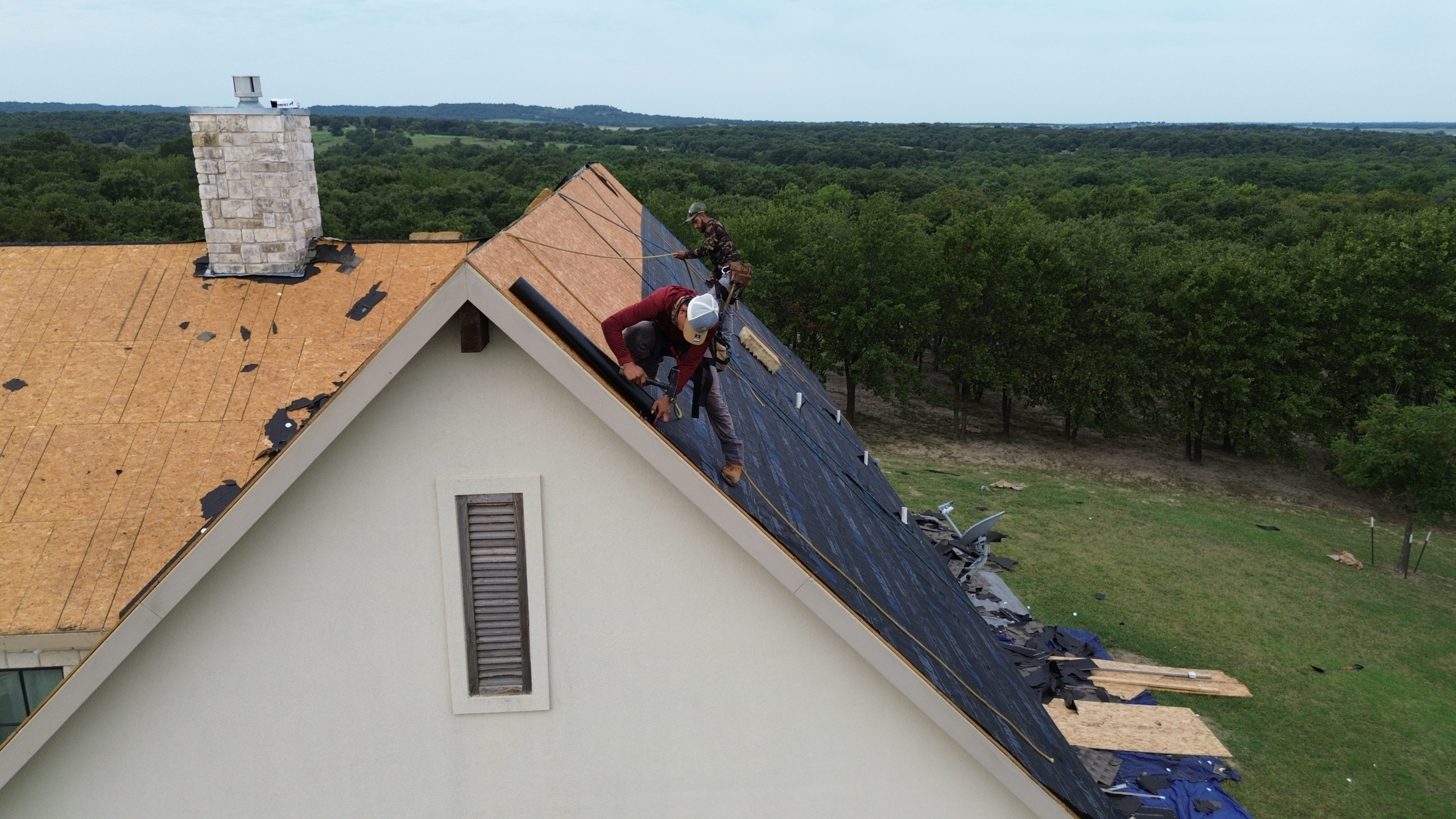
Fasteners play a vital role in securing metal roofing panels to the roof structure. Although they may appear to be small components, proper fastener selection and placement significantly influence the durability, weather resistance, and longevity of the completed roofing system.
Each metal roofing product is designed with specific fastening requirements established by the manufacturer. These guidelines identify the appropriate fastener type, spacing, placement locations, and installation techniques needed to achieve reliable performance.
Incorrect fastener placement may create several problems. Overdriven fasteners can damage protective washers or distort the metal panel, while underdriven fasteners may fail to create a proper seal against moisture. Both situations increase the risk of future leaks.
Fastener spacing also requires careful attention. Installing too few fasteners may reduce wind resistance, while unnecessary fasteners increase the number of roof penetrations without improving structural performance. Following manufacturer recommendations ensures the roofing system remains properly secured.
Roof geometry influences fastening methods as well. Areas exposed to higher wind forces, roof edges, ridges, and valleys often require different fastening patterns than larger central roof sections.
Professional roofing contractors routinely inspect fastener installation throughout the project to verify proper placement and maintain consistent quality across the entire roofing system.
Expansion and Contraction Considerations
Metal naturally responds to changing temperatures by expanding during warm weather and contracting when temperatures decrease. This characteristic is completely normal, but it must be considered carefully during roof installation to prevent future performance issues.
Modern metal roofing systems are engineered to accommodate thermal movement. Specialized fastening methods, panel designs, and installation techniques allow roofing materials to move slightly without affecting structural integrity or weather resistance.
Problems may occur if installers fail to provide adequate allowance for this movement. Restricting natural expansion and contraction can place unnecessary stress on roofing panels, fasteners, and flashing. Over time, these stresses may contribute to premature wear or cosmetic concerns.
Long roof sections require especially careful planning because larger panels experience greater overall movement as temperatures fluctuate throughout the year. Roofing professionals consider panel length, fastening systems, and local climate conditions when determining installation methods.
Expansion joints or floating attachment systems may be incorporated into certain roofing designs depending on the product being installed. These specialized features help accommodate thermal movement while maintaining secure attachment to the roof structure.
Understanding how metal responds to temperature changes allows contractors to install roofing systems that continue performing reliably despite years of seasonal expansion and contraction.
Ventilation Problems During Roof Replacement
Attic ventilation is an essential part of every roofing system, yet it is often overlooked until the roof replacement process begins. Inadequate ventilation affects energy efficiency, moisture control, and the long-term durability of both the roof and the home.
Older homes sometimes contain ventilation systems that no longer meet modern building standards. During roof replacement, contractors may identify insufficient intake vents, blocked airflow paths, or improperly balanced ventilation that should be corrected before installation continues.
Poor ventilation allows excessive heat to accumulate inside the attic during summer. Elevated attic temperatures increase cooling demands while placing additional stress on roofing materials and insulation.
Moisture control is equally important. Everyday household activities generate humidity that naturally rises into the attic. Without effective ventilation, this moisture may condense on structural components, reducing insulation performance and contributing to wood deterioration over time.
Metal roof replacement provides an excellent opportunity to upgrade ventilation systems because contractors already have access to the roofing structure. Installing ridge vents, improving soffit ventilation, or correcting airflow restrictions enhances both energy efficiency and roof longevity.
Homeowners should discuss ventilation improvements with their roofing contractor before installation begins so any necessary upgrades can be incorporated into the overall project.
Handling Roof Valleys, Hips, and Complex Roof Designs
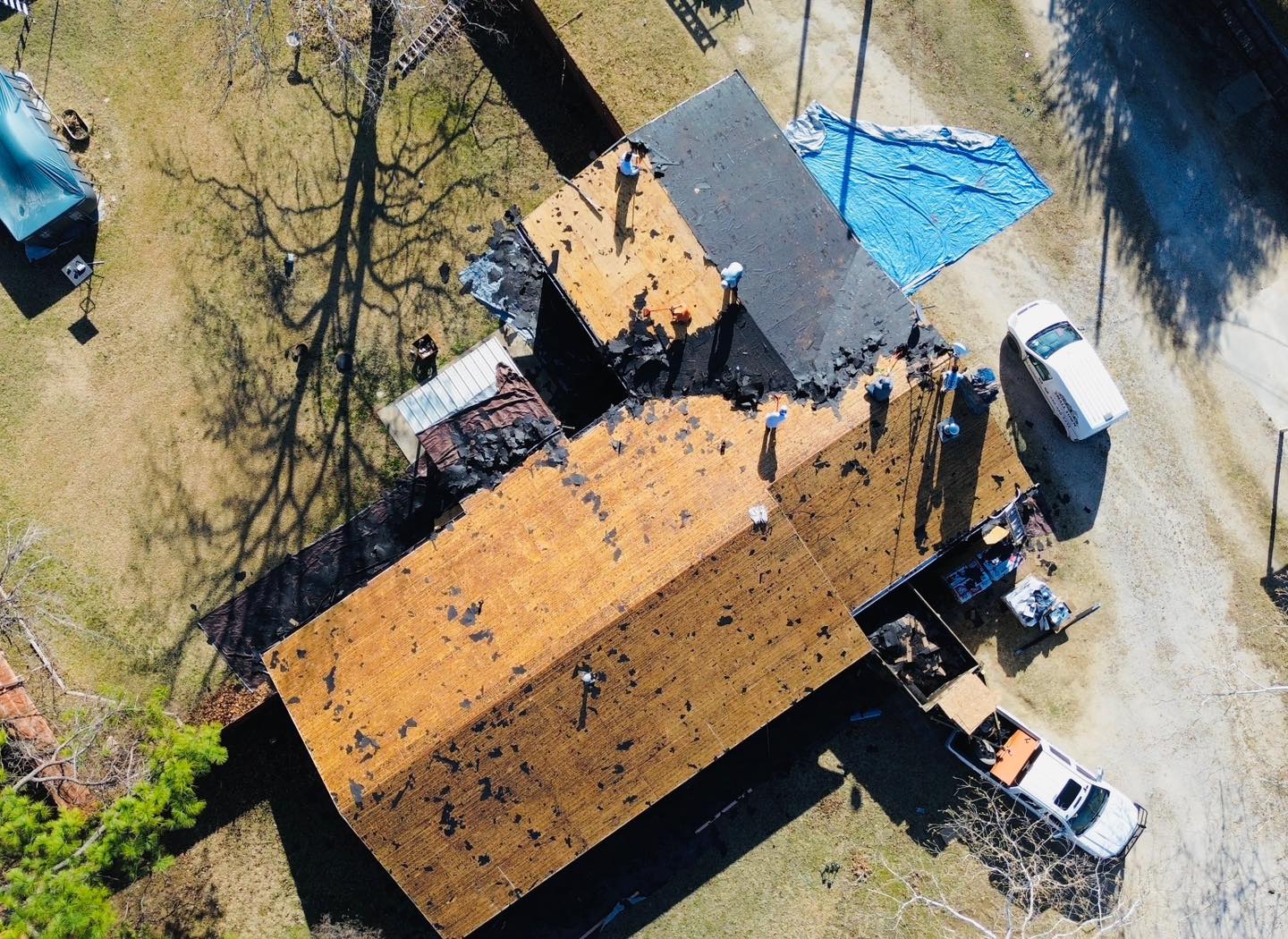
Not every roof has a simple rectangular shape. Many homes include valleys, hips, dormers, intersecting roof sections, and other architectural features that increase installation complexity. These areas require additional planning because they involve more detailed cutting, fitting, and weatherproofing than open roof surfaces.
Roof valleys present one of the greatest challenges because they collect large amounts of rainwater during storms. Metal panels must be carefully measured and trimmed to fit accurately while allowing water to flow efficiently toward gutters without obstruction.
Hip roofs require precise panel transitions where different roof slopes meet. Contractors must maintain consistent alignment while ensuring trim components fit securely and create an attractive finished appearance.
Dormers, skylights, chimneys, and roof-mounted equipment further increase installation complexity. Every penetration requires custom flashing and careful panel integration to maintain complete weather protection.
Irregular roof shapes also increase material waste because panels often require specialized cutting to fit unusual angles. Experienced installers plan material layouts carefully to reduce unnecessary waste while maintaining installation quality.
Complex roof designs demonstrate why experience is so valuable during metal roof replacement. Precision workmanship in these areas contributes significantly to the overall performance and appearance of the finished roofing system.
Safety Challenges for Roofing Crews
Roof replacement involves working at height with heavy materials, specialized tools, and changing weather conditions. Maintaining safe working practices protects both roofing crews and homeowners while supporting efficient project completion.
Metal roofing panels can become slippery under certain conditions, particularly when wet from rain or morning dew. Contractors monitor weather carefully and may delay installation until surfaces become safe for work.
Handling long roofing panels also requires coordination among crew members. Large panels can catch strong winds during lifting or positioning, making teamwork and proper handling techniques essential for preventing accidents.
Fall protection remains one of the highest priorities on every roofing project. Professional contractors use harnesses, anchors, guardrails, scaffolding, and other approved safety equipment appropriate for the roof’s slope and working conditions.
Electrical hazards deserve attention as well. Roofing crews remain aware of nearby power lines, exterior wiring, satellite equipment, and rooftop utilities throughout the installation process.
Homeowners also play an important role in maintaining safety by avoiding active work zones, keeping children and pets away from construction areas, and following contractor instructions throughout the project.
A strong commitment to safety benefits everyone involved while supporting high-quality workmanship under controlled working conditions.
Preventing Water Intrusion During Installation
Roof replacement temporarily exposes portions of the home to outdoor weather, making water management one of the contractor’s most important responsibilities throughout the installation process.
Professional roofing crews generally remove and replace roofing materials in carefully planned sections rather than exposing the entire roof at once. This staged approach limits the amount of roof left uncovered during installation while reducing the risk of weather-related damage.
Temporary weather protection may also be necessary if unexpected rain develops before installation is complete. Waterproof coverings and protective barriers help shield exposed structural components until work can safely resume.
Underlayment installation follows closely after roof deck preparation. This protective layer provides an additional moisture barrier beneath the metal roofing panels, reducing the likelihood of water reaching the roof deck during severe weather.
Roof penetrations require immediate attention as installation progresses. Flashing around vents, chimneys, skylights, and other roof features should be completed promptly to maintain continuous weather protection.
Contractors continuously monitor weather forecasts throughout the project and adjust work schedules when necessary. Although temporary delays may extend installation slightly, protecting the roof structure from moisture remains far more important than completing the project as quickly as possible.
Quality Control Throughout the Installation Process
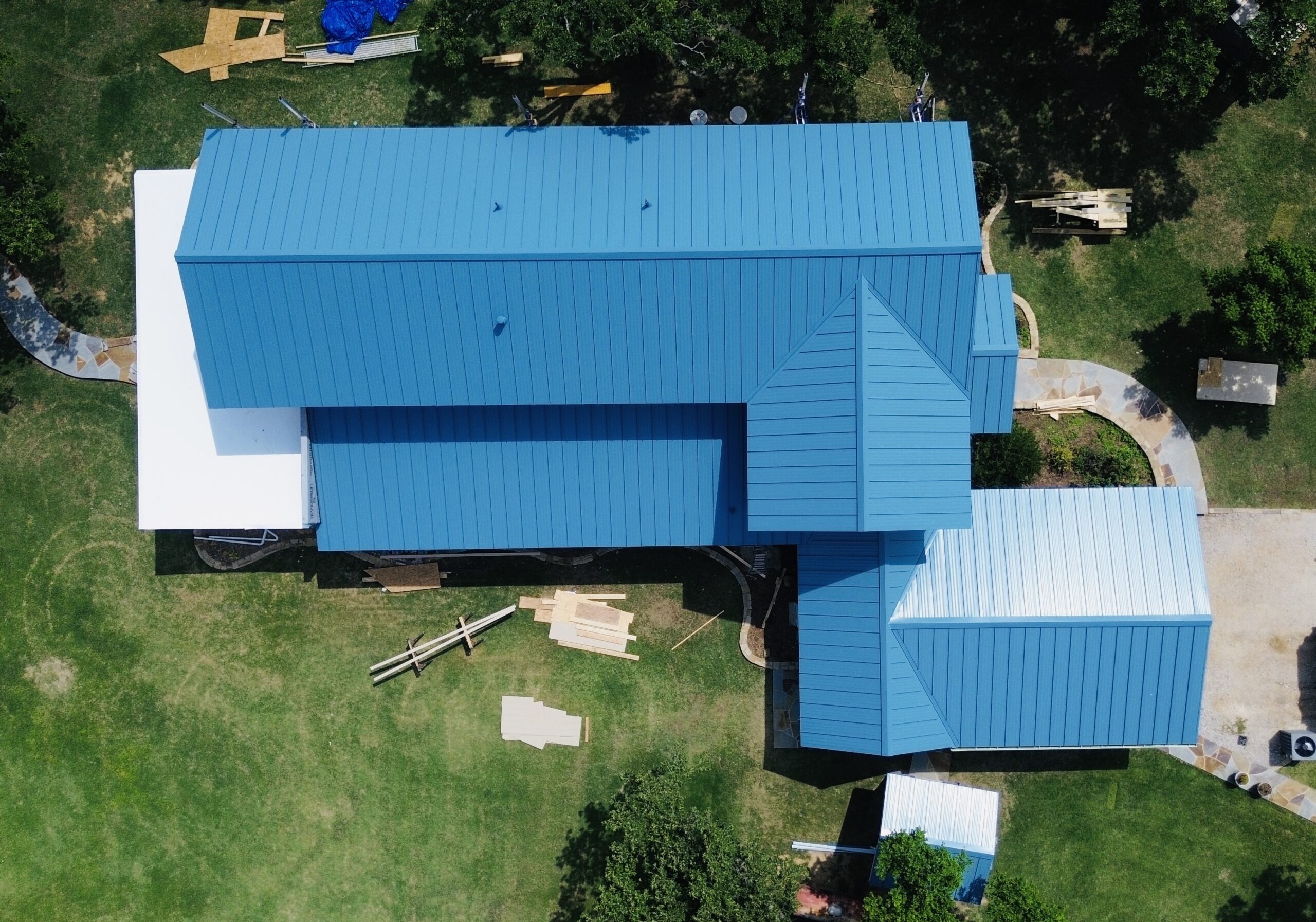
Quality control is not limited to the final inspection after installation is complete. Professional roofing contractors evaluate workmanship continuously throughout every stage of the replacement process to identify and correct issues before they affect the finished roof.
Measurements are verified repeatedly as installation progresses. Confirming panel alignment, spacing, and fastening patterns helps maintain consistency across the entire roofing system while preventing cumulative installation errors.
Contractors also inspect flashing, trim components, and roof penetrations as each section is completed. Addressing small adjustments immediately is generally much easier than making corrections after additional roofing panels have been installed.
Material condition is another important part of quality control. Roofing panels, fasteners, sealants, and accessories should be inspected before installation to ensure they remain free from shipping damage or manufacturing defects.
Communication among crew members also supports quality workmanship. Experienced installation teams coordinate measurements, panel placement, fastening procedures, and inspection activities throughout the project to maintain consistent installation standards.
Effective quality control typically includes attention to several important areas:
- Panel alignment remains straight and consistent.
- Fasteners are installed according to manufacturer specifications.
- Flashing is properly fitted around all roof features.
- Underlayment provides continuous moisture protection.
- Completed sections are inspected before work continues.
Maintaining high quality standards throughout installation helps ensure the finished metal roofing system delivers the durability, weather resistance, energy efficiency, and long-term performance homeowners expect from their investment.
Post Installation Inspection Checklist
Completing the installation is not the final step in a successful metal roof replacement project. A thorough post-installation inspection helps verify that every component has been installed correctly and that the roofing system is ready to provide long-term protection. Taking the time to review the completed work allows homeowners and contractors to address any remaining concerns before the project is officially closed.
The inspection should begin with a visual review of the roof from several angles around the property. The panels should appear straight, evenly aligned, and consistent in color and finish. Trim pieces should fit tightly against the roof, creating clean lines that complement the home’s architecture.
Next, inspect all roof penetrations, including chimneys, skylights, plumbing vents, and exhaust vents. Flashing around these areas should be securely installed and properly sealed to prevent future water intrusion. Valleys, hips, and roof edges also deserve close attention because these areas experience heavy water flow during storms.
The attic should also be examined after installation. Look for signs of daylight entering through unexpected openings, moisture stains, or areas where insulation may have been disturbed during construction. Proper ventilation should remain unobstructed to support the long-term performance of the roofing system.
The surrounding property should receive equal attention. Contractors should remove construction debris, collect loose fasteners using magnetic sweepers, and restore outdoor areas affected during installation. Clean gutters, undamaged landscaping, and safe walkways indicate that the project has been completed professionally.
A careful inspection provides confidence that the roof has been installed according to professional standards and is ready to protect the home for many years.
Comparing Common Installation Issues and Their Solutions
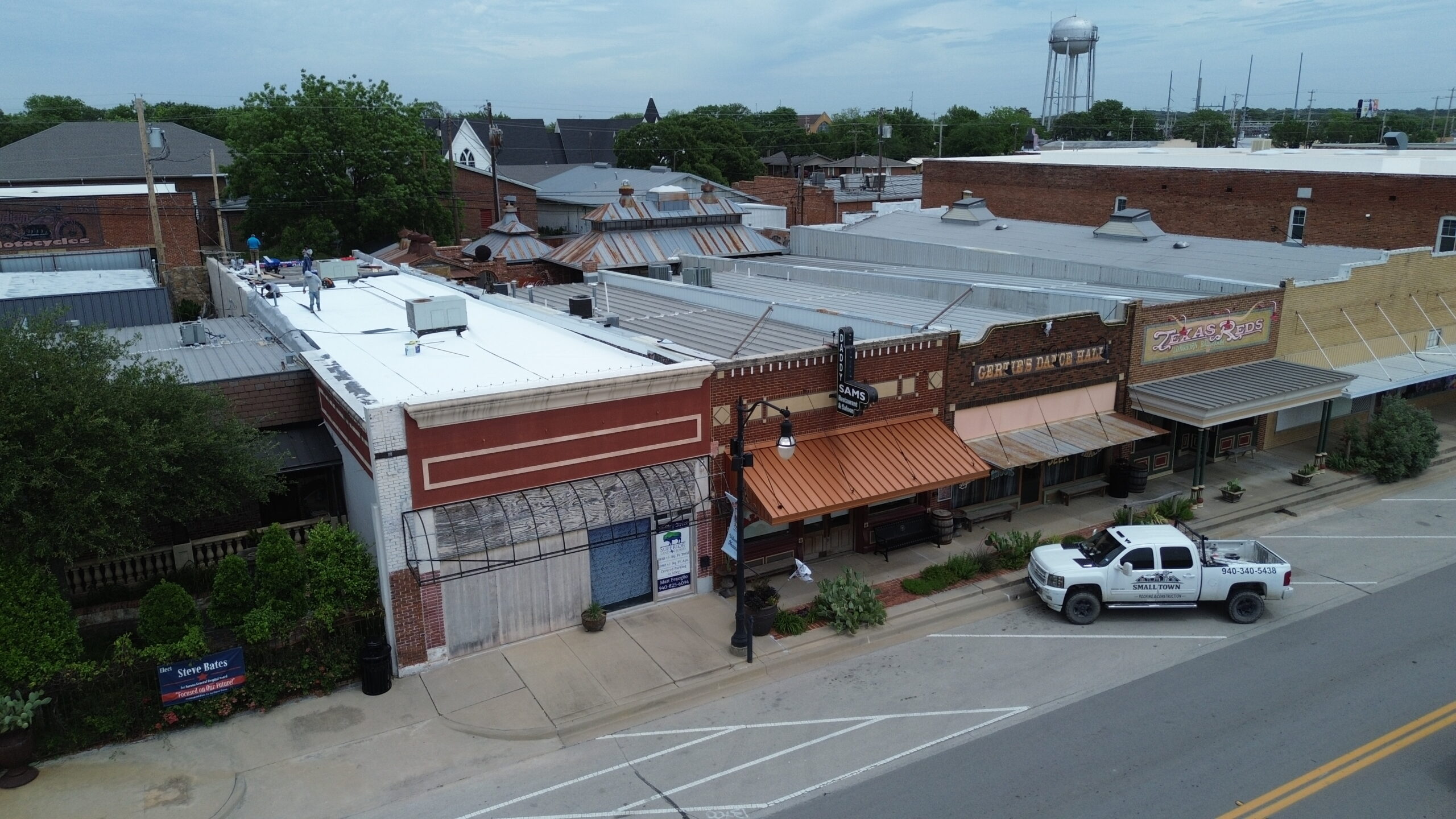
Although experienced contractors work carefully to avoid problems, understanding common installation issues and their solutions helps homeowners appreciate the importance of proper workmanship.
| Installation Issue | Potential Cause | Professional Solution |
|---|---|---|
| Uneven Panels | Incorrect measurements or alignment | Reposition panels and verify layout lines before fastening |
| Water Leaks | Improper flashing installation or sealing | Replace or correctly install flashing according to manufacturer guidelines |
| Loose Fasteners | Incorrect fastening technique or spacing | Tighten or replace fasteners using approved installation methods |
| Poor Ventilation | Inadequate attic airflow or blocked vents | Upgrade intake and exhaust ventilation systems |
| Oil Canning Appearance | Installation stress, panel width, or roof conditions | Select appropriate panel profile and follow proper installation practices |
This comparison demonstrates that most installation concerns have practical solutions when they are identified early. Experienced roofing contractors perform routine quality inspections throughout the project to detect these issues before the roof is considered complete.
Homeowners should remember that some cosmetic characteristics, such as slight oil canning, may occur naturally with certain metal roofing products without affecting structural performance. Contractors can explain whether a visible characteristic represents a cosmetic condition or an issue requiring correction.
Reviewing common installation challenges helps homeowners better understand the complexity of metal roofing while reinforcing the importance of selecting experienced professionals.
Working With an Experienced Metal Roofing Contractor
The success of a metal roof replacement depends as much on the contractor as it does on the roofing materials themselves. Choosing an experienced roofing professional greatly reduces the likelihood of installation problems while improving the overall quality of the finished project.
Begin by selecting contractors who have specific experience installing residential metal roofing systems. Metal roofs require different techniques than asphalt shingles, so specialized knowledge is essential for achieving proper panel alignment, flashing installation, and fastening methods.
Request references from previous customers and review completed projects whenever possible. Seeing examples of the contractor’s work provides valuable insight into craftsmanship, attention to detail, and overall project quality.
Written estimates should clearly explain the scope of work, materials, warranties, project timeline, and cleanup procedures. Detailed proposals help homeowners compare contractors fairly while reducing misunderstandings later in the project.
Communication is equally important. A professional contractor keeps homeowners informed throughout the installation process, explains unexpected findings, and discusses recommended solutions before proceeding with additional work. This open communication builds trust and helps projects progress more smoothly.
Licensing, insurance, and manufacturer certifications should also be verified before signing a contract. These qualifications demonstrate professionalism while helping protect both the homeowner and the contractor throughout the project.
Working with an experienced roofing company provides reassurance that installation challenges will be handled correctly while maximizing the long-term performance of the roofing system.
Long Term Maintenance After Installation
A properly installed metal roof requires relatively little maintenance, but regular care remains important for preserving its appearance, energy efficiency, and structural performance. Preventive maintenance allows homeowners to identify minor concerns before they develop into more significant issues.
Routine visual inspections should be performed after major storms or unusually strong winds. While metal roofing is highly durable, severe weather can occasionally affect flashing, fasteners, or trim components. Early identification of these issues helps prevent unnecessary repairs.
Keeping the roof surface clean also supports long-term performance. Leaves, branches, and other debris should be removed regularly because accumulated organic material can retain moisture around roof features and valleys.
Gutters and downspouts deserve regular attention as well. Proper drainage prevents water from backing up beneath roof edges while protecting fascia boards and foundation drainage systems. Clean gutters also reduce the likelihood of ice formation during colder weather in some regions.
Tree maintenance is another important part of roof care. Overhanging branches should be trimmed to prevent scratching the roof surface or dropping excessive debris onto the panels during storms.
Professional inspections every few years provide additional confidence that the roofing system continues performing according to manufacturer expectations. Roofing specialists can evaluate flashing, fasteners, sealants, ventilation, and other components that may not be easily inspected from the ground.
A practical maintenance routine includes the following steps:
- Inspect the roof after severe storms or high winds.
- Keep gutters and roof valleys free from leaves and debris.
- Check flashing and fasteners during routine inspections.
- Trim overhanging tree branches regularly.
- Schedule professional roof inspections every few years.
Following these simple maintenance practices helps homeowners protect their investment while extending the roof’s service life.
Conclusion
Metal roof replacement offers exceptional durability, energy efficiency, and long-term value, but achieving these benefits depends on careful planning and professional installation. Understanding the common issues that may arise during the installation process allows homeowners to prepare realistically while appreciating the importance of proper workmanship.
From hidden structural damage and moisture problems discovered during tear-off to challenges involving panel alignment, flashing, ventilation, and thermal expansion, every stage of the installation requires attention to detail. Addressing these issues before the project is completed ensures the roofing system performs reliably under changing weather conditions for decades.
The installation process also highlights the importance of selecting an experienced roofing contractor. Skilled professionals understand manufacturer requirements, follow industry best practices, and perform continuous quality inspections throughout the project. Their expertise reduces installation errors while ensuring the finished roof provides dependable weather protection and long-term structural performance.
Once installation is complete, routine maintenance and periodic inspections help preserve the roof’s appearance and functionality. Keeping the roof clean, maintaining proper drainage, inspecting flashing and fasteners, and addressing minor concerns promptly all contribute to maximizing the lifespan of the roofing system.
Although installation challenges are a normal part of many roof replacement projects, they can be managed successfully through careful preparation, quality materials, and experienced workmanship. Homeowners who understand the process are better equipped to communicate with contractors, make informed decisions, and recognize the value of addressing issues correctly before the project is finished.
A professionally installed metal roof is more than a protective covering for the home. It is a long-term investment that enhances durability, energy efficiency, weather resistance, and property value. By recognizing common installation challenges and ensuring they are handled properly, homeowners can enjoy the full benefits of a metal roofing system with confidence for many years to come.