
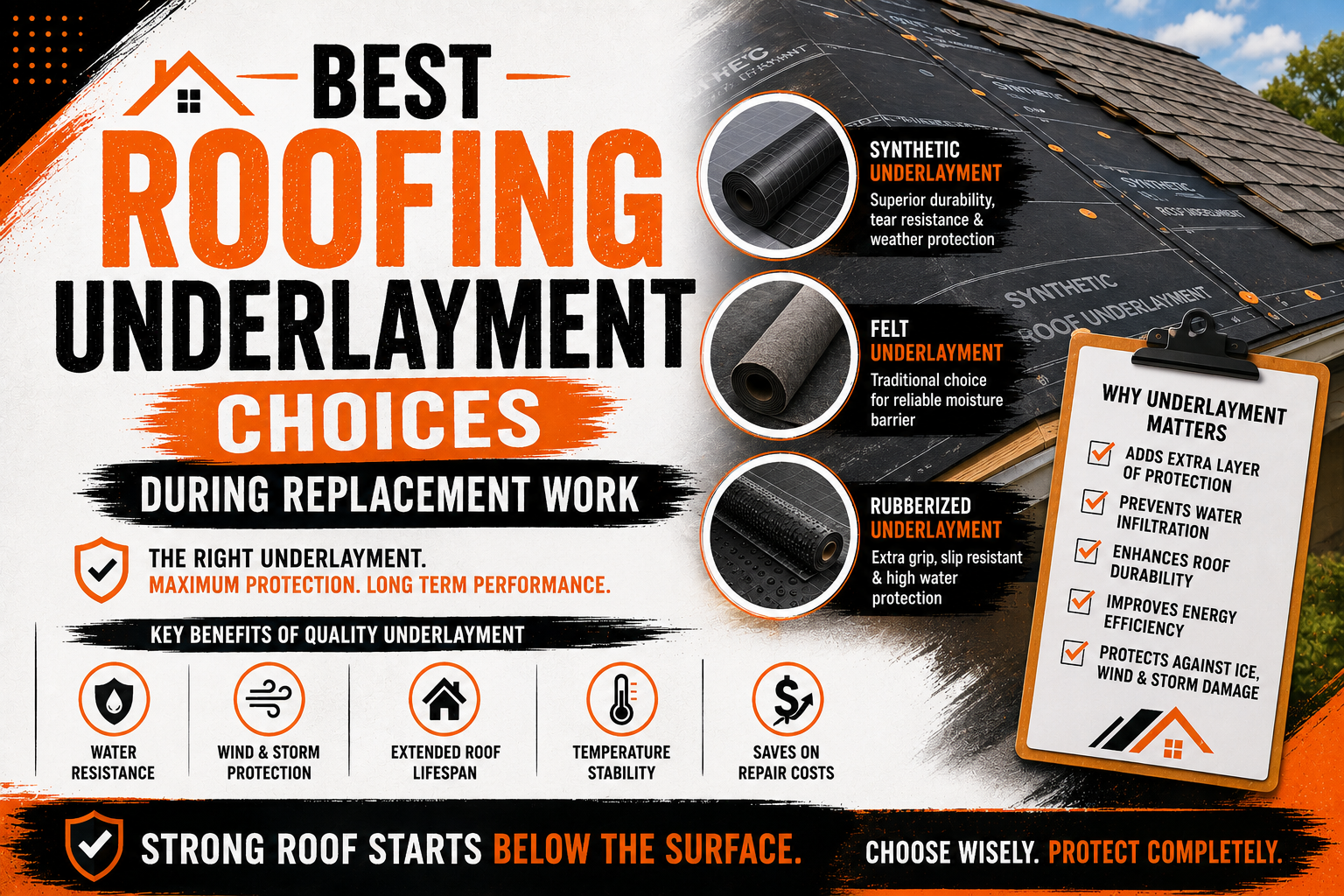
Best Roofing Underlayment Choices During Replacement Work
Introduction
A roof replacement involves much more than installing new shingles, metal panels, or tiles. Beneath the visible roofing material lies an important protective layer known as roofing underlayment. Although homeowners rarely see it once the roof is complete, underlayment plays a critical role in protecting the home from moisture, improving roof durability, and supporting the overall performance of the roofing system.
Roofing underlayment acts as a secondary barrier against water infiltration. Even the highest-quality roofing materials can allow moisture to penetrate during severe weather, high winds, or heavy rainfall. The underlayment provides an additional layer of defense, helping prevent water from reaching the roof deck and causing structural damage.
Modern roof replacement projects offer several underlayment options, each designed for different climates, roofing materials, and performance requirements. Asphalt saturated felt, synthetic underlayment, and rubberized asphalt membranes all provide valuable protection, but they differ in durability, installation methods, moisture resistance, and cost. Understanding these differences helps homeowners make informed decisions rather than selecting materials based only on price.
Choosing the right underlayment also affects the lifespan of the entire roofing system. A durable roof covering installed over poor-quality underlayment may not perform as expected during severe weather or after years of exposure to changing temperatures. By selecting the appropriate underlayment during roof replacement, homeowners improve both short-term protection and long-term reliability.
Another important benefit is peace of mind. Since underlayment remains hidden beneath the finished roof, replacing or upgrading it after installation would require removing large portions of the roofing system. Choosing the right product during the initial replacement project helps avoid costly future work while ensuring the home receives dependable protection from the beginning.
This guide explains the most common roofing underlayment choices, how each type works, their strengths and limitations, and the important factors homeowners should evaluate before selecting the best option for their roof replacement project.
What Is Roofing Underlayment?
Roofing underlayment is a protective material installed directly over the roof deck and beneath the visible roofing materials. It forms an important intermediate layer that helps prevent water from entering the structure if moisture passes beneath shingles, metal panels, or tiles. Although it remains hidden after installation, underlayment performs an essential function throughout the life of the roof.
The primary purpose of underlayment is to create a secondary moisture barrier. Wind-driven rain, melting snow, ice dams, or damaged roofing materials can occasionally allow water to bypass the outer roofing surface. Underlayment helps stop this moisture before it reaches the wooden roof deck, reducing the risk of rot, mold, and structural deterioration.
Roofing underlayment also provides temporary weather protection during construction. After the roof deck is covered but before the final roofing materials are installed, the underlayment helps protect the structure from unexpected rain or changing weather conditions. This temporary protection is particularly valuable during larger roof replacement projects that require several days to complete.
Another important function is improving the overall stability of the roofing system. Underlayment creates a smooth, consistent surface that supports proper installation of roofing materials. It also reduces direct contact between certain roofing materials and the roof deck, helping improve long-term performance.
Modern roofing systems depend on underlayment working together with flashing, ventilation, fasteners, and the finished roofing material. Each component contributes to moisture control, structural durability, and weather resistance. When installed correctly, the complete roofing system provides multiple layers of protection rather than relying on a single barrier.
Roofing manufacturers often specify the type of underlayment recommended for their products. Following these recommendations helps maximize roof performance while preserving manufacturer warranty coverage. Selecting compatible roofing components is therefore just as important as choosing high-quality shingles or roofing panels.
Why Underlayment Is Essential During Roof Replacement
Many homeowners focus primarily on the visible roofing materials because they determine the appearance of the home. However, underlayment performs equally important protective functions that continue long after installation is complete. Replacing an old roof without upgrading deteriorated underlayment may reduce the effectiveness of the new roofing system.
One of the most important reasons underlayment is essential involves moisture protection. Roofing materials are designed to shed water, but extreme weather conditions sometimes force rain beneath shingles or around flashing. Underlayment provides an additional defense that helps keep moisture away from the roof deck.
Roof replacement also presents the ideal opportunity to inspect and replace aging underlayment. Older materials may have deteriorated because of prolonged exposure to heat, moisture, or natural aging. Installing new roofing materials over worn underlayment leaves an important protective layer compromised from the beginning.
Underlayment also improves resistance to wind-driven rain. Strong winds can force water upward beneath roofing materials, particularly around roof edges, valleys, chimneys, and penetrations. A properly installed underlayment helps reduce the likelihood of water reaching structural components during severe storms.
Ice dam protection is another important consideration in colder climates. When melting snow refreezes near roof edges, water may back up beneath shingles. Specialized underlayments help seal around fasteners while creating an effective barrier against moisture infiltration caused by ice dams.
Fire resistance can also improve depending on the selected underlayment and roofing system. Certain products contribute to higher fire ratings when installed as part of a complete roofing assembly. This additional protection enhances overall building safety while supporting compliance with local building codes.
The importance of roofing underlayment becomes even more apparent when considering everything it helps accomplish.
- Provides secondary protection against water infiltration.
- Protects the roof deck during roof replacement.
- Improves weather resistance during severe storms.
- Helps reduce moisture-related structural damage.
- Supports proper installation of roofing materials.
- Contributes to longer overall roof lifespan.
- Works with flashing and ventilation to improve roof performance.
Although homeowners rarely see the underlayment after installation, it remains one of the most valuable components within the entire roofing system. Investing in quality underlayment during roof replacement helps protect every layer built above it.
Main Types of Roofing Underlayment
Roofing underlayment has evolved considerably over the years. Traditional felt products continue serving many residential projects, while modern synthetic materials and self-adhering membranes provide enhanced durability and moisture protection. Each type offers unique characteristics that make it suitable for specific roofing applications.
The three primary categories of residential roofing underlayment include asphalt saturated felt, synthetic underlayment, and rubberized asphalt membranes. Although each performs the same basic function of protecting the roof deck, they differ significantly in composition, strength, installation methods, and expected service life.
Selecting the right underlayment depends on several factors. Roofing material, local climate, roof slope, project budget, and manufacturer recommendations all influence which product provides the greatest long-term value. Understanding how these materials compare helps homeowners make more confident decisions during roof replacement.
Modern roofing contractors often recommend different underlayments depending on the roof design. Certain sections of the roof may even receive multiple types of underlayment to provide additional protection in vulnerable areas such as valleys, eaves, and roof penetrations. Combining products allows contractors to customize moisture protection according to specific roof conditions.
Each underlayment category offers valuable advantages, but no single product represents the best solution for every home. Evaluating the strengths and limitations of each option provides the foundation for selecting the most appropriate roofing system.
Asphalt Saturated Felt Underlayment
Asphalt saturated felt has served as a roofing underlayment for many decades and remains widely used throughout residential construction. Often referred to simply as roofing felt or felt paper, this material consists of organic or fiberglass reinforcement saturated with asphalt to improve moisture resistance.
One of the greatest advantages of felt underlayment is its long history of successful use. Contractors are highly familiar with its installation methods, and it continues providing dependable protection beneath many roofing systems. Its proven performance has established it as a trusted option for numerous residential roof replacement projects.
Another important benefit is affordability. Felt underlayment generally costs less than many premium alternatives, making it attractive for homeowners working within tighter budgets. Despite its relatively low cost, quality felt products provide effective secondary moisture protection when installed correctly.
Felt underlayment also offers moderate breathability. Under certain conditions, it allows limited moisture vapor movement that helps reduce trapped moisture beneath roofing materials. Proper ventilation remains essential, but this characteristic contributes to overall roof performance.
However, felt underlayment also has limitations. Compared to modern synthetic products, it is generally heavier, less tear resistant, and more susceptible to wrinkling if exposed to prolonged moisture before roofing installation is completed. Careful handling during construction helps minimize these concerns.
Extended exposure to sunlight can also reduce felt performance. For this reason, contractors typically install finished roofing materials as soon as practical after laying the underlayment. Prompt completion helps preserve material quality while reducing weather-related risks.
Despite the availability of newer technologies, asphalt saturated felt remains a dependable choice for many residential roofing projects. Its combination of affordability, familiarity, and proven performance continues making it a practical option under appropriate conditions.
Synthetic Roofing Underlayment
Synthetic roofing underlayment has become one of the fastest-growing choices for modern roof replacement because it offers several performance improvements over traditional felt products. Manufactured using engineered polymers such as polypropylene or polyethylene, synthetic underlayment provides exceptional durability while remaining lightweight and easy to install.
One of its greatest strengths is tear resistance. Synthetic materials withstand foot traffic during construction much better than conventional felt, reducing accidental damage while improving worker safety. This durability becomes especially valuable on larger roofing projects or steep roof slopes.
Moisture resistance also represents a major advantage. Unlike traditional felt, synthetic underlayment absorbs very little water, allowing it to maintain structural integrity even when temporarily exposed to rainfall before final roofing materials are installed. This characteristic improves reliability during changing weather conditions.
Lightweight construction simplifies transportation and installation. Large rolls cover greater roof areas while remaining easier for roofing crews to handle. Faster installation may reduce labor time while minimizing the period that the roof remains exposed during replacement.
Synthetic underlayment also offers excellent dimensional stability. It resists wrinkling, shrinking, and stretching better than many conventional materials, helping create a smooth installation surface for shingles, metal roofing, or tile systems. Consistent surface quality contributes to improved appearance and long-term roofing performance.
Many premium synthetic underlayments include textured walking surfaces that improve traction during installation. Enhanced slip resistance increases worker safety while reducing the likelihood of installation-related accidents on steep roofs.
Ultraviolet resistance provides another practical benefit. Many synthetic products tolerate temporary sunlight exposure better than traditional felt, allowing contractors greater scheduling flexibility during complex roofing projects. Nevertheless, manufacturers still recommend completing the roofing system promptly whenever possible.
Although synthetic underlayment generally costs more than felt products, its durability, moisture resistance, and installation advantages often justify the additional investment for homeowners seeking long-term roof performance.
Rubberized Asphalt Underlayment
Rubberized asphalt underlayment represents one of the most advanced moisture protection systems available for residential roofing. Often referred to as self-adhering membrane or ice and water shield, this material combines asphalt with rubber-like polymers to create an exceptionally waterproof barrier.
Unlike mechanically fastened underlayments, rubberized asphalt products adhere directly to the roof deck using pressure-sensitive adhesive. This creates continuous contact with the roof surface while reducing opportunities for water to travel beneath the membrane.
One of the most valuable features of rubberized asphalt underlayment is its self-sealing capability. When roofing nails penetrate the membrane during installation, the surrounding material seals tightly around each fastener. This greatly reduces the likelihood of water entering through nail penetrations during severe weather.
Rubberized asphalt performs exceptionally well in vulnerable roof areas where moisture problems commonly develop. Contractors frequently install it along eaves, valleys, roof penetrations, skylights, chimneys, and low-slope sections where additional waterproofing provides significant long-term benefits.
Ice dam protection represents one of its most important applications. During winter, melting snow may refreeze near roof edges, allowing water to back up beneath shingles. Rubberized asphalt membranes create an effective waterproof barrier that helps prevent moisture from reaching the roof deck under these challenging conditions.
This type of underlayment also performs well beneath premium roofing materials such as metal roofing, slate, and tile systems. Its exceptional waterproofing characteristics complement roofing materials expected to remain in service for several decades, helping preserve the underlying roof structure throughout the roof’s lifespan.
The primary limitation of rubberized asphalt underlayment is cost. It generally represents the most expensive underlayment option among common residential products. However, because contractors often install it only in high-risk areas rather than across the entire roof, homeowners can achieve enhanced protection without dramatically increasing total project cost.
Key Factors to Consider When Choosing Underlayment
Selecting roofing underlayment requires evaluating more than product price alone. The best choice depends on how well the material supports the roofing system, withstands local weather conditions, and contributes to long-term structural protection.
Climate should be one of the first considerations. Homes located in regions with heavy rainfall, snow, ice, or strong winds often benefit from more advanced underlayment systems that provide enhanced moisture protection. Matching underlayment performance to local weather conditions helps maximize roof durability.
Roofing material compatibility is equally important. Asphalt shingles, metal roofing, clay tiles, slate, and composite roofing products each have different installation requirements. Following manufacturer recommendations helps ensure the underlayment performs effectively while preserving warranty coverage.
Expected roof lifespan also influences material selection. Homeowners investing in premium roofing systems designed to last several decades often choose higher-performance underlayment capable of supporting the same service life. Installing premium roofing over lower-quality underlayment may reduce the overall value of the investment.
Installation quality remains another critical factor. Even the highest-quality underlayment cannot perform effectively if installed incorrectly. Professional installation ensures proper overlaps, fastening methods, flashing integration, and waterproof detailing throughout the roofing system.
Finally, homeowners should consider long-term value rather than only initial cost. Underlayment represents a relatively small portion of the total roof replacement budget, yet it provides continuous protection throughout the life of the roof. Choosing durable, high-quality underlayment during replacement often proves far more economical than addressing moisture-related structural repairs years later.
Matching Underlayment to Different Roofing Materials
Selecting the right roofing underlayment is not only about choosing the highest-quality product available. The underlayment should also be compatible with the roofing material being installed because different roofing systems place different demands on the layers beneath them. Matching these components correctly improves weather protection, extends roof lifespan, and supports manufacturer warranty requirements.
Asphalt shingles remain the most common residential roofing material, and they perform well with both asphalt saturated felt and synthetic underlayment. While felt continues to provide dependable protection, many contractors now recommend synthetic products because they offer greater tear resistance, improved moisture protection, and easier installation. Premium architectural shingles often benefit from synthetic underlayment because both materials are designed for extended service life.
Metal roofing systems require underlayment capable of resisting prolonged moisture exposure and temperature fluctuations. Metal panels naturally expand and contract as temperatures change, so the underlayment beneath them should remain dimensionally stable throughout these movements. Synthetic underlayments and rubberized asphalt membranes are commonly recommended because they resist moisture while maintaining structural integrity over many years.
Clay and concrete tile roofs present different challenges because of their weight and construction methods. Small amounts of wind-driven rain may occasionally pass beneath individual tiles, making durable underlayment particularly important. Synthetic underlayment is widely used beneath tile roofs because of its strength, while rubberized asphalt membranes are frequently installed in valleys and other vulnerable areas for additional moisture protection.
Slate roofing systems often remain in service for several decades, making underlayment durability especially important. Since replacing underlayment beneath slate would require removing the heavy roofing material, contractors generally recommend premium synthetic products or specialized high-performance underlayments capable of supporting the long lifespan of the roof.
Composite roofing materials also benefit from synthetic underlayment because both products are engineered for durability and weather resistance. This combination creates a roofing system designed to provide dependable long-term performance with relatively low maintenance requirements.
Choosing compatible materials ensures every roofing component works together effectively. Rather than treating underlayment as a separate product, homeowners should view it as an integral part of the complete roofing system.
Climate Considerations When Selecting Underlayment
Local weather conditions strongly influence which roofing underlayment provides the best long-term performance. A product that performs exceptionally well in one climate may not offer the same advantages in another. Understanding regional weather patterns helps homeowners select underlayment that provides dependable protection throughout the year.
Homes located in areas with frequent rainfall require underlayment that resists prolonged moisture exposure. Synthetic underlayment performs particularly well because it absorbs very little water and maintains its structural strength even after temporary exposure during construction. Its moisture resistance helps protect the roof deck if heavy rain occurs before roofing materials are fully installed.
Cold climates introduce additional challenges because snow and ice may create ice dams along roof edges. As melting snow refreezes near the eaves, water can back up beneath shingles and reach the underlayment. Rubberized asphalt membranes are especially valuable in these conditions because they create a waterproof seal around roofing fasteners while providing excellent protection against ice dam infiltration.
Hot climates expose roofing materials to prolonged ultraviolet radiation and elevated temperatures. Underlayment should remain stable despite repeated heating and cooling cycles. Many synthetic products tolerate temporary sunlight exposure better than traditional felt, although roofing materials should still be installed promptly to maximize long-term performance.
High-wind regions benefit from durable underlayment capable of resisting tearing during installation and severe weather events. Strong underlayment also provides temporary weather protection if roofing materials become damaged during storms before repairs can be completed.
Humid climates increase the importance of proper attic ventilation in addition to underlayment selection. Moisture generated inside the home should be allowed to escape rather than becoming trapped beneath the roof. A balanced roofing system combining effective underlayment with proper ventilation provides the best long-term protection.
Coastal environments create another unique challenge because wind-driven rain and salt exposure place additional demands on roofing systems. Durable synthetic underlayments and self-adhering membranes often perform well under these demanding conditions while supporting corrosion-resistant roofing materials.
Considering climate during material selection allows homeowners to maximize the effectiveness of their roofing investment. Matching underlayment to environmental conditions improves both roof durability and long-term structural protection.
Water Resistance and Moisture Protection
Water protection remains the primary purpose of roofing underlayment. Although roofing materials serve as the first barrier against rain and snow, underlayment provides essential backup protection whenever moisture reaches the roof deck. Comparing moisture resistance helps homeowners understand the strengths of each underlayment type.
Asphalt saturated felt provides dependable water resistance under normal conditions. It sheds moisture effectively while protecting the roof deck during typical weather events. However, prolonged exposure to water before roofing installation may reduce its effectiveness because felt can absorb moisture and wrinkle if left uncovered for extended periods.
Synthetic underlayment offers significantly improved moisture resistance. Its engineered polymer construction absorbs very little water, allowing it to remain stable even after rainfall during construction. This characteristic makes synthetic products particularly valuable when unpredictable weather delays roof replacement projects.
Rubberized asphalt membranes provide the highest level of moisture protection among common residential underlayments. Their self-adhering design creates continuous contact with the roof deck while sealing tightly around roofing nails. This self-sealing capability greatly reduces opportunities for water infiltration through fastener penetrations.
Roof valleys deserve particular attention because they collect large amounts of runoff during rainfall. Installing premium waterproof underlayment in these locations significantly reduces the likelihood of leaks developing over time. Contractors often extend rubberized asphalt membranes beyond valleys to protect nearby roof surfaces as well.
Roof penetrations also require careful waterproofing. Chimneys, skylights, plumbing vents, and exhaust vents interrupt the roofing surface, creating potential entry points for moisture. Combining quality flashing with durable underlayment provides multiple layers of protection around these vulnerable areas.
Moisture control benefits the entire roofing structure rather than only the visible roofing materials. Protecting the roof deck prevents wood rot, mold growth, insulation damage, and interior water staining. Effective underlayment therefore contributes directly to preserving the home’s structural integrity.
Durability and Installation Performance
Roof replacement projects place considerable demands on underlayment before the finished roofing materials are even installed. Workers walk across the surface, equipment is moved repeatedly, and changing weather conditions may expose the material to wind or rain. Underlayment durability during installation contributes significantly to overall project success.
Traditional felt underlayment has provided reliable service for many years, but it generally tears more easily than modern synthetic products when subjected to heavy foot traffic or accidental impacts. Contractors often exercise additional care while working on felt-covered roofs to avoid damaging the material before shingles or other roofing products are installed.
Synthetic underlayment offers superior strength under construction conditions. Engineered polymers provide excellent tear resistance while remaining lightweight and flexible. These characteristics reduce installation damage and improve worker efficiency during roof replacement.
Many synthetic products also include textured walking surfaces that improve traction. Better footing reduces the risk of slips while allowing roofing crews to move more confidently across steep roof slopes. Improved safety benefits both contractors and homeowners by supporting efficient project completion.
Dimensional stability is another important advantage. Synthetic underlayment resists stretching, shrinking, and wrinkling despite changing temperatures or temporary moisture exposure. A smooth installation surface helps ensure roofing materials align properly while maintaining a professional finished appearance.
Rubberized asphalt membranes require more careful installation because their adhesive backing creates an immediate bond with the roof deck. Accurate positioning is essential because repositioning becomes difficult once the membrane contacts the surface. Experienced contractors understand the installation techniques needed to achieve reliable waterproofing.
Installation performance also affects scheduling flexibility. Premium synthetic underlayments often tolerate temporary weather exposure better than felt, allowing contractors additional time to complete larger or more complex roofing projects without compromising protection.
Selecting durable underlayment improves both construction efficiency and long-term roof performance. Strong materials better withstand installation demands while supporting the roofing system throughout its expected lifespan.
Cost Versus Long-Term Value
Budget plays an important role in every roof replacement project, but evaluating underlayment based solely on initial purchase price may overlook its long-term value. Since underlayment remains hidden beneath the finished roof, replacing it later would require removing roofing materials that may still be in excellent condition.
Asphalt saturated felt generally represents the most affordable underlayment option. Its relatively low cost makes it attractive for budget-conscious projects while still providing dependable moisture protection under appropriate conditions. Many homeowners continue selecting felt because of its proven performance and familiarity.
Synthetic underlayment costs more than traditional felt, but the additional investment often provides greater durability, moisture resistance, and installation efficiency. Since underlayment represents only a portion of the total roof replacement budget, upgrading to synthetic products frequently adds significant long-term value without dramatically increasing overall project cost.
Rubberized asphalt membranes typically represent the highest-cost underlayment category. However, contractors usually install them only in high-risk areas rather than across the entire roof. Concentrating premium protection where leaks are most likely allows homeowners to improve roof performance while managing project costs effectively.
Long-term ownership costs should also be considered. Higher-quality underlayments reduce the likelihood of moisture-related structural repairs that may become much more expensive than the initial material upgrade. Preventing roof deck deterioration, insulation damage, and interior water intrusion often justifies investing in premium products during roof replacement.
Warranty considerations may also influence value. Certain roofing manufacturers recommend or require specific underlayments for premium warranty coverage. Selecting compatible materials helps preserve warranty protection while supporting expected roof performance throughout the product’s service life.
When evaluating roofing investments, homeowners should compare expected lifespan, maintenance requirements, moisture protection, and replacement costs rather than focusing only on installation expenses. Durable underlayment contributes to the overall reliability of the roofing system for many years after construction is complete.
Table: Comparison of Roofing Underlayment Options
| Underlayment Type | Moisture Resistance | Durability | Installation Ease | Typical Cost | Best Applications |
|---|---|---|---|---|---|
| Asphalt Saturated Felt | Good | Moderate | Good | Lowest | Standard asphalt shingle roofs |
| Synthetic Underlayment | Excellent | High | Excellent | Moderate | Asphalt, metal, tile, composite roofs |
| Rubberized Asphalt Membrane | Outstanding | Very High | Moderate | Highest | Valleys, eaves, penetrations, ice dam protection |
This comparison provides a general overview rather than fixed standards. Actual performance depends on product quality, installation methods, roof design, and local climate conditions.
Common Installation Mistakes to Avoid
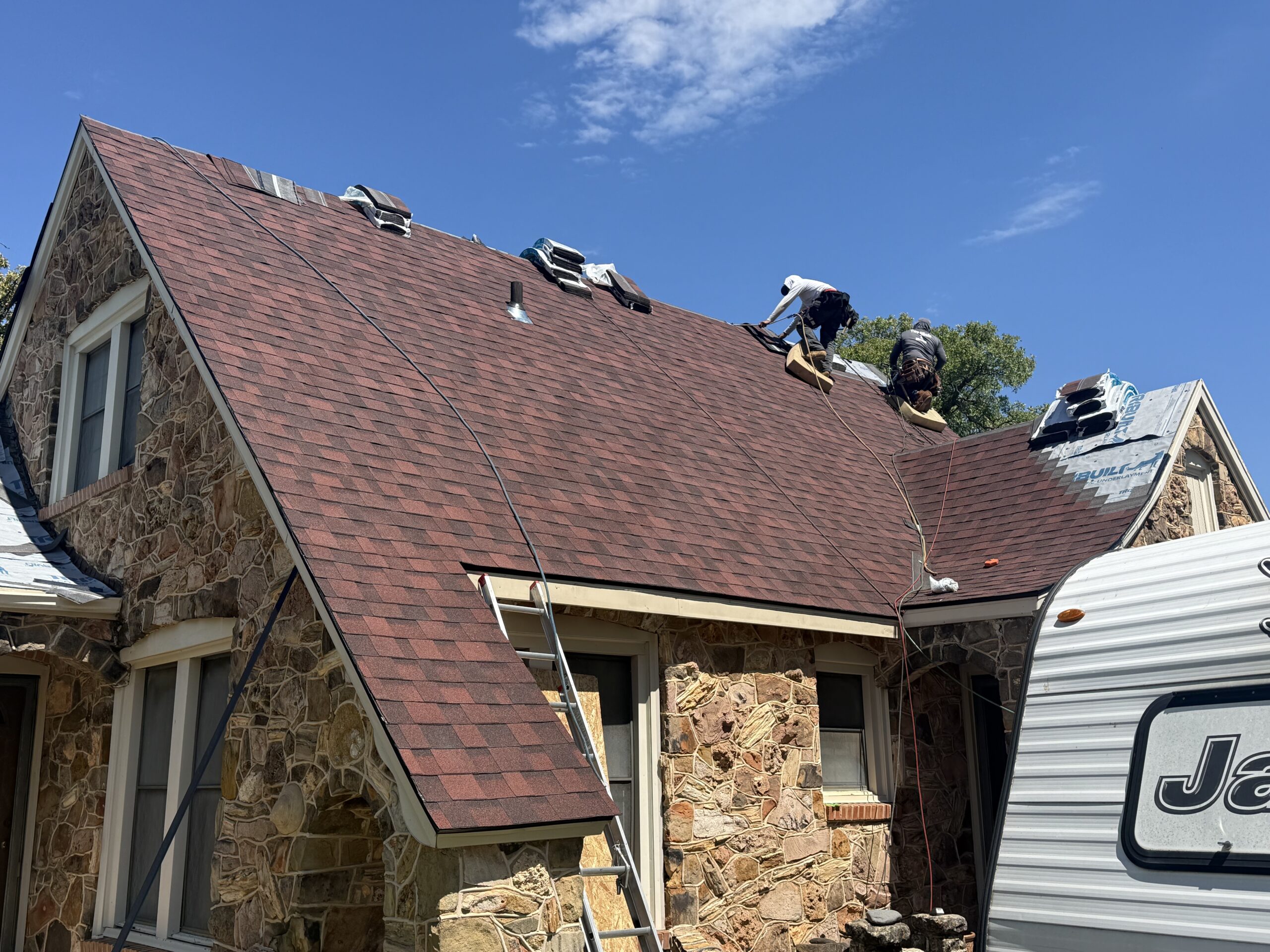
Even the highest-quality underlayment cannot provide reliable protection if it is installed incorrectly. Proper installation techniques are essential because mistakes made beneath the finished roofing material may remain hidden until leaks develop years later.
One common mistake involves improper overlap between underlayment sheets. Roofing manufacturers specify minimum overlap distances that prevent water from reaching the roof deck. Insufficient overlap increases the risk of moisture infiltration during heavy rain or wind-driven storms.
Incorrect fastening methods create another frequent problem. Nails or fasteners should be installed according to manufacturer recommendations using appropriate spacing and approved fastening materials. Overdriven or poorly positioned fasteners may reduce the underlayment’s ability to resist water penetration.
Ignoring vulnerable roof areas also increases leak potential. Valleys, chimneys, skylights, dormers, plumbing vents, and roof edges require additional waterproofing attention. Failing to reinforce these locations with appropriate underlayment or flashing often results in premature moisture problems.
Installing underlayment over damaged roof decking is another serious mistake. Rotten or weakened decking should always be repaired before new underlayment is applied. Covering structural problems without correcting them only delays more extensive repairs while reducing the effectiveness of the new roofing system.
Leaving underlayment exposed for excessive periods may also affect performance. Although synthetic products tolerate temporary weather exposure better than felt, all roofing systems should be completed according to manufacturer guidelines whenever possible. Prompt installation of the finished roofing materials provides maximum long-term protection.
Improper integration with flashing creates another common source of leaks. Underlayment and flashing must work together to direct water away from vulnerable roof transitions. Careful sequencing during installation ensures moisture follows the intended drainage path rather than reaching structural components.
Finally, failing to follow manufacturer instructions can reduce both roof performance and warranty coverage. Every roofing system is engineered as a complete assembly, and underlayment should always be installed according to approved specifications.
Avoiding these common mistakes significantly improves the reliability of the finished roof. Quality materials combined with skilled installation provide homeowners with a roofing system designed to deliver dependable protection for many years.
Choosing the Best Underlayment for Your Roof Replacement
Selecting the best roofing underlayment requires evaluating the entire roofing system rather than choosing a product based only on cost or popularity. Every roof has different structural characteristics, weather exposure, roofing materials, and performance expectations. The right underlayment should complement these factors while providing dependable protection throughout the roof’s lifespan.
Homeowners replacing a standard asphalt shingle roof often find that synthetic underlayment offers an excellent balance of durability, moisture protection, and value. Although traditional felt remains a reliable option for many projects, synthetic materials provide additional tear resistance and better weather protection during installation. These advantages have made synthetic underlayment the preferred choice for many modern residential roofing systems.
Metal roofing systems generally benefit from premium synthetic underlayment or rubberized asphalt membranes because these materials maintain stability during temperature changes while offering excellent moisture resistance. Since metal roofs are often designed to remain in service for several decades, selecting long-lasting underlayment helps ensure every layer of the roofing system provides similar durability.
Clay tile, concrete tile, and slate roofing also deserve high-performance underlayment because of their extended service life. Replacing underlayment beneath these heavy roofing materials would require significant labor and expense, making it practical to install premium products during the initial roof replacement.
Climate should remain a major factor in the decision-making process. Homes located in regions with frequent rainfall, heavy snow, or ice dams often benefit from rubberized asphalt membranes in vulnerable areas such as eaves, valleys, chimneys, and roof penetrations. Combining multiple underlayment products allows contractors to provide additional protection where moisture intrusion is most likely.
Budget should be considered from a long-term perspective rather than focusing only on material costs. Underlayment typically represents a relatively small portion of the overall roof replacement budget, yet it protects every structural component beneath the roofing material. Investing in higher-quality underlayment often provides greater value than repairing water damage caused by premature underlayment failure.
Homeowners should also consider future maintenance expectations. Durable underlayment reduces the likelihood of hidden moisture problems that may otherwise require extensive repairs years after roof replacement. Choosing quality materials during installation provides lasting protection without significantly increasing project complexity.
Ultimately, the best underlayment is the one that matches the roofing material, local climate, structural requirements, and long-term goals of the homeowner. Careful planning creates a roofing system that performs as a complete, integrated structure rather than a collection of individual products.
Common Myths About Roofing Underlayment
Roofing underlayment is often misunderstood because it remains hidden beneath the finished roof. Several misconceptions may influence homeowner decisions, making it important to separate common myths from practical reality.
One widespread misconception is that roofing underlayment is optional if high-quality shingles or metal roofing are installed. In reality, underlayment serves as an essential secondary moisture barrier that protects the roof deck whenever water bypasses the outer roofing surface. Even premium roofing materials rely on underlayment as part of a complete weather protection system.
Another common belief is that all underlayments provide identical performance. While every underlayment performs the same basic function, materials differ significantly in tear resistance, moisture protection, durability, ultraviolet resistance, and expected service life. Choosing the right product requires evaluating these characteristics rather than assuming every option performs equally.
Some homeowners believe thicker roofing materials eliminate the need for premium underlayment. Although durable roofing materials improve weather resistance, they cannot completely prevent water intrusion during severe storms or around vulnerable roof details. Underlayment remains an important protective layer regardless of the roofing material selected.
Another misconception is that felt underlayment has become obsolete. Although synthetic products have gained popularity, asphalt saturated felt continues providing dependable protection on many residential roofing projects. The best choice depends on project requirements rather than assuming newer products automatically replace traditional materials.
Many people also assume underlayment only protects against rain. In reality, quality underlayment helps guard against wind-driven moisture, melting snow, ice dams, temporary weather exposure during construction, and minor water infiltration around flashing or roof penetrations. Its protective role extends well beyond ordinary rainfall.
Some homeowners believe underlayment can compensate for poor installation practices. This is not accurate because every roofing component depends on proper installation. Incorrect flashing, inadequate ventilation, poor fastening, or damaged roof decking can reduce overall roof performance regardless of the quality of the underlayment itself.
Another misunderstanding involves lifespan. Some assume underlayment lasts forever simply because it is protected beneath roofing materials. While underlayment is designed for long service life, its durability depends on material quality, installation methods, roof ventilation, and environmental conditions. Selecting products with service life comparable to the roofing material helps maximize long-term value.
Understanding these misconceptions allows homeowners to make informed roofing decisions based on actual performance rather than assumptions.
Questions to Ask Before Selecting Underlayment
Choosing roofing underlayment becomes much easier when homeowners ask thoughtful questions before construction begins. These conversations help clarify expectations while ensuring the selected materials support the overall roofing system.
Important questions include:
- Which underlayment is recommended for my chosen roofing material?
- How does my local climate influence underlayment selection?
- Should ice and water shield be installed in specific roof areas?
- What moisture protection advantages does synthetic underlayment provide?
- Will the selected underlayment support the expected lifespan of my new roof?
- Does the manufacturer require a specific underlayment for warranty coverage?
- How will the underlayment improve weather protection during severe storms?
- What ventilation improvements should accompany the new underlayment?
- How long can the underlayment remain exposed before roofing materials are installed?
- What workmanship warranty covers the underlayment installation?
These questions encourage detailed discussions with roofing contractors while helping homeowners understand the complete roofing system. Clear communication also reduces misunderstandings regarding materials, costs, and project expectations before installation begins.
Professional contractors should be willing to explain why certain underlayments are recommended for specific roofing systems. Their recommendations should reflect climate conditions, roof design, manufacturer specifications, and long-term performance rather than focusing only on project cost.
Numbered Checklist for Choosing Roofing Underlayment
Selecting roofing underlayment involves evaluating several important factors together. The following checklist provides a structured approach that helps homeowners compare available options before making a final decision.
- Confirm which underlayment is recommended for the selected roofing material.
- Evaluate local weather conditions, including rain, snow, wind, and temperature extremes.
- Inspect the roof deck and repair any structural damage before installation.
- Compare moisture resistance, durability, and expected service life of each underlayment type.
- Determine whether rubberized asphalt membrane is needed in valleys, eaves, or roof penetrations.
- Verify compatibility with manufacturer warranty requirements.
- Confirm proper attic ventilation will accompany the new roofing system.
- Review installation procedures and quality control with the roofing contractor.
- Compare long-term value rather than focusing only on initial material cost.
- Choose experienced roofing professionals who follow manufacturer installation guidelines.
Using this checklist helps homeowners evaluate underlayment systematically while reducing the chance that important considerations will be overlooked during the roof replacement process.
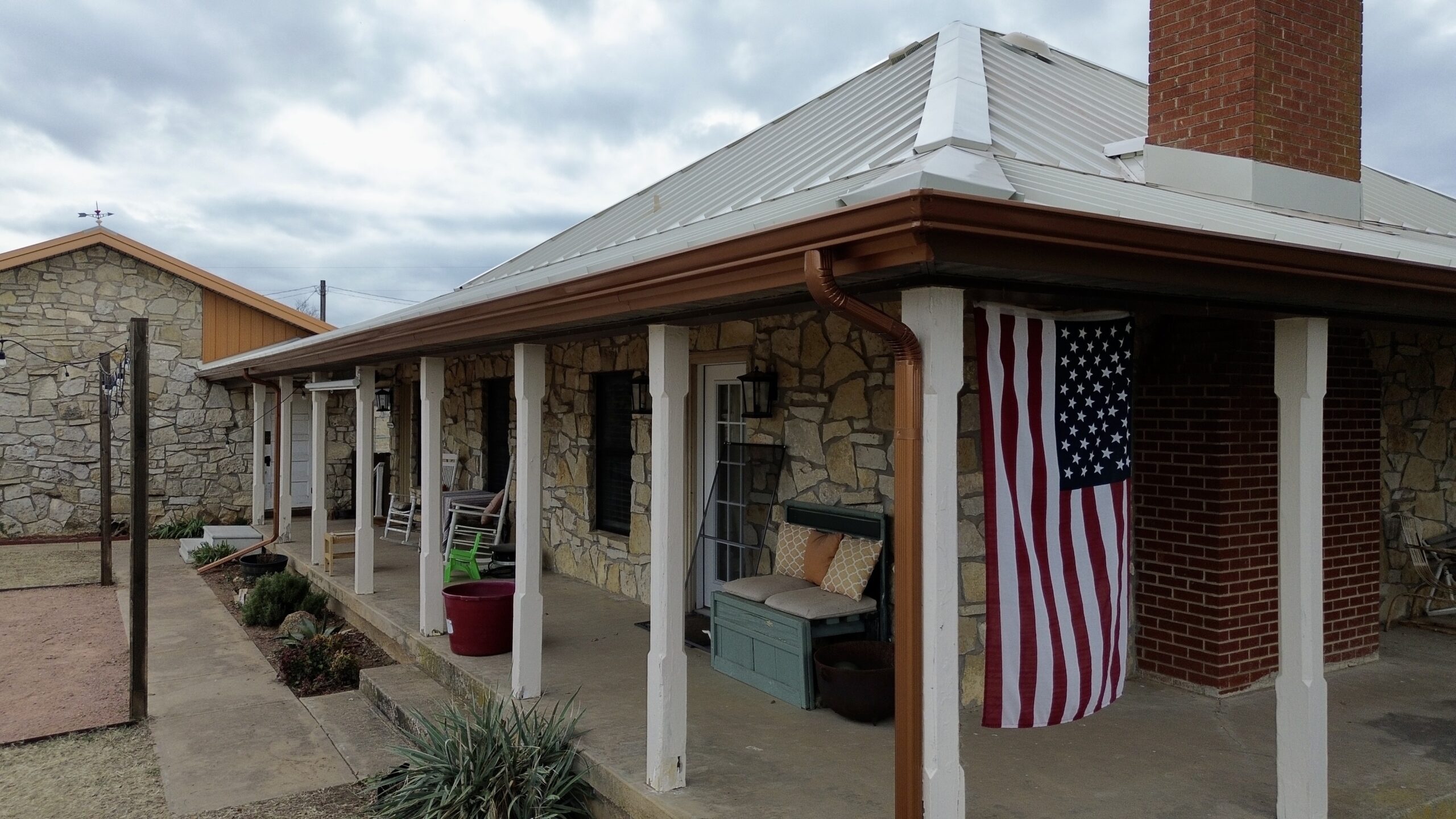
Protecting Your Roof Investment with the Right Underlayment
Roof replacement represents a significant financial investment, and protecting that investment requires more than selecting attractive roofing materials. Every component beneath the visible roof contributes to long-term performance, making underlayment one of the most valuable hidden elements within the roofing system.
Quality underlayment protects the roof deck from moisture infiltration throughout changing weather conditions. By preventing water from reaching structural wood components, it reduces the likelihood of rot, mold growth, insulation damage, and interior ceiling repairs. These hidden benefits often provide substantial financial savings over the life of the roof.
Underlayment also supports overall roof durability by working together with flashing, ventilation systems, fasteners, and roofing materials. When every component functions as an integrated system, the roof becomes more resistant to weather-related damage while maintaining reliable structural performance for many years.
Investing in premium underlayment also improves resilience during unexpected situations. If severe weather temporarily damages roofing materials, the underlayment continues protecting the home until permanent repairs can be completed. This additional layer of defense reduces the risk of immediate interior water damage following storms.
Long-term ownership costs should also be considered. A relatively modest investment in higher-quality underlayment during roof replacement may prevent much larger structural repair expenses later. Since replacing underlayment after roof installation requires removing finished roofing materials, selecting durable products from the beginning provides excellent long-term value.
Routine maintenance further protects the investment. Periodic roof inspections, gutter cleaning, prompt repair of damaged flashing, and maintaining proper attic ventilation all help preserve the effectiveness of both the underlayment and the roofing materials above it. Preventive care extends the life of the entire roofing system while minimizing repair costs.
Homeowners should remember that roofing performance depends on every layer functioning together. While shingles, metal panels, or tiles receive the most attention, underlayment quietly performs its protective role every day, helping ensure the visible roof continues functioning as intended.
Conclusion
Roofing underlayment is one of the most important yet least visible components of a successful roof replacement. Although it remains hidden beneath the finished roofing material, it provides essential protection against moisture infiltration, supports structural durability, and contributes significantly to the long-term performance of the entire roofing system. Choosing the right underlayment is therefore just as important as selecting high-quality shingles, metal panels, or tiles.
Throughout this guide, we explored the primary underlayment options available for residential roof replacement, including asphalt saturated felt, synthetic underlayment, and rubberized asphalt membranes. We examined how each material differs in moisture resistance, durability, installation characteristics, and long-term value while discussing their suitability for various roofing systems and climate conditions.
We also explained how underlayment works together with flashing, ventilation, roof decking, and finished roofing materials to create multiple layers of weather protection. Understanding these relationships helps homeowners appreciate that a durable roof depends on the quality of every component rather than only the visible roofing surface.
Selecting appropriate underlayment requires evaluating local climate, roofing material compatibility, expected roof lifespan, structural conditions, and manufacturer recommendations. While premium underlayments may involve slightly higher initial costs, they often provide greater long-term value by reducing the likelihood of moisture-related structural damage and extending the service life of the roofing system.
Professional installation remains equally important. Even the highest-quality underlayment cannot perform effectively without proper overlaps, fastening methods, flashing integration, and attention to vulnerable roof areas. Working with experienced roofing contractors ensures the complete roofing system is installed according to industry standards and manufacturer specifications.
A roof replacement is an investment intended to protect a home for many years, and underlayment forms the hidden foundation supporting that investment. By selecting the right roofing underlayment during replacement work and ensuring it is installed correctly, homeowners create a stronger, more reliable roofing system capable of providing dependable weather protection, improved structural durability, and lasting peace of mind for decades to come.