
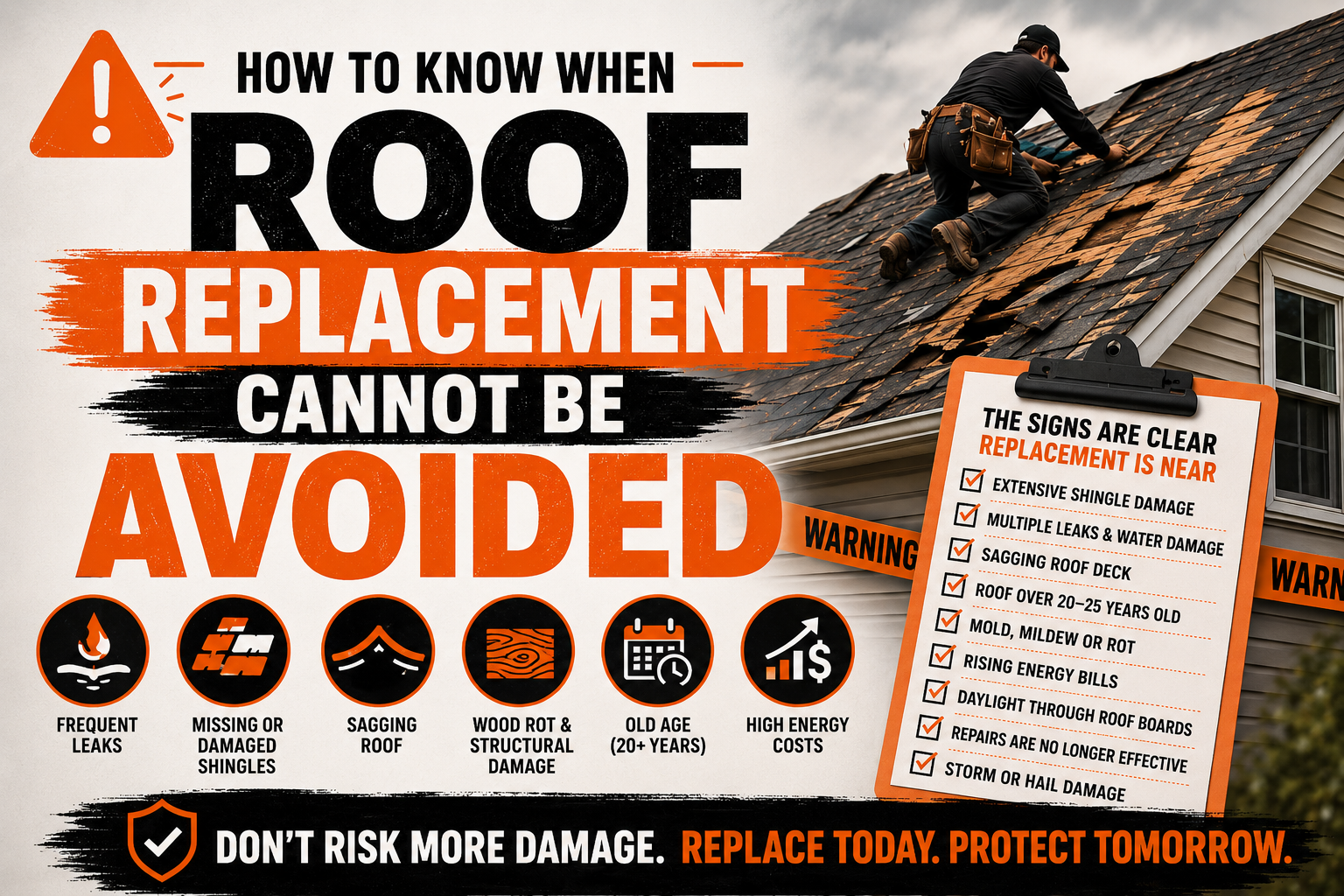
How to Know When Roof Replacement Cannot Be Avoided
Introduction
Your roof is one of the most important parts of your home because it protects everything beneath it from the elements. It shields your family, belongings, and the structural components of the house from rain, wind, sunlight, snow, and temperature changes throughout the year. When the roof is in good condition, it quietly performs its job without demanding much attention.
Many homeowners believe that every roofing problem can be solved with a simple repair. While repairs are often effective for isolated damage, there comes a point when patching individual issues is no longer enough. Continuing to repair an aging or severely damaged roof may only delay the inevitable while increasing maintenance costs over time.
Knowing when roof replacement cannot be avoided helps homeowners make informed decisions before minor problems become major disasters. Waiting too long can result in water damage, mold growth, weakened structural components, rising energy bills, and even safety hazards for everyone living inside the home. Recognizing the warning signs early allows you to plan financially and schedule the work before an emergency forces immediate action.
Every roof has a lifespan, and every roofing material eventually reaches the end of its useful life. Environmental exposure, severe weather, poor installation, and years of daily wear gradually reduce a roof’s ability to provide reliable protection. Understanding how these factors affect your roof is the first step toward recognizing when replacement becomes the smarter and safer investment.
In this guide, you will learn how to identify the warning signs that indicate a roof has reached the point where repairs are no longer practical. You will also discover how roof age, structural damage, weather exposure, and recurring problems contribute to the decision to replace an entire roofing system. By the end of this article, you will have a clear understanding of when replacing your roof is not simply an option but a necessity.
Understanding Why Roof Replacement Becomes Unavoidable
A roof is designed to withstand years of exposure to changing weather conditions, but no roofing system lasts forever. Even the highest quality materials slowly deteriorate as they experience constant sunlight, heavy rainfall, strong winds, fluctuating temperatures, and seasonal storms. Eventually, these factors reduce the roof’s ability to protect the home effectively.
Repairs work best when damage is localized and the surrounding roofing system remains structurally sound. Replacing a few shingles after a windstorm or sealing a minor leak can restore performance if the rest of the roof is still healthy. However, when damage becomes widespread or underlying components begin to fail, repairing isolated areas no longer addresses the real problem.
An aging roof often develops multiple weaknesses at the same time. Missing shingles may appear alongside deteriorated flashing, weakened underlayment, water intrusion, and damaged decking. Treating only one issue leaves other hidden problems unresolved, allowing further deterioration to continue beneath the surface.
Roof replacement becomes unavoidable when the roof can no longer perform its primary function of protecting the home. At that stage, investing in repeated repairs usually costs more in the long run than installing a completely new roofing system. A replacement restores the roof’s structural integrity while providing improved durability, energy efficiency, and peace of mind.
Many homeowners hesitate because a roof replacement represents a significant investment. Although the upfront expense may seem substantial, delaying replacement often leads to additional costs from interior water damage, insulation replacement, mold remediation, and structural repairs. Acting before these problems develop can ultimately reduce overall expenses.
Understanding the difference between a repairable roof and one that has reached the end of its service life helps homeowners avoid costly mistakes. Professional inspections combined with visible warning signs provide valuable guidance when determining whether replacement has become the most practical solution.
The Typical Lifespan of Different Roofing Materials
Every roofing material has an expected lifespan based on normal weather conditions, proper installation, and routine maintenance. While actual longevity varies depending on climate and maintenance practices, knowing the average service life helps homeowners evaluate whether their roof is approaching retirement.
Some roofing systems naturally last much longer than others because of differences in material composition and resistance to weathering. Premium materials generally require a higher initial investment but often deliver decades of reliable protection.
| Roofing Material | Typical Lifespan | General Replacement Consideration |
|---|---|---|
| Asphalt Shingles | 20 to 30 years | Replacement often considered after widespread aging or repeated repairs |
| Architectural Shingles | 25 to 35 years | Longer durability but still affected by weather exposure |
| Metal Roofing | 40 to 70 years | Replacement usually follows severe corrosion or structural damage |
| Wood Shakes | 20 to 35 years | Moisture and decay can shorten lifespan significantly |
| Clay Tiles | 50 to 100 years | Individual tiles may be repaired, but structural issues require replacement |
| Slate Roofing | 75 to 150 years | Extremely durable, though supporting structures must remain sound |
These lifespan estimates represent ideal conditions rather than guaranteed performance. Roofs exposed to frequent storms, coastal salt air, extreme heat, or poor ventilation may require replacement much earlier than expected. Likewise, roofs that receive regular maintenance often exceed their anticipated lifespan.
Installation quality also plays a major role in determining longevity. Even premium roofing materials cannot achieve their full service life if installed incorrectly or if underlying structural components are compromised from the beginning.
Homeowners should avoid relying solely on age when evaluating their roof. A relatively young roof that has experienced severe storm damage may require replacement sooner than an older roof that has been carefully maintained. Age should always be considered together with the roof’s current condition and inspection findings.
How Age Changes Roof Performance Over Time
Roof aging happens gradually, making it easy for homeowners to overlook subtle signs of deterioration. Unlike sudden storm damage, age-related wear develops slowly until multiple problems begin appearing within a relatively short period. By the time leaks become visible inside the home, the roofing system may already be experiencing widespread failure.
Ultraviolet radiation from the sun continuously breaks down roofing materials. Over many years, shingles lose flexibility and protective granules begin separating from their surface. As this protective layer disappears, the shingles become increasingly vulnerable to cracking, curling, and water penetration.
Temperature changes also contribute to gradual deterioration. Roofing materials expand during hot weather and contract as temperatures fall. Repeating this cycle thousands of times throughout the roof’s life places stress on fasteners, seals, flashing, and joints that eventually weaken.
Moisture creates another long-term challenge. Rainwater, morning dew, snow accumulation, and humidity all contribute to gradual material degradation. If water finds even a small entry point beneath roofing materials, hidden damage can continue developing long before visible leaks appear inside the home.
Older roofs frequently lose their ability to resist strong winds. Fasteners loosen over time, adhesives weaken, and aging shingles become brittle. During severe weather, these weakened materials are much more likely to detach or break compared to newer roofing systems.
Ventilation problems often become more noticeable as roofs age. Inadequate airflow traps heat during summer and moisture during colder months, accelerating deterioration from both above and below the roofing surface. Poor ventilation can significantly shorten the lifespan of even high-quality roofing materials.
As multiple aging factors combine, repair effectiveness gradually decreases. Replacing isolated damaged areas becomes increasingly difficult because surrounding materials continue deteriorating at the same time. Eventually, replacement becomes the only practical solution that restores the roof’s overall performance.
Visible Exterior Warning Signs You Should Never Ignore
The exterior of your roof often provides the earliest clues that replacement may be approaching. Regular visual inspections from the ground or by a qualified roofing professional help identify developing issues before they become severe.
One of the most recognizable warning signs is widespread curling shingles. Curled edges indicate that shingles have lost flexibility and can no longer lie flat against the roof surface. This allows wind-driven rain to penetrate beneath the roofing material more easily.
Cracked shingles present another serious concern. While replacing a few damaged shingles may solve isolated problems, numerous cracks spread across the roof often indicate widespread material deterioration. At that point, additional cracking is likely to continue even after repairs.
Missing shingles also deserve immediate attention. Individual shingles may blow away during storms, exposing underlying materials to moisture and sunlight. When missing shingles become increasingly common after each storm, the roof may have reached the end of its useful service life.
Granule loss is another important indicator. Asphalt shingles contain protective granules that shield the material from ultraviolet radiation. As these granules wash into gutters and downspouts, the shingles become more vulnerable to weather damage and aging.
Sagging roof sections require urgent evaluation because they may indicate structural problems beneath the surface. A sagging roof can result from prolonged water damage, weakened decking, deteriorated framing, or excessive weight. Structural issues often extend beyond simple roofing repairs and may require complete replacement.
Damaged flashing around chimneys, skylights, vents, and valleys also increases the likelihood of water intrusion. Flashing protects vulnerable roof intersections where leaks commonly develop. If flashing deterioration occurs alongside widespread roofing damage, replacing the entire roofing system often becomes the more effective long-term solution.
Moss, algae, and persistent vegetation growth may appear harmless at first, but they often trap moisture against roofing materials. Over time, prolonged moisture exposure accelerates deterioration and shortens the roof’s lifespan. While cleaning may temporarily improve appearance, extensive moisture damage beneath the surface may already be occurring.
Another warning sign involves uneven roof lines. Areas that appear warped or uneven compared to the rest of the roof may indicate hidden structural deterioration beneath the shingles. These irregularities should always receive professional inspection because they often signal more significant underlying damage.
Regular exterior inspections help homeowners recognize these warning signs before severe interior damage develops. Addressing problems early provides greater flexibility when planning for replacement instead of reacting during an emergency.
Interior Clues That Suggest Roof Failure
Roof problems do not always begin with visible exterior damage. Sometimes the first warning signs appear inside the home, where moisture, insulation, and structural components reveal that the roofing system is no longer performing effectively.
Water stains on ceilings remain one of the most common indicators of roof failure. Brown discoloration, peeling paint, bubbling drywall, or damp ceiling patches often suggest water is entering through damaged roofing materials. Although the stain may appear in one location, the actual roof leak can originate several feet away.
Attic inspections often reveal roofing problems before living spaces are affected. Sunlight shining through roof boards indicates openings where water can also enter during rainstorms. Damp insulation, mold growth, or dark water stains on wooden framing all point toward ongoing roof leaks that require immediate attention.
Persistent mold or mildew odors inside the attic should never be ignored. Moisture trapped beneath the roofing system creates ideal conditions for fungal growth, which can spread quickly if left untreated. Continued moisture exposure also weakens wooden structural components over time.
Higher indoor humidity may also indicate roof-related moisture problems. When water repeatedly enters the attic or insulation becomes saturated, indoor moisture levels often increase. This can reduce indoor comfort while contributing to condensation and mold growth throughout the home.
Unexplained increases in heating and cooling costs sometimes originate from roofing issues. Damaged roofing materials and compromised insulation allow conditioned air to escape more easily, forcing HVAC systems to work harder throughout the year. Although rising utility bills have multiple possible causes, roof deterioration should always be considered during a comprehensive evaluation.
Interior warning signs rarely develop in isolation. When water stains, mold, insulation damage, and rising energy costs occur together, they often indicate that roof replacement deserves serious consideration rather than continued temporary repairs.
Early Structural Problems That Signal Bigger Issues Ahead
Some roofing problems affect only the outer layer, while others involve the structural framework supporting the entire roofing system. Structural damage represents one of the strongest indicators that replacement may become unavoidable because these issues compromise the roof’s overall stability.
Roof decking forms the foundation beneath roofing materials. When moisture repeatedly penetrates the roof surface, wooden decking gradually weakens, softens, and loses its ability to support shingles properly. Walking on compromised decking can become dangerous because weakened sections may no longer provide adequate strength.
Prolonged water intrusion also affects rafters and roof trusses. These structural members distribute the roof’s weight throughout the home. As moisture continues damaging the wood, rot can spread and reduce the structural integrity of the entire roofing system.
Homeowners may notice doors or windows becoming difficult to open if roof-related structural movement begins affecting the home’s frame. Although several factors can contribute to these issues, roof settlement caused by prolonged structural deterioration should always be investigated by qualified professionals.
Repeated leaks around the same area often indicate hidden structural damage beneath visible roofing materials. Replacing shingles alone cannot solve problems involving weakened decking or deteriorated framing. Until these structural components are addressed, leaks are likely to return despite multiple repair attempts.
Ignoring structural warning signs can significantly increase repair costs over time. What begins as localized decking damage may gradually spread into larger sections of the roof, requiring more extensive reconstruction before a new roofing system can be installed.
Recognizing these early structural indicators allows homeowners to make informed decisions before the damage becomes even more severe. In the next part, we will examine how water damage, severe storms, repeated repairs, and professional inspections help determine when roof replacement becomes the only practical solution.
Water Damage That Indicates Replacement Instead of Repair
Water is one of the most destructive forces a roof can face because it rarely stays confined to one location. Once moisture finds a path beneath roofing materials, it can spread through underlayment, decking, insulation, and structural framing before becoming visible inside the home. By the time interior signs appear, the hidden damage may already be extensive.
Minor leaks caused by a damaged flashing section or a few missing shingles are often repairable if addressed quickly. However, widespread water intrusion affecting multiple areas usually points to a roofing system that has lost its ability to provide consistent protection. In these situations, repairing individual leaks does not eliminate the underlying weaknesses.
Repeated moisture exposure gradually weakens wooden roof decking. Soft spots develop as the wood absorbs water over time, reducing its structural strength and increasing the likelihood of sagging. Installing new shingles over damaged decking only conceals the problem without restoring the roof’s integrity.
Water damage also affects insulation performance. Wet insulation loses much of its ability to regulate indoor temperatures, forcing heating and cooling systems to work harder throughout the year. Even after the roof surface is repaired, damaged insulation may continue reducing energy efficiency until it is replaced.
Mold and mildew often accompany long term roof leaks. These organisms thrive in dark, damp environments and can spread rapidly through attics and wall cavities. Besides damaging building materials, mold growth creates indoor air quality concerns that should never be ignored.
Another concern involves hidden corrosion. Moisture trapped beneath roofing materials can gradually rust metal fasteners, flashing, and connectors that help secure the roof. As these components weaken, the entire roofing system becomes more vulnerable during storms and high winds.
Water stains that continue expanding after previous repairs are a strong indication that the problem extends beyond isolated damage. Multiple recurring leaks often suggest that the roof has reached a stage where replacement offers a more reliable and cost effective solution than continued patchwork.
Storm Damage That Permanently Weakens a Roof
Storms place tremendous stress on roofing systems regardless of their age. Heavy rain, hail, strong winds, falling branches, and flying debris can all cause immediate damage that ranges from cosmetic issues to complete structural failure. While some storm damage is easily repaired, severe weather sometimes leaves a roof beyond practical restoration.
High winds frequently remove shingles or loosen roofing materials that were already weakened by age. Once the protective outer layer is compromised, rainwater gains easier access to the underlayment and roof decking. Even if replacement shingles are installed, surrounding materials may continue deteriorating after the storm.
Hail damage often appears less severe than it actually is. Large hailstones can fracture shingles, remove protective granules, and create small impact points that eventually allow moisture to penetrate. These injuries may not cause immediate leaks, but they reduce the roof’s long term durability.
Falling tree limbs represent another major source of roof damage. Heavy impacts can crack decking, damage framing, and create openings that expose the home’s interior to weather. Localized repairs may be sufficient for minor impacts, but widespread structural damage usually requires complete replacement.
Intense rainfall during storms also exposes weaknesses that were previously hidden. Older roofs with deteriorated seals, aging flashing, or worn shingles often develop multiple leaks during extended periods of heavy rain. If water enters through several locations simultaneously, the roofing system may have reached the end of its useful life.
Storm damage sometimes extends beyond what homeowners can safely observe from the ground. Roofing professionals inspect not only visible surfaces but also hidden structural components that determine whether repairs remain practical. Their findings often reveal damage that is impossible to detect during a casual visual inspection.
Insurance claims frequently involve careful evaluations of storm related roof damage. When adjusters and roofing contractors determine that repairs cannot restore the roof to a safe and functional condition, replacement becomes the recommended course of action. This ensures the home receives long term protection rather than temporary fixes.
When Repeated Repairs Stop Being Cost Effective
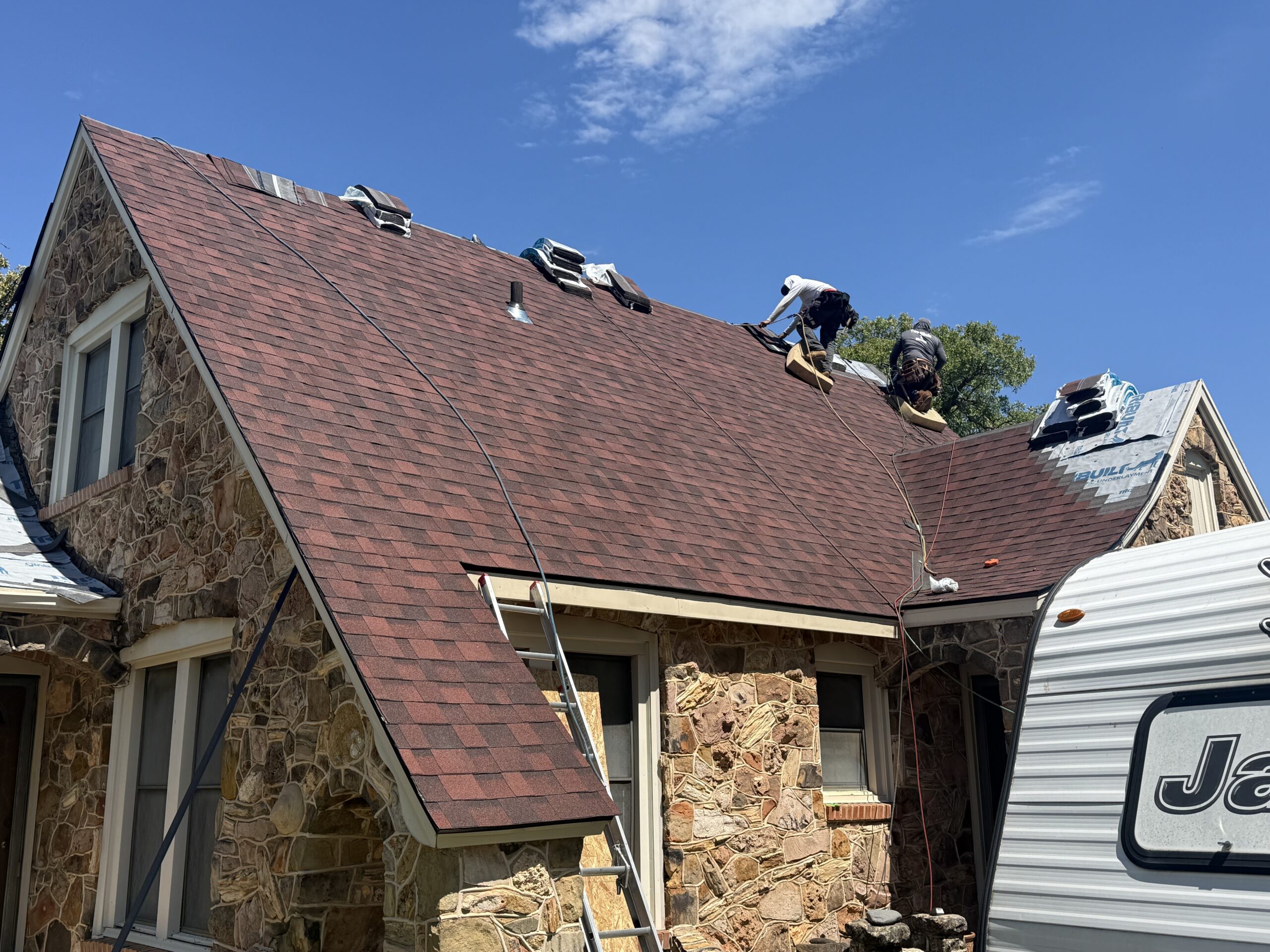
One of the clearest indicators that roof replacement cannot be avoided is the growing frequency of repairs. While occasional maintenance is expected throughout a roof’s lifespan, recurring problems often signal that the roofing system is reaching the point where repairs no longer provide lasting value.
Many homeowners initially choose repairs because they appear less expensive than replacement. This approach makes financial sense when addressing isolated issues on a relatively healthy roof. However, repeated repair bills gradually accumulate, sometimes exceeding the cost of installing an entirely new roofing system.
A roof that develops new leaks every year rarely benefits from continued patching. Each repair addresses one symptom while leaving the remaining aging materials vulnerable to future failures. As the roof continues deteriorating, repair intervals become shorter and expenses increase.
Repair work can also become more challenging as roofing materials age. Manufacturers may discontinue older shingle styles or colors, making it difficult to match replacement sections with the existing roof. This creates an inconsistent appearance while highlighting the roof’s overall aging condition.
Labor costs represent another important consideration. Every repair requires inspection, materials, transportation, and installation. Scheduling multiple service visits over several years often results in higher cumulative costs than completing one comprehensive roof replacement.
Homeowners should also consider the inconvenience associated with repeated repairs. Frequent contractor visits, recurring leaks, and ongoing concerns about future storms create unnecessary stress that could be eliminated through a complete replacement.
Instead of focusing only on the next repair bill, homeowners should evaluate the long term financial picture. Investing in a new roofing system often reduces maintenance expenses, improves reliability, and provides manufacturer warranties that offer additional peace of mind.
Comparing Roof Repair and Full Replacement
Choosing between repairing a roof and replacing it entirely requires careful evaluation of several important factors. The correct decision depends on the roof’s age, the extent of damage, repair history, and expected future performance.
The following comparison highlights situations where each option is generally more appropriate.
| Factor | Roof Repair | Full Roof Replacement |
|---|---|---|
| Roof Age | Relatively new roof | Roof nearing or exceeding expected lifespan |
| Damage Area | Localized damage | Widespread deterioration |
| Leak Frequency | Single or occasional leak | Multiple recurring leaks |
| Structural Condition | Decking remains solid | Decking or framing weakened |
| Repair Costs | Low and infrequent | Repairs becoming increasingly expensive |
| Long Term Value | Temporary extension of service life | Restores complete roofing system |
| Energy Efficiency | Limited improvement | Significant improvement with modern materials |
| Warranty Coverage | Usually limited | Often includes comprehensive manufacturer warranties |
This comparison demonstrates that repairs remain valuable under the right circumstances. They extend the life of healthy roofing systems and resolve isolated problems without unnecessary expense.
Replacement becomes the better investment when several warning signs occur together. An older roof experiencing repeated leaks, structural deterioration, and escalating repair costs rarely benefits from continued patching because the underlying system has already reached the end of its practical service life.
Professional Inspection Findings That Should Not Be Ignored
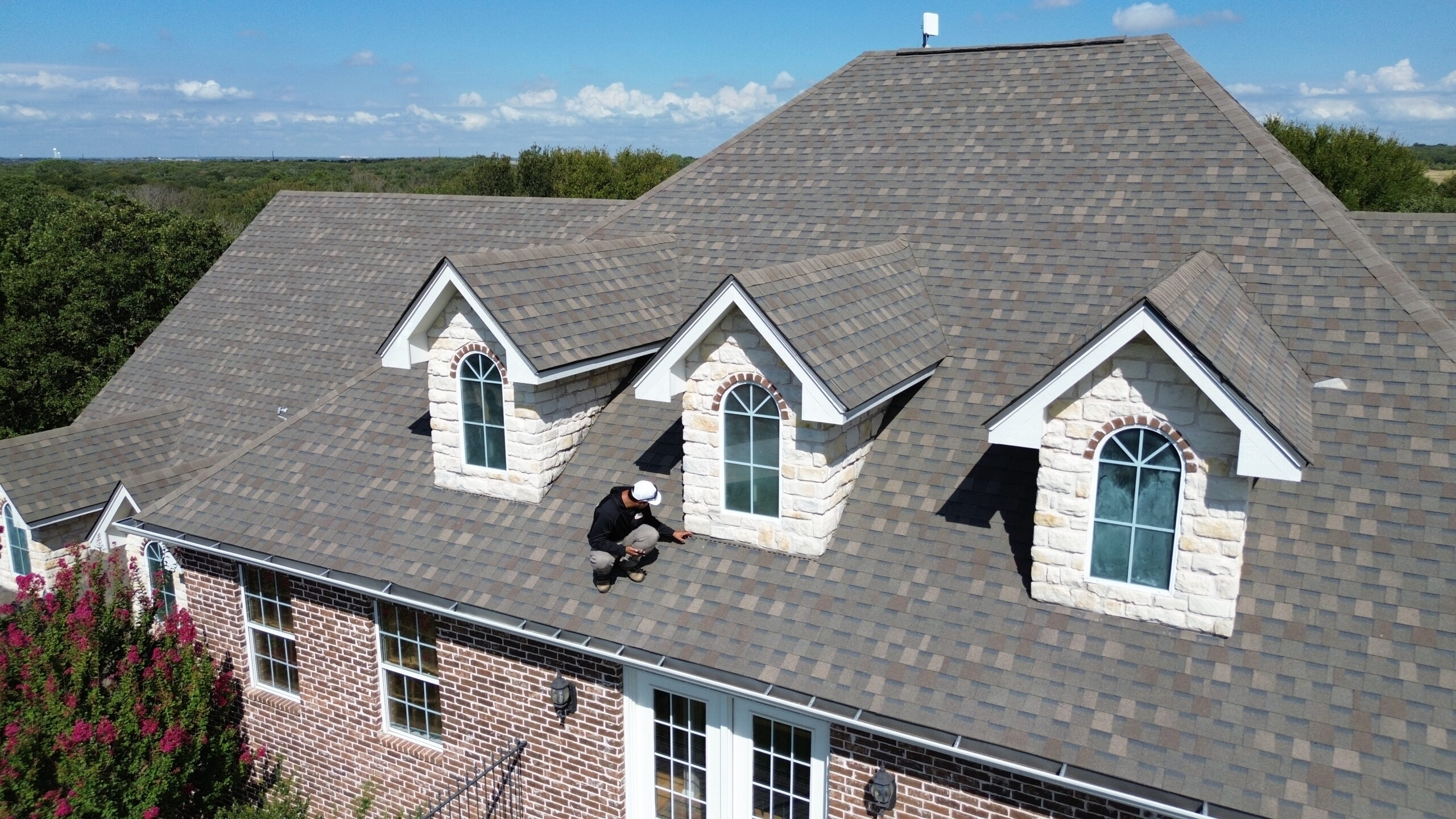
Professional roof inspections provide information that homeowners cannot always gather through visual observation alone. Experienced roofing contractors understand how roofing systems function as complete assemblies rather than focusing only on visible surface materials. Their assessments often identify hidden issues that significantly influence replacement decisions.
Inspectors evaluate the condition of shingles, flashing, vents, valleys, gutters, underlayment, decking, and structural framing. Each component contributes to the roof’s overall performance, and failure in one area frequently affects surrounding materials.
Moisture detection equipment allows inspectors to locate trapped water beneath roofing materials before major leaks develop. Hidden moisture can spread across large sections of the roof without producing immediate interior damage. Discovering these problems early helps homeowners make informed decisions about repair versus replacement.
Roofing professionals also look for signs of improper installation. Incorrect nail placement, poor ventilation, inadequate flashing, or incompatible materials may shorten a roof’s lifespan regardless of its age. In some cases, widespread installation defects make complete replacement more practical than correcting numerous individual problems.
Structural movement receives close attention during inspections as well. Uneven roof surfaces, sagging sections, or shifting framing indicate problems that extend beyond cosmetic damage. Structural concerns almost always require more comprehensive solutions than simple surface repairs.
Another important inspection finding involves widespread material deterioration. Even if leaks remain limited, inspectors may determine that shingles have become excessively brittle, adhesives have failed, or protective granules have worn away across the majority of the roof. These conditions indicate that future failures are likely to continue occurring.
Professional inspection reports provide valuable documentation for homeowners planning future maintenance, insurance claims, or property sales. A detailed evaluation helps remove uncertainty by presenting clear evidence regarding the roof’s current condition and expected remaining lifespan.
Safety Risks of Delaying Roof Replacement
Postponing roof replacement after serious problems have been identified creates risks that extend beyond the roof itself. As deterioration progresses, the safety of both the building and its occupants may become increasingly compromised.
Water intrusion gradually weakens structural wood components. Rafters, decking, and supporting beams lose strength as moisture encourages rot and decay. Over time, these weakened structures become less capable of supporting the roof’s weight during heavy rain or snowfall.
Electrical hazards also become more likely when roof leaks reach wiring located within ceilings or attic spaces. Moisture contacting electrical systems increases the risk of short circuits, damaged fixtures, and potentially dangerous situations that require immediate attention.
Indoor air quality may decline as mold spreads through damp building materials. Spores released into the air can circulate throughout the home, making it more difficult to maintain a clean and healthy indoor environment. Addressing the source of moisture becomes essential for preventing continued mold growth.
Loose roofing materials create another safety concern during windy conditions. Detached shingles, flashing, or other roofing components may fall from the roof or become airborne, posing hazards to people, vehicles, and neighboring properties.
Delaying replacement also increases the likelihood of emergency repairs. A roof that survives one storm may fail during the next, leaving homeowners with limited contractor availability and potentially higher costs due to urgent scheduling. Planning a replacement before complete failure allows more flexibility in selecting materials, contractors, and installation timing.
Questions Every Homeowner Should Ask Before Making a Decision
Choosing whether to repair or replace a roof involves careful consideration rather than relying solely on the immediate cost. Asking the right questions helps homeowners evaluate the condition of the roofing system and make decisions based on long term value instead of temporary savings.
Consider the following questions during the decision making process:
- How old is the current roof compared to its expected lifespan?
- Have roof repairs become more frequent during the past few years?
- Are leaks appearing in multiple areas instead of a single location?
- Has a professional inspection identified structural deterioration?
- Would continued repairs cost nearly as much as a replacement over the next several years?
- Is the current roof providing adequate energy efficiency and weather protection?
Honest answers to these questions often reveal whether continued repairs remain worthwhile. If several answers point toward widespread deterioration, recurring problems, and advancing age, replacement usually becomes the more dependable long term solution.
Making the decision before severe failure occurs allows homeowners to plan their budget, compare roofing materials, and schedule installation during favorable weather conditions. In the final part of this guide, we will explore how climate affects roof lifespan, what happens during the replacement process, common mistakes homeowners should avoid, the long term benefits of timely replacement, and conclude with practical guidance for protecting your home for decades to come.
How Climate and Environment Accelerate Roof Failure
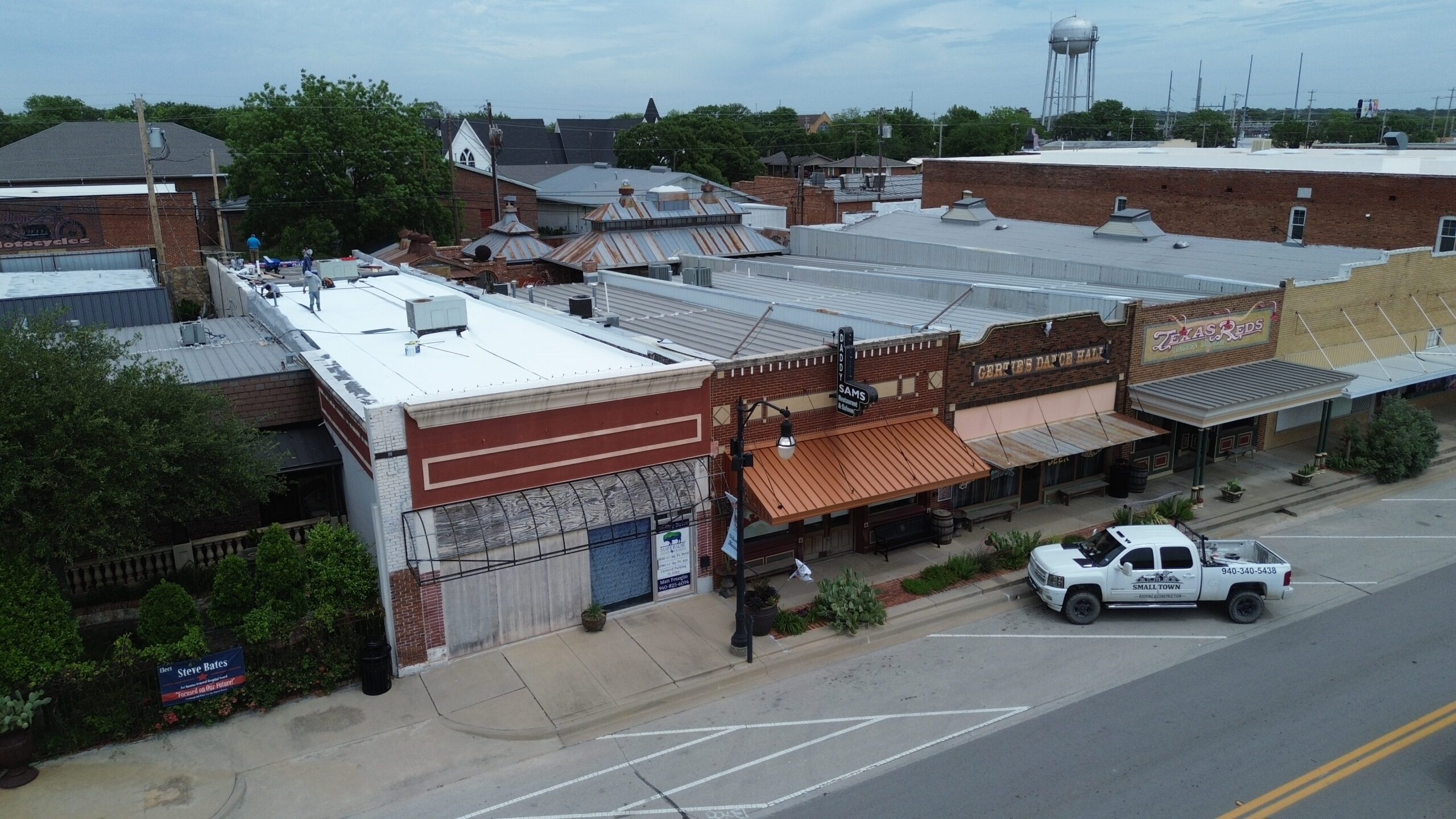
The environment surrounding a home has a major influence on how long a roof lasts. Even roofs built with high quality materials experience different rates of wear depending on the local climate, weather patterns, and environmental conditions. Understanding these influences helps homeowners recognize why some roofs require replacement earlier than expected.
Homes located in regions with intense sunlight often experience faster roofing deterioration. Constant exposure to ultraviolet rays gradually dries out roofing materials, causing shingles to become brittle and lose their protective properties. As flexibility decreases, the roof becomes more vulnerable to cracking and water intrusion.
Heavy rainfall creates another ongoing challenge. Frequent rain increases the amount of moisture a roof must manage throughout the year. If drainage systems become clogged or roofing materials begin deteriorating, water can remain on the roof longer than intended and eventually penetrate beneath the surface.
Snow and ice create their own set of problems in colder climates. Ice dams may develop along roof edges, preventing melting snow from draining properly. The trapped water can back up beneath shingles and enter the home, leading to damage that often remains hidden until warmer weather arrives.
Strong winds place continuous stress on roofing materials. Over time, repeated wind exposure can loosen shingles, flashing, and fasteners even if no major storm occurs. Older roofs are particularly vulnerable because aging materials lose the strength needed to resist constant movement.
Coastal homes face additional challenges due to salt carried by ocean air. Salt accelerates corrosion of metal roofing components, flashing, and fasteners while increasing wear on exposed materials. Although many coastal roofing systems are designed to resist these conditions, they still require careful monitoring throughout their lifespan.
Trees surrounding a home can both protect and damage a roof. Shade may reduce direct sunlight, but overhanging branches increase the risk of falling limbs during storms. Leaves, pine needles, and debris also collect in valleys and gutters, trapping moisture that encourages mold growth and material deterioration.
Air pollution can also affect roofing materials over many years. Industrial emissions, dust, and airborne contaminants gradually accumulate on roof surfaces, contributing to discoloration and chemical weathering. While the effects develop slowly, they add to the natural aging process already affecting the roofing system.
Climate related wear rarely acts alone. Instead, environmental factors combine with aging, storm damage, and normal material deterioration to gradually reduce a roof’s reliability. Homeowners who understand these influences are better prepared to recognize when replacement becomes the most practical long term solution.
Choosing the Right Time to Replace Your Roof
Timing plays an important role in every roof replacement project. Waiting until the roof completely fails often results in emergency repairs, interior damage, and limited contractor availability. Planning replacement before a crisis develops gives homeowners greater control over the entire process.
Many roofing professionals recommend replacing an aging roof before leaks become widespread. Once multiple areas begin failing, water damage can spread rapidly through insulation, ceilings, and structural framing. Preventive replacement helps avoid these additional repair expenses.
Seasonal weather should also be considered when scheduling installation. Moderate temperatures generally provide favorable conditions for roofing work because materials are easier to install and weather interruptions are less frequent. However, experienced contractors perform successful installations throughout much of the year depending on local climate conditions.
Financial planning becomes easier when replacement is scheduled rather than rushed. Homeowners have more time to compare contractor estimates, evaluate material options, and budget for the investment without the pressure of an active leak damaging the home.
Roof replacement should also be considered before major home improvement projects. Installing solar panels, adding attic insulation, or completing exterior renovations becomes more efficient when performed on a roof that is expected to last for decades rather than one approaching the end of its lifespan.
Another factor involves home resale plans. Buyers often view an aging roof as a significant future expense, which may reduce property value or complicate negotiations. Replacing an outdated roof before listing the home can improve buyer confidence while strengthening the home’s overall appearance.
Choosing the right time ultimately means acting before small problems become major structural concerns. A carefully planned replacement is almost always less stressful and more economical than responding to unexpected roof failure.
What to Expect During the Roof Replacement Process
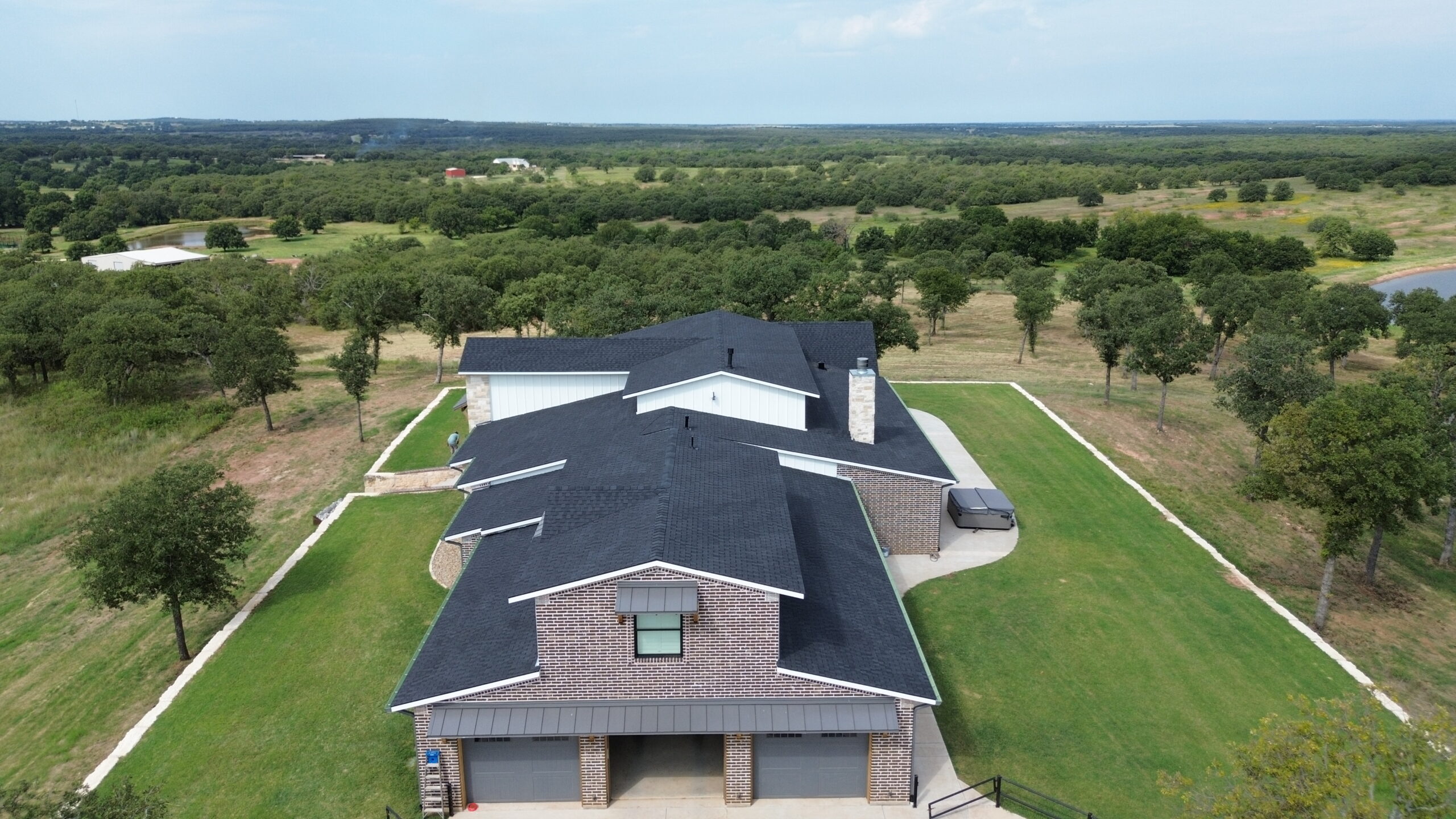
Many homeowners feel uncertain about what happens during a roof replacement. Understanding the overall process helps reduce anxiety and allows better preparation before work begins. Although every project differs slightly, most replacements follow a similar sequence from inspection to final cleanup.
The project usually begins with a detailed evaluation of the existing roof. Contractors examine roofing materials, flashing, ventilation, decking, and structural components to determine the scope of work. Measurements are taken to calculate material quantities and prepare an accurate estimate.
Once the project is scheduled, materials are delivered to the property before installation begins. Contractors typically protect landscaping, driveways, and surrounding areas to minimize potential damage during construction. Safety equipment is also installed to protect workers throughout the project.
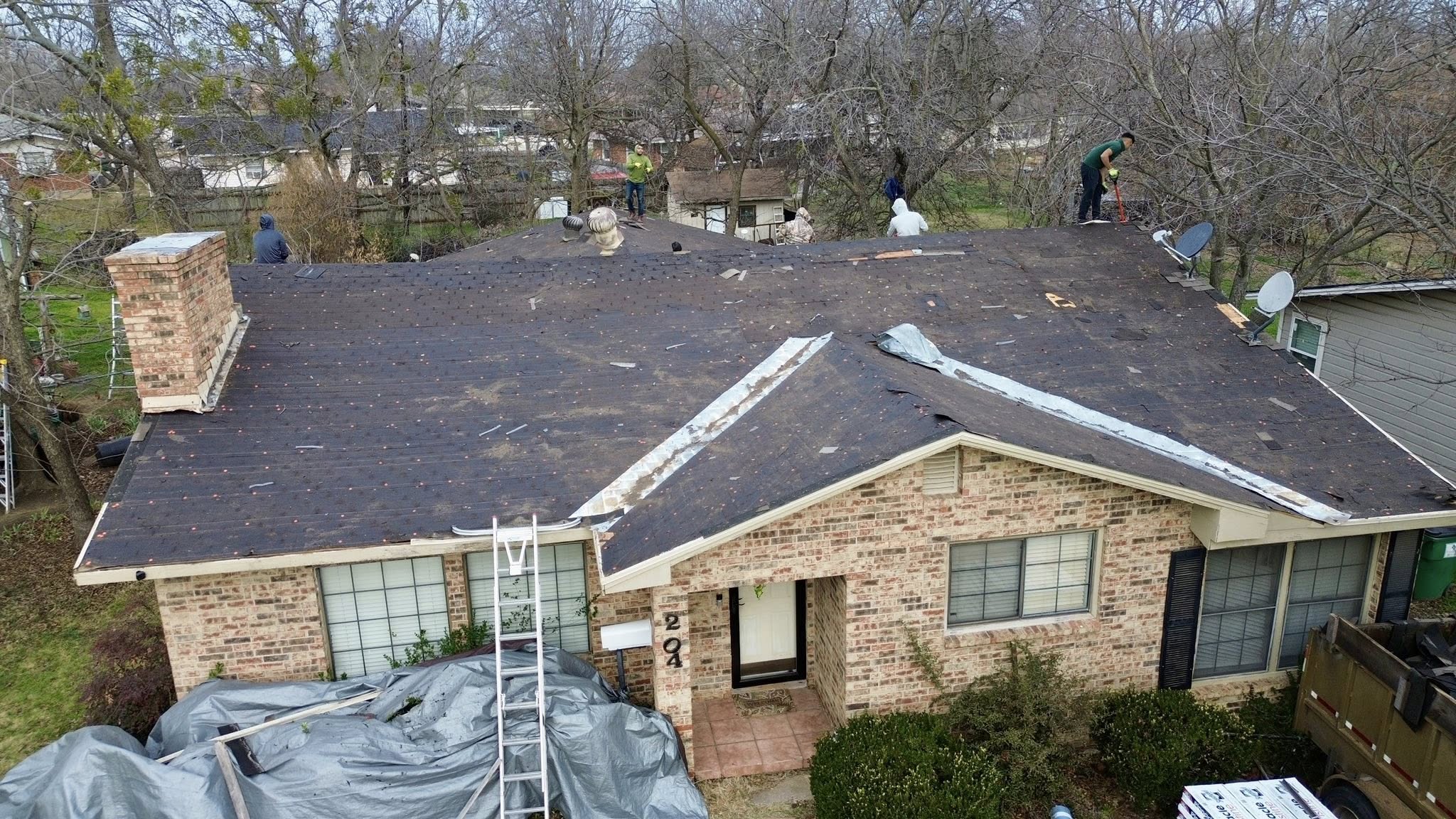
The first major step involves removing the existing roofing materials. Old shingles, underlayment, nails, and damaged flashing are stripped away to expose the roof decking. This stage allows contractors to inspect the structural foundation more thoroughly than would be possible during a surface inspection.
If damaged decking or structural components are discovered, they are repaired or replaced before new roofing materials are installed. Addressing these hidden issues ensures the new roof has a solid foundation capable of supporting decades of reliable performance.
A new underlayment is then installed to provide an additional moisture barrier beneath the roofing material. Flashing around chimneys, vents, skylights, and valleys is carefully fitted to protect areas where leaks commonly develop.
The primary roofing material is installed according to manufacturer specifications. Proper fastening, alignment, and ventilation all contribute to the roof’s long term performance. Quality installation is just as important as selecting durable roofing materials.
After installation is complete, contractors perform a final inspection to verify that every component meets quality standards. Debris is removed from the property, nails are collected using magnetic equipment, and gutters are checked to ensure they remain clear. Homeowners then receive warranty information and maintenance recommendations for the new roofing system.
Mistakes Homeowners Should Avoid
Roof replacement represents a major investment, and avoiding common mistakes helps ensure the project delivers long lasting value. Many roofing problems begin not because of poor materials but because important decisions were rushed or overlooked during planning.
The following mistakes are among the most common issues homeowners should avoid.
- Delaying replacement until severe structural damage develops instead of acting when early warning signs appear.
- Choosing the lowest price without evaluating contractor experience, workmanship, licensing, and reputation.
- Ignoring attic ventilation requirements that directly affect roof lifespan and energy efficiency.
- Installing new roofing materials over hidden structural damage instead of repairing the underlying foundation.
- Skipping professional inspections before making repair or replacement decisions.
- Neglecting routine maintenance after installing a new roof.
Each of these mistakes can reduce the lifespan of even the highest quality roofing system. Careful planning, qualified contractors, and regular maintenance provide much better long term results than focusing only on initial cost savings.
Homeowners should also keep detailed records of inspections, maintenance, repairs, and warranties. Organized documentation simplifies future maintenance planning while providing valuable information if the property is eventually sold.
Long Term Benefits of Replacing Your Roof Before Complete Failure
Although roof replacement requires a significant investment, the long term advantages often outweigh the initial expense. A new roofing system provides benefits that extend well beyond simply stopping leaks. It strengthens the home’s overall performance while reducing future maintenance concerns.
One of the greatest benefits is improved protection against weather. Modern roofing materials are designed to withstand stronger winds, heavier rainfall, and greater temperature fluctuations than many older products. This increased durability provides greater confidence during severe weather events.
Energy efficiency often improves after replacement as well. Modern roofing systems incorporate better ventilation, improved underlayment, and more reflective materials that help regulate indoor temperatures. Reduced heat transfer allows heating and cooling systems to operate more efficiently throughout the year.
Maintenance costs generally decrease following a complete replacement. Instead of scheduling frequent repairs for aging materials, homeowners can focus on routine inspections and preventive maintenance that preserve the roof’s condition. Lower maintenance demands often result in meaningful savings over time.
Property value may also increase with a new roof. Buyers recognize that replacing a roof represents a major expense, so a recently installed roofing system often makes a home more attractive during resale. A well maintained roof also improves curb appeal, creating a positive first impression before buyers even enter the home.
Indoor comfort benefits from improved weather resistance and insulation performance. Better temperature regulation helps maintain more consistent indoor conditions while reducing drafts and moisture related issues. Families enjoy a safer and more comfortable living environment throughout every season.
Modern roofing systems frequently include stronger manufacturer warranties than older products. These warranties provide additional confidence that materials have been designed and tested for long term durability. Combined with professional installation, warranty protection helps safeguard the homeowner’s investment.
Perhaps the greatest benefit is peace of mind. Instead of worrying whenever storms approach, homeowners gain confidence knowing their roof has the strength and reliability needed to protect the home for many years to come.
Conclusion
Knowing when roof replacement cannot be avoided is one of the most important aspects of responsible homeownership. While repairs remain an effective solution for isolated damage, they eventually become less practical as roofing materials age and structural problems begin developing. Recognizing the difference between a repairable roof and one that has reached the end of its service life helps homeowners avoid unnecessary expenses and unexpected emergencies.
Throughout this guide, we have explored the many factors that indicate replacement has become the smarter choice. Roof age, recurring leaks, storm damage, structural deterioration, water intrusion, rising repair costs, and professional inspection findings all provide valuable clues about the condition of a roofing system. When several of these warning signs appear together, replacing the roof often delivers greater long term value than continuing temporary repairs.
Planning a roof replacement before complete failure offers significant advantages. Homeowners can compare materials, select experienced contractors, manage their budget, and complete the project under favorable conditions instead of responding to an emergency. A proactive approach also helps prevent costly damage to insulation, ceilings, walls, and structural framing that may result from prolonged leaks.
A new roof is far more than an exterior improvement. It enhances weather protection, improves energy efficiency, increases property value, reduces maintenance costs, and provides lasting confidence that the home is well protected. These long term benefits continue for decades when quality materials are paired with professional installation and routine maintenance.
Every roof eventually reaches the point where replacement becomes unavoidable. The key is recognizing the warning signs early enough to make informed decisions before small problems grow into major structural concerns. By staying attentive to your roof’s condition and acting when necessary, you can protect your investment, preserve your home’s value, and ensure that your family remains safe and comfortable for many years ahead.