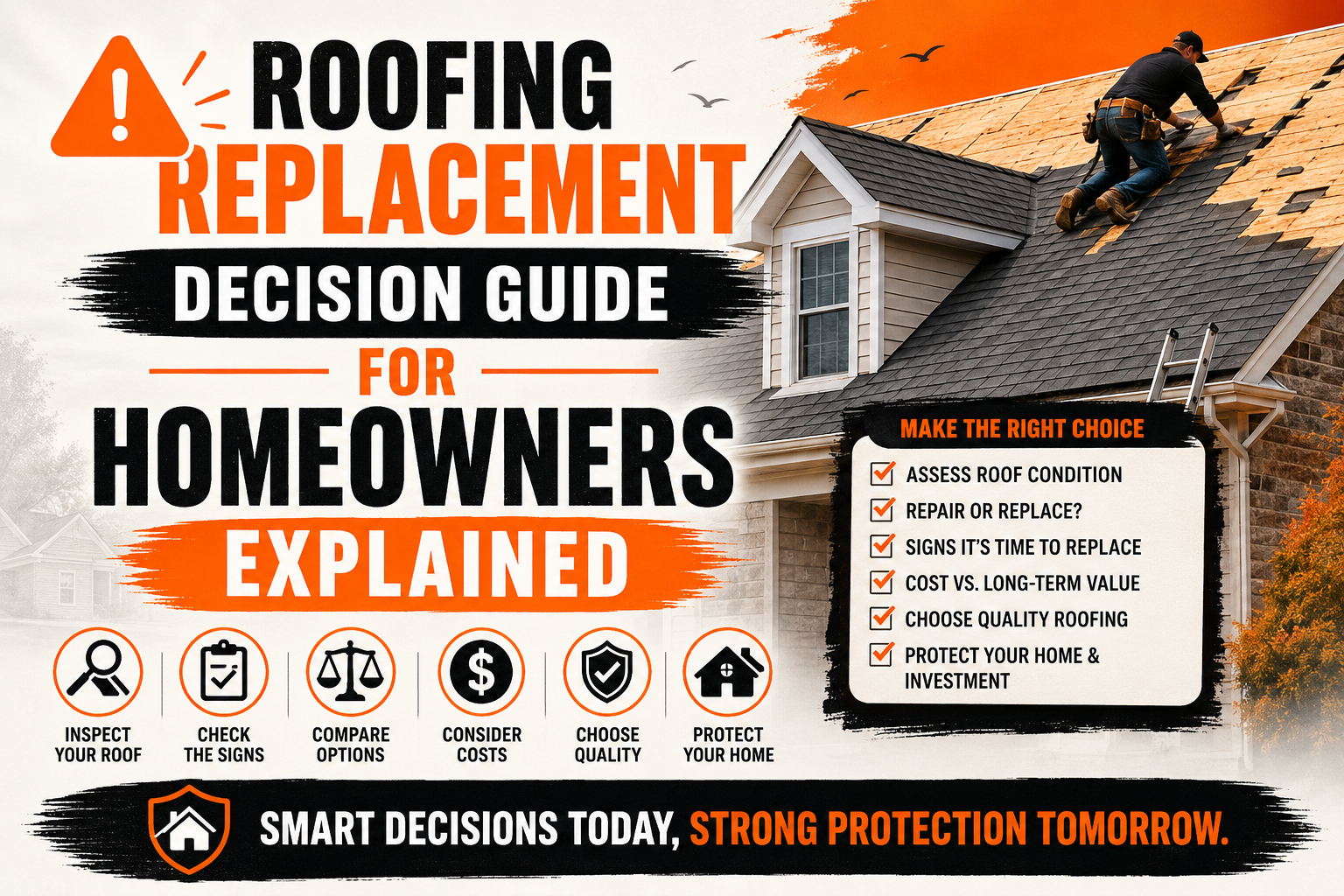
Roofing Replacement Decision Guide for Homeowners Explained
Introduction
Deciding whether to replace a roof is one of the most important choices a homeowner will make during the lifetime of a property. A roof protects the home from rain, wind, heat, snow, and other environmental conditions while also supporting the overall structure of the building. Because of its critical role, delaying or making the wrong replacement decision can lead to expensive repairs and long term structural damage.
Many homeowners struggle to determine the right time for roof replacement. Some worry about replacing a roof too early and spending money unnecessarily, while others postpone the project until leaks or major damage force immediate action. Both situations can create financial challenges, making it important to understand the warning signs and evaluate the roof carefully before making a final decision.
A roofing replacement should never be viewed as simply installing new shingles or tiles. It is a complete investment in the safety, comfort, energy efficiency, and value of the property. Modern roofing systems offer improved weather resistance, stronger materials, better ventilation, and enhanced insulation compatibility, making replacement an opportunity to upgrade the home’s overall performance.
Making an informed decision requires more than looking at visible damage. Homeowners should consider the age of the roof, maintenance history, structural condition, local climate, future property plans, and long term financial benefits. Evaluating all of these factors together leads to smarter decisions that reduce future maintenance costs and improve the lifespan of the roofing system.
Every property is different, and no single solution works for every homeowner. Some roofs may only require targeted repairs, while others have reached a point where complete replacement provides better value. Understanding the difference helps avoid unnecessary expenses while ensuring the home remains protected for years to come.
This comprehensive guide explains how homeowners can confidently determine whether roof replacement is the right choice. It begins by examining the signs that indicate replacement may be necessary, explores the difference between repairs and replacement, explains how to assess the current roof condition, and highlights the risks of delaying important roofing decisions.
Knowing When Roof Replacement Becomes the Right Choice
One of the biggest challenges homeowners face is recognizing when a roof has reached the end of its useful life. Roof deterioration usually occurs gradually rather than all at once, making it easy to overlook early warning signs until more serious problems develop.
Every roofing material has an expected lifespan. Asphalt shingles generally last several decades under normal conditions, while metal, tile, and slate roofing often remain functional much longer. However, weather exposure, installation quality, and maintenance history can significantly influence actual performance.
Age alone does not automatically require replacement, but it should encourage homeowners to schedule regular professional inspections. An older roof that still appears attractive from the ground may contain hidden moisture damage or weakened structural components that are not immediately visible.
Environmental conditions also accelerate roof deterioration. Homes exposed to frequent storms, intense sunlight, coastal salt air, or repeated freeze and thaw cycles often experience faster wear than roofs located in milder climates. Understanding how local weather affects roofing materials helps homeowners evaluate replacement needs more accurately.
Making replacement decisions before major failures occur provides greater flexibility when selecting contractors, comparing materials, and planning project budgets. Waiting until emergency leaks appear often limits these choices and increases overall stress during the project.
Age Related Roof Deterioration
Roofing materials naturally change as they age. Continuous exposure to sunlight, rainfall, wind, and changing temperatures gradually weakens protective coatings and reduces the roof’s ability to resist moisture.
As shingles age, they may become brittle, lose protective granules, or begin curling along their edges. Metal roofing may develop corrosion in vulnerable areas if protective coatings deteriorate. Tile roofs can experience cracking, while sealants around flashing and roof penetrations slowly lose flexibility over time.
Even when these changes appear minor, they indicate that the roof is approaching the point where larger problems become more likely. Small defects create opportunities for water to enter beneath roofing materials, increasing the likelihood of hidden structural damage.
Routine inspections become increasingly valuable as roofs grow older. Professional evaluations help determine whether maintenance remains sufficient or whether replacement has become the more practical long term solution.
Visible Signs of Roof Deterioration
Visible damage often provides the first indication that a roof requires professional attention. While some issues can be repaired successfully, widespread deterioration usually suggests that replacement should be seriously considered.
Missing shingles expose the roof deck to weather, increasing the likelihood of water intrusion. Cracked, curled, or broken roofing materials reduce the roof’s ability to shed water effectively and often indicate advanced aging throughout the roofing system.
Granule loss is another common warning sign for asphalt shingles. Large amounts of granules collecting inside gutters indicate that protective surface layers are wearing away. Without these protective granules, shingles become more vulnerable to sunlight and weather related deterioration.
Sagging roof sections should always receive immediate professional evaluation. Visible sagging may indicate weakened structural supports or extensive moisture damage that affects the roof’s overall stability.
Homeowners should also inspect roof flashing around chimneys, skylights, and vents. Damaged flashing frequently causes leaks even when the surrounding roofing materials remain relatively intact.
Storm and Weather Related Damage
Severe weather can shorten a roof’s lifespan dramatically, even if damage appears limited immediately after the storm. Strong winds may lift shingles, hail creates impact damage, and heavy rainfall often exposes weaknesses that previously remained unnoticed.
Wind damage frequently affects roof edges, ridges, and corners where roofing materials experience the greatest stress. Even partially lifted shingles may allow moisture beneath the roofing system during future storms.
Hail damage varies depending on stone size, roofing material, and storm intensity. Some impacts create obvious cracks, while others produce subtle bruising that gradually weakens the material over time. Professional inspections are especially important after hailstorms because hidden damage may not be visible from the ground.
Heavy snowfall and ice accumulation can also affect roof performance. Ice dams may prevent proper drainage, allowing melting water to back up beneath roofing materials. Repeated freeze and thaw cycles place additional stress on roofing components throughout the winter season.
After significant storms, homeowners should arrange inspections promptly even if leaks have not yet appeared. Early detection often prevents more extensive structural damage.
Structural Concerns That Require Attention
Some roofing problems extend beyond surface materials and affect the structural framework supporting the roof itself. These situations require immediate evaluation because delaying repairs may compromise the safety of the building.
Roof decking serves as the foundation beneath roofing materials. Long term moisture exposure may weaken wooden decking until it can no longer provide adequate support for the roofing system. Damaged decking usually requires replacement before new roofing materials are installed.
Structural framing should also be examined carefully during inspections. Rafters weakened by moisture, insects, or age may reduce the roof’s overall stability and should be repaired before replacement continues.
Interior warning signs often reveal structural concerns before exterior symptoms become obvious. Water stains, peeling paint, mold growth, and ceiling discoloration all suggest that moisture may already be affecting hidden structural components.
Professional inspections help identify these concerns early, allowing homeowners to include structural repairs within the replacement project instead of facing additional construction later.
Repair or Replacement?
One of the most important decisions homeowners face is determining whether repairs remain practical or whether complete replacement offers greater value. This decision depends on several technical and financial factors rather than the size of a single leak alone.
Roof repairs are often effective when damage is limited to a specific area and the remaining roof remains in good overall condition. Replacing a few damaged shingles, repairing flashing, or sealing isolated leaks can restore performance without requiring a complete replacement.
However, repeated repairs may become increasingly expensive if roofing problems continue appearing throughout the roof. Investing in multiple repair projects over several years sometimes exceeds the cost of replacing the entire roofing system.
The remaining lifespan of the roof should also influence this decision. Spending significant money repairing a roof that is already nearing the end of its expected service life may not provide good long term value.
Professional contractors evaluate roof condition objectively before recommending repair or replacement. Their recommendations typically consider material condition, structural integrity, maintenance history, and future performance expectations.
When Roof Repairs Make Sense
Repairs remain a practical solution in many situations, particularly when the roof is relatively new and damage has been limited by prompt maintenance.
Storm damage affecting only a few shingles often requires simple repairs rather than complete replacement. Flashing problems around vents or chimneys can usually be corrected without disturbing the remainder of the roofing system.
Small leaks discovered early may also be repaired successfully before moisture spreads beneath the roof surface. Regular inspections increase the likelihood of identifying these issues while repairs remain relatively inexpensive.
Homeowners planning major renovations in the near future may also choose temporary repairs if a complete roof replacement will eventually become part of a larger remodeling project.
Repair decisions should always be based on professional inspections rather than assumptions, ensuring that hidden deterioration does not remain untreated.
When Replacement Is the Better Investment
Complete roof replacement generally becomes the better choice when deterioration affects large portions of the roofing system or when repairs no longer provide reliable long term protection.
Frequent leaks occurring in different areas usually indicate widespread aging rather than isolated damage. Continuing to repair individual leaks often results in repeated service calls without resolving the underlying problem.
Older roofs approaching the end of their expected lifespan also benefit from replacement because maintenance costs generally increase as materials continue to age. Installing a new roofing system eliminates many recurring maintenance concerns while improving weather resistance.
Replacement also creates opportunities to improve ventilation, insulation compatibility, and energy efficiency. Modern roofing systems often perform better than older installations, providing lower utility costs and greater indoor comfort.
Although replacement requires a larger initial investment, the long term benefits frequently outweigh the continued expense of repeated repairs.
Assessing the Condition of Your Existing Roof
Accurate decision making depends on understanding the actual condition of the roof rather than relying only on visible exterior appearance. A comprehensive assessment examines every major component of the roofing system.
Professional roof inspections begin with evaluating the roofing material itself. Contractors look for cracked shingles, loose fasteners, damaged flashing, worn sealants, blocked drainage systems, and signs of previous repairs. These observations provide valuable information regarding overall roof performance.
Exterior inspections alone do not tell the complete story. Many roofing problems develop beneath the visible surface where moisture gradually damages decking, insulation, and structural framing. Attic inspections therefore play an equally important role during the evaluation process.
Homeowners should resist the temptation to inspect steep roofs themselves because climbing onto a roof presents significant safety risks. Experienced roofing professionals have the equipment and training necessary to perform detailed inspections safely.
Scheduling inspections before requesting contractor estimates also allows homeowners to receive more accurate project recommendations and cost estimates.
Exterior Roof Inspection
The exterior inspection focuses on identifying visible signs of wear and damage across the entire roofing surface. Contractors evaluate shingles, tiles, metal panels, flashing, ridge caps, valleys, gutters, and roof penetrations to determine the overall condition of the roofing system.
Special attention is given to areas most vulnerable to weather exposure. Roof valleys, chimneys, skylights, and vent penetrations often experience greater moisture exposure than flat roof sections, making them common locations for leaks.
Drainage systems are also inspected carefully. Gutters and downspouts should direct rainwater efficiently away from the structure. Overflowing gutters or standing water may indicate drainage problems that accelerate roof deterioration.
Exterior inspections provide the foundation for determining whether repairs remain practical or whether replacement offers greater long term value.
Interior Attic Inspection
Attic inspections often reveal roofing problems that remain hidden from outside observation. Moisture stains on rafters, mold growth, damp insulation, or visible daylight entering through the roof structure all indicate potential roofing issues.
Ventilation performance is another important part of the attic evaluation. Poor airflow allows excessive heat and moisture to accumulate, shortening roofing material lifespan while reducing overall energy efficiency.
Insulation should also be examined because compressed or moisture damaged insulation reduces thermal performance. Roof replacement projects frequently provide an ideal opportunity to improve both ventilation and insulation for greater long term efficiency.
Examining both the attic and exterior roof provides a much more complete understanding of the roofing system than either inspection alone.
Moisture Damage and Roof Deck Evaluation
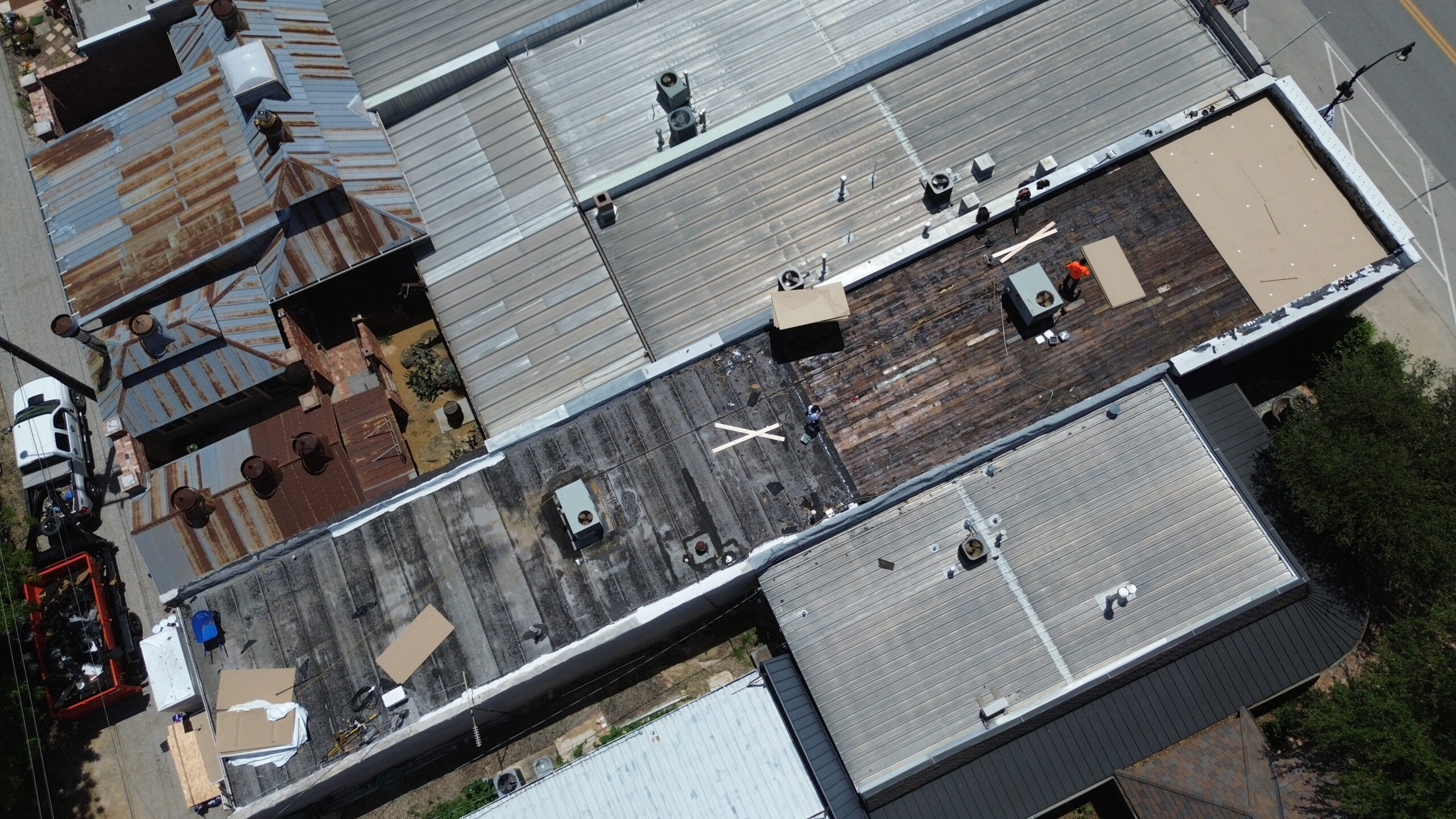
Hidden moisture is one of the most damaging threats to any roofing system. Water trapped beneath roofing materials may gradually weaken roof decking, damage insulation, and create conditions that encourage mold growth.
Roof decking should always be evaluated before replacement because it provides the structural foundation supporting the new roofing system. Soft or deteriorated decking cannot safely support roofing materials and must be repaired before installation begins.
Professional contractors may also use moisture detection equipment to identify hidden water intrusion that is not visible during routine inspections. Detecting these issues early reduces unexpected costs during construction.
Understanding the true condition of the roof deck allows homeowners to make confident replacement decisions based on complete information rather than surface appearance alone.
Professional Inspection Benefits
While homeowners can identify obvious roofing problems from the ground, professional inspections provide a much more thorough evaluation. Roofing specialists understand how different materials age, recognize early warning signs, and identify hidden structural concerns that may otherwise remain unnoticed.
A professional inspection also provides objective guidance regarding repair versus replacement. Rather than relying on assumptions, homeowners receive recommendations based on measurable evidence and technical expertise.
Detailed inspection reports also improve estimate accuracy because contractors understand the full scope of work before construction begins. This reduces the likelihood of unexpected discoveries that increase project costs after installation has already started.
Taking the time to schedule a comprehensive inspection is one of the smartest decisions homeowners can make before committing to a roof replacement project.
Budgeting for Roof Replacement
Once homeowners determine that roof replacement is the most practical solution, the next step is developing a realistic budget. Careful financial planning helps prevent unexpected expenses while allowing the project to move forward without unnecessary delays. A well prepared budget also makes it easier to compare contractor estimates and select roofing materials that provide the best long term value.
Many homeowners assume that roofing costs are determined only by the price of shingles or other visible materials. In reality, a complete roof replacement includes labor, underlayment, flashing, ventilation improvements, structural repairs, permits, waste disposal, and cleanup. Understanding these expenses before construction begins helps create a more accurate financial plan.
Budgeting should also account for the long term benefits of the investment. Spending slightly more on durable materials or experienced contractors often reduces maintenance costs and extends the lifespan of the roofing system. Looking beyond the initial installation price allows homeowners to make decisions that provide greater value over many years.
Financial planning becomes much easier when homeowners begin the process before the roof reaches a critical condition. Replacing a roof on a planned schedule usually provides more flexibility than emergency replacements, which often require immediate decisions and limited contractor availability.
Planning Realistic Expenses
A successful roofing budget starts with understanding the complete scope of the project. Homeowners should request detailed written estimates that clearly identify every major expense rather than relying on a single total price.
Roof size has a significant influence on project costs because larger roofs require more materials and additional labor. Roof complexity also affects pricing, as steep slopes, multiple valleys, dormers, skylights, and chimneys increase installation time and difficulty.
Material selection is another major factor. Premium roofing products generally cost more initially but often provide longer service life, stronger warranties, and better weather resistance. Evaluating these advantages alongside the purchase price creates a more balanced decision.
Labor costs should never be underestimated. Skilled roofing professionals may charge higher rates than less experienced installers, but quality workmanship often prevents expensive repairs that result from installation errors.
Material Costs
Roofing materials vary considerably in both price and performance. Asphalt shingles remain one of the most affordable options and continue to be popular because they offer dependable protection for many residential properties.
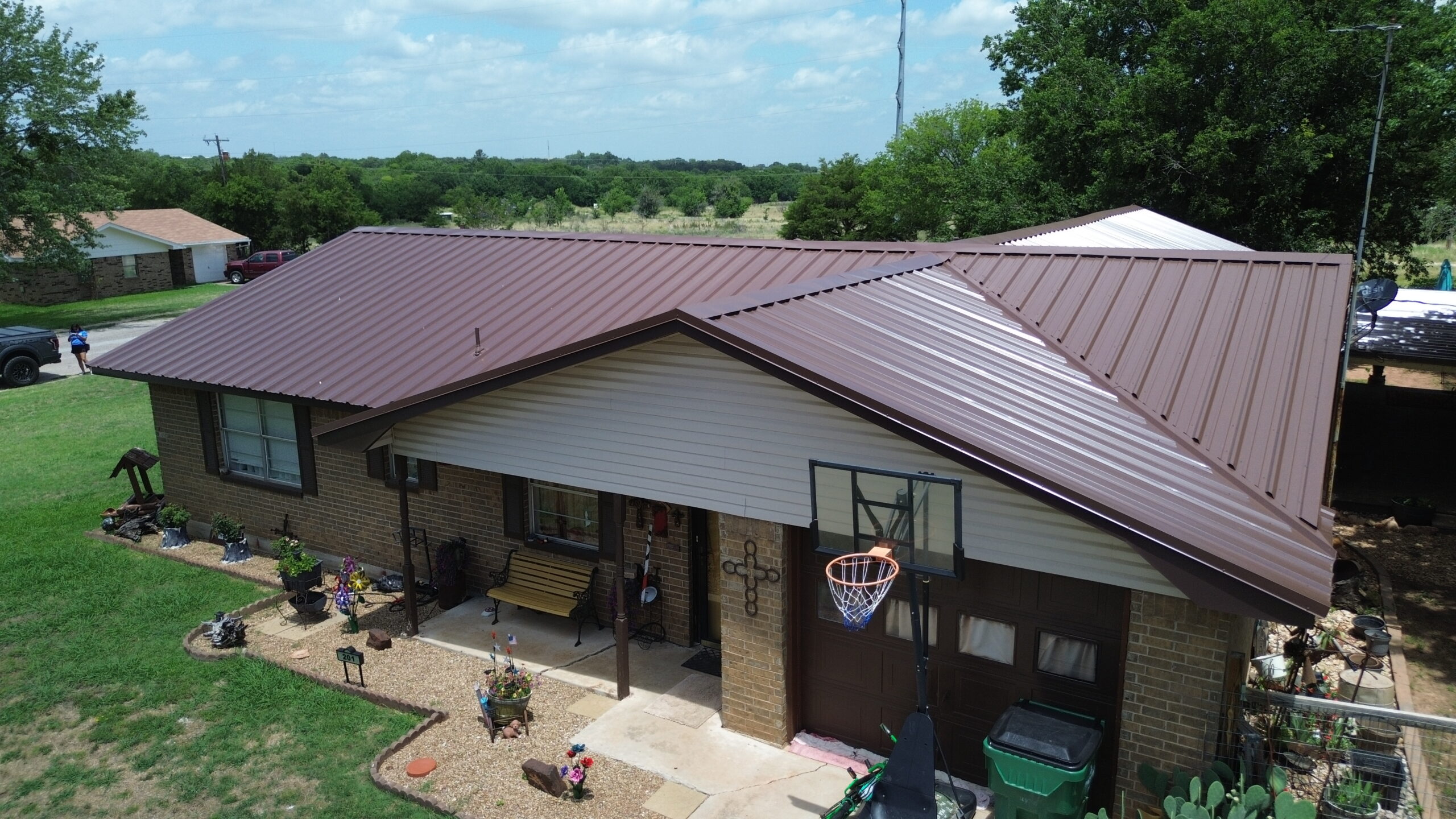
Metal roofing requires a larger investment but provides excellent durability, weather resistance, and energy efficiency. Homeowners planning to remain in their homes for many years often find that metal roofing delivers strong long term value through reduced maintenance and extended lifespan.
Clay tiles, concrete tiles, and slate roofing generally occupy the premium end of the market. These materials provide exceptional longevity and distinctive architectural appeal but require greater initial investment and, in some cases, additional structural support.
Synthetic roofing materials have become increasingly popular because they combine the appearance of traditional products with lighter weight and improved durability. Many homeowners appreciate their balance of appearance, performance, and maintenance requirements.
Choosing the right material should involve evaluating climate conditions, maintenance expectations, budget, and long term ownership goals rather than focusing solely on the purchase price.
Labor Costs
Professional installation plays an essential role in the performance of every roofing system. Even the highest quality materials cannot provide reliable protection if they are installed incorrectly.
Labor costs vary depending on roof complexity, contractor experience, local market conditions, and the type of roofing material being installed. Specialized materials such as slate or standing seam metal roofing generally require additional expertise, increasing installation costs.
Homeowners should compare labor estimates carefully while considering each contractor’s qualifications, certifications, and experience. Selecting an installer based only on the lowest bid often results in greater expenses if workmanship problems require future repairs.
Investing in experienced professionals provides confidence that the roofing system has been installed according to manufacturer recommendations and industry standards.
Contingency Planning
One of the smartest budgeting decisions homeowners can make is setting aside contingency funds for unexpected expenses. Even thorough inspections cannot always reveal every hidden issue before construction begins.
Once the old roofing materials have been removed, contractors may discover deteriorated decking, damaged flashing, weakened structural framing, or moisture affected insulation. Addressing these issues immediately protects the integrity of the new roof.
Without contingency funds, homeowners may feel pressured to postpone necessary repairs or make rushed financial decisions during construction. Planning for unexpected situations allows the project to continue without compromising quality.
A contingency budget provides flexibility while reducing stress throughout the replacement process.
Choosing the Right Roofing Material
Roofing material selection is one of the most influential decisions homeowners make during a replacement project. The chosen material affects appearance, durability, maintenance, energy efficiency, and long term ownership costs.
Every roofing material has advantages and limitations. Some prioritize affordability, while others emphasize weather resistance or architectural style. Selecting the most suitable option requires balancing these characteristics according to the property’s needs.
Climate should always influence material selection. Homes exposed to strong winds, frequent storms, intense sunlight, or heavy snowfall benefit from roofing systems designed specifically for those environmental conditions.
Future maintenance expectations also deserve attention. Homeowners who prefer minimal maintenance may choose materials known for long service life and limited upkeep requirements.
Asphalt Shingles
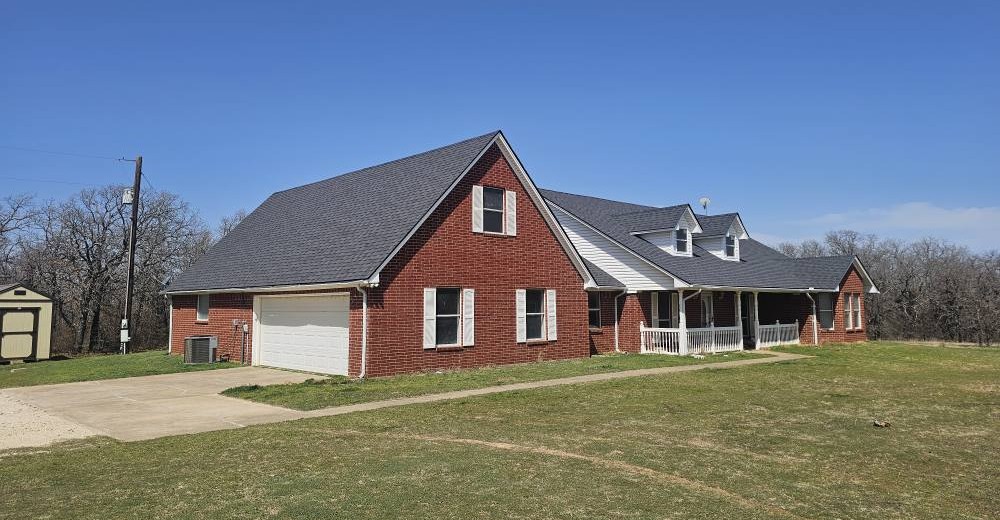
Asphalt shingles continue to dominate residential roofing because they provide dependable performance at an affordable price. They are available in numerous colors and architectural styles, making them suitable for many different home designs.
Modern asphalt shingles offer improved wind resistance and longer lifespans than earlier generations. Many premium products also provide enhanced impact resistance for areas that experience occasional hailstorms.
Installation is relatively straightforward, helping reduce labor costs compared to more specialized roofing materials. Repairs are also easier because individual damaged shingles can often be replaced without disturbing surrounding sections.
For homeowners seeking a balance between affordability and performance, asphalt shingles remain one of the strongest choices.
Metal Roofing
Metal roofing has gained popularity because of its outstanding durability and energy efficiency. Modern systems are available in styles that resemble shingles, tiles, or traditional standing seam panels.
Reflective metal surfaces reduce heat absorption, helping lower cooling costs during warmer months. This energy saving benefit makes metal roofing especially attractive in regions with extended periods of hot weather.
Metal roofs also resist wind, fire, heavy rainfall, and snow accumulation exceptionally well. Their extended lifespan often offsets the higher initial installation cost, making them an attractive long term investment.
Routine maintenance requirements are generally minimal, adding further value over the life of the roof.
Clay, Concrete, Slate, and Synthetic Roofing
Clay and concrete tiles provide outstanding durability while creating a distinctive appearance that complements Mediterranean and Spanish style architecture. These materials perform particularly well in warm climates and offer excellent resistance to fire and weather.
Slate roofing remains one of the longest lasting roofing materials available. Natural stone provides exceptional beauty and durability but requires specialized installation because of its weight and handling requirements.
Synthetic roofing products combine modern engineering with the appearance of traditional materials such as slate or wood. They are lighter than many natural products while offering strong weather resistance and relatively low maintenance requirements.
Each material offers unique advantages, making professional guidance valuable when comparing available options.
Roofing Material Comparison
The following table summarizes the characteristics of common roofing materials to help homeowners compare their options more effectively.
| Roofing Material | Typical Lifespan | Maintenance | Relative Cost | Major Advantage |
|---|---|---|---|---|
| Asphalt Shingles | Moderate | Low | Low | Affordable and versatile |
| Metal Roofing | Long | Low | Medium to High | Excellent durability |
| Clay Tiles | Very Long | Low | High | Superior weather resistance |
| Concrete Tiles | Long | Low to Moderate | Medium to High | Strength and longevity |
| Slate Roofing | Extremely Long | Very Low | Premium | Exceptional lifespan |
| Synthetic Roofing | Long | Low | Medium | Lightweight with modern performance |
Selecting the right roofing material involves balancing cost, climate suitability, maintenance expectations, and desired appearance. Evaluating these factors together helps homeowners choose a roofing system that supports both current needs and future goals.
Selecting the Right Roofing Contractor
The quality of the contractor often has a greater impact on project success than the roofing material itself. Experienced professionals ensure that installation follows manufacturer recommendations while maintaining high standards of workmanship throughout the project.
Homeowners should begin by researching contractors with strong reputations for reliability and customer satisfaction. Reading reviews, requesting references, and examining completed projects provide valuable insight into installation quality and professionalism.
Meeting contractors in person also allows homeowners to evaluate communication skills and responsiveness. Clear explanations, detailed estimates, and honest recommendations usually indicate a well organized company that values customer relationships.
Choosing an experienced contractor reduces uncertainty while increasing confidence in the finished roofing system.
Experience and Certifications
Roof replacement requires specialized technical knowledge that develops through years of practical experience. Contractors who have completed many roofing projects are generally better prepared to solve unexpected structural issues and adapt to changing site conditions.
Manufacturer certifications provide additional assurance that installers have received specialized training for specific roofing products. Certified contractors often qualify to offer enhanced warranty coverage that may not be available through uncertified installers.
Experience also becomes valuable when recommending suitable roofing materials. Contractors familiar with local weather conditions understand which products perform best in the region and can provide practical guidance based on previous projects.
Working with knowledgeable professionals helps homeowners avoid costly installation mistakes.
Licensing, Insurance, and Estimates
Before signing a contract, homeowners should verify that the contractor holds appropriate licenses and insurance. Licensing demonstrates compliance with local regulations, while insurance protects both parties if accidents or property damage occur during construction.
Requesting multiple written estimates provides a better understanding of market pricing and project scope. Estimates should clearly identify materials, labor, permits, disposal costs, ventilation improvements, warranties, and cleanup procedures.
Comparing detailed proposals allows homeowners to evaluate overall value rather than simply choosing the lowest price. Transparent estimates reduce misunderstandings once construction begins.
Well documented proposals also create stronger communication between homeowners and contractors throughout the project.
Reading Contracts Carefully
A roofing contract should clearly describe every aspect of the replacement project before work begins. Homeowners should review the document carefully to ensure it includes material specifications, installation procedures, project timelines, payment schedules, and warranty information.
Any questions regarding the contract should be addressed before signing. Clarifying expectations early helps prevent disagreements later and creates a stronger working relationship between both parties.
The contract should also explain how unexpected structural repairs or project changes will be handled. Understanding these procedures allows homeowners to respond more confidently if hidden issues are discovered during installation.
Careful contract review is an essential step in protecting both the investment and the success of the project.
Understanding Warranties
Roof replacement projects usually include manufacturer warranties covering roofing materials as well as workmanship warranties provided by the contractor. Both forms of protection contribute to the long term value of the investment.
Manufacturer warranties typically address defects in roofing products, while workmanship warranties cover installation related issues. Coverage periods vary depending on the contractor and the materials selected.
Homeowners should understand what actions may affect warranty coverage, including maintenance requirements or unauthorized repairs. Keeping warranty documentation organized simplifies future claims if they become necessary.
Strong warranty protection provides additional peace of mind after the project has been completed.
Preparing for Roof Replacement
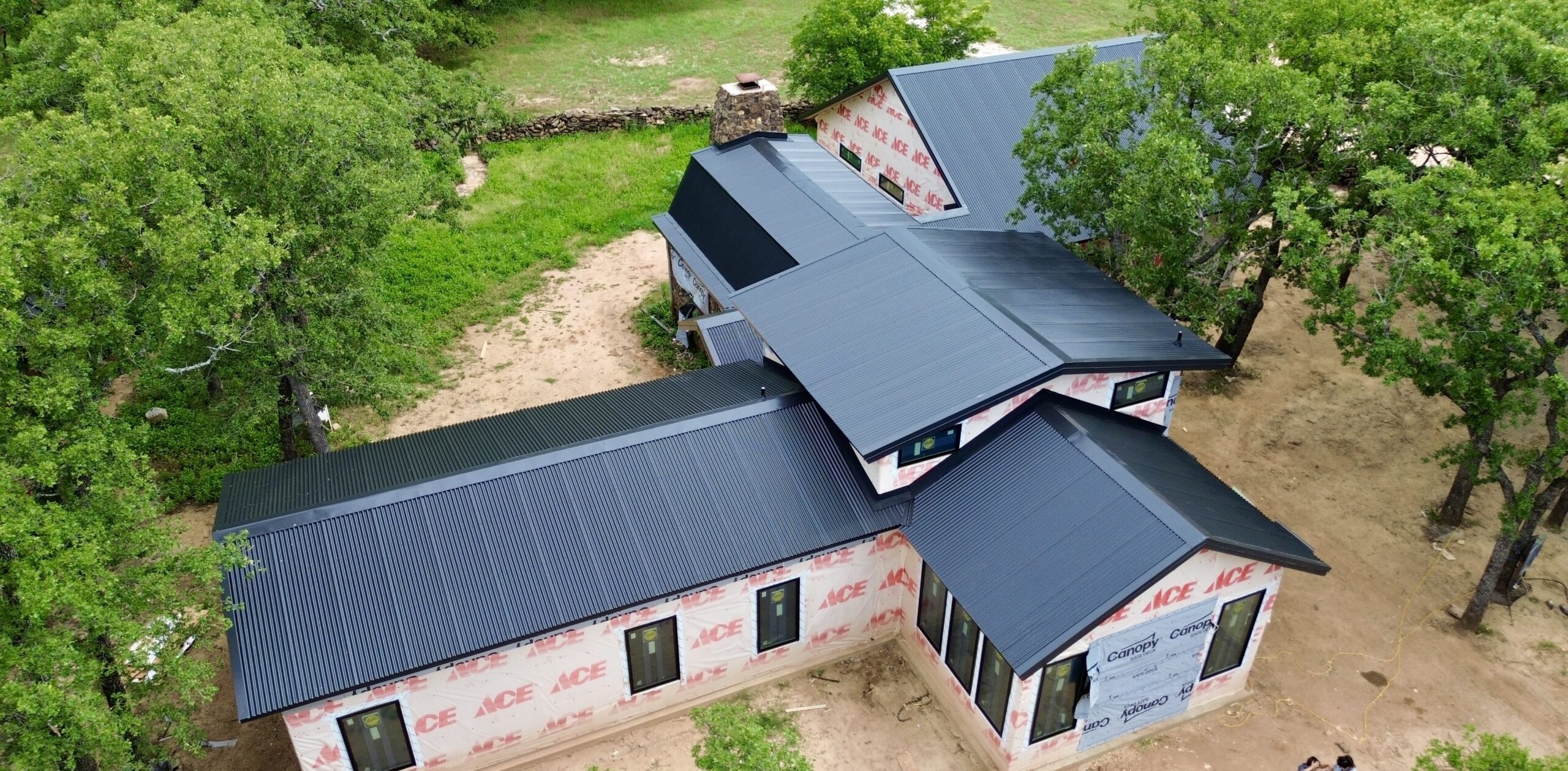
Preparation before construction begins helps protect personal belongings while allowing roofing crews to work safely and efficiently. A well prepared property also reduces delays during installation.
Scheduling the project during favorable weather conditions often improves installation efficiency. Planning ahead provides greater flexibility when selecting dates and coordinating material deliveries.
Vehicles should be moved away from the home before construction begins. Outdoor furniture, grills, decorative items, and potted plants should also be relocated to protected areas where they are less likely to be affected by dust or falling debris.
Inside the home, fragile wall decorations and valuable items displayed on shelves should be secured because construction vibrations may cause them to shift.
Family, Pets, and Neighborhood Communication
Roof replacement creates considerable noise that may affect children, elderly family members, remote workers, and pets. Families may wish to adjust daily schedules during the busiest stages of construction to minimize disruption.
Pets often become anxious because of unfamiliar sounds and increased activity around the property. Keeping animals indoors or arranging temporary care elsewhere helps maintain their safety throughout the installation.
Informing neighbors before construction begins is also a thoughtful courtesy. Letting them know the anticipated project schedule prepares them for temporary noise, delivery vehicles, and increased contractor activity.
Good communication contributes to a smoother experience for everyone involved.
Roof Replacement Planning Checklist
Before construction begins, homeowners should verify that all major planning tasks have been completed.
- Confirm that roof replacement is the best long term solution.
- Finalize the project budget, including contingency funds.
- Select the preferred roofing material.
- Compare estimates from qualified contractors.
- Verify licenses, insurance, and certifications.
- Review and sign the written contract.
- Obtain required permits and approvals.
- Prepare the property for installation.
- Confirm the project schedule and contact information.
Completing these tasks before installation begins helps reduce delays and improves overall project organization.
Step by Step Decision Process
Following a structured decision making process allows homeowners to approach roof replacement with greater confidence.
- Schedule a professional roof inspection.
- Determine whether repair or replacement offers better value.
- Establish a realistic budget with contingency planning.
- Compare roofing materials based on climate and durability.
- Research and interview qualified roofing contractors.
- Review estimates, warranties, and contracts carefully.
- Obtain required permits before construction.
- Prepare the property for installation.
- Finalize the project schedule with the contractor.
- Begin the roof replacement project with clear expectations.
Each step builds upon the previous one, creating a logical process that minimizes uncertainty and supports better decision making. Careful preparation before construction greatly improves the likelihood of a successful roof replacement while reducing avoidable problems.
What to Expect During Roof Replacement
After weeks of planning and decision making, the roof replacement project finally moves into the construction phase. Understanding what happens during installation helps homeowners prepare for temporary disruptions while giving them confidence that the project is progressing as expected. Although experienced contractors manage the technical work, knowing the overall process makes communication easier and reduces unnecessary concerns.
Roof replacement generally begins with preparing the property and delivering materials. Roofing crews organize equipment, establish safety measures, and position waste containers before removing the existing roofing materials. These preparations create a safer work environment and allow the installation to proceed efficiently.
Every roofing project differs depending on the property’s size, design, and chosen materials, but the general installation process follows a similar sequence. Careful workmanship during each stage ensures the new roofing system performs reliably for many years while protecting the home against changing weather conditions.
Homeowners should remember that quality installation takes time. Professional contractors focus on accuracy rather than speed because every layer of the roofing system contributes to long term durability and performance.
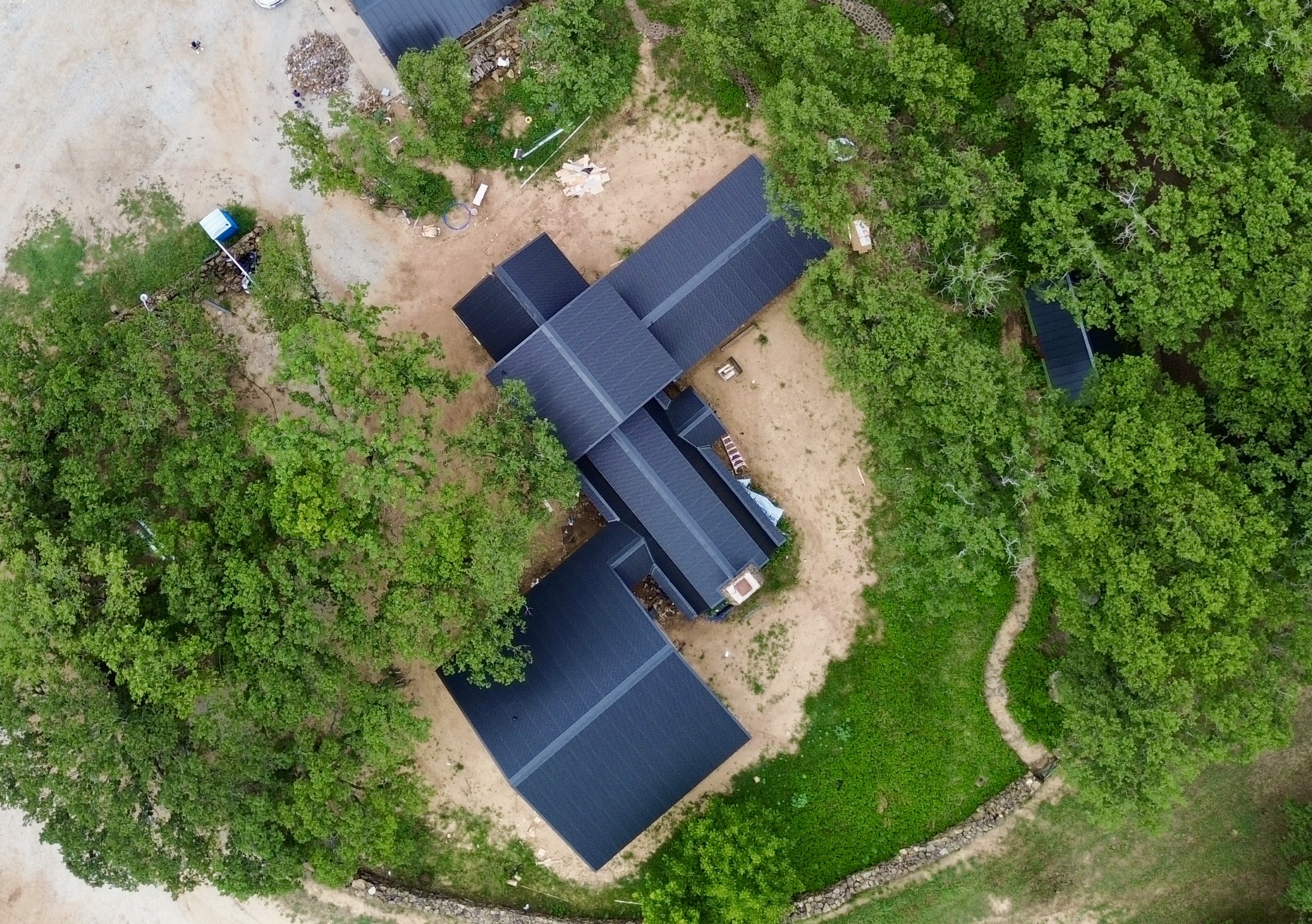
Removing the Existing Roof
The first major construction stage involves removing the old roofing materials. Contractors carefully strip away shingles, tiles, or metal panels until the roof deck is completely exposed. Removing the existing roof allows every structural component to be inspected before new materials are installed.
This stage often creates the most noise because roofing materials are detached, transported, and loaded into disposal containers. Homeowners should expect increased activity around the property during this phase, but experienced crews work systematically to minimize disruption.
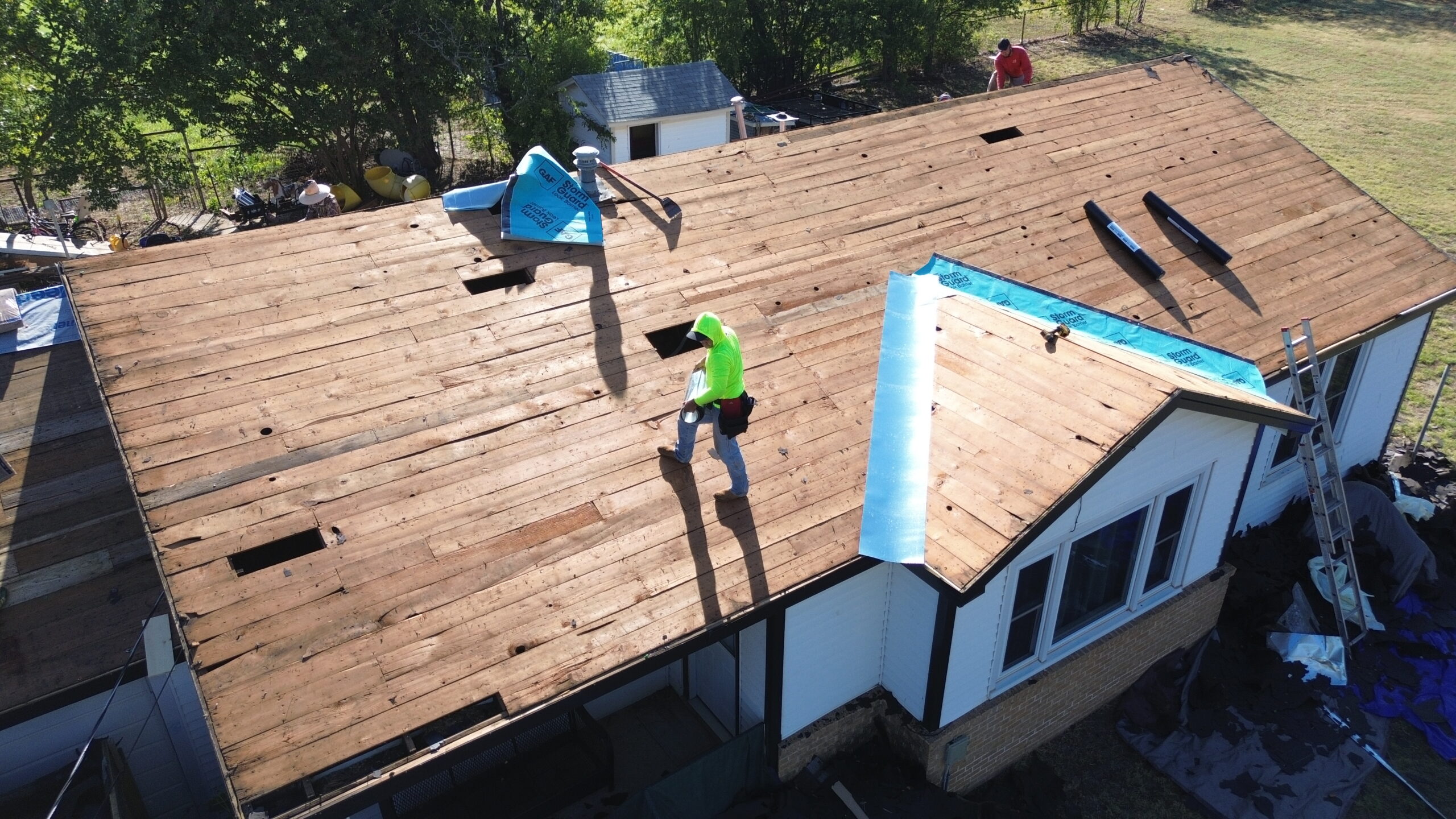
Removing old roofing materials also prevents hidden problems from remaining concealed beneath the new roof. Moisture damage, deteriorated flashing, and weakened decking become visible only after the original roofing system has been removed. Addressing these concerns immediately provides a stronger foundation for the replacement.
Professional contractors typically remove only manageable sections at a time. This approach helps protect the home if weather conditions change unexpectedly before installation is complete.
Structural Repairs
Once the roof deck has been exposed, contractors inspect the structural components supporting the roofing system. Even well maintained roofs occasionally reveal hidden damage that was impossible to identify during the initial inspection.
Moisture damaged decking is one of the most common discoveries. Long term water exposure may weaken wooden panels until they no longer provide adequate structural support. Replacing these sections ensures the new roofing materials rest on a solid and reliable foundation.
Roof framing may also require attention if previous leaks have affected rafters or other supporting components. Completing these repairs before installation continues helps maximize the lifespan of the new roofing system.
Although structural repairs may slightly increase project costs, they provide important long term benefits by strengthening the roof and reducing the likelihood of future problems.
Installing Underlayment
After structural repairs have been completed, contractors install the roofing underlayment. This protective layer sits between the roof deck and the visible roofing material, creating an additional barrier against moisture infiltration.
Modern underlayment materials improve weather resistance while helping protect the home if water reaches beneath shingles or tiles during severe storms. Proper installation requires careful overlapping and secure fastening to provide continuous coverage.
Extra waterproof membranes are often installed around roof valleys, chimneys, skylights, and other areas where water is more likely to accumulate. These additional protective measures strengthen some of the most vulnerable sections of the roofing system.
Quality underlayment contributes significantly to the overall durability of the completed roof.
Installing the New Roof
The installation of the visible roofing material represents the most recognizable stage of the project. Whether using asphalt shingles, metal panels, clay tiles, slate, or synthetic materials, contractors follow manufacturer specifications to ensure proper alignment and secure fastening.
Roofing materials are generally installed from the lower edge of the roof upward. This overlapping pattern encourages water to flow naturally away from the structure while reducing opportunities for moisture infiltration.
Careful attention is also given to flashing around chimneys, skylights, vents, and roof valleys. Proper flashing installation is essential because these locations experience greater exposure to water than most other roof sections.
Experienced installers work methodically to maintain consistent spacing, straight alignment, and secure attachment throughout the roof. These details influence both the appearance and long term performance of the finished roofing system.
Final Cleanup
Once installation has been completed, contractors begin cleaning the property thoroughly. Roofing debris, unused materials, packaging, and waste are collected and removed before the project is considered complete.
Professional roofing companies typically use magnetic tools to locate nails hidden in lawns, gardens, and driveways. This additional cleanup step helps protect family members, pets, and vehicle tires after construction has finished.
Gutters are inspected to ensure they remain free of construction debris. Walkways, patios, and surrounding landscaping are also checked to restore the property as closely as possible to its original condition.
A clean worksite reflects professionalism while giving homeowners confidence that the project has been completed responsibly.
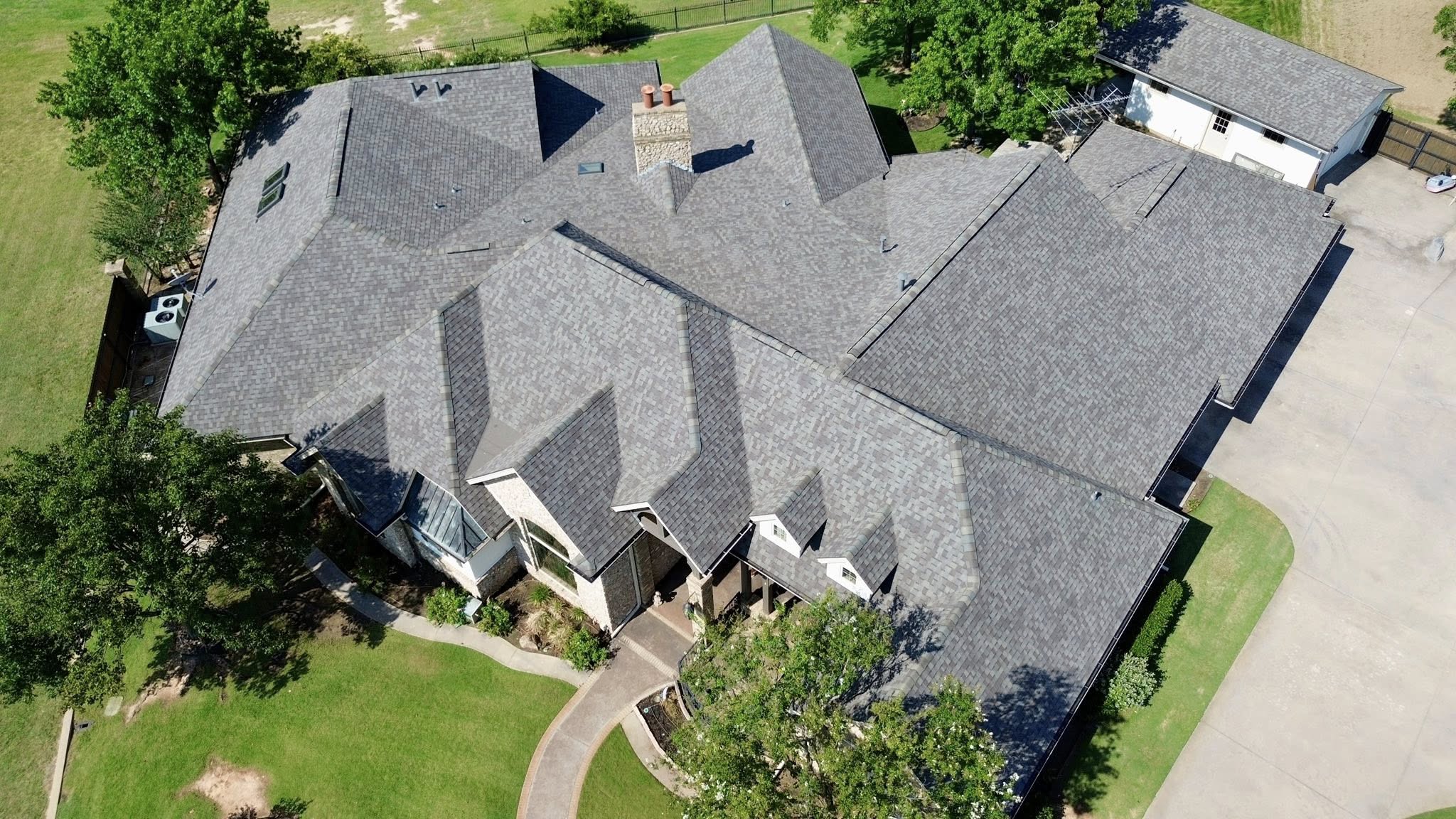
Common Decision Making Mistakes
Even after deciding to replace a roof, homeowners may still make choices that reduce the long term value of the investment. Understanding these common mistakes helps ensure the completed roofing system performs as expected for many years.
Many problems originate from decisions made before construction begins rather than from the installation itself. Careful planning and informed decision making greatly reduce these risks while improving project outcomes.
The following mistakes appear frequently during residential roof replacement projects. Recognizing them early allows homeowners to avoid unnecessary expenses and future repairs.
Waiting Too Long
Delaying roof replacement remains one of the most expensive mistakes homeowners make. Minor leaks often develop into major structural repairs when moisture continues entering the home over extended periods.
Water may damage insulation, ceilings, wall finishes, roof decking, and structural framing before visible interior symptoms become obvious. Waiting until emergency replacement becomes unavoidable generally increases both repair costs and project stress.
Scheduling replacement before significant deterioration occurs provides greater flexibility in selecting contractors, comparing materials, and planning the project.
Proactive decision making usually produces better financial outcomes than emergency repairs.
Choosing Only by Price
Selecting a roofing contractor solely because of the lowest estimate often leads to disappointing results. Lower prices sometimes reflect reduced material quality, inexperienced labor, or incomplete project scopes rather than genuine value.
Homeowners should compare contractor qualifications, workmanship warranties, experience, communication, and customer reviews alongside pricing. These factors often have a greater influence on long term satisfaction than installation cost alone.
Investing in experienced professionals generally reduces maintenance concerns and improves the lifespan of the roofing system.
Value should always take priority over the lowest initial price.
Ignoring Professional Inspections
Some homeowners rely only on visible observations when evaluating their roofs. While exterior inspections identify obvious damage, many serious roofing problems develop beneath the surface where they cannot be seen easily.
Professional inspections reveal hidden moisture damage, ventilation concerns, deteriorated decking, and structural weaknesses that influence replacement decisions. Skipping this evaluation increases the likelihood of unexpected discoveries during construction.
Inspection reports also provide contractors with better information when preparing project estimates.
Professional evaluations support smarter and more confident decisions.
Overlooking Warranty Coverage
Warranty documentation is sometimes ignored after installation is complete. However, understanding warranty coverage helps homeowners protect their investment if material defects or workmanship issues arise later.
Manufacturer warranties and contractor workmanship warranties serve different purposes. Reviewing both carefully allows homeowners to understand coverage limits, maintenance responsibilities, and claim procedures.
Organizing warranty documents alongside contracts and inspection reports simplifies future maintenance and property transactions.
Good record keeping is an important part of responsible homeownership.
Selecting Unsuitable Roofing Materials
Choosing roofing materials without considering local climate or maintenance expectations can reduce long term satisfaction. Every roofing product performs differently under specific environmental conditions.
For example, materials that perform exceptionally well in dry climates may require additional maintenance in regions with frequent rainfall or heavy snowfall. Similarly, heavier roofing products may require structural modifications before installation.
Consulting experienced contractors helps homeowners select roofing materials that provide the best balance of appearance, durability, energy efficiency, and maintenance.
Thoughtful material selection supports better long term performance.
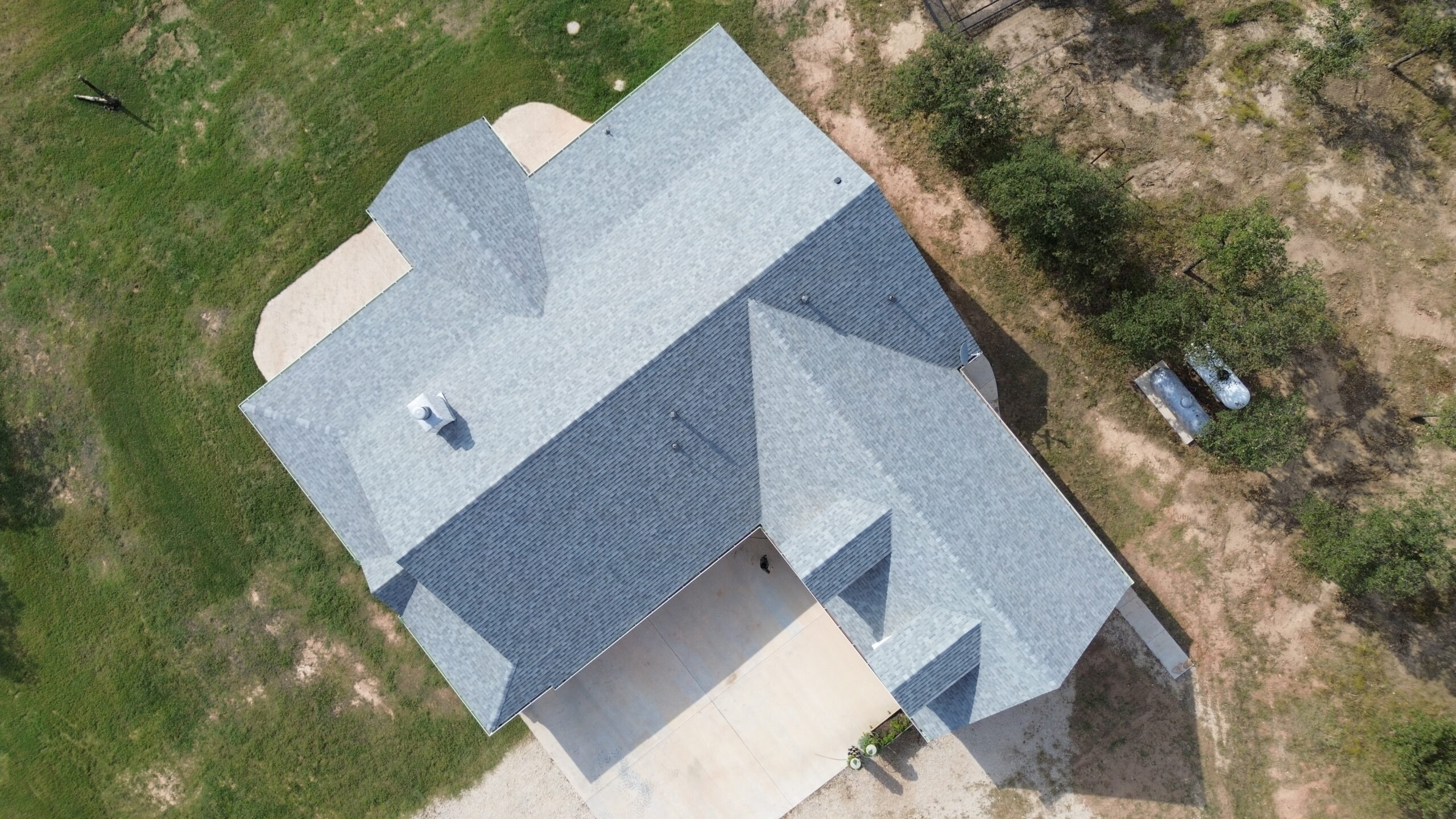
Maintaining Your New Roof
Completing a roof replacement marks the beginning of a new maintenance cycle rather than the end of roofing responsibilities. Regular maintenance helps preserve the appearance and performance of the new roofing system while extending its service life.
Many roofing problems remain minor when discovered early. Routine inspections allow homeowners to identify loose materials, damaged flashing, or blocked drainage systems before these issues become expensive repairs.
Preventive maintenance also supports warranty compliance because many manufacturers recommend regular inspections throughout the roof’s lifespan.
Consistent care protects both the roof and the overall value of the property.
Seasonal Inspections
Inspecting the roof during spring and autumn provides opportunities to identify damage caused by changing weather conditions. Winter storms, strong winds, and summer heat may all affect roofing materials differently.
Professional inspections every few years also help detect problems that homeowners may overlook. Roofing specialists evaluate flashing, drainage systems, ventilation, and overall material condition during these visits.
Additional inspections should be scheduled after severe storms involving hail, high winds, or falling tree branches.
Routine evaluations help maximize roof longevity.
Gutter Maintenance
Clean gutters are essential for directing rainwater safely away from the roof and foundation. Leaves, twigs, and other debris may block water flow, allowing moisture to collect beneath roofing materials.
Overflowing gutters can damage fascia boards, siding, and landscaping while increasing the risk of roof leaks. Regular cleaning helps maintain proper drainage throughout the year.
Downspouts should also remain free of obstructions so water flows efficiently away from the home.
Simple maintenance greatly reduces the risk of water related damage.
Ventilation Checks
Proper attic ventilation continues to play an important role after roof replacement has been completed. Balanced airflow regulates temperature and moisture, reducing stress on roofing materials and improving indoor energy efficiency.
Excessive attic heat may shorten roofing material lifespan, while trapped moisture encourages mold growth and wood deterioration. Monitoring ventilation performance helps prevent these problems before they become serious.
Homeowners should also watch for signs of condensation or unusual attic humidity because these conditions often indicate ventilation concerns.
Healthy airflow supports both roof durability and household comfort.
Tree Trimming and Preventive Care
Trees located near the home should be maintained regularly to prevent branches from contacting the roof. Overhanging limbs may scratch roofing materials, increase debris accumulation, and create additional risks during storms.
Preventive care also includes checking flashing, inspecting roof penetrations, and ensuring that drainage systems continue functioning properly. Addressing small concerns promptly prevents larger repairs later.
Maintaining the roof consistently is far less expensive than repairing major damage caused by neglected maintenance.
Routine care protects the investment throughout its lifespan.
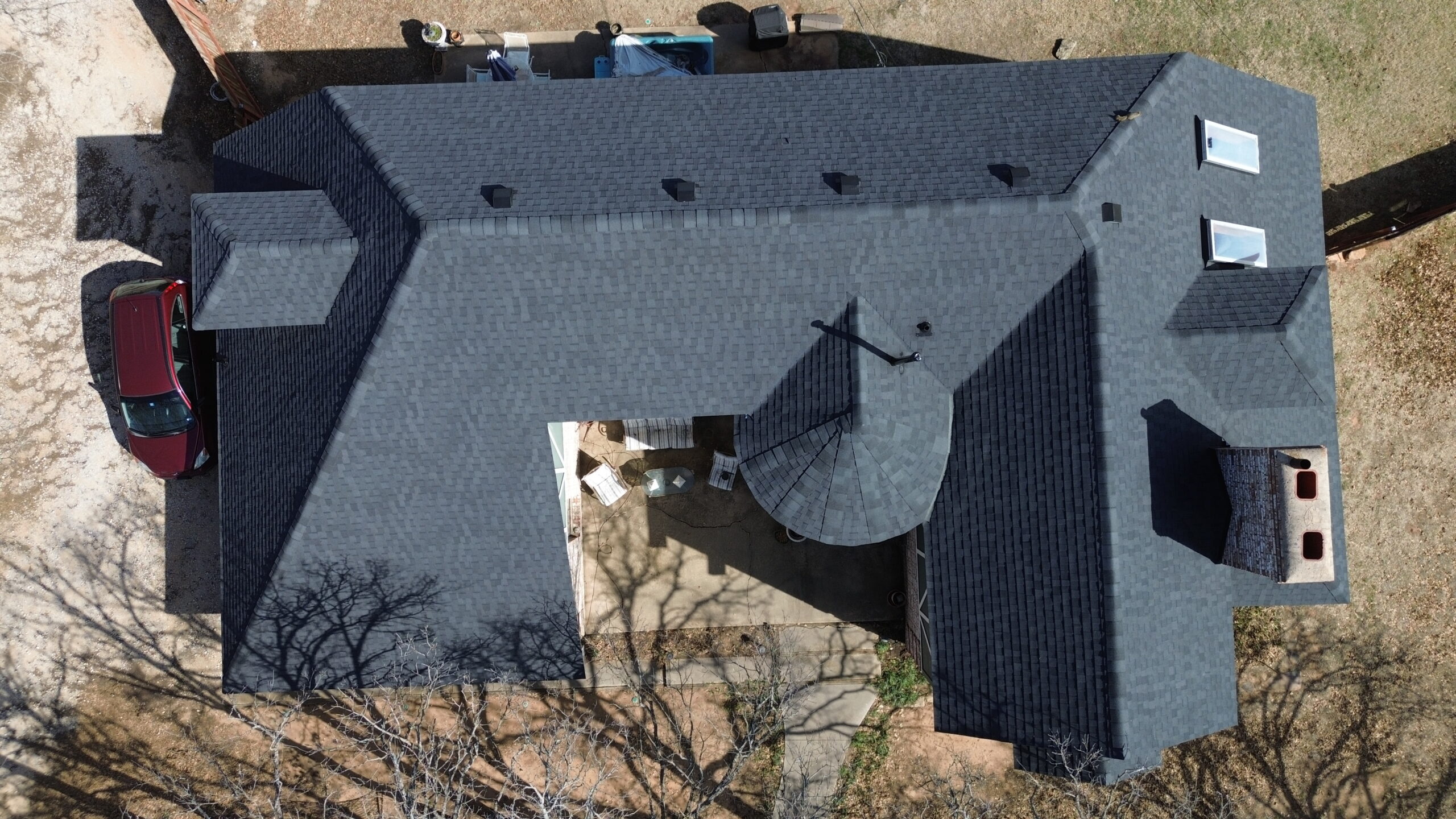
Frequently Asked Questions About Roof Replacement Decisions
How do I know if replacement is better than repair?
A professional inspection provides the most reliable answer. Widespread deterioration, repeated leaks, advanced age, and structural damage usually indicate that replacement offers greater long term value than continued repairs.
How long should I expect a roof replacement project to take?
Project duration depends on roof size, material type, weather conditions, and structural complexity. Most residential roof replacements are completed within several days, although larger or more complex homes may require additional time.
Should I remain at home during roof replacement?
In most cases, homeowners can remain in the home. However, construction noise may be disruptive, especially for young children, elderly family members, pets, or individuals working remotely.
Can a new roof improve energy efficiency?
Yes. Modern roofing materials combined with improved ventilation and underlayment often reduce heat transfer, helping maintain more consistent indoor temperatures and lowering heating and cooling costs.
What documents should I keep after the project is finished?
Keep the contract, invoices, warranty certificates, permits, inspection reports, and maintenance recommendations together in a secure location. These records simplify future maintenance, warranty claims, and property sales.
How often should a new roof be inspected?
Professional inspections every few years, along with inspections after severe storms, help identify small concerns before they become major repairs. Routine maintenance significantly extends the lifespan of the roofing system.
Conclusion
Making the right roofing replacement decision requires careful evaluation rather than reacting only to visible damage or unexpected leaks. Understanding the condition of the existing roof, comparing repair and replacement options, establishing a realistic budget, selecting suitable materials, and hiring experienced professionals all contribute to a successful outcome. Every informed decision made before construction begins strengthens the long term value of the investment.
Roof replacement should be viewed as an opportunity to improve more than just the appearance of the home. A properly installed roofing system enhances weather protection, energy efficiency, structural reliability, and overall property value while reducing future maintenance concerns. Taking the time to evaluate every aspect of the project helps homeowners avoid costly mistakes and enjoy greater confidence throughout the replacement process.
The work does not end when installation is complete. Regular inspections, clean gutters, proper attic ventilation, and preventive maintenance ensure the new roof continues performing at its best for many years. Small maintenance efforts completed consistently often prevent expensive repairs and preserve warranty coverage.
By approaching roof replacement with thoughtful planning and informed decision making, homeowners can confidently choose the right solution for their property. A quality roofing system installed by experienced professionals provides dependable protection, lasting durability, and peace of mind through every season, making it one of the most valuable long term investments any homeowner can make.