

Everything Homeowners Should Know Before Roof Replacement
Introduction
Your roof is one of the most important parts of your home. It protects your family from rain, wind, snow, sunlight, and changing temperatures while also helping maintain the structural integrity of the entire property. Despite its importance, many homeowners do not think much about their roof until problems begin to appear. By the time leaks, missing shingles, or visible damage become noticeable, significant wear may already exist beneath the surface.
Roof replacement is not a project that most homeowners undertake frequently. For many people, it happens only once or twice during the time they own a home. Because of this, the process can feel overwhelming. Questions about costs, roofing materials, contractor selection, project timelines, warranties, and potential disruptions often create uncertainty before the work even begins.
The good news is that roof replacement becomes much easier when homeowners understand what to expect. Learning about the planning process, recognizing warning signs, comparing available options, and preparing financially all contribute to a smoother experience. Instead of making rushed decisions under pressure, informed homeowners can approach the project with confidence and clear expectations.
A successful roof replacement is not simply about installing new shingles. It involves evaluating the existing roof, choosing appropriate materials, hiring experienced professionals, understanding warranties, and planning for long term maintenance. Every decision made before installation affects the quality and lifespan of the finished roofing system.
This comprehensive guide explains everything homeowners should know before replacing their roof. In this first part, we will discuss why roof replacement is an important investment, how to recognize when replacement becomes necessary, the difference between repairs and full replacement, what the replacement process involves, how to prepare a realistic budget, and how to select roofing materials that provide lasting value.
Why Roof Replacement Is a Major Home Investment
Replacing a roof is one of the most significant home improvement projects a homeowner can undertake. Unlike cosmetic upgrades that mainly improve appearance, a roof replacement directly affects the home’s safety, structural protection, energy efficiency, and overall value. Because of its importance, the project deserves careful planning rather than rushed decision making.
A roof functions as the home’s first line of defense against weather. Rain, hail, wind, sunlight, and temperature changes constantly challenge roofing materials throughout the year. As the roof ages, its ability to provide reliable protection gradually decreases. Eventually, replacing the roof becomes a better investment than continuing to repair recurring problems.
One of the biggest reasons roof replacement is considered a major investment is its long term impact. A properly installed roof can provide dependable protection for decades when combined with routine maintenance. While the initial cost may seem substantial, homeowners often benefit from lower repair expenses, improved energy efficiency, and increased property value over the roof’s lifespan.
Modern roofing systems also contribute to better indoor comfort. Improved ventilation, advanced underlayment materials, and higher quality insulation work together to reduce heat transfer between the attic and living spaces. As a result, many homeowners notice lower heating and cooling costs after installing a new roof.
Curb appeal is another important benefit. Since the roof represents a large portion of the home’s exterior, replacing an old or damaged roof significantly improves appearance. This enhanced visual appeal often increases buyer confidence if the property is eventually placed on the market.
Roof replacement also provides an opportunity to address hidden structural issues. During installation, contractors inspect roof decking, flashing, ventilation systems, and moisture barriers that may not have been visible previously. Repairing these components helps strengthen the overall roofing system while preventing future damage.
Insurance considerations may also influence replacement decisions. Some insurance companies evaluate roof age and condition when determining coverage or premiums. Maintaining a newer roof may simplify future insurance claims involving storm damage while demonstrating responsible property maintenance.
Because the roof protects nearly every other part of the home, investing in quality materials and professional installation provides benefits that extend well beyond appearance alone. It strengthens the property’s long term durability while giving homeowners greater confidence during severe weather conditions.
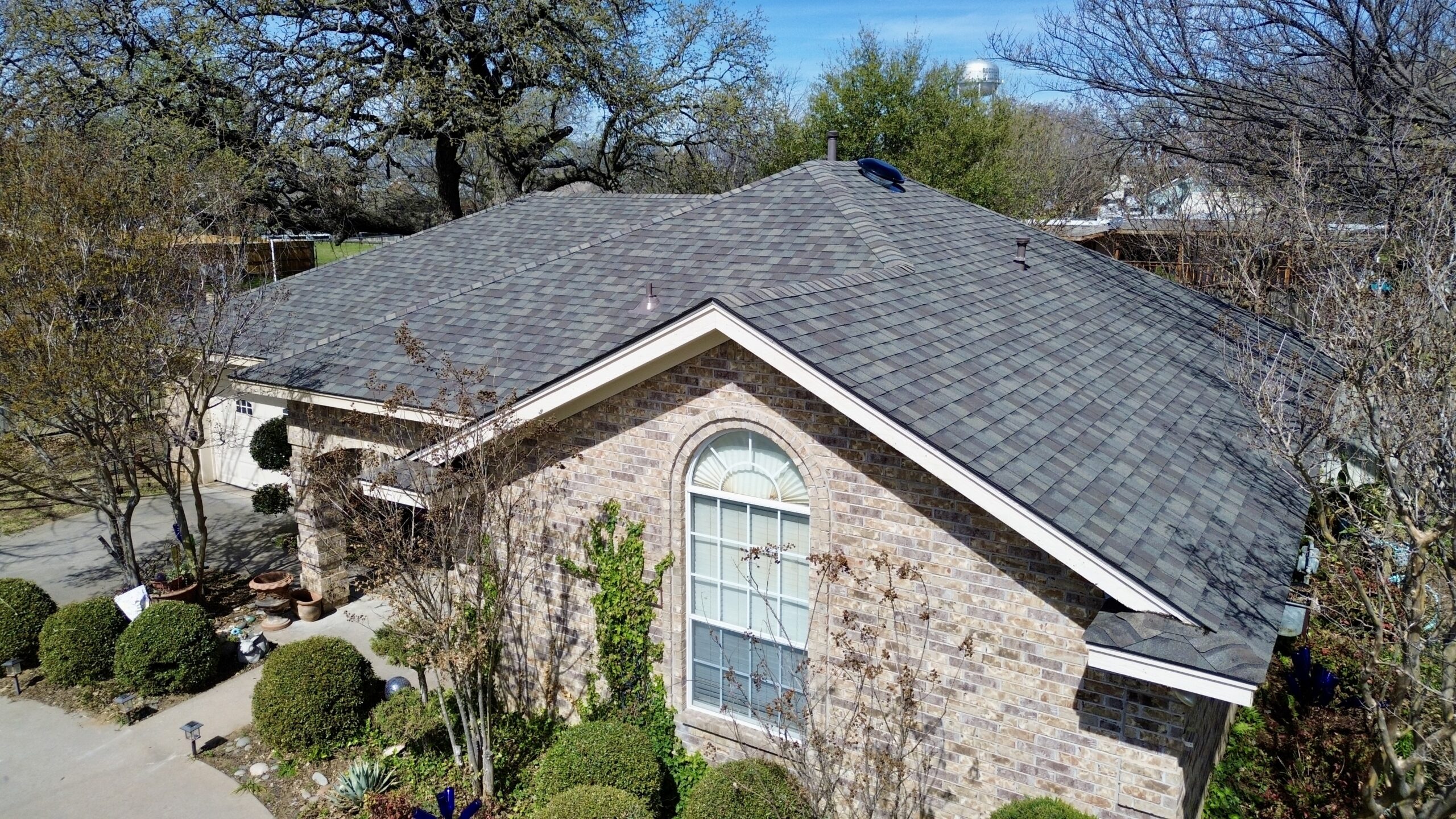
Signs Your Roof May Need Replacement
Recognizing the warning signs of roof deterioration helps homeowners begin planning before minor issues become major structural problems. While every roof ages differently depending on climate, maintenance, and material type, several common indicators suggest replacement should be considered.
Age remains one of the most important factors. Every roofing material has an expected service life, and even well maintained roofs eventually reach the point where replacement becomes more practical than continued repairs. Homeowners who know the approximate installation date of their current roof can better anticipate when professional inspections become especially important.
Visible exterior damage often provides the clearest indication that replacement may be approaching. Missing shingles, cracked tiles, curling edges, loose flashing, or widespread granule loss reduce the roof’s ability to protect the home from moisture and weather damage. While isolated problems may sometimes be repaired, widespread deterioration usually signals that the roofing system is reaching the end of its useful life.
Water leaks should never be ignored. Even a small stain on the ceiling can indicate more significant damage hidden within the roofing system. Water often travels along framing before becoming visible indoors, making professional inspections essential whenever leaks appear.
Homeowners should also inspect the attic periodically. Damp insulation, mold growth, water stains, or visible daylight entering through the roof deck may all indicate roofing problems that require immediate attention. Attic inspections often reveal issues before they become noticeable inside the main living areas.
Granule accumulation inside gutters represents another common warning sign for asphalt shingle roofs. As shingles age, they gradually lose the protective granules that shield them from sunlight and weather exposure. Excessive granule loss reduces roof durability while accelerating further deterioration.
Sagging roof sections require immediate professional evaluation. A roof should maintain a consistent, level appearance across its entire surface. Visible sagging may indicate structural problems involving roof decking or supporting framework that require prompt attention.
Storm damage also plays an important role in replacement decisions. High winds, hail, heavy snowfall, and falling branches may damage roofing materials even when problems are not immediately obvious from the ground. Scheduling inspections after severe storms helps identify hidden damage before it worsens.
Rising energy bills sometimes indicate roofing issues as well. Poor attic ventilation, deteriorated roofing materials, or moisture damaged insulation may allow excessive heat transfer between the attic and living spaces. A new roofing system often improves energy efficiency while restoring consistent indoor temperatures.
Homeowners should monitor for these common warning signs:
- Missing, cracked, or curling shingles.
- Multiple roof leaks.
- Water stains on ceilings or walls.
- Excessive granules inside gutters.
- Sagging roof sections.
- Moss growth trapping moisture.
- Damaged flashing around roof penetrations.
- Roof approaching the end of its expected lifespan.
Recognizing these indicators early allows homeowners to plan replacement under controlled circumstances rather than facing emergency repairs after serious damage occurs.
Repair vs Roof Replacement: How to Make the Right Decision
One of the most common questions homeowners ask is whether the roof should be repaired or completely replaced. The correct answer depends on several factors, including the roof’s age, overall condition, extent of damage, and long term financial considerations.
Repairs are often appropriate when damage is limited to a small area. Replacing several missing shingles, repairing flashing around a chimney, or sealing isolated leaks can restore roof performance without requiring complete replacement. These repairs are generally more economical when the rest of the roofing system remains in good condition.
However, repeated repairs eventually become less practical. Homeowners who continually address leaks, replace damaged shingles, or repair storm damage may spend significant amounts of money without solving the underlying problem. At some point, investing in a complete replacement provides greater long term value.
Roof age strongly influences this decision. If the roof is approaching the end of its expected lifespan, replacing isolated sections may only postpone the inevitable need for full replacement. Installing a new roofing system often eliminates recurring maintenance concerns while providing updated warranties and improved performance.
The extent of damage also matters. Widespread deterioration involving large portions of the roof usually cannot be corrected through localized repairs alone. Significant moisture damage, structural issues, or repeated storm damage often indicate replacement is the better solution.
Homeowners should also consider future plans for the property. Those intending to remain in the home for many years may benefit from investing in a durable replacement that reduces maintenance costs over time. Homeowners preparing to sell may also improve property value and buyer confidence with a professionally installed new roof.
Professional inspections play a valuable role in this decision. Experienced roofing contractors evaluate structural integrity, moisture damage, ventilation, flashing, and decking before recommending repairs or replacement. Seeking more than one professional opinion can also provide additional confidence when making important investment decisions.
Choosing between repair and replacement should focus on overall value rather than immediate cost alone. While repairs often require less money initially, a complete replacement may provide greater financial benefits over the roof’s remaining lifespan.
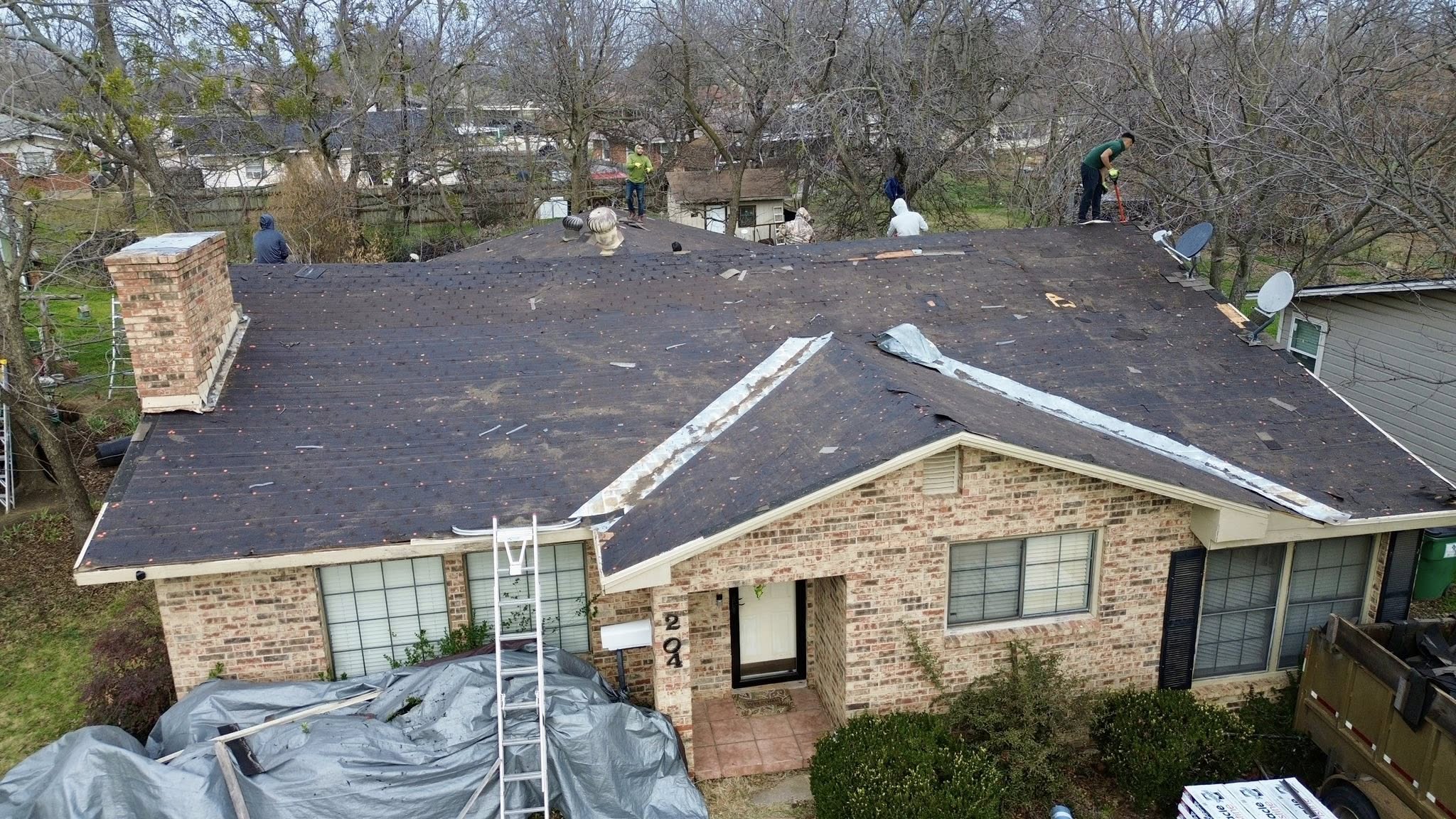
Understanding the Roof Replacement Process
Knowing how roof replacement works helps homeowners prepare for each stage of the project while reducing uncertainty before construction begins. Although every home differs slightly, most residential roof replacements follow a similar sequence of events.
The process usually begins with a professional roof inspection. Contractors evaluate the condition of the existing roof, identify structural concerns, discuss material options, and prepare detailed estimates based on the home’s specific needs. This inspection forms the foundation for planning the entire project.
Once the contractor has been selected, material choices are finalized and scheduling begins. Depending on local regulations, permits may be obtained before construction starts. Material deliveries are coordinated so installation can proceed efficiently when the scheduled start date arrives.
On installation day, roofing crews prepare the property by protecting landscaping, positioning equipment, and placing collection containers for old roofing materials. The existing roof is then removed to expose the underlying roof deck.
With the roof deck visible, contractors inspect it carefully for moisture damage, deteriorated wood, or structural concerns. Any necessary repairs are completed before new roofing materials are installed. Addressing these hidden issues strengthens the new roofing system while preventing future problems.
After repairs, protective underlayment and moisture barriers are installed. Flashing is replaced around chimneys, vents, skylights, and valleys to improve water resistance. The selected roofing materials are then installed according to manufacturer guidelines and industry standards.
The project concludes with cleanup and final inspection. Roofing crews remove debris, collect nails using magnetic equipment, clean gutters, and review the completed work with the homeowner. Final documentation, including warranties and maintenance recommendations, is typically provided before project completion.
Understanding these stages allows homeowners to prepare mentally and practically for the project while reducing unnecessary stress during construction.
Setting a Realistic Budget for Roof Replacement
Financial preparation is one of the most important aspects of roof replacement planning. A realistic budget helps homeowners make informed decisions while reducing the likelihood of unexpected financial pressure once construction begins.
The first step involves obtaining multiple written estimates from experienced roofing contractors. Comparing detailed proposals provides a better understanding of local pricing while revealing differences in materials, workmanship, warranties, and included services.
Homeowners should remember that roofing costs extend beyond visible materials. Labor, permits, structural repairs, ventilation improvements, flashing replacement, cleanup, and warranty options all contribute to the overall investment. Budget planning should account for every aspect of the project rather than focusing only on shingle prices.
Unexpected repairs are another important consideration. Once old roofing materials are removed, contractors sometimes discover damaged roof decking, moisture intrusion, or weakened structural components that require immediate attention. Setting aside contingency funds allows these repairs to be completed without disrupting the project.
The following table summarizes several important budget categories homeowners should include when planning a roof replacement.
| Budget Category | Why It Matters | Planning Recommendation |
|---|---|---|
| Roofing Materials | Determines durability and appearance | Compare long term value rather than lowest price |
| Labor | Affects installation quality | Hire experienced professionals |
| Permits | Required for many projects | Confirm who obtains them |
| Structural Repairs | Hidden issues may be discovered | Maintain contingency funds |
| Ventilation Upgrades | Improves roof performance | Evaluate during replacement |
| Cleanup and Disposal | Completes the project safely | Verify inclusion in the estimate |
| Warranty Coverage | Protects the investment | Compare manufacturer and workmanship warranties |
Financing options may also be worth exploring depending on individual circumstances. Some homeowners use savings, while others choose financing programs, home improvement loans, or insurance assistance for qualifying storm damage.
Preparing a flexible budget allows homeowners to respond confidently if project conditions change. Careful financial planning often reduces stress while supporting better long term decision making.
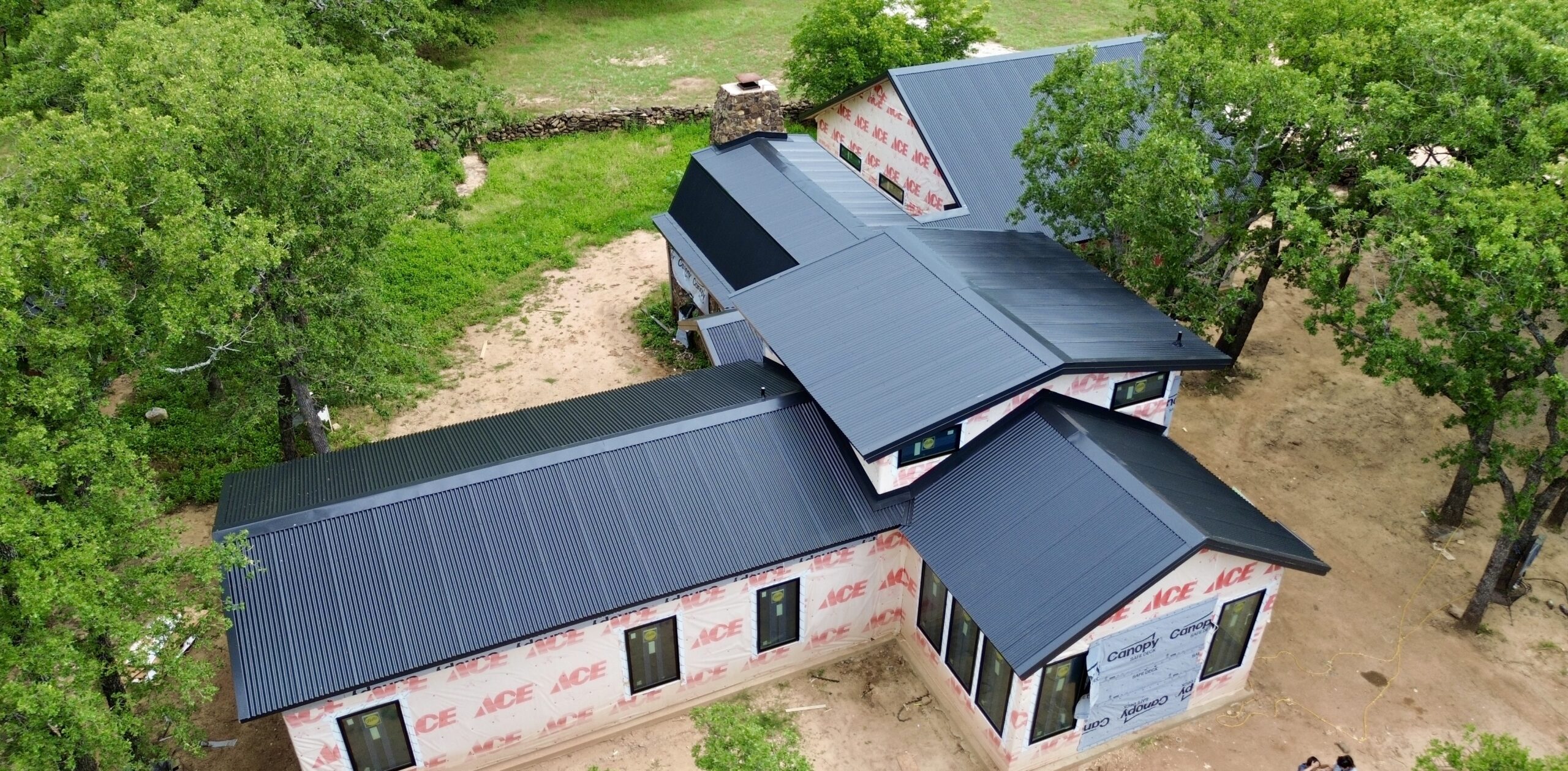
Choosing the Best Roofing Material for Your Home
Selecting roofing materials involves much more than choosing a color that looks attractive. Different roofing systems vary significantly in durability, maintenance requirements, weather resistance, energy efficiency, installation costs, and expected lifespan.
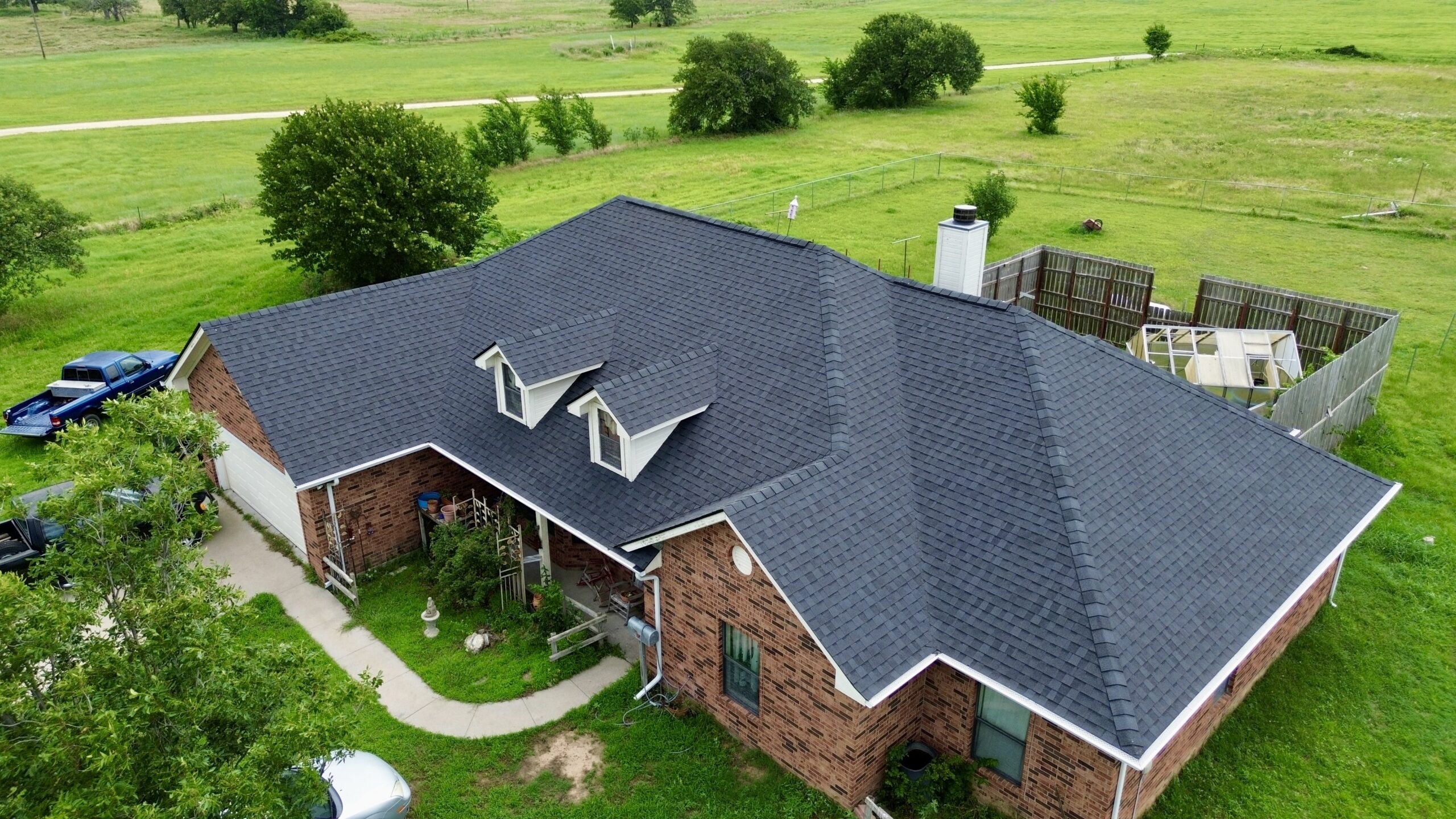
Asphalt shingles remain the most popular residential roofing material because they offer dependable performance at an affordable cost. Available in many colors and styles, they suit a wide range of architectural designs while providing reliable protection for many years.
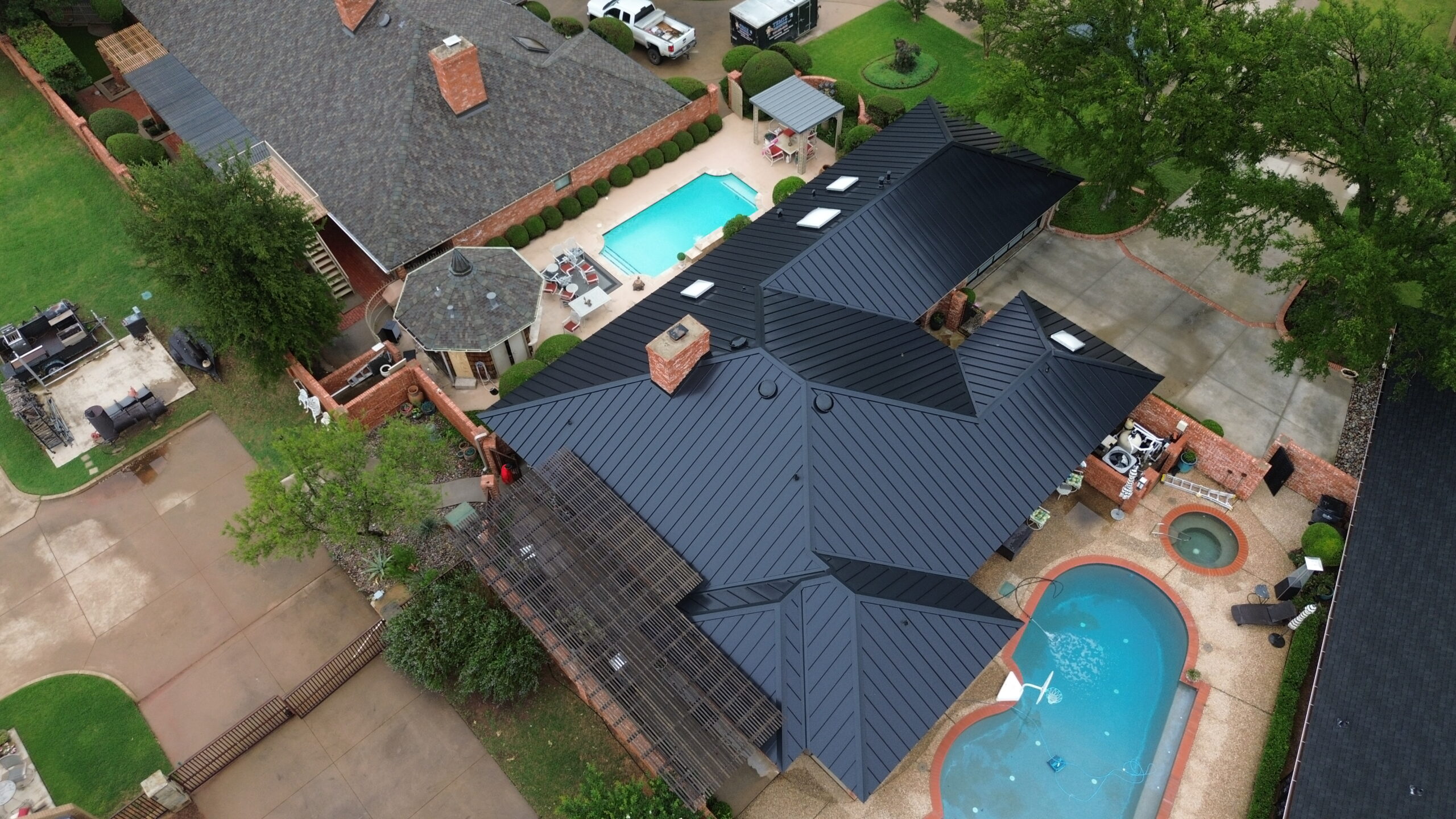
Metal roofing has become increasingly popular among homeowners seeking exceptional durability and improved energy efficiency. Reflective metal surfaces help reduce heat absorption during warm weather, while their long lifespan often offsets higher initial installation costs.
Clay and concrete tiles provide distinctive appearance along with impressive longevity. These materials perform particularly well in warmer climates but require sufficient structural support due to their heavier weight.
Wood shakes offer natural beauty and traditional character but generally require more maintenance than modern alternatives. They may also be subject to fire safety regulations in certain locations.
Synthetic roofing materials continue gaining popularity because they replicate the appearance of slate, wood, or tile while offering reduced weight and improved impact resistance. Many composite products also require less maintenance than the natural materials they imitate.
When comparing roofing materials, homeowners should evaluate factors such as durability, climate suitability, maintenance requirements, warranty coverage, energy efficiency, architectural compatibility, and long term ownership costs rather than focusing solely on purchase price.
Selecting the right roofing material is one of the most important decisions made during the planning stage because it influences performance, maintenance, appearance, and overall value for many years to come.
Finding the Right Roofing Contractor
Choosing the right roofing contractor is one of the most important decisions homeowners make before replacing a roof. Even the highest quality roofing materials cannot deliver their expected lifespan if they are installed incorrectly. A skilled contractor ensures that every part of the roofing system, from the roof deck to the final ridge cap, is installed according to industry standards and manufacturer recommendations.
Many homeowners begin by asking friends, neighbors, or family members for recommendations. Personal referrals are valuable because they come from people who have already experienced the contractor’s workmanship and customer service. However, referrals should always be supported by independent research to ensure the contractor continues to maintain a strong reputation.
Online reviews provide another useful source of information. Instead of focusing on a single review, homeowners should look for consistent patterns across many customer experiences. Repeated comments about professionalism, communication, punctuality, and quality workmanship often provide a reliable picture of how the company operates.
Experience also deserves careful consideration. Contractors who have worked in the local community for many years usually understand regional weather conditions, local building codes, permit requirements, and common roofing challenges. Their familiarity with these factors often leads to more accurate recommendations and smoother project management.
Homeowners should always verify licensing and insurance before signing a contract. A licensed contractor demonstrates compliance with local regulations, while liability insurance and workers’ compensation coverage help protect homeowners from financial responsibility if accidents occur during construction.
It is also important to ask who will actually perform the installation. Some companies use their own employees, while others hire subcontractors. Neither approach is automatically better, but homeowners should understand who will be working on the property and who will supervise the project each day.
Professional contractors should willingly provide references from recent projects. Speaking with previous customers allows homeowners to ask practical questions about scheduling, communication, cleanup, workmanship, and how unexpected issues were handled during construction.
Contractors should also perform a detailed inspection before preparing an estimate. Estimates created without examining the existing roof often overlook important structural concerns that may later increase project costs. A thorough inspection demonstrates professionalism while helping create a more accurate project plan.
Communication style should never be overlooked. Contractors who answer questions patiently, explain recommendations clearly, and provide detailed written documentation usually continue demonstrating the same level of professionalism throughout the project.
Rather than selecting the contractor offering the lowest estimate, homeowners should evaluate overall value. Strong workmanship, high quality materials, reliable warranties, responsive communication, and proven experience often justify a slightly higher investment because they contribute to better long term performance.
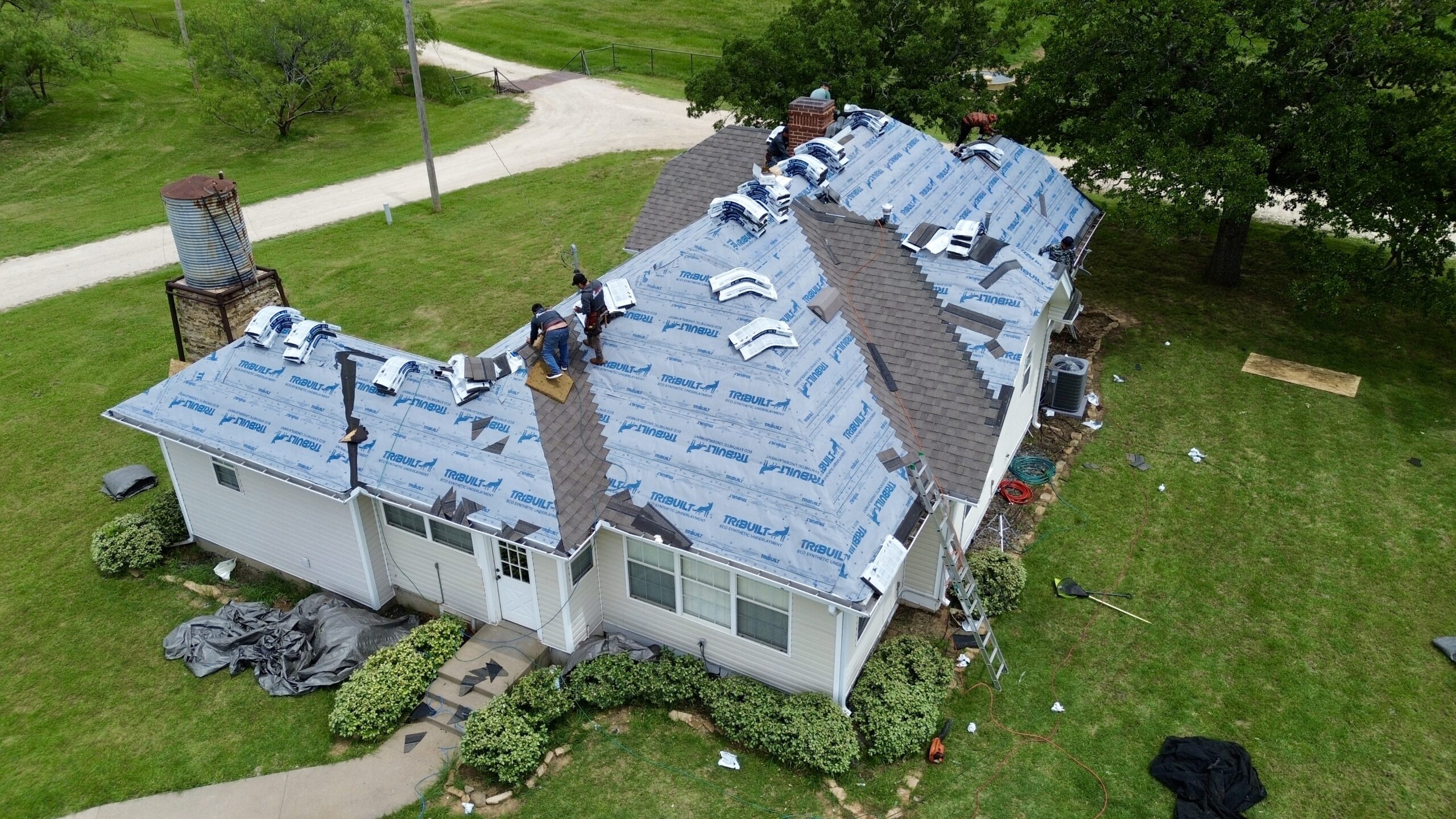
Understanding Roofing Estimates, Contracts, and Warranties
Once several contractors have inspected the roof, homeowners should compare their estimates carefully. Looking only at the final price often leads to poor decisions because proposals frequently differ in material quality, project scope, warranty coverage, and included services.
A professional roofing estimate should clearly describe every major component of the project. This includes roofing materials, underlayment, flashing replacement, ventilation improvements, labor, cleanup, debris removal, permit responsibilities, estimated completion dates, and warranty information. Detailed estimates reduce confusion while allowing meaningful comparisons between contractors.
Material descriptions deserve particular attention. Contractors should identify the exact manufacturer, product line, and roofing material rather than using general descriptions. This ensures homeowners understand precisely what products will be installed and allows comparisons between similar materials.
Payment schedules should also be reviewed carefully. Reputable roofing contractors usually request a reasonable deposit before work begins, followed by progress payments if necessary and the final payment after satisfactory completion. Homeowners should avoid contractors who demand full payment before starting the project.
The roofing contract becomes the official agreement governing the entire replacement process. Every important promise made during discussions should appear in writing, including materials, pricing, warranties, timelines, cleanup responsibilities, and procedures for approving additional repairs.
Unexpected structural damage occasionally becomes visible only after the old roof has been removed. The contract should explain how these situations will be handled, including how additional work will be documented, priced, and approved before construction continues.
Understanding warranty coverage is equally important. Most roofing projects include two primary warranty categories.
The first is the manufacturer warranty, which covers defects in roofing materials themselves. If materials fail because of manufacturing problems, this warranty typically provides replacement products according to its terms.
The second is the workmanship warranty, which covers installation quality provided by the roofing contractor. If leaks or other problems develop because of improper installation rather than defective materials, the contractor is generally responsible for correcting those issues.
Homeowners should read warranty documents carefully, paying attention to coverage periods, maintenance requirements, exclusions, and transferability if the home is sold. Keeping contracts, warranties, invoices, permits, and inspection reports organized simplifies future maintenance and warranty claims.
Preparing Your Home Before Roof Replacement Begins
Proper preparation before installation day helps roofing crews work efficiently while reducing inconvenience for homeowners. A few simple steps completed in advance can protect property, improve safety, and make the overall project much smoother.
The driveway should be cleared before construction begins. Roofing crews require space for trucks, dumpsters, ladders, and material deliveries. Easy access allows workers to move equipment safely while reducing unnecessary delays throughout the project.
Outdoor furniture, grills, potted plants, decorative items, bicycles, and children’s toys should also be moved away from the house. Although contractors use protective coverings, falling debris and construction dust may still affect nearby objects during installation.
Landscaping deserves attention as well. Delicate shrubs, flower beds, and garden features located close to the house may benefit from temporary protective coverings. Discussing landscaping concerns with the contractor beforehand allows additional precautions to be taken if necessary.
Inside the home, roof replacement creates vibrations that travel through walls and ceilings. Homeowners should remove or secure mirrors, framed artwork, decorative shelves, and fragile items before construction begins. These simple precautions help prevent accidental damage caused by normal installation activities.
The attic should also be prepared. Dust and small debris may enter while old roofing materials are removed, so covering stored belongings with plastic sheets or protective fabric helps keep them clean until the project is complete.
Vehicles should be parked away from the work area whenever possible. This protects them from falling debris while giving roofing crews additional room to unload materials and move equipment safely.
Families with pets should also prepare in advance. Loud construction noises and increased activity around the property often create stress for animals. Keeping pets indoors in quiet rooms or arranging temporary care elsewhere helps maintain their comfort and safety throughout installation.
Informing neighbors about the upcoming project is another thoughtful step. Letting nearby homeowners know about expected construction dates prepares them for temporary noise, delivery vehicles, and increased activity around the property.
Finally, homeowners should gather important project documents before work begins. Keeping contracts, contact information, permits, warranties, and estimates together in one location makes communication easier if questions arise during installation.
What to Expect During the Roof Replacement Process
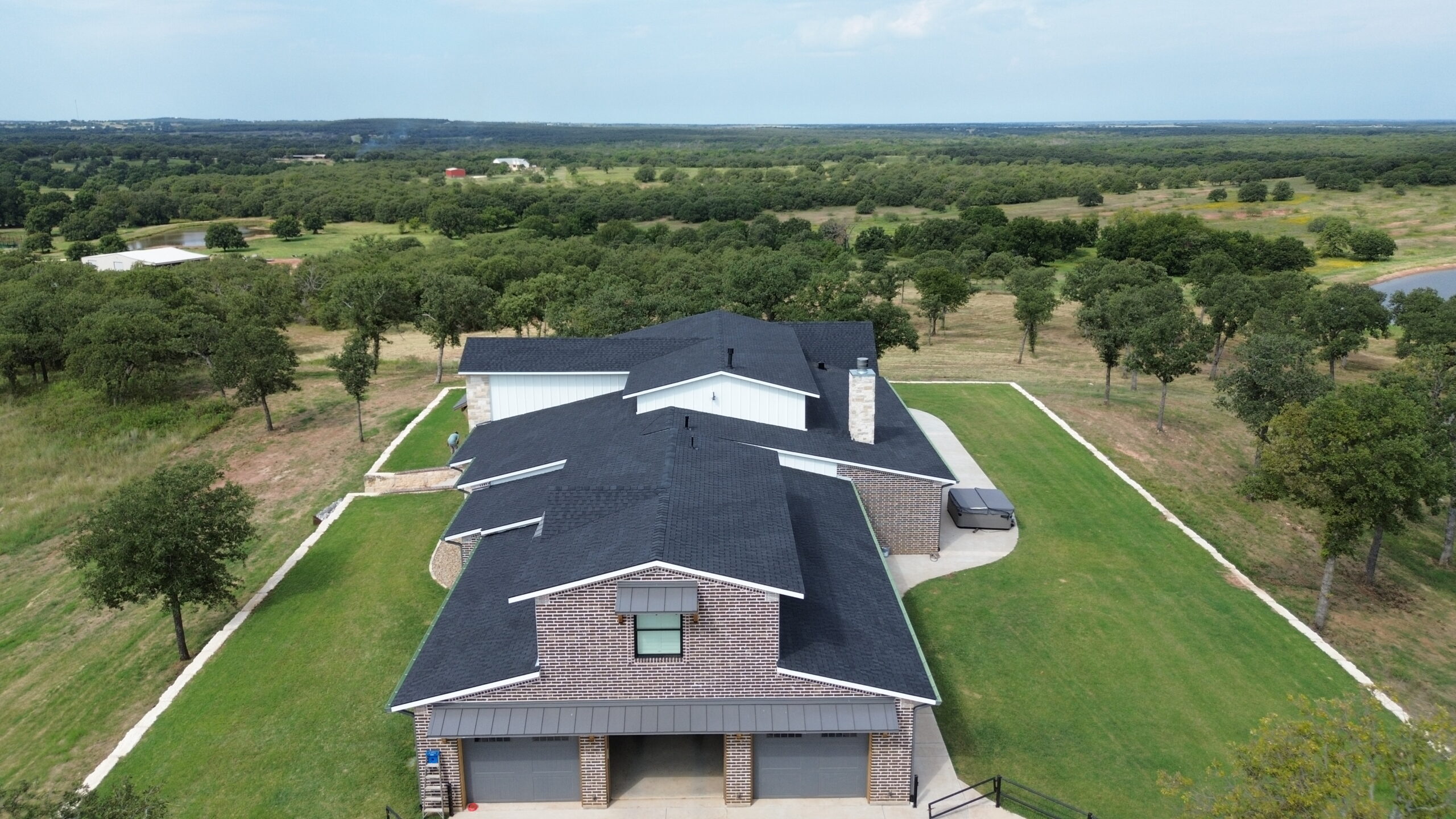
Understanding the roof replacement process helps homeowners feel more comfortable once construction begins. Although every project differs depending on roof size, complexity, weather conditions, and material selection, most residential roof replacements follow a similar sequence.
The project begins with site preparation. Roofing crews position safety equipment, protect landscaping, place collection containers for debris, and organize materials before removing the old roof. Taking time to prepare the worksite properly contributes to both safety and efficiency.
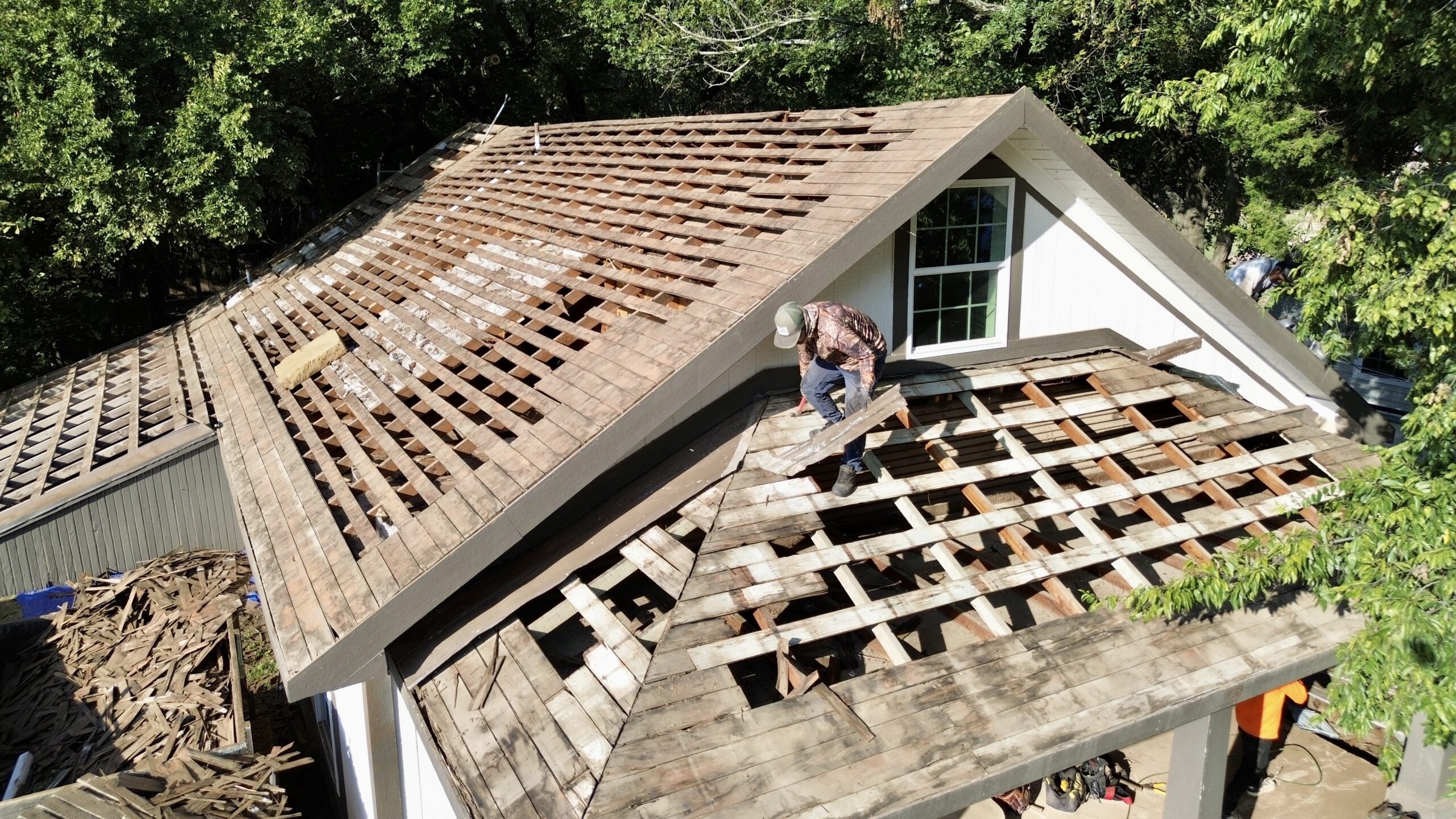
The next stage involves removing existing roofing materials. Old shingles, underlayment, flashing, and damaged components are stripped away to expose the roof deck beneath. This allows contractors to inspect structural components that were previously hidden.
Once the roof deck is exposed, contractors examine it carefully for moisture damage, rot, weakened wood, or structural concerns. Any necessary repairs are completed before new materials are installed. Addressing these issues now helps ensure the new roof has a strong and reliable foundation.
Protective underlayment and moisture barriers are installed next. These components provide additional protection against water intrusion and help improve the overall performance of the roofing system. Flashing around chimneys, skylights, roof valleys, and plumbing vents is also replaced or upgraded during this stage.
After preparation is complete, the new roofing materials are installed according to manufacturer specifications. Proper fastening, alignment, and spacing are essential because they directly influence durability, weather resistance, and warranty compliance.
Throughout installation, homeowners should expect noise, vibrations, and increased activity around the property. While these temporary disruptions are unavoidable, understanding that they are part of the normal construction process helps reduce unnecessary concern.
Once installation is complete, the contractor performs a comprehensive cleanup. Roofing debris is removed, gutters are cleaned, magnetic equipment is used to collect nails, and the property is inspected to ensure it has been left in good condition.
The project concludes with a final walkthrough between the homeowner and contractor. During this inspection, the contractor explains the completed work, answers questions, reviews maintenance recommendations, and provides warranty documentation.
Common Roof Replacement Mistakes Homeowners Should Avoid
Even well planned roof replacement projects can encounter problems if homeowners make avoidable mistakes during the planning or construction process. Understanding these common errors helps improve decision making while protecting the long term value of the investment.
One of the most common mistakes is delaying replacement until serious leaks develop. Waiting too long often allows water damage to spread into insulation, drywall, framing, and electrical systems. Planning replacement before extensive deterioration occurs usually reduces overall repair costs.
Another frequent mistake is choosing a contractor based solely on the lowest estimate. Extremely low prices may reflect lower quality materials, incomplete project scopes, inexperienced labor, or limited warranty coverage. Comparing overall value rather than price alone generally produces better long term results.
Some homeowners overlook the importance of attic ventilation during replacement. Proper ventilation helps regulate temperature and moisture beneath the roof, extending material lifespan while improving energy efficiency. Ignoring ventilation upgrades during replacement often leads to avoidable problems later.
Poor communication also creates unnecessary stress. Homeowners should ask questions whenever project details seem unclear rather than making assumptions about materials, timelines, or unexpected repairs. Regular communication with the contractor helps prevent misunderstandings.
Another mistake involves neglecting written documentation. Every important agreement regarding pricing, materials, warranties, timelines, and additional work should appear in writing. Clear documentation protects both homeowners and contractors while reducing confusion if questions arise later.
Finally, some homeowners forget that a new roof still requires maintenance. Regular inspections, gutter cleaning, prompt repairs, and proper attic ventilation remain essential for maximizing the lifespan of the new roofing system.
Managing Unexpected Costs and Project Delays
Even with careful planning, roof replacement projects occasionally encounter unexpected situations. Preparing for these possibilities allows homeowners to respond calmly rather than feeling overwhelmed when adjustments become necessary.
Hidden structural damage is one of the most common surprises. Once the old roof has been removed, contractors sometimes discover deteriorated decking, moisture damage, or weakened framing that could not be seen during the initial inspection. Completing these repairs before installing the new roof is essential for long term performance.
Weather also affects roofing schedules. Rain, strong winds, extreme temperatures, or severe storms may temporarily pause construction to protect workers and prevent damage to the exposed roof structure. Although delays can be inconvenient, prioritizing safety ultimately contributes to better installation quality.
Material availability occasionally influences project timelines as well. Specialty products, custom colors, or premium roofing systems sometimes experience manufacturing or delivery delays. Discussing alternative options with the contractor beforehand can simplify decision making if substitutions become necessary.
Financial preparation helps manage unexpected costs more comfortably. Maintaining a contingency fund of approximately ten to fifteen percent of the total project budget allows homeowners to approve necessary repairs without significant financial stress.
Communication becomes especially important whenever project changes occur. Contractors should explain unexpected discoveries clearly, provide written estimates for additional work, and obtain homeowner approval before proceeding. This approach keeps everyone informed while preventing misunderstandings regarding final project costs.
Homeowners should also remain flexible throughout construction. While everyone hopes the project will proceed exactly according to schedule, successful roof replacement often requires adapting to weather conditions or unforeseen structural discoveries. Patience and open communication usually lead to better long term results than rushing important decisions.
Final Roof Inspection and Project Completion
As the roof replacement project nears completion, many homeowners assume the work is finished as soon as the last shingle or roofing panel is installed. In reality, one of the most important stages still remains. The final inspection allows homeowners to verify that every part of the project has been completed according to the contract and that the new roof meets professional quality standards before the final payment is made.
A thorough inspection should be conducted with the roofing contractor or project supervisor. Walking around the property together provides an opportunity to review the finished roof, ask questions, and discuss any concerns while the crew is still available to make adjustments if necessary.
Begin by examining the roof from several angles around the property. The roofing materials should appear evenly aligned with a clean and consistent pattern. There should be no obvious gaps, lifted shingles, uneven rows, or damaged sections. Although homeowners do not need to inspect every detail closely from the ground, the roof should present a professional and uniform appearance.
Special attention should be given to roof valleys, chimneys, skylights, plumbing vents, and flashing. These areas experience increased water exposure and are often the most vulnerable locations for future leaks if they are not installed properly. Flashing should fit securely around these features without visible gaps or loose sections.
Roof edges should also be inspected carefully. Properly installed drip edges help direct rainwater into the gutter system while protecting the roof decking from moisture. Small installation details like these contribute significantly to the roof’s long term performance.
Homeowners should also inspect gutters and downspouts. Construction debris, roofing granules, nails, and leftover materials should be completely removed. Clean drainage systems help ensure rainwater flows away from the home efficiently after installation.
The attic should be checked after the project is complete. Homeowners should look for signs of moisture, damaged insulation, or daylight entering through unintended openings. Proper attic ventilation should also be confirmed because good airflow supports both roof longevity and energy efficiency.
Cleanup quality is another important part of the final inspection. Professional roofing companies remove discarded materials, packaging, and construction debris before leaving the property. Magnetic equipment is typically used to collect nails from lawns, driveways, sidewalks, and landscaping, but homeowners should still perform a careful visual inspection for additional peace of mind.
Before issuing the final payment, homeowners should receive all important documentation. This usually includes paid invoices, warranty certificates, permit approvals, inspection reports, maintenance recommendations, and any manufacturer registration information required to activate warranty coverage.
Taking photographs of the completed roof from several angles creates valuable documentation. These images may prove useful for future insurance claims, warranty discussions, maintenance planning, or when selling the property.
Roof Maintenance After Replacement
A new roof is designed to provide reliable protection for many years, but it still requires routine maintenance to achieve its full expected lifespan. Homeowners who establish good maintenance habits shortly after installation often experience fewer repairs and lower long term ownership costs.
The simplest maintenance practice involves performing visual inspections several times each year. Homeowners should examine the roof from ground level after major storms and at the beginning of each season. Looking for displaced shingles, damaged flashing, clogged gutters, or fallen branches allows small issues to be identified before they develop into larger problems.
Seasonal gutter cleaning remains one of the most important maintenance tasks. Gutters filled with leaves, twigs, and debris prevent rainwater from draining properly, allowing moisture to accumulate beneath roofing materials. Clean gutters protect both the roof and the home’s foundation by directing water safely away from the structure.
Tree branches hanging over the roof should be trimmed regularly. Branches rubbing against roofing materials can gradually wear away protective surfaces, while falling limbs during storms may cause significant impact damage. Keeping trees properly maintained reduces both debris accumulation and physical damage.
Professional roof inspections every one or two years provide another valuable layer of protection. Experienced roofing contractors often identify developing issues that homeowners cannot easily recognize from the ground. Early detection allows minor repairs to be completed before widespread damage occurs.
Additional inspections should also follow severe weather events. High winds, hail, heavy snowfall, hurricanes, or falling branches may affect roofing materials even when no immediate leaks are visible. Prompt inspections help document storm damage while insurance reporting deadlines remain active.
Ventilation systems should also be inspected periodically. Intake vents, ridge vents, and other airflow components must remain free from leaves, nests, or debris that could restrict air circulation. Proper ventilation helps regulate attic temperatures, reduce moisture buildup, and extend roofing material lifespan.
Homeowners should avoid walking on the roof whenever possible. Foot traffic may damage roofing materials, particularly tile, slate, or older asphalt shingles. Professional roofing contractors have the training and equipment necessary to inspect roofs safely when direct access is required.
Maintaining organized records of inspections, repairs, warranties, and contractor visits provides additional long term benefits. These records simplify future maintenance planning while increasing buyer confidence if the home is eventually sold.
Complete Homeowner Roof Replacement Checklist
Replacing a roof involves numerous decisions before, during, and after construction. The following checklist summarizes the essential steps homeowners should complete to help ensure a successful project.
- Schedule a professional roof inspection before deciding on replacement.
- Determine whether repair or replacement provides better long term value.
- Establish a realistic project budget with contingency funds.
- Research multiple local roofing contractors.
- Verify contractor licensing and insurance coverage.
- Obtain detailed written estimates from several companies.
- Compare materials, warranties, and workmanship instead of price alone.
- Read the contract carefully before signing.
- Confirm permit responsibilities before construction begins.
- Prepare the property by moving vehicles, outdoor furniture, and fragile indoor items.
- Maintain regular communication with the contractor during installation.
- Approve unexpected repairs only after receiving written documentation.
- Participate in the final roof inspection.
- Confirm complete cleanup before making the final payment.
- Organize warranty documents, permits, invoices, and maintenance records.
- Schedule routine inspections to maximize roof lifespan.
Following this checklist helps homeowners approach roof replacement with confidence while reducing the likelihood of overlooking important details during the project.
Long Term Benefits of a Quality Roof Replacement
While roof replacement requires careful planning and financial investment, the long term benefits often extend far beyond simply preventing leaks. A professionally installed roofing system contributes to nearly every aspect of home performance, making it one of the most valuable improvements homeowners can undertake.
The most obvious benefit is reliable protection from weather. A new roof shields the home from rain, snow, hail, wind, and sunlight while reducing the likelihood of moisture damage affecting insulation, framing, ceilings, and interior finishes. This protection helps preserve the structural integrity of the entire property.
Energy efficiency is another significant advantage. Modern roofing systems incorporate improved ventilation, moisture barriers, and compatible insulation that help regulate attic temperatures. As a result, heating and cooling systems often operate more efficiently, reducing monthly utility costs while improving indoor comfort.
Property value also benefits from roof replacement. Prospective buyers often view a newer roof as an indication that the home has been maintained responsibly. Knowing that major roofing expenses are unlikely in the near future increases buyer confidence and may contribute to stronger resale opportunities.
Reduced maintenance expenses provide additional financial value. Older roofs frequently require repeated repairs for leaks, damaged shingles, flashing problems, or storm damage. A new roofing system minimizes these recurring costs while offering manufacturer and workmanship warranties that provide additional peace of mind.
Safety should also be considered among the long term benefits. Replacing deteriorated roofing materials and repairing weakened structural components helps reduce the risk of moisture related deterioration, mold growth, and structural failures that may develop if roofing problems remain unaddressed.
Perhaps the greatest benefit is confidence. Homeowners who invest in quality materials, experienced contractors, and proper installation gain reassurance that their home is protected during severe weather while enjoying fewer concerns about unexpected roofing repairs for many years.
Conclusion
Roof replacement is one of the most important investments homeowners make because it protects every part of the home beneath it. Although the process may initially seem complex, careful planning and informed decision making transform it into a manageable project with lasting rewards.
Throughout this guide, we have explored every major aspect of roof replacement. We discussed how to recognize warning signs, determine whether repairs or replacement provide better value, establish a realistic budget, compare roofing materials, choose qualified contractors, understand contracts and warranties, prepare the home for installation, manage construction effectively, perform a final inspection, and maintain the new roof for maximum longevity.
One of the most important lessons is that successful roof replacement begins long before construction starts. Time invested in research, contractor selection, budgeting, and planning often has a greater impact on the final result than the installation itself. Homeowners who understand the process make more confident decisions and experience fewer unexpected challenges.
The work also continues after installation is complete. Routine inspections, seasonal maintenance, proper ventilation, prompt repairs, and organized warranty documentation all contribute to the long term performance of the roofing system. Small maintenance efforts completed consistently help protect the investment while reducing future repair costs.
A roof is much more than an exterior covering. It safeguards the home’s structure, improves energy efficiency, enhances curb appeal, and provides security for everyone living beneath it. Choosing quality materials, hiring experienced professionals, and following a structured replacement process ensures these benefits continue for decades.
By applying the knowledge and practical guidance shared throughout this complete guide, homeowners can approach roof replacement with confidence instead of uncertainty. Careful preparation, informed decisions, and ongoing maintenance create a durable roofing system that delivers dependable protection, greater comfort, improved property value, and lasting peace of mind for many years to come.