Choosing Metal Roofing Profiles for Replacement Projects
Introduction
Replacing a roof is an opportunity to improve more than just weather protection. Modern metal roofing systems offer homeowners the chance to enhance durability, energy efficiency, curb appeal, and long-term property value. One of the most important decisions during this process is selecting the right roofing profile. While many homeowners focus on material or color, the profile itself has a significant impact on appearance, installation, maintenance, and overall performance.
A roofing profile refers to the shape and design of the metal panels or tiles installed on the roof. Different profiles are engineered to serve different purposes, ranging from sleek contemporary designs to styles that closely resemble traditional shingles, slate, or clay tiles. Each profile has unique structural characteristics that influence water drainage, wind resistance, installation methods, and visual appeal.
Modern manufacturing has expanded the range of available metal roofing profiles considerably. Homeowners are no longer limited to industrial-looking corrugated panels. Today’s options include standing seam systems with concealed fasteners, architectural metal shingles, stone-coated steel tiles, and many other designs suitable for residential construction.
Selecting the appropriate profile requires balancing aesthetics with practical considerations. Climate conditions, roof slope, architectural style, maintenance preferences, and budget all influence which profile will provide the greatest long-term value. Understanding these factors helps homeowners make informed decisions rather than selecting a profile based solely on appearance.
The installation process also varies depending on the roofing profile. Some systems require specialized fastening methods, while others involve more detailed flashing and trim installation. Working with experienced contractors ensures that the selected profile is installed according to manufacturer specifications for maximum performance.
This guide explores the different metal roofing profiles available for residential roof replacement projects. From understanding the characteristics of each profile to evaluating how roof design and climate influence the decision, every section helps homeowners choose a roofing system that combines beauty, durability, and long-lasting protection.
Why Roofing Profile Selection Matters
Many homeowners assume that all metal roofs perform the same, but the profile selected has a direct influence on the roof’s functionality, appearance, and long-term reliability. Choosing the right profile ensures that the roofing system complements both the home’s design and the environmental conditions it will face.
The profile determines how water moves across the roof surface. Certain designs encourage faster drainage during heavy rainfall, while others are engineered to perform exceptionally well on specific roof slopes. Proper drainage reduces the likelihood of standing water and contributes to the overall durability of the roofing system.
Wind performance is another important consideration. Different panel shapes interact with wind differently, and manufacturers engineer specific profiles to provide enhanced resistance in regions that experience frequent storms or strong seasonal winds.
Roofing profiles also influence maintenance requirements. Some systems use concealed fasteners that remain protected from weather exposure, while others rely on exposed fasteners that require periodic inspection. Understanding these differences allows homeowners to choose a roofing system that matches their maintenance preferences.
Architectural appearance plays an equally important role. A modern home may benefit from clean standing seam panels, while a traditional residence may look more balanced with metal shingles or tile-style roofing. Selecting a profile that complements the home’s architectural style enhances curb appeal and contributes to overall property value.
Profile selection therefore combines practical performance with aesthetic design. A thoughtful decision helps homeowners enjoy a roof that performs efficiently while enhancing the visual character of the property.
Understanding Different Types of Metal Roofing Profiles
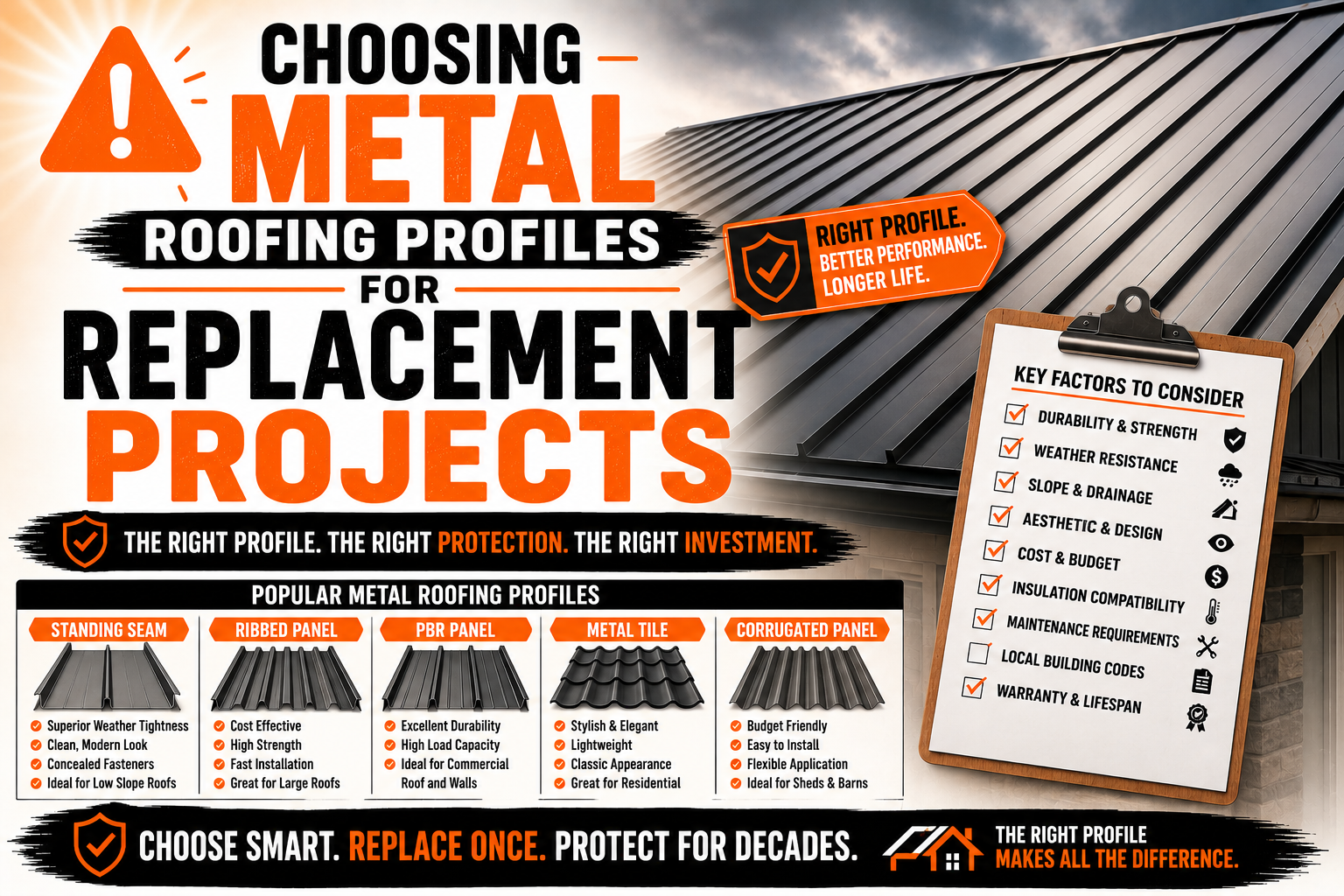
Metal roofing is available in several distinct profile categories, each designed to meet different architectural, structural, and performance requirements. Understanding these categories provides a foundation for selecting the most appropriate roofing system.
Standing seam roofing is one of the most recognizable modern metal roofing styles. Vertical raised seams create clean lines while concealing the fastening system beneath the panels. This design improves weather resistance while producing a sleek architectural appearance.
Corrugated roofing features repeating wave-like ridges that increase structural strength while maintaining relatively simple manufacturing and installation. Although traditionally associated with agricultural or industrial buildings, modern residential applications have become increasingly popular.
Ribbed metal panels use raised ribs instead of continuous waves. These profiles offer a balance between strength, affordability, and residential appearance, making them suitable for a variety of home styles.
Metal shingles are designed to replicate the appearance of traditional asphalt shingles while providing the durability associated with metal roofing. They appeal to homeowners who prefer conventional residential aesthetics without sacrificing long-term performance.
Tile-style and slate-style metal roofing profiles recreate the appearance of premium roofing materials using lightweight metal construction. These profiles allow homeowners to achieve distinctive architectural designs without the structural weight associated with natural clay or stone products.
Each profile category serves different design goals while providing the core benefits of metal roofing, including durability, longevity, and weather resistance.
Standing Seam Metal Roofing Profiles
Standing seam roofing has become one of the most popular choices for residential metal roof replacement because of its modern appearance and outstanding performance. The defining characteristic of this profile is the series of raised vertical seams that run continuously from the roof ridge toward the eaves.
One of the greatest advantages of standing seam roofing is its concealed fastening system. Fasteners remain hidden beneath the panels rather than being exposed to weather conditions. This design reduces the potential for water penetration while protecting fastening components from direct environmental exposure.
The smooth panel surface also promotes efficient water drainage. Rain and melting snow move quickly toward gutters, reducing opportunities for standing moisture that could affect long-term roof performance.
Standing seam systems are well suited for homes with contemporary architecture, although they also complement many traditional designs because of their clean and understated appearance. Available in numerous colors and finishes, they offer significant design flexibility while maintaining a refined visual profile.
Thermal movement is another important consideration. Many standing seam systems are engineered to allow controlled expansion and contraction as temperatures change throughout the year. This capability supports long-term durability by reducing stress on the roofing materials.
Although standing seam roofing often involves a higher initial investment than some other profiles, many homeowners consider the combination of durability, appearance, and low maintenance worthwhile over the roof’s extended lifespan.
Corrugated Metal Roofing Profiles
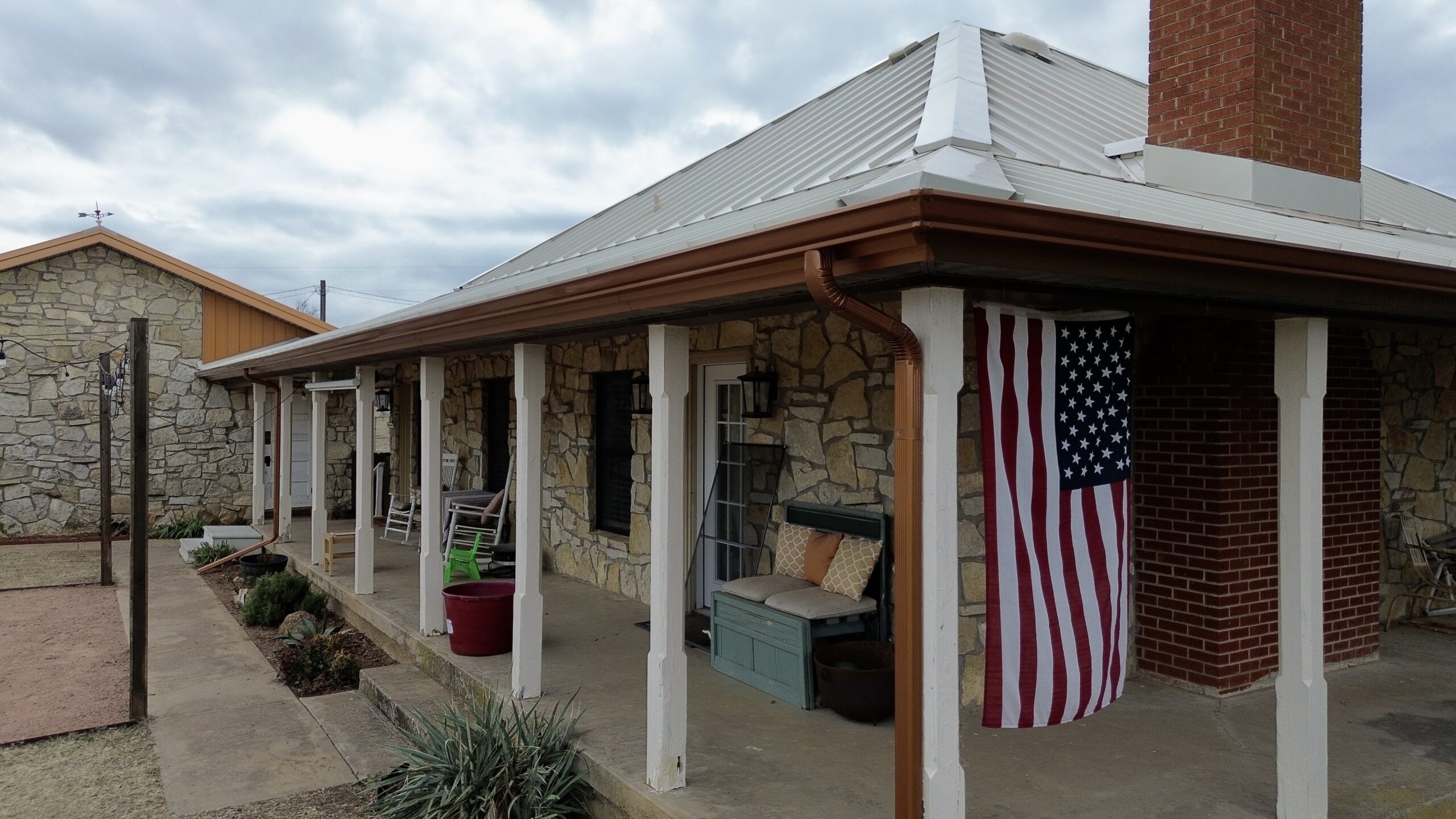
Corrugated metal roofing is one of the oldest and most recognizable metal roofing designs. Characterized by repeating curved ridges and valleys, this profile has been used successfully for generations because of its structural strength and dependable weather resistance.
The corrugated shape increases panel rigidity without requiring excessive material thickness. This efficient design allows the panels to withstand environmental loads while remaining relatively lightweight compared with many traditional roofing materials.
Modern corrugated roofing is no longer limited to agricultural or industrial buildings. Advances in manufacturing, coatings, and color selection have made corrugated profiles increasingly attractive for residential construction, particularly on farmhouses, cabins, cottages, and contemporary homes with rustic architectural influences.
Installation typically involves exposed fasteners that secure the panels directly to the roof structure. While this method is straightforward, routine inspection of fasteners remains an important part of long-term maintenance because these components remain exposed to changing weather conditions.
Corrugated roofing performs particularly well in regions that experience frequent rainfall because the alternating ridges encourage efficient water runoff. Proper installation and flashing remain essential to achieving optimal weather resistance.
Homeowners seeking a combination of affordability, durability, and distinctive architectural character often find corrugated roofing to be an appealing replacement option.
Ribbed and Exposed Fastener Roofing Profiles
Ribbed metal roofing panels represent another popular category of residential metal roofing. Although similar to corrugated panels in some respects, ribbed profiles feature straighter raised sections that create a cleaner, more geometric appearance.
These roofing systems typically use exposed fasteners positioned according to manufacturer specifications. Correct fastener placement is important because it influences both weather resistance and the roof’s long-term structural performance.
Ribbed panels provide excellent strength while remaining cost-effective. Their straightforward manufacturing process and relatively efficient installation contribute to their popularity for residential, utility, and light commercial construction.
The profile also accommodates a wide variety of roof sizes and layouts. Whether installed on simple roof designs or more complex structures, ribbed panels offer reliable performance when installed by experienced professionals.
Maintenance primarily involves periodic inspection of exposed fasteners, flashing, and sealants. Addressing minor concerns promptly helps preserve the roof’s weather resistance and overall durability throughout its service life.
Available in numerous colors and finishes, ribbed roofing profiles provide homeowners with flexibility while maintaining a practical balance between cost and performance.
Metal Shingles, Slate, and Tile Style Profiles
Not every homeowner wants the appearance of traditional metal panels. Many prefer roofing that closely resembles conventional residential materials while still providing the durability and longevity associated with metal construction. Metal shingles, slate-style panels, and tile-style profiles address this preference by combining familiar architectural designs with modern engineering.
Metal shingles are manufactured to imitate the appearance of asphalt shingles while offering significantly longer service life and improved weather resistance. Individual panels interlock securely, creating a finished roof that blends naturally with traditional residential neighborhoods.
Slate-style metal roofing recreates the elegant appearance of natural stone roofing without the substantial weight. Homeowners can achieve the refined architectural character of slate while reducing structural demands on the home.
Tile-style metal roofing is especially popular for Mediterranean, Spanish, and Southwestern architectural designs. Curved panel shapes replicate the appearance of clay tiles while providing lighter weight, improved durability, and reduced maintenance requirements.
Many decorative metal roofing profiles incorporate concealed fastening systems that improve appearance while reducing direct exposure of fasteners to weather conditions. This contributes to both aesthetics and long-term performance.
These profile options demonstrate that homeowners no longer need to choose between traditional architectural style and the advantages of modern metal roofing technology.
How Roof Design Influences Profile Selection
Every home has unique architectural characteristics that influence which roofing profile will perform most effectively. Roof slope, complexity, structural design, and visual proportions all contribute to the profile selection process.
Steeper roofs often accommodate a wider range of roofing profiles because gravity promotes rapid water drainage. Lower-sloped roofs may require specific panel systems engineered to provide enhanced weather resistance under slower drainage conditions.
Complex roof layouts containing multiple valleys, dormers, skylights, and intersecting roof sections also influence profile selection. Some roofing systems adapt more easily to intricate architectural features because they involve smaller individual components or specialized flashing details.
The visual scale of the home should also be considered. Large contemporary homes often benefit from wide standing seam panels that emphasize clean architectural lines, while smaller traditional homes may appear more balanced with metal shingles or decorative tile-style profiles.
Structural considerations matter as well. Although metal roofing is generally lightweight, certain decorative profiles may require different installation methods or support systems depending on roof configuration and local building codes.
Selecting a profile that complements the home’s overall design ensures both functional performance and attractive architectural harmony.
Climate Considerations When Choosing a Roofing Profile
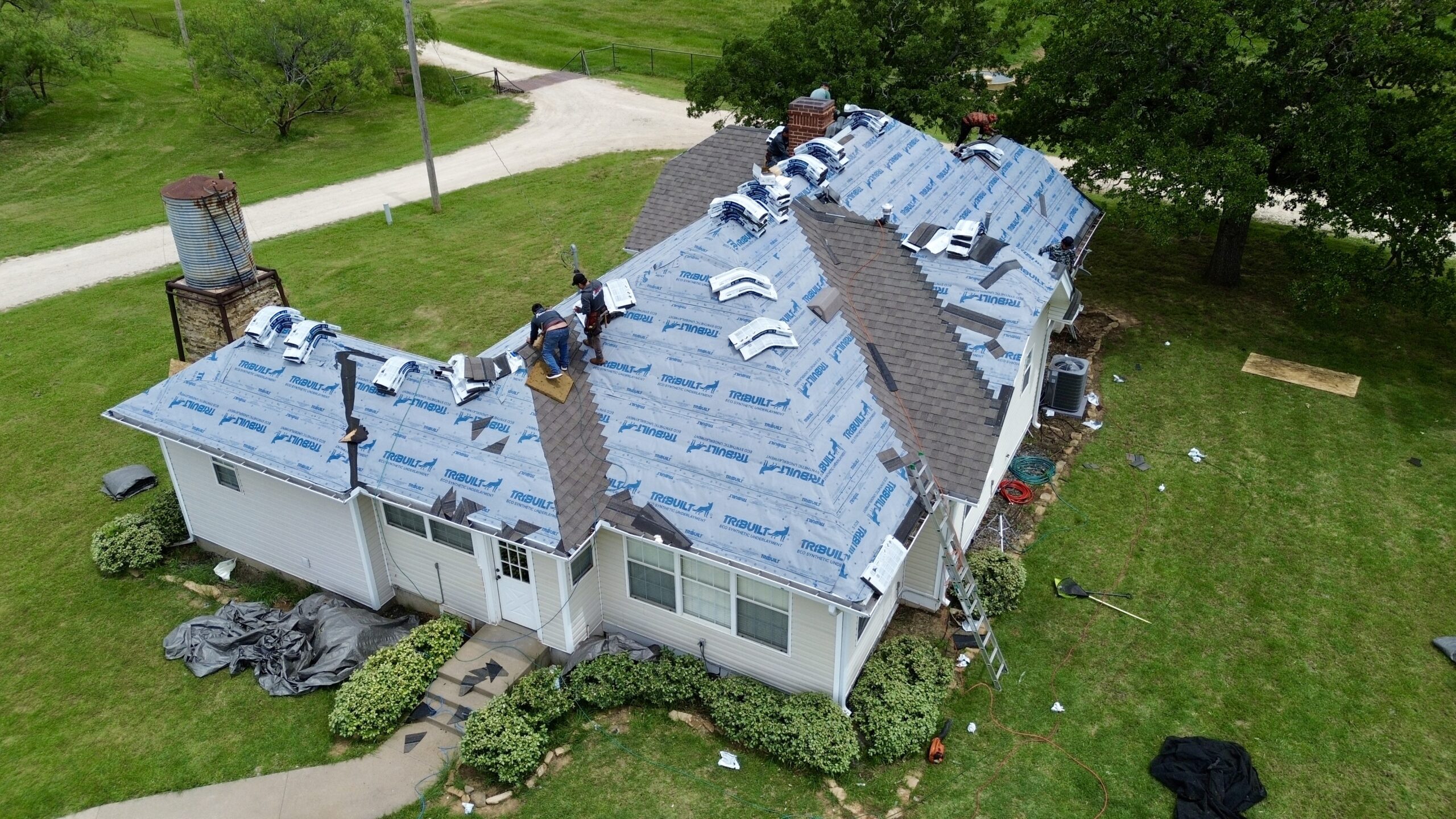
Climate is one of the most important factors influencing the selection of a metal roofing profile. A roofing system that performs exceptionally well in one region may not provide the same advantages under different environmental conditions.
Homes located in areas with heavy rainfall benefit from roofing profiles designed to promote efficient water drainage. Standing seam systems and well-designed corrugated profiles quickly direct rainwater toward gutters while minimizing opportunities for standing moisture.
Regions that experience frequent snowfall also require careful profile selection. Smooth metal surfaces encourage snow to slide away more easily than many traditional roofing materials, reducing prolonged snow accumulation and helping protect the roof structure.
High-wind regions often benefit from roofing systems engineered with concealed fastening methods and enhanced wind resistance. Standing seam profiles are frequently selected in these environments because of their secure attachment systems and durable construction.
Coastal climates introduce additional considerations related to corrosion resistance. Selecting appropriate metal materials and protective finishes helps preserve both appearance and structural performance despite exposure to salt-laden air.
Several climate-related factors should be evaluated before selecting a roofing profile:
- Annual rainfall and drainage requirements.
- Wind exposure and storm frequency.
- Snow accumulation during winter.
- Coastal humidity and salt exposure.
- Seasonal temperature fluctuations.
Choosing a roofing profile that matches local environmental conditions improves durability, reduces maintenance needs, and helps ensure dependable long-term performance.
Durability Differences Between Roofing Profiles
One of the primary reasons homeowners choose metal roofing is its exceptional durability, but not every roofing profile performs identically under the same conditions. The design of each profile influences its structural strength, weather resistance, and long-term performance.
Standing seam roofing is widely recognized for its outstanding durability because the fastening system remains concealed beneath the panels. By protecting fasteners from direct exposure to sunlight, rain, and changing temperatures, this profile reduces the likelihood of premature wear and helps maintain long-term weather resistance.
Corrugated roofing also offers impressive strength. The repeating wave pattern increases the rigidity of each panel, allowing it to resist impact and structural stress effectively. This profile has proven reliable in demanding environments for many decades.
Ribbed panels provide a strong balance between structural performance and affordability. Their raised ribs reinforce the roofing panels while maintaining a relatively simple design that performs well in a variety of residential applications.
Decorative metal shingles and tile-style profiles are engineered to provide both visual appeal and dependable protection. Although they resemble traditional roofing materials, they benefit from the inherent durability of metal construction while resisting many forms of weather-related deterioration.
Overall durability depends not only on the roofing profile but also on material quality, protective coatings, installation methods, and routine maintenance. Selecting a well-designed profile and ensuring professional installation creates the foundation for decades of reliable service.
Energy Efficiency and Weather Performance
Energy efficiency is closely connected to roofing profile selection because the shape of the roof panels influences airflow, heat absorption, and overall thermal performance. Combined with reflective coatings, the profile contributes to how efficiently the roofing system manages solar energy.
Standing seam roofs often perform exceptionally well because their smooth surfaces and concealed fasteners minimize unnecessary interruptions across the roof. Reflective finishes reduce heat absorption while promoting efficient water runoff during rainfall.
Corrugated and ribbed panels also support good thermal performance when manufactured with modern reflective coatings. Their raised shapes encourage natural air movement while maintaining structural rigidity under changing weather conditions.
Weather resistance extends beyond heat management. Roofing profiles must effectively handle heavy rain, hail, wind, and snow while preventing moisture intrusion beneath the roofing system. Proper panel overlap, flashing installation, and fastening methods all contribute to successful weather performance.
Wind resistance varies according to both profile design and installation quality. Some systems are specifically engineered to withstand high wind conditions by using concealed fastening systems or reinforced attachment methods that improve structural stability.
Energy performance also depends on the complete roofing assembly. Underlayment, attic insulation, ventilation, and proper installation work together with the selected roofing profile to maximize comfort and reduce household energy consumption.
When evaluating roofing profiles, homeowners should consider energy efficiency and weather performance together rather than viewing them as separate characteristics.
Appearance and Architectural Compatibility
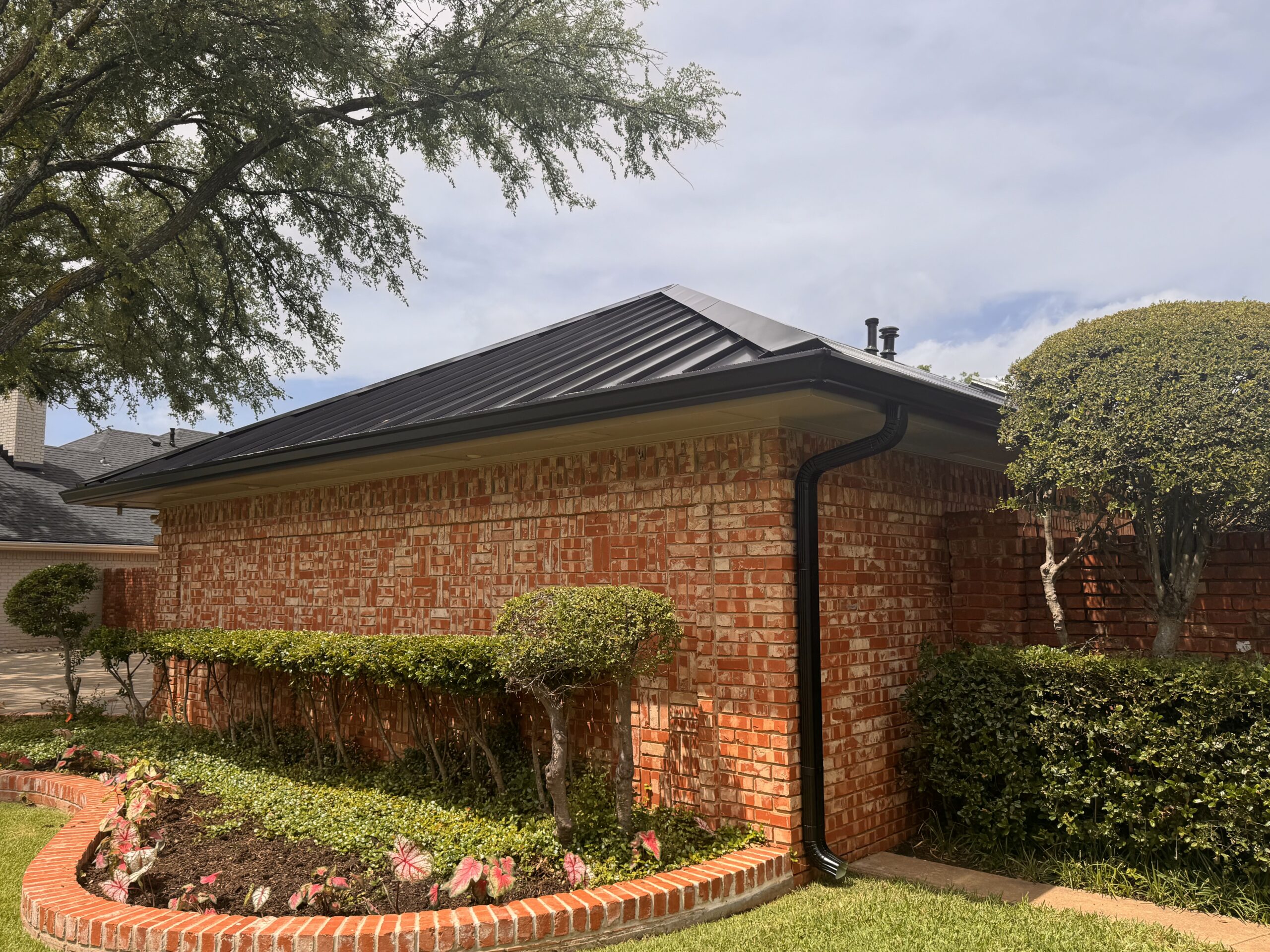
The roof occupies a large portion of the home’s exterior, making its appearance one of the most noticeable architectural features. Choosing the appropriate roofing profile helps create visual harmony between the roof and the overall design of the home.
Standing seam roofing offers a clean, contemporary appearance characterized by long vertical lines and minimal visual clutter. This profile is especially popular for modern homes, minimalist architecture, and custom residential designs that emphasize simplicity.
Corrugated roofing creates a more rustic or industrial appearance. While once associated primarily with agricultural buildings, modern finishes and color options have expanded its use into residential architecture, particularly for farmhouses, cabins, and modern rural homes.
Ribbed panels provide a versatile appearance that works well with many architectural styles. Their balanced proportions make them suitable for both traditional and contemporary residential construction without drawing excessive attention to the roof itself.
Metal shingles appeal to homeowners who prefer the familiar appearance of conventional roofing materials. From the ground, these systems often resemble high-quality asphalt shingles while providing the durability associated with metal roofing.
Tile-style and slate-style profiles complement homes inspired by Mediterranean, European, Colonial, or historic architectural traditions. These profiles allow homeowners to preserve the intended architectural character while reducing maintenance requirements and structural weight.
Selecting a roofing profile that complements the home’s design enhances curb appeal while creating a balanced and cohesive exterior appearance.
Installation Complexity of Different Metal Profiles
Each roofing profile requires its own installation techniques, and the complexity of the installation process varies considerably depending on the selected system. Understanding these differences helps homeowners appreciate why labor costs and project timelines may differ between roofing profiles.
Standing seam roofing typically requires the highest level of installation precision. Panels must be accurately aligned, concealed clips positioned correctly, and seams properly secured to maintain both appearance and weather resistance. Specialized tools are often required to complete the installation according to manufacturer specifications.
Corrugated roofing generally involves a more straightforward installation process because the panels overlap in a predictable pattern and are secured using exposed fasteners. Although precision remains important, the overall installation process is often less complex than concealed fastening systems.
Ribbed panels follow similar installation methods while requiring careful attention to fastener spacing and panel alignment. Proper flashing installation remains essential regardless of the roofing profile selected.
Decorative metal shingles and tile-style roofing often require more individual pieces than continuous panel systems. This increases installation time because each component must interlock properly while maintaining consistent alignment across the roof surface.
Roof design also influences installation complexity. Multiple valleys, dormers, chimneys, skylights, and intersecting roof sections require additional cutting, flashing, and detailed workmanship regardless of the selected roofing profile.
Choosing a profile that matches both the home’s architecture and the contractor’s expertise helps ensure efficient installation and reliable long-term performance.
Maintenance Requirements for Various Roofing Styles
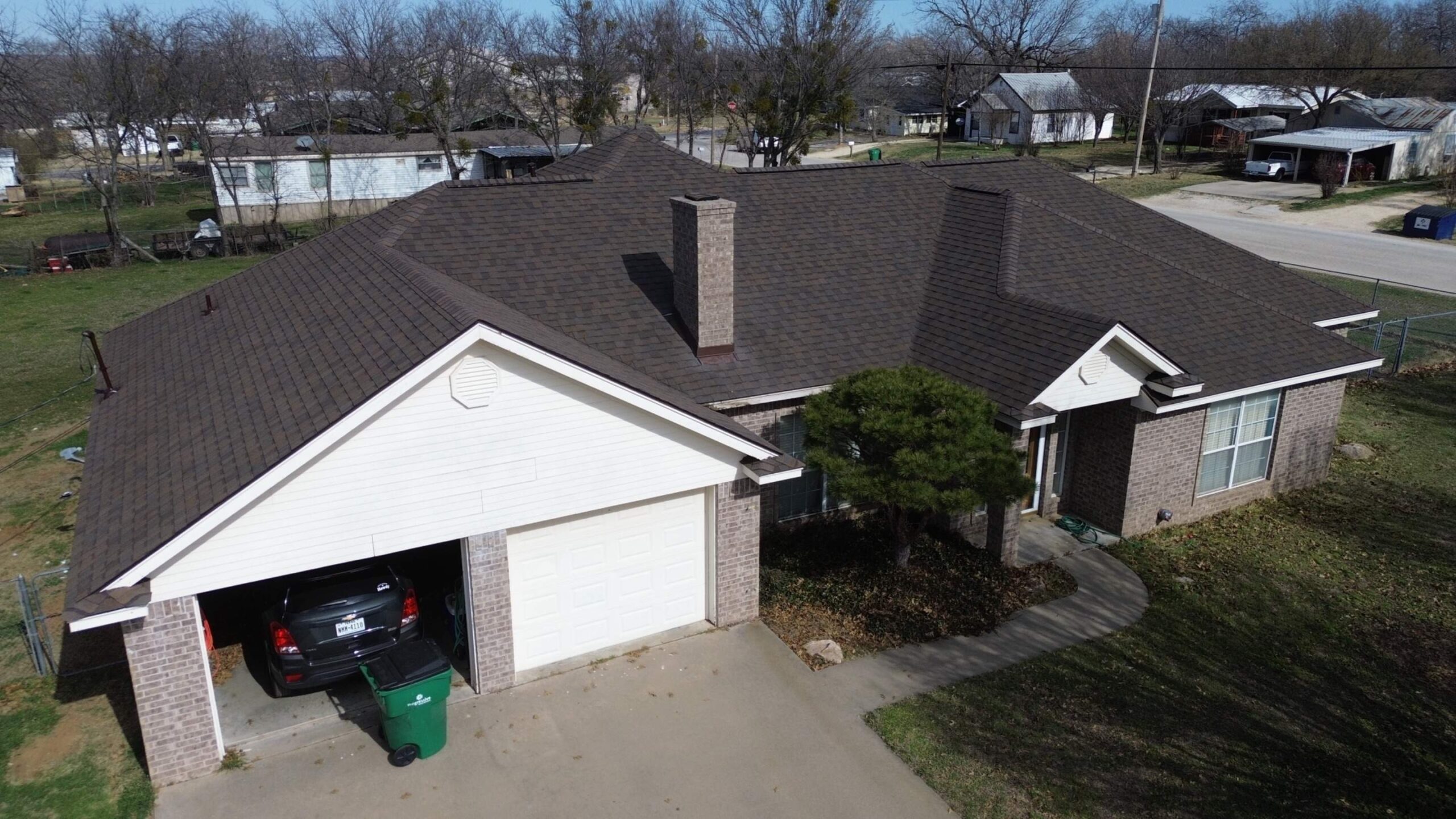
Although metal roofing generally requires less maintenance than many traditional roofing materials, maintenance expectations vary slightly between different roofing profiles. Understanding these differences allows homeowners to select a system that aligns with their long-term maintenance preferences.
Standing seam roofing typically requires minimal maintenance because the concealed fastening system protects attachment points from direct exposure to weather. Routine inspections focus primarily on flashing, sealants, gutters, and overall roof condition rather than exposed fasteners.
Corrugated and ribbed roofing systems usually incorporate exposed fasteners that should be inspected periodically. Temperature changes, weather exposure, and natural aging may eventually affect washers or fastener tightness, making routine inspection worthwhile.
Decorative metal shingles and tile-style systems generally require maintenance similar to standing seam roofing. Homeowners should remove accumulated debris, inspect roof penetrations, and ensure drainage systems remain clear throughout the year.
Regardless of profile type, gutters and roof valleys should remain free of leaves, branches, and other debris that could restrict water flow. Proper drainage supports both roof longevity and overall structural protection.
Professional roof inspections every few years provide additional confidence that flashing, trim components, ventilation, and attachment systems continue performing as intended. Early identification of minor issues helps prevent larger repairs later.
Routine maintenance remains relatively simple for all quality metal roofing systems, but understanding profile-specific requirements helps homeowners prepare for long-term roof care.
Cost Differences Between Metal Roofing Profiles
Roofing profile selection influences more than appearance and performance. It also affects material costs, installation expenses, and long-term ownership value. Understanding these cost differences helps homeowners develop realistic budgets while comparing available options.
Standing seam roofing generally represents one of the higher-priced profile options because of its concealed fastening system, precision manufacturing, and specialized installation requirements. Many homeowners consider the higher initial investment worthwhile because of the profile’s durability and refined appearance.
Corrugated roofing is often among the most economical metal roofing profiles. Simpler manufacturing processes and relatively straightforward installation contribute to lower overall project costs while maintaining dependable structural performance.
Ribbed panels provide another cost-effective solution. They balance affordability with attractive appearance, making them a popular choice for homeowners seeking reliable performance without selecting premium architectural profiles.
Decorative metal shingles and tile-style roofing frequently involve higher material costs because of their detailed manufacturing and more intricate installation methods. Their ability to replicate traditional roofing materials while offering metal’s durability often justifies the additional investment for many homeowners.
When comparing roofing costs, homeowners should consider more than installation price alone. Expected lifespan, maintenance requirements, energy efficiency, and replacement frequency all contribute to the total cost of ownership over several decades.
Evaluating long-term value rather than only initial expense helps homeowners make more informed financial decisions.
Common Mistakes When Selecting a Roofing Profile
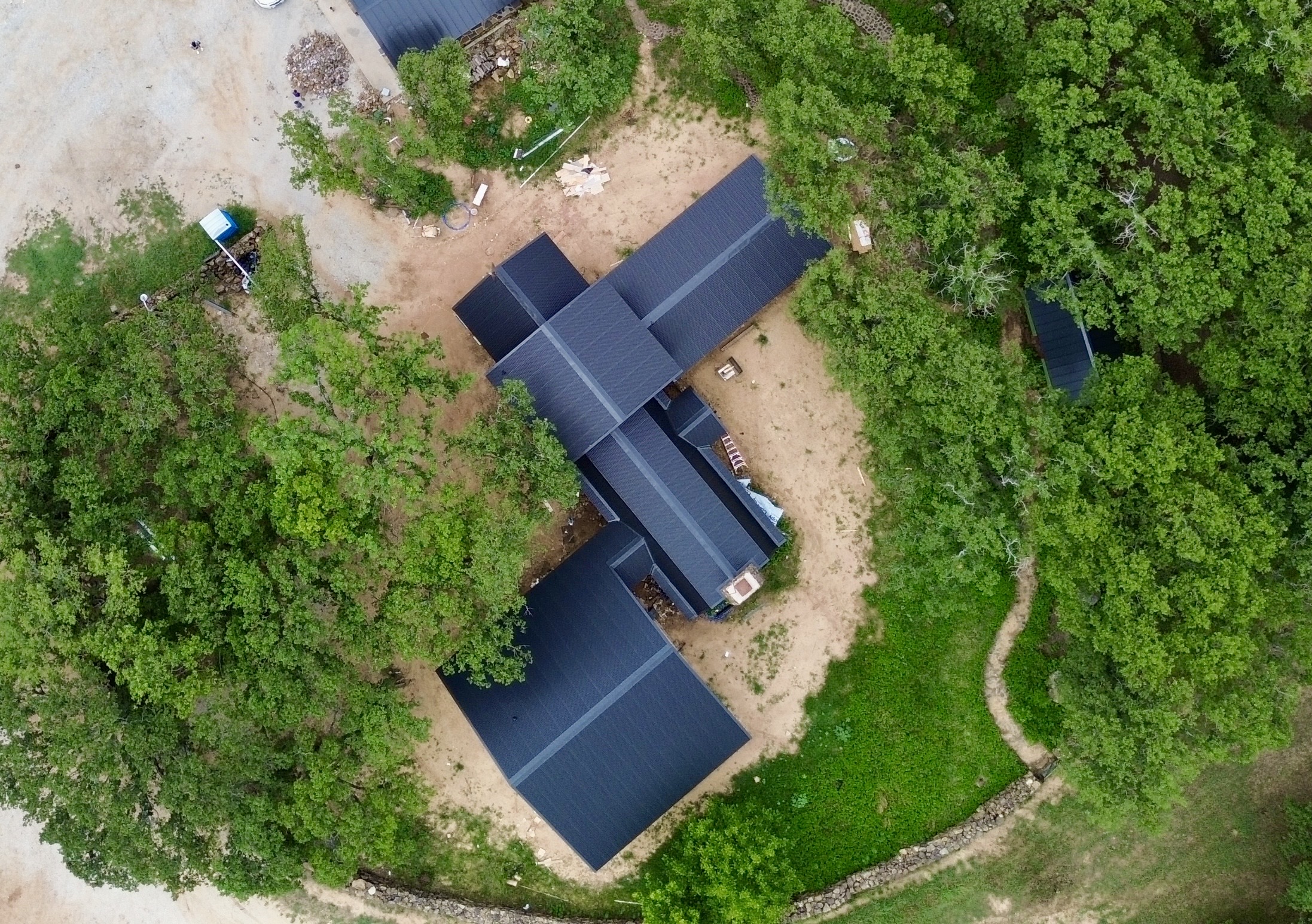
Choosing a roofing profile is a long-term decision, and avoiding common mistakes helps homeowners achieve better results. Many selection errors occur because attention is focused on appearance while practical performance considerations receive less attention.
One common mistake is selecting a roofing profile solely because it looks attractive on another home. Every property has unique architectural characteristics, roof slopes, and environmental conditions that influence which profile performs most effectively.
Ignoring local climate is another frequent oversight. Roofing profiles suitable for dry climates may not provide the same advantages in areas with heavy rainfall, strong winds, or frequent snowfall. Matching the profile to environmental conditions improves long-term reliability.
Some homeowners also underestimate installation requirements. Choosing a complex roofing profile without hiring a contractor experienced in that specific system increases the likelihood of installation errors that affect long-term performance.
Budget decisions can also create problems when homeowners compare only material costs while overlooking maintenance, energy efficiency, and expected lifespan. A slightly higher initial investment may provide substantially greater value over the life of the roof.
Other common mistakes include overlooking manufacturer warranties, failing to consider future maintenance needs, and selecting colors or profiles that conflict with the home’s architectural style.
Avoiding these mistakes helps homeowners choose roofing systems that provide lasting satisfaction both visually and functionally.
Working With a Roofing Contractor to Choose the Right Profile
Selecting the ideal roofing profile becomes much easier when homeowners work closely with an experienced roofing contractor. Professional guidance helps match roofing products to the home’s architecture, structural requirements, climate, and long-term performance goals.
Contractors begin by evaluating the existing roof, including slope, structural condition, ventilation, drainage, and architectural complexity. This assessment identifies which roofing profiles are best suited for the specific property.
Homeowners should discuss their priorities openly during the planning stage. Appearance, maintenance preferences, energy efficiency, durability, and budget all influence profile recommendations. Understanding these priorities allows contractors to suggest appropriate options rather than presenting every available product.
Viewing physical product samples also helps simplify the decision-making process. Seeing actual roofing panels, textures, and finishes provides a much clearer understanding than relying solely on photographs or printed brochures.
Experienced contractors explain the advantages and limitations of each profile honestly. They discuss installation requirements, expected maintenance, warranty coverage, and long-term performance so homeowners can make informed decisions with confidence.
Good communication throughout the selection process creates realistic expectations while ensuring the chosen roofing profile satisfies both practical needs and aesthetic preferences.
Long Term Performance Expectations
Selecting the right roofing profile means considering how the roof will perform not only during the first few years but throughout several decades of service. Long-term expectations involve durability, maintenance, weather resistance, energy efficiency, and overall appearance.
Professionally installed metal roofing profiles are designed to provide dependable protection against rain, wind, snow, hail, and changing seasonal temperatures. High-quality materials combined with proper installation allow many systems to remain functional for several decades with relatively little maintenance.
Appearance also remains an important part of long-term performance. Modern protective coatings help resist fading, corrosion, scratches, and weather-related wear while preserving the roof’s visual appeal over time.
Routine inspections contribute to long-term reliability by identifying flashing issues, loose fasteners where applicable, drainage concerns, or minor damage before larger problems develop. Preventive maintenance helps maximize the service life of any roofing profile.
Several factors contribute to long-term roofing success:
- Professional installation according to manufacturer specifications.
- Roofing materials appropriate for the local climate.
- Proper attic ventilation and insulation.
- Routine maintenance and periodic inspections.
- Prompt repair of minor issues before they become significant.
Understanding these long-term expectations allows homeowners to choose a roofing profile that continues delivering value, protection, and attractive appearance throughout its entire lifespan.
Factors to Consider Before Selecting a Metal Roofing Profile
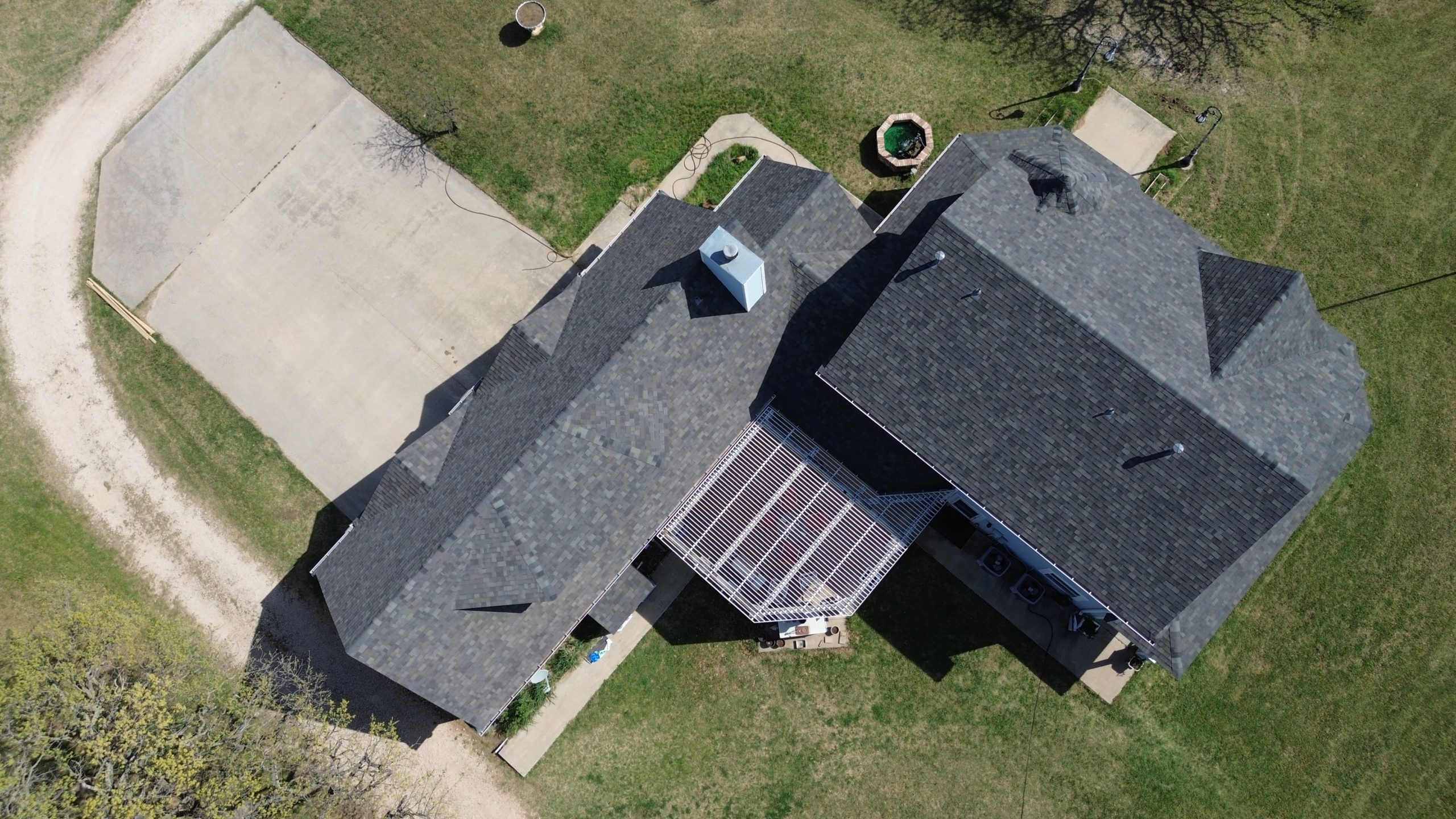
Choosing the right metal roofing profile requires balancing appearance, performance, budget, and long-term maintenance. Since a new metal roof is expected to protect the home for several decades, homeowners should evaluate every important factor before making a final decision rather than focusing on a single feature.
The architectural style of the home should be one of the first considerations. A modern residence often pairs well with the clean lines of standing seam roofing, while traditional homes may look more balanced with metal shingles or slate-style profiles. Selecting a profile that complements the home’s design enhances curb appeal and creates a cohesive exterior appearance.
Roof slope is equally important. Some profiles perform better on steeper roofs because they encourage rapid water runoff, while others are engineered for lower slopes with enhanced weather resistance. Following manufacturer recommendations ensures the selected profile performs as intended.
Climate conditions should also influence the decision. Homes located in regions with frequent storms, heavy snowfall, or coastal humidity benefit from roofing profiles specifically designed to handle those environmental conditions. Choosing a profile suited to the local climate improves durability while reducing long-term maintenance needs.
Budget should be viewed from a long-term perspective rather than only considering the initial installation cost. A profile with a higher purchase price may require less maintenance, provide better energy efficiency, and last considerably longer than a less expensive alternative.
Finally, homeowners should evaluate the availability of qualified contractors experienced with the selected roofing profile. Even premium roofing materials cannot perform properly without correct installation.
Carefully considering these factors helps homeowners select a roofing profile that delivers reliable performance, attractive appearance, and lasting value.
Comparing Popular Metal Roofing Profiles
Understanding the differences between the most common roofing profiles allows homeowners to compare their options more effectively before beginning a roof replacement project.
| Roofing Profile | Appearance | Fastener Type | Typical Lifespan | Best For |
|---|---|---|---|---|
| Standing Seam | Modern, clean lines | Concealed | 40 to 70+ years | Contemporary and residential homes |
| Corrugated Panels | Traditional industrial style | Exposed | 30 to 50 years | Rural homes, barns, workshops |
| Ribbed Panels | Simple and versatile | Exposed | 30 to 50 years | Residential and utility buildings |
| Metal Shingles | Traditional shingle appearance | Concealed or hidden system | 40 to 70 years | Homes seeking a classic appearance |
| Metal Tile Profiles | Tile-inspired design | Concealed or hidden system | 40 to 70 years | Mediterranean and Spanish-style homes |
This comparison demonstrates that every roofing profile offers its own combination of visual appeal, installation method, and long-term performance. No single profile is ideal for every home, making it important to match the roofing system to the property’s architectural style, environmental conditions, and maintenance expectations.
Homeowners should also remember that profile selection is only one part of the overall roofing system. Material quality, protective coatings, insulation, ventilation, and installation workmanship all contribute to the finished roof’s long-term performance.
Reviewing these profiles side by side provides a practical starting point for narrowing the available options before consulting a roofing professional.
Professional Installation Considerations
Selecting the ideal roofing profile is only the beginning of a successful roof replacement project. Professional installation ensures the chosen profile performs according to manufacturer specifications while delivering the durability and weather resistance homeowners expect.
Each roofing profile has unique installation requirements. Standing seam systems require precise panel alignment and concealed fastening methods, while corrugated and ribbed panels rely on carefully positioned exposed fasteners. Decorative metal shingles and tile-style profiles involve detailed interlocking installation techniques that require patience and accuracy.
Experienced roofing contractors understand these differences and follow manufacturer guidelines throughout every stage of the installation process. Proper measurements, accurate panel layout, secure flashing installation, and balanced ventilation all contribute to the roof’s long-term reliability.
Roof preparation is equally important. Damaged decking, inadequate ventilation, or moisture problems should be corrected before installing the new roofing system. Addressing these issues early provides a stable foundation while reducing the likelihood of future problems.
Contractors should also evaluate roof penetrations, including chimneys, skylights, plumbing vents, and exhaust vents. Proper flashing around these areas protects the home from water intrusion while maintaining the integrity of the roofing system.
Working with qualified professionals also provides valuable guidance during product selection. Contractors can explain the advantages of different profiles, recommend suitable options for the home’s design, and identify installation methods best suited to local climate conditions.
Professional installation protects both the homeowner’s investment and the long-term performance of the selected roofing profile.
Long Term Care for Different Roofing Profiles
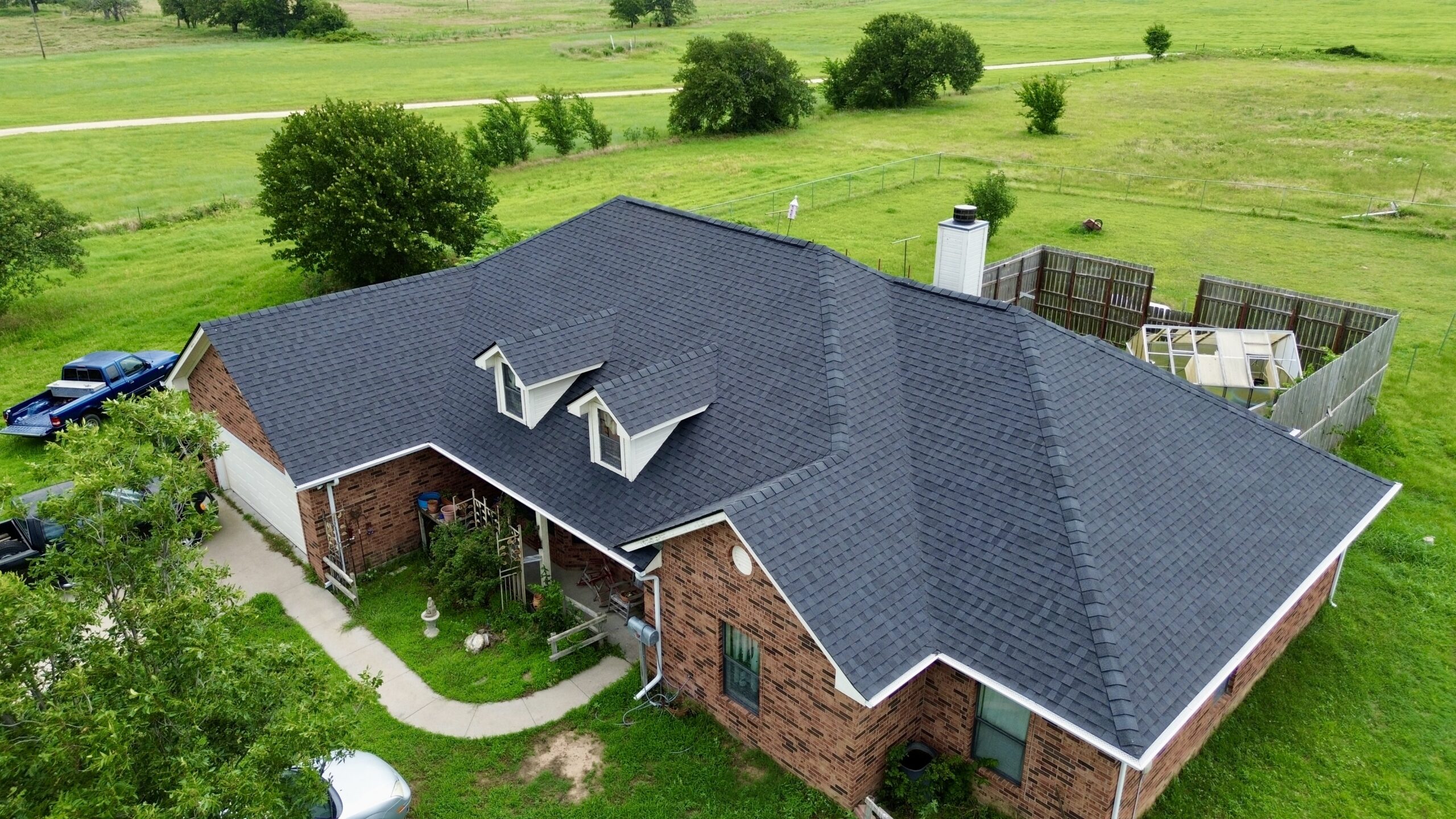
Although metal roofing requires relatively little maintenance compared with many traditional roofing materials, regular care remains essential for preserving appearance, weather resistance, and structural performance. Fortunately, most maintenance tasks are simple and require only periodic attention.
Routine inspections should be performed after severe storms or unusually strong winds. Homeowners should look for visible damage, displaced flashing, loose trim components, or accumulated debris that could affect drainage. Early identification of small concerns often prevents larger repairs later.
Roof valleys and gutters deserve particular attention because leaves, branches, and other debris naturally collect in these areas. Keeping drainage systems clean allows rainwater to flow efficiently away from the roof while reducing unnecessary moisture exposure.
Exposed fastener systems such as corrugated and ribbed roofing benefit from periodic fastener inspections. Changes in temperature and weather exposure may gradually affect fastener tightness or sealing washers over many years. Concealed fastener systems generally require less attention in this area but still benefit from regular visual inspections.
Tree maintenance also contributes to long-term roof care. Overhanging branches should be trimmed to reduce the possibility of scratching roofing panels or depositing excessive debris onto the roof surface.
Professional inspections every few years provide additional confidence that flashing, ventilation, sealants, and roof accessories continue performing properly. Experienced roofing specialists can identify developing issues that may not be visible during routine homeowner inspections.
A practical maintenance routine includes the following steps:
- Inspect the roof after severe storms.
- Remove leaves and debris from valleys and gutters.
- Check flashing and fasteners during annual inspections.
- Trim nearby tree branches regularly.
- Schedule professional roof inspections every few years.
Following these simple maintenance practices helps homeowners preserve the beauty and performance of their chosen roofing profile throughout its expected lifespan.
Conclusion
Choosing the right metal roofing profile is one of the most important decisions in any roof replacement project. While all metal roofing systems offer exceptional durability, energy efficiency, and long-term value, the profile selected influences appearance, weather performance, installation methods, maintenance requirements, and overall homeowner satisfaction.
Understanding the characteristics of standing seam, corrugated, ribbed, metal shingle, and tile-style roofing profiles allows homeowners to compare options based on practical performance rather than appearance alone. Every profile offers distinct advantages that make it suitable for specific architectural styles, climate conditions, and personal preferences.
Roof design, local weather, budget, and maintenance expectations should all be considered before making a final selection. A roofing profile that complements the home’s architecture while meeting environmental demands provides better long-term performance and contributes positively to property value.
Professional installation remains equally important. Experienced roofing contractors understand the specialized techniques required for each profile and ensure that every component, from flashing and underlayment to fasteners and ventilation, is installed according to manufacturer specifications. Quality workmanship protects the homeowner’s investment while maximizing the lifespan of the roofing system.
Routine maintenance also plays a valuable role in preserving roof performance. Regular inspections, clean drainage systems, proper tree maintenance, and prompt attention to minor concerns help ensure the roof continues providing dependable protection for decades.
Ultimately, selecting the right metal roofing profile is about creating the best balance between aesthetics, durability, efficiency, and long-term value. Homeowners who carefully evaluate their options and work with qualified roofing professionals can confidently choose a roofing system that enhances both the appearance and performance of their home for many years to come.