
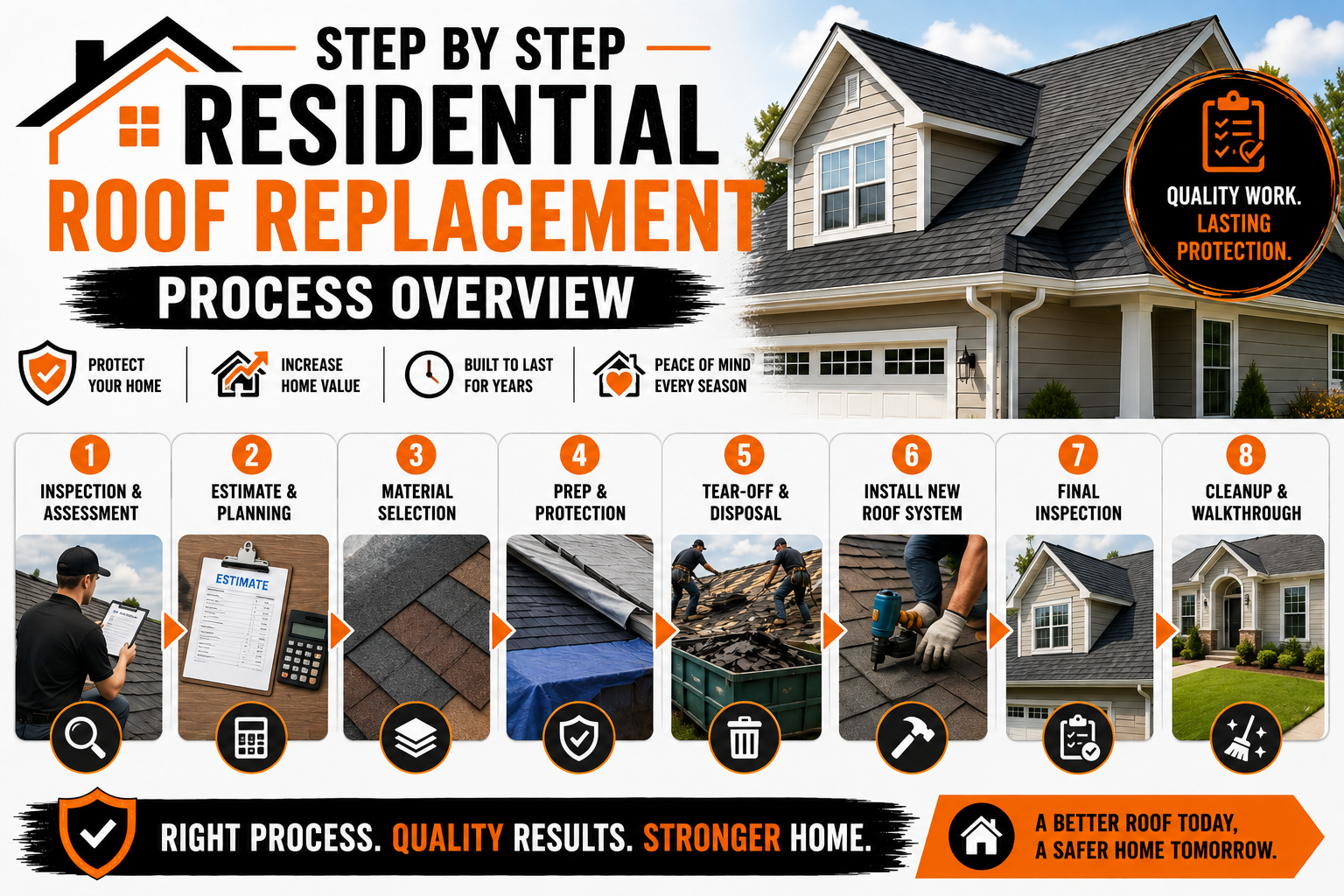
Step by Step Residential Roof Replacement Process Overview
Introduction
A residential roof replacement is one of the most significant home improvement projects a homeowner can undertake. Although the process may seem complicated at first, understanding each stage makes it much easier to prepare, communicate with contractors, and make informed decisions. Knowing what happens before, during, and after installation also helps reduce unnecessary stress throughout the project.
Many homeowners only replace a roof once or twice during their lifetime. As a result, they may be unfamiliar with the planning, inspections, materials, and installation procedures involved. Learning the overall process before work begins helps homeowners know what to expect and avoid common misunderstandings.
A roof replacement involves much more than removing old shingles and installing new ones. It includes careful inspections, structural evaluations, weather planning, material selection, safety measures, and quality checks to ensure the new roof provides long lasting protection. Every stage contributes to the durability and performance of the finished roofing system.
This guide walks through the residential roof replacement process in a logical sequence. By understanding each phase, beginners can approach their roofing project with greater confidence and realistic expectations.
Why Understanding the Roof Replacement Process Is Important
Understanding how a roof replacement works helps homeowners become active participants instead of simply observing the project. When you know the purpose of each stage, it becomes easier to ask informed questions and recognize whether work is progressing as expected. Good communication between homeowners and contractors often leads to smoother projects.
Roof replacement represents a major financial investment, making preparation especially important. Homeowners who understand the process are better equipped to compare estimates, evaluate contractor recommendations, and make decisions based on facts rather than assumptions. This knowledge also reduces the likelihood of unexpected surprises during construction.
A clear understanding of the process helps with scheduling as well. Roofing projects are influenced by weather conditions, material deliveries, permit approvals, and labor availability. Knowing these factors in advance allows homeowners to prepare their schedules accordingly.
Safety is another important reason to understand the project. Roofing involves heavy materials, specialized equipment, elevated work areas, and debris removal. Homeowners who know what activities will occur each day can take appropriate precautions to protect family members, pets, vehicles, and outdoor belongings.
Understanding the replacement process also improves long term roof care. Homeowners who learn how the roof is constructed are more likely to recognize early signs of wear and perform routine maintenance that extends the roof’s service life.
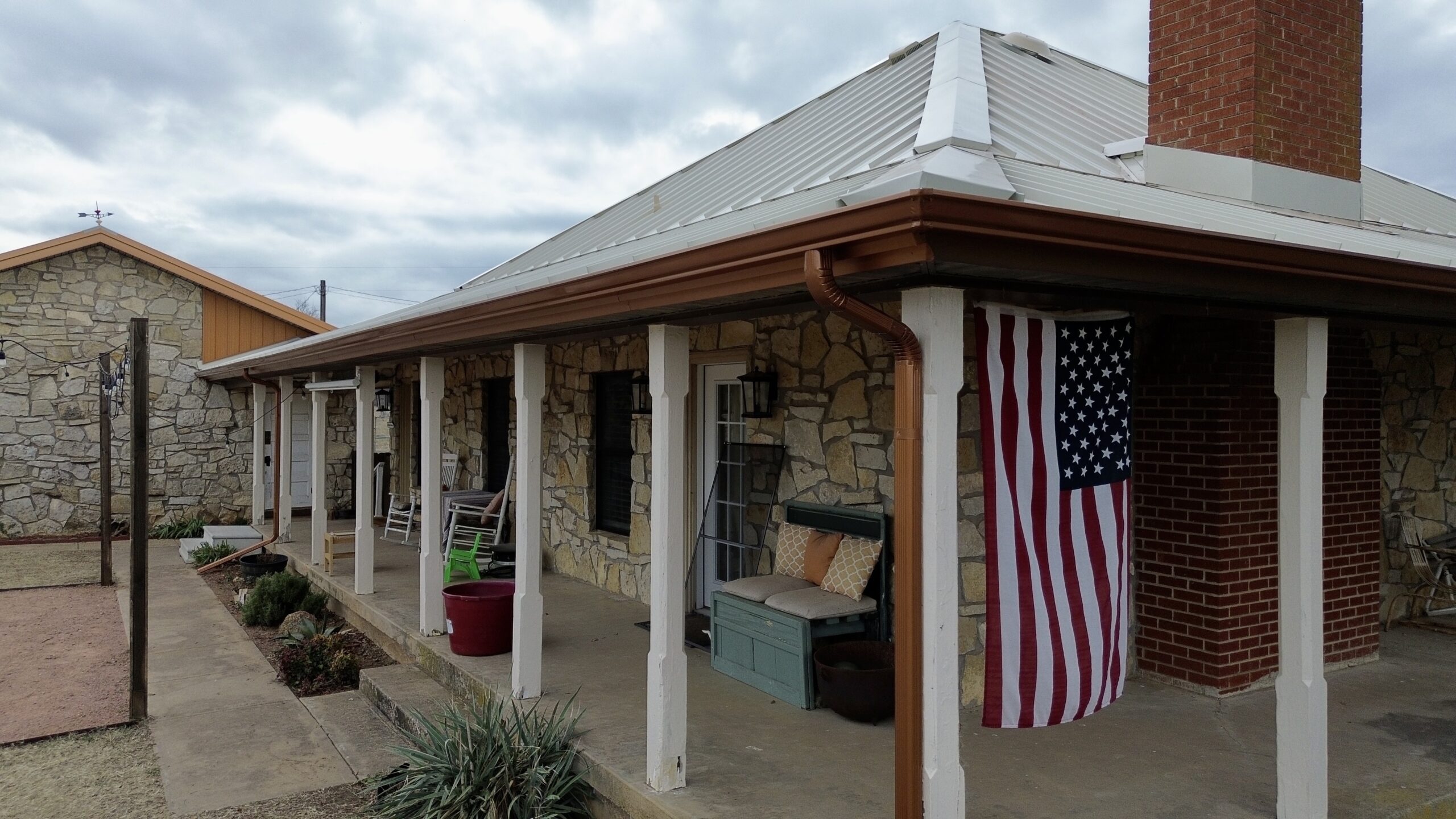
Signs That Indicate It’s Time for Roof Replacement
Many roofing problems develop gradually, making them difficult to notice during everyday life. While some issues can be repaired, others indicate that replacing the entire roof may provide a safer and more cost effective solution. Recognizing these warning signs allows homeowners to act before serious structural damage occurs.
The age of the roof is often the first consideration. Every roofing material has an expected service life, and older roofs naturally become less effective as they experience years of exposure to sunlight, rain, wind, and changing temperatures. Even if leaks have not yet appeared, aging materials may be approaching the end of their useful life.
Visible damage should never be ignored. Missing shingles, cracked tiles, curling edges, or widespread granule loss can reduce the roof’s ability to protect the home from moisture. Small problems often expand quickly when left unaddressed.
Water stains inside the home are another common warning sign. Discoloration on ceilings or walls may indicate that moisture is entering through the roofing system. While the leak may appear in one location indoors, the actual roof damage can be several feet away from the visible stain.
Frequent repairs may also suggest that replacement has become the more practical solution. Repeatedly fixing isolated problems can eventually cost more than installing a completely new roofing system. A comprehensive replacement often eliminates multiple hidden issues at the same time.
Homeowners should also inspect the roof after major storms. High winds, hail, and falling branches can damage roofing materials even when the damage is not immediately obvious from the ground. Professional inspections following severe weather help identify problems before they worsen.
Some additional warning signs include:
- Persistent roof leaks after repeated repairs
- Sagging sections of the roof structure
- Excessive moss or algae growth caused by trapped moisture
- Daylight visible through the attic roof boards
- Damaged flashing around chimneys, skylights, or roof vents
These warning signs do not automatically mean every roof requires complete replacement. However, they indicate that a professional inspection should be scheduled to determine the most appropriate course of action.
Preparing for a Residential Roof Replacement Project
Proper preparation helps ensure that the roof replacement proceeds efficiently from the first day of work until final cleanup. While the contractor manages the construction process, homeowners also play an important role in preparing the property before installation begins.
The first step is establishing clear communication with the roofing contractor. Homeowners should review the project schedule, expected work hours, material delivery dates, and any special requirements before construction starts. Having these discussions early helps avoid confusion later.
Outdoor areas should also be prepared before roofing crews arrive. Vehicles should be moved away from the driveway if materials or dumpsters will be delivered nearby. Patio furniture, grills, decorative items, and potted plants should be relocated to reduce the risk of accidental damage.
Items stored inside the attic deserve attention as well. Roof replacement creates vibration as old materials are removed and new components are installed. Fragile belongings stored in the attic should be covered or temporarily moved to prevent dust accumulation or accidental damage.
Homeowners should also notify neighbors about the upcoming project. Roofing work naturally creates noise during normal working hours, and providing advance notice demonstrates courtesy while helping neighbors prepare for temporary inconvenience.
Families with children or pets should establish safe indoor areas during construction. Keeping pets indoors and supervising children around the work zone helps reduce safety risks throughout the project.
Preparing the home also includes protecting landscaping where possible. Contractors often use protective coverings around flower beds, shrubs, and walkways, but homeowners can assist by identifying delicate plants or outdoor features that require additional care during construction.
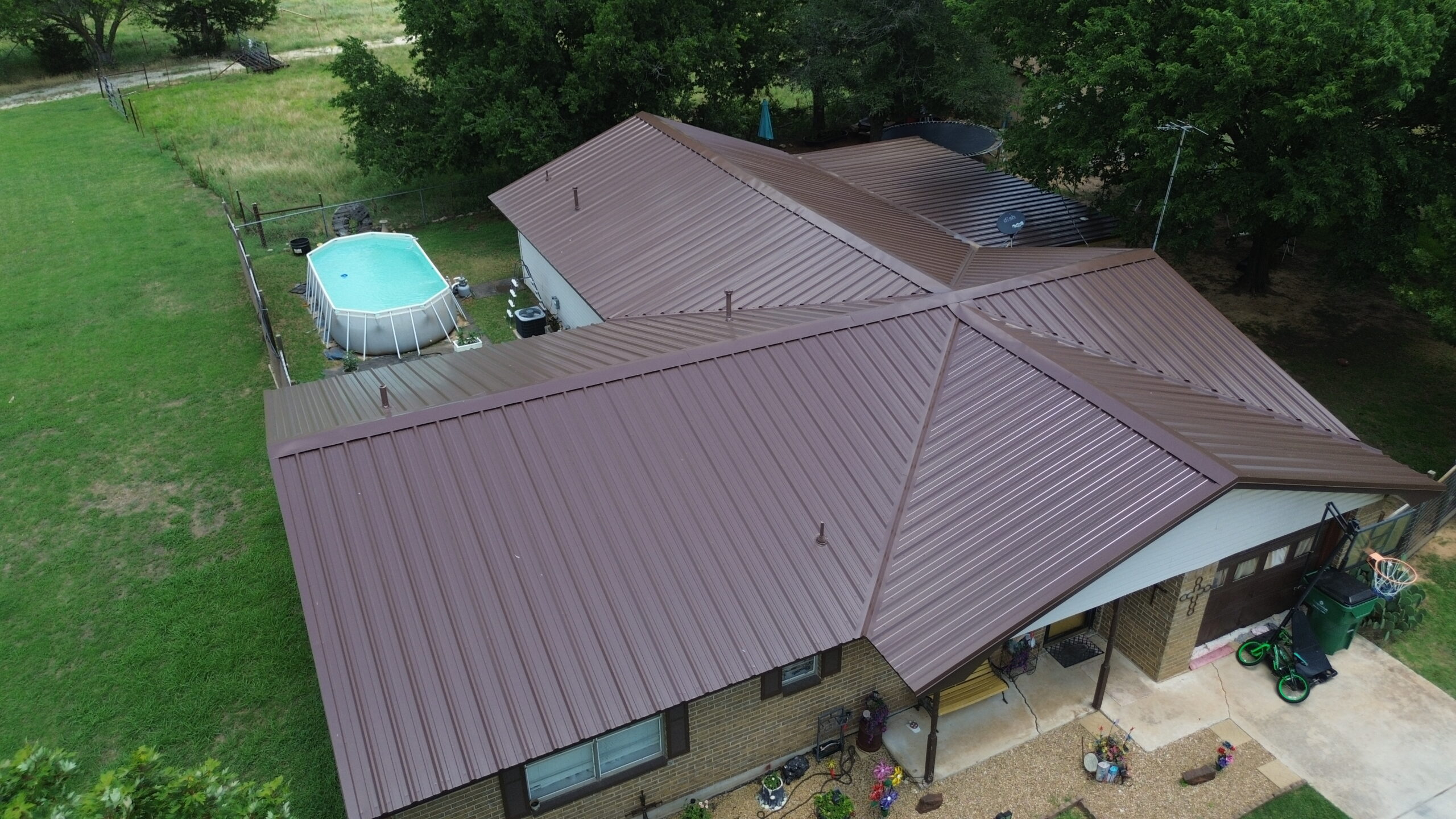
Roof Inspection and Initial Assessment
Every successful roof replacement begins with a thorough inspection. This assessment helps determine the roof’s overall condition, identifies hidden damage, and allows contractors to develop an accurate replacement plan. Skipping this stage could result in unexpected problems after construction has already begun.
During the inspection, roofing professionals evaluate both the exterior and interior portions of the roofing system. They examine visible roofing materials as well as structural components that cannot be seen from ground level. This comprehensive evaluation provides a complete understanding of the roof’s condition.
The roof deck receives particular attention because it forms the foundation for the new roofing system. Water damage, rot, mold, or weakened sections must be repaired before new materials can be installed. A solid roof deck supports better long term performance.
Contractors also inspect flashing around chimneys, skylights, vents, and roof valleys. These locations are common sources of leaks because they involve transitions between different building components. Identifying worn or damaged flashing helps prevent future water intrusion.
Attic inspections provide valuable information as well. Signs of moisture, poor ventilation, mold growth, or inadequate insulation often become visible from inside the attic before they appear on the exterior roof surface. Correcting these issues during replacement improves the overall roofing system.
At the conclusion of the inspection, contractors typically discuss their findings with the homeowner. This conversation explains any structural concerns, recommended repairs, estimated project scope, and potential factors that may affect installation costs or timelines.
Choosing the Right Roofing Contractor
Selecting the right contractor is one of the most important decisions in the roof replacement process. Even high quality roofing materials cannot perform as intended if they are installed incorrectly. Experienced workmanship significantly influences the durability, appearance, and lifespan of the completed roof.
Homeowners should begin by researching contractors with established experience in residential roofing. Companies that have completed similar projects over many years often possess the knowledge needed to address unexpected challenges that arise during installation.
Licensing and insurance should always be verified before signing a contract. Proper licensing demonstrates compliance with local regulations, while insurance helps protect both homeowners and workers if accidents occur during the project.
References and customer reviews provide additional insight into a contractor’s reputation. Speaking with previous customers or reviewing completed projects helps homeowners understand the company’s communication, workmanship, and reliability before making a final decision.
Obtaining multiple written estimates is also recommended. Comparing proposals allows homeowners to evaluate differences in materials, warranties, project timelines, and included services rather than focusing only on the lowest price.
Before signing any agreement, homeowners should carefully review every detail of the contract. Important information should include project scope, roofing materials, estimated completion schedule, payment terms, cleanup responsibilities, warranty coverage, and procedures for handling unexpected repairs if hidden damage is discovered.
Choosing a contractor should involve careful evaluation rather than a rushed decision. A professional contractor will answer questions clearly, explain the replacement process honestly, and provide detailed documentation that gives homeowners confidence before work begins. In the next part, we will examine the actual roof replacement process, from selecting materials and obtaining permits to removing the old roof and installing the new roofing system.
Material Selection and Project Planning
Once the roof inspection confirms that replacement is necessary, the next stage focuses on selecting materials and developing a detailed project plan. This phase lays the foundation for the entire roof replacement process because every decision made here influences installation quality, project duration, long term performance, and overall cost. Taking time to plan carefully helps prevent delays and unexpected problems later in the project.
Material selection should never be based solely on appearance or price. Homeowners need to consider local climate, roof design, expected lifespan, maintenance requirements, energy efficiency, and available budget before making a final choice. A roofing material that performs exceptionally well in one region may not provide the same benefits in another, making local weather conditions an important factor in the decision.
The contractor helps calculate the exact quantity of roofing materials required for the project. Accurate measurements reduce unnecessary waste while ensuring that sufficient materials are available before installation begins. Running out of materials during construction can delay the project, especially if the selected product has limited availability.
Project planning also includes determining the sequence of work, scheduling material deliveries, arranging labor, and identifying any equipment required during installation. Contractors coordinate these activities to create an efficient workflow that minimizes interruptions while maintaining quality workmanship throughout the replacement process.
During this planning stage, homeowners should review the complete scope of work with the contractor. This discussion should include the expected timeline, estimated completion date, payment schedule, warranty information, and any additional repairs that may become necessary if hidden damage is discovered after the old roof is removed. Having these conversations before construction begins creates realistic expectations for everyone involved.
It is also helpful to establish communication methods before work starts. Homeowners should know who to contact if questions arise during the project and how progress updates will be provided. Clear communication helps resolve concerns quickly and contributes to a smoother overall experience.
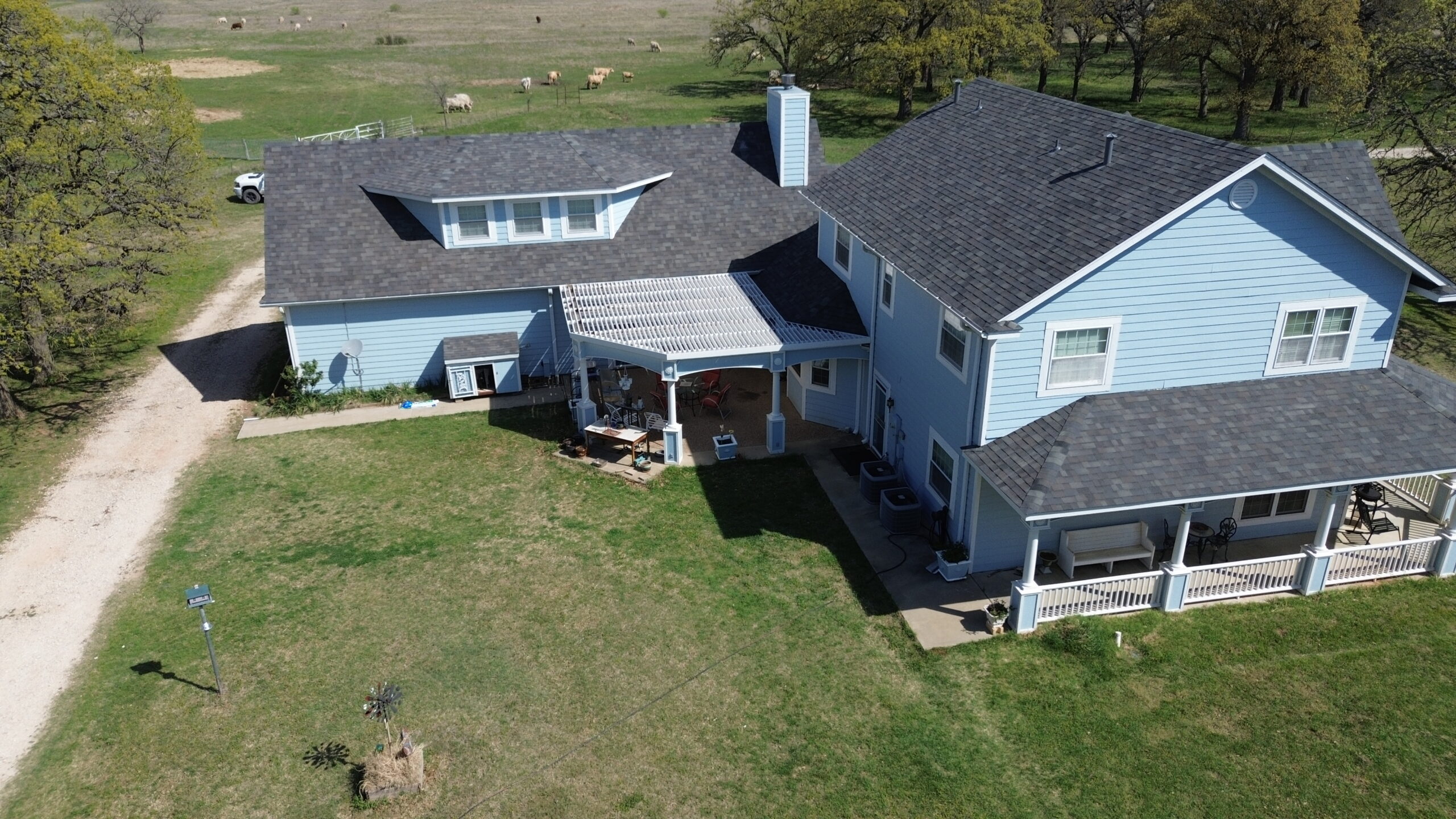
Obtaining Permits and Scheduling the Project
Before physical work begins, many residential roof replacement projects require permits from the local building authority. These permits ensure that the planned work complies with building regulations, structural requirements, and safety standards established within the community. Although contractors often manage the permit application process, homeowners should verify that all required approvals have been obtained before construction starts.
Permit requirements vary depending on location, roofing material, and the extent of the replacement. Some municipalities require only a basic roofing permit, while others may require additional inspections if structural modifications are planned. Understanding these requirements early helps avoid unnecessary delays once the project is underway.
Scheduling the roof replacement involves much more than choosing a convenient start date. Contractors must coordinate labor availability, material deliveries, equipment scheduling, permit approvals, and weather forecasts before confirming the project timeline. Each of these factors influences when work can begin and how efficiently it can progress.
Weather remains one of the biggest variables affecting roofing projects. Roofing materials should ideally be installed under favorable weather conditions to ensure proper adhesion, sealing, and overall installation quality. Heavy rain, strong winds, or severe storms may temporarily delay work to protect both the roofing crew and the exposed roof structure.
Homeowners should understand that weather related schedule adjustments are common and should not necessarily be viewed as poor project management. Experienced contractors prioritize installation quality and worker safety over completing the project on the originally planned date if conditions become unfavorable.
Material availability can also affect scheduling. Some specialty roofing products require additional manufacturing or shipping time before delivery. Confirming material availability well before the planned installation date reduces the likelihood of unnecessary waiting periods once construction is scheduled.
Preparing the Property Before Work Begins
Preparing the property before roofing crews arrive helps create a safer work environment while reducing the risk of accidental damage. Although contractors typically take precautions to protect the property, homeowners can contribute significantly by completing several simple preparations before installation begins.
One of the first tasks is relocating vehicles away from the driveway or garage if roofing materials, dumpsters, or work vehicles will occupy these areas. Maintaining clear access allows contractors to move equipment and dispose of debris more efficiently throughout the project.
Outdoor furniture, grills, bicycles, decorative items, and potted plants should also be moved away from the work area whenever possible. Roofing projects involve removing old materials from elevated positions, making it sensible to protect valuable belongings from falling debris.
Landscaping deserves attention as well. Contractors often place protective coverings over shrubs, flower beds, and other delicate plants located near the home. Homeowners can assist by identifying fragile landscaping features that may require extra protection during construction.
Inside the house, attic spaces should be prepared before work begins. Roof replacement creates vibrations that may disturb stored items or allow dust to enter the attic. Covering belongings with protective sheets or temporarily relocating fragile items helps prevent unnecessary cleaning or accidental damage.
Homeowners should also secure pictures, mirrors, and decorative wall items that may shift because of construction vibrations. While significant movement is uncommon, taking these precautions provides additional peace of mind throughout the project.
Families with young children and pets should establish safe indoor areas away from the active work zone. Construction activity involves ladders, tools, roofing materials, and falling debris, making restricted access an important safety measure throughout the installation process.
Notifying neighbors before construction begins is another thoughtful step. Roof replacement naturally generates noise during normal working hours, and providing advance notice helps nearby residents prepare for temporary inconvenience while maintaining positive neighborhood relationships.
Removing the Existing Roof
After preparations are complete, the roofing crew begins removing the existing roofing materials. This stage provides access to the roof deck and allows contractors to inspect hidden structural components that cannot be evaluated while the old roof remains in place.
Roof removal is typically performed in an organized sequence. Contractors begin near the highest sections of the roof and gradually work downward while removing shingles, tiles, underlayment, nails, flashing, and other roofing components. Following a systematic approach improves efficiency while reducing unnecessary damage to the underlying structure.
Throughout the removal process, roofing crews continuously collect debris rather than allowing materials to accumulate on the roof. This organized approach improves worker safety while making final cleanup much easier once installation has been completed.
Protective tarps and ground coverings are commonly placed around the home before roof removal begins. These coverings help protect landscaping, sidewalks, patios, and exterior surfaces from falling debris. They also simplify cleanup by collecting smaller pieces of roofing material before they scatter throughout the property.
As the old roofing system is removed, contractors carefully watch for signs of hidden damage. Years of exposure to moisture may have weakened portions of the roof deck, flashing, or supporting structure without producing visible symptoms from the exterior. Identifying these problems now allows them to be corrected before new roofing materials conceal them.
The removal process also provides an opportunity to evaluate previous repair work. Contractors occasionally discover improperly installed flashing, inadequate ventilation, or other workmanship issues that should be corrected during the replacement project. Addressing these deficiencies improves the performance of the new roofing system.
Although removing the old roof may appear to be one of the simplest stages, it requires careful attention to safety, debris management, and structural protection. Proper execution during this phase creates the solid foundation necessary for the remaining installation work.
Inspecting and Repairing the Roof Deck
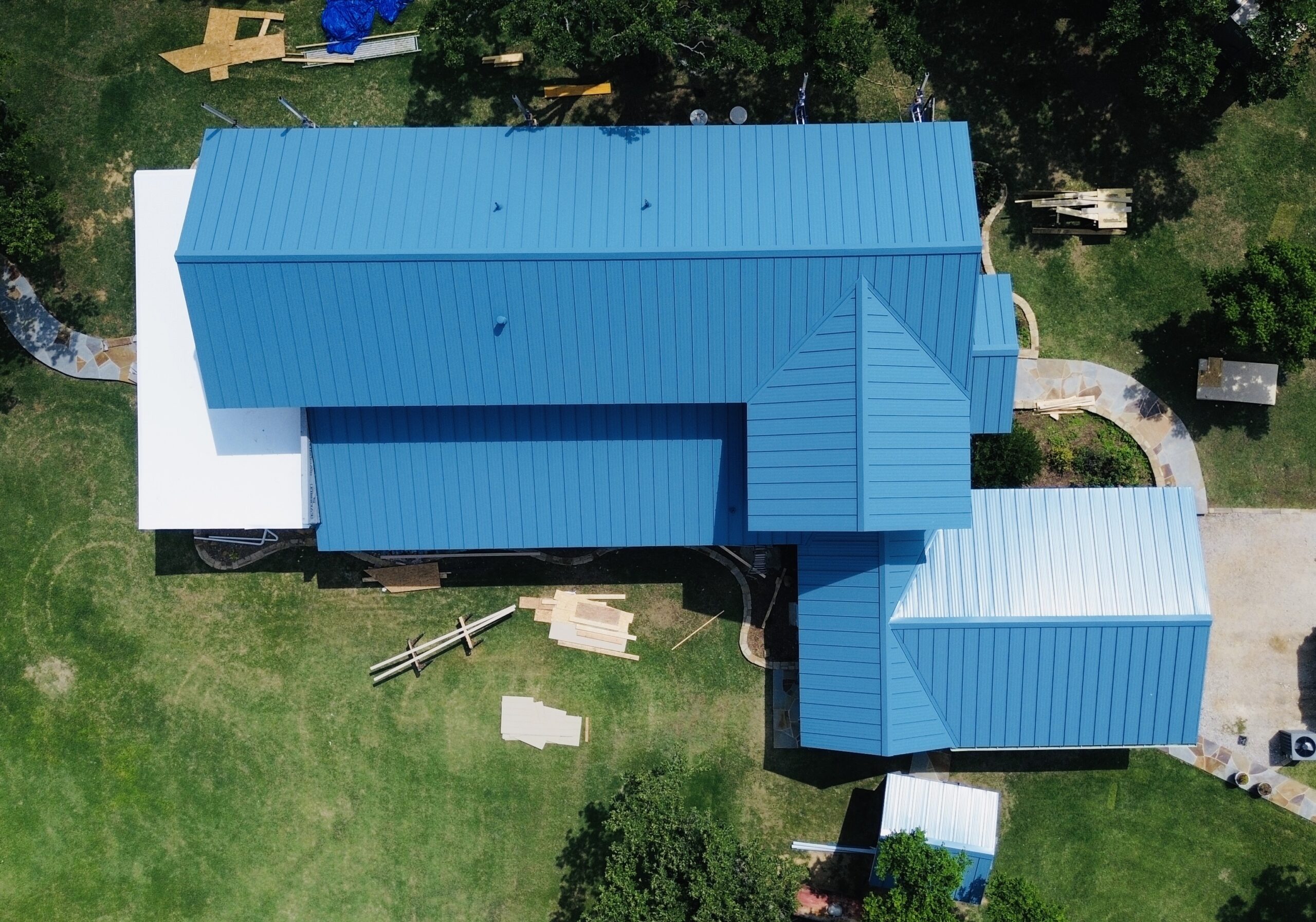
Once the existing roofing materials have been removed, the roof deck becomes fully exposed for detailed inspection. The roof deck serves as the structural base that supports every component installed above it, making its condition essential to the long term success of the replacement project.
Contractors inspect the decking for water damage, wood rot, mold, cracks, soft areas, loose fasteners, and structural weakness. Even relatively small sections of deterioration should be repaired before installation continues because compromised decking may reduce the lifespan of the entire roofing system.
If damaged sections are identified, contractors remove the affected materials and install new decking that matches the structural requirements of the roof. These repairs restore the strength and stability needed to support the new roofing materials for many years.
The inspection also includes verifying that the roof surface remains level and properly aligned. Uneven decking can affect the appearance of finished roofing materials while creating areas where water may not drain efficiently. Correcting these problems before installation improves both performance and appearance.
Contractors also examine ventilation openings and structural framing during this stage. Proper ventilation helps regulate attic temperature and moisture levels, reducing stress on roofing materials throughout changing seasons. Improving ventilation during roof replacement often provides long term energy efficiency benefits as well.
Homeowners should understand that deck repairs occasionally increase project costs because these issues cannot always be identified before the old roof has been removed. Although unexpected repairs may temporarily affect the project budget, correcting structural problems immediately is far more beneficial than covering damaged decking with new roofing materials.
Installing Underlayment, Flashing, and New Roofing Materials
With the roof deck repaired and approved, installation of the new roofing system begins. This phase involves much more than simply placing new shingles or tiles on the roof. Multiple protective components work together to create a complete roofing system that resists moisture, wind, and changing weather conditions.
The first layer installed over the roof deck is the underlayment. This material provides an additional barrier against moisture should rainwater pass beneath the primary roofing material during severe weather. High quality underlayment significantly improves the roof’s resistance to leaks and water infiltration.
After the underlayment has been secured, flashing is installed around roof penetrations and transition points. Chimneys, skylights, plumbing vents, dormers, roof valleys, and wall intersections all require properly fitted flashing because these locations represent common pathways for water intrusion if left unprotected.
Once these protective components are complete, installation of the primary roofing material begins. Whether the project uses asphalt shingles, metal panels, clay tiles, slate, or synthetic roofing products, contractors follow manufacturer installation guidelines to ensure the roof performs as designed.
Each section of roofing material is aligned carefully to maintain a consistent appearance across the roof surface. Correct overlap, fastening methods, and spacing all contribute to both weather resistance and visual quality. Attention to detail during installation significantly influences the finished roof’s durability.
Ventilation systems are also completed during this phase. Ridge vents, intake vents, or other ventilation components help maintain balanced airflow within the attic. Proper ventilation reduces heat buildup during summer while limiting moisture accumulation during colder months, contributing to improved roof longevity and energy efficiency.
Quality Checks During Installation
Quality control continues throughout every stage of the roof replacement process rather than occurring only after installation has finished. Experienced contractors inspect completed work regularly to verify that every component has been installed according to manufacturer specifications and industry best practices.
Supervisors examine fastener placement, material alignment, flashing installation, ventilation details, and roof edges as each section is completed. Identifying small issues immediately allows corrections to be made before additional materials cover them.
Roofing materials are also inspected for damage during installation. Shingles, panels, tiles, and flashing should remain free from cracks, dents, or unnecessary surface damage before becoming part of the finished roofing system. Replacing damaged materials immediately helps maintain overall roof quality.
Contractors continue monitoring weather conditions throughout installation. If rain or strong winds develop unexpectedly, temporary protective coverings may be placed over unfinished sections until safe working conditions return. Protecting exposed areas prevents moisture from reaching the roof deck before installation is complete.
Communication between crew members, supervisors, suppliers, and homeowners remains important during this stage. Regular progress updates help ensure that the project continues according to schedule while allowing any unexpected concerns to be addressed promptly.
By the end of this phase, the new roofing system has been fully installed and carefully inspected throughout construction. The final stage of the roof replacement process focuses on detailed cleanup, final inspections, warranty documentation, ongoing maintenance, and understanding what homeowners should expect after their new residential roof has been completed.
Final Inspection and Project Cleanup
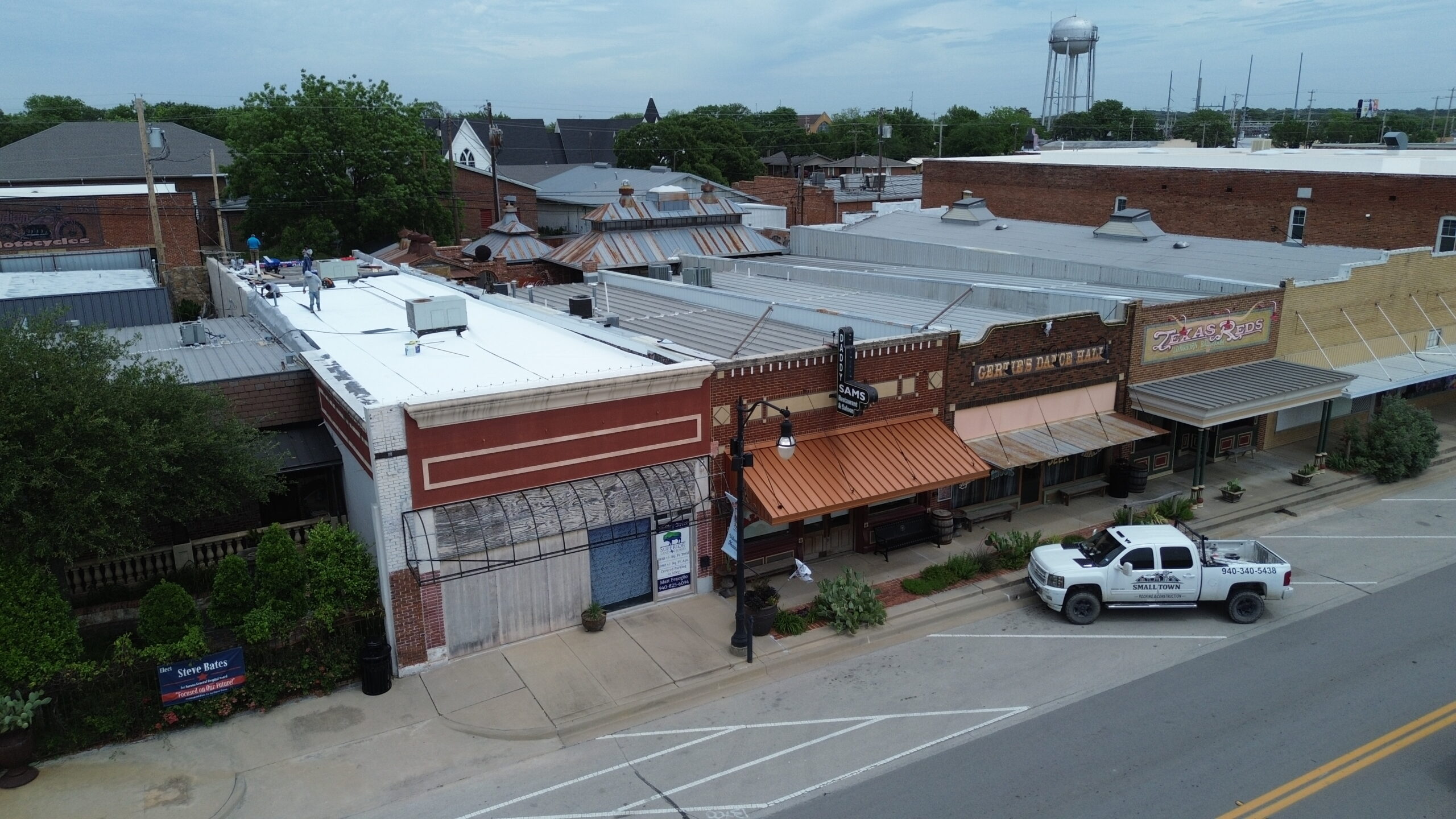
After the new roofing materials have been fully installed, the project enters its final stage. Although the roof may look complete from the ground, several important tasks still need to be finished before the replacement project is officially complete. These final steps help ensure that the roof meets quality standards and that the property is left clean and safe for the homeowner.
The roofing contractor begins by performing a thorough inspection of the completed roof. Every section is carefully checked to confirm that shingles, tiles, or metal panels have been installed correctly and securely. Flashing, ridge caps, roof edges, ventilation components, and fasteners are also examined to verify that each part of the roofing system functions as intended.
The contractor also looks for cosmetic issues that may affect the appearance of the finished roof. Straight roof lines, uniform material placement, and consistent alignment all contribute to a professional installation. Small adjustments made during this inspection can improve both the appearance and long term performance of the roof.
If local building regulations require a final inspection, a building inspector may visit the property after the contractor completes the work. The inspector reviews the installation to confirm that it complies with local building codes and approved permit requirements. Passing this inspection provides additional confidence that the roofing system has been installed according to established standards.
Cleanup is another important responsibility during the final stage of the project. Roofing crews remove leftover materials, packaging, old flashing, damaged shingles, nails, and construction debris from the property. Many contractors also use rolling magnetic tools across the yard and driveway to collect loose nails that may have fallen during installation.
Gutters should also be inspected and cleaned before the project is completed. Small pieces of roofing material, nails, and granules can accumulate during installation, and removing this debris helps restore proper drainage before the first rainfall.
Once cleanup is complete, homeowners should walk around the property with the contractor. This final walkthrough provides an opportunity to inspect the completed roof, ask remaining questions, and ensure that every part of the agreed scope of work has been completed satisfactorily.
Understanding Roofing Warranties
A new roof represents a significant financial investment, making warranty protection an important part of the overall project. Understanding how roofing warranties work helps homeowners know what is covered after installation and what responsibilities remain theirs throughout the life of the roof.
Most residential roof replacement projects include two separate warranties. The first is the manufacturer’s warranty, which covers defects in the roofing materials themselves. If a roofing product fails because of a manufacturing defect during the warranty period, the manufacturer may provide replacement materials or another approved solution depending on the warranty terms.
The second type is the workmanship warranty provided by the roofing contractor. This warranty covers installation related issues that result from improper workmanship rather than defective materials. The duration and coverage of workmanship warranties vary between contractors, making it important to review these details before signing the contract.
Homeowners should carefully read every warranty document after receiving it. Understanding what is included, what situations are excluded, and what maintenance requirements must be followed helps prevent misunderstandings if warranty service is needed in the future.
Some warranties require homeowners to perform routine maintenance or schedule periodic inspections to maintain coverage. Ignoring these requirements may reduce or void certain warranty protections. Following the manufacturer’s maintenance recommendations helps preserve both warranty coverage and roof performance.
Keeping warranty documents organized is equally important. Material warranties, contractor warranties, invoices, inspection reports, photographs, and maintenance records should all be stored together in a safe location. These documents may become valuable if repairs are required or if the property is sold in the future.
Homeowners should also ask whether the warranty is transferable. Some roofing manufacturers allow warranty coverage to transfer to a future homeowner under certain conditions. A transferable warranty can increase buyer confidence and may add value when selling the property.
Post Installation Maintenance Tips
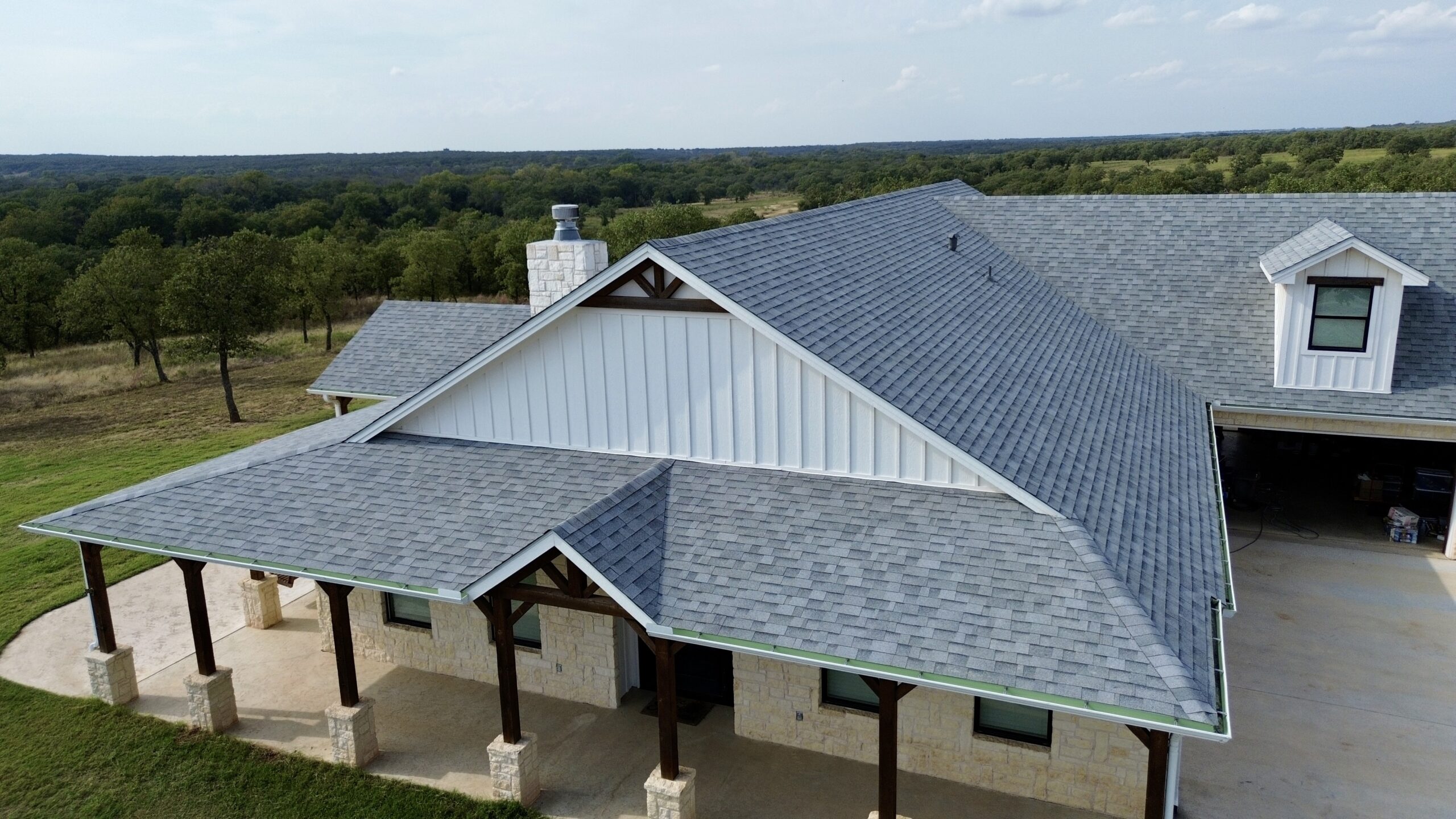
Although a new roof requires far less attention than an aging one, regular maintenance remains essential for maximizing its lifespan. Preventive care helps identify small issues before they become expensive repairs while ensuring that the roofing system continues performing as expected.
One of the simplest maintenance practices is performing visual inspections at least twice each year. Homeowners can safely examine the roof from ground level using binoculars or inspect it from accessible areas without walking directly on the roofing materials. Looking for damaged shingles, loose flashing, clogged valleys, or fallen branches helps identify concerns early.
Gutters and downspouts should be cleaned regularly to ensure proper drainage. Leaves, twigs, and other debris can block water flow, causing rainwater to back up onto the roof. Maintaining clean drainage systems protects both the roof and the home’s foundation from unnecessary moisture exposure.
Tree branches extending over the roof should be trimmed whenever appropriate. Branches rubbing against roofing materials during windy weather can gradually wear away protective surfaces. Falling limbs also present a risk of impact damage during storms.
Homeowners should pay attention to attic conditions throughout the year. Signs of excessive heat, moisture, condensation, or mold may indicate ventilation issues that should be corrected before they affect the roofing system. Proper attic airflow supports both roof durability and indoor energy efficiency.
Roof inspections following severe weather are especially valuable. Strong winds, hail, heavy rain, and falling debris can occasionally damage roofing materials even when no immediate leak is visible inside the home. Prompt inspection after storms allows repairs to be completed before moisture enters the roofing system.
Homeowners should avoid using harsh chemicals or high pressure washing equipment to clean roofing materials unless specifically recommended by the manufacturer. Aggressive cleaning methods may damage protective coatings or shorten the lifespan of certain roofing products.
Scheduling a professional roof inspection every few years is also a wise investment. Experienced roofing professionals can identify developing problems that may not be visible during routine homeowner inspections. Early detection often reduces repair costs while extending the overall service life of the roof.
Common Mistakes Homeowners Should Avoid After Roof Replacement
Even after investing in a new roof, certain homeowner mistakes can reduce its lifespan or increase future maintenance costs. Understanding these common errors helps protect the investment and keeps the roofing system performing efficiently for many years.
One of the most common mistakes is assuming that a new roof requires no maintenance. While new roofing materials are designed for durability, regular inspections remain necessary to identify minor issues before they become larger structural problems. Ignoring maintenance simply because the roof is new may shorten its expected lifespan.
Another mistake involves delaying small repairs. A loose shingle, damaged flashing, or clogged gutter may appear insignificant initially, but these issues can eventually allow water to enter the roofing system. Addressing problems promptly usually costs much less than repairing widespread moisture damage later.
Walking unnecessarily on the roof is another avoidable mistake. Frequent foot traffic can crack tiles, loosen shingles, or damage protective coatings depending on the roofing material. Whenever inspections or repairs require roof access, experienced professionals with appropriate safety equipment are generally the better choice.
Some homeowners install satellite dishes, antennas, holiday decorations, or solar equipment without consulting roofing professionals. Improper installation may create holes or stress points that compromise the roof’s waterproofing system. Any equipment attached to the roof should be installed using methods approved for the specific roofing material.
Ignoring attic ventilation is another common oversight. A roof functions as part of a complete system that includes insulation and ventilation. Poor attic airflow can trap heat and moisture, reducing the lifespan of roofing materials while increasing energy consumption inside the home.
Pressure washing roofing materials without manufacturer approval is also discouraged. High pressure water can remove protective granules from asphalt shingles, loosen flashing, or damage sealants around roof penetrations. Gentle cleaning methods specifically recommended for the roofing material are generally much safer.
Failing to keep trees properly maintained may also create long term problems. Overhanging branches increase the likelihood of falling debris, excessive leaf accumulation, and moisture retention on the roof surface. Routine tree maintenance helps reduce these risks throughout the year.
What to Expect During the First Year After Roof Replacement
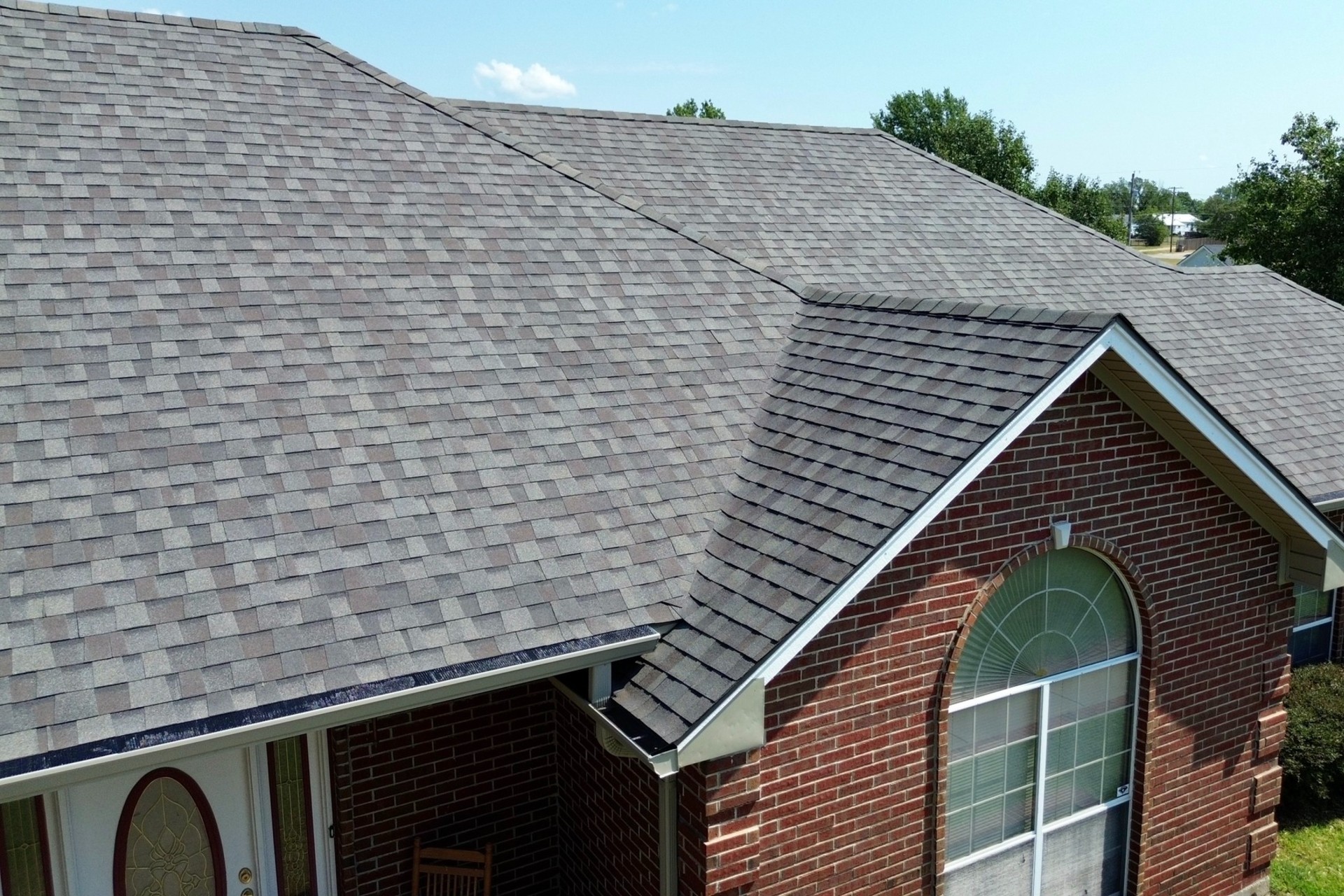
The first year after a roof replacement provides homeowners with an opportunity to observe how the new roofing system performs under changing seasonal conditions. Most properly installed roofs require very little attention during this period, but routine observation helps confirm that everything is functioning as expected.
After the first significant rainfall, homeowners should inspect ceilings, attic spaces, and upper walls for any signs of moisture. Although a professionally installed roof should remain leak free, early observation provides reassurance that flashing, drainage systems, and roofing materials are performing correctly.
Seasonal temperature changes may also reveal noticeable improvements in indoor comfort. Many homeowners experience better temperature regulation, reduced drafts, and more consistent attic conditions after replacing an aging roof. These benefits often become more apparent as the home experiences both summer and winter weather.
Some roofing materials naturally settle during the first several months after installation. Minor adjustments caused by normal expansion and contraction are generally expected and should not immediately be interpreted as defects. However, any unusual movement, visible damage, or persistent concerns should be reported to the contractor promptly.
Homeowners should continue following recommended maintenance practices during the first year, including cleaning gutters, monitoring attic ventilation, and removing debris from the roof surface when necessary. Establishing these habits early creates a routine that supports long term roof performance.
The first annual inspection is an excellent opportunity to verify that the roofing system remains in excellent condition after experiencing all four seasons. Professional inspections help identify any adjustments that may be covered under the workmanship warranty while confirming that the roof continues performing as intended.
Maintaining communication with the roofing contractor during the warranty period is also beneficial. If questions arise regarding maintenance, performance, or warranty coverage, addressing them promptly helps resolve concerns while documentation is still readily available.
Conclusion
A residential roof replacement is much more than replacing old shingles with new ones. It is a carefully planned process that begins with thorough inspections, detailed planning, and proper material selection before moving through removal, structural repairs, installation, quality control, and final inspections. Every stage contributes to creating a roofing system that protects the home against weather, improves energy efficiency, and enhances overall property value.
Throughout this guide, we followed the complete roof replacement journey from preparation to project completion. We examined how contractors inspect the existing roof, prepare the property, remove worn roofing materials, repair structural components, install protective layers, and complete the new roofing system with careful attention to quality. Understanding each step allows homeowners to participate confidently in the project and communicate effectively with their roofing contractor.
The work does not end when installation is finished. Regular maintenance, routine inspections, proper attic ventilation, clean gutters, and timely repairs all play important roles in extending the life of the new roof. Following manufacturer recommendations and maintaining accurate warranty documentation also helps protect the investment for many years.
Choosing experienced professionals remains one of the most important decisions in the entire process. High quality materials combined with skilled workmanship provide a roofing system that performs reliably under changing weather conditions while reducing the likelihood of future problems. Careful planning before installation and responsible maintenance afterward work together to maximize the roof’s lifespan.
By understanding every stage of the residential roof replacement process, homeowners are better prepared to make informed decisions, set realistic expectations, and protect one of the most valuable components of their home. A properly planned and professionally installed roof delivers dependable performance, lasting durability, improved curb appeal, and long term peace of mind, making it one of the most worthwhile investments in residential property ownership.