
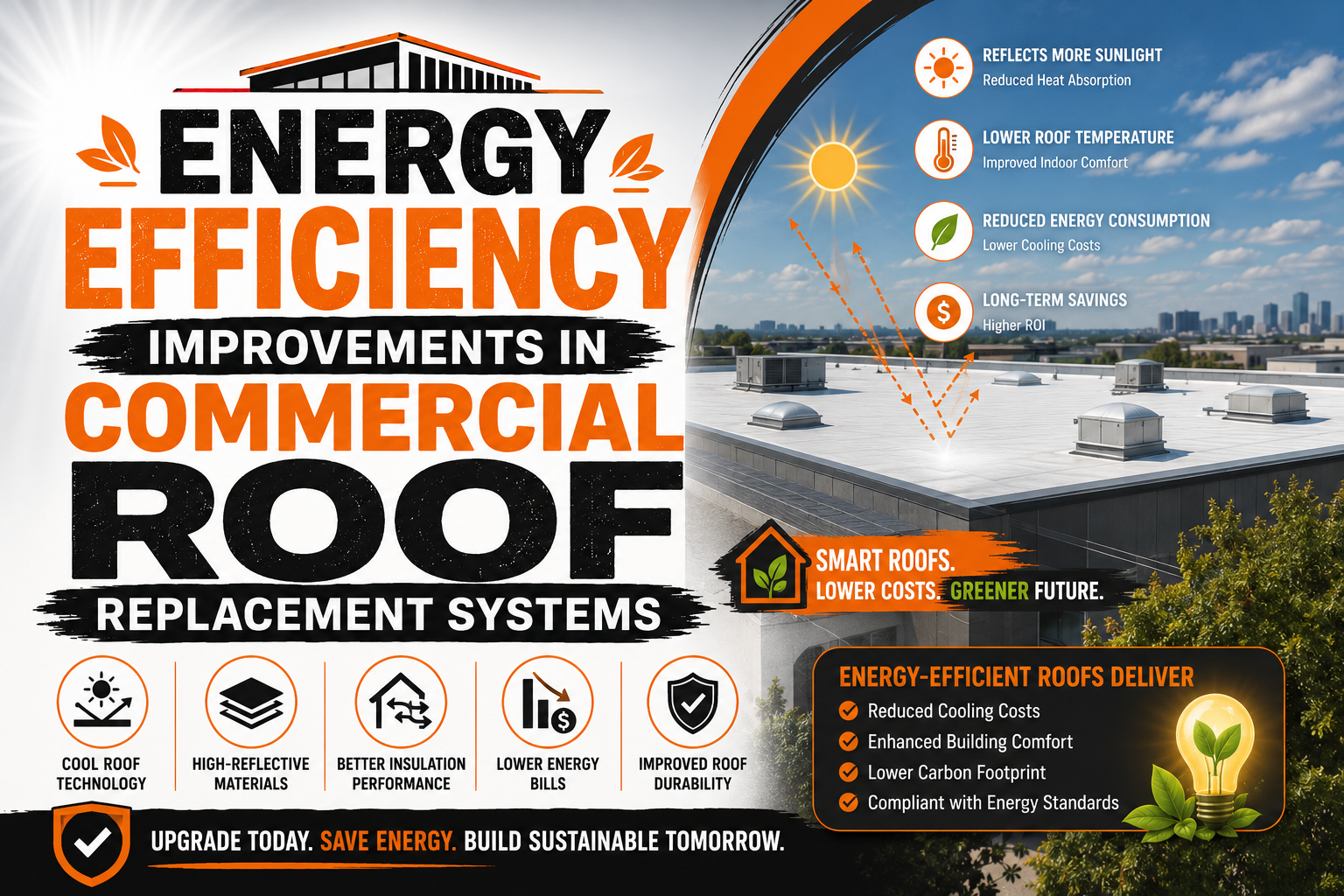
Energy Efficiency Improvements in Commercial Roof Replacement Systems
Introduction
Commercial roof replacement is often viewed as a necessary maintenance project to protect a building from leaks, weather damage, and structural deterioration. While these goals remain important, modern roof replacement also presents an excellent opportunity to improve the building’s overall energy efficiency. A well designed roofing system can reduce heating and cooling costs, improve indoor comfort, decrease energy consumption, and support long term sustainability goals.
The roof is one of the largest exposed surfaces on any commercial building. Throughout the year, it absorbs sunlight, resists changing weather conditions, and helps regulate indoor temperatures. An aging or poorly insulated roof can allow excessive heat to enter during summer and valuable warmth to escape during winter. These energy losses increase the demand on heating and cooling systems, resulting in higher operating costs.
Replacing a commercial roof allows property owners to upgrade insulation, improve waterproofing, install reflective roofing materials, and correct air leakage problems that may have developed over many years. Rather than simply restoring the existing roof, organizations can use the replacement project to improve overall building performance while reducing long term utility expenses.
Energy efficiency improvements also provide benefits beyond lower utility bills. Better thermal performance contributes to more consistent indoor temperatures, improved occupant comfort, reduced strain on HVAC equipment, and lower greenhouse gas emissions. These advantages support both financial and environmental objectives.
This guide explains how commercial roof replacement systems can be designed to improve energy efficiency. Understanding these strategies helps property owners, facility managers, and building operators make informed decisions that maximize the long term value of their roofing investment.
Why Energy Efficiency Matters During Commercial Roof Replacement
Energy efficiency has become one of the most important considerations in modern commercial building management. Rising utility costs, stricter building regulations, and growing environmental awareness have encouraged organizations to seek practical ways to reduce energy consumption while maintaining comfortable indoor environments.
The roof plays a significant role in overall building energy performance because it receives direct exposure to sunlight throughout the day. During warm weather, roofing materials absorb solar heat that can increase indoor temperatures if adequate insulation and reflective surfaces are not present. During colder months, insufficient insulation allows valuable indoor heat to escape through the roof, increasing heating requirements.
Commercial roof replacement creates a valuable opportunity to address these issues. Since the existing roofing system is already being removed, property owners can upgrade insulation, improve air sealing, enhance drainage, and install energy efficient roofing materials without requiring separate renovation projects later.
Lower energy consumption provides measurable financial benefits. Reduced heating and cooling demands decrease monthly utility expenses while helping organizations better control long term operating costs. For large commercial buildings, these savings may continue for decades after installation.
Energy efficient roofing also supports sustainability initiatives adopted by many businesses. Lower energy use contributes to reduced carbon emissions while helping organizations meet environmental goals, corporate sustainability commitments, or green building certification requirements.
Another important benefit is improved HVAC performance. When the roof provides better thermal protection, heating and cooling systems operate more efficiently because they do not need to compensate for excessive heat gain or heat loss. Reduced equipment workload may also contribute to longer HVAC service life and lower maintenance costs.
Occupant comfort should not be overlooked. Buildings with better insulated and properly designed roofing systems often experience more consistent indoor temperatures, reducing uncomfortable hot or cold areas that may affect employee productivity or customer experience.
Insurance providers and property investors may also recognize the value of energy efficient building improvements. Modern roofing systems demonstrating improved durability and lower operational risks often contribute positively to overall property value while supporting long term asset management strategies.
How Commercial Roofs Affect Building Energy Performance
The roof acts as the building’s first line of defense against outdoor weather conditions. Its ability to control heat transfer directly influences indoor temperatures, HVAC performance, and total energy consumption throughout the year.
Solar radiation represents one of the largest sources of heat affecting commercial roofs. Dark roofing materials absorb significant amounts of sunlight, causing roof surface temperatures to rise substantially during warm weather. This stored heat gradually transfers into the building, increasing cooling demands during the hottest parts of the day.
Roof insulation slows the movement of heat between indoor and outdoor environments. High quality insulation reduces heat entering the building during summer while limiting heat loss during winter. Proper insulation therefore contributes to year round energy efficiency regardless of climate.
Air leakage also affects roof performance. Small gaps around roof penetrations, expansion joints, mechanical equipment, skylights, and flashing allow conditioned indoor air to escape while permitting outdoor air to enter the building. These air leaks reduce HVAC efficiency while increasing energy consumption.
Roof color and surface reflectivity influence energy performance as well. Highly reflective roofing systems return more sunlight back into the atmosphere rather than absorbing it as heat. Lower roof temperatures reduce heat transfer into the building while decreasing cooling requirements during warm seasons.
Moisture within roofing insulation further reduces energy efficiency. Wet insulation loses much of its thermal resistance, allowing heat to move more easily through the roof assembly. This increases heating and cooling expenses while potentially contributing to structural deterioration over time.
Roof drainage also indirectly supports energy performance. Standing water may damage roofing materials and insulation, reducing their ability to provide effective thermal protection. Maintaining efficient drainage helps preserve insulation performance while extending roof lifespan.
Commercial buildings with extensive rooftop equipment require additional planning. HVAC systems, ventilation units, communication equipment, and solar installations create numerous roof penetrations that require careful sealing to maintain both waterproofing and thermal efficiency.
Because all of these components interact continuously, improving overall roof performance requires a comprehensive approach rather than focusing on a single energy saving feature.
Evaluating Existing Roof Energy Efficiency
Before selecting a new commercial roofing system, property managers should understand how the existing roof currently performs. A detailed energy evaluation identifies areas where heat loss, air leakage, moisture intrusion, or insulation deficiencies reduce building efficiency.
Professional roof inspections often begin with a visual examination of the roofing membrane, flashing, drainage systems, rooftop penetrations, and visible insulation conditions. Inspectors document signs of deterioration while identifying areas requiring more detailed evaluation.
Moisture detection plays an important role in energy assessments. Water trapped beneath roofing membranes significantly reduces insulation performance while increasing roof weight. Infrared scanning or electronic moisture detection allows inspectors to identify hidden wet insulation without removing large portions of the roof.
Thermal imaging provides additional information about energy performance. Infrared cameras identify temperature variations across the roof surface, helping inspectors locate areas where insulation has deteriorated or conditioned air may be escaping from the building.
Air leakage should also be evaluated carefully. Roof penetrations surrounding HVAC equipment, plumbing vents, skylights, electrical conduits, and expansion joints frequently develop small gaps over time. Correcting these areas during roof replacement improves overall building efficiency.
The condition of existing insulation deserves close attention as well. Older insulation materials may no longer meet current energy performance expectations or building code requirements. Replacing outdated insulation during roof replacement often produces substantial long term energy savings.
HVAC performance data can also provide valuable insight. Buildings experiencing unusually high heating or cooling expenses may indicate roofing related energy losses that should be investigated before replacement planning begins.
Reviewing historical utility bills further supports energy evaluations. Comparing seasonal energy consumption over several years helps identify trends that may reflect declining roof performance or increasing thermal losses.
Comprehensive energy assessments provide property managers with valuable information for selecting roofing systems that deliver measurable improvements in long term building efficiency.
Setting Energy Performance Goals Before Replacement
Energy efficient roof replacement begins with clearly defined project objectives. Rather than simply replacing the existing roofing system with similar materials, organizations should establish measurable energy performance goals before selecting products or contractors.
Some property owners prioritize reducing cooling costs by installing highly reflective roofing systems. Others focus on improving winter insulation performance, reducing air leakage, or lowering overall energy consumption throughout the year. Clearly identifying these priorities helps guide material selection and project planning.
Organizations should also establish realistic financial objectives. Energy efficiency improvements often require higher initial investments, but lower operating expenses may offset these costs over time. Understanding acceptable payback periods helps evaluate different roofing alternatives objectively.
Climate conditions influence energy goals as well. Buildings located in warmer regions often emphasize solar reflectivity and reduced heat absorption, while colder climates may prioritize insulation performance and minimizing heat loss. Roofing systems should always be selected according to local environmental conditions.
Building occupancy patterns also affect energy planning. Facilities operating continuously throughout the day or night generally experience greater long term benefits from energy efficient roofing because heating and cooling systems remain active for extended periods.
Property managers should coordinate energy objectives with broader organizational goals whenever possible. Sustainability initiatives, carbon reduction targets, utility cost management, and green building certifications may all influence roof replacement decisions.
Future building improvements should also be considered during goal setting. Roof replacement may provide opportunities to prepare for solar panel installation, improved HVAC systems, additional insulation upgrades, or other energy related improvements planned in future years.
Clearly defined energy performance goals provide a consistent framework for evaluating roofing materials, insulation systems, contractor proposals, and long term operational benefits.
Choosing an Energy Focused Roof Replacement Strategy
After evaluating the existing roof and establishing performance goals, property managers can begin developing a roof replacement strategy focused on maximizing energy efficiency. This strategy should integrate roofing materials, insulation, air sealing, drainage improvements, and future maintenance into one coordinated plan.
Material selection represents one of the most important strategic decisions. Reflective roofing membranes, high quality insulation, durable waterproofing systems, and compatible accessories should all work together to improve building performance rather than functioning as separate components.
Air leakage reduction should also receive careful attention. Improving flashing details, sealing roof penetrations, upgrading expansion joints, and correcting construction gaps help preserve conditioned indoor air while reducing unnecessary HVAC operation.
Drainage improvements contribute indirectly to energy efficiency by protecting insulation from moisture. Maintaining dry insulation allows it to retain its full thermal resistance throughout the roof’s expected service life.
Maintenance planning should begin before construction is complete. Regular inspections, drainage cleaning, roof surface maintenance, and prompt repairs preserve energy performance while protecting the long term value of the roofing investment.
Property managers should also evaluate roofing systems based on lifecycle value rather than installation cost alone. Systems providing longer service life, lower maintenance expenses, improved energy performance, and stronger warranty protection often deliver greater financial benefits over time.
Collaboration among roofing contractors, engineers, architects, energy consultants, and facility managers strengthens the replacement strategy by ensuring that every aspect of roof performance has been considered before construction begins.
Developing a comprehensive energy focused strategy creates the foundation for a high performing commercial roofing system. In the next part, we will examine high performance roofing materials, insulation improvements, reflective roof technologies, thermal bridging reduction, ventilation strategies, and installation practices that maximize energy efficiency throughout the life of the commercial roof replacement system.
Selecting High Performance Commercial Roofing Materials
The roofing material selected during a commercial roof replacement has a direct impact on the building’s energy efficiency for many years. While durability and waterproofing remain essential, modern roofing materials are also designed to improve thermal performance, reduce heat absorption, and support lower operating costs. Choosing the right material involves evaluating long term performance rather than focusing only on installation price.
Single ply roofing membranes such as TPO and PVC are widely recognized for their energy efficient properties. Their light colored surfaces reflect a significant portion of incoming sunlight instead of absorbing it as heat. Lower roof temperatures reduce heat transfer into the building, helping decrease cooling demands during warm weather.
EPDM roofing systems remain another common commercial roofing option. Traditional black EPDM absorbs more solar heat than reflective membranes, although newer lighter colored versions and reflective coatings can improve energy performance. Property managers should compare local climate conditions before selecting this type of roofing system.
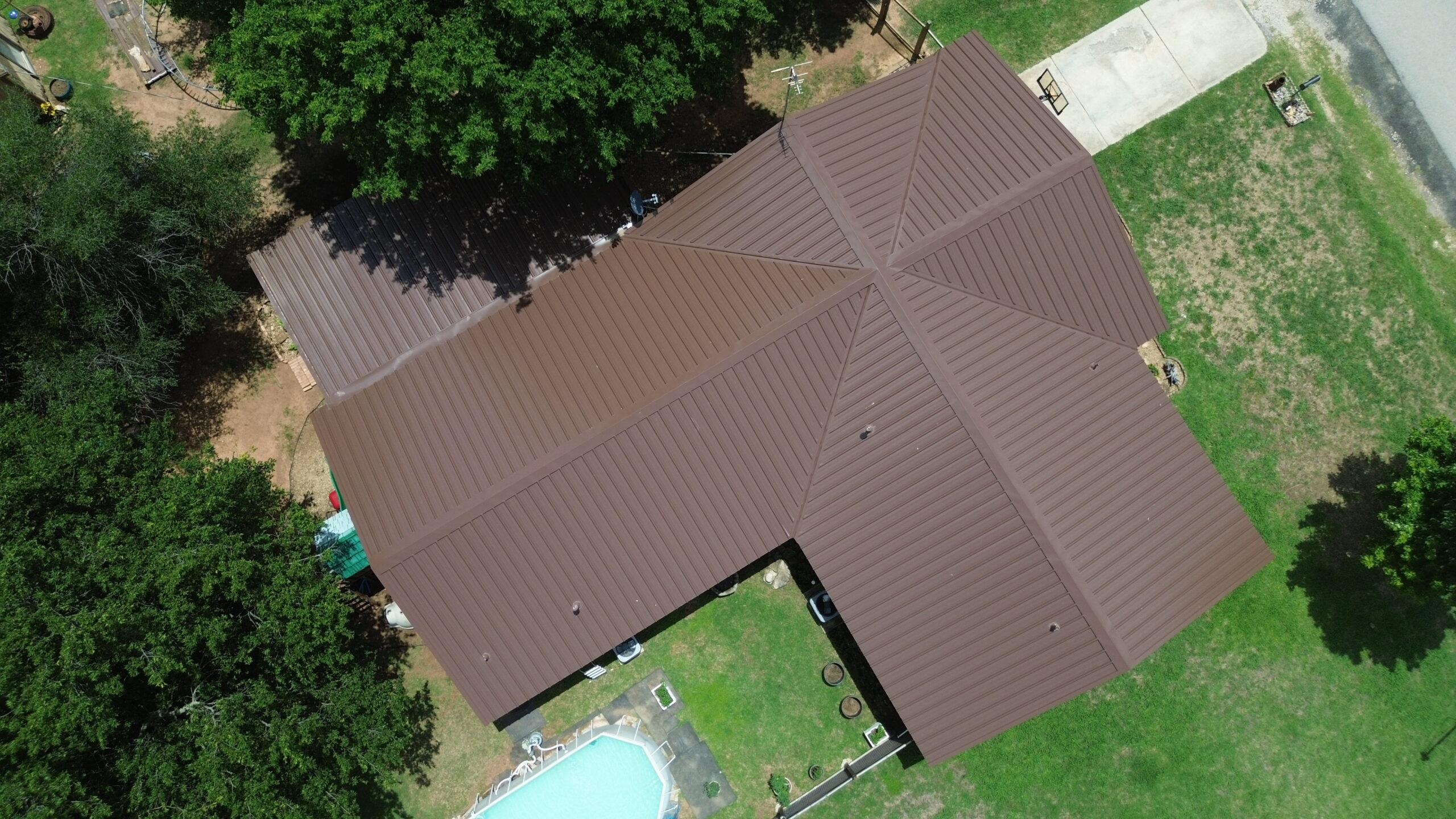
Metal roofing is another energy efficient solution for certain commercial buildings. Reflective coatings combined with durable metal panels help reduce solar heat gain while providing long service life and relatively low maintenance requirements. Proper insulation beneath the roofing system remains essential to maximize thermal performance.
Material durability also contributes to energy efficiency. Roofing systems that maintain their reflective properties, resist weathering, and preserve waterproofing performance over many years continue delivering consistent energy savings throughout their service life.
Compatibility between roofing materials and insulation should also be considered. Roofing membranes, adhesives, insulation boards, fasteners, and flashing components should function together as a complete roofing assembly. Selecting compatible products helps preserve both waterproofing and thermal performance.
Property managers should evaluate manufacturer testing information, warranty programs, maintenance requirements, and expected service life before making final material selections. Looking beyond initial installation costs often results in better long term financial and energy performance.
Improving Insulation During Roof Replacement
Insulation is one of the most important components of an energy efficient commercial roofing system. During roof replacement, property owners have an excellent opportunity to upgrade insulation levels without requiring additional building renovations. Improving insulation often provides some of the greatest long term energy savings available during the entire roofing project.
Commercial roof insulation slows the transfer of heat between the building interior and outdoor environment. During summer, insulation reduces heat entering the building from the roof surface. During winter, it limits heat escaping through the roof, helping maintain comfortable indoor temperatures while reducing HVAC demand.
Many older commercial buildings contain insulation that no longer meets modern energy performance expectations. Building codes and insulation technology have improved significantly over time, making roof replacement an ideal opportunity to upgrade thermal performance.
Rigid insulation boards are commonly installed beneath commercial roofing membranes because they provide consistent thermal resistance while supporting the roofing system above. Multiple insulation layers may be used to improve energy performance while reducing gaps between insulation panels.
Proper insulation installation is just as important as insulation thickness. Gaps, compression, moisture intrusion, or uneven placement reduce thermal performance and create pathways for unwanted heat transfer. Careful installation helps maintain continuous insulation coverage across the entire roof.
Moisture management should also be considered during insulation upgrades. Wet insulation loses much of its thermal resistance, making effective waterproofing and drainage essential for preserving long term energy efficiency.
Property managers should compare insulation options based on long term performance rather than material cost alone. Higher quality insulation may require greater initial investment, but lower heating and cooling expenses often provide financial benefits throughout the roof’s service life.
Improved insulation also enhances occupant comfort. More consistent indoor temperatures reduce hot and cold areas within the building while helping HVAC systems maintain stable environmental conditions.
Cool Roofing Systems and Reflective Roof Technologies
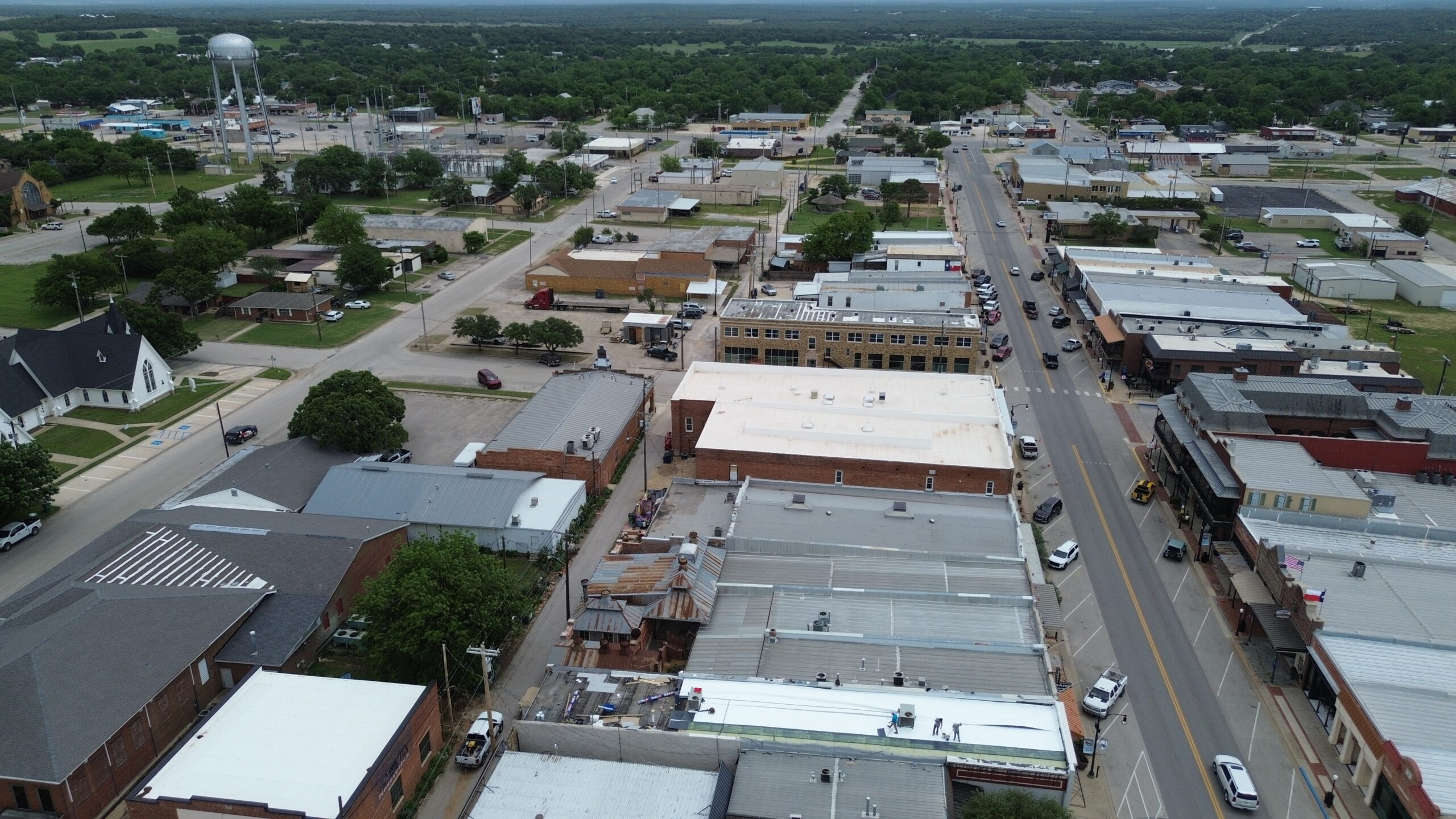
Cool roofing technology has become one of the most effective methods for improving commercial roof energy efficiency. These roofing systems are specifically designed to reduce solar heat absorption while maintaining lower roof surface temperatures throughout the day.
Traditional dark roofing materials absorb a large percentage of incoming solar radiation. As roof temperatures increase, heat transfers into the building, increasing cooling requirements and placing additional strain on HVAC equipment.
Cool roofing systems function differently by reflecting a greater portion of sunlight back into the atmosphere. Their reflective surfaces absorb less heat, allowing roof temperatures to remain significantly lower than conventional roofing materials during periods of strong sunlight.
Reflective membranes are among the most common cool roofing technologies used in commercial construction. White or light colored TPO and PVC membranes provide excellent solar reflectance while maintaining reliable waterproofing performance.
Reflective roof coatings also offer energy efficiency improvements for certain commercial roofing systems. These specialized coatings increase surface reflectivity while helping protect roofing materials from weathering and ultraviolet exposure.
The effectiveness of cool roofing depends on proper maintenance. Dirt, debris, biological growth, and surface deterioration gradually reduce reflectivity over time. Regular cleaning and periodic inspections help preserve energy performance throughout the roof’s lifespan.
Climate conditions influence the overall benefits of cool roofing systems. Buildings located in warmer climates generally experience greater reductions in cooling costs because reflective surfaces significantly reduce solar heat gain. In mixed climates, property managers should balance summer cooling benefits with winter heating requirements when evaluating roofing options.
Reflective roofing systems also contribute to improved outdoor environmental conditions by reducing heat buildup across large commercial roof surfaces. Lower roof temperatures help decrease surrounding heat accumulation while supporting broader urban sustainability efforts.
Reducing Thermal Bridging and Air Leakage
Energy efficient roofing depends not only on insulation but also on minimizing unwanted heat transfer through structural components and uncontrolled air movement. Thermal bridging and air leakage are two common sources of energy loss that should be addressed during commercial roof replacement.
Thermal bridging occurs when heat travels through highly conductive building materials rather than through the insulated portions of the roof assembly. Steel framing, fasteners, rooftop supports, and other structural components may transfer heat more rapidly than surrounding insulation, reducing overall thermal performance.
Although thermal bridges cannot always be eliminated completely, thoughtful roof design helps reduce their impact. Continuous insulation layers, compatible fastening systems, and carefully planned roof assemblies improve overall thermal resistance across the building envelope.
Air leakage represents another major source of energy loss. Small gaps around roof penetrations, mechanical equipment, skylights, electrical conduits, plumbing vents, and flashing details allow conditioned indoor air to escape while permitting outdoor air to enter the building.
Even relatively small air leaks can significantly increase heating and cooling demands over time. During roof replacement, contractors should inspect every penetration carefully while improving sealing methods wherever possible.
Expansion joints also deserve close attention because they accommodate building movement while maintaining weather protection. Properly designed expansion joints help prevent air leakage without restricting natural structural movement caused by changing temperatures.
Roof transitions connecting walls, parapets, equipment curbs, and other structural elements should be sealed consistently throughout the installation process. Maintaining continuous air barriers across these transitions strengthens the overall energy performance of the completed roofing system.
Quality control inspections performed during construction help verify that insulation remains continuous and that sealing details have been completed according to manufacturer recommendations. Careful workmanship during installation contributes significantly to long term energy efficiency.
Energy Efficient Drainage and Ventilation Considerations
Although drainage and ventilation are often discussed primarily in relation to waterproofing, they also influence the overall energy performance of commercial roofing systems. Properly designed drainage and ventilation help preserve insulation while maintaining long term thermal efficiency.
Drainage begins with effective roof slope design. Flat commercial roofs include subtle slopes that direct rainwater toward drains, gutters, scuppers, or overflow systems. Efficient drainage prevents standing water from damaging roofing materials and insulation.
Moisture control is essential because wet insulation loses much of its insulating capability. Maintaining dry insulation helps preserve the thermal resistance that supports lower heating and cooling costs throughout the roof’s service life.
Drainage systems should be inspected carefully during roof replacement. Existing drains may require cleaning, resizing, or relocation to improve long term water removal. Correcting drainage deficiencies during replacement often prevents future insulation damage while extending roof lifespan.
Ventilation also contributes to energy performance, particularly in commercial buildings with enclosed roof spaces. Proper airflow helps regulate moisture levels while reducing condensation that could otherwise affect insulation performance or structural components.
Mechanical ventilation systems located on commercial roofs require careful coordination during replacement. HVAC equipment, exhaust systems, intake units, and rooftop ventilation components should be integrated with the roofing system to maintain both weather protection and efficient building operation.
Roof penetrations associated with ventilation equipment should be sealed carefully to prevent air leakage while allowing future maintenance access. High quality flashing and waterproofing details preserve both energy efficiency and roof durability.
Routine inspection of drainage and ventilation systems after installation helps ensure they continue supporting the building’s overall energy performance throughout the roof’s operational life.
Installation Best Practices That Improve Energy Performance
Even the highest quality roofing materials cannot achieve their full energy saving potential without proper installation. Careful workmanship throughout construction plays a critical role in maximizing thermal performance while preserving long term roof durability.
Preparation begins before new materials are installed. Contractors should verify that the roof deck is structurally sound, dry, and free from defects that could affect insulation placement or membrane attachment. Correcting deficiencies early prevents future performance problems.
Insulation should be installed according to manufacturer recommendations with tightly fitted joints and consistent coverage across the roof surface. Gaps or uneven insulation placement reduce thermal performance while creating unnecessary heat transfer pathways.
Roof membranes should also be installed carefully to maintain continuous waterproofing and air sealing. Properly welded seams, securely attached flashing, and accurately sealed penetrations all contribute to better energy efficiency while protecting the building from moisture intrusion.
Construction quality should be monitored throughout the project rather than only at completion. Supervisors should inspect insulation placement, membrane installation, flashing details, drainage components, and sealing work continuously to identify any issues before additional construction proceeds.
Weather conditions should always be considered during installation. Roofing materials installed during heavy rain, excessive moisture, or unsuitable temperatures may not achieve optimal adhesion or long term performance. Scheduling work during appropriate weather supports both quality and energy efficiency.
Independent inspections performed by roofing consultants or quality assurance specialists provide additional confidence that installation meets project specifications. Third party evaluations often identify opportunities for improvement before the roofing system is completed.
Proper documentation also supports long term performance. Recording insulation specifications, installation methods, inspection results, and material information provides valuable references for future maintenance while supporting warranty requirements.
By combining high performance roofing materials, upgraded insulation, reflective technologies, reduced thermal bridging, improved drainage, and careful installation practices, commercial roof replacement projects can deliver significant improvements in building energy efficiency. In the final part, we will examine methods for measuring post installation energy performance, preserving efficiency through maintenance, avoiding common energy related mistakes, integrating solar ready roofing, evaluating long term financial returns, and conclude the complete guide to energy efficiency improvements in commercial roof replacement systems.
Measuring Energy Performance After Roof Replacement
Completing the roof replacement is not the end of the energy efficiency improvement process. Property owners and facility managers should evaluate how the new roofing system performs after installation to confirm that it is delivering the expected energy savings and operational benefits. Measuring performance also helps identify opportunities for further optimization.
One of the simplest ways to evaluate energy performance is by comparing utility bills before and after the roof replacement. Monthly electricity and heating costs should be reviewed over similar seasons to account for weather differences. Although many factors influence energy consumption, noticeable reductions may indicate that the new roofing system is improving building efficiency.
Building automation systems can provide additional insight into energy performance. Many commercial buildings continuously monitor indoor temperatures, HVAC operation, and energy usage. Reviewing this information allows facility managers to identify changes in heating and cooling demand after the roofing project has been completed.
Indoor temperature consistency is another useful performance indicator. Buildings with improved roof insulation and reduced air leakage often experience fewer temperature fluctuations between different areas of the building. More stable indoor conditions improve occupant comfort while reducing unnecessary HVAC cycling.
Infrared thermal imaging can also be performed after installation to verify insulation performance. Thermal scans identify areas where unexpected heat transfer may still be occurring, allowing contractors to address installation issues before they develop into larger problems.
HVAC performance should also be monitored during the first year following roof replacement. Heating and cooling systems operating more efficiently may experience shorter run times and lower overall energy demand. These improvements often contribute to reduced maintenance requirements while extending equipment lifespan.
Performance monitoring should continue beyond the first few months. Tracking energy data over multiple years provides a more complete understanding of how the roofing system performs under different seasonal conditions while helping property managers evaluate the long term value of their investment.
Maintenance Practices That Preserve Energy Efficiency
Even the most energy efficient commercial roofing system requires routine maintenance to maintain its thermal performance throughout its service life. Without regular inspections and preventive maintenance, energy efficiency gradually declines as roofing materials age or minor problems remain uncorrected.
Scheduled roof inspections should be performed at least twice each year, with additional evaluations after severe weather events. Inspectors should examine roofing membranes, flashing, insulation condition, drainage systems, expansion joints, and rooftop penetrations for signs of damage or deterioration.
Keeping drainage systems clean is one of the simplest yet most effective maintenance activities. Leaves, dirt, and construction debris can block roof drains and gutters, allowing standing water to develop. Moisture exposure may reduce insulation performance while increasing the likelihood of roofing damage.
Roof surfaces should also remain clean. Reflective roofing systems gradually lose some of their solar reflectivity as dirt, dust, algae, and other contaminants accumulate on the surface. Periodic cleaning helps maintain the reflective properties that contribute to lower roof temperatures and reduced cooling costs.
Minor roofing damage should be repaired promptly. Small punctures, loose flashing, damaged sealants, or deteriorated seams may allow air leakage or moisture intrusion that reduces thermal performance over time. Addressing these issues early usually requires much less expense than major repairs later.
Rooftop equipment should also be inspected regularly. HVAC maintenance personnel, communication technicians, and other service providers frequently access commercial roofs. Ensuring that maintenance activities do not damage roofing materials helps preserve both waterproofing and energy efficiency.
Maintenance records should be updated after every inspection or repair. Detailed documentation supports warranty compliance while allowing facility managers to monitor long term roof performance and identify recurring maintenance concerns.
Preventive maintenance protects the financial investment made during roof replacement while helping the roofing system continue delivering energy savings throughout its expected lifespan.
Common Energy Efficiency Mistakes to Avoid
Commercial roof replacement provides an excellent opportunity to improve building efficiency, but certain planning and installation mistakes may reduce the expected energy benefits. Recognizing these common issues allows property managers to make better decisions throughout the project.
One of the most common mistakes is focusing only on roofing membranes while overlooking insulation improvements. Installing reflective roofing materials without upgrading inadequate insulation may limit overall energy savings because heat transfer through the roof assembly remains relatively high.
Another frequent mistake is selecting roofing materials based solely on initial cost. Lower priced materials may not provide the same thermal performance, durability, or long term energy savings as higher quality alternatives. Evaluating lifecycle value generally produces better financial outcomes.
Some projects underestimate the importance of air sealing. Even high quality insulation cannot perform effectively if conditioned indoor air escapes through poorly sealed roof penetrations, flashing details, or expansion joints. Continuous air barriers should always be included within the roofing strategy.
Improper installation also reduces energy performance. Gaps between insulation boards, damaged roofing membranes, incomplete flashing, or poorly welded seams create thermal weaknesses that increase heating and cooling demands throughout the building.
Neglecting drainage improvements represents another common oversight. Standing water may eventually damage insulation and roofing materials, reducing their thermal performance while increasing maintenance costs. Correcting drainage deficiencies during roof replacement helps preserve energy efficiency over the long term.
Some organizations also overlook future maintenance requirements. Reflective roofing systems require periodic cleaning and inspections to maintain optimal performance. Ignoring maintenance gradually reduces the roof’s ability to reflect solar heat effectively.
Finally, failing to measure energy performance after installation prevents organizations from understanding whether the project has achieved its intended goals. Ongoing monitoring allows adjustments and maintenance improvements that maximize long term efficiency.
Avoiding these common mistakes helps ensure that the completed roofing system delivers the expected operational and financial benefits throughout its service life.
Integrating Solar Ready Roofing and Sustainable Upgrades
Commercial roof replacement often creates an ideal opportunity to prepare the building for future sustainability improvements. Even if renewable energy systems are not installed immediately, designing the roofing system with future upgrades in mind provides greater flexibility while reducing future construction costs.
A solar ready roof is designed to accommodate photovoltaic panels or other renewable energy equipment when the organization decides to install them. Planning for future solar installations during roof replacement allows structural requirements, roof layout, drainage, and equipment placement to be considered before construction is complete.
Structural evaluations are particularly important for solar ready roofs. Engineers verify that the roof can safely support future solar equipment while identifying any reinforcement that may be required before the new roofing system is installed.
Roof layout also influences future solar performance. Positioning HVAC equipment, communication systems, skylights, and other rooftop installations carefully helps preserve larger unobstructed areas suitable for future solar panel placement.
Sustainable upgrades extend beyond renewable energy. Additional insulation, highly reflective roofing membranes, durable recyclable materials, improved drainage systems, and environmentally responsible construction practices all contribute to a more sustainable commercial building.
Construction waste management also supports sustainability objectives. Recycling existing roofing materials whenever practical helps reduce landfill waste while conserving natural resources. Many commercial roofing projects now include organized recycling programs for insulation, metal components, and roofing membranes.
Water management improvements further strengthen sustainability. Efficient drainage systems protect roofing materials while supporting long term building performance. Some commercial buildings also integrate rainwater collection systems during roof replacement to improve overall resource management.
Planning for future sustainability improvements during roof replacement creates long term flexibility while maximizing the value of the current roofing investment.
Calculating Long Term Return on Energy Efficient Roofing Investments
Evaluating energy efficient roofing requires more than comparing installation costs. Property owners should calculate the long term financial return generated by lower operating expenses, improved building performance, and extended roof lifespan.
Energy savings typically represent the largest financial benefit. Reduced heating and cooling demands lower monthly utility expenses throughout the roof’s service life. Although savings vary by climate, building size, and roofing system, they often continue for decades after installation.
Maintenance costs should also be included when evaluating return on investment. High quality roofing systems generally require fewer emergency repairs while maintaining better waterproofing and thermal performance. Lower maintenance expenses improve overall financial returns over time.
Extended roof lifespan provides another important benefit. Durable roofing materials combined with proper installation and routine maintenance delay future replacement costs while reducing long term capital expenditures.
Improved HVAC performance contributes additional financial value. Buildings with better roof insulation and reduced heat transfer place less demand on heating and cooling equipment. Lower equipment workload may reduce maintenance expenses while extending mechanical system service life.
Property value may also increase following installation of an energy efficient roofing system. Commercial buildings demonstrating lower operating costs, improved sustainability, and modern building systems often become more attractive to investors, buyers, and tenants.
Organizations pursuing environmental objectives may also benefit from improved corporate sustainability performance. Lower energy consumption and reduced carbon emissions support environmental reporting while strengthening long term organizational sustainability strategies.
Return on investment should therefore be evaluated using multiple financial measures rather than utility savings alone. Combining operational savings, maintenance reductions, equipment longevity, property value improvements, and roof durability provides a more complete understanding of the true value created by energy efficient roof replacement.
Conclusion
Energy efficiency has become one of the most important objectives in modern commercial roof replacement. Rather than viewing roof replacement as a simple maintenance project, property owners and facility managers increasingly recognize it as an opportunity to improve building performance, reduce operating expenses, and strengthen long term sustainability.
Throughout this guide, we explored how commercial roofs influence overall energy consumption and why careful planning before replacement is essential. We examined the importance of evaluating existing roof performance, establishing clear energy goals, selecting high performance roofing materials, upgrading insulation, using reflective roofing technologies, reducing thermal bridging, and improving drainage and ventilation systems.
We also discussed how proper installation practices, ongoing performance monitoring, preventive maintenance, and thoughtful planning for future sustainable upgrades help preserve energy efficiency throughout the roof’s service life. These activities ensure that the benefits of the roofing investment continue well beyond the construction phase.
Avoiding common mistakes such as inadequate insulation, poor air sealing, insufficient maintenance, or focusing only on initial installation costs further improves long term building performance. Property owners who evaluate roofing decisions using lifecycle value rather than short term expenses are generally better positioned to achieve meaningful operational savings over many years.
Ultimately, an energy efficient commercial roofing system provides far more than weather protection. It reduces heating and cooling demands, improves occupant comfort, supports environmental sustainability, protects valuable building assets, extends the life of HVAC equipment, and contributes to stronger long term financial performance. By combining quality materials, professional installation, preventive maintenance, and strategic planning, organizations can maximize the value of their commercial roof replacement while creating a more efficient, comfortable, and sustainable building for the future.