
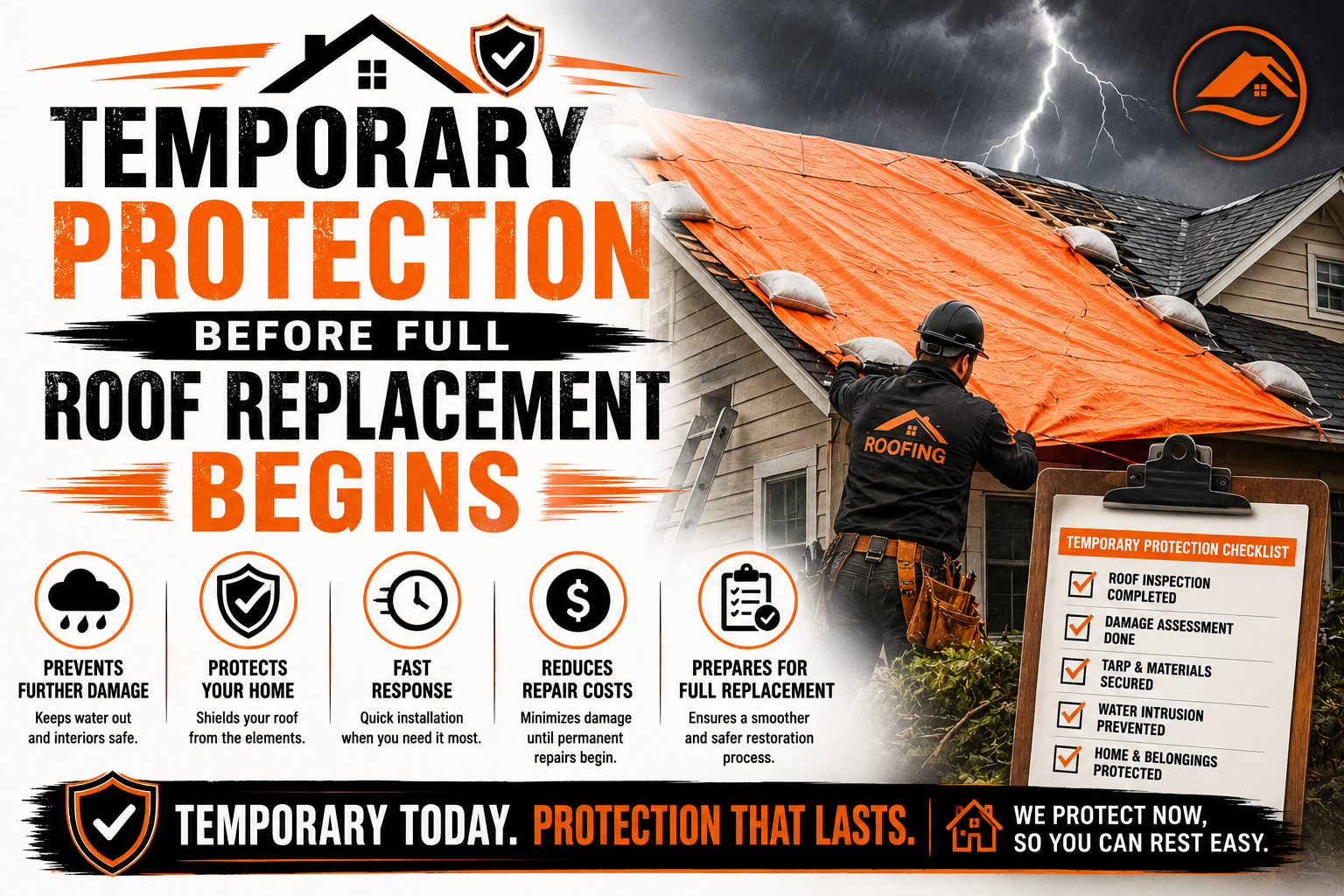
Temporary Protection Before Full Roof Replacement Begins
Introduction
A damaged roof can quickly become one of the most serious problems a homeowner faces. Whether the damage comes from a severe storm, falling tree limbs, hail, heavy winds, or aging materials, every hour the roof remains exposed increases the risk of water intrusion and structural deterioration. While a complete roof replacement is often the final solution, it cannot always begin immediately because of insurance approvals, contractor scheduling, weather conditions, or material availability.
This waiting period is where temporary roof protection becomes essential. Proper emergency measures help minimize further damage, preserve the structural integrity of the home, and reduce repair costs while preparations for a full roof replacement are underway. Temporary protection is not meant to permanently solve roofing problems, but it provides valuable time until professional replacement work can begin safely.
Many homeowners underestimate the importance of these temporary measures. Small openings in roofing materials can allow water to penetrate insulation, ceilings, drywall, electrical systems, and even the home’s foundation if left unchecked. Acting quickly often makes the difference between replacing only the roof and dealing with thousands of dollars in additional interior repairs.
This guide explains everything homeowners should know about protecting a damaged roof before replacement begins. In this first section, we will examine why temporary protection is necessary, what causes emergency roof damage, the dangers of delaying action, how to inspect roof damage safely, and the most effective methods for protecting your home until permanent repairs are possible.
Why Temporary Protection Matters Before Roof Replacement
A roof serves as the home’s first line of defense against weather, moisture, temperature changes, and environmental hazards. Once this protective barrier is compromised, the entire structure becomes vulnerable to damage that extends far beyond the roofing materials themselves.
Roof replacement projects are rarely completed immediately after damage occurs. Insurance inspections, claim approvals, contractor availability, permit requirements, and weather conditions often create delays ranging from several days to several weeks. During that time, the roof remains exposed unless temporary protection measures are installed.
Temporary protection reduces the amount of moisture entering the home during rainstorms. Even a relatively small leak can allow water to spread through insulation and wall cavities where damage often goes unnoticed until mold, stains, or wood rot develop.
Emergency protection also preserves the evidence of storm damage. Insurance companies generally expect homeowners to take reasonable steps to prevent additional losses after a covered event. Installing temporary protection demonstrates responsible property maintenance while preserving damaged materials for inspection.
Another important benefit is protecting personal belongings. Furniture, flooring, electronics, family photographs, important documents, and household appliances can all suffer significant damage if roof leaks continue without intervention. Preventing these secondary losses saves both money and emotional stress.
Temporary protection further improves workplace safety once replacement begins. Stabilizing damaged areas reduces the chance of roofing materials shifting unexpectedly before contractors start removing the existing roof.
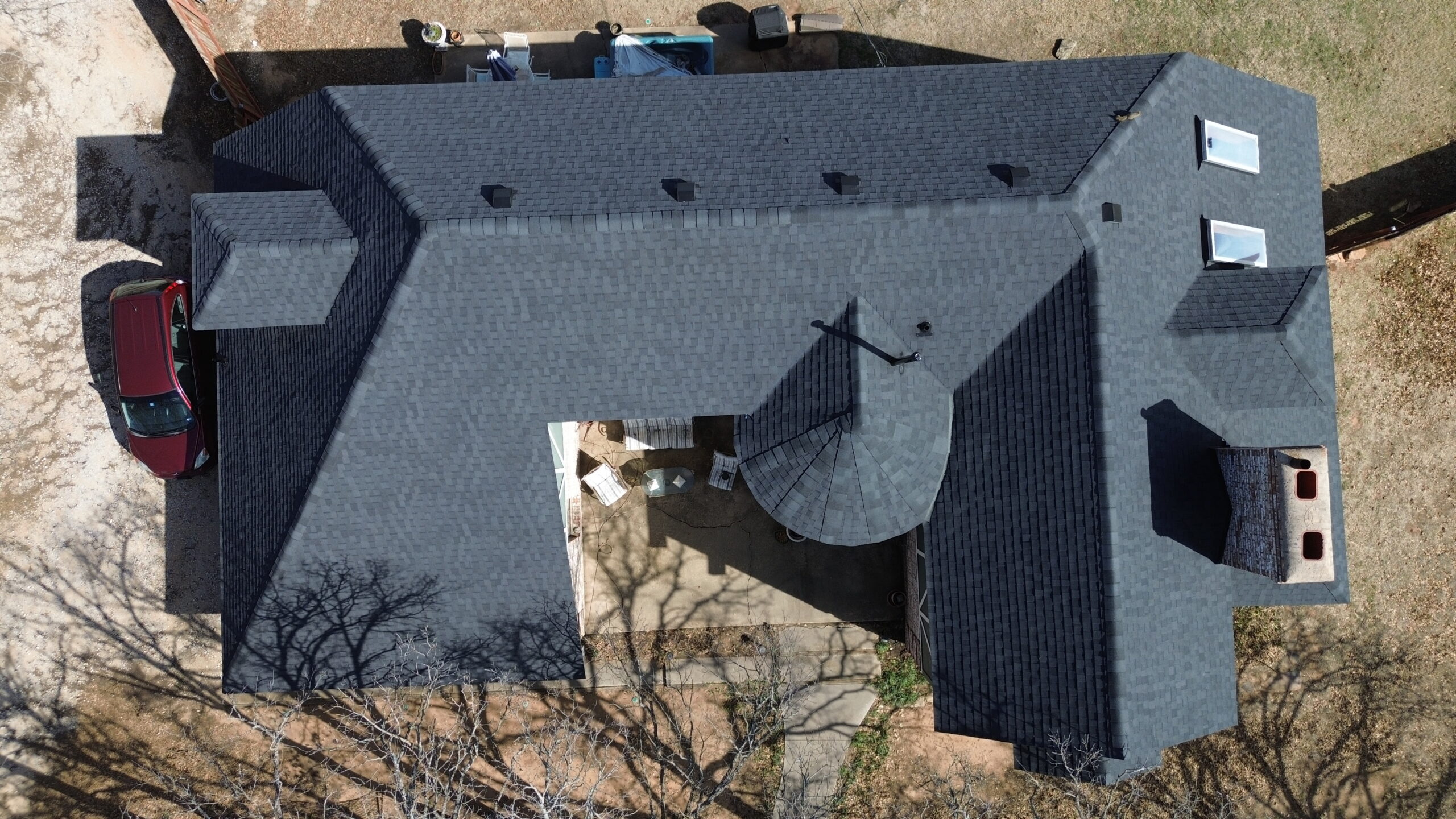
Common Causes of Roof Damage That Require Immediate Protection
Roof damage can occur gradually over many years or develop within minutes during a severe weather event. Understanding the causes helps homeowners recognize when temporary protection should begin immediately.
Severe Wind Damage
Strong winds can loosen shingles, lift flashing, tear away ridge caps, or completely remove roofing sections. High winds often create openings that allow rainwater to penetrate beneath the roofing system even if the visible damage appears minor.
Wind damage is especially dangerous because surrounding shingles may also become loose without showing obvious signs from the ground. The next storm can quickly enlarge the damaged area if temporary protection is delayed.
Hail Damage
Hail impacts can crack asphalt shingles, dent metal roofing panels, damage flashing, and weaken protective granules that shield roofing materials from ultraviolet exposure.
Some hail damage is difficult to identify without a professional inspection. However, larger impacts often expose underlying roofing materials that should be covered temporarily until replacement begins.
Fallen Trees and Branches
Heavy branches or entire trees can puncture roofing systems instantly. These impacts often create large openings that expose insulation, attic spaces, and structural framing directly to the weather.
Besides visible holes, tree impacts may weaken rafters, decking, and supporting structures. Temporary coverings help reduce water damage while structural assessments are completed.
Heavy Rain and Flooding
Persistent rainfall can expose weaknesses that previously went unnoticed. Water may enter through deteriorated flashing, damaged vents, worn sealants, or aging shingles that have reached the end of their service life.
Even moderate leaks should never be ignored. Moisture spreads quickly through insulation and wood framing where hidden damage develops long before visible stains appear.
Snow and Ice
In colder climates, accumulated snow and ice dams can force water beneath shingles. Freeze and thaw cycles repeatedly expand small cracks until significant leaks develop.
Temporary protection prevents melting snow from entering vulnerable roof sections while waiting for weather conditions suitable for full replacement.
Fire Damage
House fires often compromise roofing materials even when flames remain contained. Heat weakens structural components while firefighting efforts saturate roofing systems with water.
Emergency coverings help protect exposed sections from additional weather-related deterioration during restoration planning.
Aging Roofing Materials
Roofs naturally deteriorate over time due to constant exposure to sunlight, wind, rain, and temperature changes. Curling shingles, cracked flashing, worn sealants, and deteriorated underlayment eventually reduce the roof’s ability to repel water.
Temporary protection becomes necessary whenever aging materials fail before replacement work can begin.
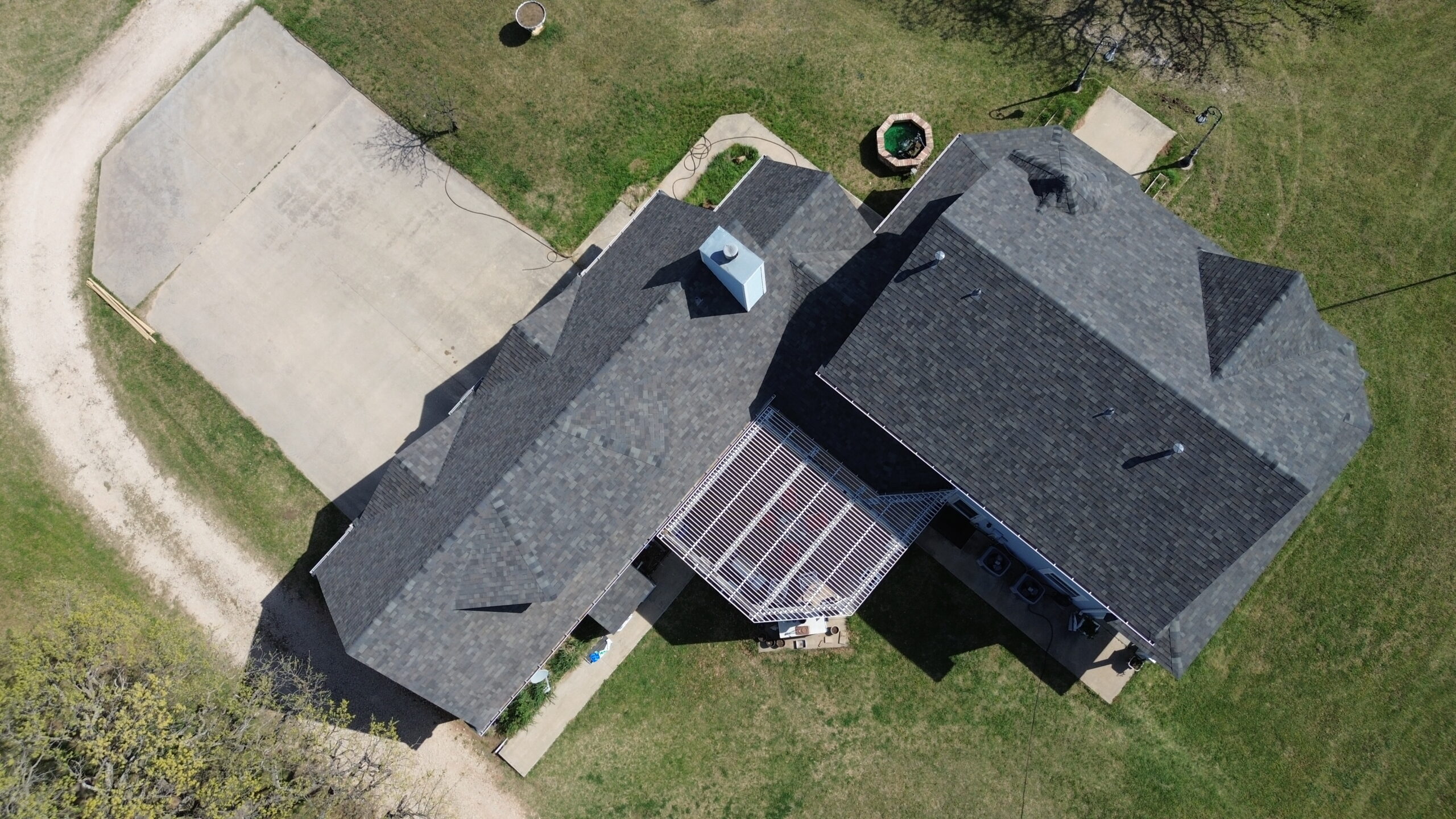
The Risks of Leaving a Damaged Roof Exposed
Many homeowners assume a small leak can wait until the replacement project starts. Unfortunately, roof damage rarely remains unchanged. Small problems often become major structural issues surprisingly quickly.
One of the greatest risks is water infiltration. Rainwater follows the path of least resistance and frequently travels far from the original entry point. Ceiling stains may appear several rooms away from the actual roof damage, making leak detection difficult.
Moisture trapped inside insulation dramatically reduces its thermal performance. As insulation becomes saturated, heating and cooling systems work harder to maintain indoor temperatures, increasing energy costs throughout the home.
Wood framing exposed to repeated moisture gradually begins to rot. Rafters, roof decking, wall studs, and ceiling joists lose structural strength over time, making eventual repairs significantly more extensive.
Electrical systems also become vulnerable. Water reaching wiring, junction boxes, recessed lighting, or electrical panels creates serious safety hazards that require immediate professional attention.
Another concern is mold growth. Mold colonies can begin developing within twenty four to forty eight hours after moisture enters building materials under favorable conditions. Once mold spreads behind drywall or beneath flooring, remediation becomes considerably more expensive.
Pest infestations represent another overlooked consequence. Birds, squirrels, insects, raccoons, and rodents often enter homes through damaged roof openings. Besides causing additional structural damage, pests contaminate insulation and create sanitation concerns.
The following table summarizes some of the most common risks associated with delaying temporary roof protection.
| Roof Condition | Potential Consequence | Long Term Impact |
|---|---|---|
| Missing shingles | Water penetration | Interior ceiling damage |
| Exposed roof decking | Wood rot | Structural repairs |
| Damaged flashing | Hidden leaks | Mold development |
| Open roof holes | Pest entry | Additional property damage |
| Saturated insulation | Reduced efficiency | Higher energy costs |
| Ongoing leaks | Electrical hazards | Safety risks and expensive repairs |
Each of these issues becomes more severe the longer the roof remains unprotected. Taking prompt action often limits damage to the roofing system itself instead of affecting multiple areas throughout the home.
How to Perform an Initial Roof Damage Assessment Safely
Before applying any temporary protection, homeowners should carefully assess the damage while keeping personal safety as the highest priority. Serious injuries often occur when individuals attempt to inspect unstable roofs after storms.
Begin by walking around the exterior of the home from ground level. Look for missing shingles, damaged flashing, fallen branches, displaced gutters, exposed roof decking, or debris that may indicate impact damage.
Binoculars can provide a closer view without requiring anyone to climb onto the roof. This method often reveals lifted shingles, punctures, or damaged ridge caps while keeping the inspection safe.
Inside the home, inspect the attic if it is safe to enter. Look for sunlight coming through the roof, damp insulation, water stains, wet wood framing, or active dripping. These observations help identify the approximate location of roof leaks.
Pay attention to ceilings and upper walls throughout the home. Fresh stains, bubbling paint, peeling wallpaper, or sagging drywall frequently indicate moisture intrusion from above.
Photograph every visible sign of damage before moving debris or installing temporary coverings. Clear documentation supports insurance claims and provides contractors with useful information during replacement planning.
Avoid climbing onto the roof under the following conditions:
- During rain, snow, or high winds.
- If structural damage is suspected.
- When power lines have fallen nearby.
- If the roof has steep slopes or slippery surfaces.
- Whenever proper safety equipment is unavailable.
Professional roofing contractors have specialized fall protection equipment and training that allow them to inspect dangerous conditions more safely than homeowners.
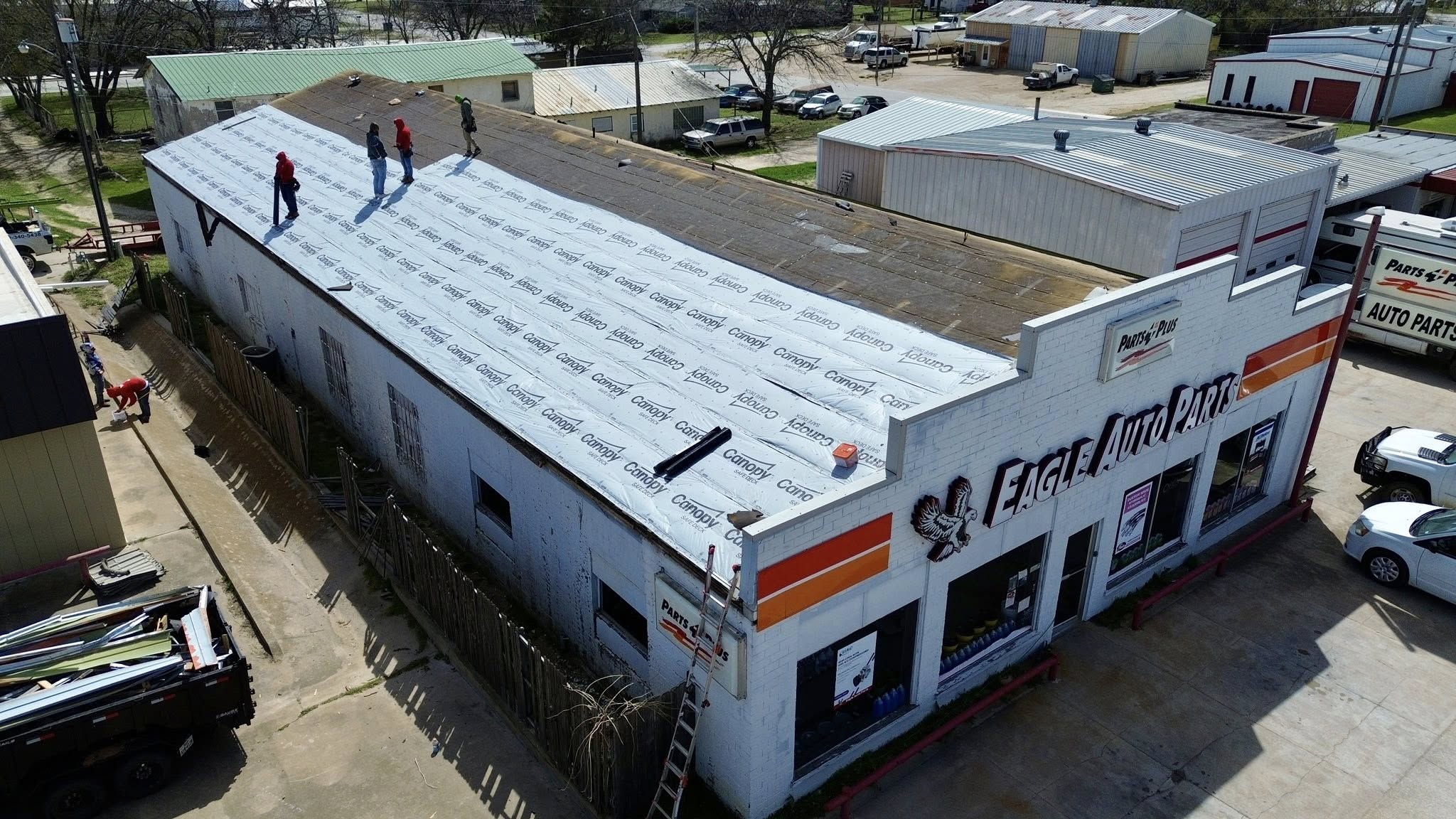
Emergency Steps to Take Immediately After Roof Damage
The first several hours after discovering roof damage often determine how much secondary damage develops. Acting promptly helps protect both the structure and its contents while waiting for permanent repairs.
The recommended response generally follows this sequence:
- Ensure everyone inside the home is safe.
- Shut off electricity if water is approaching electrical systems.
- Document all visible damage with photographs and videos.
- Move valuable belongings away from leaking areas.
- Collect dripping water using buckets or containers.
- Contact your insurance company to report the damage.
- Arrange for temporary roof protection as soon as conditions are safe.
- Schedule a professional roof inspection and replacement evaluation.
Following these steps helps reduce additional losses while establishing clear documentation for insurance purposes.
Temporary Roof Protection Methods Homeowners Can Use
Several temporary protection methods can help reduce further damage until complete roof replacement begins. The appropriate solution depends on the size, location, and severity of the damage.
Roof tarps remain one of the most common emergency protection methods. Heavy duty waterproof tarps securely fastened over damaged sections provide an effective barrier against rainfall while preserving the underlying structure.
Plastic sheeting may serve as a short term indoor solution beneath active leaks. Although it should not replace exterior protection, it helps redirect dripping water away from ceilings and furnishings until professional assistance arrives.
Roofing tape and sealants can temporarily reduce leaks around flashing or small punctures. These products are intended only for minor emergency situations and should never replace proper roof replacement.
Plywood coverings sometimes protect larger openings created by fallen trees or severe structural damage. Contractors typically secure plywood before installing waterproof coverings that resist additional rainfall.
Interior moisture control also plays an important role. Using fans and dehumidifiers helps remove excess humidity after leaks occur, reducing the likelihood of mold development before repairs begin.
It is important to remember that temporary protection should stabilize the roof rather than permanently repair it. Attempting extensive repairs without proper knowledge can create additional safety hazards and may complicate future replacement work.
Materials Commonly Used for Temporary Roof Protection
Successful temporary protection depends on selecting materials that withstand weather while remaining easy to remove once replacement begins.
Heavy duty polyethylene tarps are widely used because they resist water penetration and tolerate moderate wind exposure when properly secured. Contractors often choose reinforced tarps for larger damaged areas because they offer greater durability.
Pressure treated wooden boards help anchor tarps without causing unnecessary additional damage to roofing materials. Secure fastening prevents wind from lifting protective coverings during storms.
Roofing nails with protective caps improve holding strength while reducing the risk of tearing tarp material. Some contractors also use specialized fastening systems designed specifically for emergency roof stabilization.
Waterproof roof tape provides quick sealing around small cracks, flashing joints, and localized punctures. While effective for temporary use, these products eventually degrade under prolonged sunlight and weather exposure.
Plastic sheeting serves as an interior moisture barrier when ceilings begin leaking. Combined with buckets, towels, and moisture absorbing materials, it helps limit interior damage while exterior protection is arranged.
Professional contractors often carry emergency response kits containing multiple protective materials that can be adapted to different roofing systems and damage scenarios. Selecting the appropriate combination ensures temporary protection remains effective until full roof replacement begins.
Professional Temporary Roof Protection Services
While some homeowners can safely perform minor emergency measures from the ground, significant roof damage usually requires professional assistance. Roofing contractors have the equipment, training, and experience needed to stabilize damaged roofs without creating additional hazards. Their work also provides confidence that temporary protection will remain secure until the replacement project begins.
Professional emergency services often start with a detailed inspection of the entire roofing system. Contractors look beyond the obvious damage to identify loose shingles, weakened decking, compromised flashing, damaged vents, and hidden leaks. Finding these issues early helps prevent additional failures during the waiting period before replacement.
Most roofing companies keep emergency materials readily available because severe weather events frequently create urgent repair requests. Heavy duty tarps, waterproof membranes, temporary sealants, plywood, and fastening systems allow crews to protect homes within hours of arriving on site. These materials are selected specifically for temporary use and are designed to withstand changing weather conditions.
Experienced contractors also understand how different roofing systems respond to temporary coverings. Asphalt shingles, metal roofs, tile roofs, and flat roofing systems each require different installation techniques. Applying the wrong protection method may trap moisture or create additional damage that complicates the replacement process.
Professional documentation is another valuable benefit. Contractors typically record photographs before and after installing temporary protection, providing detailed evidence of the roof’s condition. These records often become useful during insurance inspections and claim negotiations because they demonstrate both the extent of the damage and the homeowner’s efforts to reduce further losses.
Hiring professionals also minimizes personal injury risks. Climbing onto a storm damaged roof is dangerous, especially when decking has been weakened by impact or water infiltration. Roofing crews use fall protection equipment and follow established safety procedures that greatly reduce these risks.
How Temporary Protection Helps During the Insurance Claim Process
Temporary roof protection does more than prevent additional property damage. It also supports a smoother insurance claim by showing that the homeowner acted responsibly after discovering the loss.
Most insurance policies require homeowners to take reasonable steps to protect the property after a covered event. This responsibility is often called mitigating damages. Ignoring obvious leaks or leaving large openings exposed may increase repair costs, and insurers could question why preventable damage was allowed to continue.
Temporary protection helps preserve the original evidence of storm damage. Water entering the home for several additional weeks can make it difficult to determine which damage resulted directly from the storm and which damage occurred afterward. Proper coverings help maintain a clearer timeline for adjusters.
Photographs taken before installing tarps or temporary coverings should clearly show damaged shingles, exposed decking, broken flashing, punctures, and any interior water damage. These images create an accurate record of the property’s condition immediately after the incident.
Homeowners should also keep receipts for emergency materials and professional temporary protection services. Depending on the insurance policy, reasonable emergency expenses may be reimbursable when they are directly related to preventing additional covered damage.
Communication remains equally important throughout the claim process. Notify the insurance company as soon as possible after discovering the damage and explain that temporary protection has been installed solely to prevent further deterioration. This helps avoid misunderstandings during the inspection process.
Temporary protection also provides adjusters with safer inspection conditions. Stabilized roofing materials reduce the likelihood of further collapse or shifting while the roof is being evaluated for replacement.
Choosing Between Temporary Repairs and Full Roof Replacement
One of the most common questions homeowners ask is whether temporary repairs are enough or whether complete roof replacement is the better option. The answer depends on several factors, including the extent of the damage, the roof’s age, and its overall condition before the incident.
Temporary repairs are designed to reduce immediate risks rather than restore the roof permanently. They provide valuable protection while insurance approvals, contractor schedules, and replacement planning move forward. These repairs should never be viewed as a substitute for replacing a roof that has reached the end of its service life.
When damage affects only a very small area on an otherwise healthy roof, permanent repairs may sometimes be sufficient. However, widespread storm damage, multiple leaks, structural problems, or significant material deterioration often make replacement the more practical long term solution.
Older roofs deserve particular attention. Even if the immediate damage appears localized, roofing materials that have exceeded their expected lifespan may continue failing in other areas. Replacing the entire roof often provides greater reliability and may prove more cost effective than repeated repairs over several years.
Roofing professionals evaluate several conditions before recommending replacement. These include the percentage of damaged roofing materials, the condition of the decking, evidence of recurring leaks, previous repair history, ventilation performance, and the expected remaining lifespan of the existing roof.
Temporary protection provides valuable time for these evaluations without allowing additional weather related damage to occur. Homeowners can make informed decisions instead of rushing into permanent repairs during an emergency.
Safety Considerations During Temporary Roof Protection
Safety should remain the highest priority throughout every stage of temporary roof protection. Storm damaged roofs are often unstable even when they appear relatively intact from the ground.
One of the greatest dangers comes from weakened roof decking. Water intrusion may soften wood panels until they can no longer support a person’s weight. Walking across these areas creates a significant fall hazard.
Weather conditions also affect safety. Wet shingles become extremely slippery, while strong winds can cause sudden loss of balance. Even experienced roofing professionals postpone certain emergency work when weather conditions make access unsafe.
Electrical hazards require careful attention as well. Water leaking through ceilings may contact wiring, light fixtures, or electrical panels. If water is approaching electrical equipment, shutting off power to affected areas may be necessary until qualified professionals inspect the system.
Fallen tree limbs introduce additional risks because they may continue shifting after impact. Branches resting on damaged roofs should only be removed by qualified personnel using proper equipment.
Personal protective equipment plays a major role in reducing injuries. Professional roofers commonly use harnesses, roof anchors, non slip footwear, helmets, gloves, and eye protection while performing temporary stabilization work.
Homeowners should remember that protecting personal safety is always more important than protecting property. If conditions appear dangerous, waiting for professional assistance is the safest decision.
Temporary Protection for Different Roofing Materials
Not every roofing system responds the same way to emergency protection. Selecting appropriate temporary methods helps avoid unintended damage while maintaining effective weather resistance until replacement begins.
Asphalt shingle roofs are the most common residential roofing systems and generally respond well to tarp installations. Contractors carefully secure waterproof coverings over damaged sections while avoiding unnecessary fasteners that could enlarge existing leaks.
Metal roofing requires a different approach because panels expand and contract with temperature changes. Temporary coverings must allow for this movement without becoming loose or damaging protective coatings.
Tile roofs present unique challenges due to their brittle nature. Walking directly on damaged tiles may break additional sections, making professional access methods particularly important. Protective coverings are usually installed with extra care to prevent unnecessary weight on weakened areas.
Wood shake roofs require attention to moisture management because prolonged dampness can accelerate deterioration. Temporary coverings should reduce water intrusion while allowing adequate ventilation where possible.
Flat roofs often rely on waterproof membranes rather than overlapping shingles. Temporary protection typically involves compatible membrane patches or specialized waterproof coverings that prevent standing water from entering damaged areas.
Understanding these differences highlights why professional guidance is valuable. Applying a temporary solution designed for one roofing system may not perform effectively on another.
Common Mistakes to Avoid While Protecting a Damaged Roof
Even well intentioned emergency efforts can create additional problems if they are performed incorrectly. Avoiding common mistakes helps preserve the roof until replacement begins.
One frequent mistake is delaying temporary protection because the leak appears minor. Small openings often expand during the next storm, allowing significantly more water to enter the home. Acting quickly usually limits both structural and interior damage.
Another mistake involves using lightweight household tarps that are not designed for prolonged outdoor exposure. Thin materials may tear during moderate winds, leaving the roof vulnerable again within a short period.
Some homeowners attempt permanent repairs using roofing cement or excessive sealants before a full inspection has been completed. These products may temporarily stop visible leaks but can also hide underlying structural damage that contractors need to evaluate during replacement planning.
Improper tarp installation is another common problem. Loose coverings may flap in the wind, causing additional shingle damage or allowing rainwater to enter beneath the protective material. Secure installation is just as important as selecting quality materials.
Ignoring attic inspections also leads to missed damage. Water entering through one roof opening often travels along framing members before becoming visible indoors. Inspecting only ceiling stains may overlook widespread moisture infiltration above the living space.
Many homeowners also forget to monitor temporary protection after installation. Strong winds, additional storms, or shifting debris may loosen coverings over time. Periodic visual inspections from the ground help ensure the protection remains effective until replacement work begins.
Estimated Timeline From Temporary Protection to Roof Replacement
The time between emergency protection and full roof replacement varies depending on weather conditions, insurance processing, contractor availability, and material delivery schedules. Understanding the typical sequence helps homeowners know what to expect during this period.
The following timeline illustrates a common progression after significant roof damage.
| Stage | Typical Timeframe | Primary Objective |
|---|---|---|
| Emergency damage discovery | Day 1 | Protect occupants and document damage |
| Temporary roof protection | Day 1 to Day 2 | Prevent additional water intrusion |
| Insurance notification and inspection | Day 2 to Day 10 | Evaluate covered damage |
| Contractor assessment and estimate | Within first two weeks | Plan replacement project |
| Material ordering and scheduling | Two to six weeks | Prepare for installation |
| Full roof replacement | Scheduled date | Install permanent roofing system |
Actual timelines differ from one project to another. Large regional storms may increase contractor demand, while specialty roofing materials sometimes require longer manufacturing or shipping periods.
Temporary protection is designed to bridge this waiting period safely. When installed correctly and monitored regularly, it allows homeowners to focus on planning a quality roof replacement instead of worrying about worsening water damage.
By understanding how professional services, insurance requirements, roofing materials, safety practices, and project timelines work together, homeowners are better prepared for the final stage of the process. In the final part of this guide, we will examine what happens once roof replacement begins, the costs associated with temporary protection, practical homeowner recommendations, frequently asked questions, and the concluding steps for successfully protecting a home before a complete roof replacement.
What to Expect Once Roof Replacement Begins
Once insurance approvals have been completed, materials have arrived, and weather conditions are suitable, the roof replacement process can finally begin. At this stage, the temporary protection that has safeguarded the home is carefully removed so contractors can inspect the full extent of the damage beneath it. This inspection often reveals hidden issues that were impossible to identify during the emergency response.
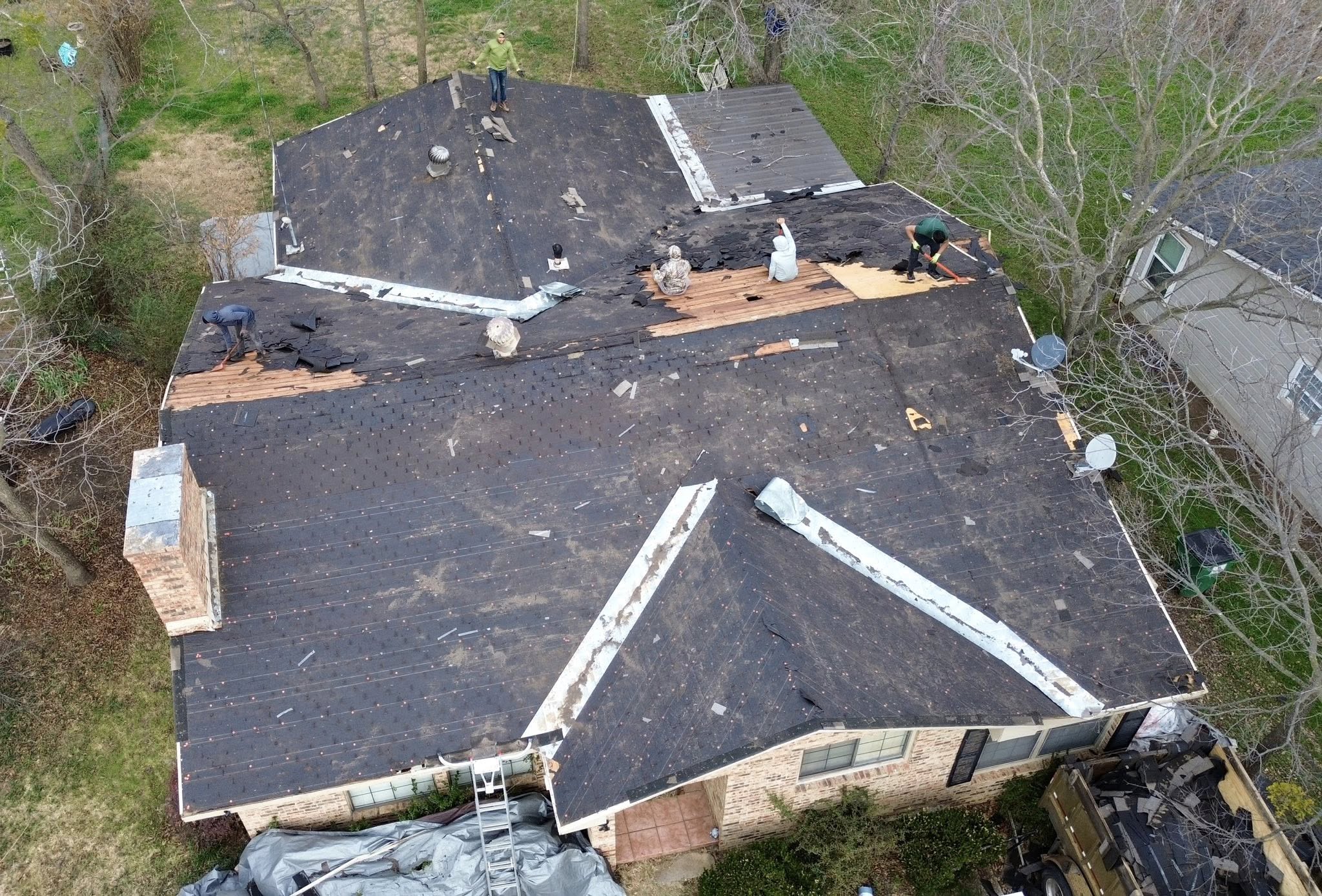
The first step usually involves removing the existing roofing materials. Contractors strip away damaged shingles, flashing, underlayment, and other components until the roof decking is fully exposed. This allows every section of the roof structure to be evaluated before new materials are installed.
If moisture has reached the roof decking, certain sections may require replacement before installation continues. Rotten wood, weakened framing, or damaged fascia boards must be repaired to provide a solid foundation for the new roofing system. Skipping these repairs would shorten the lifespan of the replacement roof.
After structural repairs are completed, contractors install new underlayment and moisture barriers. These components create an additional layer of protection beneath the shingles or other roofing materials, reducing the likelihood of future water intrusion. Modern roofing systems often include improved waterproofing technologies that provide better performance than older installations.
Flashing around chimneys, skylights, valleys, and roof penetrations is replaced with new materials designed to create watertight seals. Since flashing is a common source of leaks, proper installation is critical to the overall success of the roof replacement project.
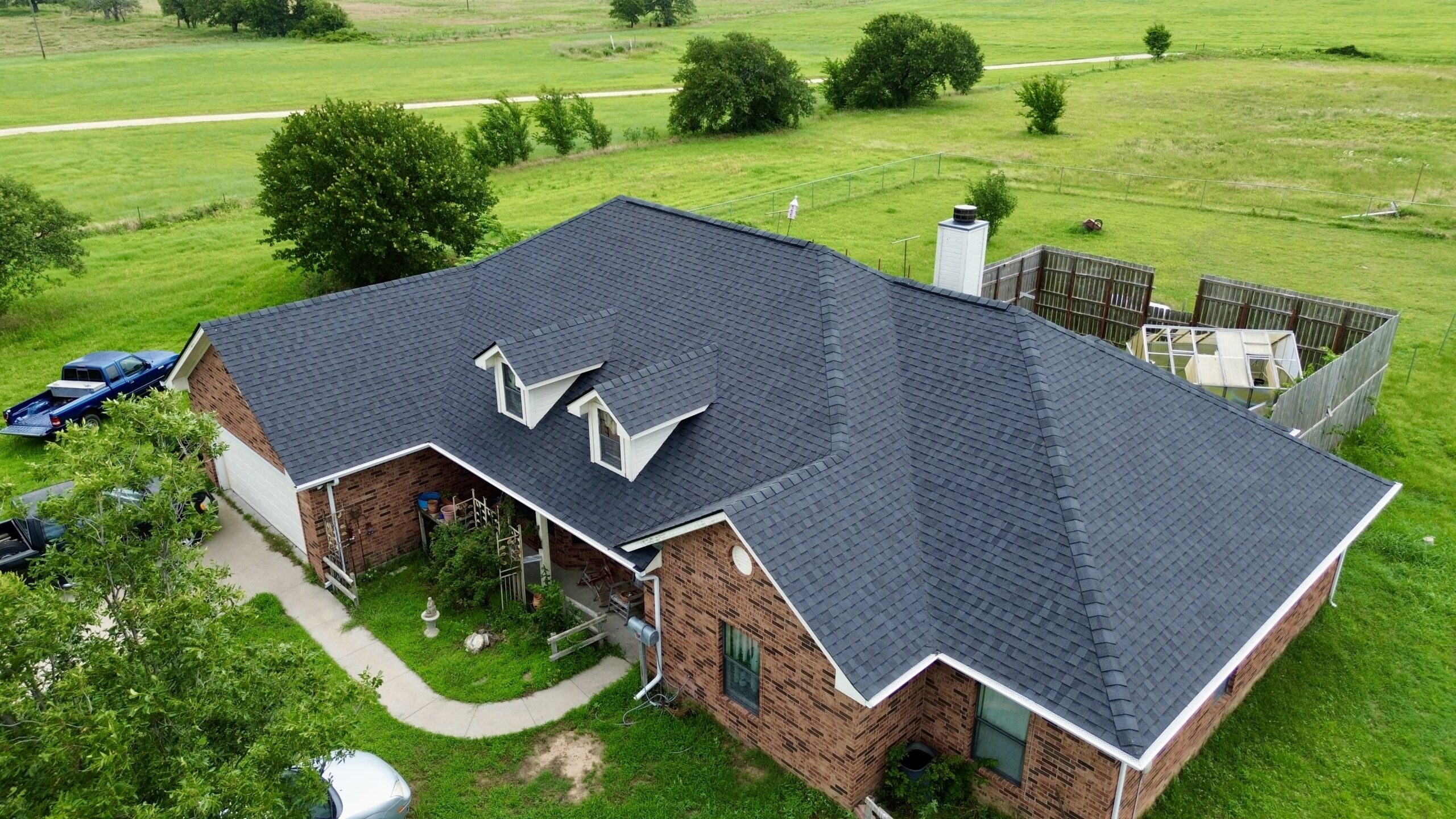
Once the roofing materials are installed, contractors perform a thorough inspection of the completed work. They verify that shingles are aligned correctly, flashing is sealed, ventilation components function properly, and cleanup has been completed. The temporary protection has now served its purpose, and the home once again has a permanent barrier against the elements.
Costs Associated With Temporary Roof Protection
Temporary roof protection is an additional expense that homeowners may not anticipate after storm damage. However, these costs are often much lower than the expenses associated with allowing water damage to continue unchecked.
The total cost depends on several factors, including the size of the damaged area, roof accessibility, roofing material, weather conditions, and the type of temporary protection required. A small tarp covering a localized leak will generally cost much less than stabilizing a roof with extensive structural damage.
Professional emergency services may include inspection fees, labor, materials, emergency response charges, and follow up visits if severe weather continues before replacement begins. Although these services represent an immediate expense, they frequently prevent much larger repair bills later.
Some homeowners choose to install temporary coverings themselves using retail materials. While this approach may reduce initial costs, improper installation can lead to additional leaks, damaged roofing materials, or personal injuries. In many situations, professional installation provides greater long term value.
Insurance policies sometimes reimburse reasonable emergency protection expenses when they are necessary to prevent additional covered damage. Homeowners should keep detailed records of invoices, receipts, photographs, and communication with contractors to support reimbursement requests where applicable.
Another financial consideration involves interior damage prevention. Protecting ceilings, insulation, drywall, flooring, and personal belongings often saves considerably more money than the temporary roof protection itself. Viewed from this perspective, emergency stabilization is frequently one of the most cost effective investments made during the entire replacement process.
Preventing Additional Interior and Structural Damage
Temporary roof protection focuses on stopping water before it enters the home, but homeowners should also take steps inside the property to reduce damage while waiting for replacement. Combining exterior and interior protection provides the best overall results.
Move valuable belongings away from active leak areas whenever possible. Furniture, electronics, artwork, rugs, books, and important documents should be relocated to dry rooms until the roof is permanently repaired. Even small leaks can spread unexpectedly during heavy rainfall.
Buckets and waterproof containers should be placed beneath active drips to prevent water from pooling on flooring surfaces. Empty these containers regularly to avoid overflow, particularly during prolonged storms.
If insulation becomes wet, it should be inspected after the leak has been stopped. Saturated insulation loses much of its thermal performance and may contribute to mold development if allowed to remain damp for extended periods.
Using fans and dehumidifiers helps accelerate the drying process inside the home. Lower indoor humidity reduces the likelihood of mold growth while protecting wooden flooring, furniture, and interior finishes from excessive moisture.
Regular inspections remain important throughout the waiting period. Temporary coverings should be visually checked from the ground after every major storm to ensure they remain secure. Indoor leak locations should also be monitored for new stains, ceiling sagging, or changes that indicate additional moisture intrusion.
Maintaining good communication with the roofing contractor is equally valuable. If conditions worsen before replacement begins, reporting new leaks promptly allows emergency protection to be adjusted before significant damage develops.
Temporary Roof Protection Best Practices for Homeowners
Every roofing emergency is different, but several practical recommendations consistently help homeowners reduce risks while preparing for a complete roof replacement.
The following best practices summarize the most effective approach.
- Act as soon as roof damage is discovered rather than waiting for the next storm.
- Document all visible damage with clear photographs before installing temporary coverings.
- Contact the insurance company promptly and follow claim reporting requirements.
- Use quality temporary protection materials designed for outdoor weather exposure.
- Avoid walking on damaged roofs unless trained and properly equipped.
- Monitor temporary coverings after severe weather events.
- Keep receipts for emergency materials and professional services.
- Schedule a full roof inspection even if leaks appear to have stopped.
These recommendations reduce both property damage and unnecessary delays throughout the replacement process.
Temporary Roof Protection Timeline
The period between initial damage and completed replacement varies, but each stage serves an important purpose in protecting the home.
| Project Stage | Main Activity | Goal |
|---|---|---|
| Damage occurs | Identify immediate hazards | Protect occupants |
| Emergency response | Install temporary protection | Prevent further water intrusion |
| Insurance review | Inspect and document damage | Determine coverage |
| Replacement planning | Finalize materials and schedule | Prepare permanent solution |
| Roof replacement | Remove damaged roof and install new system | Restore long term protection |
| Final inspection | Verify installation quality | Complete the project successfully |
Understanding this progression helps homeowners remain patient during unavoidable scheduling delays while recognizing the importance of each phase.
Essential Steps Before Full Roof Replacement
Following an organized sequence improves both safety and efficiency during the period between storm damage and permanent replacement.
- Ensure everyone inside the home is safe.
- Document visible roof and interior damage.
- Install temporary protection or arrange professional emergency service.
- Notify the insurance company and begin the claim process.
- Schedule a professional roof inspection.
- Review repair versus replacement recommendations.
- Select a qualified roofing contractor.
- Prepare the property for replacement day.
- Complete the roof replacement.
- Perform a final inspection and maintain project documentation.
Following these steps reduces confusion and helps homeowners move through the replacement process with greater confidence.
Key Temporary Protection Tips
Temporary roof protection is most successful when homeowners remain proactive throughout the waiting period rather than assuming the initial emergency work will solve every problem.
- Check indoor ceilings regularly for new water stains.
- Keep attic spaces ventilated whenever conditions allow.
- Remove standing water inside the home promptly.
- Watch for signs of mold or musty odors.
- Report any worsening damage to the roofing contractor immediately.
- Avoid making permanent repairs before a full professional evaluation.
- Save all photographs and repair records for future reference.
These simple practices help ensure temporary protection continues performing as intended until the permanent roofing system is installed.
Frequently Asked Questions
How long can temporary roof protection remain in place?
The lifespan depends on the materials used, weather conditions, and installation quality. Professionally installed temporary protection generally lasts much longer than emergency coverings installed without proper equipment. Regardless of the expected duration, it should always be viewed as a temporary solution rather than a replacement for permanent roofing.
Can I replace only the damaged section instead of the entire roof?
That depends on the roof’s age, overall condition, and the extent of the damage. Localized repairs may be appropriate for newer roofs with limited damage, while older roofs or those with widespread deterioration often benefit from complete replacement.
Should I remove damaged shingles before installing a tarp?
In most cases, damaged materials should remain in place until they can be evaluated by a roofing professional. Removing roofing materials without proper knowledge may enlarge leaks or create additional structural problems.
Will temporary protection stop every roof leak?
Temporary protection significantly reduces water intrusion, but no emergency solution is guaranteed to eliminate every leak under all weather conditions. Continued monitoring is important until the permanent roof replacement has been completed.
Is temporary roof protection necessary even if the weather forecast looks clear?
Yes. Weather forecasts can change quickly, and even morning dew or unexpected rainfall may enter exposed roofing materials. Installing protection promptly reduces unnecessary risks regardless of the immediate forecast.
Can insurance deny a claim if temporary protection is not installed?
Every insurance policy differs, but homeowners are generally expected to take reasonable steps to prevent additional damage after a covered event. Failing to protect the property may complicate portions of the claim involving damage that occurred after the initial loss.
Conclusion
Temporary roof protection is one of the most important steps between discovering roof damage and completing a full roof replacement. Although these emergency measures are not permanent solutions, they protect the home from additional weather exposure, reduce the likelihood of structural deterioration, preserve valuable personal belongings, and support a smoother insurance claim process.
Acting quickly after roof damage occurs can significantly reduce repair costs and prevent small problems from becoming major restoration projects. Whether the damage results from storms, fallen trees, aging materials, or other unexpected events, installing effective temporary protection gives homeowners valuable time to make informed decisions about replacement without exposing the property to unnecessary risks.
Professional guidance, careful documentation, regular inspections, and ongoing monitoring all contribute to a successful transition from emergency stabilization to permanent roof replacement. By understanding each stage of the process and taking timely action, homeowners can protect both their investment and their peace of mind while ensuring the new roof begins its service on a strong and secure foundation.