

Hail Storm Roof Replacement Evaluation and Repair Decisions
Introduction
Hail storms can strike with little warning and leave behind significant roof damage that is not always obvious from the ground. While some hailstones create only minor cosmetic marks, larger hail can crack shingles, dent metal panels, damage flashing, and weaken the roof’s ability to protect a home from future weather. Even when the roof appears intact, hidden damage may continue to worsen over time if it is not properly evaluated.
Many homeowners face uncertainty after a hail storm because the damage is not always easy to recognize. Small impact marks may seem harmless, yet they can shorten the lifespan of roofing materials and allow moisture to penetrate beneath the surface. Determining whether the roof needs repairs or complete replacement requires a careful evaluation that considers both visible damage and the overall condition of the roofing system.
Making the right decision after hail damage involves more than simply replacing broken shingles. It requires understanding how hail affects different roofing materials, identifying warning signs, documenting damage for insurance purposes, and seeking professional guidance before problems become more expensive to fix.
This guide explains the complete process of evaluating hail-damaged roofs and deciding between repair and replacement. In this first part, we will examine how hail damages roofing systems, why immediate evaluations are important, how to recognize common warning signs, what safety precautions homeowners should follow, and how to document damage before professional inspections begin.
How Hail Storms Damage Different Roofing Systems
Hail impacts roofing materials with tremendous force, especially when accompanied by strong winds. The extent of damage depends on several factors, including hailstone size, wind speed, roof age, roofing material, and the angle at which hail strikes the surface.
Asphalt shingles are among the most commonly affected roofing materials during hail storms. Hail impacts can dislodge protective granules, create cracks, bruise the shingle surface, or even puncture weaker areas. Once the protective outer layer has been compromised, ultraviolet exposure and moisture gradually accelerate deterioration.
Metal roofing generally performs well during severe weather, but large hailstones can still cause noticeable dents. While some dents are primarily cosmetic, severe impacts may deform panels, loosen fasteners, or damage protective coatings that help prevent corrosion.
Clay and concrete tile roofs often resist smaller hailstones effectively, yet larger impacts can crack individual tiles or break them completely. Damaged tiles expose the underlayment beneath, increasing the likelihood of water infiltration during future rainfall.
Wood shake roofs may split when struck by large hailstones. Existing weathering makes older wood roofing especially vulnerable because repeated expansion and contraction reduce its resistance to impact over time.
Synthetic roofing products vary depending on their construction. Many premium products are designed with enhanced impact resistance, although extremely large hail can still damage certain components or supporting structures beneath the visible roofing material.
Flashing around chimneys, skylights, roof vents, and valleys can also sustain hail damage. Bent flashing, cracked sealant, or loosened connections often become entry points for water even when the surrounding roofing material appears undamaged.
Roof accessories should not be overlooked during inspections. Gutters, downspouts, vents, ridge caps, satellite mounts, and skylights may all suffer impact damage that contributes to future roofing problems if left unaddressed.
Understanding how each roofing material responds to hail allows homeowners to appreciate why every roof requires an individual assessment rather than assuming all damage will look the same.
Why Every Hail-Damaged Roof Should Be Evaluated Promptly
Prompt roof evaluations are one of the most important steps after a hail storm. Delaying inspections increases the risk that relatively small issues will develop into more serious structural or moisture-related problems.
Hail damage often creates tiny fractures that are difficult to detect without close inspection. Although these defects may not cause immediate leaks, they gradually weaken the roof’s protective barrier. Repeated exposure to sunlight, rain, temperature changes, and wind continues enlarging these damaged areas over time.
Moisture entering through small openings rarely remains confined to one location. Water can travel beneath roofing materials, soak insulation, weaken roof decking, stain ceilings, and promote mold growth before visible signs appear inside the home.
Another reason for timely evaluation involves preserving evidence of storm damage. The longer homeowners wait, the more difficult it becomes to distinguish hail damage from normal aging or damage caused by later weather events. Fresh documentation provides a clearer picture of the roof’s condition immediately after the storm.
Insurance claims also benefit from prompt inspections. Early evaluations establish a documented connection between the storm event and the observed damage, making discussions with insurance representatives more straightforward.
Timely evaluations also provide peace of mind. Even when professional inspectors determine that replacement is unnecessary, homeowners gain confidence knowing the roof has been assessed thoroughly and any required repairs can be scheduled before additional weather causes further deterioration.
Waiting until leaks appear often means that damage has already progressed beyond the outer roofing material. Early action helps preserve structural components while reducing repair costs and minimizing disruption to everyday life.
Visible and Hidden Signs of Hail Damage
Hail damage is not always dramatic. Some roofs display obvious broken shingles and visible punctures, while others develop subtle impact marks that gradually reduce the roof’s performance over several years.
One of the most recognizable signs is the loss of protective granules from asphalt shingles. Areas where granules have been knocked away often appear darker than the surrounding roof because the underlying asphalt becomes exposed.
Circular impact marks are another common indicator. These bruises may feel soft when inspected closely by professionals because the underlying mat has been damaged even though the surface remains mostly intact.
Cracked or fractured shingles deserve immediate attention. Once the roofing material has split, moisture can penetrate beneath the surface and begin affecting the roof deck below.
Metal roofing may display dents of varying sizes depending on hailstone diameter and impact force. While cosmetic dents do not always require replacement, severe deformation may interfere with drainage or compromise protective finishes.
Clay and concrete tiles often develop hairline cracks after hail impacts. These cracks may be difficult to see from the ground but gradually expand through repeated weather exposure.
Damage is not limited to roofing materials alone. Homeowners should also inspect gutters, downspouts, siding, window trim, air conditioning units, and outdoor metal fixtures. Similar impact marks on these surfaces often indicate that the roof experienced comparable hail exposure.
Inside the home, subtle warning signs deserve careful attention. Water stains on ceilings, damp insulation, peeling paint, mold growth, or musty odors may all indicate moisture intrusion caused by hidden roof damage.
Attic inspections can reveal additional clues. Wet rafters, visible daylight, stained roof decking, or damp insulation suggest that water has entered the roofing system even if exterior damage appears relatively minor.
Professional inspections remain essential because hidden damage frequently develops beneath shingles or underlayment where homeowners cannot safely evaluate it themselves.
Initial Safety Precautions After a Hail Storm
Safety should always come before roof inspections. Hail storms often occur alongside heavy rain, lightning, strong winds, and falling tree branches, creating hazardous conditions both during and after the storm.
Homeowners should wait until local authorities confirm that severe weather has completely passed before inspecting the property. Attempting inspections while storms continue places individuals at unnecessary risk.
The roof itself may become extremely slippery after hail and rainfall. Wet shingles, metal roofing, or tile surfaces present serious fall hazards, particularly if hidden structural damage has weakened sections of the roof.
Rather than climbing onto the roof, begin with a ground-level inspection. Walking around the property provides an opportunity to identify obvious signs of damage while avoiding unnecessary danger.
Look carefully for fallen branches, damaged power lines, broken utility poles, or unstable trees before approaching the home. Storm debris may conceal additional hazards that require professional removal.
Indoor inspections should also be performed cautiously. If water has entered electrical fixtures, ceiling fans, or circuit panels, avoid touching affected areas until the electrical system has been evaluated.
The following safety practices help reduce unnecessary risks during the initial assessment:
- Stay clear of damaged power lines and report them immediately.
- Avoid climbing onto wet or potentially unstable roofs.
- Wear sturdy footwear when walking through storm debris.
- Use flashlights if electrical power is unavailable.
- Keep children and pets away from damaged areas.
- Contact emergency services if structural damage appears severe.
These precautions allow homeowners to begin evaluating storm damage while protecting themselves from injuries commonly associated with post-storm cleanup.
Performing a Preliminary Roof Assessment
Although homeowners should not perform detailed rooftop inspections themselves, conducting a careful preliminary assessment from safe locations helps identify visible concerns before contacting roofing professionals.
Begin by observing the roof from several angles around the property. Different viewing positions often reveal damage that may not be visible from a single location. Binoculars can be helpful for identifying missing shingles, displaced flashing, broken ridge caps, or obvious impact marks without climbing onto the roof.
Inspect gutters for excessive amounts of shingle granules. A large accumulation of granules after a hail storm often indicates significant surface damage to asphalt shingles.
Walk around the home’s exterior and examine siding, window frames, garage doors, fences, and outdoor equipment. Widespread hail impacts on these surfaces suggest the roof may have experienced similar conditions.
Inside the home, inspect ceilings, upper walls, and attic spaces carefully. Fresh water stains, peeling paint, damp insulation, or musty odors should all be documented because they may indicate developing roof leaks.
Pay close attention to areas surrounding chimneys, skylights, plumbing vents, and roof valleys. These transition points frequently experience water intrusion when hail damages flashing or sealants.
A preliminary assessment should focus on gathering information rather than reaching conclusions about repair or replacement. Professional inspectors possess the equipment and expertise needed to identify structural concerns that remain hidden beneath the roofing surface.
Homeowners should resist the temptation to perform temporary repairs that could disturb evidence before the roof has been properly documented. Instead, concentrate on observing visible conditions and recording accurate information.
Documenting Hail Damage for Insurance and Professional Inspection
Proper documentation is one of the most valuable steps homeowners can take after a hail storm. Detailed records support insurance claims, improve communication with contractors, and create a reliable history of the roof’s condition immediately after the storm.
Start by taking wide-angle photographs of the property from every side. These images establish the overall condition of the home before focusing on specific areas of damage.
Next, photograph close-up details showing impact marks, missing shingles, cracked tiles, dented flashing, damaged gutters, broken skylights, and other visible problems. Capture multiple angles whenever possible to provide a complete visual record.
Interior documentation is equally important. Photograph ceiling stains, water leaks, peeling paint, damaged insulation, warped drywall, and any personal belongings affected by moisture.
Videos can also be useful because they provide continuous visual documentation of the property’s overall condition. Slowly recording the exterior and interior allows insurance representatives and contractors to understand the extent of damage more clearly.
In addition to photographs, maintain written notes describing what was observed after the storm. Record the approximate time of the hail event, visible damage, weather conditions, and any emergency measures taken to protect the home.
The following information should be collected as soon as possible after the storm:
- Date and approximate time of the hail storm.
- Exterior photographs showing roof and property damage.
- Interior photographs documenting water intrusion.
- Videos capturing the property’s overall condition.
- Receipts for temporary protective measures.
- Contact information for contractors and insurance representatives.
Organized documentation simplifies every stage of the evaluation process. Contractors can prepare more accurate inspections, insurance representatives can better understand the extent of damage, and homeowners maintain a clear record of the events that followed the hail storm.
Accurate documentation also reduces misunderstandings later in the recovery process. When every observation is supported by photographs and written records, discussions about repairs or replacement become more productive and evidence-based.
In the next part of this guide, we will examine how professional roofing inspections determine the true extent of hail damage, explain how experts decide between repair and replacement, discuss the insurance claims process, explore how to choose a qualified roofing contractor, review impact-resistant roofing materials, and outline the complete roof replacement process after a severe hail storm.
Professional Roof Inspection and Damage Evaluation
After the initial assessment has been completed and the property has been documented, the next step is a professional roof inspection. This inspection provides the information needed to determine whether the roof can be repaired safely or if a complete replacement is the better long-term solution.
Professional roofing inspections involve much more than looking for missing shingles. Experienced inspectors evaluate every layer of the roofing system, including the visible roofing material, underlayment, flashing, roof decking, ventilation components, gutters, and structural supports. Their goal is to identify both obvious damage and hidden issues that may not become visible for months.
The inspection usually begins with a detailed exterior examination. Contractors look for bruised shingles, cracked tiles, dented metal panels, damaged flashing, displaced ridge caps, punctures, and signs of impact around roof penetrations. Every section of the roof is inspected because hail damage is rarely distributed evenly.
Certain roof slopes often experience more severe impacts depending on wind direction during the storm. North-facing and west-facing roof sections, for example, may receive stronger impacts in some weather events, while other areas show only minor damage.
Roofing professionals also inspect gutters, downspouts, soffits, fascia boards, skylights, chimney flashing, and roof vents. Damage to these components may indicate that the roof itself experienced significant hail impacts even if individual shingles appear relatively intact.
The attic inspection is equally important. Contractors look for moisture stains, damp insulation, mold growth, warped roof decking, and signs of water entering through damaged roofing materials. Hidden moisture problems frequently develop before homeowners notice leaks inside living spaces.
Modern inspection methods often include moisture meters and thermal imaging technology. These tools help detect trapped moisture beneath roofing materials without removing large sections of the roof. Identifying hidden water intrusion early reduces the risk of structural deterioration and mold development.
Once the inspection is complete, homeowners typically receive a detailed report explaining the condition of the roof. This report often includes photographs, damage descriptions, measurements, repair recommendations, and an explanation of whether replacement is justified based on the overall condition of the roofing system.
A comprehensive inspection removes much of the uncertainty homeowners experience after a hail storm. Rather than making decisions based on visible damage alone, they receive professional guidance supported by careful evaluation and documented evidence.
Repair or Replacement: How the Decision Is Made
One of the most important questions after a hail storm is whether the roof should be repaired or replaced. The answer depends on several factors rather than one isolated issue. Roofing professionals evaluate the entire roofing system before making a recommendation.
Minor hail damage affecting only a few shingles or limited roof sections can often be repaired successfully. Localized repairs restore the damaged area while preserving the remainder of the roof if the surrounding materials remain in good condition.
Replacement becomes more likely when damage is widespread across multiple roof slopes. Extensive granule loss, numerous impact fractures, cracked tiles, damaged flashing, or repeated moisture intrusion may indicate that repairs would provide only a temporary solution.
Roof age also influences the decision. A roof nearing the end of its expected service life may not justify repeated repairs because surrounding materials will continue aging even after damaged sections are replaced.
Compatibility between old and new roofing materials is another consideration. Older shingles may no longer be manufactured, making color matching and material compatibility difficult. In these situations, replacing the entire roof often produces a more consistent and reliable result.
Hidden structural damage beneath the roofing material may also affect the recommendation. Water-damaged decking, weakened framing, or deteriorated underlayment cannot be corrected by replacing only the visible roofing surface.
Building codes sometimes require additional work during roof replacement. If the existing roof no longer meets current code requirements, contractors may recommend replacement to ensure the finished roofing system complies with local regulations.
Professional recommendations are based on long-term performance rather than immediate appearance. While repairs may initially cost less, repeated maintenance over several years can exceed the value of installing a durable replacement roof.
The goal is to choose the solution that restores the home’s safety, weather resistance, and long-term reliability rather than simply addressing the most visible damage.
Insurance Claims for Hail-Damaged Roofs
Insurance coverage often plays a central role in recovering from hail damage. Although policy terms differ, understanding the general claims process helps homeowners communicate more effectively with insurance providers.
The claims process usually begins by notifying the insurance company as soon as practical after discovering hail damage. Basic information about the storm, the property, and the observed damage is provided during the initial report.
The insurance company typically schedules an inspection with an adjuster. During this visit, the adjuster evaluates the roof, exterior features, and interior damage while documenting conditions relevant to the policy.
Having the contractor’s inspection report available during this stage often supports productive discussions. Independent roofing evaluations provide additional technical information that helps explain the extent of damage and the recommended scope of work.
Insurance companies generally review several factors before making a coverage determination. These include the cause of the damage, the age and condition of the roof before the storm, maintenance history, policy coverage, deductibles, and any applicable exclusions.
Once the review is complete, the insurance company provides documentation explaining the approved work, estimated costs, deductible amounts, and payment procedures where coverage applies.
Homeowners should review every estimate carefully. If important roofing components appear to be missing from the scope of work, questions should be raised before construction begins to avoid misunderstandings later.
Maintaining organized records throughout the process is extremely helpful. Inspection reports, photographs, invoices, receipts, emails, and written notes create a clear history of the project from the initial storm through final completion.
Communication should remain professional and consistent throughout the claim. Prompt responses, accurate documentation, and clear explanations often contribute to a smoother overall experience.
Although the process may require patience, careful preparation and complete documentation place homeowners in a stronger position when working through hail damage claims.
Choosing a Qualified Roofing Contractor
Selecting the right roofing contractor is one of the most important decisions homeowners make during the recovery process. The quality of installation directly affects how well the new roof performs during future storms.
Experience with hail-damaged roofing projects should be a priority. Contractors familiar with storm restoration understand common impact patterns, insurance documentation, building code requirements, and installation methods designed for severe weather.
Licensing and insurance should always be verified before signing a contract. Qualified contractors carry the appropriate credentials required by local regulations and maintain insurance coverage that protects both their workers and the homeowner.
Reputation also deserves careful consideration. Reviews, references, and previous project examples provide valuable insight into workmanship quality, communication, scheduling, and customer satisfaction.
Every estimate should clearly describe the proposed work. Material specifications, labor details, project timelines, cleanup responsibilities, warranty information, and payment schedules should all appear within the written agreement.
Homeowners should avoid making decisions based solely on the lowest estimate. Lower pricing sometimes reflects reduced material quality, incomplete project scopes, or installation practices that may compromise long-term roof performance.
Communication throughout the project is equally important. Contractors who explain technical details clearly, answer questions promptly, and provide regular updates often create a more positive overall experience.
Warranty coverage should also be discussed before construction begins. Material warranties protect against manufacturing defects, while workmanship warranties address installation-related issues. Understanding the difference helps homeowners know what protection remains after the project is complete.
Taking time to evaluate contractors carefully often leads to better workmanship, fewer unexpected issues, and greater confidence in the finished roof.
Roofing Materials and Their Resistance to Future Hail Storms
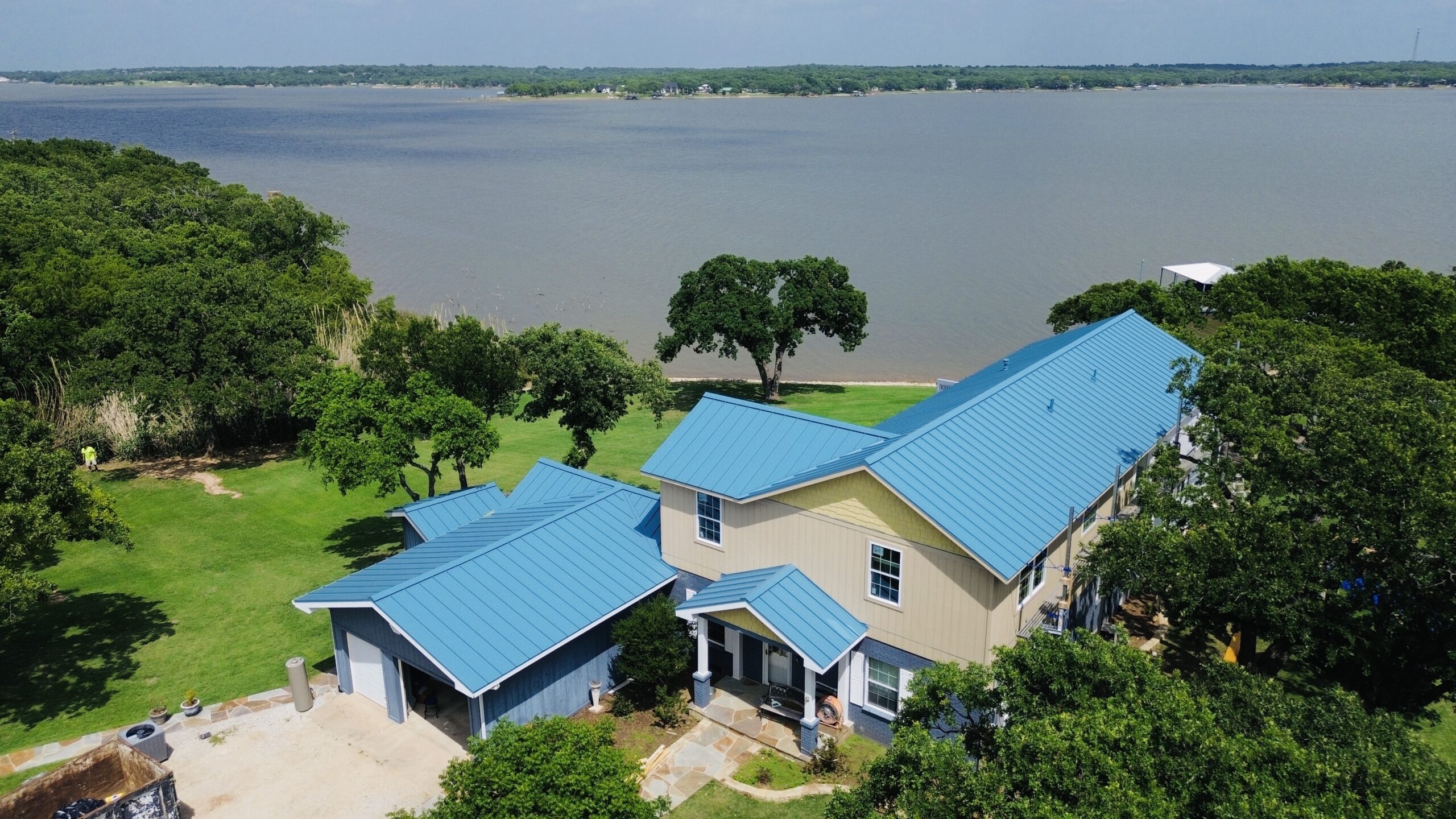
Replacing a hail-damaged roof gives homeowners an opportunity to select materials designed to better withstand future storms. While no roofing product is completely immune to hail damage, many modern materials offer significantly improved impact resistance.
Selecting the right roofing system requires balancing durability, appearance, maintenance requirements, budget, and local climate conditions.
The following table compares several commonly used roofing materials.
| Roofing Material | Hail Resistance | Expected Lifespan | Maintenance Level | General Characteristics |
|---|---|---|---|---|
| Architectural Asphalt Shingles | Good | 25 to 35 years | Moderate | Affordable with improved durability |
| Impact-Resistant Asphalt Shingles | Excellent | 30 to 40 years | Moderate | Designed for severe weather regions |
| Metal Roofing | Very Good | 40 to 70 years | Low | Strong, durable, and resistant to moisture |
| Concrete Tile | Good to Very Good | 50 years or more | Moderate | Durable but relatively heavy |
| Synthetic Roofing | Very Good | Varies by manufacturer | Low to Moderate | Combines durability with lighter weight |
Impact-resistant shingles have become increasingly popular in areas that experience frequent hail storms. These products are engineered to absorb impact more effectively than conventional shingles, reducing the likelihood of cracking and surface damage.
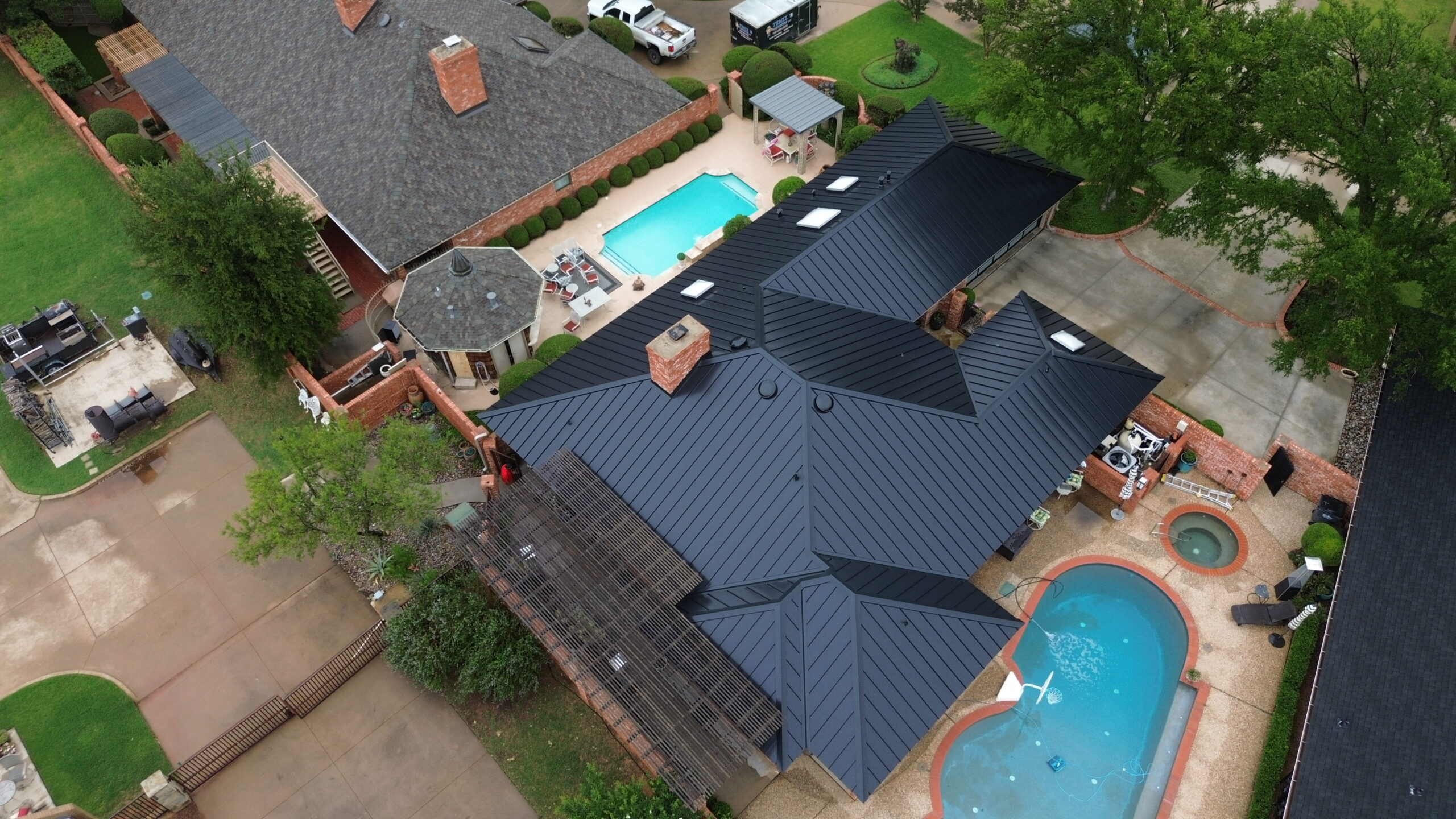
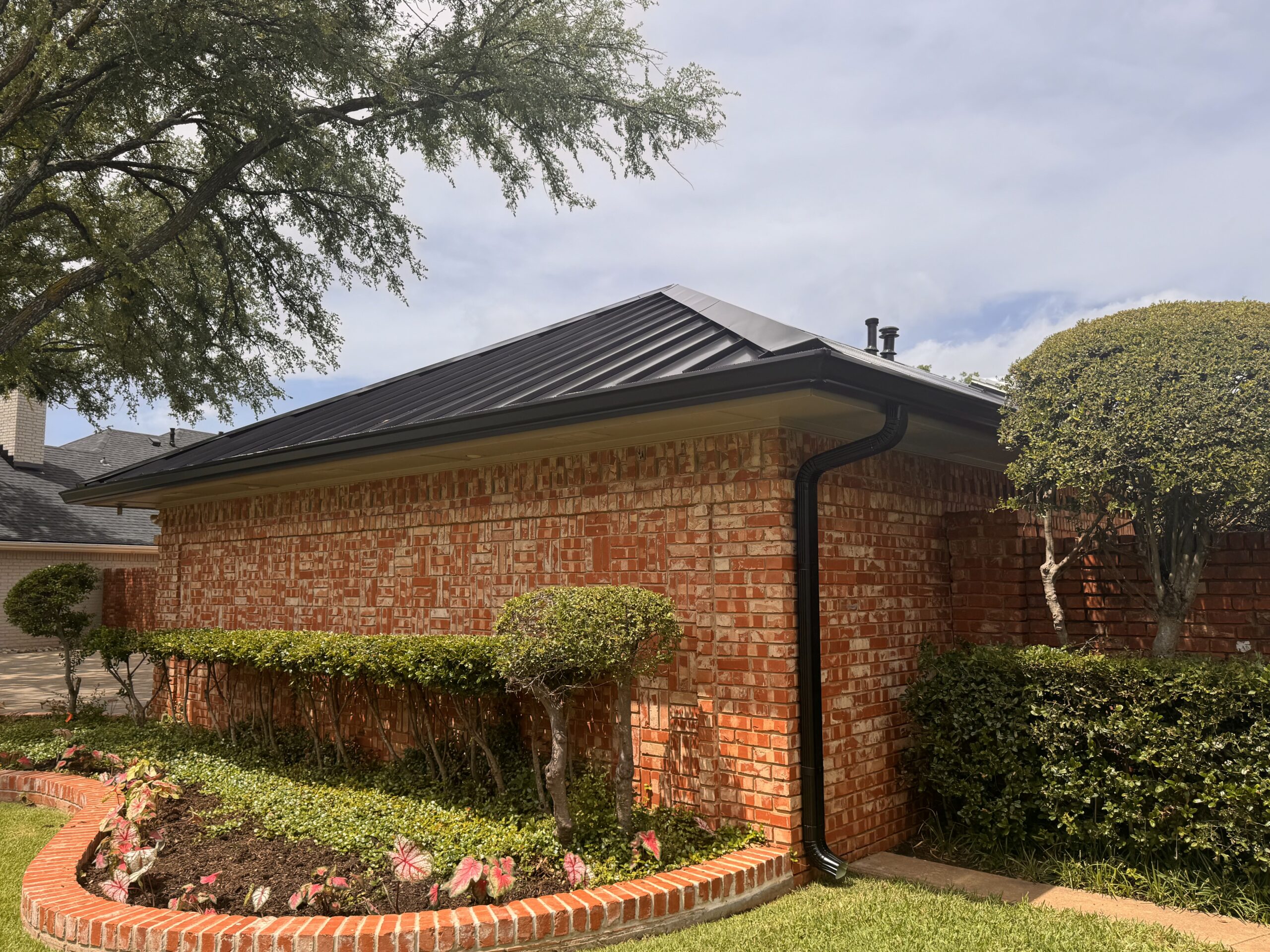
Metal roofing also performs well because it resists punctures and sheds water efficiently. Although dents may occur during extremely severe hail events, many metal roofing systems continue functioning effectively even after cosmetic impacts.
Concrete tile provides excellent durability but requires proper structural support due to its weight. Synthetic roofing materials offer another attractive option by combining impact resistance with reduced installation weight.
Choosing the right material involves considering both immediate needs and long-term performance. Consulting an experienced roofing contractor helps homeowners select products appropriate for their home’s structure and local weather conditions.
Understanding the Roof Replacement Process
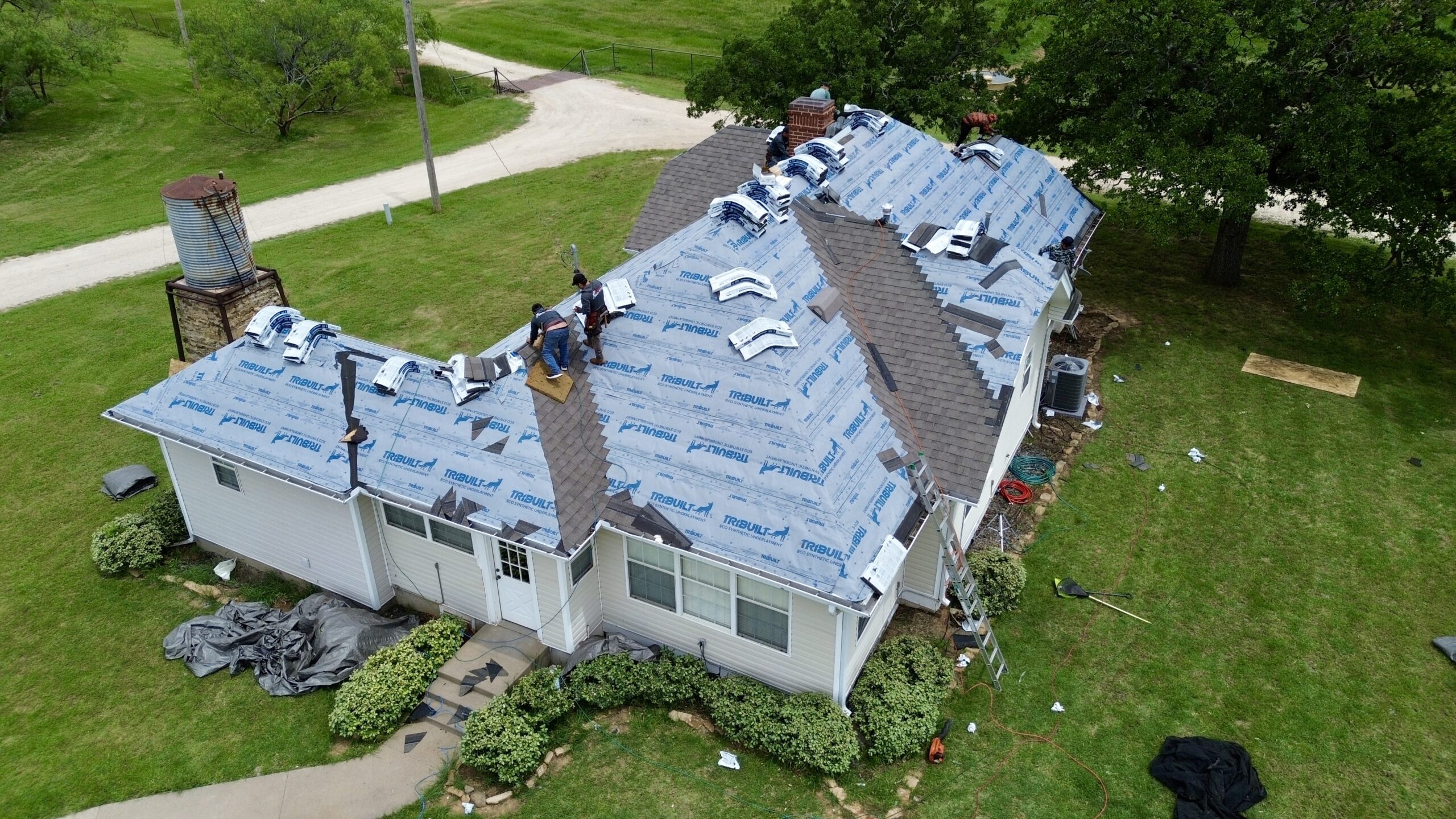
Once replacement has been approved and materials have been selected, construction can begin. Knowing what to expect during installation helps homeowners prepare for each stage of the project.
The process starts with protecting the surrounding property. Contractors cover landscaping, windows, and outdoor features before removing damaged roofing materials. This preparation reduces the risk of accidental damage during demolition.
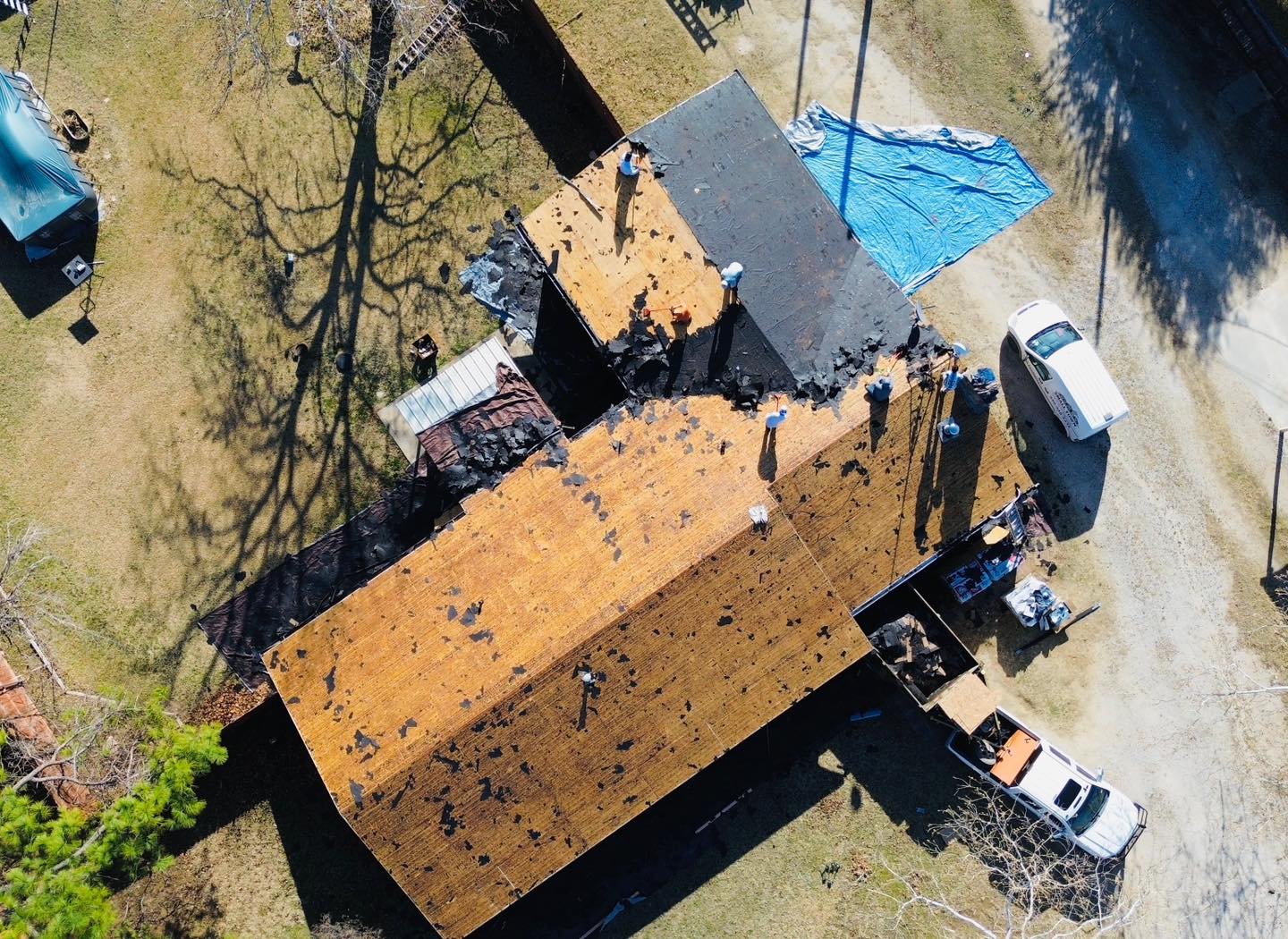
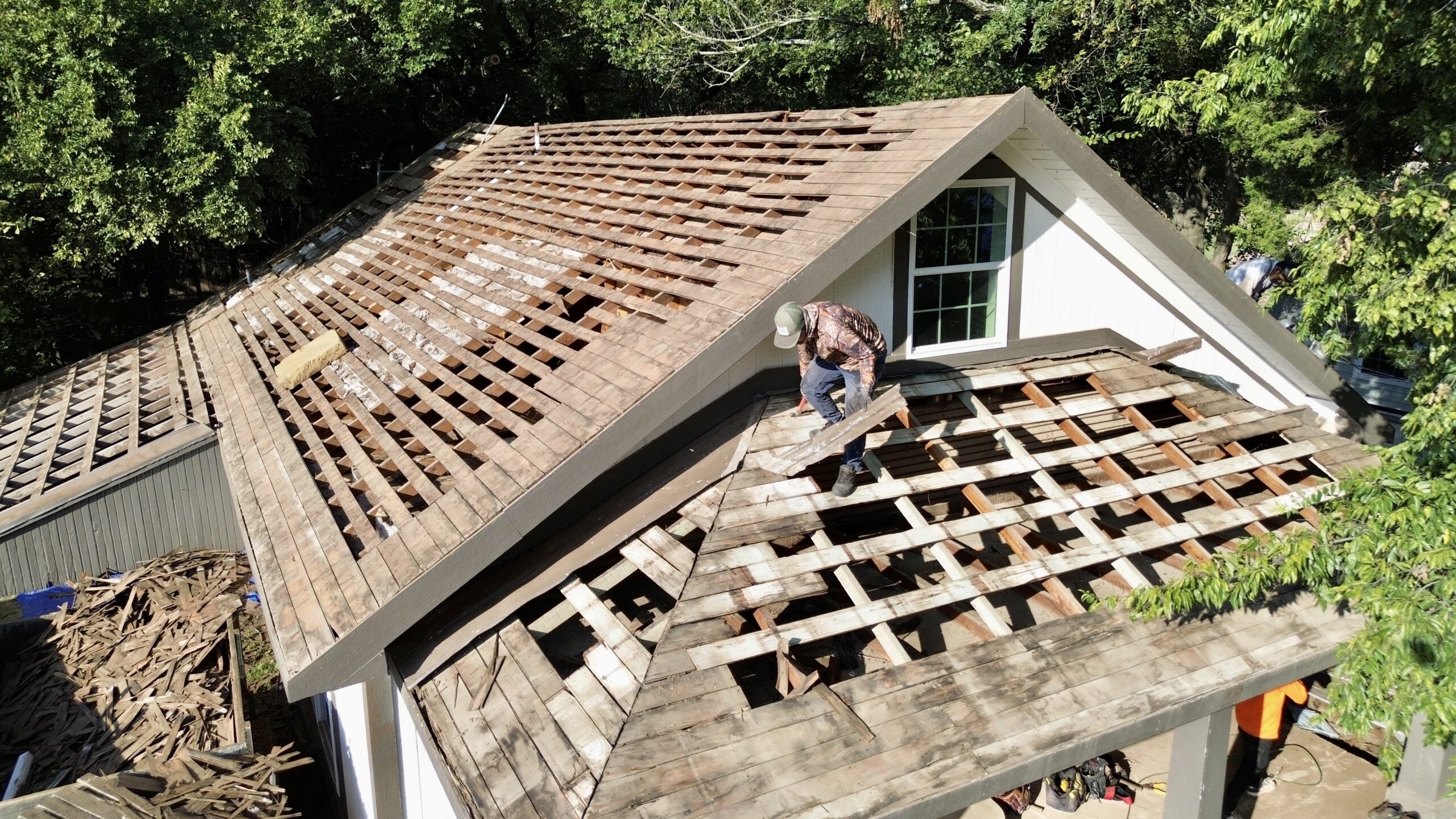
Old shingles, flashing, underlayment, and other deteriorated components are removed carefully to expose the roof deck beneath. With the old materials removed, contractors inspect the decking again to identify any hidden damage that was not visible earlier.
If deteriorated decking is discovered, those sections are replaced before installation continues. A solid structural foundation is essential because every layer of the new roof depends on the strength of the underlying deck.
High-quality underlayment is then installed to create an additional moisture barrier beneath the visible roofing material. Waterproof membranes may also be added around roof valleys, eaves, and other vulnerable locations where water commonly collects.
New flashing is installed around chimneys, skylights, roof vents, walls, and other roof penetrations. Proper flashing installation is critical because these transition points are among the most common sources of roof leaks.
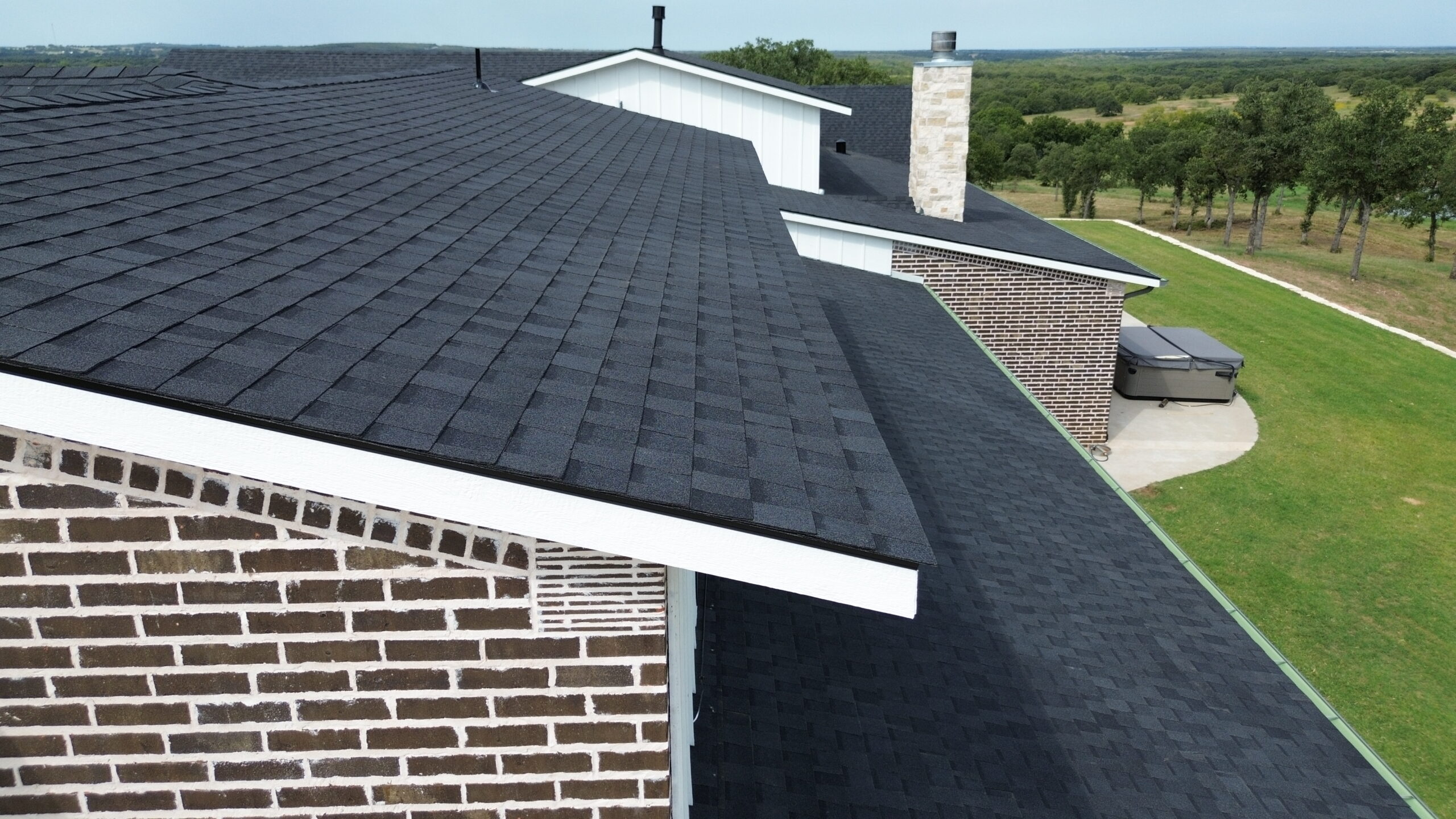
The selected roofing material is installed according to manufacturer specifications using approved fastening methods. Correct spacing, overlap, fastening patterns, and installation techniques all contribute to the roof’s long-term durability and weather resistance.
Ventilation systems are also evaluated during installation. Balanced attic ventilation helps regulate temperature, reduce moisture accumulation, and improve the overall lifespan of the roofing system.
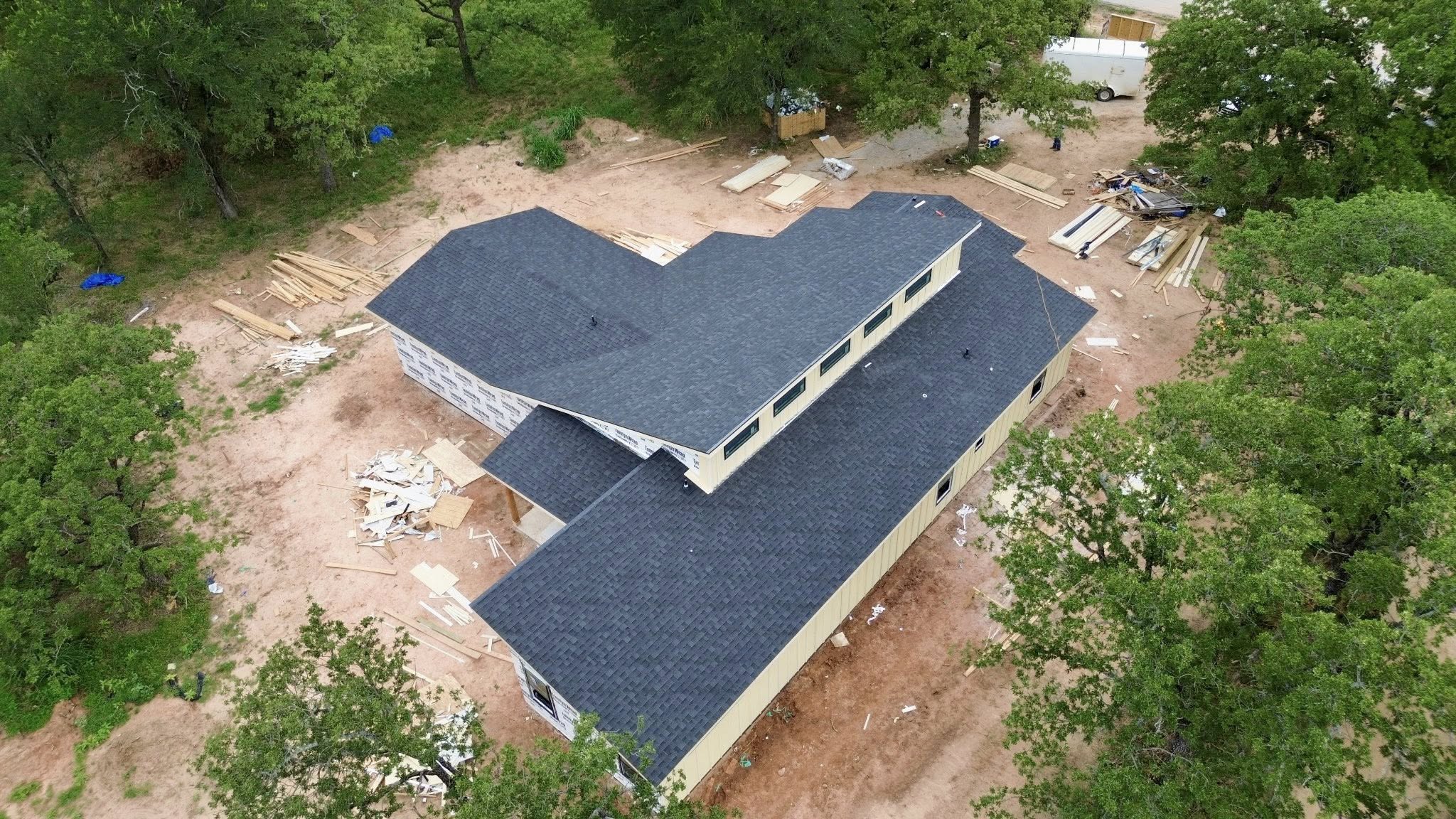
Once installation is complete, contractors perform a detailed final inspection. Fasteners, flashing, ridge caps, ventilation components, gutters, and sealants are all checked carefully before the project is considered complete.
The final step involves removing debris, collecting loose nails, and cleaning the property thoroughly. Homeowners also receive warranty documentation and maintenance recommendations that will help preserve the performance of their new roof for years to come.
In the final part of this guide, we will examine the factors that influence roof replacement costs, discuss common mistakes homeowners should avoid after hail damage, explore long-term maintenance practices, explain how to prepare for future hail storms, provide a practical evaluation checklist, compare roof repair and replacement options in a table, answer frequently asked questions, and conclude with key recommendations for protecting your home after severe hail damage.
Factors That Affect Roof Replacement Costs
The cost of replacing a hail-damaged roof depends on many variables, making it difficult to estimate a single price that applies to every home. Understanding the factors that influence costs allows homeowners to compare estimates more effectively and make informed decisions throughout the replacement process.
Roof size is one of the most significant pricing factors. Larger roofs require more roofing materials, additional labor hours, and greater disposal costs for removing damaged materials. Complex roof layouts with multiple slopes, dormers, valleys, skylights, or steep pitches also increase installation difficulty.
The type of roofing material selected has a major impact on the overall budget. Standard asphalt shingles generally provide the most economical option, while impact-resistant shingles, metal roofing, synthetic materials, and premium tile systems usually involve higher material and installation costs.
Structural repairs discovered during construction can also increase expenses. Once the damaged roof has been removed, contractors may find deteriorated roof decking, weakened rafters, damaged fascia boards, or moisture-related structural issues that require repair before the new roofing system can be installed safely.
Building permit requirements vary by location and may influence project costs. Some areas require upgraded fastening systems, improved underlayment, or enhanced wind-resistant installation methods when replacing roofs, especially in regions that regularly experience severe weather.
Labor availability also affects pricing after major hail storms. When many homeowners require roof replacements simultaneously, contractors often experience increased demand, which may extend project schedules and influence labor costs.
Waste removal should also be considered when reviewing estimates. Removing old roofing materials, transporting debris, and disposing of damaged products responsibly are important parts of every roof replacement project.
Although replacing a roof represents a significant investment, homeowners should focus on long-term value rather than initial cost alone. A properly installed roof using quality materials can reduce maintenance needs, improve weather resistance, and provide reliable protection for decades.
Common Mistakes Homeowners Should Avoid
Recovering from hail damage can be overwhelming, especially when homeowners must make important decisions within a short period. Avoiding common mistakes helps prevent unnecessary expenses and supports a smoother recovery process.
One common mistake is assuming that the absence of leaks means the roof escaped serious damage. Hail often creates hidden fractures beneath the surface that gradually worsen with continued exposure to sunlight, rain, and temperature changes.
Another mistake is delaying professional inspections. Minor impact damage can develop into larger structural problems if moisture continues entering the roofing system over an extended period.
Some homeowners attempt temporary repairs without documenting the original damage. Removing damaged materials before completing photographs or inspections may make insurance discussions more difficult later.
Choosing a contractor based only on the lowest estimate can also create long-term problems. Lower bids may exclude necessary work, use lower-quality materials, or overlook important structural repairs that affect the roof’s durability.
Ignoring gutters, flashing, roof vents, and other supporting components is another frequent mistake. Even if shingles receive most of the visible damage, these surrounding features also contribute to the roof’s overall performance and weather protection.
Homeowners sometimes replace only isolated damaged sections on roofs that have already reached the end of their expected lifespan. While localized repairs may reduce immediate costs, repeated maintenance often becomes more expensive over time than installing a completely new roofing system.
Neglecting regular maintenance after replacement is another avoidable error. Routine inspections and preventative care allow small issues to be corrected before they develop into larger repairs.
Avoiding these common mistakes helps homeowners protect both their investment and the long-term performance of the roofing system while reducing the likelihood of future problems.
Long-Term Roof Maintenance After Hail Damage
A newly repaired or replaced roof requires ongoing maintenance to maintain its strength and extend its service life. Regular care not only preserves the roofing material but also helps identify developing issues before they become expensive repairs.
Routine visual inspections should be performed several times each year and after major storms. Homeowners can often identify missing shingles, damaged flashing, clogged gutters, or accumulated debris without climbing onto the roof.
Keeping gutters and downspouts clean supports proper water drainage. Leaves, branches, and other debris can block drainage paths, causing water to back up beneath roofing materials or overflow near the home’s foundation.
Tree maintenance also contributes to roof protection. Overhanging branches may scrape roofing materials during windy conditions or break and fall during future storms, creating unnecessary impact damage.
Attic inspections provide valuable information about the roof’s condition. Damp insulation, water stains, musty odors, mold growth, or visible daylight entering through the roof all suggest that professional evaluation may be needed.
Roof penetrations deserve regular attention as well. Chimneys, skylights, plumbing vents, and satellite mounts rely on flashing and sealants that gradually deteriorate with age. Replacing worn sealants before leaks develop helps preserve the roofing system.
Scheduling professional inspections every few years provides another layer of protection. Experienced contractors often recognize early warning signs that homeowners may overlook during routine observations.
Preventative maintenance extends beyond preserving roofing materials. It also protects insulation, framing, ceilings, electrical systems, and personal belongings by maintaining a watertight barrier against future weather.
Consistent maintenance increases the likelihood that the roof will continue performing effectively throughout its expected lifespan while reducing unexpected repair costs.
Preparing Your Roof for Future Severe Weather
Although hail storms cannot be prevented, homeowners can take practical steps to reduce the likelihood of serious roof damage during future weather events. Preparation begins long before storm clouds appear.
Annual roof inspections allow minor issues to be corrected before severe weather places additional stress on the roofing system. Loose shingles, damaged flashing, deteriorated sealants, and blocked drainage paths should all be addressed promptly.
Tree trimming is another valuable preventive measure. Removing weak or overhanging branches reduces the chance that falling limbs will damage the roof during storms accompanied by strong winds.
Cleaning gutters before storm season improves drainage and minimizes standing water along roof edges. Proper water management supports both the roof and the home’s foundation during periods of heavy rainfall.
Homeowners should also secure outdoor furniture, garden equipment, decorative items, and other loose objects whenever severe weather is expected. Strong winds accompanying hail storms can turn unsecured items into dangerous projectiles.
Keeping emergency supplies available allows homeowners to respond more quickly if damage occurs. Protective tarps, flashlights, batteries, gloves, and basic emergency equipment can help limit additional damage while waiting for professional assistance.
Important documents should also be organized before severe weather arrives. Insurance policies, contractor contact information, warranty documents, and photographs of the home’s condition should be stored safely in both physical and digital formats.
When replacing a roof after hail damage, homeowners may also consider upgrading to impact-resistant roofing products. These materials are specifically engineered to perform better during severe weather and may reduce future damage depending on storm intensity.
Preparation does not eliminate risk, but it significantly improves a home’s resilience. Homes that receive consistent maintenance and thoughtful upgrades often recover more quickly after severe weather events.
Hail Damage Evaluation Checklist
Evaluating hail damage involves several important steps that work together throughout the recovery process. The following checklist provides a practical overview for homeowners.
- Ensure the property is safe before beginning any inspection.
- Perform a visual assessment from ground level.
- Photograph all visible exterior and interior damage.
- Inspect ceilings and attic spaces for signs of moisture.
- Schedule a professional roof inspection promptly.
- Notify the insurance company if damage is suspected.
- Compare contractor estimates carefully before making decisions.
- Complete recommended repairs or replacement using quality materials.
- Schedule routine maintenance after the project is finished.
- Prepare the roof before each future storm season.
Following this checklist helps homeowners stay organized while reducing the likelihood of overlooking important steps during the recovery process.
Roof Repair vs Replacement Comparison
The following table summarizes situations in which repair or replacement may generally be the more appropriate solution.
| Evaluation Factor | Roof Repair | Roof Replacement |
|---|---|---|
| Extent of Damage | Limited to small areas | Widespread across multiple roof sections |
| Roof Age | Relatively new roof | Roof nearing the end of its service life |
| Structural Condition | Decking remains sound | Structural damage is present |
| Moisture Intrusion | Minor and localized | Multiple leaks or extensive water damage |
| Material Availability | Matching materials available | Existing materials discontinued or difficult to match |
| Long-Term Value | Suitable for isolated damage | Better for significant or recurring damage |
Frequently Asked Questions
Can hail damage shorten the lifespan of my roof even if it does not leak immediately?
Yes. Hail impacts can weaken roofing materials, remove protective granules, and create small fractures that accelerate aging. Although leaks may not appear immediately, the roof’s long-term durability can still be significantly reduced.
Is every dent on a metal roof considered serious damage?
Not necessarily. Some dents are cosmetic and do not affect the roof’s ability to protect the home. However, severe dents that deform panels, damage protective coatings, or affect seams should be evaluated by a qualified roofing professional.
How soon should I schedule a professional inspection after a hail storm?
It is generally best to arrange an inspection as soon as conditions are safe. Early evaluations help identify hidden damage, simplify documentation, and reduce the risk of additional deterioration caused by future weather.
Can only part of the roof be replaced after hail damage?
Yes, if the damage is limited and the remaining roof is in good condition. However, widespread damage, aging materials, or difficulties matching existing roofing products may make complete replacement the more practical long-term solution.
Are impact-resistant roofing materials worth considering?
For homes located in regions that experience frequent hail storms, impact-resistant roofing materials can provide improved durability and better resistance to future impacts. While no roofing material is completely damage-proof, these products are designed to perform better during severe weather.
Conclusion
Hail storms can leave behind damage that ranges from minor cosmetic impacts to serious structural problems requiring complete roof replacement. Because much of this damage is not immediately visible, careful evaluation is essential before deciding whether repairs or replacement will provide the safest and most cost-effective solution.
The recovery process begins with protecting the property, documenting damage thoroughly, and arranging a professional inspection. Accurate evaluations identify hidden moisture intrusion, structural concerns, and roofing material deterioration that may otherwise remain unnoticed until larger problems develop. These findings also support informed insurance discussions and help homeowners choose the most appropriate course of action.
Selecting an experienced roofing contractor, using durable materials, and ensuring proper installation all contribute to the long-term performance of the new or repaired roof. Equally important is maintaining the roofing system through routine inspections, gutter cleaning, tree maintenance, and seasonal preparation before future storms arrive.
Although hail damage can be stressful, a structured and informed approach makes the recovery process far more manageable. Understanding how roofing systems respond to hail, recognizing the warning signs of damage, and making evidence-based repair or replacement decisions help protect both the home and the investment it represents.
A strong roof is one of the home’s most important defenses against severe weather. By combining professional evaluations, quality workmanship, proactive maintenance, and thoughtful planning, homeowners can improve their roof’s resilience and face future hail storms with greater confidence and peace of mind.