
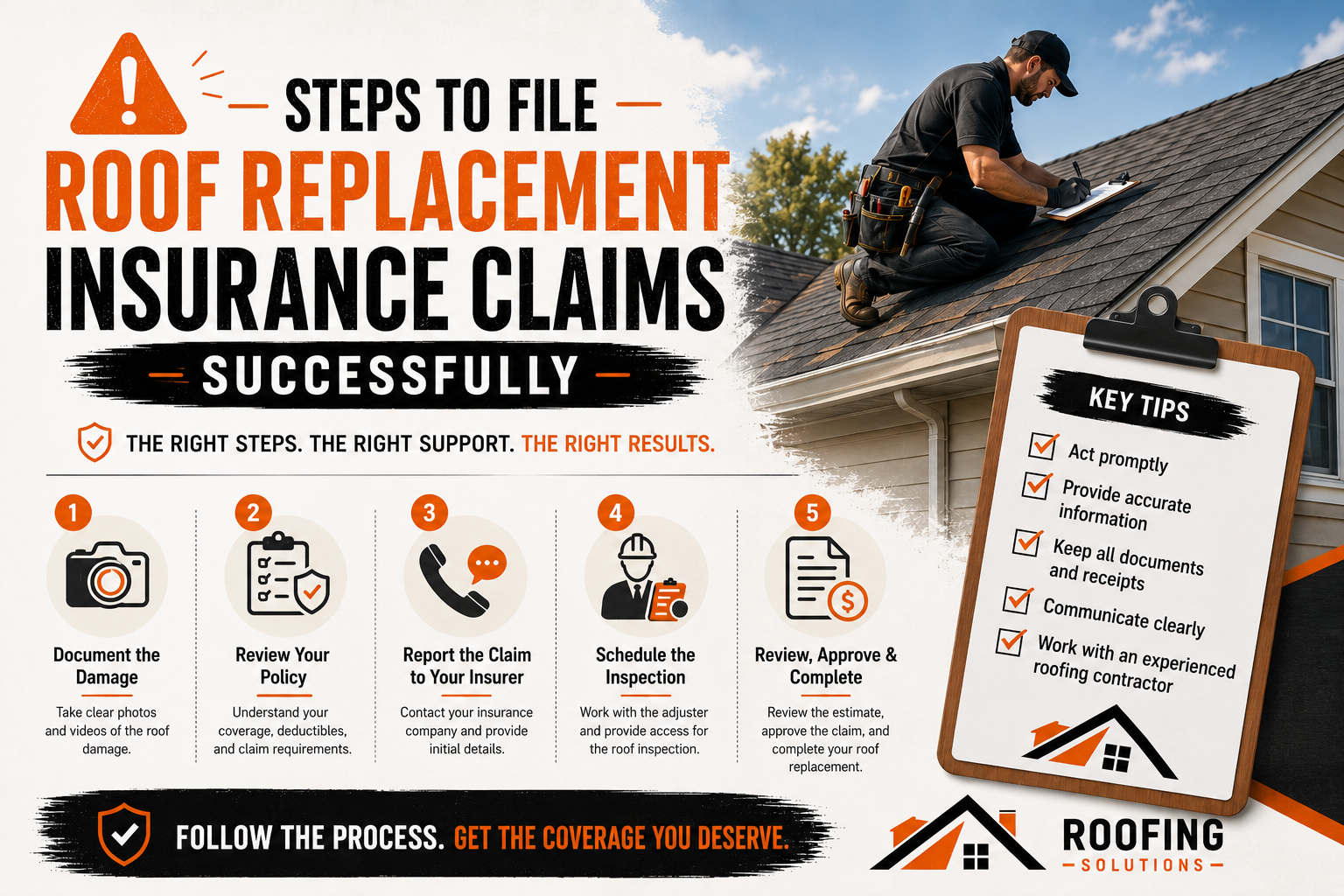
Steps to File Roof Replacement Insurance Claims Successfully
Introduction
Roof damage can happen without warning, whether it is caused by severe storms, hail, strong winds, falling trees, or aging materials that suddenly fail after extreme weather. Discovering leaks, missing shingles, or structural damage can be stressful, especially when you are unsure how much the repairs or replacement will cost. For many homeowners, filing an insurance claim becomes the first step toward restoring their property while reducing financial strain.
Although homeowners insurance often covers roof replacement under specific circumstances, the claims process is not always straightforward. Insurance companies require documentation, inspections, and evidence that the damage resulted from a covered event rather than normal wear and tear. Understanding the process before filing a claim can help you avoid delays, prevent mistakes, and improve the chances of receiving fair compensation.
A successful roof replacement insurance claim begins long before the adjuster arrives. Taking photographs, protecting your home from additional damage, reviewing your insurance policy, and working with a qualified roofing contractor all play an important role. Every decision made during the early stages of the claim can influence the final outcome.
This guide explains each stage of the roof replacement insurance claim process in a clear and practical way. By understanding what insurers expect and how homeowners can prepare, you will be better equipped to navigate the process with confidence and move closer to a successful roof replacement.
Understanding Roof Replacement Insurance Claims
A roof replacement insurance claim is a formal request made to your homeowners insurance company asking for financial assistance after your roof suffers damage from a covered event. Instead of paying the entire replacement cost yourself, your insurer may cover part or all of the expense depending on the policy terms, deductible, and inspection findings. The claim process exists to help homeowners recover from unexpected losses rather than routine maintenance issues.
Not every damaged roof automatically qualifies for insurance coverage. Most insurance policies cover sudden and accidental events such as hailstorms, high winds, lightning strikes, fire, or falling objects. Damage caused by neglect, poor maintenance, gradual deterioration, or old age is generally excluded because insurers expect homeowners to maintain their roofs over time.
Understanding this distinction is one of the most important aspects of filing a successful claim. Many homeowners mistakenly believe that an aging roof with leaks will qualify for replacement simply because repairs are expensive. Insurance companies instead evaluate whether the damage resulted from a covered event and whether the roof was properly maintained before the incident occurred.
Insurance companies also consider the condition of the roof before the damage happened. If inspections reveal that the roof was already in poor condition or had unresolved maintenance issues, the insurer may reduce the settlement or deny the claim altogether. Regular maintenance records can therefore become valuable evidence during the claims process.
Policies also differ in how they calculate payments. Some provide replacement cost coverage, while others pay only the actual cash value after accounting for depreciation. Knowing which type of coverage applies to your home helps you estimate your potential out-of-pocket expenses before beginning the claim.
Learning how insurance claims work helps homeowners make informed decisions throughout the process. Rather than reacting emotionally after discovering damage, you can approach each step with a clear understanding of what insurers require and why specific documentation matters.
Common Reasons Insurance Covers Roof Replacement
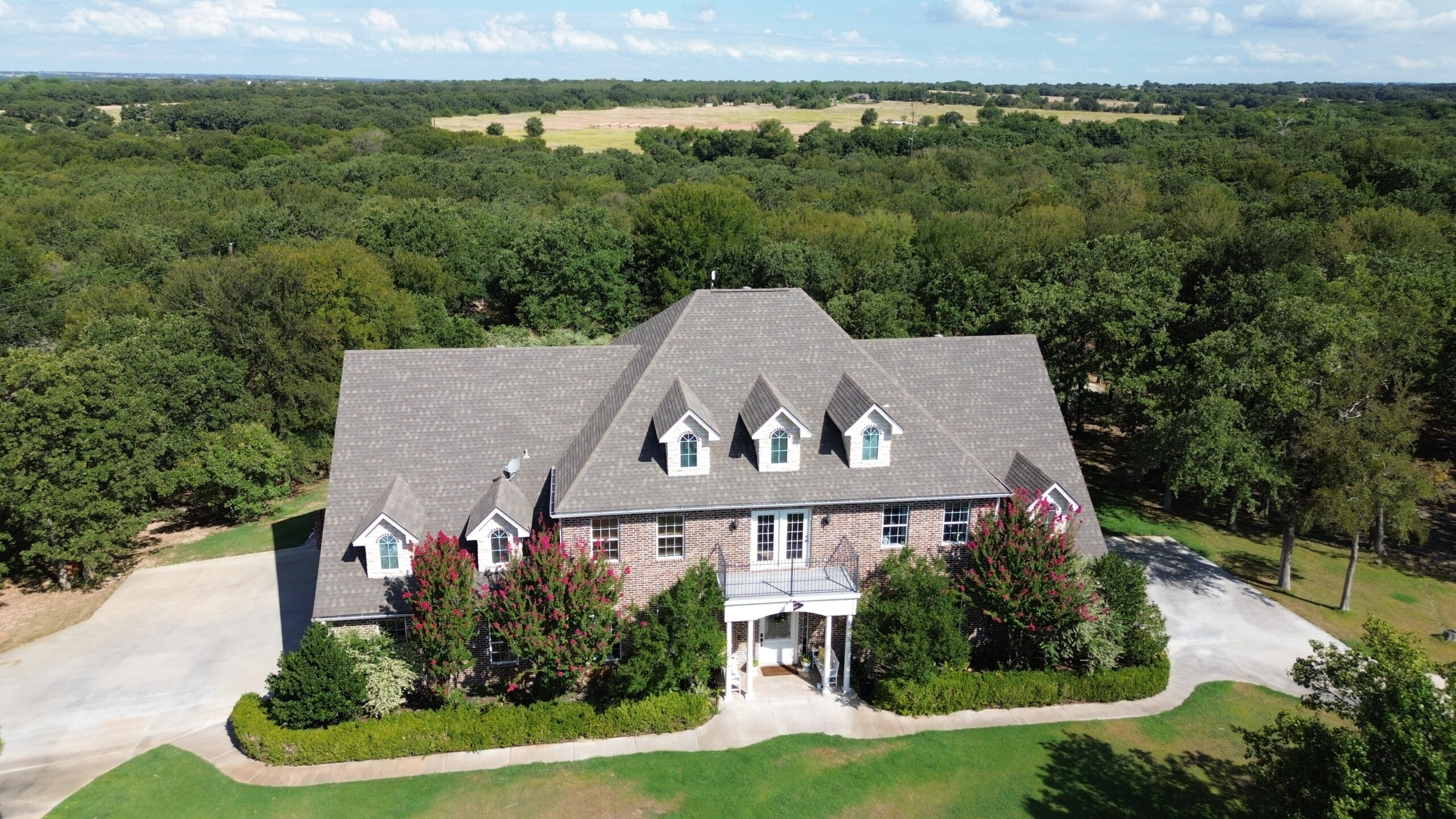
Insurance companies approve roof replacement claims only when the damage results from events specifically covered by the homeowner’s policy. These events are usually sudden, accidental, and beyond the homeowner’s control. Understanding the most common covered causes helps you determine whether filing a claim is appropriate.
Severe windstorms are among the leading reasons homeowners file roof replacement claims. Powerful winds can lift shingles, expose the roof deck, damage flashing, and create openings that allow water to enter the home. Even if the damage appears minor from the ground, strong winds may weaken large sections of the roofing system.
Hailstorms frequently cause hidden roof damage that may not be immediately visible. Large hailstones can crack shingles, loosen protective granules, dent metal roofing components, and shorten the roof’s lifespan. Professional inspections often identify hail damage that homeowners cannot safely recognize from ground level.
Falling trees and large branches can cause immediate structural damage requiring partial or complete roof replacement. During storms, heavy limbs may puncture the roof deck, damage rafters, or create significant openings that expose the home’s interior to rainwater. In these situations, insurance generally covers both emergency repairs and permanent restoration when the event is covered.
Fire damage is another common reason for roof replacement coverage. Flames, smoke, and the water used during firefighting efforts can all affect roofing materials. Even if only part of the roof burns, structural safety concerns may require replacing much larger sections than the visibly damaged area.
Lightning strikes can damage roofing materials directly while also creating electrical hazards throughout the home. Although lightning-related roof claims are less common than wind or hail claims, they are generally covered under standard homeowners insurance policies when documented properly.
Some policies also cover damage caused by the weight of snow or ice if the accumulation results in structural failure. However, coverage depends on policy language and whether the homeowner maintained the roof appropriately before the event occurred.
The following situations commonly qualify for roof replacement claims under many standard homeowners insurance policies:
- Wind damage from storms or hurricanes.
- Hail damage affecting shingles or roofing materials.
- Fire and smoke damage.
- Lightning strikes.
- Falling trees or heavy branches.
- Damage caused by certain covered weather events.
Even when the cause appears to be covered, every claim is evaluated individually. Insurance companies investigate the evidence carefully before approving payment, making proper documentation an essential part of the process.
Reviewing Your Home Insurance Policy Before Filing
One of the biggest mistakes homeowners make is filing a claim without first reviewing their insurance policy. Many people assume every type of roof damage is covered, only to discover later that exclusions or coverage limits affect their claim. Reading your policy carefully helps set realistic expectations before contacting your insurance company.
Start by identifying whether your policy includes replacement cost coverage or actual cash value coverage. Replacement cost coverage generally pays for installing a new roof with similar materials after subtracting the deductible. Actual cash value policies reduce the payment based on depreciation, meaning older roofs usually receive smaller settlements.
Your deductible is another important factor to understand before filing a claim. This is the amount you must pay yourself before insurance contributes toward the replacement cost. If the estimated repair cost is only slightly higher than the deductible, filing a claim may not always be financially beneficial.
Pay close attention to exclusions listed within the policy. Most insurers exclude damage caused by aging, improper installation, lack of maintenance, mold resulting from neglect, or long-term water intrusion. Understanding these exclusions prevents misunderstandings during the claims process.
Some insurance policies also contain special provisions for older roofs. Instead of paying full replacement costs, the insurer may limit coverage or apply additional depreciation if the roof exceeds a certain age. These policy conditions vary among insurance providers and should be reviewed carefully.
If any part of the policy seems unclear, contact your insurance agent before submitting the claim. Asking questions early often prevents confusion later and helps ensure you provide the correct information during the filing process.
The table below summarizes several important policy terms homeowners should understand before beginning a roof replacement claim.
| Policy Term | What It Means | Why It Matters |
|---|---|---|
| Deductible | Amount paid by the homeowner before insurance coverage begins | Determines your out-of-pocket cost |
| Replacement Cost Coverage | Pays to replace damaged roof with similar materials | Usually provides higher reimbursement |
| Actual Cash Value | Pays replacement cost minus depreciation | May result in lower insurance payments |
| Coverage Limit | Maximum amount the insurer will pay | Prevents unexpected financial gaps |
| Exclusions | Situations not covered by the policy | Helps determine claim eligibility |
Taking time to understand these terms allows homeowners to approach the claim process with realistic expectations. Instead of relying on assumptions, you can base important decisions on the actual language contained within your insurance policy.
Determining Whether Your Roof Damage Qualifies for a Claim
Not every roofing problem should be reported to an insurance company. Filing unnecessary claims can sometimes affect your claims history without resulting in compensation. Evaluating the damage first helps determine whether moving forward is worthwhile.
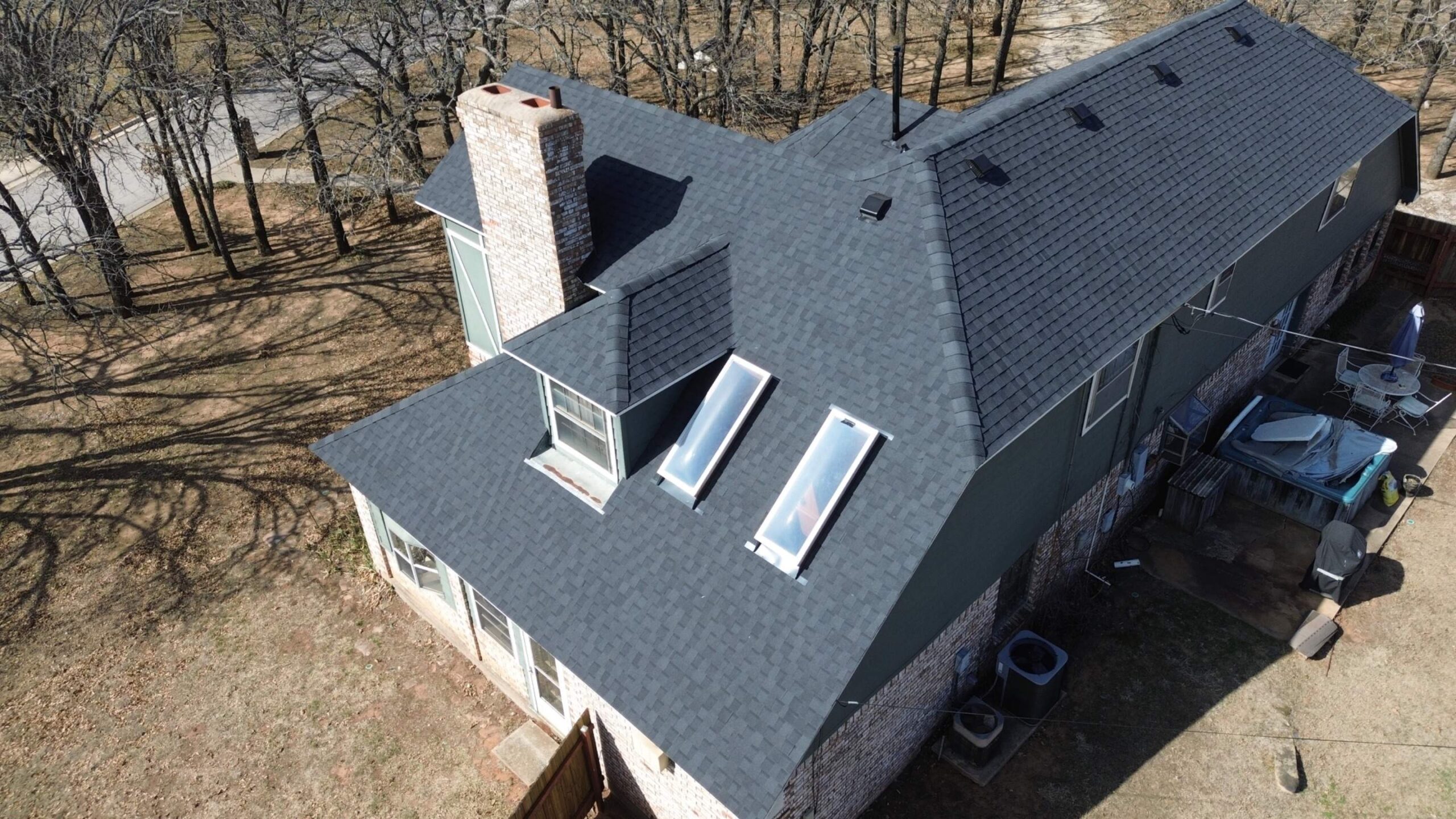
Start by identifying what caused the damage. If a recent storm, hail event, fallen tree, or fire clearly damaged the roof, there is a greater likelihood that insurance coverage applies. On the other hand, problems that developed gradually over many years are less likely to qualify because they are considered maintenance issues rather than sudden losses.
The timing of the damage also matters. Most insurance companies require homeowners to report covered losses within a specific period after the event occurs. Waiting too long may make it more difficult to prove when the damage happened or whether additional deterioration occurred afterward.
Professional roofing inspections provide valuable information before filing a claim. Experienced contractors can identify storm-related damage, estimate repair costs, and distinguish between recent impacts and long-term wear. Their findings can help homeowners decide whether filing an insurance claim makes financial sense.
When evaluating your roof, consider these practical questions:
- Did the damage result from a sudden covered event?
- Is the estimated repair cost greater than your deductible?
- Can the damage be clearly documented with photographs?
- Has the damage been inspected by a qualified roofing professional?
- Does your insurance policy include coverage for this type of loss?
Answering these questions honestly provides a clearer picture of whether filing a claim is appropriate. It also reduces the likelihood of unexpected claim denials caused by misunderstandings about policy coverage.
Even if the damage appears extensive, avoid assuming the roof requires complete replacement. Insurance adjusters evaluate whether repairs are sufficient before approving a full replacement, so gathering professional opinions early helps strengthen your case.
Documenting Roof Damage Properly Before Contacting Insurance
Documentation is one of the strongest tools available to homeowners during the insurance claims process. Clear evidence allows insurance adjusters to verify the extent of the damage while reducing disagreements about what occurred. The more complete your documentation, the easier it becomes to support your claim.
Begin by taking photographs as soon as it is safe to do so. Capture wide-angle images showing the overall condition of the roof and surrounding property before focusing on close-up pictures of damaged areas. Include missing shingles, dents, broken flashing, damaged gutters, fallen tree branches, interior ceiling stains, and any visible water intrusion.
If weather conditions caused the damage, record the date and approximate time of the storm. Local weather reports can later help confirm that severe weather occurred in your area during that period. Combining photographs with weather information creates stronger supporting evidence for your claim.
Videos can also provide valuable documentation because they capture details from multiple angles. Slowly record the damaged areas while explaining what you observe, especially if active leaks or structural issues are visible. These recordings can supplement still photographs during the insurance review process.
Keep copies of any emergency repair receipts as well. If you purchase tarps, temporary roofing materials, or hire contractors to prevent additional water damage, save every invoice and payment record. Insurance companies often reimburse reasonable emergency expenses when they help minimize further losses.
It is equally important to avoid making permanent repairs before the insurance inspection unless immediate action is necessary for safety. Temporary protective measures are encouraged, but replacing damaged sections too early may eliminate evidence the adjuster needs to evaluate your claim accurately.
Accurate documentation not only supports the insurance investigation but also protects homeowners if questions arise later in the process. A well-organized record of photographs, videos, receipts, and inspection reports establishes a reliable timeline that can make the claim proceed more smoothly.
Immediate Steps to Take After Discovering Roof Damage
Finding roof damage can be overwhelming, particularly after a severe storm or unexpected accident. Acting quickly while remaining organized helps protect both your property and your insurance claim. The first few hours after discovering damage are often critical because additional weather can make the situation worse.
Safety should always come first. Stay away from damaged roof sections, avoid climbing onto unstable surfaces, and keep family members away from areas where debris may fall. If electrical hazards or structural concerns are present, contact emergency services or the appropriate utility company before doing anything else.
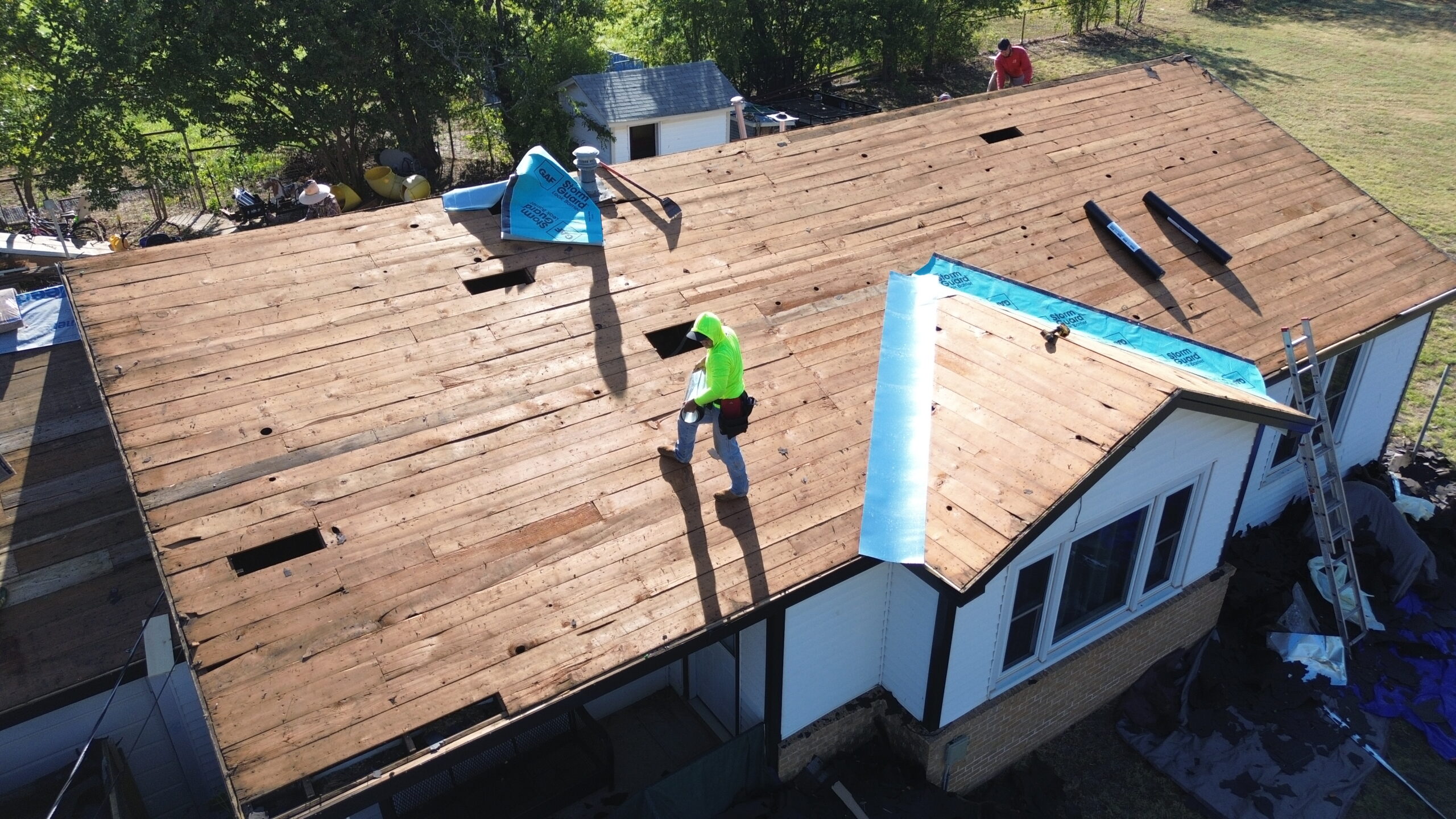
After ensuring everyone is safe, take reasonable steps to prevent additional damage. Cover exposed roof sections with tarps if it can be done safely, move valuable belongings away from leaks, and place containers beneath dripping water to reduce interior damage. Insurance companies generally expect homeowners to minimize further losses whenever possible.
Next, begin organizing all information related to the incident. Create a folder containing photographs, videos, weather information, emergency repair receipts, contractor inspection reports, and notes describing what happened. Keeping everything together from the beginning makes future communication with the insurance company much easier.
Finally, resist the temptation to accept repair offers from contractors who appear immediately after major storms without proper verification. While many roofing companies are reputable, some storm chasers pressure homeowners into signing contracts before insurance inspections are completed. Taking time to verify licensing, experience, and references helps protect both your home and your finances.
The actions taken immediately after discovering roof damage often influence the success of the insurance claim. Careful documentation, temporary protection, and thoughtful planning create a strong foundation for the next stage of the process, where the insurance company is officially notified and the claim begins.
Contacting Your Insurance Company and Starting the Claim
Once you have documented the damage and reviewed your homeowners insurance policy, the next step is to notify your insurance company. Reporting the damage promptly demonstrates that you acted responsibly and gives the insurer an opportunity to begin its investigation before conditions change. Delaying the claim for weeks or months can make it more difficult to prove that the damage resulted from a covered event.
Most insurance companies allow homeowners to start a claim through multiple channels. You can call the claims department, submit information through an online customer portal, use a mobile application, or contact your insurance agent directly. Regardless of the method you choose, be prepared to provide basic information about the property, the date of the damage, and a brief explanation of what happened.
During the initial conversation, avoid guessing about the cause or extent of the damage if you are uncertain. Instead, provide accurate facts based on your observations and let the inspection determine the full scope of the loss. Giving clear and truthful information helps prevent misunderstandings later in the claims process.
After opening the claim, the insurance company will assign a claim number and usually appoint a claims adjuster to handle your case. Keep this claim number in a safe place because you will use it during future communication. Recording the names, dates, and summaries of every conversation with the insurance company also helps create a reliable timeline.
Many insurers provide a checklist explaining what documents they need before processing the claim. Responding quickly to these requests keeps the process moving and reduces unnecessary delays. Missing paperwork is one of the most common reasons claims remain pending longer than expected.
Working With Roofing Contractors During the Claims Process
A qualified roofing contractor plays an important role throughout the insurance claim process. While the insurance adjuster represents the insurer, the roofing contractor evaluates the condition of the roof from a construction perspective. Their professional assessment often helps homeowners better understand the actual extent of the damage.
Choose a contractor with experience handling insurance-related roof replacements rather than selecting the first company that contacts you after a storm. Reputable contractors understand how to document storm damage properly, prepare detailed estimates, and communicate effectively with insurance representatives. Their experience can help avoid confusion during inspections and estimate reviews.
Many homeowners schedule a contractor inspection before the insurance adjuster visits the property. This allows the contractor to identify visible and hidden damage while preparing supporting documentation. In some cases, the contractor may also be present during the insurance inspection to answer technical questions and explain why certain repairs or replacement work is necessary.
Contractors should never encourage homeowners to exaggerate damage or file claims for issues unrelated to the covered event. Ethical roofing professionals focus on accurately documenting legitimate damage rather than attempting to manipulate the claims process. Honest documentation protects both the homeowner and the contractor from future disputes.
It is equally important to avoid signing contracts that commit you to expensive work before your insurance claim has been approved. Review every agreement carefully and understand what obligations you are accepting. Some contracts contain cancellation restrictions or financial commitments that homeowners may overlook when they are under stress.
When selecting a roofing contractor, consider the following qualities:
- Valid licensing and insurance where required.
- Experience with insurance claim projects.
- Positive customer reviews and local references.
- Written estimates with detailed material descriptions.
- Clear communication throughout the project.
Taking time to select the right contractor often leads to a smoother claims experience and higher-quality roof replacement once the claim is approved.
Understanding the Insurance Inspection Process
The insurance inspection is one of the most significant stages of a roof replacement claim. During this visit, the claims adjuster evaluates the damage to determine whether it is covered under the policy and estimates the amount the insurance company may pay. The inspection findings directly influence the final claim decision.
Before the adjuster arrives, organize all documentation in one place. Photographs, videos, weather reports, maintenance records, contractor inspection reports, and emergency repair receipts help support your claim. Having these materials readily available allows the adjuster to review important evidence without unnecessary delays.
During the inspection, the adjuster typically examines shingles, flashing, gutters, vents, roof decking, and surrounding exterior components. Interior ceilings and attic spaces may also be inspected if water intrusion has occurred. The goal is to determine both the cause and extent of the damage while identifying whether repairs or full replacement are appropriate.
Accompanying the adjuster during the inspection can be beneficial because it allows you to ask questions and understand what is being evaluated. If your roofing contractor attends as well, they can provide technical explanations regarding damaged materials and construction requirements. Professional discussions often help clarify issues before the estimate is finalized.
After completing the inspection, the adjuster prepares a report for the insurance company. This report typically includes photographs, measurements, repair recommendations, and estimated costs. The insurance company reviews this information before issuing a coverage decision.
Homeowners should remember that the adjuster’s estimate is not always the final word. If legitimate damage was overlooked or additional problems are discovered after work begins, supplemental documentation may be submitted for further review. Maintaining open communication throughout the process helps resolve these situations more efficiently.
Estimating Roof Replacement Costs and Coverage
Understanding how insurance companies estimate roof replacement costs helps homeowners interpret settlement offers more confidently. Insurance estimates are based on the size of the roof, material type, labor costs, local pricing, and any additional work required to restore the property to its pre-loss condition. These estimates are intended to reflect reasonable market costs rather than arbitrary figures.
Insurance companies often use specialized estimating software that calculates labor and material expenses according to regional pricing data. This software creates standardized estimates, but actual contractor pricing may vary depending on local market conditions, roofing complexity, and material availability. Differences between estimates do not automatically indicate that one party is incorrect.
Roof replacement costs also depend on the type of roofing material installed. Asphalt shingles generally cost less than metal, slate, tile, or premium architectural roofing systems. If your existing roof contains specialty materials, discuss replacement options with both the contractor and insurance company before construction begins.
Additional repairs may increase the overall project cost if hidden damage is discovered during roof removal. Water-damaged decking, deteriorated flashing, damaged ventilation systems, or structural repairs are sometimes uncovered only after old roofing materials have been removed. In these situations, contractors typically document the additional work and submit supplemental information to the insurer.
The following table explains several common factors that influence insurance settlement amounts.
| Cost Factor | Effect on Insurance Estimate | Why It Matters |
|---|---|---|
| Roof Size | Larger roofs require more materials and labor | Increases total replacement cost |
| Roofing Material | Premium materials cost more than standard shingles | Influences settlement amount |
| Local Labor Rates | Regional labor costs vary significantly | Affects installation expenses |
| Structural Repairs | Hidden damage may require additional work | May increase approved payment |
| Building Code Requirements | Code upgrades may be necessary during replacement | Some policies include code upgrade coverage |
Review your contractor’s estimate alongside the insurance estimate if differences appear. Reasonable discussions supported by documentation often resolve pricing discrepancies before construction begins.
Deductibles, Depreciation, and Actual Cash Value vs Replacement Cost
Insurance terminology can be confusing, especially when homeowners receive their first settlement estimate. Understanding how deductibles and depreciation affect payments helps explain why the initial insurance check may be smaller than expected.
A deductible is the portion of the claim that the homeowner pays before insurance coverage applies. For example, if roof replacement costs twenty thousand dollars and your deductible is two thousand dollars, the insurance company generally pays the remaining covered amount according to the policy terms. Deductibles vary among policies and should be reviewed before filing a claim.
Depreciation reflects the reduction in value caused by the roof’s age and normal wear. Older roofs usually have less remaining value than newly installed roofs, so insurance companies may reduce payments under certain policy types. The amount withheld depends on the roof’s age, expected lifespan, and condition before the covered event.
Replacement cost coverage and actual cash value coverage calculate claim payments differently. Replacement cost coverage generally pays what it costs to install a comparable new roof after deductible requirements are met. Actual cash value policies subtract depreciation before calculating the payment, leaving homeowners responsible for a larger portion of the replacement expense.
Some replacement cost policies issue payments in stages. The insurance company may first pay the actual cash value and later release the withheld depreciation after the roof replacement has been completed and documented. Understanding this process prevents confusion when reviewing settlement paperwork.
If any payment calculation appears unclear, request a written explanation from the insurance company. Reviewing the estimate line by line helps identify whether deductions are based on policy language or whether additional clarification is needed.
Common Mistakes That Delay or Reduce Roof Replacement Claims
Even legitimate roof damage can result in delayed or reduced insurance payments if homeowners make avoidable mistakes during the claims process. Understanding these common errors helps protect both the claim and the overall replacement project.
One of the most frequent mistakes is waiting too long before reporting the damage. Delayed reporting can make it difficult for adjusters to determine when the damage occurred, especially if additional storms happen afterward. Prompt reporting creates a clearer connection between the covered event and the observed damage.
Another common mistake involves poor documentation. Limited photographs, missing receipts, or incomplete maintenance records reduce the amount of supporting evidence available during claim evaluation. Organized documentation strengthens your position if questions arise later.
Some homeowners begin permanent repairs before the insurance inspection without obtaining approval. Although emergency measures to prevent further damage are encouraged, replacing roofing materials too early may remove important evidence that the adjuster needs to evaluate the claim accurately.
Hiring unqualified contractors can also create unnecessary complications. Inexperienced or dishonest contractors may submit inaccurate estimates, perform substandard repairs, or pressure homeowners into signing unfavorable agreements before insurance decisions have been made.
Avoid these common claim mistakes whenever possible:
- Waiting too long to report roof damage.
- Failing to document damage thoroughly.
- Making permanent repairs before inspection.
- Ignoring policy exclusions and coverage limits.
- Hiring contractors without verifying credentials.
- Discarding damaged roofing materials too early.
- Missing deadlines for requested documentation.
Recognizing these issues early helps homeowners keep the claim moving efficiently while reducing the likelihood of unexpected setbacks.
Keeping Records and Communicating Effectively Throughout the Process
Good recordkeeping is one of the simplest ways to strengthen a roof replacement insurance claim. Insurance claims often involve multiple conversations, inspections, estimates, invoices, and approvals over several weeks. Maintaining organized records ensures important information remains easy to access whenever questions arise.
Create a dedicated folder for every document related to the claim. Include your insurance policy, claim number, contractor estimates, inspection reports, photographs, videos, receipts, weather information, and copies of all correspondence. Both digital and printed copies provide additional protection if documents are misplaced.
Communication with the insurance company should always be professional and timely. Respond promptly to requests for additional information and keep written records of important conversations whenever possible. Email confirmations and written summaries help verify agreements discussed during phone calls.
If new damage is discovered after construction begins, notify both your contractor and insurance company immediately. Hidden structural issues occasionally appear after roofing materials are removed, and documenting these findings quickly allows supplemental claims to be reviewed more efficiently.
Staying organized throughout the process reduces stress while improving communication among everyone involved. A complete record of documents, conversations, inspections, and approvals creates a strong foundation for the final stages of the claim, including settlement approval, roof replacement, and resolving any disputes that may arise before the project reaches completion.
Handling Claim Disputes, Denials, and Appeals
Not every roof replacement insurance claim is approved the first time. In some cases, the insurance company may offer a lower settlement than expected, approve only partial repairs, or deny the claim entirely. While receiving an unfavorable decision can be frustrating, it does not always mean the process has reached its end.
The first step after receiving a denial or reduced settlement is to carefully review the explanation provided by the insurance company. Every decision should include the specific policy language or inspection findings that influenced the outcome. Understanding the reason behind the decision helps determine the most appropriate next step.
Sometimes a claim is denied because the insurer believes the damage resulted from normal aging rather than a covered event. In other situations, insufficient documentation or limited evidence may prevent the adjuster from confirming the cause of the damage. These issues can often be addressed by providing additional information rather than immediately accepting the decision.
A second inspection may also be appropriate if you believe significant damage was overlooked during the initial assessment. Your roofing contractor can prepare additional photographs, measurements, and written reports explaining why replacement is necessary. Presenting factual evidence instead of emotional arguments usually leads to more productive discussions.
If you disagree with the insurer’s decision, contact your claims representative and request clarification before filing a formal appeal. Many disputes are resolved through open communication after reviewing estimates and inspection findings together. A respectful and cooperative approach often produces better results than immediate confrontation.
When an appeal becomes necessary, organize all supporting documents before submitting the request. Include contractor reports, inspection photographs, weather records, maintenance history, receipts, and any additional evidence supporting your position. A well-documented appeal demonstrates that your request is based on verifiable facts rather than assumptions.
If disagreements continue after the appeal, some policies include additional dispute resolution options such as appraisal or mediation. These procedures vary by insurer and policy, so review your insurance contract carefully before deciding which option is most appropriate.
Final Approval and Scheduling Roof Replacement
Once your insurance company approves the claim, the focus shifts from documentation to completing the roof replacement project. Although approval is an important milestone, homeowners should continue reviewing paperwork carefully before construction begins. Understanding the settlement details helps prevent misunderstandings during installation.
Read the insurance settlement documents thoroughly and compare them with your contractor’s proposal. Confirm that the approved scope of work includes all required materials, labor, permits, flashing, underlayment, ventilation improvements, and debris removal. If differences exist between the contractor’s estimate and the approved insurance payment, discuss them before signing construction agreements.
Scheduling the replacement depends on contractor availability, weather conditions, material delivery, and permit requirements. During periods of widespread storm damage, roofing companies often experience high demand, making early scheduling especially important. Choosing a realistic timeline helps avoid unnecessary delays while ensuring quality workmanship.
Before installation begins, ask your contractor about project expectations. Discuss working hours, parking arrangements, property protection, cleanup procedures, and estimated completion time. Clear communication helps both homeowners and contractors prepare for the construction process.
You should also take steps to protect your belongings before work starts. Vehicles should be moved away from the home, outdoor furniture relocated, and valuable items stored safely inside. Vibrations from roofing work can occasionally affect items hanging on interior walls, so removing fragile decorations is also a sensible precaution.
Maintaining communication with both your contractor and insurance company throughout construction ensures everyone remains informed if unexpected issues arise. Hidden structural damage or code-related upgrades sometimes require supplemental approval before work can continue.
What Happens After Your Roof Replacement Is Complete
Completing the roof replacement does not necessarily mark the end of the insurance claim. Several important administrative steps remain before the claim can be officially closed. Taking time to complete these final tasks helps ensure accurate payment and proper documentation.
Begin by inspecting the completed roof with your contractor. Walk around the property together and verify that the installation matches the agreed-upon scope of work. Look for properly installed shingles, flashing, ridge vents, gutters, and clean jobsite conditions before signing completion documents.
Many insurance companies require proof that the replacement work has been completed before releasing any remaining claim funds. Submit invoices, photographs of the finished roof, completion certificates, and any other requested documentation promptly. Delays in providing these records can postpone final payment.
If your policy includes recoverable depreciation, this is typically the stage when the remaining funds are released. After confirming that the approved work has been completed, the insurance company processes the final payment according to the policy terms. Understanding this process helps homeowners avoid confusion if the first insurance check did not cover the entire replacement cost.
Retain copies of all project records after the claim closes. Contractor warranties, manufacturer warranties, insurance settlement documents, permits, inspection reports, and payment receipts may become valuable in the future. These records can simplify future insurance claims, property sales, or warranty service requests.
It is also a good idea to schedule periodic roof inspections after installation. Routine maintenance helps extend the life of the new roofing system while identifying small issues before they develop into expensive repairs.
Tips for Making Future Roof Insurance Claims Easier
Preparing for future roofing emergencies before they occur can significantly simplify the insurance claims process. Good maintenance, organized records, and regular inspections help homeowners demonstrate responsible ownership while reducing preventable damage.
Schedule professional roof inspections every few years, especially after severe storms. Early identification of loose shingles, damaged flashing, clogged gutters, or ventilation issues helps prevent minor problems from becoming major structural repairs. Inspection reports also provide valuable documentation showing the roof’s condition over time.
Keep digital and printed copies of important roofing documents in a secure location. Warranties, installation invoices, maintenance records, inspection reports, and photographs establish a history of proper care that may prove useful during future insurance claims.
Updating photographs of your roof periodically is another smart practice. Clear images taken before any future storm provide an excellent comparison if damage later occurs. Insurance adjusters often appreciate having evidence showing the roof’s previous condition.
Homeowners can also strengthen future claims by following these practical recommendations:
- Inspect the roof after major storms from a safe location.
- Clean gutters regularly to prevent water buildup.
- Trim tree branches that hang over the roof.
- Schedule routine maintenance before problems become severe.
- Store insurance documents where they can be accessed quickly.
Preventive maintenance cannot stop every weather-related event, but it reduces avoidable damage while improving the quality of evidence available if an insurance claim becomes necessary.
Frequently Asked Questions About Roof Replacement Insurance Claims
Does homeowners insurance always cover roof replacement?
No. Homeowners insurance generally covers roof replacement only when the damage results from a covered event such as wind, hail, fire, lightning, or falling objects. Damage caused by age, neglect, poor maintenance, or normal wear is usually excluded.
How long do I have to file a roof insurance claim?
The deadline depends on your insurance policy and local regulations. However, homeowners should report damage as soon as possible after discovering it because delays can complicate the investigation and affect claim approval.
Can I choose my own roofing contractor?
Yes. In most cases, homeowners are free to choose the roofing contractor they prefer. Selecting an experienced and reputable contractor is important because quality inspections and accurate estimates support a smoother claims process.
Will filing a roof claim increase my insurance premium?
It depends on several factors, including your insurer, claims history, location, and the cause of the damage. While one claim does not automatically increase premiums, multiple claims within a short period may influence future insurance costs.
What if the insurance estimate is lower than the contractor’s estimate?
Discuss the differences with both the contractor and your insurance company. Additional documentation, revised estimates, or supplemental inspections often resolve legitimate pricing differences without delaying the project unnecessarily.
Should I repair the roof before the insurance inspection?
Only temporary emergency repairs should be completed if necessary to prevent additional damage. Permanent repairs should generally wait until the insurance company has inspected the roof unless immediate safety concerns require otherwise.
Conclusion
Filing a roof replacement insurance claim can seem complicated, but understanding the process makes each step more manageable. From documenting storm damage and reviewing your policy to working with qualified roofing contractors and communicating effectively with your insurance company, every stage contributes to the success of your claim. Careful preparation not only improves the quality of your documentation but also helps reduce delays, misunderstandings, and unnecessary expenses.
Successful claims are built on accurate information, organized records, and timely action rather than assumptions or guesswork. Homeowners who understand their policy, maintain their roof properly, and respond quickly after a covered event are generally better positioned to receive fair claim settlements. Staying involved throughout inspections, estimates, and repairs also helps ensure the replacement meets both insurance requirements and long-term performance expectations.
Even if challenges arise during the process, such as disputes, supplemental claims, or appeals, remaining patient and relying on clear evidence often leads to better outcomes. By following the steps outlined throughout this guide, homeowners can approach roof replacement insurance claims with greater confidence, protect their investment, and restore their home safely after unexpected roof damage.