
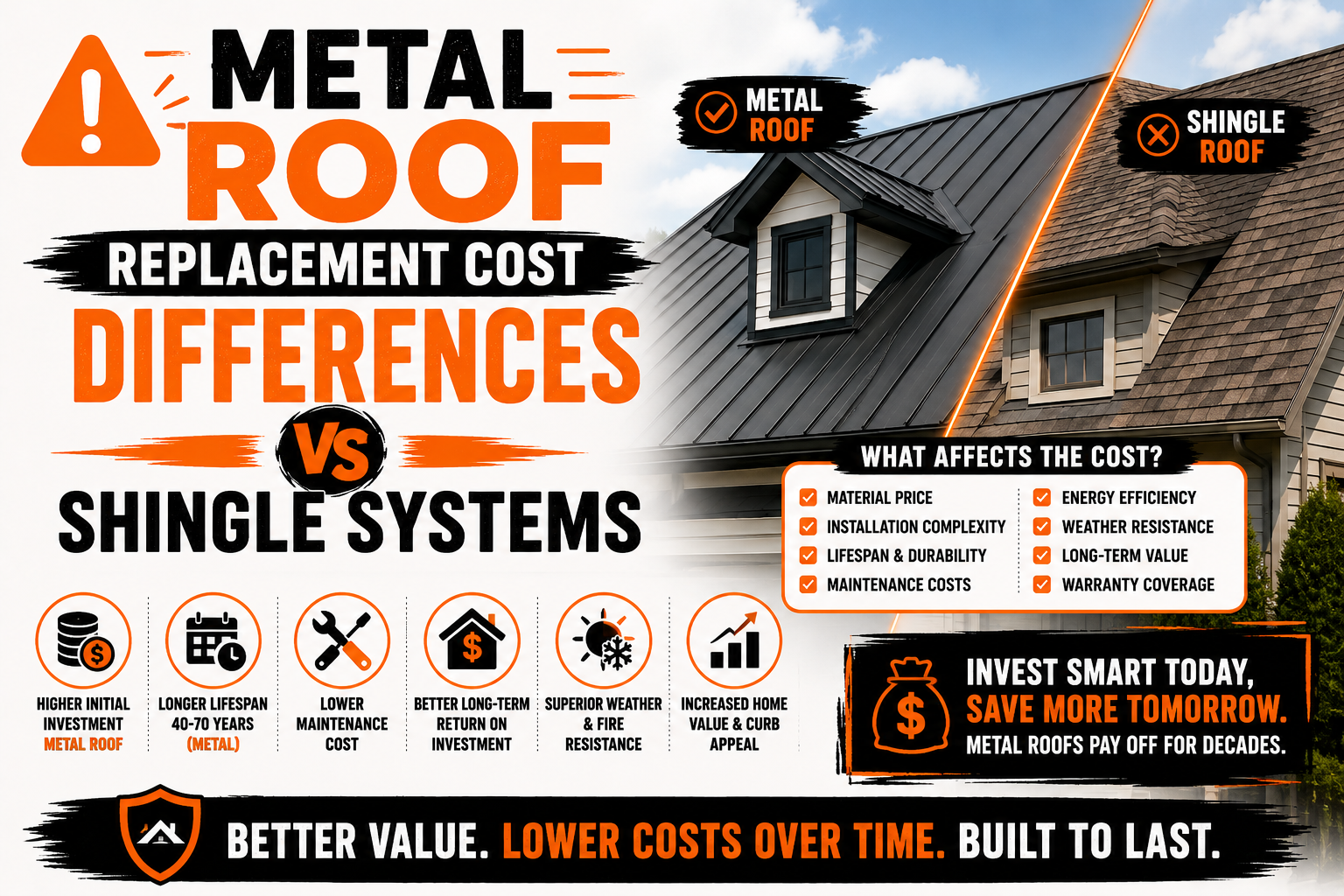
Metal Roof Replacement Cost Differences vs Shingle Systems
Introduction
Replacing a roof is one of the most significant investments homeowners make during the lifetime of a property. Whether a roof has reached the end of its service life or sustained severe weather damage, choosing the right replacement material involves much more than comparing appearance alone. Cost plays a major role in the decision, but understanding what contributes to those costs is equally important.
Two of the most common residential roofing options are metal roofing and asphalt shingles. Both provide reliable protection when installed correctly, yet they differ considerably in material pricing, labor requirements, maintenance needs, and long-term value. While asphalt shingles are often chosen because of their lower upfront cost, metal roofing has gained popularity for its durability, energy efficiency, and extended lifespan.
Looking only at the installation price can sometimes lead homeowners to overlook important long-term financial considerations. A roof should be viewed as an investment that protects the home for decades, making factors such as maintenance, repairs, replacement frequency, and energy performance just as important as the initial purchase price.
Every roofing project is unique. The size of the home, roof complexity, local labor rates, climate, and material quality all influence the total project cost. Understanding these variables helps homeowners make informed decisions that fit both their immediate budget and their long-term financial goals.
This guide explores the cost differences between metal roof replacement systems and asphalt shingle roofing. By examining installation expenses, material characteristics, labor requirements, and the factors that influence pricing, homeowners can better understand which roofing system offers the most suitable balance of cost and value for their specific situation.
Why Roofing Material Costs Vary So Much
Many homeowners are surprised by the wide range of estimates they receive when requesting roof replacement quotes. Roofing costs vary because every project combines multiple variables rather than relying on a single material price. Understanding these factors makes it easier to evaluate estimates accurately.
Material selection is one of the largest contributors to overall cost. Different roofing products require different manufacturing processes, raw materials, protective coatings, and installation methods. Premium roofing materials naturally cost more than basic options because they often provide greater durability and longer service lives.
Labor also accounts for a significant portion of roofing expenses. Roofing systems that require specialized installation techniques or additional craftsmanship generally involve higher labor costs. The experience and certification of the roofing contractor may also influence project pricing.
Roof design has a direct impact on installation complexity. Larger roofs require more materials, while steep slopes, multiple valleys, dormers, skylights, chimneys, and complex architectural features increase the time and effort required for installation.
Geographic location also affects pricing. Material transportation costs, local building codes, weather conditions, labor availability, and regional market demand all influence roofing estimates. Homeowners in different parts of the country may receive noticeably different pricing for similar roofing projects.
Project timing can also influence costs. During busy roofing seasons following storms or periods of high demand, labor schedules become more limited, which may affect both availability and pricing.
Understanding these factors helps homeowners recognize that roofing estimates reflect much more than the cost of shingles or metal panels alone.
Understanding Metal Roof Replacement Costs
Metal roofing is often viewed as a premium roofing option because its initial installation cost is typically higher than many traditional roofing materials. However, this higher investment reflects the advanced materials, manufacturing quality, and specialized installation techniques associated with modern metal roofing systems.
Several types of metal roofing are available, including steel, aluminum, copper, and zinc. Each material has unique characteristics related to durability, corrosion resistance, appearance, and expected lifespan. These differences contribute to variations in overall project pricing.
Protective finishes also influence cost. Modern metal roofing panels are manufactured with coatings designed to resist corrosion, fading, scratches, and ultraviolet exposure. Higher-quality finishes generally increase material costs while providing improved long-term performance.
Installation requirements further affect pricing. Precision panel alignment, specialized fastening systems, flashing details, and proper ventilation all require experienced installers familiar with metal roofing techniques. This expertise contributes to labor costs but also supports long-term reliability.
Accessory components should also be considered. Ridge caps, flashing, snow retention systems in colder climates, ventilation products, and underlayment all contribute to the complete roofing system rather than simply the visible metal panels.
Although the initial investment is higher, many homeowners choose metal roofing because they expect the roof to provide dependable protection for several decades with relatively low maintenance requirements.
Understanding where these costs originate helps explain why metal roofing is often considered a long-term investment rather than simply a more expensive roofing material.
Understanding Asphalt Shingle Roof Replacement Costs
Asphalt shingles remain the most widely used residential roofing material because they provide a practical balance between affordability, availability, and reliable performance. Their lower initial cost makes them attractive to homeowners working within more limited budgets or those planning shorter periods of home ownership.
Several categories of asphalt shingles are available. Basic three-tab shingles typically represent the most economical option, while architectural and premium laminated shingles offer improved durability, appearance, and weather resistance at higher price points.
Material costs for asphalt shingles are generally lower because manufacturing processes are well established and production volumes remain high. This widespread availability contributes to competitive pricing across many residential markets.
Installation methods are also familiar to most roofing contractors. Since asphalt shingles have dominated residential roofing for many years, experienced installers are widely available, helping maintain competitive labor costs in many regions.
Replacement projects usually include more than shingles alone. Underlayment, flashing, drip edges, ridge vents, starter strips, and fasteners all contribute to the total project cost. Roof decking repairs may also become necessary if damage is discovered after the existing roof has been removed.
While asphalt roofing offers lower upfront costs, homeowners should also consider the expected service life and maintenance requirements when comparing long-term value with alternative roofing materials.
Understanding the components included in an asphalt roof replacement provides a more complete picture of the total investment rather than focusing solely on shingle pricing.
Initial Installation Cost Comparison
One of the first questions homeowners ask when comparing roofing materials is how much each option costs to install. Although exact pricing varies by region and project specifications, the general difference between metal roofing and asphalt shingles remains consistent across most residential markets.
Metal roofing usually requires a larger initial investment because of higher material costs and more specialized installation techniques. The manufacturing process for metal panels, protective coatings, and precision-engineered components contributes to this higher purchase price.
Asphalt shingles generally require a lower upfront investment, making them an appealing choice for homeowners seeking immediate affordability. The materials are widely available, installation methods are well established, and labor is often less specialized than metal roofing installation.
However, installation cost should not be evaluated in isolation. The roof represents a long-term investment, and focusing exclusively on initial expenses may overlook important financial factors such as maintenance, repairs, replacement frequency, and energy efficiency.
Project size also influences the total installation cost regardless of material choice. Larger homes require additional materials and labor, increasing overall project expenses while maintaining similar cost relationships between roofing types.
Homeowners comparing estimates should ensure each proposal includes equivalent components such as underlayment, flashing, ventilation improvements, cleanup, warranty coverage, and disposal of old roofing materials. Comparing complete roofing systems rather than only material prices provides a more accurate basis for decision making.
Looking beyond the initial installation figure allows homeowners to evaluate roofing investments from a broader financial perspective.
Material Quality and Pricing Factors
Not all roofing materials within the same category are identical. Significant differences exist in manufacturing quality, protective features, and expected performance, all of which influence project costs.
Metal roofing materials vary according to the type of metal used, panel thickness, protective coatings, finish quality, and manufacturing precision. Premium products often provide greater resistance to corrosion, fading, scratches, and severe weather while maintaining their appearance for longer periods.
Asphalt shingles also differ considerably in quality. Basic shingles generally provide economical protection, while architectural and premium products incorporate additional layers, improved weather resistance, and enhanced visual appeal. Higher-quality shingles naturally command higher prices because of these additional performance characteristics.
Manufacturer warranties frequently reflect differences in material quality. Roofing products engineered for longer service lives often include more comprehensive warranty coverage, although homeowners should carefully review warranty terms before making purchasing decisions.
Color selection and specialty finishes may also affect pricing. Reflective coatings designed to improve energy efficiency or premium finishes developed for enhanced durability often increase material costs while offering additional long-term benefits.
Quality extends beyond visible roofing materials. Underlayment, flashing systems, ridge vents, and fastening components all contribute to the durability and overall performance of the finished roof.
Investing in higher-quality materials may increase initial costs, but improved longevity and reduced maintenance often provide greater value throughout the roof’s lifespan.
Labor Cost Differences Between Metal and Shingle Roofs
Labor represents one of the largest components of any roof replacement project. Although both roofing systems require skilled installation, the methods and expertise involved differ considerably, influencing total labor expenses.
Metal roofing installation requires specialized knowledge because installers work with precision-manufactured panels rather than overlapping shingles. Proper alignment, fastening techniques, flashing installation, and panel spacing all influence long-term performance and weather resistance.
Many metal roofing systems also involve custom fabrication of flashing and trim components. These details require careful measurement and installation to ensure effective moisture protection while maintaining a clean architectural appearance.
Asphalt shingle installation generally follows more familiar installation practices that many roofing professionals perform regularly. Because of widespread experience within the industry, labor availability is often greater, helping maintain competitive pricing in many markets.
Roof complexity affects labor costs regardless of material choice. Steep slopes, multiple roof sections, dormers, skylights, chimneys, and valleys increase installation time for both metal and shingle roofing systems.
Weather conditions during installation may also influence labor requirements. Roofing crews often adjust schedules to ensure safe working conditions, particularly when handling large metal panels in high winds or installing asphalt shingles during extreme temperatures.
Selecting an experienced contractor remains more important than simply choosing the lowest labor estimate. Proper installation significantly influences the roof’s durability, weather resistance, warranty compliance, and long-term performance.
Roof Size, Complexity, and Their Impact on Total Cost
Every roof has unique characteristics that influence replacement costs regardless of the selected material. Two homes with similar square footage may require significantly different roofing budgets because of variations in roof design and architectural complexity.
Roof size directly affects the quantity of materials required. Larger roofs naturally require more roofing panels or shingles, additional underlayment, flashing, fasteners, and labor hours to complete installation.
Roof pitch is another major factor. Steeper roofs require additional safety equipment, slower installation methods, and greater physical effort from roofing crews. Increased complexity generally leads to higher labor costs regardless of the roofing material selected.
Architectural features further influence project pricing. Chimneys, skylights, roof valleys, hips, dormers, and multiple roof elevations require additional cutting, flashing, sealing, and precision installation. These details increase both material usage and labor time.
Waste factors should also be considered. Complex roof designs generate more offcuts during installation because materials must be shaped to fit irregular roof sections. Greater material waste contributes to overall project costs.
Accessibility influences efficiency as well. Homes surrounded by mature landscaping, fencing, limited driveway access, or restricted work areas may require additional planning and equipment during installation.
Understanding how roof size and complexity affect pricing helps homeowners evaluate estimates more accurately while recognizing why seemingly similar homes may receive different roofing quotes.
Regional and Climate Factors That Influence Roofing Costs
Location plays a significant role in determining roof replacement costs. Even when using identical roofing materials, homeowners in different regions may experience noticeable differences in project pricing because of local economic and environmental conditions.
Labor rates vary considerably from one area to another. Regions with higher living costs or increased demand for skilled roofing professionals often experience correspondingly higher installation expenses.
Climate also influences roofing recommendations and material selection. Homes located in coastal areas may require corrosion-resistant roofing products, while regions exposed to heavy snowfall or severe storms may benefit from roofing systems specifically engineered for those environmental conditions. Specialized materials can affect both material and installation costs.
Building codes differ between municipalities and states. Local regulations may require upgraded underlayment, enhanced fastening systems, additional ventilation, or other construction standards that influence project budgets.
Transportation expenses contribute as well. Roofing materials manufactured far from the installation site may involve higher shipping costs, particularly for premium metal roofing products or specialty architectural materials.
Seasonal demand also affects pricing in many regions. Following severe storms or during peak construction seasons, roofing contractors often experience increased workloads that may influence scheduling and project costs.
Considering regional influences allows homeowners to interpret roofing estimates more accurately while understanding that pricing reflects local conditions as well as material selection.
Comparing Lifespan and Replacement Frequency
When evaluating roof replacement costs, one of the most important considerations is how long each roofing material is expected to last. The initial installation cost only tells part of the story because the frequency of future replacements has a major impact on the total amount a homeowner spends over several decades.
Metal roofing is widely recognized for its exceptional lifespan. Depending on the material, installation quality, climate, and maintenance, many metal roofing systems continue performing effectively for forty to seventy years or even longer. This extended service life means many homeowners may only need one metal roof during the time they own their property.
Asphalt shingles generally have a shorter lifespan. Although modern architectural shingles are more durable than earlier products, they eventually deteriorate because of continuous exposure to sunlight, changing temperatures, moisture, and severe weather. Most asphalt roofs require replacement sooner than metal roofing systems.
Replacement frequency affects more than material costs alone. Every roof replacement includes labor, disposal of old roofing materials, permits where required, and temporary disruption to daily life. Reducing the number of replacement projects over the lifetime of a home often results in significant long-term savings.
Longer roof life also provides greater peace of mind. Homeowners spend less time planning major roofing projects and can focus on routine maintenance rather than preparing for another full replacement within a relatively short period.
Considering expected lifespan alongside installation cost provides a more complete understanding of the overall financial value offered by each roofing system.
Maintenance Costs Over the Life of the Roof
Maintenance is another important factor that influences the true cost of roof ownership. While every roof requires periodic inspection and care, the amount of maintenance needed varies considerably between metal roofing and asphalt shingles.
Metal roofing generally requires relatively little maintenance when installed correctly. Routine inspections, occasional gutter cleaning, and removing leaves or debris from the roof surface are usually sufficient to maintain its performance. Protective coatings also help resist corrosion, fading, and weather-related wear over many years.
Asphalt shingles typically require more attention as they age. Individual shingles may loosen, crack, curl, or lose protective granules because of prolonged exposure to weather. Small repairs become more common over time, especially after severe storms or repeated freeze and thaw cycles.
Preventive maintenance helps extend the lifespan of both roofing systems. Regular inspections allow homeowners to identify minor concerns before they develop into larger and more expensive problems. Addressing small issues early often reduces long-term repair costs regardless of roofing material.
Maintenance expenses should also include professional inspections when appropriate. Experienced roofing contractors can evaluate flashing, ventilation, drainage systems, and other components that contribute to the overall performance of the roof.
Although maintenance requirements vary depending on climate and installation quality, metal roofing generally offers lower long-term maintenance costs than traditional asphalt shingle systems.
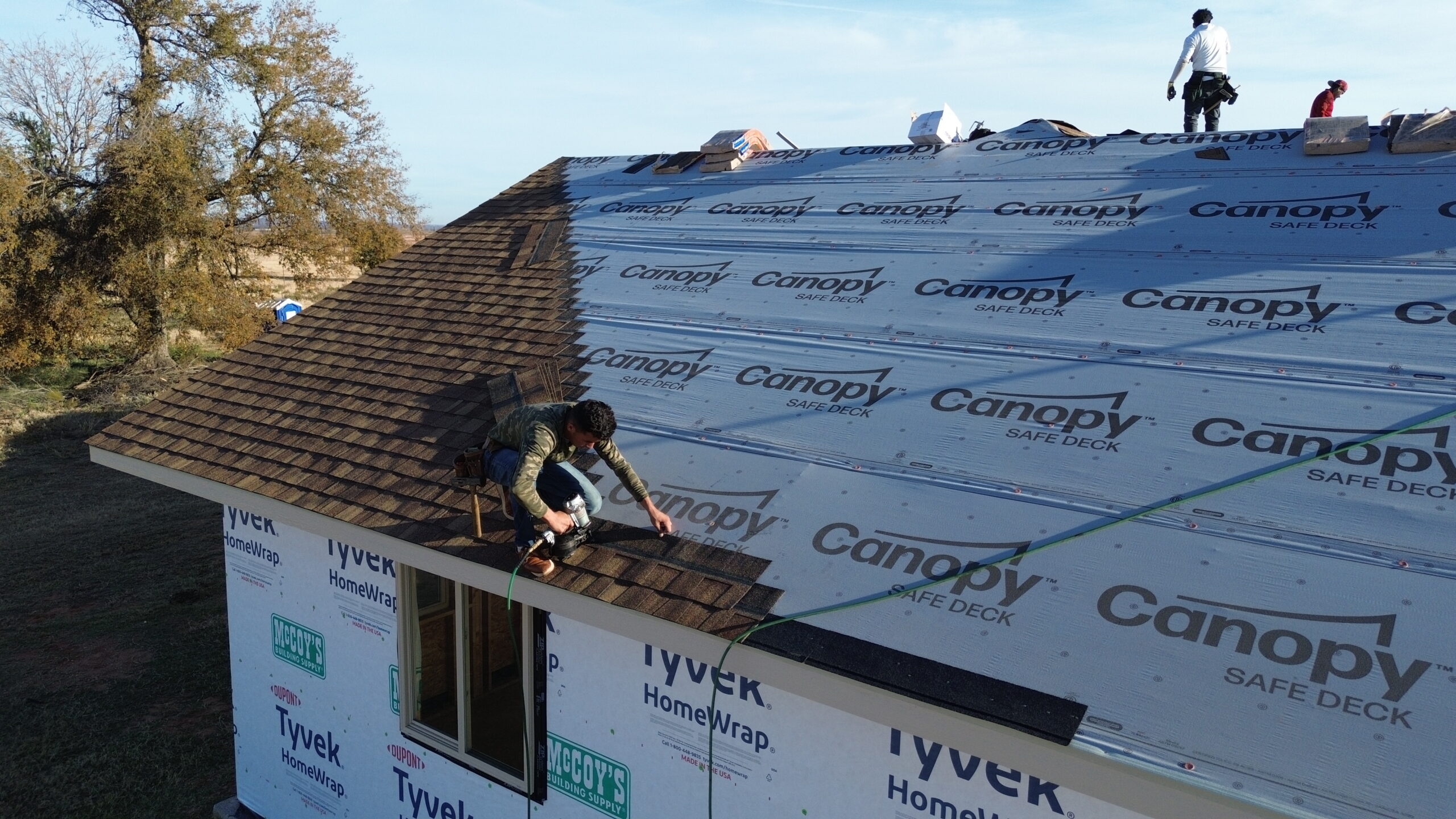
Repair Expenses for Metal and Shingle Roofing
Unexpected roof repairs are a normal part of homeownership, but the type and frequency of repairs often differ between roofing materials. Understanding these differences helps homeowners estimate future ownership costs more accurately.
Metal roofing is designed to withstand demanding weather conditions, reducing the likelihood of frequent repairs. Properly installed panels resist cracking, splitting, and many forms of weather-related deterioration that commonly affect traditional roofing materials. As a result, repairs tend to occur less often.
When repairs are necessary, however, they may require specialized knowledge. Matching panel profiles, finishes, and installation techniques is important to maintain both appearance and weather resistance. For this reason, repairs should typically be completed by contractors experienced in metal roofing systems.
Asphalt shingles often experience more localized damage over time. Wind may loosen individual shingles, hail can affect protective surfaces, and aging materials gradually become more vulnerable to deterioration. Fortunately, repairing isolated sections of asphalt roofing is generally straightforward when matching shingles remain available.
The availability of replacement materials should also be considered. Roofing products occasionally change over time, making exact color or profile matches more difficult years after the original installation. Planning for future repairs includes understanding how material availability may influence repair outcomes.
Although repair costs vary depending on the extent of damage, the reduced frequency of repairs often contributes to the long-term value associated with metal roofing.
Energy Efficiency and Utility Savings
Roofing materials influence more than weather protection. They also affect how efficiently a home manages heat, making energy performance an important factor when comparing long-term ownership costs.
Many modern metal roofing systems include reflective coatings that reduce the amount of solar heat absorbed by the roof. Rather than retaining large amounts of heat, these surfaces reflect a significant portion of incoming sunlight, helping maintain lower roof temperatures during warm weather.
Reduced heat absorption contributes to a cooler attic and may decrease the workload placed on air conditioning systems. Lower cooling demand can result in reduced energy consumption during the hottest months of the year, particularly in regions with long summers or intense sunlight.
Traditional asphalt shingles generally absorb more solar heat because of their darker surfaces and material composition. Although proper insulation and attic ventilation help improve overall efficiency, the roofing material itself typically reflects less heat than many metal roofing products.
Energy performance depends on several factors working together. Roof color, insulation quality, ventilation design, window placement, and local climate all influence household energy use. The roof should therefore be viewed as one component of a complete energy-efficient building system.
Over the lifespan of the roof, improved energy efficiency may contribute meaningful financial savings while increasing indoor comfort throughout the year.
Insurance Considerations and Potential Cost Benefits
Insurance expenses are another financial consideration homeowners sometimes overlook when evaluating roofing materials. Although policies differ between providers and locations, roofing type can influence insurance discussions because of differences in durability and risk.
Metal roofing is known for its resistance to fire, high winds, and many forms of weather-related damage. Because of these characteristics, some insurance companies may offer policy considerations for homes equipped with certain types of metal roofing systems. However, available benefits depend entirely on the insurer, property location, and specific policy terms.
Asphalt shingles are also accepted by insurance providers and continue to protect millions of homes effectively. However, because they generally have shorter service lives and may experience weather-related deterioration more quickly, insurance evaluations sometimes differ depending on roof age and condition.
Homeowners planning a roof replacement should contact their insurance provider before making a final decision. Asking about roofing material preferences, inspection requirements, and available discounts provides valuable information during the planning stage.
It is equally important to maintain documentation after installation. Contractor invoices, manufacturer warranties, inspection reports, and photographs of the completed roof help support future insurance claims if storm damage or other covered events occur.
Although insurance savings should not be the sole reason for selecting a roofing material, they represent another factor that may influence the overall cost of long-term roof ownership.
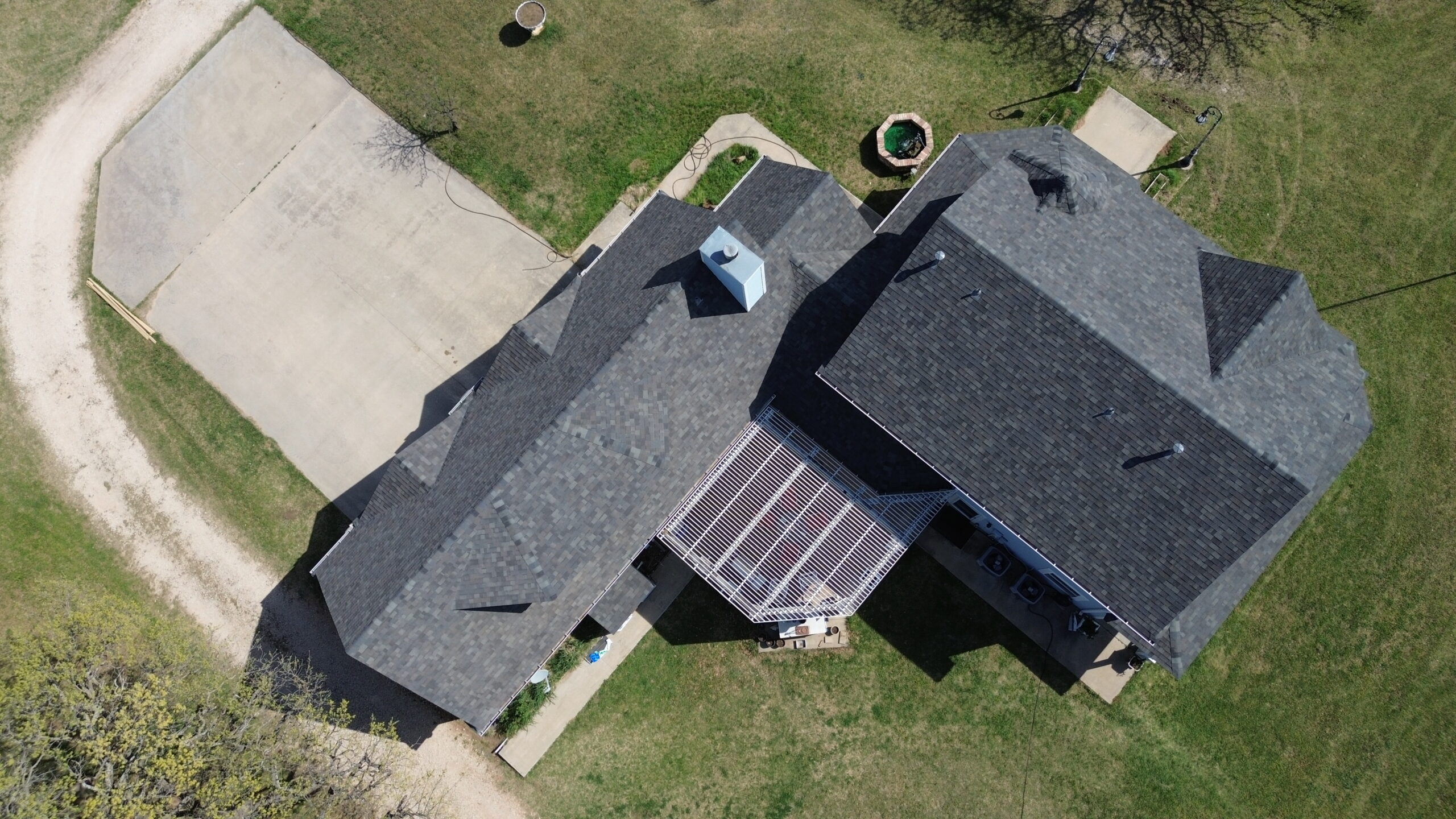
Property Value and Return on Investment
Replacing a roof improves more than structural protection. It also contributes to the home’s overall marketability and can influence buyer perception when the property is eventually offered for sale.
A metal roof often attracts buyers because of its reputation for durability and longevity. Many prospective homeowners appreciate knowing they are purchasing a property with a roof expected to perform reliably for several decades. This confidence may make the home more competitive in the real estate market.
Asphalt shingle roofs also contribute positively to property value when they are new and professionally installed. Because asphalt remains the most common residential roofing material, buyers are familiar with its appearance and maintenance expectations.
Curb appeal is another important consideration. Both roofing systems are available in a variety of styles and colors, allowing homeowners to select designs that complement the architecture of the home. An attractive roof enhances the property’s exterior appearance and creates a strong first impression.
Return on investment should be viewed from both financial and practical perspectives. A durable roof reduces future maintenance concerns while improving energy efficiency and protecting the home’s structural integrity. These advantages extend beyond resale value and improve the overall ownership experience.
The exact financial return varies depending on local market conditions, property characteristics, and buyer preferences, but investing in a high-quality roof often contributes positively to long-term property value.
Environmental Costs and Sustainability Benefits
Environmental considerations have become increasingly important for many homeowners planning major home improvements. Roofing materials differ not only in performance but also in how they affect resource consumption and construction waste over time.
Metal roofing supports sustainability through its long service life. Because replacement occurs less frequently, fewer roofing materials enter landfills over the lifetime of the home. Reduced replacement frequency also lowers the demand for manufacturing, transportation, and installation of new roofing products.
Many metal roofing products contain recycled materials and can often be recycled again at the end of their useful life. This ability to reintroduce materials into future manufacturing processes supports more responsible resource management.
Asphalt shingles continue to evolve in terms of environmental performance, and recycling programs exist in some areas. However, recycling availability varies by location, and many removed shingles are still disposed of through conventional waste management systems.
Energy efficiency also contributes to environmental benefits. Reflective metal roofing may reduce cooling demands, helping decrease household energy consumption during warm weather. Lower energy use supports broader sustainability goals while reducing operating expenses.
Homeowners who value environmentally responsible construction often evaluate roofing materials based on their complete life cycle rather than simply their initial manufacturing process.
Hidden Expenses Homeowners Should Consider
Roof replacement estimates often focus on material and labor costs, but additional expenses can influence the total project budget. Recognizing these hidden costs helps homeowners avoid surprises once installation begins.
One potential expense involves roof deck repairs. After old roofing materials are removed, contractors may discover damaged plywood, moisture deterioration, or structural issues that require repair before the new roof can be installed. These repairs are often impossible to identify during the initial visual inspection.
Permit fees may also apply depending on local building regulations. Municipal requirements vary, and homeowners should confirm whether permit costs are included in the contractor’s estimate.
Removal and disposal of the existing roof should also be clarified before signing a contract. Tearing off old roofing materials generates significant debris that must be transported and disposed of according to local regulations.
Other possible expenses include upgraded ventilation systems, flashing replacement, chimney repairs, gutter improvements, or additional insulation. While these items may increase the project budget, they often improve the long-term performance of the new roofing system.
Homeowners should carefully review every estimate to understand exactly what is included. A slightly higher proposal that covers all necessary work may ultimately provide better value than a lower estimate requiring numerous additional charges later.
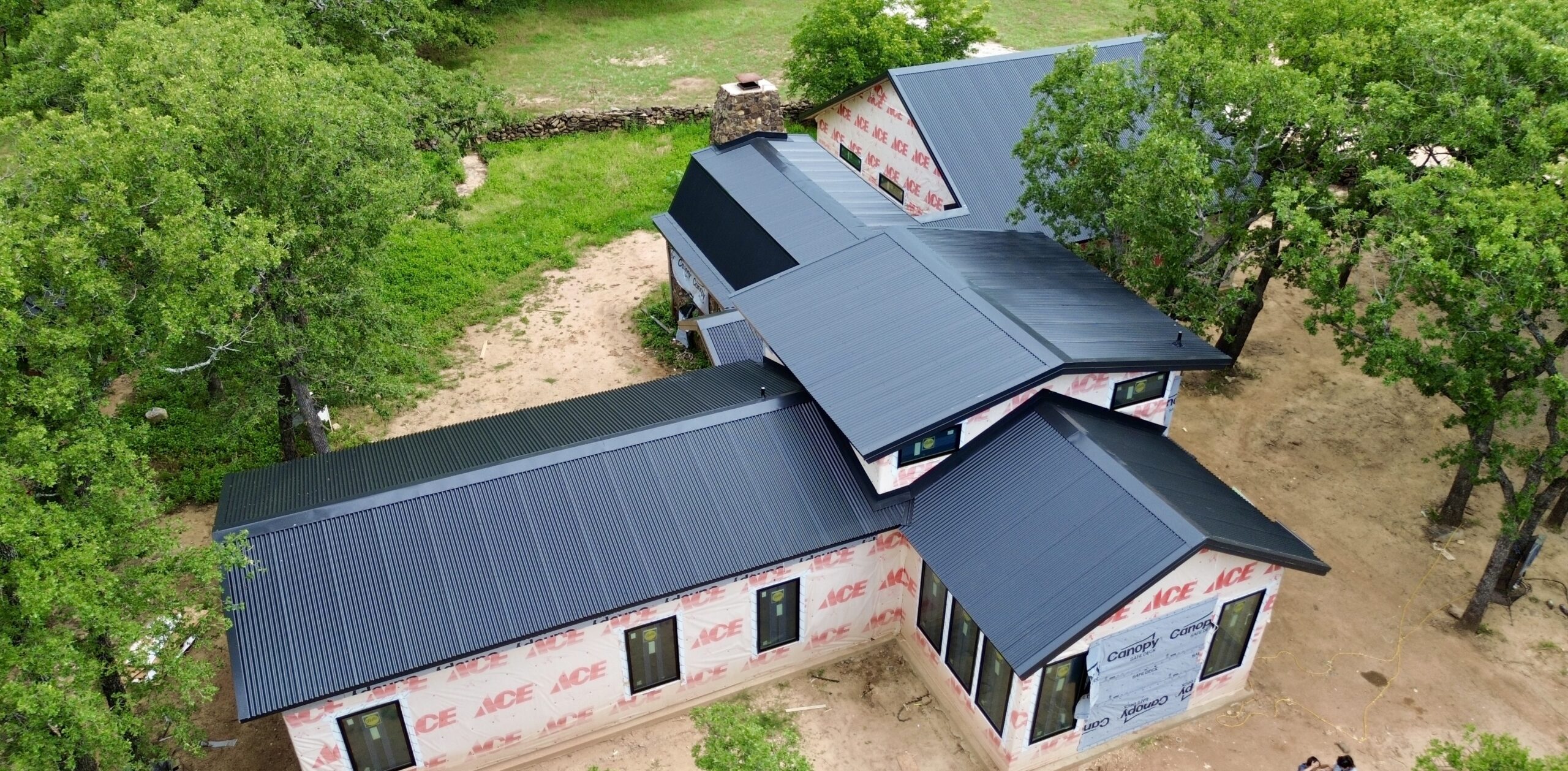
Common Cost Myths About Metal and Shingle Roofs
Many roofing decisions are influenced by assumptions that do not always reflect the full financial picture. Understanding the facts behind common cost myths helps homeowners evaluate roofing options more objectively.
One widespread belief is that metal roofing is always too expensive. While the initial installation cost is generally higher, this comparison overlooks reduced maintenance, longer lifespan, and fewer replacement projects over several decades. Evaluating total ownership costs often presents a different financial perspective.
Another misconception is that asphalt shingles are always the least expensive choice over the lifetime of a home. Although the initial investment is lower, multiple replacement cycles, periodic repairs, and ongoing maintenance can significantly increase cumulative ownership costs.
Some homeowners assume all metal roofing products have identical prices. In reality, costs vary depending on the type of metal, protective coatings, panel profiles, finish quality, and installation complexity. Comparing only one metal roofing estimate may not accurately represent the range of available options.
Another common myth suggests that labor costs are nearly identical for every roofing project. Roof size, architectural complexity, local labor rates, weather conditions, and contractor experience all influence installation expenses regardless of the selected material.
Making roofing decisions based on verified information rather than common assumptions allows homeowners to choose the system that best matches their financial priorities, property needs, and long-term ownership plans.
Factors to Evaluate Before Making a Decision
Choosing between a metal roof and an asphalt shingle roof involves much more than comparing the initial installation estimate. Both roofing systems have advantages, and the right choice depends on your budget, long-term plans, local climate, and maintenance expectations. Evaluating these factors carefully helps homeowners select a roofing system that provides the best overall value.
One of the first questions to consider is how long you plan to stay in the home. If you expect to own the property for many decades, investing in a roofing system with a longer lifespan may provide greater financial benefits over time. On the other hand, homeowners planning to sell within a few years may prioritize lower upfront costs while still choosing a roof that enhances curb appeal.
Climate is another important consideration. Areas that experience frequent storms, heavy snowfall, strong winds, or intense sunlight may benefit from roofing materials designed to withstand these demanding conditions. Selecting a roofing system suited to the local environment helps maximize durability and minimize future repair costs.
Maintenance preferences also influence the decision. Some homeowners prefer a roofing system that requires minimal upkeep, while others are comfortable performing occasional inspections and arranging periodic repairs. Understanding the expected maintenance requirements allows homeowners to make realistic long-term plans.
Energy efficiency should also be included in the evaluation process. Roofing materials affect indoor temperatures, heating and cooling demands, and overall household energy consumption. While insulation and ventilation remain essential, the roofing material itself contributes to the home’s energy performance.
Finally, homeowners should compare complete roofing systems rather than individual materials alone. Underlayment, flashing, ventilation, warranties, workmanship, and contractor experience all contribute to the overall quality and long-term value of the finished roof.
Carefully weighing these factors allows homeowners to make a decision based on overall ownership value instead of focusing only on the initial project cost.
Side by Side Cost Comparison
Comparing roofing systems side by side provides a clearer understanding of how metal roofing and asphalt shingles differ over the life of the roof. Although installation prices are often the primary focus, several additional factors influence long-term ownership costs.
| Cost Factor | Metal Roof | Asphalt Shingle Roof |
|---|---|---|
| Initial Installation Cost | Higher | Lower |
| Typical Lifespan | 40 to 70+ years | 20 to 30 years |
| Maintenance Needs | Low | Moderate |
| Repair Frequency | Less frequent | More frequent as the roof ages |
| Energy Efficiency | High with reflective coatings | Moderate depending on product |
| Replacement Frequency | Usually once over several decades | Often multiple replacements during the same period |
This comparison illustrates that each roofing system offers a different balance between upfront investment and long-term ownership costs. Asphalt shingles provide lower initial expenses, while metal roofing often delivers greater value over an extended period through reduced maintenance and fewer replacement cycles.
The best financial choice depends on each homeowner’s priorities. Some value immediate affordability, while others prefer investing more initially to reduce future expenses and maintenance responsibilities.
Looking at these factors together provides a more complete picture than comparing installation estimates alone.
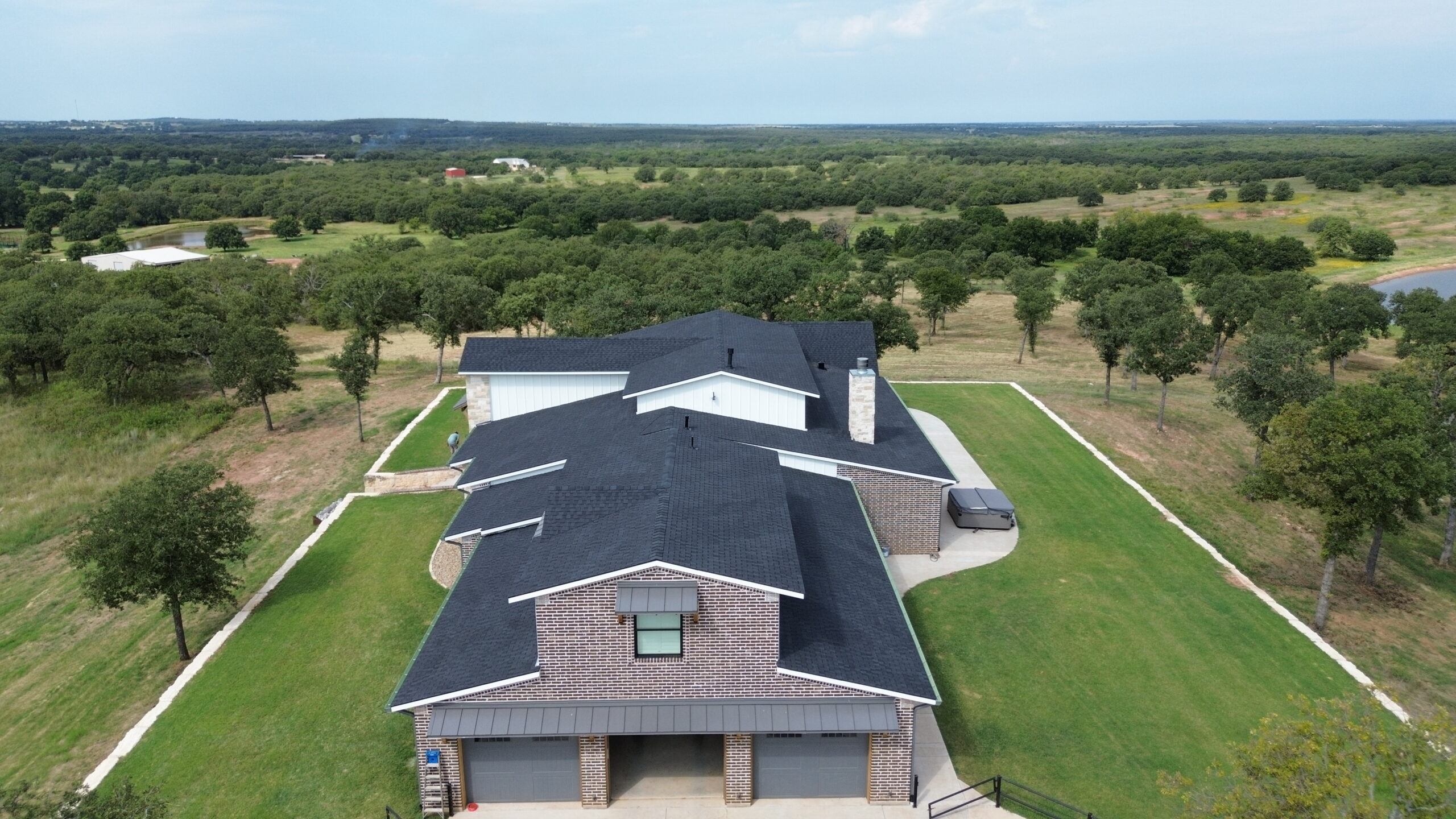
Financing Considerations for Roof Replacement
A roof replacement is a major investment, and many homeowners explore financing options to make the project more manageable. Understanding available financing methods helps homeowners plan responsibly while selecting the roofing system that best meets their needs.
Some homeowners choose to pay for roof replacement using personal savings, allowing them to avoid interest charges and long-term repayment obligations. This approach may be practical for those who have planned ahead for major home maintenance projects.
Others may consider financing through home improvement loans or lender programs specifically designed for residential renovation projects. Monthly payments can spread the cost over time, making it easier to invest in higher-quality roofing materials without placing immediate pressure on household finances.
Some roofing contractors also work with financing partners that offer payment plans for qualified customers. Before accepting any financing arrangement, homeowners should carefully review interest rates, repayment terms, fees, and total borrowing costs.
Insurance may also contribute to roof replacement expenses when damage results from covered events such as severe storms, hail, or falling trees. Homeowners should review their insurance policy carefully and work with both the contractor and insurance provider to understand available coverage.
Regardless of the financing method selected, it is wise to prepare a realistic budget before the project begins. Including a contingency amount for unexpected structural repairs or additional improvements helps reduce financial stress if unforeseen issues are discovered during installation.
Careful financial planning allows homeowners to select the roofing system that offers the best long-term value without exceeding their budget.
Working With a Qualified Roofing Contractor
The quality of a roof replacement depends not only on the roofing materials but also on the skill and experience of the contractor performing the installation. Even premium roofing products may fail to perform properly if they are installed incorrectly.
Begin by researching contractors who specialize in the type of roofing system you are considering. Metal roofing requires installation techniques that differ from asphalt shingles, so selecting a contractor with relevant experience is especially important.
Request written estimates from multiple contractors before making a decision. Comparing proposals helps homeowners understand pricing differences while identifying exactly what is included in each project. Estimates should clearly describe materials, labor, warranties, cleanup procedures, and any optional upgrades.
Verify licensing, insurance, and local certifications where applicable. These credentials demonstrate professionalism while protecting both the homeowner and contractor throughout the project.
Customer reviews and references provide additional insight into workmanship and reliability. Speaking with previous clients or reviewing completed projects helps homeowners evaluate communication, project management, and overall satisfaction.
Good communication should continue throughout the project. Contractors should explain the installation schedule, discuss any unexpected findings, answer questions promptly, and provide updates as work progresses.
Selecting a qualified contractor often has a greater impact on long-term roof performance than choosing between similar roofing products.
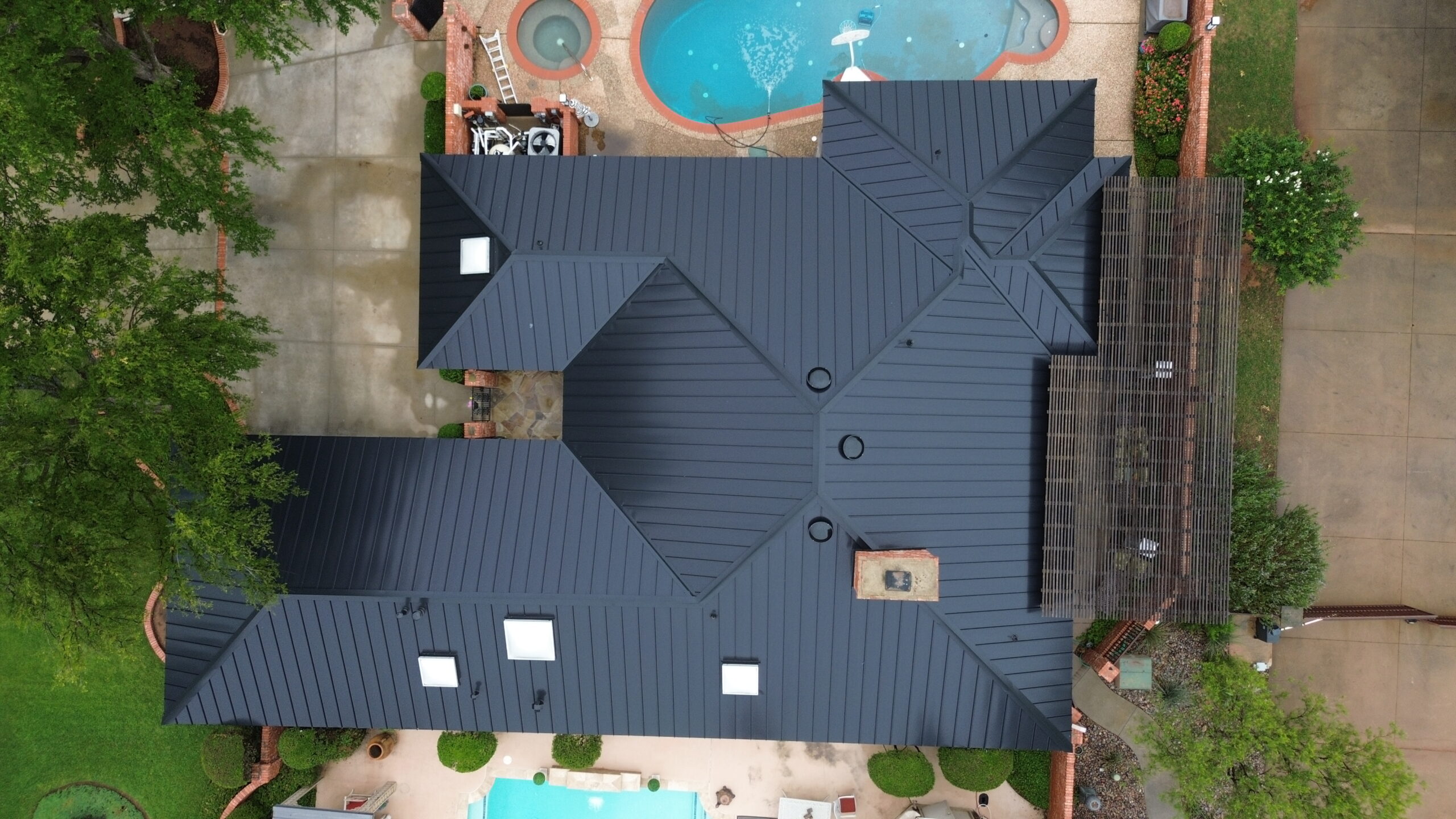
Long Term Budget Planning Tips
Roof replacement should be viewed as part of a long-term home maintenance strategy rather than a single construction project. Careful planning helps homeowners maximize the value of their investment while reducing unexpected expenses in the future.
Begin by estimating the total cost of ownership rather than focusing solely on installation expenses. Maintenance, repairs, inspections, energy savings, and expected replacement frequency all contribute to the roof’s lifetime cost.
Homeowners should also establish a maintenance budget. Even low-maintenance roofing systems benefit from periodic inspections, gutter cleaning, and routine care that help preserve long-term performance. Setting aside modest annual funds for maintenance often prevents much larger repair expenses later.
Keeping detailed records is equally valuable. Save contracts, invoices, warranty documents, inspection reports, and photographs of the completed roof in a secure location. Organized documentation simplifies warranty claims, insurance discussions, and future home sales.
It is also helpful to plan for future home improvements that may affect the roof. Solar panel installation, attic ventilation upgrades, skylights, or chimney work should be coordinated whenever possible to avoid unnecessary roofing modifications later.
A practical long-term planning checklist includes the following:
- Compare estimates from several qualified roofing contractors.
- Review manufacturer and workmanship warranties carefully.
- Calculate long-term ownership costs rather than focusing only on installation price.
- Budget for routine inspections and preventive maintenance.
- Consider future energy savings and resale value before making a final decision.
Following these planning steps helps homeowners make financially sound roofing decisions while protecting one of the most important components of their home.
Conclusion
Comparing metal roof replacement costs with asphalt shingle systems involves much more than evaluating the initial installation estimate. While asphalt shingles generally offer lower upfront costs, metal roofing provides advantages that often become more apparent over the long term through greater durability, lower maintenance requirements, improved energy efficiency, and significantly longer service life.
Every homeowner’s situation is different, and the ideal roofing choice depends on personal priorities, available budget, expected length of home ownership, climate conditions, and long-term financial goals. Looking beyond the purchase price allows homeowners to evaluate the complete cost of ownership rather than only the immediate project expense.
Material quality, contractor expertise, roof design, local labor rates, and regional weather conditions all influence the total investment regardless of the roofing system selected. Understanding these variables helps homeowners compare estimates fairly while making informed decisions based on value instead of price alone.
Working with an experienced roofing contractor further improves the outcome of any roof replacement project. Professional installation, quality materials, and proper maintenance together ensure that the new roof delivers dependable protection and long-lasting performance for many years.
Ultimately, both metal roofing and asphalt shingles remain excellent roofing solutions when matched to the homeowner’s needs. By carefully considering installation costs, maintenance expenses, lifespan, energy performance, and future replacement requirements, homeowners can confidently choose the roofing system that provides the best balance of affordability, reliability, and long-term value for their property.