
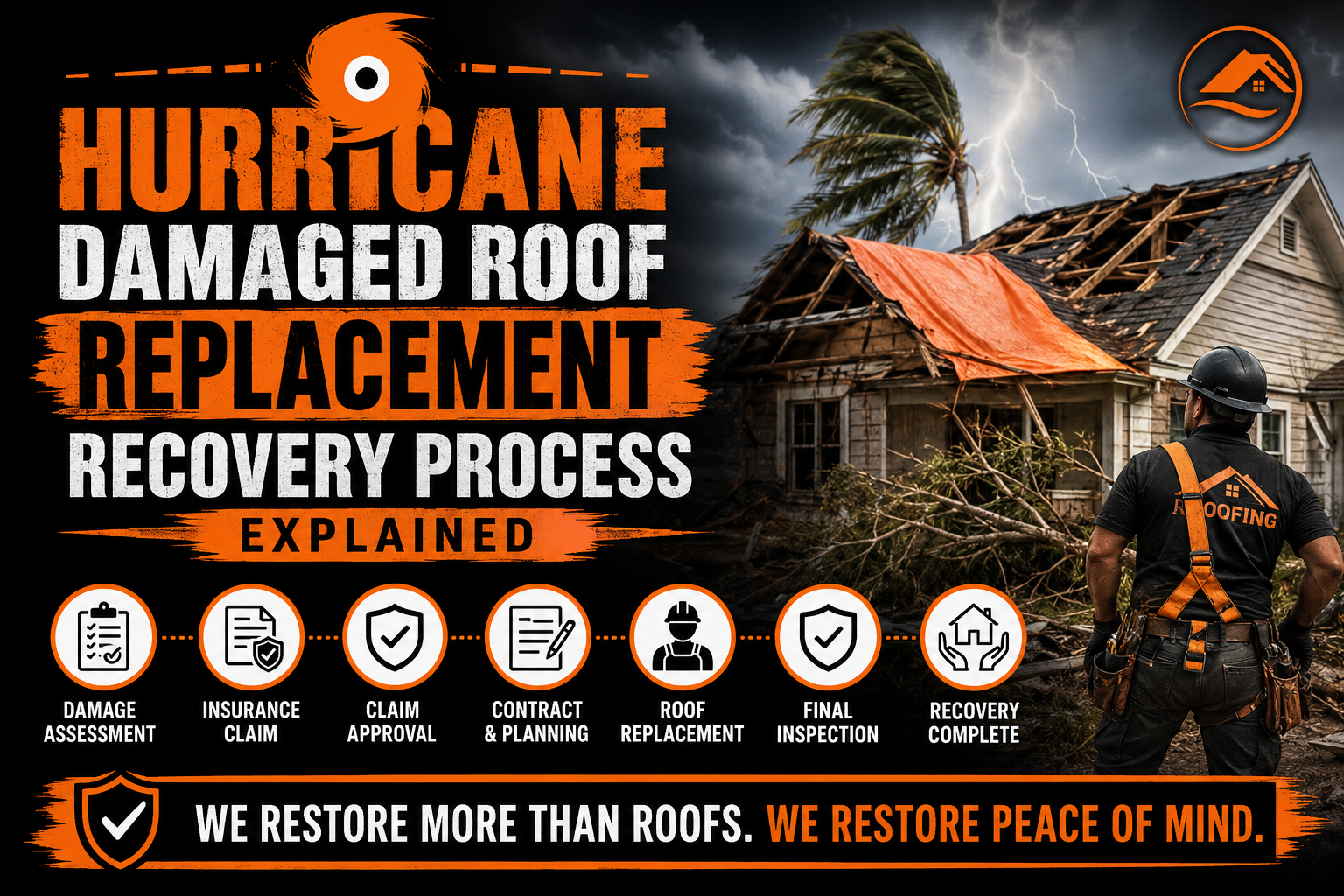
Hurricane Damaged Roof Replacement Recovery Process Explained
Introduction
A hurricane can change the condition of a home within a matter of minutes. Powerful winds, heavy rain, flying debris, and falling trees place tremendous stress on a roofing system that is designed to withstand normal weather conditions but not the full force of a severe tropical storm. Even if the damage appears minor from the ground, the roof may have hidden structural problems that become more serious over time if they are not addressed quickly.
Recovering from hurricane damage is rarely as simple as replacing a few missing shingles. Moisture can penetrate the roof deck, insulation may become saturated, flashing can separate from critical joints, and structural framing may weaken after prolonged exposure to wind and water. Understanding the complete roof replacement recovery process helps homeowners make informed decisions while reducing the risk of additional property damage.
The recovery journey involves more than construction work alone. It includes protecting the home immediately after the storm, documenting damage carefully, communicating with insurance providers, selecting qualified contractors, and ensuring the replacement roof is built to withstand future storms. Every step plays an important role in restoring both the safety and value of the property.
This guide explains each stage of the hurricane damaged roof replacement recovery process in detail. In this first part, we will focus on understanding hurricane damage, identifying warning signs, taking immediate safety precautions, applying temporary protection, and documenting damage properly before the replacement process officially begins.
Understanding How Hurricanes Damage Roofing Systems
Hurricanes create several types of stress that affect roofs differently than ordinary storms. Instead of exposing the roof to one isolated event, hurricanes often combine extreme wind speeds, torrential rainfall, airborne debris, and prolonged exposure to harsh weather conditions. These combined forces can damage multiple roofing components simultaneously.
Strong winds often begin by lifting the edges of shingles or roofing panels. Once the protective seal is broken, wind can travel underneath the roofing material and gradually peel away larger sections. This process may continue throughout the storm until significant portions of the roof are exposed.
Heavy rain becomes especially dangerous after wind damage has already created openings in the roofing system. Water enters through lifted shingles, damaged flashing, or broken roof penetrations and begins soaking the decking beneath. Because water often travels before becoming visible indoors, homeowners may not immediately recognize the extent of the damage.
Flying debris represents another major source of destruction during hurricanes. Tree branches, construction materials, outdoor furniture, fencing, and even neighboring roofing materials can strike the roof with tremendous force. These impacts may crack shingles, puncture metal panels, fracture tiles, or weaken the structural decking beneath the surface.
In stronger hurricanes, entire trees or large limbs may collapse onto the roof. Such impacts often affect not only the roofing material but also rafters, trusses, ceilings, and supporting walls. These situations typically require structural evaluation before any roof replacement work begins.
Storm surge also contributes to roof replacement needs in coastal regions. Although flooding primarily affects lower portions of the home, prolonged moisture exposure can compromise framing members, insulation, ventilation systems, and other building components connected to the roof structure.
Every roofing material responds differently to hurricane conditions. Asphalt shingles may lose granules or become detached. Metal roofing panels can bend or separate at seams if improperly secured. Tile roofs may experience cracked or displaced tiles that expose the waterproof underlayment beneath. Even durable roofing systems require thorough inspection after a major hurricane.
Understanding these damage mechanisms helps homeowners appreciate why a professional evaluation is essential. Damage that appears cosmetic from outside may conceal widespread moisture intrusion or structural weaknesses beneath the visible surface.
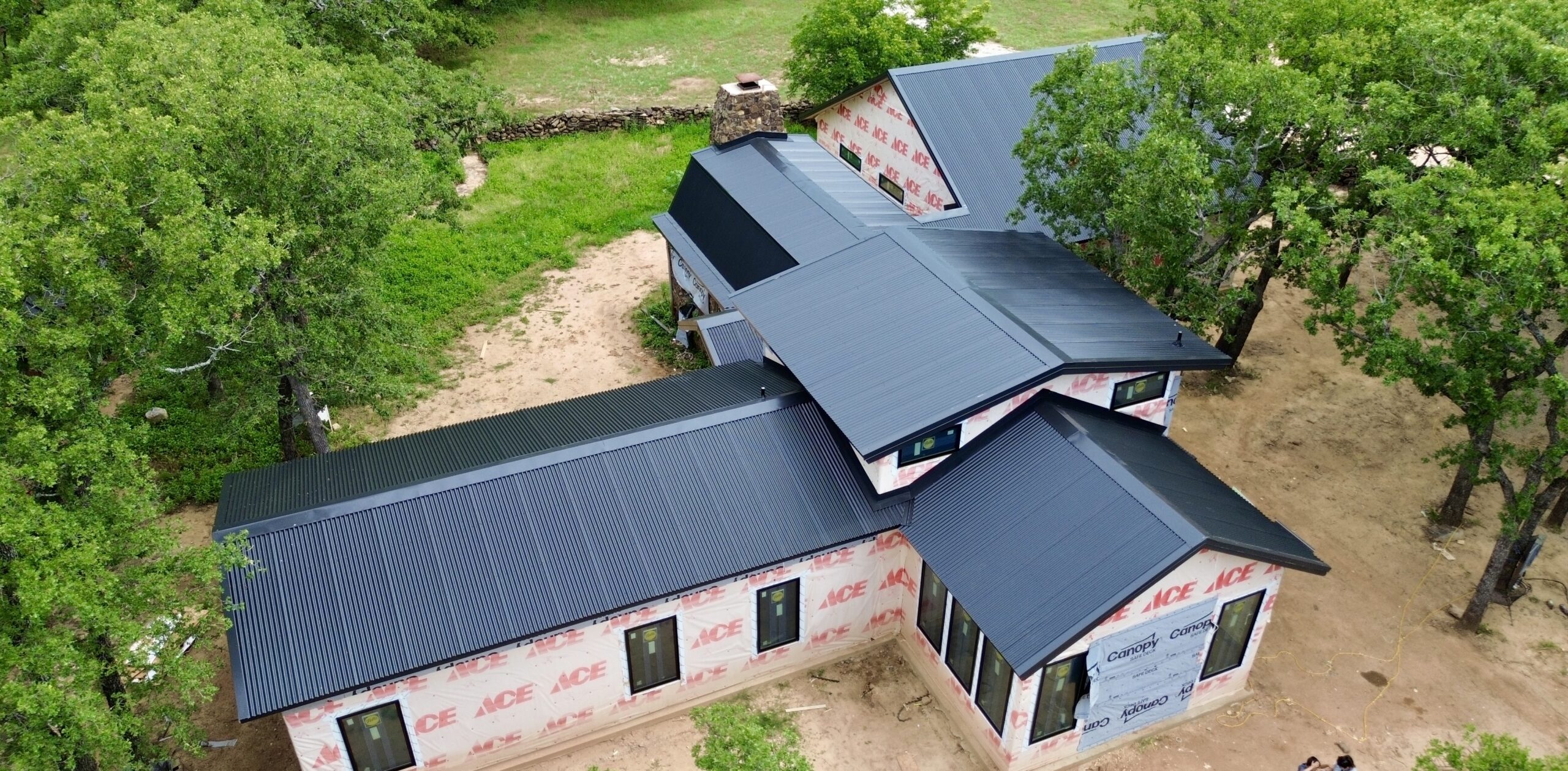
Why Immediate Action Matters After a Hurricane
The hours immediately following a hurricane often determine whether roof damage remains manageable or develops into a much larger restoration project. Waiting too long to respond allows water infiltration and structural deterioration to continue, increasing repair costs and extending the recovery timeline.
Moisture enters through even the smallest roof openings. Once inside, it begins soaking insulation, drywall, wooden framing, and electrical systems. Damp materials create an ideal environment for mold growth, which may begin developing within a relatively short period under warm and humid conditions.
Water intrusion also affects indoor air quality. Wet insulation loses its effectiveness while moisture trapped inside wall cavities encourages fungal growth that may spread throughout the home if left untreated.
Small leaks rarely remain small after hurricane damage. Wind continues loosening damaged roofing materials even after the storm has passed. Subsequent rainfall may enlarge existing openings and create entirely new leak paths that were not present immediately after the hurricane.
Insurance companies generally expect homeowners to take reasonable steps to prevent additional damage after a covered event. Temporary protective measures demonstrate that the homeowner acted responsibly to minimize losses instead of allowing preventable damage to worsen.
Delaying professional inspections may also complicate insurance claims. As time passes, it becomes increasingly difficult to distinguish hurricane-related damage from deterioration caused by later weather events or normal wear and tear. Prompt documentation creates a clearer connection between the storm and the resulting roof damage.
Fast action does not necessarily mean rushing into a replacement contract. Instead, it means securing the property, documenting conditions carefully, scheduling professional inspections, and making informed decisions based on reliable information.
First Safety Steps Before Inspecting the Roof
Personal safety should always take priority over property inspection. Hurricanes leave behind unstable structures, fallen power lines, broken trees, slippery surfaces, and hidden hazards that can seriously injure homeowners attempting their own assessments.
Before approaching the property, inspect the surrounding area from a safe distance. Look for leaning trees, hanging branches, damaged utility poles, exposed electrical wires, or unstable chimneys that may collapse unexpectedly.
Never climb onto a roof immediately after a hurricane. Roofing surfaces may appear stable while concealing weakened decking, loose shingles, or structural damage capable of causing sudden collapse. Wet roofing materials also become extremely slippery, increasing the risk of falls.
Instead of climbing onto the roof, perform an initial visual inspection from ground level using binoculars if available. Walk around the home slowly while observing different roof sections from multiple angles. This approach allows homeowners to identify obvious damage without exposing themselves to unnecessary danger.
Inside the home, inspect ceilings, walls, and attic spaces carefully. Fresh water stains, damp insulation, peeling paint, sagging ceilings, or visible daylight entering through the roof all indicate possible roofing damage requiring immediate attention.
If standing water has reached electrical outlets, circuit panels, or ceiling fixtures, avoid entering affected areas until qualified professionals confirm the electrical system is safe.
The following safety priorities should always come before any cleanup or repair work:
- Stay away from downed power lines and report them immediately.
- Avoid climbing onto damaged roofing surfaces.
- Wear protective footwear when walking around debris.
- Use flashlights instead of candles if electricity is unavailable.
- Keep children and pets away from damaged structures.
- Contact emergency services if structural collapse appears possible.
Following these precautions helps prevent injuries while allowing homeowners to begin documenting damage safely and effectively.
Common Signs That a Roof May Need Replacement
Not every hurricane damaged roof requires complete replacement. Some roofs can be repaired successfully, while others suffer damage extensive enough that replacement becomes the safer and more economical solution.
One of the most obvious warning signs is widespread loss of roofing material. Large sections of missing shingles, detached metal panels, or displaced roof tiles expose the underlying deck directly to weather. Once large portions of the protective covering disappear, repairs may no longer provide reliable long-term performance.
Visible structural sagging often indicates more serious problems beneath the surface. A roof that appears uneven, bowed, or depressed may have damaged framing members that require comprehensive reconstruction rather than localized repairs.
Repeated interior leaks also suggest widespread roofing failure. Multiple leak locations often indicate that water has penetrated different areas simultaneously instead of entering through one isolated defect.
Water stains spreading across ceilings or upper walls deserve careful attention. Even if only a few stains appear indoors, moisture may have traveled significant distances before becoming visible. Professional moisture testing often reveals a much larger affected area than expected.
Granule loss on asphalt shingles represents another warning sign after hurricane exposure. Excessive granule loss reduces ultraviolet protection and accelerates shingle deterioration, shortening the remaining lifespan of the roof.
Damaged flashing around chimneys, skylights, roof vents, and valleys also contributes to replacement decisions. Flashing failures frequently occur during hurricanes because these transition areas experience concentrated wind forces and water flow.
Homeowners should also pay attention to attic conditions after the storm. Wet insulation, mold growth, visible sunlight, damp rafters, and persistent musty odors all suggest moisture intrusion that requires professional evaluation.
Age becomes another important factor when assessing hurricane damage. A roof approaching the end of its expected service life may be a better candidate for replacement than extensive repairs. Investing in repeated repairs on an aging roof often provides limited long-term value compared with installing an entirely new roofing system.
Professional inspectors consider the complete condition of the roofing system instead of evaluating isolated damage. Their recommendations account for structural integrity, remaining service life, repair feasibility, building code requirements, and long-term performance expectations.
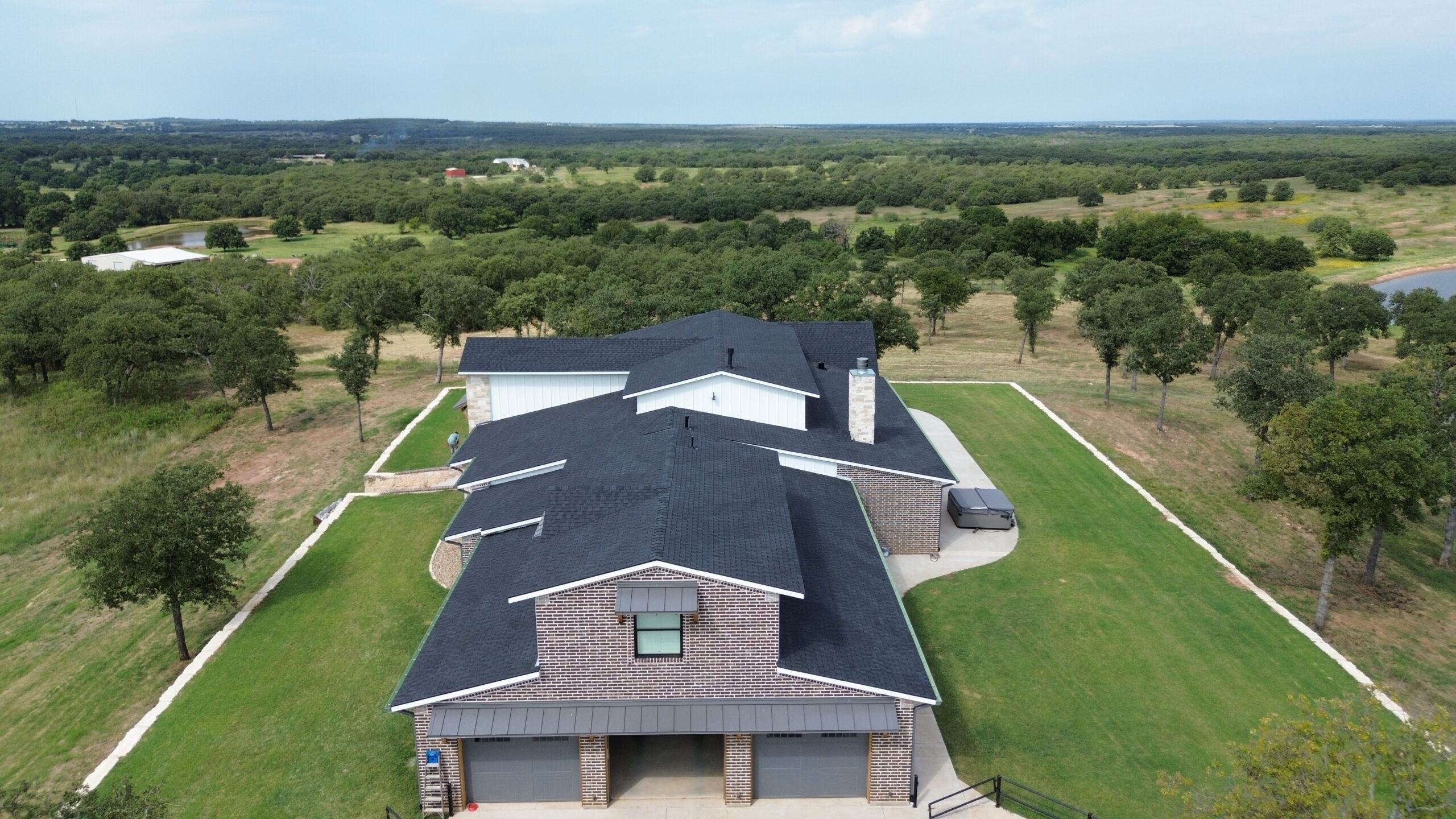
Temporary Protection to Prevent Additional Damage
Permanent roof replacement cannot usually begin immediately after a hurricane. High demand for contractors, insurance processing, permit approvals, and material availability often create unavoidable delays. During this waiting period, temporary protection becomes essential.
Emergency tarping remains one of the most effective methods for limiting additional water intrusion. Properly installed tarps cover exposed roof sections until permanent repairs or replacement can begin. They must be secured carefully to resist wind without creating additional damage to the roofing structure.
Broken windows, roof penetrations, skylights, and attic vents should also receive temporary weather protection. Every opening represents another pathway for rainwater to enter the home during subsequent storms.
Removing wet materials from inside the home is equally important. Saturated carpets, insulation, drywall, and furniture continue trapping moisture that encourages mold development. Early drying efforts help reduce restoration costs while improving indoor air quality.
Proper ventilation accelerates the drying process whenever weather conditions allow. Opening windows after the storm has completely passed and using fans or dehumidifiers can significantly reduce indoor humidity levels.
Homeowners should avoid making permanent repairs before insurance documentation is complete unless emergency conditions require immediate action. Replacing damaged materials too early may eliminate valuable evidence needed during the claims process.
Temporary protection should focus on preserving the home’s condition rather than permanently fixing the roof. Qualified roofing professionals understand how to stabilize damaged areas without interfering with future inspections or replacement work.
Documenting Damage for Insurance and Contractor Discussions
Accurate documentation becomes one of the most valuable tools throughout the roof replacement recovery process. Well-organized records help insurance adjusters understand the extent of damage while giving contractors a clearer picture of the work required.
Begin by photographing the property from every exterior angle before moving debris whenever it is safe to do so. Wide photographs establish the overall condition of the home, while close-up images capture specific damage such as missing shingles, broken flashing, fallen trees, damaged gutters, and punctured roofing materials.
Interior documentation deserves equal attention. Photograph ceiling stains, water leaks, damaged insulation, cracked drywall, warped flooring, and personal property affected by water intrusion. Continue documenting any new damage that appears before permanent repairs begin.
Creating a written timeline also strengthens the documentation process. Record the hurricane’s date, the approximate time damage was discovered, temporary protection measures taken, and every conversation with insurance representatives, contractors, and restoration professionals.
The following information should be collected as early as possible:
- Date and approximate time the hurricane affected the property.
- Photographs showing exterior and interior damage.
- Videos documenting overall property conditions.
- Receipts for emergency protective measures and temporary repairs.
- Written notes describing visible roof damage and water intrusion.
- Contact information for contractors, inspectors, and insurance representatives involved in the recovery.
Organizing these records from the beginning simplifies every stage of the recovery process. Insurance claims become easier to support, contractor estimates become more accurate, and homeowners maintain a clear record of every decision made after the storm.
Proper documentation also reduces misunderstandings during replacement planning. When everyone involved can review the same visual evidence and written records, discussions become more productive and project expectations remain aligned.
Professional Roof Inspection and Damage Assessment
Once the property has been secured and the initial damage has been documented, the next stage of the recovery process is a professional roof inspection. This inspection forms the foundation for every decision that follows, including insurance approval, contractor estimates, material selection, and the overall replacement strategy.
A professional inspection goes far beyond identifying visible damage. Experienced roofing professionals evaluate the entire roofing system to determine whether repairs can safely restore the roof or whether complete replacement offers the best long-term solution. Their assessment considers structural integrity, moisture intrusion, ventilation performance, and compliance with current building codes.
The inspection usually begins with a detailed exterior evaluation. Contractors examine shingles or roofing panels, flashing, ridge caps, gutters, vents, skylights, chimneys, valleys, and roof edges. Every component is inspected because hurricane damage rarely affects only one section of the roof.
Wind damage often leaves subtle warning signs that homeowners may overlook. Slightly lifted shingles, loosened fasteners, bent flashing, and damaged sealant may not appear serious immediately, but these issues can allow future water intrusion if they remain unaddressed.
The inspection continues inside the home, particularly in the attic. Roofing professionals look for moisture stains, mold growth, wet insulation, daylight entering through the roof deck, and signs of structural movement. These interior observations often reveal problems that cannot be detected from outside.
Modern roofing inspections may also include moisture detection equipment. Thermal imaging cameras and moisture meters help locate hidden water trapped beneath roofing materials or inside structural components. These tools provide valuable information without requiring unnecessary removal of roofing sections.
Structural evaluation becomes especially important after major hurricanes. High winds can shift framing members, loosen roof connections, or weaken trusses without causing obvious exterior damage. Identifying these hidden issues early prevents larger structural failures during future storms.
Contractors also assess the condition of roof decking. If plywood or oriented strand board has absorbed excessive moisture or suffered impact damage, replacing the decking may become necessary before installing new roofing materials.
At the end of the inspection, homeowners generally receive a comprehensive report outlining the roof’s condition. This report often includes photographs, measurements, damage descriptions, recommended repairs or replacement, and estimated material requirements.
A thorough inspection provides confidence that decisions are based on evidence rather than assumptions. Instead of addressing only visible symptoms, homeowners gain a complete understanding of the roof’s actual condition and the work required to restore it safely.
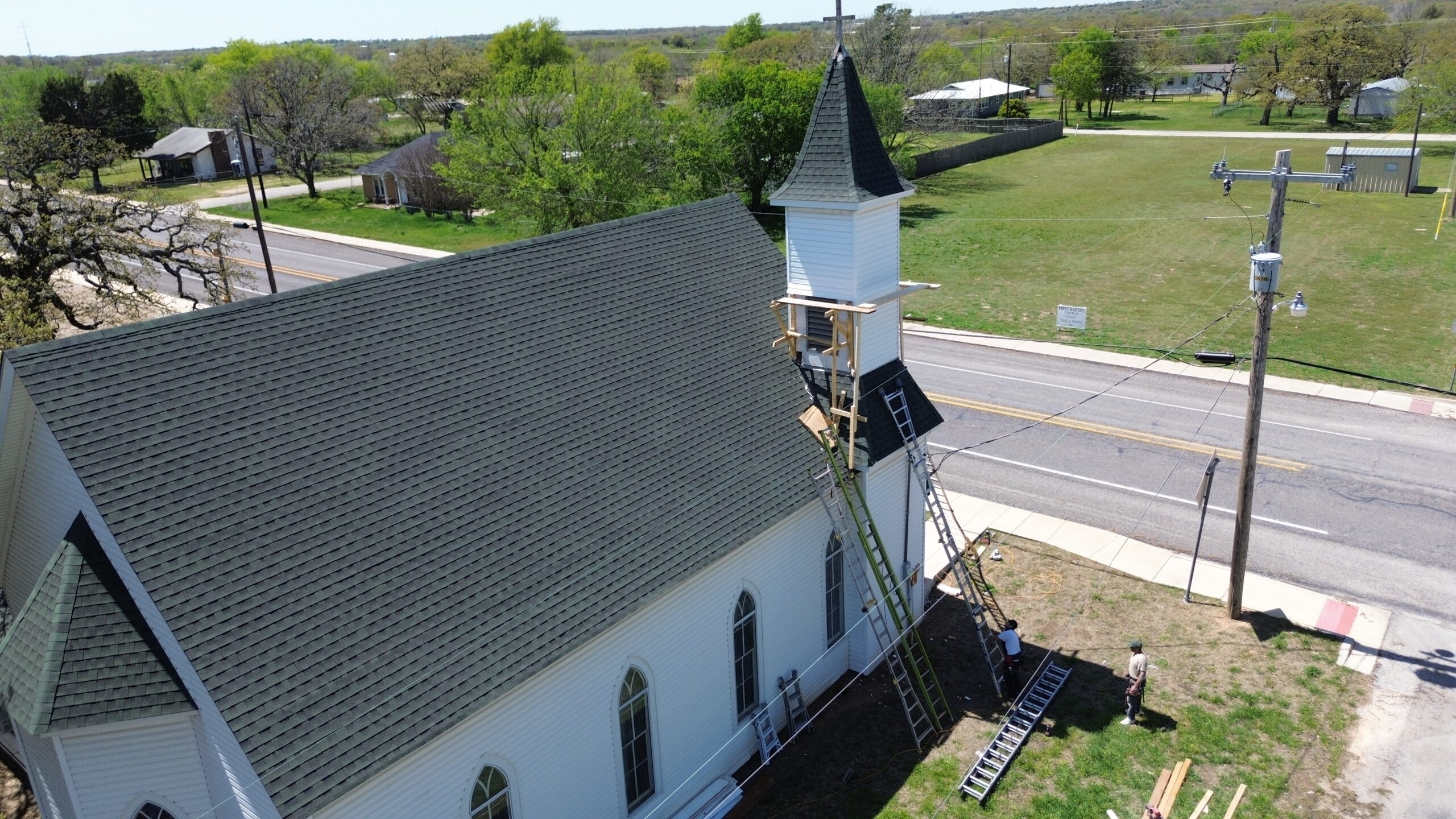
Understanding the Roof Replacement Process After Hurricane Damage
Many homeowners know they need a new roof but are unfamiliar with the steps involved in replacing one after a hurricane. Understanding the overall process reduces uncertainty and allows homeowners to prepare for each phase of the project.
The replacement process begins only after inspections are complete and the project scope has been finalized. Contractors verify measurements, confirm material selections, review permit requirements, and establish a project schedule before construction begins.
The first construction phase involves removing the damaged roofing material. Old shingles, metal panels, tiles, flashing, underlayment, and other deteriorated components are carefully removed to expose the roof deck beneath. Contractors inspect the exposed decking again because hidden damage often becomes visible only after the old roof has been removed.
If damaged decking is discovered, those sections are replaced before new roofing materials are installed. Installing a new roof over weakened decking compromises both safety and durability, making this an essential step in the replacement process.
Once the deck is structurally sound, contractors install a high-quality underlayment. This protective layer serves as a secondary moisture barrier beneath the visible roofing material and plays a critical role during severe weather.
Special attention is given to vulnerable areas such as valleys, roof penetrations, eaves, and ridges. Ice and water barriers or enhanced waterproof membranes may be installed in these locations depending on local building codes and regional weather risks.
New flashing is then installed around chimneys, skylights, plumbing vents, walls, and other roof transitions. Proper flashing installation is one of the most important defenses against future leaks because these junctions experience concentrated water flow during storms.
The visible roofing material is installed only after the underlying protective layers have been completed. Contractors follow manufacturer specifications for fastening patterns, spacing, overlap requirements, and wind-resistant installation techniques.
Ventilation components are also evaluated during replacement. Balanced intake and exhaust ventilation improves attic airflow, reduces moisture accumulation, and helps extend the lifespan of the new roofing system.
Once installation is complete, the contractor performs a detailed quality inspection. Fasteners, flashing, ventilation, ridge caps, gutters, and sealants are checked carefully to ensure the finished roof meets both manufacturer standards and local code requirements.
The work concludes with site cleanup. Roofing debris, nails, packaging materials, and damaged roofing components are removed from the property so the home is left clean and safe.
Understanding this sequence helps homeowners appreciate why roof replacement involves much more than installing new shingles. Every layer contributes to the roof’s ability to withstand future hurricanes and protect the structure beneath.
Working With Insurance Companies Throughout the Recovery
Insurance plays a significant role in many hurricane roof replacement projects. While every policy differs, homeowners generally benefit from understanding how the claims process works before communicating with their insurance provider.
The claim typically begins shortly after hurricane damage is discovered. Homeowners notify their insurance company, provide initial information about the storm, and submit photographs or videos documenting visible damage.
An insurance adjuster is usually assigned to inspect the property. During this visit, the adjuster evaluates the roof, surrounding structures, and interior damage while comparing observations with the policy’s coverage terms.
Having the roofing contractor’s inspection report available during this process often improves communication. Independent professional documentation provides additional information that may help explain the full extent of the damage.
Insurance companies evaluate several factors before determining coverage. These commonly include the age of the roof, maintenance history, storm severity, policy exclusions, and the relationship between the hurricane and the observed damage.
If replacement is approved, the insurance company generally provides an estimate outlining covered work, deductibles, depreciation where applicable, and payment procedures. Homeowners should review these documents carefully to ensure the proposed scope reflects the actual damage.
Questions should be asked whenever estimates appear incomplete or unclear. Clarifying differences early helps avoid misunderstandings once construction begins.
It is also important to keep organized records throughout the claim. Every inspection report, receipt, photograph, email, estimate, invoice, and written communication may become valuable if additional clarification is needed later.
Many homeowners feel overwhelmed during insurance discussions because they are unfamiliar with technical roofing terminology. Contractors often assist by explaining damage findings and answering questions related to the replacement scope, helping both parties work from the same understanding of the project.
Patience is important throughout this stage. Following a major hurricane, insurance companies often process thousands of claims simultaneously. Although the process may require time, maintaining accurate documentation and consistent communication helps move the claim forward more efficiently.
Selecting the Right Roofing Contractor
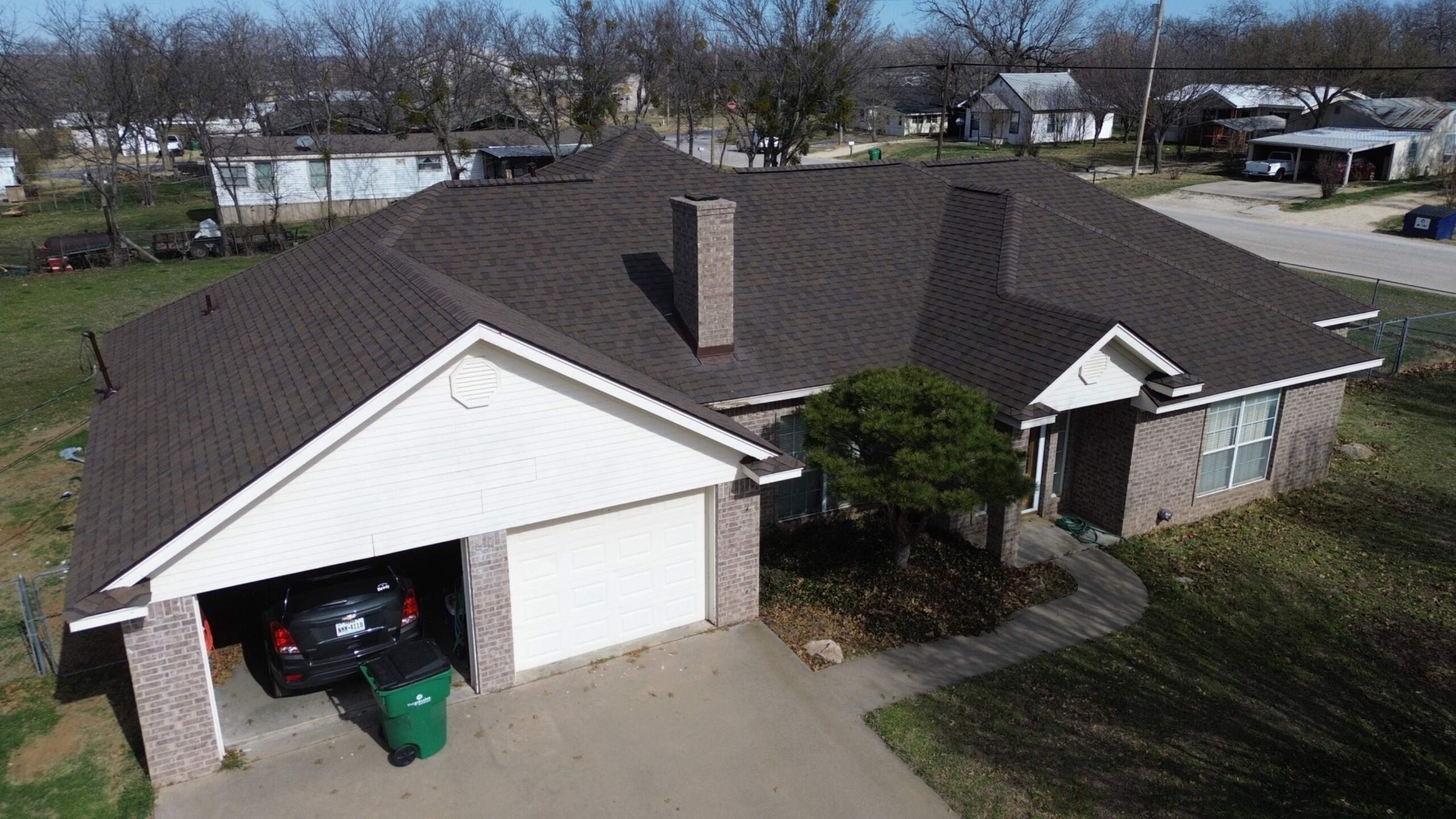
Choosing the contractor responsible for replacing a hurricane damaged roof may be one of the most important decisions homeowners make during the recovery process. A properly installed roof provides decades of protection, while poor workmanship can lead to recurring leaks, premature failures, and unnecessary repair costs.
Homeowners should begin by researching contractors with experience handling hurricane-related roof replacements. Experience matters because severe storm damage often involves structural issues, insurance coordination, and specialized installation techniques that differ from standard roofing projects.
Licensing and insurance should always be verified before signing a contract. A qualified contractor should carry the appropriate licenses required by local authorities as well as liability insurance and workers’ compensation coverage where applicable.
References provide valuable insight into previous projects. Speaking with former customers allows homeowners to learn about workmanship quality, communication, scheduling reliability, and overall satisfaction.
Written estimates should clearly describe the proposed work. The estimate should identify materials, labor, warranties, cleanup responsibilities, project timelines, payment schedules, and any additional services included in the contract.
Homeowners should avoid making decisions based solely on the lowest price. Extremely low bids may indicate lower-quality materials, reduced labor standards, incomplete project scopes, or hidden costs that appear later during construction.
Contractors should also explain the roofing products they recommend and why those materials are appropriate for hurricane-prone environments. Clear explanations demonstrate technical knowledge and help homeowners make informed choices.
Communication remains equally important throughout the project. Contractors who respond promptly, explain technical details clearly, and maintain regular updates often provide a smoother overall experience.
It is also wise to verify warranty information before work begins. Material warranties and workmanship warranties serve different purposes, and homeowners should understand what each warranty covers after the project is completed.
Taking time to select the right contractor reduces the likelihood of future problems and increases confidence that the new roof will perform reliably for many years.
Roofing Materials That Perform Better in Hurricane-Prone Areas
Replacing a hurricane damaged roof presents an opportunity to improve the home’s resistance to future storms. Modern roofing materials often provide stronger wind performance, improved moisture protection, and longer service lives compared with older roofing systems.
Material selection should consider local climate, building codes, maintenance expectations, budget, and long-term durability rather than focusing only on initial cost.
The following table summarizes common roofing materials frequently considered for hurricane-prone regions.
| Roofing Material | Wind Resistance | Expected Lifespan | Maintenance Level | General Considerations |
|---|---|---|---|---|
| Asphalt Shingles | Good with high-wind ratings | 20 to 30 years | Moderate | Affordable and widely available |
| Metal Roofing | Excellent | 40 to 70 years | Low | Highly resistant to wind and moisture |
| Concrete Tile | Very Good | 50 years or more | Moderate | Durable but heavier than other options |
| Clay Tile | Very Good | 50 years or more | Moderate | Long-lasting with excellent weather resistance |
| Synthetic Roofing | Good to Excellent | Varies by product | Low to Moderate | Designed to combine durability with lighter weight |
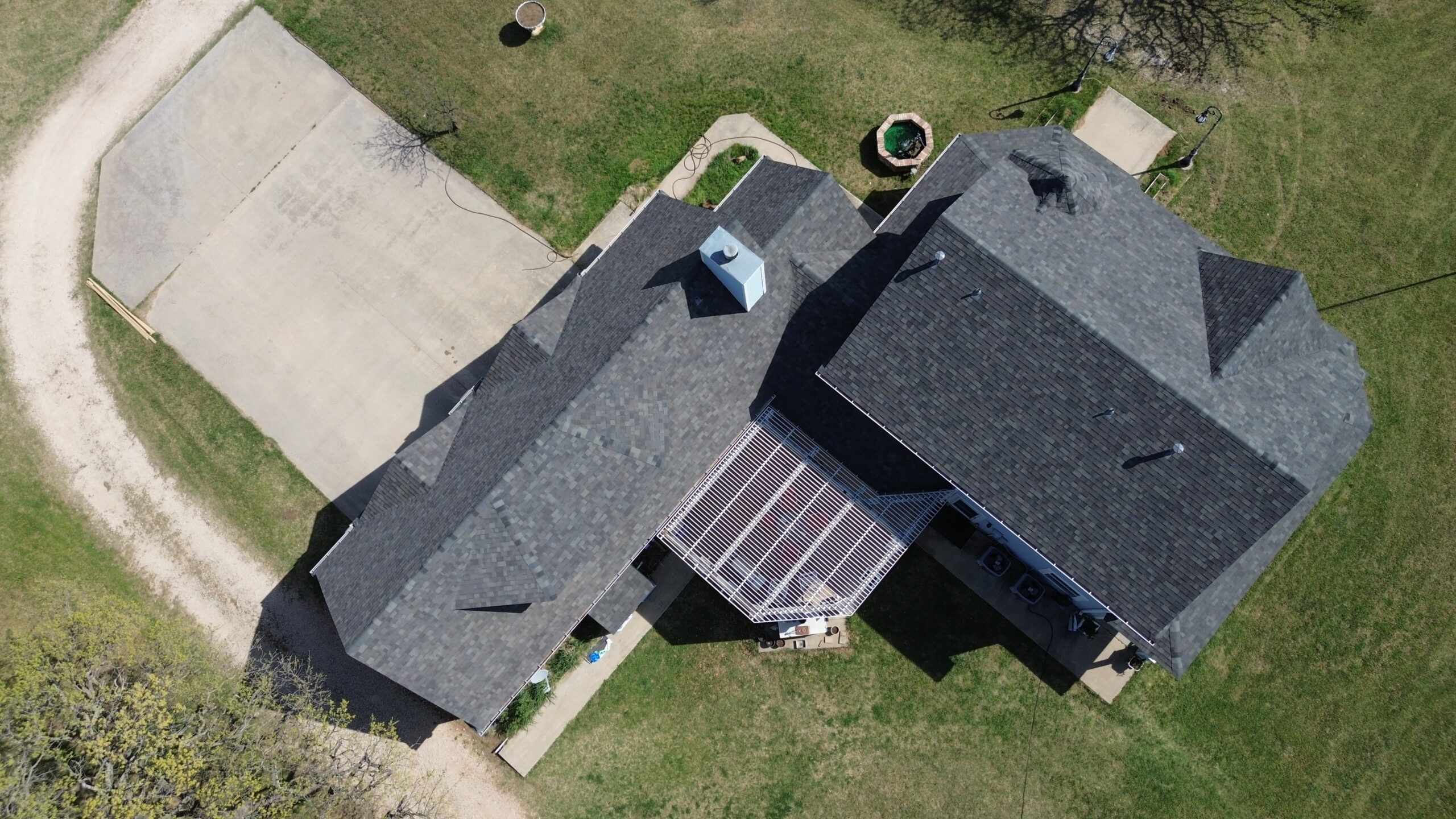
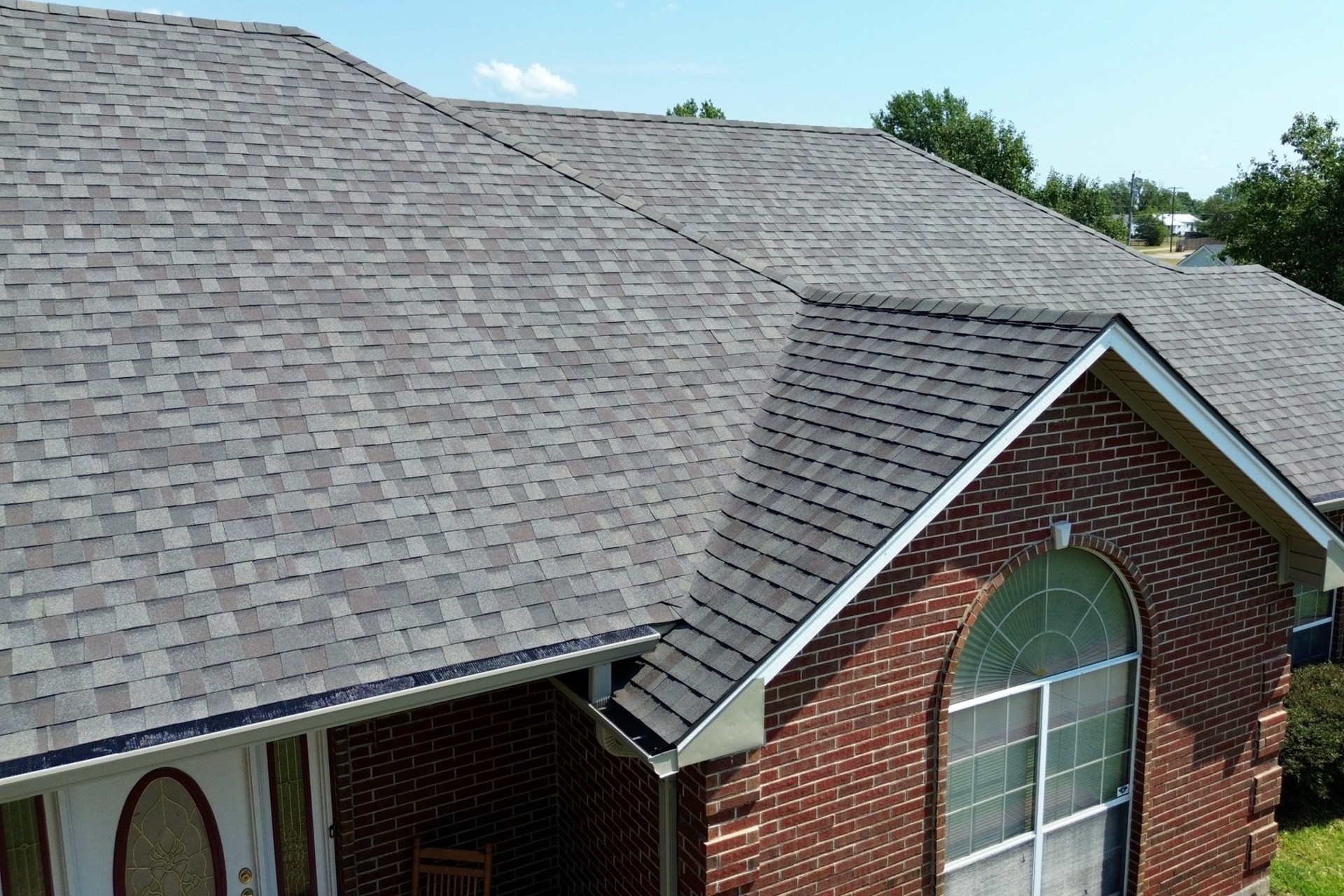
Asphalt shingles remain one of the most common roofing materials because they balance affordability with reliable performance. Newer architectural shingles designed for high-wind regions often perform significantly better than older three-tab products.
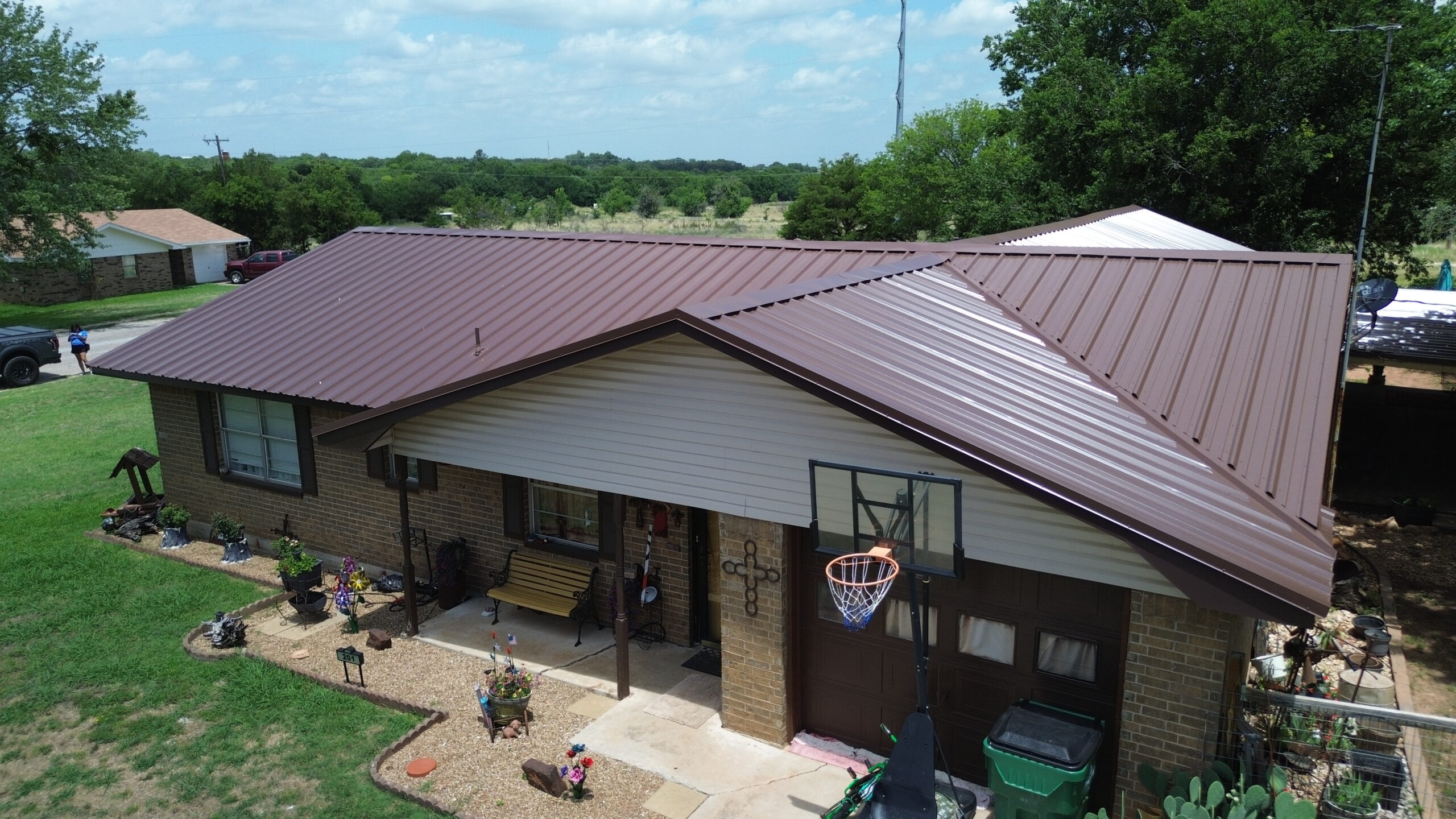
Metal roofing has become increasingly popular in hurricane-prone areas. Properly installed metal systems resist high wind speeds, shed water efficiently, and require relatively little maintenance over their service life.
Concrete and clay tiles provide exceptional durability when installed according to manufacturer specifications. Because these materials are heavier than shingles, structural evaluation is important before installation to ensure the home can support the additional weight.
Synthetic roofing products continue gaining popularity as manufacturers develop materials that imitate traditional slate, wood, or tile while reducing weight and improving impact resistance.
The best roofing material ultimately depends on the home’s structure, regional weather patterns, budget, and long-term maintenance goals. Discussing these factors with an experienced roofing professional helps homeowners choose a solution that balances durability, appearance, and value.
Estimated Timeline From Inspection to Project Completion
One of the most common questions homeowners ask after a hurricane is how long the replacement process will take. The answer depends on many factors, including storm severity, contractor availability, insurance processing, permit requirements, and material supply.
While every project differs, the overall recovery generally follows a predictable sequence.
- Initial emergency protection and damage documentation.
- Professional roof inspection and structural evaluation.
- Insurance claim review and approval process.
- Contractor selection and contract finalization.
- Permit acquisition and material ordering.
- Removal of the damaged roof and replacement construction.
- Final inspection, cleanup, and warranty documentation.
Large regional disasters often increase demand for roofing contractors, inspectors, adjusters, and building materials. These conditions may extend project schedules compared with routine roof replacements performed during normal circumstances.
Weather also influences construction timelines. Roofing work requires suitable conditions for safe installation, and additional storms may temporarily delay progress until conditions improve.
Although waiting can be frustrating, quality should remain the priority. Rushing installation may compromise workmanship and reduce the long-term performance of the new roof.
By understanding each phase of the replacement timeline, homeowners can plan more effectively, communicate with contractors confidently, and maintain realistic expectations throughout the recovery process.
Factors That Influence Roof Replacement Costs
Replacing a roof after hurricane damage is a significant investment, but the final cost varies from one home to another. Understanding the factors that influence pricing helps homeowners prepare financially while evaluating contractor estimates more confidently.
Roof size is one of the biggest cost factors. Larger roofs require more materials, additional labor, and longer installation times. Complex roof designs with multiple valleys, dormers, skylights, or steep slopes also increase installation difficulty, resulting in higher labor costs.
The choice of roofing material has a direct impact on the overall project budget. Asphalt shingles generally offer the lowest installation cost, while premium metal roofing, clay tiles, or synthetic roofing products typically require a larger investment because of material pricing and specialized installation methods.
Structural damage discovered after removing the old roof can also affect the final cost. Water-damaged decking, broken rafters, weakened trusses, or deteriorated fascia boards must be repaired before the new roof is installed. These hidden repairs are often impossible to identify completely until construction begins.
Permit requirements and local building codes may influence project expenses as well. Some jurisdictions require upgraded fastening systems, improved underlayment, or additional structural reinforcement when replacing roofs in hurricane-prone regions.
Labor availability also plays a role after major storms. Hurricanes often create high demand for qualified contractors, which can affect scheduling and labor costs. Material shortages following widespread disasters may also temporarily increase prices or extend delivery times.
Removing debris and disposing of damaged roofing materials should not be overlooked when evaluating project costs. Proper disposal is an important part of the replacement process and is typically included within the contractor’s estimate.
Although cost is an important consideration, homeowners should also think about long-term value. A well-installed roof using durable materials may reduce maintenance requirements, improve energy efficiency, and provide greater protection during future storms.
Avoiding Common Mistakes During Hurricane Recovery
Recovering from hurricane damage is stressful, and homeowners often face pressure to make quick decisions. While acting promptly is important, avoiding common mistakes can save considerable time, money, and frustration throughout the replacement process.
One of the most common mistakes is assuming that the roof is undamaged because no leaks are immediately visible. Hurricanes frequently create hidden damage that becomes noticeable only after later rainfall or continued weather exposure.
Another mistake is delaying professional inspections. Minor damage can quickly become major structural deterioration if moisture continues entering the roofing system for weeks or months after the storm.
Some homeowners focus only on replacing visible roofing materials while overlooking underlying structural components. Damaged decking, flashing, ventilation systems, or moisture barriers should also be evaluated to ensure the new roof performs as intended.
Choosing a contractor based solely on price is another frequent error. Extremely low estimates may exclude necessary work, use lower-quality materials, or involve inexperienced installers unfamiliar with hurricane-resistant construction techniques.
Incomplete documentation can also create unnecessary challenges during insurance discussions. Photographs, inspection reports, receipts, and written communication should be organized from the beginning of the recovery process.
Homeowners should also avoid authorizing permanent repairs before documenting the damage adequately. Once damaged materials have been removed, it becomes much more difficult to demonstrate the original condition of the roof if additional information is later requested.
Another mistake is neglecting ventilation improvements during replacement. Proper attic ventilation helps regulate temperature, reduces moisture accumulation, and contributes to the long-term durability of the roofing system.
Finally, many homeowners postpone regular maintenance after installing a new roof. Even the highest-quality roofing system benefits from periodic inspections and preventative care that identify small issues before they develop into expensive repairs.
Avoiding these common mistakes allows homeowners to move through the recovery process more efficiently while protecting both their investment and the long-term performance of the replacement roof.
Long-Term Maintenance After a New Roof Installation
Installing a new roof marks the beginning of a new maintenance cycle rather than the end of roofing responsibilities. Routine maintenance extends the roof’s lifespan and helps preserve its ability to withstand future hurricanes.
Visual inspections should be performed regularly, especially after severe weather. Homeowners do not need to climb onto the roof to identify many potential issues. Observing the roof from the ground often reveals missing shingles, displaced flashing, damaged gutters, or debris accumulation that requires professional attention.
Keeping gutters clean remains one of the simplest yet most valuable maintenance practices. Blocked gutters prevent proper drainage, allowing water to back up beneath roofing materials or overflow against exterior walls.
Tree branches should also be trimmed regularly. Limbs hanging over the roof can scrape roofing materials during high winds and become dangerous projectiles during hurricanes.
Attic inspections provide another opportunity to identify developing problems before they become major repairs. Damp insulation, unusual odors, mold growth, or visible water stains indicate moisture intrusion that should be investigated promptly.
Roof penetrations such as plumbing vents, skylights, satellite mounts, and chimneys should receive periodic inspection because sealants naturally deteriorate over time. Replacing aging sealant before leaks develop is far less expensive than repairing interior water damage.
Professional roof inspections every few years provide additional peace of mind. Experienced contractors often identify early signs of wear that homeowners may not recognize during routine visual checks.
Seasonal maintenance also supports long-term roof performance. Preparing the home before hurricane season allows small issues to be corrected before severe weather arrives, reducing the likelihood of significant storm damage.
Consistent maintenance protects more than the roof itself. It also safeguards insulation, structural framing, interior finishes, electrical systems, and personal belongings that depend on a watertight roofing system.
Preparing Your Home for Future Hurricane Seasons
While no roof can eliminate every risk associated with extreme weather, proactive preparation greatly improves a home’s ability to withstand future hurricanes. Investing time in prevention often reduces both property damage and recovery costs.
The first step is scheduling an annual roof inspection before hurricane season begins. Identifying loose shingles, damaged flashing, deteriorated sealants, or drainage problems early allows repairs to be completed before storms arrive.
Tree maintenance is another important preventive measure. Removing weak or overhanging branches reduces the likelihood of impact damage caused by falling limbs during strong winds.
Outdoor furniture, grills, decorations, and other loose objects should be secured whenever hurricane warnings are issued. These items can become airborne during severe winds and damage both the roof and surrounding property.
Homeowners should also inspect gutters and downspouts before each storm season. Efficient drainage reduces standing water and minimizes the risk of moisture infiltration around roof edges.
Emergency supplies should include materials capable of protecting the home if temporary repairs become necessary after a storm. Having these resources available allows homeowners to respond more quickly while waiting for professional assistance.
Preparing important documents in advance also simplifies recovery. Insurance policies, contractor contact information, photographs of the home’s condition, and emergency phone numbers should be stored in both physical and digital formats.
Homes located in hurricane-prone regions may also benefit from modern roofing upgrades during replacement. Enhanced fastening systems, impact-resistant materials, reinforced flashing, and improved underlayment all contribute to better storm performance.
Preparation cannot prevent hurricanes, but it significantly improves resilience. Homes that receive regular maintenance and proactive improvements often experience less damage and recover more efficiently following major storms.
Hurricane Roof Recovery Checklist
Recovering from hurricane damage involves many interconnected tasks. The following checklist summarizes the overall process discussed throughout this guide and provides a practical reference for homeowners.
- Ensure everyone is safe before inspecting the property.
- Protect the home from additional water intrusion using temporary measures.
- Photograph and document all visible interior and exterior damage.
- Schedule a professional roof inspection.
- Notify the insurance company and begin the claims process.
- Compare contractor estimates and verify qualifications.
- Select roofing materials suitable for hurricane-prone environments.
- Complete the roof replacement according to local building codes.
- Perform regular maintenance after installation.
- Prepare the property before each future hurricane season.
Following these steps helps homeowners remain organized while reducing confusion during what can often be an overwhelming recovery experience.
Cost, Timeline, and Decision Comparison
The table below summarizes several important considerations that homeowners commonly evaluate throughout the roof replacement recovery process.
| Recovery Factor | Key Consideration | Why It Matters |
|---|---|---|
| Initial Inspection | Professional assessment | Identifies visible and hidden damage accurately |
| Temporary Protection | Emergency tarping and moisture control | Prevents additional water damage before replacement |
| Insurance Claim | Complete documentation | Supports faster and more accurate claim processing |
| Contractor Selection | Experience and qualifications | Improves workmanship quality and project reliability |
| Material Choice | Wind resistance and durability | Enhances long-term hurricane protection |
| Maintenance | Regular inspections and cleaning | Extends roof lifespan and reduces repair costs |
Frequently Asked Questions
How do I know whether my hurricane damaged roof needs replacement instead of repair?
A professional inspection provides the most reliable answer. Factors such as widespread material loss, structural damage, water intrusion, roof age, and overall condition determine whether repairs remain practical or if replacement offers a safer long-term solution.
Can hidden roof damage appear weeks after the hurricane?
Yes. Water often enters small openings and travels through the roofing system before becoming visible indoors. Ceiling stains, mold growth, damp insulation, and structural deterioration may appear days or even weeks after the storm has passed.
Should I wait for the insurance company before protecting my roof?
No. Homeowners should take reasonable temporary measures to prevent additional damage while preserving evidence of the original condition through photographs and documentation. Emergency protection does not usually replace the need for a professional inspection.
How long does a hurricane roof replacement usually take?
Project timelines vary depending on insurance processing, contractor availability, weather conditions, permit requirements, material delivery, and the complexity of the roof. Following major hurricanes, widespread regional demand may extend scheduling compared with normal roofing projects.
Does replacing the roof improve hurricane resistance?
A professionally installed modern roofing system often provides improved protection compared with an aging roof. High-wind installation methods, upgraded underlayment, stronger fastening systems, and durable roofing materials all contribute to better storm performance.
Conclusion
Recovering from hurricane roof damage involves much more than replacing roofing materials. It is a carefully coordinated process that begins with protecting the property, documenting damage thoroughly, and obtaining professional inspections before moving into insurance coordination, contractor selection, and complete roof replacement.
Each stage of the recovery contributes to the long-term safety of the home. Temporary protection limits additional damage, accurate inspections reveal hidden structural concerns, quality installation ensures reliable performance, and ongoing maintenance preserves the roof’s ability to withstand future storms. Skipping any of these steps may reduce the effectiveness of the entire recovery effort.
Homeowners who understand the complete replacement process are better equipped to make informed decisions during what is often a stressful and uncertain time. Rather than reacting to immediate damage alone, they can focus on restoring the home in a way that improves durability, resilience, and long-term value.
Although hurricanes are unpredictable, preparation and informed decision-making make recovery far more manageable. By investing in professional evaluations, selecting qualified contractors, choosing hurricane-resistant materials, and maintaining the roof throughout its lifespan, homeowners strengthen their property’s ability to face future storms with greater confidence.
A new roof is more than a construction project. It represents an investment in safety, protection, and peace of mind for everyone living beneath it. With the right planning and careful execution, the roof replacement recovery process becomes not only a response to hurricane damage but also an opportunity to build a stronger and more resilient home for the years ahead.