
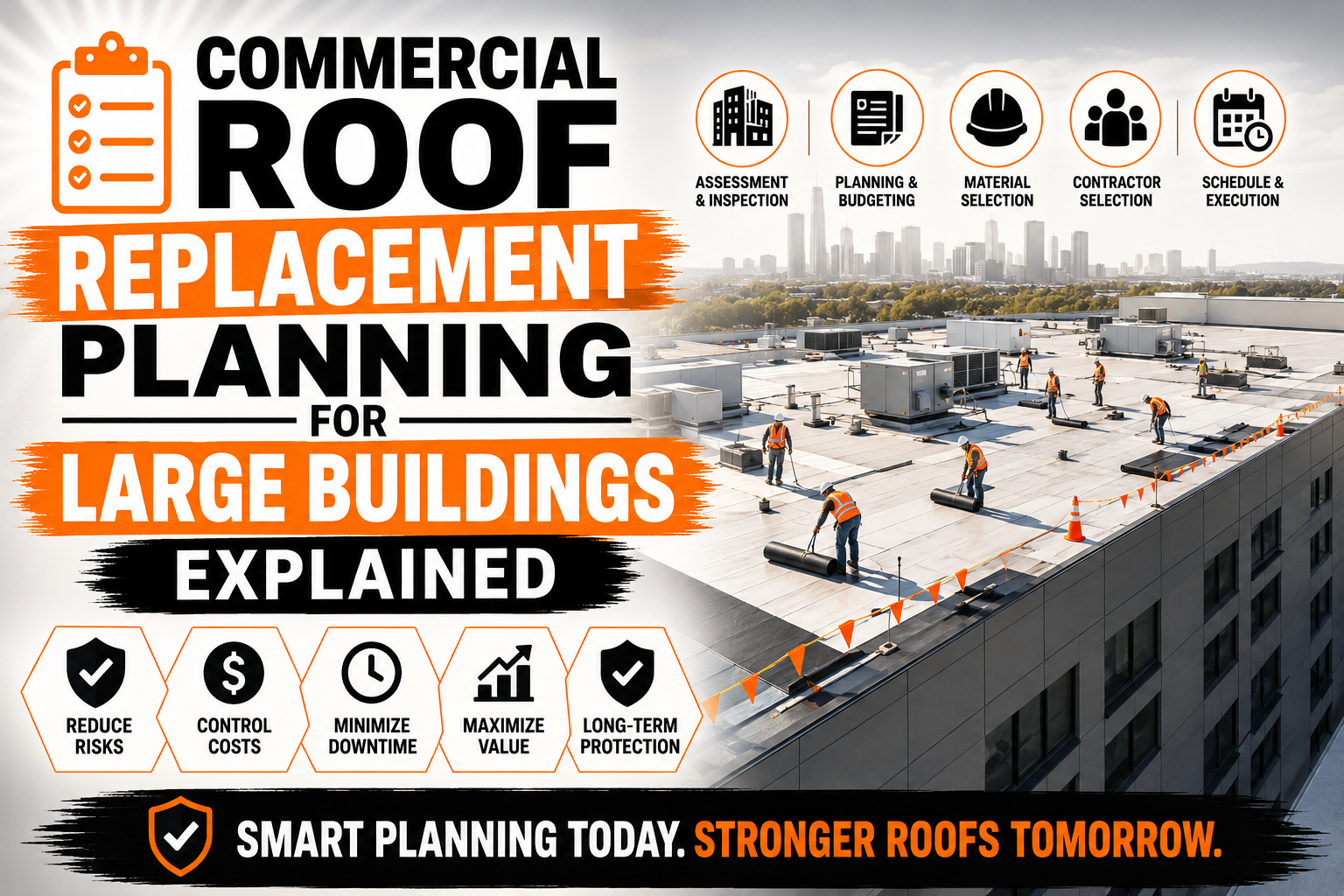
Commercial Roof Replacement Planning for Large Buildings Explained
Introduction
Commercial roof replacement is one of the most significant maintenance projects a property owner or facility manager can undertake. Unlike residential roofing, replacing the roof on a large commercial building involves extensive planning, detailed coordination, multiple stakeholders, and careful budgeting. Every decision made before construction begins has a direct impact on project costs, operational continuity, and the long term performance of the new roofing system.
Large commercial buildings often house offices, retail stores, warehouses, manufacturing facilities, hospitals, schools, or other businesses that cannot simply pause operations while roofing work is taking place. This makes project planning just as important as the installation itself. A well organized plan minimizes disruption while helping contractors complete the work safely and efficiently.
Commercial roofs are also more complex than many people realize. Mechanical equipment, HVAC systems, skylights, drainage systems, solar panels, communication equipment, and rooftop access points all require special attention during replacement. Planning must account for every component that interacts with the roofing system.
Budget management is another critical consideration. Commercial roof replacement projects often represent substantial investments, making it essential to understand material options, labor requirements, scheduling challenges, and long term maintenance costs before construction begins. Careful planning helps prevent unexpected expenses and improves overall project success.
This guide explains how large commercial roof replacement projects are planned from the earliest stages. Understanding these initial planning steps helps building owners, facility managers, and property investors make informed decisions while preparing for a successful roofing project.
Why Commercial Roof Replacement Requires Detailed Planning
Replacing the roof on a large commercial building is far more complex than replacing a residential roof. The size of the building alone introduces additional challenges, but factors such as occupant safety, business continuity, structural requirements, equipment protection, and regulatory compliance make planning absolutely essential.
Commercial buildings often remain occupied throughout the replacement process. Employees continue working, customers continue visiting, and business operations frequently continue without interruption. This requires contractors to organize the project carefully so roofing activities do not unnecessarily interfere with daily operations.
The financial scale of commercial roofing projects also increases the importance of planning. Material costs, labor expenses, equipment rentals, permits, engineering evaluations, and waste disposal all contribute to the overall investment. Careful budgeting allows property owners to allocate resources effectively while reducing the risk of unexpected financial surprises.
Project planning also improves communication among everyone involved. Building owners, property managers, roofing contractors, engineers, architects, safety officers, and maintenance personnel each have different responsibilities during the replacement process. A structured plan ensures that every participant understands project expectations and timelines.
Safety becomes significantly more important on large commercial projects. Roofing crews may work around elevated mechanical equipment, electrical systems, rooftop access points, and occupied building entrances. Careful planning reduces workplace hazards while protecting both construction personnel and building occupants.
Another reason planning is essential is weather management. Large commercial roofs often require several weeks to complete depending on building size and roofing complexity. Contractors must develop schedules that consider seasonal weather patterns while preparing contingency plans for unexpected delays.
Detailed planning also improves the long term performance of the completed roofing system. Decisions made before installation, including drainage design, insulation selection, ventilation improvements, and material compatibility, influence how well the roof performs throughout its service life.
Signs That a Large Commercial Building Needs Roof Replacement
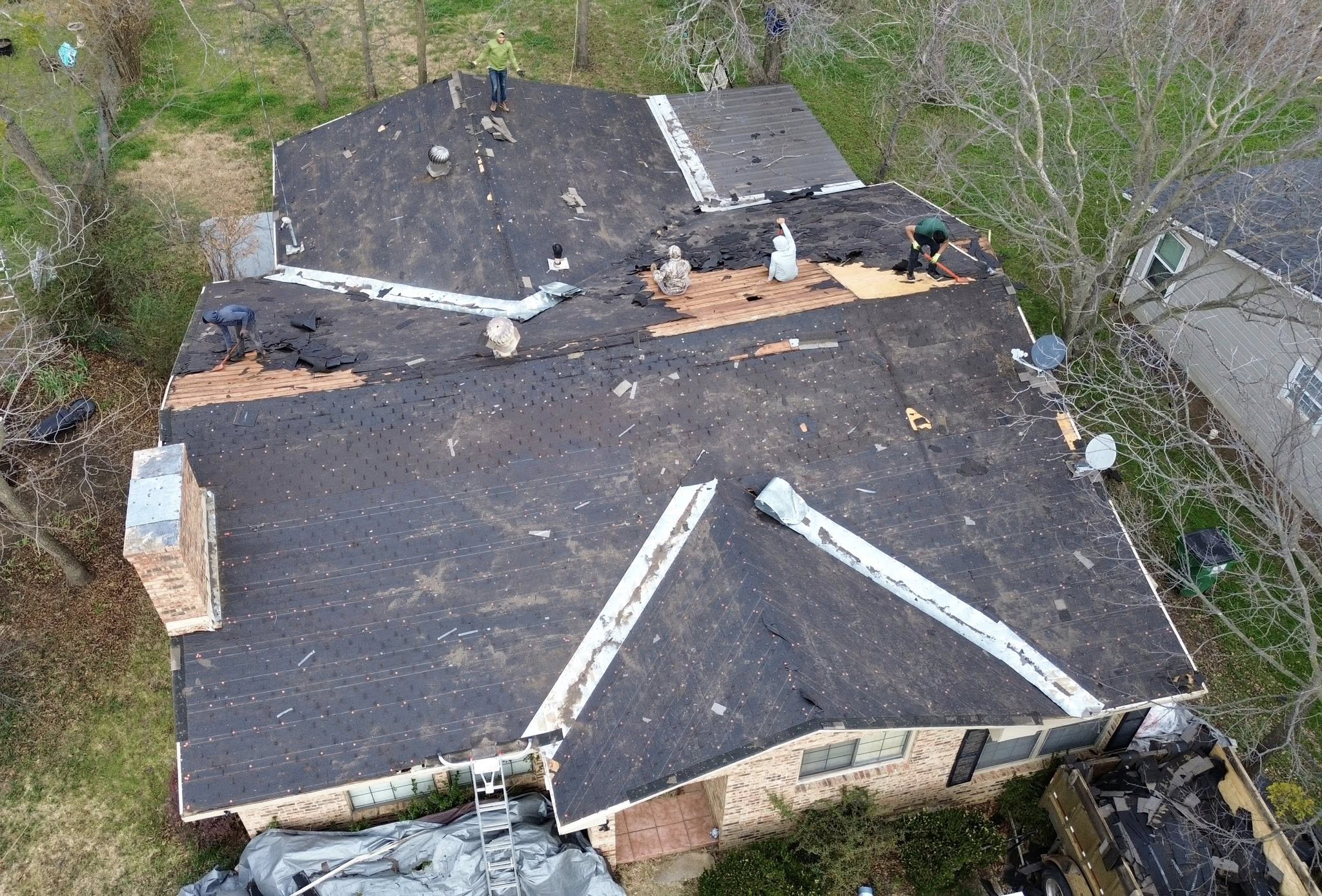
Commercial roofs are designed to provide reliable protection for many years, but every roofing system eventually reaches the point where replacement becomes more practical than continued repairs. Recognizing the warning signs early allows building owners to plan proactively instead of responding to emergency failures.
The age of the roofing system is often the first factor considered. Every commercial roofing material has an expected service life, and older roofs naturally become more vulnerable to weather damage, moisture infiltration, and material deterioration. Even roofs that appear acceptable from the ground may be approaching the end of their useful lifespan.
Recurring leaks represent another common warning sign. While isolated leaks can often be repaired successfully, widespread or repeated leaks may indicate that the roofing membrane or underlying system has deteriorated beyond practical repair. Continually patching multiple leak locations often becomes less cost effective than replacing the entire roof.
Visible membrane damage also deserves attention. Cracks, punctures, blistering, open seams, shrinking materials, or extensive surface deterioration reduce the roof’s ability to resist moisture and changing weather conditions. These issues often worsen over time if not addressed promptly.
Water ponding is particularly concerning on flat or low slope commercial roofs. Standing water that remains on the roof for extended periods places additional stress on roofing materials and increases the likelihood of leaks, structural deterioration, and insulation damage. Persistent ponding frequently indicates drainage problems that should be corrected during replacement.
Interior signs can also reveal roofing problems. Water stains on ceilings, damaged insulation, mold growth, peeling paint, or unexplained moisture inside the building may all indicate that the roofing system is allowing water to enter. Interior damage often appears long after roofing problems have already developed.
Increasing maintenance costs provide another indication that replacement may be approaching. As commercial roofs age, repairs generally become more frequent and more expensive. Building owners should periodically compare annual repair costs with the long term benefits of installing a new roofing system.
Some warning signs that deserve immediate professional evaluation include:
- Multiple roof leaks occurring in different areas
- Persistent standing water after rainfall
- Large sections of damaged roofing membrane
- Wet or deteriorated roof insulation
- Loose flashing around rooftop equipment
- Structural sagging or visible roof movement
- Frequent emergency roof repairs
Identifying these warning signs early allows building owners to plan replacement projects under controlled conditions instead of responding to unexpected roof failures that interrupt business operations.
Evaluating the Existing Roofing System
Before developing a replacement plan, the existing roofing system must be carefully evaluated. This assessment provides valuable information about the roof’s current condition, structural integrity, drainage performance, insulation effectiveness, and overall replacement requirements.
Professional roofing consultants or experienced commercial contractors typically perform comprehensive roof evaluations. These inspections involve both visual observations and more detailed testing methods when necessary. The objective is to understand not only the visible condition of the roof but also any hidden problems beneath the roofing membrane.
The roof surface receives close examination during the inspection. Contractors evaluate membrane condition, flashing performance, seams, drainage systems, expansion joints, rooftop penetrations, and areas surrounding mechanical equipment. Every component is inspected because failures often develop at connection points rather than across large open roof areas.
Roof insulation also plays an important role in the evaluation process. Moisture trapped within insulation reduces energy efficiency while increasing the overall weight carried by the roof structure. Moisture detection equipment may be used to identify wet insulation that requires replacement during the project.
Drainage performance represents another major area of evaluation. Contractors inspect roof slopes, drains, gutters, scuppers, downspouts, and overflow systems to determine whether water is being removed efficiently. Improving drainage during replacement often extends the lifespan of the new roofing system.
The structural deck beneath the roofing system must also be assessed. Depending on building design, the roof deck may consist of steel, concrete, wood, or composite materials. Any signs of corrosion, deterioration, cracking, or structural weakness require attention before new roofing materials are installed.
Many commercial evaluations also include documentation through photographs, measurements, and written reports. These records help building owners understand existing conditions while supporting budgeting, contractor selection, and future maintenance planning.
Some projects benefit from advanced inspection technologies such as infrared imaging or moisture scanning. These methods help identify hidden moisture and insulation problems without removing large sections of the existing roof. The additional information supports more accurate project planning while reducing unexpected discoveries during construction.
Setting Project Goals and Budget Expectations
Once the roof assessment has been completed, the next step involves defining clear project objectives. Establishing specific goals helps guide every decision made throughout the replacement process while ensuring that the finished roofing system meets the building’s operational requirements.
Some property owners prioritize extending roof lifespan above all else. Others focus on improving energy efficiency, reducing maintenance costs, increasing sustainability, or minimizing disruption to building operations. Clearly identifying these priorities helps contractors recommend appropriate roofing systems and project strategies.
Budget planning should include much more than roofing materials alone. Labor, insulation upgrades, structural repairs, equipment relocation, permits, engineering services, waste disposal, safety measures, and contingency funds all contribute to the total project cost. Developing a comprehensive budget reduces the likelihood of unexpected financial challenges later.
Building owners should also consider long term ownership costs rather than focusing only on the initial installation price. A roofing system with a higher upfront investment may provide lower maintenance expenses, better energy performance, and a longer service life, resulting in greater value over time.
Project goals should also account for future building plans. If major renovations, solar panel installations, HVAC upgrades, or building expansions are anticipated, the roofing system should be designed to accommodate these future improvements whenever possible.
Another important consideration is project timing. Some organizations schedule roof replacement during slower business periods, school holidays, or seasonal shutdowns to reduce operational disruption. Selecting an appropriate construction window contributes to smoother project execution.
Property owners should also establish measurable performance expectations for the completed roof. Desired outcomes may include improved drainage, lower energy consumption, reduced maintenance frequency, enhanced weather resistance, or extended warranty protection. Defining these expectations early provides a clear standard for evaluating project success.
Building a Commercial Roof Replacement Team
Successful commercial roof replacement projects depend on effective collaboration among multiple professionals. Large buildings involve technical, financial, operational, and safety considerations that require expertise from several different disciplines. Building the right project team early creates a strong foundation for the entire replacement process.
The building owner or property manager typically oversees the project while coordinating communication between contractors, consultants, and building occupants. This role includes approving budgets, reviewing project updates, and ensuring that business operations continue as smoothly as possible throughout construction.
The roofing contractor serves as the primary construction specialist responsible for installation, scheduling, labor management, and quality control. Selecting an experienced contractor with a proven record of commercial roofing projects significantly improves the likelihood of successful project completion.
Structural engineers may participate when roof modifications, additional rooftop equipment, or heavy roofing systems require structural evaluation. Their expertise helps confirm that the building can safely support the planned roofing system and any future rooftop installations.
Architects or roofing consultants may also contribute during larger or more technically complex projects. They assist with roofing system design, material selection, specification development, contractor evaluation, and quality assurance throughout construction.
Safety professionals play an equally important role by developing site safety plans, monitoring compliance with workplace regulations, and helping reduce risks for workers, building occupants, and visitors. Their involvement becomes especially valuable on occupied commercial properties where construction activities occur alongside normal business operations.
Facility maintenance personnel should also participate in project planning because they possess valuable knowledge about the building’s history, previous repairs, drainage concerns, rooftop equipment, and operational priorities. Their experience often helps contractors identify practical solutions that support both installation quality and future maintenance.
When every member of the project team understands their responsibilities and communicates effectively, commercial roof replacement projects become more organized, efficient, and predictable. In the next part, we will examine how roofing systems are selected, how structural evaluations are performed, how permits and regulations are managed, and how contractors coordinate scheduling, logistics, and safety throughout the replacement process.
Selecting the Right Commercial Roofing System
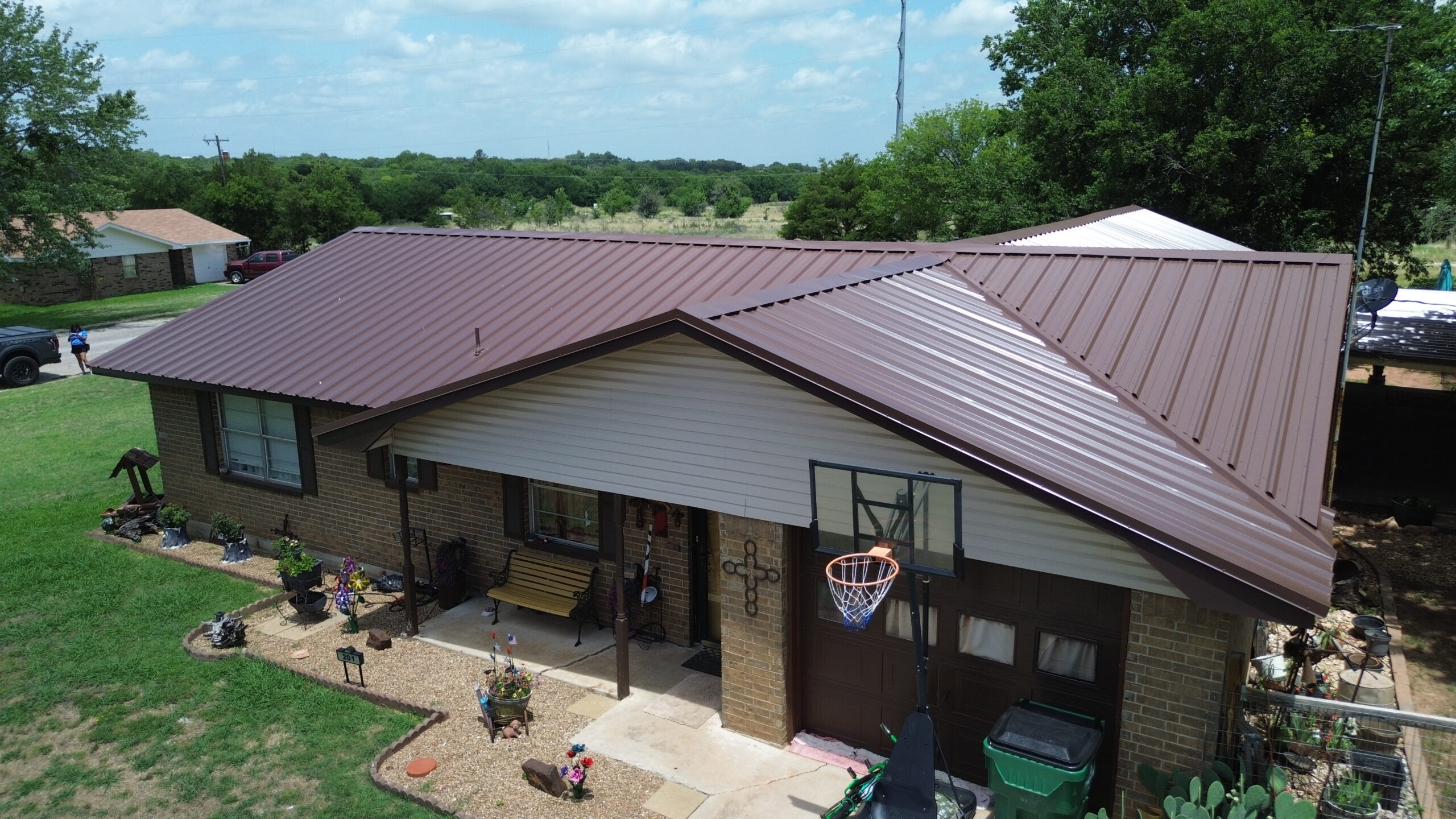
Once the project goals have been established and the existing roof has been thoroughly evaluated, the next major step is selecting the most suitable commercial roofing system. This decision has a long lasting impact on building performance, maintenance costs, energy efficiency, and overall return on investment. Choosing the right system requires balancing technical performance with financial considerations rather than focusing on a single feature.
Commercial buildings use a wide range of roofing systems depending on their size, climate, roof design, and operational requirements. Common options include single ply membranes such as TPO, PVC, and EPDM, modified bitumen systems, built up roofing, spray polyurethane foam, and standing seam metal roofing. Each system offers different advantages in terms of durability, weather resistance, installation methods, and maintenance requirements.
Building owners should also consider how the roof will be used after installation. Some commercial roofs support HVAC equipment, solar panels, communication systems, rooftop walkways, or recreational spaces. The selected roofing system should be capable of supporting these activities while maintaining reliable waterproofing performance.
Energy efficiency has become an increasingly important factor during roof selection. Reflective roofing systems can reduce heat absorption during warmer months, helping lower indoor temperatures and reducing cooling costs. For large commercial buildings with significant air conditioning demands, improved energy performance may produce measurable savings throughout the roof’s lifespan.
Future maintenance should also influence material selection. Some roofing systems require more frequent inspections or specialized repair procedures, while others offer simpler long term maintenance. Building owners should evaluate not only installation costs but also the expected maintenance expenses over the coming decades.
Manufacturer support and warranty coverage deserve careful attention as well. Reputable manufacturers often provide extensive technical guidance, certified installation requirements, and comprehensive warranty programs that enhance the long term value of the roofing investment.
Material compatibility must also be considered when replacing an existing commercial roof. Certain roofing systems perform better when installed over specific substrates or insulation types. Contractors evaluate these compatibility factors during planning to avoid problems that could affect long term roof performance.
Structural Assessment and Engineering Considerations
Before installation begins, engineers and roofing specialists must confirm that the building’s structure can safely support the proposed roofing system. Large commercial buildings often contain complex structural frameworks designed to carry specific loads, making engineering evaluation an essential part of project planning.
The roof deck serves as the primary structural surface supporting the roofing assembly. Depending on the building, the deck may be constructed from steel, concrete, wood, or composite materials. Engineers inspect these structural components for corrosion, cracking, deterioration, deflection, or other conditions that may require repair before replacement proceeds.
Roof loading calculations become particularly important when heavier roofing materials or additional rooftop equipment are planned. New insulation layers, solar panels, mechanical units, green roofing systems, or rooftop amenities all contribute additional weight that the structure must safely support.
Wind uplift resistance is another major engineering consideration. Commercial roofs covering large surface areas experience significant wind forces during severe weather. Engineers evaluate fastening systems, attachment methods, edge details, and structural connections to ensure the completed roof remains secure under expected wind conditions.
Drainage design also affects structural performance. Poor drainage allows standing water to accumulate, increasing roof loading while accelerating material deterioration. Engineers carefully evaluate roof slope, drain placement, overflow systems, gutters, and scuppers to promote efficient water removal after rainfall.
Expansion and contraction caused by changing temperatures must also be accommodated within the roofing system. Large commercial roofs experience considerable thermal movement throughout the year. Expansion joints and flexible detailing help prevent stress from damaging roofing materials or structural components over time.
Older buildings frequently require additional structural investigation before replacement begins. Years of moisture exposure, previous repairs, or building modifications may have altered the original structural condition. Identifying these issues before installation helps prevent costly surprises once construction is underway.
Engineering assessments also consider future building plans. If additional rooftop equipment or building expansions are anticipated, structural reinforcement performed during roof replacement may eliminate the need for more expensive modifications later.
Permits, Building Codes, and Regulatory Compliance
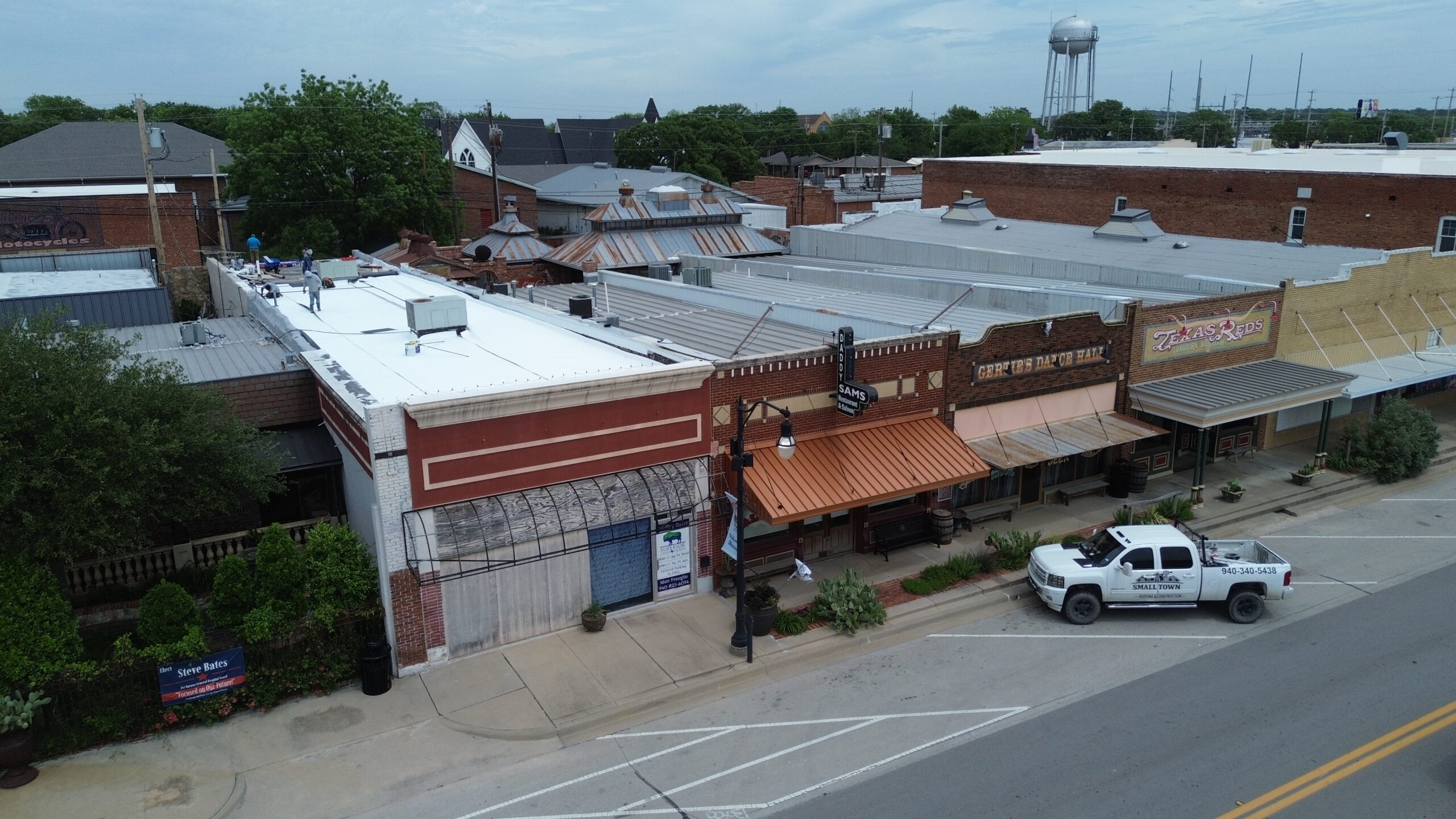
Commercial roof replacement projects must comply with a wide range of building regulations, safety requirements, and local construction codes. Obtaining the necessary permits before work begins ensures that the project proceeds legally while meeting structural and safety standards established by local authorities.
Permit requirements vary depending on location, project scope, roofing materials, and building occupancy. Some projects require only basic roofing permits, while others involve multiple approvals covering structural modifications, fire protection systems, drainage improvements, or energy efficiency upgrades.
Building codes influence nearly every aspect of commercial roof replacement. These regulations establish minimum standards for wind resistance, fire performance, insulation levels, drainage design, structural loading, accessibility, and material installation. Contractors must understand these requirements before developing detailed project plans.
Energy codes have become increasingly important in commercial construction. Many jurisdictions establish minimum insulation values or energy efficiency standards for replacement roofing systems. Upgrading insulation during roof replacement may improve building performance while ensuring compliance with current regulations.
Fire safety regulations also influence roofing system design. Roofing assemblies may require specific fire resistance ratings depending on building occupancy, location, and surrounding structures. Selecting code compliant materials protects both the building and its occupants.
Accessibility requirements should also be reviewed during planning. Commercial roofs often include permanent access points, safety railings, maintenance walkways, or rooftop equipment that must comply with workplace safety standards. Incorporating these features during replacement supports future maintenance activities.
Environmental regulations may affect material disposal as well. Existing roofing materials, insulation, flashing, and construction debris must often be disposed of according to local waste management requirements. Some materials can be recycled, reducing environmental impact while supporting sustainability goals.
Regular inspections by local authorities may occur throughout the project. These inspections verify that work continues according to approved plans and applicable building codes. Successful inspections help ensure that the completed roofing system satisfies all regulatory requirements before the project is officially closed.
Creating a Project Timeline and Work Schedule
A carefully planned project schedule helps commercial roof replacement progress efficiently while minimizing disruption to building operations. Unlike smaller residential projects, commercial roofing often involves multiple crews, specialized equipment, phased construction, and ongoing coordination with building occupants.
Project scheduling begins by estimating the duration of each construction phase. Material delivery, roof removal, structural repairs, insulation installation, membrane installation, flashing work, equipment relocation, inspections, and cleanup all require dedicated time within the overall project timeline.
Building operations play a significant role in scheduling decisions. Hospitals, schools, shopping centers, manufacturing facilities, warehouses, and office buildings each have unique operational requirements that influence when roofing work can occur. Contractors often schedule noisy or disruptive activities during evenings, weekends, holidays, or lower occupancy periods whenever practical.
Weather forecasting also affects scheduling. Commercial roofing materials often require dry conditions and moderate temperatures for optimal installation. Contractors monitor seasonal weather patterns while building flexibility into the schedule to accommodate unexpected storms or temperature extremes.
Large commercial buildings frequently require phased construction rather than replacing the entire roof simultaneously. Dividing the project into manageable sections allows portions of the building to remain fully protected while work progresses elsewhere. This approach also reduces operational risks and improves overall project organization.
Communication remains essential throughout the scheduling process. Property managers, department supervisors, tenants, maintenance staff, and contractors should receive regular updates regarding work areas, temporary access restrictions, equipment shutdowns, and anticipated schedule changes.
Contingency planning is another important scheduling consideration. Unexpected structural repairs, delayed material deliveries, or severe weather may require adjustments during construction. Including reasonable schedule flexibility helps prevent unnecessary pressure while maintaining installation quality.
Progress meetings held throughout the project allow stakeholders to review completed work, discuss upcoming activities, and resolve any emerging issues before they affect the overall schedule.
Protecting Building Operations During Roof Replacement
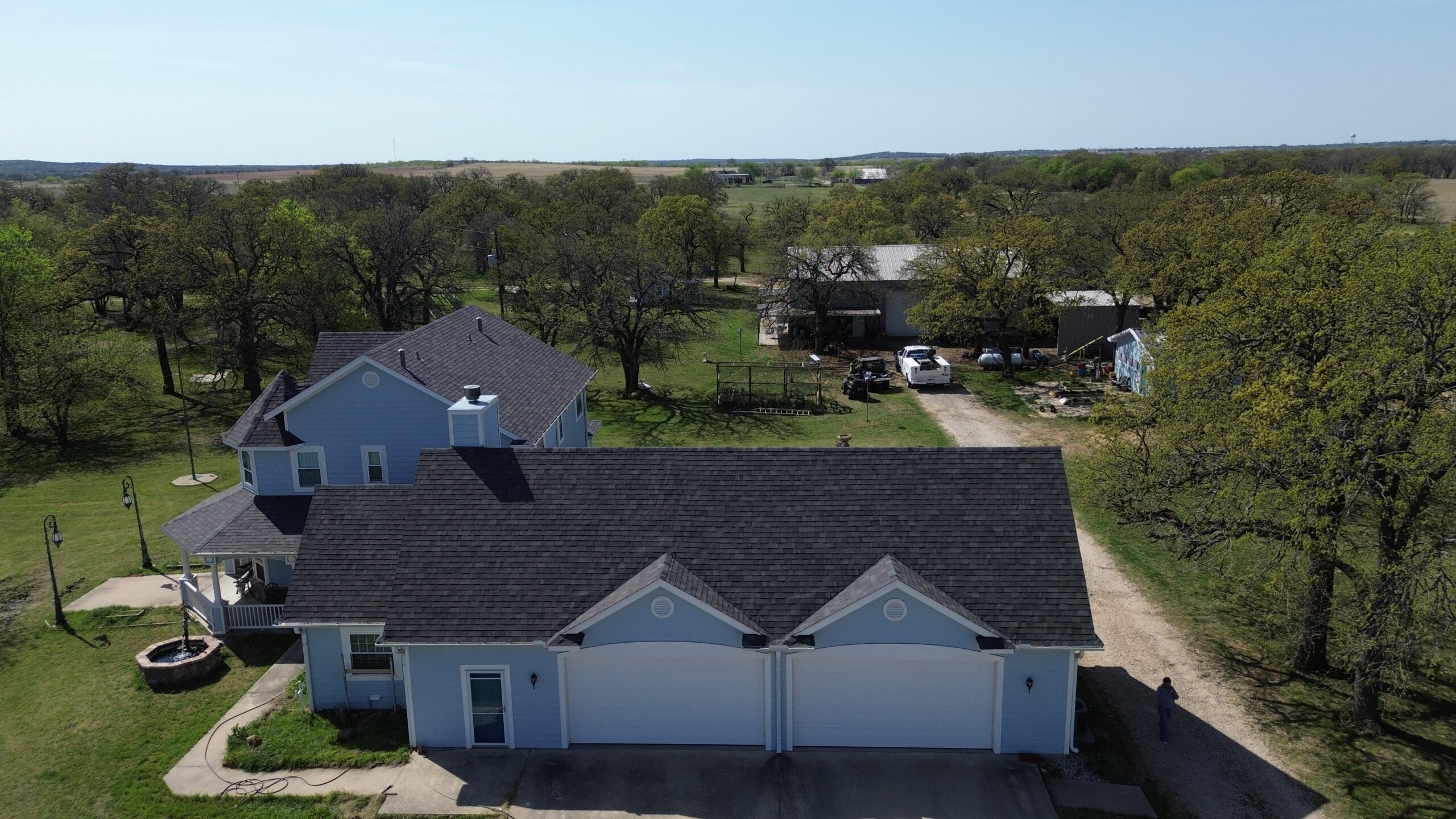
One of the greatest challenges associated with commercial roof replacement is maintaining normal building operations while construction is taking place. Large facilities often remain occupied throughout the project, making careful operational planning essential.
Contractors begin by identifying critical building functions that cannot be interrupted. Hospitals require continuous patient care, manufacturing facilities depend on production schedules, retail businesses rely on customer access, and office buildings support daily employee activities. Understanding these priorities allows roofing work to be organized around operational requirements.
Temporary barriers and clearly marked work zones help separate construction activities from occupied areas. Restricting access to active work zones improves safety while minimizing interference with daily business operations.
Noise management also deserves attention. Roofing activities involving demolition, fastening, or equipment movement can generate considerable sound. Contractors often coordinate noisy operations with facility managers to reduce disruption during meetings, examinations, manufacturing processes, or other sensitive activities.
Protecting building interiors from weather remains a top priority throughout construction. Temporary waterproof coverings may be installed whenever roof sections remain exposed overnight or when unexpected rain develops. Maintaining continuous weather protection reduces the risk of water damage to building contents.
Mechanical systems require careful coordination as well. HVAC units, exhaust systems, electrical equipment, and communication infrastructure located on the roof may require temporary shutdowns or relocation during construction. Planning these activities carefully minimizes operational interruptions.
Emergency access routes must remain available throughout the project. Fire exits, emergency vehicle access, loading docks, and essential service entrances should remain functional unless temporary alternatives have been clearly established and communicated.
Regular communication with tenants or employees helps manage expectations throughout construction. Informing occupants about upcoming work areas, temporary restrictions, or schedule adjustments reduces confusion while improving cooperation during the replacement process.
Material Procurement and Logistics Planning
Efficient material management contributes significantly to successful commercial roof replacement. Large buildings require substantial quantities of roofing materials, insulation, fasteners, flashing, adhesives, and accessories. Careful logistics planning ensures these materials arrive when needed without overwhelming the construction site.
Material procurement often begins several weeks before installation. Contractors coordinate with manufacturers and suppliers to confirm production schedules, shipping dates, and delivery requirements. Early ordering becomes especially important when specialty materials or custom fabricated components are involved.
Storage planning is equally important. Roofing materials must be protected from weather, excessive moisture, and physical damage before installation. Contractors designate secure storage areas that provide convenient access while minimizing disruption to building operations.
Delivery scheduling should align with construction progress. Receiving materials too early may create unnecessary storage challenges, while delayed deliveries can interrupt installation. Coordinated logistics help maintain continuous workflow throughout the project.
Cranes, forklifts, hoists, or other lifting equipment may be required to transport materials safely to the roof. Planning these operations carefully improves efficiency while reducing safety risks associated with moving heavy roofing materials.
Waste management should also be integrated into logistics planning. Old roofing materials, damaged insulation, packaging, and construction debris require organized removal throughout the project. Maintaining a clean worksite improves safety while supporting efficient construction progress.
Contractors also monitor material inventory throughout installation. Tracking usage helps identify shortages early while reducing unnecessary waste and maintaining accurate project cost control.
Managing Safety Throughout the Project
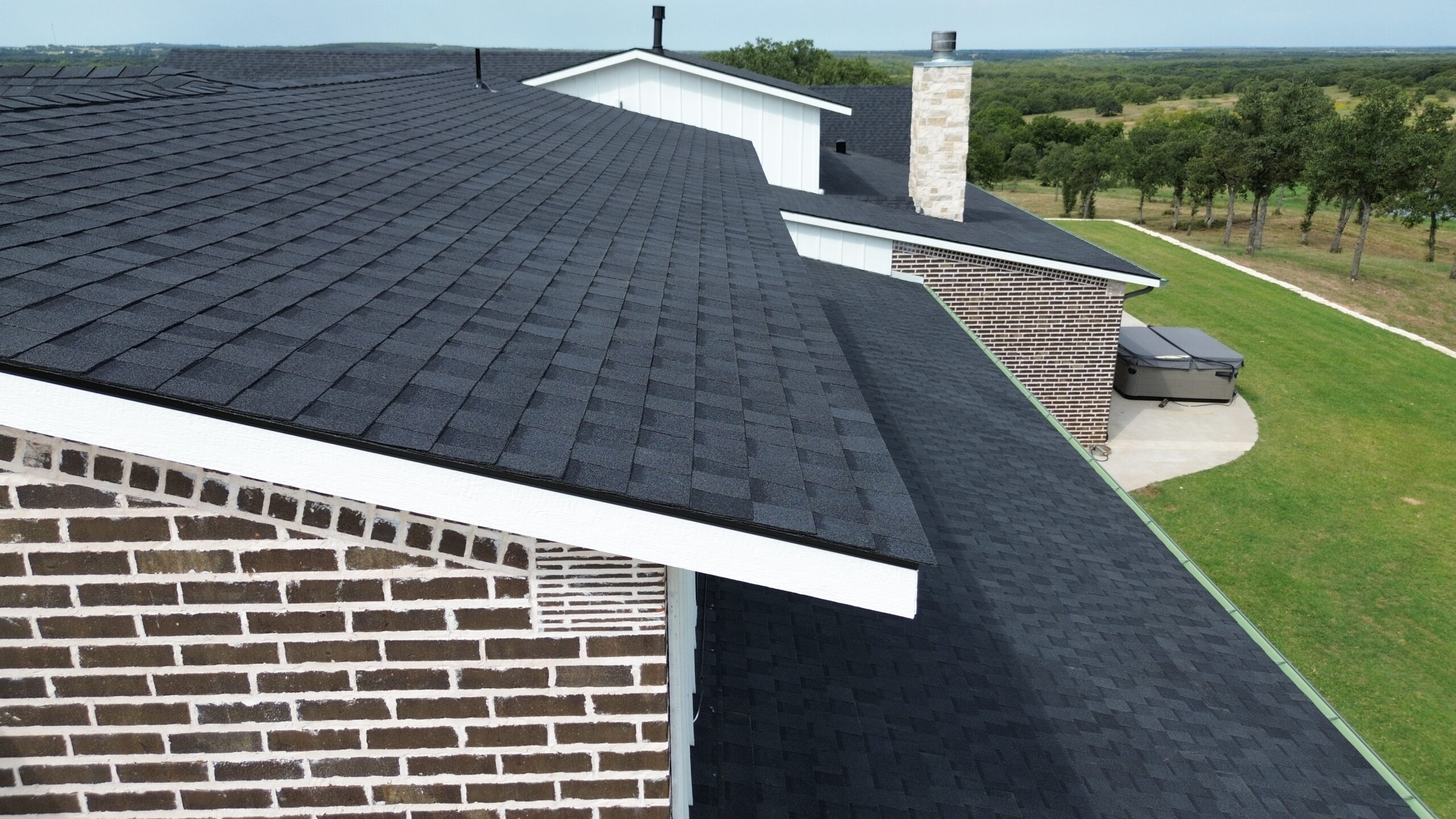
Safety remains one of the highest priorities during every commercial roof replacement project. Roofing work involves elevated work areas, heavy materials, specialized equipment, changing weather conditions, and occupied buildings, making comprehensive safety planning essential.
Before construction begins, contractors develop a detailed site specific safety plan. This document identifies potential hazards, establishes emergency procedures, outlines worker responsibilities, and specifies required protective equipment. Every crew member should understand these procedures before entering the jobsite.
Fall protection systems receive particular attention because roofing work occurs at significant heights. Guardrails, personal fall arrest systems, warning lines, safety monitors, and secure access points help reduce fall related risks throughout the project.
Daily safety meetings provide opportunities to review planned activities, discuss changing weather conditions, identify new hazards, and reinforce safe work practices. Regular communication keeps safety expectations clear while encouraging workers to report concerns immediately.
Equipment inspections also contribute to accident prevention. Ladders, scaffolding, lifting equipment, power tools, and electrical systems should be inspected regularly to verify safe operating conditions. Damaged equipment should be removed from service until repaired or replaced.
Weather monitoring remains an ongoing safety responsibility. High winds, lightning, heavy rain, or extreme temperatures may require temporary suspension of roofing activities. Protecting workers always takes priority over maintaining the construction schedule.
Public safety deserves equal consideration. Clearly marked barriers, warning signs, controlled access points, and coordinated material handling help protect employees, customers, visitors, and delivery personnel from construction hazards throughout the project.
Comprehensive safety planning benefits everyone involved. A well organized safety program reduces workplace accidents, protects property, supports efficient construction, and helps ensure that the commercial roof replacement project progresses smoothly from beginning to end. In the final part, we will examine project completion, quality inspections, warranty management, preventive maintenance, common planning mistakes, long term roof asset management, and the conclusion to the complete guide.
Quality Control and Final Roof Inspection
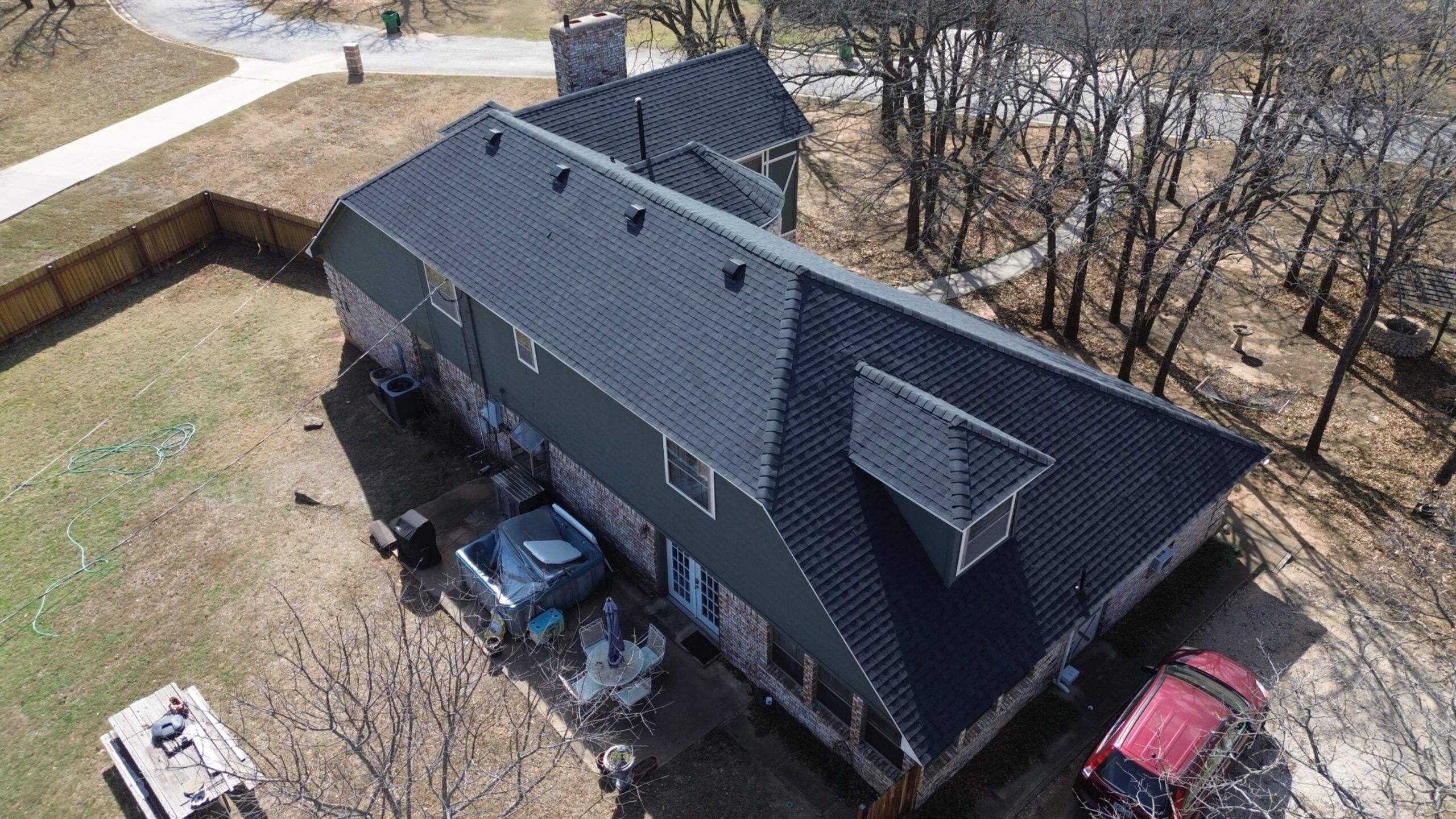
As the commercial roof replacement project nears completion, quality control becomes the primary focus. Every component of the roofing system must be inspected carefully to ensure that it has been installed according to manufacturer specifications, engineering requirements, and project documents. A thorough inspection at this stage helps identify any remaining issues before the roof is officially accepted.
The roofing contractor begins by examining the entire roof surface. Membranes, seams, flashing, fasteners, insulation transitions, roof edges, and penetrations are checked to confirm proper installation. Even minor defects discovered during this inspection should be corrected immediately because small problems can eventually develop into costly repairs.
Roof drainage receives special attention during the final inspection. Contractors verify that drains, scuppers, gutters, and downspouts remain unobstructed and that water can move efficiently across the roof surface. Proper drainage reduces the likelihood of standing water, which is one of the leading causes of premature commercial roof deterioration.
Rooftop equipment such as HVAC units, exhaust fans, skylights, communication equipment, and solar panel supports is also inspected. Flashing around these components must be securely sealed to prevent water intrusion while still allowing future maintenance access.
The project team also reviews roof edges and expansion joints. These areas experience significant movement because of changing temperatures and wind exposure, making proper installation especially important for long term performance.
Many commercial roofing projects include formal punch list inspections before final acceptance. During this process, the building owner, contractor, consultant, and project manager walk the roof together to identify any remaining items requiring correction. Completing every punch list item before project closeout helps ensure that the finished roof meets all project expectations.
Once all identified issues have been addressed, the contractor performs a final review to verify that repairs have been completed correctly. This systematic approach improves quality while reducing the likelihood of future warranty claims.
Post Installation Testing and Documentation
After installation is complete, many commercial roofing projects include additional testing to verify the performance of the new roofing system. These evaluations provide building owners with confidence that the roof performs as intended before the project is officially closed.
One common verification method involves water testing around critical roof details. Contractors may inspect flashing, roof penetrations, drainage systems, and other vulnerable areas to confirm that water is properly diverted away from the building. This testing helps identify any hidden installation issues before they become active leaks.
Some projects also include electronic leak detection or infrared scanning. These technologies help verify membrane integrity while identifying hidden moisture or installation defects that may not be visible during standard visual inspections. Although not required on every project, they provide additional assurance on large or technically complex buildings.
Contractors also verify that insulation has been installed according to project specifications. Proper insulation placement contributes to energy efficiency, moisture control, and overall roof performance throughout the life of the building.
Project documentation is another important part of the closeout process. Accurate records help building owners manage future maintenance while providing valuable information if repairs or renovations become necessary later.
Typical project documentation includes:
| Document | Purpose |
|---|---|
| Final inspection report | Confirms installation quality and project completion |
| Warranty documents | Defines manufacturer and contractor coverage |
| Material specifications | Records products installed on the building |
| Maintenance guidelines | Provides recommended inspection and maintenance procedures |
| As built drawings | Documents final roof layout and system details |
| Photographic records | Provides visual documentation of completed work |
Keeping these documents organized allows facility managers to quickly access important information during inspections, repairs, warranty claims, or future roof modifications.
Digital record keeping has become increasingly common for commercial properties. Many organizations store roofing documentation within computerized facility management systems, making information readily available to maintenance teams and future property managers.
Commercial Roofing Warranties Explained
Commercial roofing warranties provide valuable protection for one of the largest investments made in a building’s exterior. Understanding warranty coverage helps building owners know what protection they receive after installation and what responsibilities they must fulfill to maintain that protection.
Most commercial roof replacement projects include both manufacturer warranties and contractor workmanship warranties. Although these warranties work together, they cover different aspects of the completed roofing system.
Manufacturer warranties generally protect against defects in roofing materials. If membranes, insulation, flashing, or other roofing products fail because of manufacturing defects during the warranty period, the manufacturer may provide replacement materials or other approved remedies according to the warranty terms.
Workmanship warranties cover installation related issues resulting from contractor errors rather than defective materials. If leaks or roofing failures occur because installation did not follow approved specifications, the contractor is generally responsible for correcting those problems within the warranty period.
Warranty durations vary depending on the roofing system, manufacturer, and project specifications. Premium commercial roofing systems often provide longer warranty periods when installed by certified contractors using approved installation methods.
Building owners should carefully review all warranty documents before accepting project completion. Important details include coverage limits, maintenance requirements, reporting procedures, exclusions, and any conditions that could affect future warranty claims.
Routine inspections are often required to maintain warranty protection. Some manufacturers recommend annual professional inspections along with documented maintenance activities. Failing to follow these recommendations may reduce warranty coverage in certain situations.
Building modifications made after roof installation should also be coordinated carefully. Installing new rooftop equipment without following approved procedures may damage the roofing system or affect warranty protection. Contractors familiar with the roofing system should be consulted before making significant rooftop changes.
Preventive Maintenance After Roof Replacement
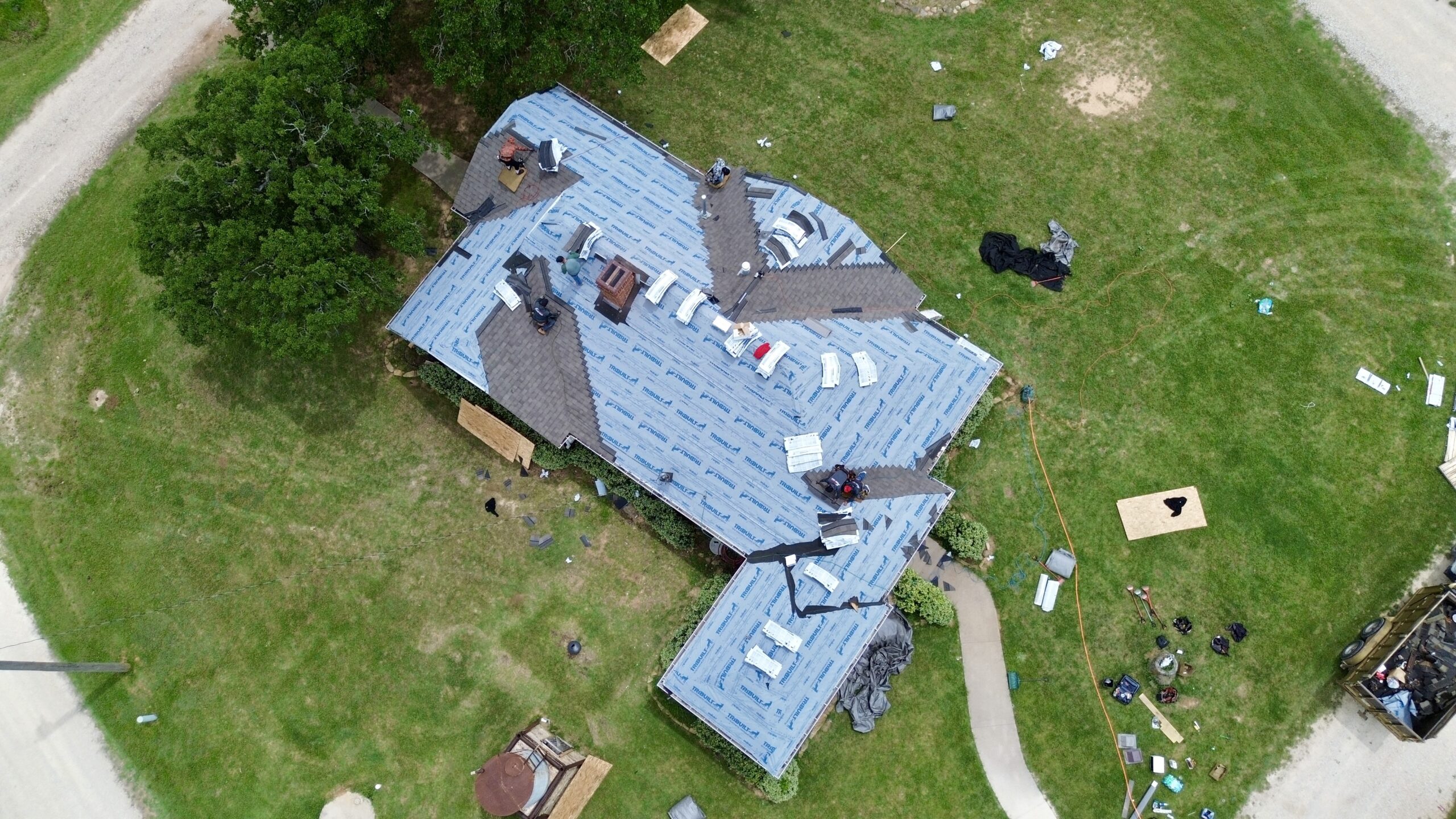
Installing a new commercial roof does not eliminate the need for regular maintenance. Preventive maintenance remains one of the most effective ways to extend roof lifespan, reduce repair costs, and maximize the value of the roofing investment.
Routine inspections should be scheduled at least twice each year, typically during the spring and fall. Additional inspections following major storms help identify weather related damage before it develops into larger structural problems.
Maintenance personnel should inspect roofing membranes, flashing, seams, drains, expansion joints, rooftop equipment, and protective coatings during every inspection. Small issues identified early can often be repaired quickly and at much lower cost than major roof failures.
Drainage systems deserve consistent attention throughout the year. Leaves, dirt, construction debris, and wind blown materials can block drains and gutters, causing standing water to accumulate on the roof. Keeping drainage paths clear reduces unnecessary stress on roofing materials.
Roof surfaces should also remain clean. Accumulated debris can trap moisture, encourage vegetation growth, and interfere with drainage. Gentle cleaning methods appropriate for the roofing system help preserve both appearance and performance.
Building owners should maintain accurate maintenance records throughout the roof’s lifespan. Recording inspection dates, repair activities, photographs, and contractor recommendations creates valuable documentation that supports future maintenance planning and warranty claims.
Facility managers should also establish procedures controlling roof access. Restricting access to authorized personnel reduces accidental damage caused by unnecessary foot traffic or unauthorized equipment installations.
Maintenance budgets should include funding for routine inspections and minor repairs rather than focusing only on emergency situations. Consistent preventive care generally reduces total ownership costs over the life of the roofing system.
Common Commercial Roof Replacement Planning Mistakes
Even experienced property owners can make planning mistakes that increase project costs or reduce long term roof performance. Understanding these common errors helps organizations prepare more successful commercial roof replacement projects.
One of the most common mistakes is delaying replacement for too long. Many building owners continue performing temporary repairs long after the roofing system has reached the end of its useful life. Eventually, repeated repairs become more expensive than planned replacement while increasing the risk of business disruption.
Another mistake is focusing only on the lowest project bid. Although competitive pricing is important, selecting a contractor based solely on cost may result in lower quality materials, reduced workmanship, or limited warranty protection. Evaluating contractor experience, technical expertise, and long term value generally produces better results.
Some organizations underestimate the importance of detailed roof inspections before planning begins. Hidden moisture, structural deterioration, and insulation damage often remain undetected without comprehensive evaluations. Discovering these issues after construction starts may increase both costs and project duration.
Ignoring building operations during scheduling is another planning error. Commercial facilities often remain occupied throughout construction, making coordination essential. Failure to consider operational needs can disrupt employees, customers, production schedules, or critical services.
Poor communication among project participants also creates unnecessary challenges. Building owners, contractors, consultants, engineers, maintenance personnel, and tenants should all receive timely updates regarding schedules, work areas, and project changes. Clear communication reduces confusion while supporting efficient project management.
Another mistake involves overlooking future building needs. Installing a roofing system without considering future solar panels, HVAC upgrades, or equipment additions may create avoidable expenses later. Planning ahead allows the roof to accommodate future improvements more easily.
Neglecting long term maintenance planning is equally problematic. Even the highest quality commercial roof requires routine inspections and preventive maintenance. Establishing maintenance procedures before project completion helps protect the investment from the very beginning.
Long Term Asset Management Strategies
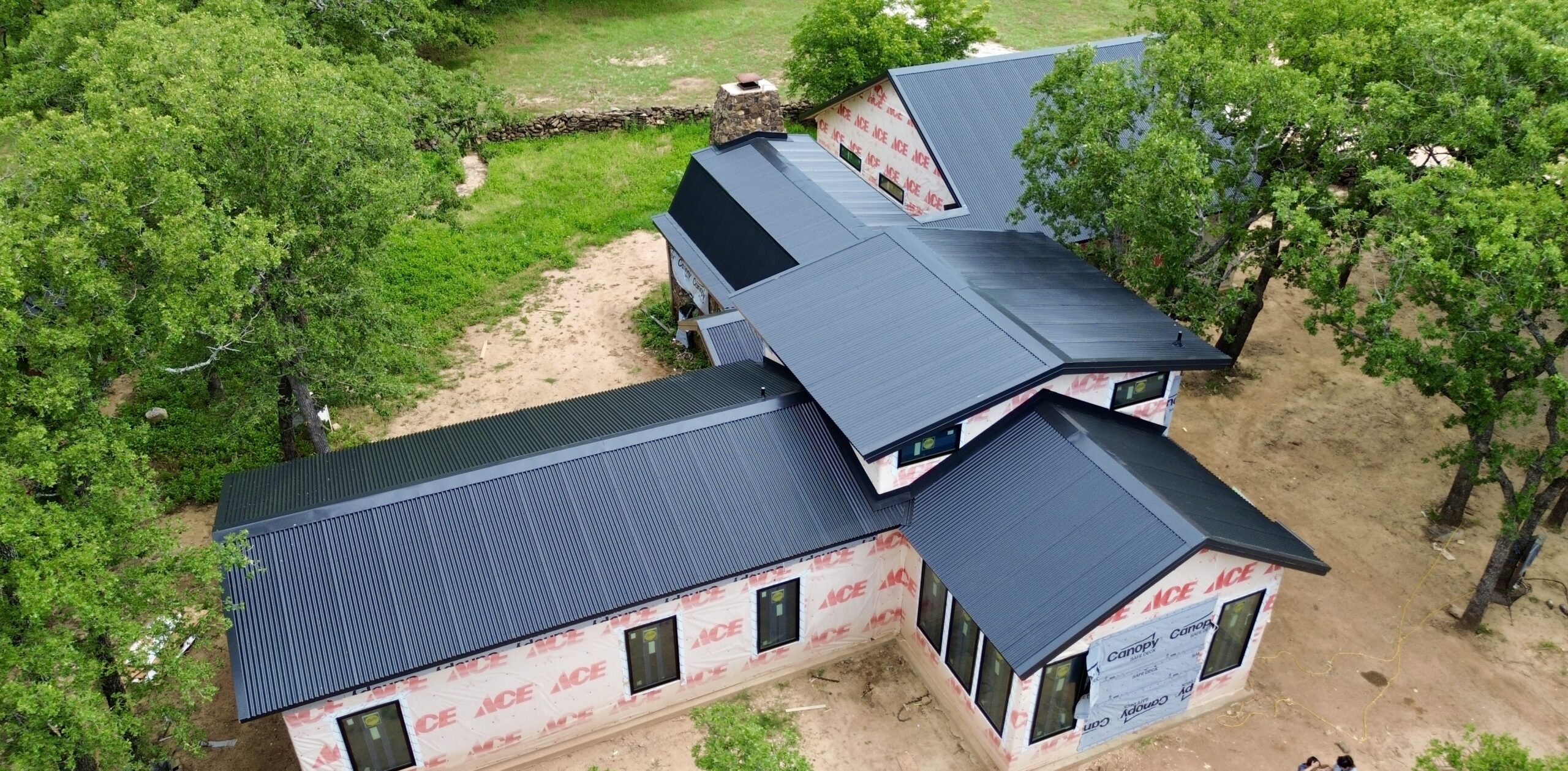
Commercial roofs should be viewed as long term business assets rather than one time construction projects. Managing the roof proactively throughout its lifespan helps maximize performance while reducing total ownership costs.
A formal roof asset management program begins with accurate documentation. Facility managers should maintain complete records of installation dates, roofing materials, warranties, inspections, repairs, and maintenance activities. Organized records simplify decision making throughout the roof’s service life.
Regular condition assessments provide valuable information about roof performance over time. Comparing inspection reports from year to year helps identify gradual changes before they develop into significant structural problems.
Budget planning should include anticipated maintenance, repairs, and eventual replacement rather than reacting only when problems occur. Setting aside annual maintenance funds reduces financial pressure while supporting consistent roof care.
Technology can also improve roof management. Many organizations now use drones, digital roof mapping, moisture monitoring systems, and facility management software to track roof conditions more efficiently. These tools provide accurate information while reducing inspection time on large commercial properties.
Sustainability goals should remain part of long term planning as well. Energy efficient roofing systems, reflective coatings, improved insulation, and environmentally responsible maintenance practices contribute to lower operating costs while supporting broader environmental objectives.
Training maintenance personnel is another valuable investment. Staff members who understand roofing system components, safe inspection procedures, and early warning signs can identify developing issues before they become expensive repairs.
Periodic professional roof assessments should complement internal inspections. Experienced commercial roofing specialists often recognize subtle performance changes that may not be obvious during routine maintenance visits. Combining professional evaluations with regular facility inspections creates a comprehensive long term management strategy.
Conclusion
Commercial roof replacement for large buildings is a complex process that extends far beyond installing new roofing materials. Successful projects begin with careful planning, detailed inspections, realistic budgeting, and clear communication among all project participants. Every decision made during the planning phase influences project efficiency, installation quality, long term performance, and overall return on investment.
Throughout this guide, we examined the complete planning process for commercial roof replacement. We explored how building owners evaluate existing roofing systems, establish project goals, select appropriate roofing materials, perform structural assessments, obtain permits, coordinate schedules, manage logistics, and maintain safety throughout construction. Each stage contributes to creating a roofing system capable of protecting the building for many years.
Project completion represents the beginning of the roof’s operational life rather than the end of the owner’s responsibilities. Quality inspections, warranty management, preventive maintenance, and accurate documentation all help preserve the value of the investment. Organizations that maintain their roofing systems proactively generally experience fewer emergency repairs, lower maintenance costs, and longer roof service life.
Long term asset management is equally important for commercial properties. Regular inspections, planned maintenance, accurate record keeping, and periodic professional evaluations allow building owners to maximize roof performance while making informed financial decisions throughout the roof’s lifespan.
Ultimately, a commercial roof is more than a protective covering. It is a critical building asset that supports business continuity, protects valuable equipment and occupants, improves energy efficiency, and contributes to the overall value of the property. With careful planning, experienced professionals, quality materials, and consistent maintenance, a commercial roof replacement project becomes a long term investment that delivers dependable performance, operational reliability, and lasting value for decades to come.