
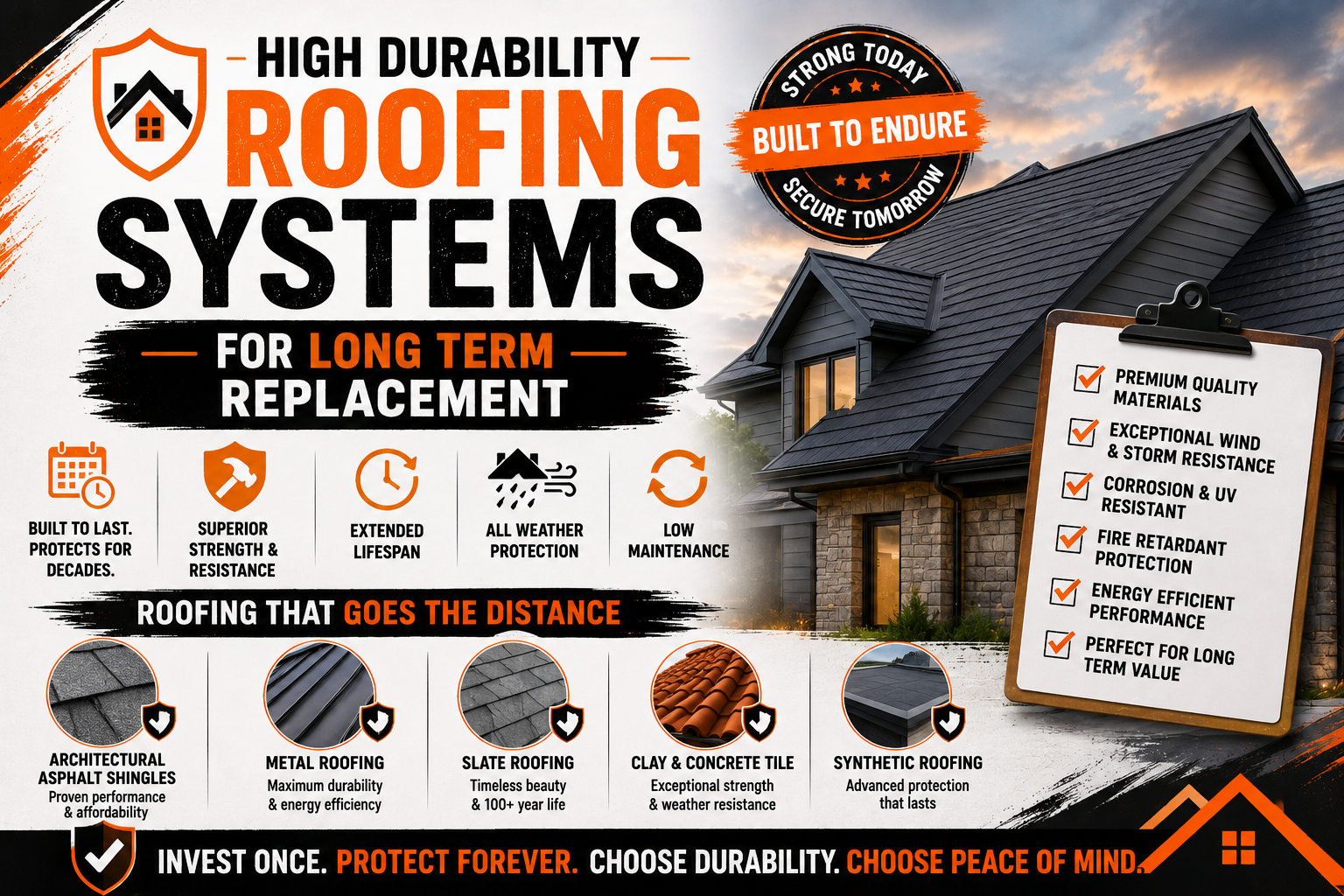
High Durability Roofing Systems for Long Term Replacement
Introduction
A roof replacement is one of the most significant investments a homeowner will make, and the decision often extends far beyond choosing an attractive roofing material. While appearance and initial cost are important, long-term durability plays an even greater role in determining the overall value of a roofing system. A roof designed to withstand decades of weather exposure can reduce maintenance expenses, minimize unexpected repairs, and provide dependable protection for the home throughout its service life.
Modern roofing technology has introduced a wide range of durable materials capable of performing exceptionally well in different climates and architectural styles. Homeowners can now choose from metal roofing, natural slate, clay and concrete tiles, premium asphalt shingles, and advanced composite products, each offering different advantages. Understanding how these systems compare helps homeowners select a roof that balances longevity, performance, and budget.
High durability roofing systems are engineered to resist the common causes of roof failure. They provide better protection against heavy rainfall, strong winds, hail, prolonged sunlight, moisture intrusion, and temperature fluctuations. Many premium roofing products also incorporate advanced manufacturing techniques that improve weather resistance while reducing maintenance requirements.
Another important consideration is the total cost of ownership. Although durable roofing systems often require higher initial investments, they frequently provide lower lifetime costs because they require fewer repairs and less frequent replacement. Looking beyond installation expenses helps homeowners evaluate the true value of a roofing system over several decades.
Choosing a long-lasting roof also contributes to sustainability. Roofing materials that remain in service for many years reduce construction waste, lower demand for replacement materials, and minimize the environmental impact associated with repeated manufacturing and transportation. Durability therefore benefits both homeowners and the environment.
This guide explains the characteristics of high durability roofing systems, explores the materials known for exceptional longevity, and discusses the factors that influence long-term performance. By understanding these elements, homeowners can make confident roof replacement decisions that provide reliable protection for generations.
Why Roof Durability Matters More Than Initial Cost
Many homeowners naturally focus on installation costs when planning a roof replacement. While staying within budget is important, the least expensive roofing system is not always the most economical over the life of the home. Durability influences maintenance costs, repair frequency, energy efficiency, and replacement schedules, making it one of the most valuable characteristics of any roofing material.
A durable roof remains structurally sound through years of changing weather conditions. Instead of requiring repeated repairs after storms or seasonal temperature changes, high-quality roofing systems maintain their protective performance with relatively little intervention. This reliability reduces both financial costs and the inconvenience associated with recurring roofing work.
Long-lasting roofing materials also help protect other parts of the home. Water intrusion caused by premature roof failure can damage insulation, roof decking, ceilings, walls, flooring, and even electrical systems. Investing in a durable roofing system reduces the likelihood of these secondary repair expenses.
Homeowners planning long-term occupancy often benefit the most from durable roofing materials. Although premium products generally involve greater upfront investment, the extended lifespan frequently eliminates the need for another complete roof replacement during their ownership. This creates significant long-term value that may outweigh higher installation costs.
Property value represents another important consideration. Buyers often appreciate homes with durable roofing systems because they understand the reduced likelihood of major repairs in the near future. A high-quality roof can therefore contribute to improved resale appeal while increasing buyer confidence.
Insurance considerations may also favor durable roofing materials in certain regions. Some roofing systems provide improved resistance to wind, hail, or fire, potentially reducing future claims or qualifying for insurance incentives depending on local policies. While coverage varies, durability often contributes positively to overall risk reduction.
Perhaps the greatest benefit of durability is peace of mind. Knowing the roof is designed to withstand demanding conditions allows homeowners to focus less on unexpected maintenance and more on enjoying their property. A dependable roofing system provides confidence that the home will remain protected throughout changing seasons.
What Defines a High Durability Roofing System?
Not every roof marketed as durable provides the same level of long-term performance. True durability depends on a combination of material quality, engineering, installation practices, and ongoing maintenance rather than a single characteristic.
The first defining feature is structural strength. Durable roofing materials resist cracking, warping, corrosion, and physical damage caused by weather exposure. They maintain their shape and protective performance even after years of continuous environmental stress.
Weather resistance is equally important. A high durability roofing system should withstand rain, snow, hail, ultraviolet radiation, temperature fluctuations, and strong winds without experiencing rapid deterioration. Manufacturers often conduct extensive testing to verify performance under demanding conditions before products reach the market.
Longevity represents another essential characteristic. Roofing systems designed for extended service life reduce replacement frequency, lowering both lifetime ownership costs and environmental impact. Materials capable of remaining functional for several decades generally provide greater value despite higher purchase prices.
Quality fastening systems also contribute to durability. Roofing materials depend on secure attachment methods that resist wind uplift while accommodating natural expansion and contraction caused by changing temperatures. Premium fastening systems improve overall roof stability during severe weather.
Protective coatings play an increasingly important role in modern roofing products. Reflective finishes, corrosion-resistant treatments, and advanced sealants help preserve appearance while reducing deterioration caused by moisture and sunlight. These technologies extend roof lifespan while improving energy performance.
A durable roofing system also performs consistently with minimal maintenance. While every roof benefits from periodic inspections, premium materials require fewer repairs and retain their structural integrity for much longer than lower-quality alternatives.
Compatibility between roofing components further enhances durability. Roofing materials, underlayment, flashing, ventilation systems, and fasteners must function together as an integrated system. Weakness in any individual component can reduce the lifespan of the entire roof regardless of the quality of the visible roofing material.
Factors That Affect Roof Lifespan
Even the strongest roofing material cannot achieve its maximum lifespan if surrounding conditions are unfavorable. Multiple factors influence how long a roof remains effective, making proper planning and maintenance just as important as selecting premium materials.
Climate has one of the greatest effects on roof longevity. Homes located in regions with frequent hailstorms, hurricanes, heavy snowfall, prolonged sunlight, or high humidity expose roofing materials to different forms of stress. Selecting materials designed specifically for local weather conditions significantly improves long-term performance.
Installation quality is another critical factor. Even premium roofing products may fail prematurely if installed incorrectly. Improper fastening, inadequate flashing, poor ventilation, or incorrect underlayment installation can allow moisture infiltration that shortens roof life despite using high-quality materials.
Roof design also affects durability. Complex roof structures containing numerous valleys, dormers, skylights, chimneys, and roof penetrations create additional locations where leaks may develop if installation is not performed carefully. Simpler roof designs often experience fewer maintenance concerns over time.
Ventilation deserves careful attention as well. Proper attic airflow reduces heat buildup during summer and moisture accumulation during cooler months. Balanced ventilation protects both roofing materials and structural components while helping maximize service life.
Maintenance practices influence roof longevity throughout ownership. Regular inspections identify loose materials, damaged flashing, clogged gutters, and minor leaks before they develop into expensive structural repairs. Consistent preventive maintenance remains one of the most effective ways to preserve any roofing system.
Material quality naturally affects performance as well. Products manufactured using higher-grade raw materials, improved engineering, and rigorous quality control generally provide greater resistance to weather-related deterioration. Investing in premium materials often reduces maintenance costs over the roof’s lifetime.
Nearby vegetation can also influence roof condition. Overhanging tree branches may scrape roofing materials, deposit debris, retain moisture, or break during storms. Proper tree maintenance helps reduce unnecessary wear while allowing roofs to dry more efficiently after rainfall.
The following factors contribute significantly to long-term roof durability.
- Proper installation by experienced roofing professionals
- Climate-appropriate material selection
- Effective attic ventilation
- Routine roof inspections and maintenance
- High-quality underlayment and flashing
- Prompt repair of minor roofing damage
- Good drainage through clean gutters and downspouts
When these factors work together, homeowners maximize the lifespan of their roofing investment while reducing future maintenance expenses.
Metal Roofing Systems
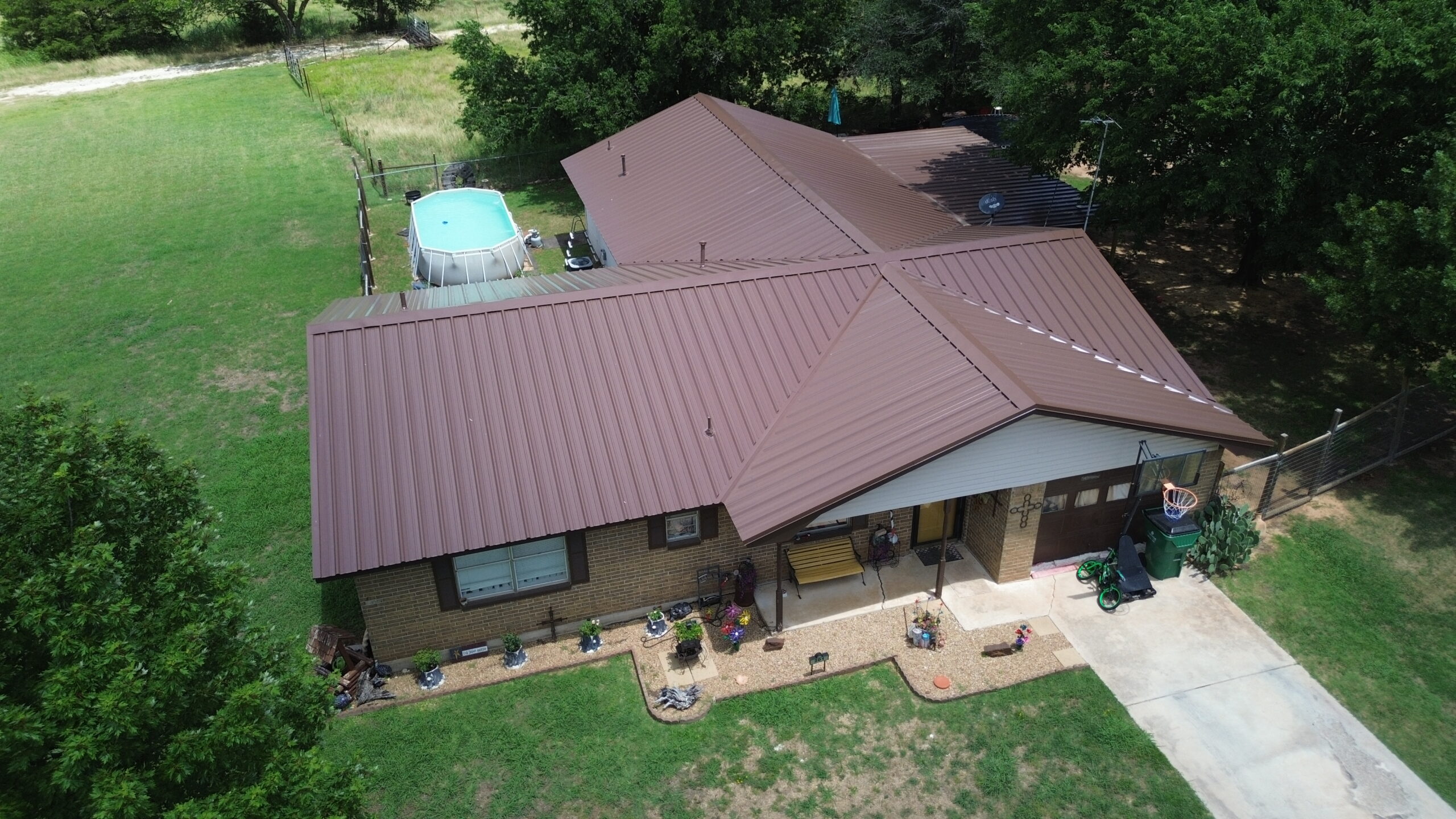
Metal roofing has earned a reputation as one of the most durable residential roofing options available. Continuous improvements in manufacturing technology have expanded both performance and design flexibility, making metal roofs suitable for traditional, modern, and contemporary homes alike.
One of the greatest strengths of metal roofing is its exceptional lifespan. Properly installed systems often remain functional for several decades while maintaining structural performance and attractive appearance. This extended service life reduces replacement frequency and contributes to excellent long-term value.
Metal roofing also performs exceptionally well during severe weather. High-quality systems resist strong winds, heavy rain, snow accumulation, and prolonged ultraviolet exposure without many of the deterioration issues associated with conventional roofing materials. Their smooth surfaces allow rainwater and snow to shed efficiently, reducing moisture retention.
Corrosion resistance has improved significantly through protective coatings and advanced manufacturing processes. Galvanized steel, aluminum, zinc, and copper roofing systems all provide different combinations of strength, appearance, and environmental resistance depending on local climate conditions.
Reflective finishes improve energy efficiency by reducing solar heat absorption. During warmer months, these coatings help lower roof temperatures, reducing heat transfer into the home while improving indoor comfort. Reduced cooling demands may also contribute to lower energy costs.
Modern metal roofing is available in numerous profiles, including standing seam panels, metal shingles, and designs that imitate wood shakes, slate, or clay tiles. This flexibility allows homeowners to enjoy exceptional durability without limiting architectural style.
Maintenance requirements are relatively low compared to many traditional roofing materials. Periodic inspections of flashing, fasteners, and sealants help preserve long-term performance, while debris removal ensures efficient drainage throughout the year.
Although metal roofing generally requires higher initial investment than standard asphalt shingles, many homeowners consider the extended lifespan and reduced maintenance expenses worthwhile long-term advantages.
Slate Roofing Systems
Natural slate has protected buildings for centuries and remains one of the most respected roofing materials available today. Its remarkable durability, timeless appearance, and natural composition make it a premium choice for homeowners seeking maximum longevity.
Slate is formed naturally under intense geological pressure, creating dense stone capable of resisting many forms of environmental deterioration. Unlike manufactured roofing products, slate does not rely on synthetic binders or petroleum-based materials to maintain structural integrity.
One of slate’s greatest advantages is its extraordinary lifespan. Properly installed slate roofs can remain functional for many decades while maintaining both structural strength and visual appeal. Their exceptional longevity reduces construction waste while providing outstanding long-term value.
Slate also resists fire, insects, moisture, and ultraviolet radiation exceptionally well. These characteristics allow it to perform reliably under demanding environmental conditions without experiencing the gradual deterioration common to some other roofing materials.
The natural beauty of slate contributes significantly to architectural value. Variations in texture, thickness, and color create distinctive roof surfaces that complement both historic and luxury homes. Because natural stone changes very little over time, slate roofs often maintain their attractive appearance throughout decades of service.
Weight represents one of the primary considerations associated with slate roofing. Natural stone is considerably heavier than many alternative roofing materials, requiring contractors to verify that the home’s structural framing provides sufficient support before installation begins.
Installation also requires specialized expertise. Proper fastening methods, careful handling, and accurate layout techniques are essential for maximizing slate’s exceptional lifespan. Experienced roofing professionals play a critical role in achieving the long-term performance expected from this premium material.
Although slate roofing represents one of the highest initial investments available, its remarkable durability often makes it one of the most economical options when evaluated across its entire service life.
Clay and Concrete Tile Roofing Systems
Clay and concrete tile roofing has remained popular for generations because it combines exceptional durability with distinctive architectural character. Frequently associated with Mediterranean, Spanish, Southwestern, and luxury home designs, tile roofing also offers outstanding structural performance under suitable conditions.
Clay tiles are manufactured from natural earth materials that are shaped and fired at high temperatures to create durable roofing units. Concrete tiles use cement, sand, and water to produce similarly durable products while offering additional design flexibility and color options.
One of the greatest advantages of tile roofing is its resistance to fire, moisture, insects, and rot. Unlike organic roofing materials, properly manufactured tiles do not decay over time because of biological activity. This contributes significantly to their long service life.
Tile roofs also perform exceptionally well in warm climates. Natural air circulation beneath individual tiles reduces heat transfer into the home, improving energy efficiency while helping maintain comfortable indoor temperatures. Combined with their long lifespan, these thermal benefits contribute to strong long-term value.
Durability during severe weather is another important strength. Properly installed tile roofs resist strong winds and prolonged sunlight while maintaining structural performance. Individual tiles damaged by heavy impacts can usually be replaced without disturbing the surrounding roofing system.
Tile roofing requires relatively modest maintenance compared to many conventional materials. Periodic inspections help identify cracked or displaced tiles before moisture reaches underlying structural components. Prompt replacement of damaged tiles preserves the overall integrity of the roof.
Weight remains the primary structural consideration for tile roofing. Similar to slate, clay and concrete tiles are significantly heavier than asphalt shingles or many metal roofing systems. Structural evaluation before installation helps ensure the home safely supports the additional load.
Homeowners seeking a roofing system capable of providing decades of dependable protection often consider tile roofing one of the most attractive long-term investments. Its combination of durability, weather resistance, architectural beauty, and energy efficiency makes it a leading choice for premium roof replacement projects.
Synthetic and Composite Roofing Materials
Synthetic and composite roofing materials have become increasingly popular among homeowners seeking a balance between durability, appearance, and long-term value. Advances in manufacturing have allowed these products to replicate the appearance of premium roofing materials while improving resistance to weather and reducing maintenance requirements. Many composite systems are also manufactured using recycled materials, adding environmental benefits to their practical advantages.
Composite roofing products are commonly made from combinations of recycled plastics, rubber, polymers, fiberglass, or engineered resins. These materials are carefully blended to produce shingles or tiles that closely resemble slate, cedar shakes, or clay tiles without many of the maintenance concerns associated with natural materials.
One of the greatest strengths of composite roofing is its resistance to common forms of deterioration. Unlike natural wood, composite materials generally resist moisture absorption, insect damage, mold growth, and decay. This durability helps maintain structural integrity while reducing the likelihood of frequent repairs.
Another advantage is impact resistance. Many premium composite roofing systems are engineered to withstand hail and falling debris more effectively than conventional roofing materials. This makes them particularly attractive in regions where severe weather is common.
Composite roofing also offers excellent design flexibility. Manufacturers produce a wide variety of colors, textures, and profiles that suit traditional, contemporary, and luxury homes. Homeowners can achieve the appearance of premium roofing materials while benefiting from modern engineering and lighter overall weight.
Weight is another practical benefit. Synthetic slate and composite tile products often weigh considerably less than their natural counterparts, reducing structural demands on the home. In many cases, homeowners can enjoy the appearance of stone or tile roofing without requiring extensive structural reinforcement.
Maintenance requirements are generally low. Routine inspections, debris removal, and occasional cleaning are usually sufficient to preserve appearance and performance. Because the materials resist cracking and biological deterioration, long-term ownership often involves fewer repair expenses.
Although composite roofing typically costs more than standard asphalt shingles, its combination of durability, attractive appearance, and relatively low maintenance makes it a strong long-term investment for many homeowners.
Premium Asphalt Architectural Shingles
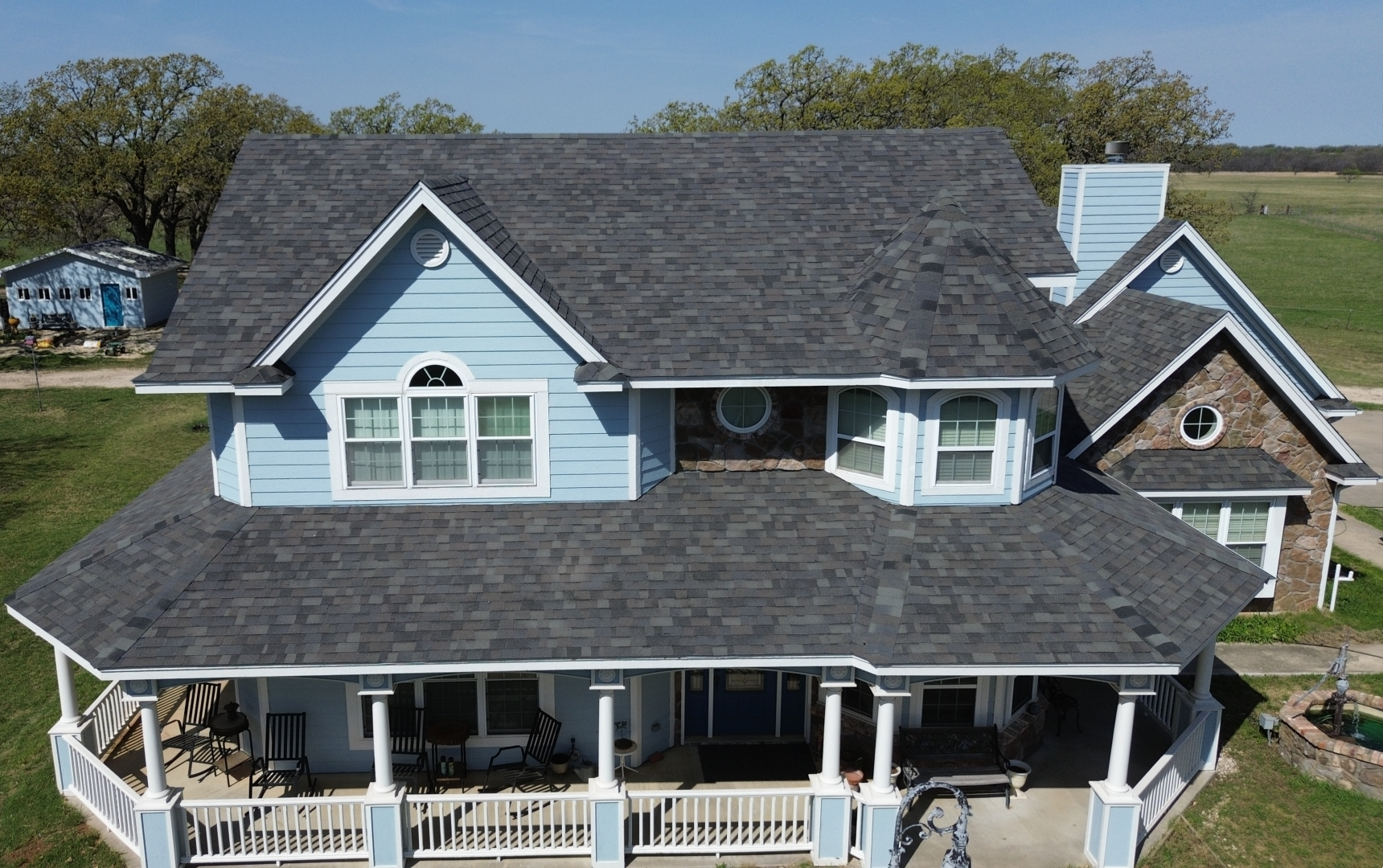
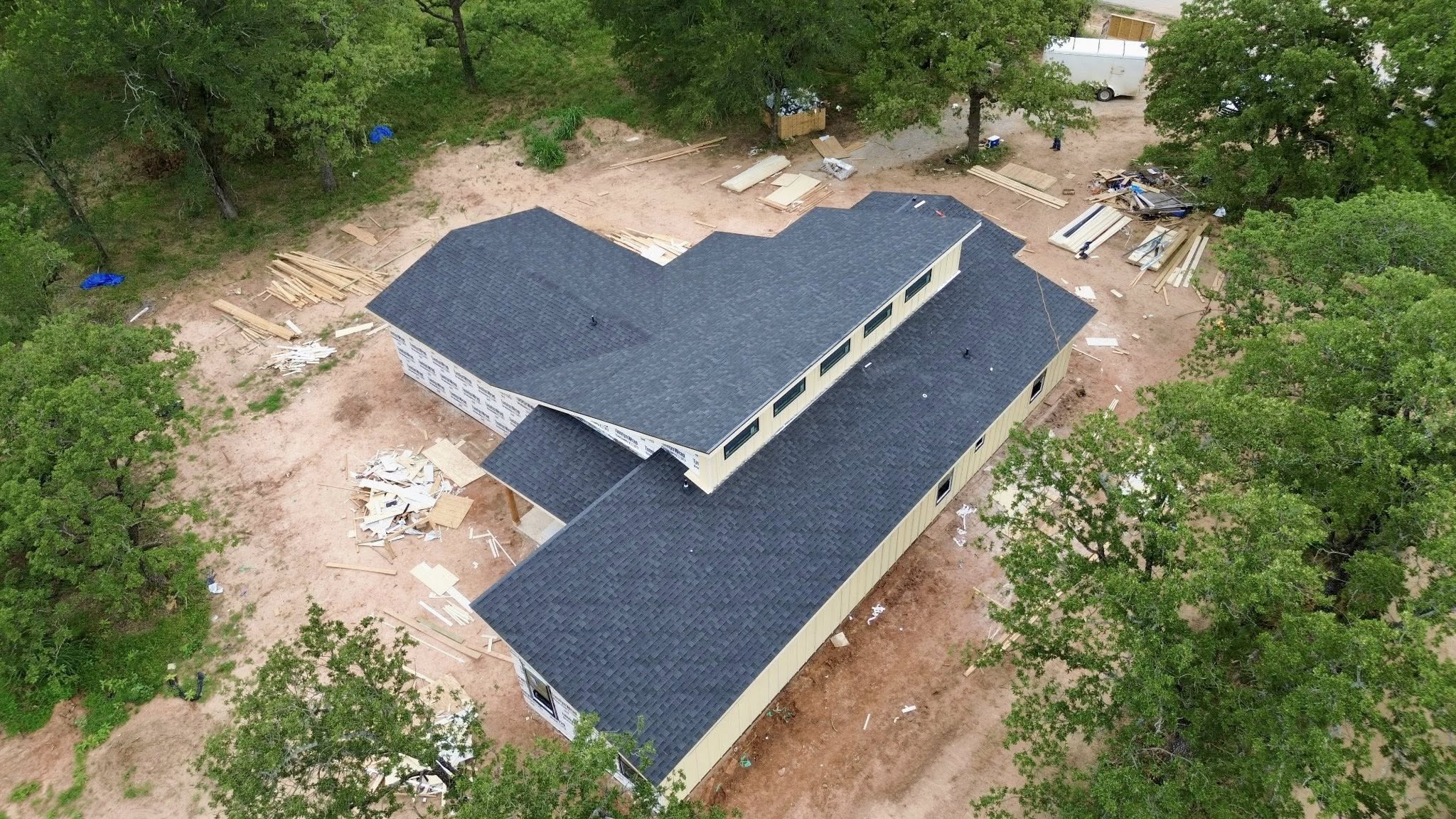
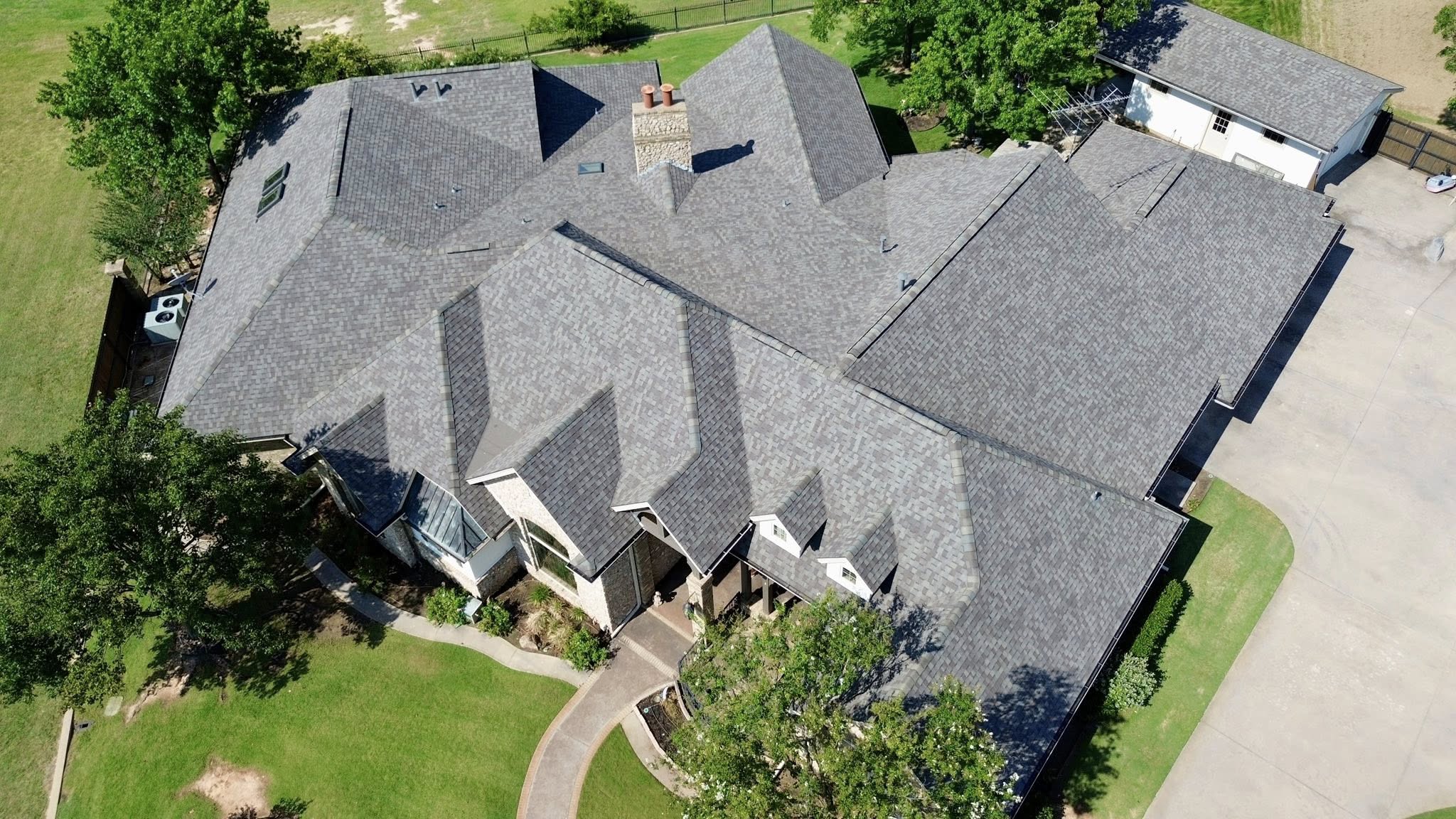
Asphalt shingles remain the most widely installed residential roofing material, but not all asphalt products offer the same level of durability. Premium architectural shingles provide significant improvements over traditional three-tab shingles through enhanced construction, greater thickness, and improved weather resistance.
Architectural shingles are manufactured using multiple laminated layers that increase both strength and visual depth. This heavier construction improves resistance to wind uplift while creating a more dimensional appearance that resembles wood shakes or slate roofing.
One of the major advantages of premium asphalt shingles is their balance between affordability and long-term performance. While they cost more than basic shingles, they remain less expensive than many premium roofing materials while offering noticeably longer service life.
Modern manufacturing techniques have also improved weather resistance. High-quality asphalt shingles incorporate stronger fiberglass reinforcement, advanced adhesive strips, and protective mineral granules that resist ultraviolet degradation. These improvements help maintain structural performance despite years of exposure to sunlight and changing weather.
Wind resistance has become another important feature. Many premium shingles are engineered to withstand stronger wind speeds than traditional products, reducing the likelihood of shingle loss during storms. Proper installation remains essential for achieving this improved performance.
Manufacturers now offer architectural shingles in numerous colors and textures. Homeowners can select products that complement almost any architectural style while enjoying improved durability compared to conventional asphalt roofing.
Repair work is also relatively straightforward because replacement shingles remain widely available. If isolated storm damage occurs, contractors can often replace individual shingles without disturbing large sections of the roof.
Premium asphalt roofing also integrates well with modern roofing accessories such as ridge ventilation systems, waterproof underlayment, and improved flashing products. These components work together to enhance overall roof performance and longevity.
For homeowners seeking dependable durability without investing in premium metal, slate, or tile roofing, architectural asphalt shingles represent one of the strongest value-oriented choices available.
Roofing Underlayment and Structural Components
Visible roofing materials often receive the most attention, but the hidden components beneath them play an equally important role in determining roof durability. Even the strongest roofing material depends on a properly designed support system to achieve its expected lifespan.
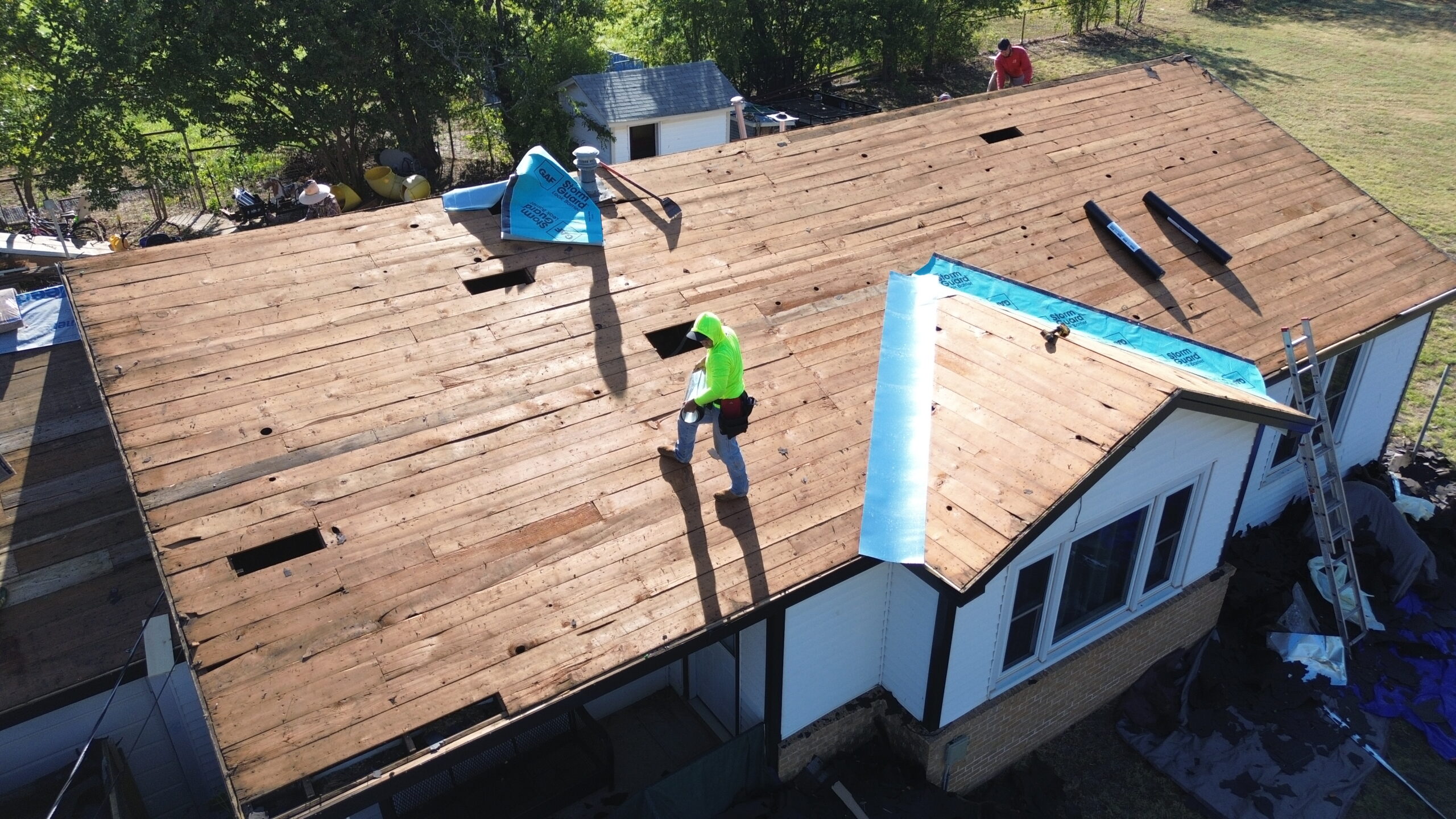
Roofing underlayment serves as an important secondary moisture barrier. Installed directly above the roof deck, underlayment provides additional protection if wind-driven rain penetrates the primary roofing material. High-quality synthetic underlayments generally offer better durability and moisture resistance than traditional felt products.
Ice and water barriers provide additional protection in vulnerable areas such as roof valleys, eaves, chimneys, skylights, and roof penetrations. These self-sealing membranes help prevent water intrusion caused by ice dams or wind-driven rain, reducing the risk of structural damage beneath the roofing system.
The roof deck itself forms the structural foundation supporting every roofing component above it. Plywood and oriented strand board remain the most common decking materials for residential construction. Maintaining a solid, moisture-free deck is essential for ensuring the roofing system performs as intended.
Flashing protects roof transitions and penetrations where leaks commonly develop. Properly installed flashing directs water away from vulnerable joints around chimneys, vents, skylights, dormers, and wall intersections. Durable flashing materials significantly improve the overall weather resistance of the roof.
Fasteners also contribute to long-term performance. Nails and screws must provide secure attachment while resisting corrosion throughout years of weather exposure. High-quality fasteners help prevent roofing materials from loosening during high winds or repeated expansion and contraction.
Ventilation components deserve equal attention. Ridge vents, soffit vents, and balanced attic airflow reduce heat buildup and moisture accumulation beneath the roof. Proper ventilation extends the lifespan of both roofing materials and structural components while improving energy efficiency.
Every component works together as part of a complete roofing system. Even premium roofing materials cannot compensate for poor underlayment, inadequate flashing, deteriorated decking, or insufficient ventilation. Long-term durability depends on the quality of every layer rather than the visible roofing material alone.
Installation Quality and Its Impact on Roof Longevity
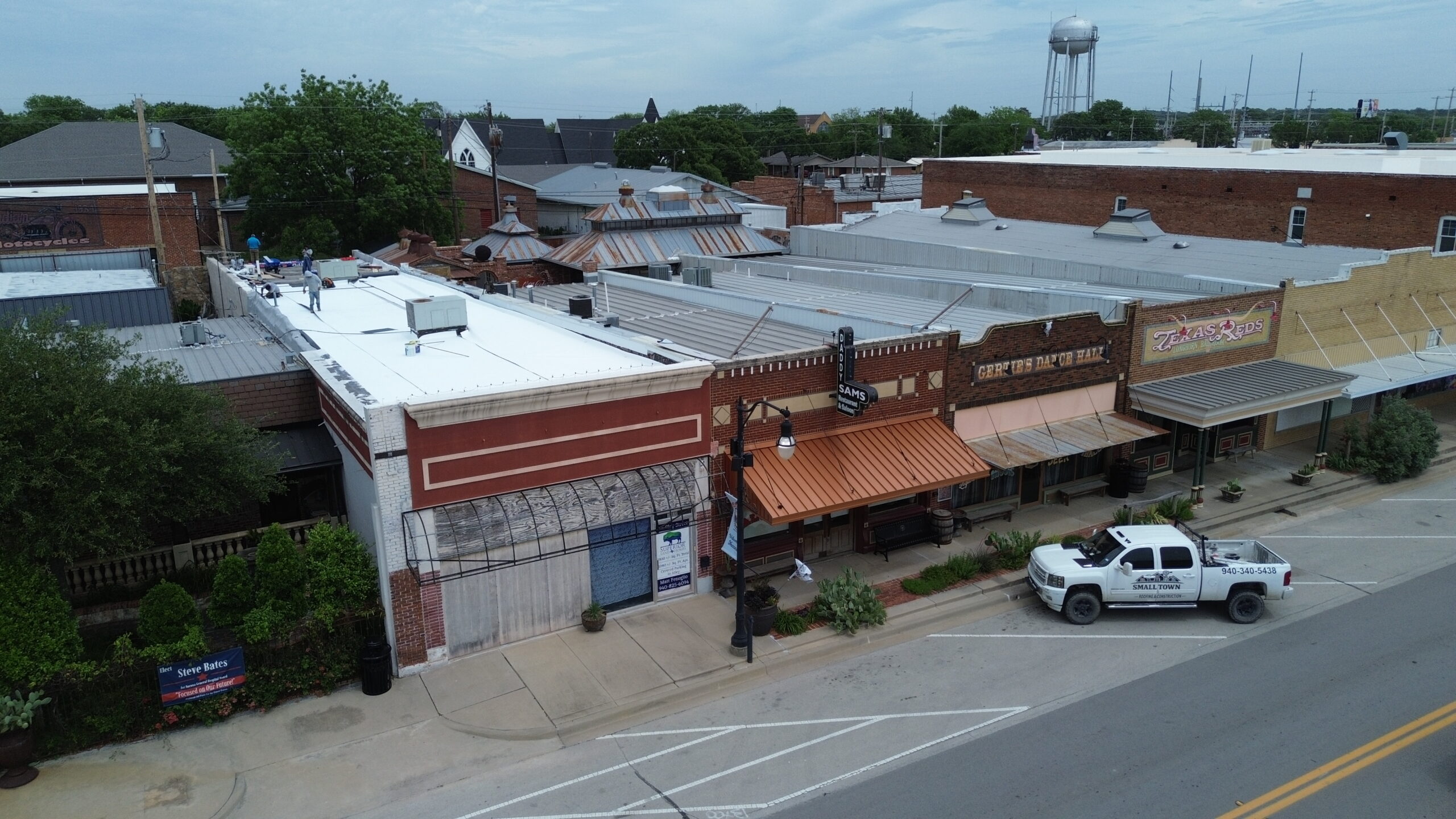
Roofing materials perform only as well as they are installed. Even products engineered for exceptional durability may experience premature failure if installation does not follow manufacturer specifications and accepted construction practices.
Experienced roofing contractors understand the importance of precise installation techniques. Correct alignment, proper fastener placement, adequate overlap, and accurate flashing installation all contribute to the long-term success of the roofing system. Small installation errors may remain hidden initially but often become significant problems after years of weather exposure.
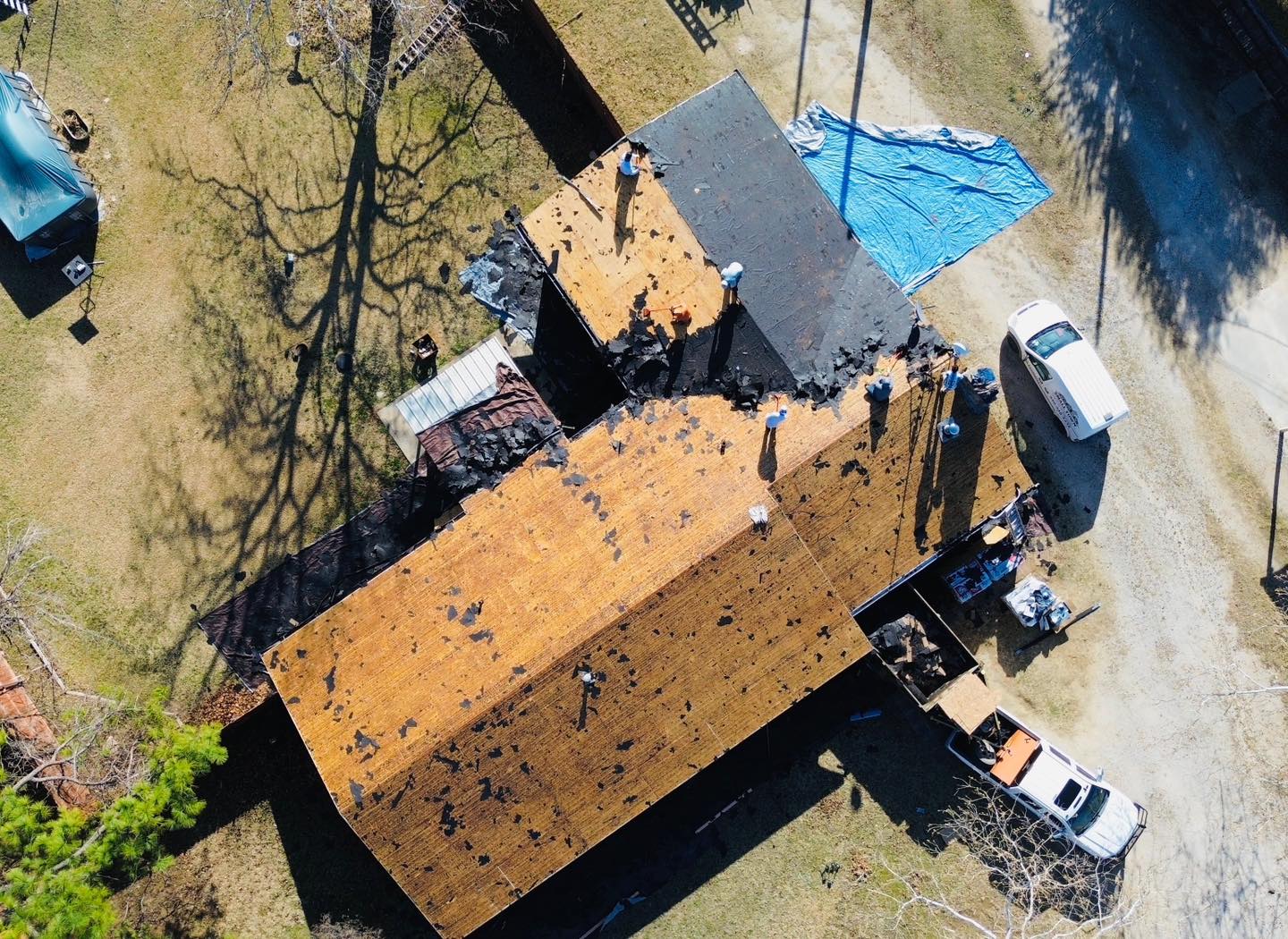
Proper preparation before installation is equally important. Existing roofing materials should be removed when necessary to allow inspection of the roof deck and structural components. Identifying moisture damage, deteriorated decking, or ventilation deficiencies before installing new roofing materials prevents future structural issues.
Weather conditions during installation also influence roof quality. Roofing materials should be installed under appropriate environmental conditions to ensure proper sealing, fastening, and alignment. Professional contractors monitor weather forecasts carefully to avoid exposing the roof to unnecessary risks during construction.
Manufacturer installation guidelines must always be followed. Roofing systems are tested according to specific fastening patterns, underlayment requirements, ventilation standards, and flashing details. Deviating from these recommendations may reduce both performance and warranty protection.
Skilled workmanship also improves appearance. Straight courses, properly aligned panels, consistent spacing, and carefully finished roof penetrations contribute to a roofing system that looks attractive while providing dependable weather protection.
Communication between homeowners and contractors further supports successful projects. Discussing materials, installation methods, expected timelines, and inspection procedures before work begins helps establish clear expectations while reducing misunderstandings.
Ultimately, installation quality often determines whether a roof achieves its full expected lifespan. Investing in experienced professionals protects the value of premium roofing materials while minimizing the likelihood of avoidable repairs.
Climate Considerations When Choosing a Durable Roof
Climate influences roofing performance more than almost any other environmental factor. Selecting materials that match local weather conditions improves durability while reducing maintenance requirements throughout the roof’s service life.
Homes located in regions with intense sunlight require roofing materials that resist prolonged ultraviolet exposure. Metal roofing, clay tiles, concrete tiles, slate, and many composite products perform particularly well under continuous solar radiation because they maintain structural stability despite repeated heating and cooling cycles.
Heavy rainfall creates different challenges. Roofing systems must shed water efficiently while preventing moisture infiltration beneath the surface. Metal roofing excels because its smooth panels allow rapid drainage, while properly installed tile and slate roofs also provide dependable protection when combined with effective flashing.
Snow and ice require roofing materials capable of supporting seasonal loads while resisting moisture penetration during freeze-thaw cycles. Metal roofing naturally sheds accumulated snow, while slate and premium architectural shingles also perform well when installed with appropriate underlayment and ventilation.
Regions experiencing frequent hailstorms benefit from impact-resistant roofing products. Certain metal roofing systems, premium composite materials, and specially engineered architectural shingles offer enhanced resistance to impact damage compared to conventional roofing materials.
Coastal environments introduce additional concerns because salt exposure accelerates corrosion in some metals. Aluminum and specially coated steel products generally provide better corrosion resistance in marine climates than untreated materials.
High winds represent another important consideration. Roofing systems should be selected based on their tested wind resistance as well as proper fastening methods. Metal roofing, concrete tiles, and premium architectural shingles often provide excellent performance when installed according to manufacturer recommendations.
Humidity also affects roof longevity. Proper attic ventilation becomes particularly important in humid climates because reducing condensation helps preserve both roofing materials and structural components. Balanced ventilation supports long-term performance regardless of the roofing material selected.
Selecting climate-appropriate materials allows homeowners to maximize roof lifespan while minimizing maintenance needs. Matching the roofing system to local environmental conditions remains one of the most effective ways to achieve dependable long-term performance.
Table: Comparing High Durability Roofing Systems
| Roofing System | Expected Durability | Maintenance Level | Weather Resistance | Weight | Long-Term Value |
|---|---|---|---|---|---|
| Metal Roofing | Excellent | Low | Excellent | Light to Moderate | Excellent |
| Natural Slate | Outstanding | Low | Excellent | Heavy | Excellent |
| Clay Tile | Excellent | Low | Excellent | Heavy | Excellent |
| Concrete Tile | Excellent | Low to Moderate | Excellent | Heavy | Very High |
| Composite Roofing | Very High | Low | Very Good | Light to Moderate | Very High |
| Premium Architectural Asphalt Shingles | High | Moderate | Very Good | Light | High |
This comparison provides general guidance for residential roofing projects. Actual performance depends on product quality, installation practices, local climate, and routine maintenance.
Maintenance Practices That Extend Roof Life
Even the most durable roofing systems require regular care to achieve their maximum lifespan. Preventive maintenance protects the investment while reducing the likelihood of expensive structural repairs.
Routine roof inspections should be scheduled periodically and after major storms. Early identification of loose materials, damaged flashing, clogged gutters, or minor leaks allows repairs before more serious problems develop. Addressing small issues promptly often prevents extensive structural damage.
Gutter maintenance is equally important because proper drainage protects both the roof and the home’s foundation. Leaves, branches, and debris should be removed regularly to prevent water from backing up beneath roofing materials. Clean gutters also reduce moisture exposure around roof edges.
Tree maintenance contributes significantly to roof preservation. Overhanging branches can scrape roofing surfaces, drop heavy debris, or break during severe weather. Keeping nearby trees properly trimmed reduces unnecessary wear while improving sunlight exposure that helps roofs dry after rainfall.
Attic ventilation should also be monitored throughout the life of the roof. Proper airflow reduces heat buildup during summer and limits condensation during cooler months. Maintaining balanced ventilation protects roofing materials, insulation, and structural framing simultaneously.
Homeowners should avoid walking on the roof unless necessary. Some roofing materials, particularly slate and clay tiles, may crack if weight is applied improperly. When roof access is required, qualified roofing professionals understand how to move safely without causing unnecessary damage.
Cleaning methods should always follow manufacturer recommendations. Aggressive pressure washing or harsh chemical treatments may damage protective coatings or roofing surfaces. Gentle cleaning methods preserve both appearance and long-term performance.
Prompt repairs remain one of the most effective maintenance strategies. Small leaks, loose flashing, damaged fasteners, or isolated weather damage should never be ignored because moisture infiltration can eventually affect the roof deck and structural framing beneath the visible roofing materials.
Maintaining detailed records of inspections, repairs, warranties, and maintenance activities also benefits homeowners. Organized documentation supports warranty claims, simplifies future maintenance planning, and provides valuable information if the property is sold.
Long-term roof durability depends not only on selecting premium materials but also on protecting them throughout their service life. Consistent maintenance ensures that high-quality roofing systems continue providing dependable protection for many decades while preserving both structural integrity and property value.
Choosing the Right High Durability Roof for Your Home
Selecting a high durability roofing system involves much more than choosing the material with the longest advertised lifespan. Every home has different structural characteristics, environmental conditions, architectural styles, and homeowner priorities. The ideal roofing system should provide dependable protection while matching the specific needs of the property.
Climate should always be one of the first considerations. Homes in areas with heavy snowfall benefit from roofing systems that shed snow efficiently and resist freeze-thaw damage. Properties located in regions with intense sunlight need materials that tolerate prolonged ultraviolet exposure without deteriorating quickly. Matching the roofing material to local weather conditions greatly improves long-term performance.
The structural capacity of the home is another important factor. Lightweight materials such as metal roofing and premium architectural shingles can usually be installed on most residential structures without major modifications. Heavier materials, including slate and clay tiles, often require a structural assessment to ensure the roof framing can safely support the additional weight.
Architectural style also influences material selection. Traditional homes often look attractive with architectural asphalt shingles or slate, while modern homes frequently pair well with standing seam metal roofing. Mediterranean and Spanish-style homes naturally complement clay or concrete tile roofing because these materials enhance their distinctive appearance.
Budget should be evaluated from a lifetime perspective rather than focusing only on installation costs. A roofing system with a higher purchase price but significantly longer service life may ultimately cost less than replacing a less durable roof multiple times over several decades.
Maintenance expectations should also be considered. Some homeowners prefer roofing systems requiring only occasional inspections, while others are comfortable performing more regular maintenance. Selecting a material that aligns with these preferences improves long-term satisfaction and helps preserve roof performance.
Homeowners planning to remain in the same property for many years often benefit from investing in premium roofing materials. The combination of extended lifespan, lower maintenance requirements, and improved weather resistance frequently provides greater value over time than less expensive alternatives.
Consulting an experienced roofing contractor before making a final decision is equally important. Professional guidance helps evaluate structural requirements, climate compatibility, ventilation needs, and available product options while ensuring the selected roofing system matches the home’s long-term goals.
Common Mistakes That Shorten Roof Lifespan
Even the highest quality roofing materials can experience premature deterioration when certain mistakes occur during selection, installation, or maintenance. Understanding these common issues helps homeowners protect their investment while maximizing roof longevity.
One of the most frequent mistakes is selecting roofing materials based solely on the lowest purchase price. While reducing initial costs may seem attractive, less durable materials often require more frequent repairs and earlier replacement. Evaluating long-term ownership costs usually provides a more accurate comparison than focusing only on installation expenses.
Ignoring local climate conditions is another common problem. Roofing materials that perform exceptionally in one environment may deteriorate more quickly under different weather conditions. Selecting products specifically designed for regional climate challenges improves durability and reduces maintenance needs.
Poor installation practices represent another major cause of premature roof failure. Incorrect fastener placement, inadequate flashing, improper ventilation, or poorly installed underlayment can allow moisture intrusion that damages structural components beneath the roofing surface. Quality workmanship remains just as important as selecting premium materials.
Neglecting routine maintenance also shortens roof lifespan. Small issues such as clogged gutters, loose flashing, cracked sealants, or damaged shingles often appear minor initially but may develop into significant structural problems if ignored. Regular inspections allow these issues to be corrected before extensive repairs become necessary.
Another mistake involves overlooking attic ventilation. Inadequate airflow allows excessive heat and moisture to accumulate beneath the roof, accelerating deterioration of both roofing materials and structural components. Proper ventilation improves energy efficiency while helping preserve the entire roofing system.
Some homeowners delay repairs after storms because damage appears limited from ground level. However, even small impacts caused by hail, falling branches, or strong winds may create hidden weaknesses that worsen over time. Prompt professional inspections following severe weather help identify damage before it spreads.
Walking on the roof unnecessarily is another avoidable problem. Certain roofing materials, particularly slate and clay tiles, may crack under improper foot traffic. When roof access is required, experienced roofing professionals understand how to move safely without causing additional damage.
Finally, hiring contractors based only on the lowest estimate may result in reduced workmanship quality or lower-grade materials. A durable roof depends on experienced installation, quality products, and proper attention to detail throughout the construction process.
Questions to Ask Before Investing in a Long Lasting Roof
Homeowners can make more confident roofing decisions by asking detailed questions before the replacement project begins. These conversations help clarify expectations while ensuring the selected roofing system meets both immediate and future needs.
Important questions include:
- Which roofing material performs best in my local climate?
- How long is the expected lifespan of each roofing option?
- Does my home’s structure require reinforcement for heavier roofing materials?
- What maintenance will be necessary throughout the roof’s lifetime?
- Which underlayment and flashing materials will be installed?
- How does attic ventilation affect the recommended roofing system?
- What manufacturer warranties are available for the selected materials?
- What workmanship warranty does the contractor provide?
- How will unexpected structural damage be handled if discovered during installation?
- Are replacement materials readily available if future repairs become necessary?
These discussions help homeowners understand the complete roofing system rather than focusing only on visible materials. Clear communication also reduces misunderstandings regarding costs, timelines, and project expectations.
Experienced contractors should be willing to explain why specific materials are recommended, discuss available alternatives, and provide supporting information about expected performance. This collaborative approach helps homeowners make informed decisions based on practical evidence rather than marketing claims alone.
Numbered Checklist for Selecting a Durable Roofing System
Comparing multiple roofing options can become challenging because each material offers different strengths. The following checklist provides a structured process for evaluating long-term roofing investments.
- Determine the total project budget, including possible structural upgrades.
- Evaluate local climate conditions and seasonal weather patterns.
- Confirm that the home’s structure supports the selected roofing material.
- Compare expected lifespan rather than focusing only on installation cost.
- Review maintenance requirements for each roofing option.
- Verify that high-quality underlayment and flashing are included.
- Confirm proper attic ventilation will be maintained or improved.
- Review manufacturer warranties and contractor workmanship guarantees.
- Choose an experienced roofing contractor with proven installation expertise.
- Balance durability, appearance, maintenance, and long-term ownership costs before making the final decision.
Using this checklist helps homeowners evaluate roofing systems consistently while reducing the chance that important factors will be overlooked during the replacement process.
Balancing Cost with Long-Term Value
One of the most important decisions during roof replacement is balancing initial investment with long-term performance. While every homeowner has budget limitations, focusing only on upfront cost may overlook significant savings achieved through improved durability and reduced maintenance.
Premium roofing materials often require larger initial investments because they incorporate stronger construction, higher-quality raw materials, and advanced manufacturing techniques. These characteristics typically improve resistance to weather, reduce maintenance requirements, and extend service life far beyond less expensive alternatives.
When evaluating roofing systems, homeowners should consider the total cost of ownership rather than simply comparing installation estimates. Lifetime ownership includes maintenance expenses, repair frequency, energy efficiency, replacement schedules, and the potential impact on property value. A roof that remains reliable for many decades often provides greater financial value than one requiring repeated repairs or earlier replacement.
Energy efficiency also contributes to long-term savings. Metal roofing, clay tiles, reflective roofing products, and properly ventilated roofing systems may reduce heating or cooling demands depending on local climate conditions. Lower utility costs accumulated over many years strengthen the overall value of durable roofing materials.
Maintenance costs vary considerably between roofing systems. Materials resistant to moisture, insects, fire, and weather-related deterioration generally require fewer repairs throughout their service life. Lower maintenance demands reduce both direct repair expenses and the inconvenience associated with repeated roofing work.
Property value represents another financial benefit. Durable roofing systems often increase buyer confidence because future owners recognize the reduced likelihood of near-term roof replacement. A high-quality roof therefore contributes not only to structural protection but also to long-term market appeal.
Environmental value should also be considered. Roofing materials lasting several decades reduce construction waste, conserve natural resources, and minimize the environmental impact associated with repeated manufacturing and transportation. Durability supports sustainability while benefiting homeowners financially.
Ultimately, the most economical roofing system is not always the one with the lowest purchase price. Instead, it is the system that delivers dependable protection, minimal maintenance, excellent energy performance, and long service life while meeting the homeowner’s specific needs and budget.
Conclusion
High durability roofing systems provide far more than long-lasting protection against the weather. They represent an investment in structural reliability, lower maintenance costs, improved energy efficiency, enhanced property value, and greater peace of mind. Choosing a roof designed for decades of dependable performance allows homeowners to focus less on unexpected repairs and more on enjoying the security their home provides.
Throughout this guide, we explored the qualities that define durable roofing systems and examined many of the industry’s most reliable materials, including metal roofing, natural slate, clay and concrete tiles, premium architectural shingles, and advanced composite roofing products. We also discussed the importance of quality underlayment, flashing, roof decking, ventilation, and professional installation, all of which contribute significantly to long-term roof performance.
We examined the environmental and structural factors that influence roof lifespan, including climate conditions, maintenance practices, installation quality, and material selection. Understanding how these elements interact helps homeowners choose roofing systems that are well suited to their property’s unique requirements rather than relying solely on appearance or initial cost.
Regular inspections, prompt repairs, effective drainage, and proper attic ventilation remain essential throughout the life of any roofing system. Even the most durable materials perform best when supported by consistent maintenance and quality workmanship. Protecting the entire roofing system, rather than focusing only on visible materials, ensures maximum value from the investment.
A successful roof replacement is built on careful planning, informed decision-making, and attention to detail. By selecting high-quality materials, working with experienced roofing professionals, and maintaining the roof properly over time, homeowners can enjoy reliable protection for many decades.
Investing in a high durability roofing system is ultimately an investment in the future of the home. The right roofing solution not only safeguards the building against changing weather conditions but also reduces long-term ownership costs, enhances curb appeal, and provides lasting confidence that the home will remain protected for generations to come.