
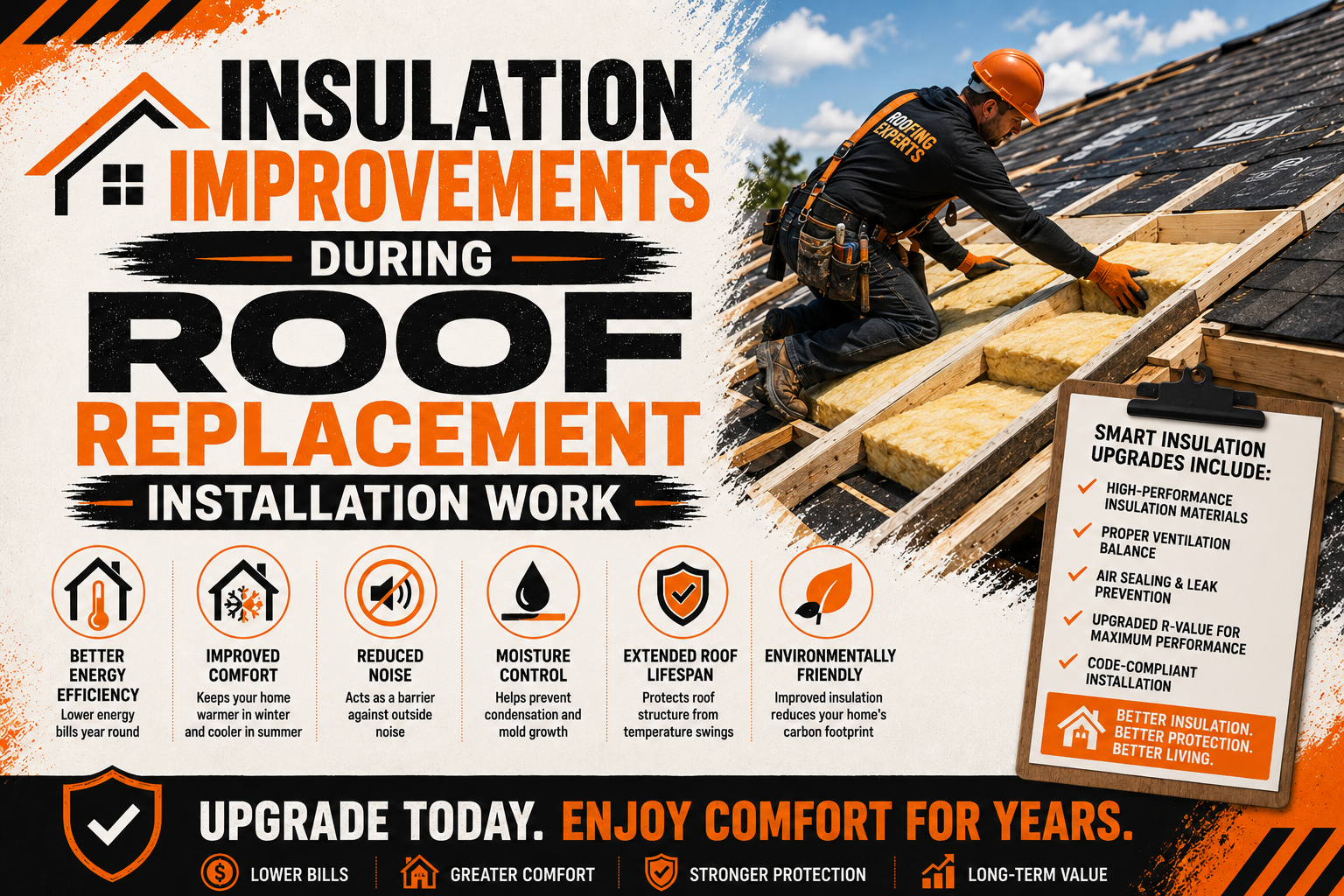
Insulation Improvements During Roof Replacement Installation Work
Introduction
A roof replacement is one of the most significant investments a homeowner can make, but it also presents an opportunity to improve much more than the roof covering itself. While new shingles or metal panels receive most of the attention, the insulation beneath the roof plays an equally important role in protecting the home and improving its overall efficiency.
Many older homes contain insulation that no longer meets current performance standards. Over time, insulation can settle, absorb moisture, become damaged by pests, or simply lose its effectiveness. Replacing the roof creates ideal access to these hidden areas, allowing necessary improvements without requiring additional major construction later.
Upgrading insulation during roof replacement helps create a more energy efficient, comfortable, and durable home. Better insulation reduces heat transfer, minimizes energy waste, improves indoor comfort, and supports the long term performance of the entire roofing system.
This article explains why roof replacement is the ideal time to improve insulation, explores the different insulation options available, and discusses how proper planning helps homeowners maximize the value of their roofing investment.
Why Roof Replacement Is the Perfect Time to Improve Insulation
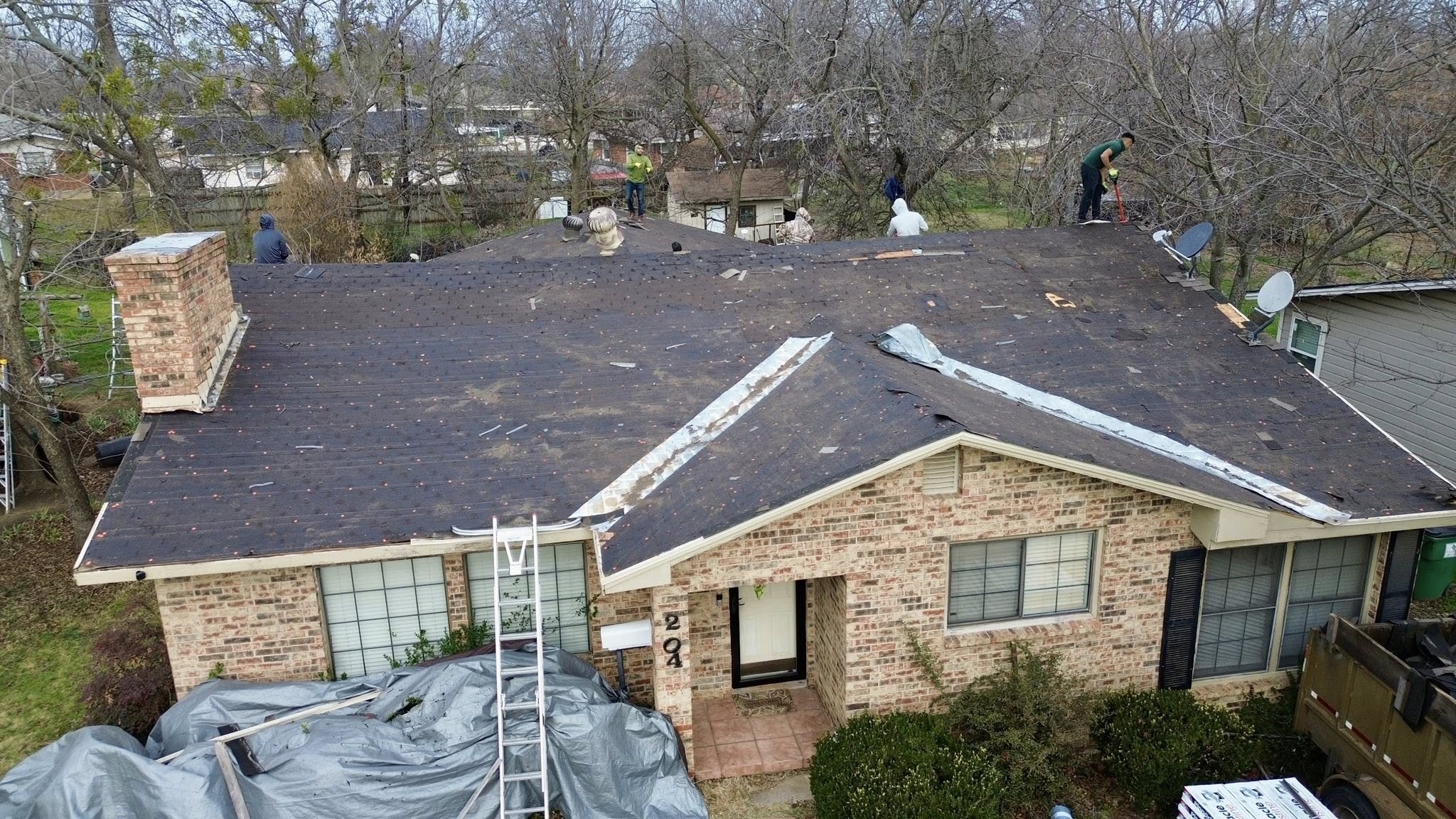
Roof replacement involves removing old roofing materials, exposing important structural components that are normally hidden. This provides contractors with direct access to areas where insulation improvements can be completed more efficiently than during a separate renovation project.
Attempting to upgrade roof insulation after a new roof has already been installed may require additional labor, higher costs, and unnecessary disruption. By combining both projects, homeowners avoid duplicate work while improving multiple aspects of the home at the same time.
Roof replacement also provides an opportunity to inspect areas that have remained inaccessible for many years. Contractors can identify moisture damage, compressed insulation, air leaks, deteriorated roof decking, and ventilation issues before installing the new roofing system.
Improving insulation during roof replacement also supports better performance from modern roofing materials. Many advanced roofing products are designed to work alongside proper insulation and ventilation systems, creating a complete building envelope that manages temperature and moisture more effectively.
Instead of viewing insulation as a separate upgrade, homeowners should consider it an important component of the entire roof replacement process. Addressing both together creates a roofing system that performs more efficiently and lasts longer.
Understanding the Role of Roof Insulation in Home Performance
Roof insulation acts as a barrier that slows the transfer of heat between the interior of the home and the outdoor environment. During hot weather, it reduces the amount of heat entering the house, while during colder months it helps retain indoor warmth.
Without sufficient insulation, heating and cooling systems must work harder to maintain comfortable indoor temperatures. This increased workload leads to higher energy consumption and greater wear on HVAC equipment over time.
Proper insulation also contributes to consistent indoor temperatures throughout the home. Rooms directly beneath the roof often experience the greatest temperature fluctuations when insulation is inadequate. Improving insulation reduces these differences and creates a more comfortable living environment.
In addition to energy efficiency, insulation supports moisture management when combined with proper ventilation. By reducing temperature differences between indoor and outdoor surfaces, insulation helps minimize condensation that could otherwise damage structural components.
Another important function of roof insulation is reducing outside noise. Homes located near busy roads, airports, or commercial areas often experience improved indoor comfort after insulation upgrades because sound transmission through the roof is reduced.
Modern insulation therefore provides benefits that extend beyond energy savings alone. It contributes to comfort, structural protection, quieter indoor spaces, and improved long term building performance.
Signs Your Existing Roof Insulation Needs Improvement
Many homeowners are unaware of insulation problems because the material remains hidden inside the attic or roof assembly. Fortunately, several warning signs may indicate that insulation is no longer performing effectively.
One of the most common indicators is unusually high heating or cooling bills despite normal weather conditions. Poor insulation allows conditioned indoor air to escape while permitting outside temperatures to influence the home’s interior more easily.
Uneven indoor temperatures also suggest insulation deficiencies. If upper floor rooms consistently feel hotter during summer or colder during winter than other areas of the home, inadequate roof insulation may be contributing to the problem.
Visible damage inside the attic provides another important clue. Wet insulation, mold growth, compressed materials, or signs of pest activity all reduce insulation effectiveness and should be addressed during roof replacement.
Homeowners should also pay attention to the age of the property. Older homes may contain insulation installed according to building standards that are now outdated. Even if the material appears intact, upgrading during roof replacement can significantly improve energy performance.
Several additional warning signs often indicate that insulation deserves closer evaluation.
- Rising heating and cooling costs.
- Rooms that are difficult to keep comfortable.
- Cold or hot ceilings during seasonal weather.
- Moisture or condensation inside the attic.
- Water damaged or flattened insulation.
- Drafts near ceiling fixtures or attic access panels.
- Ice dams in colder climates.
- Excessive HVAC system operation.
Recognizing these signs before roof replacement allows homeowners to include insulation improvements in the project instead of discovering problems after construction is complete.
Common Types of Roof Insulation Used During Replacement Projects
Several insulation materials are commonly installed during roof replacement, and each offers different advantages depending on the building design, climate, and project goals. Selecting the right material involves balancing thermal performance, moisture resistance, installation requirements, and budget.
Fiberglass insulation remains one of the most widely used options because it provides reliable thermal performance at a relatively affordable cost. It is available in batts, rolls, and loose fill forms, making it suitable for many residential applications.
Cellulose insulation is manufactured primarily from recycled paper products treated for fire and pest resistance. It performs well in enclosed attic spaces and can fill irregular gaps more effectively than some traditional insulation materials.
Spray foam insulation has become increasingly popular because it expands after application, sealing both insulation gaps and air leaks simultaneously. This dual function improves energy efficiency while reducing unwanted airflow through the building envelope.
Rigid foam insulation boards provide excellent thermal resistance with relatively thin profiles. They are frequently used in roofing assemblies where additional insulation is required without significantly increasing roof thickness.
Mineral wool insulation offers strong fire resistance along with effective thermal and sound insulation properties. It also performs well in areas where moisture resistance is important because it does not readily absorb water.
Choosing among these materials depends on the home’s design, local climate, available installation space, and long term performance objectives rather than selecting the product with the highest insulation value alone.
How Climate Influences Insulation Selection
Climate plays a major role in determining the most appropriate insulation strategy during roof replacement. Homes located in different regions experience unique environmental conditions that influence insulation performance throughout the year.
In warmer climates, insulation primarily helps prevent outdoor heat from entering the home. Reducing heat gain lowers indoor temperatures and decreases air conditioning demands during extended periods of hot weather.
Colder climates place greater emphasis on retaining indoor heat while preventing moisture condensation within the roofing system. Proper insulation helps maintain comfortable indoor temperatures while reducing heating costs during winter.
Regions that experience both hot summers and cold winters require insulation capable of performing effectively under changing seasonal conditions. In these locations, balancing thermal resistance, ventilation, and moisture control becomes especially important.
Humidity levels also influence insulation selection. Areas with consistently high humidity require insulation systems that resist moisture accumulation while supporting adequate airflow through the roof assembly.
Wind exposure represents another important consideration. Although insulation itself does not resist wind, proper installation helps maintain consistent thermal performance even when outdoor weather conditions become severe.
Because climate affects roofing performance throughout the life of the home, insulation should always be selected according to regional building conditions rather than relying solely on general recommendations.
Preparing the Roof Structure Before Installing New Insulation
Successful insulation upgrades begin with careful preparation of the existing roof structure. Installing new insulation over damaged or contaminated materials limits its effectiveness and may conceal problems that continue developing beneath the new roofing system.
The preparation process usually begins with a detailed inspection of the roof deck and supporting framing. Contractors look for signs of moisture damage, wood rot, insect activity, mold growth, loose fasteners, and structural deterioration that could affect long term performance.
Damaged roof decking should be repaired or replaced before insulation is installed. A stable roof structure provides better support for both insulation materials and the new roofing system while reducing future maintenance concerns.
Old insulation should also be evaluated carefully. In some situations, existing insulation remains dry and structurally sound, allowing additional insulation to be installed above or alongside it. However, insulation that has become wet, moldy, compressed, or contaminated should generally be removed before new materials are added.
Air leaks deserve special attention during preparation because even high quality insulation cannot fully compensate for uncontrolled airflow. Gaps around plumbing penetrations, electrical wiring, attic access points, and recessed lighting fixtures should be sealed before insulation installation begins.
Ventilation pathways must also remain unobstructed throughout the project. Blocking soffit vents or attic airflow with insulation reduces ventilation efficiency and increases the risk of moisture accumulation inside the roof assembly.
Proper preparation ensures that new insulation performs as intended rather than being compromised by existing structural or moisture related problems.
Benefits of Combining Roof Replacement With Insulation Upgrades
Upgrading insulation during roof replacement provides advantages that continue long after construction has been completed. Instead of improving only the roof’s appearance, homeowners enhance the overall efficiency and durability of the building.
One of the most immediate benefits is improved energy performance. Better insulation reduces unwanted heat transfer, allowing heating and cooling systems to maintain comfortable indoor temperatures with less effort. Over time, lower energy consumption can contribute to noticeable utility savings.
Indoor comfort also improves because temperatures become more consistent throughout the home. Rooms beneath the roof experience fewer hot and cold spots, creating a more pleasant living environment during every season.
Insulation upgrades also help protect the roofing system itself. By reducing temperature extremes inside the attic, insulation limits expansion and contraction cycles that place stress on roofing materials, fasteners, and structural components.
Moisture management represents another important advantage. When insulation works together with proper ventilation, the risk of condensation decreases significantly. This helps protect roof decking, framing, insulation materials, and interior finishes from long term moisture damage.
Another benefit is increased property value. Buyers often appreciate homes with modern roofing systems that include improved insulation because they understand the long term advantages of greater comfort and reduced energy costs.
Finally, combining insulation improvements with roof replacement minimizes disruption. Rather than scheduling separate construction projects years apart, homeowners complete both upgrades during a single renovation, reducing labor duplication while maximizing the overall value of the investment.
In the next part, we will examine how insulation is installed during roof replacement, compare popular insulation materials, explain the importance of ventilation, and discuss the installation practices that help insulation deliver its full long term performance.
How Insulation Is Installed During Roof Replacement
Installing insulation during a roof replacement requires careful planning because every layer of the roofing system must work together. Contractors typically complete the insulation upgrade after inspecting and preparing the roof structure but before the final roofing materials are installed. This sequence ensures that insulation is protected while allowing any structural issues to be corrected first.
The installation process begins with removing the old roofing materials and examining the roof deck. If damaged wood, moisture problems, or structural weaknesses are discovered, they are repaired before new insulation is placed. Installing insulation over deteriorated materials would reduce its effectiveness and could hide problems that worsen over time.
Next, contractors seal visible air leaks around roof penetrations, electrical wiring, plumbing vents, and attic access points. Even high quality insulation cannot perform efficiently if conditioned indoor air escapes through gaps in the building envelope.
Depending on the insulation type selected, installation methods vary slightly. Fiberglass batts are carefully fitted between framing members without compressing the material. Loose fill insulation is evenly distributed across attic spaces to achieve the recommended depth. Spray foam is applied directly to surfaces where it expands to fill cracks and irregular spaces, while rigid foam boards are securely fastened to create a continuous insulating layer.
After insulation is installed, ventilation pathways are verified to ensure that airflow remains unobstructed. Finally, underlayment, flashing, and the new roofing materials are installed according to manufacturer specifications, completing a roofing system designed to provide long term protection and energy efficiency.
Proper installation is just as important as choosing quality insulation. Even premium products can perform poorly if they are compressed, unevenly distributed, or installed without adequate attention to ventilation and air sealing.
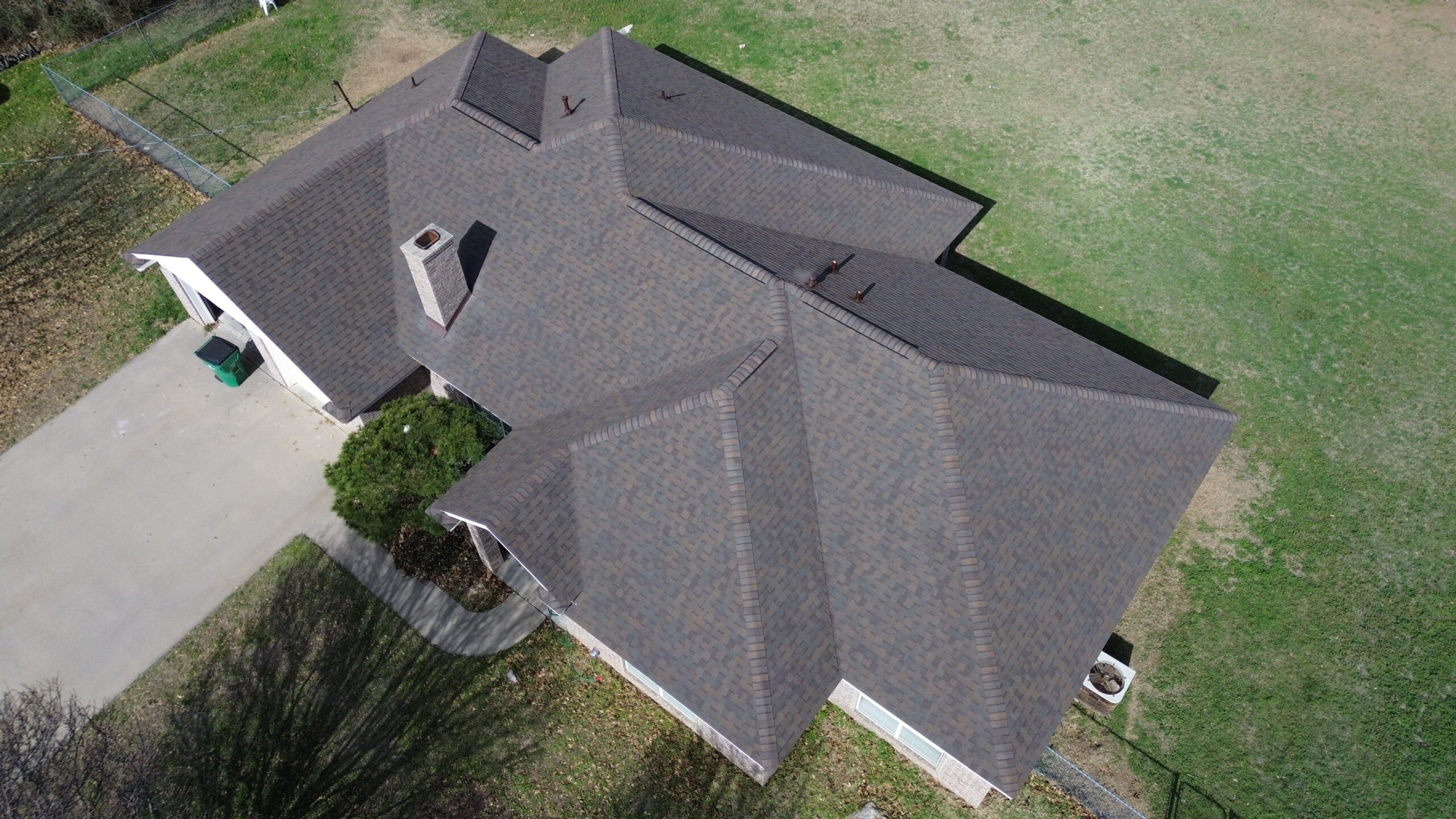
Preventing Air Leaks and Thermal Bridging
Improving insulation alone does not eliminate all energy loss. Air leaks and thermal bridging can significantly reduce the effectiveness of even the highest performing insulation if they are not addressed during roof replacement.
Air leaks occur when conditioned indoor air escapes through openings around vents, pipes, electrical penetrations, recessed lighting, or attic access panels. These openings allow heated or cooled air to leave the building while permitting outside air to enter, forcing HVAC systems to work harder throughout the year.
During roof replacement, contractors have an excellent opportunity to locate and seal these hidden openings. Expanding foam, sealants, weather resistant tapes, and specialized gaskets are commonly used to close gaps before insulation is installed.
Thermal bridging presents a different challenge. It occurs when heat travels through solid structural materials such as wooden rafters or metal framing instead of passing through insulated spaces. Although insulation slows heat transfer, structural components with lower thermal resistance continue conducting heat more efficiently.
Adding continuous insulation above the roof deck or using rigid insulation boards can significantly reduce thermal bridging. These materials create an uninterrupted insulating layer that covers structural framing, improving overall energy performance.
Addressing both air leakage and thermal bridging creates a roofing system that performs much more efficiently than insulation upgrades alone. Together, these improvements reduce energy waste while maintaining more consistent indoor temperatures throughout the home.
Improving Energy Efficiency Through Better Insulation
One of the primary reasons homeowners upgrade insulation during roof replacement is to improve energy efficiency. Since the roof represents one of the largest exposed surfaces of a building, reducing heat transfer through this area has a substantial impact on overall energy consumption.
During summer, solar radiation heats the roof surface throughout the day. Without adequate insulation, much of this heat enters the attic and eventually reaches living spaces below. Air conditioning systems must then remove this additional heat, increasing electricity usage and operating costs.
In winter, inadequate insulation allows valuable indoor heat to escape through the roof. Heating systems compensate by running longer and more frequently, increasing fuel or electricity consumption while reducing indoor comfort.
Modern insulation reduces these seasonal energy losses by slowing heat movement in both directions. As a result, indoor temperatures remain more stable, and HVAC systems operate more efficiently throughout the year.
Improved insulation also reduces sudden temperature swings inside the home. Instead of experiencing hot afternoons and cool evenings beneath the roof, homeowners enjoy more consistent comfort regardless of outdoor weather conditions.
Energy efficient homes often experience additional benefits beyond lower utility bills. HVAC equipment operates under reduced strain, potentially extending system lifespan while lowering routine maintenance requirements.
Over many years, these combined improvements often offset much of the initial investment in upgraded insulation while contributing to greater comfort and lower operating costs.
Moisture Control and Condensation Prevention
Moisture management is one of the most important functions of a properly designed roofing system. While roofing materials prevent rain from entering the home, insulation and ventilation work together to manage moisture generated from everyday indoor activities.
Cooking, showering, washing clothes, and even normal breathing release water vapor into indoor air. Without proper insulation and ventilation, this moisture can migrate into the attic and condense on cooler surfaces.
Condensation may appear harmless initially, but repeated moisture exposure gradually damages wooden framing, insulation, roof decking, and interior finishes. Damp conditions also encourage mold growth, mildew development, and wood decay.
Upgrading insulation during roof replacement helps reduce temperature differences that contribute to condensation. Well insulated roof assemblies maintain more stable surface temperatures, decreasing the likelihood that airborne moisture will condense inside the structure.
Ventilation remains equally important because insulation alone cannot remove trapped moisture. Ridge vents, soffit vents, and other ventilation components allow humid air to escape while drawing fresh outside air into the attic.
Proper moisture management therefore depends on balancing insulation, ventilation, and air sealing rather than relying on any single component. Together, these systems protect the roof structure while supporting healthier indoor air quality.
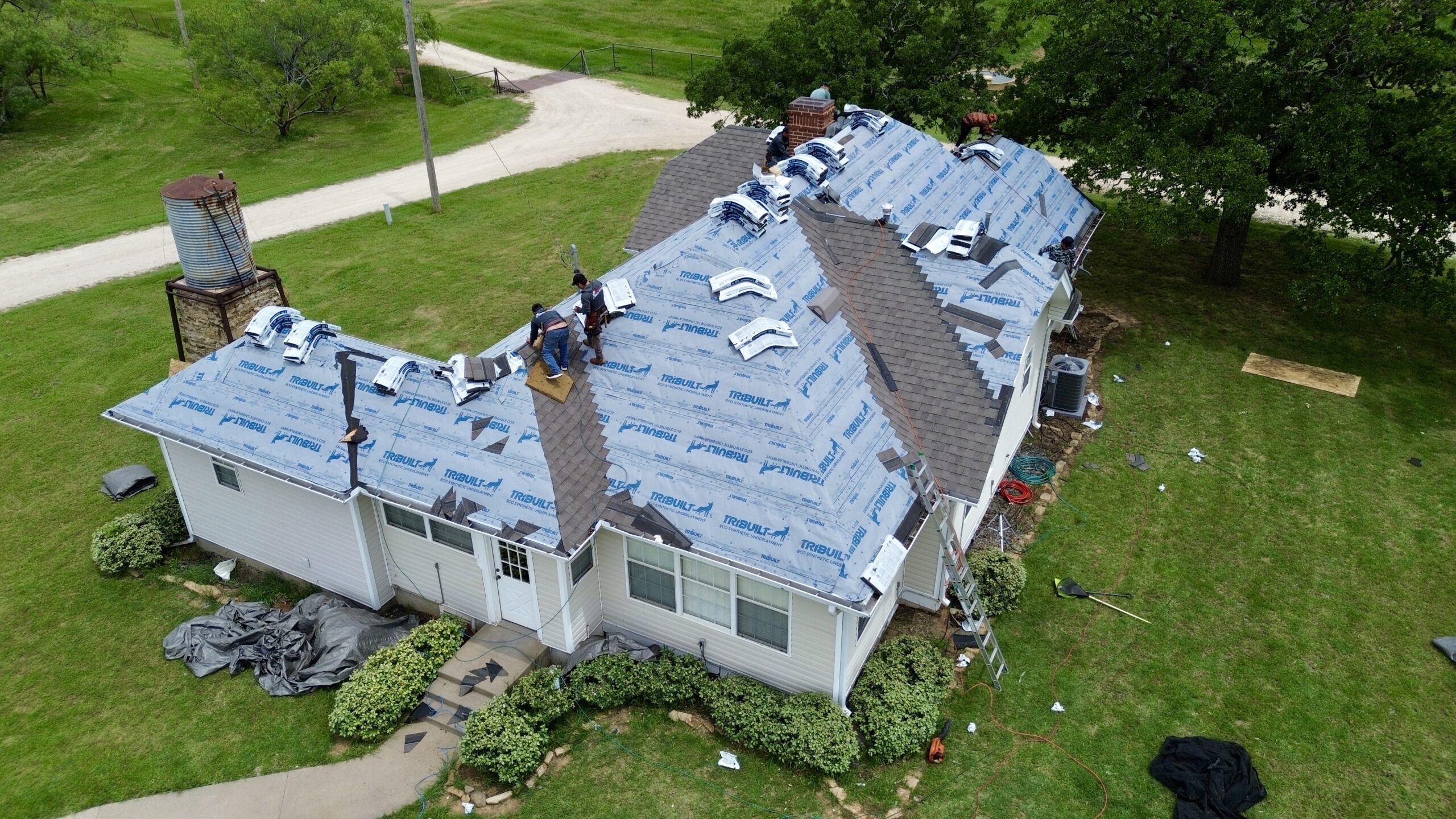
Comparing Popular Roof Insulation Materials
Homeowners have several insulation options available during roof replacement, and each material offers unique advantages depending on the home’s design, climate, and performance goals.
The following comparison provides a general overview of commonly used insulation materials.
| Insulation Material | Main Advantages | Considerations |
|---|---|---|
| Fiberglass Batts | Affordable, widely available, easy to install | Performance depends on proper fitting |
| Loose Fill Cellulose | Excellent coverage for irregular spaces, made from recycled materials | May settle slightly over time |
| Spray Foam | Excellent air sealing, high thermal performance | Higher installation cost |
| Rigid Foam Boards | High insulation value with thinner profiles, reduces thermal bridging | Requires careful installation around joints |
| Mineral Wool | Fire resistant, moisture resistant, excellent sound control | Usually costs more than fiberglass |
Selecting the right insulation involves evaluating more than thermal performance alone. Moisture resistance, installation complexity, available attic space, long term durability, and local climate all influence which material provides the greatest overall value.
A professional assessment helps determine whether combining multiple insulation types offers better performance than relying on a single material throughout the roof assembly.
The Relationship Between Roof Ventilation and Insulation
Roof insulation and ventilation should never be viewed as competing systems. Instead, they complement one another by performing different but equally important functions within the roofing assembly.
Insulation slows heat transfer between indoor and outdoor environments, helping maintain comfortable interior temperatures. Ventilation, on the other hand, removes excess heat and moisture that naturally accumulate inside the attic.
Without adequate ventilation, even excellent insulation cannot prevent excessive attic temperatures during summer. Heat trapped beneath the roof continues stressing roofing materials, increasing expansion and contraction while reducing overall roof lifespan.
Similarly, insulation alone cannot remove moisture generated within the home. Water vapor that becomes trapped inside the attic may eventually condense on cooler surfaces, leading to mold growth, wood deterioration, and insulation damage.
Balanced ventilation generally includes intake vents near the lower edge of the roof and exhaust vents near the ridge. This arrangement encourages continuous airflow that removes warm, moist air while drawing cooler outside air into the attic.
When insulation blocks ventilation openings, airflow decreases significantly. Contractors therefore install baffles or ventilation channels where necessary to maintain unobstructed air movement while preserving insulation coverage.
Properly balancing insulation and ventilation improves roof durability, enhances indoor comfort, protects structural materials, and supports better long term energy efficiency.
Common Installation Mistakes to Avoid
Even high quality insulation cannot perform effectively if installation errors reduce its efficiency. Many insulation problems result not from the material itself but from improper installation practices that limit long term performance.
One common mistake is compressing fiberglass insulation during installation. Compression reduces the air pockets that provide thermal resistance, decreasing the insulation’s overall effectiveness.
Another frequent error involves leaving gaps between insulation sections. Even small openings allow heat to bypass insulated areas, reducing energy efficiency and creating uncomfortable indoor temperature variations.
Blocking attic ventilation with insulation also creates serious long term problems. Restricted airflow increases moisture accumulation while raising attic temperatures during warmer months.
Installing insulation over wet materials represents another avoidable mistake. Moisture trapped beneath insulation may continue damaging roof decking and structural framing long after the roofing project is completed.
Incorrect air sealing also reduces insulation performance. Failing to seal openings before installation allows conditioned indoor air to escape despite adding additional insulation.
Finally, selecting insulation without considering local climate may limit expected performance. Materials that perform well in one region may not provide the same benefits under different weather conditions.
Avoiding these installation mistakes ensures that insulation upgrades provide the comfort, durability, and energy savings homeowners expect from their investment.
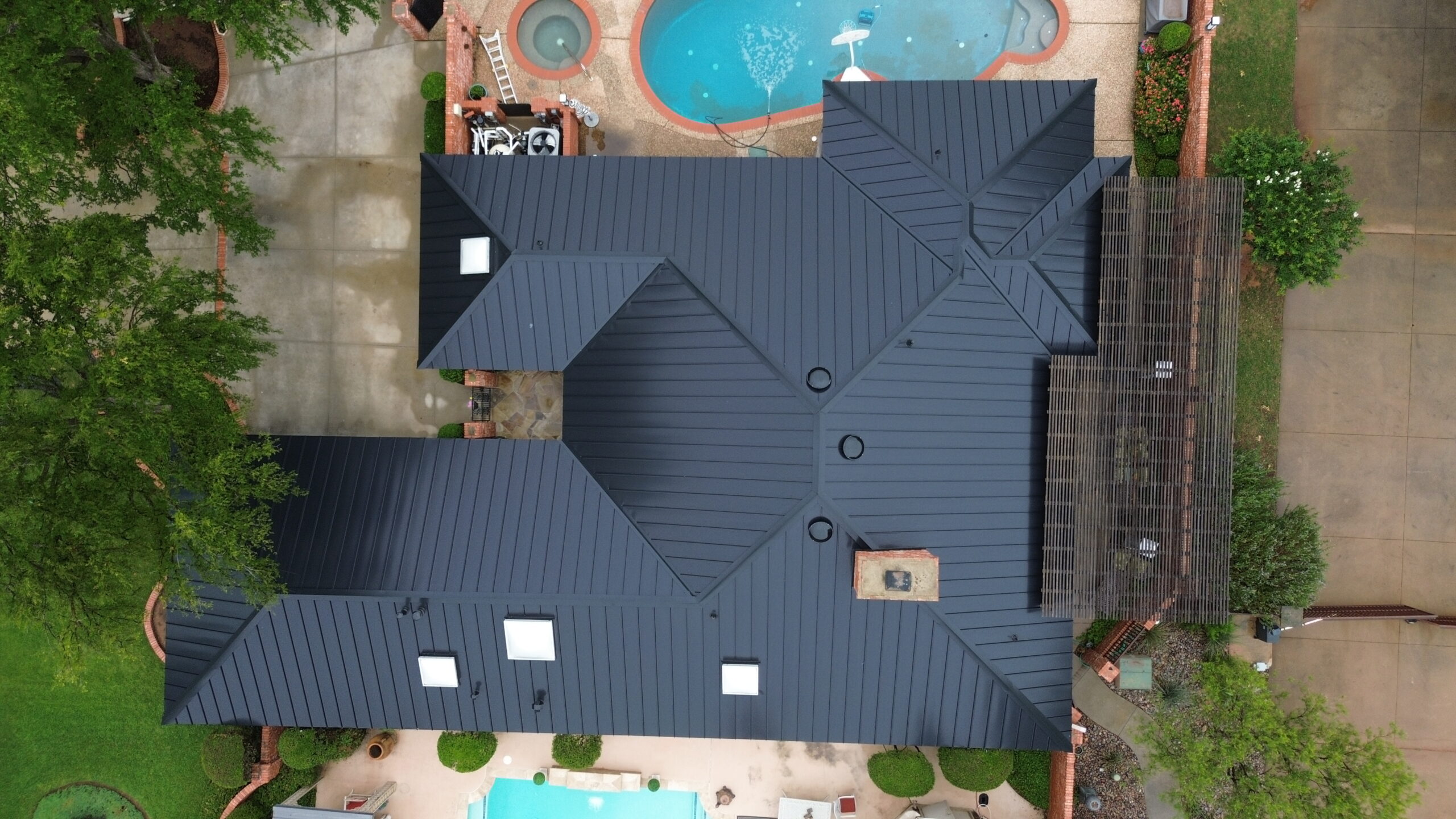
When Additional Insulation Is Recommended
Not every roof replacement requires a complete insulation replacement, but many projects benefit from adding insulation beyond what already exists. Determining when additional insulation is appropriate depends on the condition of the current insulation, building age, energy performance, and renovation goals.
Older homes frequently contain insulation that no longer meets current building recommendations. Even if the existing material remains dry and undamaged, increasing insulation thickness during roof replacement often improves energy efficiency significantly.
Additional insulation is also recommended when existing insulation has settled over time. Loose fill materials naturally compact after many years, reducing their thermal performance and leaving portions of the attic less protected.
Homes that experience consistently high energy bills despite efficient heating and cooling equipment may also benefit from insulation upgrades. Improving roof insulation reduces heat transfer and helps HVAC systems maintain indoor comfort with less effort.
Visible signs of deterioration provide another strong reason for adding or replacing insulation. Water damage, mold, pest activity, compressed materials, and contamination all reduce insulation effectiveness and should be corrected before the new roofing system is completed.
Homeowners planning future renovations or energy efficiency improvements may also choose to install additional insulation while roof access is readily available. Completing these upgrades during roof replacement minimizes labor duplication and reduces overall project costs.
In the final part of this article, we will explore how improved insulation extends roof lifespan, review maintenance practices that preserve insulation performance, discuss cost considerations and long term return on investment, and conclude with practical recommendations for maximizing the value of insulation improvements during roof replacement.
How Better Insulation Extends Roof Lifespan
Most homeowners think of insulation as a way to lower heating and cooling costs, but its benefits go far beyond energy efficiency. Proper insulation also protects the roofing system itself by creating a more stable environment beneath the roof. When temperature and moisture levels remain controlled, roofing materials experience less stress and generally last longer.
One of the biggest factors affecting roof lifespan is constant expansion and contraction. During the day, roofing materials heat up as they absorb sunlight, and at night they cool down again. This daily cycle causes shingles, metal panels, flashing, and fasteners to expand and contract repeatedly.
When insulation performs effectively, it reduces extreme temperature differences between the attic and the outdoor environment. The roofing system experiences less thermal stress, which helps minimize cracking, warping, and premature material deterioration.
Moisture control is another major contributor to roof longevity. Warm indoor air naturally rises toward the attic, carrying moisture with it. If insulation and ventilation are inadequate, condensation may form beneath the roof deck and gradually damage wooden framing and roofing components.
Proper insulation also supports better ventilation performance. Together, these systems reduce humidity levels, helping prevent mold, mildew, wood rot, and corrosion of metal components. This balanced environment allows roofing materials to maintain their strength for many years.
A well-insulated roof also protects underlayment, one of the most important hidden components of the roofing system. Underlayment serves as a secondary moisture barrier, and reducing excessive heat exposure helps preserve its flexibility and durability.
Even roof fasteners benefit from improved insulation. Stable attic temperatures reduce material movement around nails and screws, helping maintain secure attachment during seasonal weather changes and severe storms.
Over the lifespan of the roof, these combined advantages help delay age related deterioration, reduce maintenance needs, and maximize the return on the homeowner’s roofing investment.
Questions to Ask Before Upgrading Roof Insulation
Every home has different insulation needs depending on its age, design, climate, and existing roofing system. Asking the right questions before beginning the project helps homeowners choose solutions that provide long term value rather than short term improvements.
The first question should focus on the condition of the existing insulation. If it remains dry, clean, and structurally sound, additional insulation may be installed without complete removal. However, damaged insulation usually requires replacement before new materials are added.
Homeowners should also ask whether the planned insulation level meets current building recommendations. Older homes often contain insulation that was installed according to standards that have since changed. Upgrading during roof replacement provides an opportunity to improve performance without additional future construction.
Another important consideration is ventilation. Increasing insulation without maintaining proper airflow may create moisture problems inside the attic. Contractors should explain how ventilation and insulation will work together after the project is complete.
The roofing contractor should also discuss how different insulation materials compare in terms of durability, moisture resistance, fire performance, and long term maintenance. Choosing the right material depends on more than insulation value alone.
Homeowners should also ask whether any air leaks will be sealed before insulation is installed. Air sealing significantly improves insulation performance and reduces unnecessary energy loss throughout the year.
Finally, warranty information deserves careful review. Understanding both material warranties and workmanship guarantees provides confidence that the investment is protected if unexpected issues arise after installation.
These discussions help ensure that insulation improvements become an integrated part of the roofing project instead of being treated as an afterthought.
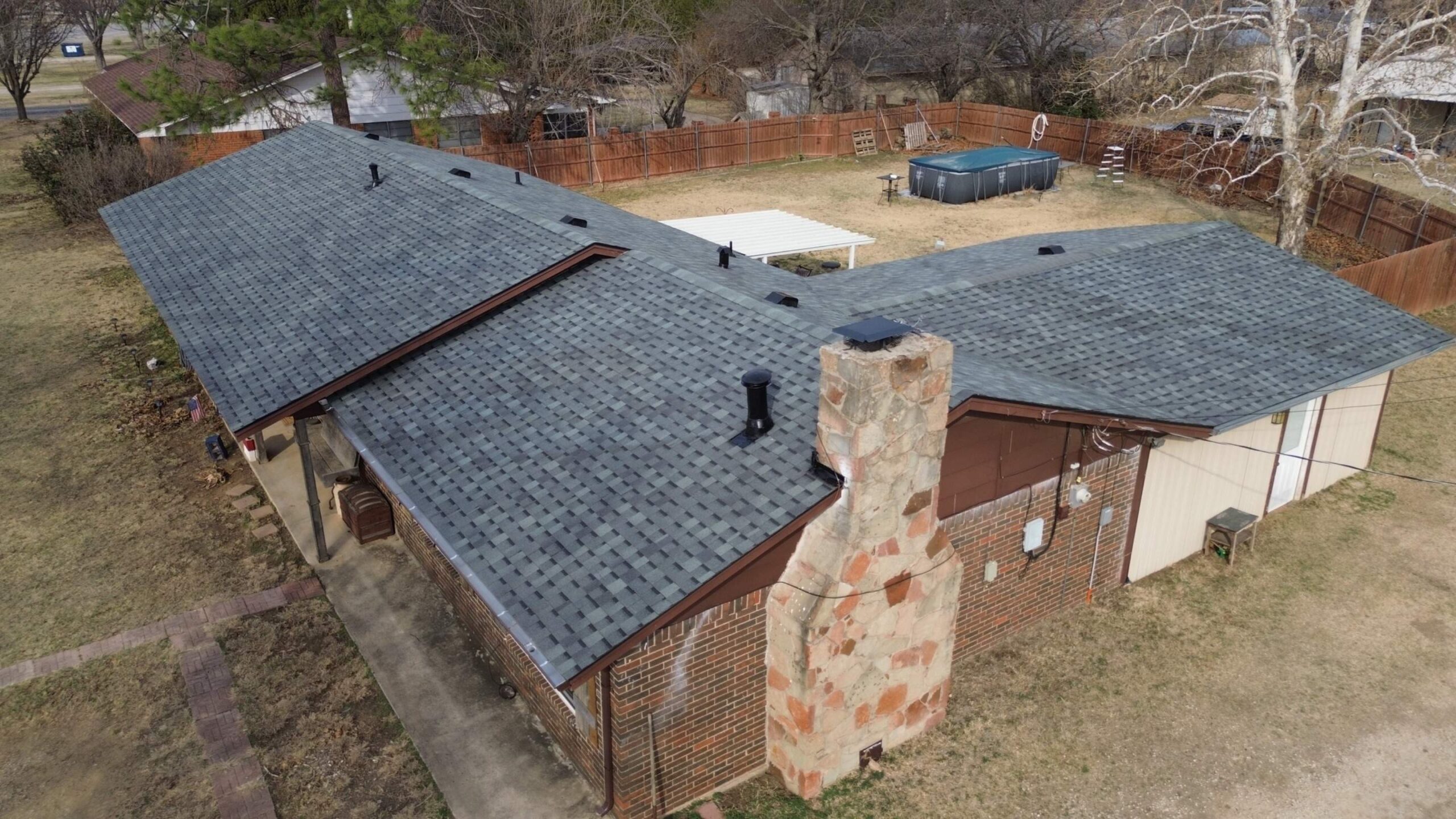
Best Practices for Long Lasting Insulation Performance
Installing quality insulation is only the beginning. Long term performance depends on following installation practices that protect the material while allowing the entire roofing system to function efficiently.
Proper preparation remains essential before insulation is installed. Roof decking should be inspected for moisture damage, loose fasteners, structural weakness, and signs of decay. Correcting these problems first prevents hidden damage from affecting the new insulation later.
Maintaining continuous insulation coverage is equally important. Gaps between insulation sections reduce thermal performance by allowing heat to bypass protected areas. Careful installation ensures consistent coverage throughout the attic or roof assembly.
Air sealing should always accompany insulation improvements. Small openings around pipes, wiring, recessed lighting, and attic access points allow conditioned air to escape despite installing additional insulation. Sealing these areas improves overall efficiency considerably.
Moisture protection should remain a priority throughout the project. Insulation should never be installed while wet or over damp structural materials. Dry conditions preserve insulation performance and reduce the likelihood of mold development.
Contractors should also preserve ventilation pathways by preventing insulation from blocking soffit vents or ridge ventilation systems. Airflow remains essential for controlling temperature and humidity beneath the roof.
Routine inspections after installation help confirm that insulation continues performing effectively. Periodic attic evaluations can identify moisture, pest activity, or accidental damage before significant performance loss occurs.
When these best practices are followed consistently, insulation can continue delivering reliable thermal performance throughout the lifespan of the roofing system.
Roof Insulation Inspection Checklist
After roof replacement has been completed, homeowners should verify that insulation was installed correctly and that supporting components remain in good condition. A simple inspection helps identify concerns before they become larger problems.
- Confirm insulation covers the intended areas evenly without large gaps.
- Check that insulation is dry and free from visible moisture damage.
- Verify that soffit and ridge ventilation openings remain unobstructed.
- Inspect around vents, pipes, and electrical penetrations for proper air sealing.
- Ensure insulation has not been compressed beneath stored attic items or construction materials.
- Look for signs of pests, nesting materials, or insulation disturbance.
- Confirm attic access panels are properly insulated and sealed.
- Schedule periodic attic inspections to monitor insulation condition over time.
Completing this checklist once the project is finished and during routine home maintenance helps preserve insulation performance while supporting the long term health of the roofing system.
Maintenance Tips for Keeping Roof Insulation Effective
Although roof insulation requires relatively little maintenance compared to many other building components, periodic attention helps preserve its performance and prevents avoidable damage.
Simple maintenance practices can significantly extend the effectiveness of insulation while supporting the overall roofing system.
- Inspect the attic at least once each year for moisture or water stains.
- Keep soffit and ridge vents free from debris and insulation blockages.
- Repair roof leaks immediately before moisture reaches the insulation.
- Avoid compressing insulation when storing items in the attic.
- Remove any insulation damaged by pests or water.
- Check attic ventilation after major roofing repairs or renovations.
- Replace insulation that has become moldy, contaminated, or permanently compressed.
- Arrange professional inspections if unusual energy bills or temperature changes occur.
Following these maintenance practices allows insulation to continue performing efficiently while reducing the likelihood of expensive future repairs.
Cost Considerations and Return on Investment
Adding insulation during roof replacement increases the initial project cost, but it often provides financial benefits that continue for many years. Since contractors already have access to the roofing structure, combining both improvements usually costs less than scheduling a separate insulation project later.
One of the most noticeable returns comes through lower utility bills. Better insulation reduces heat transfer throughout the year, allowing heating and cooling systems to operate more efficiently. Although savings vary depending on climate, home size, and insulation type, reduced energy consumption continues throughout the life of the roof.
Improved insulation may also lower future maintenance expenses. Stable attic temperatures and better moisture control reduce stress on roofing materials, limiting premature deterioration and decreasing the likelihood of major repairs.
HVAC systems also benefit from reduced workload. Heating and cooling equipment that operates fewer hours each day often experiences less wear, potentially extending service life while reducing maintenance costs.
Homes with modern insulation frequently appeal to prospective buyers because they offer improved comfort and greater energy efficiency. Although insulation alone does not determine property value, it contributes to the overall attractiveness of a well maintained home.
Another financial advantage involves reducing the risk of moisture related repairs. Preventing mold growth, wood rot, damaged insulation, and ceiling repairs helps homeowners avoid restoration costs that may far exceed the price of proper insulation installation.
When evaluating project costs, homeowners should consider lifetime performance rather than focusing only on the initial installation expense. In many cases, the long term savings and added protection justify the investment.
Why Professional Installation Matters
Even the highest quality insulation cannot deliver its full benefits if it is installed incorrectly. Professional installation ensures that insulation performs as part of a complete roofing system rather than functioning as an isolated building component.
Experienced roofing professionals understand how insulation interacts with ventilation, underlayment, flashing, roof decking, and moisture barriers. Their knowledge allows these components to work together efficiently while avoiding common installation mistakes.
Professionals also understand manufacturer recommendations and local building requirements. Following these guidelines helps maximize insulation performance while maintaining warranty protection for both roofing materials and insulation products.
Correct installation includes much more than placing insulation in the attic. Contractors carefully evaluate structural conditions, seal air leaks, maintain ventilation pathways, and verify that insulation thickness meets project requirements. These details significantly influence long term performance.
Safety is another important reason to rely on experienced professionals. Working on roofs and inside attics presents risks involving heights, electrical systems, confined spaces, and structural stability. Qualified installers have the training and equipment needed to complete the work safely.
Professional inspections after installation provide additional confidence that the insulation has been installed correctly and that ventilation remains balanced throughout the roofing system. Identifying potential concerns before project completion helps prevent future performance issues.
Choosing experienced professionals ultimately protects the homeowner’s investment while ensuring that insulation improvements contribute fully to comfort, energy efficiency, and roof durability for many years.
Conclusion
Roof replacement provides far more than an opportunity to install new roofing materials. It also creates the ideal time to improve roof insulation, enhance energy efficiency, strengthen moisture protection, and increase the overall performance of the home’s roofing system. Combining these upgrades during a single project reduces future disruption while maximizing the value of the investment.
Modern insulation helps regulate indoor temperatures, lowers heating and cooling demands, reduces outside noise, and creates a more comfortable living environment throughout every season. When combined with proper ventilation and air sealing, insulation also protects roof decking, underlayment, framing, and other structural components from moisture related damage that can shorten the lifespan of the roof.
Selecting the right insulation material is only part of the process. Careful planning, professional installation, routine inspections, and ongoing maintenance all contribute to long term performance. Addressing air leaks, preserving ventilation pathways, and ensuring even insulation coverage allow the roofing system to function as a complete protective barrier rather than a collection of separate components.
Although insulation upgrades increase the initial cost of a roof replacement project, the long term advantages often outweigh the added expense. Lower energy bills, reduced maintenance needs, improved indoor comfort, longer roof life, and increased property value all contribute to a stronger return on investment over time.
By treating insulation as an essential part of roof replacement instead of an optional upgrade, homeowners create a roofing system that delivers dependable protection, greater efficiency, and lasting value. A well insulated roof not only safeguards the home from changing weather conditions but also helps ensure that the new roof performs at its best for decades to come.