
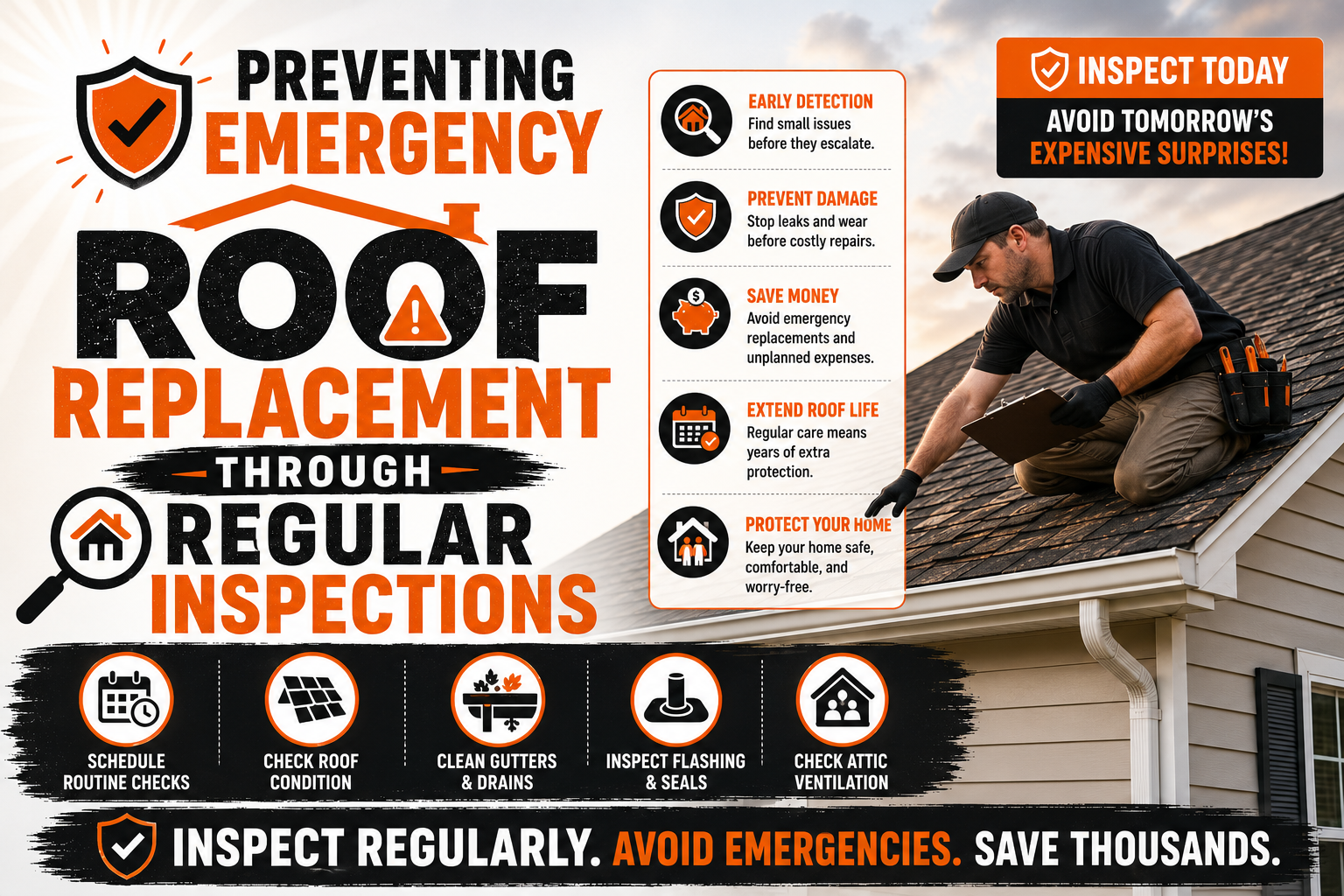
Preventing Emergency Roof Replacement Through Regular Inspections
Introduction
A roof is designed to provide reliable protection for many years, but no roofing system is immune to aging, weather exposure, or gradual wear. Every day, a roof faces sunlight, rain, wind, temperature changes, and seasonal storms that slowly affect its condition. While these changes often occur gradually, they can eventually lead to serious structural problems if they remain unnoticed. Regular roof inspections help identify these issues before they become severe enough to require emergency roof replacement.
Many homeowners only think about their roof after a leak appears or visible damage becomes impossible to ignore. Unfortunately, by that stage, the problem has often been developing for months or even years beneath the surface. Water may have already damaged insulation, roof decking, structural framing, or interior finishes. Emergency replacement becomes necessary not because the roof failed suddenly, but because small issues were allowed to grow without intervention.
Routine inspections provide an opportunity to detect early warning signs while repairs remain relatively simple and affordable. Instead of reacting to unexpected failures, homeowners can make informed decisions based on the actual condition of the roofing system. This proactive approach protects the home, reduces repair expenses, and significantly delays the need for complete roof replacement.
Regular inspections also provide peace of mind. Knowing that the roof has been evaluated by experienced professionals helps homeowners prepare for future maintenance and replacement without the uncertainty that often accompanies hidden roofing problems. A consistent inspection schedule transforms roof care from emergency response into long-term property management.
Understanding the role of regular inspections is therefore essential for anyone who wants to extend roof lifespan, avoid unexpected expenses, and maintain the overall value of their home. This guide begins by exploring why inspections matter and how they prevent minor roofing issues from developing into costly replacement projects.
Why Regular Roof Inspections Matter
Roof inspections are one of the simplest yet most effective methods of protecting a home’s roofing system. Unlike emergency repairs that occur after damage becomes severe, inspections focus on identifying developing problems before they threaten the roof’s structural integrity. This preventive approach allows homeowners to address issues early while keeping maintenance costs manageable.
Every roofing material experiences natural aging. Shingles gradually lose protective granules, flashing expands and contracts with temperature changes, sealants dry out over time, and drainage systems collect debris throughout the year. These changes are normal, but they become problematic when they remain unnoticed for extended periods.
Professional inspections evaluate every major roofing component rather than focusing only on visible surfaces. Contractors examine roofing materials, flashing, vents, chimneys, skylights, gutters, drainage systems, and attic conditions to determine whether each part of the roofing system continues functioning correctly. This comprehensive evaluation provides a much clearer understanding of roof health than simple visual observations from the ground.
Regular inspections also help preserve manufacturer warranties. Many roofing warranties recommend or require reasonable maintenance throughout the roof’s service life. Inspection records demonstrate responsible ownership and may support warranty claims if manufacturing defects or covered issues arise later.
Another important benefit is planning. Homeowners who understand the condition of their roof can prepare financially for future repairs or replacement instead of facing unexpected emergencies. Knowing whether a roof has five years or fifteen years of expected service remaining allows more effective budgeting and long-term decision making.
Most importantly, inspections reduce uncertainty. Rather than wondering whether the roof remains in good condition after years of weather exposure, homeowners receive professional assessments based on observable evidence. This knowledge supports smarter maintenance decisions while protecting the home’s overall value.
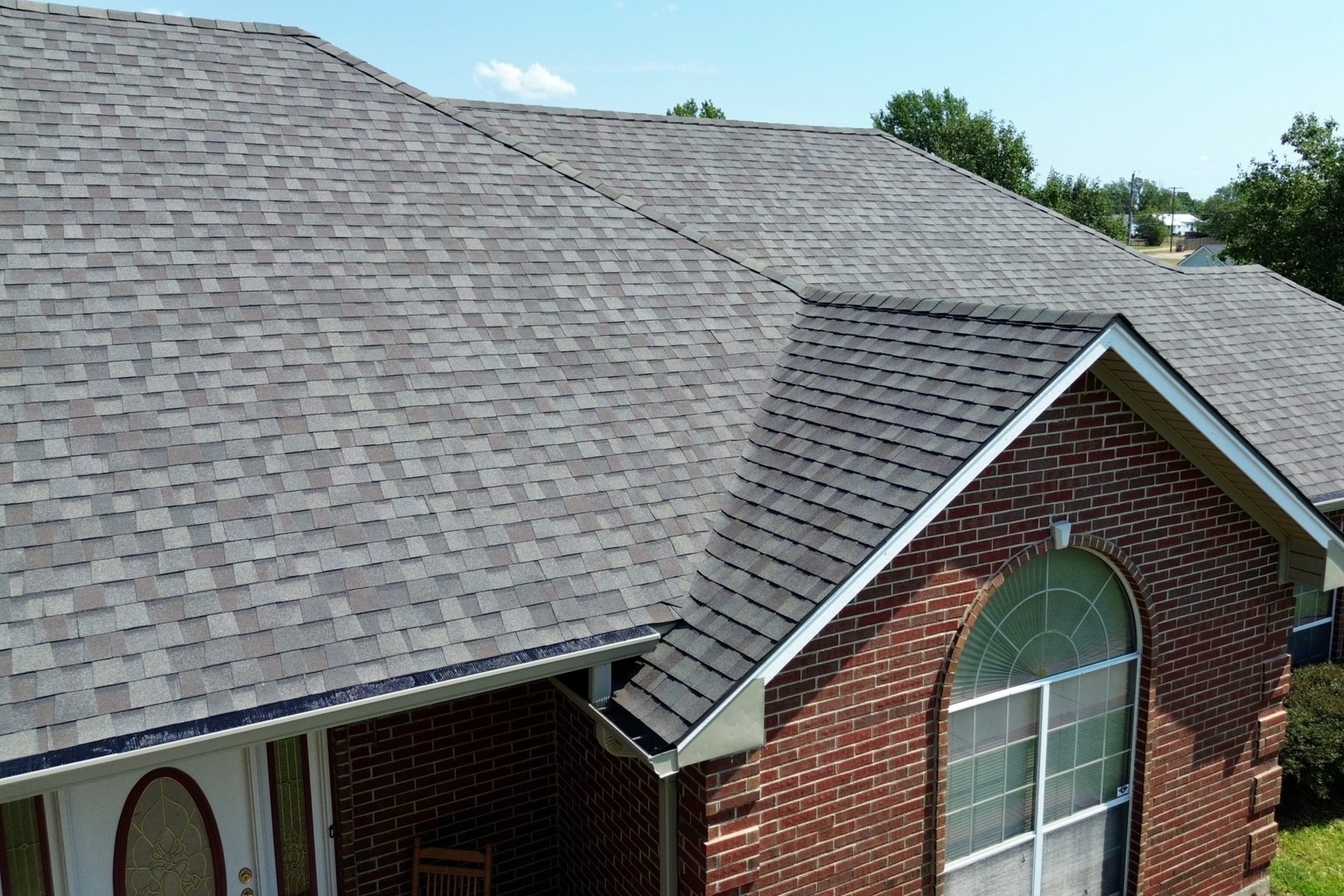
Understanding the Causes of Emergency Roof Replacement
Emergency roof replacement rarely results from a single event alone. In many cases, major roofing failures develop because smaller problems remained unresolved until severe weather or continued deterioration exposed their full impact. Understanding these causes helps homeowners appreciate why regular inspections are so valuable.
One common cause is prolonged water intrusion. Small leaks often begin around flashing, roof penetrations, damaged shingles, or deteriorated sealants. Because these openings may admit only limited amounts of water initially, homeowners frequently remain unaware of the problem. Over time, moisture spreads into roof decking, insulation, and structural framing, weakening multiple layers of the roofing system.
Storm damage also contributes significantly to emergency replacement. High winds, hail, falling tree branches, and flying debris can damage roofing materials without creating immediate interior leaks. If these issues remain undetected after the storm, subsequent rainfall may exploit weakened areas and accelerate deterioration.
Poor drainage represents another major factor. Gutters blocked by leaves or debris prevent rainwater from flowing away properly. Standing water increases the likelihood of leaks while adding unnecessary weight to roofing structures. Routine inspections identify drainage issues before they create more extensive damage.
Aging materials naturally become more vulnerable over time. Shingles lose flexibility, flashing deteriorates, fasteners loosen, and waterproof barriers weaken after years of weather exposure. Without regular inspections, these predictable aging processes continue unnoticed until multiple roofing components begin failing simultaneously.
Improper previous repairs may also contribute to emergency replacement. Temporary patches, incorrect materials, or poor installation practices sometimes conceal rather than solve underlying problems. Professional inspections evaluate the quality of previous repairs while identifying areas requiring more permanent solutions.
Finally, neglected maintenance often accelerates every other form of deterioration. Minor problems that could have been corrected quickly continue worsening until emergency replacement becomes the safest and most practical option.
How Small Roofing Problems Become Major Emergencies
Roofing systems are designed to function as complete protective assemblies. Every component depends on the others to keep moisture out while maintaining structural stability. When one part begins failing, the effects gradually spread throughout the entire system if repairs are delayed.
A small crack in flashing provides a good example. At first, only small amounts of rainwater enter beneath the roofing materials. The underlayment temporarily limits moisture penetration, making the problem difficult to detect. As weather exposure continues, however, the underlayment weakens and allows moisture to reach the wooden roof decking.
Wood absorbs water slowly but steadily. Repeated wetting causes swelling, softening, and eventually decay. Nails and fasteners lose their holding strength, making nearby roofing materials more vulnerable to wind damage. Additional openings develop, allowing even more water to enter during future storms.
Moisture also spreads into insulation beneath the roof. Wet insulation loses much of its thermal efficiency, increasing heating and cooling costs throughout the home. Damp conditions further encourage mold growth, creating concerns that extend beyond the roofing system itself.
Eventually, structural framing begins experiencing the effects of long-term moisture exposure. Rafters and trusses may weaken as fungal decay develops within the wood. At this stage, repairs involve much more than replacing roofing materials because structural reconstruction may also become necessary.
Interior damage often appears only after significant deterioration has already occurred. Ceiling stains, peeling paint, warped drywall, and dripping water indicate that moisture has traveled well beyond its original entry point. Homeowners frequently first notice these symptoms when the roof has already sustained extensive hidden damage.
Regular inspections interrupt this progression during its earliest stages. Identifying minor defects before water reaches structural components dramatically reduces repair complexity while delaying the need for emergency roof replacement.
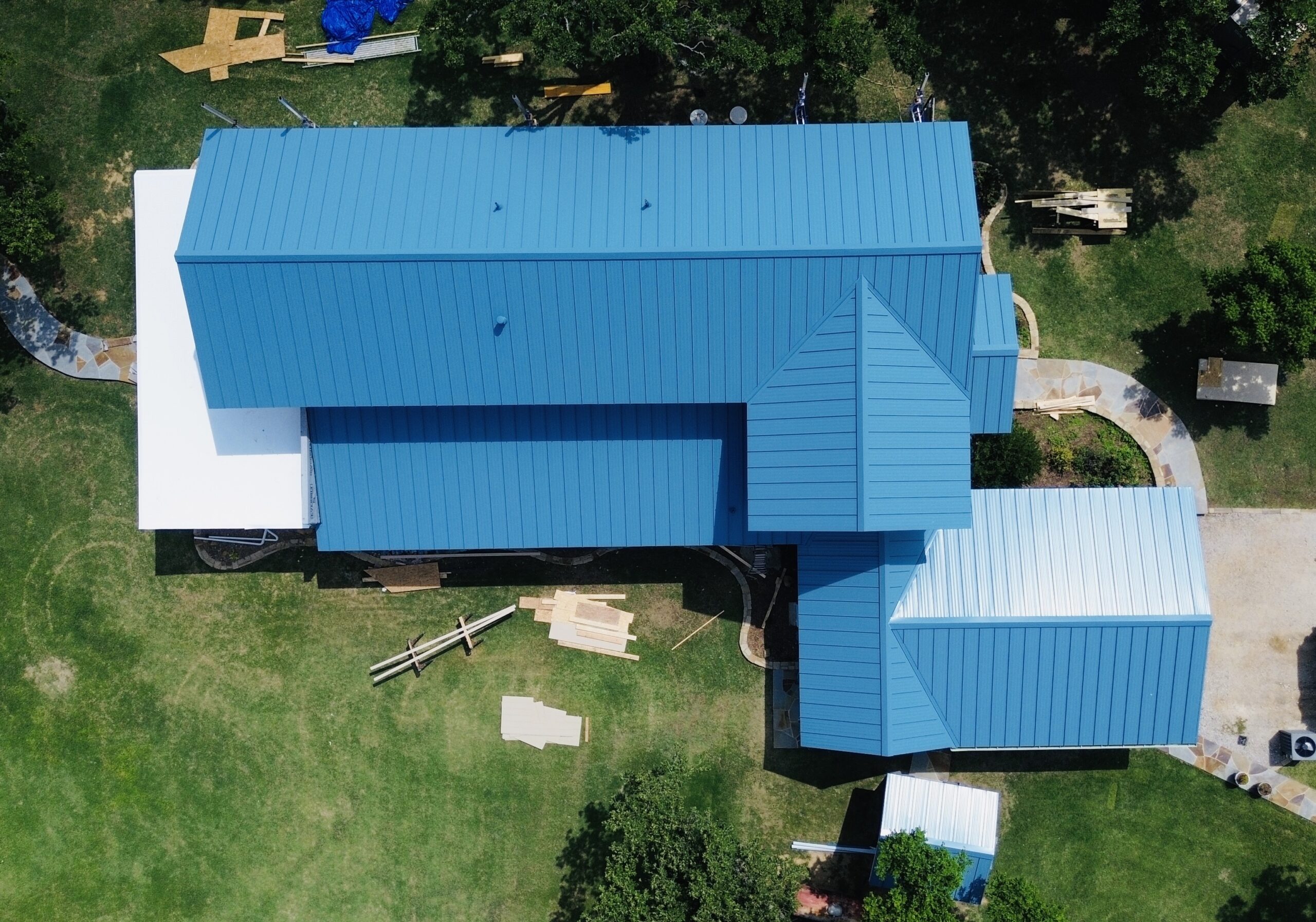
Key Areas Examined During a Professional Roof Inspection
Professional roof inspections evaluate much more than the visible roofing surface. Every component contributing to weather protection, drainage, and structural performance receives careful attention to ensure that the roofing system continues functioning as intended.
Roofing materials are inspected first. Contractors examine shingles, tiles, metal panels, or membranes for cracking, curling, missing sections, punctures, granule loss, or other signs of wear. Identifying material deterioration early allows localized repairs before larger sections become affected.
Flashing receives close examination because it protects some of the roof’s most vulnerable locations. Areas surrounding chimneys, skylights, plumbing vents, valleys, and roof intersections require watertight seals to prevent moisture intrusion. Even small flashing defects may eventually create significant leaks if ignored.
Drainage systems are equally important. Gutters, downspouts, roof valleys, and drainage outlets are checked for blockages, improper slope, corrosion, and physical damage. Efficient water removal protects both the roof and the home’s foundation from unnecessary moisture exposure.
Roof penetrations are inspected carefully because they frequently become leak locations as sealants age. Vent pipes, exhaust systems, satellite mounts, solar equipment, and other rooftop installations must remain properly sealed to preserve waterproof performance.
Attic inspections provide valuable information about conditions beneath the roof. Contractors look for moisture stains, mold growth, inadequate ventilation, insulation problems, and signs of previous leaks. These observations often reveal hidden roofing issues before visible exterior damage develops.
Structural components may also be evaluated when accessible. Sagging roof sections, weakened decking, deteriorated framing, or unusual movement may indicate underlying structural concerns requiring further investigation.
By examining every major roofing component together, professional inspections provide a comprehensive understanding of roof condition that cannot be achieved through casual observation alone.
Benefits of Identifying Roof Damage Early
Early identification is one of the greatest advantages provided by regular roof inspections. Detecting damage before it becomes severe allows homeowners to make informed maintenance decisions while avoiding many of the financial and structural consequences associated with delayed repairs.
One major benefit is reducing repair costs. Minor issues such as replacing damaged shingles, resealing flashing, or clearing drainage systems typically require limited labor and materials. Once moisture reaches structural components, repair costs increase substantially because multiple building systems become involved.
Early detection also preserves roof lifespan. Correcting isolated defects prevents them from spreading into surrounding materials, allowing the remaining roof to continue performing effectively. Many roofs reach or even exceed their expected service life because routine inspections identify developing problems before they accelerate deterioration.
Protecting interior spaces represents another important advantage. Preventing water intrusion safeguards ceilings, insulation, flooring, paint, furniture, and electrical systems from unnecessary damage. This protection extends beyond roofing costs to preserve the overall condition of the home.
Energy efficiency also benefits from early repairs. Dry insulation performs much more effectively than insulation affected by moisture. Maintaining a watertight roof supports consistent indoor temperatures while helping control heating and cooling expenses throughout the year.
Inspection reports further support long-term planning. Homeowners receive professional documentation describing current roof condition, recommended maintenance, and estimated remaining service life. This information helps prioritize future repairs while preparing financially for eventual replacement.
Perhaps most importantly, early detection provides homeowners with options. Instead of being forced into emergency replacement after major failure, they gain time to compare contractors, evaluate roofing materials, establish budgets, and schedule work at the most convenient time.
Building a Routine Roof Inspection Schedule
The effectiveness of roof inspections depends largely on consistency. A single inspection provides valuable information about current roof condition, but long-term protection requires a structured schedule that monitors gradual changes throughout the roof’s lifespan.
Most roofing professionals recommend comprehensive inspections at least twice each year. Spring inspections help identify damage caused by winter weather, while fall inspections prepare the roof for colder temperatures and seasonal storms. These routine evaluations establish a consistent pattern of preventive maintenance.
Additional inspections should be scheduled after severe weather events such as hailstorms, hurricanes, high winds, or falling tree branches. Even if no obvious damage is visible from the ground, professional evaluations often reveal hidden problems that could worsen if left unaddressed.
Inspection records should be maintained carefully. Reports, photographs, repair recommendations, and completed maintenance documentation create a valuable history of the roof’s condition over time. These records assist future inspections, support warranty claims, and provide reassurance during property sales.
Homeowners should also remain attentive between scheduled inspections. Visual observations from the ground after storms, checking ceilings for water stains, monitoring attic conditions, and watching for overflowing gutters all contribute to identifying problems that deserve professional evaluation.
A routine inspection schedule transforms roof care from a reactive process into a proactive strategy. Rather than waiting for visible leaks or structural failure, homeowners gain ongoing knowledge about their roof’s condition and can address issues while they remain manageable. This consistent attention forms the foundation for preventing emergency roof replacement and preserving the roof’s performance for many years to come.
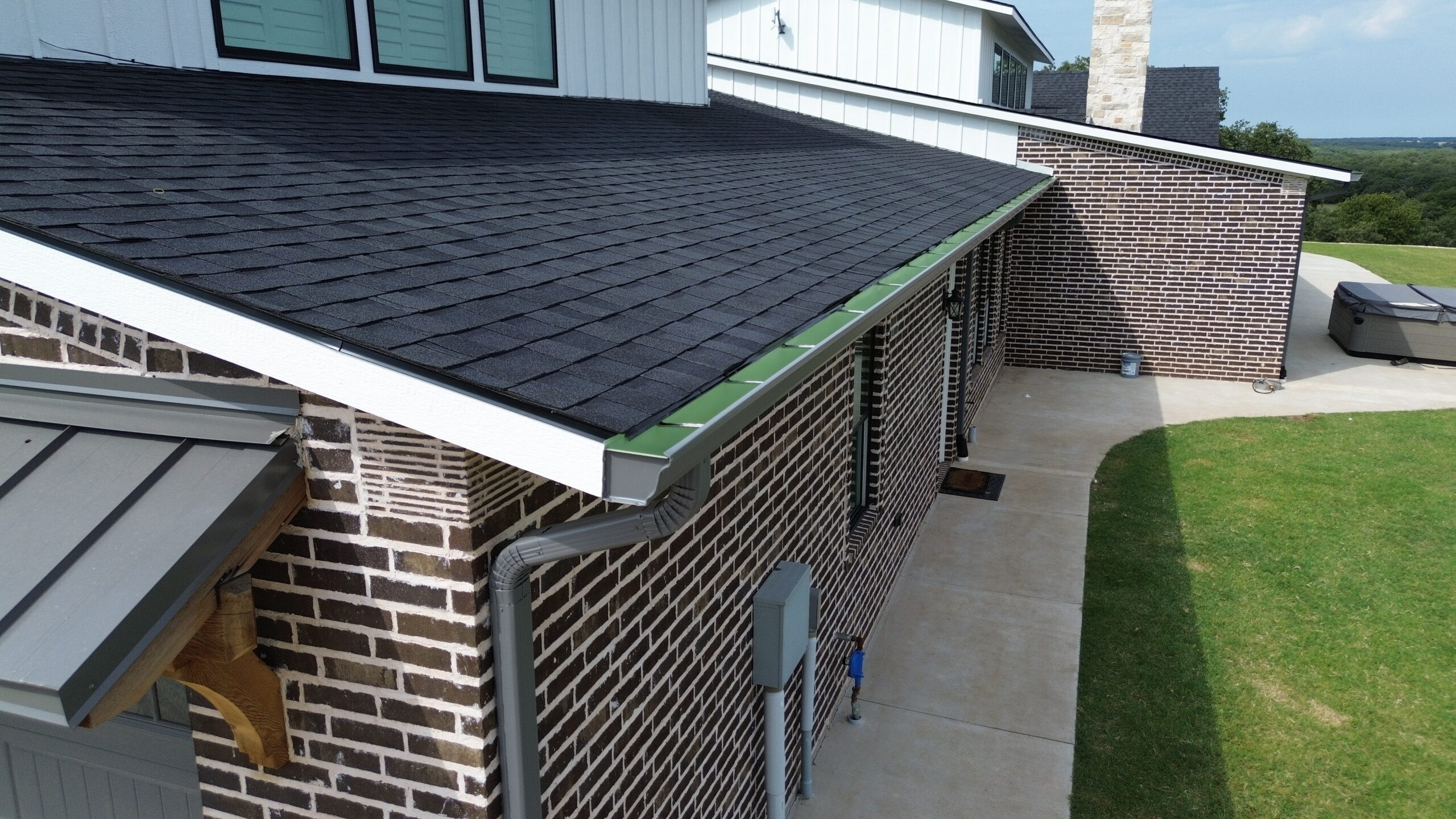
How Seasonal Inspections Protect Your Roof
Every season presents different challenges for a roofing system. Changes in temperature, rainfall, wind, sunlight, and storms place continuous stress on roofing materials throughout the year. While these conditions are unavoidable, seasonal inspections help identify weather-related damage before it develops into a serious problem. By monitoring the roof after each demanding season, homeowners can significantly reduce the likelihood of unexpected failures and emergency replacement.
Spring inspections are especially valuable because they reveal damage caused by winter weather. Heavy rain, freezing temperatures, and strong winds may loosen shingles, crack flashing, or create drainage issues that are not immediately noticeable. Inspecting the roof after winter allows these problems to be repaired before spring and summer storms arrive.
Summer inspections focus on heat-related deterioration. Prolonged exposure to sunlight gradually weakens roofing materials through ultraviolet radiation. Asphalt shingles may begin losing protective granules, sealants can dry out, and metal components expand under high temperatures. Detecting these early signs of wear helps preserve the roof before additional seasonal stress accelerates deterioration.
Autumn inspections prepare the roof for colder weather. Falling leaves often accumulate in gutters and roof valleys, restricting water drainage and increasing the risk of standing water. Clearing debris while checking flashing, vents, and roof penetrations ensures that the roofing system is ready for winter conditions.
Winter inspections may be necessary following severe storms or unusually heavy snowfall. Snow accumulation, ice formation, and repeated freeze and thaw cycles place considerable strain on roofing materials. Prompt inspections after harsh weather help identify hidden damage before moisture enters the roofing system.
Seasonal inspections also create a consistent maintenance routine. Rather than waiting until visible leaks appear, homeowners evaluate the roof throughout the year, allowing small repairs to be completed before multiple seasons compound existing damage.
Common Roofing Issues Found During Inspections
Professional roof inspections frequently reveal problems that homeowners cannot safely observe from ground level. Many roofing defects begin gradually and remain hidden beneath roofing materials until significant deterioration has already occurred. Identifying these issues early allows repairs to be completed before they threaten the roof’s structural integrity.
Damaged shingles are among the most common findings. High winds, aging, and weather exposure gradually loosen or crack shingles, exposing underlying materials to moisture. Replacing damaged shingles promptly prevents water from reaching the roof decking.
Flashing deterioration is another frequent concern. Flashing protects roof intersections, chimneys, skylights, and vent openings where leaks commonly develop. Over time, flashing may loosen, rust, or separate from surrounding materials. Even small flashing defects can admit water during heavy rainfall.
Roof penetrations also receive careful attention during inspections. Plumbing vents, exhaust vents, satellite mounts, and solar panel attachments rely on properly sealed openings to remain watertight. Aging sealants around these penetrations often require replacement before leaks develop.
Drainage problems are commonly identified as well. Clogged gutters, blocked downspouts, and debris-filled roof valleys prevent water from draining efficiently. Standing water increases the likelihood of leaks while accelerating deterioration of roofing materials.
Granule loss on asphalt shingles frequently indicates advancing material wear. As protective granules wash into gutters, shingles become increasingly vulnerable to ultraviolet radiation and weather exposure. Monitoring granule loss helps contractors estimate remaining roof lifespan.
Attic inspections often reveal hidden moisture problems. Damp insulation, condensation, mold growth, and inadequate ventilation indicate roofing issues that may not yet be visible from outside the home. Addressing these concerns promptly prevents further structural deterioration.
Inspectors may also identify early structural movement. Slight roof sagging, weakened decking, or loose fasteners can indicate developing structural concerns that require professional evaluation before major reconstruction becomes necessary.
Although many of these issues appear relatively minor when discovered early, delaying repairs allows them to spread throughout the roofing system. Regular inspections prevent these localized defects from developing into emergencies.
The Financial Advantages of Preventive Roof Inspections
Roof inspections represent one of the most cost-effective investments homeowners can make because they reduce the likelihood of expensive repairs and premature roof replacement. While inspections involve modest routine costs, the financial savings they provide over the roof’s lifespan are often substantial.
One of the greatest financial advantages is preventing emergency repairs. Roofing emergencies frequently occur during severe weather when contractors are in high demand and repair costs may increase because of urgent scheduling. Routine inspections identify vulnerabilities before storms expose them, allowing repairs to be completed under more favorable conditions.
Early detection also reduces repair complexity. Replacing a few shingles or repairing flashing requires significantly fewer materials and labor than rebuilding water-damaged roof decking or replacing structural framing. Addressing problems during their earliest stages keeps maintenance costs predictable and manageable.
Inspections also help preserve other parts of the home. Preventing leaks protects ceilings, insulation, drywall, flooring, furniture, and electrical systems from moisture damage. The cost of repairing these secondary components often exceeds the cost of correcting the original roofing issue.
Property value benefits as well. Homes with documented roof inspection records demonstrate responsible maintenance, providing reassurance to prospective buyers. A roof known to have received regular professional care is often viewed as a valuable asset rather than a future financial concern.
Insurance discussions may also become easier when maintenance documentation is available. Inspection reports establish a record of the roof’s condition before storm damage occurs, supporting more accurate claim evaluations when unexpected events happen.
Long-term budgeting represents another financial advantage. Inspection reports help homeowners understand their roof’s condition years before replacement becomes necessary. This advance knowledge allows gradual financial planning instead of facing sudden replacement costs after unexpected failure.
Ultimately, preventive inspections reduce uncertainty while helping homeowners spend money strategically. Investing in routine evaluations today often avoids significantly greater expenses in the future.
How Inspections Extend Roof Lifespan
The primary purpose of regular roof inspections is not simply identifying existing problems but extending the useful life of the entire roofing system. Every inspection contributes to preserving roofing materials, protecting structural components, and slowing the natural aging process.
Roof deterioration usually begins with localized defects. A single damaged shingle, loose flashing section, or deteriorated sealant rarely affects the entire roof immediately. However, these small defects gradually expand as weather continues exposing the affected area to moisture and sunlight.
Routine inspections interrupt this progression. Contractors repair localized issues before surrounding materials become involved, allowing most of the roof to continue functioning normally. Instead of replacing large sections prematurely, homeowners preserve the majority of the roofing system through targeted maintenance.
Hidden moisture detection plays an equally important role. Water often enters roofing systems long before interior leaks become visible. Professional inspections identify moisture-related concerns while damage remains confined to relatively small areas. Protecting roof decking, insulation, and framing significantly extends the life of the complete roofing assembly.
Ventilation evaluations further support roof longevity. Proper attic airflow reduces excessive temperatures during summer while limiting moisture accumulation during colder months. Balanced ventilation slows material aging, improves insulation performance, and reduces stress on roofing components throughout the year.
Inspection reports also help contractors monitor gradual changes over time. Comparing current findings with previous inspection records reveals aging trends that might otherwise remain unnoticed. This long-term perspective supports better maintenance planning while maximizing roof lifespan.
Perhaps most importantly, inspections replace uncertainty with knowledge. Homeowners who understand their roof’s condition can make timely maintenance decisions that consistently preserve roof performance for many additional years.
Comparing Regular Inspections and Reactive Repairs
Many homeowners wonder whether routine inspections are truly necessary if no obvious roofing problems exist. Comparing preventive inspections with reactive repairs clearly demonstrates the long-term advantages of consistent monitoring.
| Roofing Factor | Regular Inspections | Reactive Repairs |
|---|---|---|
| Problem detection | Before major damage develops | After visible symptoms appear |
| Repair size | Usually small and localized | Often larger and more expensive |
| Structural protection | Better preserved | Greater risk of hidden deterioration |
| Roof lifespan | Frequently extended | May be shortened |
| Financial planning | Predictable maintenance costs | Unexpected emergency expenses |
| Replacement timing | Planned and controlled | Often urgent and unplanned |
This comparison highlights the difference between prevention and reaction. Regular inspections allow homeowners to remain ahead of developing roofing problems, while reactive repairs often occur only after damage has spread beyond the original defect.
Preventive inspections also reduce stress. Instead of wondering whether the roof has hidden damage after every storm, homeowners receive professional confirmation regarding its condition. This confidence helps guide maintenance decisions while reducing the likelihood of unpleasant surprises.
Although inspections require ongoing commitment, they consistently provide greater long-term value than waiting for visible damage before taking action.
Choosing the Right Roofing Professional for Inspections
The effectiveness of any roof inspection depends greatly on the experience and qualifications of the person performing it. Selecting a knowledgeable roofing professional ensures that developing issues are identified accurately and that maintenance recommendations are based on sound technical judgment.
Experience should be one of the first considerations. Contractors who have inspected many different roofing systems recognize subtle warning signs that less experienced inspectors may overlook. They understand how various roofing materials age, how weather affects different roof designs, and which problems require immediate attention.
Homeowners should also look for professionals who perform comprehensive inspections rather than quick visual assessments. A thorough evaluation includes roofing materials, flashing, gutters, drainage systems, roof penetrations, attic ventilation, insulation, and structural observations whenever accessible. Examining the entire roofing system provides a much more accurate understanding of overall roof condition.
Clear communication is equally important. Inspection reports should explain observed issues in understandable language while distinguishing between routine maintenance, recommended repairs, and conditions requiring urgent action. Homeowners should feel comfortable asking questions and discussing future maintenance priorities.
Documentation adds significant value to professional inspections. Detailed reports, photographs, maintenance recommendations, and estimated roof condition create a useful history that supports future planning. These records also assist insurance discussions and demonstrate responsible roof care if the property is eventually sold.
Technology has further improved inspection quality. Many roofing professionals now use drones, thermal imaging equipment, and moisture detection tools to identify hidden issues without unnecessary disruption. These technologies provide additional insight into roof condition while improving inspection accuracy.
Building a long-term relationship with a trusted roofing contractor offers lasting advantages. Contractors familiar with the property’s maintenance history can track gradual changes over many years, recommend appropriate repair schedules, and provide increasingly accurate estimates of the roof’s remaining service life.
Consistent professional guidance transforms inspections into an ongoing strategy for protecting the roof rather than isolated maintenance events. Instead of responding to emergencies after damage occurs, homeowners gain reliable information that supports informed decisions, extends roof lifespan, and significantly reduces the likelihood of unexpected roof replacement.
Creating a Long Term Roof Inspection Plan
A long-term roof inspection plan is one of the most effective ways to prevent emergency roof replacement. Instead of waiting until visible damage appears, homeowners can monitor the condition of their roofing system throughout its lifespan and address issues before they become serious. A structured inspection schedule provides consistency, making it easier to protect the roof while reducing unexpected repair costs.
The foundation of any inspection plan is routine scheduling. Most roofing professionals recommend comprehensive inspections at least twice each year, usually during the spring and fall. Spring inspections help identify damage caused by winter weather, while fall inspections ensure that the roof is prepared for colder temperatures and seasonal storms. Following this schedule creates a continuous cycle of evaluation and maintenance.
Additional inspections should be arranged after major weather events. High winds, hailstorms, hurricanes, heavy snowfall, or falling tree branches can damage roofing materials without creating immediate interior leaks. A professional assessment after severe weather helps identify hidden issues before they worsen.
Every inspection should result in clear documentation. Inspection reports, photographs, repair recommendations, warranty information, and maintenance records provide valuable information about the roof’s condition over time. These records allow contractors to monitor gradual changes while helping homeowners understand how the roof is aging.
Planning should also include budgeting for inspections and maintenance. Setting aside a small amount each year for preventive care is far more manageable than facing the financial burden of emergency roof replacement. Predictable maintenance expenses support long-term financial planning while protecting one of the home’s most valuable structural components.
An effective inspection plan should remain flexible as well. Roofing systems naturally age, and inspection frequency may increase as materials approach the end of their expected lifespan. Adjusting the inspection schedule according to roof condition ensures that developing issues continue to receive timely attention.
Long-term planning transforms inspections from isolated maintenance activities into an ongoing strategy for preserving roof performance. This proactive approach allows homeowners to make informed decisions based on professional evaluations rather than reacting to unexpected emergencies.
Essential Inspection Habits Every Homeowner Should Follow
While professional inspections provide the most comprehensive assessment of roof condition, homeowners can develop everyday habits that support early problem detection between scheduled evaluations. These simple practices contribute significantly to extending roof lifespan while reducing the likelihood of emergency replacement.
Helpful inspection habits include:
- Observe the roof from the ground after strong storms or heavy winds.
- Watch for missing shingles, damaged flashing, or fallen tree branches.
- Clean gutters and downspouts regularly to maintain proper drainage.
- Check ceilings and walls for water stains or peeling paint.
- Visit the attic periodically to look for moisture, mold, or daylight entering through the roof.
- Remove leaves and debris that collect around roof valleys and drainage areas.
- Keep nearby trees trimmed to reduce falling branches and excessive debris.
- Arrange professional inspections twice each year and after severe weather.
These habits require relatively little time but provide valuable opportunities to identify roofing concerns before they become major structural problems. Homeowners who consistently monitor their roofs often recognize developing issues much earlier than those who wait until interior leaks appear.
Safety should always remain the highest priority during homeowner inspections. Most observations can be completed safely from the ground or inside the attic. Walking on the roof without proper equipment increases the risk of personal injury while potentially damaging roofing materials. Detailed inspections and repairs should always be performed by qualified roofing professionals.
Maintaining organized records is another valuable habit. Keeping inspection reports, repair invoices, photographs, and warranty documents together creates a clear maintenance history. These records simplify future inspections while providing useful documentation during insurance claims or property sales.
Developing consistent inspection habits creates a proactive mindset. Instead of viewing roof care as something necessary only after damage occurs, homeowners begin treating inspections as a normal part of responsible property maintenance.
Steps to Take After an Inspection Reveals Damage
Discovering roofing damage during an inspection does not automatically mean that emergency replacement is necessary. In many situations, timely repairs can resolve the issue while preserving the roof’s remaining service life. Responding appropriately after an inspection helps prevent further deterioration and supports informed decision making.
The following steps provide a practical response strategy:
- Carefully review the inspection report and understand the condition of each roofing component.
- Prioritize repairs based on the contractor’s recommendations, giving immediate attention to issues involving active water intrusion or structural concerns.
- Document all identified damage with photographs and written records for future reference.
- Obtain detailed repair estimates and discuss available solutions with qualified roofing professionals.
- Complete recommended repairs promptly to prevent further deterioration.
- Schedule follow-up inspections if significant repairs were performed to confirm that the roof is functioning properly.
- Update maintenance records with completed repairs and future inspection recommendations.
Following these steps helps homeowners remain organized while reducing the likelihood that important maintenance will be overlooked. Acting quickly after damage is discovered often prevents the need for larger repairs later.
It is equally important to avoid relying on temporary repairs for extended periods. Emergency tarps, sealants, or temporary patches provide short-term protection but should never replace permanent repairs. Delaying proper corrective work allows weather exposure to continue affecting the roofing system beneath the temporary solution.
Communication with roofing professionals also plays an important role after inspections. Homeowners should ask questions about repair priorities, expected roof lifespan, maintenance recommendations, and whether replacement planning should begin. Understanding these factors supports better long-term decision making.
Prompt action following inspections transforms valuable information into effective maintenance. Identifying damage alone does not protect the roof. Taking timely corrective measures is what ultimately prevents small issues from developing into emergency replacement situations.
When an Inspection Indicates Roof Replacement Is Necessary
Although regular inspections often delay roof replacement by identifying repairable issues early, every roofing system eventually reaches a stage where replacement becomes the most practical solution. Recognizing this point allows homeowners to prepare appropriately instead of continuing repairs that provide only temporary benefits.
One of the clearest indicators is widespread material deterioration. If inspections consistently reveal damaged shingles across large sections of the roof, deteriorated flashing in multiple locations, failing underlayment, and recurring moisture problems, the roofing system may no longer provide dependable protection despite repeated repairs.
Roof age should also be considered alongside inspection findings. Every roofing material has an expected service life, and inspections become increasingly important as that age approaches. Even if no catastrophic failure has occurred, aging materials gradually lose their ability to withstand weather exposure and repeated temperature changes.
Repeated leaks represent another warning sign. If inspections repeatedly identify new leak locations despite previous repairs, the underlying roofing system may have reached the end of its practical lifespan. Continuing to repair isolated areas often becomes less economical than replacing the roof entirely.
Structural concerns discovered during inspections deserve immediate attention. Water-damaged decking, weakened framing, widespread mold growth, or roof sagging indicate that deterioration has extended beyond surface materials. In these situations, replacement often provides the safest and most cost-effective long-term solution.
Energy performance may also influence replacement decisions. Older roofing systems frequently lack the energy-efficient materials and ventilation improvements available in modern installations. If inspections reveal declining insulation performance or persistent ventilation problems, replacing the roof may improve both structural protection and household energy efficiency.
Inspection reports provide valuable guidance during this decision-making process. Rather than relying on assumptions, homeowners receive professional recommendations based on the roof’s actual condition. This information allows replacement to be planned carefully instead of becoming an emergency project after complete roof failure.
Planning replacement before the roof reaches a critical condition also creates significant advantages. Homeowners have more time to compare contractors, evaluate roofing materials, review warranties, establish budgets, and schedule work during favorable weather conditions. This level of preparation usually results in higher-quality outcomes and reduced stress throughout the project.
Protecting Your Home Through Consistent Roof Monitoring
Roof inspections are not simply about protecting roofing materials. They safeguard the entire home by ensuring that the roof continues performing as the building’s primary defense against weather. Consistent monitoring benefits nearly every structural and interior component of the property.
A well-maintained roof prevents moisture from reaching structural framing. Dry framing maintains its strength and stability, reducing the likelihood of expensive reconstruction while preserving the home’s overall integrity. Preventing water intrusion also protects insulation, allowing it to maintain consistent energy efficiency throughout the year.
Interior spaces benefit significantly from regular monitoring as well. Ceilings, walls, flooring, paint, furniture, and personal belongings remain protected when leaks are prevented before they develop. Avoiding interior water damage reduces repair expenses while preserving the home’s appearance and comfort.
Electrical and mechanical systems are also safer when the roof remains watertight. Water entering through neglected roof damage may affect wiring, lighting fixtures, heating equipment, or ventilation systems. Regular inspections reduce these risks by identifying roofing problems before they threaten other household systems.
Property value is another important consideration. Prospective buyers often view roof condition as an indicator of overall home maintenance. A documented history of inspections, repairs, and preventive care demonstrates responsible ownership while increasing buyer confidence. Homes with well-maintained roofs are generally more attractive because future roofing expenses appear more predictable.
Consistent monitoring also supports better financial planning. Instead of facing sudden replacement costs after unexpected failure, homeowners gain advance notice of developing issues. This allows maintenance and eventual replacement to be scheduled according to financial readiness rather than emergency circumstances.
Perhaps the greatest benefit is confidence. Knowing that the roof has been inspected regularly provides reassurance during heavy rain, strong winds, and seasonal storms. Homeowners can trust that their roofing system has been professionally evaluated and maintained according to its current condition.
Conclusion
Emergency roof replacement is rarely the result of a single unexpected event. More often, it develops because minor roofing problems remain unnoticed or unresolved until years of weather exposure and gradual deterioration create widespread structural damage. Regular roof inspections interrupt this process by identifying issues while they remain small, manageable, and far less expensive to repair.
Consistent inspections provide numerous long-term benefits. They detect hidden damage before leaks become visible, preserve structural components, improve energy efficiency, support warranty requirements, and reduce the likelihood of costly emergency repairs. Inspection reports also help homeowners plan future maintenance and replacement based on accurate information rather than uncertainty.
Developing a structured inspection routine, maintaining detailed records, responding quickly to repair recommendations, and working with experienced roofing professionals all contribute to extending roof lifespan. These proactive practices protect not only the roof but also the insulation, framing, ceilings, electrical systems, and interior spaces beneath it. Every inspection strengthens the home’s overall resilience while reducing long-term ownership costs.
At the same time, inspections help homeowners recognize when maintenance is no longer enough. Professional evaluations provide the guidance needed to distinguish between roofs that remain economically repairable and those approaching the end of their service life. Planning replacement before complete failure occurs allows homeowners to make thoughtful decisions instead of reacting to emergencies.
Ultimately, regular roof inspections are one of the most valuable investments homeowners can make. They transform roof care from a reactive process into a proactive strategy that preserves property value, delays replacement costs, and ensures dependable protection through every season. By making inspections a consistent part of home maintenance, homeowners greatly reduce the risk of unexpected roof replacement while maximizing the life and performance of their roofing system.