
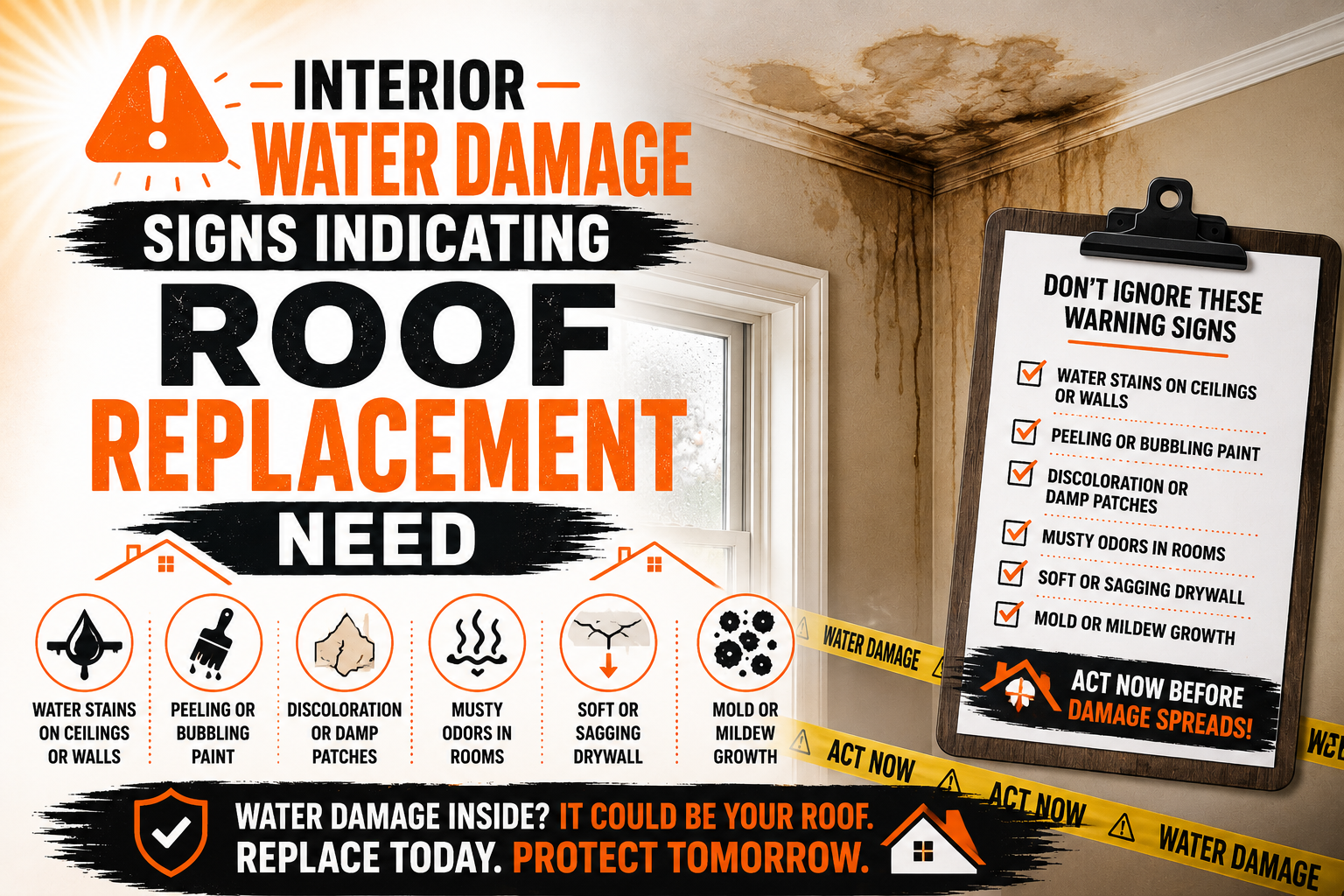
Interior Water Damage Signs Indicating Roof Replacement Need
Introduction
Water damage inside a home is often viewed as a plumbing issue or the result of accidental spills, but many interior moisture problems actually begin on the roof. A roof that has reached the end of its service life may allow water to enter gradually, causing damage that remains hidden until visible signs appear inside the house. By the time stains, peeling paint, or damp ceilings become noticeable, the roofing system may already have significant deterioration beneath the surface.
Many homeowners focus on repairing interior damage without investigating the source of the moisture. While repainting a stained ceiling or replacing damaged drywall may improve appearance temporarily, these repairs do not solve the underlying roofing problem. Unless the source of water intrusion is identified and corrected, the damage will likely return and continue spreading throughout the home.
Interior water damage should never be dismissed as a minor cosmetic issue. Moisture that enters through an aging roof can weaken insulation, damage wooden framing, encourage mold growth, and reduce the overall structural integrity of the building. Addressing these problems early often prevents far more expensive repairs later.
One challenge is that roof leaks rarely produce immediate or dramatic symptoms. Water often travels through roof decking, rafters, insulation, and wall cavities before becoming visible inside living spaces. This hidden movement makes it difficult to determine the extent of damage based solely on what can be seen indoors.
Learning to recognize the interior signs of roof failure helps homeowners take action before structural damage becomes severe. These warning indicators provide valuable clues that the roofing system may no longer be providing reliable protection against the elements.
This guide explores the most common forms of interior water damage that indicate a roof may require replacement. Understanding these signs allows homeowners to make informed decisions and protect both their property and their long term investment.
How Roof Leaks Lead to Interior Water Damage
A roof is designed to direct rainwater safely away from the home through a combination of shingles, underlayment, flashing, and drainage systems. When any of these components begin failing, water can penetrate the roofing system and enter areas that should remain completely dry.
The journey of a roof leak is often much longer than homeowners expect. Water rarely drips directly through the ceiling beneath the damaged section of the roof. Instead, it frequently travels along roof decking, rafters, insulation, or framing members before finally reaching interior ceilings or walls.
This hidden movement makes locating the original leak especially challenging. A water stain appearing in one room may actually originate several feet away on the roof, making simple visual inspections unreliable for identifying the true source of the problem.
Small roof leaks often develop slowly over time. Damaged shingles, deteriorated flashing, cracked sealants, or worn underlayment may initially allow only a small amount of moisture inside during heavy rainfall. Although the leak seems minor, repeated exposure gradually damages surrounding materials.
As moisture continues entering the roof, insulation begins absorbing water and loses much of its ability to regulate indoor temperatures. Wooden roof decking and framing also absorb moisture, reducing their strength while creating favorable conditions for mold and fungal growth.
Gravity eventually carries the water downward through ceilings, walls, and other structural components. This is often when homeowners first become aware of the problem, even though the roof leak may have existed for months or even years.
Because water can spread far beyond the original entry point, interior damage frequently affects larger areas than expected. What appears to be a small ceiling stain may actually represent extensive hidden deterioration within the roofing system.
Understanding how roof leaks travel helps explain why interior water damage often signals much larger roofing issues. Addressing only the visible indoor symptoms without repairing or replacing the roof usually leads to recurring moisture problems.
Why Interior Water Damage Often Signals Larger Roofing Problems
Visible water damage inside a home is rarely the entire problem. In many cases, it serves as the first noticeable symptom of deterioration that has already affected multiple layers of the roofing system. By the time interior signs appear, moisture has often been entering the home long enough to damage structural components that remain hidden from view.
One reason interior water damage is so concerning is that roofing systems contain several protective layers. Water must usually pass through shingles, underlayment, roof decking, insulation, and framing before reaching ceilings or walls. When moisture successfully travels through all these barriers, it often indicates that the roof’s protective system has significantly deteriorated.
Hidden damage can extend well beyond the visible stain or wet area. Moisture may spread sideways through insulation, along wooden framing, or behind drywall before becoming noticeable. As a result, the visible damage inside the home often represents only a small portion of the total affected area.
Long term moisture exposure gradually weakens roof decking and structural framing. Wood repeatedly exposed to water loses strength, making the roof more vulnerable to sagging, movement, and additional leaks during future storms. These structural issues frequently remain undetected until professional inspections are performed.
Interior water damage also reduces the effectiveness of attic insulation. Wet insulation compresses and loses much of its thermal resistance, forcing heating and cooling systems to work harder throughout the year. Rising energy costs sometimes accompany roof leaks even before homeowners discover obvious water stains.
Mold growth presents another serious concern. Damp conditions inside ceilings, walls, and attic spaces create an ideal environment for mold colonies to develop. Once established, mold can spread beyond the original leak area and require specialized remediation in addition to roofing work.
Repeated interior water damage is especially important to recognize. If ceiling stains or moisture problems continue returning after repairs, the roofing system itself may have reached the point where replacement offers a more reliable long term solution than repeated patchwork repairs.
Understanding the connection between indoor water damage and hidden roof deterioration helps homeowners avoid treating only the symptoms. Identifying and addressing the roofing problem early prevents additional structural damage while reducing future repair expenses.
Ceiling Water Stains Are an Early Warning Sign
Ceiling stains are among the most recognizable signs that moisture has entered the home through the roof. Although they may initially appear small or harmless, these discolorations often indicate that water has been traveling through the roofing system for an extended period.
Most water stains appear as yellow, brown, or dark circular patches on ceilings. Their color often changes over time as repeated moisture exposure carries minerals, dirt, and other contaminants through drywall or plaster. Larger stains usually indicate recurring leaks rather than isolated incidents.
The location of a ceiling stain can provide useful clues about potential roof problems. Stains near chimneys, skylights, roof valleys, or exterior walls often develop where flashing or roofing materials have begun deteriorating. However, because water travels before becoming visible, the actual leak may still be located elsewhere on the roof.
Many homeowners repaint stained ceilings without identifying the moisture source. While fresh paint temporarily hides the discoloration, the stain frequently reappears once additional water enters the roof. Repeated staining almost always indicates that the underlying roofing problem remains unresolved.
Ceiling stains may also expand gradually over several months. What begins as a small spot often becomes noticeably larger after periods of heavy rainfall. This growth suggests that moisture continues entering the roofing system rather than representing old damage from a past leak.
Another warning sign is stains that appear in multiple rooms. Widespread ceiling discoloration often indicates that several sections of the roof are deteriorating simultaneously. In these situations, replacing isolated shingles or flashing may not provide a lasting solution.
Older roofs deserve especially careful evaluation when ceiling stains develop. Roofing materials naturally lose their protective properties with age, making widespread moisture intrusion increasingly likely. Combining roof age with recurring ceiling stains often strengthens the case for complete replacement.
Professional inspections determine whether ceiling stains result from isolated damage or widespread roofing deterioration. Their findings help homeowners decide whether repairs remain practical or whether replacement provides the safest long term investment.
Peeling Paint and Bubbling Drywall
Peeling paint and bubbling drywall are additional signs that moisture is affecting the home’s interior. While these problems may seem cosmetic at first, they frequently indicate ongoing water intrusion from an aging or damaged roof.
Paint adheres properly only to dry, stable surfaces. When moisture enters walls or ceilings, it weakens the bond between paint and the underlying material. Over time, the paint begins blistering, bubbling, cracking, or peeling away from the surface.
Drywall reacts similarly to prolonged moisture exposure. Water causes the paper facing to separate while the gypsum core gradually softens. As deterioration continues, drywall may swell, warp, or lose its structural integrity altogether.
These problems often appear near ceiling corners, upper walls, or around windows where roof leaks commonly spread. Because moisture follows gravity, damaged paint and drywall may develop some distance below the original leak location.
Repeated repainting rarely solves the issue if moisture continues entering the home. New paint quickly begins peeling again because the underlying surface remains damp. This cycle often frustrates homeowners who mistakenly believe poor paint quality is responsible for the recurring damage.
Bubbling drywall may also indicate that water has accumulated behind the finished surface. In severe cases, trapped moisture causes drywall to bulge noticeably before eventually cracking or collapsing. Immediate investigation is necessary whenever these conditions appear.
Older homes with aging roofs should receive prompt roofing inspections whenever peeling paint develops near ceilings. While plumbing leaks occasionally produce similar symptoms, roof leaks remain one of the most common causes of moisture damage affecting upper floors.
Treating peeling paint as an early warning sign rather than simply a decorating issue allows homeowners to address roofing problems before structural damage spreads further throughout the home.
Damp or Wet Insulation in the Attic
Attic insulation is designed to remain dry throughout its service life. When moisture reaches insulation, it immediately begins affecting both the home’s energy efficiency and the health of the roofing system. Damp insulation is therefore one of the strongest indicators that water is entering through the roof.
Roof leaks often reach attic insulation before becoming visible inside living spaces. Insulation absorbs water much like a sponge, temporarily hiding leaks while allowing moisture to remain trapped beneath the roofing materials. This delay often explains why roof problems remain unnoticed for extended periods.
Wet insulation loses much of its ability to resist heat transfer. As thermal performance declines, heating and cooling systems must work harder to maintain comfortable indoor temperatures. Rising utility bills sometimes accompany roof leaks long before visible ceiling damage develops.
Moist insulation also creates ideal conditions for mold and mildew growth. Organic dust trapped within insulation provides nutrients that allow fungi to develop when moisture remains present. Once mold becomes established, remediation may involve replacing both insulation and affected structural materials.
Homeowners inspecting their attics should look for insulation that appears compressed, discolored, or unusually heavy. These characteristics often indicate water saturation even if the insulation feels dry during inspection. Water may have entered repeatedly over time before eventually evaporating.
Roof decking above wet insulation frequently shows additional warning signs such as staining, mold growth, or soft areas caused by prolonged moisture exposure. These combined indicators suggest that the roofing system has experienced ongoing leaks rather than a single isolated incident.
Replacing insulation alone does not solve the underlying problem. Unless the source of water intrusion is corrected, new insulation will eventually become saturated as well. This is why roofing professionals always investigate the cause of attic moisture before recommending repairs.
When damp insulation occurs alongside recurring leaks, ceiling stains, peeling paint, and an aging roof, these combined warning signs often indicate that complete roof replacement is the most reliable long term solution for protecting the home from future water damage.
Mold and Mildew Growth Inside the Home
Mold and mildew are among the most serious consequences of long-term roof leaks because they indicate that moisture has been present long enough to support biological growth. Unlike a temporary water stain that may dry after rainfall, mold continues spreading as long as damp conditions remain. Its presence often signals that roof-related moisture problems have existed for weeks or even months.
Mold commonly develops in areas where roof leaks remain hidden from view. Attics, ceiling cavities, upper wall sections, and spaces behind insulation provide dark, damp environments where fungal growth can expand without being noticed immediately. By the time mold becomes visible inside living areas, moisture has often affected a much larger portion of the home.
Mildew usually appears before more extensive mold growth develops. It often forms as a thin layer on painted ceilings, wood trim, or drywall in rooms directly beneath the roof. Although mildew is generally easier to remove, it still indicates that excessive moisture is entering the building.
Long-term mold growth affects more than building materials. It can reduce indoor air quality and create unpleasant odors throughout the home. Even after visible mold is removed, it may return if the roof leak responsible for the moisture is not corrected.
Wood, drywall, insulation, and ceiling materials all become more vulnerable as mold continues growing. Moisture gradually weakens these materials while fungal activity accelerates their deterioration. Over time, repair costs increase because multiple building components require restoration instead of only replacing the roof.
Another concern is that mold often spreads beyond the original leak location. Air movement inside attic spaces and wall cavities can carry microscopic spores into neighboring areas, allowing colonies to develop wherever moisture is present.
Professional roof inspections frequently include evaluating attic conditions whenever mold is discovered indoors. If widespread moisture damage accompanies mold growth, replacing the roof often becomes the most dependable way to eliminate the source of recurring water intrusion.
Warped Ceilings and Sagging Drywall
Warped ceilings and sagging drywall indicate that water has been affecting interior materials for an extended period. These warning signs suggest that moisture has progressed beyond minor cosmetic damage and may already be affecting structural elements within the roof system.
Drywall is particularly sensitive to prolonged water exposure. As moisture enters the gypsum core, the material begins softening and losing its original strength. Over time, ceiling panels may bow downward, develop visible waves, or separate from supporting fasteners.
Sagging often becomes more noticeable after periods of heavy rainfall because additional moisture increases the weight of already saturated materials. In severe cases, sections of the ceiling may eventually collapse if the underlying leak remains unresolved.
Ceiling joints and corners frequently reveal early signs of warping before larger areas become affected. Small cracks, uneven surfaces, or slight separation between drywall panels often indicate that moisture is gradually weakening the structure above.
Water-damaged ceiling materials may also stain repeatedly despite repainting. This usually occurs because moisture continues entering from the roof and repeatedly soaks the same interior surfaces. Cosmetic repairs alone cannot prevent recurring damage while the roofing system remains compromised.
Structural framing above the ceiling should also be evaluated whenever sagging develops. Prolonged moisture exposure often weakens roof decking and wooden supports at the same time that interior finishes begin deteriorating. Addressing only the ceiling without repairing the roof allows structural damage to continue progressing.
Immediate professional evaluation is recommended whenever ceilings begin sagging or warping. These conditions often indicate that the roof has experienced long-term water intrusion and may require replacement rather than another temporary repair.
Persistent Musty Odors in Upper Floors or Attics
Unpleasant odors inside the home often provide valuable clues about hidden roofing problems. A persistent musty smell, especially in upper rooms or attic spaces, usually indicates that moisture has remained trapped long enough to affect surrounding building materials.
Musty odors commonly develop before visible water damage appears. Moisture hidden inside insulation, roof decking, or wall cavities creates damp conditions that encourage mold, mildew, and bacterial growth. These microorganisms produce distinctive odors that gradually spread throughout the home.
Attics are especially prone to developing persistent odors because they often receive less air circulation than occupied living spaces. If roof leaks continue allowing moisture inside, the smell may become stronger during humid weather or immediately after rainfall.
Poor attic ventilation can make the problem even worse. Warm, moist air becomes trapped beneath the roof, slowing the drying process and allowing damp conditions to persist. Even relatively small roof leaks may produce noticeable odors if ventilation is inadequate.
Homeowners sometimes attempt to eliminate musty smells using air fresheners or cleaning products. While these methods may temporarily reduce odors, they do not address the underlying source of moisture. The smell usually returns as long as the roof leak remains active.
Another important consideration is that musty odors often indicate hidden damage rather than isolated surface moisture. By the time the smell becomes obvious, insulation, wood framing, or roof decking may already have experienced significant deterioration.
Professional inspections help identify the exact source of moisture responsible for persistent odors. When widespread roof aging accompanies recurring damp smells, replacement often provides the most effective long-term solution for preventing future moisture problems.
Interior Wood Damage Around Windows and Walls
Roof leaks do not always remain confined to ceilings. Water frequently travels through framing before affecting window trim, wall surfaces, and wooden structural components throughout the upper levels of a home. This hidden movement often causes damage in locations that seem unrelated to the roof itself.
Wood trim around windows may begin swelling, discoloring, or peeling when moisture repeatedly enters from above. Homeowners sometimes mistake these symptoms for window leaks even though the water actually originates from deteriorated roofing materials.
Baseboards and upper wall trim can also absorb moisture over time. As wood repeatedly expands and contracts while drying, joints begin separating, paint cracks, and surfaces lose their original appearance. These gradual changes often indicate ongoing water intrusion rather than isolated humidity problems.
Interior framing hidden behind drywall may also be affected. Wooden studs and support members exposed to moisture lose strength gradually while creating favorable conditions for fungal growth. Because these components remain concealed, deterioration may continue unnoticed for extended periods.
Door frames located near affected walls occasionally become difficult to open or close as surrounding materials absorb moisture and shift slightly. Although these changes seem minor initially, they often indicate that water has already spread into structural areas.
Wood flooring near upper-level walls may also show subtle signs of moisture. Cupping, slight lifting, or discoloration can develop when roof leaks continue affecting nearby structural framing over long periods.
When interior wood damage appears together with ceiling stains, mold growth, or attic moisture, homeowners should consider the possibility of widespread roofing deterioration. Addressing only the damaged wood without correcting the roof often leads to recurring problems and additional structural repairs.
Increasing Indoor Humidity Caused by Roof Problems
Many homeowners associate high indoor humidity with weather conditions or household activities, but roof problems can also contribute significantly to excess moisture inside the home. Hidden leaks allow water to evaporate slowly within enclosed spaces, increasing humidity levels throughout the building.
Moisture entering through the roof often accumulates inside insulation, wall cavities, and attic spaces before gradually evaporating into the indoor air. This process may continue even during dry weather because trapped water takes time to disappear completely.
Higher indoor humidity makes heating and cooling systems work harder to maintain comfortable conditions. Rooms may feel warmer during summer and cooler during winter despite normal thermostat settings. Increased utility costs sometimes accompany these changes long before obvious roof leaks become visible.
Condensation on upper-floor windows may also increase when roof leaks contribute additional moisture to indoor air. While window condensation has many possible causes, persistent problems affecting upper levels deserve careful roofing evaluation.
Household materials absorb excess humidity as well. Wooden furniture, trim, doors, and flooring may expand slightly while fabrics and carpets retain additional moisture. These subtle changes often become more noticeable during extended periods of roof leakage.
Another concern is that elevated humidity supports mold growth even in areas not directly affected by roof leaks. Moist indoor air creates favorable conditions for fungal development throughout the home, increasing restoration costs if moisture problems continue.
Professional roof inspections help determine whether hidden water intrusion contributes to elevated indoor humidity. Identifying and correcting roof-related moisture problems improves indoor comfort while protecting both structural components and interior finishes.
Repair Versus Replacement for Water-Damaged Roofs
When interior water damage appears, homeowners often wonder whether repairing the roof will solve the problem or whether complete replacement is necessary. The answer depends on the roof’s age, the extent of water intrusion, and the overall condition of the roofing system.
The comparison below highlights situations where localized repairs remain practical and when replacing the roof usually provides greater long-term protection.
| Roof Condition | Repair May Be Appropriate | Replacement Is Usually Recommended |
|---|---|---|
| Roof Age | Less than 15 years | More than 20 to 25 years |
| Interior Water Damage | Small isolated stain | Multiple rooms affected |
| Ceiling Condition | Minor localized damage | Widespread staining or sagging |
| Mold Growth | Limited to one small area | Extensive mold throughout attic or ceilings |
| Insulation | Small section damp | Large areas saturated |
| Leak History | Single recent leak | Recurring leaks despite repairs |
| Structural Condition | Roof decking remains sound | Moisture affecting decking and framing |
Choosing the least expensive repair today does not always provide the greatest long-term value. A roof experiencing repeated leaks and widespread interior water damage often continues deteriorating even after isolated repairs have been completed.
Professional inspections provide the most reliable guidance because they evaluate both the visible interior damage and the hidden condition of the roofing system. Their findings help homeowners determine whether repairs will realistically extend the roof’s lifespan or whether replacement is the wiser investment.
Making this decision early often prevents additional structural deterioration while protecting the home’s interior from further water damage. Replacing an aging roof before moisture spreads even further usually saves both time and money over the life of the property.
Professional Inspection After Interior Water Damage
When interior water damage becomes visible, arranging a professional roof inspection should be one of the first priorities. While homeowners can recognize stains, peeling paint, or damp ceilings, determining the actual source of moisture requires a much more detailed evaluation. A professional inspection identifies whether the problem can be repaired or whether the roof has reached the point where replacement is necessary.
Roofing specialists begin by reviewing the roof’s age, maintenance history, and any previous repairs. This information provides important context because recurring leaks on an older roof often indicate widespread deterioration rather than a single isolated defect.
The inspection starts with the exterior roofing system. Contractors examine shingles, flashing, valleys, roof penetrations, gutters, and drainage systems while looking for visible signs of wear, storm damage, or material failure. Any defects that could allow moisture to enter the home are carefully documented.
The attic receives equal attention because many hidden problems develop beneath the roofing materials. Inspectors evaluate roof decking, insulation, ventilation, rafters, and structural framing for water stains, mold, wood rot, and damp conditions that may not yet be visible inside living spaces.
The following checklist outlines the typical inspection process after interior water damage is discovered.
- Review the roof’s age, repair history, and previous leak reports.
- Inspect roofing materials for missing shingles, cracks, and granule loss.
- Examine flashing around chimneys, skylights, vents, and roof valleys.
- Check roof decking for moisture damage, staining, or soft areas.
- Inspect attic insulation for dampness, compression, or mold growth.
- Evaluate ventilation to identify moisture buildup caused by poor airflow.
- Assess ceilings, walls, and structural framing for water-related deterioration.
- Prepare a detailed report recommending repairs or complete roof replacement based on the roof’s overall condition.
A professional inspection provides homeowners with clear documentation of existing damage and helps prevent unnecessary guesswork. Instead of repeatedly repairing visible symptoms, homeowners receive recommendations based on the actual condition of the entire roofing system.
Scheduling inspections immediately after discovering interior water damage often prevents additional deterioration. Early action protects structural components while reducing the likelihood of more extensive restoration work later.
Choosing Roofing Materials That Resist Future Moisture Problems
If roof replacement becomes necessary, selecting moisture-resistant roofing materials helps reduce the risk of future water intrusion. While every roofing system requires proper installation and maintenance, modern materials often provide improved waterproofing and longer service life compared to older products.
Asphalt shingles remain one of the most popular choices because they offer dependable weather protection at a reasonable cost. Modern architectural shingles are thicker and generally provide better resistance to wind, rain, and ultraviolet exposure than traditional three-tab designs.
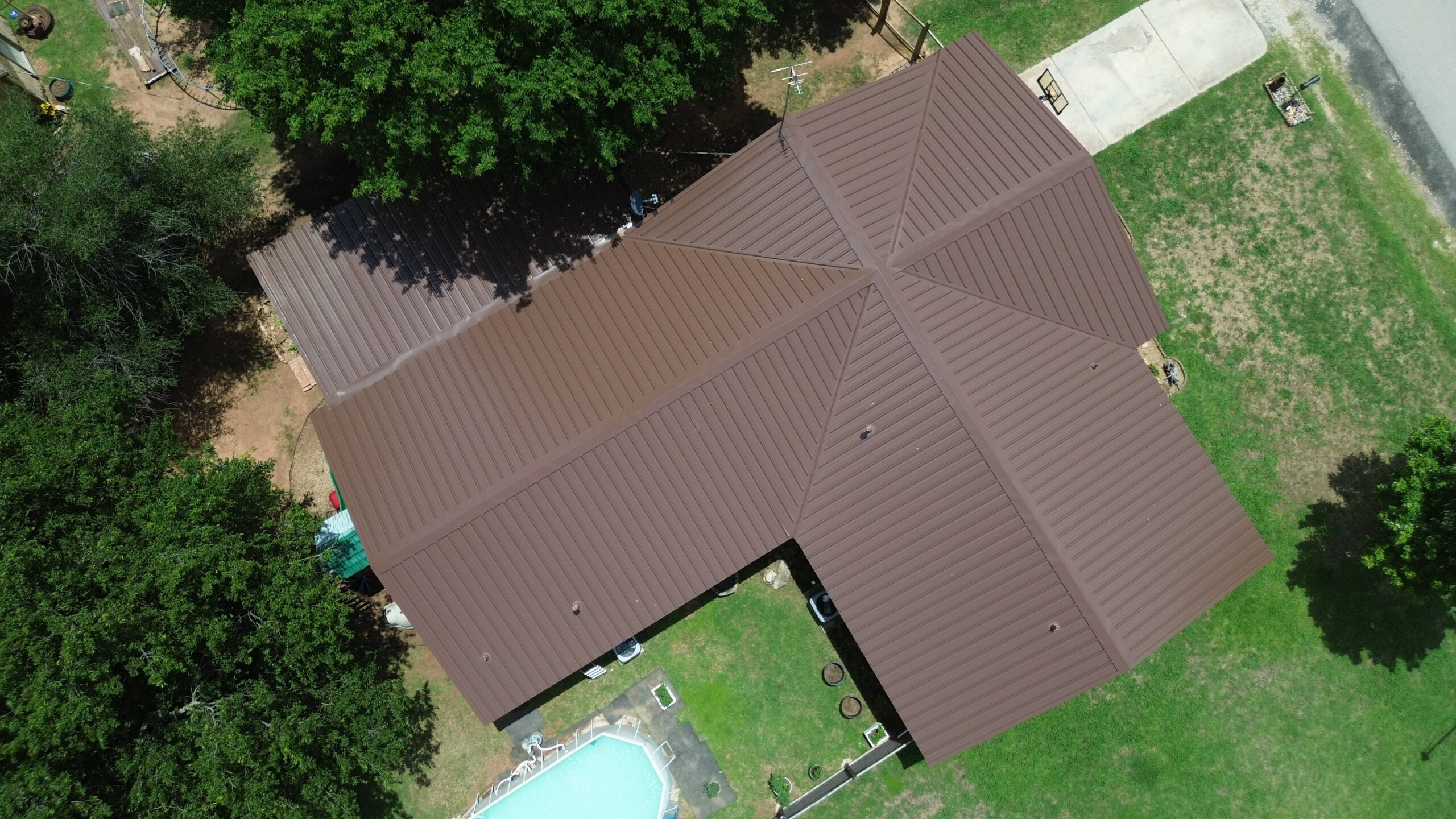
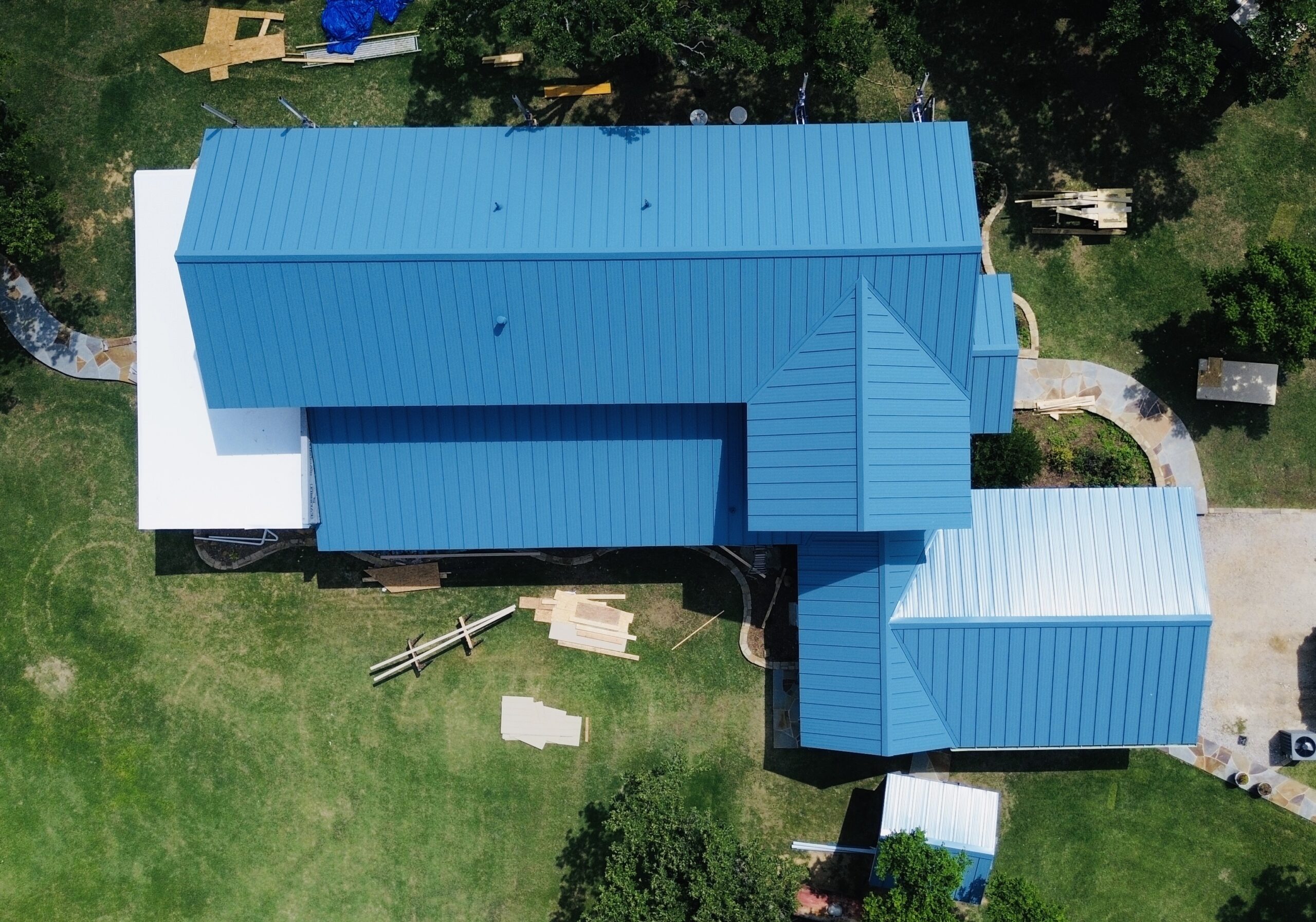
Metal roofing offers another excellent option for homeowners seeking long-term moisture protection. Properly installed metal panels shed water efficiently while resisting cracking, shrinking, and deterioration caused by changing weather conditions. Their long lifespan also reduces the frequency of future replacement projects.
Clay and concrete tiles perform well in climates with heavy rainfall because they naturally resist moisture penetration. Their durability allows them to withstand decades of weather exposure when installed over a properly designed structural framework.
Synthetic roofing materials continue gaining popularity because they combine lightweight construction with excellent weather resistance. Many products are engineered to mimic the appearance of slate or wood while providing improved impact resistance and reduced maintenance requirements.
The roofing material alone does not determine moisture protection. High-quality underlayment, properly installed flashing, effective attic ventilation, and well-designed drainage systems all work together to keep water outside the home. A complete roofing system performs far better than individual components acting alone.
Energy-efficient roofing products may also help reduce condensation inside attic spaces by limiting heat transfer. Improved temperature control lowers the likelihood of excess moisture developing beneath the roof during seasonal weather changes.
Homeowners should compare expected lifespan, maintenance needs, warranty coverage, and overall long-term value rather than focusing only on the initial purchase price. Investing in durable roofing materials often results in lower maintenance costs over the life of the roof.
Preparing for Roof Replacement After Water Damage
Replacing a roof after interior water damage requires careful planning because repairs often involve more than simply installing new roofing materials. Moisture may have affected structural components, insulation, ceilings, or other building materials that also require attention before the project is complete.
The first step is creating a realistic budget that includes all anticipated work. In addition to roofing materials and labor, homeowners should consider the cost of replacing damaged insulation, repairing roof decking, restoring interior finishes, removing mold if necessary, and disposing of damaged materials.
Obtaining estimates from several qualified roofing contractors provides valuable insight into available materials, project timelines, and repair recommendations. Detailed written proposals make it easier to compare both pricing and the scope of work offered by different companies.
Before hiring a contractor, homeowners should verify licensing, insurance coverage, certifications, and references. Experience with water-damaged roofing systems is especially important because hidden structural deterioration often requires specialized repair techniques.
Any moisture trapped inside the home should be addressed before new roofing materials are installed. Drying affected areas thoroughly helps prevent mold growth while ensuring that structural repairs begin on a stable foundation.
Construction may temporarily disrupt daily household routines. Roofing equipment, material deliveries, and debris removal create additional activity around the property, making advance preparation helpful for both homeowners and contractors.
After installation is complete, a final inspection should verify that flashing, ventilation, gutters, drainage systems, and cleanup have all been completed properly. Reviewing warranty documentation and maintenance recommendations also helps homeowners protect their investment.
Proper planning allows roof replacement to resolve both the visible interior water damage and the hidden roofing issues responsible for the leaks. Addressing all related problems during one project provides the greatest long-term value.
Preventing Future Interior Water Damage
A new roof provides excellent protection, but regular maintenance remains essential for preventing future water intrusion. Simple preventive measures help extend the life of the roofing system while reducing the likelihood of costly interior damage.
The following maintenance practices can help keep moisture outside the home.
- Schedule professional roof inspections every few years and after severe storms.
- Clean gutters and downspouts regularly to prevent water backup.
- Remove leaves, branches, and debris that trap moisture on the roof.
- Trim overhanging tree limbs that may damage roofing materials.
- Repair damaged flashing, shingles, or vents as soon as problems appear.
- Keep attic ventilation functioning properly to reduce condensation.
- Inspect ceilings and attic spaces periodically for early signs of moisture.
- Address small leaks immediately before they spread into surrounding materials.
Routine maintenance requires relatively little time compared to the cost of repairing extensive interior water damage. Small problems identified early are almost always easier and less expensive to correct than widespread moisture intrusion.
Maintaining inspection records and repair documentation also provides valuable information for future maintenance planning and may support manufacturer warranty requirements when applicable.
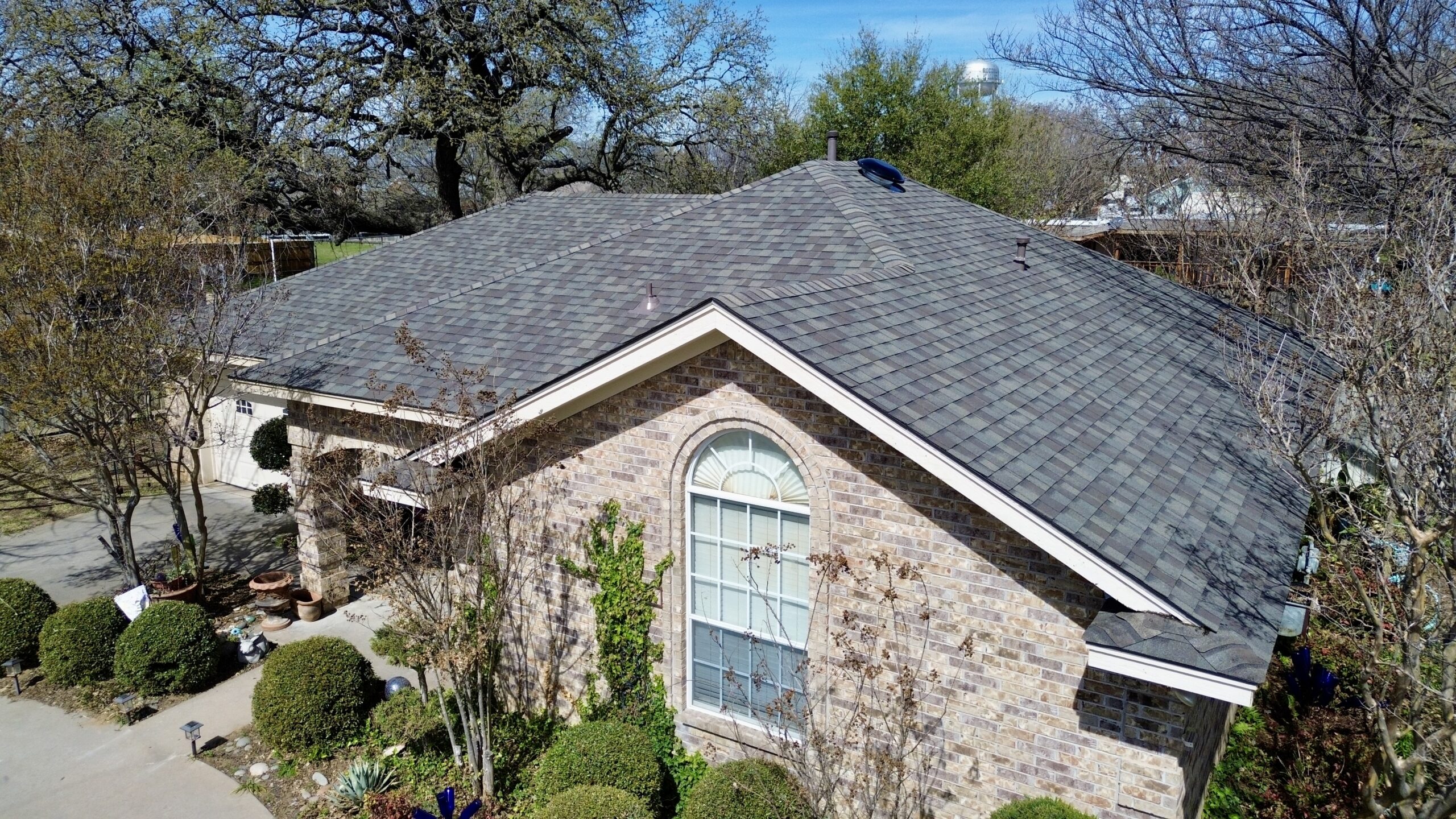
Long-Term Benefits of Replacing a Water-Damaged Roof
Replacing a roof that has caused interior water damage offers benefits extending well beyond eliminating leaks. A properly installed roofing system improves the home’s overall performance while protecting valuable structural and interior components.
One of the most immediate improvements is dependable weather protection. New roofing materials, underlayment, flashing, and ventilation systems work together to keep moisture outside where it belongs. Homeowners gain confidence knowing their property is better prepared for future storms.
Indoor air quality often improves significantly after moisture problems are resolved. Eliminating persistent leaks reduces the conditions that allow mold and mildew to grow, creating a healthier living environment for everyone inside the home.
Energy efficiency is another important advantage. Dry insulation performs much more effectively than water-damaged insulation, allowing heating and cooling systems to operate with greater efficiency. Lower energy consumption may reduce monthly utility expenses while improving indoor comfort.
A new roof also enhances curb appeal and strengthens property value. Prospective buyers generally view a recently replaced roof as a major advantage because it reduces the likelihood of immediate maintenance costs after purchasing the home.
Long-term maintenance expenses are often lower because new roofing systems require fewer repairs during the early years of service. Instead of repeatedly fixing recurring leaks, homeowners can focus on routine inspections and preventive maintenance.
Perhaps the greatest benefit is peace of mind. Knowing that the source of interior water damage has been permanently addressed allows homeowners to enjoy their living spaces without constant concern about ceiling stains, mold growth, or future structural deterioration.
Conclusion
Interior water damage should never be dismissed as a simple cosmetic issue because it often reveals much larger problems developing within the roofing system. Ceiling stains, peeling paint, damp insulation, mold growth, warped drywall, musty odors, damaged wood, and rising indoor humidity all provide valuable warning signs that moisture has been entering the home for an extended period. Recognizing these indicators early allows homeowners to address roofing problems before structural damage becomes significantly more expensive to repair.
Throughout this guide, we explored how roof leaks develop, why interior symptoms often represent hidden structural deterioration, and the most common warning signs that suggest a roof may require replacement. While isolated leaks on newer roofs can sometimes be repaired successfully, widespread interior water damage combined with an aging roofing system usually indicates that replacement provides the safest and most reliable long-term solution.
Replacing a water-damaged roof delivers benefits far beyond stopping leaks. A new roofing system improves energy efficiency, protects structural framing, reduces the risk of mold growth, enhances indoor comfort, increases property value, and provides dependable protection against future weather conditions. Addressing the source of moisture rather than repeatedly repairing interior finishes ensures that the problem is resolved permanently.
Routine inspections remain one of the most effective ways to prevent serious water damage. Professional evaluations identify developing roofing issues before they spread into ceilings, walls, insulation, and structural components, allowing homeowners to make informed decisions based on the overall condition of the roof.
Protecting a home begins with maintaining the roof that shields everything beneath it. By paying attention to the interior warning signs discussed throughout this article and arranging a professional inspection whenever they appear, homeowners can avoid unnecessary repair costs, preserve the value of their property, and ensure their home remains safe, dry, and comfortable for many years to come.