
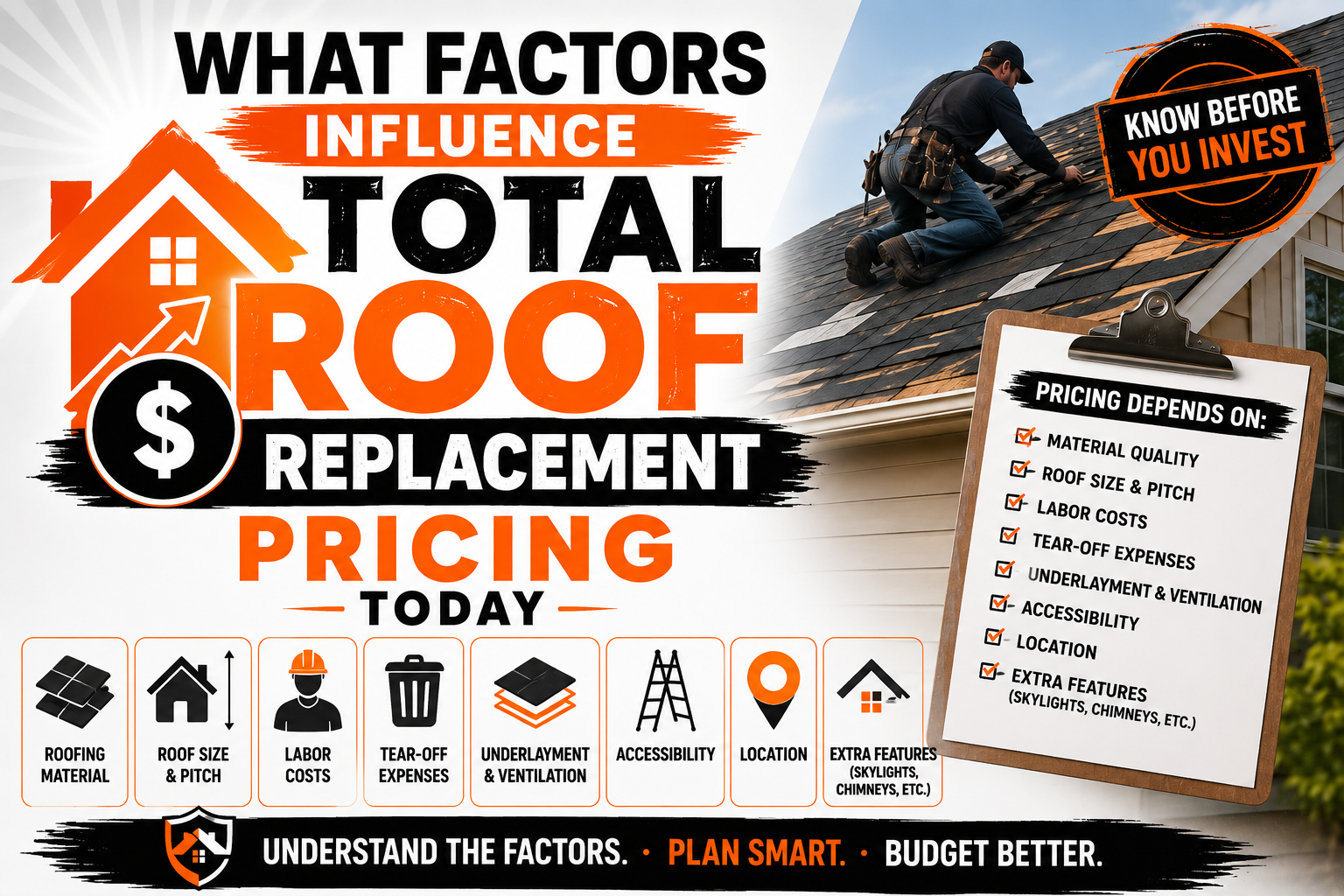
What Factors Influence Total Roof Replacement Pricing Today
Introduction
Replacing a roof is one of the largest investments homeowners make to protect their property. A new roof improves safety, enhances curb appeal, increases energy efficiency, and helps preserve the overall value of a home. Because roof replacement is a significant financial commitment, many homeowners want to understand exactly what determines the final project cost.
One of the biggest misconceptions about roof replacement pricing is that it depends only on the size of the roof. While roof size certainly affects material and labor requirements, it is only one of many factors contractors consider when preparing an estimate. Roofing material, structural condition, labor costs, project complexity, local market conditions, and additional installation requirements all contribute to the total price.
Two homes with similar square footage may receive very different roofing estimates because their roofs are not identical. One roof may have multiple valleys, skylights, chimneys, or steep slopes that increase installation time. Another may require structural repairs after hidden water damage is discovered beneath the old roofing materials. These differences explain why roof replacement costs can vary significantly from one project to another.
Understanding the factors that influence pricing helps homeowners compare estimates more confidently. Instead of focusing only on the lowest number, they can evaluate what is included in each proposal and determine which option provides the greatest long term value. A well informed decision often prevents unexpected expenses later in the project.
Planning ahead also makes budgeting easier. When homeowners understand the major cost drivers before requesting estimates, they can prepare financially and prioritize improvements that deliver lasting performance. This approach reduces surprises while making it easier to select materials and contractors that fit both the home’s needs and the available budget.
In this guide, we will explore the key factors that determine modern roof replacement pricing, explain how roofing materials and roof design affect overall costs, and help homeowners understand why estimates often differ from one contractor to another.
Why Roof Replacement Costs Vary So Much
Many homeowners are surprised when they receive roofing estimates that differ by thousands of dollars. These variations are not always the result of inconsistent pricing. Instead, they often reflect differences in project scope, material quality, labor requirements, and the overall condition of the existing roofing system.
Every roof is unique in terms of size, shape, age, and structural condition. A simple roof with a straightforward design generally requires less labor and fewer materials than one with multiple slopes, dormers, skylights, or intersecting roof lines. Even small design differences can significantly affect installation time.
Material selection also contributes to pricing differences. Asphalt shingles, metal roofing, clay tiles, concrete tiles, wood shakes, and slate all have different manufacturing costs, installation requirements, and expected lifespans. Higher quality materials typically involve greater initial investment but often provide better durability and lower maintenance over time.
The condition of the existing roof is another important factor. Some roofs require only removal of old roofing materials before installation begins. Others reveal damaged decking, deteriorated flashing, weakened structural framing, or moisture related issues that must be corrected before the new roof can be installed safely.
Contractor experience also influences pricing. Established roofing companies often invest in skilled labor, quality equipment, insurance coverage, employee training, and warranty programs. While these contractors may not always provide the lowest estimate, they frequently deliver greater reliability and workmanship.
Local building regulations and permit requirements vary from one area to another as well. Certain projects require additional inspections, specialized materials, or upgraded installation methods to comply with current building standards. These requirements become part of the overall project cost.
Market conditions also affect pricing. Material availability, transportation costs, seasonal demand, and labor shortages all influence roofing estimates throughout the year. Understanding these variables helps homeowners recognize why prices change over time even for similar roofing projects.
Rather than comparing estimates based solely on price, homeowners should evaluate the complete scope of work. A detailed proposal often provides much greater long term value than a lower estimate that excludes important materials or necessary structural repairs.
The Biggest Factors That Influence Total Roof Replacement Pricing
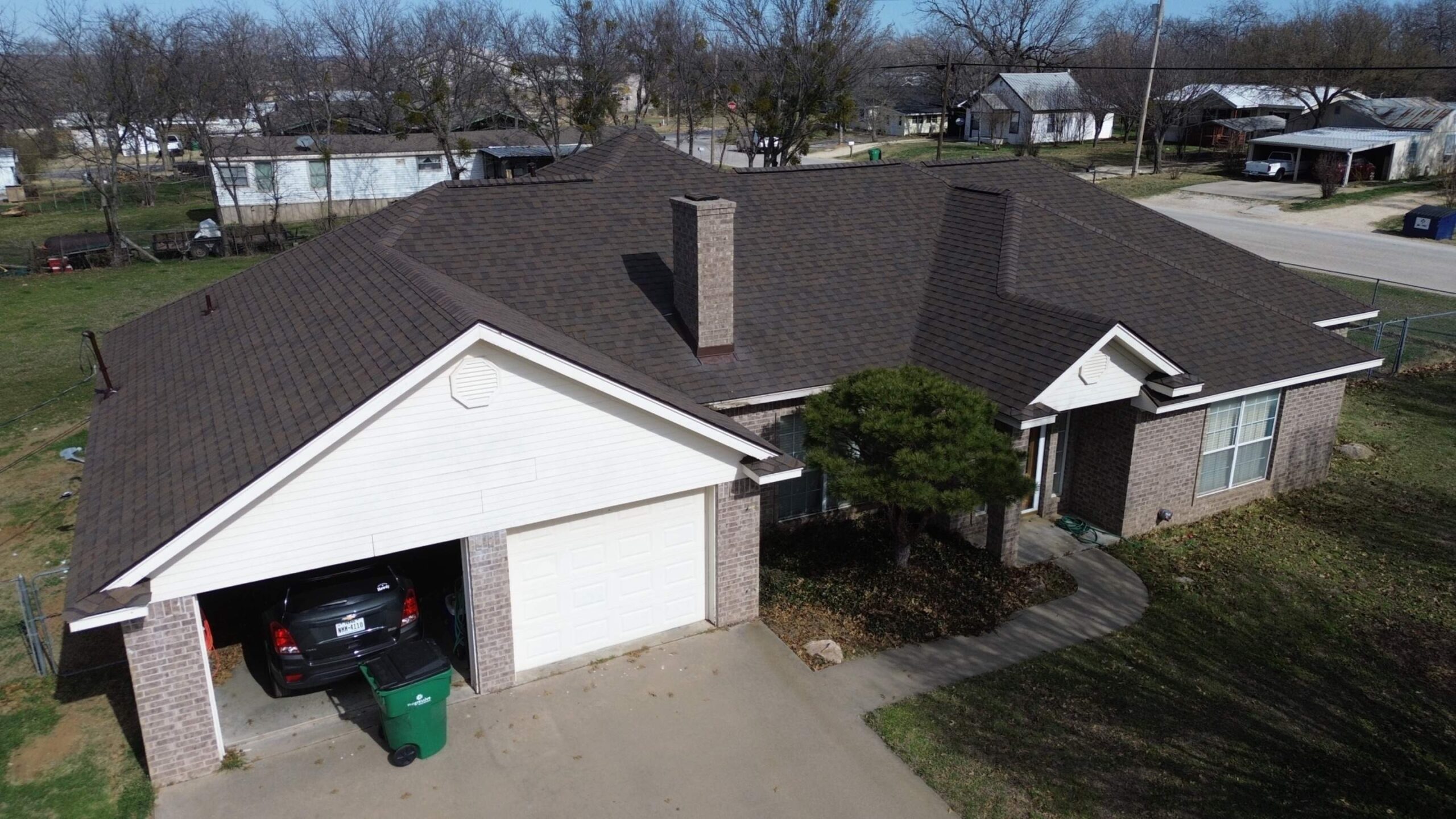
Roof replacement pricing results from the combination of several major cost categories rather than one single factor. Contractors evaluate the entire roofing system before preparing an estimate because each project presents unique installation challenges.
Roof size remains one of the most significant pricing factors. Larger roofs require greater quantities of shingles, underlayment, flashing, fasteners, and other materials. Additional surface area also increases installation time, resulting in higher labor expenses.
Roof pitch influences cost as well. Steeper roofs require additional safety equipment, specialized installation techniques, and more careful movement across the roof surface. These factors increase labor time while reducing installation efficiency.
Roof complexity plays an equally important role. Valleys, dormers, skylights, chimneys, roof vents, and multiple intersecting roof sections all require careful flashing and detailed workmanship. The more architectural features a roof includes, the more labor intensive the installation becomes.
Material quality significantly affects both initial pricing and long term value. Premium roofing materials generally cost more to purchase and install, but they often provide longer service life, improved weather resistance, and lower maintenance requirements.
The condition of underlying structural components cannot be overlooked. Damaged roof decking, deteriorated flashing, weakened rafters, or moisture related structural problems must be repaired before new roofing materials are installed. These hidden conditions frequently account for unexpected increases in project cost.
Removal of the existing roof also contributes to overall pricing. Multiple layers of old roofing materials require additional labor and disposal expenses. Proper removal ensures that the new roofing system begins with a clean and structurally sound foundation.
Finally, warranty coverage influences project pricing. Contractors offering comprehensive workmanship warranties often include higher quality installation practices and closer quality control throughout the project. These investments contribute to overall project value even if they increase the initial estimate.
Understanding these primary cost drivers helps homeowners evaluate roofing proposals more effectively while recognizing why prices vary between projects.
How Roofing Material Affects Overall Cost
The type of roofing material selected has one of the greatest influences on total replacement pricing. Different materials vary not only in purchase price but also in installation complexity, expected lifespan, maintenance requirements, and structural support needs. Choosing the right material requires balancing initial investment with long term performance.
Asphalt shingles remain the most widely used residential roofing material because they offer an effective combination of affordability and dependable protection. Installation is relatively straightforward, making labor costs lower than many premium roofing systems. For homeowners seeking reliable performance at a moderate cost, asphalt shingles remain a popular choice.
Architectural shingles provide enhanced durability and improved appearance compared to basic asphalt shingles. Although they generally cost more initially, their longer lifespan and stronger weather resistance often justify the additional investment. Many homeowners choose architectural shingles when planning to remain in the home for many years.
Metal roofing typically requires a higher upfront investment but offers exceptional longevity and durability. Specialized installation techniques increase labor requirements, yet the extended service life often reduces maintenance expenses over several decades. Metal roofing also performs well in regions experiencing severe weather.
Wood shakes create a distinctive natural appearance but require careful installation and ongoing maintenance. Moisture, insects, and weather exposure affect their long term performance more than some alternative materials. These maintenance considerations become part of the overall ownership cost.
Clay and concrete tiles provide outstanding durability while adding architectural character to a home. However, their considerable weight may require structural reinforcement before installation. This additional structural work increases overall project pricing beyond the cost of the roofing material itself.
Slate represents one of the longest lasting roofing materials available. Its exceptional durability comes with higher material costs and specialized installation requirements. Supporting structures must also be capable of handling slate’s significant weight, adding further considerations during project planning.
Material selection should never be based solely on purchase price. Climate, maintenance expectations, home design, and long term ownership goals all influence which roofing material provides the greatest overall value.
Roof Size and Complexity Explained
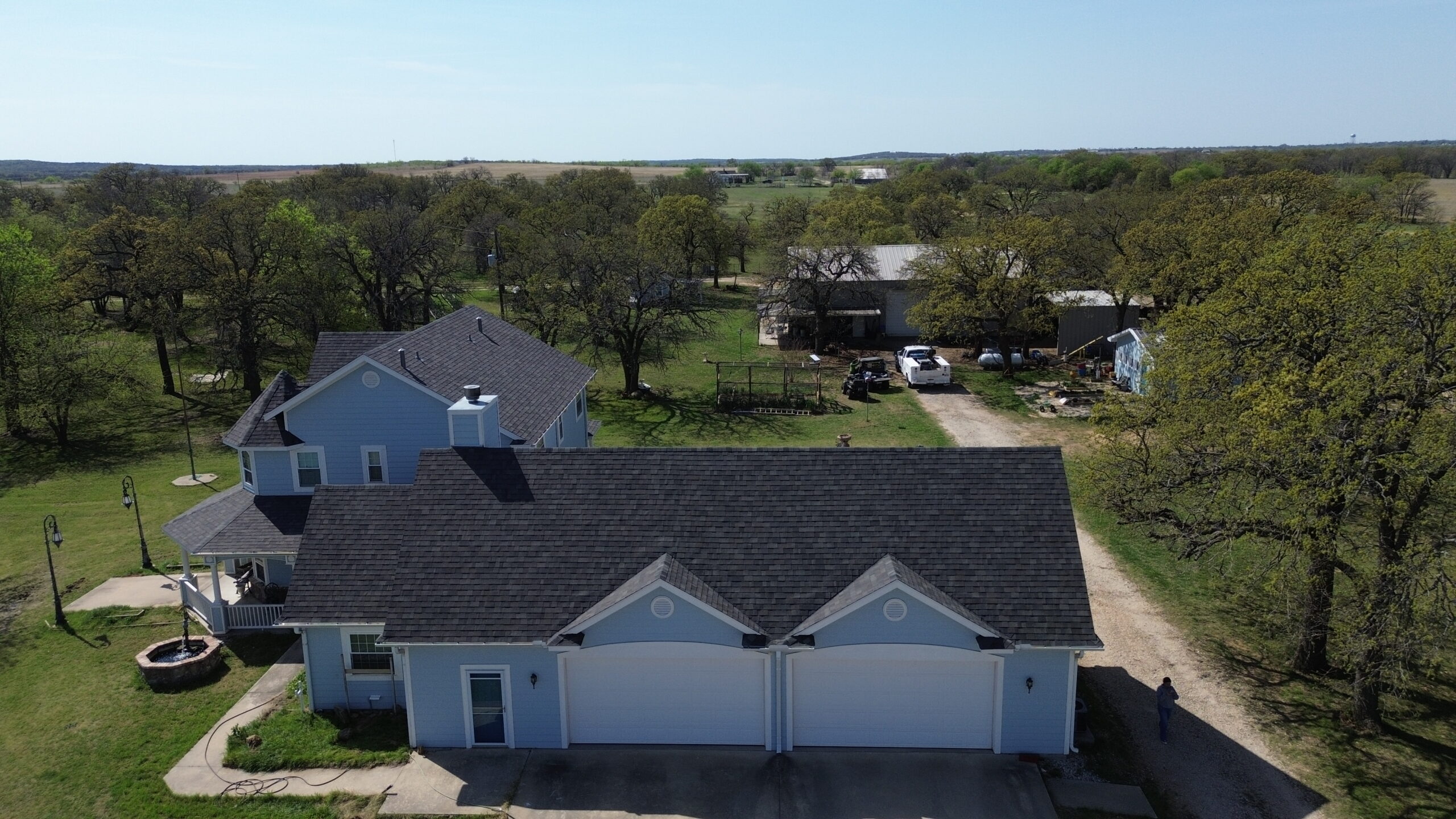
Roof size is often the first factor homeowners associate with replacement pricing, and for good reason. Larger roofs require more materials and additional labor, making size a significant component of every roofing estimate. However, complexity frequently influences cost just as much as total surface area.
Contractors calculate roof size based on the actual roof surface rather than the home’s interior floor area. Sloped roofs contain more surface area than flat measurements suggest because each slope increases the total amount of roofing material required. Accurate measurements ensure sufficient materials are ordered before installation begins.
Roof pitch directly affects project complexity. Steeper roofs require workers to use additional safety equipment while moving more carefully across the surface. Reduced working speed increases labor hours even when the roof size remains unchanged.
Architectural design adds another layer of complexity. Simple rectangular roofs with two slopes are generally much easier to replace than roofs featuring numerous valleys, dormers, skylights, chimneys, and intersecting roof sections. Every additional feature requires more detailed installation work.
Roof valleys deserve particular attention because they concentrate large volumes of water during rainfall. Installing flashing and roofing materials correctly in these areas requires greater precision than covering broad open roof surfaces. Increased detail work naturally adds labor time.
Skylights, vents, solar panel mounts, and chimneys also require specialized flashing to maintain proper weather protection. Each roof penetration increases installation complexity while creating additional opportunities for future leaks if workmanship is not completed carefully.
Accessibility influences complexity as well. Homes surrounded by landscaping, fencing, neighboring buildings, or limited driveway access require additional planning for material delivery and debris removal. Challenging site conditions sometimes increase labor costs even when the roof itself remains relatively simple.
Understanding roof complexity helps homeowners recognize why two roofs of similar size may receive very different estimates. Detailed architectural features often require substantially more labor than simple roof designs.
Why Labor Costs Play a Major Role
While roofing materials receive much of the attention during replacement planning, labor often represents one of the largest portions of the total project cost. Installing a roof involves far more than placing new shingles on the home. Skilled workmanship determines how effectively the roofing system performs for decades after installation.
Roof removal is one of the first labor intensive stages of the project. Contractors carefully remove existing shingles, flashing, underlayment, nails, and other materials while protecting the surrounding property. This preparation creates a clean foundation for the new roofing system.
Structural inspections occur after old materials have been removed. Contractors evaluate roof decking, framing, ventilation, and moisture barriers before proceeding with installation. Identifying hidden damage at this stage ensures structural issues are corrected before new roofing materials are applied.
Installing modern roofing systems requires precision throughout every phase of the project. Underlayment, flashing, ventilation components, drip edges, and roofing materials must all be installed according to manufacturer specifications. Proper installation directly influences warranty coverage and long term roof performance.
Safety requirements also contribute to labor costs. Roofing crews use harnesses, scaffolding, roof anchors, and other protective equipment when working on elevated surfaces. These precautions help protect workers while ensuring projects meet safety standards.
Cleanup represents another important labor component. Contractors remove debris, collect nails using magnetic equipment, inspect gutters, and leave the property clean after installation is complete. Thorough cleanup protects homeowners while reflecting overall project quality.
Experienced roofing professionals often complete projects more efficiently while maintaining higher workmanship standards. Their knowledge reduces installation errors that could otherwise lead to leaks or premature roof failure. Although skilled labor may increase initial costs, it frequently delivers better long term value through improved reliability.
Labor should never be viewed simply as an expense. It represents the expertise required to transform roofing materials into a complete weather resistant system capable of protecting the home for decades. Investing in qualified workmanship often provides greater value than reducing costs through lower quality installation.
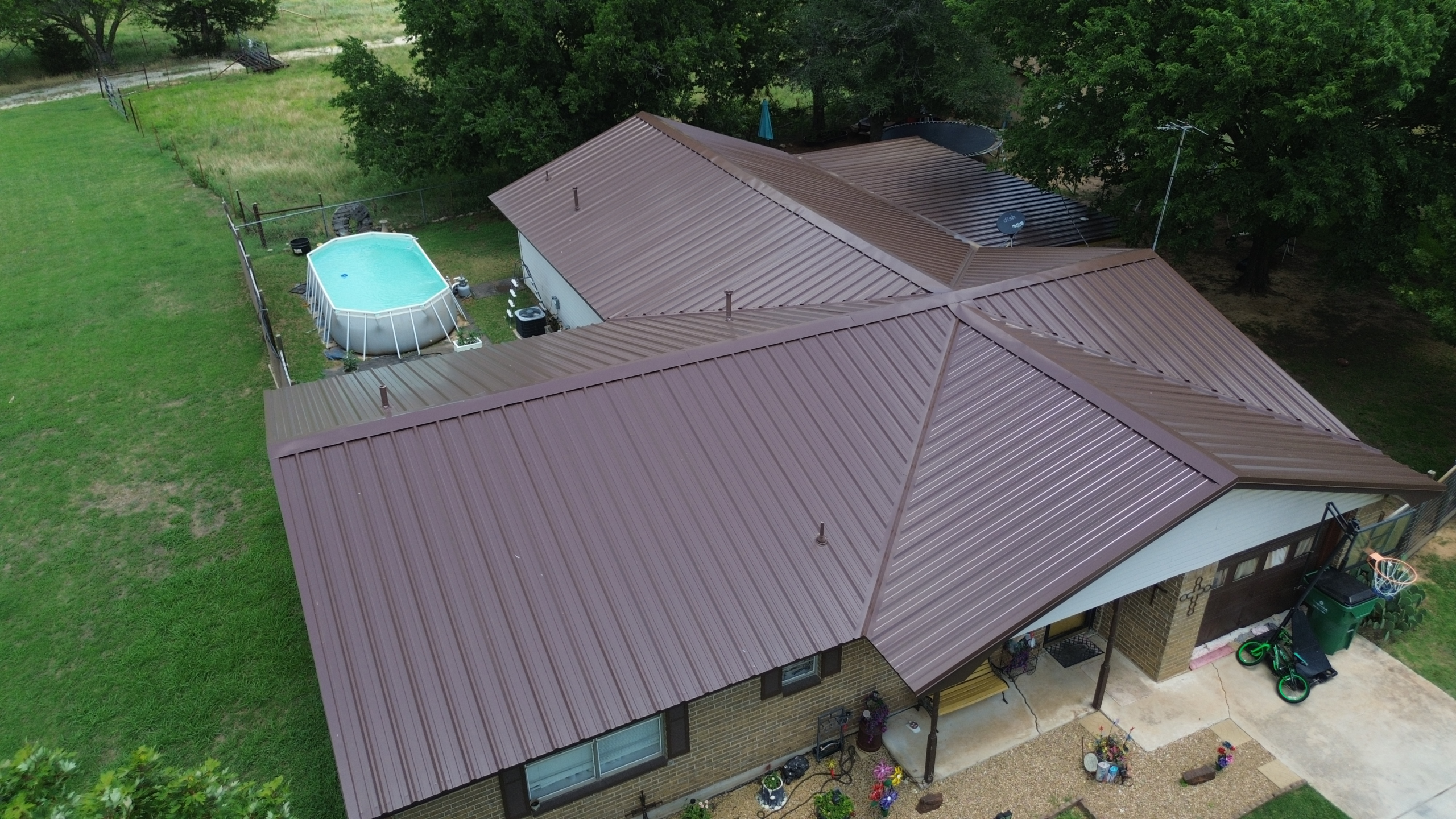
Structural Repairs That Increase Replacement Costs
One of the most common reasons a roof replacement project exceeds its initial estimate is the discovery of hidden structural damage after the old roofing materials are removed. While the roof may appear relatively sound from the outside, problems beneath the shingles often remain concealed until installation begins. These repairs are essential because a new roof cannot perform properly if the supporting structure has already deteriorated.
Roof decking is one of the first structural components contractors inspect after removing the existing roof. Decking provides the solid surface that supports the entire roofing system, and it must remain strong enough to carry the weight of roofing materials, weather conditions, and routine maintenance. Soft, warped, or rotten decking must be replaced before installation can continue.
Moisture damage is another common issue that increases project costs. Long term leaks often affect roof decking, insulation, rafters, and other wooden structural members. Even if leaks appeared minor inside the home, hidden moisture may have spread much farther beneath the roofing surface than homeowners realize.
Damaged rafters and roof trusses also require careful evaluation. These structural members distribute roof loads safely across the home’s supporting walls. If they have weakened because of water damage, insects, or aging, repairs become necessary to restore structural integrity before the new roofing system is installed.
Poor attic ventilation occasionally contributes to structural deterioration as well. Excessive heat and trapped moisture accelerate wood decay while reducing insulation performance. Correcting ventilation deficiencies during roof replacement helps improve long term durability while protecting the new roofing system.
Flashing replacement should also be considered part of structural restoration. Flashing around chimneys, skylights, roof valleys, and vents protects vulnerable roof intersections from water intrusion. Replacing aging flashing during a roof replacement reduces future leak risks while improving overall weather protection.
Some homes may require structural reinforcement before heavier roofing materials can be installed. Clay tiles, concrete tiles, and slate roofing place greater weight on the home’s framework than asphalt shingles. Additional framing support increases project costs but ensures the roof remains structurally safe throughout its lifespan.
Although structural repairs increase replacement costs, they also provide lasting value by ensuring the new roofing system begins with a stable and reliable foundation. Skipping necessary structural work often leads to much more expensive problems later.
Geographic Location and Local Market Pricing
Roof replacement costs vary considerably depending on where a home is located. Regional differences in labor availability, climate, transportation, building regulations, and material supply all influence the final project price. Understanding these geographic factors helps homeowners recognize why roofing estimates differ between locations.
Labor costs often represent the largest regional pricing difference. Areas with higher living costs generally have higher wages for skilled roofing professionals, increasing installation expenses. Regions experiencing labor shortages may also see increased pricing because experienced roofing crews remain in high demand.
Climate influences both material selection and installation methods. Homes located in areas with heavy snowfall, hurricanes, coastal conditions, or intense sunlight often require roofing systems designed to withstand these environmental challenges. Specialized materials and installation techniques naturally increase project costs.
Transportation expenses also affect roofing estimates. Roofing materials delivered over long distances typically cost more because of fuel, shipping, and distribution charges. Homes located in remote areas may experience additional delivery expenses compared to properties near major supply centers.
Building regulations vary between municipalities and regions. Local codes may require upgraded underlayment, enhanced ventilation, stronger fastening systems, or additional inspections during roof replacement. Meeting these requirements adds cost but improves long term safety and performance.
Permit fees should also be considered when evaluating total project pricing. Many roof replacement projects require permits before work begins, and fees vary according to local regulations. Professional contractors usually include these expenses within their project estimates.
Seasonal demand influences local pricing as well. Roofing companies often experience higher demand following severe storms or during favorable construction seasons. Increased demand may temporarily affect labor availability and scheduling while influencing project costs.
Homeowners should compare roofing estimates within their local market rather than relying on pricing information from different regions. Geographic differences often explain significant variations that have little to do with contractor quality or project scope.
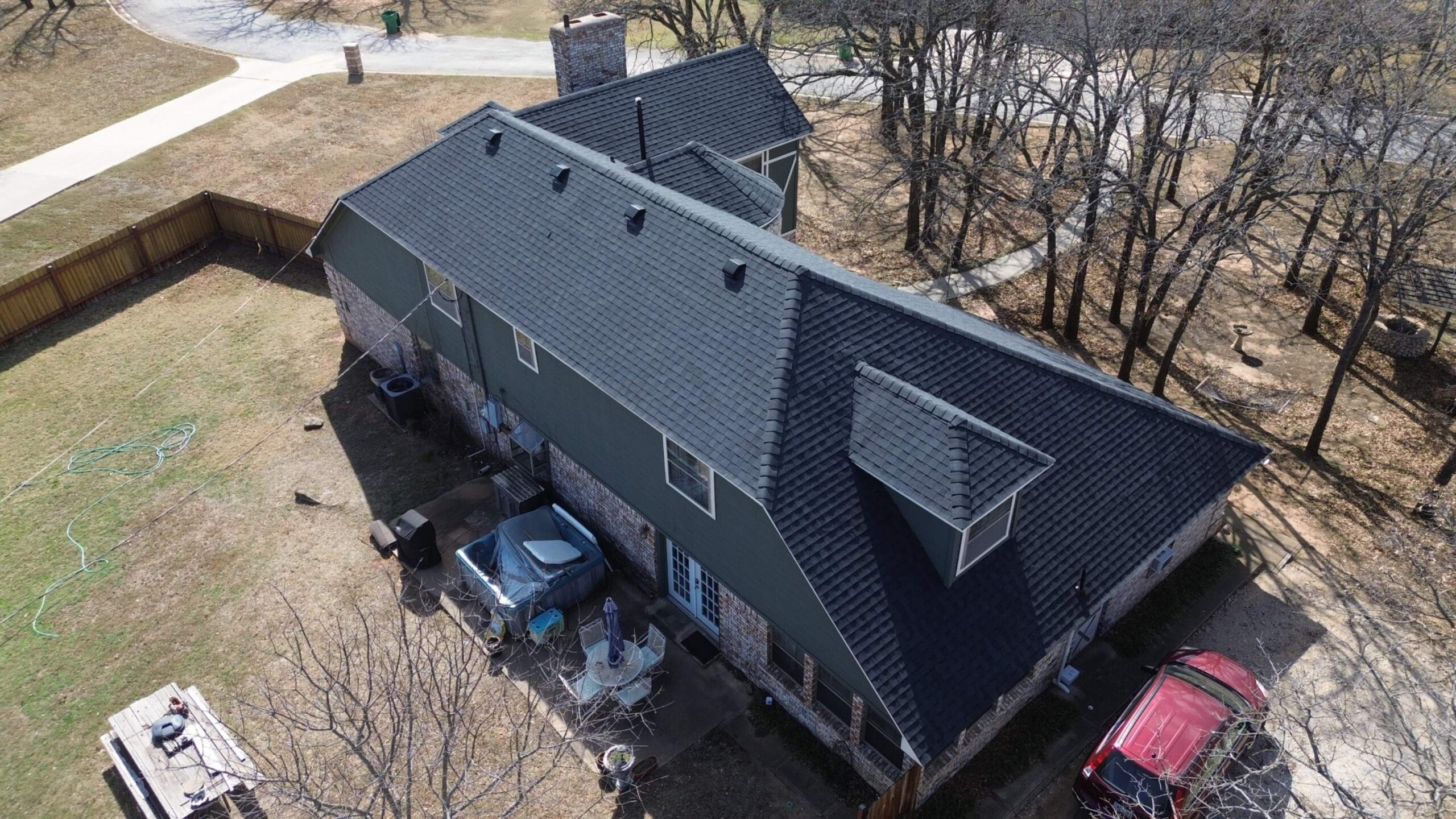
Comparing Popular Roofing Materials and Their Cost Factors
Choosing the right roofing material requires evaluating more than the initial purchase price. Installation requirements, maintenance expectations, durability, and long term ownership costs all influence the overall value of a roofing system.
The following comparison highlights the primary cost related characteristics of popular residential roofing materials.
| Roofing Material | Initial Cost Level | Installation Complexity | Expected Lifespan | Long Term Maintenance |
|---|---|---|---|---|
| Three Tab Asphalt Shingles | Low | Low | 20 to 25 years | Moderate |
| Architectural Shingles | Moderate | Low to Moderate | 25 to 35 years | Low |
| Metal Roofing | High | Moderate to High | 40 to 70 years | Low |
| Wood Shakes | Moderate to High | Moderate | 20 to 35 years | Higher maintenance required |
| Concrete Tiles | High | High | 40 to 75 years | Low |
| Clay Tiles | High | High | 50 to 100 years | Low |
| Slate Roofing | Very High | Specialized | 75 to 150 years | Very low |
This comparison demonstrates that lower initial cost does not always represent the lowest lifetime expense. Premium roofing materials generally require greater upfront investment, but many provide significantly longer service life and reduced maintenance requirements.
Material selection should also consider climate, architectural style, structural support, and long term ownership goals. A roofing material that performs exceptionally well in one region may not provide the same value in another with different environmental conditions.
Evaluating total ownership cost rather than purchase price alone helps homeowners choose roofing materials that provide lasting protection and better overall value.
Additional Features That Affect Roof Replacement Pricing
Beyond roofing materials and structural repairs, many homes include architectural features that increase installation complexity and overall project cost. Each additional roof component requires specialized workmanship to maintain proper weather protection and long term durability.
Chimneys represent one of the most common cost factors. Flashing around chimneys must be carefully removed and replaced to prevent future leaks. Larger or more complex chimney structures generally require additional labor and specialized materials.
Skylights also increase installation requirements. Roofing materials must fit precisely around each skylight while maintaining a watertight seal. Older skylights may require replacement during roof installation if they show signs of deterioration or poor energy efficiency.
Roof valleys deserve particular attention because they channel large amounts of rainwater toward gutters. Proper flashing and careful installation in these areas help prevent future moisture intrusion. Roofs with multiple valleys require more labor than simpler roof designs.
Ventilation systems contribute to pricing as well. Ridge vents, roof vents, exhaust systems, and intake ventilation all support proper attic airflow. Replacing outdated ventilation components during roof installation improves long term roof performance while reducing moisture related problems.
Solar panels may also influence replacement costs. Existing systems usually require temporary removal before roofing work begins and careful reinstallation afterward. Coordinating this process increases labor while ensuring the solar equipment continues functioning properly.
Gutters, fascia boards, and soffits are frequently evaluated during roof replacement. If these components have deteriorated because of prolonged moisture exposure, replacing them alongside the new roof often provides better overall value than addressing them separately later.
Steep roof sections, multiple dormers, decorative roof features, and limited property access all increase labor time as well. These architectural characteristics require additional planning and careful workmanship throughout the installation process.
Understanding these additional features helps homeowners interpret roofing estimates more accurately. Higher pricing often reflects increased project complexity rather than unnecessary contractor markup.
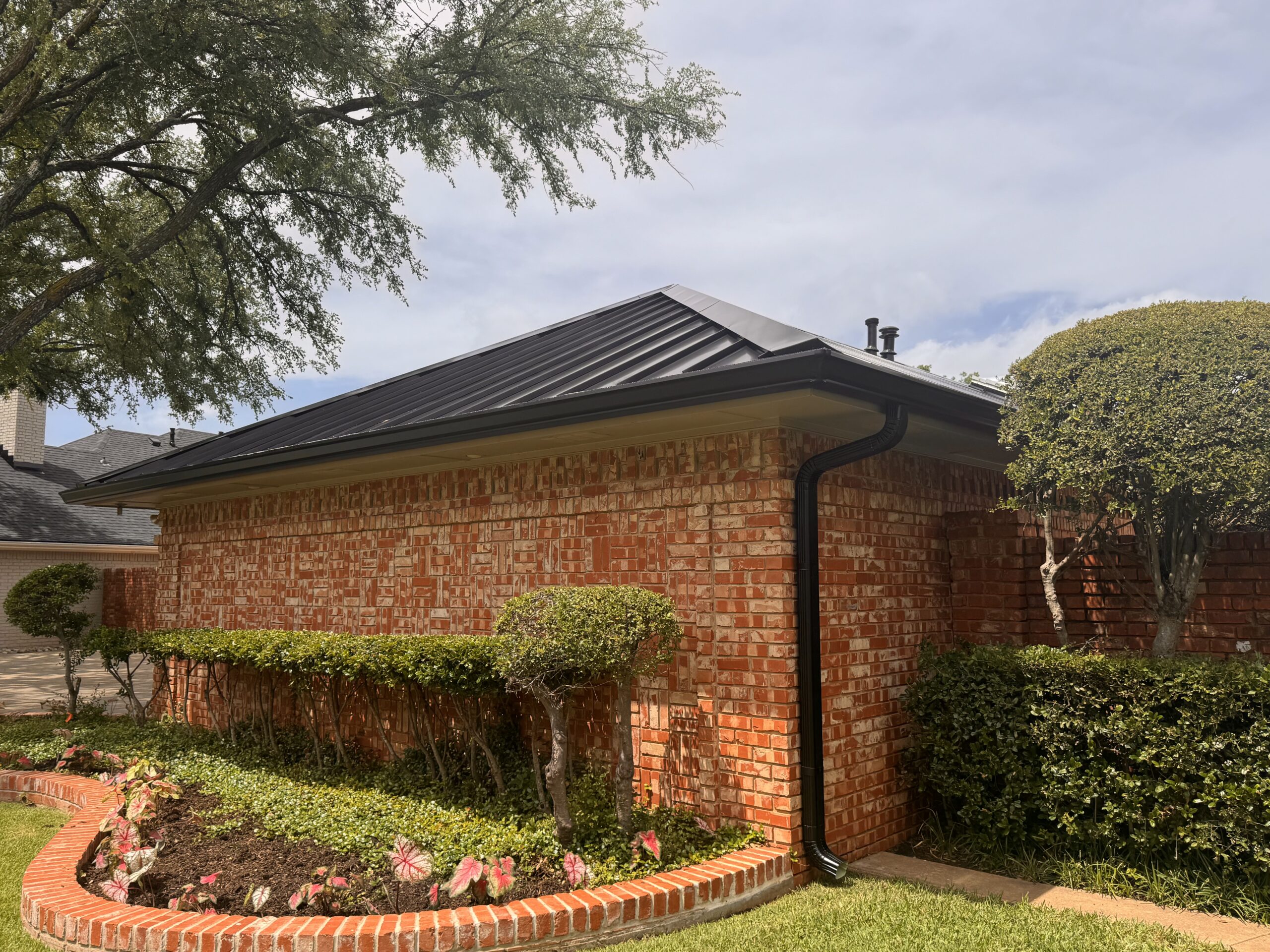
Hidden Costs Homeowners Should Prepare For
Many homeowners budget only for the roofing estimate itself, but several additional expenses may arise during the replacement process. Preparing for these possibilities reduces financial surprises while allowing projects to proceed without unnecessary delays.
One of the most common hidden costs involves damaged roof decking discovered after the old roof has been removed. Because decking remains hidden beneath roofing materials, contractors cannot always determine its condition before installation begins. Replacing deteriorated sections becomes necessary to support the new roof properly.
Permit fees represent another expense that varies depending on local regulations. Some municipalities require inspections throughout the installation process, while others charge permit fees based on project size or property value. Professional contractors typically explain these requirements before work begins.
Waste removal also contributes to overall project costs. Removing old shingles, flashing, underlayment, nails, and damaged structural materials generates substantial debris that must be transported and disposed of properly. Disposal fees vary according to local waste management regulations.
Unexpected weather delays occasionally affect project scheduling as well. Although experienced contractors plan carefully, prolonged rain or severe storms sometimes extend installation timelines. While weather itself does not necessarily increase project cost, scheduling adjustments may influence overall planning.
Homeowners may also choose optional upgrades once the project begins. Improved ventilation systems, premium underlayment, upgraded flashing, or higher quality roofing materials often provide long term value but increase the overall investment. Evaluating these options carefully helps balance budget considerations with future performance.
Insurance deductibles should also be considered if replacement follows storm damage. While insurance may cover part of the project, homeowners remain responsible for applicable deductibles according to their policy terms.
Setting aside a reasonable contingency budget allows homeowners to address unforeseen structural repairs or optional improvements without unnecessary financial pressure. Planning for hidden costs creates a smoother replacement experience while reducing unexpected interruptions.
Questions to Ask Before Requesting Roofing Estimates
Obtaining multiple roofing estimates is an important part of planning any replacement project. However, asking the right questions helps homeowners compare proposals based on value rather than price alone. Clear communication also reduces misunderstandings before construction begins.
Consider asking these questions when requesting roofing estimates:
- What roofing materials and installation methods are included in the estimate?
- Does the proposal include removal and disposal of the existing roof?
- How will hidden structural damage be handled if it is discovered during installation?
- What warranties are provided for both materials and workmanship?
- Are permits, inspections, and cleanup included in the total project price?
- What factors could cause the final cost to change after work begins?
These questions encourage detailed conversations that reveal important differences between roofing proposals. A comprehensive estimate should explain exactly what work will be completed rather than providing only a total price.
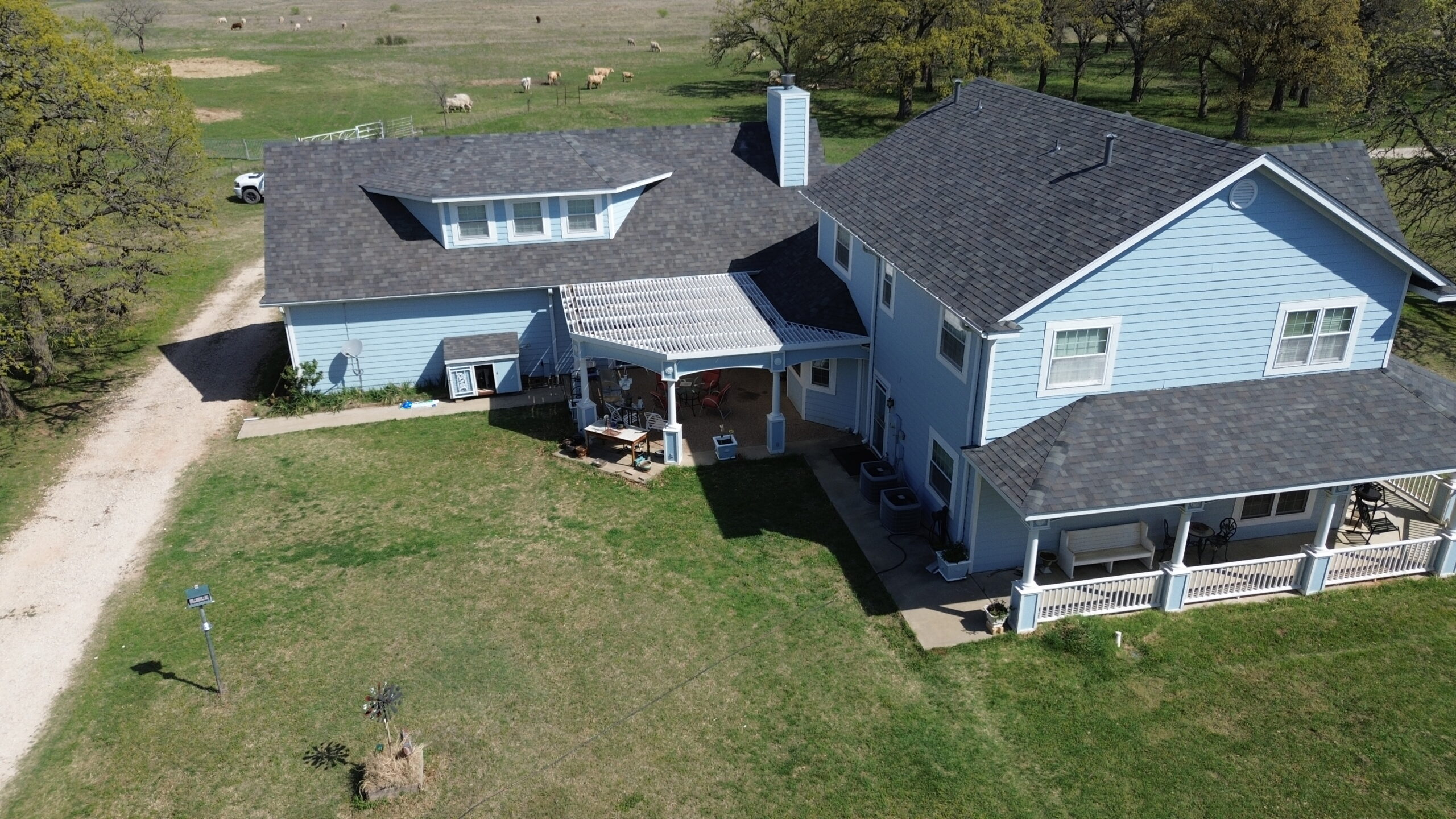
How to Budget for a Roof Replacement Project
Planning financially for a roof replacement helps homeowners avoid unnecessary stress while ensuring the project can be completed without compromising quality. Since every roof eventually reaches the end of its service life, preparing in advance is often more effective than waiting until emergency repairs become unavoidable. A thoughtful budget also provides greater flexibility when selecting materials and contractors.
The first step is understanding the approximate age and condition of the current roof. If the roofing system is approaching the end of its expected lifespan, homeowners can begin setting aside funds several years before replacement becomes necessary. Gradual saving reduces the financial impact of one large expense.
Obtaining multiple professional estimates is another important part of budgeting. Comparing proposals from qualified contractors provides a realistic understanding of local pricing while helping homeowners identify the average project cost in their area. Estimates should be compared based on materials, workmanship, warranties, and project scope rather than price alone.
Homeowners should also create a contingency allowance for unexpected structural repairs. Hidden decking damage, deteriorated flashing, or ventilation improvements may only become visible after the existing roof has been removed. Setting aside additional funds helps prevent delays if these issues are discovered during installation.
Material selection should be based on long term value instead of only initial cost. Premium roofing materials often require a greater upfront investment, but their longer lifespan and reduced maintenance needs may lower overall ownership costs. Choosing materials that suit the home’s climate also improves long term performance.
Financing options may be worth exploring for homeowners who prefer spreading project costs over time. Many roofing companies and financial institutions offer financing programs that make large home improvement projects more manageable. Carefully reviewing terms and repayment options helps ensure financing fits the household budget.
Budgeting should also include future maintenance. Even a new roof benefits from routine inspections, gutter cleaning, and preventive care throughout its lifespan. Planning for ongoing maintenance helps maximize the return on the roofing investment while reducing future repair expenses.
A well prepared budget gives homeowners confidence throughout the replacement process. Instead of making rushed financial decisions during an emergency, they can focus on selecting the roofing system that provides the greatest long term value.
Common Pricing Mistakes Homeowners Should Avoid
Roof replacement is a significant investment, and certain pricing mistakes can increase costs or reduce long term value. Avoiding these common errors helps homeowners make informed decisions while protecting both their property and their budget.
The following mistakes are among the most common.
- Choosing the lowest estimate without comparing materials, workmanship, and warranty coverage.
- Ignoring the possibility of hidden structural repairs when creating a budget.
- Comparing estimates based only on total price instead of reviewing the complete project scope.
- Selecting roofing materials based solely on initial cost rather than expected lifespan.
- Hiring contractors without verifying licensing, insurance, or previous work experience.
- Delaying replacement until emergency damage creates additional repair expenses.
Each of these mistakes can increase overall project costs even if the initial estimate appears attractive. Focusing on long term value instead of short term savings generally produces better financial results over the life of the roofing system.
Taking time to evaluate every aspect of the proposal helps homeowners avoid unexpected expenses while ensuring the completed roof performs as expected for many years.
Getting the Best Value Instead of the Lowest Price
Many homeowners naturally focus on obtaining the lowest roofing estimate, but the least expensive proposal does not always represent the best investment. Roof replacement should be evaluated as a long term improvement where workmanship, material quality, and reliability contribute just as much to value as the initial price.
A detailed estimate often reveals important differences between contractors. One proposal may include premium underlayment, upgraded flashing, comprehensive cleanup, and longer workmanship warranties, while another excludes these items to reduce the quoted price. Understanding exactly what is included prevents inaccurate comparisons.
Contractor experience also influences long term value. Established roofing companies often invest in skilled installers, ongoing training, quality control, and customer support. Although these services may increase project pricing, they reduce the likelihood of installation errors that could require expensive repairs later.
Warranty coverage deserves careful attention as well. Material warranties protect the roofing products themselves, while workmanship warranties address installation quality. Strong warranty programs demonstrate contractor confidence while providing additional protection for homeowners.
Communication throughout the project contributes to value too. Contractors who explain recommendations clearly, provide realistic timelines, and respond promptly to questions create a smoother replacement experience. Good communication reduces misunderstandings while helping projects remain organized from beginning to end.
The quality of supporting materials should not be overlooked. Flashing, ventilation systems, moisture barriers, fasteners, and underlayment all affect the roof’s long term durability. Investing in quality components throughout the roofing system often produces better results than upgrading shingles alone.
Looking beyond the initial estimate allows homeowners to evaluate the complete ownership experience. The best value comes from a roofing system that performs reliably, requires fewer repairs, and protects the home for decades rather than simply costing less on installation day.
Long Term Financial Benefits of Investing in Quality Roofing
A roof replacement should be viewed as a long term investment rather than a short term expense. Choosing quality materials and professional installation often reduces ownership costs while improving the home’s overall performance for many years. These benefits continue long after construction has been completed.
One of the greatest financial advantages is reduced maintenance. High quality roofing systems generally require fewer repairs because they are designed to resist weather related damage more effectively. Routine inspections and preventive maintenance often become the primary maintenance requirements instead of repeated emergency repairs.
Improved energy efficiency also contributes to long term savings. Modern roofing materials, upgraded underlayment, and better attic ventilation help regulate indoor temperatures throughout the year. Heating and cooling systems operate more efficiently, potentially reducing monthly energy expenses.
Quality roofing also protects other parts of the home. A dependable roofing system prevents moisture from reaching insulation, drywall, flooring, electrical systems, and structural framing. Avoiding these secondary repairs often saves far more than the additional investment required for better roofing materials.
Property value frequently increases after installing a new roof. Buyers recognize that roof replacement is one of the largest home maintenance expenses, making recently replaced roofs an attractive selling feature. Improved curb appeal further strengthens the home’s marketability.
Longer manufacturer warranties provide another financial benefit. Premium roofing materials often include stronger warranty protection because they are engineered for extended service life. Combined with professional workmanship warranties, this coverage provides additional confidence in the investment.
Perhaps the greatest financial advantage is predictability. Instead of facing recurring repair bills after every major storm, homeowners enjoy greater certainty regarding future maintenance expenses. Planned inspections replace emergency repairs, making long term budgeting much easier.
Investing in quality roofing provides lasting returns through improved durability, lower maintenance, greater efficiency, and enhanced property value. These benefits often outweigh the difference between basic and premium roofing systems over the course of ownership.
Choosing the Right Roofing Contractor
Selecting the right contractor is just as important as choosing the right roofing material. Even premium roofing products cannot deliver their full performance if installation quality is poor. Careful contractor selection helps ensure the investment provides dependable protection for decades.
Homeowners should begin by researching contractors with proven experience in residential roof replacement. Companies that have completed similar projects over many years often possess stronger installation procedures and a deeper understanding of local building requirements. Experience also improves the ability to identify hidden structural concerns before they become larger problems.
Licensing and insurance should always be verified before work begins. Proper licensing demonstrates compliance with applicable regulations, while insurance protects both the homeowner and the roofing crew if unexpected accidents occur during construction. Requesting documentation provides additional peace of mind before signing a contract.
Written proposals should clearly describe every stage of the project. Material specifications, labor, structural repairs, cleanup procedures, project timelines, and warranty information should all be included. Detailed estimates reduce misunderstandings while making it easier to compare contractors fairly.
References and customer reviews provide valuable insight into workmanship quality and overall reliability. Speaking with previous clients or reviewing completed projects helps homeowners understand how contractors communicate, solve problems, and complete installations. Consistently positive feedback often reflects dependable service.
Project communication should also be considered. Contractors who answer questions clearly, explain recommendations, and provide regular progress updates create a more organized and less stressful experience. Good communication helps homeowners understand each phase of the project while building confidence throughout construction.
Finally, homeowners should carefully review warranty coverage for both materials and installation. Understanding the protection available after project completion ensures there are no surprises if future warranty service becomes necessary.
Choosing an experienced contractor based on quality, transparency, and professionalism often delivers much greater value than selecting a company based only on the lowest estimate.
Conclusion
Understanding what influences total roof replacement pricing helps homeowners make informed decisions instead of focusing only on the final estimate. While roof size plays an important role, it represents only one part of a much larger picture. Roofing materials, structural condition, labor requirements, architectural complexity, geographic location, and installation quality all contribute to the total investment required for a successful roof replacement.
Throughout this guide, we have explored the major cost factors that affect modern roofing projects, including material selection, labor, hidden structural repairs, roof design, and local market conditions. We also examined why roofing estimates vary between contractors and how additional features such as skylights, chimneys, ventilation systems, and roof accessibility influence project pricing. Understanding these variables makes it easier to evaluate proposals based on overall value rather than simply comparing numbers.
A well planned roof replacement delivers benefits that extend far beyond the installation itself. Quality materials and professional workmanship improve weather protection, increase energy efficiency, reduce maintenance costs, enhance property value, and provide dependable performance for decades. Viewing roof replacement as a long term investment helps homeowners appreciate the lasting financial and practical advantages of choosing quality over short term savings.
Budget preparation, detailed contractor comparisons, and realistic expectations all contribute to a smoother replacement experience. Planning ahead allows homeowners to address structural issues, select suitable materials, and schedule the project under favorable conditions instead of responding to emergency roof failures. Thoughtful preparation also reduces unexpected expenses while improving confidence throughout the decision making process.
Every roofing project is unique, and no single price applies to every home. By understanding the factors that influence roof replacement costs today, homeowners can ask better questions, compare estimates more effectively, and invest in a roofing system that delivers reliable protection, lasting performance, and excellent long term value for many years to come.