
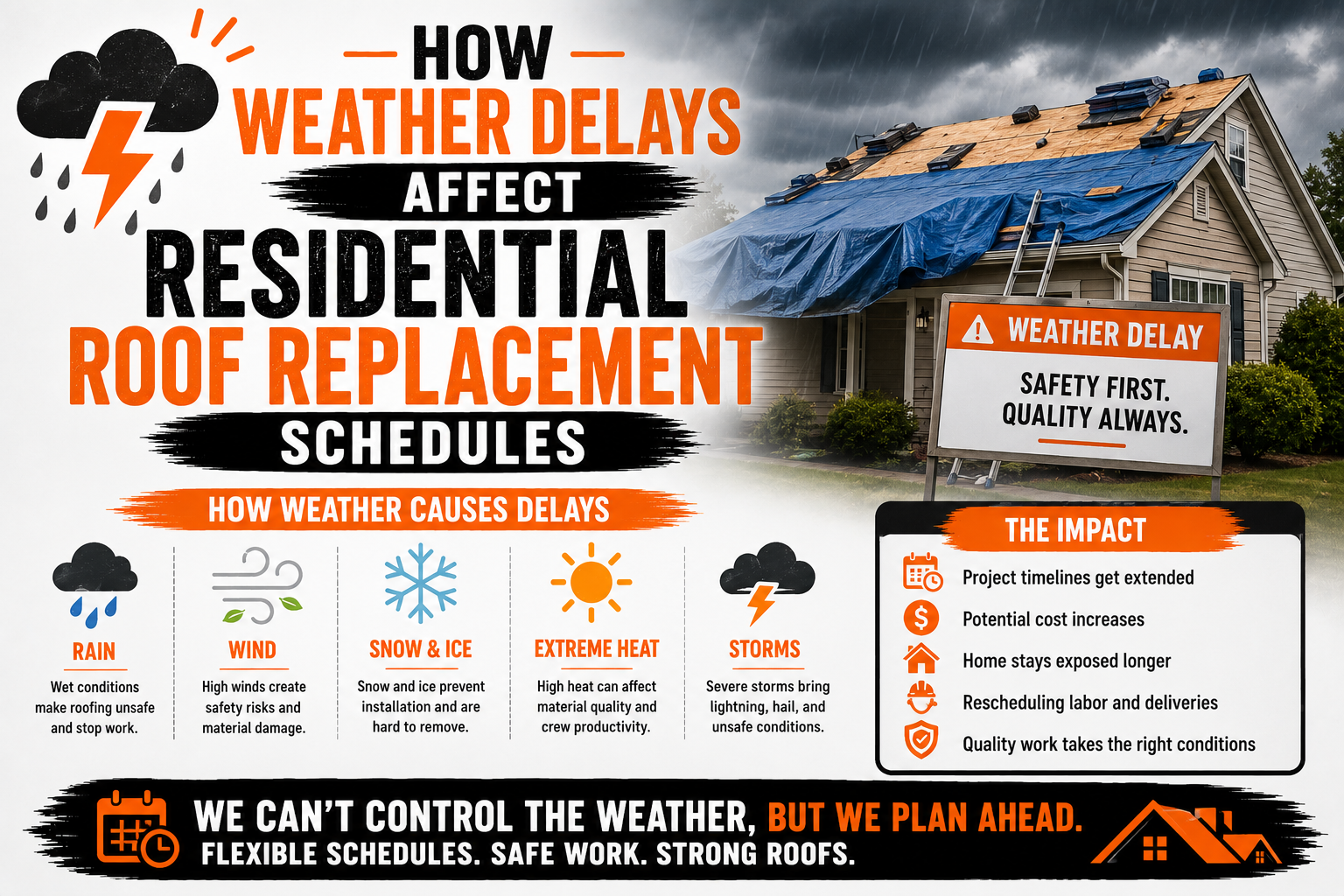
How Weather Delays Affect Residential Roof Replacement Schedules
Introduction
A residential roof replacement is one of the most important investments a homeowner can make. A new roof protects the home from water damage, improves energy efficiency, increases property value, and provides peace of mind for many years. While homeowners often focus on selecting materials and hiring a trusted contractor, one factor that deserves equal attention is the weather.
Weather has a direct impact on every stage of a roof replacement project. From removing old roofing materials to installing new shingles and completing the final inspection, each task depends on suitable weather conditions. Even a well-planned project can experience delays when rain, strong winds, extreme temperatures, or storms create unsafe working conditions.
Many homeowners become frustrated when a roofing contractor postpones work due to the forecast. At first, the delay may seem inconvenient, especially if the project has already been scheduled weeks in advance. However, these decisions are usually made to protect both the workers and the quality of the finished roof.
A properly installed roof should last for decades under normal conditions. Rushing installation during unfavorable weather can shorten the roof’s lifespan and create expensive problems that may not become visible until months or years later. Waiting for better weather often saves homeowners significant repair costs in the future.
Understanding why weather affects roof replacement schedules helps homeowners set realistic expectations before work begins. Instead of viewing delays as poor planning, they can recognize them as an essential part of delivering a safe and durable roofing system.
This guide explains how different weather conditions influence residential roof replacement schedules, why experienced contractors monitor forecasts closely, and what homeowners can do to prepare for unavoidable delays. By understanding the relationship between roofing and weather, homeowners can approach their projects with greater confidence and fewer surprises.
Why Residential Roof Replacement Depends on Good Weather
Unlike many indoor remodeling projects, roofing work takes place entirely outdoors. Every material, tool, and worker is exposed to changing weather throughout the installation process. Because of this exposure, roofing contractors cannot control one of the most important variables affecting the project.
Roof replacement involves much more than simply placing new shingles on top of the house. Contractors first remove old roofing materials, inspect the decking, repair damaged sections if necessary, install underlayment, apply flashing, and finally secure the new roofing system. Each stage requires stable weather conditions to achieve the best results.
Moisture is one of the biggest concerns during installation. If rain reaches the exposed roof deck, wooden components may absorb water before the new roofing system is installed. Even brief exposure can create conditions that reduce the effectiveness of the finished roof.
Temperature also plays a significant role in roofing performance. Many roofing products are designed to be installed within specific temperature ranges. Working outside those ranges may reduce adhesion, flexibility, and overall installation quality.
Wind creates additional challenges by making it difficult to handle large roofing materials safely. Even lightweight shingles can become dangerous when caught by strong gusts. For this reason, contractors constantly monitor changing wind conditions throughout the workday.
Professional roofing companies understand these challenges because they deal with them regularly. Rather than risking poor workmanship, they adjust schedules according to weather forecasts to ensure every installation meets manufacturer recommendations and industry standards.
Why Roofing Contractors Monitor Weather Forecasts Daily
Weather forecasting has become an essential part of modern roofing operations. Contractors do not simply check the forecast once before beginning a project. Instead, they often monitor changing weather patterns several times each day.
Forecasts help contractors determine when to begin removing the existing roof. Since the roof deck becomes temporarily exposed during replacement, timing is critical. Contractors aim to complete as much work as possible before weather conditions change.
Weather monitoring also helps crews organize labor efficiently. If storms are expected later in the afternoon, workers may begin earlier in the morning to maximize productive hours before unsafe conditions arrive.
Modern forecasting tools provide much more than basic temperature predictions. Contractors frequently review information such as:
- Rain probability throughout the day
- Wind speed and expected gusts
- Temperature highs and lows
- Humidity levels
- Thunderstorm warnings
- Heat advisories
- Severe weather alerts
Using this information allows contractors to reduce unnecessary risks while maintaining realistic project schedules. Although forecasts are not always perfect, they provide valuable guidance that helps protect both workers and homeowners.
The Relationship Between Roofing Safety and Weather
Safety remains the highest priority during any residential roof replacement. Roofing consistently ranks among the most physically demanding construction trades because workers spend long hours on elevated surfaces while handling heavy materials and specialized equipment.
Even experienced roofers face increased risks when weather conditions deteriorate. Wet surfaces become slippery, reducing traction and increasing the likelihood of falls. Strong winds can affect worker balance while also lifting materials unexpectedly.
Lightning presents another serious danger that cannot be ignored. Roofing crews work in elevated positions surrounded by metal tools and equipment, making thunderstorms particularly hazardous. Contractors typically suspend work immediately whenever lightning is nearby.
Extreme heat creates additional health concerns. Roofing materials absorb sunlight, causing roof surfaces to become significantly hotter than the surrounding air temperature. Workers must remain hydrated while avoiding heat exhaustion and heat stroke during summer installations.
Cold weather also affects worker safety by reducing flexibility and increasing fatigue. Ice and frost create slippery conditions that make even routine movements more dangerous than usual.
These safety considerations explain why responsible contractors refuse to continue working simply to stay on schedule. A short delay is always preferable to risking serious injury or compromising installation quality.
Common Weather Conditions That Delay Roof Replacement
Different weather conditions affect roofing projects in different ways. Some delays last only a few hours, while others may postpone work for several days depending on local climate patterns.
Rain
Rain is the most common reason residential roof replacement schedules change. Roofing materials are designed to keep water outside the home after installation, but during construction the roof structure becomes temporarily exposed.
Even light rainfall can wet wooden decking, insulation, and underlayment before the roof is fully sealed. Moisture trapped beneath roofing materials may contribute to future issues including mold growth, wood deterioration, and reduced insulation performance.
Because of these risks, contractors usually avoid beginning major roof removal when rain is expected.
Strong Wind
Wind affects both safety and installation quality. Large roofing materials become difficult to control when wind speeds increase, especially while workers carry them across the roof.
Strong gusts may also interfere with proper placement of underlayment and flashing. Misaligned materials installed under windy conditions may reduce long-term roof performance.
When winds exceed safe working limits, contractors typically postpone installation until calmer conditions return.
Thunderstorms
Thunderstorms combine several dangerous weather elements into one event. Heavy rain, lightning, strong winds, and rapidly changing conditions create an environment that is unsuitable for roofing work.
Even storms that appear several miles away may force temporary work stoppages because lightning can travel significant distances beyond visible rainfall.
Professional roofing companies always prioritize worker safety whenever thunderstorms develop.
Snow and Ice
Snow creates obvious installation challenges by covering the roof surface. Ice presents an even greater danger because it dramatically reduces traction while making roofing materials difficult to handle.
Frozen roof decking prevents proper installation of many roofing components. Contractors often wait until snow completely melts and surfaces dry before continuing work.
Extreme Heat
Many homeowners assume summer offers perfect roofing weather, but excessive heat creates its own problems.
Roof surfaces can become extremely hot under direct sunlight. High temperatures affect both workers and certain roofing materials, making installation more difficult than many people expect.
Heat related work schedules often begin earlier in the morning so crews can complete demanding tasks before afternoon temperatures become excessive.
How Different Seasons Influence Roofing Schedules
Every season presents unique advantages and challenges for residential roof replacement. Understanding seasonal patterns helps homeowners choose realistic project timelines.
Spring
Spring is often considered one of the busiest roofing seasons because winter damage becomes visible after snow and ice disappear.
While temperatures are generally favorable, spring weather can be unpredictable. Frequent rain showers and rapidly changing forecasts often require schedule adjustments throughout the season.
Contractors remain flexible during spring projects because weather conditions may change with little warning.
Summer
Summer provides longer daylight hours, allowing crews to accomplish more work each day. Stable weather patterns also reduce the likelihood of repeated rain delays in many regions.
However, extreme heat can slow productivity during the hottest parts of the day. Contractors frequently adjust working hours to protect crews from dangerous temperatures.
Summer also tends to be the busiest roofing season, meaning scheduling may require advance planning.
Autumn
Many roofing professionals consider autumn one of the best seasons for roof replacement. Moderate temperatures create comfortable working conditions while allowing roofing materials to perform well during installation.
Weather tends to remain relatively stable compared to spring, although storms can still occur unexpectedly.
Because homeowners recognize these advantages, autumn appointments often fill quickly.
Winter
Winter roofing depends heavily on regional climate. Areas with mild winters may continue residential roof replacement projects throughout the season with only occasional interruptions.
Regions experiencing snow, freezing temperatures, or ice often encounter more frequent delays. Some roofing materials become difficult to install correctly during extremely cold weather.
Contractors evaluate each winter project individually rather than applying the same schedule to every home.
Why Contractors Prioritize Quality Over Speed
Homeowners naturally want their roof replacement completed as quickly as possible. Living through construction can be inconvenient, especially when vehicles, materials, and equipment occupy the property for several days.
Experienced contractors understand these concerns, but they also recognize that rushing installation rarely benefits the homeowner. A roof is expected to protect the home for twenty to fifty years depending on the material. Sacrificing installation quality to save one or two days rarely makes sense.
Manufacturer warranties often require roofing products to be installed according to specific guidelines. Ignoring weather recommendations could affect warranty coverage while increasing the risk of future repairs.
Quality workmanship depends on careful preparation, proper installation techniques, and suitable environmental conditions. Weather plays an important role in each of these factors, making patience an important part of any successful roofing project.
Professional roofing companies build flexibility into their schedules because they understand weather cannot be controlled. Rather than making unrealistic promises, they communicate openly with homeowners whenever forecasts indicate possible delays.
By focusing on long-term performance instead of short-term speed, contractors help ensure homeowners receive a roof that delivers lasting protection and dependable value for decades.
Managing Roofing Projects Through Weather Challenges
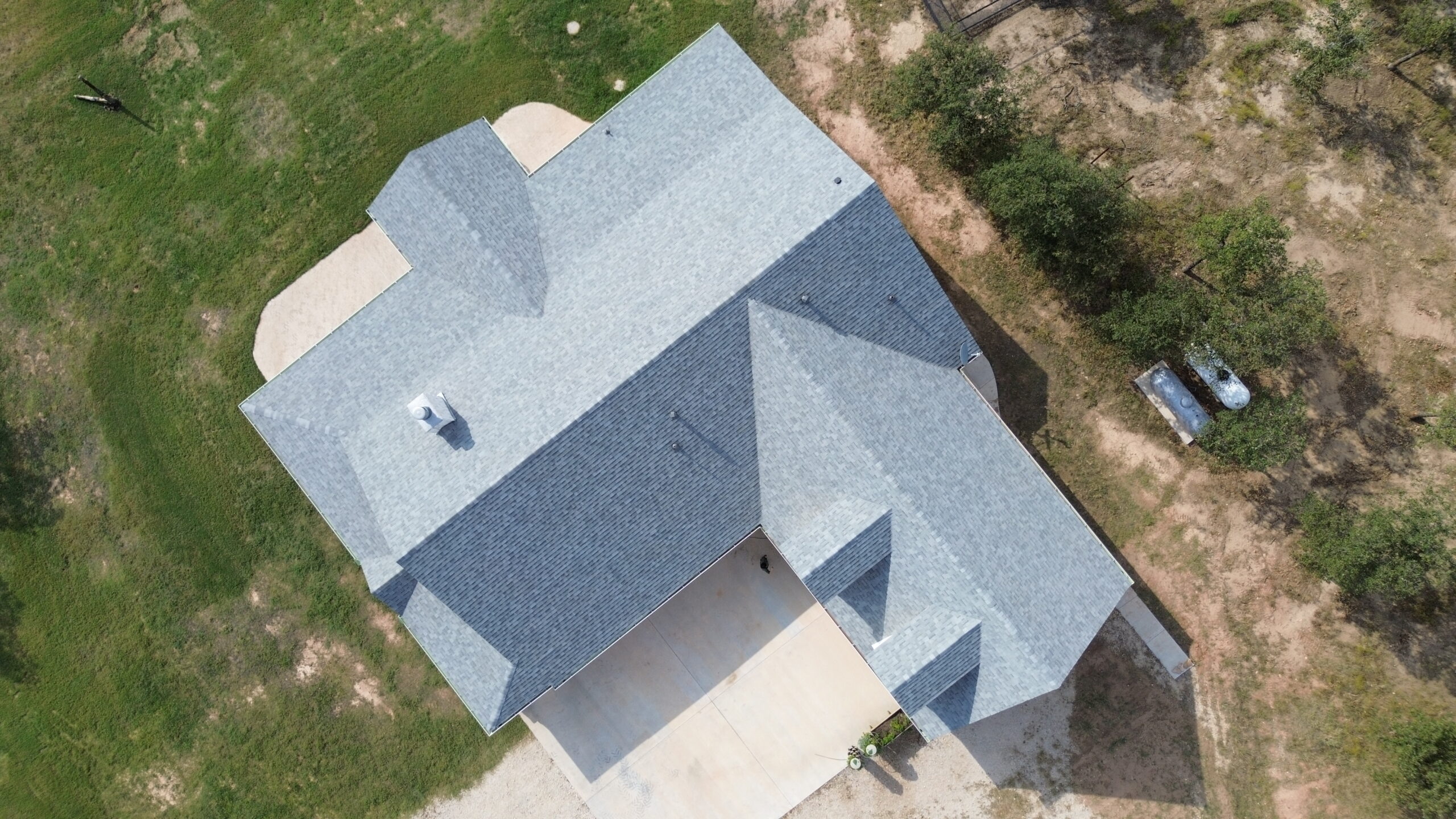
Weather delays can feel frustrating when homeowners are eager to see their roof replacement completed. However, experienced contractors understand that adapting to changing weather is part of delivering a quality installation. A flexible schedule often leads to better workmanship and a more durable roofing system than trying to force progress under unfavorable conditions.
Professional roofing companies rarely treat weather delays as unexpected emergencies. Instead, they build contingency plans into their project timelines because they know forecasts can change quickly. This preparation allows crews to pause work safely and resume efficiently once conditions improve.
Homeowners who understand this process usually experience less stress during the project. Rather than worrying that the contractor is abandoning the job, they recognize that temporary pauses are part of protecting their investment.
How Professional Contractors Adjust Project Schedules
A professional roofing contractor does much more than simply choose a new completion date after bad weather. Every adjustment involves careful coordination between workers, suppliers, equipment, and homeowners to minimize disruption.
Before making scheduling decisions, contractors evaluate updated weather forecasts, material availability, and crew assignments. Their goal is to complete the roof safely while reducing unnecessary delays whenever possible.
Communication becomes especially important during this stage. Reliable contractors keep homeowners informed about schedule changes instead of leaving them wondering when work will resume. Regular updates help homeowners plan around the project while maintaining confidence in the installation process.
Many companies also prioritize partially completed roofs after weather clears. Since those homes have already begun construction, crews often return to them before starting entirely new projects.
What Happens When Rain Interrupts a Roof Replacement
Rain creates challenges whether it begins before work starts or unexpectedly during installation. Experienced roofing crews prepare for both situations because weather forecasts are never completely certain.
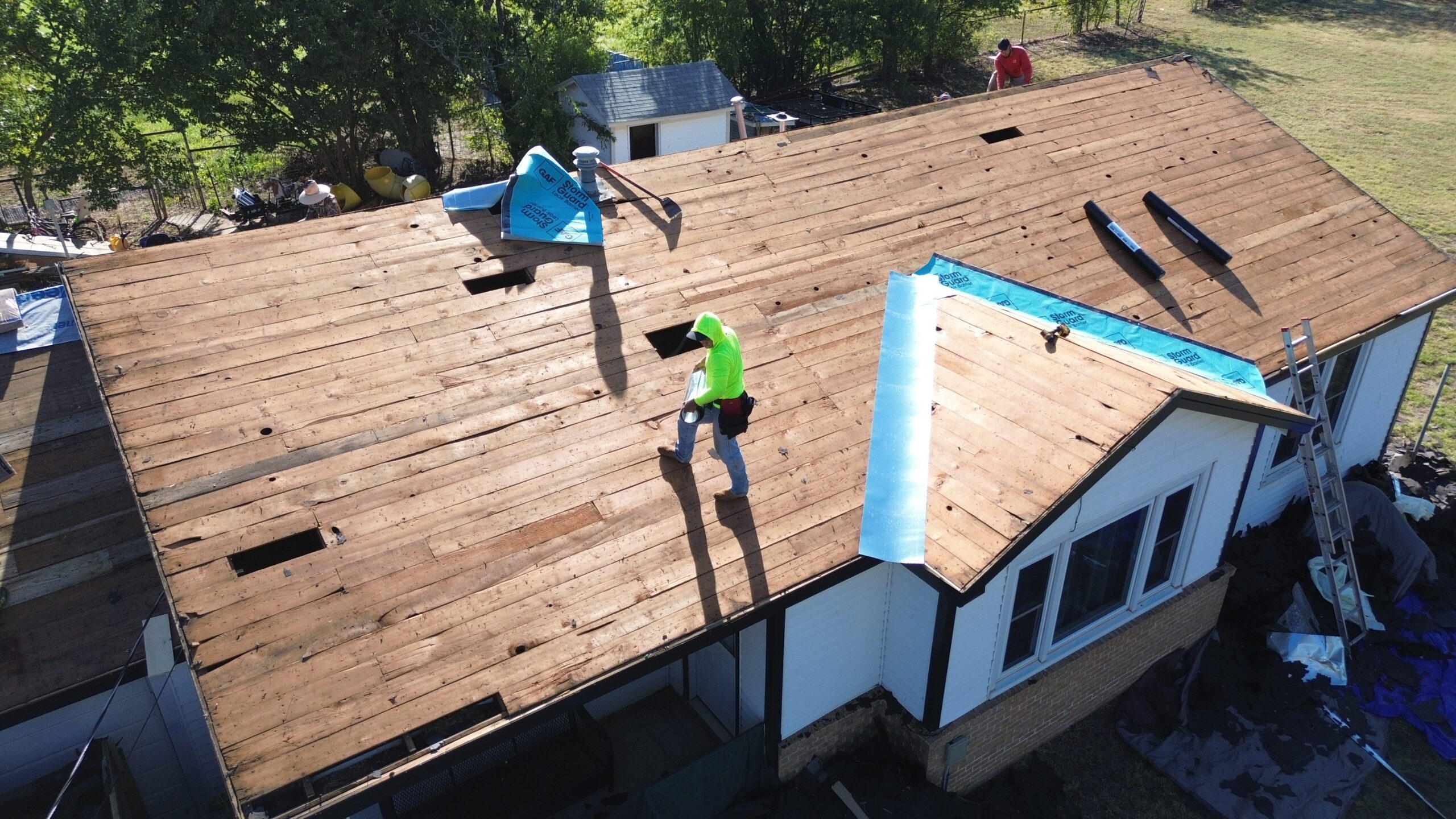
If rain begins after old roofing materials have been removed, contractors immediately shift their focus from installation to protection. Temporary coverings are installed over exposed sections of the roof to prevent water from entering the home.
These protective coverings are designed to withstand temporary exposure until permanent roofing materials can be installed. Contractors carefully secure them to reduce the risk of wind lifting the covering before work resumes.
Once rainfall stops, the crew does not immediately continue installation. Instead, they inspect the roof deck thoroughly to verify that all surfaces are completely dry before proceeding. Any moisture trapped beneath the new roofing system could create problems later.
This additional inspection may seem like another delay, but it ensures that hidden moisture does not become trapped inside the finished roof assembly.
The Impact of Wind on Roofing Installation
Strong winds affect roofing work in ways that many homeowners do not immediately recognize. While most people associate wind with safety concerns, it also influences installation accuracy and material performance.
Large roofing materials act almost like sails when carried across a roof. Even moderate gusts can make them difficult to control, increasing the chance of damage or improper placement.
Wind also interferes with precise installation techniques. Underlayment, flashing, and moisture barriers must lie flat against the roof surface to perform correctly. Gusty conditions can cause wrinkles, shifting, or misalignment that may reduce long-term protection.
Another concern involves loose construction debris. Small pieces of old shingles, nails, packaging materials, and lightweight tools may become airborne during strong winds. This creates additional safety risks for both workers and nearby property.
Rather than rushing through these conditions, experienced contractors simply wait until winds return to acceptable levels.
Why Temperature Matters More Than Most Homeowners Realize
Temperature affects roofing materials in different ways depending on the type of roofing system being installed. Manufacturers carefully test their products under recommended installation conditions because material performance changes as temperatures rise or fall.
Asphalt shingles become more flexible in warm weather, allowing them to conform properly to the roof surface. During extremely hot weather, however, they may become softer than intended, making them more susceptible to scuffing or damage during installation.
Cold temperatures present different challenges. Shingles become stiffer and less flexible, increasing the possibility of cracking if handled improperly. Adhesive seal strips may also require additional time before forming secure bonds between shingles.
Roofing adhesives, sealants, and specialized membranes often have recommended application temperature ranges as well. Applying these products outside those limits may reduce their long-term effectiveness.
Professional contractors understand these material characteristics and adjust their work schedules accordingly instead of assuming every day offers the same installation conditions.
How Humidity Influences Roof Replacement
Humidity receives less attention than rain or wind, but it still affects roofing projects in several important ways. High humidity slows the evaporation of moisture, meaning roof surfaces may remain damp long after rainfall has ended.
Morning dew can also become a concern during humid weather. Even when skies appear completely clear, roof surfaces may remain wet enough to delay installation until later in the day.
Some roofing products require dry surfaces for proper adhesion. If excessive moisture remains on the decking or underlayment, adhesives may not bond as intended.
Contractors often perform moisture inspections before restarting work after humid conditions. This extra step ensures the roof is ready for permanent installation rather than simply appearing dry from a distance.
Protecting the Home During Unexpected Weather
One of the biggest homeowner concerns involves what happens if bad weather arrives after the old roof has been removed. Fortunately, professional roofing contractors prepare for this possibility before work even begins.
Temporary weather protection has become a standard part of responsible roofing practices. Contractors keep protective materials readily available so they can respond quickly whenever forecasts change unexpectedly.
Some of the protective measures commonly used include:
- Heavy duty waterproof tarps secured across exposed roof sections
- Temporary synthetic coverings designed for roofing applications
- Fastened edge protection to reduce wind uplift
- Careful sealing around roof openings and vulnerable areas
- Continuous inspection until permanent work resumes
These measures significantly reduce the likelihood of water entering the home during temporary work stoppages. While no temporary covering should remain in place indefinitely, they provide valuable protection during short weather related delays.
Homeowners should discuss these protection procedures with their contractor before work begins. Understanding the plan in advance helps eliminate uncertainty if weather interrupts the project.
Communication Between Homeowners and Contractors
Clear communication often determines whether weather delays become minor inconveniences or major frustrations. Most homeowners understand that storms cannot be controlled, but they appreciate timely information regarding schedule adjustments.
Professional contractors usually contact homeowners whenever forecasts indicate significant changes. Rather than waiting until the morning of the project, they may provide updates one or two days in advance if severe weather appears likely.
Good communication includes realistic expectations rather than overly optimistic promises. Contractors who constantly guarantee work will resume “tomorrow” despite unfavorable forecasts may create unnecessary disappointment.
Homeowners can also contribute to effective communication by remaining flexible when possible. Understanding that weather forecasts change frequently allows both parties to work together more effectively.
Open conversations build trust throughout the project. Instead of focusing only on delays, homeowners gain a better understanding of why certain decisions are necessary.
Practical Steps Homeowners Can Take Before Roofing Begins
Although weather itself cannot be controlled, homeowners can take several practical steps that reduce stress if delays occur. Proper preparation makes schedule changes easier to manage while protecting the property throughout construction.
Planning begins well before the first roofing crew arrives. Homeowners who discuss weather expectations during the initial consultation usually feel more confident once work begins.
The following preparations are especially helpful:
- Ask how weather delays are handled before signing the contract.
- Request an estimated timeline that includes possible weather interruptions.
- Confirm how the contractor protects exposed roof sections during unexpected storms.
- Move vehicles away from work areas to allow crews flexibility after delays.
- Protect valuable items stored in the attic if temporary exposure becomes possible.
- Remain available for scheduling updates throughout the project.
These simple preparations help homeowners respond calmly when weather changes rather than feeling caught off guard.
Comparing Weather Conditions and Their Impact on Roof Replacement
Different weather conditions affect roofing projects in different ways. Some only slow progress for a few hours, while others require complete schedule adjustments for several days.
| Weather Condition | Primary Impact on Roofing | Typical Contractor Response |
|---|---|---|
| Light Rain | Wet roof deck and unsafe working surface | Pause installation and cover exposed areas |
| Heavy Rain | Risk of water intrusion and material damage | Stop work and secure temporary protection |
| Strong Wind | Reduced worker safety and material control | Delay installation until winds decrease |
| Thunderstorms | Lightning, heavy rain, and severe hazards | Suspend all roofing activities immediately |
| Extreme Heat | Worker fatigue and material sensitivity | Adjust working hours and increase breaks |
| Freezing Temperatures | Brittle materials and poor adhesion | Delay certain installation steps until warmer conditions |
| High Humidity | Slower drying and moisture retention | Inspect surfaces before restarting work |
This comparison illustrates why weather affects roofing in multiple ways rather than through rainfall alone. Every condition requires different planning decisions to maintain installation quality.
Understanding the Financial Impact of Weather Delays
Many homeowners worry that weather delays automatically increase the total cost of their roof replacement. In most cases, normal weather interruptions do not create major additional expenses because experienced contractors already anticipate them when scheduling projects.
Standard labor estimates generally account for reasonable weather variability throughout the season. Short delays caused by rain or wind are considered part of normal roofing operations.
Costs become more significant only when unusual circumstances develop. Extended periods of severe weather may require equipment to remain on site longer or require repeated setup and cleanup activities before work can continue.
Emergency repairs discovered after weather related interruptions may also affect overall costs. For example, if hidden wood damage becomes visible once work resumes, additional repairs may be necessary before installation continues.
Fortunately, these situations are relatively uncommon when projects are managed by experienced professionals who monitor forecasts carefully.
Why Patience Leads to Better Long Term Results
It is natural for homeowners to want construction finished as quickly as possible. Roofing projects create temporary inconvenience, increased noise, and changes to daily routines that most families would rather complete without delay.
However, the few extra days spent waiting for favorable weather represent only a tiny fraction of the roof’s expected lifespan. A quality roof may protect a home for several decades, making short weather delays relatively insignificant compared to the long term benefits.
Proper installation under suitable conditions improves durability, reduces future maintenance, and helps roofing materials perform exactly as manufacturers intended. These advantages far outweigh the inconvenience of adjusting the schedule by several days.
Experienced contractors recognize this balance between efficiency and quality. Their willingness to delay work when necessary demonstrates professionalism rather than poor planning.
By understanding how weather influences every stage of roof replacement, homeowners can make informed decisions and maintain realistic expectations throughout the installation process.
Completing a Roof Replacement Despite Weather Uncertainty
Every residential roof replacement reaches a stage where homeowners simply want the project completed. After days of construction activity, temporary schedule changes, and constant weather updates, it is natural to wonder how contractors recover lost time without sacrificing quality.
The good news is that experienced roofing professionals deal with weather interruptions on a regular basis. They understand how to reorganize work efficiently once favorable conditions return while still following proper installation procedures. Their objective is not merely to finish quickly but to complete the roof to the highest possible standard.
Homeowners who understand how contractors recover after delays are less likely to worry when schedules shift unexpectedly. Instead, they recognize that weather adjustments are simply another part of delivering a durable roofing system.
How Roofing Crews Recover Lost Time
Weather delays rarely mean a project falls permanently behind schedule. Professional roofing companies use several strategies to regain productivity after conditions improve while maintaining installation quality.
One common approach involves increasing crew coordination. Rather than assigning workers to separate projects immediately after the weather clears, companies often concentrate more personnel on partially completed roofs. This allows work to progress efficiently without rushing individual installation steps.
Contractors may also extend working hours when weather permits. Starting earlier in the morning or working later into the afternoon helps recover some of the time lost during storms, provided local regulations and daylight conditions allow it.
Material deliveries are another area where planning becomes important. Contractors often confirm that all roofing materials are available before restarting work so there are no unnecessary interruptions once installation resumes.
Efficient scheduling does not mean cutting corners. Every stage of installation still follows manufacturer recommendations and local building requirements, ensuring the finished roof performs as expected for many years.
Why Drying Time Should Never Be Rushed
One mistake inexperienced contractors sometimes make is assuming that visible dryness means the roof is ready for installation. In reality, moisture can remain trapped beneath the surface even after rain has stopped.
Wood decking, underlayment, and structural components may retain moisture depending on humidity, temperature, and airflow. Installing roofing materials over damp surfaces increases the possibility of future problems that are difficult and expensive to repair.
Proper drying allows materials to return to stable conditions before permanent installation begins. Although this process may extend the schedule slightly, it contributes significantly to the long term performance of the roofing system.
Professional contractors inspect roof surfaces carefully instead of relying only on appearance. Moisture meters and visual inspections help determine whether conditions are suitable for continuing work.
This patience protects homeowners from hidden issues that may otherwise remain unnoticed until leaks or deterioration develop later.
Seasonal Planning Tips for Homeowners
While weather cannot be controlled, homeowners can improve their roofing experience by planning projects during seasons that typically provide favorable installation conditions. Early scheduling also increases flexibility if unexpected weather causes delays.
Every region has different climate patterns, so homeowners should discuss seasonal recommendations with local contractors who understand the area’s weather history.
The following suggestions can help homeowners prepare more effectively:
- Schedule roof replacement several weeks before it becomes an emergency whenever possible.
- Avoid waiting until severe leaks force immediate construction during unfavorable weather.
- Reserve roofing appointments early during busy spring and autumn seasons.
- Review seasonal weather patterns before selecting preferred installation dates.
- Allow extra time in personal schedules for possible weather related adjustments.
Planning ahead reduces stress because homeowners are less likely to face urgent decisions while dealing with severe weather.
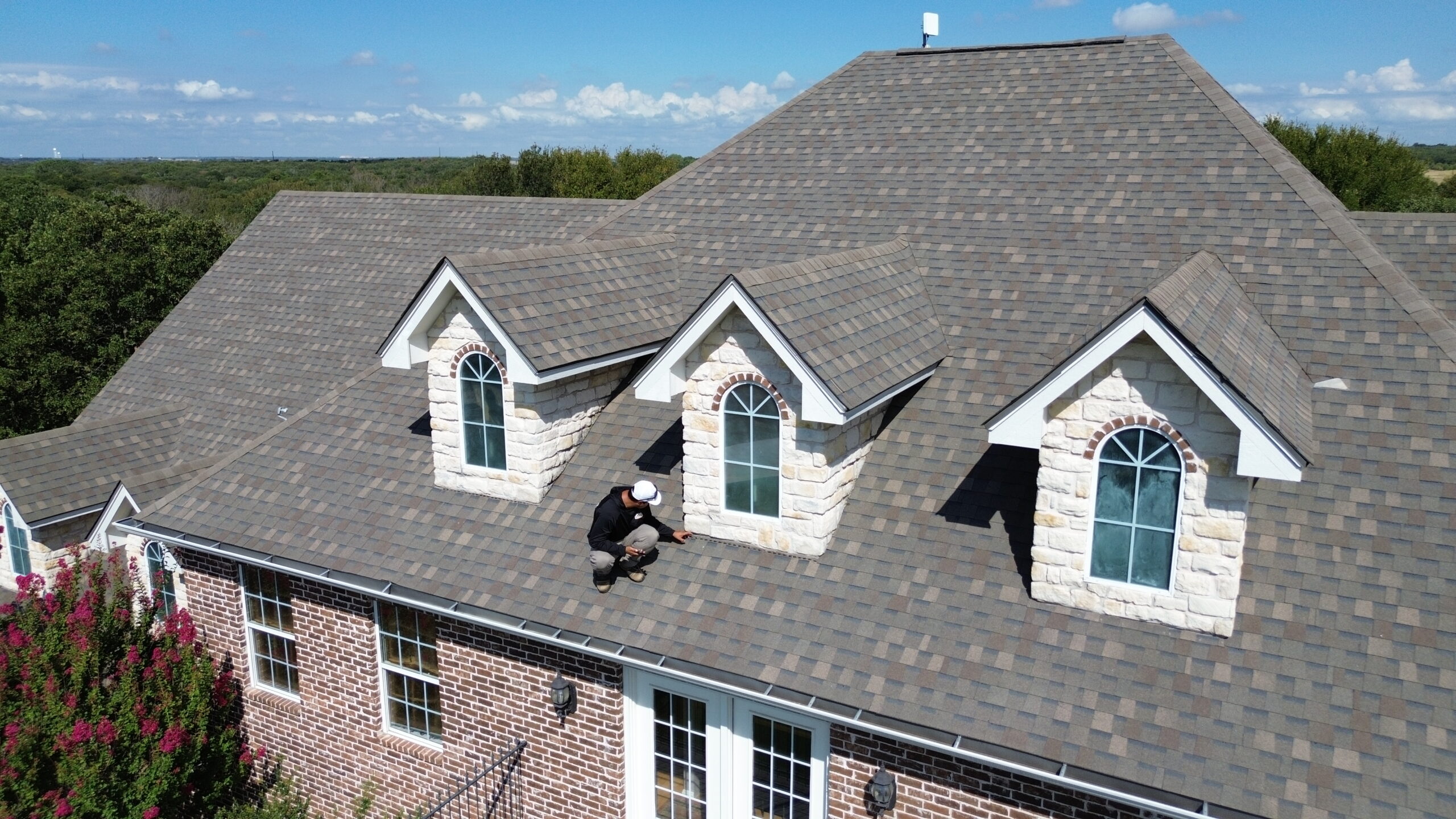
Recognizing a Professional Contractor During Weather Delays
Not every roofing company handles weather interruptions with the same level of professionalism. The way a contractor responds to changing conditions often reveals as much about their quality as the finished roof itself.
Reliable contractors communicate openly rather than disappearing when forecasts change. They explain why delays are necessary and provide realistic expectations regarding the revised schedule.
Professional crews also protect the property before leaving the job site. Temporary coverings, organized materials, and clean work areas demonstrate attention to detail even when installation must pause unexpectedly.
Another positive sign is consistent documentation. Many contractors photograph protective measures, damaged areas, and completed work so homeowners remain informed throughout the project.
The willingness to delay work for safety reasons should also be viewed positively. Responsible contractors understand that protecting workers and ensuring quality installation are always more important than meeting an arbitrary deadline.
Questions Every Homeowner Should Ask Before Signing a Roofing Contract
Weather delays become much easier to manage when expectations are discussed before construction begins. Asking detailed questions during the planning stage helps homeowners understand exactly how the contractor approaches scheduling and project management.
Important topics include weather protection, communication, warranties, and scheduling flexibility. Clear answers reduce misunderstandings once work is underway.
Consider asking questions such as:
- How do you monitor weather forecasts during roofing projects?
- What happens if rain begins after the old roof has been removed?
- How will you protect my home during unexpected delays?
- Will weather delays affect the warranty or installation quality?
- How will you communicate schedule changes?
- What factors determine when work can safely resume?
- Do you inspect the roof deck after rainfall before continuing installation?
These conversations create realistic expectations and help homeowners compare contractors based on professionalism rather than price alone.
Common Misconceptions About Weather Delays
Many myths surround residential roof replacement, especially regarding weather related scheduling. Understanding the facts helps homeowners make informed decisions instead of relying on common misconceptions.
One common belief is that contractors use weather as an excuse to delay projects unnecessarily. While isolated situations may occur in any industry, reputable roofing companies lose productivity and revenue whenever work stops. Delays are rarely in their financial interest.
Another misconception is that light rain causes no problems because shingles are waterproof. Although installed shingles resist rain effectively, the roof structure beneath them may still become exposed during construction. Protecting those components remains essential.
Some homeowners also assume summer guarantees uninterrupted roofing work. In reality, excessive heat, severe thunderstorms, and humidity can create delays just as significant as those caused by spring rainfall.
Another myth suggests that finishing the project quickly is always the highest priority. While efficiency matters, proper installation under suitable conditions ultimately delivers better long term value than completing the work a day or two earlier.
Understanding these realities helps homeowners appreciate why experienced contractors make careful scheduling decisions.
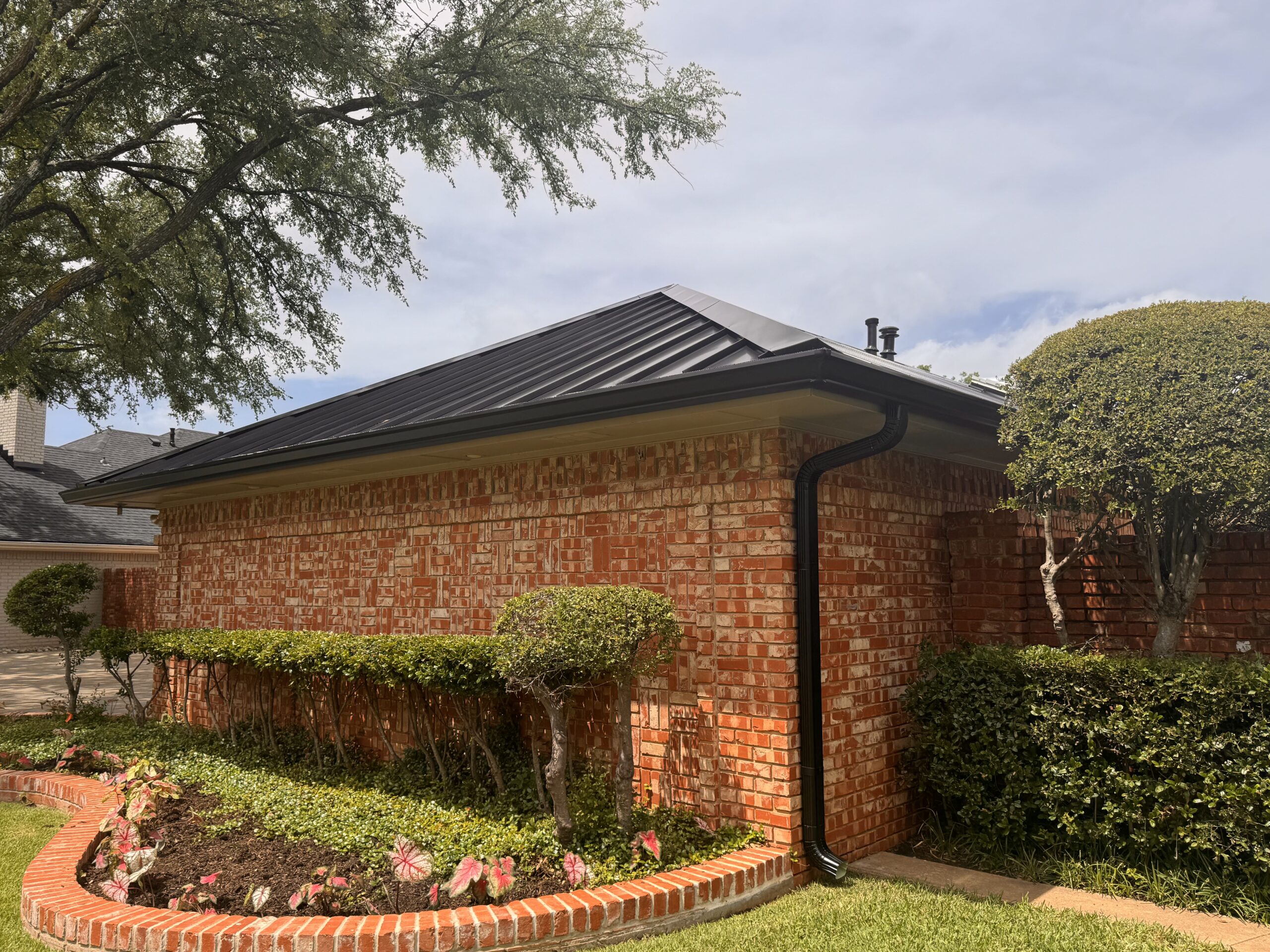
Long Term Benefits of Allowing Proper Installation Conditions
Weather delays may feel inconvenient during construction, but they contribute to better roofing performance long after the project is complete. A properly installed roof protects the home more effectively and typically requires fewer repairs throughout its service life.
Correct installation conditions help roofing materials bond securely, flashing seal properly, and moisture barriers perform as designed. These details often determine how well the roof withstands future storms, temperature changes, and years of environmental exposure.
Homeowners also benefit from improved manufacturer warranty protection. Many roofing products include installation requirements that specify acceptable weather conditions. Following these recommendations helps preserve warranty coverage if future issues arise.
Proper weather management also reduces the likelihood of hidden moisture becoming trapped beneath roofing materials. Preventing this problem protects structural components while reducing the risk of mold, wood decay, and insulation damage.
Although a weather delay may add several days to the installation schedule, it can contribute decades of reliable roof performance.
Frequently Asked Questions
How many days can weather delay a residential roof replacement?
The length of a delay depends on local weather conditions and the severity of the forecast. Some projects resume the following day, while extended storms may postpone work for several days. Contractors generally restart work as soon as conditions become safe and suitable for installation.
Can roof replacement continue during light rain?
Most professional contractors stop roofing work even during light rain because exposed roof decking can absorb moisture and become slippery. Continuing installation under wet conditions may reduce both safety and roofing quality.
Will my home be protected if rain starts unexpectedly?
Professional roofing companies typically keep waterproof tarps and temporary protective materials available before removing the old roof. These coverings help protect exposed areas until permanent roofing installation can continue.
Does cold weather damage new shingles?
New shingles are not necessarily damaged by cold weather, but extremely low temperatures can make them less flexible during installation. Contractors often adjust installation techniques or postpone work until temperatures improve.
Should I postpone my roofing project if rain is forecast?
Not necessarily. Professional contractors monitor forecasts closely and adjust schedules when needed. Homeowners should discuss expected weather conditions with their contractor instead of cancelling projects based solely on early forecasts.
Are weather delays included in most roofing contracts?
Many roofing contracts acknowledge that weather conditions may affect project timelines. Reviewing these terms before work begins helps homeowners understand how scheduling adjustments will be handled.
Conclusion
Weather is one of the few factors that neither homeowners nor roofing contractors can control, yet it has a significant influence on every residential roof replacement project. Rain, wind, temperature, humidity, and seasonal weather patterns all affect installation quality, worker safety, and the overall project schedule. Understanding these influences helps homeowners approach roofing projects with realistic expectations rather than unnecessary frustration.
Temporary weather delays should not be viewed as signs of poor planning or lack of professionalism. In most cases, they reflect a contractor’s commitment to protecting the home, following manufacturer guidelines, and ensuring every component of the roofing system is installed under appropriate conditions. Taking extra time today often prevents costly repairs and premature roof failure in the future.
Successful roof replacement depends on more than selecting attractive materials or finding a competitive price. It also requires patience, clear communication, thoughtful planning, and a contractor who understands when conditions are suitable for quality workmanship. These factors work together to create a roofing system that delivers dependable protection for decades.
By planning ahead, asking the right questions, and trusting experienced professionals to make weather related decisions, homeowners can navigate roofing projects with confidence. While weather may occasionally extend the timeline, it also plays an important role in ensuring the finished roof provides lasting durability, reliable performance, and excellent long term value for the home.