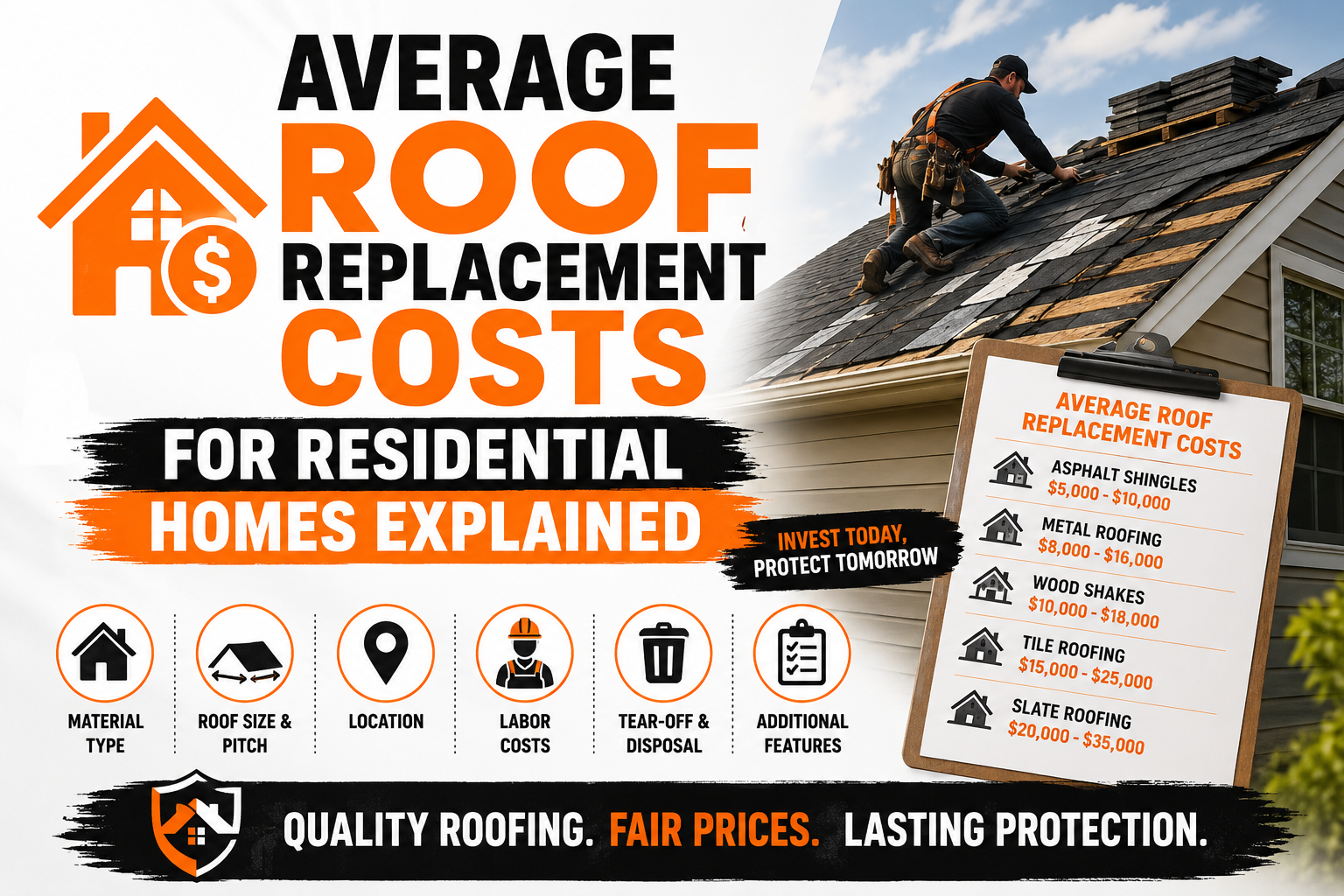
Average Roof Replacement Costs for Residential Homes Explained
Introduction
Replacing a residential roof is one of the largest home improvement projects most homeowners will face. While a new roof provides decades of protection and improves the overall value of a property, the cost of replacement often raises many questions. Homeowners frequently wonder why estimates vary so much and what factors determine the final price.
Roof replacement costs are rarely the same from one home to another. Two houses with similar square footage may receive very different estimates because of differences in roofing materials, roof design, labor requirements, and the condition of the existing structure. Understanding these variables helps homeowners prepare realistic budgets and avoid unexpected expenses during the project.
Many people focus only on the price of shingles, but roofing materials represent just one portion of the total investment. Labor, structural repairs, underlayment, flashing, ventilation upgrades, permits, and waste disposal all contribute to the overall cost of replacing a roof. Looking at the complete project instead of individual expenses provides a much clearer understanding of where the money is spent.
A roof replacement should also be viewed as a long-term investment rather than simply a repair expense. A properly installed roof protects the home’s structure, improves energy efficiency, enhances curb appeal, and reduces the likelihood of expensive maintenance in the future. Choosing quality materials and experienced contractors often provides greater value over the roof’s entire lifespan.
Budget planning becomes much easier when homeowners understand how roofing estimates are developed. Instead of comparing prices alone, they can evaluate the quality of materials, workmanship, warranties, and services included within each proposal. This approach helps ensure that the chosen roofing system delivers both dependable performance and long-term value.
This guide explains the average costs associated with residential roof replacement, the factors that influence pricing, and how different roofing decisions affect the overall investment. By understanding these cost components, homeowners can make informed choices that protect both their property and their budget.
What Is the Average Cost of Roof Replacement?
Roof replacement costs vary considerably depending on the size of the home, the roofing material selected, labor rates, and the complexity of the installation. Because every home is different, roofing contractors calculate estimates based on the specific requirements of each project rather than using a fixed price.
The total project cost generally includes much more than installing new shingles. Contractors typically account for removing the old roof, disposing of roofing debris, inspecting the roof structure, installing underlayment, replacing flashing where necessary, and completing the installation according to local building codes.
Larger homes naturally require more roofing materials and additional labor hours, increasing the overall project cost. Likewise, homes with complex roof designs often require more detailed installation work than simple roof layouts, affecting both labor and material requirements.
Roofing material selection also has a significant impact on pricing. Asphalt shingles usually provide the most economical replacement option, while premium materials such as metal, slate, or clay tile require higher initial investments but often offer longer service lives and reduced maintenance requirements.
Location influences roof replacement costs as well. Labor rates, transportation expenses, building regulations, permit fees, and local demand for roofing services all contribute to regional pricing differences. Even neighboring communities may experience noticeable variations in replacement costs because of these local factors.
Unexpected structural repairs can also affect the final project price. Contractors occasionally discover damaged roof decking, moisture-related deterioration, or inadequate ventilation after removing existing roofing materials. Addressing these issues before installing the new roof ensures long-term performance but may increase the overall investment.
Understanding that roof replacement costs reflect the complete roofing system rather than simply the visible shingles helps homeowners evaluate estimates more accurately. A comprehensive proposal typically provides greater long-term value than one focused only on minimizing the initial installation price.
Main Factors That Affect Roof Replacement Costs
Several key factors determine the final cost of replacing a residential roof. While roofing materials receive much of the attention, every stage of the project contributes to the total investment required to complete the work properly.
Roof size is one of the most important pricing factors. Larger roofs require more shingles, underlayment, flashing, fasteners, and labor hours than smaller roofs. As the roof area increases, both material consumption and installation time rise accordingly.
Roofing material selection significantly influences cost because different products vary in both purchase price and installation requirements. Asphalt shingles generally cost less to install than premium materials such as slate or clay tile, which often require specialized installation techniques and additional structural support.
Labor represents another major portion of the total project expense. Experienced roofing professionals invest considerable time preparing the work area, removing old materials, installing the new roofing system, and ensuring every component meets quality standards. More complex projects naturally require additional labor hours.
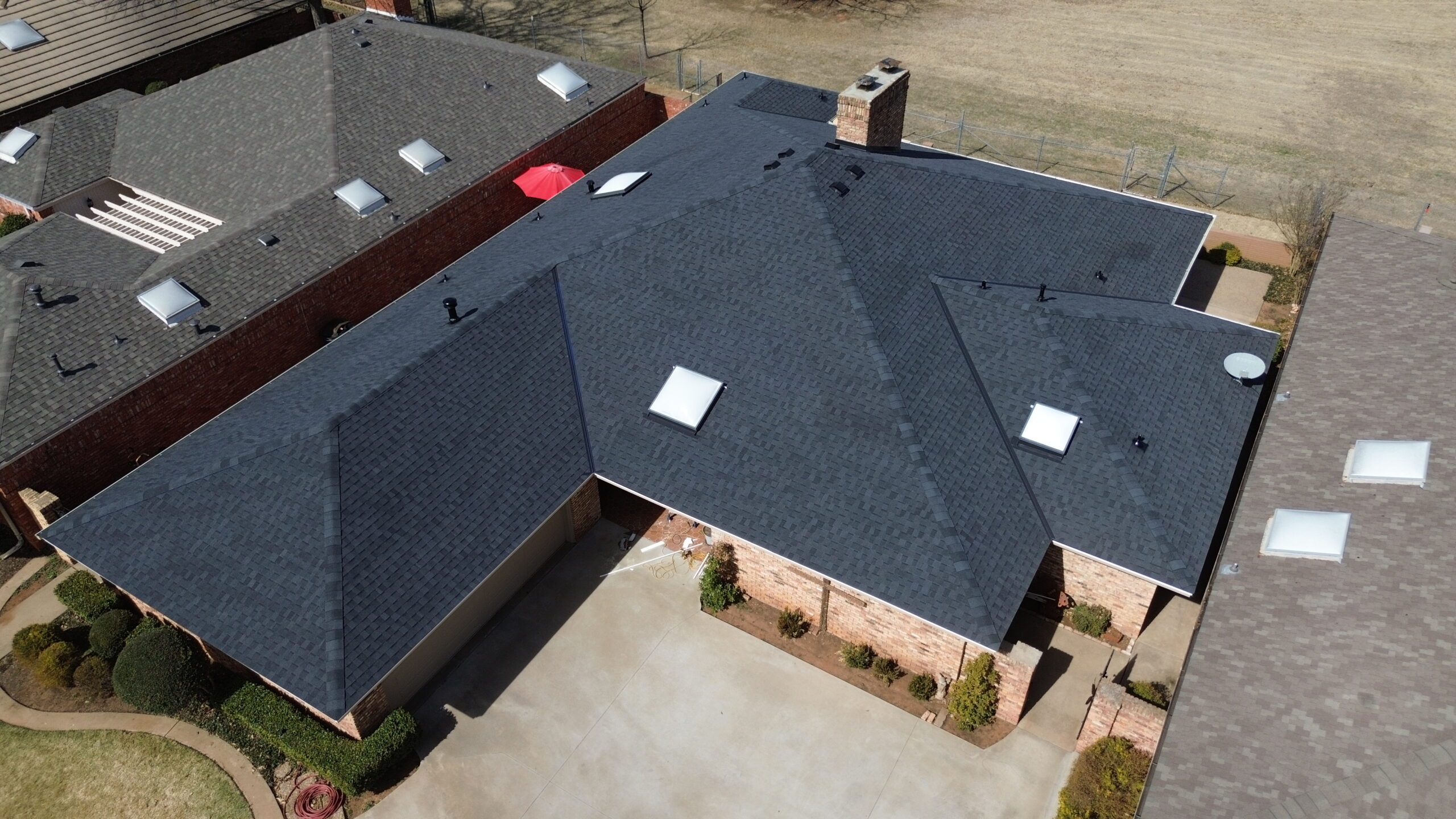
Roof design also affects replacement costs. Steeper roof slopes, multiple roof levels, dormers, skylights, valleys, and chimneys create additional installation challenges that increase both labor and material requirements. Simple roof layouts generally require less installation time.
Accessibility influences project efficiency as well. Homes surrounded by landscaping, fencing, limited driveway access, or difficult terrain often require additional planning and specialized equipment to transport roofing materials safely.
Local building codes may require upgraded ventilation, specific underlayment products, or enhanced fastening methods depending on regional weather conditions. Meeting these requirements helps improve roof performance but may increase project costs.
Permit fees, waste disposal charges, and contractor overhead complete the overall pricing structure. Although these expenses receive less attention than roofing materials, they remain necessary parts of a professionally managed roof replacement project.
Considering all these factors together provides a much more realistic understanding of roofing costs than focusing solely on the price of shingles. Every element contributes to building a roofing system designed to protect the home for many years.
Roof Size and Square Footage Impact
The size of a roof plays one of the largest roles in determining replacement costs because it directly affects nearly every aspect of the project. More roofing area means additional materials, longer installation times, and increased labor requirements throughout the replacement process.
Contractors typically measure roof size rather than relying only on the home’s floor area. Two homes with identical interior square footage may have significantly different roof sizes because of variations in roof pitch, architectural design, and overhang dimensions.
Steeper roofs contain more actual surface area than flatter roofs covering the same house. As roof pitch increases, additional shingles, underlayment, and flashing become necessary to cover the larger surface. Installation also becomes more time-consuming because workers must operate more carefully on steeper slopes.
Complex roof designs further increase material requirements. Roof valleys, dormers, intersecting rooflines, skylights, and multiple elevation changes create additional cutting and fitting work. These architectural features generate more material waste while requiring greater installation precision.
Larger roofs also produce more debris during replacement. Removing old shingles, underlayment, flashing, and damaged materials generates additional disposal costs that become part of the overall project estimate.
Material deliveries and jobsite logistics become increasingly important as roof size grows. Larger projects often require multiple deliveries, additional storage space, and more careful scheduling to ensure work progresses efficiently without unnecessary delays.
Because roof size affects nearly every stage of installation, accurate measurements are essential when preparing roofing estimates. Professional contractors carefully calculate roof dimensions to ensure homeowners receive realistic pricing based on the actual amount of work required.
Understanding the relationship between roof size and project cost helps homeowners interpret roofing estimates more effectively. Differences between contractor proposals often reflect measurement methods, material allowances, and project scope rather than simple pricing differences.
Roofing Material Choices and Their Costs
Roofing material selection has one of the greatest influences on the total replacement cost because each material offers a different balance of purchase price, durability, maintenance requirements, and expected lifespan. Choosing the right product requires considering long-term value rather than only the initial installation expense.
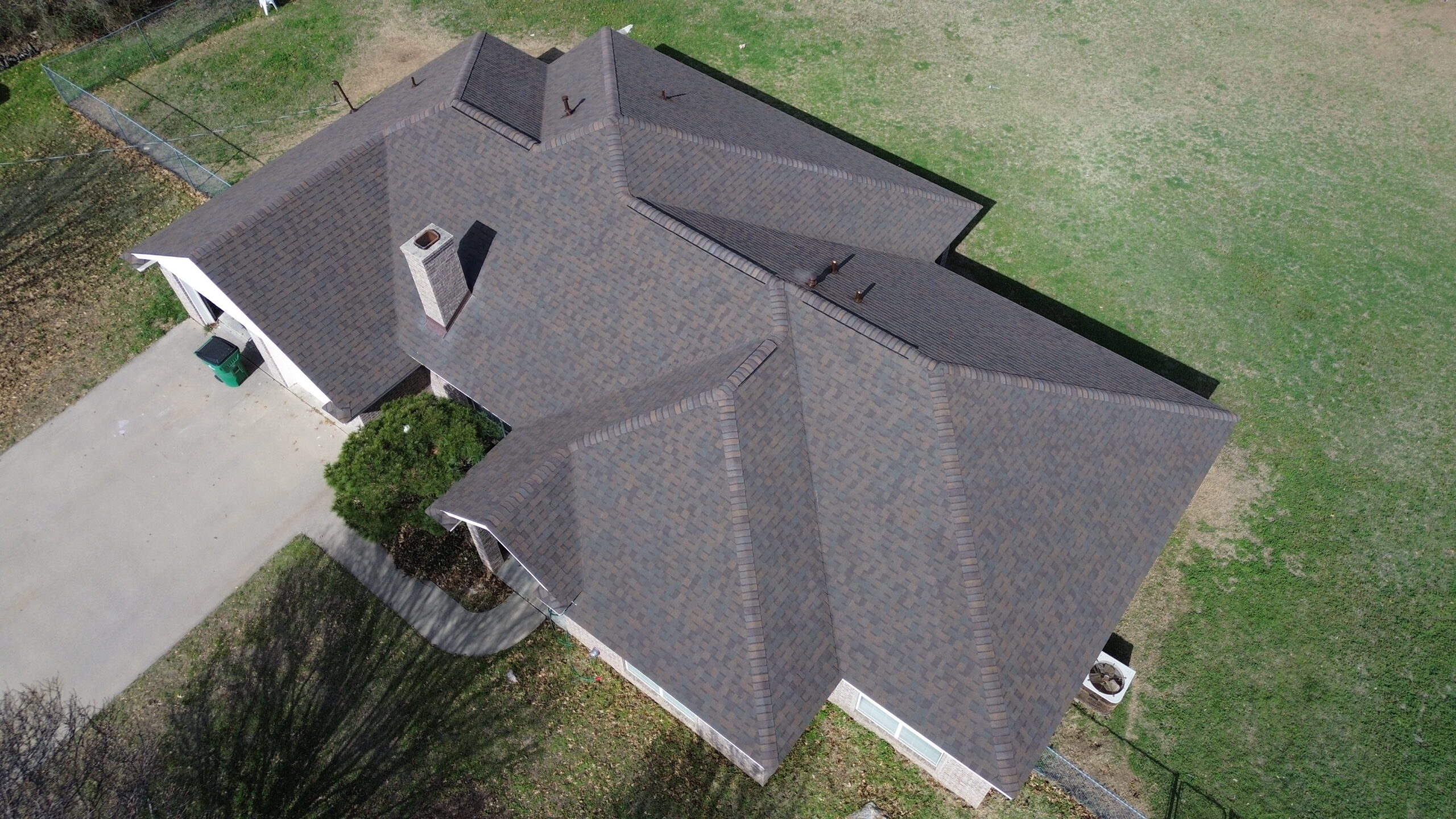
Asphalt shingles remain the most common roofing material for residential homes because they combine affordability with dependable weather protection. Modern architectural shingles provide improved durability and appearance while remaining relatively economical compared to premium alternatives.
Metal roofing generally requires a higher upfront investment but offers exceptional longevity and resistance to severe weather. Many homeowners choose metal because its extended lifespan reduces the likelihood of future replacement projects while requiring relatively little routine maintenance.
Wood shakes create a distinctive natural appearance but require more ongoing maintenance than many other roofing materials. Proper care helps preserve their appearance and performance, although maintenance costs should be considered when evaluating long-term value.
Clay and concrete tiles provide outstanding durability and perform particularly well in warm climates. Their attractive appearance and long service life make them popular choices for certain architectural styles, although their additional weight may require structural evaluation before installation.
Slate roofing represents one of the most durable residential roofing materials available. While its installation cost is generally among the highest, a properly installed slate roof can protect a home for generations, making it an excellent long-term investment for suitable properties.
Synthetic roofing materials continue gaining popularity because they replicate the appearance of slate, wood, or tile while reducing structural weight and simplifying installation. Many products also provide excellent impact resistance and require relatively little maintenance throughout their lifespan.
Material costs should always be evaluated together with expected service life, maintenance requirements, warranty coverage, and energy efficiency. A roofing material with a higher purchase price may ultimately provide greater value if it lasts significantly longer while reducing future repair expenses.
Labor Costs and Installation Complexity
Labor is one of the largest components of any roof replacement project because installing a complete roofing system requires considerable skill, experience, and attention to detail. Professional roofers perform much more than simply attaching shingles, making labor an essential part of the overall investment.
Every replacement begins with preparing the work area and protecting the surrounding property. Contractors carefully safeguard landscaping, driveways, windows, and exterior features before removing existing roofing materials. Proper preparation reduces the risk of accidental damage during construction.
Removing the old roof requires significant time and effort. Existing shingles, underlayment, flashing, and fasteners must be removed before the roof structure can be inspected thoroughly. Any damaged components discovered during this stage must be repaired before installation continues.
Complex roof designs increase labor requirements considerably. Multiple roof levels, steep slopes, dormers, skylights, chimneys, valleys, and intersecting rooflines require more detailed installation techniques than simple roof layouts. These features demand greater precision while increasing the total amount of work.
Roof accessibility also affects labor costs. Homes with limited equipment access, difficult terrain, or restricted material delivery areas require additional planning and effort throughout the project. Contractors must often spend extra time transporting materials safely across challenging worksites.
Weather conditions can influence installation schedules as well. Roofing crews work carefully to protect exposed roof structures whenever changing weather interrupts construction. Proper planning helps minimize delays while ensuring installation quality remains high.
Experienced roofing professionals also perform important finishing work after installation is complete. Final inspections, flashing adjustments, ventilation checks, gutter cleaning, debris removal, and site cleanup all contribute to delivering a completed roofing system that performs as intended.
Investing in skilled installation often proves just as important as selecting high-quality roofing materials. Even premium shingles cannot perform properly if installed incorrectly, making experienced labor one of the most valuable parts of any successful roof replacement project.
Removing the Existing Roof and Disposal Costs
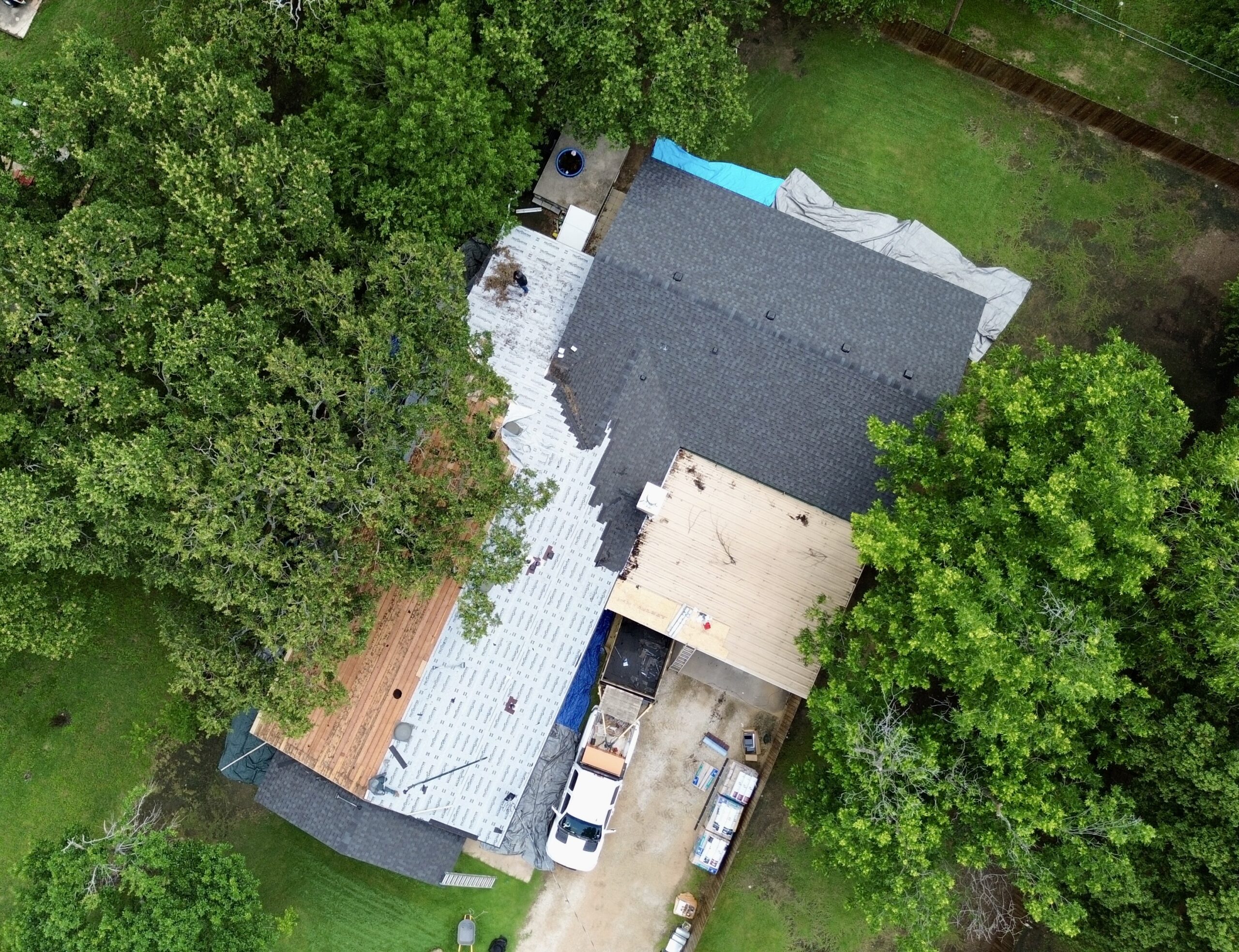
Before a new roof can be installed, the old roofing materials usually need to be removed. This process, commonly called a roof tear-off, is an important part of a quality roof replacement because it allows contractors to inspect the roof structure and ensure the new roofing system is installed on a solid foundation.
Removing old shingles requires significant labor. Roofing crews carefully strip away shingles, underlayment, flashing, nails, and other roofing components before cleaning the roof decking. This preparation helps identify hidden problems that would otherwise remain concealed beneath the new roof.
The amount of material being removed directly affects project costs. Larger roofs naturally generate more debris, while older homes with multiple layers of shingles require additional labor because each roofing layer must be removed separately before installation can begin.
Waste disposal also contributes to the overall replacement cost. Contractors typically use dumpsters or specialized hauling equipment to transport old roofing materials to approved disposal facilities. Disposal fees vary depending on the amount of waste generated and local regulations governing construction debris.
Heavy roofing materials such as clay tile, slate, or concrete often increase disposal expenses because of their weight. Additional transportation requirements and landfill charges may apply when replacing these materials.
Some roofing materials can be partially recycled depending on local recycling programs. Asphalt shingles, metal roofing, and certain other materials may be diverted from landfills, reducing environmental impact even though recycling availability varies by location.
Although removing the existing roof increases project costs, it provides valuable long-term benefits. A complete tear-off allows contractors to inspect the roof decking, identify moisture damage, replace deteriorated components, and install the new roofing system according to current building standards.
Attempting to install new shingles over aging roofing materials may reduce initial costs, but it often prevents hidden structural problems from being discovered. A full roof replacement generally provides better durability and longer service life than installing additional layers over an older roof.
Structural Repairs That Increase Total Costs
One of the most unpredictable aspects of roof replacement is the possibility of discovering structural damage after the old roofing materials have been removed. Since these components remain hidden during the initial inspection, some repairs cannot be identified until construction is underway.
Roof decking is one of the most common structural components requiring replacement. Years of moisture exposure may weaken plywood or oriented strand board beneath aging shingles, reducing its ability to support the new roofing system safely. Damaged decking should always be replaced before installation continues.
Wood rot frequently develops when roof leaks remain unnoticed for extended periods. Rafters, fascia boards, and other structural members gradually lose strength as moisture encourages fungal growth. Repairing these components restores the roof’s structural integrity while preventing future problems.
Water damage may also affect attic insulation. Saturated insulation loses much of its thermal performance, making heating and cooling systems less efficient. Replacing damaged insulation during roof replacement helps improve indoor comfort while reducing future energy costs.
Ventilation upgrades sometimes become necessary as well. Older homes may not meet current ventilation recommendations, allowing excessive heat or moisture to accumulate beneath the roof. Improving ventilation helps extend the lifespan of the new roofing materials while reducing condensation inside the attic.
Roof framing occasionally requires reinforcement when homeowners choose heavier replacement materials. Clay tile or slate roofing may place greater loads on the structure than lightweight asphalt shingles, making structural evaluation an important part of project planning.
Although unexpected structural repairs increase project costs, addressing these problems during roof replacement is generally more economical than postponing them. Installing new roofing materials over compromised structural components often leads to additional repairs much sooner than expected.
Professional roofing contractors typically discuss potential structural repair costs before beginning the project. Clear communication helps homeowners understand that some expenses become apparent only after the roof has been opened for inspection.
Additional Components Included in Roof Replacement
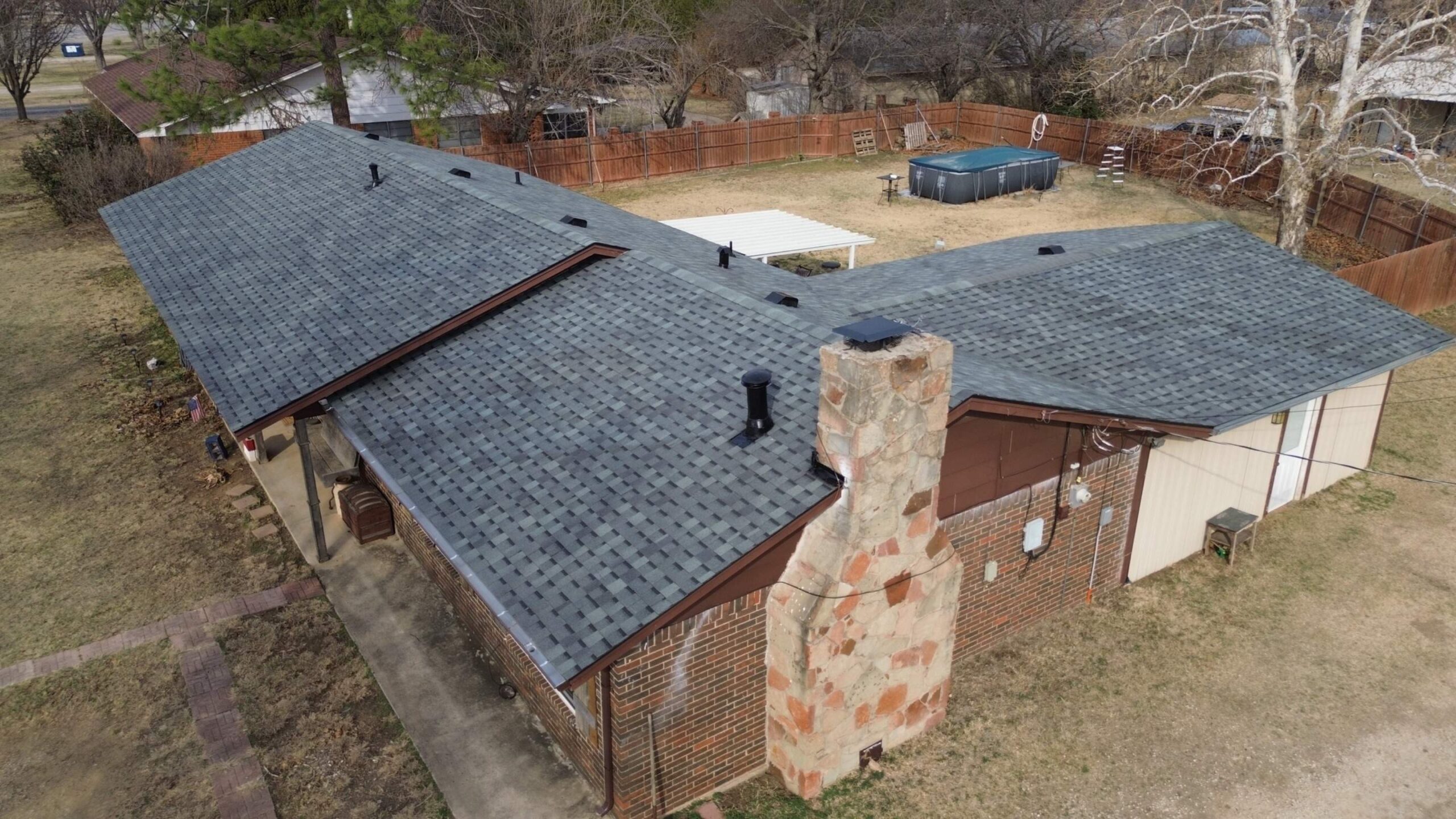
A complete roof replacement involves much more than installing new shingles. Several supporting components work together to create a weather-resistant roofing system, and replacing these elements often contributes significantly to the total project cost.
Underlayment is one of the most important hidden components. Installed directly over the roof decking, it provides a secondary moisture barrier that protects the home if water penetrates the shingles. Modern underlayment products generally offer better durability and weather resistance than older materials.
Flashing protects vulnerable areas where water is most likely to enter the roof. Chimneys, skylights, plumbing vents, roof valleys, and wall intersections all depend on properly installed flashing to prevent leaks. Replacing worn flashing during roof replacement helps improve long-term waterproofing.
Drip edges also play an important role by directing rainwater away from the roof decking and fascia boards. Proper installation reduces moisture damage while improving drainage into the gutter system.
Ventilation components are frequently upgraded during roof replacement. Ridge vents, soffit vents, and other ventilation systems improve airflow through the attic, helping regulate temperature and reduce moisture accumulation beneath the roof.
Some homes also require replacement of roof vents, pipe boots, or skylight flashing during the project. These smaller components may appear insignificant individually, but they contribute greatly to the overall performance of the completed roofing system.
Gutters are not always replaced as part of a roofing project, but damaged or improperly functioning gutters may require repair or replacement to ensure efficient water drainage. Contractors often inspect the gutter system while evaluating the roof.
Including these supporting components in the replacement project helps maximize the lifespan of the new roof. Investing in a complete roofing system rather than replacing only the shingles provides more dependable long-term protection for the home.
Regional Price Differences
Roof replacement costs vary considerably between different regions because labor rates, climate conditions, material availability, and local building regulations all influence project pricing. Homeowners comparing national average costs should remember that local estimates often differ significantly from published figures.
Labor rates represent one of the largest regional pricing differences. Areas with higher living costs generally experience higher contractor wages, increasing the overall cost of roofing projects. Communities with strong demand for skilled roofing professionals may also see higher installation prices during busy seasons.
Climate affects both material selection and installation methods. Homes located in regions with frequent hurricanes, heavy snowfall, extreme heat, or severe storms may require specialized roofing products or enhanced installation techniques that increase project costs.
Building codes also vary by location. Some municipalities require upgraded underlayment, additional fastening methods, improved ventilation, or enhanced wind resistance. While these requirements improve roof performance, they may also increase material and labor expenses.
Transportation costs influence roofing prices as well. Areas located farther from manufacturing facilities or distribution centers often experience higher material costs because of increased shipping expenses.
Seasonal demand also affects pricing in many regions. Roofing contractors frequently experience higher workloads after severe storms or during peak construction seasons. Increased demand sometimes results in longer scheduling times and higher labor costs.
Availability of roofing materials can influence replacement costs too. Some premium products may be readily available in certain regions while requiring special ordering in others, affecting both pricing and project timelines.
Obtaining estimates from local contractors remains the most reliable way to understand regional roof replacement costs. Local professionals understand building codes, weather conditions, material availability, and labor markets specific to the area.
Insurance Coverage and Out-of-Pocket Costs
Many homeowners wonder whether insurance will help pay for roof replacement. The answer depends largely on the cause of the damage rather than simply the age or condition of the roof.
Insurance policies commonly provide coverage when roofs are damaged by sudden events such as hailstorms, high winds, falling trees, or other covered weather-related incidents. If the damage results directly from a covered event, insurance may contribute toward repair or replacement costs after the homeowner pays the applicable deductible.
Normal aging, gradual wear, and lack of maintenance are generally not covered by homeowners insurance. Roofing materials naturally deteriorate over time, and replacing an aging roof usually remains the homeowner’s responsibility rather than an insurance claim.
Insurance companies often require professional inspections before approving roof replacement claims. Adjusters evaluate the extent of damage, determine the cause, and assess whether repairs or complete replacement are appropriate based on the policy terms.
Deductibles also influence out-of-pocket expenses. Even when insurance covers much of the replacement cost, homeowners remain responsible for paying the deductible specified in their policy before coverage applies.
Some policies calculate reimbursement based on actual cash value rather than full replacement cost. In these situations, depreciation reduces the amount paid for older roofing materials, increasing the homeowner’s share of the total project expense.
Maintaining detailed records of roof inspections, maintenance, and previous repairs can simplify future insurance claims. Good documentation helps demonstrate that the roof was properly maintained before storm damage occurred.
Reviewing insurance coverage before roof replacement begins allows homeowners to understand potential financial responsibilities. Discussing coverage questions with both the insurance provider and roofing contractor helps prevent misunderstandings during the claims process.
Cost Comparison by Roofing Material
Different roofing materials vary considerably in purchase price, installation requirements, maintenance needs, and expected lifespan. Looking beyond the initial installation cost helps homeowners understand the long-term value each material provides.
The table below compares several common residential roofing materials.
| Roofing Material | Average Installation Cost | Expected Lifespan | Maintenance Level | Long-Term Value |
|---|---|---|---|---|
| Asphalt Shingles | Low | 20 to 30 years | Moderate | Very Good |
| Architectural Shingles | Moderate | 25 to 35 years | Moderate | Excellent |
| Metal Roofing | High | 40 to 70 years | Low | Excellent |
| Wood Shakes | Moderate to High | 25 to 40 years | High | Good |
| Clay Tiles | High | 50 to 100 years | Moderate | Excellent |
| Concrete Tiles | High | 40 to 60 years | Moderate | Very Good |
| Slate Roofing | Very High | 75 to 100+ years | Low | Outstanding |
The least expensive roofing material is not always the most economical over the life of the home. Materials with longer service lives often reduce future replacement costs while requiring fewer repairs throughout their lifespan.
Maintenance requirements should also be considered when comparing roofing options. Products requiring regular upkeep may increase long-term ownership costs even if their initial installation price is relatively affordable.
Professional roofing contractors can explain how each material performs under local weather conditions and recommend options that balance budget, appearance, durability, and expected service life. Evaluating both immediate and long-term costs allows homeowners to make investment decisions that provide dependable protection for decades.
Getting Accurate Roof Replacement Estimates
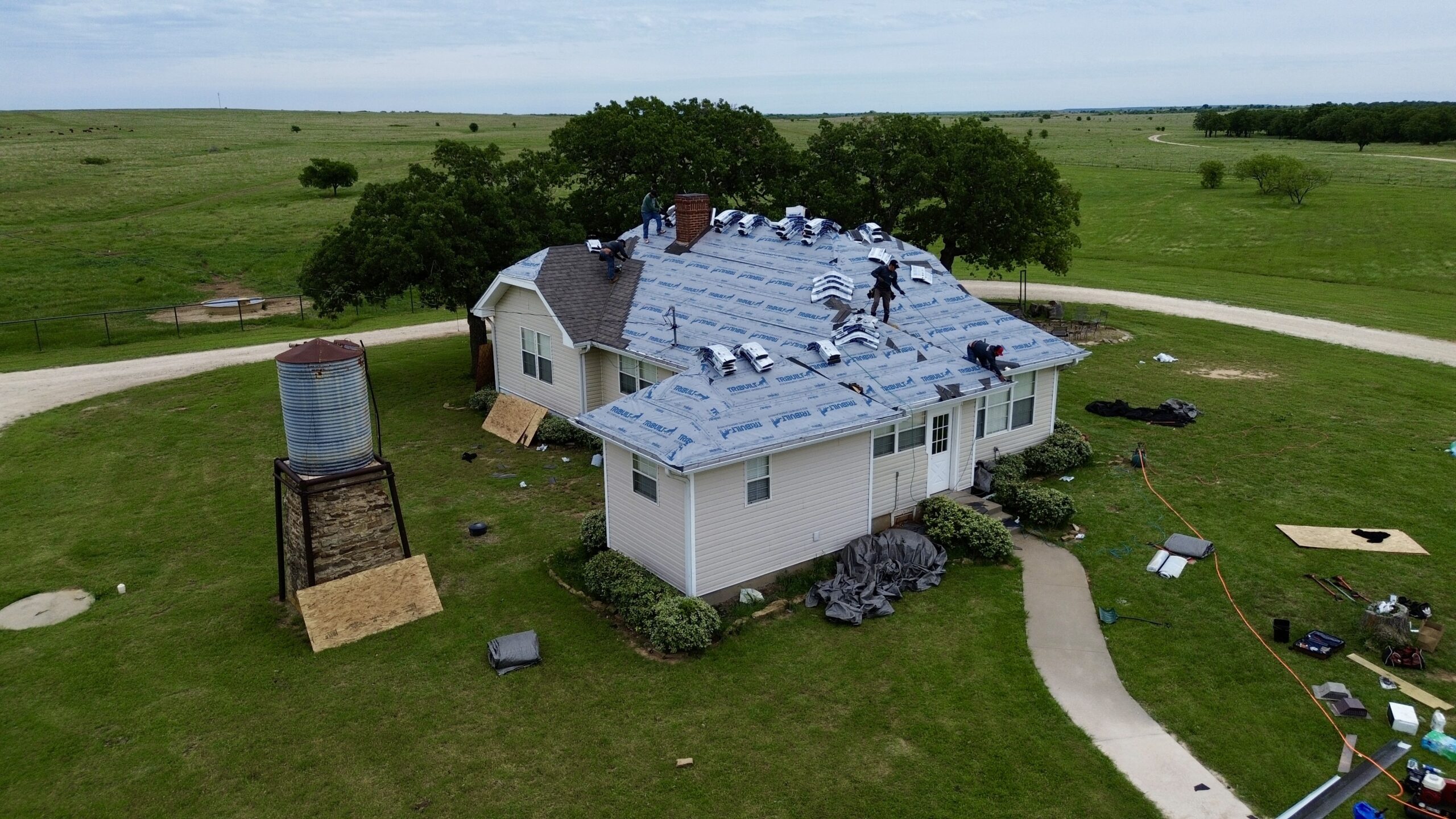
Obtaining detailed roofing estimates is one of the most important steps in planning a roof replacement. A written estimate allows homeowners to compare materials, workmanship, warranties, and pricing before committing to a contractor. Looking beyond the total price helps ensure that each proposal provides the same level of quality and service.
Professional roofing contractors begin by inspecting the roof rather than offering estimates based only on the home’s size. They evaluate the roof’s condition, measure the total roofing area, inspect flashing and ventilation, and identify any visible structural concerns. This detailed assessment produces a more accurate estimate and reduces the likelihood of unexpected costs later.
Every estimate should clearly explain what is included in the project. Roofing materials, underlayment, flashing replacement, ventilation improvements, disposal fees, labor, cleanup, permits, and warranty information should all appear in writing. Detailed proposals make it much easier to compare contractors fairly.
Homeowners should also ask questions about materials, timelines, payment schedules, and warranty coverage before signing a contract. Clear communication at the beginning of the project helps prevent misunderstandings once construction begins.
The following checklist can help homeowners compare roofing estimates effectively.
- Verify that the contractor is licensed, insured, and experienced.
- Confirm the roofing materials and product specifications included in the estimate.
- Review labor costs, disposal fees, permits, and cleanup services.
- Compare manufacturer warranties and workmanship guarantees.
- Ask whether structural repairs are included or billed separately.
- Review the estimated project timeline and completion schedule.
- Confirm the payment terms before construction begins.
- Compare several detailed estimates instead of choosing solely based on price.
Taking time to review multiple proposals often results in better long-term value. The lowest estimate is not always the best choice if important materials or services have been omitted.
A thorough estimate provides confidence that the contractor understands the project and plans to deliver a complete roofing system rather than simply installing new shingles.
Budgeting for a Roof Replacement Project
Planning financially before replacing a roof helps homeowners manage one of the largest maintenance investments their property will require. A realistic budget should account for both expected expenses and the possibility of additional repairs discovered during construction.
The roofing estimate forms the foundation of the project budget, but homeowners should also reserve funds for unexpected structural repairs. Damaged roof decking, deteriorated flashing, insulation replacement, or ventilation upgrades occasionally become necessary after the existing roof has been removed.
Many homeowners choose to finance roof replacement rather than paying the entire amount upfront. Financing options vary depending on individual circumstances and may include personal savings, home improvement loans, home equity financing, or payment plans offered by roofing contractors.
Scheduling also affects budgeting. Replacing a roof before widespread failure occurs allows homeowners to plan expenses over time instead of responding to emergency leaks that require immediate action. Planned replacement projects often provide more flexibility when selecting contractors and materials.
Warranty coverage should be considered part of the investment as well. Manufacturer warranties protect roofing materials, while contractor workmanship warranties cover installation quality. Strong warranty protection may provide significant long-term value by reducing future repair expenses.
Seasonal pricing sometimes influences project costs depending on local demand. Roofing companies may experience higher workloads during peak construction seasons or after severe storms. Planning replacement before emergency conditions develop can improve scheduling flexibility.
Maintaining a dedicated home maintenance fund also helps prepare for future projects. Setting aside money regularly reduces financial pressure when major home improvements such as roof replacement eventually become necessary.
Careful budgeting allows homeowners to focus on selecting quality materials and experienced contractors rather than making decisions based solely on immediate cost. This balanced approach often results in greater long-term value.
Tips for Reducing Roof Replacement Costs Without Sacrificing Quality
Replacing a roof is a major investment, but homeowners can often reduce costs without compromising workmanship or long-term performance. Careful planning and informed decision-making help maximize value while controlling expenses.
The following practical strategies can help lower replacement costs while maintaining quality.
- Obtain detailed estimates from several reputable roofing contractors.
- Replace the roof before extensive structural damage develops.
- Choose roofing materials that balance durability with long-term value.
- Schedule replacement before emergency repairs become necessary.
- Maintain gutters and roof drainage to reduce future deterioration.
- Ask about manufacturer promotions or available warranty programs.
- Keep the roof well maintained throughout its lifespan to avoid major repairs.
- Focus on quality installation rather than selecting the lowest bid.
Saving money should never come at the expense of proper installation. Poor workmanship often leads to leaks, premature deterioration, and expensive repairs that exceed any initial savings.
Investing in experienced contractors and dependable materials usually delivers better long-term results than choosing the least expensive proposal available.
Long-Term Value of Investing in a New Roof
Although roof replacement requires a significant financial commitment, it also provides substantial long-term benefits that extend far beyond simply replacing worn roofing materials. A new roof improves the overall performance of the home while reducing future maintenance concerns.
One of the greatest advantages is improved weather protection. New roofing materials, flashing, underlayment, and ventilation systems work together to keep moisture outside the home, reducing the likelihood of leaks and structural damage for many years.
Energy efficiency often improves after roof replacement as well. Modern roofing systems provide better insulation performance and ventilation, helping regulate attic temperatures more effectively. Reduced heat transfer allows heating and cooling systems to operate more efficiently throughout the year.
Property value generally increases when a home has a recently installed roof. Buyers often view a new roof as a major benefit because it reduces the likelihood of immediate maintenance expenses after purchasing the property.
Curb appeal also improves significantly. A clean, professionally installed roof enhances the home’s exterior appearance while creating a positive first impression. This visual improvement contributes to the property’s overall attractiveness and marketability.
Maintenance expenses are often lower during the early years of a new roofing system. Instead of repeatedly paying for repairs on an aging roof, homeowners can focus on routine inspections and preventive maintenance that help maximize the roof’s lifespan.
Perhaps the most valuable benefit is peace of mind. Knowing that the home is protected by a dependable roofing system allows homeowners to face changing weather conditions with greater confidence and fewer concerns about unexpected leaks or emergency repairs.
Common Mistakes Homeowners Make When Comparing Roofing Quotes
Comparing roofing estimates involves much more than looking at the final price. Many homeowners unintentionally make decisions that lead to higher long-term costs because they focus on immediate savings instead of overall project value.
One of the most common mistakes is accepting the lowest estimate without understanding why it is less expensive. Lower-priced proposals sometimes exclude important items such as underlayment replacement, flashing upgrades, permits, cleanup, or disposal fees. These omitted services may later appear as additional charges.
Another mistake is overlooking material quality. Two contractors may quote similar roofing systems while using products with different durability, warranty coverage, or weather resistance. Comparing product specifications helps homeowners understand these differences before making a decision.
Ignoring workmanship warranties can also become costly. High-quality installation is just as important as selecting premium roofing materials. A strong workmanship warranty demonstrates that the contractor stands behind the quality of the completed project.
Some homeowners fail to verify contractor credentials before signing an agreement. Licensing, insurance coverage, certifications, and customer references provide valuable assurance that the roofing company has the experience necessary to complete the project safely and professionally.
Choosing based solely on speed is another common error. While completing the project quickly is desirable, rushing installation may compromise workmanship if proper preparation, flashing installation, or final inspections are overlooked.
Incomplete written contracts also create unnecessary risks. Every estimate should clearly describe the materials, labor, project scope, payment schedule, timeline, warranties, and cleanup responsibilities before work begins.
Taking time to evaluate roofing estimates carefully helps homeowners avoid unexpected expenses while selecting a contractor capable of delivering dependable long-term results.
Conclusion
Understanding roof replacement costs involves much more than knowing the average price of a new roof. Every residential roofing project is unique, and the final investment depends on numerous factors including roof size, material selection, labor requirements, structural condition, regional pricing, and the overall complexity of the installation. Looking beyond a single price figure allows homeowners to make informed decisions based on value rather than cost alone.
Throughout this guide, we explored the primary factors that influence residential roof replacement costs. Roof dimensions, roofing materials, labor, tear-off and disposal, structural repairs, ventilation improvements, regional differences, insurance considerations, and supporting roofing components all contribute to the total project investment. While these factors may increase initial costs, they also ensure the completed roofing system provides dependable protection for many years.
A roof replacement should be viewed as a long-term investment rather than simply a home repair expense. A professionally installed roof improves weather protection, enhances energy efficiency, increases property value, reduces ongoing maintenance costs, and provides greater confidence during severe weather. Choosing quality materials and experienced contractors often delivers significantly better long-term value than selecting the lowest available estimate.
Obtaining several detailed estimates remains one of the best ways to compare roofing contractors fairly. Reviewing materials, workmanship, warranties, project scope, and included services provides a much clearer understanding of what each proposal offers. A comprehensive estimate helps homeowners identify the option that best balances quality, durability, and overall cost.
Replacing a residential roof is a major decision, but careful planning makes the process far more manageable. By understanding the factors that influence pricing, budgeting appropriately, and selecting qualified roofing professionals, homeowners can invest confidently in a roofing system that protects their home, preserves its value, and delivers reliable performance for decades to come.