
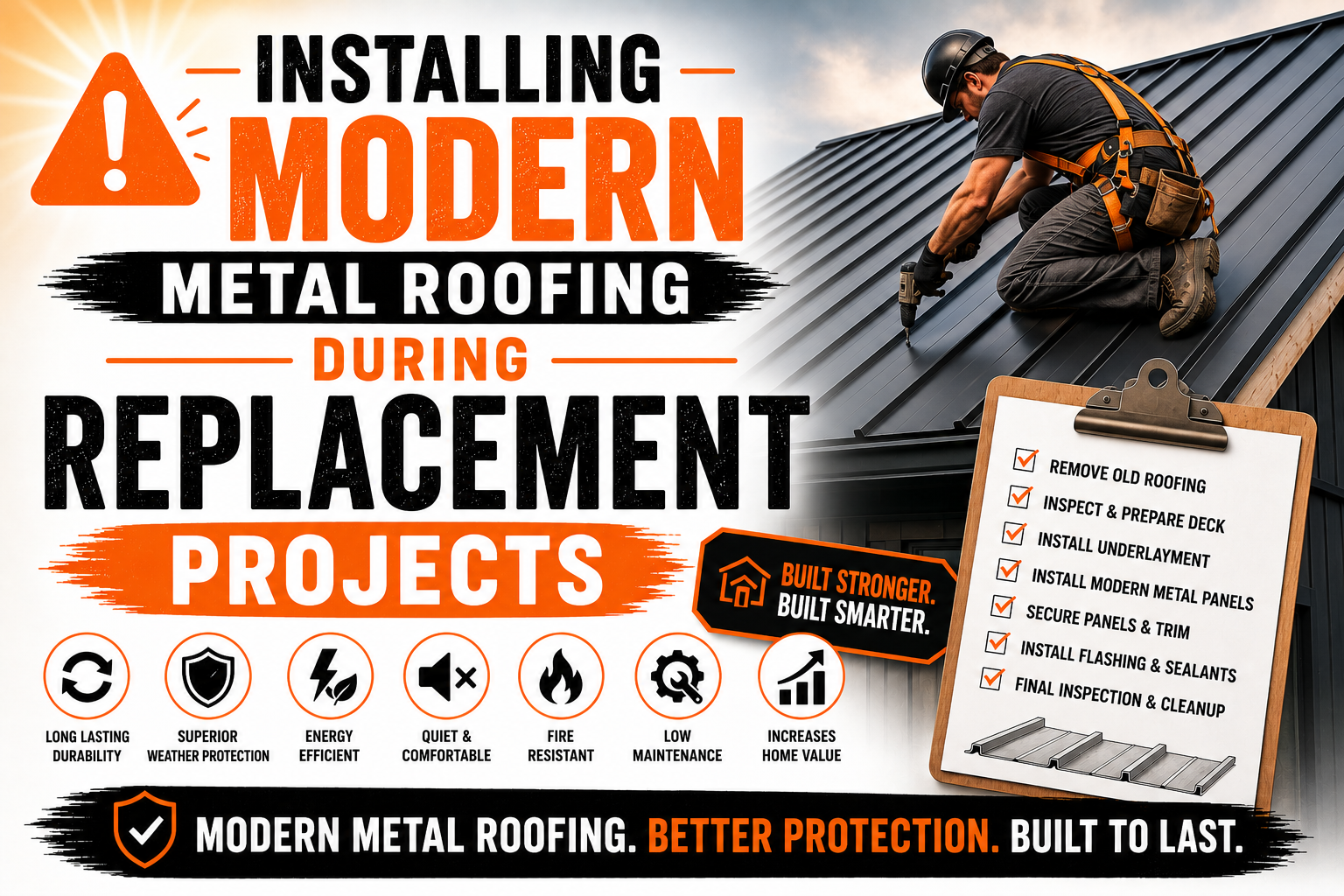
Installing Modern Metal Roofing During Replacement Projects
Introduction
Replacing an aging roof provides homeowners with the perfect opportunity to upgrade to a modern metal roofing system. Advances in manufacturing, protective coatings, fastening systems, and installation techniques have made today’s metal roofs stronger, more energy efficient, and more visually appealing than ever before. As a result, many property owners are choosing modern metal roofing instead of reinstalling traditional roofing materials during replacement projects.
A roof replacement involves much more than simply removing worn-out roofing materials and attaching new panels. Every stage of the process, from planning and structural inspection to waterproofing and ventilation, contributes to the long-term performance of the finished roof. Installing modern metal roofing correctly requires careful preparation because these systems are engineered to function as complete roofing assemblies rather than individual components.
Modern metal roofing is available in a wide range of styles, colors, profiles, and materials that complement both contemporary and traditional architecture. Whether homeowners prefer standing seam panels, stone-coated steel, corrugated metal, or metal shingles, today’s roofing systems provide greater flexibility while delivering exceptional durability.
Understanding how modern metal roofing is installed during a replacement project helps homeowners make informed decisions when selecting materials, evaluating contractors, and comparing roofing proposals. Knowing what happens before installation begins also makes it easier to recognize the quality standards that contribute to a roof capable of lasting for decades.
This guide explains the planning, preparation, and material selection involved in installing modern metal roofing during roof replacement projects. The following sections explore the advantages of upgrading to metal, the different roofing systems available today, and the important preparation steps that create the foundation for a successful installation.
Why Modern Metal Roofing Is a Popular Replacement Choice
Metal roofing has become one of the fastest-growing roofing options because it combines long-term durability with modern design flexibility. While traditional roofing materials continue to serve many homes effectively, modern metal roofing offers several advantages that appeal to homeowners planning long-term investments.
One of the biggest reasons for its popularity is longevity. High-quality metal roofing systems often remain in excellent condition for forty to seventy years or more when installed correctly and maintained properly. This extended service life means many homeowners may never need another complete roof replacement.
Weather resistance also contributes to its growing demand. Modern metal roofing performs well under heavy rain, snow, hail, strong winds, and prolonged sunlight. Advanced fastening systems and improved panel designs help the roof remain secure while directing water efficiently away from the structure.
Energy efficiency has improved considerably in recent years. Reflective roof coatings reduce solar heat absorption, lowering attic temperatures during warmer months. Combined with proper insulation and attic ventilation, these improvements may reduce cooling costs while creating a more comfortable indoor environment.
Modern manufacturing techniques have also expanded design possibilities. Today’s metal roofs are available in numerous colors, textures, and profiles that suit nearly every architectural style. Homeowners no longer have to sacrifice appearance in exchange for durability.
Maintenance requirements remain relatively low compared with many traditional roofing systems. Routine inspections, occasional cleaning, and prompt attention to minor concerns are generally sufficient to keep modern metal roofs performing efficiently for decades.
These combined advantages make metal roofing an attractive upgrade during replacement projects, particularly for homeowners seeking long-term value rather than simply replacing one aging roofing material with another.
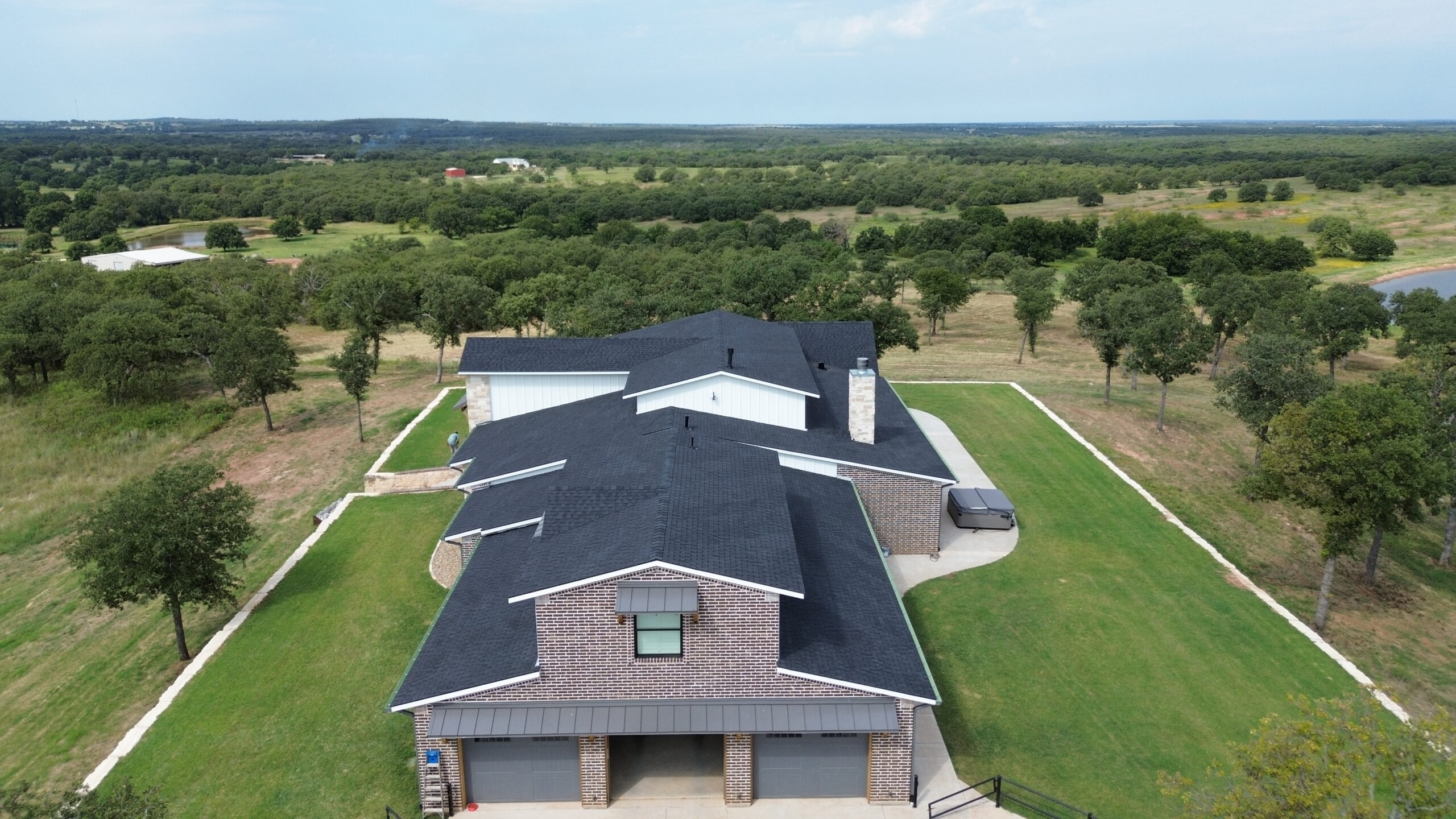
Understanding Different Modern Metal Roofing Systems
Modern metal roofing includes several distinct systems, each designed to meet different architectural styles, climate conditions, and homeowner preferences. Understanding these options helps property owners choose the roofing system that best suits their home.
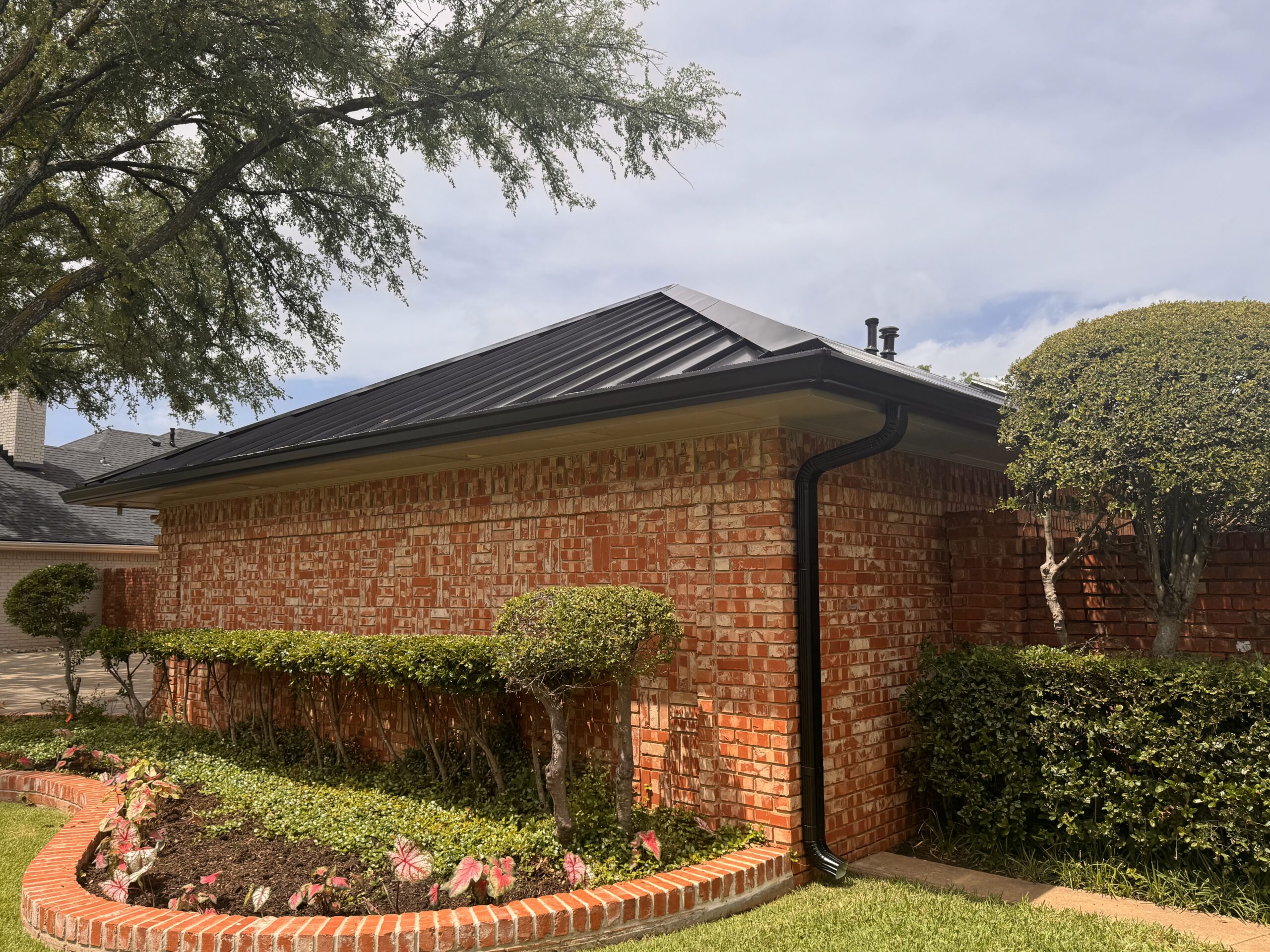
Standing seam roofing remains one of the most popular premium options. Long vertical panels connect through raised seams while concealed fasteners remain protected beneath the panel surface. This design minimizes exposed penetrations while allowing natural thermal expansion and contraction.
Corrugated metal roofing continues to serve residential, agricultural, and commercial buildings because of its strength and affordability. Improvements in protective coatings and manufacturing quality have made modern corrugated panels much more durable than earlier generations.
Metal shingles provide another attractive alternative. These products imitate the appearance of traditional asphalt shingles while offering the durability and longevity associated with metal roofing. They appeal to homeowners who want the benefits of metal without dramatically changing the home’s appearance.
Stone-coated steel roofing combines galvanized steel with a textured stone finish. This system provides excellent weather resistance while replicating the appearance of clay tile, slate, or wood shake roofing. It also reduces glare compared with smooth metal surfaces.
Exposed fastener systems remain common for utility buildings, workshops, and some residential applications. Although these systems generally cost less than standing seam roofing, they require periodic fastener inspection because screws remain exposed to weather conditions throughout the roof’s lifespan.
Each roofing system offers unique advantages, making professional consultation valuable when selecting materials for a replacement project.
Benefits of Installing Modern Metal Roofing During Roof Replacement
Upgrading to modern metal roofing during replacement offers benefits extending far beyond improved appearance. Because the roof replacement process already involves removing the existing roofing system, homeowners have an ideal opportunity to improve multiple aspects of roof performance at the same time.
One major advantage involves structural evaluation. Removing the old roof exposes the roof deck completely, allowing contractors to inspect for moisture damage, weakened decking, deteriorated framing, or insulation problems before installing the new roofing system.
Modern waterproofing materials also improve long-term protection. High-performance synthetic underlayments, advanced flashing systems, and specialized moisture barriers work together with metal panels to create multiple layers of weather resistance.
Replacing the roof also allows ventilation upgrades. Proper attic airflow reduces heat accumulation during summer while minimizing moisture condensation throughout colder months. Balanced ventilation contributes directly to both energy efficiency and roofing longevity.
Many homeowners also appreciate the environmental benefits of modern metal roofing. Numerous roofing products contain recycled materials and remain fully recyclable at the end of their service life. Longer roof lifespan further reduces construction waste compared with materials requiring more frequent replacement.
Insurance considerations may also improve after installation. Some insurers recognize the superior durability of metal roofing against fire, wind, and severe weather, potentially offering policy benefits depending on local regulations and roofing specifications.
Perhaps the greatest advantage is long-term confidence. Installing a complete modern roofing system provides homeowners with dependable protection supported by current building standards, advanced materials, and comprehensive manufacturer warranties.
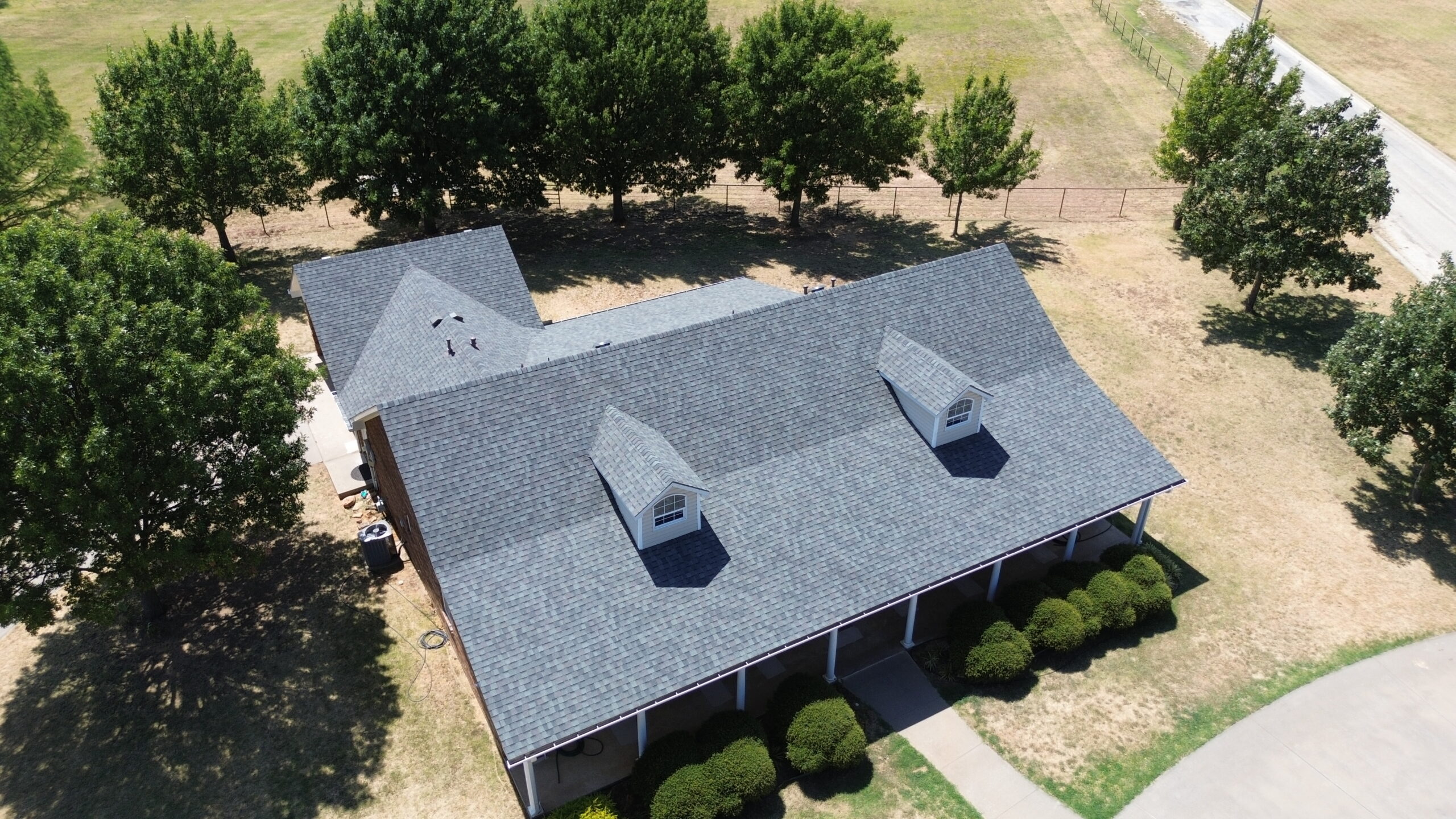
Is Your Existing Roof Ready for Metal Roof Installation?
Not every roof is immediately ready to receive a new metal roofing system. Before installation begins, contractors evaluate the existing structure carefully to determine whether repairs or upgrades are needed to support the new roof properly.
The roof deck receives the greatest attention during this evaluation. Since the decking forms the structural foundation supporting every roofing component, it must remain dry, stable, and free from significant deterioration. Damaged sections are replaced before installation proceeds.
Roof framing also undergoes inspection. Rafters, trusses, and supporting members weakened by previous leaks, insect activity, or structural movement should be repaired before additional roofing materials are installed.
Roof slope influences material selection as well. Different metal roofing systems require specific minimum slopes to ensure effective drainage. Contractors verify that the selected roofing product matches the roof’s design before ordering materials.
Existing ventilation is another important consideration. Modern metal roofing performs best when attic ventilation maintains balanced airflow beneath the roof. If intake or exhaust ventilation requires improvement, contractors typically recommend these upgrades during replacement.
Drainage systems should also be evaluated. Gutters, downspouts, valleys, and roof edges must direct water efficiently away from the structure once the new roof is installed.
These evaluations ensure the building provides an appropriate foundation for the modern roofing system while reducing the likelihood of future performance issues.
Choosing the Right Metal Roofing Material
Selecting the appropriate roofing material represents one of the most important decisions in the replacement process. Each metal offers different strengths depending on climate, budget, maintenance expectations, and architectural style.
Steel remains the most widely used residential roofing material because it combines affordability with excellent structural strength. Galvanized steel receives a protective zinc coating, while Galvalume steel uses an aluminum-zinc alloy providing enhanced corrosion resistance.
Aluminum offers outstanding performance in coastal regions where salt exposure accelerates corrosion. Because aluminum naturally resists rust, it remains an excellent option for homes located near oceans or other marine environments.
Copper represents a premium roofing material known for exceptional longevity and its distinctive natural patina. Although the initial investment is significantly higher, copper roofs often remain functional for many decades while requiring relatively little maintenance.
Zinc roofing provides another premium alternative. Its naturally protective surface gradually repairs minor scratches through weathering, helping preserve long-term corrosion resistance.
Material thickness also affects performance. Thicker panels generally provide greater resistance to impact, wind, and structural movement while reducing the likelihood of oil canning on larger roof sections.
Homeowners should balance purchase price with expected lifespan, maintenance requirements, warranty coverage, and environmental conditions before selecting the final roofing material.
Planning a Modern Metal Roof Replacement Project
Careful planning allows roof replacement projects to proceed efficiently while reducing delays and unexpected costs. Preparing every stage before construction begins helps ensure a smoother installation experience for both homeowners and contractors.
The planning process usually begins with a professional roof inspection. Contractors evaluate existing roofing materials, flashing, gutters, ventilation, roof decking, structural framing, and attic conditions to identify repairs required before installation.
Material ordering follows the inspection. Roof dimensions determine panel lengths, trim components, flashing, fasteners, underlayment quantities, and accessory requirements. Accurate measurements reduce material waste while minimizing installation delays.
Budget planning should include more than roofing panels alone. Labor, permits, structural repairs, disposal fees, upgraded ventilation, insulation improvements, crane services where necessary, and contingency funds all contribute to the total project investment.
Scheduling also requires attention. Most contractors recommend beginning replacement during periods of stable weather because dry conditions improve installation quality while reducing weather-related interruptions.
Communication between homeowners and contractors remains equally important. Daily work schedules, property access, equipment storage, material delivery, debris removal, and cleanup procedures should all be discussed before construction begins.
Selecting an experienced contractor familiar with modern metal roofing systems may have the greatest influence on long-term roof performance. Specialized installation techniques, manufacturer certification, and previous project experience all contribute to successful outcomes.
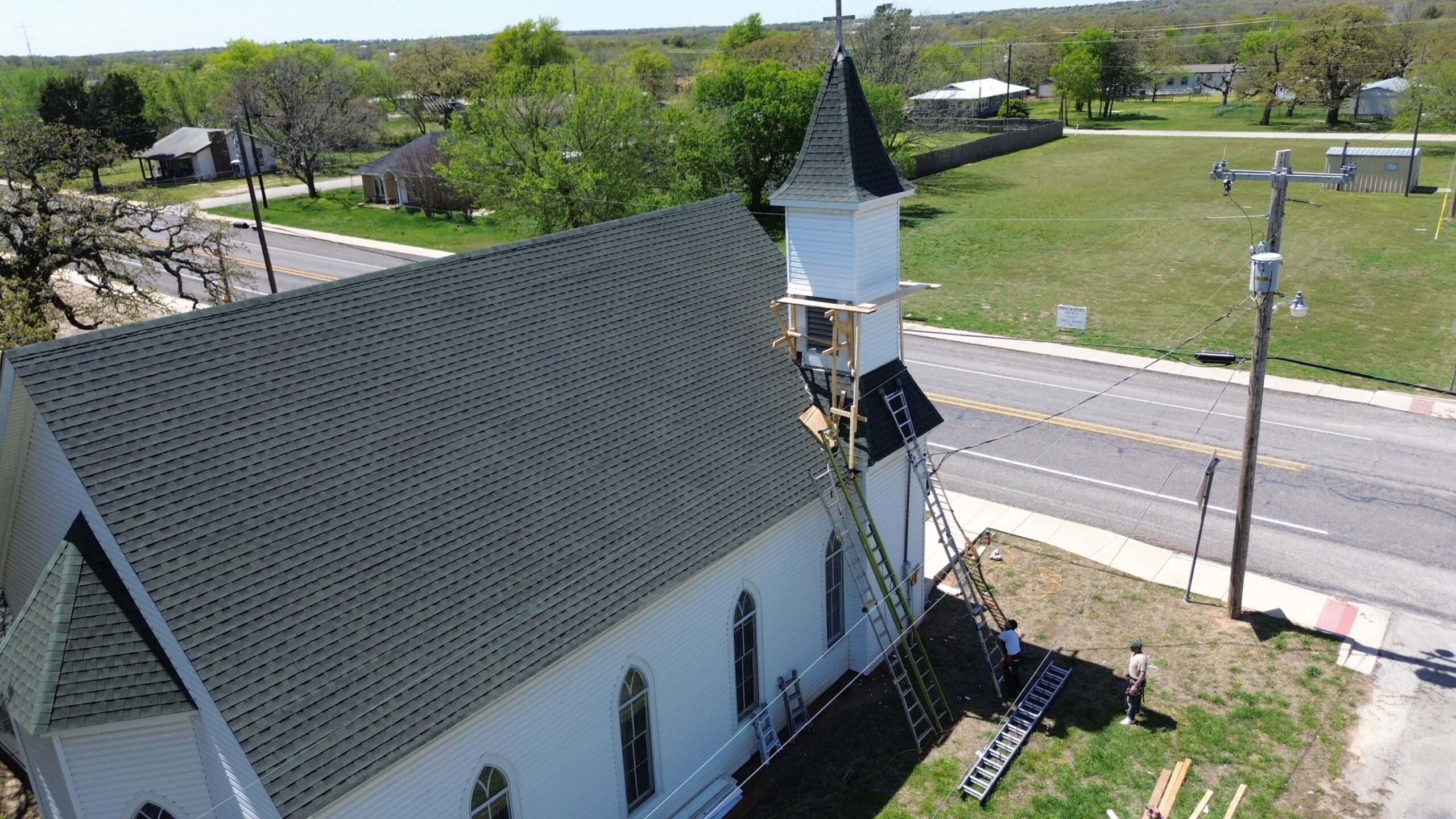
Comparing Popular Modern Metal Roofing Materials
| Roofing Material | Main Advantages | Best Suited For | Expected Lifespan |
|---|---|---|---|
| Galvanized Steel | Strong and economical | Most residential homes | 40–60 years |
| Galvalume Steel | Excellent corrosion resistance | Areas with varying climates | 50–70 years |
| Aluminum | Naturally rust resistant | Coastal environments | 50+ years |
| Copper | Premium durability and appearance | Luxury and historic homes | 70+ years |
| Zinc | Self-healing protective surface | Long-term premium projects | 60–100 years |
| Stone-Coated Steel | Traditional appearance with metal strength | Homes seeking classic aesthetics | 50+ years |
Choosing the appropriate roofing material depends on balancing performance, appearance, maintenance expectations, local climate, and long-term budget considerations. Every roofing system offers unique advantages, making professional guidance valuable when planning a replacement project.
With planning complete, materials selected, and the existing roof evaluated, the project is ready to enter the installation phase. The next part of this guide explains how contractors prepare the roof, remove the existing roofing system, inspect and repair the roof deck, install waterproofing materials, position modern metal roofing panels, complete flashing and ventilation, and avoid common installation mistakes that can affect long-term roof performance.
Preparing the Roof Before Installation
A successful modern metal roof installation begins long before the first metal panel is placed on the roof. Proper preparation creates the foundation for a durable roofing system while reducing the possibility of installation problems that could affect long-term performance.
The first priority is protecting the property. Contractors place tarps over landscaping, flower beds, outdoor furniture, air conditioning units, decks, and walkways before work begins. These protective measures help prevent damage from falling debris during roof removal.
Safety equipment is then installed throughout the work area. Roof anchors, harnesses, scaffolding, ladders, and fall protection systems allow workers to perform the installation safely while complying with industry safety standards.
Material staging is another important part of preparation. Modern metal roofing panels are often manufactured in long lengths and require careful handling to prevent bending or scratching before installation. Contractors organize materials so they remain accessible while avoiding unnecessary movement across the roof.
Weather conditions are reviewed carefully before work starts. Dry conditions provide the best environment for installing waterproofing materials and metal panels. If rain or high winds are expected, the schedule may be adjusted to maintain installation quality and worker safety.
Power tools, compressors, cutting equipment, fasteners, sealants, and other installation materials are also organized before construction begins. Careful preparation allows the project to progress efficiently once roof removal starts.
Removing the Existing Roofing System
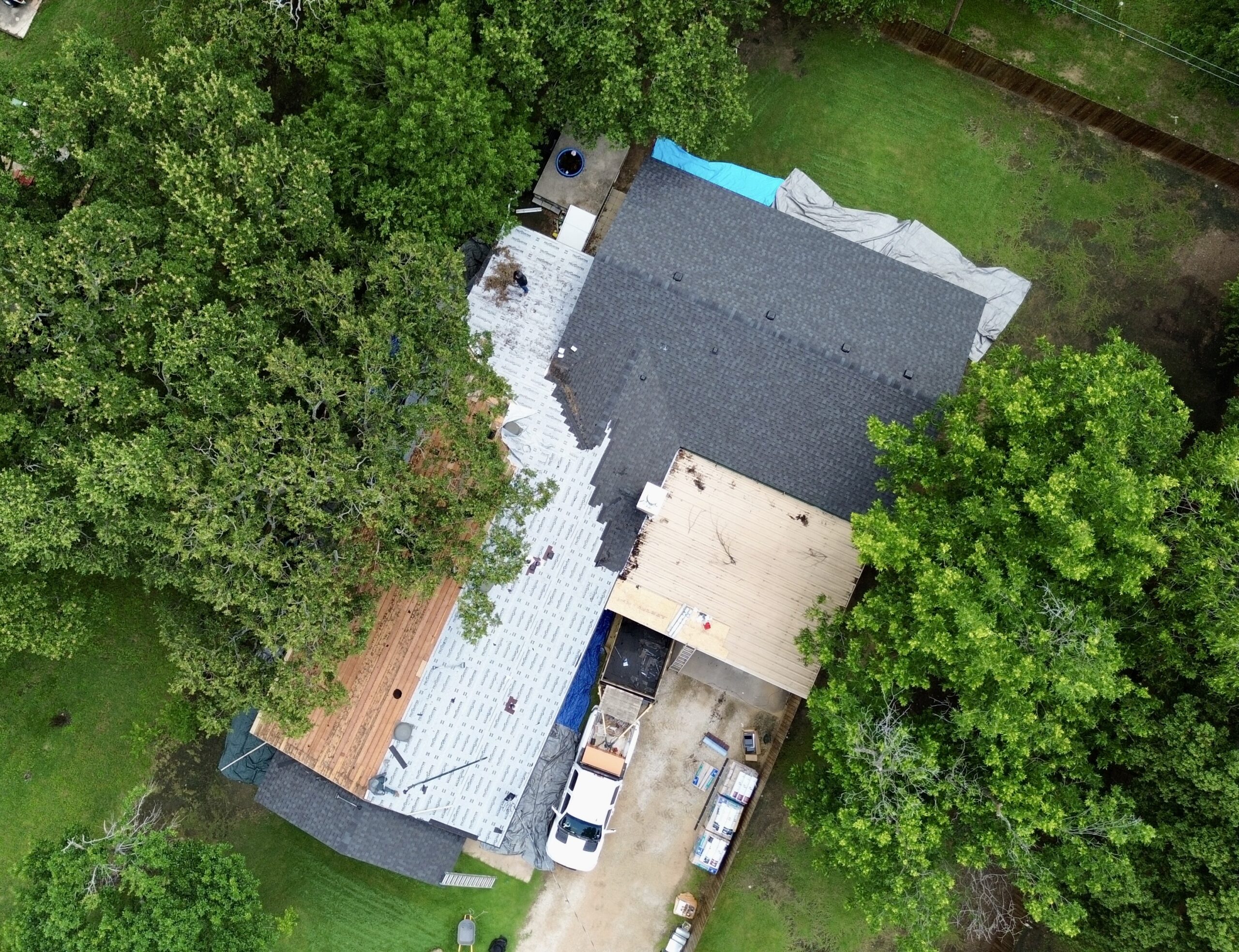
The next stage involves removing the existing roofing materials to expose the roof deck beneath. A complete tear-off allows contractors to inspect structural components thoroughly while ensuring the new roofing system begins on a clean and stable foundation.
Roofers generally work from the highest sections downward. Existing shingles, metal panels, flashing, underlayment, ridge caps, fasteners, and roofing accessories are removed systematically to reduce unnecessary stress on the structure below.
Every roofing layer is removed rather than covering old materials with new ones. Although roof overlays are sometimes permitted under certain conditions, complete removal provides much better access for structural inspection and helps improve the long-term performance of the new roof.
Debris is lowered safely into dumpsters or collection containers positioned around the property. Contractors continuously remove waste materials from walking surfaces to reduce tripping hazards while maintaining an organized work environment.
Whenever possible, recyclable roofing materials are separated from general construction waste. Steel, aluminum, copper, and other metals can often be recycled, reducing environmental impact while supporting responsible waste management practices.
After all roofing materials have been removed, the exposed roof deck is cleaned thoroughly. Nails, dust, old sealants, and remaining debris are removed before the structural inspection begins.
Inspecting and Repairing the Roof Deck
With the roof deck fully exposed, contractors perform one of the most important inspections of the entire replacement project. The roof deck supports every roofing component above it, making its condition critical to the success of the new installation.
Contractors inspect the decking for moisture damage, rot, mold growth, cracked panels, loose fasteners, delamination, and structural movement. Walking across the roof often reveals soft areas that may not have been visible before the old roofing materials were removed.
Damaged sections of plywood or oriented strand board are replaced before installation continues. Installing a modern metal roof over weakened decking would compromise the fastening system and reduce the overall durability of the roofing system.
Roof framing also receives careful evaluation whenever structural concerns are identified. Rafters, trusses, and support members affected by long-term leaks or deterioration are repaired before new roofing materials are installed.
Attic ventilation is reviewed during this stage as well. Poor airflow beneath the roof contributes to condensation and moisture accumulation that may shorten the lifespan of roofing materials. Upgrading ventilation before installation improves long-term roof performance.
After repairs are complete, contractors verify that the roof surface is level, secure, dry, and structurally sound. This stable foundation supports accurate panel alignment while improving the finished appearance of the roof.
Installing Underlayment and Moisture Barriers
Once structural repairs have been completed, waterproofing materials are installed to create a protective barrier beneath the visible metal roofing panels. Although hidden after installation, these layers play a major role in preventing moisture intrusion.
Synthetic underlayment has become the preferred choice for most modern metal roofing systems. Compared with traditional felt paper, synthetic products provide greater tear resistance, improved durability, and better traction for roofing crews working on sloped surfaces.
Installation begins along the lower edge of the roof. Each row overlaps the previous layer according to manufacturer specifications, allowing water to drain naturally toward the roof edges without reaching exposed seams beneath the roofing system.
Ice and water barrier membranes are installed in areas particularly vulnerable to moisture. Roof valleys, eaves, chimneys, skylights, dormers, plumbing vents, and roof penetrations commonly receive these self-adhering waterproof membranes for additional protection.
Contractors smooth the underlayment carefully to eliminate wrinkles or trapped air pockets. A flat installation surface allows the metal roofing panels to sit evenly while preventing unnecessary stress during thermal expansion and contraction.
Every seam is inspected before the next stage begins. Proper overlap and secure fastening ensure continuous protection beneath the finished roofing system.
Installing Modern Metal Roofing Panels Step by Step
With the waterproofing system complete, contractors begin installing the visible metal roofing panels that provide the roof’s primary weather protection and finished appearance.
Installation starts at the edge of the roof according to the panel layout established during project planning. The first panel must be positioned precisely because every additional panel follows its alignment. Even small placement errors at the beginning can affect the appearance of the entire roof.
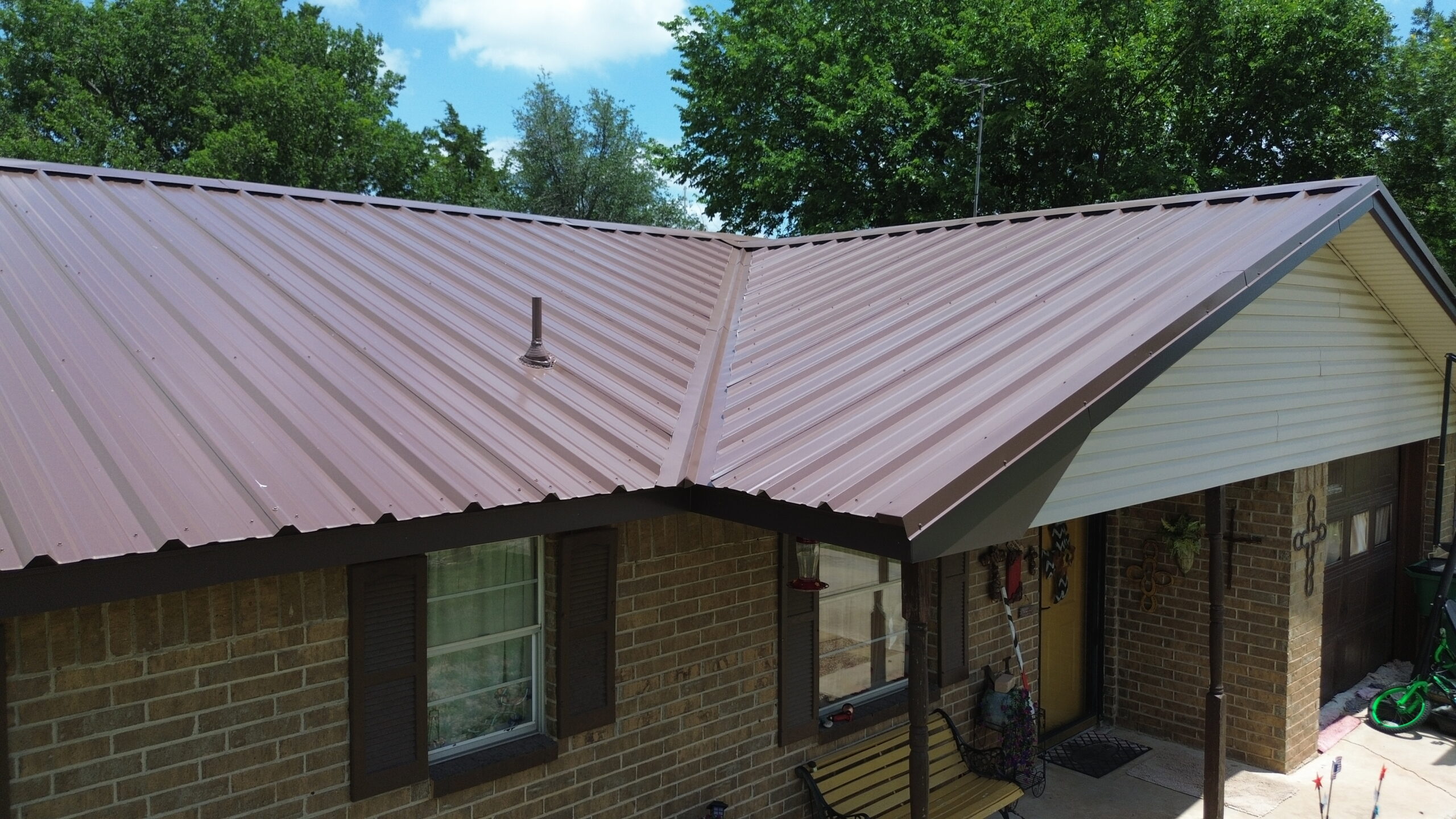
Panels are secured using the fastening system specified for the selected roofing product. Standing seam roofs rely on concealed clips, while exposed fastener systems use specialized roofing screws equipped with weather-resistant sealing washers.
Contractors check panel alignment frequently throughout installation using chalk lines and reference measurements established during the preparation stage. Consistent spacing creates clean roof lines while improving water drainage across the roof surface.
Metal panels naturally expand and contract as temperatures change. Modern fastening systems are designed to accommodate this movement without damaging the roofing materials or creating unnecessary stress around attachment points.
Roof valleys, dormers, hips, skylights, chimneys, and other complex roof features require custom panel cutting and fitting. Precision during these areas is especially important because improper installation may create weak points where water could enter the roofing system.
Long panels are handled carefully throughout installation to avoid scratching factory-applied protective coatings. Damaged finishes may expose the underlying metal to future corrosion if not corrected promptly.
Installation continues methodically until every roof section has been covered, leaving only trim, ridge caps, and finishing components to complete the roofing system.
Flashing, Trim, and Ventilation Installation
After the primary roofing panels have been installed, contractors focus on completing the details that ensure the roof performs reliably under changing weather conditions.
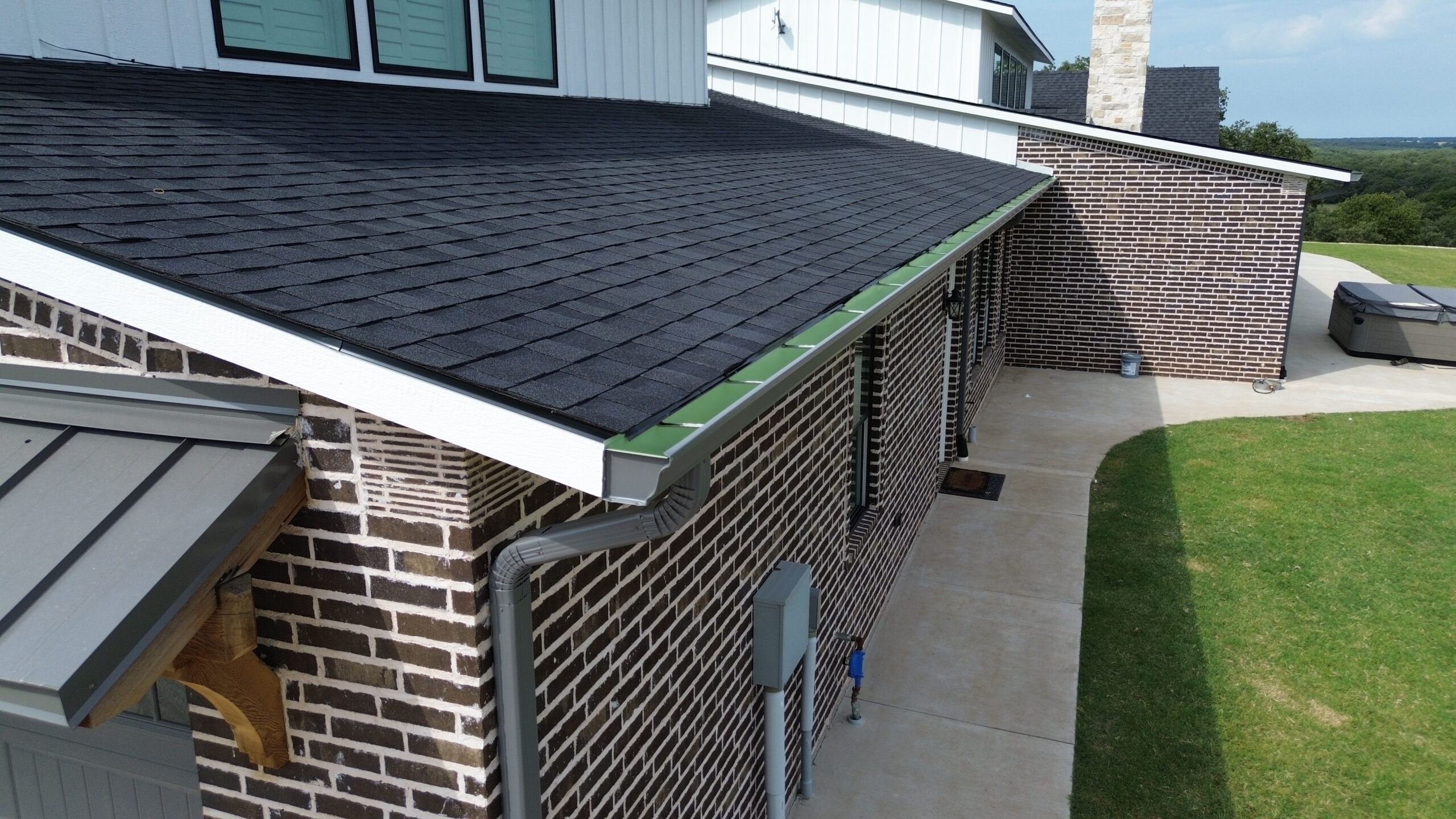
Flashing is installed around every roof penetration and transition. Chimneys, skylights, plumbing vents, wall intersections, and roof valleys each require specially designed flashing components that direct water safely away from vulnerable areas.
Drip edge protects the roof perimeter by directing rainwater away from fascia boards and roof decking. Properly installed drip edge also creates a clean finished appearance while supporting gutter performance.
Trim pieces are installed along roof edges, gables, ridges, valleys, and other exposed panel ends. These components protect the roof from wind-driven rain while improving the overall appearance of the installation.
Ventilation products are added near the completion of the project. Ridge vents combined with soffit vents create balanced airflow that allows warm, moisture-laden attic air to escape naturally while drawing fresh air through the lower portion of the roof.
Proper ventilation helps regulate attic temperatures throughout the year. It also reduces condensation beneath the roofing panels, supporting longer roof life and improved energy efficiency.
Every flashing and trim component is inspected carefully before the project proceeds to final quality control.
Common Installation Mistakes to Avoid
Modern metal roofing performs exceptionally well when installed correctly, but several common mistakes can reduce its durability and weather resistance.
Improper panel alignment is one of the most noticeable problems. Uneven installation affects appearance while increasing stress across the roofing system during thermal movement.
Incorrect fastener placement creates another concern. Overdriven screws may damage sealing washers, while underdriven fasteners may not create effective weather seals. Following manufacturer fastening guidelines is essential for long-term performance.
Poor flashing installation remains one of the leading causes of roof leaks. Even high-quality roofing panels cannot compensate for incorrectly installed flashing around roof penetrations or valleys.
Insufficient ventilation may also shorten roof life by allowing heat and moisture to accumulate beneath the roofing system. Balanced attic airflow should always be considered an important part of the installation rather than an optional upgrade.
Contractors should also avoid mixing incompatible metals because galvanic corrosion may develop when certain metals remain in direct contact under moist conditions.
Finally, rushing installation often leads to overlooked details that become much more expensive to correct after the roof has been completed. Careful workmanship remains one of the most valuable investments in any roofing project.
Questions to Ask Before Installing a Modern Metal Roof
Before work begins, homeowners should discuss several important topics with their roofing contractor to ensure everyone shares the same expectations.
- Which type of modern metal roofing system is being installed?
- Will any roof decking be replaced if damage is discovered?
- Which underlayment and waterproofing products will be used?
- How will attic ventilation be improved during the project?
- What fastening system does this roofing product require?
- How will roof penetrations and flashing be waterproofed?
- What warranty applies to both materials and workmanship?
- How long is the estimated installation timeline?
- Will the existing roofing materials be completely removed?
- What maintenance should be performed after installation?
Receiving detailed answers to these questions helps homeowners better understand the replacement process while reducing misunderstandings during construction.
Installation Practices That Improve Long-Term Performance
Professional roofing contractors follow several important practices that contribute directly to the lifespan of modern metal roofing systems.
- Inspect and repair roof decking before installation.
- Use manufacturer-approved underlayment and flashing materials.
- Install panels with precise alignment and consistent spacing.
- Allow proper thermal expansion and contraction.
- Maintain balanced attic ventilation.
- Protect factory-applied finishes during handling.
- Use compatible fasteners and roofing accessories.
- Complete thorough quality inspections before project completion.
These installation practices help maximize weather resistance, structural performance, warranty protection, and overall roof longevity.
With the roofing panels, waterproofing system, flashing, trim, and ventilation now fully installed, the project enters its final stage. The final part of this guide explains the inspection process, warranty protection, maintenance requirements, long-term benefits of modern metal roofing, common homeowner questions, and the concluding recommendations for protecting your investment for decades to come.
Final Inspection After Metal Roof Installation
After every roofing panel, flashing component, trim piece, and ventilation product has been installed, the replacement project enters its final quality assurance phase. This inspection confirms that the roofing system has been installed according to manufacturer specifications and is ready to provide dependable long-term protection.
Contractors begin with a visual inspection of the entire roof. Panel alignment is checked carefully to ensure straight lines, consistent spacing, and a professional appearance across every roof section. Even small alignment issues are corrected before the project is considered complete because they may affect both appearance and long-term performance.
Every fastening point receives attention during the inspection. On standing seam systems, concealed clips are verified to ensure proper engagement beneath the panels. On exposed fastener systems, contractors confirm that screws are tightened correctly and sealing washers are compressed without being damaged.
Flashing around chimneys, skylights, plumbing vents, valleys, wall intersections, and roof penetrations is inspected thoroughly. These areas experience concentrated water flow during storms, making correct flashing installation essential for preventing leaks.
Roof edges, drip edge, fascia trim, rake trim, and ridge caps are also examined carefully. Contractors verify that these finishing components are securely attached while directing water away from the roof structure as intended.
The roof surface is then checked for scratches, dents, loose trim, damaged coatings, or construction-related defects that may have occurred during installation. If protective finishes have been damaged accidentally, repairs are completed before the roofing crew leaves the site.
Attic ventilation receives a final evaluation as well. Contractors confirm that intake and exhaust vents remain unobstructed while ensuring that airflow can move freely beneath the new roofing system. Balanced ventilation supports energy efficiency while reducing moisture accumulation inside the attic.
Understanding Warranties for Modern Metal Roofing
A modern metal roof represents a significant investment, making warranty protection an important part of the replacement project. Understanding the different types of warranties helps homeowners protect their investment while knowing what support remains available if problems develop later.
Most roofing projects include two separate warranties. The manufacturer warranty generally covers roofing materials, protective finishes, factory-produced components, and certain manufacturing defects. The contractor workmanship warranty addresses installation quality and repairs related to workmanship if issues arise after completion.
Warranty coverage varies depending on the roofing material selected. Steel, aluminum, copper, zinc, and stone-coated steel products often include different warranty periods based on expected service life and protective coating performance.
Paint finish warranties have become increasingly important with modern roofing systems. Many manufacturers provide coverage against excessive fading, chalking, peeling, or coating failure under normal weather conditions. These warranties help preserve both appearance and corrosion resistance throughout the roof’s lifespan.
Some manufacturers require warranty registration shortly after installation. Completing this process within the required time frame helps ensure that the homeowner receives the full warranty protection available for the roofing system.
Homeowners should also understand their maintenance responsibilities. Most warranties expect reasonable roof care, including periodic inspections, prompt repairs when necessary, and avoidance of unauthorized modifications that may affect roof performance.
Keeping project documentation organized is equally important. Installation contracts, invoices, inspection reports, warranty certificates, maintenance records, and photographs should all be stored safely because they may be required if future warranty claims become necessary.
Maintaining Your New Metal Roof
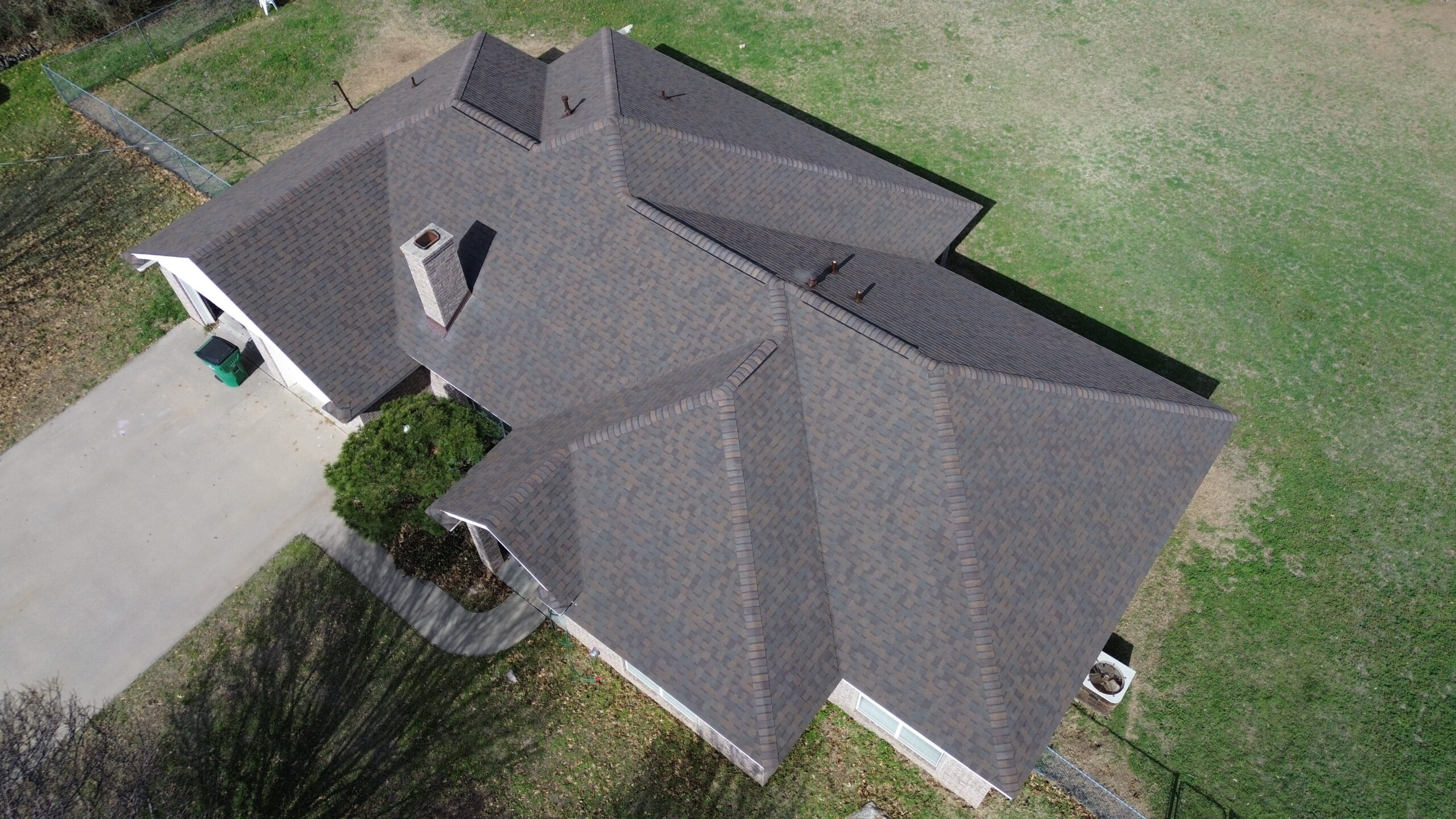
Modern metal roofing requires relatively little maintenance, but routine care remains essential for maximizing both lifespan and warranty protection. Consistent preventive maintenance helps identify small concerns before they develop into more expensive repairs.
Visual roof inspections should be performed at least twice each year. Spring and autumn inspections allow homeowners to evaluate the roof after changing weather conditions while identifying loose flashing, accumulated debris, or any unusual changes requiring attention.
Cleaning gutters and downspouts is one of the simplest yet most effective maintenance tasks. Proper drainage prevents water from backing up beneath roof edges while reducing prolonged moisture exposure around fascia boards and flashing.
Roof valleys should also remain free from leaves, branches, and other debris. These areas naturally collect water during rainfall, making efficient drainage particularly important for preventing unnecessary moisture accumulation.
Tree branches extending across the roof should be trimmed regularly. Continuous contact between branches and metal panels may scratch protective coatings or create impact damage during storms. Removing overhanging limbs helps preserve both appearance and corrosion resistance.
Homeowners should avoid unnecessary foot traffic whenever possible. Although modern metal roofing is extremely durable, excessive walking increases the possibility of cosmetic damage or accidental deformation of roofing panels. If roof access becomes necessary, experienced roofing professionals should perform the work whenever practical.
Periodic roof cleaning also contributes to long-term performance. Dirt, pollen, organic debris, industrial pollutants, and salt deposits may gradually affect protective finishes if allowed to accumulate. Cleaning methods recommended by the manufacturer help preserve the roof without damaging its protective coating.
Professional inspections every few years provide additional confidence that concealed components, flashing, ventilation, and fastening systems continue functioning properly. Preventive maintenance remains significantly less expensive than correcting neglected roofing problems later.
Long-Term Advantages of Modern Metal Roofing
Modern metal roofing offers benefits that continue throughout its entire service life. Many homeowners initially choose metal because of its durability, but they often discover numerous additional advantages after the installation has been completed.
One of the greatest long-term benefits is exceptional lifespan. Depending on the material selected and the quality of installation, many modern metal roofs provide reliable protection for forty to seventy years or longer. This longevity often eliminates the need for multiple roof replacements during homeownership.
Weather resistance remains another major advantage. Properly installed metal roofing withstands heavy rain, snow, hail, strong winds, and prolonged sunlight more effectively than many conventional roofing materials. Advanced fastening systems and improved panel designs further strengthen the roof’s ability to perform under challenging environmental conditions.
Energy efficiency continues delivering value year after year. Reflective coatings reduce solar heat absorption, while improved ventilation systems help regulate attic temperatures. Together, these features contribute to lower cooling demands during warmer seasons and more consistent indoor comfort.
Maintenance expenses generally remain predictable because modern roofing systems require relatively little routine service. Instead of frequent repairs, homeowners usually focus on periodic inspections and preventive maintenance that preserve the roof’s long-term performance.
Modern metal roofing also supports environmental sustainability. Many products contain recycled materials and remain fully recyclable at the end of their service life. Their extended lifespan further reduces construction waste compared with roofing materials that require more frequent replacement.
Property value often benefits as well. Prospective buyers recognize metal roofing as a premium upgrade because of its durability, low maintenance requirements, and long warranty coverage. A recently installed metal roof may therefore strengthen the home’s market appeal if it is sold in the future.
Perhaps the most valuable advantage is peace of mind. Homeowners can rely on a professionally installed roofing system designed to provide dependable protection through decades of changing weather conditions with relatively little ongoing maintenance.
What to Expect During the First Years After Installation
Many homeowners wonder how their new roof will perform during the first few years after installation. Understanding what to expect helps distinguish normal roof behavior from conditions that may require professional attention.
It is common for a newly installed metal roof to experience natural thermal movement. As temperatures change throughout the day and across different seasons, the metal panels expand and contract slightly. Modern fastening systems are specifically designed to accommodate this movement without affecting structural performance.
Rainfall may sound different compared with previous roofing materials, although modern underlayment, insulation, and attic construction typically reduce interior noise much more effectively than many people expect. Most homeowners quickly become accustomed to the sound after installation.
Protective coatings continue performing immediately after installation. However, homeowners should avoid dragging equipment across the roof or performing unnecessary maintenance that could scratch the factory finish during the early years.
Routine inspections remain valuable even though the roof is new. Checking flashing, gutters, drainage pathways, and surrounding tree branches helps establish good maintenance habits while ensuring the roofing system continues performing as designed.
Most importantly, homeowners should become familiar with their warranty documents and maintenance recommendations. Following manufacturer guidelines from the beginning helps preserve warranty protection throughout the roof’s service life.
Frequently Asked Questions About Modern Metal Roof Replacement
Homeowners planning a roof replacement often ask similar questions before selecting modern metal roofing. Understanding these common concerns helps establish realistic expectations before construction begins.
Can a modern metal roof be installed on almost any home?
Yes. Modern metal roofing systems are available in numerous profiles and styles suitable for most residential roof designs. A professional inspection determines the most appropriate roofing system for each property.
How long does installation usually take?
Most residential replacement projects are completed within several days depending on roof size, weather conditions, structural repairs, and architectural complexity.
Will a metal roof make the house hotter during summer?
No. Reflective coatings used on many modern roofing systems help reduce solar heat absorption. Combined with proper attic insulation and ventilation, metal roofing often contributes to improved energy efficiency.
Is modern metal roofing noisy during rain?
Not usually. Proper underlayment, insulation, and roof construction significantly reduce sound transmission. Most homeowners notice little difference compared with other roofing materials.
Can solar panels be installed on a metal roof?
Yes. Many modern metal roofing systems, particularly standing seam roofs, allow solar mounting systems that attach without penetrating the roofing panels, helping preserve weather resistance.
How often should a modern metal roof be inspected?
Most contractors recommend visual inspections twice each year along with additional inspections following severe storms. Professional evaluations every few years provide additional assurance that the roofing system continues performing properly.
Conclusion
Installing modern metal roofing during a roof replacement project provides homeowners with an opportunity to upgrade one of the most important protective systems of their home. Rather than simply replacing worn roofing materials, the project creates a complete roofing assembly built with advanced materials, improved waterproofing, stronger fastening systems, and enhanced energy performance.
Every stage of the replacement process contributes to the long-term success of the installation. Careful planning, structural inspection, roof deck repairs, high-quality underlayment, precise panel installation, properly integrated flashing, balanced ventilation, and thorough final inspections all work together to create a durable roofing system capable of protecting the home for decades.
Modern metal roofing offers significant advantages beyond durability alone. Improved energy efficiency, lower maintenance requirements, exceptional weather resistance, attractive design options, environmental sustainability, and extended warranty coverage all contribute to its growing popularity among homeowners replacing aging roofs.
Long-term performance depends not only on selecting quality materials but also on professional installation and routine maintenance. Regular inspections, clean drainage systems, prompt attention to minor concerns, and careful protection of factory-applied finishes help preserve the roof’s appearance and structural integrity throughout its lifespan.
Ultimately, installing a modern metal roof is an investment in the future of the property. By combining advanced roofing technology with skilled workmanship and consistent maintenance, homeowners can enjoy decades of reliable protection, improved efficiency, enhanced curb appeal, and the confidence that comes from knowing their home is protected by one of the most durable roofing systems available today.