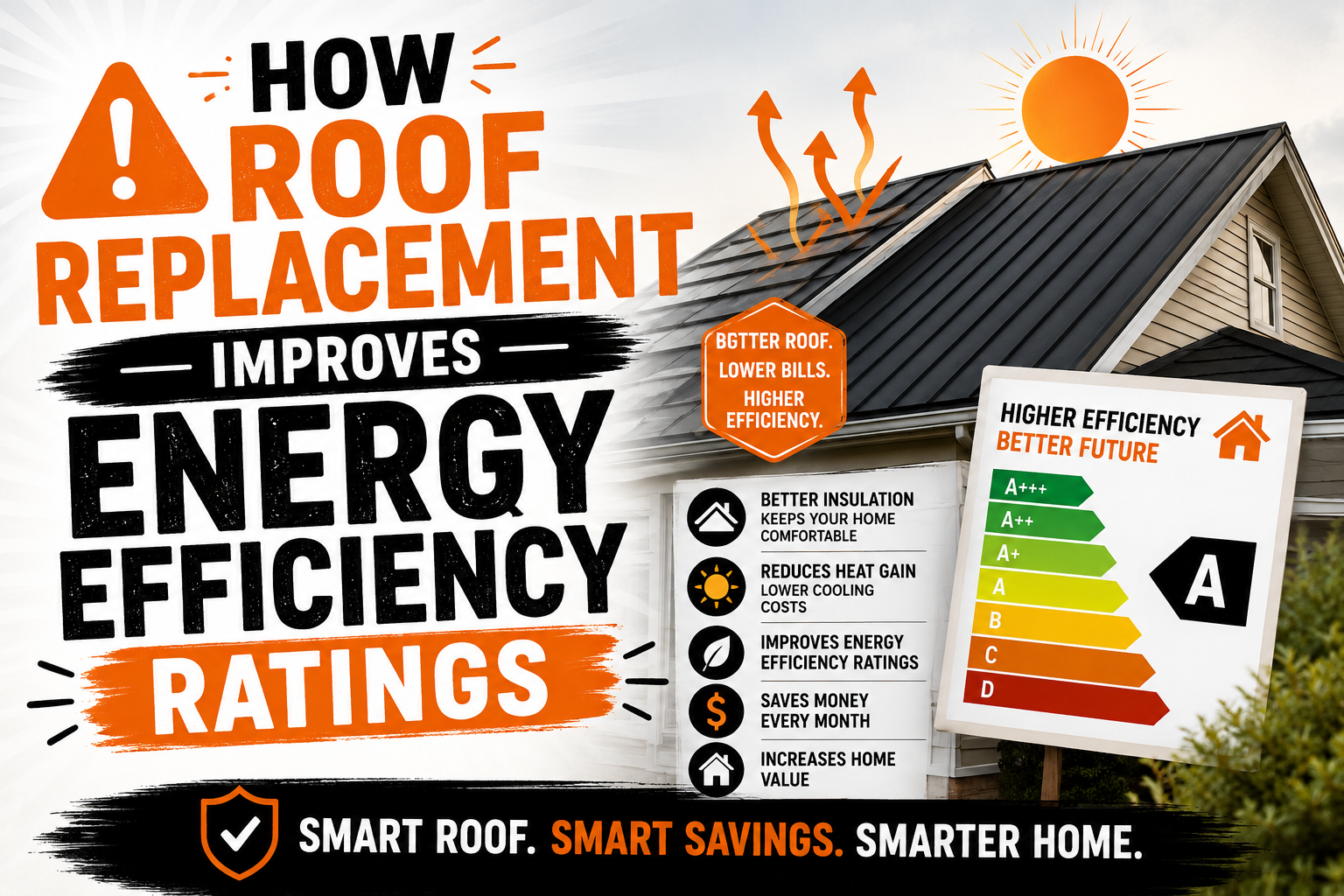
How Roof Replacement Improves Energy Efficiency Ratings
Introduction
A roof does much more than protect a building from rain, wind, and changing weather. It also plays a major role in regulating indoor temperatures, controlling heat transfer, and improving the overall energy performance of a home. As roofing materials age, their ability to insulate the building and reflect heat gradually declines. This decline often results in higher heating and cooling costs, reduced indoor comfort, and lower energy efficiency ratings.
Many homeowners think of roof replacement only as a solution for leaks or structural damage. While replacing an aging roof certainly restores weather protection, it also creates an opportunity to improve the home’s energy performance. Modern roofing systems incorporate advanced materials, improved insulation, better ventilation, and reflective technologies that reduce heat gain during summer while helping retain warmth during colder months.
Energy efficiency has become an increasingly important consideration for homeowners because of rising utility costs and growing interest in sustainable building practices. Improving a home’s energy efficiency not only lowers monthly energy bills but also enhances indoor comfort, reduces environmental impact, and may increase property value. Since the roof covers one of the largest surface areas of a building, it has a direct influence on how efficiently the home uses energy throughout the year.
Replacing an outdated roof allows homeowners to evaluate every component of the roofing system rather than simply installing new exterior materials. Insulation, ventilation, underlayment, and moisture barriers can all be upgraded during the replacement process, creating a more complete and energy-efficient roofing system.
Understanding how roof replacement affects energy efficiency ratings helps property owners make informed decisions when planning future improvements. Rather than viewing replacement solely as a maintenance expense, homeowners can recognize it as a long-term investment that improves building performance while reducing operating costs.
Why Roof Replacement Affects Energy Efficiency
A roof serves as the first barrier between the indoor environment and outdoor weather conditions. Every day it absorbs sunlight, resists wind, sheds rain, and responds to changing temperatures. Because the roof covers such a large portion of the building envelope, even small improvements in its performance can have a noticeable impact on the home’s overall energy efficiency.
Older roofing systems gradually lose their effectiveness through years of weather exposure. Asphalt shingles may lose protective granules, flashing deteriorates, sealants crack, and underlayment weakens over time. These changes reduce the roof’s ability to regulate heat transfer, allowing more outdoor temperatures to influence indoor living spaces.
Modern roofing systems are designed with energy performance in mind. Many roofing products now include reflective coatings, improved ventilation components, synthetic underlayments, and advanced insulation compatibility that work together to reduce unnecessary heat gain and heat loss.
Replacing the roof also provides an opportunity to correct hidden issues that negatively affect energy performance. Poor attic ventilation, damaged insulation, air leaks, and moisture accumulation frequently remain unnoticed beneath older roofing materials. During replacement, these problems can be identified and corrected before the new roofing system is installed.
Energy-efficient roofing also reduces the workload placed on heating and cooling equipment. When less heat enters the home during summer and less warmth escapes during winter, air conditioning and heating systems operate more efficiently. This reduced demand may contribute to lower utility bills while extending the lifespan of HVAC equipment.
Another advantage involves consistent indoor comfort. Rooms directly beneath the roof often experience larger temperature fluctuations when roofing systems perform poorly. Improving roof insulation and ventilation during replacement helps maintain more stable indoor temperatures throughout the year.
Roof replacement therefore affects much more than appearance or weather protection. It directly contributes to how efficiently the entire building uses energy while improving long-term comfort and performance.
Understanding Energy Efficiency Ratings in Residential Buildings
Energy efficiency ratings provide a way to evaluate how effectively a building uses energy while maintaining comfortable indoor conditions. These ratings consider many factors, including insulation quality, heating and cooling systems, windows, doors, and roofing performance.
The roof influences energy efficiency because it controls one of the largest pathways for heat transfer. During summer, sunlight striking the roof raises its surface temperature. Without adequate insulation and reflective properties, this heat moves into the attic and eventually reaches living spaces below. Air conditioning systems must then work harder to remove the additional heat.
During winter, the opposite process occurs. Warm indoor air naturally rises toward the roof. If insulation is inadequate or air leaks exist, valuable heat escapes through the roofing system. Heating equipment must replace this lost warmth, increasing overall energy consumption.
Modern roofing materials help improve energy efficiency ratings by reducing these unwanted heat transfers. Reflective surfaces reduce solar heat absorption, improved insulation slows thermal movement, and balanced ventilation removes excess attic heat and moisture before they affect indoor temperatures.
Energy efficiency ratings also reflect the condition of the entire roofing assembly rather than only the visible roofing materials. Proper underlayment, continuous insulation, effective ventilation, and well-sealed roof penetrations all contribute to better thermal performance.
Property owners seeking improved energy ratings should therefore evaluate the roof as part of a complete building system. Replacing aging roofing materials while upgrading insulation and ventilation often provides greater efficiency improvements than replacing surface materials alone.
Improved energy ratings may also increase property appeal. Buyers increasingly recognize the value of energy-efficient homes because lower operating costs contribute to long-term affordability. Investing in roofing improvements can therefore provide financial benefits beyond monthly utility savings.
How Aging Roofs Reduce Energy Performance
Even well-maintained roofs gradually become less energy efficient as they age. Continuous exposure to sunlight, wind, moisture, and temperature changes slowly affects roofing materials, reducing their ability to regulate indoor temperatures effectively.
One of the earliest changes involves deterioration of roofing surfaces. Asphalt shingles gradually lose protective granules that help reflect sunlight and shield underlying materials from ultraviolet radiation. As these granules disappear, the roof absorbs more solar heat, increasing attic temperatures during warm weather.
Sealants around flashing, vents, skylights, and roof penetrations also deteriorate with age. Cracked or shrinking sealants create small openings that allow unwanted air movement between indoor and outdoor environments. Even minor air leaks contribute to greater heating and cooling demands throughout the year.
Moisture further reduces energy performance. Roof leaks may saturate attic insulation, dramatically lowering its ability to resist heat transfer. Wet insulation becomes far less effective than dry insulation, causing indoor temperatures to fluctuate more rapidly and increasing energy consumption.
Poor ventilation often develops gradually as well. Vent openings may become blocked by debris, insulation, or nesting animals, reducing airflow beneath the roof. Without adequate ventilation, excessive attic heat accumulates during summer while moisture remains trapped during colder months. Both conditions accelerate roofing deterioration while reducing energy efficiency.
Structural aging also contributes to declining performance. Roof decking, underlayment, and fastening systems experience decades of expansion, contraction, and weather exposure. Although these components may continue providing structural support, their thermal performance gradually decreases as materials age.
Many homeowners do not notice these changes because they occur slowly over many years. Utility costs may increase gradually, making declining roof performance difficult to recognize without professional evaluation. Replacing an aging roof restores these lost energy-saving capabilities while incorporating modern technologies unavailable when the original roof was installed.
Modern Roofing Materials That Improve Energy Efficiency
Roofing technology has advanced considerably over the past several decades. Modern roofing materials are designed not only to provide weather protection but also to improve thermal performance, reduce energy consumption, and support more comfortable indoor environments.
Reflective asphalt shingles are one example of these improvements. Unlike traditional shingles that absorb significant amounts of solar heat, reflective products contain specially designed granules that reduce heat absorption. Lower roof temperatures help decrease attic heat buildup during warm weather.
Metal roofing systems also offer significant energy advantages. Many metal roofs feature reflective coatings that redirect solar radiation away from the building rather than absorbing it. Combined with proper insulation and ventilation, these roofing systems help reduce cooling demands throughout the summer.
Composite roofing materials continue gaining popularity because they combine durability with improved thermal performance. Many products are engineered to reflect sunlight more effectively while providing enhanced resistance to weather-related deterioration.
Tile roofing naturally contributes to energy efficiency as well. The shape of many clay and concrete tiles creates small air spaces beneath the roofing surface. These air pockets help reduce heat transfer while improving natural ventilation across the roof structure.
Synthetic underlayments represent another important advancement. Compared with older felt-based materials, modern synthetic underlayments often provide improved moisture resistance, greater durability, and better long-term performance beneath roofing materials.
Modern roofing systems also integrate more effectively with upgraded insulation and ventilation. Manufacturers design products to function as complete systems where each component contributes to improved energy performance rather than operating independently.
Choosing energy-efficient materials during roof replacement allows homeowners to benefit from these technological improvements for many years while reducing operating costs throughout the roof’s lifespan.
The Role of Roof Insulation During Replacement
Roof replacement provides one of the best opportunities to evaluate and improve attic insulation. Although insulation is not always replaced during roofing projects, the removal of existing roofing materials often creates easier access for inspection and necessary upgrades.
Insulation slows the movement of heat between indoor and outdoor environments. During summer, it reduces heat entering living spaces from the attic. During winter, it helps retain heated indoor air by limiting upward heat loss through the roof.
Older homes frequently contain insulation that no longer performs efficiently. Materials may have settled over time, become compressed, absorbed moisture, or simply fail to meet modern energy standards. Replacing the roof provides an ideal opportunity to assess insulation condition and determine whether improvements would increase overall energy performance.
Proper insulation also works together with roof ventilation. Insulation reduces heat transfer while ventilation removes excess attic heat and moisture. Neither component performs as effectively without the other. Upgrading both simultaneously during roof replacement creates a more balanced and efficient roofing system.
Air sealing deserves attention during insulation improvements as well. Small openings around plumbing vents, electrical penetrations, recessed lighting, and attic access points allow conditioned indoor air to escape into the attic. Sealing these gaps before installing improved insulation increases overall energy efficiency.
Property owners often focus primarily on visible roofing materials while overlooking the hidden thermal components beneath them. In reality, insulation frequently provides some of the greatest long-term energy savings associated with roof replacement.
Although insulation improvements increase initial project costs, they often contribute to lower heating and cooling expenses throughout the roof’s lifespan. Improved indoor comfort, more consistent temperatures, and reduced HVAC system workload provide lasting benefits that extend well beyond the roofing project itself.
Planning an Energy-Efficient Roof Replacement
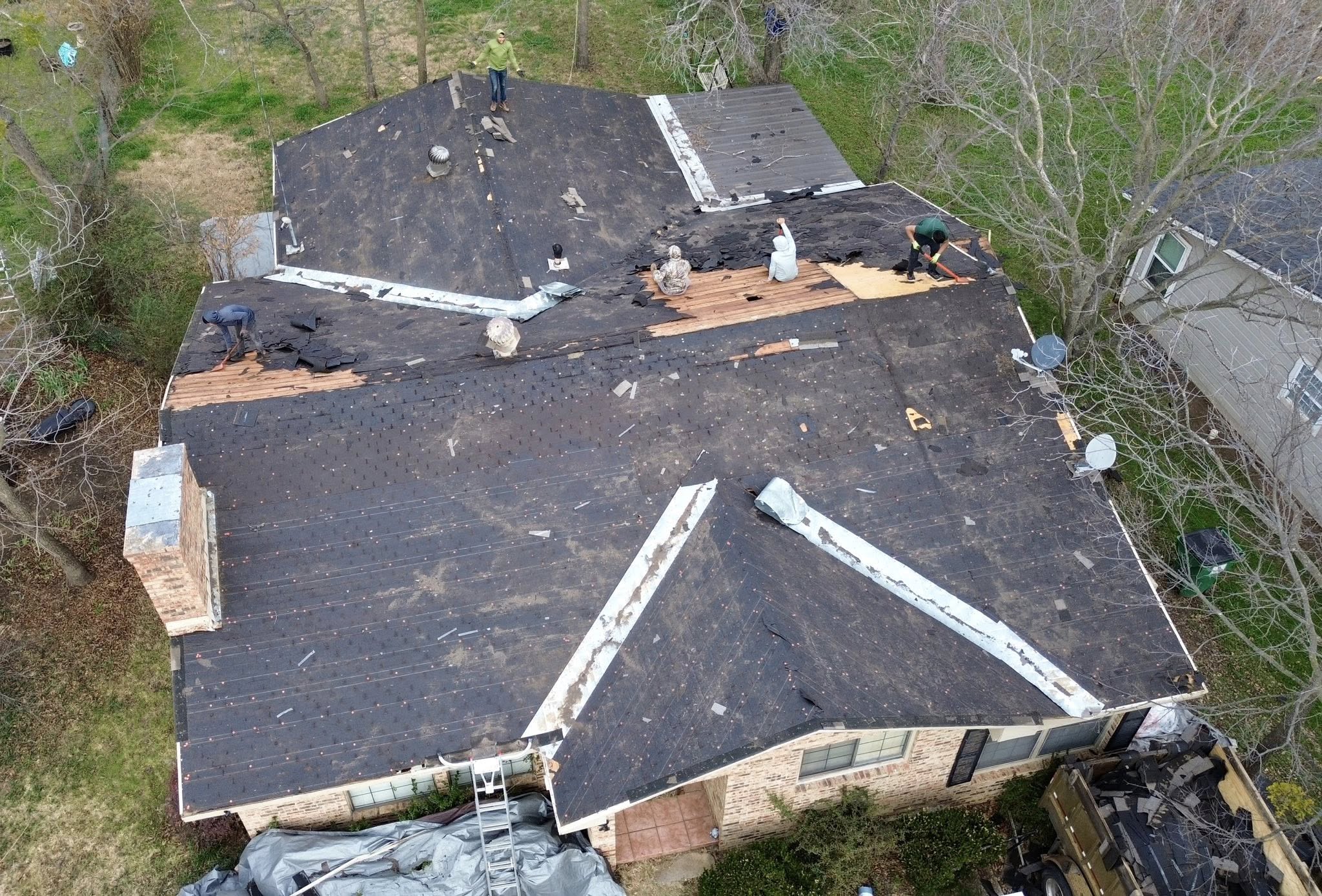
Achieving meaningful energy improvements requires planning before construction begins. Simply replacing old roofing materials with similar products may restore weather protection, but a carefully planned project can deliver much greater long-term benefits by improving the entire roofing system.
The planning process should begin with a professional roof evaluation. Roofing contractors can assess the condition of existing materials, insulation, ventilation, flashing, and structural components while identifying opportunities for energy upgrades. This evaluation helps homeowners understand which improvements will provide the greatest overall benefit.
Setting clear priorities is equally important. Some homeowners focus primarily on reducing cooling costs during hot summers, while others seek better winter insulation or long-term energy savings. Defining these goals early helps guide material selection and project decisions.
Budget planning should also include potential energy improvements rather than considering only roofing materials. Reflective shingles, upgraded insulation, improved ventilation, and modern underlayments increase initial costs but often provide measurable savings over many years through reduced utility expenses.
Material selection deserves careful attention as well. Comparing durability, maintenance requirements, solar reflectance, warranty coverage, and compatibility with insulation systems allows homeowners to choose products that support both structural protection and energy efficiency.
Finally, selecting experienced roofing professionals ensures that energy-efficient materials are installed correctly. Proper installation is essential because even the most advanced roofing products cannot perform effectively if ventilation, insulation, flashing, or sealing techniques are inadequate.
Thoughtful planning transforms roof replacement into an opportunity to improve the home’s overall energy efficiency rather than simply replacing aging materials. By evaluating the entire roofing system instead of focusing only on surface materials, homeowners create a stronger foundation for lower utility costs, improved comfort, and better long-term building performance.
How Roof Ventilation Improves Energy Performance
Roof ventilation is one of the most important yet often overlooked factors affecting a home’s energy efficiency. While many homeowners focus on roofing materials and insulation, ventilation plays an equally critical role in controlling attic temperatures and moisture levels. A properly ventilated roof allows the entire roofing system to perform more efficiently, reducing energy consumption throughout the year.
During the summer, attic temperatures can rise dramatically as the roof absorbs heat from direct sunlight. Without adequate ventilation, this trapped heat gradually transfers into the living areas below, forcing air conditioning systems to work harder to maintain comfortable indoor temperatures. Increased cooling demand results in higher electricity consumption and greater wear on HVAC equipment.
A balanced ventilation system continuously moves hot air out of the attic while drawing cooler outside air through intake vents. This natural airflow helps reduce attic temperatures before excessive heat reaches the home’s interior. As a result, cooling systems operate more efficiently, and indoor comfort improves.
Ventilation remains equally important during colder months. Warm indoor air naturally rises toward the attic, carrying moisture generated by everyday activities such as cooking, showering, and laundry. Without proper ventilation, this moisture becomes trapped beneath the roof, creating condensation that can damage insulation, roof decking, and structural framing.
Moisture accumulation also reduces insulation performance. Wet insulation loses much of its ability to resist heat transfer, causing heating systems to consume more energy during winter. Maintaining proper attic airflow keeps insulation dry while preserving its thermal effectiveness.
Roof replacement provides an excellent opportunity to evaluate existing ventilation systems. Ridge vents, soffit vents, gable vents, and roof vents can be upgraded or reconfigured to improve airflow throughout the attic. Correcting ventilation problems during replacement maximizes the energy-saving potential of the new roofing system.
Well-designed ventilation also contributes to longer roof lifespan. Lower attic temperatures reduce stress on roofing materials during summer, while proper moisture control minimizes wood deterioration during colder seasons. Improved durability further increases the long-term value of an energy-efficient roof replacement.
Cool Roofing Technologies and Reflective Roofing Materials
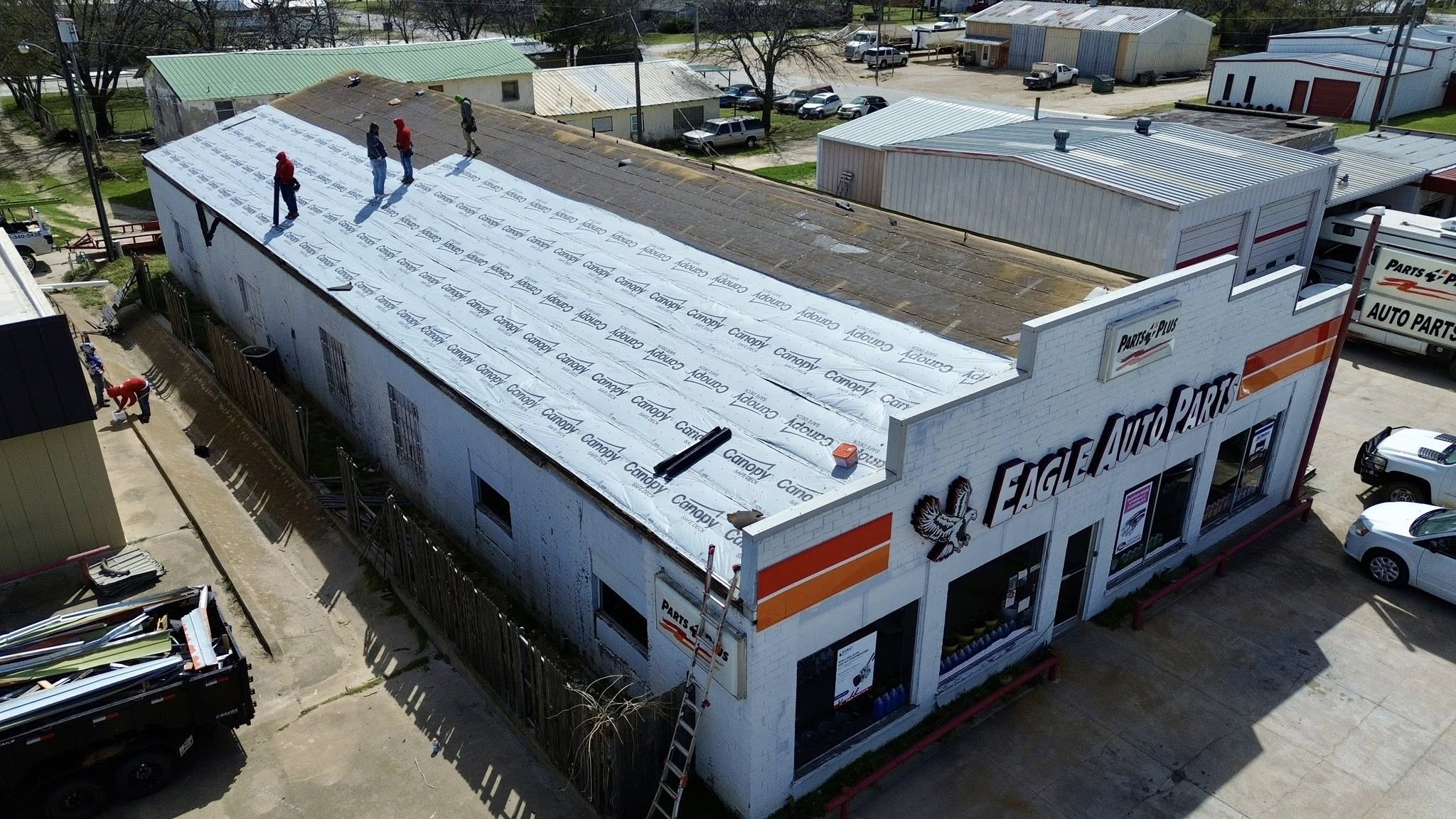
Modern roofing technology has introduced products specifically designed to improve energy performance by reducing heat absorption. These products, commonly known as cool roofing systems, help maintain lower roof temperatures while reducing the amount of heat entering the building.
Traditional roofing materials often absorb a significant portion of the sun’s energy. As roof surfaces become hotter, that heat gradually transfers into attic spaces and eventually into living areas below. Cooling equipment must then remove this additional heat, increasing electricity consumption throughout warm weather.
Reflective roofing materials work differently. Special coatings, pigments, and mineral granules reflect a larger percentage of incoming solar radiation instead of absorbing it. Lower surface temperatures reduce heat transfer into the building while improving indoor comfort.
Reflective asphalt shingles have become increasingly popular because they provide the familiar appearance of traditional shingles while offering improved thermal performance. Many manufacturers now produce shingles specifically engineered to increase solar reflectance without compromising durability or weather resistance.
Metal roofing systems are another highly energy-efficient option. Their naturally reflective surfaces, combined with advanced coatings, allow many metal roofs to remain significantly cooler than conventional roofing materials. Reduced heat absorption contributes to lower attic temperatures and improved energy efficiency.
Reflective roof coatings are also available for certain roofing systems. These coatings create highly reflective surfaces that reduce heat buildup while protecting roofing materials from ultraviolet degradation. In some situations, applying reflective coatings may improve the energy performance of existing roofing systems as well.
Modern cool roofing technologies also contribute to urban environmental benefits. Lower roof temperatures reduce surrounding heat accumulation, helping minimize localized heat island effects in densely developed communities. Although homeowners primarily benefit through lower energy consumption, these broader environmental improvements represent an additional advantage.
Selecting reflective roofing materials during replacement allows homeowners to benefit from ongoing advances in roofing technology while reducing cooling demands throughout the roof’s service life.
The Impact of Roof Color on Energy Efficiency
Roof color influences how much solar energy is absorbed or reflected by the roofing surface. Although color alone does not determine overall energy efficiency, it plays an important role when combined with insulation, ventilation, and roofing material selection.
Light-colored roofs generally reflect more sunlight than darker roofing surfaces. By reflecting a greater portion of solar radiation, lighter roofs remain cooler during hot weather, reducing heat transfer into attic spaces. Lower attic temperatures help decrease air conditioning requirements and improve indoor comfort.
Dark-colored roofs absorb more solar energy, causing roof temperatures to rise more significantly under direct sunlight. In warm climates, this increased heat absorption often leads to higher cooling costs because additional heat enters the building throughout the day.
Climate should always be considered when selecting roof color. In regions with long, hot summers, reflective lighter-colored roofing often provides noticeable cooling benefits. In colder climates, the influence of roof color may be less significant because heating requirements dominate much of the year. Even so, insulation and ventilation generally have a greater overall impact on annual energy performance than color alone.
Modern roofing technology has reduced some traditional differences between light and dark roofing materials. Certain dark-colored shingles now incorporate reflective granules that improve solar reflectance while maintaining darker aesthetic appearances. These products allow homeowners to balance architectural preferences with improved energy efficiency.
Homeowners should also consider neighborhood appearance, homeowner association guidelines, and architectural style when selecting roof colors. Fortunately, many energy-efficient roofing products are available in a wide range of colors, providing flexibility without sacrificing thermal performance.
Rather than viewing roof color as an isolated decision, it should be considered alongside insulation, ventilation, roofing materials, and overall building design. Together these elements create a roofing system that supports improved energy efficiency throughout the year.
Reducing Heating and Cooling Costs Through Roof Replacement
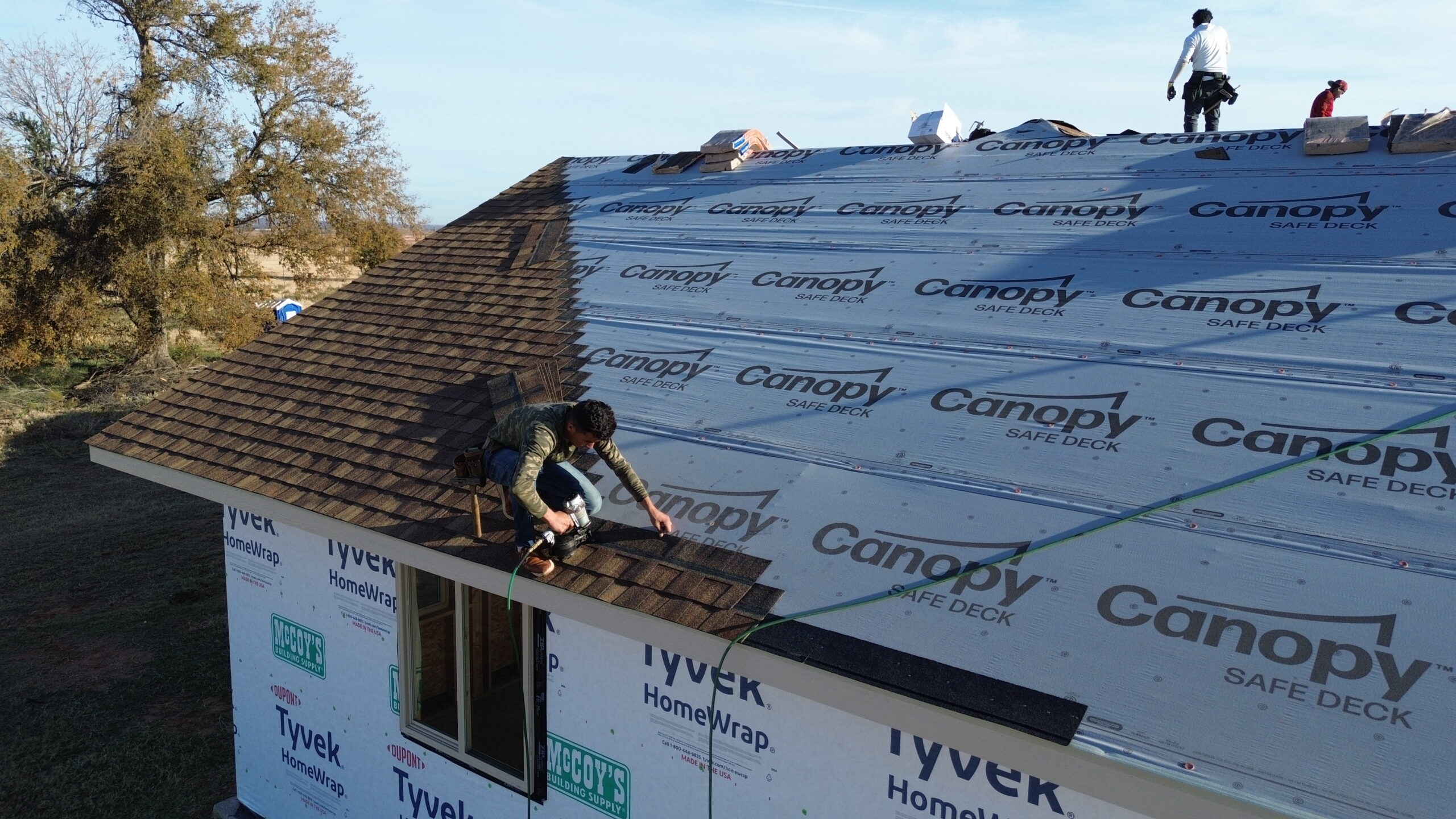
Heating and cooling systems account for a significant portion of household energy consumption in many homes. Because the roof influences how easily heat enters or leaves the building, replacing an aging roofing system often contributes directly to lower utility expenses.
During summer, an older roof with deteriorated materials, inadequate insulation, or poor ventilation allows excessive heat to accumulate inside the attic. Air conditioning systems must remove this additional heat continuously to maintain comfortable indoor temperatures. Improved roofing systems reduce this thermal load, allowing cooling equipment to operate more efficiently.
Winter energy savings are equally important. Heat naturally moves from warmer indoor spaces toward colder outdoor environments. If insulation has deteriorated or air leaks exist around roof penetrations, valuable heated air escapes through the roofing system. Replacing the roof creates opportunities to improve insulation, seal air leaks, and reduce unnecessary heat loss.
Improved ventilation contributes to both heating and cooling efficiency. Removing excessive attic heat during summer reduces cooling demand, while controlling moisture during winter preserves insulation performance and prevents structural deterioration.
New roofing systems also reduce temperature fluctuations throughout the home. Rooms directly beneath the roof often become excessively warm during summer or cooler during winter when roofing performance declines. Better thermal protection creates more consistent indoor temperatures, improving overall comfort while reducing HVAC cycling.
Energy savings accumulate over many years. Although the exact reduction depends on climate, home design, insulation quality, and roofing materials, lower heating and cooling demands contribute to ongoing financial benefits throughout the roof’s lifespan.
Reduced HVAC workload also benefits heating and cooling equipment itself. Systems operating under lower thermal demands generally experience less wear, potentially reducing maintenance needs while extending equipment service life.
Comparing Older Roofing Systems With Modern Energy-Efficient Roofs
Roofing technology has advanced significantly over recent decades. Comparing older roofing systems with modern energy-efficient alternatives demonstrates how replacement can improve building performance beyond simply restoring weather protection.
| Roofing Feature | Older Roofing Systems | Modern Energy-Efficient Roofs |
|---|---|---|
| Solar reflectance | Often lower | Higher with reflective technologies |
| Insulation compatibility | May not meet current standards | Designed to support improved insulation |
| Ventilation design | Frequently less efficient | Optimized for balanced airflow |
| Moisture protection | Older underlayments and sealants | Advanced moisture barriers and synthetic underlayments |
| Energy performance | Greater heat transfer | Reduced heat gain and heat loss |
| HVAC demand | Higher heating and cooling requirements | Lower energy demand throughout the year |
This comparison illustrates that modern roofing systems improve much more than exterior appearance. They provide integrated solutions designed to reduce energy consumption while improving indoor comfort and long-term durability.
Many homeowners replacing roofs originally installed decades ago experience the greatest improvements because current roofing technology addresses performance areas that received less attention in earlier construction practices.
Additional Energy Improvements During Roof Replacement
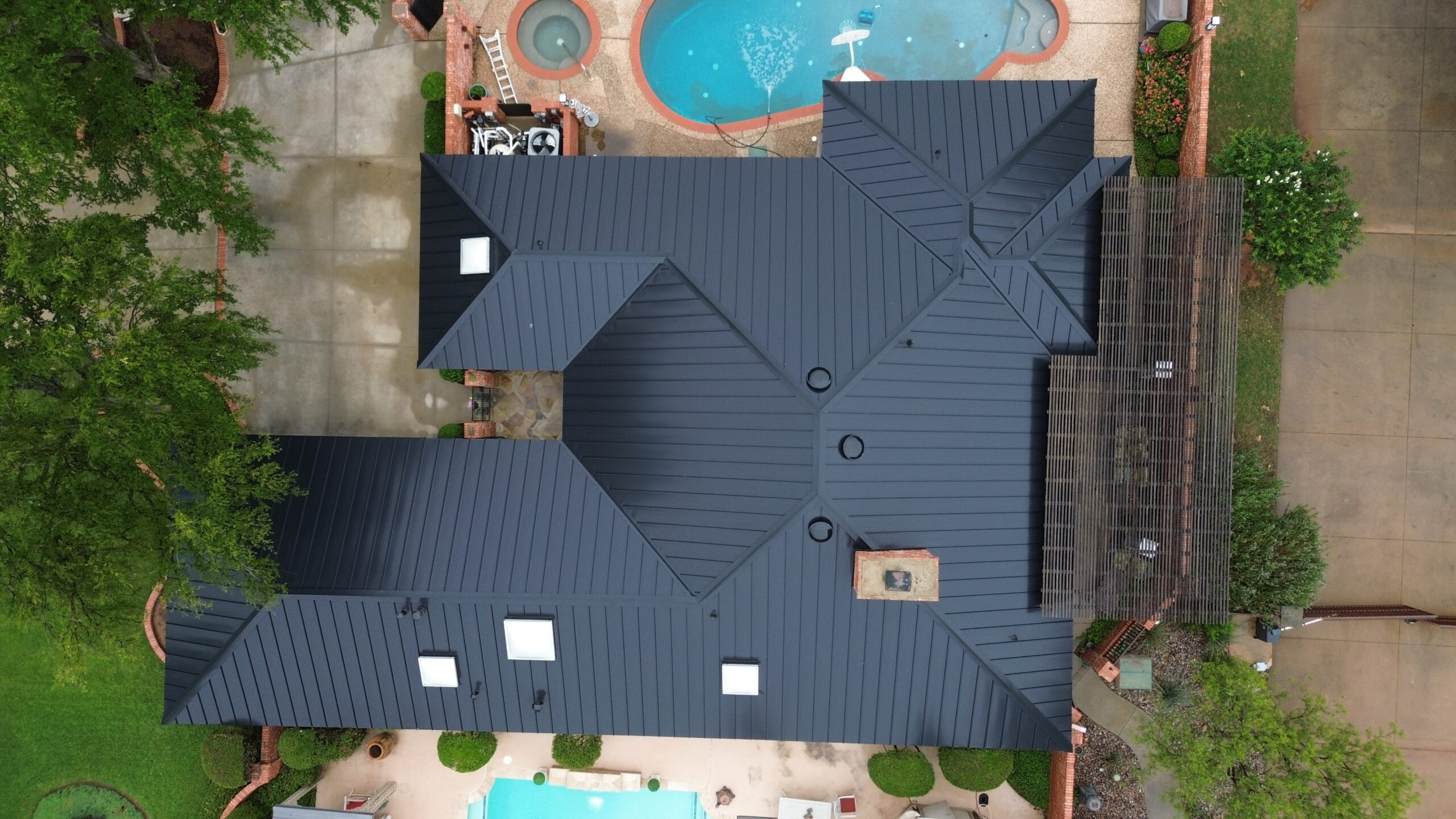
Roof replacement provides a unique opportunity to improve multiple components of the building envelope at the same time. Since contractors already have access to the roofing system, combining additional energy upgrades with replacement often proves more practical than completing them separately later.
Attic insulation should be evaluated first. Older insulation may have settled, become compressed, or absorbed moisture over time. Increasing insulation levels during roof replacement significantly improves thermal resistance while reducing heating and cooling costs throughout the year.
Air sealing is another valuable improvement. Small openings around plumbing vents, electrical penetrations, recessed lighting, and attic access points allow conditioned indoor air to escape into the attic. Sealing these gaps reduces unnecessary energy loss while improving overall comfort.
Modern synthetic underlayments provide additional moisture protection while supporting long-term roof performance. Although underlayments remain hidden beneath roofing materials, they contribute to maintaining dry insulation and protecting structural components from water intrusion.
Roof replacement also creates opportunities to upgrade attic ventilation. Additional ridge vents, soffit vents, or improved airflow pathways help regulate attic temperatures while reducing moisture accumulation. These improvements enhance both energy efficiency and roofing durability.
Some homeowners choose to prepare the roof for future renewable energy installations. Reinforcing structural components or planning electrical pathways during roof replacement may simplify later installation of solar energy systems. Even if renewable energy is not immediately planned, preparing during roof replacement can reduce future modification costs.
Skylights and roof windows should also be evaluated. Older units may allow greater heat transfer than modern energy-efficient alternatives. Replacing outdated skylights during roof replacement improves both weather protection and thermal performance while reducing the likelihood of future leaks.
Finally, homeowners should discuss energy goals with experienced roofing professionals before construction begins. Contractors familiar with modern roofing technologies can recommend improvements based on local climate, building design, and long-term ownership plans. Their guidance helps ensure that every component of the new roofing system contributes toward improved energy efficiency rather than focusing only on the visible roofing materials.
Thoughtful planning during roof replacement allows homeowners to combine multiple energy-saving improvements into one coordinated project. The result is a roofing system that provides reliable weather protection, greater indoor comfort, lower utility costs, and improved energy efficiency ratings for many years to come.
Choosing the Best Energy-Efficient Roofing System
Selecting the right roofing system is one of the most important decisions homeowners make during a roof replacement project. While appearance and durability remain important considerations, energy performance should also play a major role in the decision-making process. A properly designed roofing system can reduce energy consumption for decades while improving indoor comfort and lowering utility costs.
The selection process should begin with evaluating the local climate. Homes located in regions with long, hot summers generally benefit from roofing materials that reflect solar heat and reduce attic temperatures. In colder climates, insulation quality and moisture control often have a greater influence on annual energy performance. Understanding local weather patterns helps homeowners choose roofing systems that perform efficiently throughout the year.
Roofing material is another important consideration. Reflective asphalt shingles, coated metal roofing, concrete or clay tiles, and high-performance composite materials each provide different energy-related advantages. Rather than focusing solely on the purchase price, homeowners should compare expected lifespan, maintenance requirements, warranty coverage, and long-term operating costs.
The roofing system should also be viewed as a complete assembly rather than a collection of individual components. Roofing materials, underlayment, insulation, ventilation, flashing, and moisture barriers all work together to influence energy efficiency. Upgrading only one component while neglecting the others may limit the overall performance improvements achieved through roof replacement.
Energy-efficient roofing should also complement the home’s existing construction. Factors such as attic size, roof slope, building orientation, and insulation levels influence how effectively different roofing systems perform. A solution that works exceptionally well for one property may not provide identical results for another.
Homeowners should consult experienced roofing professionals when comparing available options. Contractors familiar with modern roofing technologies can explain how different systems perform under local climate conditions while recommending solutions that match both budget and long-term energy goals.
Choosing the right roofing system is therefore not simply about replacing worn materials. It is an opportunity to improve the building’s overall efficiency while creating lasting financial and environmental benefits.
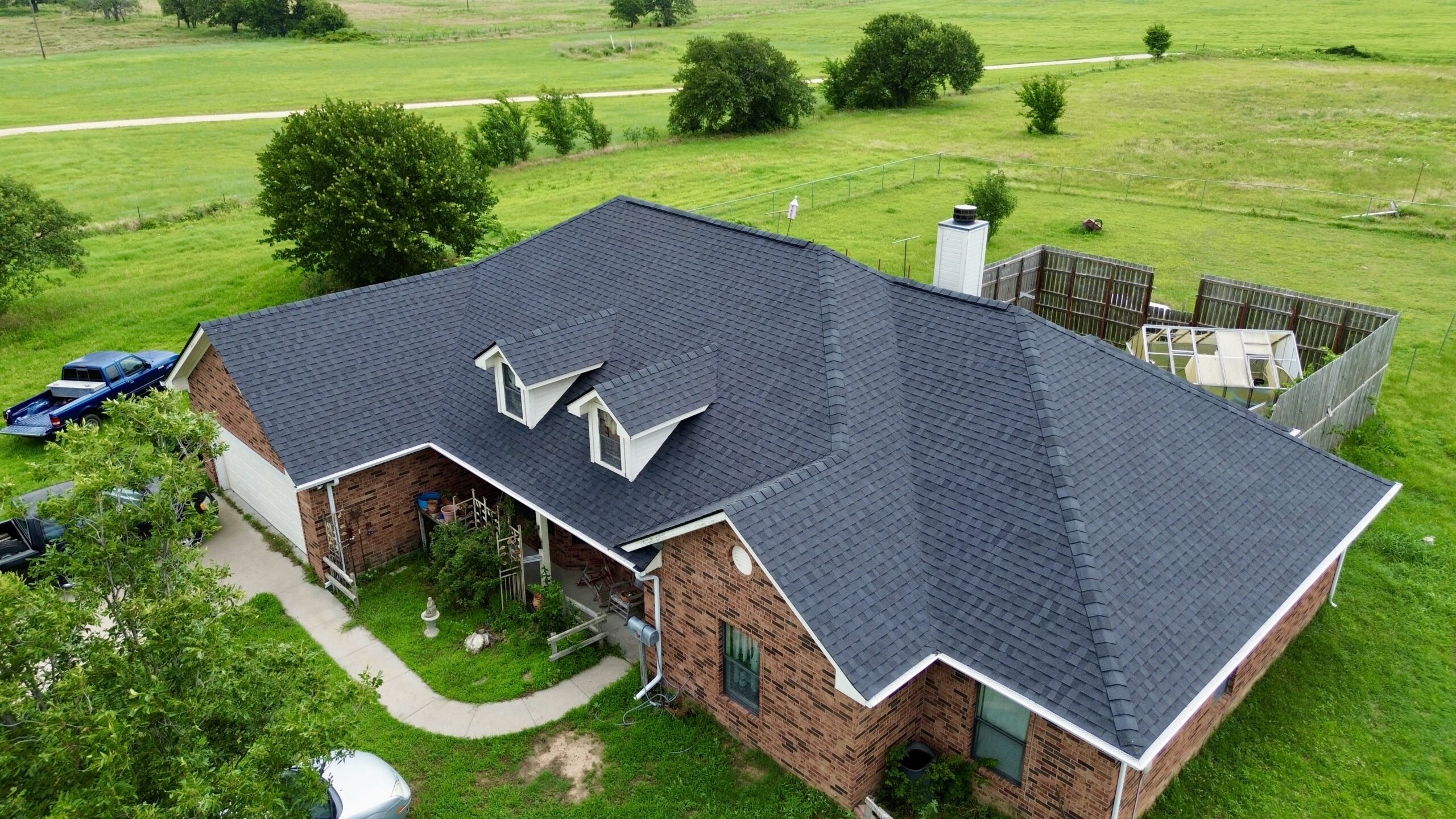
Energy-Saving Features Every Property Owner Should Consider
Modern roofing systems include numerous features designed to improve energy performance. Evaluating these options before replacement helps homeowners maximize the efficiency of their investment while creating a more comfortable indoor environment.
Important energy-saving features include:
- Reflective roofing materials that reduce solar heat absorption.
- High-quality attic insulation that limits heat transfer.
- Balanced ridge and soffit ventilation for continuous airflow.
- Synthetic underlayment with improved moisture protection.
- Properly sealed flashing around roof penetrations.
- Energy-efficient skylights or roof windows where applicable.
- Effective air sealing around vents, chimneys, and attic access points.
- Roofing materials designed for long service life and reduced maintenance.
Each feature contributes differently to overall energy performance, but together they create a roofing system that performs much more efficiently than older installations. Rather than evaluating these improvements individually, homeowners should consider how each component supports the others.
For example, excellent insulation cannot perform effectively if attic ventilation is inadequate. Similarly, highly reflective roofing materials provide greater benefits when combined with proper air sealing and moisture control. Viewing the roof as an integrated system helps maximize energy savings throughout its lifespan.
Another important consideration is future adaptability. Homeowners planning additional energy improvements, such as solar panel installation, should discuss structural and electrical preparation during roof replacement. Preparing the roof in advance often reduces future installation costs while avoiding unnecessary modifications later.
Selecting multiple energy-saving features during one replacement project usually provides greater long-term value than completing separate upgrades over several years.
Step-by-Step Energy Efficiency Upgrade Checklist During Roof Replacement
Replacing a roof presents an ideal opportunity to improve the home’s overall energy performance. Following a structured upgrade process helps ensure that important efficiency improvements are completed before the new roofing system is installed.
The following checklist provides a practical sequence for energy-focused roof replacement:
- Arrange a professional inspection to evaluate the existing roof, insulation, ventilation, and attic conditions.
- Identify areas where heat loss, air leakage, or moisture problems currently exist.
- Select roofing materials that provide improved solar reflectance and long-term durability.
- Upgrade attic insulation if existing insulation no longer meets current performance expectations.
- Improve ventilation by evaluating ridge vents, soffit vents, and attic airflow pathways.
- Replace aging flashing, sealants, and underlayment with modern moisture-resistant products.
- Seal air leaks around roof penetrations, attic access points, and ventilation openings.
- Review the completed roofing system with the contractor and establish a long-term maintenance schedule.
Following these steps ensures that energy improvements become part of the replacement project rather than postponed for future renovations. Completing multiple upgrades simultaneously also reduces labor duplication while improving overall project efficiency.
Property owners should request detailed explanations from contractors regarding each improvement. Understanding how individual components contribute to energy performance helps homeowners appreciate the long-term value of the investment.
After installation is complete, inspection reports, warranty documents, maintenance recommendations, and product information should be organized for future reference. These records support ongoing maintenance while documenting the energy improvements completed during replacement.
Common Mistakes That Reduce Roofing Energy Performance
Even when homeowners invest in a new roof, certain planning mistakes can prevent the roofing system from achieving its full energy-saving potential. Recognizing these common errors helps property owners make more informed decisions while maximizing long-term performance.
One of the most common mistakes is focusing exclusively on visible roofing materials while ignoring insulation and ventilation. High-quality shingles alone cannot significantly improve energy efficiency if attic insulation remains inadequate or ventilation problems continue allowing excessive heat buildup.
Another frequent mistake involves selecting roofing materials based only on appearance or initial cost. While aesthetics and affordability are important, energy performance, durability, and maintenance requirements should receive equal consideration. A lower-priced roofing system may ultimately cost more through higher utility expenses over many years.
Poor installation practices also reduce energy efficiency. Even advanced roofing materials perform poorly if flashing is installed incorrectly, ventilation pathways become blocked, or insulation gaps remain unsealed. Working with experienced roofing professionals helps prevent these installation-related issues.
Ignoring attic air leaks represents another common oversight. Small openings around electrical wiring, plumbing penetrations, recessed lighting, and attic hatches allow conditioned indoor air to escape continuously. Failing to seal these openings reduces the effectiveness of upgraded insulation while increasing heating and cooling demands.
Some homeowners also postpone replacing damaged insulation because it is hidden beneath the roof. Moisture-damaged or compressed insulation provides far less thermal resistance than properly installed insulation. Evaluating insulation during roof replacement often produces substantial long-term energy benefits.
Another mistake is neglecting regular maintenance after installation. Clogged ventilation openings, damaged flashing, or storm-related roof damage gradually reduce energy performance over time. Routine inspections help preserve the efficiency improvements achieved during replacement.
Finally, failing to consider local climate when selecting roofing materials may reduce expected energy savings. Products that perform exceptionally well in one region may provide fewer benefits under different environmental conditions. Matching roofing systems to local weather patterns produces more reliable long-term results.
Avoiding these common mistakes allows homeowners to maximize the full energy-saving potential of their new roofing system while protecting their investment for many years.
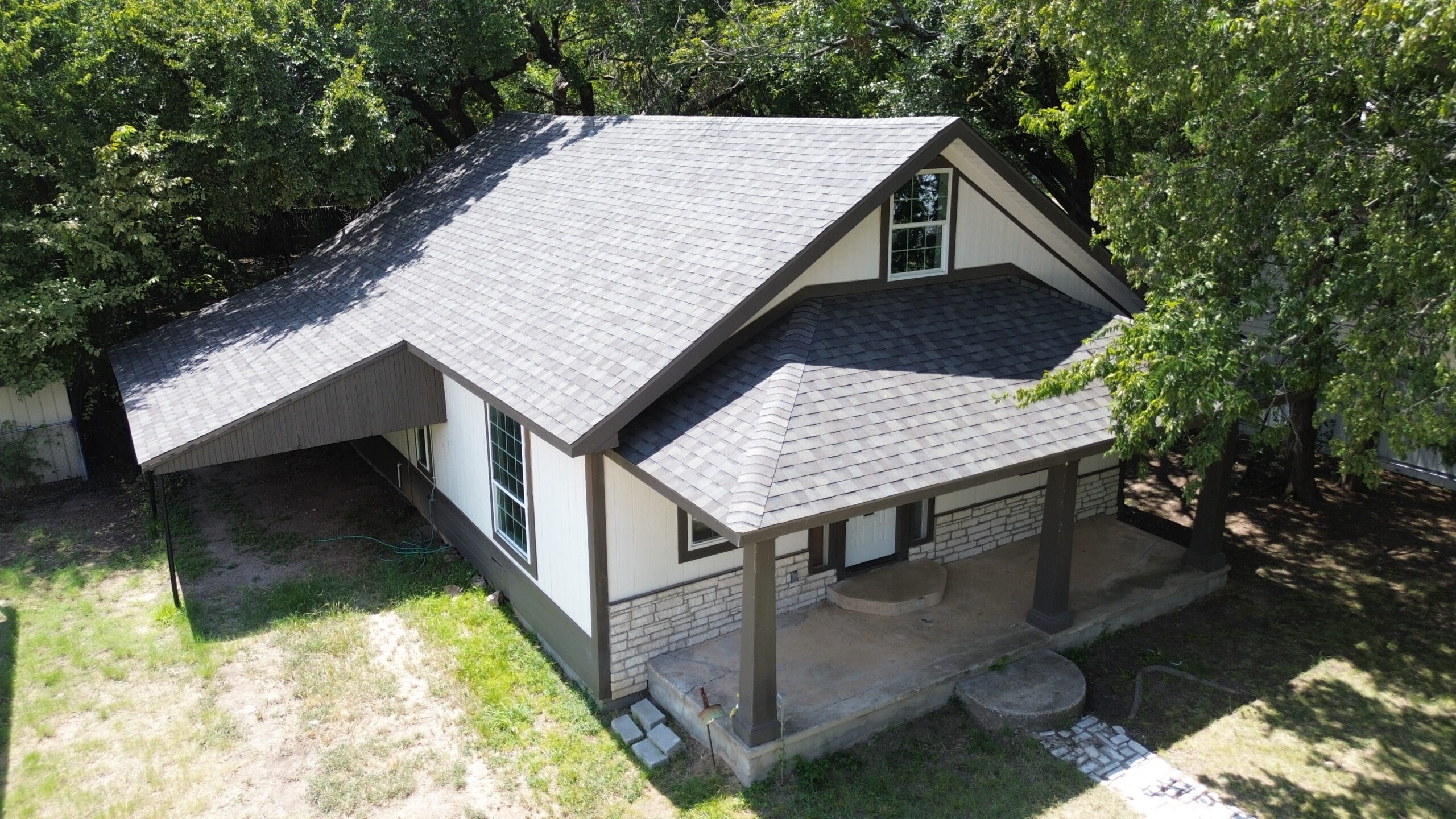
Maximizing Long-Term Energy Savings After Roof Replacement
Installing an energy-efficient roof is only the beginning of improving building performance. Maintaining that efficiency throughout the roof’s lifespan requires ongoing attention to inspections, maintenance, and the overall condition of the roofing system.
Regular roof inspections remain essential after replacement. Professional evaluations conducted at least twice each year help identify developing issues before they affect insulation, ventilation, or moisture protection. Early repairs preserve the roof’s thermal performance while extending its service life.
Gutters and drainage systems should also receive routine maintenance. Efficient water removal prevents moisture from reaching insulation or structural components, allowing the roofing system to maintain its designed energy performance. Clean gutters also reduce the likelihood of standing water that may accelerate material deterioration.
Attic ventilation should be monitored periodically to ensure continuous airflow. Debris, insulation movement, or animal activity may block vents over time, reducing ventilation effectiveness. Keeping airflow pathways clear helps regulate attic temperatures while protecting insulation from moisture accumulation.
Homeowners should also pay attention to indoor comfort changes. Rooms that become noticeably warmer during summer or colder during winter may indicate developing roofing or insulation concerns. Addressing these changes promptly helps preserve energy efficiency before larger problems develop.
Tree maintenance contributes to long-term roof performance as well. Trimming overhanging branches reduces debris accumulation while minimizing the risk of storm damage. Less debris allows roofing materials to dry more efficiently after rainfall, supporting both durability and insulation performance.
Maintaining documentation remains equally valuable after installation. Inspection reports, maintenance records, warranty information, and repair history create a complete record of the roof’s condition throughout its lifespan. These records assist future maintenance while supporting warranty claims if necessary.
Property owners should also continue monitoring household energy consumption. Comparing utility bills over time helps identify changes that may indicate developing roofing or insulation issues. Although seasonal weather influences energy use, unexpected increases sometimes reveal maintenance concerns requiring professional evaluation.
Consistent maintenance allows the roofing system to continue delivering the energy-saving benefits achieved during replacement. Protecting every component of the roof ensures that homeowners enjoy improved comfort, reduced operating costs, and dependable performance for many years.
Conclusion
Roof replacement is far more than a structural improvement or a solution for leaks. It is one of the most effective opportunities to improve a home’s overall energy efficiency while reducing long-term operating costs. Modern roofing systems combine advanced materials, improved insulation, balanced ventilation, and reflective technologies to create buildings that remain more comfortable while consuming less energy throughout the year.
Replacing an aging roof allows homeowners to address hidden issues that often reduce energy performance, including deteriorated insulation, poor ventilation, air leaks, and moisture problems. Correcting these deficiencies during roof replacement creates a complete roofing system that performs far more efficiently than simply installing new exterior materials alone.
The financial benefits extend well beyond lower monthly utility bills. Reduced heating and cooling demands place less strain on HVAC equipment, potentially lowering maintenance costs and extending system lifespan. Improved indoor comfort, increased property value, and enhanced building durability further strengthen the long-term return on investment.
Achieving the greatest energy savings requires thoughtful planning. Selecting appropriate roofing materials, upgrading insulation, improving ventilation, sealing air leaks, and working with experienced roofing professionals all contribute to better overall performance. Viewing the roof as a complete energy system rather than an isolated building component helps maximize these benefits.
Long-term maintenance remains equally important after installation. Regular inspections, prompt repairs, proper drainage, and consistent attic ventilation preserve the efficiency improvements made during replacement while protecting the roofing investment for decades to come.
Ultimately, an energy-efficient roof replacement represents an investment in the future of the property. By combining modern roofing technology with careful planning and ongoing maintenance, homeowners can create a roofing system that not only protects against the weather but also improves comfort, reduces energy consumption, and delivers lasting value throughout its service life.