
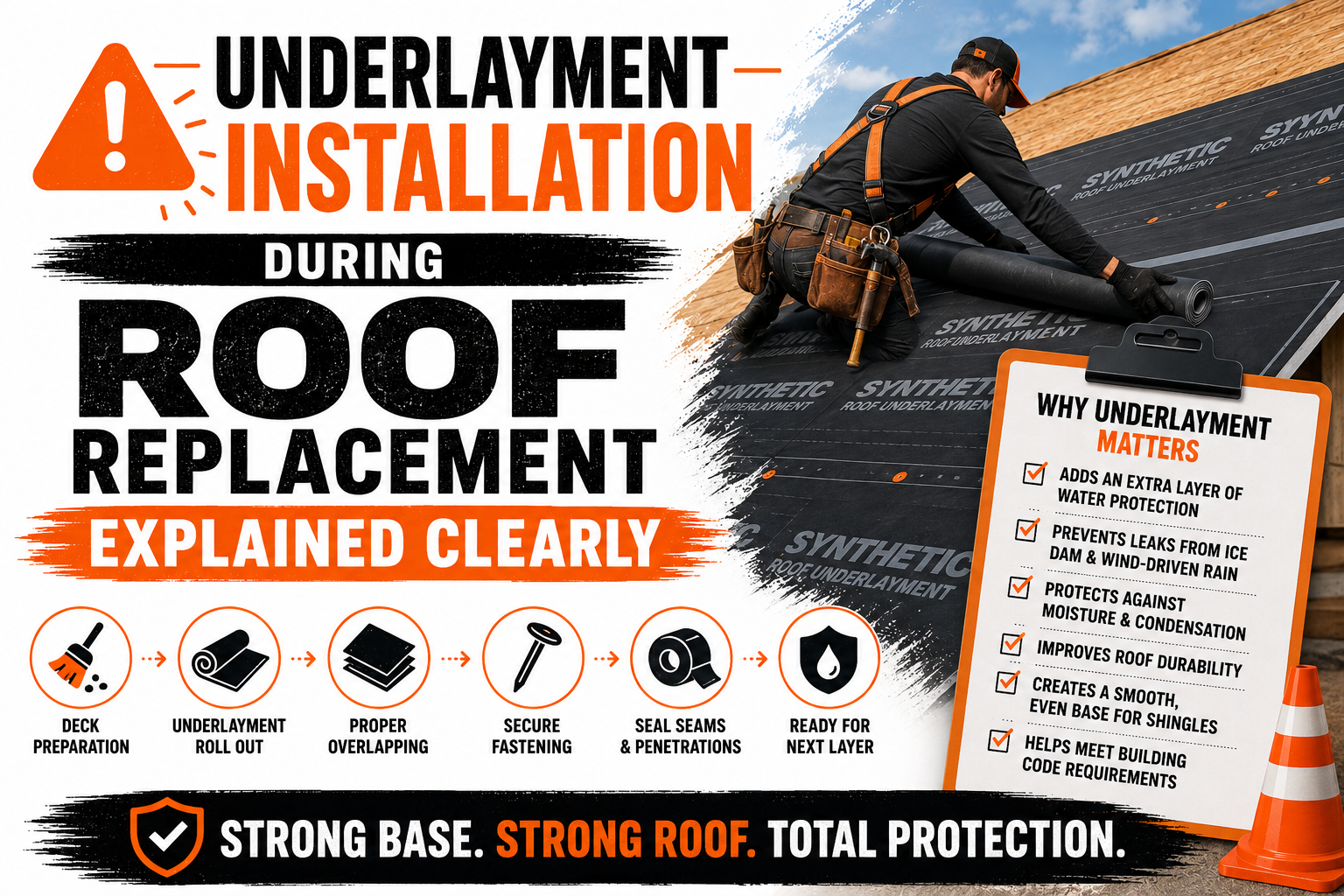
Underlayment Installation During Roof Replacement Explained Clearly
Introduction
When homeowners think about replacing a roof, they often focus on the visible roofing materials such as asphalt shingles, metal panels, or tiles. While these exterior materials provide the roof’s finished appearance, one of the most important components of the roofing system remains hidden beneath them. This hidden layer is known as the roof underlayment, and it plays a critical role in protecting the home from moisture and weather throughout the life of the roof.
Roof underlayment acts as a secondary barrier between the roof deck and the exterior roofing material. If rain, snow, or wind-driven moisture manages to pass beneath the shingles, the underlayment helps prevent water from reaching the roof deck and the interior of the home. Without this protective layer, even small roofing problems could allow water to damage structural components much more quickly.
Modern roofing systems are designed to function as complete assemblies rather than individual components. The roof deck, underlayment, flashing, ventilation, and roofing material all work together to provide reliable weather protection. Proper installation of each layer is essential for achieving long-term durability and maximizing the lifespan of the roof.
Underlayment installation also contributes to building code compliance and manufacturer warranty requirements. Many roofing manufacturers require approved underlayment products to be installed according to specific guidelines before warranty coverage becomes effective. This makes proper installation an important part of every professional roof replacement project.
Although homeowners rarely see the underlayment after construction has been completed, its performance continues every day. It protects the roof during severe weather, supports waterproofing around vulnerable roof areas, and provides temporary protection if roofing materials become damaged.
Understanding the purpose of roof underlayment helps homeowners appreciate why professional roofing contractors dedicate significant attention to this stage of the replacement process. A properly installed underlayment provides an additional layer of security that continues protecting the home long after the visible roofing materials have been installed.
This guide explains the purpose of roof underlayment, the different types available, how contractors select the appropriate product, and why careful preparation before installation is essential for creating a durable and weather-resistant roofing system.
What Roof Underlayment Is and Why It Matters
Roof underlayment is a protective material installed directly over the roof deck before shingles, metal roofing, or other exterior roofing materials are applied. Although it remains hidden after installation, underlayment serves as one of the most important protective layers within the roofing system.
Its primary purpose is providing secondary moisture protection. Roofing materials effectively shed most rainwater under normal conditions, but strong winds, heavy rain, melting snow, or damaged shingles may occasionally allow water beneath the roof surface. The underlayment helps prevent this moisture from reaching the roof deck.
The roof deck itself is typically constructed from plywood or oriented strand board. While these materials provide structural support, they are vulnerable to prolonged moisture exposure. Underlayment reduces the risk of water damage, wood rot, mold growth, and structural deterioration by creating an additional protective barrier.
Underlayment also protects the roof during construction. Once the roof deck has been prepared, the underlayment provides temporary weather resistance before the final roofing material is installed. This temporary protection becomes especially valuable if unexpected weather interrupts the installation schedule.
Another important function is improving overall roof durability. By reducing direct contact between roofing materials and the roof deck, underlayment helps distribute moisture more effectively while supporting long-term roofing performance.
Many underlayment products also improve wind resistance. Properly secured underlayment remains in place beneath the roofing materials, helping reduce water infiltration if strong winds damage the outer roofing layer.
Fire resistance may also be enhanced depending on the underlayment product selected. Certain materials contribute to the overall fire rating of the roofing assembly while supporting compliance with applicable building requirements.
Because underlayment performs so many essential functions, selecting the correct product and installing it properly are critical steps during every residential roof replacement.
Why Underlayment Is Installed During Roof Replacement
Every complete roof replacement should include new underlayment installation rather than reusing existing materials. Although the old underlayment may appear acceptable in some areas, removing and replacing it ensures that the entire roofing system begins with a fresh, reliable foundation.
One of the main reasons for replacing underlayment is age. Like roofing materials themselves, underlayment gradually deteriorates after years of exposure to temperature changes, moisture, and natural aging. Installing new roofing materials over aging underlayment reduces the effectiveness of the entire roofing system.
Roof replacement also provides the only practical opportunity to inspect the roof deck beneath the old underlayment. Once the old roofing layers have been removed, contractors can identify moisture damage, structural issues, or deteriorated decking before installing new protective materials.
Building codes have also evolved over time. Modern roofing projects frequently require improved moisture protection compared to older roofing systems. Installing new underlayment helps ensure that the roof meets current construction standards.
Many roofing manufacturers specify approved underlayment products within their installation guidelines. Using recommended underlayment helps preserve manufacturer warranties while ensuring compatibility with the selected roofing material.
Underlayment replacement also improves weather protection immediately. If severe weather occurs after roof replacement, the new underlayment provides an additional safeguard against moisture intrusion even if the roofing materials experience unexpected damage.
Roof valleys, roof edges, chimneys, skylights, and plumbing vents all benefit from new underlayment because these areas are more vulnerable to water intrusion. Fresh underlayment supports waterproof flashing while improving long-term leak resistance.
Professional roofing contractors understand that skipping underlayment replacement to reduce project costs often results in greater repair expenses later. Installing new underlayment during roof replacement represents a relatively small portion of the total project cost while providing significant long-term protection.
Replacing the underlayment ensures that every layer of the new roofing system works together effectively to protect the home for many years.
Types of Roof Underlayment Used in Residential Roofing
Several types of roof underlayment are available for residential roofing projects, each offering different advantages depending on climate, roofing material, budget, and project requirements. Understanding these options helps homeowners make informed decisions during roof replacement planning.
Asphalt-saturated felt has been used for many decades and remains a common underlayment choice. Often referred to as roofing felt or felt paper, this material consists of a paper or fiberglass base saturated with asphalt to improve moisture resistance. It provides dependable performance for many residential roofing applications.
Synthetic underlayment has become increasingly popular because of its improved strength, durability, and weather resistance. Manufactured from engineered polymers, synthetic products resist tearing, absorb less moisture, and generally remain more stable during installation than traditional felt.
Ice and water barrier membranes provide specialized protection in areas exposed to greater moisture risk. These self-adhering waterproof membranes are commonly installed along roof edges, valleys, around chimneys, skylights, and other vulnerable locations where water infiltration is more likely.
Some roofing systems combine multiple underlayment products to achieve optimal protection. For example, contractors may install waterproof membranes in critical areas while using synthetic underlayment across the remaining roof surface.
The following table compares the most common residential roof underlayment options:
| Underlayment Type | Primary Advantage | Typical Application |
|---|---|---|
| Asphalt Felt | Affordable and dependable | Standard residential roofs |
| Synthetic Underlayment | High durability and tear resistance | Most modern roof replacements |
| Ice and Water Barrier | Waterproof protection | Roof edges, valleys, penetrations |
Synthetic products generally offer greater resistance to ultraviolet exposure during construction, allowing more flexibility if weather delays occur before roofing materials are installed.
Climate also influences underlayment selection. Homes located in regions experiencing heavy snowfall, ice dams, or frequent storms often benefit from enhanced waterproof protection in addition to standard underlayment coverage.
The best underlayment depends on the home’s location, roofing material, weather conditions, and manufacturer recommendations. Working with an experienced roofing contractor helps ensure the most appropriate product is selected.
Choosing the Right Underlayment for Your Home
Selecting the correct roof underlayment requires consideration of several factors rather than simply choosing the least expensive product. The right underlayment should complement the roofing material while providing reliable protection under local environmental conditions.
Climate remains one of the most important considerations. Homes located in areas with frequent heavy rainfall, snow accumulation, hurricanes, or strong winds often require more durable underlayment systems than homes located in milder climates.
Roof slope also influences product selection. Low-slope roofs generally require greater moisture protection because rainwater drains more slowly than on steeper roof designs. Specialized waterproof membranes may be recommended for these applications.
The type of roofing material selected also affects underlayment choice. Asphalt shingles, metal roofing, tile, slate, and synthetic roofing systems may each have manufacturer recommendations regarding compatible underlayment products.
Building code requirements should never be overlooked. Local regulations often specify minimum underlayment standards based on climate zones, roof design, and weather exposure. Professional roofing contractors ensure that selected materials comply with applicable requirements.
Homeowners should also consider expected roof lifespan. Investing in durable underlayment supports long-term roofing performance while reducing the likelihood of premature replacement resulting from hidden moisture damage.
Manufacturer warranties represent another important consideration. Using approved underlayment products helps maintain warranty coverage while ensuring that the roofing system performs according to tested design standards.
Budget naturally influences material selection, but underlayment should be viewed as a long-term investment rather than an area for significant cost reduction. The relatively modest additional cost of premium underlayment often provides substantial value through improved durability and moisture protection.
Consulting with experienced roofing professionals allows homeowners to balance performance, budget, climate conditions, and long-term value when selecting the most appropriate underlayment for their home.
Preparing the Roof Deck Before Underlayment Installation
Proper preparation of the roof deck is essential before underlayment installation begins. Even the highest-quality underlayment cannot perform effectively if it is installed over a damaged, dirty, or uneven roof surface.
Preparation begins immediately after the old roofing materials have been removed. Contractors inspect the roof deck carefully for moisture damage, loose panels, wood rot, cracks, soft spots, and structural deficiencies that may affect installation quality.
Any damaged decking should be repaired or replaced before underlayment is installed. Creating a stable structural foundation ensures that roofing materials remain securely fastened while reducing the likelihood of future movement or moisture problems.
Once repairs have been completed, the roof deck is cleaned thoroughly. Nails, staples, wood fragments, dust, and construction debris are removed to create a smooth surface for the underlayment.
Contractors also verify that the roof surface remains dry before installation begins. Moisture trapped beneath underlayment may affect long-term roofing performance while increasing the risk of mold or wood deterioration.
Roof penetrations such as plumbing vents, chimneys, skylights, attic vents, and exhaust openings are reviewed carefully before installation continues. These areas require precise underlayment integration to maintain continuous waterproof protection.
Weather conditions are monitored throughout the preparation process. Roofing crews generally begin underlayment installation as soon as practical after deck preparation to minimize the amount of time the roof structure remains exposed.
Quality control inspections often conclude the preparation stage. Supervisors verify that repairs have been completed correctly, the deck remains clean and dry, and all materials are ready before underlayment installation begins.
The following preparation activities typically occur before underlayment installation:
- Remove all old roofing materials.
- Inspect the roof deck thoroughly.
- Repair or replace damaged decking.
- Clean the roof surface completely.
- Verify that the deck is dry.
- Inspect roof penetrations.
- Complete a final quality inspection.
Careful preparation creates the ideal foundation for underlayment installation while supporting the long-term performance of the entire roofing system. In the next part, we will examine the complete underlayment installation process, including deck inspection, installing waterproof barriers, rolling out and fastening underlayment, proper overlapping techniques, preparing for roofing material installation, and avoiding common installation mistakes.
Inspecting and Cleaning the Roof Deck
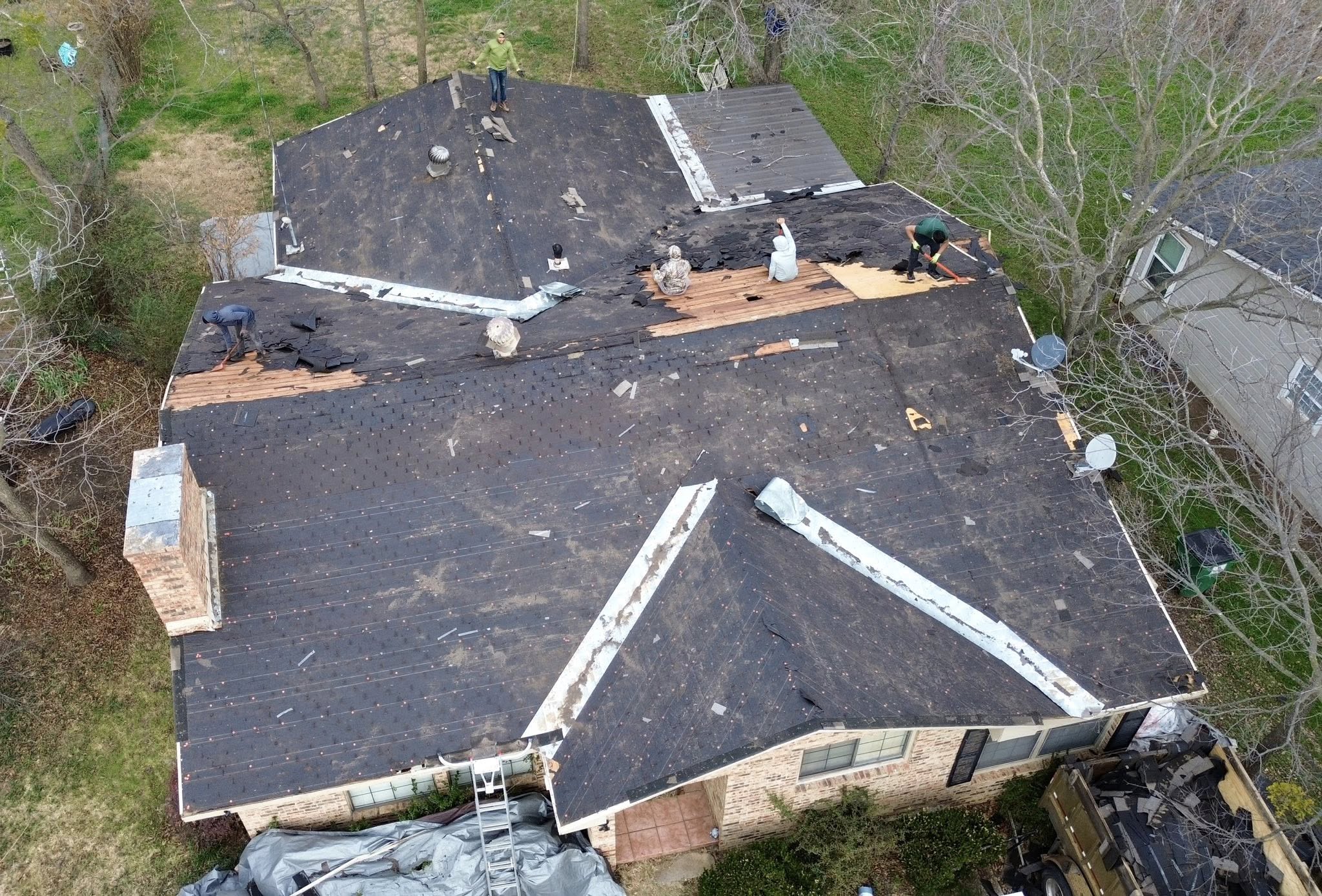
The quality of the underlayment installation depends greatly on the condition of the roof deck beneath it. Before any underlayment is unrolled or secured, roofing contractors carefully inspect and prepare the roof deck to create a smooth, stable, and dry surface. This preparation stage is essential because even the best underlayment cannot perform properly if it is installed over damaged or contaminated decking.
Once the old roofing materials have been completely removed, contractors examine the entire roof deck for signs of deterioration. They look for soft spots, cracked panels, loose fasteners, water stains, mold, wood rot, and any structural damage that may have developed during the life of the previous roof.
Particular attention is given to roof valleys, roof edges, chimneys, skylights, plumbing vents, and other roof penetrations. These areas are more likely to have experienced moisture intrusion because they are exposed to greater water flow during storms.
If damaged roof decking is discovered, repairs are completed before installation continues. Contractors remove deteriorated sections and replace them with new decking that matches the structural requirements of the existing roof. Completing these repairs at this stage prevents hidden structural issues from affecting the new roofing system.
After structural repairs have been completed, the roof deck is cleaned thoroughly. Dust, wood chips, loose nails, staples, old sealants, and remaining construction debris are removed to create a smooth installation surface. Even small pieces of debris left beneath the underlayment may affect how it lies against the roof deck.
The roof surface should also remain completely dry before installation begins. Moisture trapped beneath the underlayment may reduce its effectiveness while creating conditions that encourage mold growth or wood deterioration over time.
Contractors also inspect the roof deck for proper fastening. Loose panels are secured to the framing before underlayment is installed, ensuring that the entire roof structure remains stable throughout the life of the roofing system.
Quality control inspections are often performed once cleaning has been completed. Supervisors verify that repairs have been finished properly and confirm that the roof deck is fully prepared before the next stage begins.
A properly inspected and cleaned roof deck creates the foundation for reliable underlayment performance while supporting every other component of the roofing system.
Installing Ice and Water Protection Where Needed
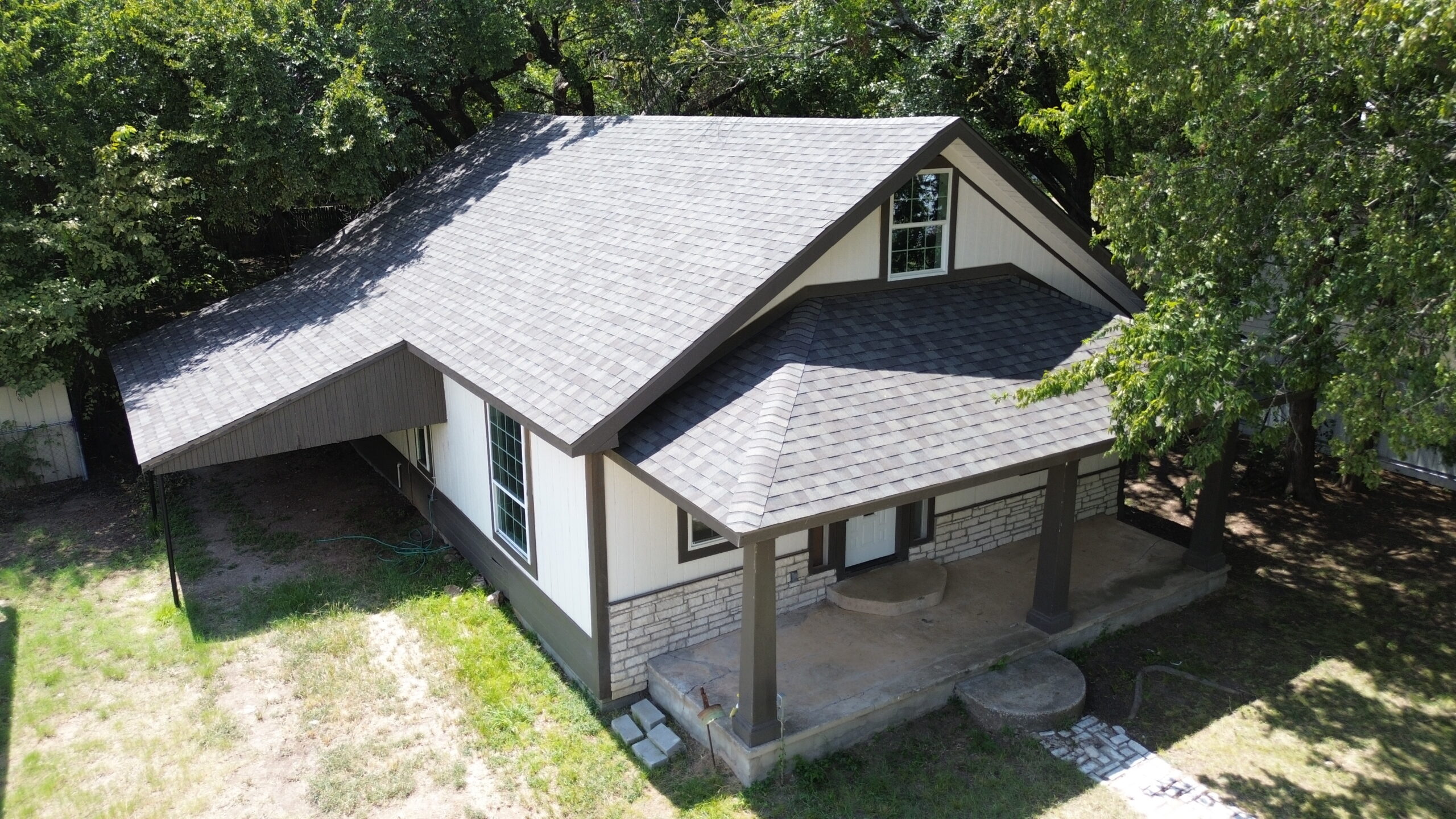
Although standard roof underlayment provides excellent moisture resistance across most of the roof surface, certain areas require additional waterproof protection because they experience greater exposure to water and ice. Installing specialized ice and water barriers helps reinforce these vulnerable locations before the primary underlayment is applied.
Ice and water protection is typically installed first because it adheres directly to the roof deck. These self-sealing membranes create a waterproof barrier that prevents moisture from reaching the structural decking even if water passes beneath the roofing material.
Roof edges are among the first locations to receive this additional protection. During winter, melting snow may refreeze along roof edges, creating ice dams that prevent proper drainage. Water trapped behind these ice formations may back up beneath shingles, making waterproof membranes especially valuable in colder climates.
Roof valleys also require enhanced protection because they collect and channel large amounts of rainwater during storms. The concentrated water flow in these areas increases the importance of creating a reliable waterproof barrier before installing the primary underlayment.
Chimneys, skylights, dormers, and plumbing vents represent additional locations where waterproof membranes are commonly installed. Since these roof penetrations interrupt the continuous roof surface, they require careful waterproofing to prevent future leaks.
Contractors remove the protective backing from the membrane gradually while pressing it firmly against the roof deck. Proper adhesion is essential because the membrane should remain securely bonded throughout the roof’s lifespan.
Seams between adjacent membrane sections are overlapped according to manufacturer recommendations. Correct overlap ensures continuous waterproof protection while preventing moisture from reaching the roof deck through exposed joints.
Corners and roof transitions require careful trimming and fitting to eliminate wrinkles or air pockets. Smooth installation improves long-term durability while maintaining consistent waterproof coverage.
The self-sealing properties of many waterproof membranes also improve protection around roofing fasteners. When nails pass through the membrane, the material seals tightly around the fastener, reducing opportunities for water intrusion.
Installing waterproof barriers before the primary underlayment strengthens the overall roofing system by providing additional protection where leaks are most likely to occur.
Rolling Out and Securing the Underlayment
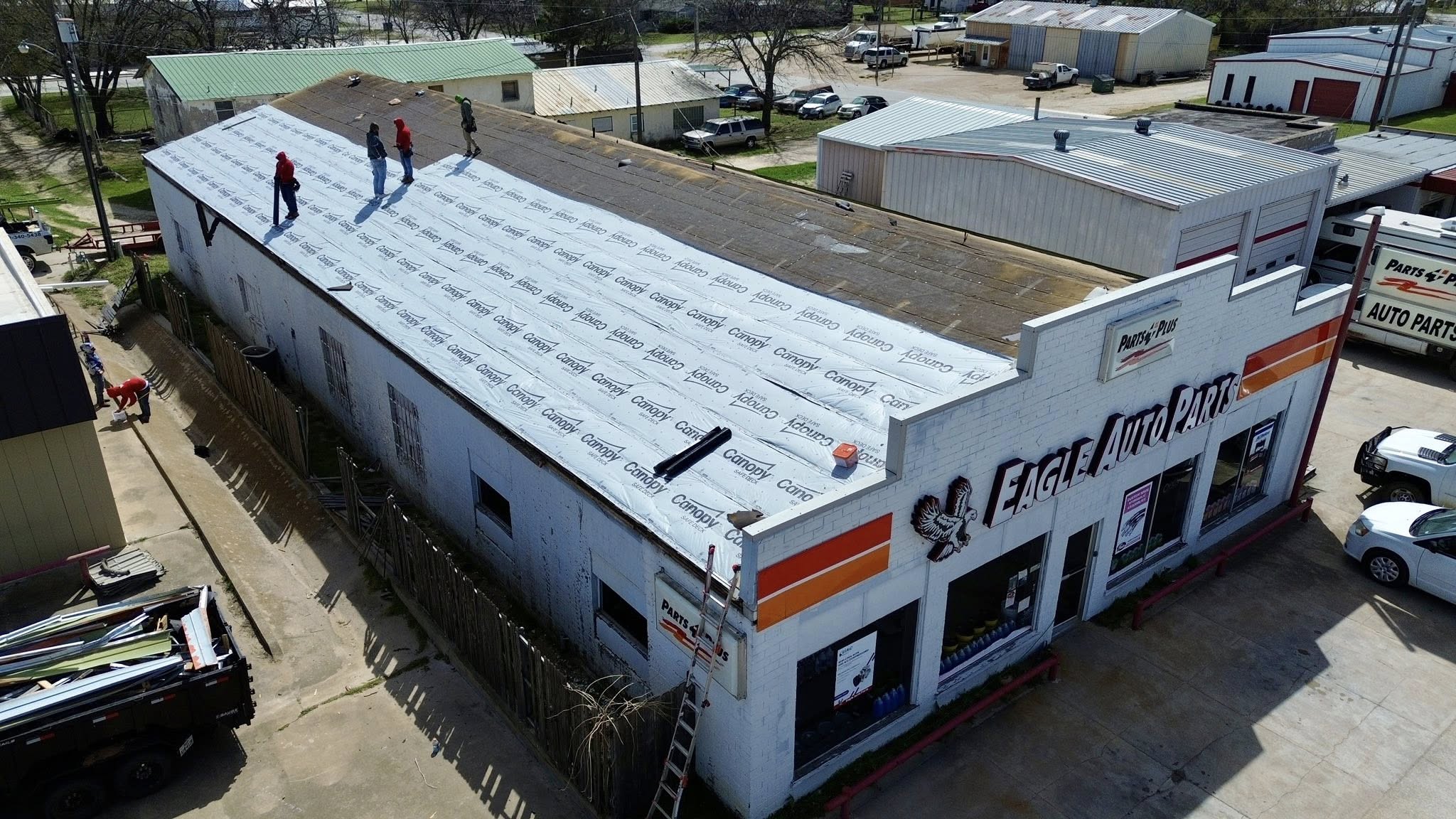
After waterproof membranes have been installed in critical locations, contractors begin covering the remaining roof surface with the primary underlayment. This stage creates the continuous protective layer that serves as the roof’s secondary moisture barrier beneath the finished roofing material.
Installation usually begins at the lower edge of the roof and progresses upward toward the ridge. Starting at the bottom allows each new course of underlayment to overlap the previous one, directing water naturally down the roof rather than beneath the protective layers.
Large rolls of underlayment are carefully positioned and unrolled across the roof deck. Contractors work methodically to keep the material straight while avoiding wrinkles, folds, or unnecessary stretching that could affect long-term performance.
Maintaining proper alignment throughout installation is essential. Straight rows not only improve appearance during construction but also ensure consistent overlap and reliable moisture protection across the roof surface.
Underlayment is secured using approved fasteners recommended by the manufacturer. Depending on the product, these may include roofing nails with plastic caps, cap staples, or other specialized fastening systems designed to hold the material securely without causing unnecessary damage.
Fasteners are spaced according to manufacturer specifications. Using too few fasteners may allow movement during strong winds, while excessive fastening creates unnecessary penetrations in the protective layer.
Contractors continue checking the material as installation progresses. Any wrinkles or trapped air pockets are smoothed immediately before additional rows are installed.
Roof slopes may influence installation techniques. Steeper roofs often require additional care to maintain alignment while ensuring that the underlayment remains securely attached throughout installation.
Weather conditions remain an important consideration during this stage. Although many synthetic underlayments tolerate limited exposure to sunlight, roofing contractors generally install the final roofing material as soon as practical to provide complete protection.
By the time the underlayment has been installed across the entire roof surface, the home already benefits from an effective secondary weather barrier while awaiting the installation of shingles or other roofing materials.
Proper Overlapping and Sealing Techniques
Correct overlapping is one of the most important aspects of underlayment installation. Even high-quality materials may fail to provide adequate protection if they are not installed with sufficient overlap between adjacent sections. Proper overlap creates a continuous barrier that allows water to flow safely down the roof without reaching the roof deck.
Each new course of underlayment overlaps the course beneath it according to manufacturer specifications. The exact overlap distance depends on the roofing product, roof slope, and applicable building requirements, but maintaining consistent overlap throughout the roof is essential.
Horizontal overlaps are carefully aligned before fastening begins. Contractors ensure that the upper layer completely covers the lower edge while maintaining straight installation lines across the roof surface.
Vertical end joints also require special attention. These joints are staggered whenever possible rather than aligning directly with one another across the roof. Staggering reduces the likelihood of moisture finding a direct path beneath the underlayment.
Roof valleys receive additional overlap because they experience higher water flow than most other roof areas. Contractors often reinforce these sections to provide greater long-term protection during severe weather.
Certain synthetic underlayments include printed alignment guides that help contractors maintain proper overlap quickly and accurately. These markings improve installation consistency while reducing the possibility of errors.
Some roofing systems require specialized sealants or adhesive strips at selected overlaps depending on local climate conditions and manufacturer recommendations. These sealing methods provide additional protection against wind-driven rain.
Contractors inspect overlaps continuously throughout installation. Correcting small alignment issues immediately is much easier than making adjustments after large sections have already been installed.
Proper overlapping also contributes to improved wind resistance. Securely overlapped underlayment remains more stable beneath the roofing material if severe weather damages the outer roof covering.
Attention to these installation details ensures that the underlayment functions as a continuous protective barrier rather than a collection of individual roofing sheets.
Preparing the Roof for Shingle or Roofing Material Installation
Once the underlayment has been installed successfully, contractors prepare the roof for the visible roofing material. Although this preparation may appear straightforward, it includes several important quality checks that support the long-term performance of the completed roof.
The first step involves inspecting the entire underlayment surface for wrinkles, tears, punctures, or loose sections. Any defects discovered during this review are corrected before roofing installation begins.
Fasteners are checked carefully to verify that they remain secure without damaging the underlayment. Improper fastening may affect both moisture resistance and roofing material installation.
Roof penetrations receive another detailed inspection. Underlayment surrounding chimneys, plumbing vents, skylights, attic vents, and roof valleys should remain properly sealed and prepared for flashing installation.
Drip edges and roof perimeter details are also reviewed. These components work together with the underlayment to direct water safely away from the roof deck and the home’s exterior walls.
Contractors confirm that waterproof membranes remain properly bonded in vulnerable areas. Roof valleys, eaves, and transition points should demonstrate continuous protection before shingles or other roofing materials are installed.
The roof surface is cleaned again if necessary to remove any debris that may have accumulated during installation. A clean work surface helps ensure accurate placement of roofing materials.
Project supervisors often perform a final quality inspection before authorizing the installation of shingles, metal panels, or tiles. This inspection verifies that every part of the underlayment system has been installed according to manufacturer specifications.
By completing these quality control steps, contractors ensure that the visible roofing materials will be installed over a reliable, professionally prepared moisture barrier capable of supporting long-term roof performance.
Common Installation Mistakes to Avoid
Proper underlayment installation requires careful attention to detail. Even relatively small mistakes can reduce moisture protection while affecting the overall performance of the roofing system. Understanding these common installation errors helps homeowners appreciate the value of professional roofing practices.
One of the most common mistakes is installing underlayment over damaged roof decking. Failing to repair structural deficiencies before installation allows hidden problems to remain beneath the new roofing system, reducing long-term durability.
Another frequent error is improper overlap between underlayment sections. Insufficient overlap may allow water to penetrate beneath the protective layer during heavy rain or wind-driven storms.
Wrinkles and air pockets should also be avoided. Uneven underlayment may interfere with roofing material installation while creating locations where moisture can accumulate.
Using incorrect fasteners represents another common problem. Fasteners not approved by the manufacturer may fail to secure the material adequately or may damage the underlayment unnecessarily.
Installing underlayment on wet roof decking should never occur. Moisture trapped beneath the material may contribute to mold growth, wood deterioration, or reduced structural performance.
Leaving underlayment exposed for extended periods is another mistake. Although many synthetic products tolerate temporary exposure to sunlight, prolonged ultraviolet exposure may reduce material performance if roofing installation is delayed excessively.
Ignoring manufacturer installation guidelines may also affect warranty coverage. Every roofing system is designed and tested using specific installation procedures that should be followed carefully.
The following practices help avoid common installation problems:
- Repair damaged roof decking before installation.
- Maintain proper overlap between all underlayment sections.
- Remove wrinkles and trapped air immediately.
- Use approved fasteners and fastening patterns.
- Install only on clean and dry roof surfaces.
- Follow manufacturer installation instructions carefully.
- Install the final roofing material promptly after underlayment.
Avoiding these common mistakes ensures that the underlayment performs as intended while creating a dependable moisture barrier beneath the finished roof. In the final part, we will examine how underlayment protects the roof over time, the factors that influence its long-term performance, maintenance practices, working with professional roofing contractors, maximizing roof lifespan, and conclude the guide on underlayment installation during roof replacement.
How Underlayment Protects Your Roof Over Time
Although roof underlayment is hidden beneath the visible roofing material, it continues protecting the home every day throughout the life of the roof. Homeowners rarely see this important layer after installation, yet it remains one of the primary reasons modern roofing systems provide reliable long-term performance under changing weather conditions.
The most important function of underlayment is serving as a secondary moisture barrier. Under normal conditions, shingles, metal panels, or tiles shed rainwater efficiently. However, during severe storms, high winds, or heavy snowfall, small amounts of moisture may occasionally pass beneath the outer roofing material. Properly installed underlayment prevents this moisture from reaching the roof deck.
This additional protection is especially valuable when unexpected roof damage occurs. Missing shingles caused by strong winds, fallen tree branches, or hail damage may temporarily expose the roof until repairs can be completed. During this period, the underlayment continues protecting the structural decking from water intrusion.
Roof valleys and areas surrounding chimneys, skylights, plumbing vents, and roof edges also benefit from continuous underlayment protection. These locations experience greater water flow than other roof sections, making reliable waterproofing especially important throughout the roof’s lifespan.
Underlayment also contributes to protecting attic insulation and interior ceilings. By preventing moisture from reaching the roof deck, it reduces the likelihood of leaks that could damage insulation, drywall, paint, flooring, furniture, and personal belongings inside the home.
Another long-term advantage is preserving the structural integrity of the roof deck. Dry roof decking remains stronger, more stable, and less vulnerable to mold, rot, or deterioration than decking exposed repeatedly to moisture.
Underlayment also works together with flashing systems and roof ventilation to create a complete weather-resistant roofing assembly. Rather than functioning independently, each roofing component supports the others in maintaining reliable protection.
Even during seasonal temperature changes, underlayment helps reduce moisture-related stress within the roofing system. It provides an additional layer of defense against wind-driven rain, melting snow, and other weather conditions that challenge the roof throughout the year.
Although homeowners rarely think about the underlayment after installation has been completed, its continuous performance plays an essential role in protecting the home’s structural integrity for decades.
Factors That Affect Underlayment Performance
The effectiveness of roof underlayment depends on several factors that influence its condition throughout the life of the roofing system. Understanding these influences helps homeowners recognize why proper installation and regular roof maintenance are equally important.
Installation quality remains the single most important factor affecting underlayment performance. Proper overlap, secure fastening, smooth placement, and correct integration with flashing determine how effectively the underlayment resists moisture throughout its service life.
The condition of the roof deck also affects long-term durability. Underlayment installed over clean, dry, and structurally sound decking performs much better than material installed over damaged or uneven surfaces.
Climate conditions significantly influence underlayment lifespan. Homes exposed to frequent storms, heavy snowfall, hurricanes, prolonged rainfall, or extreme heat place greater demands on the roofing system than homes located in milder environments.
Roof ventilation is another major factor. Proper attic airflow helps regulate temperature and moisture beneath the roof, reducing condensation that could otherwise affect the roof deck and underlayment over time.
The type of roofing material installed above the underlayment also contributes to performance. Durable roofing materials provide better protection against ultraviolet exposure, moisture infiltration, and physical damage, allowing the underlayment to perform its intended backup function rather than serving as the primary weather barrier.
Roof slope influences drainage performance as well. Steeper roofs generally shed water more quickly, while lower-slope roofs require underlayment capable of providing longer periods of moisture protection during heavy rainfall.
Routine roof maintenance extends underlayment life by reducing opportunities for water intrusion. Prompt repair of damaged shingles, flashing, and roof penetrations helps prevent unnecessary stress on the protective layer beneath.
Tree branches overhanging the roof may also affect long-term performance. Falling branches, accumulated debris, and trapped moisture increase the possibility of roofing damage that could eventually expose the underlayment to greater environmental stress.
Selecting quality materials, ensuring professional installation, and maintaining the completed roof all contribute to maximizing underlayment performance throughout the roof’s expected lifespan.
Maintaining a Healthy Roofing System After Installation
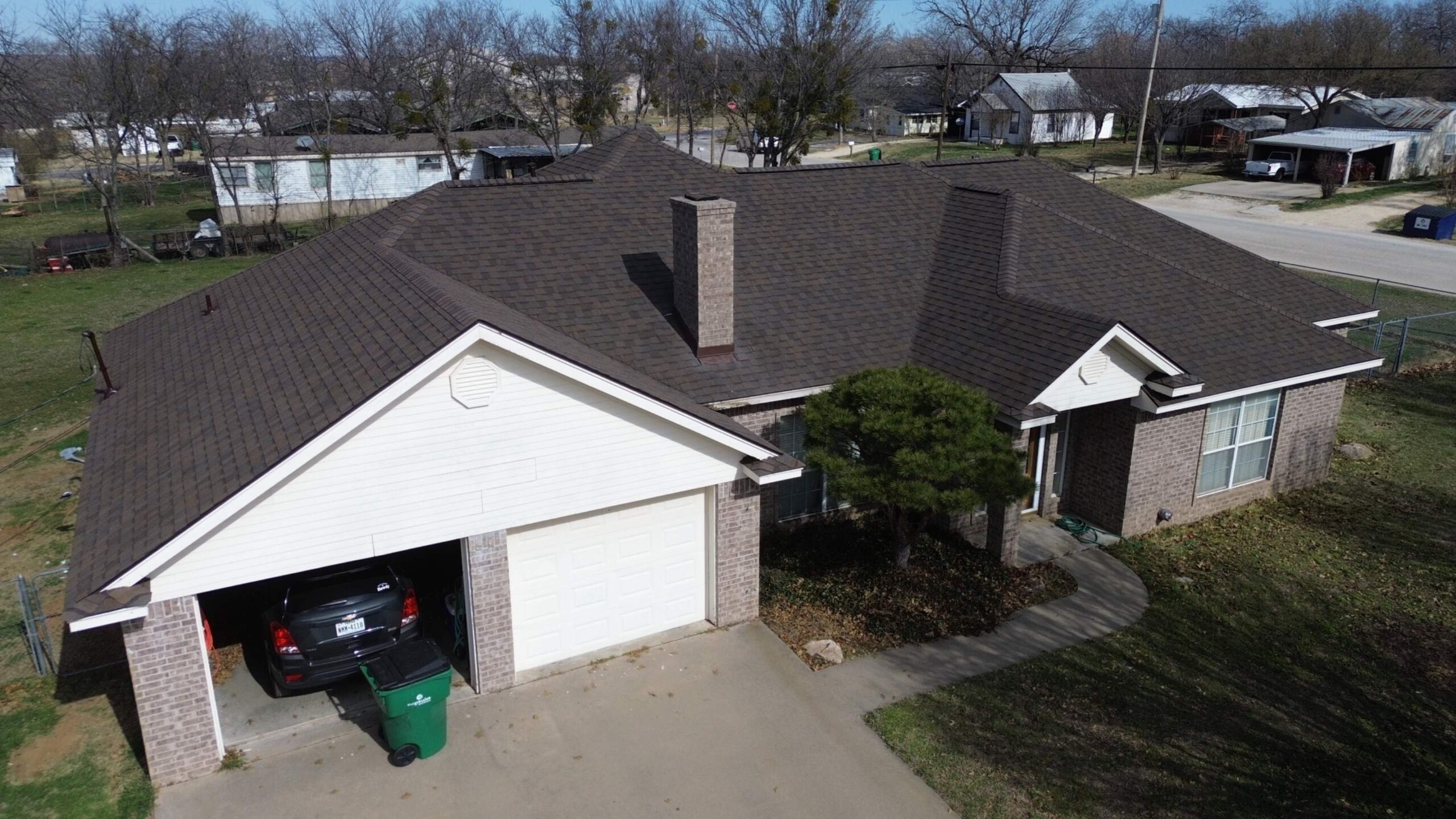
Although underlayment itself requires no direct maintenance after installation, maintaining the overall roofing system helps preserve every protective layer beneath the roof surface. Regular care allows the underlayment to continue functioning as intended while reducing the likelihood of hidden moisture damage.
Routine roof inspections remain one of the most valuable maintenance practices. Professional inspections performed at least twice each year help identify damaged shingles, loose flashing, clogged gutters, or other issues before water reaches the underlayment.
After severe storms, homeowners should visually inspect the roof from the ground whenever possible. Missing shingles, fallen branches, or obvious storm damage should be reported promptly to a qualified roofing contractor.
Keeping gutters and downspouts clean is another important maintenance responsibility. Efficient drainage reduces standing water while minimizing the risk of moisture backing up beneath roofing materials near roof edges.
Roof valleys should also remain free of leaves, pine needles, and other debris. These areas carry large volumes of rainwater during storms, making unobstructed drainage essential for protecting both the roofing material and the underlayment.
Attic inspections provide valuable information about roof performance. Homeowners should occasionally check for damp insulation, water stains, mold, unusual odors, or signs of moisture that could indicate developing roofing problems.
Tree maintenance supports roof health as well. Trimming branches that extend over the roof reduces debris accumulation while lowering the risk of impact damage during storms.
Minor roof repairs should be completed promptly rather than postponed. Small roofing problems often become much larger if moisture is allowed to penetrate beneath the visible roofing materials for extended periods.
Maintaining proper attic ventilation also helps preserve the roofing system. Balanced airflow reduces heat buildup during summer while minimizing condensation during colder weather, creating better conditions for both the roof deck and underlayment.
Consistent maintenance keeps the roofing system functioning as a complete protective assembly while allowing the underlayment to continue performing its hidden but essential role.
Working with Professional Roofing Contractors
Professional installation is one of the most important factors influencing underlayment performance. Even the highest-quality underlayment cannot provide reliable protection if it is installed incorrectly. Choosing experienced roofing contractors helps ensure that every layer of the roofing system functions as intended.
Qualified roofing contractors understand the installation requirements for different underlayment products. They know how proper overlap, fastening patterns, waterproof membranes, flashing integration, and roof deck preparation contribute to long-term performance.
Professional roofers also remain familiar with manufacturer installation guidelines. Following these recommendations helps preserve warranty coverage while ensuring compatibility between the underlayment and the selected roofing material.
Experienced contractors evaluate roof deck condition before installation begins. Rather than simply covering existing problems, they identify damaged decking, moisture intrusion, and structural concerns that should be corrected before the new roofing system is installed.
Building code compliance is another important responsibility. Roofing professionals understand local construction requirements regarding underlayment, waterproof membranes, ventilation, and moisture protection, helping homeowners avoid future compliance issues.
Communication is equally important throughout the project. Reliable contractors explain material options, installation procedures, inspection findings, and project progress in clear language so homeowners understand each stage of construction.
Quality control inspections performed during installation further improve roofing performance. Supervisors verify that the underlayment remains properly aligned, securely fastened, and free from wrinkles or damage before roofing materials are installed.
Professional contractors also provide warranty information, maintenance recommendations, and documentation after project completion. These resources help homeowners protect their roofing investment throughout its expected lifespan.
Working with qualified professionals ensures that underlayment installation contributes fully to the durability, weather resistance, and long-term reliability of the completed roof.
Maximizing Roof Lifespan Through Proper Installation
Every component of a roofing system contributes to its overall lifespan, but proper installation determines how effectively these components work together over time. Roof underlayment is no exception. Careful installation provides long-term value by improving durability, reducing moisture risks, and supporting the performance of the finished roof.
Beginning with a structurally sound roof deck creates the strongest possible foundation. Repairing damaged decking before underlayment installation prevents hidden structural issues from affecting the roofing system later.
Using high-quality underlayment appropriate for the home’s climate and roofing material also improves long-term results. Premium materials often provide greater tear resistance, moisture protection, and durability throughout the roof’s service life.
Correct installation techniques are equally important. Proper overlap, secure fastening, waterproof membrane placement, and careful integration around roof penetrations all contribute to reliable weather protection.
Roof ventilation should never be overlooked. Balanced attic airflow reduces excessive heat and moisture that could otherwise shorten the lifespan of both the underlayment and the visible roofing materials.
Routine maintenance following installation helps preserve these benefits. Prompt repairs, gutter cleaning, attic inspections, and regular professional roof evaluations reduce unnecessary stress on every roofing component.
The following practices help maximize the lifespan of both the underlayment and the entire roofing system:
- Repair roof deck damage before installing underlayment.
- Select quality underlayment suited to local weather conditions.
- Follow manufacturer installation guidelines carefully.
- Ensure proper overlap and secure fastening.
- Install waterproof membranes in vulnerable roof areas.
- Maintain effective attic ventilation.
- Schedule regular roof inspections after installation.
Following these best practices allows homeowners to receive the greatest long-term value from their roof replacement while protecting the home against changing weather conditions year after year.
Conclusion
Roof underlayment may remain hidden beneath shingles, metal panels, or other roofing materials, but its importance should never be underestimated. As a secondary moisture barrier, it provides continuous protection for the roof deck and the interior of the home, helping the entire roofing system perform reliably throughout its expected lifespan.
Throughout this guide, we explored the purpose of roof underlayment, the different types available, and the reasons it is replaced during every complete roof replacement. We also discussed how contractors prepare the roof deck, install waterproof membranes, secure underlayment correctly, and prepare the roof for the final roofing material.
In addition, we examined the long-term role of underlayment, the factors that influence its performance, maintenance practices that protect the roofing system, the importance of working with experienced roofing professionals, and practical ways to maximize roof lifespan through proper installation.
One of the most important lessons is that underlayment should never be viewed as an optional component. Although it is hidden from view once the roof is completed, it serves as a critical backup defense against moisture infiltration, protecting the structural integrity of the roof and helping prevent costly water damage.
A successful roof replacement depends on every layer working together as a complete system. The roof deck, underlayment, waterproof membranes, flashing, ventilation, and exterior roofing material each contribute to long-term durability, energy efficiency, and weather resistance.
Ultimately, investing in quality underlayment and ensuring it is installed correctly provides homeowners with lasting peace of mind. By creating a dependable moisture barrier beneath the visible roof, properly installed underlayment helps extend roof lifespan, reduce maintenance concerns, protect valuable structural components, and ensure that the new roofing system continues safeguarding the home for decades to come.