
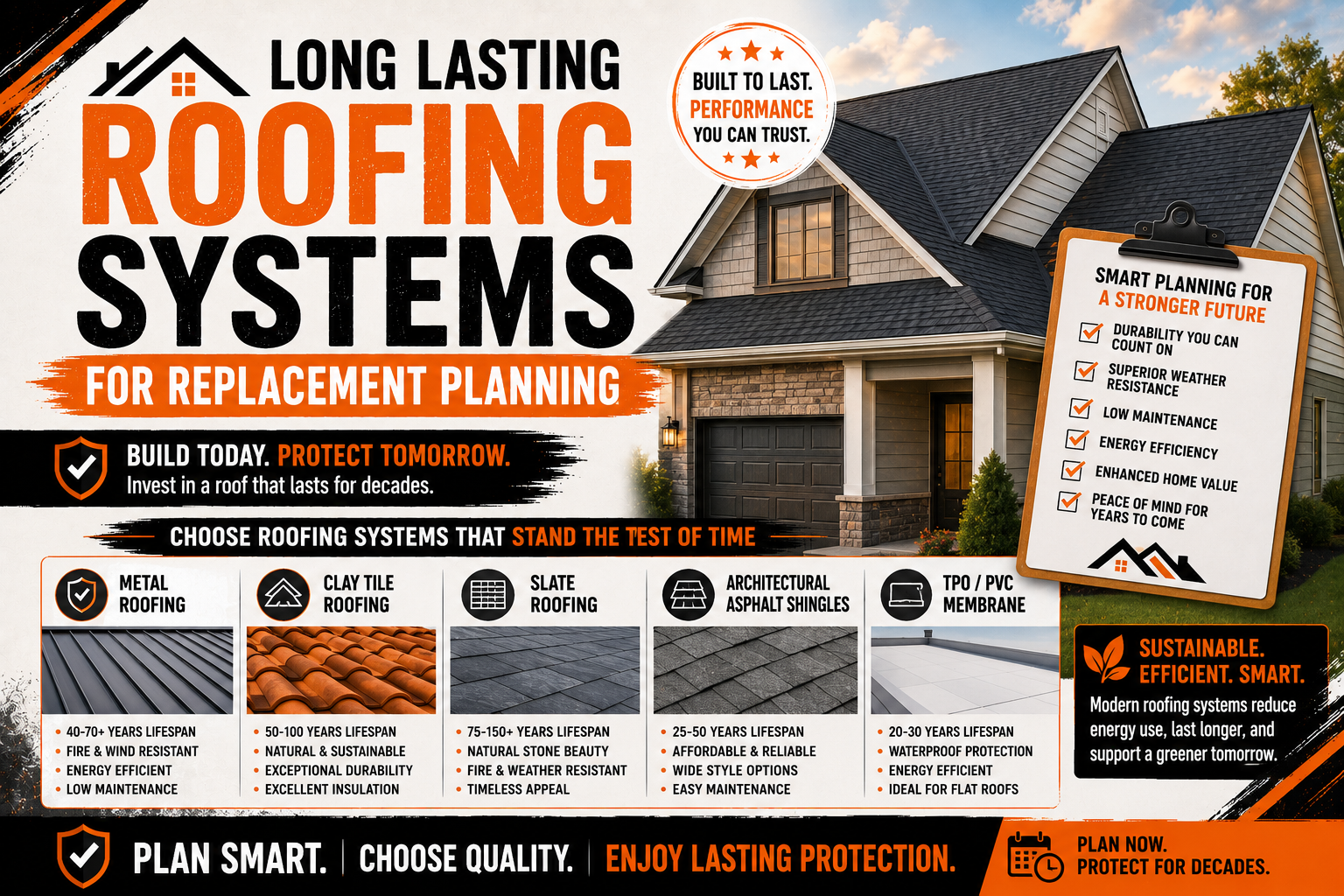
Long Lasting Roofing Systems for Replacement Planning
Introduction
Planning a roof replacement is one of the most important decisions homeowners make to protect their property and maintain its long-term value. While selecting an attractive roofing material is often a priority, durability should play an equally important role in the decision-making process. A long lasting roofing system provides dependable protection against weather, reduces maintenance costs, and minimizes the need for future replacement, making it a valuable investment for any home.
Modern roofing technology has significantly expanded the range of durable materials available for residential properties. Homeowners can choose from metal roofing, natural slate, clay and concrete tiles, premium asphalt shingles, and advanced composite roofing products. Each material offers unique advantages, but their long-term performance depends on more than the visible roofing surface alone.
A roofing system is made up of multiple components that work together to protect the home. Roofing materials, underlayment, flashing, ventilation, fasteners, and the roof deck all contribute to overall durability. Even the highest-quality shingles or panels cannot perform at their best if the supporting components beneath them are poorly installed or deteriorated.
Long lasting roofing systems also provide financial advantages over time. Although premium materials often involve a higher upfront investment, they usually require fewer repairs, offer longer service lives, and reduce the likelihood of costly structural damage caused by leaks or premature roof failure. Looking beyond the initial installation cost allows homeowners to evaluate the true value of a roofing system throughout its lifetime.
Another important benefit is environmental sustainability. Roofing materials that remain in service for several decades reduce construction waste and decrease the demand for new raw materials. Fewer replacement projects also reduce the environmental impact associated with manufacturing, transportation, and disposal.
Replacement planning involves balancing many factors, including budget, climate, architectural style, maintenance expectations, and long-term ownership goals. Understanding how different roofing systems perform under these conditions helps homeowners choose a solution that provides reliable protection while meeting their specific needs.
This guide explores the characteristics of long lasting roofing systems, explains the materials known for exceptional durability, and discusses the important factors homeowners should evaluate when planning a roof replacement designed to provide dependable performance for many years.
Why Roof Longevity Matters in Replacement Planning
The lifespan of a roofing system directly affects both the financial and practical aspects of homeownership. A roof designed to remain in excellent condition for decades provides more than weather protection because it reduces ongoing maintenance, lowers repair costs, and increases confidence that the home will remain secure throughout changing seasons.
Many homeowners initially compare roofing materials based on installation price. While budget is an important consideration, focusing only on short-term costs may overlook significant long-term savings. A durable roof that lasts much longer often proves more economical than a less expensive alternative requiring earlier replacement or frequent repairs.
Roof longevity also protects the home’s structural integrity. When roofing materials begin to deteriorate, moisture can reach the roof deck, insulation, framing, ceilings, and walls. Preventing these problems through a durable roofing system helps avoid costly repairs that extend far beyond the roof itself.
Property value is another important consideration. Homes equipped with long lasting roofing systems often appeal to buyers because they reduce concerns about immediate maintenance or future replacement expenses. A recently installed, high-quality roof can therefore contribute to improved resale value and buyer confidence.
Reliable roofing systems also improve household comfort. Durable roofs work more effectively with insulation and ventilation to regulate indoor temperatures while reducing the likelihood of drafts or moisture problems. Better performance throughout the year supports both energy efficiency and overall living conditions.
Homeowners planning to remain in their properties for many years often benefit most from investing in durable roofing materials. Rather than facing another replacement project within a relatively short period, they enjoy dependable protection with fewer maintenance concerns.
Long roof lifespan also contributes to responsible resource management. Every roof replacement consumes materials, labor, transportation, and energy. Installing roofing systems that remain functional for extended periods reduces waste while lowering the environmental impact associated with repeated construction.
Ultimately, roof longevity represents an investment in the future rather than simply another home improvement expense. Planning for durability from the beginning creates long-term financial, structural, and environmental benefits that continue long after installation is complete.
What Makes a Roofing System Long Lasting?
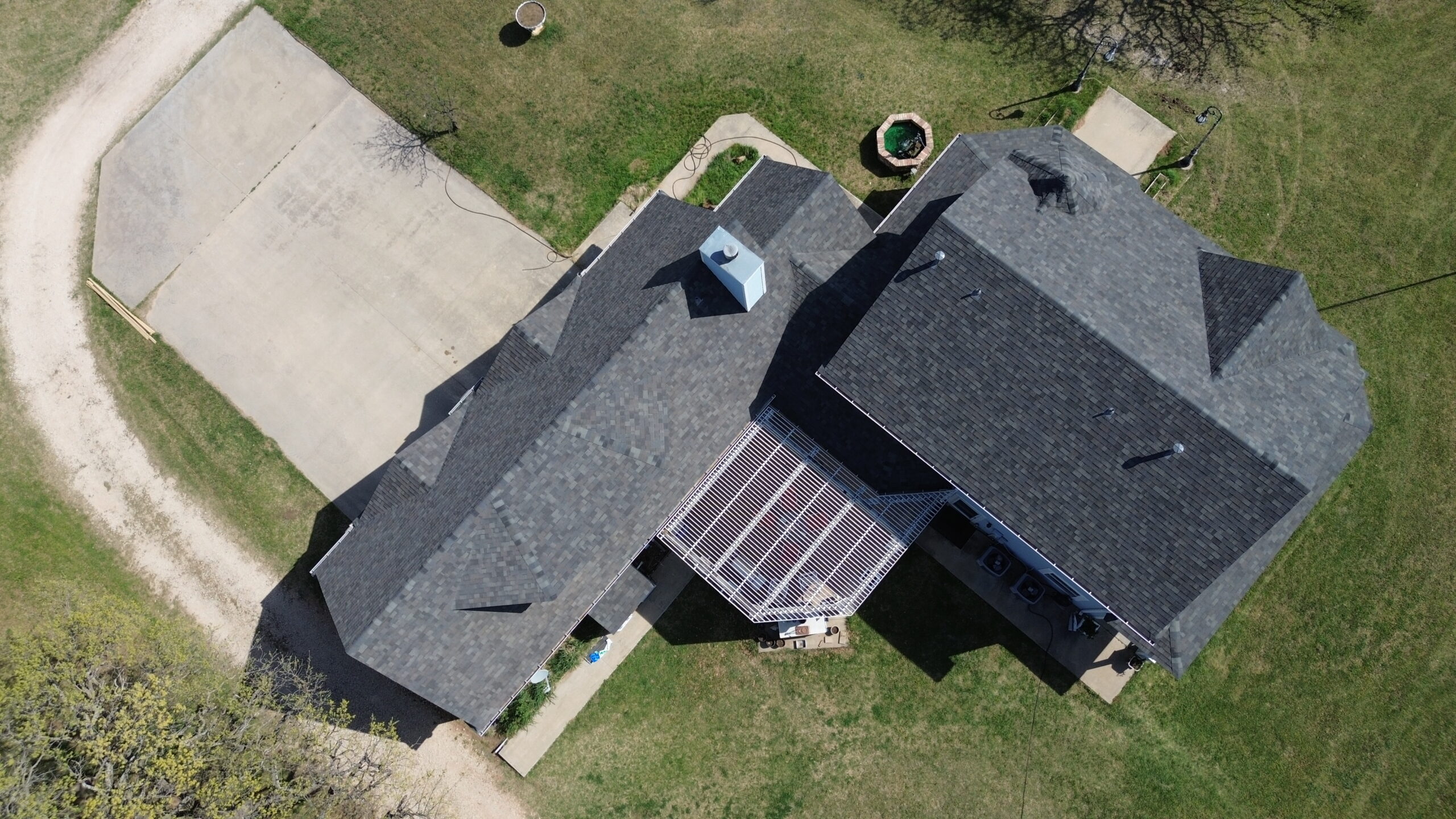
A long lasting roofing system is defined by more than the visible roofing material. True durability results from a combination of high-quality products, professional installation, proper ventilation, and ongoing maintenance. Every layer of the roofing system contributes to its ability to withstand years of weather exposure.
Material quality remains one of the most important factors. Premium roofing products are manufactured using stronger raw materials, improved engineering, and advanced protective coatings that resist moisture, ultraviolet radiation, temperature changes, and physical damage. These characteristics help preserve both appearance and structural performance over time.
Weather resistance also plays a major role. Long lasting roofs are designed to withstand heavy rain, snow, hail, strong winds, and prolonged sunlight without experiencing rapid deterioration. Manufacturers often perform extensive laboratory testing to verify product performance under demanding conditions before releasing roofing materials to the market.
Proper fastening systems contribute significantly to roof durability. Secure attachment prevents roofing materials from loosening during storms while allowing for natural expansion and contraction caused by changing temperatures. High-quality fasteners also resist corrosion throughout many years of service.
Roofing underlayment forms another essential component. Installed beneath the visible roofing material, underlayment provides secondary moisture protection if water penetrates the outer roofing surface. Durable synthetic products and rubberized asphalt membranes often improve overall roof performance by protecting the roof deck from water damage.
Flashing is equally important because it protects roof transitions, chimneys, skylights, valleys, and roof penetrations where leaks commonly develop. Properly installed flashing directs water safely away from vulnerable areas while supporting the overall weather resistance of the roofing system.
Balanced attic ventilation also helps extend roof lifespan. Proper airflow reduces excessive heat buildup during summer while limiting condensation during cooler months. This protects both roofing materials and structural components from moisture-related deterioration.
A truly durable roofing system combines all of these elements into one integrated assembly. Each component supports the others, creating multiple layers of protection that improve long-term reliability and reduce maintenance needs.
Key Components of a Durable Roofing System
Although roofing materials receive most of the attention during replacement planning, several hidden components are equally important for long-term performance. These elements work together continuously to support the durability of the finished roof.
The roof deck forms the structural foundation for every roofing system. Usually constructed from plywood or oriented strand board, the deck supports the roofing materials while distributing weight evenly across the roof framing. Maintaining a strong, dry roof deck is essential for long-term structural stability.
Roofing underlayment provides secondary moisture protection beneath the visible roofing surface. If water bypasses shingles, tiles, or metal panels during severe weather, the underlayment helps prevent it from reaching the roof deck. High-quality underlayment contributes significantly to overall roof longevity.
Flashing protects roof penetrations and transitions where different roof surfaces meet. Chimneys, skylights, plumbing vents, valleys, and dormers all rely on properly installed flashing to direct water safely away from vulnerable joints. Durable flashing materials reduce the likelihood of leaks throughout the roof’s service life.
Ventilation components maintain balanced airflow within the attic. Ridge vents, soffit vents, and other ventilation systems reduce trapped heat and moisture while helping roofing materials perform more efficiently. Proper ventilation also supports insulation performance and reduces the risk of condensation-related damage.
Fasteners play an important role despite remaining almost invisible after installation. Roofing nails and screws secure materials to the roof deck while resisting wind uplift and weather exposure. Premium fasteners maintain strong holding power for many years without excessive corrosion.
Drainage systems complete the roofing assembly by directing water safely away from the home. Gutters, downspouts, valleys, and roof slopes all contribute to efficient water management. Effective drainage prevents standing water while reducing unnecessary moisture exposure along roof edges.
Every durable roofing system depends on these components functioning together rather than independently. Weakness in any individual layer may reduce the performance of the entire roofing assembly regardless of the quality of the visible roofing material.
Metal Roofing Systems
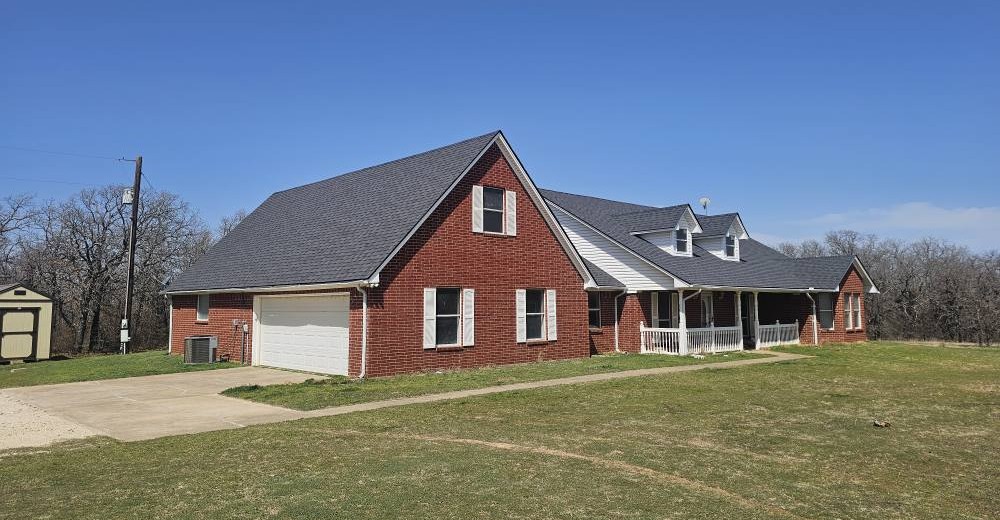
Metal roofing has become one of the leading choices for homeowners planning long lasting roof replacement projects. Modern manufacturing techniques have transformed metal roofing into a highly durable, visually attractive option suitable for many architectural styles.
One of its greatest strengths is exceptional longevity. Properly installed metal roofing systems often remain functional for several decades while maintaining structural integrity and attractive appearance. Their extended service life significantly reduces replacement frequency compared to many conventional roofing materials.
Metal roofing also performs exceptionally well under severe weather conditions. It resists heavy rainfall, snow accumulation, prolonged sunlight, and high winds while maintaining reliable weather protection. Smooth metal surfaces encourage efficient water and snow runoff, reducing moisture retention throughout the year.
Corrosion resistance has improved significantly because of advanced protective coatings applied during manufacturing. Galvanized steel, aluminum, zinc, and copper roofing systems each offer different combinations of strength, weather resistance, and appearance depending on regional climate conditions.
Energy efficiency represents another major advantage. Reflective surface coatings reduce solar heat absorption during warm weather, helping maintain lower roof temperatures. Improved thermal performance may contribute to reduced cooling costs while increasing indoor comfort.
Modern metal roofing is available in numerous profiles and finishes. Homeowners can choose standing seam panels, metal shingles, or designs resembling slate, wood shakes, or clay tiles. This flexibility allows metal roofing to complement both traditional and contemporary homes.
Maintenance requirements are generally low. Periodic inspections of flashing, fasteners, and sealants help preserve long-term performance while ensuring the roofing system continues functioning efficiently after years of service.
Although metal roofing requires a larger initial investment than basic asphalt shingles, many homeowners view its durability, low maintenance, and long lifespan as excellent long-term value.
Slate Roofing Systems
Natural slate remains one of the most respected roofing materials available because of its extraordinary durability and timeless architectural appearance. Many historic buildings continue using original slate roofs that have protected structures for generations, demonstrating the remarkable longevity of this natural stone.
Slate forms naturally through geological processes that create dense, durable stone resistant to many forms of environmental deterioration. Unlike manufactured roofing products, slate maintains its strength without relying on synthetic binders or chemical treatments.
One of slate’s greatest advantages is its exceptional service life. Properly installed slate roofs often remain functional for many decades while maintaining structural stability and attractive appearance. This extraordinary longevity reduces replacement frequency while lowering long-term ownership costs.
Slate also provides outstanding resistance to fire, insects, moisture, and ultraviolet radiation. These characteristics allow it to withstand demanding environmental conditions with minimal deterioration. Its natural composition contributes to both durability and environmental sustainability.
Architectural appeal further enhances slate’s value. Variations in color, texture, and thickness create distinctive roof surfaces that complement luxury homes and historic properties. Because slate changes very little over time, its appearance remains attractive throughout its long service life.
Weight represents one important consideration. Slate roofing is significantly heavier than many other roofing materials, making structural evaluation necessary before installation. Homes requiring additional support should undergo professional assessment to ensure safe long-term performance.
Installation quality is especially important because slate requires specialized handling and fastening techniques. Experienced roofing professionals understand how to install slate correctly while preserving its exceptional durability and appearance.
Although slate represents one of the highest initial investments available, its remarkable longevity often makes it one of the most economical roofing materials when evaluated across its complete lifespan.
Clay and Concrete Tile Roofing
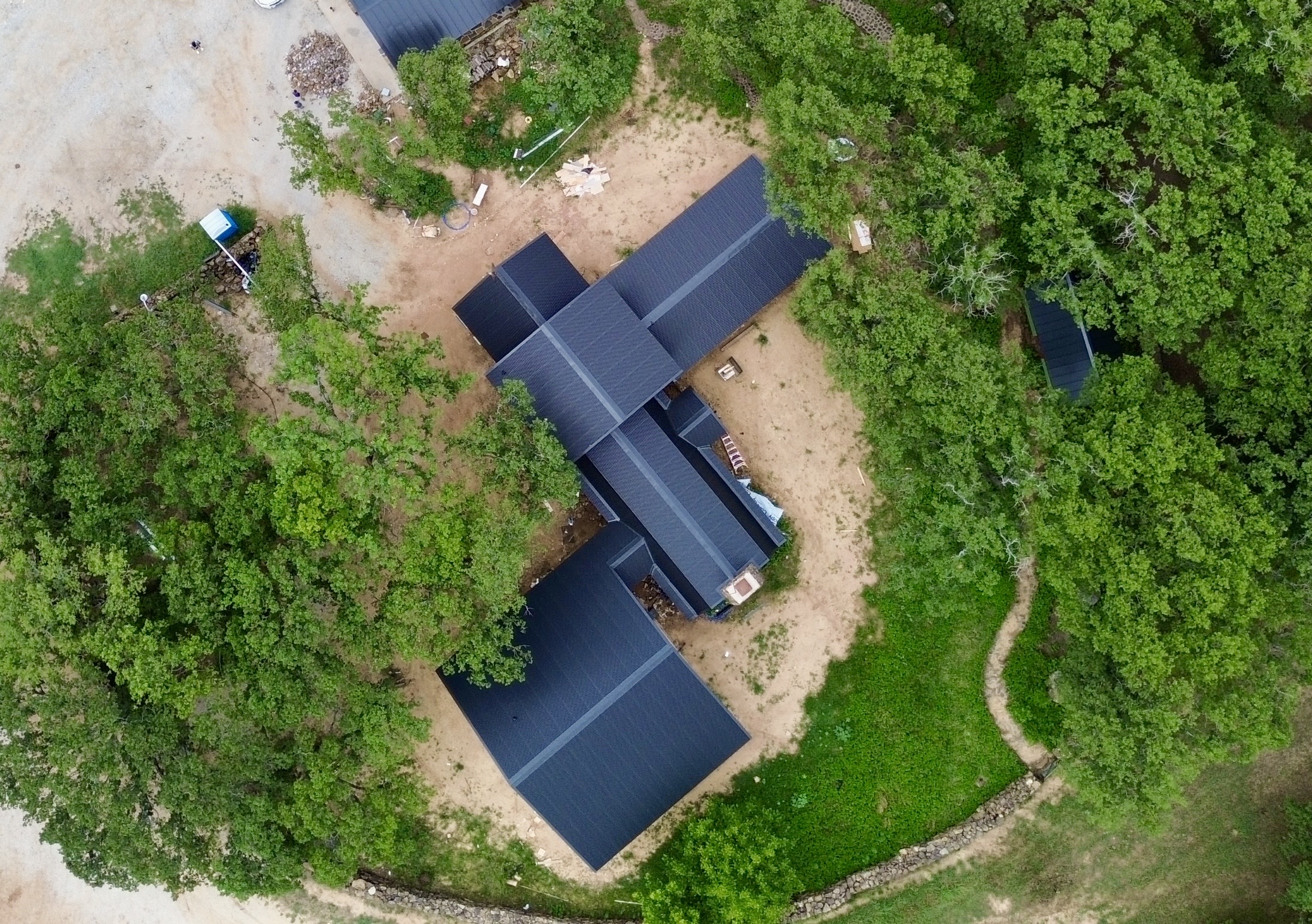
Clay and concrete tile roofing has earned a reputation for combining exceptional durability with distinctive architectural beauty. Frequently associated with Mediterranean, Spanish, and Southwestern homes, tile roofing also provides excellent structural performance and weather resistance for many other residential designs.
Clay tiles are manufactured from natural earth materials fired at high temperatures to create dense, weather-resistant roofing units. Concrete tiles use cement, sand, and water to produce similarly durable products while offering additional design flexibility and color choices.
One of the greatest advantages of tile roofing is its long service life. Properly installed tile roofs often remain functional for several decades while maintaining both structural integrity and visual appeal. Their durability reduces replacement frequency while supporting long-term property value.
Tile roofing performs particularly well in warm climates because natural air circulation beneath individual tiles reduces heat transfer into the home. This ventilation effect contributes to improved energy efficiency while helping maintain comfortable indoor temperatures during hot weather.
Fire resistance represents another valuable benefit. Clay and concrete tiles do not burn like organic roofing materials, improving overall building safety while reducing the likelihood of fire-related roof damage. They also resist insects, rot, and many forms of moisture-related deterioration.
Maintenance requirements remain relatively modest. Periodic inspections help identify cracked or displaced tiles before moisture reaches underlying structural components. Individual damaged tiles can often be replaced without disturbing large sections of the roof.
Weight should always be considered before selecting tile roofing. Similar to slate, clay and concrete tiles place greater loads on roof framing than lightweight roofing materials. Structural evaluation ensures the home safely supports the roofing system throughout its expected lifespan.
For homeowners seeking dependable long-term performance combined with timeless architectural style, clay and concrete tile roofing remain among the strongest choices available. Their combination of durability, weather resistance, energy efficiency, and visual appeal makes them an excellent foundation for long-term roof replacement planning.
Premium Asphalt Roofing Systems
Premium asphalt roofing systems remain one of the most popular choices for homeowners who want dependable performance without the higher investment required for slate or tile roofing. While standard three-tab shingles continue to be used on some homes, architectural and luxury asphalt shingles offer significant improvements in durability, weather resistance, and appearance. These enhanced products bridge the gap between affordability and long-term value.
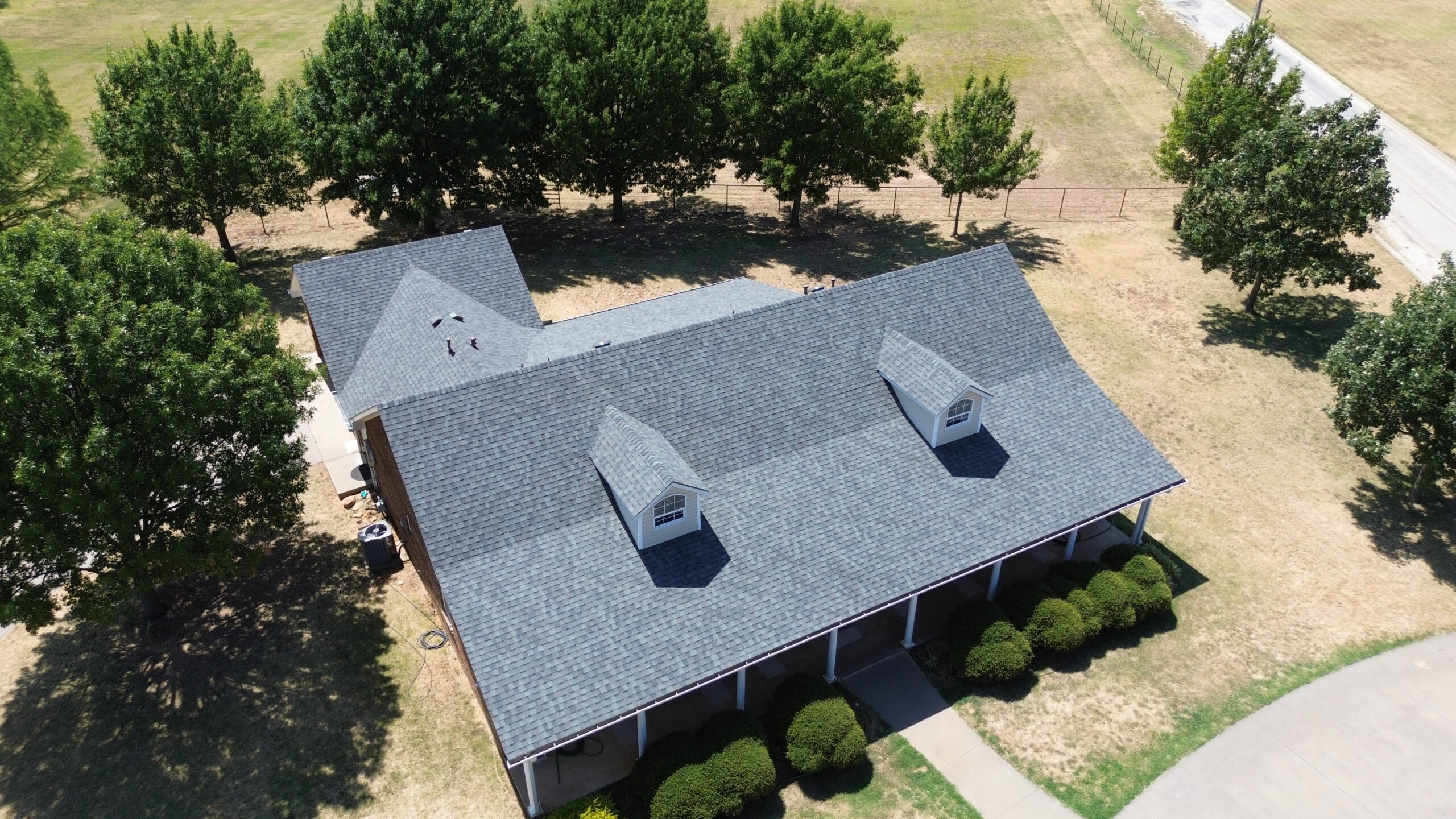
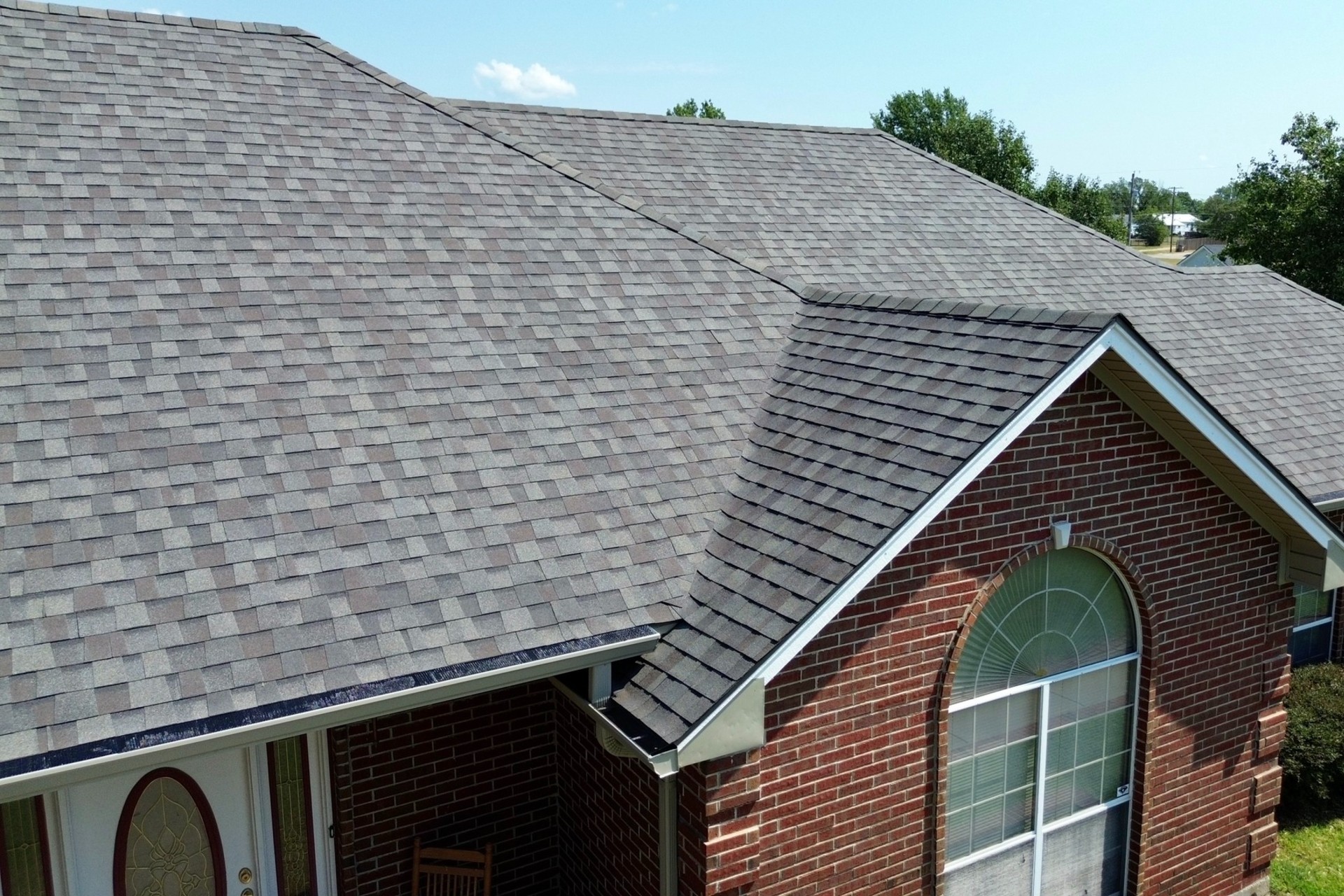
Architectural shingles are manufactured using multiple laminated layers that increase thickness and structural strength. This construction allows them to withstand stronger winds while providing a more dimensional appearance than traditional flat shingles. Their textured design also resembles more expensive roofing materials, giving homeowners greater design flexibility.
Luxury asphalt shingles provide another step forward in durability. These products are engineered to imitate the appearance of slate or cedar shakes while maintaining the familiar installation methods associated with asphalt roofing. Homeowners who want premium aesthetics without the weight of natural materials often find luxury shingles to be an appealing solution.
Modern asphalt roofing systems also include improved protective granules that shield shingles from prolonged ultraviolet exposure. These granules help reduce fading while slowing the natural aging process caused by constant sunlight. Better resistance to ultraviolet radiation contributes to longer service life and more consistent appearance over time.
Wind resistance has improved considerably through stronger adhesive strips and enhanced fastening systems. Many premium shingles are tested to withstand demanding weather conditions, providing homeowners with greater confidence during severe storms. Proper installation remains essential for achieving the full performance expected from these products.
Impact-resistant asphalt shingles are also available for homes located in regions prone to hail. Reinforced construction helps reduce damage caused by falling debris while improving the overall resilience of the roofing system. Although no roofing material is completely immune to severe impacts, these specialized products provide greater protection than conventional shingles.
Maintenance remains relatively straightforward because replacement shingles are widely available if isolated repairs become necessary. Periodic inspections, gutter cleaning, and prompt repair of damaged flashing help preserve the performance of premium asphalt roofing systems throughout their lifespan.
For many homeowners, premium asphalt roofing provides an attractive balance of durability, affordability, and visual appeal. While it may not match the lifespan of slate or metal roofing, its combination of performance and value makes it one of the strongest options for long-term replacement planning.
Composite and Synthetic Roofing Materials
Composite and synthetic roofing materials have become increasingly popular as homeowners seek durable alternatives that combine modern engineering with attractive architectural designs. These products are designed to imitate natural roofing materials while reducing maintenance requirements and improving resistance to weather-related deterioration.
Manufacturers commonly produce composite roofing using engineered polymers, recycled plastics, rubber compounds, fiberglass, and other advanced materials. These carefully engineered combinations create roofing products that closely resemble slate, wood shakes, or clay tiles while offering improved structural consistency.
One of the greatest advantages of composite roofing is its resistance to common environmental threats. Unlike natural wood, synthetic products generally resist moisture absorption, insect damage, mold growth, and rot. This improved durability helps preserve the roofing system while reducing repair needs throughout its service life.
Impact resistance is another important benefit. Many premium composite roofing systems are engineered to tolerate hail and falling debris more effectively than traditional roofing materials. Homeowners living in areas with frequent storms often appreciate this additional level of protection.
Weight also distinguishes many synthetic roofing products from natural alternatives. Composite slate and synthetic tile often provide the same elegant appearance as heavier natural materials while placing significantly less stress on the home’s structural framework. This allows homeowners to achieve premium aesthetics without requiring extensive structural reinforcement.
Modern manufacturing techniques provide impressive design flexibility. Composite roofing is available in numerous colors, textures, and profiles that complement both traditional and contemporary architecture. Manufacturers continue expanding available styles, giving homeowners more choices than ever before.
Maintenance requirements are generally low because synthetic materials resist many forms of biological deterioration. Routine inspections and occasional cleaning are usually sufficient to preserve both appearance and structural performance over many years.
Although composite roofing often requires a higher initial investment than conventional asphalt shingles, its durability, low maintenance requirements, and attractive appearance contribute to excellent long-term value. Homeowners seeking a modern roofing solution frequently consider composite products among the strongest options available.
The Role of Underlayment and Roof Deck Protection
Visible roofing materials receive much of the attention during replacement planning, but the hidden layers beneath them are equally important for creating a long lasting roofing system. Roofing underlayment and roof deck protection provide critical support that allows the finished roof to perform reliably under changing weather conditions.
Roofing underlayment is installed directly over the roof deck before shingles, tiles, or metal panels are applied. Its primary function is to provide secondary moisture protection if water penetrates the visible roofing material. This additional barrier helps prevent moisture from reaching structural wood components beneath the roof.
Modern synthetic underlayments offer several advantages over traditional felt products. They resist tearing during installation, absorb very little moisture, and remain stable despite temporary weather exposure before the roof is completed. These characteristics improve both construction efficiency and long-term roof performance.
Rubberized asphalt membranes provide even greater protection in areas where water intrusion is most likely. Contractors commonly install these self-adhering membranes along eaves, roof valleys, skylights, chimneys, and other vulnerable locations. Their self-sealing properties help prevent water from entering around roofing fasteners.
The roof deck itself serves as the structural foundation supporting every roofing component. Moisture damage to the roof deck weakens the entire roofing system regardless of the quality of the visible roofing material. Inspecting and replacing damaged decking during roof replacement helps establish a solid foundation for long-term performance.
Flashing also works closely with underlayment to direct water away from roof penetrations and transitions. Properly integrated flashing protects chimneys, dormers, valleys, skylights, and plumbing vents where leaks commonly develop. Durable flashing contributes significantly to the overall reliability of the roofing system.
Every roofing layer supports the next. A premium roofing material installed over deteriorated decking or poor-quality underlayment cannot achieve its full expected lifespan. Investing in quality hidden components protects the entire roofing investment while reducing the likelihood of future structural repairs.
Ventilation and Drainage for Long-Term Performance
Proper ventilation and drainage are often overlooked during roof replacement planning, yet they have a tremendous influence on roof longevity. Even the most durable roofing materials benefit from balanced airflow and efficient water management throughout the life of the roof.
Attic ventilation regulates temperature and moisture beneath the roofing system. During summer, excessive heat trapped inside the attic accelerates aging of roofing materials while increasing cooling demands inside the home. During cooler months, poor ventilation allows condensation to develop, creating conditions that may damage insulation, roof decking, and framing.
Balanced ventilation relies on intake and exhaust systems working together. Soffit vents admit fresh air while ridge vents allow warm, moist air to escape naturally. This continuous airflow helps maintain stable attic conditions while protecting roofing materials from unnecessary environmental stress.
Proper ventilation also improves energy efficiency by reducing heat buildup beneath the roof. Lower attic temperatures decrease the amount of heat transferred into living spaces, helping cooling systems operate more efficiently during warm weather.
Drainage is equally important because standing water accelerates roof deterioration. Proper roof slopes, valleys, gutters, and downspouts work together to move rainwater safely away from the roofing system. Efficient drainage minimizes prolonged moisture exposure while protecting roof edges and structural components.
Gutters require regular maintenance to perform effectively. Leaves, branches, and debris can block water flow, causing rainwater to back up beneath roofing materials or overflow near the home’s foundation. Routine cleaning preserves efficient drainage while reducing unnecessary moisture exposure.
Tree maintenance also supports roof longevity. Overhanging branches may scrape roofing materials, trap moisture by blocking sunlight, or fall during storms and cause impact damage. Proper trimming improves airflow while reducing several common causes of premature roof deterioration.
Ventilation and drainage should never be considered optional improvements. Together, they create environmental conditions that allow every roofing component to perform more effectively throughout its expected lifespan.
Climate Considerations When Planning a Long Lasting Roof
Climate remains one of the most influential factors affecting roof durability. Selecting roofing materials suited to local weather conditions greatly improves long-term performance while reducing maintenance requirements throughout the roof’s service life.
Homes located in regions with intense sunlight require roofing materials capable of resisting prolonged ultraviolet exposure. Metal roofing, clay tiles, concrete tiles, and premium composite materials generally perform well under continuous sunlight because they maintain structural stability despite repeated heating and cooling cycles.
Areas experiencing heavy rainfall require roofing systems that shed water efficiently while preventing moisture infiltration beneath the roof surface. Metal roofing provides rapid drainage because of its smooth panels, while properly installed tile, slate, and premium asphalt systems also offer dependable weather protection.
Snow and ice introduce additional challenges. Roofing systems should tolerate seasonal weight while resisting moisture infiltration caused by repeated freeze-thaw cycles. Rubberized asphalt underlayment, proper ventilation, and effective flashing become especially important in colder climates.
High-wind regions require roofing systems tested for wind resistance and installed according to manufacturer specifications. Premium asphalt shingles, standing seam metal roofing, and properly installed tile systems often perform well when appropriate fastening methods are used.
Coastal environments expose roofing materials to salt-laden air that accelerates corrosion in some metals. Aluminum roofing and specially coated steel products generally provide better long-term performance under marine conditions than untreated materials.
Humid climates place additional importance on attic ventilation. Proper airflow helps control condensation while protecting structural components from moisture accumulation. Balanced ventilation improves roof durability regardless of the selected roofing material.
Matching roofing systems to local environmental conditions remains one of the most effective ways to maximize service life. Careful climate evaluation allows homeowners to select materials specifically suited to the challenges their roofs will experience throughout many years of exposure.
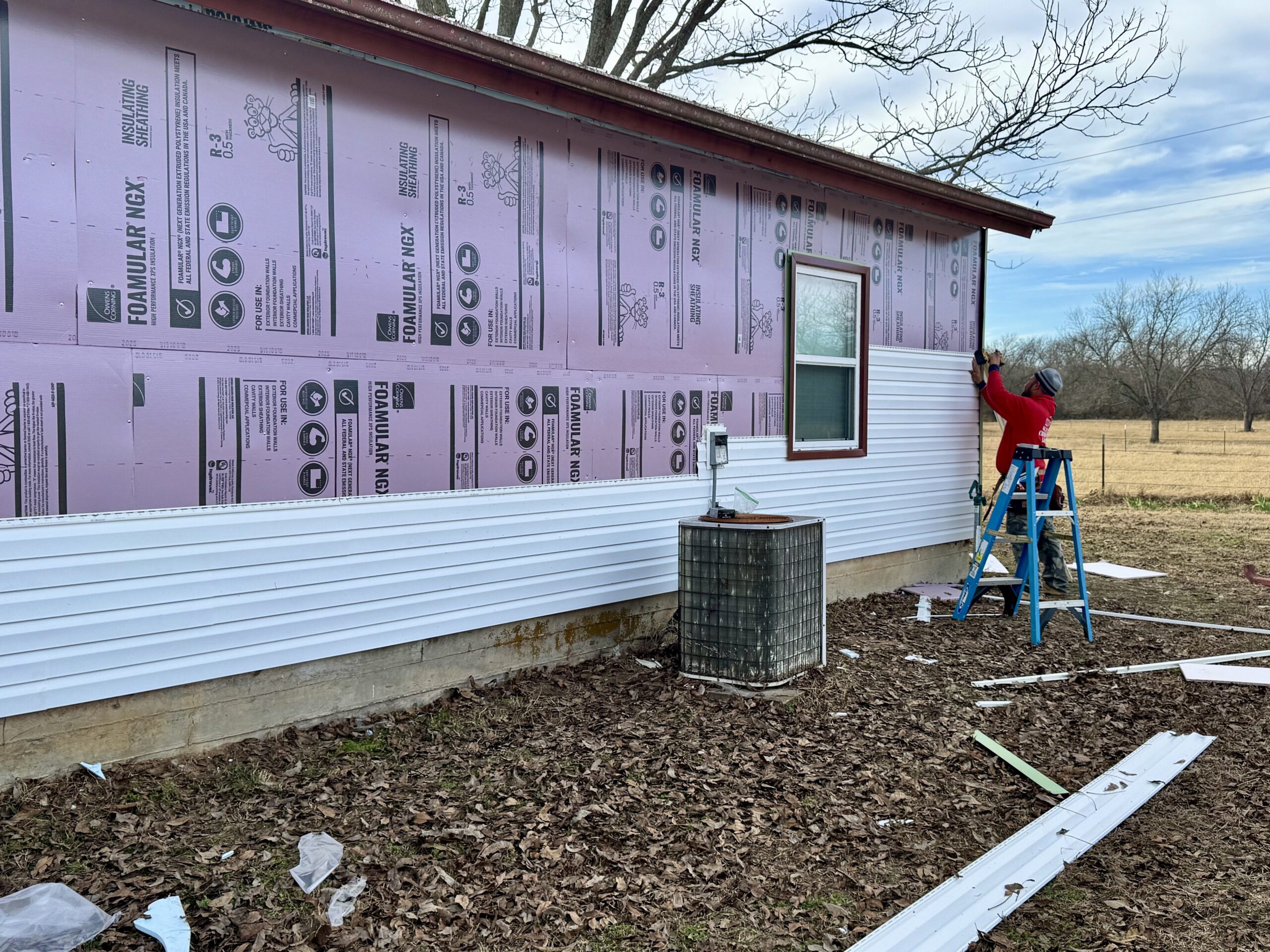
Table: Comparing Long Lasting Roofing Systems
| Roofing System | Expected Durability | Maintenance Level | Weather Resistance | Weight | Long-Term Value |
|---|---|---|---|---|---|
| Metal Roofing | Excellent | Low | Excellent | Light to Moderate | Excellent |
| Natural Slate | Outstanding | Low | Excellent | Heavy | Excellent |
| Clay Tile | Excellent | Low | Excellent | Heavy | Excellent |
| Concrete Tile | Excellent | Low to Moderate | Excellent | Heavy | Very High |
| Composite Roofing | Very High | Low | Very Good | Light to Moderate | Very High |
| Premium Architectural Asphalt Shingles | High | Moderate | Very Good | Light | High |
This comparison provides general guidance for residential roofing projects. Actual performance depends on product quality, installation methods, local climate, ventilation, and routine maintenance.
Maintenance Practices That Extend Roof Life
Even the most durable roofing system benefits from regular maintenance throughout its service life. Preventive care protects the homeowner’s investment while helping every roofing component perform as intended for many decades.
Routine roof inspections should be performed periodically and after major storms. Identifying loose materials, damaged flashing, clogged gutters, or small leaks early prevents these minor issues from developing into expensive structural repairs. Timely maintenance significantly extends roof lifespan.
Cleaning gutters and downspouts remains one of the simplest yet most effective maintenance tasks. Proper drainage prevents water from backing up beneath roofing materials while protecting roof edges and the home’s foundation from excessive moisture.
Homeowners should also inspect roof penetrations regularly. Flashing around chimneys, skylights, plumbing vents, and exhaust vents should remain securely attached and properly sealed. Small flashing problems often become major leak sources if neglected.
Nearby trees deserve ongoing attention as well. Removing dead branches and trimming limbs that extend over the roof reduces impact risks during storms while allowing sunlight and airflow to help dry roofing materials after rainfall.
Attic inspections also contribute to roof longevity. Signs of moisture, mold, inadequate ventilation, or insulation problems should be addressed promptly before they affect the roofing structure above. Maintaining healthy attic conditions supports the performance of the entire roofing system.
Walking on the roof unnecessarily should be avoided because some roofing materials may crack or become damaged under improper foot traffic. When roof access is required, experienced roofing professionals understand how to move safely while minimizing stress on the roofing system.
Maintaining accurate records of inspections, repairs, warranties, and maintenance activities also benefits homeowners. Organized documentation simplifies future maintenance planning, supports warranty claims, and provides valuable information if the property is sold.
Consistent preventive maintenance protects every component within the roofing system. Combined with quality materials and professional installation, regular care helps homeowners maximize the lifespan and value of their long lasting roof.
Choosing the Best Long Lasting Roof for Your Home
Selecting a long lasting roofing system requires more than comparing product brochures or choosing the material with the highest advertised lifespan. Every home has unique structural characteristics, weather exposure, architectural style, and budget considerations. The best roofing system is the one that provides dependable protection while meeting both current needs and long-term ownership goals.
Climate should always be one of the first factors evaluated. Homes located in areas with heavy snowfall need roofing systems that shed snow efficiently while resisting freeze-thaw damage. Properties exposed to intense sunlight require materials that tolerate prolonged ultraviolet exposure without losing strength or appearance. Matching the roofing material to local weather conditions helps maximize service life and reduce maintenance requirements.
The structural capacity of the home also influences material selection. Lightweight roofing systems such as metal roofing and premium architectural shingles are suitable for most residential structures. Heavier materials like slate and clay tiles often require professional structural evaluation to ensure the roof framing can safely support the additional weight over many decades.
Architectural style should not be overlooked during replacement planning. A roofing system should complement the home’s overall appearance while providing the desired level of durability. Traditional homes often pair well with architectural asphalt shingles or natural slate, while contemporary homes frequently benefit from standing seam metal roofing. Mediterranean and Spanish-style homes naturally complement clay or concrete tile roofing.
Budget should be evaluated from a lifetime perspective instead of focusing only on installation expenses. Premium roofing systems generally cost more initially, but they often require fewer repairs and less frequent replacement. When viewed over several decades, the higher investment may provide better overall financial value.
Maintenance expectations also deserve consideration. Some homeowners prefer roofing materials requiring only occasional inspections, while others are comfortable performing more routine maintenance. Choosing a roofing system that aligns with these expectations improves long-term satisfaction and helps preserve roof performance.
Energy efficiency has become another important consideration during roof replacement planning. Reflective metal roofing, properly ventilated tile roofs, and other energy-efficient systems may reduce cooling demands during warm weather. Lower energy consumption contributes to long-term savings while improving indoor comfort.
Professional guidance remains invaluable throughout the selection process. Experienced roofing contractors evaluate structural conditions, local climate, ventilation needs, and manufacturer recommendations to help homeowners choose roofing systems designed for dependable long-term performance.
Common Mistakes That Reduce Roof Lifespan
Even the highest-quality roofing materials may fail prematurely if avoidable mistakes occur during planning, installation, or maintenance. Understanding these common problems helps homeowners protect their investment while maximizing roof longevity.
One of the most common mistakes is selecting roofing materials based solely on the lowest installation cost. Although staying within budget is important, inexpensive roofing systems may require earlier replacement or more frequent repairs. Considering total ownership costs provides a more accurate comparison than focusing only on initial expenses.
Ignoring climate conditions is another frequent error. Roofing materials designed for one environment may not perform as effectively in another. Selecting products specifically suited to local weather improves durability while reducing maintenance requirements throughout the roof’s service life.
Poor installation practices also shorten roof lifespan considerably. Incorrect fastening, inadequate flashing, poorly installed underlayment, or insufficient ventilation may allow moisture to penetrate beneath the roofing system. Even premium roofing materials cannot compensate for poor workmanship.
Neglecting routine maintenance represents another major cause of premature roof deterioration. Small problems such as clogged gutters, loose flashing, damaged shingles, or minor leaks often become much larger structural issues if ignored. Regular inspections allow these concerns to be corrected before significant damage occurs.
Some homeowners overlook the importance of attic ventilation. Excessive heat and trapped moisture beneath the roof accelerate aging of roofing materials while increasing the likelihood of condensation-related structural damage. Balanced ventilation helps protect every layer of the roofing system.
Delaying repairs after severe weather is another avoidable mistake. Hail, falling branches, and strong winds may create damage that is not immediately visible from the ground. Prompt professional inspections following major storms help identify hidden problems before they develop into costly repairs.
Walking unnecessarily on the roof can also shorten its lifespan. Certain roofing materials, particularly slate and clay tiles, may crack if weight is applied improperly. When roof access is necessary, qualified roofing professionals understand how to move safely while minimizing the risk of damage.
Choosing contractors based only on the lowest estimate may also reduce long-term roof performance. Experienced professionals use proper installation techniques, quality materials, and careful workmanship that contribute significantly to roof durability. Investing in skilled installation protects the value of premium roofing products.
Questions to Ask Before Investing in a Long Lasting Roofing System
Asking detailed questions before beginning a roof replacement project helps homeowners make informed decisions while ensuring the selected roofing system meets long-term expectations.
Important questions include:
- Which roofing material performs best in my local climate?
- What is the expected lifespan of each roofing option?
- Does my home’s structure require reinforcement for heavier roofing materials?
- What type of underlayment will be installed beneath the roofing system?
- How will attic ventilation be improved during the replacement project?
- What maintenance should I expect throughout the roof’s service life?
- Which manufacturer warranties apply to the selected roofing materials?
- What workmanship warranty does the contractor provide?
- How will damaged roof decking be handled if discovered during installation?
- Are replacement materials readily available if repairs become necessary in the future?
These discussions provide valuable insight into the complete roofing system rather than only the visible roofing material. Homeowners gain a better understanding of long-term performance, maintenance expectations, and installation quality before construction begins.
Professional roofing contractors should be prepared to explain why specific materials are recommended for the home, discuss available alternatives, and provide realistic expectations regarding performance under local weather conditions.
Numbered Checklist for Roof Replacement Planning
Planning a successful roof replacement becomes easier when homeowners follow a structured evaluation process. The following checklist helps organize important decisions before selecting a roofing system.
- Establish a realistic project budget that includes possible structural repairs.
- Evaluate local climate conditions and seasonal weather patterns.
- Confirm the home’s structure can safely support the selected roofing material.
- Compare expected lifespan rather than only installation costs.
- Review maintenance requirements for each roofing option.
- Verify that high-quality underlayment, flashing, and ventilation are included.
- Review manufacturer warranties and contractor workmanship guarantees.
- Choose an experienced roofing contractor with a strong reputation.
- Select a roofing style that complements the home’s architecture.
- Evaluate long-term ownership costs before making the final decision.
Following a structured planning process reduces uncertainty while helping homeowners compare roofing systems using consistent criteria. Careful evaluation leads to better long-term decisions and greater satisfaction with the completed project.
Balancing Initial Investment with Lifetime Value
One of the most important aspects of replacement planning is balancing upfront costs with the long-term value of the roofing system. While premium roofing materials often require larger initial investments, their durability and lower maintenance needs frequently provide significant financial advantages over time.
Homeowners should consider the total cost of ownership rather than focusing only on installation estimates. Lifetime ownership includes maintenance expenses, repair frequency, energy savings, replacement schedules, and the potential effect on property value. A roofing system that remains dependable for several decades often proves more economical than one requiring repeated repairs or earlier replacement.
Long-lasting roofing materials also reduce disruption. Fewer repairs and replacement projects mean less inconvenience for homeowners while preserving the structural integrity of the home. This reliability becomes especially valuable for families planning to remain in their homes for many years.
Energy efficiency contributes further to long-term value. Reflective roofing systems and well-ventilated roof assemblies may reduce cooling costs during warm weather. Although savings vary depending on climate and home design, improved energy performance strengthens the overall value of a durable roofing system.
Maintenance costs should also be evaluated carefully. Roofing materials that resist moisture, insects, fire, ultraviolet exposure, and severe weather generally require fewer repairs throughout their service life. Lower maintenance demands reduce both direct expenses and the likelihood of unexpected roofing emergencies.
Property value is another important consideration. Buyers often recognize the advantages of recently installed, high-quality roofing systems because they reduce concerns about future replacement costs. A durable roof therefore contributes not only to structural protection but also to improved market appeal.
Environmental benefits support long-term value as well. Roofing materials lasting many decades reduce construction waste, conserve natural resources, and minimize the environmental impact associated with repeated manufacturing and transportation. Durable roofing systems therefore benefit both homeowners and the broader environment.
Ultimately, the best roofing investment is one that delivers dependable protection, manageable maintenance, strong energy performance, and long service life while fitting the homeowner’s financial goals. Looking beyond the initial purchase price provides a more complete understanding of overall value.
Conclusion
Planning a roof replacement with long-term durability in mind is one of the smartest investments a homeowner can make. A well-designed roofing system provides dependable protection against changing weather conditions while reducing maintenance costs, improving energy efficiency, enhancing curb appeal, and preserving the structural integrity of the home for many years.
Throughout this guide, we explored the characteristics that define long lasting roofing systems and examined several of the industry’s most durable options, including metal roofing, natural slate, clay and concrete tiles, premium architectural asphalt shingles, and advanced composite roofing materials. We also discussed the importance of hidden roofing components such as underlayment, flashing, roof decking, ventilation, and drainage, all of which contribute significantly to long-term roof performance.
We examined the many factors that influence roof lifespan, including climate conditions, installation quality, material selection, maintenance practices, and structural compatibility. Understanding how these elements work together helps homeowners choose roofing systems that provide reliable performance rather than simply attractive appearance.
Regular inspections, prompt repairs, clean drainage systems, and proper attic ventilation remain essential throughout the life of every roof. Even the most durable roofing materials perform best when supported by consistent maintenance and professional workmanship. Protecting every component of the roofing system ensures homeowners receive the maximum return on their investment.
Successful roof replacement planning requires balancing initial costs with long-term value. While premium roofing systems often involve higher upfront expenses, their extended service life, lower maintenance requirements, and reduced replacement frequency frequently make them the more economical choice over time.
By selecting quality materials, working with experienced roofing professionals, and maintaining the completed roofing system properly, homeowners can enjoy decades of dependable protection and peace of mind. A thoughtfully planned long lasting roofing system is more than a home improvement project because it is an investment in the safety, comfort, efficiency, and lasting value of the entire property.