
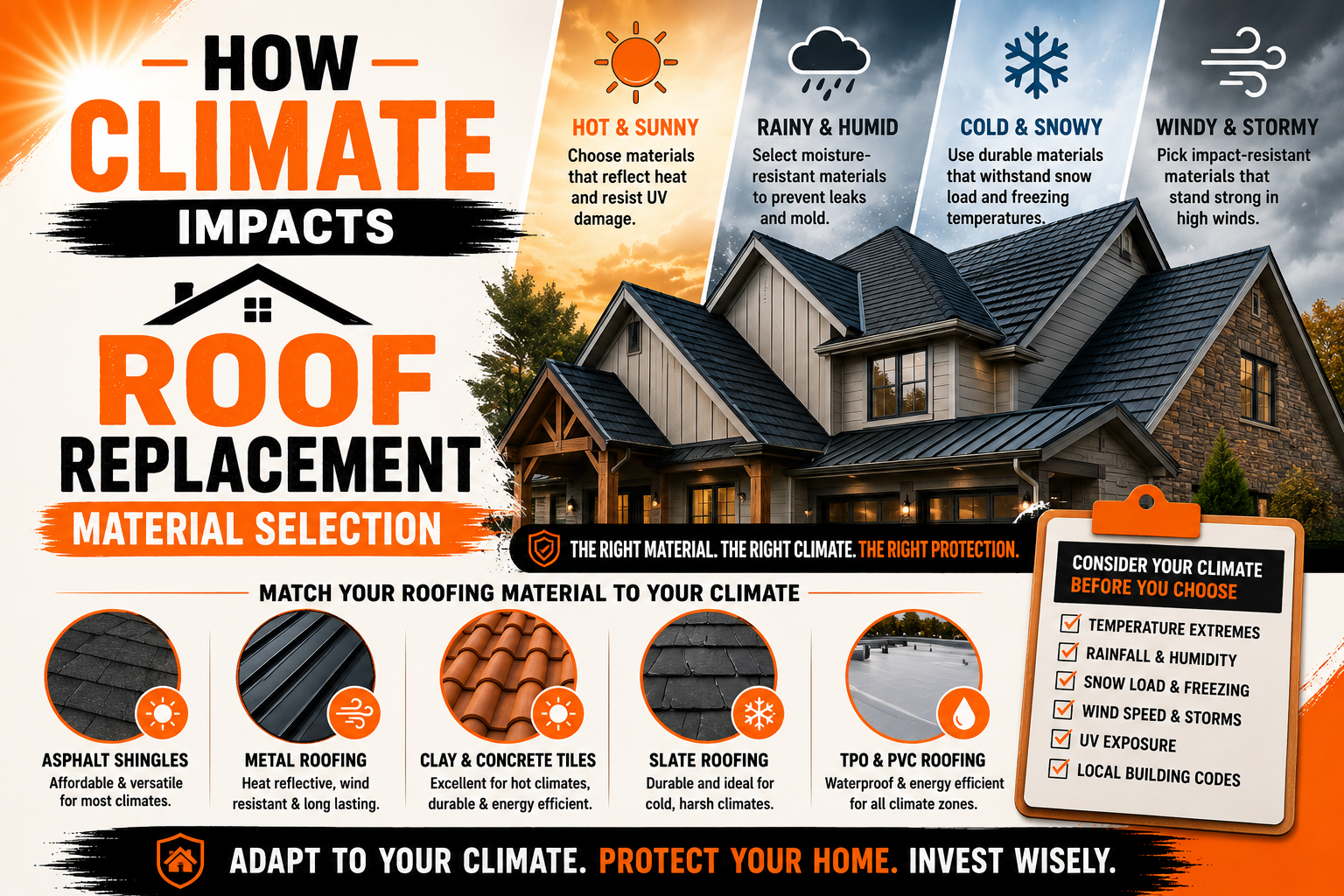
How Climate Impacts Roof Replacement Material Selection
Introduction
Climate is one of the most important factors to consider when selecting roofing materials for a full roof replacement. While appearance, cost, and durability often receive the most attention, the local climate has a direct influence on how well a roof performs throughout its lifespan. A roofing material that works exceptionally well in one region may experience premature wear or frequent maintenance issues in another because of different weather conditions.
Every roof is exposed to environmental forces every day. Sunlight, heat, rain, snow, humidity, hail, wind, and temperature fluctuations all place stress on roofing materials over time. These conditions affect how quickly materials age, how efficiently they protect the structure, and how much maintenance they require. Choosing a roofing system without considering local weather patterns can lead to higher repair costs and a shorter roof lifespan.
Modern roofing manufacturers design products for a wide variety of climate conditions. Some materials are engineered to reflect intense sunlight, while others are designed to withstand heavy snowfall or resist moisture in humid environments. Understanding these differences helps homeowners choose roofing systems that provide dependable protection while maximizing long term value.
Climate also affects a home’s energy efficiency. Roofing materials that regulate heat effectively can reduce heating and cooling costs throughout the year. Properly selected roofing systems not only protect the building from weather but also contribute to improved indoor comfort and reduced energy consumption.
A complete roof replacement offers an excellent opportunity to select materials better suited to the property’s current environment. Instead of simply replacing the existing roof with similar products, homeowners can take advantage of newer technologies and improved roofing designs developed specifically for modern climate challenges.
This guide explores how different climate conditions influence roofing material selection. From extreme heat and freezing temperatures to humidity, storms, and high winds, understanding these environmental factors helps property owners make informed decisions that improve both durability and long term performance.
Why Climate Plays a Critical Role in Roof Replacement
Climate determines the type and intensity of weather a roof must endure every day. Since roofing materials remain exposed to the elements throughout their entire service life, selecting products that match local environmental conditions is essential for achieving reliable performance.
Each climate creates its own unique set of challenges. Hot regions expose roofs to constant ultraviolet radiation and prolonged high temperatures, while colder climates subject roofing materials to snow accumulation, ice formation, and repeated freezing and thawing. Coastal areas introduce salt exposure and high humidity, whereas inland regions may experience severe thunderstorms, hail, or powerful seasonal winds.
Roof replacement is a long term investment that often lasts several decades. During that time, roofing materials will experience thousands of heating and cooling cycles along with repeated exposure to rain, sunlight, and changing weather patterns. Materials specifically designed for these conditions generally maintain their strength and appearance much longer than products intended for different environments.
Climate also influences maintenance requirements. Roofing systems that perform well under local weather conditions typically require fewer repairs and less frequent maintenance. By reducing weather related deterioration, homeowners can lower ownership costs while extending the useful life of the roof.
Insurance considerations may also be affected by climate. Regions frequently impacted by hurricanes, hailstorms, or wildfires often have stricter building standards and insurance requirements. Selecting roofing materials that meet these standards may improve protection while supporting compliance with local building codes.
Another important consideration is occupant comfort. Roofing materials influence indoor temperatures by controlling how much heat enters or leaves the building. Choosing climate appropriate roofing systems helps maintain comfortable indoor conditions while reducing strain on heating and cooling equipment.
Ignoring climate during material selection often leads to avoidable problems. Premature aging, moisture intrusion, higher energy costs, and increased maintenance are common consequences when roofing materials are poorly matched to environmental conditions. Considering climate from the beginning helps create a roofing system capable of delivering dependable performance for many years.
Understanding How Weather Affects Roofing Materials
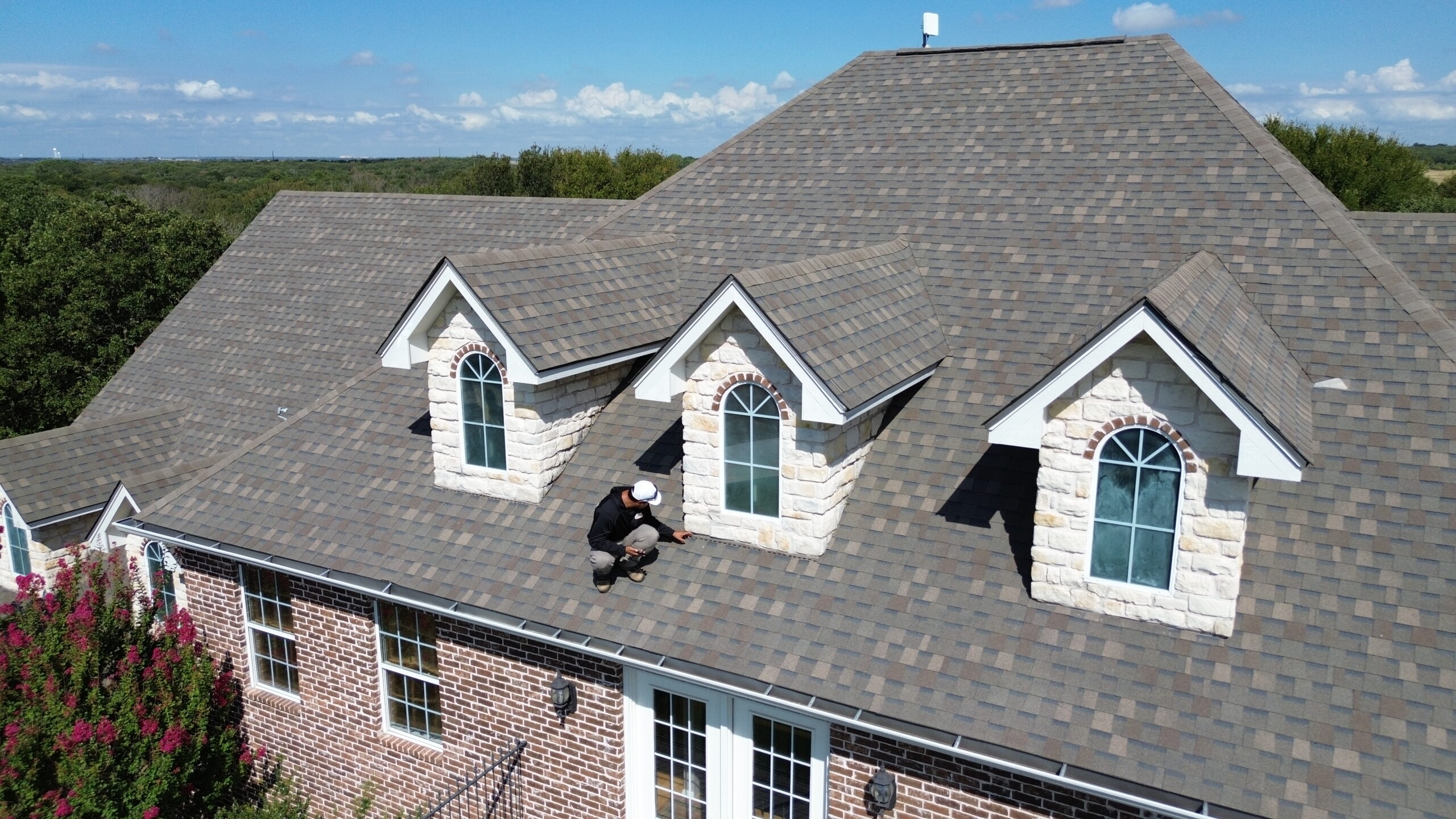
Weather affects roofing materials through continuous exposure rather than isolated events. Every day, roofing systems expand, contract, absorb sunlight, shed rainwater, and resist wind forces. Over time, these repeated stresses gradually influence the condition and performance of every roofing material.
Sunlight is one of the most persistent environmental factors affecting roofs. Ultraviolet radiation slowly breaks down many roofing materials, causing fading, brittleness, and surface deterioration. Manufacturers often incorporate protective coatings or additives that improve resistance to prolonged sun exposure and extend product lifespan.
Rain presents a different challenge by testing the roof’s ability to shed water efficiently. Properly installed roofing materials direct water toward gutters and drainage systems while preventing moisture from reaching the roof deck. Materials with excellent water resistance help reduce the likelihood of leaks and structural deterioration.
Wind creates both lifting forces and flying debris hazards. Strong winds may loosen shingles, damage flashing, or dislodge roofing components if the system is not designed for local wind conditions. Impact resistant materials and secure fastening methods help improve performance during severe weather.
Snow and ice introduce additional structural stress. Accumulated snow increases roof loading, while melting and refreezing water may create ice dams that interfere with drainage. Roofing materials designed for colder climates typically account for these conditions through enhanced durability and effective moisture management.
Humidity influences roofing performance by increasing moisture levels within both roofing materials and attic spaces. Excess moisture can reduce insulation effectiveness, encourage mold growth, and accelerate wood deterioration if ventilation is inadequate. Roofing systems designed for humid climates often emphasize moisture resistance and improved airflow.
Weather should therefore be viewed as an ongoing influence rather than a series of isolated events. Every roofing material interacts differently with environmental conditions, making climate specific selection one of the most important decisions during a replacement project.
Temperature Extremes and Roofing Performance
Extreme temperatures place considerable stress on roofing materials throughout the year. Whether the climate experiences intense summer heat, severe winter cold, or significant daily temperature swings, roofing products must withstand continuous expansion and contraction without losing their structural integrity.
During hot weather, roof surface temperatures often become much higher than the surrounding air temperature. Dark roofing materials may absorb substantial amounts of solar energy, causing them to heat rapidly throughout the day. Excessive heat gradually accelerates aging in many roofing products, reducing flexibility and increasing the likelihood of cracking over time.
Cold temperatures create different challenges. Roofing materials become less flexible as temperatures decline, making them more vulnerable to damage from impact or structural movement. Freeze thaw cycles also place repeated stress on roofing systems as trapped moisture expands when frozen and contracts during thawing.
Regions experiencing large temperature differences between day and night expose roofing materials to constant thermal movement. Repeated expansion and contraction gradually affect fasteners, joints, flashing, and roofing surfaces. Materials designed with greater flexibility often tolerate these cycles more effectively than rigid alternatives.
Proper attic ventilation plays an important role in reducing temperature related stress. Ventilation helps remove excess heat during summer while limiting moisture accumulation during winter. Maintaining balanced attic temperatures improves both roofing durability and indoor comfort.
Roof color also influences thermal performance. Reflective roofing materials generally remain cooler than darker surfaces under direct sunlight. Lower operating temperatures reduce thermal stress while improving overall energy efficiency in warmer climates.
Manufacturers continue developing roofing materials capable of maintaining stable performance across wider temperature ranges. These improvements help homeowners achieve longer roof lifespans while reducing maintenance requirements in regions experiencing significant seasonal temperature variation.
Understanding how roofing materials respond to extreme temperatures helps property owners select systems capable of maintaining reliable performance despite challenging environmental conditions.
Roofing Materials for Hot and Sunny Climates
Homes located in hot climates require roofing systems capable of minimizing heat absorption while resisting prolonged ultraviolet exposure. Constant sunlight and elevated temperatures can accelerate material aging if the roofing system is not specifically designed for these environmental conditions.
Reflective roofing materials remain among the most effective solutions for warm climates. By reflecting a greater percentage of incoming solar radiation, these products reduce roof surface temperatures and limit heat transfer into the building. Lower attic temperatures improve indoor comfort while reducing cooling costs during extended periods of hot weather.
Metal roofing has become increasingly popular in sunny regions because of its excellent reflective properties and durability. Modern coatings further improve solar reflectance while protecting the roofing surface from ultraviolet degradation. Metal roofs also cool quickly after sunset, reducing nighttime heat retention.
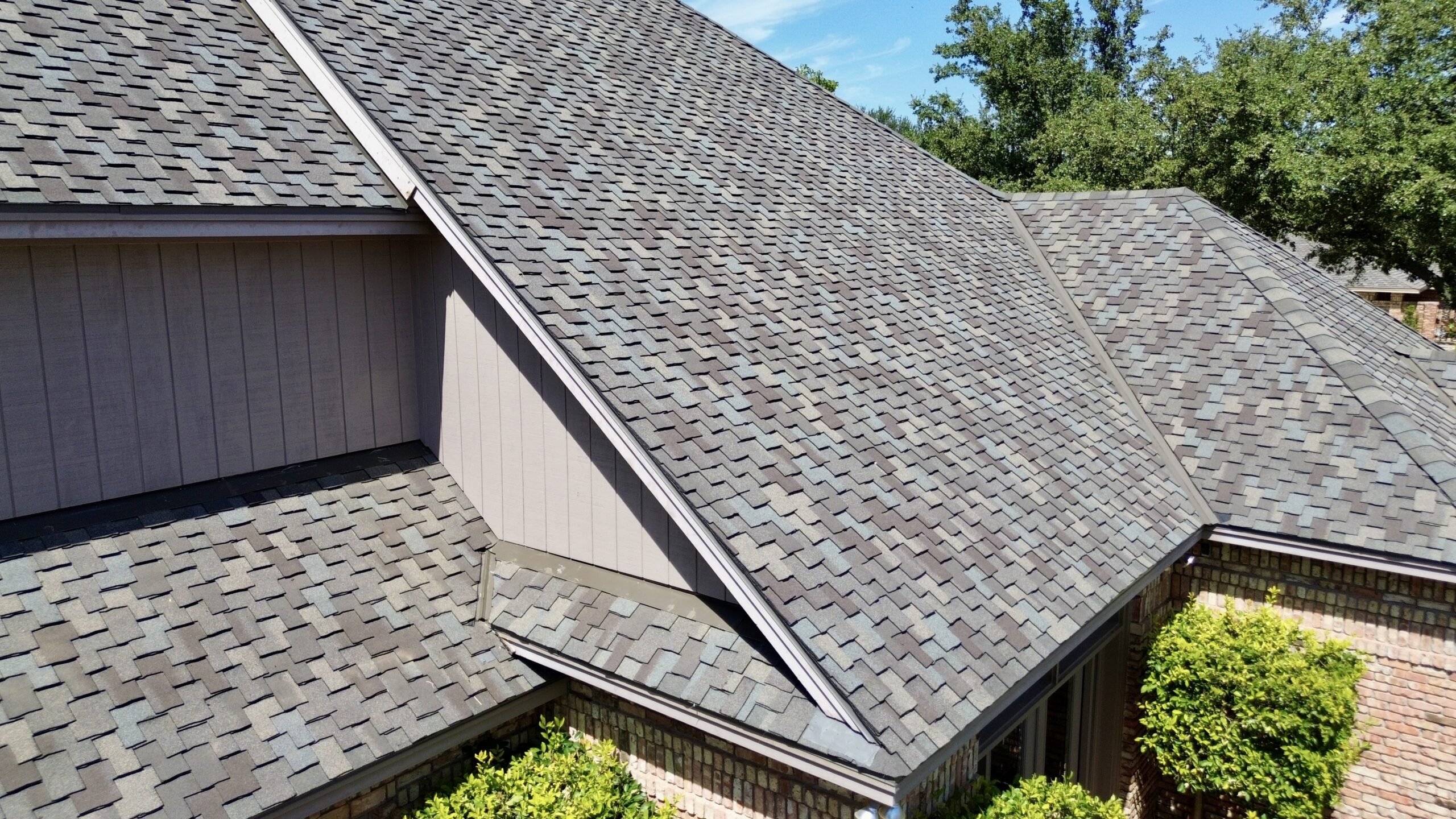
Reflective asphalt shingles provide another practical option for homeowners seeking improved energy efficiency without significantly increasing installation costs. Advanced reflective granules help these shingles absorb less heat while maintaining the appearance of traditional roofing systems.
Clay tiles perform exceptionally well in warm climates because their installation naturally creates ventilation beneath individual tiles. This airflow reduces heat transfer into the roof deck while helping regulate attic temperatures. Combined with their long lifespan, clay tiles remain a preferred choice in many regions with intense sunlight.
Proper insulation and ventilation become even more important in hot climates. High quality roofing materials alone cannot achieve maximum efficiency if excess attic heat becomes trapped beneath the roof. Balanced ventilation removes accumulated heat while insulation limits heat entering occupied spaces.
When selecting roofing materials for sunny environments, homeowners should consider both immediate comfort and long term durability. Products specifically engineered for high temperature performance generally provide greater energy savings while maintaining their appearance and structural integrity over many years.
Roofing Materials for Cold and Snowy Regions
Cold climates create unique demands that require roofing materials capable of withstanding freezing temperatures, heavy snowfall, and repeated ice formation. Choosing products designed for these conditions helps reduce structural stress while maintaining reliable weather protection throughout the winter season.
Snow accumulation increases the load placed on the roof structure. Roofing materials must remain securely attached while supporting this additional weight until melting occurs. Strong fastening systems and durable roofing products contribute to better long term performance under these conditions.
Ice presents another important challenge. As snow melts and refreezes, water may become trapped along roof edges, creating ice dams that interfere with normal drainage. Effective underlayment systems and proper attic insulation help reduce ice dam formation by maintaining more consistent roof temperatures.
Metal roofing performs particularly well in snowy regions because its smooth surface encourages snow to slide away more easily. This characteristic reduces prolonged snow accumulation while minimizing structural loading. Proper snow retention devices may be installed where controlled snow release is necessary for safety.
Asphalt shingles specifically rated for cold weather also provide dependable performance in many regions. Premium products remain more flexible at lower temperatures, reducing the likelihood of cracking during winter conditions.
Slate roofing offers excellent resistance to cold weather because natural stone remains stable despite repeated freeze thaw cycles. Although heavier than many alternatives, slate provides exceptional durability for homeowners seeking long term performance in challenging winter climates.
Ventilation remains important even during cold weather. Proper attic airflow helps regulate roof temperatures while removing excess moisture that could otherwise reduce insulation performance or contribute to structural deterioration.
Selecting roofing materials capable of handling winter weather allows homeowners to maintain reliable protection while reducing maintenance requirements throughout years of seasonal snow and freezing temperatures.
The Importance of Thermal Expansion and Contraction
Every roofing material expands when heated and contracts as temperatures decrease. Although this movement is often small during a single day, it occurs continuously throughout the roof’s lifespan. Understanding thermal expansion and contraction helps explain why some roofing materials perform better than others under certain climate conditions.
Daily sunlight causes roofing surfaces to warm gradually, increasing material dimensions slightly as temperatures rise. After sunset, cooling temperatures reverse this process as materials contract. Seasonal temperature changes create even greater movement because the difference between summer and winter conditions may be substantial.
If roofing systems cannot accommodate this natural movement, stress gradually develops around fasteners, joints, flashing, and seams. Over many years, repeated thermal cycling may contribute to cracking, loosening, or premature wear depending on the material and installation quality.
Metal roofing is specifically engineered to accommodate thermal movement through specialized fastening systems and expansion allowances. Proper installation allows metal panels to expand and contract naturally without compromising waterproof performance.
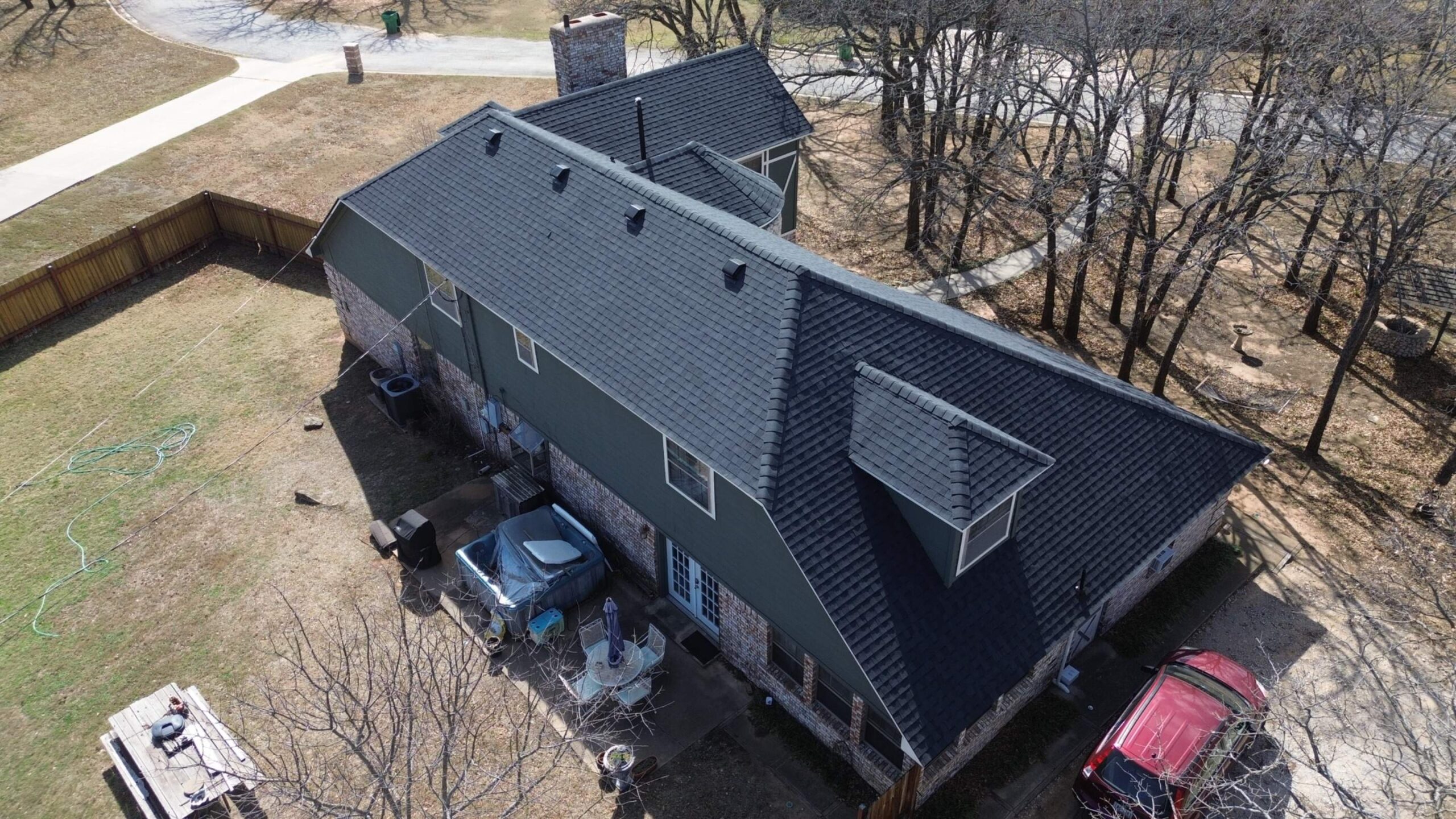
Asphalt shingles also experience thermal movement, although their layered construction distributes much of this expansion across overlapping sections. High quality shingles generally tolerate repeated heating and cooling more effectively than lower quality alternatives.
Tile and slate roofing respond differently because individual pieces expand independently rather than as large continuous panels. Proper spacing and installation techniques allow these materials to adjust naturally while maintaining weather resistance.
Professional installation becomes especially important when thermal movement is considered. Contractors must follow manufacturer recommendations regarding fastening methods, expansion gaps, and flashing details to ensure roofing systems remain secure despite continuous temperature changes.
Recognizing the effects of thermal expansion and contraction helps homeowners appreciate why climate appropriate materials and correct installation techniques are essential for achieving maximum roof lifespan and dependable long term performance.
Roofing Solutions for Coastal and Humid Environments
Coastal and humid regions expose roofing systems to environmental conditions that differ significantly from dry inland climates. Constant moisture, salt laden air, frequent rainfall, and high humidity create conditions that can accelerate roof deterioration if inappropriate materials are selected. Choosing roofing products specifically designed for these environments helps improve durability while reducing long term maintenance.
Salt exposure is one of the most significant concerns in coastal areas. Salt carried by ocean breezes gradually corrodes many metals, including fasteners, flashing, and roofing panels that lack adequate protective coatings. Corrosion resistant materials help preserve the structural integrity of the roofing system despite years of exposure to salty air.
Metal roofing remains a popular option for coastal homes when manufactured with high quality protective finishes. Modern coatings provide excellent resistance to corrosion while maintaining the reflective properties that improve energy efficiency. Stainless steel or specially coated fasteners further enhance long term durability in marine environments.
Tile roofing also performs well in many coastal regions because clay and concrete naturally resist moisture, insects, and ultraviolet radiation. Their durability and low maintenance requirements make them attractive choices for homeowners seeking long lasting protection near the ocean.
Humidity introduces another challenge by increasing moisture levels throughout the roofing system. Without proper ventilation, excess moisture can accumulate in attic spaces, reducing insulation performance and encouraging mold or mildew growth. Balanced attic ventilation removes humid air before it causes long term structural damage.
Moisture resistant underlayment also plays an important role in humid climates. High quality underlayment provides an additional barrier against water intrusion while supporting the overall waterproof performance of the roofing system.
Regular roof inspections become especially valuable in coastal environments. Early identification of corrosion, damaged sealants, blocked drainage systems, or moisture related issues allows repairs to be completed before more extensive damage develops.
Selecting roofing materials that tolerate both salt exposure and persistent humidity provides homeowners with dependable protection while reducing the maintenance demands associated with coastal living.
Choosing Materials for High Wind and Hurricane Prone Areas
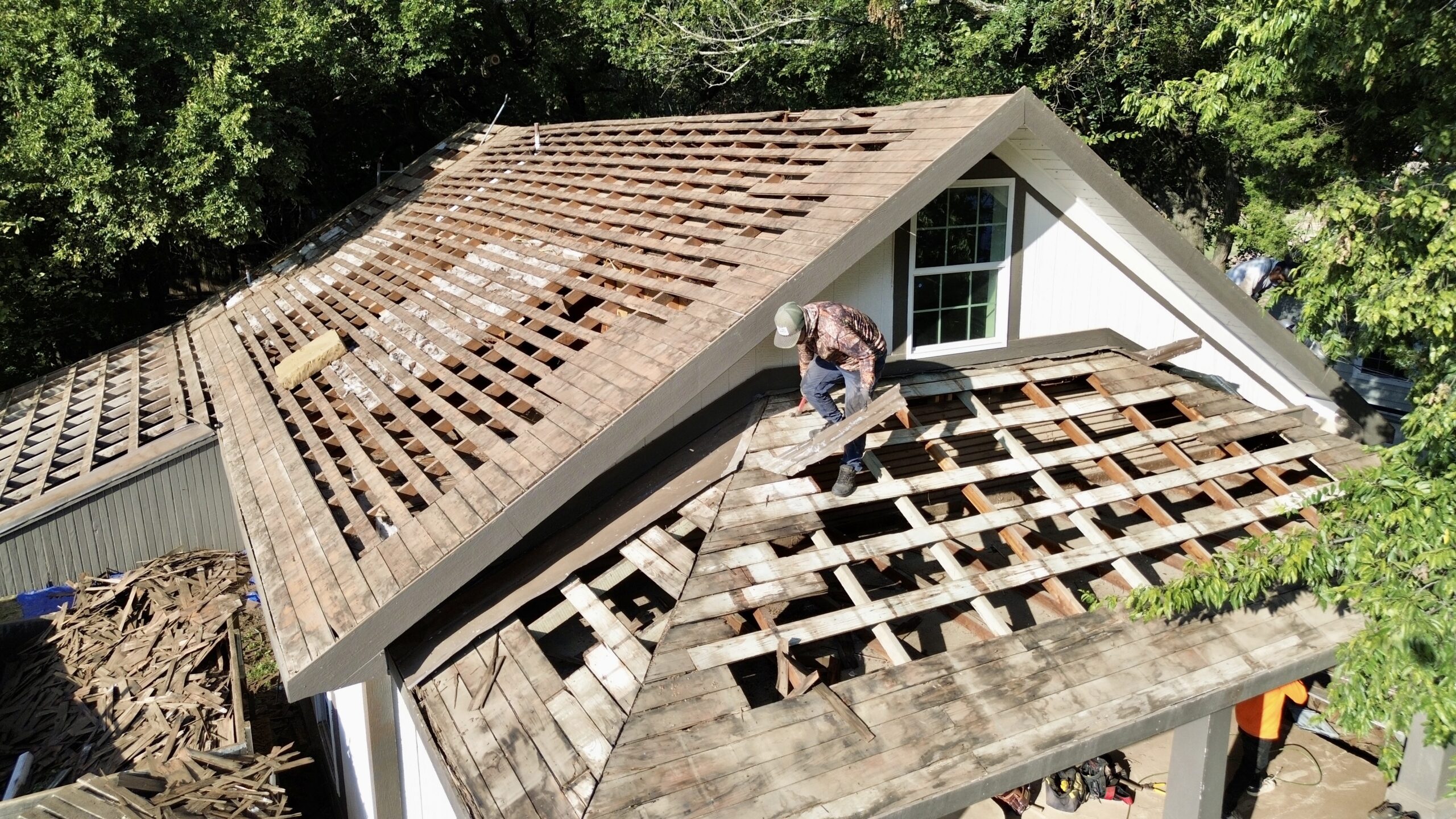
High winds represent one of the most destructive forces affecting roofing systems. Hurricanes, tropical storms, tornadoes, and severe thunderstorms generate powerful uplift forces capable of damaging poorly secured roofing materials. Selecting products specifically designed for wind resistance greatly improves roof performance during extreme weather.
Wind does not simply push downward against a roof. As air moves rapidly across the roof surface, it creates uplift pressure that attempts to lift roofing materials away from the structure. Secure fastening systems and properly installed underlayment help counteract these forces and maintain roof integrity.
Metal roofing performs exceptionally well in many high wind regions because continuous panels and engineered fastening systems create a strong connection between the roofing material and the building. Many modern metal roofing systems are tested to withstand extremely high wind speeds when installed according to manufacturer specifications.
Architectural asphalt shingles designed for enhanced wind resistance also provide dependable performance in storm prone areas. Manufacturers often reinforce these products with stronger adhesive strips and improved construction that helps shingles remain attached during severe weather.
Concrete and clay tiles can perform well in windy regions when individually secured using approved fastening methods. Modern installation techniques provide greater resistance than older methods, improving overall roof stability during powerful storms.
Roof shape also influences wind performance. Simple roof designs with fewer valleys, ridges, and complex intersections generally experience lower wind stress than highly complicated roof structures. During replacement projects, contractors may recommend improvements to flashing or edge details that further enhance wind resistance.
Proper installation remains critical regardless of material selection. Even the highest rated roofing products may fail prematurely if fastening methods, flashing details, or underlayment installation do not meet manufacturer requirements.
By combining wind resistant materials with professional installation, homeowners significantly improve the roof’s ability to withstand severe storms while reducing the likelihood of costly weather related repairs.
Hail Resistant Roofing Options
Hailstorms can damage roofing systems within minutes, leaving homeowners facing expensive repairs or complete roof replacement. Regions experiencing frequent hail benefit from roofing materials specifically engineered to resist impact damage while maintaining long term weather protection.
Hail affects roofing materials differently depending on stone size, wind speed, and material composition. Smaller hailstones may cause little visible damage, while larger impacts can crack tiles, dent metal panels, dislodge protective granules, or weaken shingles enough to shorten their service life.
Impact resistant asphalt shingles have become increasingly popular in hail prone regions. These products are manufactured using reinforced construction that absorbs impact energy more effectively than conventional shingles. Improved flexibility also helps reduce cracking following repeated hail exposure.
Metal roofing performs well against hail in many situations because it resists punctures and maintains waterproof performance even when cosmetic dents occur. While appearance may change after severe storms, structural protection often remains intact, allowing the roof to continue performing effectively.
Synthetic roofing products have also gained attention for their impact resistance. Many composite materials combine lightweight construction with exceptional durability, allowing them to withstand hail while maintaining their appearance better than some traditional products.
Natural slate and clay tiles provide excellent longevity but may crack under severe hail impacts depending on hail size and impact location. Homeowners in areas with frequent large hail should discuss local weather patterns with roofing professionals before selecting these materials.
Following major hailstorms, prompt roof inspections remain important even when damage is not immediately visible from the ground. Hidden cracks, displaced flashing, or damaged underlayment may allow future water intrusion if left undetected.
Selecting impact resistant roofing materials reduces the likelihood of storm related repairs while providing greater confidence during severe weather seasons.
Rainfall, Drainage, and Moisture Protection
Rainfall influences nearly every aspect of roofing system design. While all roofs are intended to shed water, regions experiencing frequent or heavy rainfall require roofing materials and drainage systems capable of handling prolonged moisture exposure without compromising structural performance.
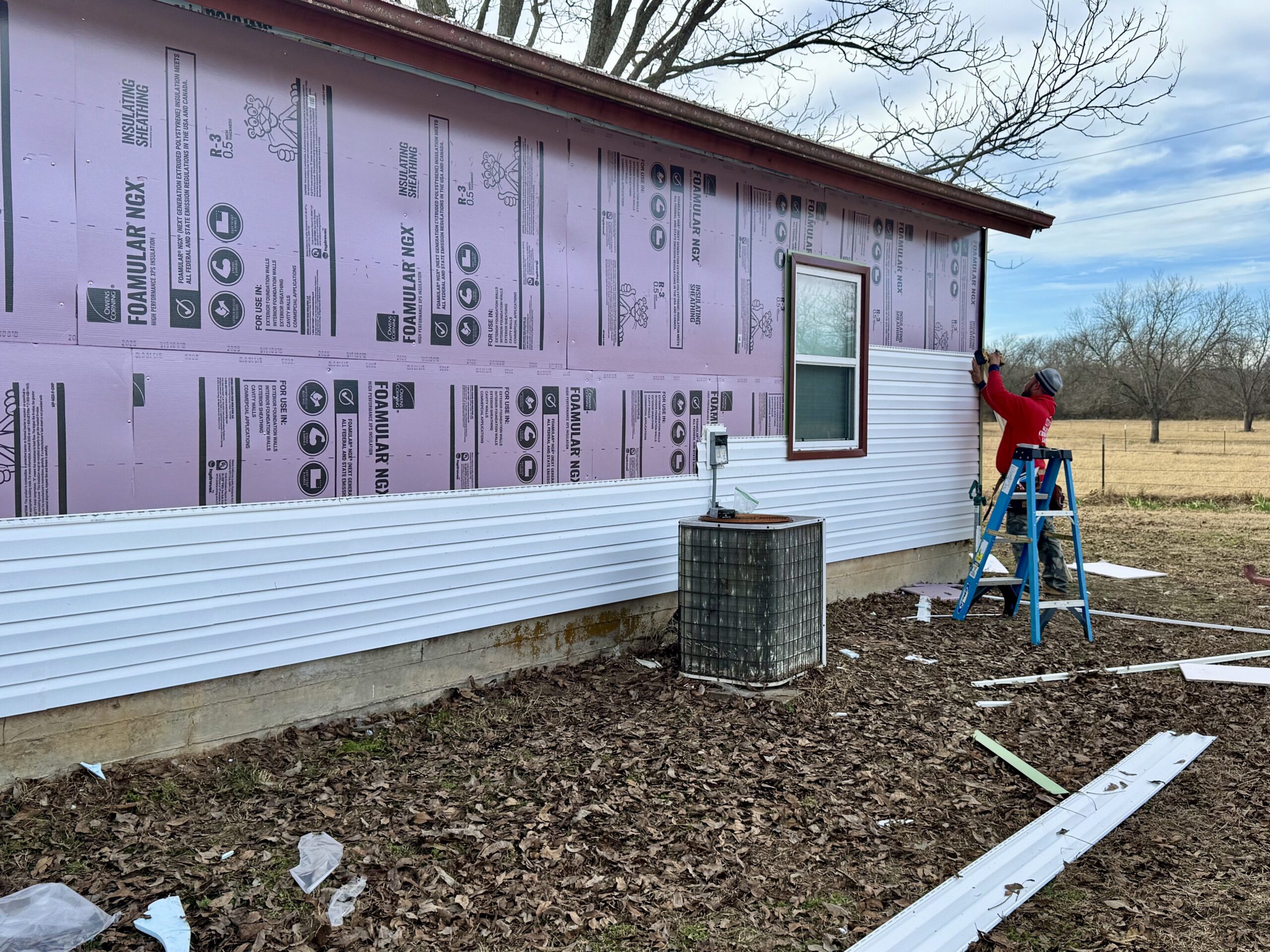
The primary objective of every roofing system is directing water safely away from the building. Roofing materials overlap or interlock to guide rainfall toward gutters and downspouts while preventing water from reaching the roof deck or interior structure. Proper installation ensures this drainage process continues effectively throughout the roof’s lifespan.
Roof slope significantly affects drainage performance. Steeper roofs allow water to flow away rapidly, reducing the likelihood of standing moisture. Low slope roofs require specialized membrane systems because water drains more slowly and remains on the surface for longer periods.
Underlayment provides an additional layer of protection beneath the primary roofing material. If wind driven rain or damaged roofing components allow water beneath the outer surface, quality underlayment helps prevent moisture from reaching structural elements below.
Gutters and downspouts also contribute directly to roofing performance. Properly sized drainage systems remove rainwater efficiently while reducing the risk of overflow that could damage fascia boards, siding, or building foundations. Routine cleaning prevents leaves and debris from restricting water flow.
Moisture management extends beyond rainfall alone. Condensation within attic spaces may also introduce unwanted moisture if ventilation is inadequate. Combining effective drainage with balanced ventilation helps preserve insulation performance while protecting wood framing from decay.
Choosing roofing materials with excellent water resistance ensures dependable protection regardless of seasonal rainfall patterns. Combined with proper drainage design, these materials help preserve both the roof and the underlying structure for many years.
Climate and Energy Efficient Roofing
Climate and energy efficiency are closely connected because environmental conditions directly influence heating and cooling demands throughout the year. Selecting roofing materials that complement local weather patterns improves comfort while reducing energy consumption.
In warm climates, reflective roofing materials reduce solar heat absorption and help maintain cooler attic temperatures. Lower roof temperatures decrease heat transfer into the building, allowing air conditioning systems to operate more efficiently during periods of intense sunlight.
Cold climates place greater emphasis on insulation and heat retention. Roofing systems designed for these regions help reduce heat loss through the roof while preventing excessive moisture accumulation within attic spaces. Proper ventilation remains important because it removes moisture without allowing unnecessary heat loss.
Mixed climates require roofing systems capable of performing efficiently during both hot summers and cold winters. Materials that resist repeated thermal expansion and contraction while maintaining stable insulation performance provide dependable year round energy savings.
Roof color also contributes to climate related energy performance. Light colored or specially coated reflective roofing products generally remain cooler than conventional dark surfaces during sunny weather. However, modern technology now allows many darker roofing colors to achieve improved solar reflectance through advanced manufacturing techniques.
Ventilation works alongside roofing materials to improve efficiency in every climate. Removing trapped attic heat during summer and controlling moisture during winter protects both roofing materials and insulation while supporting consistent indoor temperatures.
Homeowners should view energy efficiency as part of the overall roofing system rather than simply a characteristic of individual materials. Roofing products, insulation, ventilation, and proper installation all contribute to improved thermal performance regardless of climate.
Comparing Roofing Materials Across Different Climate Conditions
Each roofing material offers unique strengths depending on the environmental conditions it will face. Comparing these characteristics helps homeowners narrow their choices according to climate, durability expectations, and long term maintenance preferences.
The following table provides a general comparison of how common roofing materials perform under different climate conditions.
| Roofing Material | Hot Climates | Cold Climates | Coastal Areas | High Wind Regions | Hail Resistance |
|---|---|---|---|---|---|
| Asphalt Shingles | Good | Good | Moderate | Good | Good |
| Reflective Metal Roofing | Excellent | Excellent | Excellent | Excellent | Very Good |
| Clay Tile Roofing | Excellent | Moderate | Excellent | Good | Moderate |
| Concrete Tile Roofing | Very Good | Good | Very Good | Good | Good |
| Natural Slate | Good | Excellent | Good | Good | Moderate |
| Synthetic Roofing | Very Good | Very Good | Very Good | Very Good | Excellent |
| Flat Roofing Membranes | Good | Good | Good | Good | Good |
Although this comparison provides useful guidance, climate should never be the only factor influencing roofing decisions. Budget, architectural style, structural capacity, maintenance expectations, and installation quality all affect the long term performance of the selected roofing system.
Working with an experienced roofing contractor allows homeowners to evaluate these factors together and choose materials that provide dependable protection under local environmental conditions. Matching roofing systems to climate creates a stronger, more efficient roof capable of delivering reliable performance throughout its expected lifespan.
Balancing Climate, Budget, and Long Term Performance
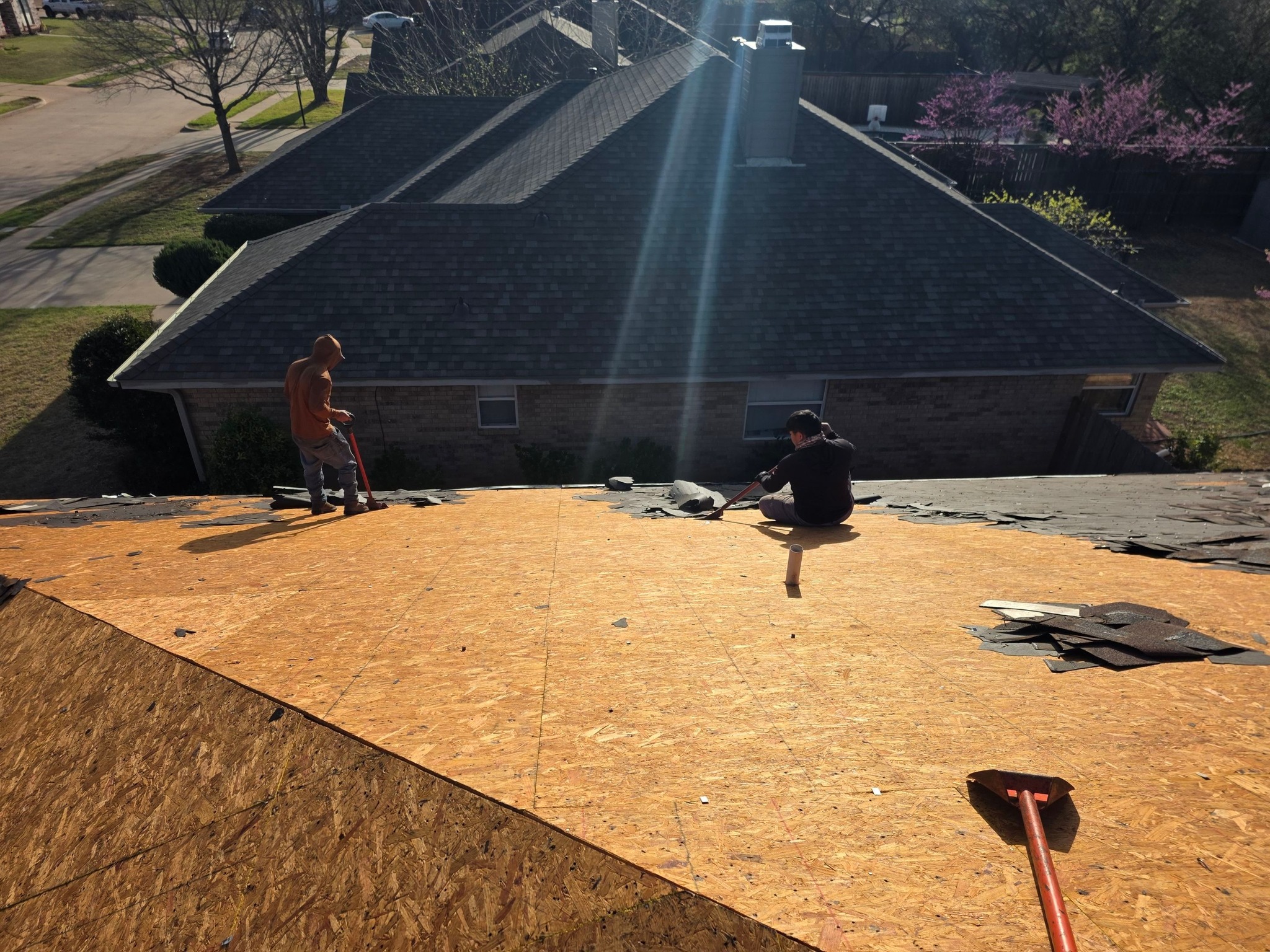
Choosing the right roofing material requires balancing several important factors rather than focusing on a single priority. Climate should always remain one of the primary considerations, but budget, maintenance expectations, durability, and architectural style also influence the final decision. The best roofing system is one that performs reliably under local weather conditions while fitting the homeowner’s financial and long term goals.
Many homeowners naturally compare roofing materials based on installation cost alone. While staying within budget is important, selecting the least expensive material may not always provide the greatest value. A roof that requires frequent repairs or early replacement often becomes more expensive over time than a higher quality system designed for local climate conditions.
Long term performance depends heavily on selecting materials that tolerate the weather patterns they will face throughout their service life. A reflective metal roof may provide exceptional value in a hot climate because of reduced cooling costs, while premium asphalt shingles or slate may offer greater benefits in regions with cold winters and seasonal snowfall.
Maintenance should also influence material selection. Some roofing systems require little more than routine inspections, while others need periodic treatments, cleaning, or repairs to maintain peak performance. Homeowners should choose materials that align with the amount of maintenance they are willing to perform over the coming decades.
Energy efficiency represents another important consideration. Roofing systems that reduce heat transfer help lower heating and cooling costs while improving indoor comfort throughout the year. Although energy efficient materials sometimes involve higher initial costs, they often generate meaningful savings over their lifespan.
Property owners should think of roof replacement as a long term investment rather than a short term expense. Evaluating climate, durability, maintenance, appearance, and energy efficiency together leads to better decisions that continue delivering value for many years after installation.
Common Mistakes When Ignoring Climate During Roof Selection
Ignoring climate during roof replacement often leads to avoidable problems that increase maintenance costs and shorten the roof’s expected lifespan. Understanding these common mistakes allows homeowners to make more informed decisions and avoid unnecessary future expenses.
One of the most common mistakes is choosing roofing materials primarily because they are attractive or inexpensive. While appearance and cost certainly matter, materials should first be evaluated according to how well they perform under local weather conditions. A roof that looks attractive but cannot withstand regional climate challenges may require frequent repairs.
Another mistake involves overlooking ultraviolet exposure in sunny climates. Constant sunlight gradually weakens many roofing materials if they lack sufficient UV resistance. Selecting products specifically designed for prolonged sun exposure helps preserve both appearance and structural performance.
Homeowners also sometimes underestimate the importance of moisture management in humid or rainy regions. Roofing materials alone cannot prevent moisture related problems if ventilation and drainage systems are inadequate. Balanced attic ventilation and effective water management remain essential regardless of roofing material.
Choosing heavy roofing products without evaluating structural capacity creates another potential issue. Clay tiles, concrete tiles, and natural slate offer excellent durability, but older homes may require structural reinforcement before supporting these materials safely. A professional assessment prevents unexpected complications during installation.
Some homeowners assume every roofing material performs equally well in severe weather. In reality, regions affected by hurricanes, hailstorms, or heavy snowfall require products specifically designed to withstand these environmental stresses. Climate specific ratings and manufacturer recommendations should always be reviewed before making a final decision.
Delaying roof replacement after significant weather related deterioration also increases project complexity. Moisture intrusion, deteriorated decking, or weakened structural components often require additional repairs beyond the roofing material itself. Replacing the roof before extensive damage develops usually reduces overall project costs.
Avoiding these common mistakes allows homeowners to maximize the lifespan, efficiency, and reliability of their new roofing system while reducing long term maintenance demands.
Questions to Ask Before Choosing Roofing Materials
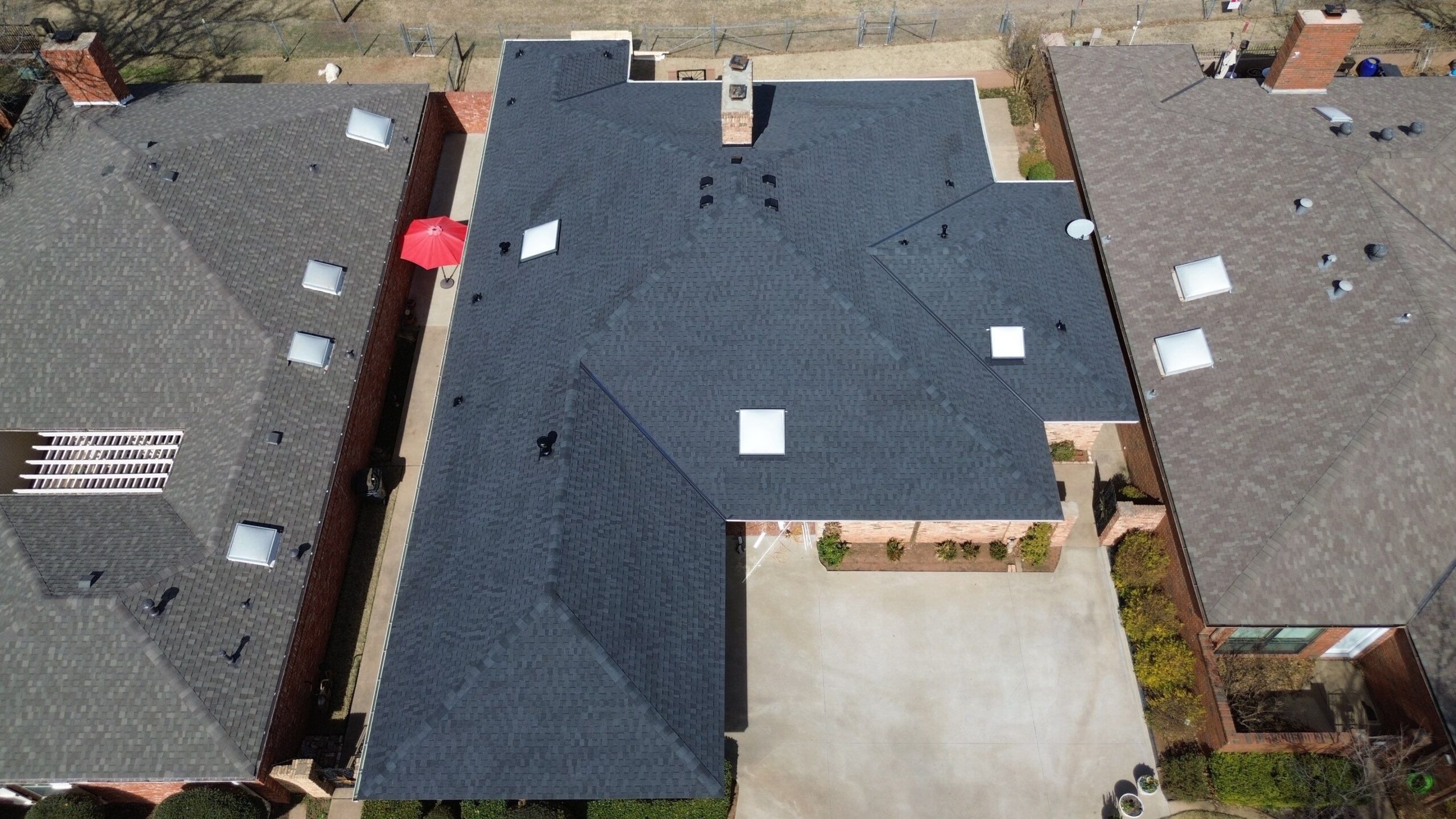
Asking the right questions before beginning a roof replacement project helps homeowners identify materials that best suit both their property and local climate. These discussions also encourage better communication with roofing professionals and reduce uncertainty during the planning process.
Before selecting roofing materials, consider asking the following questions:
- Which roofing materials have the best performance history in my local climate?
- How will seasonal weather affect the lifespan of each roofing option?
- Does my home’s structure support heavier roofing materials if I choose them?
- Which roofing system offers the best balance between energy efficiency and durability?
- What maintenance requirements should I expect over the roof’s lifetime?
- How well does the material resist wind, hail, heavy rain, or snow common in my area?
- What warranties are available for both materials and workmanship?
- Which roofing system provides the best long term value rather than simply the lowest installation cost?
These questions help homeowners compare roofing systems from a practical perspective instead of relying solely on appearance or price. Understanding how different materials respond to local weather conditions leads to more confident and informed decisions.
Working with Local Roofing Professionals
Choosing climate appropriate roofing materials becomes much easier when working with experienced local roofing professionals. Contractors who regularly install roofs within the region understand the environmental conditions that affect long term performance and can recommend materials based on practical experience rather than general assumptions.
Local roofing professionals are familiar with seasonal weather patterns, common roofing failures, and regional building code requirements. Their knowledge allows them to identify materials that consistently perform well under local conditions while avoiding products that have historically experienced premature deterioration.
A professional roof inspection should be completed before material selection begins. Contractors evaluate roof decking, structural framing, ventilation, insulation, flashing, and drainage systems to identify issues that could affect the performance of the replacement roof. Correcting these problems during installation creates a stronger and more efficient roofing system.
Experienced contractors also understand manufacturer installation requirements. Proper fastening methods, underlayment selection, flashing installation, and ventilation design all influence how well roofing materials perform in different climates. Even premium materials cannot achieve their expected lifespan if installation quality is poor.
Communication remains essential throughout the replacement project. Homeowners should receive clear explanations regarding recommended materials, expected maintenance, warranty coverage, project schedules, and estimated service life. Understanding these details helps build confidence while supporting informed decision making.
After installation, local contractors often provide maintenance recommendations tailored to regional weather conditions. Periodic inspections following severe storms or seasonal weather changes help identify small concerns before they develop into major repairs.
Partnering with qualified local professionals ensures the roofing system is designed, installed, and maintained according to the specific climate challenges the property will face for many years.
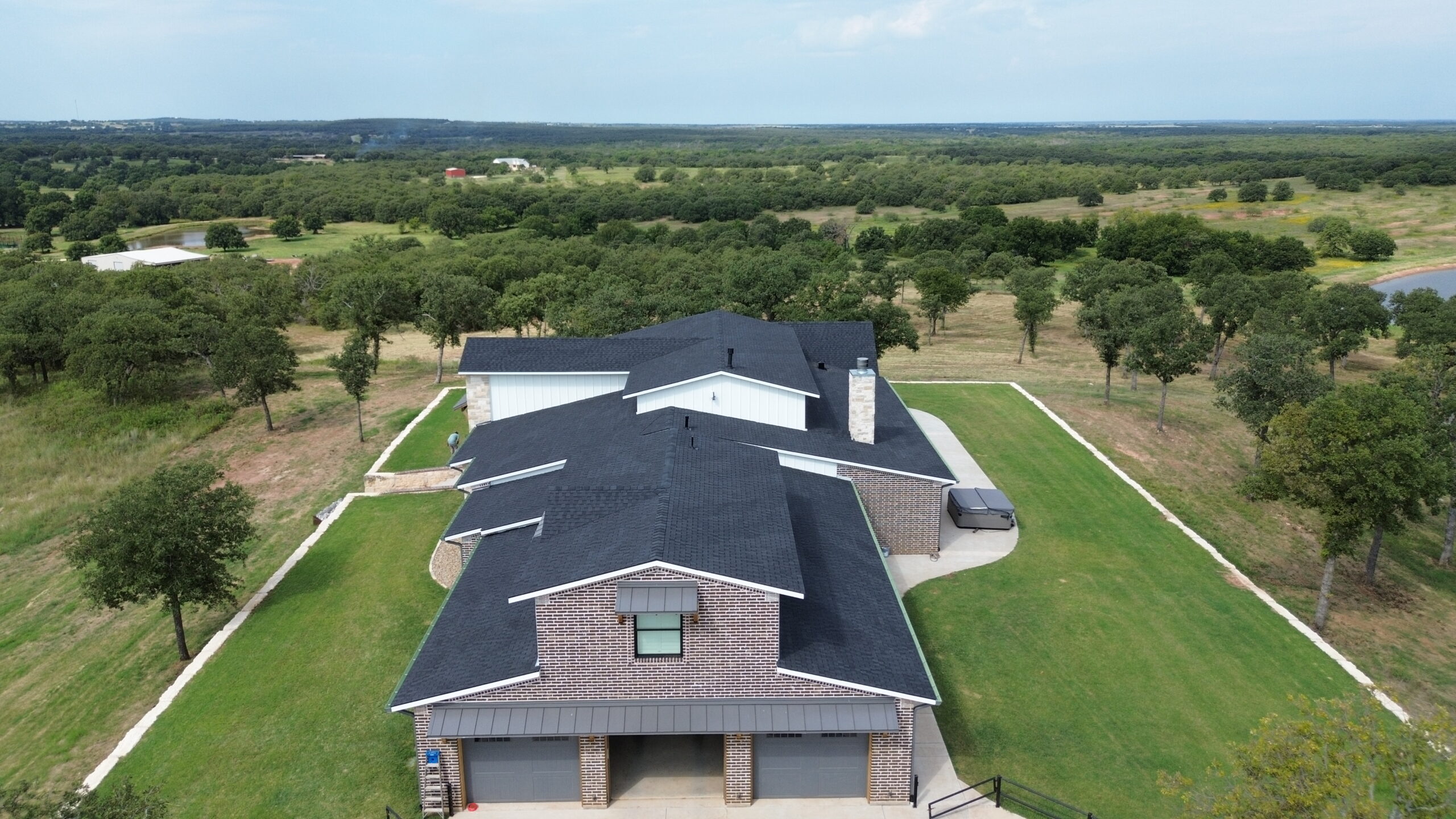
Future Roofing Innovations for Changing Climate Conditions
Climate patterns continue to evolve in many parts of the world, encouraging manufacturers to develop roofing technologies capable of adapting to increasingly demanding environmental conditions. These innovations focus on improving durability, energy efficiency, weather resistance, and environmental sustainability.
Reflective roofing technology continues to advance through improved coatings and specialized pigments. New materials maintain lower surface temperatures while offering a wider range of colors, allowing homeowners to achieve both energy efficiency and attractive architectural design.
Manufacturers are also developing stronger impact resistant roofing materials capable of withstanding larger hailstones and more intense storms. Enhanced composite materials combine flexibility with durability, helping reduce weather related damage without adding excessive weight.
Smart roofing technology is becoming increasingly practical. Integrated sensors can monitor roof temperature, moisture levels, structural movement, and weather exposure in real time. Early detection of potential issues allows maintenance to be scheduled before visible damage develops, extending roof lifespan while reducing repair costs.
Solar integrated roofing continues to gain popularity as renewable energy adoption increases. Rather than installing conventional solar panels on top of existing roofing materials, integrated roofing products combine weather protection and electricity generation within a single system. These designs improve aesthetics while making renewable energy more accessible.
Manufacturing processes are also becoming more environmentally responsible. Increased use of recycled materials, improved recyclability at the end of product life, and more efficient production methods support sustainable construction without sacrificing roofing performance.
Researchers continue exploring advanced insulation materials, self healing coatings, and improved moisture management systems that further enhance roofing efficiency. As these technologies become more widely available, future roof replacement projects will offer homeowners even greater protection against changing climate conditions.
Conclusion
Climate plays a fundamental role in determining how well a roofing system performs throughout its lifespan. Every region presents unique environmental challenges, from intense sunlight and extreme heat to freezing temperatures, heavy snowfall, strong winds, coastal humidity, and severe storms. Selecting roofing materials that match these conditions is essential for achieving long lasting protection, improved energy efficiency, and reduced maintenance costs.
A successful roof replacement involves more than selecting attractive or affordable materials. Homeowners should carefully evaluate local weather patterns, structural requirements, maintenance expectations, and long term ownership costs before making a final decision. Roofing systems that are properly matched to the local climate generally provide greater durability, better indoor comfort, and stronger overall value over the life of the roof.
Modern roofing technology offers a wide range of materials capable of meeting different climate demands. Reflective metal roofing, advanced asphalt shingles, clay and concrete tiles, synthetic products, slate, and specialized roofing systems each provide distinct advantages when chosen for the appropriate environment. Combined with quality insulation, balanced ventilation, and professional installation, these materials create roofing systems that perform efficiently throughout every season.
Working with experienced local roofing professionals further improves the success of a replacement project by ensuring climate specific recommendations, proper installation techniques, and compliance with regional building requirements. Their expertise helps homeowners avoid common mistakes while maximizing the lifespan and performance of their investment.
As climate conditions continue to evolve and roofing technology advances, selecting weather appropriate materials will become even more important. By considering climate as a primary factor during roof replacement planning, homeowners can invest in roofing systems that provide dependable protection, improved energy efficiency, and lasting value for decades to come.