


Complete Residential Roof Replacement Planning Guide for Homeowners
Introduction
A residential roof is one of the most important parts of a home because it protects the structure, the people living inside, and valuable belongings from weather and environmental damage. Every day, a roof is exposed to sunlight, rain, wind, changing temperatures, and seasonal storms. Over time, even the highest quality roofing materials begin to wear, making replacement an unavoidable part of long term homeownership.
Many homeowners only start thinking about roof replacement after discovering a leak or noticing visible damage. While emergency situations sometimes require immediate action, replacing a roof should ideally be a carefully planned project rather than a rushed decision. Proper planning allows homeowners to select suitable materials, establish realistic budgets, compare contractors, and schedule the work at the most appropriate time.
Residential roof replacement is more than simply installing new shingles or roofing panels. It often includes inspecting the roof deck, replacing damaged components, improving ventilation, upgrading waterproofing systems, and ensuring the new roof meets current building standards. Taking a comprehensive approach helps create a stronger, longer lasting roofing system.
Planning ahead also reduces stress during construction. Homeowners who understand the replacement process are better prepared for temporary noise, material deliveries, contractor schedules, and short term disruptions around the property. Clear expectations make the entire experience more manageable for everyone involved.
This guide explores every stage of residential roof replacement planning and execution. In this first part, the focus is on understanding when replacement becomes necessary, evaluating the existing roof, selecting appropriate materials, creating a realistic budget, and choosing a qualified roofing contractor.
When a Residential Roof Replacement Becomes Necessary
Every roof eventually reaches the end of its useful life, but recognizing the right time for replacement can help homeowners avoid expensive interior damage and emergency repairs. Although occasional maintenance can extend roof performance, there comes a point when replacing the entire roofing system becomes the most practical long term solution.
Age is one of the most common reasons homeowners replace a roof. Different roofing materials have different expected lifespans, and even well maintained roofs gradually deteriorate after years of exposure to changing weather conditions. As materials age, they become less effective at protecting the home from moisture and temperature changes.
Frequent leaks are another clear warning sign. A single isolated leak can often be repaired successfully, but repeated leaks in multiple areas usually indicate widespread deterioration. Continually repairing an aging roof often costs more over time than replacing it with a modern roofing system.
Storm damage also contributes to many residential roof replacements. High winds may loosen shingles, hail can crack roofing materials, and falling tree branches may cause structural damage. Even when visible damage appears limited, hidden moisture beneath the roofing system may continue spreading if not addressed promptly.
Some homeowners choose roof replacement during larger home improvement projects. Renovations, attic conversions, energy efficiency upgrades, or solar panel installations often provide a convenient opportunity to install a new roof before adding additional systems to the home.
Improving curb appeal is another reason many homeowners invest in roof replacement. A new roof enhances the appearance of the property while increasing buyer confidence if the home is placed on the market in the future.
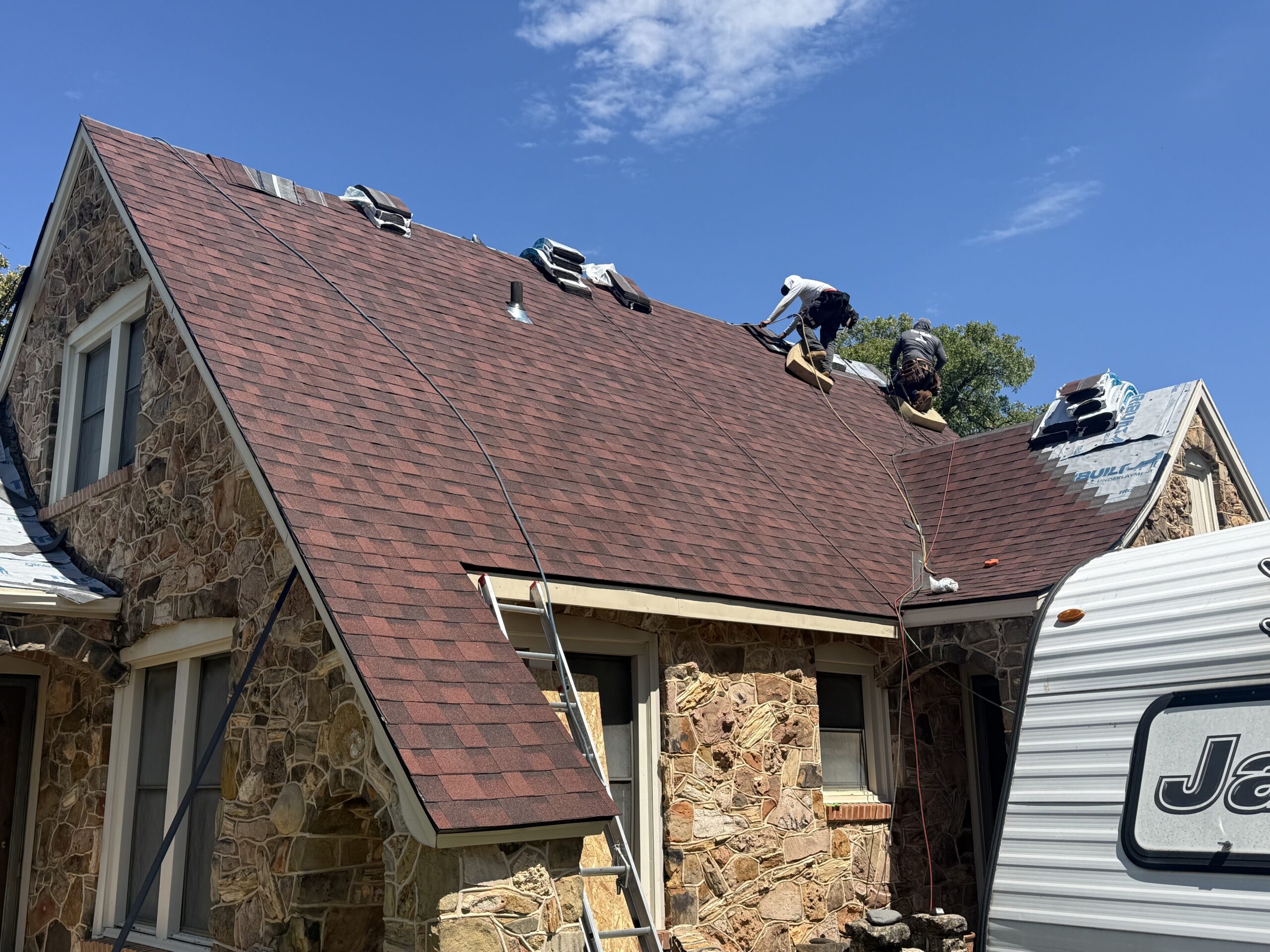
Benefits of Planning Before Roof Replacement
Replacing a roof involves many important decisions, making careful planning one of the most valuable parts of the entire project. Homeowners who prepare well before construction begins generally experience fewer delays, fewer unexpected expenses, and smoother project coordination.
Planning allows homeowners to understand the actual condition of the existing roof before making financial decisions. Professional inspections identify structural concerns, ventilation problems, drainage issues, and hidden moisture that may affect the overall scope of work. Having this information early creates more accurate budgets.
Budget planning also becomes much easier with sufficient preparation. Rather than accepting the first estimate received during an emergency, homeowners can compare contractor proposals, evaluate material options, and determine which upgrades provide the greatest long term value.
Scheduling flexibility is another advantage. When replacement is planned before roof failure occurs, homeowners have more freedom to choose favorable weather conditions and secure experienced contractors. Emergency replacements often involve limited scheduling options and increased pressure to make quick decisions.
Planning also improves communication with roofing contractors. Homeowners have time to discuss project timelines, warranty coverage, material choices, cleanup procedures, and daily work schedules before construction begins. Clear communication helps prevent misunderstandings throughout the project.
Finally, careful planning reduces stress for the entire household. Knowing what to expect before construction begins helps homeowners prepare their families, protect their belongings, and organize temporary adjustments during the replacement process.
Evaluating Your Existing Roof Condition
A thorough roof evaluation provides the information needed to determine whether replacement is necessary and helps identify additional improvements that should be completed during the project. Professional assessments examine much more than the visible roofing surface.
Exterior inspections typically begin by examining shingles, flashing, roof valleys, ridge caps, vents, chimneys, gutters, and roof penetrations. Contractors look for cracked materials, missing shingles, loose flashing, exposed fasteners, and signs of water penetration that may indicate larger problems beneath the surface.
Interior observations are equally important. Water stains on ceilings, peeling paint, damp insulation, mold growth, or unusual odors inside the attic often reveal moisture problems that are not immediately visible from outside. Comparing interior findings with rooftop observations helps identify the source of roof related issues.
Attic inspections also evaluate ventilation and insulation performance. Poor ventilation can trap heat and moisture beneath the roof, accelerating material deterioration while reducing energy efficiency. Correcting these conditions during roof replacement improves the long term performance of the new roofing system.
Professional contractors may also use moisture detection equipment when necessary. These tools help identify hidden water damage beneath roofing materials without unnecessary demolition. Early detection allows homeowners to prepare for potential structural repairs before construction begins.
The evaluation process provides a clear understanding of the roof’s current condition while helping homeowners prioritize repairs, upgrades, and replacement decisions based on accurate information rather than assumptions.
Choosing the Best Time for Roof Replacement
The timing of a residential roof replacement affects installation quality, project efficiency, and overall homeowner convenience. Although roofs can be replaced throughout much of the year, certain seasons generally provide more favorable working conditions.
Spring is often considered a good time for roof replacement because moderate temperatures allow roofing materials to perform well during installation. Stable weather conditions also reduce the likelihood of prolonged project delays caused by extreme temperatures or heavy storms.
Summer remains a popular season for roofing projects, although extremely high temperatures may require contractors to adjust work schedules. Early morning installation often improves both worker safety and material performance during periods of intense heat.
Autumn is another preferred season because weather conditions are generally stable while homeowners prepare their properties for winter. Completing roof replacement before colder weather arrives provides confidence that the home will remain protected throughout the winter months.
Emergency replacements may occur regardless of season when severe storm damage or widespread leaks threaten the home. Experienced contractors use temporary weather protection and carefully planned installation methods to complete these projects safely under changing conditions.
Homeowners should also consider personal scheduling needs. Planning roof replacement around vacations, family events, school schedules, or other major commitments helps reduce inconvenience while allowing closer communication with contractors throughout the project.
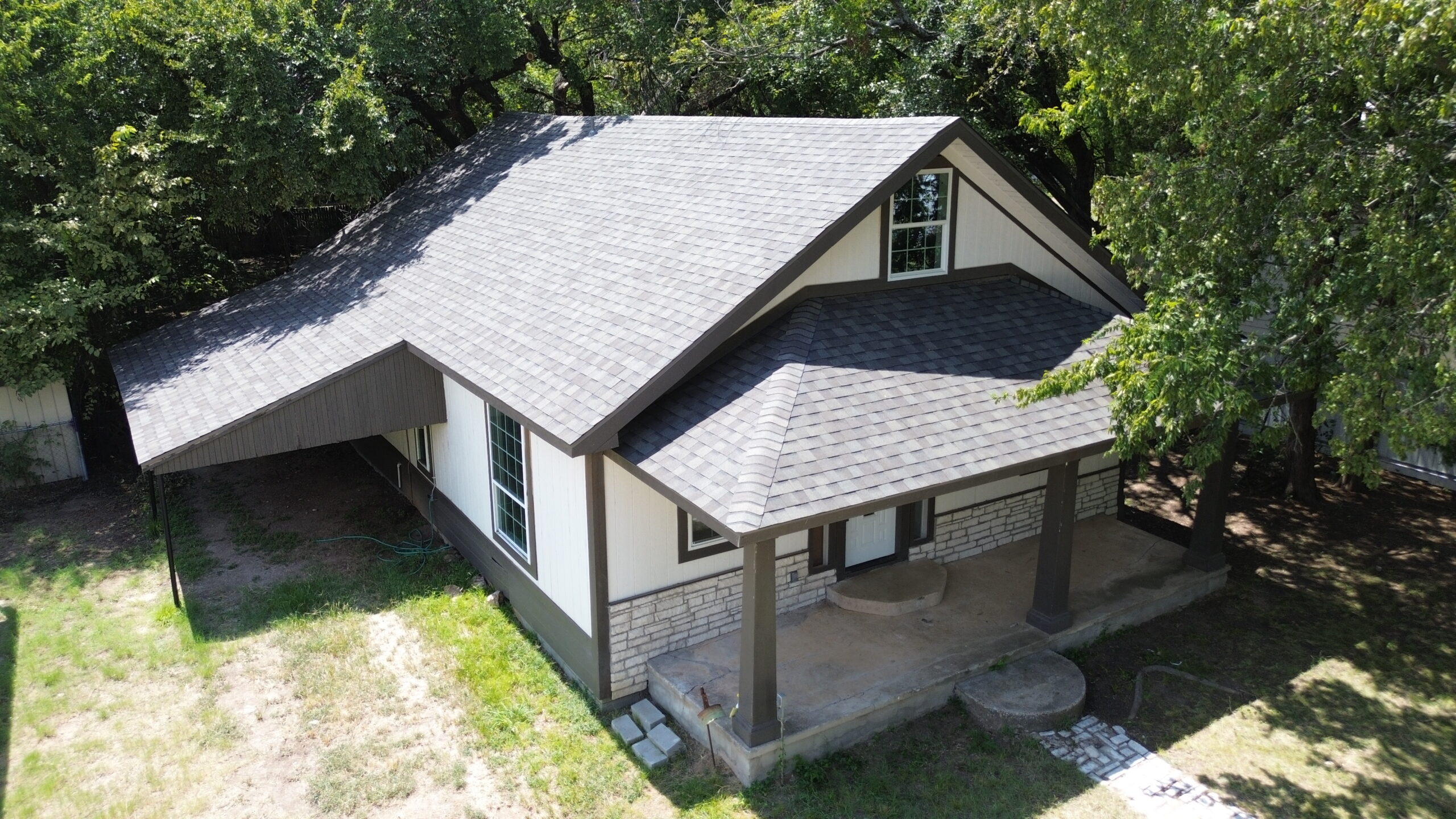
Selecting the Right Roofing Material for Your Home
Choosing roofing materials is one of the most important decisions during residential roof replacement because the selected system influences durability, appearance, maintenance requirements, and long term costs.
Asphalt shingles remain the most common residential roofing material because they provide an excellent balance between affordability, appearance, and dependable performance. They are available in a wide variety of colors and styles that complement different architectural designs while offering reliable weather protection.
Metal roofing has become increasingly popular among homeowners seeking exceptional durability and energy efficiency. Modern metal roofs resist fire, wind, and weather while reflecting solar heat that can reduce cooling costs during warmer seasons. Although installation costs are generally higher, the extended lifespan often provides excellent long term value.
Tile roofing offers distinctive architectural appeal along with impressive longevity. Clay and concrete tiles perform exceptionally well in many climates while requiring relatively little maintenance. However, their additional weight may require structural evaluation before installation.
Wood shingles and shakes provide a natural appearance that complements certain home styles. Proper maintenance remains important because wood roofing materials are more sensitive to moisture, insects, and weather conditions than many modern alternatives.
Synthetic roofing products continue gaining popularity because they replicate the appearance of natural materials while offering improved durability and reduced maintenance. These materials provide additional design flexibility for homeowners seeking both appearance and performance.
Selecting the most appropriate roofing material should involve evaluating climate conditions, maintenance expectations, architectural style, energy efficiency goals, and long term ownership plans rather than focusing only on initial installation cost.
Factors That Influence Residential Roof Replacement Decisions
Every homeowner has different priorities when planning a roof replacement. While cost often receives the most attention, several additional considerations influence the final decision.
The following factors typically have the greatest impact on residential roof replacement planning:
- The age and overall condition of the existing roof.
- Local climate and seasonal weather patterns.
- Home design and roof complexity.
- Long term maintenance expectations.
- Energy efficiency and ventilation goals.
- Available budget and future home improvement plans.
These considerations often influence one another. For example, investing in better insulation during roof replacement may increase the initial budget while reducing future energy costs. Evaluating the complete picture helps homeowners choose solutions that support both immediate needs and long term value.
Residential Roofing Material Comparison
| Roofing Material | Average Lifespan | Main Advantages | Best Suited For |
|---|---|---|---|
| Asphalt Shingles | 20 to 30 years | Affordable, widely available, attractive | Most residential homes |
| Metal Roofing | 40 to 70 years | Long lifespan, energy efficient, durable | Homes in varied climates |
| Clay Tile | 50 to 100 years | Excellent durability, distinctive appearance | Mediterranean and luxury homes |
| Concrete Tile | 40 to 60 years | Strong, weather resistant, low maintenance | Warm and moderate climates |
| Synthetic Roofing | 30 to 50 years | Lightweight, durable, versatile appearance | Homeowners seeking premium alternatives |
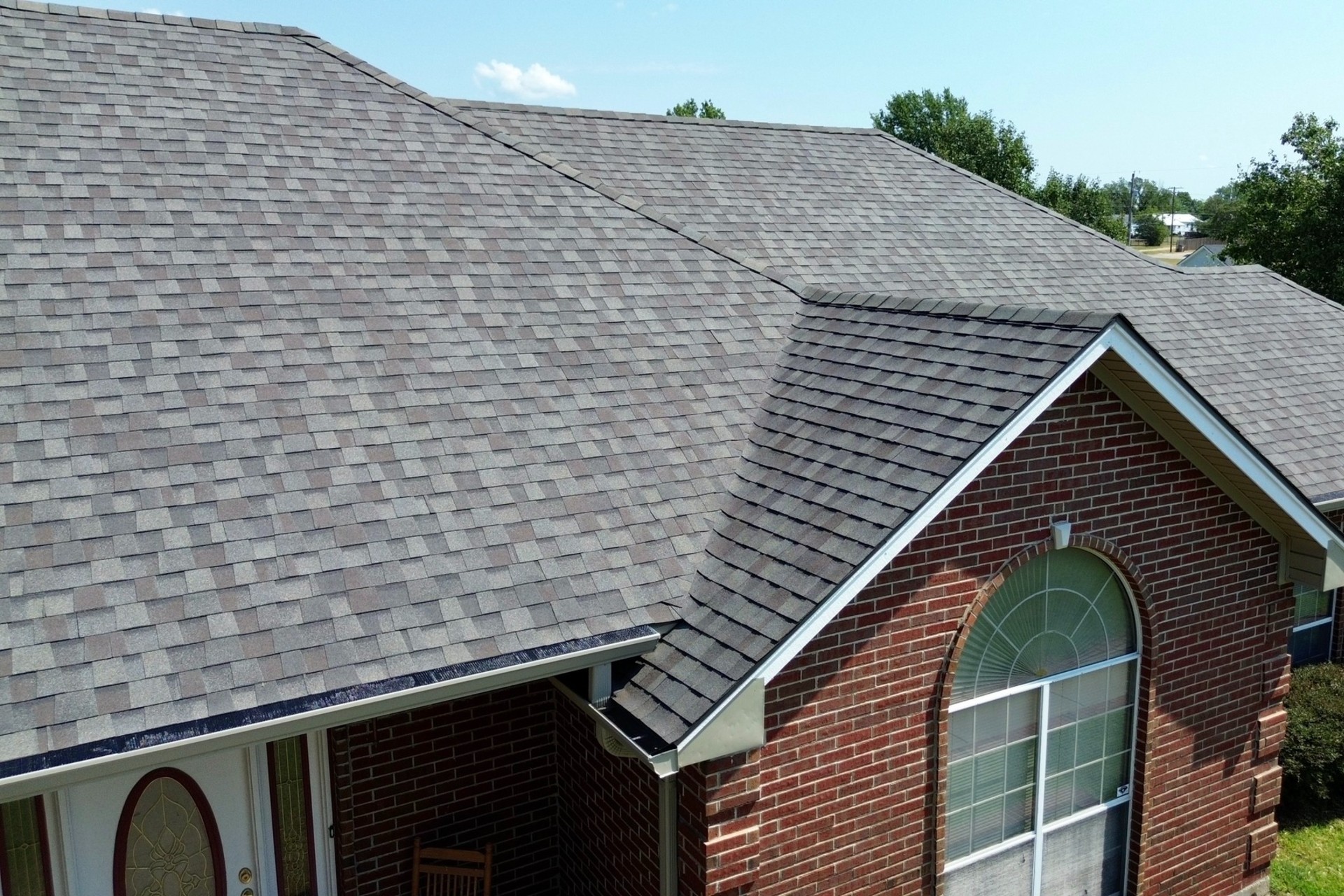
Creating a Realistic Roof Replacement Budget
Budget planning involves much more than estimating the price of roofing materials. Residential roof replacement includes demolition, labor, underlayment, flashing, ventilation improvements, structural repairs, permits, cleanup, and disposal of old roofing materials.
The first step in developing a realistic budget is obtaining a professional roof inspection. Accurate assessments allow contractors to prepare estimates based on actual roof conditions rather than general pricing averages. This reduces the likelihood of unexpected financial surprises during construction.
Homeowners should also establish a contingency reserve for hidden repairs. Once the old roof is removed, contractors may discover damaged roof decking, moisture affected insulation, or deteriorated structural components that require immediate attention before installation continues.
Long term operating costs deserve consideration as well. Investing slightly more in higher quality materials, improved ventilation, or better insulation may reduce future maintenance expenses while lowering heating and cooling costs. Looking beyond the initial installation price often leads to better financial decisions.
Budget planning should remain flexible enough to accommodate necessary upgrades that improve roof performance. Focusing only on minimizing installation costs sometimes results in higher ownership expenses over the coming decades.
Finding and Choosing a Reliable Roofing Contractor
Selecting the right contractor is one of the most important decisions homeowners make during roof replacement planning. Even the highest quality roofing materials depend on proper installation to achieve their expected lifespan and performance.
Homeowners should begin by researching contractors with established experience in residential roofing. Companies with a strong history of completed projects, positive customer feedback, and appropriate licensing generally provide greater confidence throughout the construction process.
Detailed written estimates allow homeowners to compare proposals fairly. Estimates should clearly explain the scope of work, materials, labor, cleanup procedures, project timelines, warranty coverage, and any potential additional costs. Transparent documentation helps prevent misunderstandings later.
Communication is another important factor when evaluating contractors. Reliable roofing professionals answer questions clearly, explain installation procedures, discuss scheduling expectations, and provide realistic timelines without making unrealistic promises. Strong communication often reflects professional project management.
Before signing a contract, homeowners should review warranty information carefully. Understanding both manufacturer warranties and contractor workmanship guarantees provides confidence that the completed roof will remain protected after installation.
Careful contractor selection establishes the foundation for a successful roofing project. Once planning is complete, materials have been selected, and the contractor has been chosen, the next phase focuses on preparing the home, understanding the replacement process, and ensuring the project proceeds safely and efficiently from start to finish.
Preparing Your Home Before Construction Begins
Once the planning stage is complete and a roofing contractor has been selected, homeowners should begin preparing the property for construction. Proper preparation helps protect the home, reduces stress during the project, and allows the roofing crew to work more efficiently. Taking a few simple steps before work begins can also minimize the risk of accidental damage to personal belongings.
The first priority is clearing areas around the home. Outdoor furniture, grills, potted plants, decorative items, and children’s toys should be moved away from the work zone. Roofing materials and debris may temporarily fall around the perimeter of the house during removal, making it important to keep these areas clear.
Vehicles should also be relocated before construction starts. Roofing contractors often require space for material deliveries, dumpsters, trailers, and equipment. Parking away from the driveway protects vehicles from dust, falling debris, and heavy construction traffic while giving crews unrestricted access to the property.
Inside the home, homeowners should secure valuable or fragile items mounted on walls or displayed on shelves. The vibration created during roof replacement may cause pictures, decorations, or delicate objects to shift unexpectedly. Taking preventive measures reduces the chance of accidental damage.
Attic spaces deserve special attention as well. Dust and small debris may enter through ventilation openings while old roofing materials are being removed. Covering stored belongings with protective sheets helps keep them clean throughout the project.
Pets and young children should also be considered during preparation. Construction equipment, loud noise, and unfamiliar workers may create stress or safety concerns. Planning temporary indoor arrangements or alternative locations helps keep everyone comfortable while work is underway.
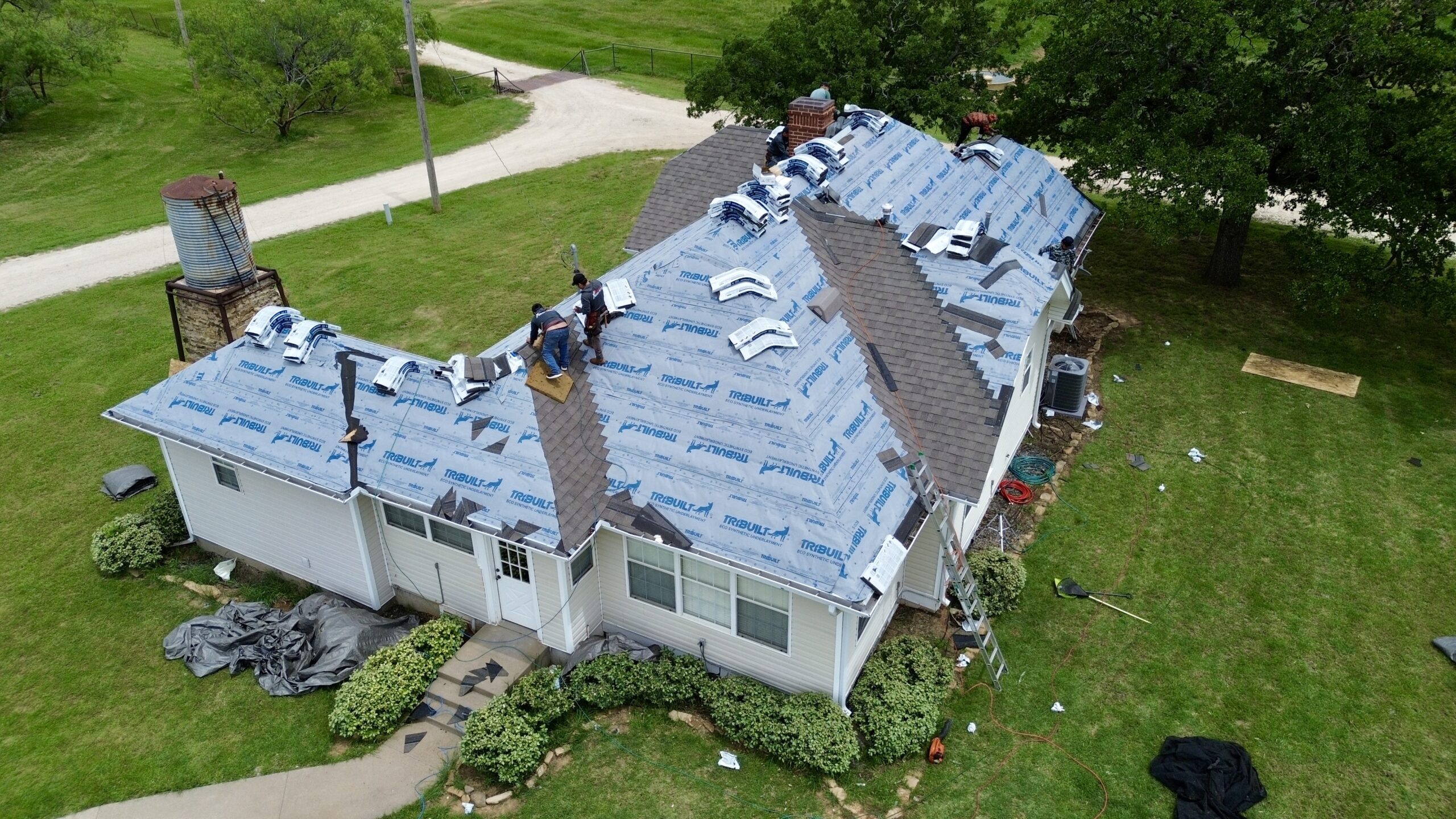
Understanding the Residential Roof Replacement Process
Many homeowners feel more confident when they understand what will happen during roof replacement. Although every project differs slightly depending on the roofing material and home design, most residential replacements follow a similar sequence from start to finish.
The project usually begins with material delivery and site preparation. Contractors position equipment, establish safety measures, protect landscaping, and organize work areas before removing any roofing materials. Careful preparation improves efficiency while reducing unnecessary disruption.
Roof removal follows next. Existing shingles, underlayment, flashing, and related materials are removed in controlled sections to expose the roof deck beneath. Contractors generally avoid removing the entire roof at once, especially when weather conditions are uncertain.
After demolition, the roof deck undergoes a detailed inspection. Damaged wood, loose fasteners, moisture affected sections, or structural concerns are repaired before installation continues. This stage creates a stable foundation for the new roofing system.
New underlayment, waterproofing materials, flashing, ventilation components, and roofing materials are then installed according to manufacturer specifications. Each layer contributes to weather protection and overall roof performance.
The project concludes with final inspections, cleanup, debris removal, and a walkthrough with the homeowner. Contractors verify installation quality while ensuring the property is left in clean condition before officially completing the project.
Understanding this sequence allows homeowners to anticipate daily construction activities while maintaining realistic expectations throughout the replacement process.
Removing the Existing Roof
Removing the old roofing system is one of the most visible stages of residential roof replacement. Although demolition may appear straightforward, it requires careful planning to protect the home while preparing the roof for new materials.
Roofing crews begin by removing shingles, roofing panels, flashing, ridge caps, and underlayment. Materials are usually removed in sections so exposed roof areas remain limited. This phased approach reduces weather related risks while allowing installation to begin soon after demolition.
As roofing materials are removed, contractors monitor the condition of the underlying roof deck. Water damaged wood, mold, deteriorated sheathing, or hidden structural problems often become visible only after demolition begins. Identifying these issues early prevents future roofing failures.
Debris management remains an important part of the removal process. Roofing materials are transferred directly into dumpsters or designated collection areas rather than accumulating around the property. Organized cleanup reduces safety hazards while keeping the construction site manageable.
Contractors also use protective measures to minimize property damage during demolition. Tarps, plywood barriers, and temporary coverings help shield windows, siding, landscaping, and outdoor living spaces from falling debris. These precautions preserve the appearance of the property while construction continues.
Although roof removal can be noisy and disruptive, it represents a necessary step toward building a stronger, longer lasting roofing system. Careful demolition prepares the home for the installation of modern materials designed to provide improved protection.
Inspecting and Repairing the Roof Deck
The roof deck forms the structural base that supports every roofing component installed above it. Installing new roofing materials over damaged decking reduces the lifespan of the entire roofing system, making deck inspection one of the most valuable stages of the replacement process.
Once demolition is complete, contractors examine the exposed decking for signs of moisture damage, rot, cracking, loose fasteners, insect activity, or structural movement. Every section should provide a stable and secure surface before installation proceeds.
Wood decking is particularly vulnerable to long term water exposure. Even small roof leaks that developed over several years may weaken structural components beneath the roofing surface. Replacing damaged wood restores structural strength while preventing future movement beneath the new roof.
Contractors also verify that roof framing remains properly aligned. Structural movement may affect roof slopes, drainage performance, or the attachment of new roofing materials. Correcting these issues before installation improves both durability and weather resistance.
Ventilation openings are inspected during this stage as well. Ridge vents, soffit vents, and attic ventilation systems should function together to control heat and moisture beneath the roof. Proper ventilation reduces condensation while extending the life of roofing materials.
Although homeowners may not see these structural repairs after installation is complete, they contribute significantly to the long term reliability of the new roofing system.
Installing Underlayment and Waterproofing Components
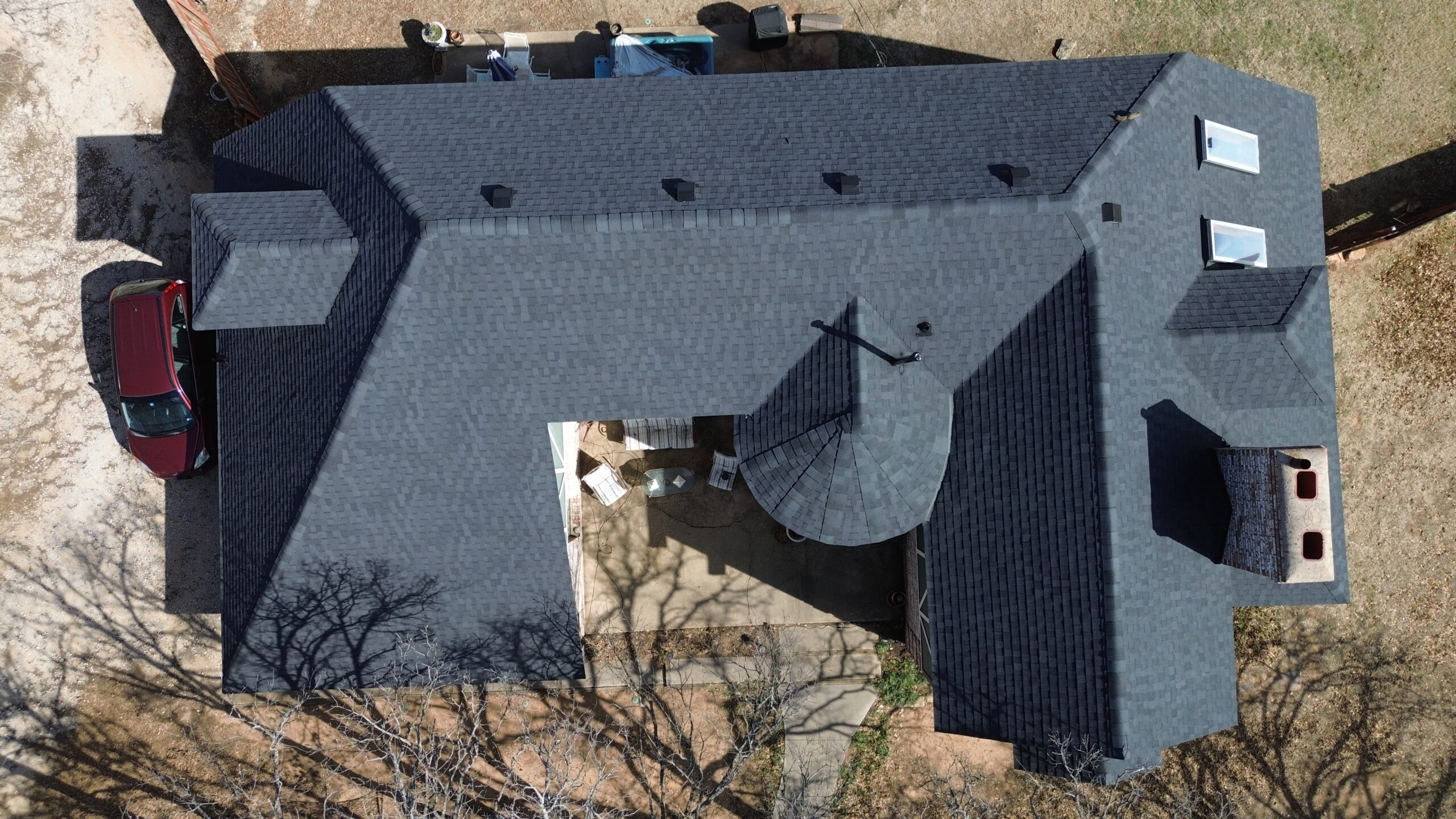
After the roof deck has been inspected and repaired, contractors begin installing the protective layers that sit beneath the visible roofing material. These components play a critical role in preventing moisture from entering the home.
Roof underlayment provides an additional waterproof barrier between the roof deck and the finished roofing material. If wind driven rain or damaged shingles allow water beneath the roof surface, the underlayment helps prevent moisture from reaching the structural decking.
Many modern roofing systems also include specialized waterproof membranes in areas that experience greater water exposure. Roof valleys, eaves, chimneys, skylights, and roof penetrations receive additional protection because these locations are more vulnerable to leaks.
Flashing installation occurs alongside waterproofing work. Metal flashing directs water away from roof transitions while protecting joints around chimneys, walls, vents, and dormers. Proper flashing installation greatly reduces the likelihood of future water intrusion.
Ventilation components are installed during this stage when necessary. Balanced attic ventilation helps regulate temperature and moisture while improving the performance of insulation and roofing materials. Good airflow contributes to both energy efficiency and roof longevity.
Careful installation of these hidden protective layers creates the foundation for a durable roofing system. Although they remain out of sight after construction, they continue protecting the home throughout the life of the roof.
Installing the New Roofing System
With preparation complete, the installation of the visible roofing material begins. This stage transforms the appearance of the home while providing the weather protection expected from a modern residential roofing system.
Roofing materials are installed according to manufacturer specifications and local building requirements. Whether the home uses asphalt shingles, metal panels, tile, or synthetic materials, correct alignment and attachment ensure consistent performance throughout the roof.
Installation typically begins near the lower roof edges before progressing upward toward the ridge. This method allows roofing materials to overlap correctly, directing rainwater away from the structure while maintaining continuous weather protection.
Special attention is given to roof valleys, ridges, dormers, and other complex areas. These transitions require additional waterproofing details because they experience greater water flow than open roof surfaces. Skilled workmanship in these areas significantly improves long term roof performance.
Roof vents, plumbing vents, skylights, and chimneys are integrated carefully into the new roofing system using compatible flashing components. Proper sealing around these penetrations prevents leaks while allowing necessary building systems to function normally.
Throughout installation, supervisors monitor workmanship to ensure every component meets quality standards. Continuous inspections help identify minor adjustments before they become larger issues, contributing to a stronger finished roof.
Protecting Landscaping, Vehicles, and Outdoor Areas
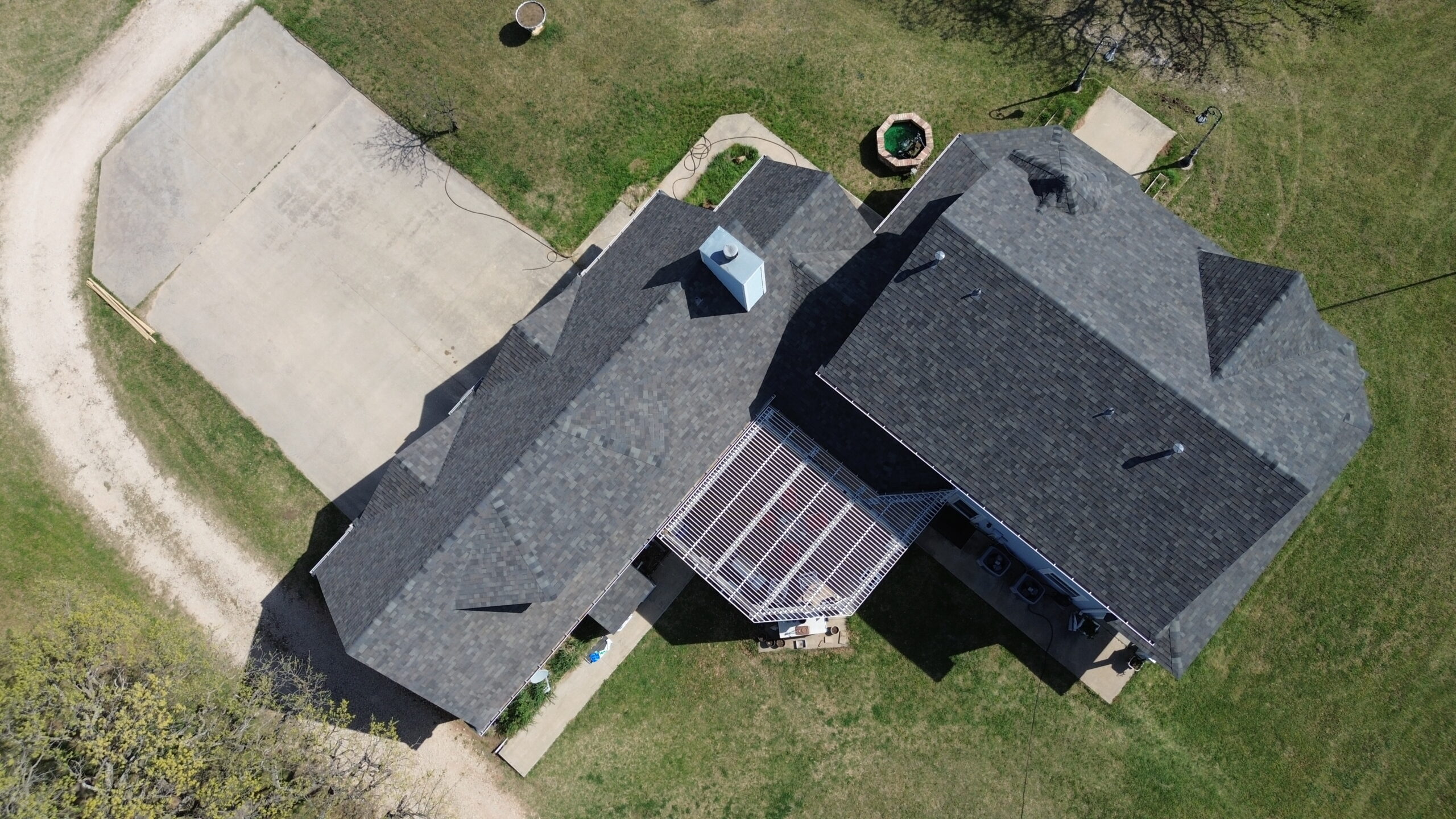
Residential roof replacement affects more than the roof itself. Construction activities take place around the entire property, making protection of landscaping and outdoor features an important part of project planning.
Contractors often place protective tarps around flower beds, shrubs, gardens, and decorative landscaping before demolition begins. These coverings help catch falling debris while reducing the likelihood of damage caused by roofing materials or construction tools.
Driveways and walkways may also receive temporary protection during material deliveries and waste removal. Heavy equipment and repeated foot traffic can affect paved surfaces if appropriate precautions are not taken.
Outdoor lighting, air conditioning units, fences, patios, and decks should also be considered during project planning. Contractors often use protective barriers when working near these features to reduce accidental contact with tools or roofing materials.
Homeowners can further reduce risk by storing portable outdoor items before construction begins. Garden decorations, furniture, grills, and bicycles should be moved away from work areas until the project is complete.
Cooperation between homeowners and contractors helps preserve the appearance of the property while allowing construction to proceed efficiently. Careful preparation reduces unnecessary repairs after the roofing project is finished.
Common Challenges During Residential Roof Replacement
Even well planned roofing projects occasionally encounter challenges that affect scheduling or construction progress. Understanding these possibilities helps homeowners maintain realistic expectations throughout the replacement process.
Some common challenges include:
- Unexpected weather delays during installation.
- Hidden roof deck damage discovered after demolition.
- Delayed material deliveries or supply shortages.
- Additional repairs required to meet current building codes.
- Temporary noise affecting daily household activities.
- Adjustments needed around chimneys, skylights, or complex roof designs.
Experienced roofing contractors prepare for these situations through careful scheduling, contingency planning, and clear communication with homeowners. Addressing challenges promptly helps maintain installation quality without compromising the finished roof.
Keeping Your Family Safe During the Project
Safety should remain a priority throughout residential roof replacement because construction creates temporary hazards both inside and outside the home. While professional roofing crews follow established safety procedures, homeowners also play an important role in maintaining a safe environment.
Children should be kept away from active construction zones throughout the project. Roofing materials, ladders, tools, and falling debris create hazards that are best avoided by limiting access to work areas. Clearly explaining restricted areas helps younger family members understand the importance of staying clear.
Pets may also become anxious because of loud construction noise and unfamiliar activity. Keeping pets indoors or arranging temporary care elsewhere helps prevent stress while reducing the chance of accidental escape during frequent contractor access to the property.
Homeowners should avoid entering restricted work areas unless invited by the project supervisor. Roofing crews often carry heavy materials while working at elevated heights, making unnecessary foot traffic around the site unsafe. Allowing workers uninterrupted access also improves project efficiency.
Good communication contributes significantly to overall safety. Contractors should inform homeowners about daily work schedules, temporary access restrictions, and any special precautions needed during construction. Clear expectations reduce confusion while helping the project progress smoothly.
By preparing the home, understanding the replacement process, and maintaining safe practices throughout construction, homeowners help create an environment where the roofing project can be completed efficiently and successfully. In the final part of this guide, we will explore project completion, roof warranties, long term maintenance, common homeowner mistakes, and the best practices for protecting a new residential roof for decades to come.
Final Roof Inspection and Project Completion
As the installation process comes to an end, the project enters its final quality assurance stage. A thorough inspection ensures that every roofing component has been installed correctly and that the new roof is ready to provide dependable protection for many years. This final evaluation also gives homeowners confidence that the work has been completed according to the agreed project scope.
The inspection begins with a detailed review of the roof surface. Contractors examine shingles or roofing panels, flashing, ridge caps, roof valleys, vents, chimneys, skylights, and all visible installation details. Every section should meet manufacturer recommendations as well as local building requirements.
Roof penetrations receive special attention because these areas are the most vulnerable to water intrusion. Flashing around chimneys, plumbing vents, exhaust systems, and skylights should be securely installed to create continuous waterproof protection. Proper sealing around these features greatly reduces the likelihood of future leaks.
Contractors also inspect gutters, downspouts, and drainage paths to confirm that rainwater will flow efficiently away from the roof. Good drainage protects both the roofing system and the home’s foundation by reducing unnecessary water accumulation after storms.
Cleanup forms an important part of project completion as well. Roofing crews remove leftover materials, collect debris, inspect the property for nails using magnetic tools, and restore outdoor areas as closely as possible to their original condition. A clean property reflects professional workmanship and helps homeowners return to normal daily routines.
Before the project is officially completed, many contractors conduct a final walkthrough with the homeowner. This provides an opportunity to review the finished roof, explain completed work, answer questions, and discuss future maintenance recommendations.
Understanding Roof Warranties
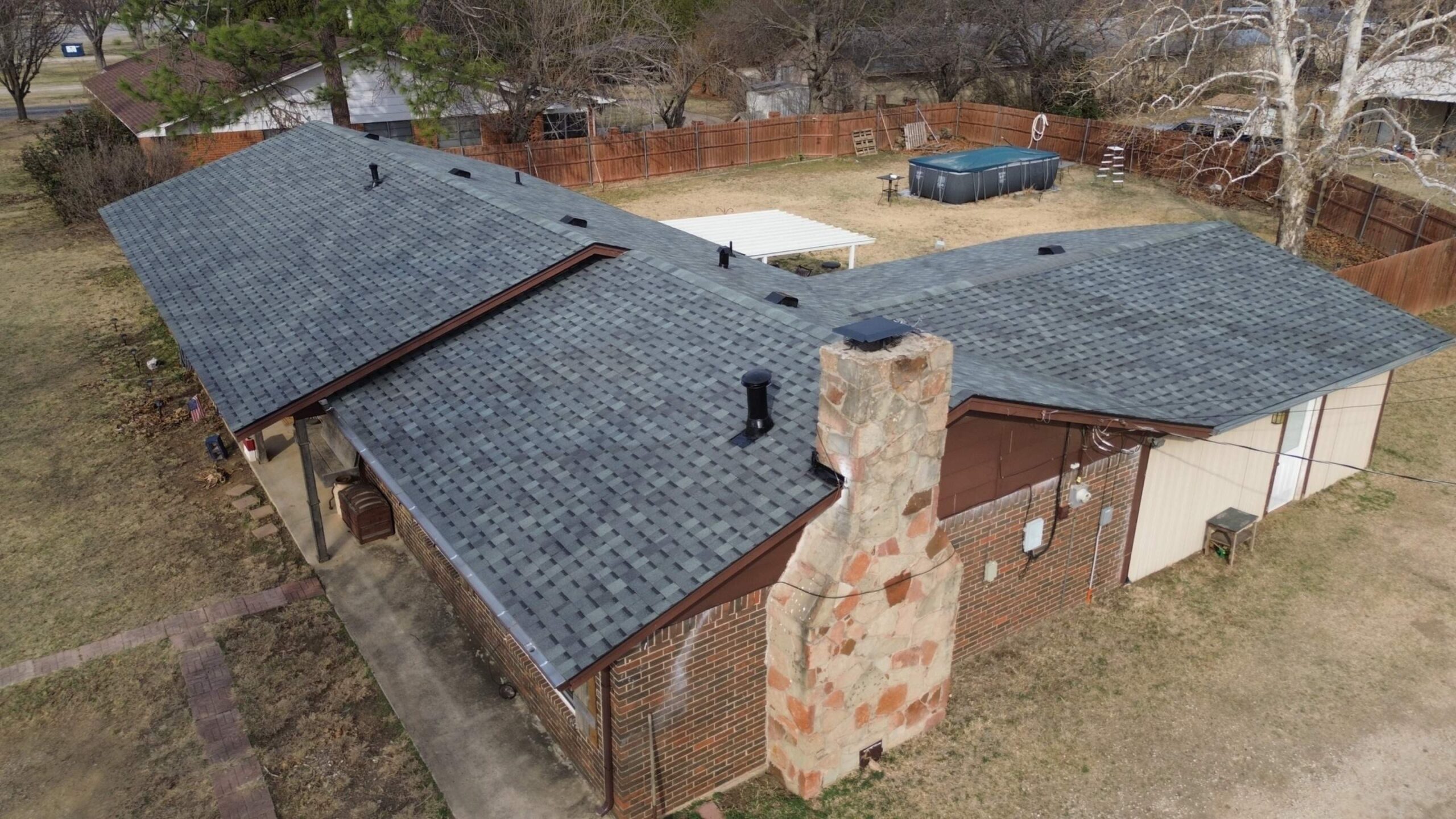
A new residential roof often includes warranty protection that provides additional peace of mind after installation. Understanding how these warranties work helps homeowners protect their investment while knowing what to expect if future issues arise.
Most roofing projects include two types of warranties. Manufacturer warranties cover defects related to roofing materials, while contractor workmanship warranties address installation related issues. Together, these warranties provide protection against different types of roofing problems.
Manufacturer warranties vary depending on the roofing material selected. Coverage periods often differ between asphalt shingles, metal roofing, tile systems, and synthetic products. Reading warranty documents carefully allows homeowners to understand what is covered and any conditions that apply.
Workmanship warranties reflect the contractor’s confidence in installation quality. These warranties typically cover issues resulting from improper installation rather than defects in roofing materials. Choosing experienced roofing contractors who provide clear workmanship guarantees adds another layer of protection.
Many warranties require routine maintenance throughout the roof’s lifespan. Regular inspections, timely repairs, and proper documentation help maintain warranty eligibility while demonstrating responsible roof ownership. Ignoring maintenance requirements may affect future warranty claims.
Homeowners should store warranty documents, installation records, inspection reports, and contractor contact information in a safe location. Organized records simplify future maintenance decisions and make warranty claims easier if they ever become necessary.
Post Installation Maintenance Expectations
Completing a roof replacement does not eliminate the need for ongoing maintenance. Even a newly installed roofing system benefits from regular care that helps preserve its appearance, performance, and expected lifespan. Establishing maintenance habits early creates long term value from the roofing investment.
Professional roof inspections should generally be scheduled at least once or twice each year. These inspections allow roofing specialists to identify developing concerns before they become major repairs. Seasonal evaluations are particularly useful after winter weather and before the arrival of colder months.
Homeowners should also perform simple visual observations from ground level throughout the year. Missing shingles, damaged flashing, sagging gutters, or debris accumulation may indicate maintenance needs that require professional attention. Early identification reduces repair costs while protecting the home.
Cleaning gutters and downspouts remains one of the most important maintenance tasks. Blocked drainage systems allow water to back up beneath roofing materials, increasing the likelihood of leaks and moisture damage. Regular cleaning helps maintain proper water flow throughout every season.
Tree branches that extend over the roof should be trimmed periodically. Overhanging limbs may scrape roofing materials during windy conditions while increasing the amount of leaves and debris collecting on the roof. Keeping branches at a safe distance reduces unnecessary wear.
Routine maintenance requires relatively little time compared with the cost of major repairs. Consistent care helps the roofing system perform efficiently while delaying the need for future replacement.

Extending the Lifespan of Your New Roof
A well installed residential roof has the potential to protect a home for decades, but reaching its full expected lifespan depends largely on how it is maintained after installation. Small preventive measures often have a significant impact on long term roof performance.
Maintaining effective drainage remains one of the most important responsibilities. Rainwater should move freely from the roof into gutters and downspouts without forming standing water or overflowing near roof edges. Proper drainage reduces stress on roofing materials while protecting structural components.
Prompt repairs also help maximize roof longevity. Small issues such as loose flashing, damaged shingles, or minor sealant deterioration should be corrected before moisture enters the roofing system. Delaying repairs often allows damage to spread beneath the visible roof surface.
Attic ventilation continues to influence roof performance throughout its lifespan. Proper airflow helps control heat and moisture beneath the roof, reducing condensation while protecting both insulation and roofing materials. Balanced ventilation contributes to better energy efficiency as well.
Homeowners should also monitor rooftop modifications carefully. Satellite dishes, solar panels, antennas, or new ventilation equipment should always be installed using methods that preserve waterproofing integrity. Professional installation helps prevent unnecessary roof damage.
Regular maintenance, responsible roof access, and timely professional inspections work together to maximize the useful life of the roofing system while protecting the home’s overall structural integrity.
Common Mistakes Homeowners Should Avoid
Many roofing systems experience unnecessary wear because of avoidable maintenance mistakes rather than material failure. Understanding these common errors helps homeowners protect their investment for many years after installation.
One frequent mistake is postponing routine inspections because the roof appears to be in good condition. Small defects often remain hidden until water damage becomes visible inside the home. Regular inspections identify problems while repairs remain relatively simple and affordable.
Another common issue involves ignoring clogged gutters or roof debris. Leaves, branches, and dirt restrict drainage, allowing water to accumulate where it should not. Consistent cleaning prevents unnecessary moisture exposure while supporting proper roof performance.
Some homeowners attempt temporary repairs using incompatible materials purchased from general hardware stores. While these products may appear to solve the problem initially, improper repairs often create larger waterproofing issues over time. Professional roofing repairs provide more reliable long term results.
Walking on the roof unnecessarily can also reduce roof lifespan. Roofing materials may become damaged by repeated foot traffic, particularly during hot weather when shingles are more vulnerable. Roof access should generally be limited to essential maintenance activities.
Failing to maintain documentation is another overlooked mistake. Keeping records of inspections, repairs, warranties, and contractor recommendations simplifies future maintenance while protecting warranty coverage throughout the roof’s life.
Best Practices After Residential Roof Replacement
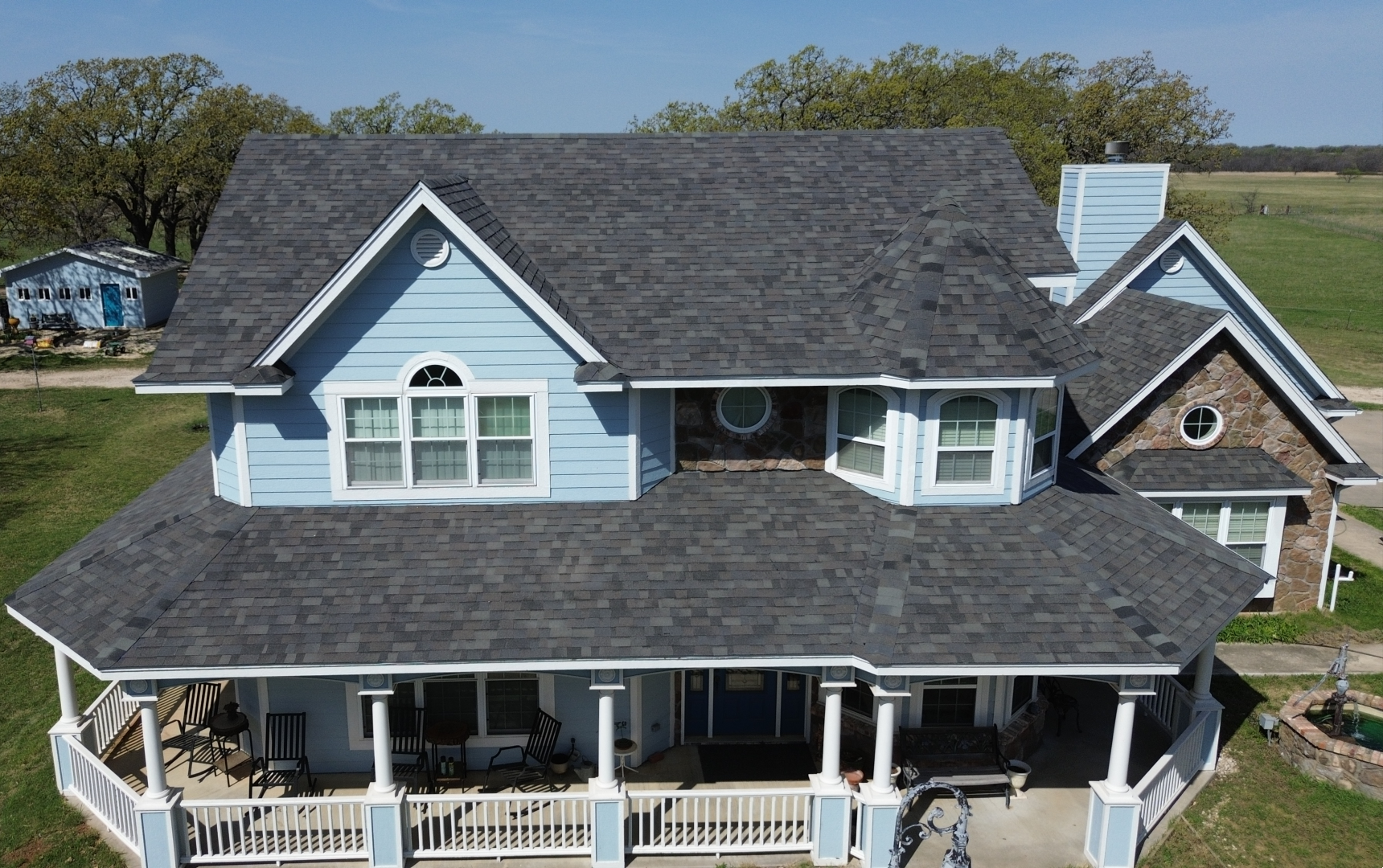
Following a few consistent practices helps homeowners protect their new roofing investment while reducing future maintenance expenses.
- Schedule professional roof inspections at least once or twice each year.
- Clean gutters and downspouts regularly to maintain proper drainage.
- Inspect the roof after major storms for visible signs of damage.
- Trim tree branches that extend over the roof surface.
- Arrange professional repairs as soon as roofing damage is identified.
- Keep detailed maintenance records and warranty documentation.
- Limit unnecessary roof access to reduce physical wear.
- Consult roofing professionals before installing new rooftop equipment.
These habits require relatively little effort but contribute significantly to roof performance and longevity. Preventive maintenance consistently provides better long term value than waiting for serious roofing problems to develop.
Frequently Asked Questions
| Question | Answer |
|---|---|
| How long does a typical residential roof replacement take? | Most residential projects are completed within one to several days, depending on roof size, weather conditions, and project complexity. |
| When should I schedule my first roof inspection after replacement? | Many homeowners schedule a professional inspection within the first year and continue with regular annual or semiannual inspections afterward. |
| Will a new roof increase home value? | A new roof often improves curb appeal, buyer confidence, and overall property value, especially if the previous roof was nearing the end of its lifespan. |
| Can I walk on my new roof whenever I want? | Roof access should be limited because unnecessary foot traffic may damage roofing materials or shorten their lifespan. |
| Is maintenance still necessary if the roof has a warranty? | Yes. Most warranties require routine maintenance and proper care to remain valid throughout the coverage period. |
Conclusion
Residential roof replacement is one of the most important investments homeowners make in protecting their property. A carefully planned project, combined with quality materials and professional installation, provides reliable protection against weather while improving energy efficiency, enhancing curb appeal, and increasing long term property value. Success begins with understanding the roof’s condition, selecting suitable materials, creating a realistic budget, and choosing an experienced roofing contractor.
The replacement process itself involves much more than installing new roofing materials. Proper preparation, careful removal of the existing roof, structural inspections, waterproofing improvements, ventilation upgrades, and detailed quality control all contribute to the long term performance of the finished roofing system. Every stage plays an important role in creating a durable roof capable of serving the home for decades.
After installation, ongoing maintenance becomes the key to protecting the investment. Routine inspections, prompt repairs, effective drainage, attic ventilation, and responsible roof care help preserve waterproofing performance while reducing the likelihood of expensive future repairs. Small maintenance efforts completed consistently often extend roof lifespan well beyond initial expectations.
By approaching residential roof replacement as a complete lifecycle project rather than a one time construction job, homeowners can enjoy lasting protection, greater peace of mind, improved home efficiency, and stronger financial value from one of the most important structural improvements they will ever make.