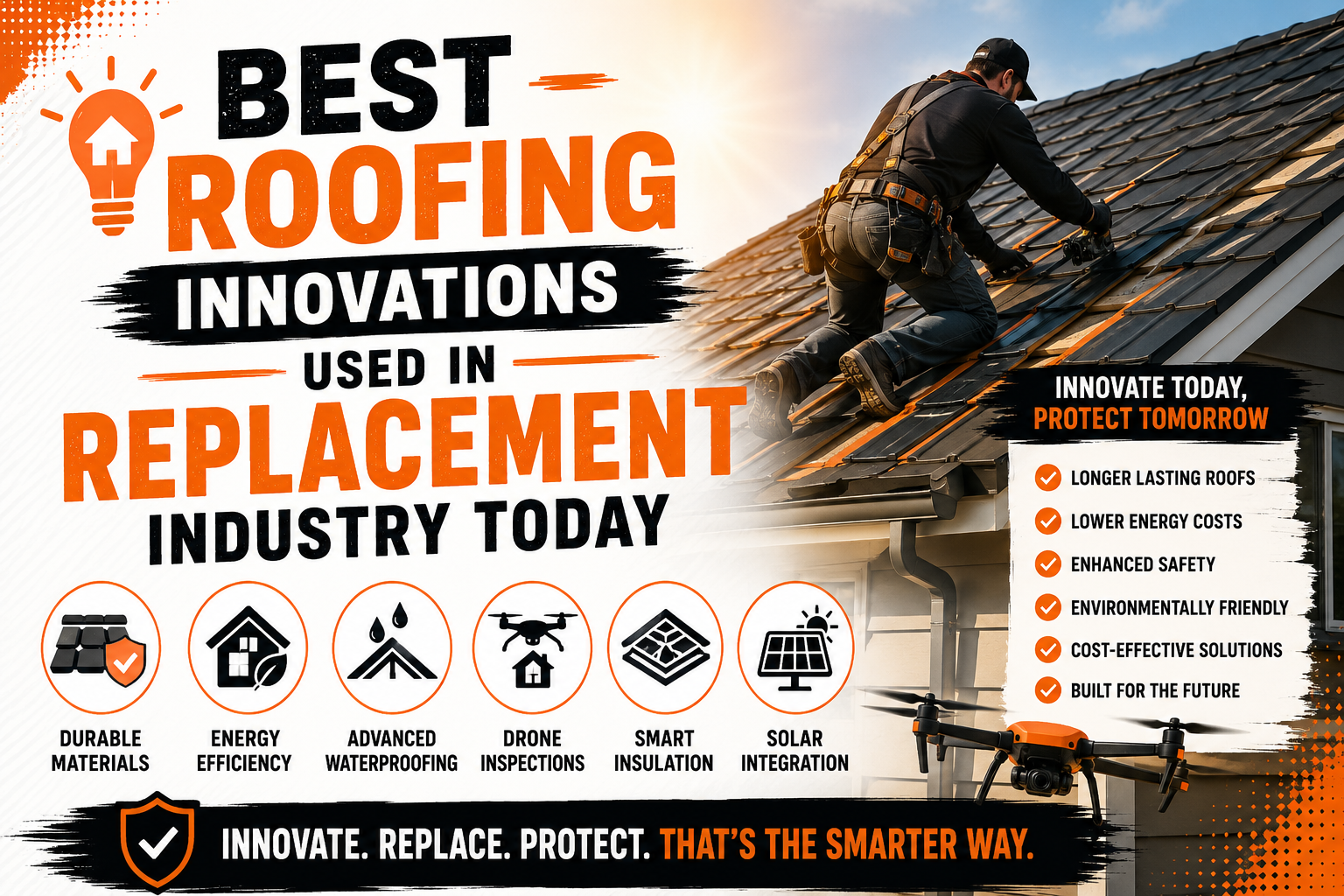
Best Roofing Innovations Used in Replacement Industry Today
Introduction
Roof replacement has changed significantly over the past few decades. What was once a straightforward process of removing worn roofing materials and installing new ones has evolved into a highly advanced construction project that combines durable materials, improved installation methods, and modern technology. Today’s roofing systems are designed not only to protect homes from the weather but also to improve energy efficiency, increase durability, reduce maintenance requirements, and support long term property value.
Innovation within the roofing industry has accelerated as manufacturers respond to changing homeowner expectations, stricter building standards, and increasingly unpredictable weather conditions. Homeowners now expect roofing systems to withstand stronger storms, resist heat more effectively, improve indoor comfort, and last longer than previous generations of roofing products. At the same time, contractors have access to better tools, stronger materials, and more precise installation techniques that improve the overall quality of roof replacement projects.
Modern roofing innovations extend beyond the visible shingles or panels installed on top of a home. Significant improvements have been made in underlayment systems, ventilation products, fastening methods, insulation technologies, moisture protection, and impact resistant materials. Many of these advancements work together as part of an integrated roofing system where every component contributes to better performance and longer service life.
Choosing the right innovations during a roof replacement project requires understanding how different technologies improve durability, efficiency, and maintenance. While every home has unique requirements based on climate, architecture, and budget, many of today’s roofing innovations provide practical advantages that benefit a wide range of residential properties.
This article explores the best roofing innovations currently shaping the replacement industry. It examines the materials, technologies, and construction practices that are improving roof performance while helping homeowners make informed decisions when investing in one of the most important structural components of their property.
The Evolution of Roofing Technology
Roofing has always served the essential purpose of protecting buildings from rain, wind, sunlight, and temperature changes. However, the methods and materials used to achieve this protection have improved dramatically over time. Early residential roofs often relied on simple materials that provided basic weather resistance but required frequent maintenance and replacement.
As manufacturing techniques advanced, roofing materials became stronger, lighter, and more consistent in quality. Asphalt shingles gradually became one of the most widely used residential roofing materials because they offered an effective balance of affordability, durability, and ease of installation. Over time, manufacturers continued refining these products by improving weather resistance, color retention, and structural strength.
Building science has also played an important role in roofing innovation. Researchers gained a better understanding of how moisture moves through roofing systems, how ventilation affects attic performance, and how insulation contributes to overall energy efficiency. These discoveries influenced the development of complete roofing assemblies rather than focusing only on the outer roofing surface.
Weather has become another driving force behind innovation. Regions frequently affected by hurricanes, hailstorms, wildfires, heavy snowfall, and extreme heat require roofing systems capable of withstanding increasingly demanding environmental conditions. Manufacturers have responded by developing products specifically designed to resist these hazards while maintaining long term durability.
Digital technology has further transformed the industry by improving manufacturing precision, quality control, project planning, and installation accuracy. Contractors now use advanced measuring tools, aerial imaging, moisture detection equipment, and digital project management systems that improve both efficiency and workmanship during roof replacement projects.
The evolution of roofing technology demonstrates that modern replacement projects involve much more than installing new shingles. Every layer of the roofing system has benefited from decades of research, engineering, and continuous product development.
Why Innovation Matters in Modern Roof Replacement
Innovation is valuable only when it solves real problems, and modern roofing technology has done exactly that. Today’s homeowners face challenges that previous generations encountered less frequently, including rising energy costs, stronger storms, longer periods of extreme heat, and increasing expectations regarding home efficiency. Roofing innovations help address these concerns while improving long term property protection.
One of the most significant advantages of modern roofing innovations is increased durability. Improved manufacturing methods produce materials that resist cracking, curling, fading, and impact damage more effectively than many older roofing products. As a result, homeowners often experience longer service life and reduced maintenance throughout the lifespan of the roof.
Energy efficiency has become another major priority. Roofing innovations now help reduce heat transfer into homes, improve attic ventilation, and support better insulation performance. These improvements contribute to more comfortable indoor temperatures while lowering heating and cooling demands during different seasons.
Modern innovations also improve installation quality. Advanced fastening systems, self sealing underlayments, and precision engineered components simplify installation while reducing opportunities for errors. Better installation practices contribute directly to long term roof performance because many roofing failures result from workmanship issues rather than material defects.
Environmental sustainability has become increasingly important as well. Many manufacturers now produce roofing materials using recycled content while designing products that remain recyclable at the end of their service life. These efforts reduce waste without sacrificing performance or durability.
Innovation also provides homeowners with greater flexibility. Rather than choosing from only a few traditional roofing materials, today’s replacement projects offer a wide variety of products designed to meet different architectural styles, climates, budgets, and maintenance preferences.
Ultimately, innovation matters because it allows roofing systems to perform more effectively under real world conditions. Better materials, improved installation methods, and advanced engineering work together to provide stronger protection while reducing long term ownership costs.
Advanced Roofing Materials Transforming the Industry
One of the most visible areas of innovation involves the roofing materials themselves. Manufacturers continue developing products that combine attractive appearance with enhanced durability, weather resistance, and energy performance. These improvements allow homeowners to select roofing systems that better match both their functional needs and aesthetic preferences.
Architectural asphalt shingles represent a significant advancement over traditional three tab shingles. Their layered construction provides improved wind resistance, greater thickness, and a more dimensional appearance that resembles premium roofing materials. Many products also include enhanced adhesive technologies that improve performance during severe weather.
Metal roofing has experienced remarkable growth within the replacement industry. Modern metal panels are available in numerous colors, profiles, and finishes that complement a wide variety of home styles. Protective coatings improve corrosion resistance while reflective finishes reduce solar heat absorption, making metal roofing an increasingly attractive option for many homeowners.
Synthetic roofing materials have introduced another important innovation. Designed to replicate the appearance of slate, wood shake, or tile, these products often weigh considerably less while providing excellent durability and lower maintenance requirements. Their lighter weight may also reduce structural demands on certain homes.
Composite roofing products continue expanding as manufacturers combine multiple materials to improve strength and weather resistance. These engineered products often provide better impact resistance than traditional roofing materials while maintaining an attractive appearance throughout many years of service.
Manufacturers also continue improving color technology. Advanced pigments and protective coatings help roofing materials retain their appearance despite prolonged exposure to ultraviolet radiation, rain, and temperature fluctuations. Better color stability contributes to stronger curb appeal over the lifespan of the roof.
The wide range of available materials allows homeowners to prioritize durability, energy efficiency, appearance, sustainability, or maintenance depending on their individual replacement goals.
High Performance Underlayment Systems
Although underlayment remains hidden beneath the finished roof, it has become one of the most important areas of roofing innovation. This protective layer provides an additional barrier against moisture while supporting the long term performance of the entire roofing assembly.
Traditional roofing felt served this purpose for many years, but modern synthetic underlayments offer several significant improvements. They are generally lighter, stronger, more resistant to tearing, and less likely to absorb water during construction. These characteristics improve installation efficiency while providing more reliable protection beneath the finished roofing materials.
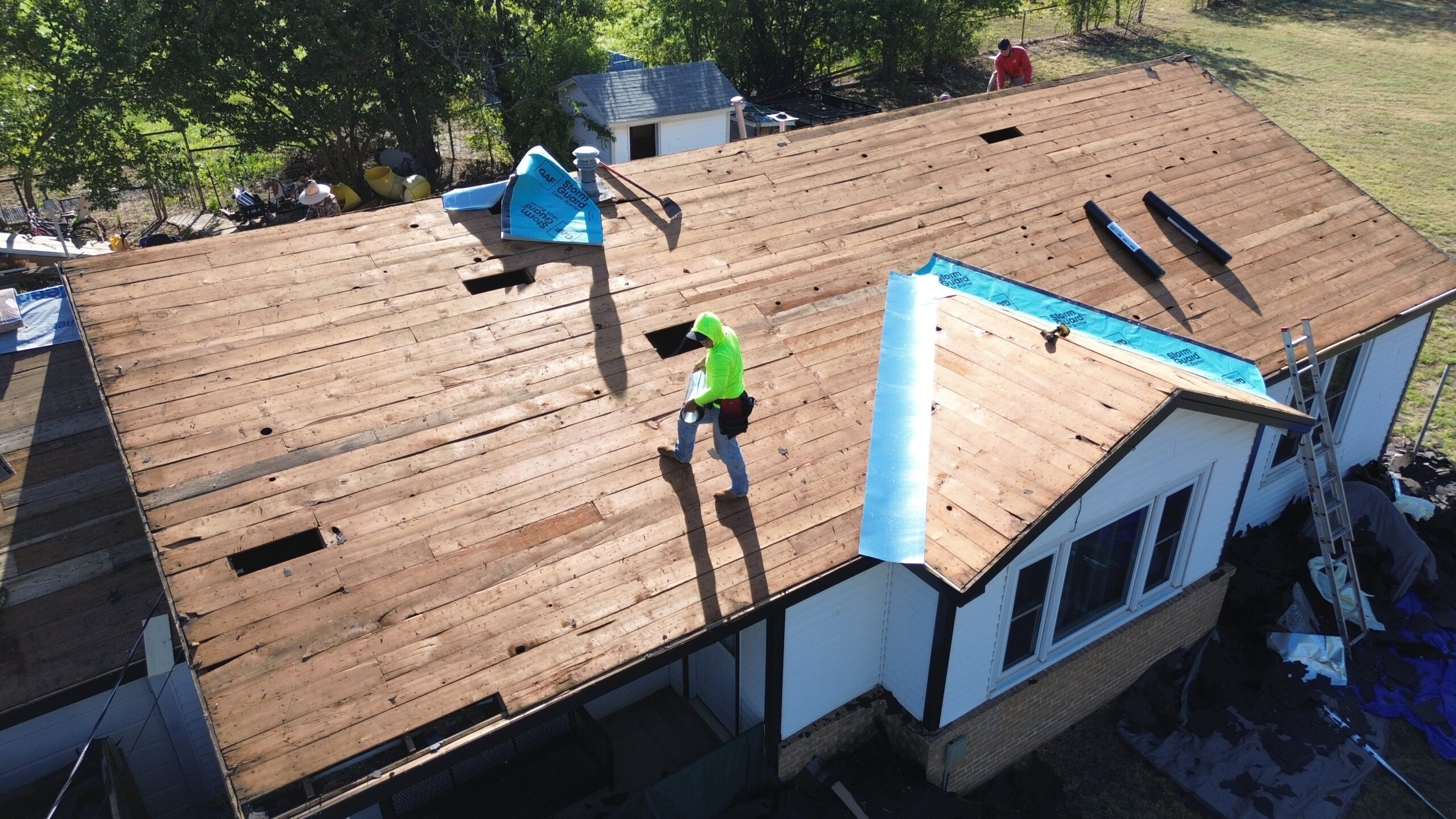
Self adhering waterproof membranes represent another major innovation. These products create highly effective moisture barriers around roof penetrations, valleys, eaves, and other vulnerable locations where leaks commonly develop. Their adhesive backing helps seal around roofing fasteners, reducing opportunities for water intrusion.
Breathable underlayment technologies have also gained popularity. These materials allow water vapor to escape while preventing liquid water from entering the roofing assembly. Maintaining this balance helps reduce trapped moisture that could otherwise contribute to mold growth or structural deterioration.
Modern underlayments are designed to withstand temporary weather exposure if unexpected delays occur during installation. Improved ultraviolet resistance allows contractors greater flexibility without compromising material performance during construction.
Some advanced underlayment products also feature slip resistant surfaces that improve worker safety while installing roofing materials. Better traction helps reduce accidents on steep roof slopes, contributing to safer and more efficient replacement projects.
Although homeowners rarely see these materials after installation, high performance underlayments play an essential role in protecting roof structures from moisture while extending the lifespan of the visible roofing surface.
Impact Resistant Roofing Solutions
Severe weather continues driving innovation within the roofing industry, particularly in regions frequently affected by hailstorms, falling branches, and wind driven debris. Impact resistant roofing materials have been developed to withstand these hazards more effectively than many conventional products, helping reduce damage and repair costs after storms.
Impact resistant asphalt shingles use reinforced construction techniques that improve flexibility and absorb energy from hail or other impacts. Instead of cracking under sudden force, these products distribute the impact more effectively, reducing the likelihood of visible damage and water infiltration.
Modified polymer technologies have contributed significantly to these improvements. By incorporating advanced material formulations into roofing products, manufacturers create shingles that maintain durability while resisting fractures caused by repeated impacts or temperature changes.
Metal roofing systems naturally provide strong impact resistance due to their structural properties. Many modern metal roofs withstand hail and wind driven debris exceptionally well while maintaining their protective capabilities even after severe weather events. Protective coatings further improve long term durability by resisting corrosion and surface wear.
Synthetic roofing materials also demonstrate impressive impact resistance. Their engineered composition often allows them to flex under stress rather than crack like some traditional materials. This flexibility helps preserve both appearance and structural performance during harsh weather conditions.
Building standards and product testing have encouraged continued innovation in this area. Manufacturers regularly evaluate roofing materials using standardized impact tests that simulate hail and other weather related hazards. These testing procedures help homeowners compare products based on measurable performance rather than marketing claims alone.
Choosing impact resistant materials during roof replacement can provide valuable long term protection, particularly in regions where severe storms occur regularly. While no roofing material is completely immune to extreme weather, modern innovations have significantly improved the ability of roofing systems to withstand demanding environmental conditions.
Cool Roofing Technologies for Better Efficiency
Energy efficiency has become one of the most influential drivers of roofing innovation. As homeowners seek ways to reduce utility costs and improve indoor comfort, manufacturers have developed roofing products that minimize heat absorption while supporting more stable interior temperatures throughout the year.
Cool roofing technology focuses primarily on reflecting solar radiation instead of absorbing it. Traditional dark roofing materials often become extremely hot during sunny weather, transferring heat into attic spaces and increasing cooling demands inside the home. Reflective roofing surfaces help reduce this heat buildup by directing a larger portion of sunlight away from the building.
Specialized reflective coatings represent one of the most important advancements in this area. These coatings are designed to maintain their reflective properties over many years despite continuous exposure to ultraviolet radiation and changing weather conditions. Improved durability ensures that energy performance remains consistent throughout the roof’s lifespan.
Manufacturers have also expanded cool roofing options beyond light colored materials. Advances in pigment technology now allow certain darker roofing products to reflect more solar energy than older products with similar appearances. This gives homeowners greater design flexibility without sacrificing energy efficiency.
Cool roofing systems work most effectively when combined with proper insulation and attic ventilation. Together, these components reduce heat transfer while improving airflow beneath the roof structure. The result is a roofing system that contributes to lower cooling costs, improved indoor comfort, and reduced stress on heating and cooling equipment.
In addition to helping homeowners manage energy consumption, cooler roof surfaces may also experience less thermal expansion and contraction during hot weather. Reducing temperature related stress can contribute to longer material lifespan while improving overall roofing performance.
As energy efficiency standards continue evolving, cool roofing technology is expected to remain one of the most valuable innovations available during modern roof replacement projects. Its ability to combine comfort, durability, and long term operational savings makes it an increasingly popular choice for homeowners across many different climates.
Smart Roofing Systems and Digital Monitoring
One of the most significant innovations in the roofing replacement industry is the introduction of smart roofing systems. Traditionally, homeowners relied on visual inspections or waited until a leak appeared before discovering roofing problems. Modern digital monitoring has changed this approach by allowing roofs to provide continuous information about their condition long before visible damage develops.
Smart roofing systems use sensors placed beneath roofing materials or attached to structural components. These sensors monitor conditions such as moisture, temperature, humidity, and movement within the roof assembly. When unusual readings are detected, the system sends notifications through mobile applications or web-based monitoring platforms, allowing homeowners to respond before small issues become expensive repairs.
Digital monitoring also improves maintenance planning. Instead of scheduling repairs based only on roof age, contractors can evaluate actual performance data collected over months or years. This approach supports predictive maintenance, helping homeowners invest in repairs only when they are genuinely needed rather than relying solely on fixed maintenance schedules.
Another advantage is improved storm assessment. After heavy rain, hail, or strong winds, homeowners often wonder whether hidden damage exists beneath the roofing surface. Smart monitoring systems help identify abnormal moisture levels or structural changes that indicate professional inspection may be necessary.
As smart home technology continues expanding, roofing systems are becoming increasingly compatible with heating, cooling, ventilation, and energy management platforms. This integration provides homeowners with a more complete understanding of how the roof contributes to overall building performance while supporting better energy efficiency and long term maintenance.
Solar Ready and Energy Producing Roofs
Renewable energy has become an important consideration for many homeowners planning roof replacement projects. Modern roofing innovations now allow homes to be prepared for future solar installations or to generate electricity directly through integrated roofing products.
Solar ready roofing systems are designed with future photovoltaic installations in mind. During replacement, contractors ensure that the roof structure, flashing, attachment points, and wiring pathways are prepared to support solar panels without requiring significant modifications later. This forward thinking approach simplifies future upgrades while reducing installation costs when homeowners decide to add solar technology.
Building integrated solar roofing represents another major innovation. Instead of mounting separate solar panels above existing roofing materials, these systems incorporate electricity generating components directly into the roof itself. The result is a cleaner appearance while maintaining the protective functions expected from traditional roofing materials.
Modern solar roofing products have improved considerably in durability and efficiency. Manufacturers continue developing systems that blend naturally with residential architecture while producing reliable electrical power throughout the year. These products appeal to homeowners who value both sustainability and attractive exterior design.
Energy producing roofs also contribute to long term operating cost reductions. While installation expenses remain higher than conventional roofing systems, electricity generation can offset utility costs over many years of ownership. The exact financial benefit depends on local climate, sunlight exposure, electricity prices, and system size.
Even homeowners who do not immediately plan to install solar technology often appreciate preparing the roof during replacement. A solar ready roof increases future flexibility while demonstrating that the home has been updated with modern construction practices.
Sustainable and Environmentally Friendly Roofing Materials
Environmental responsibility has become a major focus throughout the construction industry, and roofing manufacturers continue introducing products that reduce environmental impact without compromising durability or performance. Sustainable roofing innovations benefit homeowners while supporting broader efforts to conserve natural resources and reduce construction waste.
Many modern roofing materials now include recycled content. Manufacturers incorporate recycled asphalt, rubber, plastics, or metal into new roofing products while maintaining strict quality standards. This approach reduces demand for raw materials and diverts waste from landfills without sacrificing structural performance.
Recyclability at the end of a roof’s service life has also improved. Metal roofing systems are particularly well suited for recycling because much of the material can be processed and reused after replacement. Other roofing products are increasingly being designed with similar sustainability goals in mind.
Longer lasting roofing materials also contribute to environmental conservation. A roof that performs effectively for several decades requires fewer replacement cycles than one needing frequent replacement. Reduced material consumption and lower transportation demands help decrease the overall environmental footprint associated with roofing projects.
Manufacturing processes have also evolved. Many companies invest in energy efficient production methods, improved waste management systems, and environmentally responsible packaging to reduce the environmental impact of product manufacturing before roofing materials even reach construction sites.
Sustainability extends beyond material selection alone. Improved insulation, reflective roofing technologies, and efficient ventilation systems reduce household energy consumption throughout the roof’s lifespan. Lower energy demand contributes to reduced greenhouse gas emissions while helping homeowners manage utility expenses more effectively.
The growing availability of environmentally responsible roofing products allows homeowners to balance durability, appearance, efficiency, and sustainability during replacement projects without significantly limiting their design choices.
Improved Roof Ventilation Innovations
Ventilation is one of the most important yet often overlooked aspects of roofing performance. Without adequate airflow, heat and moisture accumulate beneath the roof, potentially shortening material lifespan, increasing energy consumption, and creating conditions that encourage mold growth. Modern ventilation innovations address these challenges more effectively than many traditional systems.
Continuous ridge vent technology has become one of the most widely adopted improvements in residential roofing. Rather than relying solely on isolated roof vents, continuous ridge vents provide consistent airflow along the highest point of the roof. This design allows warm air to escape naturally while encouraging cooler air to enter through soffit vents.
Manufacturers have also improved vent construction materials. Modern ventilation products resist weather intrusion while preventing insects, debris, and wind driven rain from entering attic spaces. Better engineering improves airflow without compromising weather protection.
Balanced ventilation systems represent another important innovation. Contractors now design intake and exhaust ventilation to work together as a complete system rather than treating individual vents independently. Proper balance improves attic temperature control while reducing moisture accumulation during both summer and winter.
Advanced ventilation products can also contribute to longer roofing material lifespan. Lower attic temperatures reduce heat related stress on shingles, while controlled moisture levels protect wooden framing and insulation from long term deterioration.
Digital airflow modeling has improved ventilation design as well. Contractors increasingly use software to evaluate roof geometry, attic volume, and climate conditions before selecting ventilation products. This approach helps ensure that each roofing system receives airflow appropriate for its specific design rather than relying on generalized recommendations.
Improved ventilation innovations demonstrate how small components within the roofing assembly can significantly influence overall roof performance, comfort, and durability.
Advanced Installation Techniques
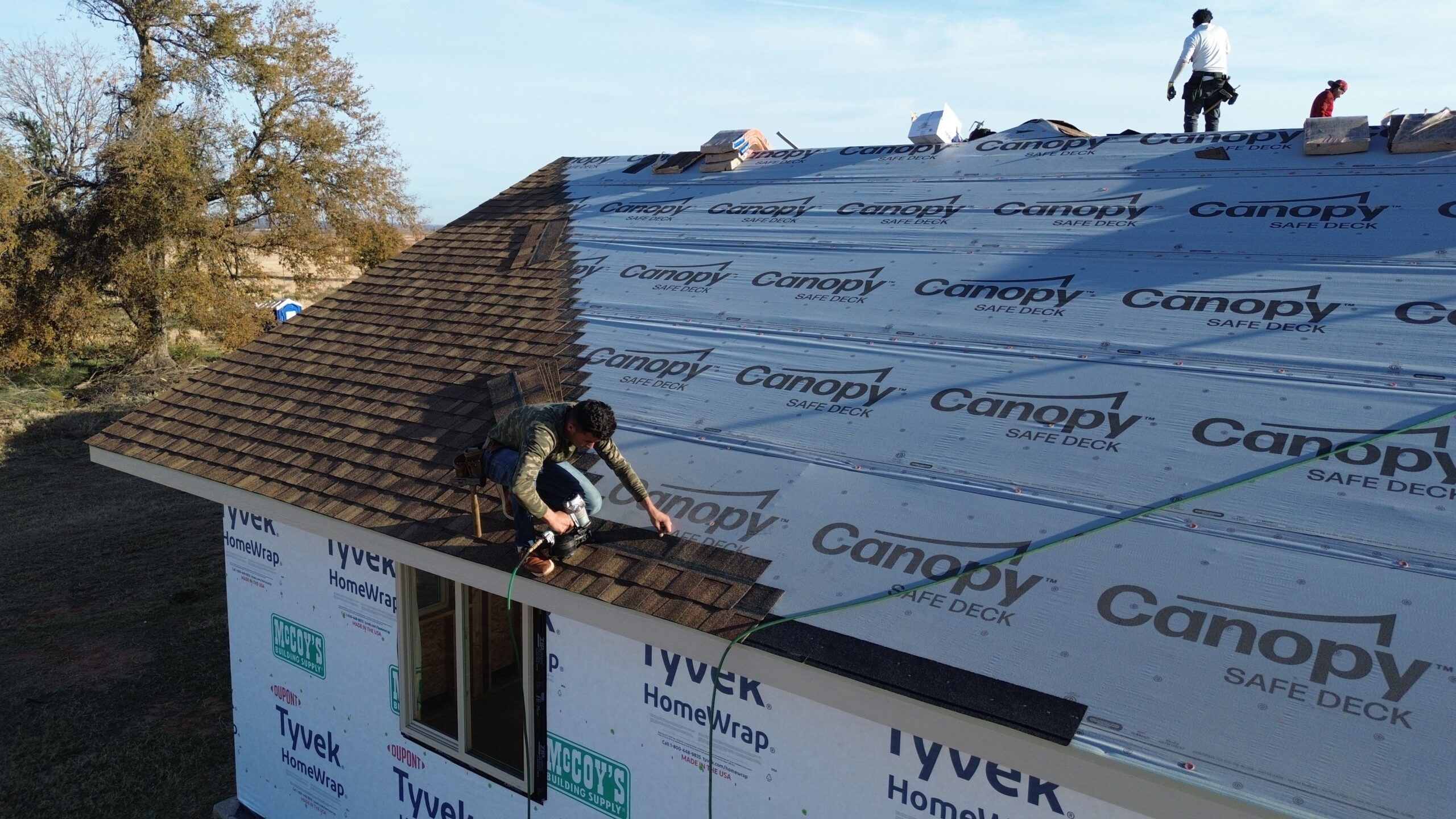
Roofing materials have improved substantially, but installation methods have evolved just as dramatically. Modern replacement projects increasingly rely on advanced techniques that improve accuracy, consistency, and long term reliability while reducing opportunities for workmanship related problems.
Precision measurement technology is one important advancement. Contractors now frequently use aerial imagery, drones, and digital measurement software to calculate roof dimensions accurately before construction begins. These tools reduce material waste while improving project planning and cost estimation.
Improved fastening systems have also enhanced roofing performance. Modern fasteners are engineered to provide stronger holding power while resisting corrosion over many years of weather exposure. Proper fastening patterns help roofing materials withstand high winds more effectively than many older installation methods.
Self sealing roofing products represent another valuable innovation. Certain shingles and underlayments create stronger seals around fasteners after installation, reducing opportunities for moisture intrusion during severe weather. These products improve waterproofing while simplifying portions of the installation process.
Weather resistant construction practices have also advanced. Contractors increasingly use temporary protective barriers and staged installation methods that reduce weather exposure while replacement work is underway. These techniques help protect both roofing materials and the home’s interior if unexpected rain occurs during construction.
Training programs have become more comprehensive as manufacturers introduce new products and installation requirements. Professional roofing contractors now receive specialized instruction regarding ventilation, moisture management, flashing installation, and manufacturer approved techniques. Better training contributes directly to higher quality workmanship and improved long term roof performance.
These installation innovations demonstrate that successful roof replacement depends not only on superior materials but also on modern construction practices that maximize the performance of every roofing component.
Comparing Traditional and Modern Roofing Technologies
Roof replacement has progressed considerably as materials, installation practices, and engineering principles continue advancing. Comparing traditional roofing systems with today’s innovative technologies illustrates how these improvements benefit homeowners throughout the lifespan of the roof.
| Feature | Traditional Roofing Technology | Modern Roofing Innovation |
|---|---|---|
| Roofing Materials | Basic shingles with limited durability | Advanced shingles, metal, composite, and synthetic materials |
| Underlayment | Asphalt felt | High performance synthetic and self adhering membranes |
| Ventilation | Individual roof vents | Balanced ridge and soffit ventilation systems |
| Monitoring | Manual inspections | Smart sensors and digital monitoring |
| Energy Efficiency | Standard heat absorption | Reflective cool roofing and improved insulation compatibility |
| Installation | Manual measurement methods | Digital measurement and precision planning tools |
| Sustainability | Limited recycled content | Recycled materials and environmentally responsible manufacturing |
The comparison highlights how modern innovations improve nearly every aspect of roof replacement. Rather than relying solely on stronger materials, today’s roofing systems combine multiple technologies that work together to improve weather resistance, energy efficiency, maintenance planning, and overall durability.
Despite these advancements, traditional roofing principles remain important. Proper waterproofing, structural integrity, quality workmanship, and routine maintenance continue forming the foundation of every successful roofing system regardless of the technologies involved.
Benefits Homeowners Gain from Modern Roofing Innovations
Roofing innovations provide meaningful advantages that extend far beyond improving appearance. While a new roof naturally enhances curb appeal, the greatest benefits often become apparent over many years of ownership as advanced materials and technologies continue protecting the home under changing environmental conditions.
Modern innovations contribute to longer roof lifespan by improving resistance to wind, hail, moisture, ultraviolet radiation, and temperature fluctuations. Stronger materials experience less deterioration over time, reducing the frequency of repairs and delaying future replacement needs.
Improved energy efficiency is another important benefit. Reflective roofing products, advanced ventilation systems, and better insulation compatibility help maintain more stable indoor temperatures throughout the year. Homeowners often experience greater comfort while reducing heating and cooling demands.
Maintenance also becomes more manageable with many modern roofing technologies. Smart monitoring systems identify developing issues early, while durable materials require less frequent attention than older roofing products. Preventive maintenance reduces the likelihood of unexpected emergency repairs that can be both disruptive and expensive.
Environmental sustainability continues to influence homeowner decisions as well. Recycled materials, energy efficient manufacturing, and longer lasting roofing systems contribute to reduced environmental impact while supporting responsible construction practices.
Modern roofing innovations also increase flexibility for future improvements. Solar ready designs, smart home compatibility, and advanced structural components allow homeowners to adapt their roofing systems as technology continues evolving.
Collectively, these innovations demonstrate that roof replacement is no longer simply about restoring weather protection. It has become an opportunity to improve durability, efficiency, sustainability, and long term property value through carefully engineered materials and construction practices that continue advancing across the roofing industry.
Future Trends Shaping the Roof Replacement Industry
The roofing replacement industry continues to evolve as manufacturers, engineers, and contractors develop solutions that improve performance, efficiency, and sustainability. Many of today’s innovations were considered advanced only a few years ago, and ongoing research suggests that future roofing systems will become even more durable, intelligent, and environmentally responsible.
Artificial intelligence is expected to play a larger role in roofing maintenance and inspections. Advanced software will analyze information collected from sensors, weather reports, and historical maintenance records to predict potential roofing problems before they become visible. Instead of simply reacting to damage, homeowners and contractors will be able to plan maintenance based on detailed performance analysis.
Material science is also advancing rapidly. Researchers continue developing roofing products that provide greater impact resistance, improved flexibility, and longer service life while remaining lightweight. These improvements help roofing systems perform more effectively under demanding weather conditions without placing unnecessary stress on the building structure.
Sustainability will remain a major focus throughout the industry. Manufacturers are investing in environmentally responsible production methods while increasing the use of recycled materials. Future roofing systems are expected to generate less construction waste and provide greater opportunities for recycling once they eventually reach the end of their service life.
Energy producing roofs will likely become more common as solar technologies continue improving. Better integration between roofing materials and renewable energy systems may allow homeowners to generate electricity without significantly changing the appearance of their homes. This combination of protection and energy production represents one of the most promising areas of roofing innovation.
Automation within manufacturing is expected to improve product consistency even further. Precision production methods reduce defects while ensuring that roofing materials meet increasingly demanding quality standards. These improvements contribute directly to longer lasting roofing systems and greater homeowner confidence.
The future of roof replacement will likely combine stronger materials, smarter monitoring, cleaner manufacturing, and greater energy efficiency, creating roofing systems that deliver benefits well beyond basic weather protection.
Choosing the Right Innovative Roofing System
With so many roofing innovations available today, homeowners may find it challenging to determine which technologies best suit their property. The ideal roofing system depends on several practical factors rather than simply selecting the newest or most expensive products on the market.
Climate should be one of the first considerations. Homes located in areas with frequent hailstorms, hurricanes, heavy snowfall, or intense sunlight benefit from roofing materials specifically designed to withstand those environmental conditions. Selecting products appropriate for the local climate helps maximize durability while reducing long term maintenance requirements.
Budget also plays an important role in the decision making process. Some innovative roofing systems involve higher initial costs but provide savings through improved energy efficiency or reduced maintenance over many years. Homeowners should evaluate lifetime ownership costs rather than focusing only on installation expenses.
Architectural compatibility is equally important. Roofing materials should complement the design of the home while matching neighborhood standards where appropriate. A roof that enhances curb appeal contributes to both property value and overall visual harmony.
Warranty coverage deserves careful attention as well. Manufacturers often provide different warranty periods depending on the roofing materials, installation methods, and contractor qualifications. Understanding warranty terms helps homeowners compare products more effectively while protecting their investment.
Compatibility with future upgrades should also be considered. Homeowners planning to install solar panels, smart monitoring systems, or additional insulation may benefit from selecting roofing products designed to support those improvements.
Working closely with experienced roofing professionals allows homeowners to compare available options based on practical performance rather than marketing claims. Professional recommendations help ensure that the chosen roofing system balances innovation with proven long term reliability.
Balancing Innovation with Long Term Reliability
New technology often attracts attention because it promises improved performance and exciting new capabilities. However, successful roof replacement requires balancing innovation with dependable long term reliability. The most advanced roofing product is valuable only if it continues performing consistently throughout decades of weather exposure.
Homeowners should prioritize innovations supported by extensive testing and practical field experience. Products that have demonstrated reliable performance over many years generally provide greater confidence than technologies with limited real world history. Manufacturers that invest heavily in product testing often publish performance data demonstrating resistance to wind, moisture, impact, and temperature changes.
Quality installation remains essential regardless of how advanced the roofing materials may be. Even the most innovative products depend on correct flashing installation, proper ventilation, secure fastening, and effective waterproofing. Without skilled workmanship, many technological advantages may never be fully realized.
Maintenance requirements should also be evaluated carefully. Some innovations reduce maintenance significantly, while others introduce new components that require occasional inspection or servicing. Understanding these responsibilities before installation helps homeowners plan appropriately for the future.
Long term availability of replacement components is another practical consideration. Roofing systems supported by established manufacturers are generally easier to maintain because matching materials and technical support remain available years after installation.
Innovation should enhance traditional roofing principles rather than replace them. Strong structural design, effective drainage, quality materials, and professional craftsmanship continue forming the foundation of every dependable roofing system. Modern technology simply strengthens these principles by improving efficiency, durability, and long term performance.
Mistakes to Avoid When Selecting Modern Roofing Products
Modern roofing innovations offer many advantages, but homeowners should avoid common mistakes that may reduce the value of their investment. Careful planning and informed decision making help ensure that advanced roofing technologies deliver their intended benefits.
One common mistake is selecting products based entirely on advertising claims without comparing independent performance information. Marketing materials often emphasize strengths while providing limited discussion of installation requirements, maintenance needs, or long term performance under different environmental conditions.
Another mistake involves focusing exclusively on appearance. Attractive roofing materials certainly improve curb appeal, but durability, weather resistance, ventilation compatibility, and energy efficiency deserve equal consideration. A visually appealing roof should also provide dependable protection for many years.
Some homeowners underestimate the importance of professional installation. Innovative roofing products often include specific manufacturer guidelines regarding fastening, flashing, underlayment, and ventilation. Contractors unfamiliar with these requirements may unintentionally reduce product performance or affect warranty coverage.
Ignoring the home’s structural characteristics can also create challenges. Certain premium roofing materials weigh considerably more than conventional products. Evaluating structural capacity before installation ensures that the roofing system remains both safe and durable.
Another avoidable mistake is overlooking maintenance expectations. Although many modern products require less maintenance than older roofing systems, no roof is completely maintenance free. Regular inspections, gutter cleaning, and prompt attention to minor issues remain essential for preserving long term performance.
Finally, some homeowners assume that every innovative roofing product is appropriate for every property. Climate, roof design, local building requirements, and future ownership plans all influence which innovations provide the greatest practical value.
Avoiding these mistakes allows homeowners to enjoy the advantages of modern roofing technology while minimizing unnecessary expenses or disappointments after installation.
Working with Experienced Roofing Contractors
The success of any roof replacement project depends not only on innovative materials but also on the knowledge and experience of the professionals performing the installation. Skilled roofing contractors understand how different technologies work together and how to adapt installation methods to the specific requirements of each home.
Experienced contractors begin by conducting thorough roof inspections before recommending replacement solutions. They evaluate structural condition, ventilation performance, insulation, flashing, drainage systems, and existing roofing materials to determine which innovations will provide meaningful improvements.
Professional contractors also remain informed about changing building codes and manufacturer requirements. As roofing products continue evolving, installation procedures become more specialized. Contractors who participate in ongoing training are better prepared to install advanced roofing systems according to current industry standards.
Clear communication is another important characteristic of experienced professionals. Homeowners should receive detailed explanations regarding material options, installation schedules, warranty coverage, maintenance expectations, and estimated project costs. Transparent communication reduces misunderstandings while helping homeowners make informed decisions.
Safety remains a critical responsibility during roof replacement. Professional contractors follow established safety procedures while using specialized equipment that protects both workers and the property throughout construction. Safe working practices contribute to efficient project completion and reduce unnecessary risks.
Experienced roofing professionals also provide valuable guidance after installation is complete. They explain maintenance recommendations, warranty documentation, and inspection schedules that help homeowners protect their investment throughout the roof’s service life.
Choosing knowledgeable contractors ensures that modern roofing innovations are installed correctly and perform as intended, allowing homeowners to realize the full value of their replacement project.
Questions to Ask Before Choosing Innovative Roofing Materials
Before selecting modern roofing products, homeowners should gather enough information to compare available options confidently. Asking thoughtful questions helps identify roofing systems that best match the home’s requirements and long term ownership goals.
- Which roofing materials perform best in the local climate?
- What advantages does this innovative product offer compared with traditional alternatives?
- How long is the expected service life under normal conditions?
- What warranty is provided for both materials and installation?
- Does the roofing system improve energy efficiency or ventilation?
- Will the roof support future upgrades such as solar panels or smart monitoring systems?
- What maintenance will be required throughout the roof’s lifespan?
- Are replacement materials likely to remain available if repairs become necessary?
Discussing these questions before installation helps homeowners understand both the benefits and responsibilities associated with modern roofing technologies.
Maintenance Tips for Modern Roofing Systems
Even the most advanced roofing innovations require routine care to maintain peak performance. Regular maintenance helps preserve warranties, extend service life, and ensure that innovative materials continue providing reliable protection throughout changing weather conditions.
Homeowners can support long term roof performance by following several simple maintenance practices:
- Schedule professional roof inspections at recommended intervals.
- Keep gutters and downspouts clear to promote effective water drainage.
- Remove leaves, branches, and other debris that collect on the roof surface.
- Trim overhanging tree limbs that may damage roofing materials during storms.
- Address minor repairs promptly before they develop into larger problems.
- Follow manufacturer recommendations for cleaning and maintenance procedures.
Consistent maintenance protects both traditional roofing components and modern innovations, ensuring that every part of the roofing system continues working together efficiently.
Conclusion
The roof replacement industry has experienced remarkable progress through continuous innovation in materials, installation methods, energy efficiency, and digital technology. Today’s roofing systems provide far more than basic weather protection. They are designed to improve durability, reduce maintenance requirements, enhance energy performance, and support long term property value through carefully engineered solutions.
Innovations such as advanced shingles, synthetic underlayments, impact resistant materials, smart monitoring systems, improved ventilation, solar ready designs, and environmentally responsible products have transformed how homeowners approach roof replacement. These technologies allow roofing systems to perform more effectively while adapting to changing environmental conditions and modern expectations for comfort and efficiency.
Despite these advancements, the most successful roof replacement projects continue relying on the combination of quality materials, proper installation, thoughtful design, and regular maintenance. Innovation delivers its greatest value when supported by experienced contractors who understand how each component contributes to the overall performance of the roofing system.
As research and technology continue advancing, homeowners can expect future roofing systems to become even more durable, intelligent, sustainable, and energy efficient. Choosing proven innovations that align with the home’s climate, architecture, and long term needs allows property owners to benefit from these developments while protecting one of their most valuable investments.
A well planned roof replacement is no longer simply about replacing worn materials. It is an opportunity to incorporate modern innovations that strengthen protection, improve efficiency, increase reliability, and provide lasting value for many years to come.