
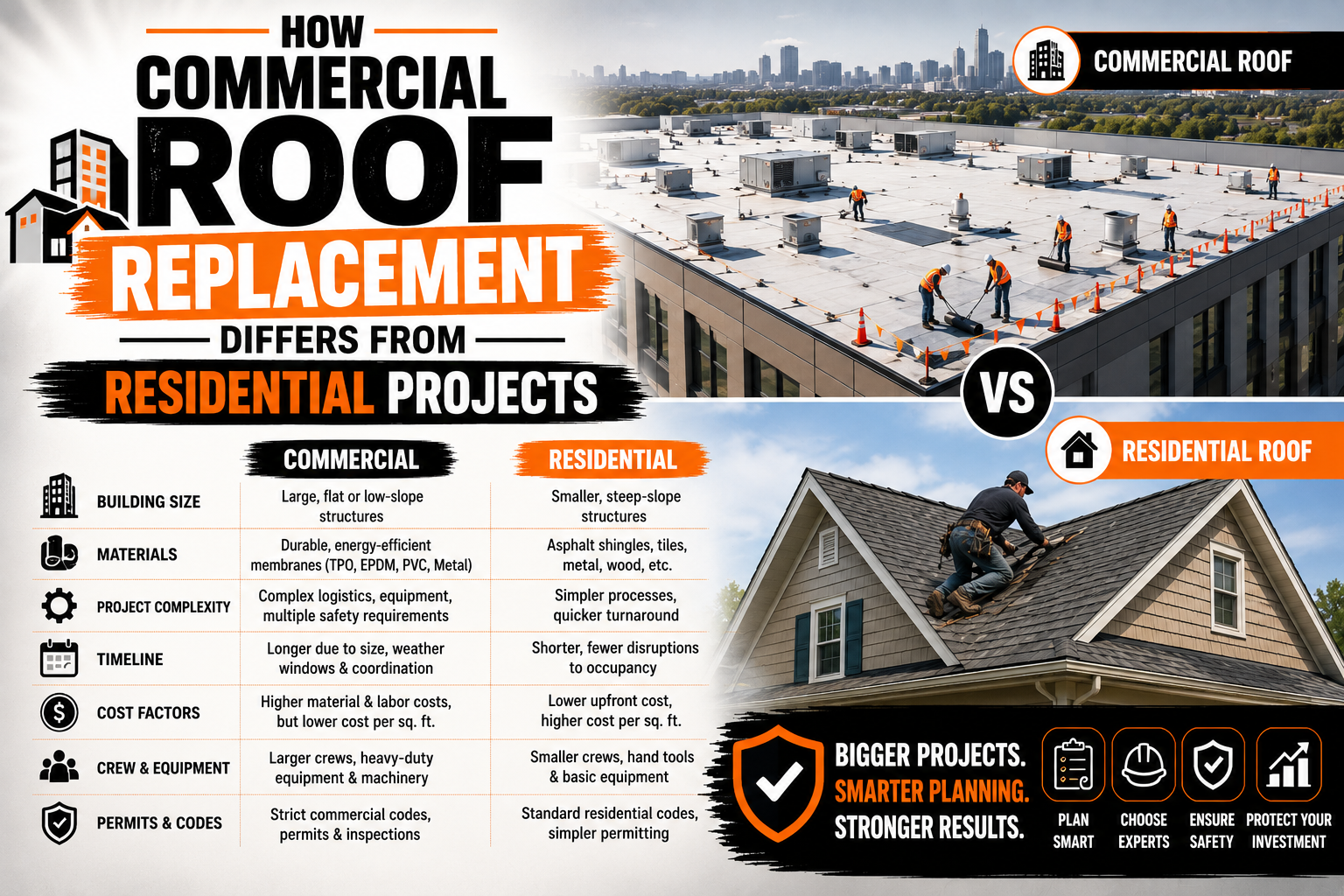
How Commercial Roof Replacement Differs From Residential Projects
Introduction
Roof replacement is an essential investment for protecting any building, whether it is a family home, office complex, warehouse, retail store, or industrial facility. Although the basic purpose of every roof is the same, replacing a commercial roof differs significantly from replacing a residential one. The differences extend beyond building size and include design, materials, installation methods, safety requirements, project planning, and long term maintenance.
Many people assume that commercial and residential roofing projects follow the same process with only minor variations. In reality, commercial roof replacement often involves larger teams, specialized equipment, engineering evaluations, strict regulatory compliance, and detailed scheduling to minimize disruption to business operations. Residential projects, while still requiring professional planning, are generally less complex and can often be completed more quickly.
Understanding these differences is valuable for property owners, facility managers, business operators, and homeowners. Knowing what makes each type of project unique helps set realistic expectations, improve communication with contractors, and support better decision making throughout the replacement process.
This guide explains the major differences between commercial and residential roof replacement. By examining each aspect individually, readers can better understand why these projects require different planning strategies, construction techniques, and maintenance approaches.
Why Commercial and Residential Roof Replacement Are Different
Commercial and residential buildings are designed to serve very different purposes, and those differences directly influence how their roofing systems are constructed and replaced. Residential roofs are designed primarily to protect a single family home, while commercial roofs must often support business operations, heavy equipment, multiple occupants, and larger structural loads.
The size of the building is one of the most obvious differences. Residential roofs typically cover a relatively small area with straightforward layouts. Commercial roofs, by comparison, may extend across thousands of square feet, requiring more materials, additional labor, and longer construction schedules.
Building occupancy also creates unique challenges. Most residential roof replacement projects affect only the homeowner and family members living in the house. Commercial buildings often remain occupied throughout construction, meaning employees, customers, tenants, patients, students, or visitors may continue using the facility while roofing work is underway.
Budget planning differs as well. Residential projects generally focus on balancing affordability with appearance and durability. Commercial projects often involve much larger financial investments, requiring detailed budgeting, long term asset management, and careful evaluation of maintenance costs over the roof’s expected lifespan.
Commercial roof replacement also requires greater coordination among multiple professionals. Property owners, facility managers, architects, engineers, roofing consultants, contractors, safety officers, and maintenance personnel may all participate in planning and decision making. Residential projects usually involve fewer stakeholders and simpler communication.
Safety requirements become more extensive on commercial projects because of larger work areas, rooftop equipment, elevated access points, and occupied buildings. Contractors must carefully manage construction activities to protect both roofing crews and building occupants throughout the replacement process.
These differences demonstrate that commercial roof replacement is not simply a larger version of residential roofing. Each project type has its own technical requirements, planning priorities, and operational challenges that influence every stage of the replacement process.
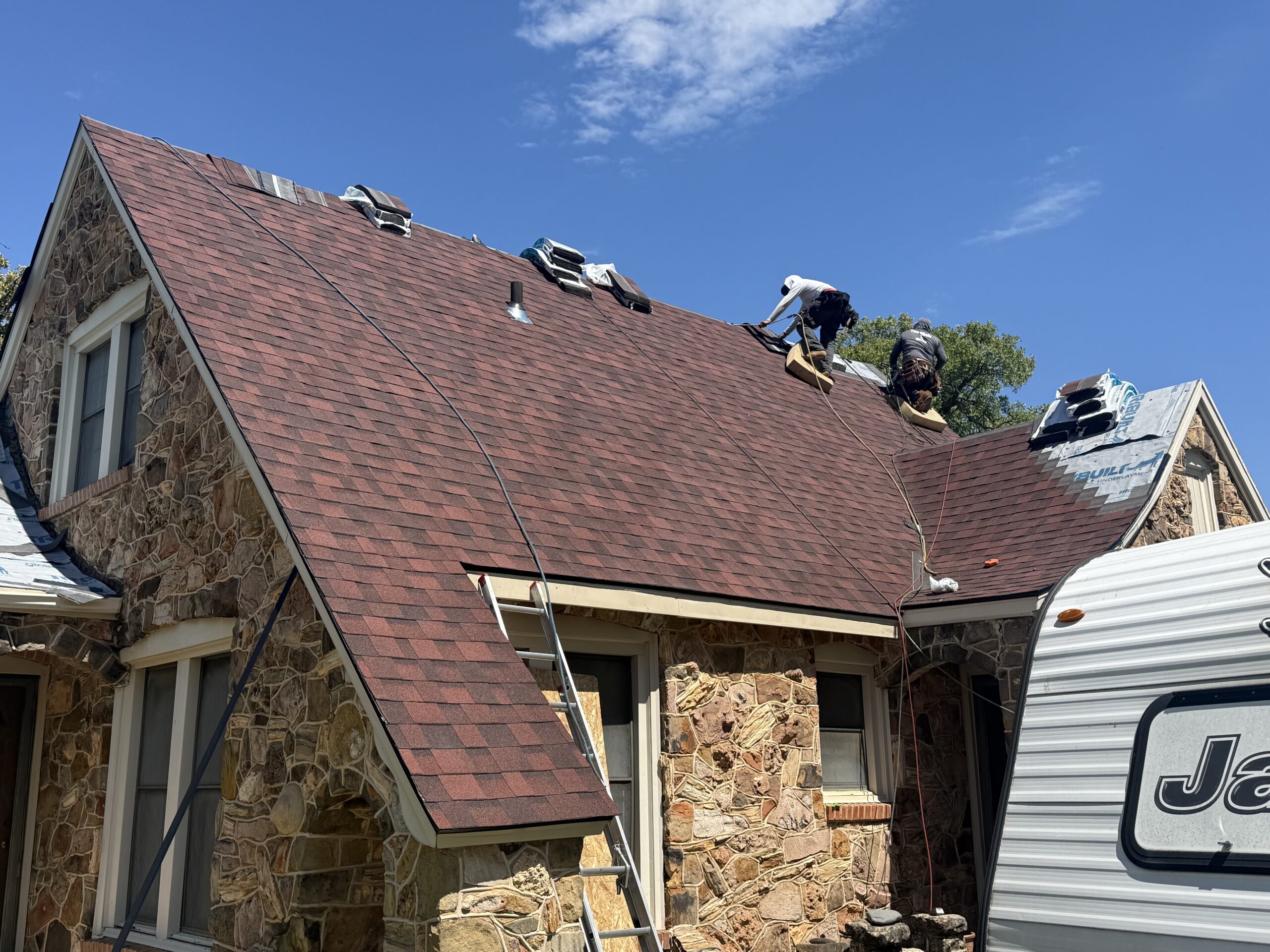
Comparing Commercial and Residential Roof Structures
One of the biggest differences between commercial and residential roofing projects is the structure of the roof itself. Roof design influences material selection, installation methods, drainage systems, maintenance procedures, and long term performance.
Most residential buildings feature steep slope roofs. These angled roof designs allow rainwater and snow to flow naturally toward gutters, reducing the likelihood of standing water. The sloped design also creates attic space that improves ventilation and insulation while supporting the overall structure of the home.
Commercial buildings, on the other hand, commonly use flat or low slope roofing systems. Although these roofs are often referred to as flat, they actually include a slight slope that directs water toward internal drains, scuppers, or drainage outlets. This design maximizes usable interior space while providing convenient locations for rooftop equipment.
The supporting structures beneath these roofs also differ considerably. Residential roofs typically rely on wooden rafters or prefabricated trusses designed to support roofing materials and moderate loads. Commercial buildings frequently use structural steel, reinforced concrete, or engineered framing systems capable of supporting much heavier loads across larger spans.
Commercial roofs often carry equipment that is rarely found on residential homes. Large HVAC systems, cooling towers, solar panels, communication equipment, ventilation systems, generators, and maintenance walkways all increase structural complexity. These components must be considered during roof replacement planning to ensure they remain properly supported and protected.
Roof accessibility represents another major difference. Residential roofs are generally accessed only for inspections, maintenance, or repairs. Commercial roofs often include permanent access points because maintenance personnel regularly service rooftop mechanical equipment throughout the year.
Structural inspections before replacement also vary between project types. Residential inspections primarily focus on roof decking, framing, and visible structural damage. Commercial evaluations often include engineering assessments, load calculations, moisture detection, insulation analysis, and structural testing to ensure the building can safely support the new roofing system.
These structural differences explain why commercial roof replacement generally requires more planning, specialized expertise, and engineering involvement than residential projects.
Differences in Roofing Materials
Roofing materials vary significantly between commercial and residential buildings because each structure has different performance requirements. Material selection depends on roof design, expected lifespan, maintenance needs, weather exposure, energy efficiency goals, and overall project budget.
Residential roofs most commonly use asphalt shingles because they provide an attractive appearance, reliable weather protection, and relatively affordable installation costs. Homeowners may also choose metal roofing, clay tiles, concrete tiles, slate, wood shingles, or synthetic materials depending on architectural style and personal preference.
Commercial roofs rarely use traditional shingles because most commercial buildings have flat or low slope roof designs. Instead, they rely on specialized roofing systems specifically engineered for these conditions. Common commercial roofing materials include TPO membranes, PVC membranes, EPDM rubber roofing, modified bitumen systems, built up roofing, spray polyurethane foam, and standing seam metal roofing.
Commercial roofing materials are designed to withstand continuous exposure to sunlight, temperature changes, heavy foot traffic, rooftop equipment maintenance, and standing water. These performance requirements differ considerably from those of residential roofing materials, which are primarily intended for steep slope applications.
Energy efficiency also influences material selection differently. Commercial buildings often prioritize reflective roofing membranes that reduce heat absorption and lower cooling costs across large roof surfaces. Residential homeowners may also consider energy efficiency, but appearance often plays a greater role in the final decision.
Material installation methods also differ. Residential roofing typically involves installing individual shingles or tiles in overlapping rows across the roof surface. Commercial membrane systems often require heat welding, adhesives, mechanical fastening, or specialized sealing techniques to create continuous waterproof barriers across large roof areas.
Maintenance considerations further separate commercial and residential roofing materials. Commercial roofing systems are generally designed to allow regular inspections and repairs because rooftop equipment requires frequent access. Residential roofing materials experience far less routine foot traffic, reducing wear associated with maintenance activities.
Because roofing materials are specifically engineered for different roof designs and building uses, products intended for residential homes are generally unsuitable for most commercial buildings, and commercial roofing systems are rarely appropriate for standard residential applications.
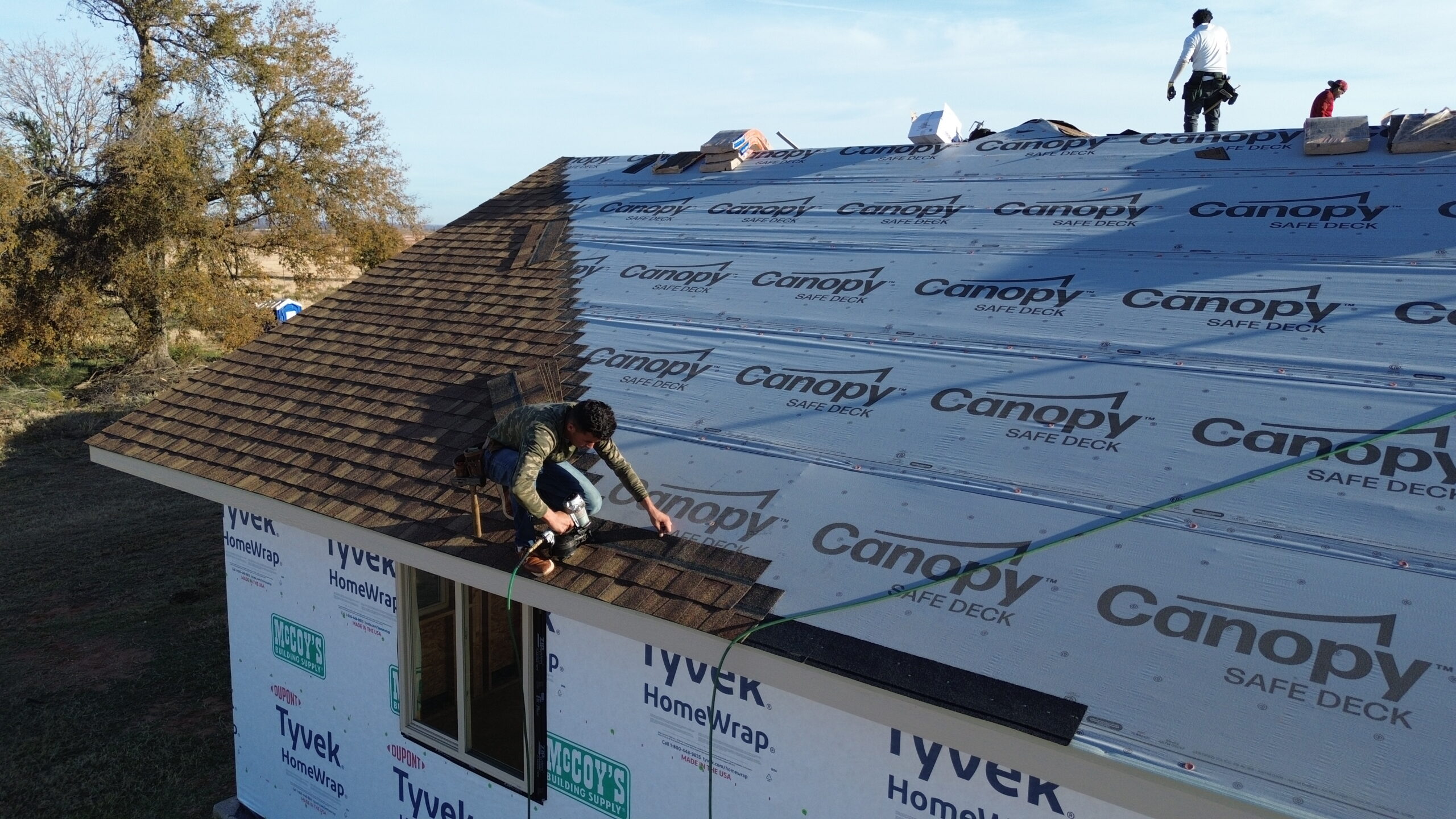
Roof Design and Drainage Systems
Roof design directly affects how water is managed, making drainage one of the most important differences between commercial and residential roofing systems. Effective drainage protects roofing materials, structural components, insulation, and building interiors from moisture related damage.
Residential roofs rely primarily on gravity to remove water. Their steep slopes allow rain and melting snow to flow quickly toward gutters positioned along the roof edges. Downspouts then carry water safely away from the home’s foundation. This relatively simple drainage system performs effectively because of the roof’s angled design.
Commercial roofs require more carefully engineered drainage systems because their low slope design allows water to move much more slowly. Even small drainage problems can result in standing water that places additional stress on roofing materials while increasing the risk of leaks and structural deterioration.
Large commercial roofs often incorporate multiple drainage components working together. Internal roof drains, scuppers, overflow drains, gutters, tapered insulation systems, and strategically designed roof slopes help move water efficiently toward designated drainage points.
Drainage planning becomes especially important during commercial roof replacement. Contractors carefully evaluate existing drainage performance while identifying opportunities to improve water flow before installing the new roofing system. Correcting drainage problems during replacement often extends the lifespan of the new roof significantly.
Snow management also differs between project types. Steep residential roofs naturally encourage snow to slide toward the roof edges, while commercial roofs may retain snow for longer periods because of their lower slopes. Engineers often evaluate expected snow loads when designing commercial roofing systems for colder climates.
Roof penetrations such as vents, skylights, HVAC equipment, and plumbing connections require careful waterproofing on both residential and commercial roofs. However, commercial buildings typically contain many more rooftop penetrations, making flashing design and drainage planning considerably more complex.
These drainage differences highlight why commercial roof replacement requires more detailed engineering and planning than many residential roofing projects.
Project Size, Complexity, and Planning Requirements
Perhaps the most noticeable difference between commercial and residential roof replacement is the overall scale and complexity of the project. While both require careful planning, commercial roofing projects involve significantly more coordination, resources, and technical expertise.
Residential roof replacement can often be completed by a relatively small roofing crew within a few days, depending on weather conditions and roof size. Commercial roof replacement projects may continue for several weeks or even months because of the building’s size, roofing system complexity, and operational requirements.
Project planning begins much earlier for commercial buildings. Contractors often perform detailed roof inspections, engineering evaluations, moisture testing, structural assessments, and budget analysis before construction schedules are finalized. Residential planning generally focuses on material selection, roof measurements, and installation scheduling.
Commercial projects also involve more stakeholders. Property owners, facility managers, engineers, architects, roofing consultants, insurance representatives, contractors, maintenance teams, and building occupants may all participate in planning discussions. Residential projects usually involve only the homeowner and roofing contractor.
Construction logistics become much more challenging as project size increases. Material deliveries, equipment staging, crane operations, waste removal, rooftop access, worker safety, and business continuity all require careful coordination throughout commercial roof replacement.
Weather management also becomes more complex because large commercial roofs often remain under construction for extended periods. Contractors frequently divide projects into phases, ensuring that only limited roof sections remain exposed at any given time. This phased approach protects the building while allowing operations to continue during construction.
Budget management differs considerably as well. Commercial roof replacement often represents a major capital investment requiring detailed financial planning, long term maintenance forecasting, and life cycle cost analysis. Residential homeowners generally focus on balancing installation cost, durability, and curb appeal when planning roof replacement.
The greater size and complexity of commercial roof replacement explain why these projects require more comprehensive planning than residential roofing. Every stage, from design and scheduling to safety and quality control, demands careful coordination to achieve a successful outcome. In the next part, we will examine the differences in installation methods, equipment requirements, project costs, scheduling, building occupancy, and the specialized expertise required for commercial and residential roof replacement projects.
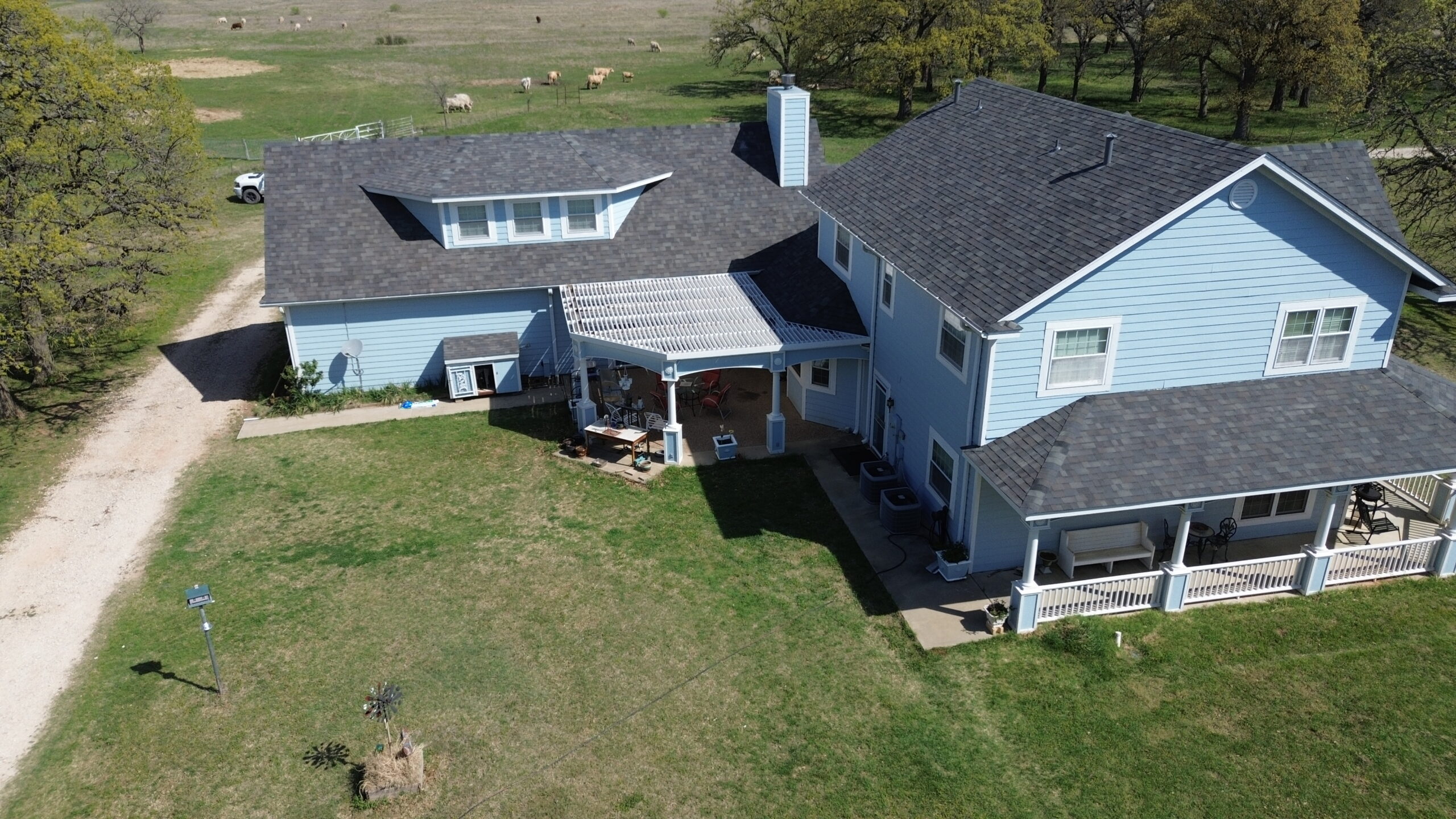
Installation Methods for Commercial and Residential Roofs
Although the goal of every roof replacement is to provide reliable protection from the elements, the installation methods used for commercial and residential roofs are very different. These differences are primarily influenced by roof design, roofing materials, building size, and the intended function of the structure. Understanding these installation techniques helps explain why commercial roofing requires specialized knowledge and equipment.
Residential roof replacement usually begins by removing the existing shingles or tiles, inspecting the roof deck, replacing damaged wood if necessary, installing underlayment, and then applying the new roofing material. The process follows a relatively straightforward sequence because most residential roofs have sloped surfaces that naturally shed water.
Commercial roof installation is generally more complex. Instead of installing overlapping shingles, contractors often install large waterproof membranes across extensive roof surfaces. These membranes may be mechanically fastened, fully adhered with specialized adhesives, or heat welded together depending on the roofing system selected.
Seam installation plays a particularly important role in commercial roofing. Since flat and low slope roofs rely on continuous waterproof membranes, every seam must be sealed correctly to prevent moisture from entering the building. Heat welded seams commonly used on TPO and PVC roofing create strong waterproof connections that help maintain long term performance.
Insulation installation also differs significantly. Residential roofs usually place insulation within the attic or between roof framing members. Commercial roofing systems often include multiple layers of rigid insulation installed directly beneath the roofing membrane. This approach improves energy efficiency while creating a stable surface for the finished roofing system.
Flashing installation becomes more demanding on commercial buildings because of the large number of rooftop penetrations. HVAC systems, vents, skylights, communication equipment, expansion joints, and drainage components all require carefully designed flashing details to maintain waterproofing throughout the roof.
Quality control is equally important during both project types, but commercial installations generally involve more frequent inspections because of the larger roof area and greater number of technical details. Contractors often perform continuous quality checks as each section of the roof is completed to ensure compliance with manufacturer specifications.
Equipment, Labor, and Safety Requirements
One of the most noticeable differences between commercial and residential roof replacement is the amount of equipment and labor required to complete the project. While residential roofing typically uses standard construction tools and moderate sized crews, commercial roofing often requires specialized machinery, additional workers, and comprehensive safety planning.
Residential roofing crews usually transport materials using ladders, roofing lifts, or small mechanical hoists. Since most homes are relatively small, moving materials from the ground to the roof can generally be completed without heavy lifting equipment.
Commercial roof replacement frequently requires cranes, forklifts, boom lifts, material elevators, and other specialized equipment capable of moving large quantities of roofing materials safely onto expansive roof surfaces. Proper equipment selection improves productivity while reducing physical strain on workers.
Labor requirements also differ considerably. A residential roof replacement may involve a crew of several experienced roofers working together to complete the installation within a few days. Commercial projects often require much larger teams consisting of roofing specialists, equipment operators, supervisors, safety coordinators, quality inspectors, and project managers.
Specialized skills become increasingly important on commercial projects. Workers installing single ply membranes, metal roofing systems, or advanced waterproofing assemblies often receive manufacturer specific training to ensure materials are installed according to approved methods. These certifications help maintain warranty eligibility while supporting consistent installation quality.
Safety planning is far more extensive for commercial roof replacement because crews often work at greater heights and across much larger roof surfaces. In addition, commercial roofs commonly contain mechanical equipment, electrical systems, skylights, and rooftop openings that create additional hazards requiring careful management.
Commercial contractors typically develop detailed safety plans before construction begins. These plans identify potential hazards, establish emergency procedures, specify required protective equipment, and define safe work practices for every stage of the project.
Fall protection systems receive particular attention during commercial roofing. Guardrails, warning lines, safety monitors, personal fall arrest systems, and designated access points help reduce risks while allowing workers to perform their tasks safely throughout construction.
Weather monitoring also becomes an important safety responsibility. High winds, lightning, excessive heat, or heavy rain may require temporary suspension of roofing activities to protect both workers and roofing materials. Maintaining safe working conditions always takes priority over meeting project deadlines.
Cost Differences Between Commercial and Residential Roof Replacement
Cost is another area where commercial and residential roof replacement differ substantially. Although both projects involve materials, labor, and installation expenses, commercial roofing generally requires significantly larger financial investments because of project size, technical complexity, and specialized construction requirements.
The most obvious factor affecting commercial roofing costs is the overall roof area. Large office buildings, warehouses, manufacturing facilities, hospitals, and shopping centers may have roof surfaces covering tens of thousands of square feet. The increased material quantities alone contribute significantly to the total project cost.
Material selection also influences pricing. Residential roofing commonly uses asphalt shingles, which are generally more affordable than many commercial membrane systems. Commercial roofs often require specialized waterproof membranes, rigid insulation, adhesives, fasteners, and flashing components specifically designed for low slope applications.
Labor expenses tend to be higher for commercial projects because installation requires larger crews with specialized expertise. Certified installers, equipment operators, supervisors, engineers, and safety personnel all contribute to project costs while ensuring quality and regulatory compliance.
Equipment costs further increase commercial roofing budgets. Cranes, lifts, forklifts, temporary safety systems, dumpsters, generators, and specialized installation tools may all be required throughout construction. Residential projects generally require fewer heavy equipment resources.
Project planning and engineering services also represent a greater portion of commercial roofing expenses. Structural assessments, moisture testing, roof surveys, permit applications, energy evaluations, and consultant services are often included before construction begins. These planning activities improve project success while adding to the initial investment.
Building occupancy can also affect project costs. Contractors frequently adjust work schedules to minimize disruption to ongoing business operations. Evening work, weekend construction, phased installation, or temporary weather protection systems may increase labor costs while helping businesses remain operational during roof replacement.
Despite higher installation costs, commercial roofing should be evaluated using life cycle cost analysis rather than initial price alone. Durable roofing systems, improved insulation, lower maintenance requirements, and greater energy efficiency often provide substantial long term financial benefits that offset higher upfront investments.
Project Timelines and Scheduling
The timeline for a roof replacement project depends on many factors, but commercial roofing projects generally require much longer schedules than residential installations. Building size, weather conditions, roofing materials, project complexity, and operational requirements all influence the duration of construction.
Residential roof replacement can often be completed within several days under favorable weather conditions. Smaller roof areas, simpler layouts, and standardized installation methods allow experienced crews to complete projects relatively quickly.
Commercial roof replacement frequently extends over several weeks or even months. Large roof surfaces require phased installation, allowing completed sections to remain protected while construction continues elsewhere. This approach reduces weather exposure and minimizes operational disruption inside the building.
Scheduling commercial projects also requires greater coordination among multiple participants. Contractors work closely with property owners, facility managers, maintenance departments, suppliers, engineers, and building occupants to organize each stage of construction efficiently.
Weather plays a major role in scheduling both residential and commercial projects, but its impact becomes greater on commercial roofs because of longer construction durations. Contractors monitor forecasts carefully and adjust schedules when necessary to maintain installation quality and worker safety.
Material deliveries must also be coordinated carefully. Large commercial projects often receive multiple deliveries throughout construction rather than storing all materials on site simultaneously. Organized logistics help maintain efficient workflow while reducing storage challenges.
Some commercial buildings operate around the clock, requiring roofing activities to be scheduled outside critical operating hours. Hospitals, manufacturing plants, hotels, and data centers often require highly coordinated construction schedules that minimize interruptions to essential services.
Regular project meetings help keep commercial schedules on track. Progress updates, material availability, weather forecasts, quality inspections, and upcoming work activities are reviewed frequently to identify potential issues before they delay the overall project.
Building Occupancy and Operational Considerations
Perhaps the most significant difference between commercial and residential roof replacement is how construction affects building occupants. Residential roof replacement typically impacts only the homeowner and family members living in the house. Commercial buildings often remain occupied throughout construction, creating unique planning and coordination requirements.
Businesses generally cannot suspend operations simply because roofing work is taking place. Employees continue working, customers continue visiting, deliveries continue arriving, and essential building services must remain operational. Contractors therefore organize construction activities to minimize interference with normal business functions.
Temporary work zones help separate roofing activities from occupied areas. Clearly marked barriers, designated access routes, and coordinated equipment movement reduce risks while allowing building occupants to continue using unaffected portions of the facility safely.
Noise management is another important consideration. Roofing activities involving demolition, fastening, or material movement may generate considerable sound. Contractors often coordinate noisy operations during evenings, weekends, or periods of lower occupancy whenever practical.
Protecting building interiors from weather remains a top priority throughout commercial roof replacement. Temporary waterproof coverings are installed whenever roof sections remain exposed overnight or when unexpected rain interrupts construction. These protective measures help prevent water damage to equipment, inventory, and interior finishes.
Communication with building occupants is essential throughout the project. Employees, tenants, customers, and maintenance personnel should receive regular updates regarding construction schedules, temporary access restrictions, parking changes, and safety precautions. Good communication reduces confusion while improving cooperation during construction.
Critical building systems also require careful planning. HVAC equipment, electrical infrastructure, communication systems, and emergency access routes must remain functional throughout the replacement project whenever possible. Coordinating these systems with roofing activities helps maintain uninterrupted building operations.
Contractor Expertise and Certification Requirements
Although both residential and commercial roofing require professional knowledge, the level of technical expertise needed for commercial roof replacement is generally much higher. Commercial roofing systems involve specialized materials, complex waterproofing details, structural considerations, and strict installation standards that require advanced training and experience.
Residential roofing contractors commonly specialize in asphalt shingles, metal roofing, tile roofing, and other steep slope systems. Their expertise focuses on protecting homes while achieving attractive architectural appearances.
Commercial roofing contractors often receive manufacturer certification for installing specific membrane systems such as TPO, PVC, EPDM, or modified bitumen roofing. These certifications demonstrate that the contractor has completed specialized training and understands approved installation procedures required to maintain manufacturer warranties.
Engineering knowledge also becomes more important in commercial roofing. Contractors frequently work alongside structural engineers, architects, roofing consultants, and facility managers to address load calculations, drainage design, insulation requirements, and rooftop equipment integration.
Quality assurance procedures are typically more detailed on commercial projects. Contractors conduct regular inspections throughout construction to verify that materials, seams, flashing, insulation, and safety systems comply with manufacturer specifications and project documents.
Commercial roofing contractors must also understand regulatory compliance. Building codes, fire resistance standards, workplace safety regulations, energy efficiency requirements, and environmental disposal procedures all influence commercial roof replacement projects.
Experience managing large construction teams is another important qualification. Commercial contractors coordinate multiple crews, equipment operators, suppliers, inspectors, and project managers while maintaining communication with property owners and building occupants. Effective leadership helps keep projects organized and on schedule.
Choosing a contractor with the appropriate expertise directly affects the quality, durability, and long term performance of the completed roof. While residential roofing emphasizes craftsmanship and curb appeal, commercial roofing demands advanced technical knowledge, specialized installation skills, and comprehensive project management. In the final part, we will explore the differences in maintenance, warranty coverage, energy efficiency, common commercial roofing challenges, contractor selection, and conclude the comparison between commercial and residential roof replacement projects.
Maintenance Requirements for Commercial and Residential Roofs
Although every roof requires routine care, the maintenance requirements for commercial and residential roofing systems differ significantly because of their design, materials, and daily use. A well maintained roof lasts longer, performs better, and helps reduce unexpected repair costs, but the maintenance strategies for each type of building are not the same.
Residential roof maintenance is generally straightforward. Homeowners usually inspect the roof a few times each year, clean gutters, remove debris, trim overhanging tree branches, and check for missing shingles or damaged flashing after severe weather. Since residential roofs receive very little foot traffic, they typically experience less wear from daily activities.
Commercial roofs require much more frequent inspections because they often support HVAC equipment, ventilation systems, communication devices, solar panels, and other mechanical installations. Maintenance personnel regularly access the roof to service this equipment, increasing foot traffic and the potential for accidental damage to the roofing system.
Flat and low slope commercial roofs also require close attention to drainage. Roof drains, scuppers, gutters, and downspouts should be inspected regularly to prevent blockages that could lead to standing water. Ponding water places additional stress on roofing materials and may shorten the roof’s lifespan if not corrected promptly.
Commercial maintenance programs often include scheduled professional inspections during the spring and fall, as well as after major storms. Contractors evaluate roofing membranes, seams, flashing, expansion joints, insulation, and rooftop penetrations to identify developing problems before they become expensive repairs.
Documentation is another important difference. Homeowners may keep basic maintenance records, while commercial property owners usually maintain detailed inspection reports, repair histories, warranty information, photographs, and maintenance logs. These records help facility managers monitor roof performance over time while supporting warranty claims when necessary.
Preventive maintenance plays a larger role in commercial roofing because replacing or repairing a large commercial roof can involve significant expense and operational disruption. Investing in routine inspections and minor repairs often prevents much larger problems in the future.
Warranty Differences
Roof warranties provide valuable protection for both residential and commercial property owners, but the coverage, requirements, and complexity of these warranties often differ considerably between the two project types.
Residential roof replacement typically includes two primary warranties. The manufacturer’s warranty covers defects in the roofing materials, while the contractor’s workmanship warranty covers installation related issues. Homeowners usually receive straightforward warranty documents explaining coverage periods and maintenance recommendations.
Commercial roofing warranties tend to be more comprehensive and more detailed because of the larger investment involved. Manufacturers often offer several warranty options depending on the roofing system, insulation package, installation method, and contractor certification level.
Some commercial warranties cover only roofing materials, while others may include labor costs associated with approved repairs. Premium warranty programs sometimes require installation by manufacturer certified contractors to qualify for extended coverage periods.
Routine maintenance is often a condition of commercial warranty protection. Building owners may be required to schedule periodic professional inspections and maintain detailed service records throughout the warranty period. Failure to follow these maintenance requirements could affect future warranty claims.
Commercial warranties also address rooftop modifications more carefully. Installing new HVAC equipment, solar panels, communication systems, or other rooftop components without following approved procedures may affect warranty coverage if roofing materials are damaged during installation.
Because commercial roofing systems are larger and more technically complex, understanding warranty terms before project completion is especially important. Facility managers should review coverage limitations, maintenance requirements, claim procedures, and documentation responsibilities before accepting the completed roof.
Energy Efficiency Considerations
Energy efficiency has become an important priority in both residential and commercial roofing, but the scale and financial impact differ considerably between the two building types.
Residential homeowners often select roofing materials that improve indoor comfort while reducing heating and cooling costs. Reflective shingles, metal roofing, improved attic ventilation, and additional insulation all contribute to better energy performance throughout the year.
Commercial buildings often have much larger roof surfaces, making roofing material selection a significant factor in overall building energy consumption. Reflective roofing membranes such as TPO and PVC help reduce heat absorption across thousands of square feet, lowering cooling demands during warmer months.
Insulation systems also differ. Residential insulation is commonly installed within attic spaces or between roof framing members. Commercial roofs typically use multiple layers of rigid insulation placed directly beneath the roofing membrane, creating continuous thermal protection across the roof surface.
Energy efficiency improvements can provide substantial financial benefits for commercial properties because of their larger heating and cooling requirements. Even modest improvements in roof insulation or solar reflectivity may produce measurable reductions in annual utility expenses over the life of the roofing system.
Many commercial property owners also evaluate roofing projects as opportunities to improve environmental sustainability. Installing energy efficient roofing systems, increasing insulation values, incorporating cool roof technology, or preparing the roof for future solar panel installations can support long term sustainability goals while reducing operating costs.
Building codes increasingly emphasize energy performance for both residential and commercial construction. During roof replacement, contractors often recommend insulation upgrades or improved roofing systems that help the building comply with current energy efficiency standards while improving long term performance.
Common Challenges in Commercial Roof Replacement
Commercial roof replacement projects involve challenges that are rarely encountered during residential roofing. The larger scale, greater complexity, and ongoing building operations create unique obstacles that require careful planning and experienced project management.
Maintaining business operations during construction is often the greatest challenge. Office buildings, hospitals, schools, shopping centers, warehouses, and manufacturing facilities frequently remain occupied while roofing work continues. Contractors must coordinate schedules carefully to minimize disruption while maintaining safe working conditions.
Weather management also becomes more complicated because commercial projects often last several weeks or months. Unexpected storms or extended periods of unfavorable weather may require temporary waterproofing measures to protect exposed sections of the building until installation can resume.
Material logistics represent another significant challenge. Large commercial roofs require substantial quantities of roofing materials, insulation, fasteners, adhesives, flashing, and accessories. Coordinating deliveries while maintaining organized storage areas requires detailed planning throughout the project.
Rooftop mechanical equipment creates additional complexity. HVAC units, ventilation systems, cooling towers, generators, communication equipment, and solar installations often remain in place during roof replacement. Contractors must work carefully around these systems while maintaining waterproofing integrity.
Safety management is also more demanding. Larger roof surfaces, elevated work areas, multiple construction crews, heavy equipment, and occupied buildings require comprehensive safety planning throughout the project. Daily safety meetings, fall protection systems, controlled access points, and ongoing hazard assessments help reduce workplace risks.
Budget control can also become challenging if hidden structural damage, wet insulation, or drainage problems are discovered after the existing roofing system has been removed. Thorough inspections before construction reduce the likelihood of unexpected costs, but contingency planning remains an important part of every commercial project.
Choosing the Right Roofing Contractor for Each Project Type
Selecting the appropriate roofing contractor is one of the most important decisions in both residential and commercial roof replacement. Although many roofing companies perform excellent work, not every contractor has experience with both project types.
Residential homeowners should look for contractors with a strong reputation for installing the specific roofing material selected for their home. Experience with local weather conditions, quality workmanship, customer reviews, licensing, insurance, and clear communication all contribute to a successful residential roofing project.
Commercial property owners should place additional emphasis on technical expertise and project management experience. Large commercial roofing projects require contractors who understand membrane roofing systems, structural considerations, building codes, safety regulations, and operational planning.
Manufacturer certifications provide another valuable indicator of contractor qualifications. Many commercial roofing manufacturers certify contractors who complete specialized training programs and consistently meet installation quality standards. Using certified contractors may also improve warranty coverage.
Property owners should request detailed written proposals before selecting a contractor. Estimates should clearly describe roofing materials, installation methods, project schedules, warranty coverage, cleanup procedures, safety planning, and any additional services included in the contract.
References from previous projects also provide valuable insight. Residential customers can often evaluate workmanship by viewing completed homes, while commercial property owners may benefit from speaking with facility managers who have completed similar roofing projects.
Communication remains essential throughout contractor selection. A qualified contractor should answer questions clearly, explain recommendations thoroughly, provide realistic timelines, and discuss both the advantages and limitations of proposed roofing systems without relying on sales pressure.
Choosing an experienced contractor appropriate for the specific project type helps ensure proper installation, better long term performance, and a smoother overall replacement experience.
Conclusion
Although commercial and residential roof replacement share the common goal of protecting a building from the elements, the similarities largely end there. The two project types differ in roof design, structural requirements, materials, installation methods, maintenance strategies, budgeting, scheduling, safety planning, and long term management. Understanding these distinctions helps property owners choose the right approach for their specific roofing needs.
Throughout this guide, we examined how commercial roofs typically feature flat or low slope designs, specialized membrane systems, engineered drainage solutions, and extensive rooftop equipment, while residential roofs generally rely on sloped structures and traditional roofing materials such as asphalt shingles, metal, or tile. These structural differences influence every stage of the replacement process, from planning and material selection to installation and maintenance.
We also explored how commercial projects require larger construction teams, specialized equipment, advanced safety procedures, and careful coordination to maintain building operations during construction. Residential projects are generally less complex, involve fewer stakeholders, and can often be completed within a much shorter timeframe.
Long term maintenance and warranty management also differ considerably. Commercial roofing systems benefit from structured preventive maintenance programs, detailed documentation, and regular professional inspections, while residential roofs usually require simpler routine care focused on preserving weather protection and appearance. Energy efficiency has become an important consideration for both project types, although commercial buildings often experience much greater operational savings because of their larger roof areas.
Ultimately, successful roof replacement depends on selecting the right roofing system, working with qualified professionals, and understanding the unique requirements of the building involved. Whether replacing the roof on a family home or a large commercial facility, informed planning, quality materials, skilled installation, and ongoing maintenance are the keys to achieving dependable performance and maximizing the lifespan of the roofing investment.