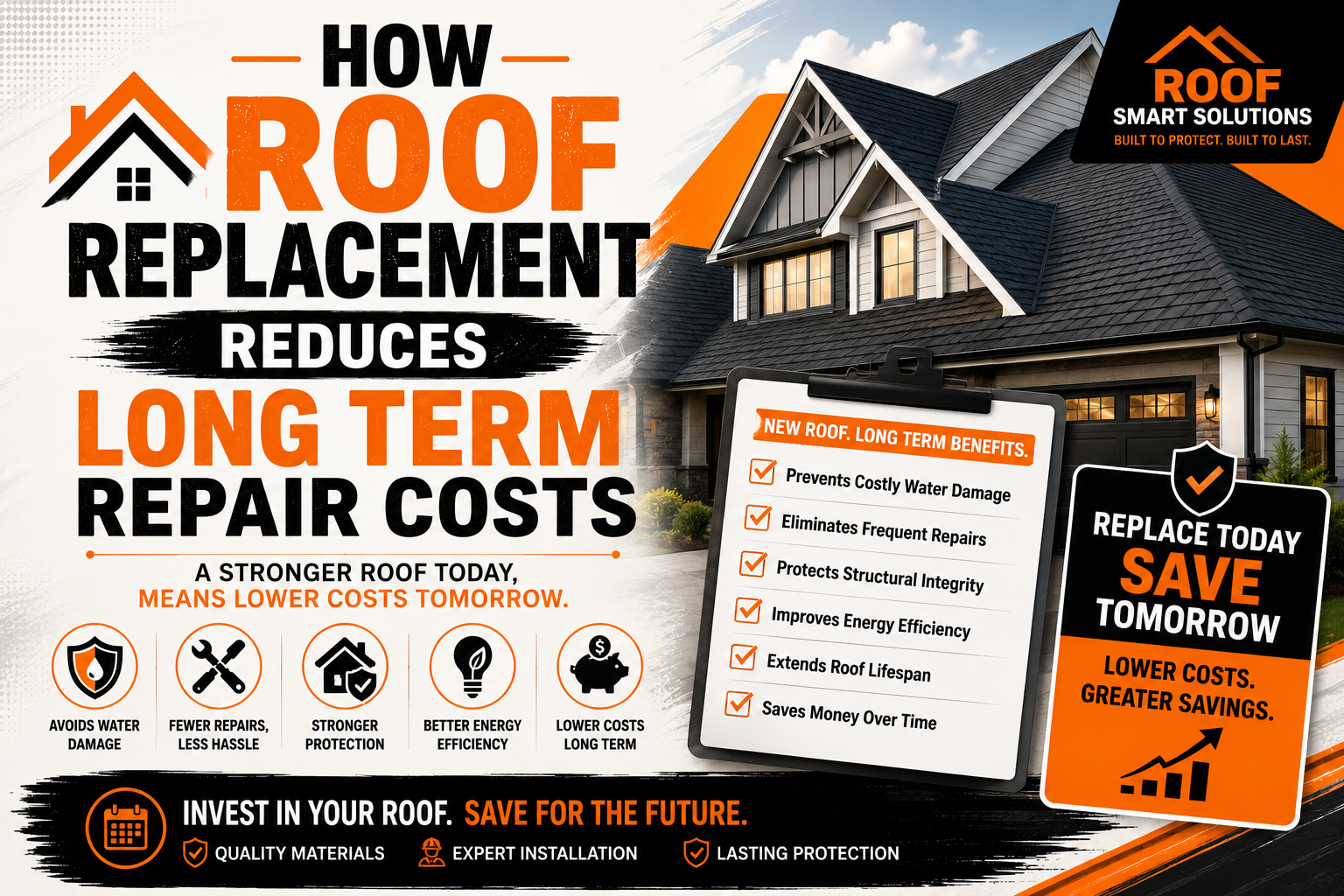
How Roof Replacement Reduces Long Term Repair Costs
Introduction
For many property owners, repairing a damaged roof seems like the most practical and affordable solution. Small leaks, missing shingles, damaged flashing, or isolated storm damage can often be repaired quickly, allowing the roof to continue functioning for several more years. While repairs are an important part of roof maintenance, there comes a point when continuing to repair an aging roofing system becomes more expensive than replacing it entirely. Understanding when that point has been reached can save homeowners significant amounts of money over the long term.
A roof naturally experiences wear from constant exposure to sunlight, rain, wind, temperature changes, and seasonal weather conditions. As roofing materials age, they gradually lose their ability to resist moisture, regulate temperature, and protect the structural components beneath them. Although individual repairs may temporarily solve visible problems, they often do not address the widespread deterioration occurring throughout the roofing system.
Many homeowners focus only on the immediate cost of replacing a roof and overlook the cumulative expense of repeated repairs. Service calls, emergency leak repairs, interior water damage, insulation replacement, mold remediation, and structural repairs gradually add to the overall cost of maintaining an aging roof. These expenses frequently exceed the cost difference between continuing repairs and investing in a complete roof replacement.
Replacing the roof at the appropriate time provides far more than new roofing materials. It restores the integrity of the entire roofing system, improves energy efficiency, reduces maintenance requirements, protects structural components, and minimizes the likelihood of expensive emergency repairs in the future. A new roof also allows homeowners to take advantage of modern materials that provide longer service life and greater durability than many older roofing products.
This guide explains how roof replacement reduces long-term repair costs by addressing the underlying causes of roofing deterioration instead of repeatedly treating individual symptoms. By understanding the financial advantages of timely replacement, property owners can make informed decisions that protect both their homes and their long-term budgets.
Understanding the True Cost of Roof Repairs
Roof repairs often appear inexpensive when viewed individually. Replacing a few shingles, sealing a small leak, or repairing flashing may involve relatively modest costs compared with a complete roof replacement. However, the true financial impact becomes much larger when these repairs occur repeatedly over many years.
Every roofing repair involves more than materials alone. Labor, inspection time, transportation, equipment, and scheduling all contribute to the overall cost of each service visit. Even relatively small repairs become expensive when homeowners require multiple service calls each year to address recurring roofing issues.
Hidden costs frequently accompany roof repairs as well. Water entering through damaged roofing materials may affect insulation, drywall, ceilings, flooring, electrical wiring, or structural framing before visible leaks appear inside the home. Repairing these secondary components often costs considerably more than correcting the original roofing problem.
Emergency repairs typically increase expenses further. Roofing problems rarely develop at convenient times. Storms, heavy rainfall, or strong winds often expose weaknesses in aging roofs, requiring urgent contractor response. Emergency scheduling generally provides fewer opportunities to compare estimates or select convenient appointment times, potentially increasing repair costs.
Temporary repairs also contribute to long-term expenses. Roof tarps, emergency sealants, or temporary patches protect the home until permanent repairs become possible, but these short-term solutions usually require additional work later. Paying for temporary and permanent repairs separately increases the total cost of maintaining the roof.
Insurance considerations should not be overlooked either. Although certain storm-related repairs may qualify for insurance coverage, routine deterioration and maintenance issues generally remain the homeowner’s responsibility. Frequent out-of-pocket repair expenses gradually accumulate while the roof continues aging.
The true cost of roof repairs therefore extends beyond individual invoices. Property owners should consider cumulative maintenance expenses, emergency repairs, interior damage, and long-term deterioration when evaluating whether continued repairs remain financially practical.
Why Repeated Repairs Become More Expensive Over Time
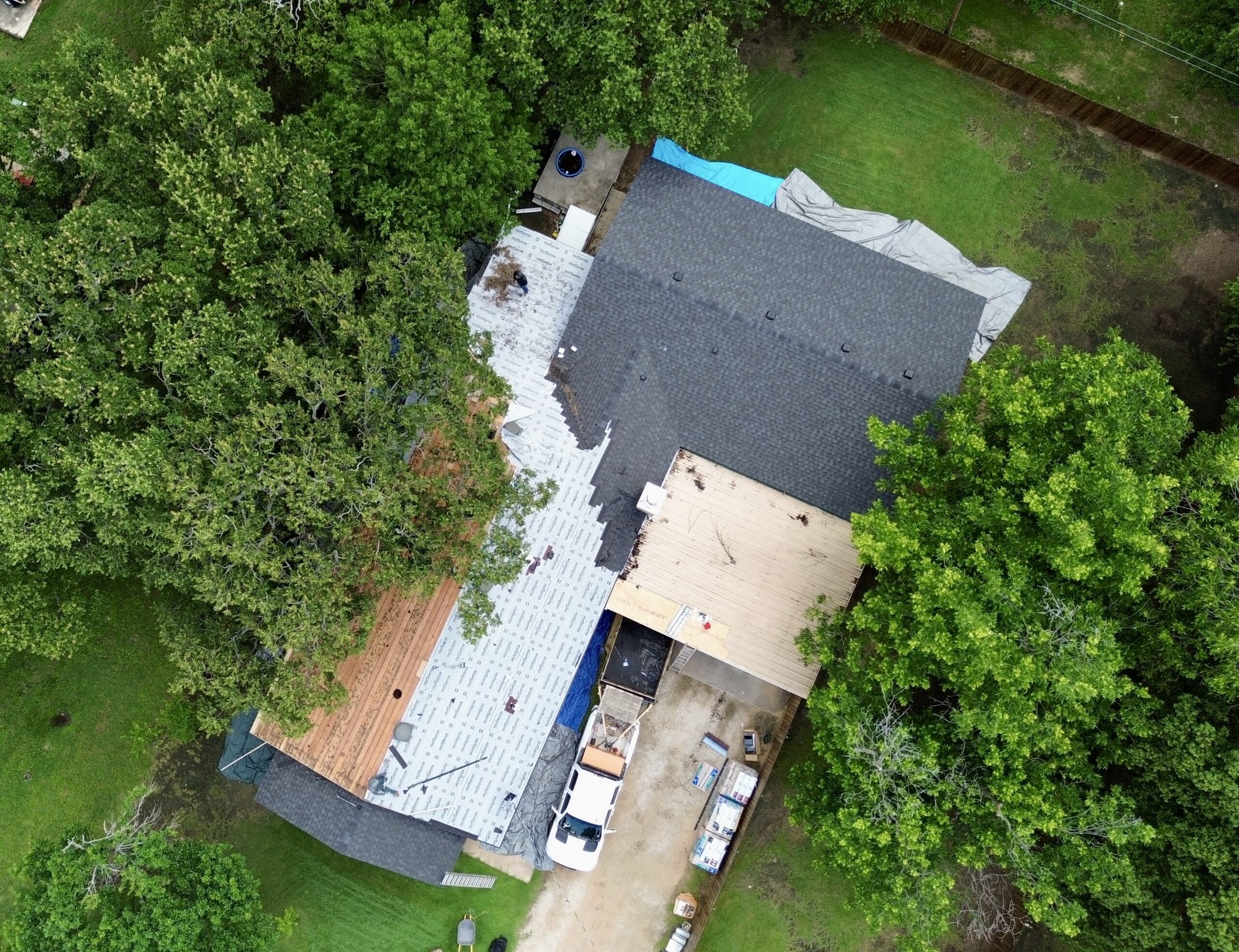
As a roof ages, repairs often become increasingly frequent because roofing materials deteriorate throughout the entire system rather than in isolated locations. While repairing one damaged area may temporarily solve an immediate problem, other sections of the roof continue aging at the same time.
Weather exposure is one of the primary reasons repair frequency increases. Years of sunlight gradually weaken shingles, sealants lose flexibility, flashing corrodes, and underlayment becomes less effective. Repairing one component cannot reverse the natural aging process affecting surrounding materials.
Recurring leaks provide another example of increasing repair costs. A leak repaired in one location may stop water intrusion temporarily, but aging materials nearby remain vulnerable. Over time, new leaks often develop in different sections of the roof, resulting in additional repair visits rather than a permanent solution.
Roofing systems also function as integrated assemblies. Shingles, flashing, ventilation, underlayment, decking, gutters, and structural framing all work together to protect the building. When multiple components begin deteriorating simultaneously, isolated repairs become progressively less effective because underlying system-wide aging continues.
Repair complexity often increases as roofs age. Early in the roof’s lifespan, replacing a few damaged shingles may be relatively straightforward. Later, contractors may encounter brittle materials, weakened decking, deteriorated flashing, or moisture-damaged structural components that require more extensive work during every repair.
Material availability sometimes becomes another challenge. Older roofing products may no longer be manufactured, making it difficult to match replacement materials. Contractors may need to spend additional time locating compatible products or recommending alternative repair methods.
Labor costs also rise because repairs on older roofs often require greater caution. Fragile roofing materials increase the risk of accidental damage during maintenance, requiring more careful workmanship and occasionally expanding the repair area beyond the original problem.
Over many years, repeated repairs create an ongoing cycle of maintenance expenses without restoring the roof’s overall condition. Eventually, replacing the complete roofing system becomes a more practical financial decision than continuing to repair isolated areas of widespread deterioration.
Signs That Repairs Are No Longer Cost Effective
Determining when repairs should give way to replacement is one of the most important financial decisions property owners face. Although no single factor applies to every roof, several warning signs indicate that continued repairs may no longer provide good long-term value.
Roof age is often the first consideration. Every roofing material has an expected service life, and as the roof approaches that age, repair frequency generally increases. Even if repairs remain technically possible, investing in an aging roof may provide diminishing financial returns.
Frequent repair calls represent another important warning sign. Occasional maintenance is normal throughout a roof’s lifespan, but repeated repairs occurring every few months often suggest that widespread deterioration is affecting the entire roofing system rather than isolated areas.
Multiple leak locations also indicate declining roof performance. If new leaks continue appearing despite previous repairs, the roof may have reached a stage where repairing one problem simply reveals another. Continuing this pattern often becomes increasingly expensive over time.
Visible material deterioration deserves careful attention as well. Curling shingles, extensive granule loss, cracked tiles, deteriorated flashing, widespread moss growth, or sagging roof sections all suggest that roofing materials may be nearing the end of their useful life.
Interior damage provides another indication that replacement planning should begin. Water stains, mold growth, damp insulation, peeling paint, or warped ceilings often reveal roofing issues extending beyond the visible roof surface. Addressing these problems repeatedly without replacing the aging roof may result in continued repair expenses.
Professional inspections provide valuable guidance when evaluating repair versus replacement. Experienced roofing contractors assess the entire roofing system rather than focusing only on visible damage. Their recommendations help homeowners understand whether repairs remain practical or whether replacement provides stronger long-term value.
Recognizing these warning signs early allows homeowners to plan replacement before repair expenses continue escalating unnecessarily.
How Roof Replacement Prevents Structural Damage
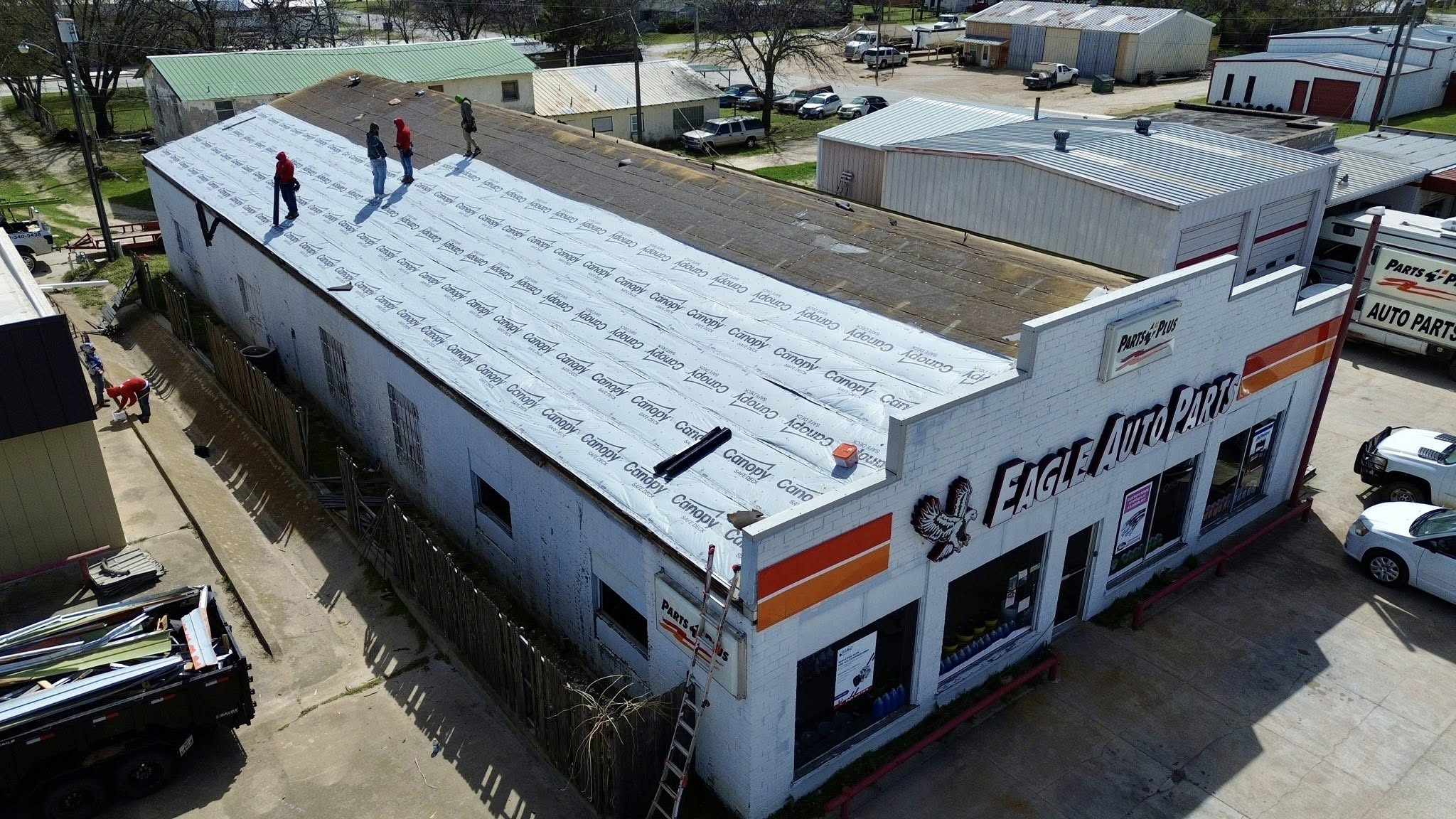
One of the greatest financial advantages of timely roof replacement is preventing damage to the structural components beneath the roofing materials. While surface repairs address visible defects, replacing the entire roofing system protects the building from hidden deterioration that often becomes far more expensive to repair.
Water intrusion presents the greatest threat to structural integrity. Even small roof leaks allow moisture to enter roof decking, framing, insulation, and ceiling materials. Over time, repeated moisture exposure weakens wood components, encourages mold growth, and reduces insulation performance.
Roof replacement removes damaged roofing materials, allowing contractors to inspect the underlying structure thoroughly. Any deteriorated decking, weakened framing, or moisture-related damage can be repaired before installing the new roof. Correcting these issues early prevents further structural deterioration.
Protecting insulation also contributes to long-term savings. Wet insulation loses much of its ability to resist heat transfer, increasing heating and cooling costs while creating conditions favorable for mold growth. Installing a new roofing system with effective moisture protection helps preserve insulation performance.
Roof replacement also restores proper flashing around chimneys, skylights, plumbing vents, and roof intersections. These locations commonly develop leaks as flashing ages. Replacing flashing throughout the roofing system significantly reduces future water intrusion risks.
Improved underlayments further strengthen moisture protection. Modern synthetic underlayments resist water penetration more effectively than many older materials, providing an additional protective barrier beneath the roofing surface.
Structural protection extends beyond the roof itself. Preventing moisture intrusion safeguards ceilings, walls, flooring, electrical systems, and interior finishes throughout the home. Avoiding these secondary repairs often represents one of the largest long-term financial benefits of replacing an aging roof.
Rather than repeatedly repairing visible leaks after structural damage has already begun, roof replacement prevents many of these problems before they develop, reducing future repair costs across the entire property.
Modern Roofing Systems Reduce Future Maintenance
Advances in roofing technology have significantly improved the durability and performance of modern roofing systems. Replacing an older roof allows homeowners to benefit from these improvements while reducing the amount of maintenance required throughout the roof’s service life.
Modern roofing materials generally provide greater resistance to weather exposure than products manufactured decades ago. Improved manufacturing processes produce shingles, metal panels, composite materials, and underlayments capable of withstanding stronger winds, prolonged sunlight, temperature fluctuations, and moisture more effectively.
Enhanced flashing systems also contribute to lower maintenance requirements. Modern flashing materials resist corrosion while maintaining watertight seals around roof penetrations for longer periods. Reduced flashing deterioration means fewer opportunities for leaks to develop.
Ventilation systems have improved considerably as well. Balanced attic ventilation reduces excessive heat buildup during summer while controlling moisture accumulation during colder months. Better ventilation slows roofing material aging while protecting structural components beneath the roof.
Improved installation techniques further enhance durability. Modern fastening systems, advanced sealants, and better waterproofing practices increase overall roof reliability while reducing the likelihood of premature repairs.
Many modern roofing products also include stronger manufacturer warranties reflecting improved confidence in long-term product performance. Combined with workmanship warranties provided by experienced contractors, these protections provide additional financial reassurance throughout the roof’s lifespan.
Lower maintenance requirements benefit homeowners in several ways. Fewer service calls reduce annual maintenance expenses while minimizing disruptions associated with recurring roof repairs. Property owners also gain greater confidence during severe weather, knowing that their roofing system incorporates modern materials designed for demanding environmental conditions.
Replacing an aging roof therefore provides not only immediate structural improvements but also lasting reductions in maintenance demands that continue generating savings throughout the roof’s expected service life.
Planning Roof Replacement as a Long-Term Investment
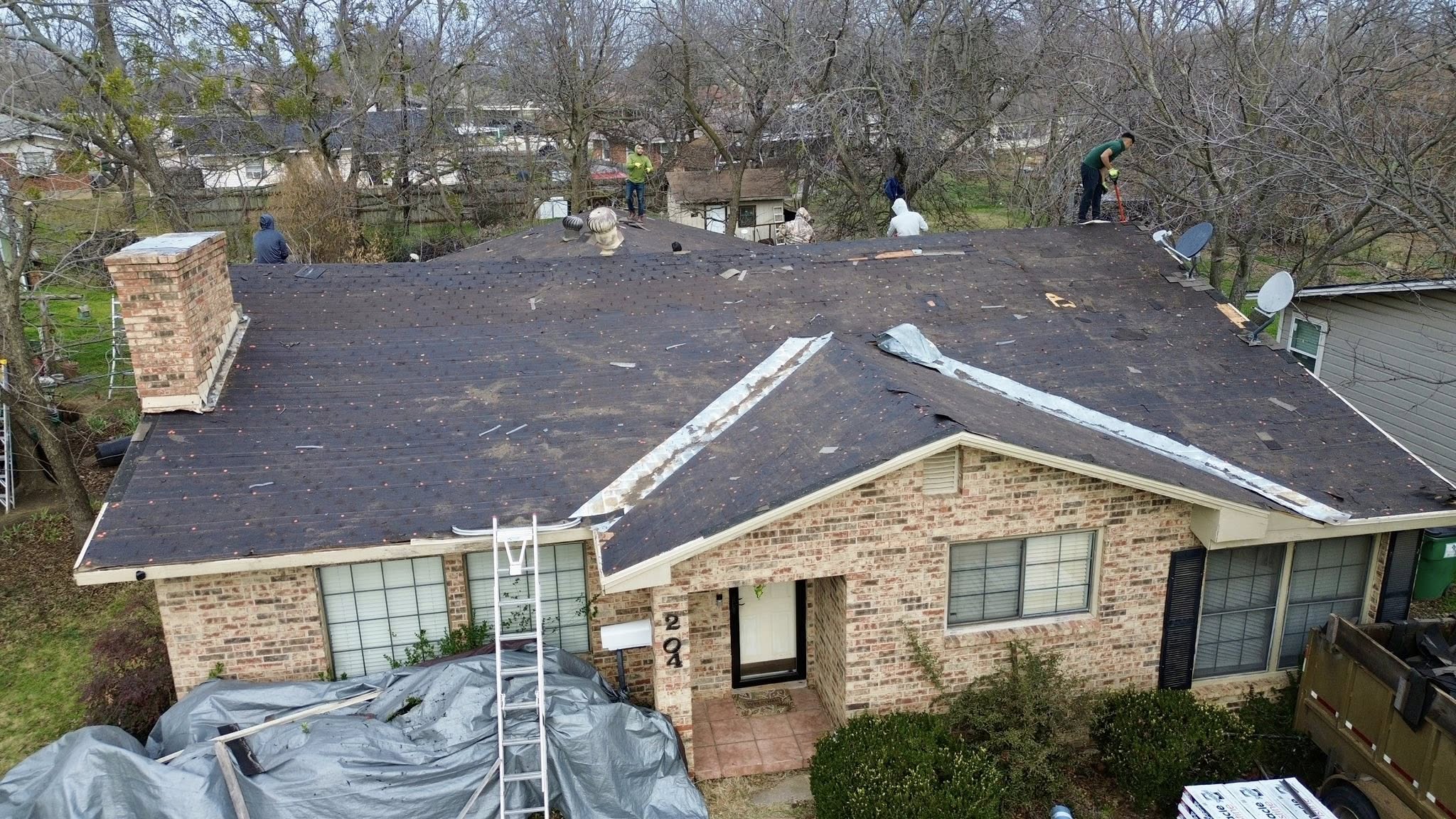
Many homeowners initially view roof replacement as a major expense rather than a financial investment. However, evaluating replacement from a long-term perspective reveals that it often reduces total ownership costs by eliminating repeated repairs, protecting structural components, improving energy efficiency, and increasing property value.
Effective planning begins with professional roof inspections. Understanding the current condition of the roofing system allows homeowners to estimate remaining service life while preparing financially before emergency replacement becomes necessary.
Budgeting over several years also improves financial flexibility. Saving gradually allows homeowners to choose roofing materials based on durability and long-term value rather than immediate affordability. Careful planning often produces stronger returns through lower maintenance expenses and improved roof performance.
Replacement timing also influences long-term savings. Completing the project before severe deterioration develops prevents many secondary repair costs affecting insulation, framing, ceilings, and interior finishes. Early replacement protects the entire building while reducing future maintenance demands.
Property owners should also compare expected repair expenses over the coming years with the cost of installing a new roofing system. In many situations, cumulative repair costs combined with continued aging make replacement the more economical long-term decision.
Planning ahead transforms roof replacement from an unexpected emergency into a carefully managed property improvement. Instead of reacting to repeated roofing problems, homeowners gain the opportunity to invest in a durable, efficient roofing system that reduces maintenance requirements, protects the home’s structure, and lowers repair expenses for decades to come.
Eliminating Hidden Repair Costs Through Roof Replacement
When homeowners think about roof repair expenses, they often consider only the visible work completed on the roof itself. However, the most significant costs associated with an aging roof are frequently hidden beneath the surface. Water intrusion, insulation damage, structural deterioration, and interior repairs can quietly increase maintenance expenses long before major roofing problems become obvious. Replacing the roof at the right time helps eliminate many of these hidden costs before they become financially overwhelming.
One of the most common hidden expenses involves moisture damage inside the attic. Small roof leaks may allow water to enter gradually without creating noticeable stains on ceilings immediately. Over time, insulation absorbs moisture, reducing its effectiveness while creating favorable conditions for mold growth. Replacing the roof with modern waterproofing systems prevents this gradual deterioration and protects the insulation from repeated exposure.
Roof decking is another area where hidden costs frequently develop. Moisture trapped beneath damaged roofing materials weakens wooden decking over time, requiring partial or complete replacement if deterioration continues. Installing a new roof before widespread moisture damage occurs helps preserve these structural components and avoids more extensive reconstruction.
Electrical systems may also be affected by prolonged roof leaks. Water reaching wiring, lighting fixtures, or attic electrical connections can create safety concerns that require professional electrical repairs in addition to roofing work. Preventing water intrusion through timely roof replacement reduces these risks while protecting the home’s infrastructure.
Interior finishes often suffer when roof leaks remain unresolved. Ceiling drywall, wall paint, flooring, trim, and furniture may all require repair or replacement after prolonged moisture exposure. These secondary expenses frequently exceed the cost of the original roofing repair that might have prevented the damage.
Roof replacement also reduces the need for repeated emergency service calls. Emergency repairs often occur during severe weather when contractors are working under urgent conditions and scheduling flexibility is limited. Eliminating recurring roof failures removes many of these unexpected costs from long-term homeownership.
By addressing the entire roofing system instead of isolated defects, roof replacement eliminates many hidden expenses that continue accumulating beneath an aging roof. This proactive approach protects both the building and the homeowner’s financial resources.
How New Roofing Materials Improve Long-Term Durability
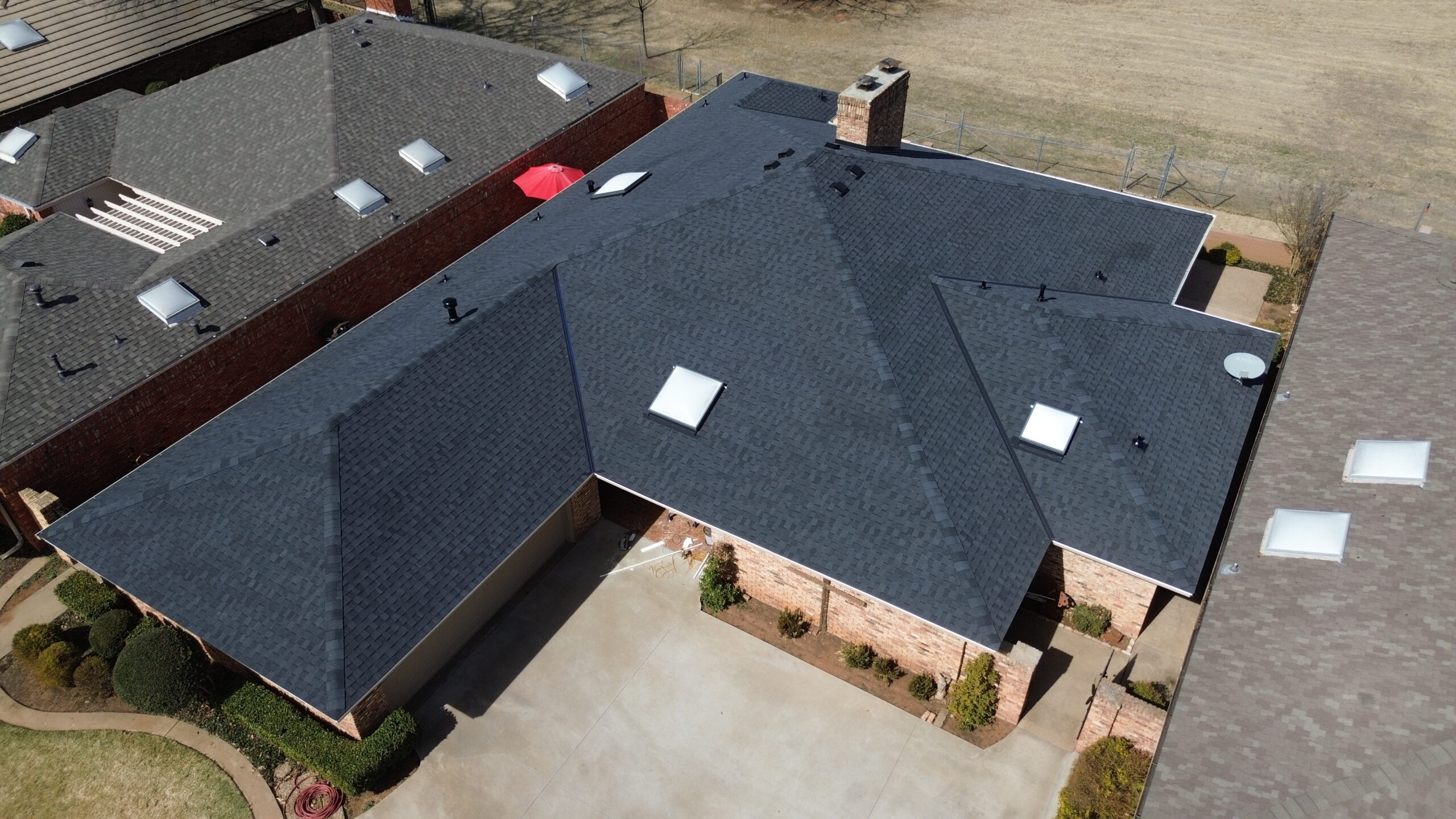
Modern roofing materials are designed to provide greater durability than many products installed decades ago. Advances in manufacturing, engineering, and material science have significantly improved resistance to weather, moisture, ultraviolet radiation, and physical wear. Replacing an older roof with these improved materials helps reduce repair frequency while extending overall roof lifespan.
Asphalt shingles have evolved considerably over the years. Many modern shingles feature stronger fiberglass reinforcement, improved protective granules, and enhanced sealing technologies that increase resistance to wind uplift and weather-related deterioration. These improvements help reduce the likelihood of missing shingles and recurring repairs following storms.
Metal roofing systems provide another example of long-term durability. Properly installed metal roofs resist corrosion, insect damage, fire, and severe weather while requiring relatively little routine maintenance. Their extended service life often reduces replacement frequency, lowering overall ownership costs across several decades.
Composite roofing products continue gaining popularity because they combine durability with low maintenance requirements. Many composite materials resist cracking, fading, moisture absorption, and biological growth more effectively than traditional roofing products. Their ability to withstand changing weather conditions contributes to fewer repair needs throughout their lifespan.
Improved flashing materials also enhance durability. Modern flashing systems resist corrosion while maintaining watertight seals around chimneys, skylights, roof valleys, and plumbing vents. Better flashing performance significantly reduces one of the most common sources of roof leaks.
Synthetic underlayments provide additional protection beneath the visible roofing materials. Compared with older felt-based underlayments, modern synthetic products generally offer greater tear resistance, moisture protection, and long-term stability. These hidden improvements strengthen the roofing system while reducing maintenance demands.
Manufacturing quality has also improved overall consistency. Today’s roofing products often undergo extensive testing for wind resistance, weather exposure, impact resistance, and long-term performance before reaching the market. These higher standards contribute to greater reliability and fewer unexpected repairs after installation.
By selecting durable modern roofing materials during replacement, homeowners invest in a roofing system designed to require less maintenance while providing dependable protection for many years.
Preventing Water Damage and Interior Repair Expenses
Water is one of the most destructive forces affecting residential buildings. Even relatively small roof leaks can gradually damage multiple areas of the home, leading to expensive repairs far beyond the roofing system itself. Roof replacement provides one of the most effective methods of preventing these ongoing interior repair costs.
Ceilings are often the first interior components affected by roof leaks. Water stains, peeling paint, sagging drywall, and discoloration commonly appear after moisture has already been entering the home for some time. Repairing ceiling finishes repeatedly without correcting the underlying roofing problems usually results in continued damage.
Walls also become vulnerable when moisture spreads beyond the attic. Water traveling through framing cavities may damage drywall, insulation, paint, trim, and wallpaper before becoming visible inside living spaces. Preventing roof leaks protects these finished surfaces while avoiding repeated repair expenses.
Flooring represents another significant concern. Moisture entering through ceilings may eventually reach hardwood flooring, carpeting, laminate materials, or subfloor structures. Water-damaged flooring often requires replacement rather than simple repair, substantially increasing overall restoration costs.
Insulation deserves particular attention because its deterioration affects both repair costs and energy efficiency. Wet insulation loses much of its thermal resistance while creating conditions favorable for mold development. Replacing the roof before repeated leaks occur helps preserve insulation performance while reducing future heating and cooling expenses.
Mold remediation may become necessary when roof leaks remain unresolved for extended periods. Moisture trapped within walls, ceilings, or attic spaces creates ideal conditions for mold growth, requiring specialized cleaning procedures and material replacement. Preventing water intrusion is far more economical than addressing widespread mold contamination later.
Furniture, electronics, and personal belongings also remain at risk when roof leaks develop unexpectedly. Water damage to valuable possessions often creates financial losses beyond structural repair costs. A dependable roofing system significantly reduces these risks.
Replacing the roof before extensive moisture damage occurs protects every level of the building, minimizing repair expenses while preserving the home’s structural integrity and interior appearance.
Reducing Energy and Maintenance Costs After Replacement
Roof replacement provides financial benefits extending well beyond reduced repair expenses. Modern roofing systems improve energy efficiency while lowering routine maintenance requirements, creating ongoing savings throughout the roof’s service life.
Improved insulation compatibility represents one of the greatest energy advantages. During roof replacement, contractors often evaluate existing attic insulation and recommend upgrades where appropriate. Better insulation reduces heat transfer, allowing heating and cooling systems to operate more efficiently throughout the year.
Ventilation improvements also contribute to lower operating costs. Balanced airflow removes excess attic heat during summer while controlling moisture during colder months. Proper ventilation reduces thermal stress on roofing materials while improving indoor comfort and lowering energy consumption.
Reflective roofing materials further reduce cooling expenses in many climates. Modern shingles, metal roofing, and specialized coatings reflect more solar radiation than many older roofing products, helping maintain lower attic temperatures during warm weather. Reduced heat transfer decreases air conditioning demands while improving comfort.
Routine maintenance costs also decline following roof replacement. New roofing materials require fewer repairs because they begin their service life free from widespread deterioration. Homeowners spend less on emergency repairs, patching, flashing replacement, and leak investigations throughout the early years of the roof’s lifespan.
Improved durability also reduces inspection concerns. Although regular roof inspections remain important, newer roofing systems generally require fewer corrective actions during routine maintenance visits. Preventive care becomes simpler and more predictable.
Energy-efficient roofing systems may also contribute to longer HVAC equipment lifespan. Heating and cooling systems operating under reduced thermal demand experience less wear, potentially lowering maintenance costs while delaying equipment replacement.
Together, these improvements create meaningful financial savings that continue year after year. Rather than simply eliminating repair expenses, roof replacement improves the overall efficiency and reliability of the home while reducing multiple categories of long-term operating costs.
Comparing Ongoing Repairs With Complete Roof Replacement
Many homeowners struggle with deciding whether to continue repairing an aging roof or invest in full replacement. Comparing these two approaches highlights the long-term financial advantages of replacing the roof before repair costs continue escalating.
| Cost Consideration | Ongoing Roof Repairs | Complete Roof Replacement |
|---|---|---|
| Repair frequency | Increases as the roof ages | Minimal during the early years |
| Emergency service calls | More likely | Significantly reduced |
| Water damage risk | Continues if deterioration spreads | Greatly minimized |
| Structural protection | Localized repairs only | Entire roofing system restored |
| Energy efficiency | Often unchanged | Frequently improved |
| Long-term maintenance costs | Generally increase | Usually lower for many years |
This comparison demonstrates that repairs remain valuable when roofing problems are isolated and the overall roof remains in good condition. However, as widespread deterioration develops, replacement often provides greater financial stability by eliminating recurring maintenance cycles.
Complete replacement also creates predictable ownership costs. Instead of facing repeated repair invoices with uncertain timing, homeowners invest once in a new roofing system designed for long-term reliability. This stability simplifies financial planning while reducing the stress associated with unexpected roofing emergencies.
Financial Planning for a Roof Replacement Project
Replacing a roof represents a significant investment, but thoughtful financial planning allows homeowners to complete the project without unnecessary strain while maximizing long-term savings. Preparing well before replacement becomes urgent creates more opportunities to manage costs effectively.
The planning process should begin with professional roof inspections. Understanding the roof’s current condition allows homeowners to estimate remaining service life while beginning financial preparations before emergency replacement becomes necessary. Advance planning often prevents rushed decisions made during severe weather or active leaks.
Creating a dedicated roof replacement savings fund is one effective strategy. Setting aside smaller amounts regularly over several years is generally more manageable than securing large sums unexpectedly after roof failure. Gradual savings also provide greater flexibility when selecting materials and contractors.
Comparing multiple contractor estimates helps homeowners understand current market pricing while evaluating different roofing systems. Looking beyond the lowest estimate allows property owners to consider workmanship quality, warranty coverage, material durability, and long-term value rather than focusing only on immediate costs.
Budget planning should also include a contingency reserve. Hidden structural issues, damaged roof decking, or ventilation improvements occasionally become necessary after existing roofing materials are removed. Including additional funds within the project budget reduces financial surprises if these conditions are discovered.
Homeowners should also evaluate the financial benefits expected after replacement. Lower maintenance expenses, improved energy efficiency, reduced emergency repair costs, and increased property value all contribute to the overall return on investment. Considering these long-term savings provides a more complete picture than comparing only the initial installation cost.
Finally, replacement timing plays an important financial role. Scheduling roof replacement before severe deterioration develops avoids many secondary repair expenses affecting insulation, framing, ceilings, and interior finishes. Acting proactively often produces the strongest financial outcome while preserving the condition of the entire property.
Careful financial planning transforms roof replacement from a stressful emergency into a well-managed investment. By preparing in advance and focusing on long-term value, homeowners reduce repair costs, improve building performance, and establish a durable roofing system that provides dependable protection and lower maintenance expenses for decades to come.
Roof Replacement Cost-Saving Checklist for Property Owners
Replacing a roof is a major investment, but careful planning helps maximize long-term savings while reducing future repair expenses. A structured checklist ensures that important financial and maintenance decisions are made before construction begins rather than after problems develop.
Before moving forward with a roof replacement project, property owners should complete the following checklist:
- Arrange a professional roof inspection to determine whether replacement is more economical than continued repairs.
- Review the roof’s repair history to identify recurring maintenance expenses.
- Compare roofing materials based on durability, warranty coverage, maintenance needs, and expected lifespan.
- Establish a realistic project budget that includes a contingency reserve for hidden structural repairs.
- Obtain written estimates from multiple qualified roofing contractors.
- Verify contractor licensing, insurance, and workmanship warranties.
- Plan insulation and ventilation improvements that may reduce future energy costs.
- Organize important documents, including inspection reports, warranties, contracts, and maintenance records.
- Schedule the replacement before severe deterioration creates additional structural damage.
- Develop a long-term roof maintenance plan after installation.
Completing this checklist helps homeowners make informed financial decisions instead of reacting to emergency roofing failures. Every completed task contributes to reducing future repair costs while improving the long-term performance of the new roofing system.
The checklist also supports better communication between homeowners and contractors. Expectations regarding materials, project scope, warranties, and maintenance become much clearer before construction begins, reducing misunderstandings throughout the replacement process.
Property owners should update this checklist whenever project details change. Maintaining organized records throughout planning and construction helps simplify future maintenance while protecting the overall investment.
Step-by-Step Plan for Reducing Long-Term Roofing Expenses
Reducing roofing expenses requires more than simply replacing damaged materials. A structured plan helps homeowners control maintenance costs while maximizing the lifespan of the new roofing system.
The following process provides a practical long-term cost-saving strategy:
- Schedule a professional roof inspection to evaluate the roof’s condition and determine whether replacement offers greater value than continued repairs.
- Review previous repair records to calculate how much has already been spent on maintaining the existing roof.
- Select durable roofing materials that provide long service life and lower maintenance requirements.
- Upgrade insulation, ventilation, flashing, and underlayment during replacement to improve overall roof performance.
- Choose an experienced roofing contractor who provides detailed workmanship and material warranties.
- Complete roof replacement before extensive structural or interior damage develops.
- Arrange regular professional inspections after installation to identify small issues before they become major repairs.
- Maintain gutters, drainage systems, and surrounding trees to preserve the condition of the new roof.
Following these steps allows homeowners to reduce repair frequency while protecting the roof from unnecessary deterioration. Preventive planning consistently proves more economical than waiting until emergency repairs become unavoidable.
The timeline should also remain flexible. Severe weather, changing property needs, or updated inspection findings may occasionally require maintenance adjustments. Regular evaluation helps homeowners respond proactively rather than reactively.
Long-term financial savings depend on consistency. Following a structured maintenance plan after replacement ensures that the roof continues delivering dependable performance throughout its expected lifespan.
Common Mistakes That Increase Future Roof Repair Costs
Many homeowners unintentionally increase their long-term roofing expenses by delaying important maintenance or making short-term decisions that fail to address underlying problems. Recognizing these common mistakes helps property owners avoid unnecessary repair costs while protecting their investment.
One of the most common mistakes is postponing roof replacement after repeated repairs become necessary. While repairing isolated problems is often appropriate, continually investing in an aging roof that has reached the end of its service life frequently results in higher cumulative expenses. Delaying replacement allows deterioration to continue while repair bills steadily increase.
Another mistake involves ignoring small roofing problems. Missing shingles, damaged flashing, clogged gutters, or minor leaks may appear insignificant initially, but these conditions often allow moisture to reach structural components beneath the roofing surface. Prompt repairs prevent larger and more expensive problems from developing.
Choosing contractors based solely on the lowest estimate is another frequent error. Lower pricing may sometimes reflect reduced material quality, limited warranty protection, or less experienced workmanship. Investing in quality installation generally reduces future repair requirements while improving roof longevity.
Neglecting routine roof inspections also increases long-term costs. Many roofing problems remain hidden until water damage becomes visible inside the home. Regular inspections identify developing issues early when repairs remain relatively simple and affordable.
Some homeowners overlook attic ventilation and insulation during roof replacement. Even a new roof may experience premature deterioration if excessive heat or trapped moisture remains beneath the roofing materials. Upgrading these systems during replacement supports both roof durability and energy efficiency.
Another common mistake is failing to maintain gutters and drainage systems. Blocked gutters allow water to accumulate on the roof, increasing moisture exposure while placing additional stress on flashing and roofing materials. Routine cleaning helps preserve roof performance while reducing repair needs.
Property owners also sometimes ignore nearby trees. Overhanging branches create shade that slows roof drying after rainfall while increasing debris accumulation and storm damage risks. Regular tree maintenance helps extend roof lifespan while reducing maintenance expenses.
Avoiding these common mistakes protects the roofing investment while significantly lowering long-term repair costs.
Maintaining a New Roof to Maximize Long-Term Savings
A new roof provides excellent protection, but maintaining that performance requires ongoing attention throughout its service life. Regular maintenance preserves roofing materials while delaying future repairs and maximizing the financial return on the replacement investment.
Professional roof inspections should continue even after installation. Scheduling inspections during the spring and fall allows contractors to evaluate roofing materials, flashing, ventilation, drainage systems, and roof penetrations before seasonal weather creates larger problems. Early maintenance consistently costs less than emergency repairs.
Keeping gutters and downspouts clean remains one of the simplest yet most effective maintenance practices. Proper drainage prevents standing water while reducing moisture exposure around roof edges, valleys, and flashing. Efficient water flow also protects the home’s foundation and exterior walls.
Tree maintenance contributes directly to roof longevity. Trimming branches away from the roof reduces physical damage during storms while limiting leaf accumulation that traps moisture against roofing materials. Better airflow also allows the roof to dry more quickly following rainfall.
Attic inspections should also become part of routine home maintenance. Property owners should periodically look for signs of moisture, mold, damaged insulation, or unusual temperature conditions. Identifying these issues early protects both the roof and the building structure beneath it.
Prompt attention to minor repairs remains important even with a new roof. Strong winds, falling branches, or unexpected weather events occasionally damage roofing materials despite their improved durability. Correcting these issues quickly prevents further deterioration while preserving warranty protection.
Maintaining organized records also provides long-term benefits. Inspection reports, repair invoices, warranty documents, photographs, and contractor recommendations create a valuable maintenance history. These records simplify future inspections while supporting warranty claims if necessary.
Routine maintenance requires relatively modest investment compared with the cost of major structural repairs. Consistent care allows the roof to achieve its full expected lifespan while minimizing future maintenance expenses.
Long-Term Financial Benefits of Timely Roof Replacement
Replacing the roof before widespread deterioration develops provides financial benefits that continue long after construction is complete. Although the initial investment may appear significant, many homeowners recover value through reduced maintenance, improved efficiency, and greater property protection over the roof’s lifespan.
The most immediate benefit is the reduction in recurring repair costs. Instead of scheduling multiple repairs each year, homeowners generally experience many years of dependable performance with only routine inspections and preventive maintenance. Eliminating repeated service calls creates predictable ownership costs while reducing financial uncertainty.
Energy savings also contribute to long-term value. Modern roofing systems often incorporate improved insulation compatibility, better ventilation, and more energy-efficient materials. Lower heating and cooling demands reduce monthly utility expenses while decreasing wear on HVAC equipment.
Protecting structural components generates additional financial savings. Preventing water intrusion preserves roof decking, framing, insulation, ceilings, walls, and flooring. Avoiding these secondary repairs often represents one of the largest economic advantages of timely roof replacement.
Property value may increase as well. Prospective buyers frequently view a recently replaced roof as a significant benefit because it reduces concerns about immediate maintenance expenses. A well-maintained roof also improves curb appeal while demonstrating responsible property ownership.
Insurance discussions may become simpler after replacement. A modern roofing system in good condition may reduce concerns associated with aging materials while providing documented maintenance records and warranty information when needed.
Perhaps the greatest financial advantage is long-term stability. Homeowners who replace their roofs proactively avoid the uncertainty associated with repeated emergency repairs, severe weather failures, and unexpected structural damage. Planned replacement allows better budgeting while reducing the emotional and financial stress caused by roofing emergencies.
Viewed over several decades, timely roof replacement becomes more than a maintenance expense. It becomes a strategic investment that protects the entire property while lowering overall ownership costs.
Conclusion
Roof repairs play an important role in maintaining a healthy roofing system, but they are not always the most economical long-term solution. As roofs age, repeated repairs often become more frequent, more expensive, and less effective because they address isolated problems while widespread deterioration continues throughout the roofing system.
Replacing the roof at the appropriate time eliminates many of the hidden costs associated with aging roofs. Structural damage, water intrusion, insulation deterioration, mold growth, interior repairs, emergency service calls, and rising energy expenses are all significantly reduced when a new roofing system is installed before severe deterioration develops. Modern roofing materials also provide improved durability, stronger weather resistance, and lower maintenance requirements, helping homeowners avoid recurring repair cycles.
Careful planning further increases the financial value of roof replacement. Professional inspections, thoughtful budgeting, quality material selection, experienced contractors, and preventive maintenance all contribute to extending roof lifespan while minimizing future expenses. Rather than reacting to repeated roofing failures, homeowners gain the ability to manage replacement on their own schedule while protecting both their homes and their finances.
Maintaining the new roof remains equally important after installation. Regular inspections, prompt repairs, clean drainage systems, proper attic ventilation, and organized maintenance records preserve the roof’s performance and ensure that long-term savings continue throughout its service life.
Ultimately, roof replacement should be viewed as a long-term investment rather than simply a construction expense. By replacing an aging roof before repair costs continue escalating, property owners protect their home’s structure, reduce maintenance demands, improve energy efficiency, and establish a durable roofing system that delivers dependable performance and lasting financial benefits for many years to come.