

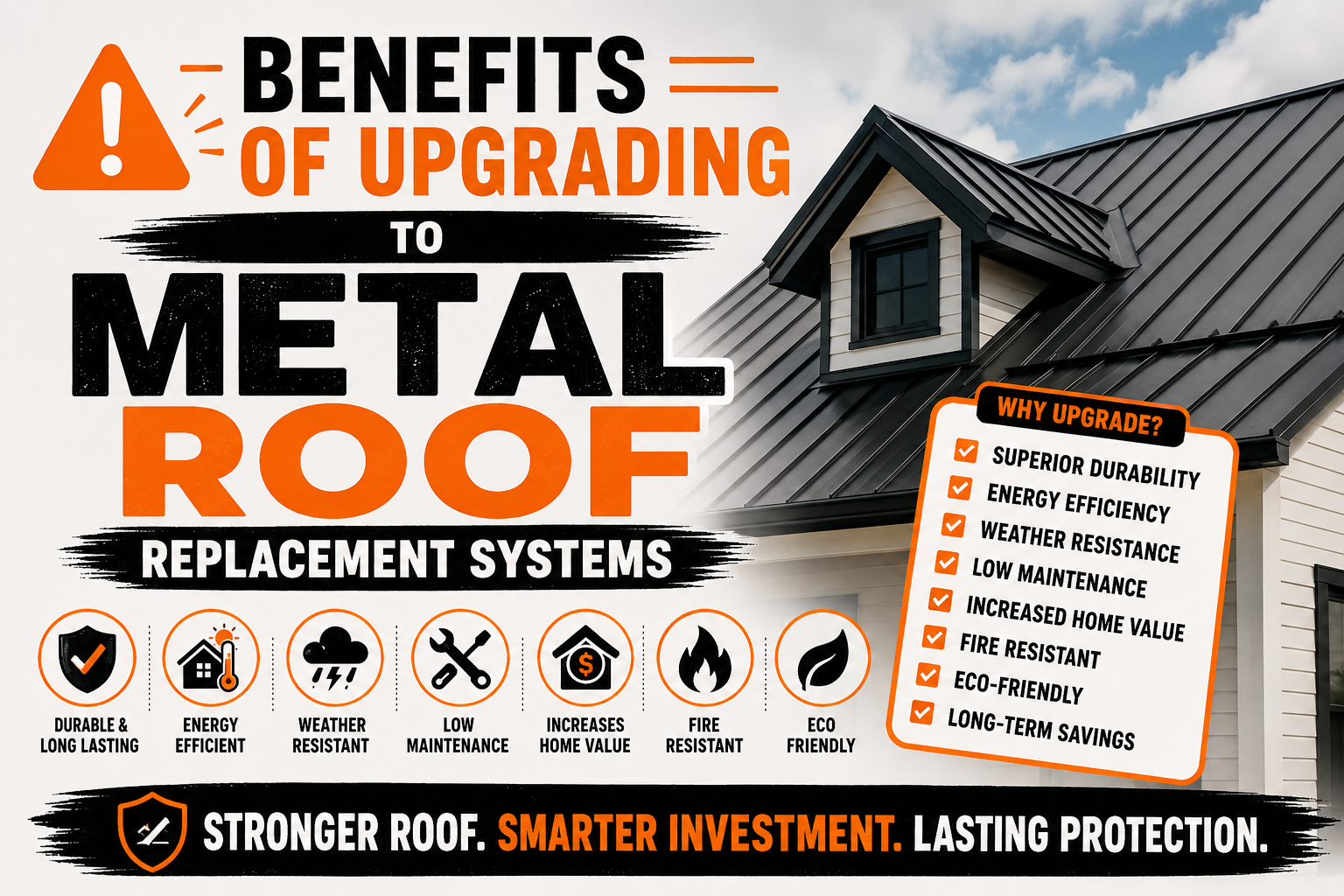
Benefits of Upgrading to Metal Roof Replacement Systems
Introduction
Replacing a roof is one of the most important investments homeowners make to protect their property. While asphalt shingles remain a common choice, an increasing number of homeowners are upgrading to metal roof replacement systems because of their exceptional durability, energy efficiency, and long-term value. Modern metal roofing has evolved significantly over the years, offering attractive designs that complement a wide range of architectural styles while delivering reliable protection against harsh weather.
A roof does much more than cover a home. It shields the structure from rain, snow, wind, sunlight, and temperature changes throughout the year. When an aging roof begins to fail, replacing it with a stronger and more advanced roofing system can improve not only the home’s protection but also its overall efficiency and appearance.
Metal roofing systems have become increasingly popular because they combine strength with modern engineering. Unlike older metal roofs that were often associated with industrial buildings, today’s residential metal roofing products are designed with aesthetics, performance, and longevity in mind. Homeowners now have access to a variety of colors, finishes, and profiles that blend beautifully with traditional, contemporary, and custom-built homes.
Choosing a metal roof replacement is a long-term decision rather than a temporary repair. While the initial investment may be higher than some traditional roofing materials, the long lifespan and reduced maintenance requirements often provide substantial value over time. Understanding these benefits helps homeowners make informed decisions when planning their next roof replacement project.
This guide explores the many advantages of upgrading to metal roof replacement systems. From improved durability and energy efficiency to enhanced safety and environmental sustainability, each section explains why metal roofing continues to gain popularity among homeowners seeking reliable and lasting roofing solutions.
Why More Homeowners Are Choosing Metal Roof Replacement
The roofing industry has experienced significant changes in recent years, and one of the most noticeable trends is the growing demand for residential metal roofing. Homeowners are increasingly recognizing that replacing an aging roof is an opportunity to improve the entire home’s performance rather than simply restoring its previous condition.
One of the biggest reasons behind this shift is the desire for long-lasting protection. Traditional roofing materials often require replacement several times during a homeowner’s lifetime, whereas many metal roofing systems are designed to remain functional for several decades with proper maintenance.
Homeowners also appreciate the balance between appearance and performance. Modern manufacturing techniques allow metal roofing panels to resemble traditional shingles, slate, tile, or wood shakes while retaining the structural advantages of metal construction. This combination provides attractive curb appeal without sacrificing durability.
Changing weather patterns have also influenced roofing decisions. Stronger storms, heavier rainfall, high winds, and extreme temperatures encourage homeowners to choose roofing materials capable of withstanding more demanding environmental conditions. Metal roofing systems are engineered to perform well under many of these challenging circumstances.
Another important factor is long-term financial planning. Many homeowners view roofing not as an expense but as an investment that contributes to lower maintenance costs, improved energy efficiency, and increased property value over time.
As awareness of these advantages continues to grow, metal roofing has become a preferred option for homeowners seeking dependable protection and lasting performance.
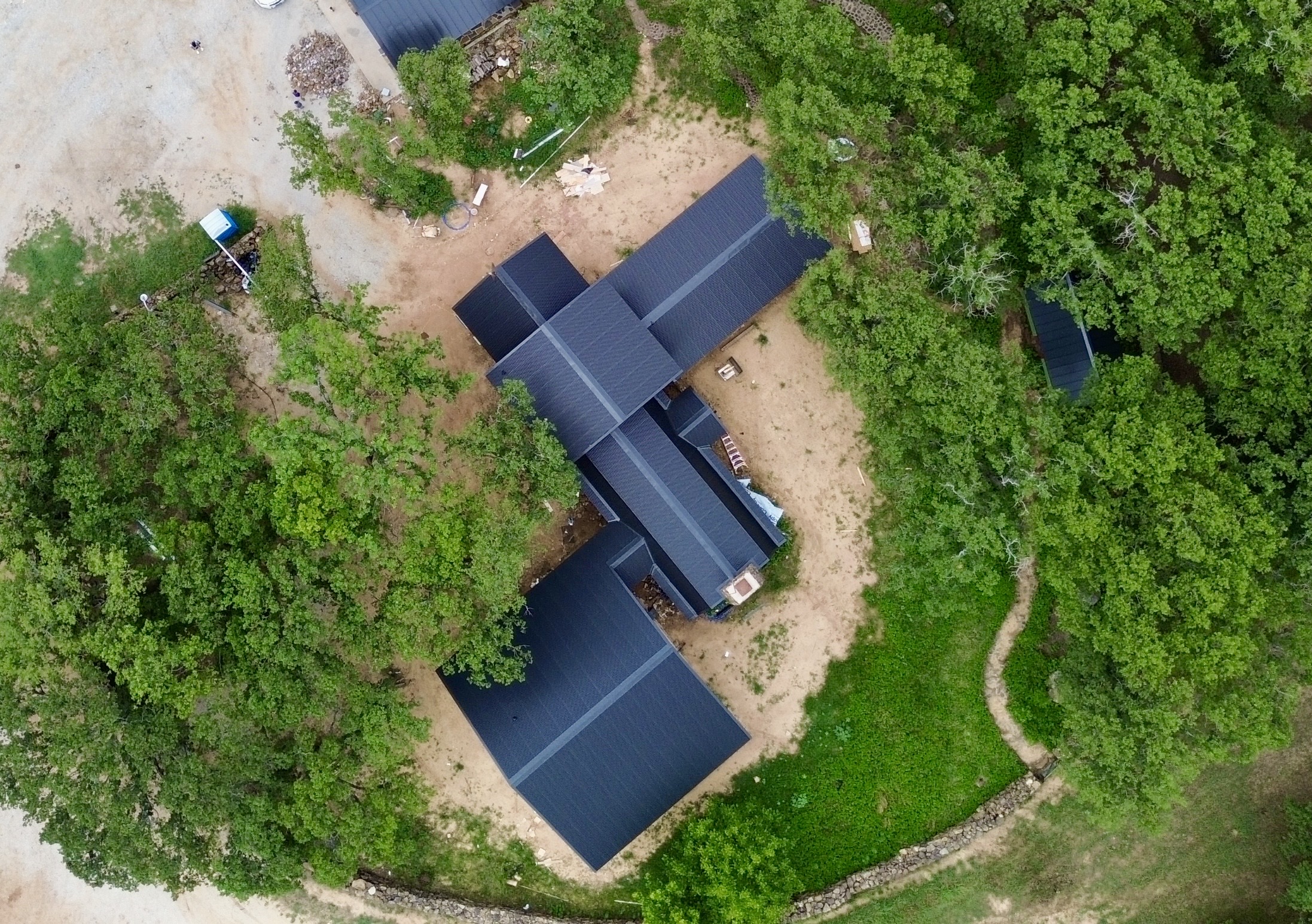
Understanding Modern Metal Roofing Systems
Modern metal roofing systems differ greatly from the simple corrugated metal roofs commonly associated with agricultural or commercial buildings. Today’s residential products combine advanced manufacturing technology with attractive architectural designs that meet both functional and aesthetic expectations.
A complete metal roofing system consists of several integrated components rather than only the visible roof panels. Underlayment, fastening systems, ventilation, flashing, ridge caps, and protective coatings all work together to create a durable barrier against weather and moisture.
Metal roofing panels are manufactured using different materials, including steel, aluminum, copper, and zinc. Each material offers unique characteristics related to durability, corrosion resistance, appearance, and expected lifespan. Homeowners can select options that best match their climate, budget, and design preferences.
Protective coatings play a major role in modern metal roofing performance. High-quality finishes help resist fading, corrosion, scratches, and ultraviolet exposure while maintaining the roof’s appearance for many years. These coatings also reduce maintenance requirements compared to older generations of metal roofing.
Installation methods have improved considerably as well. Precision manufacturing allows roofing panels to fit together securely, reducing opportunities for water infiltration while creating clean, uniform roof lines. Proper installation by experienced professionals further enhances the overall reliability of the roofing system.
Understanding these advancements helps homeowners appreciate why modern metal roofing performs far differently from outdated perceptions of metal roofs.
Comparing Metal Roofs With Traditional Asphalt Shingles
When considering roof replacement, many homeowners naturally compare metal roofing with asphalt shingles because both materials are widely available for residential construction. Each option has strengths, but metal roofing offers several distinct advantages in terms of longevity and performance.
Asphalt shingles remain popular because of their relatively low installation cost and familiar appearance. However, exposure to sunlight, temperature fluctuations, wind, and moisture gradually causes shingles to age. Over time they may crack, curl, lose protective granules, or require partial replacement.
Metal roofing responds differently to environmental stress. Rather than relying on layered asphalt materials, metal panels provide continuous protective surfaces that resist many common forms of deterioration. Properly installed panels maintain their structural integrity for significantly longer periods.
Another major difference involves maintenance. Asphalt roofs typically require more frequent inspections and occasional repairs as they age. Metal roofing generally experiences fewer maintenance issues because it resists cracking, splitting, and many forms of weather-related damage.
Weight is another important comparison. Metal roofing systems are surprisingly lightweight despite their exceptional strength. Lower structural weight can reduce stress on the home’s framing while simplifying certain aspects of installation.
The following comparison highlights several important differences.
| Feature | Metal Roofing | Asphalt Shingles |
|---|---|---|
| Expected Lifespan | Often 40 to 70 years or more | Commonly 20 to 30 years |
| Weather Resistance | Excellent resistance to wind and severe weather | Good protection but may deteriorate faster over time |
| Maintenance | Generally low maintenance | Periodic repairs may become necessary |
| Energy Efficiency | Reflective coatings help reduce heat absorption | Typically absorbs more solar heat |
| Environmental Impact | Frequently made from recyclable materials | Less commonly recycled after replacement |
Although every homeowner’s priorities differ, comparing these characteristics demonstrates why many people choose to upgrade from asphalt shingles to modern metal roofing systems.
Durability That Lasts for Decades
One of the greatest advantages of metal roofing is its exceptional durability. Homeowners often choose metal roofs because they provide dependable protection over an extended period, reducing the frequency of major roofing projects throughout the life of the home.
Metal roofing materials are specifically engineered to withstand continuous exposure to changing weather conditions. Daily cycles of heating and cooling cause roofing materials to expand and contract, but properly manufactured metal panels are designed to accommodate these natural movements without compromising structural performance.
Unlike many traditional roofing materials, metal does not easily crack, split, warp, or become brittle with age. This resistance allows the roofing system to maintain both its appearance and protective qualities for decades when properly maintained.
Protective coatings further enhance durability by shielding the metal surface from corrosion, ultraviolet radiation, and environmental pollutants. High-quality finishes help preserve color consistency while minimizing wear caused by prolonged exposure to sunlight and moisture.
Durability also contributes to long-term peace of mind. Homeowners can feel confident knowing their roof is designed to continue protecting the structure even after years of seasonal weather changes.
Because replacement intervals are significantly extended, metal roofing often becomes a cost-effective solution despite its higher initial installation investment.
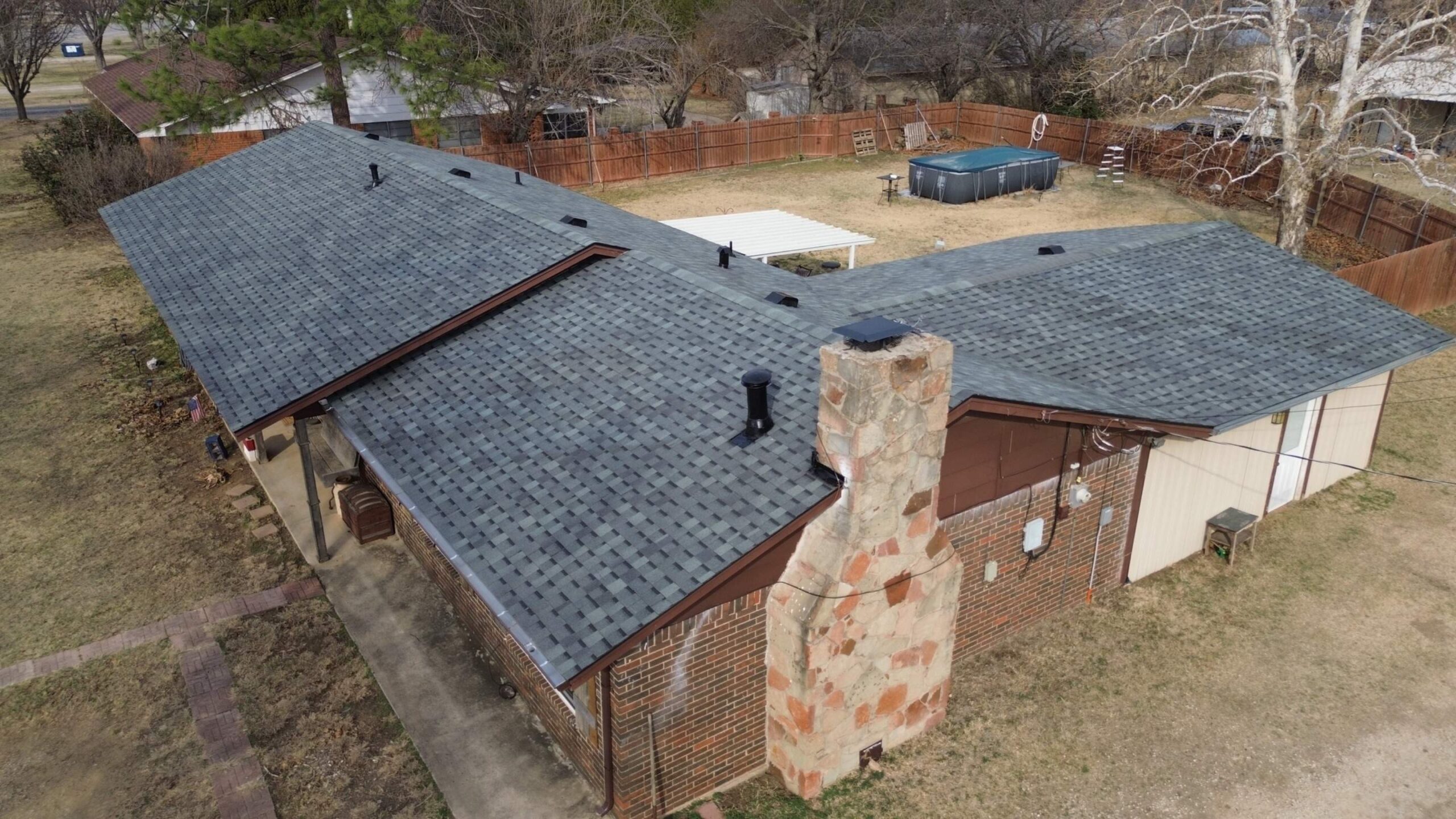
Superior Weather Resistance in Every Season
A roof must perform reliably throughout every season, regardless of changing weather conditions. Metal roofing systems are designed with this objective in mind, providing dependable protection against a wide variety of environmental challenges.
Heavy rainfall presents one of the most common tests for any roofing material. Smooth metal panels encourage efficient water runoff, helping reduce standing water while supporting effective drainage through properly installed gutter systems.
High winds also place considerable stress on residential roofs. Professionally installed metal roofing systems often provide excellent resistance to wind uplift because of their secure fastening methods and interlocking panel designs. This added strength helps the roof remain stable during severe storms.
Winter weather introduces additional challenges in many regions. Snow accumulation, repeated freezing and thawing, and ice formation can all affect roofing materials over time. Metal roofing sheds snow more efficiently than many traditional materials, reducing excessive weight that might otherwise remain on the roof for extended periods.
Summer conditions are equally demanding. Intense sunlight, high temperatures, and prolonged ultraviolet exposure gradually wear down many conventional roofing products. Modern metal roofing incorporates protective finishes that help maintain performance despite years of direct sun exposure.
Some of the weather-related benefits homeowners commonly appreciate include:
- Strong resistance to heavy rainfall.
- Reliable performance during high winds.
- Effective shedding of snow and ice.
- Protection against prolonged ultraviolet exposure.
- Reduced deterioration from seasonal temperature changes.
These characteristics allow metal roofing systems to perform consistently throughout the year, regardless of seasonal weather conditions.
Fire Resistance and Improved Home Safety
Safety remains one of the primary considerations when selecting roofing materials, and metal roofing offers important advantages in this area. Because metal is a non-combustible material, it contributes to improved fire resistance compared to many traditional roofing products.
In areas where wildfires, lightning storms, or accidental exterior fires present potential risks, homeowners often appreciate the additional protection provided by metal roofing. Although no roof alone can eliminate fire hazards, selecting fire-resistant materials strengthens the home’s overall defensive capabilities.
Fire resistance becomes particularly valuable when combined with other properly installed roofing components. Underlayment, flashing, ventilation systems, and structural construction all contribute to the roof’s ability to perform safely under demanding conditions.
Beyond fire resistance, metal roofing also supports overall structural reliability. Its combination of strength and relatively light weight places less stress on the home’s supporting framework compared with some heavier roofing materials. This balance contributes to both safety and long-term structural performance.
Insurance providers in some regions may also recognize the benefits associated with fire-resistant roofing materials. While coverage and premium considerations vary by insurer and location, homeowners often inquire about potential advantages when upgrading to metal roofing.
Improved safety provides reassurance that extends beyond daily weather protection, making metal roofing an attractive choice for families planning long-term home ownership.
Energy Efficiency and Reduced Cooling Costs
Energy efficiency has become an increasingly important factor in residential construction, and roofing plays a major role in determining how much heat enters a home. Modern metal roofing systems are specifically designed to improve energy performance through advanced reflective technologies.
Traditional roofing materials often absorb significant amounts of solar heat during sunny weather. As the roof surface becomes hotter, more heat transfers into the attic and living spaces below, increasing the demand on air conditioning systems.
Metal roofing performs differently because many products include reflective coatings that redirect a substantial portion of incoming solar radiation. By reflecting more sunlight instead of absorbing it, the roof remains cooler throughout the day.
Lower roof temperatures contribute to a more comfortable indoor environment while reducing the workload placed on cooling equipment. Over time, homeowners may notice lower energy consumption during warm seasons, particularly in regions with long summers or consistently high temperatures.
Proper attic ventilation further enhances these benefits. When combined with effective insulation and ventilation design, a reflective metal roof creates a roofing system that supports improved indoor comfort throughout the year.
Energy efficiency also aligns with broader sustainability goals. By reducing energy demand, homeowners contribute to more efficient resource use while potentially lowering household utility expenses over the roof’s lifespan.
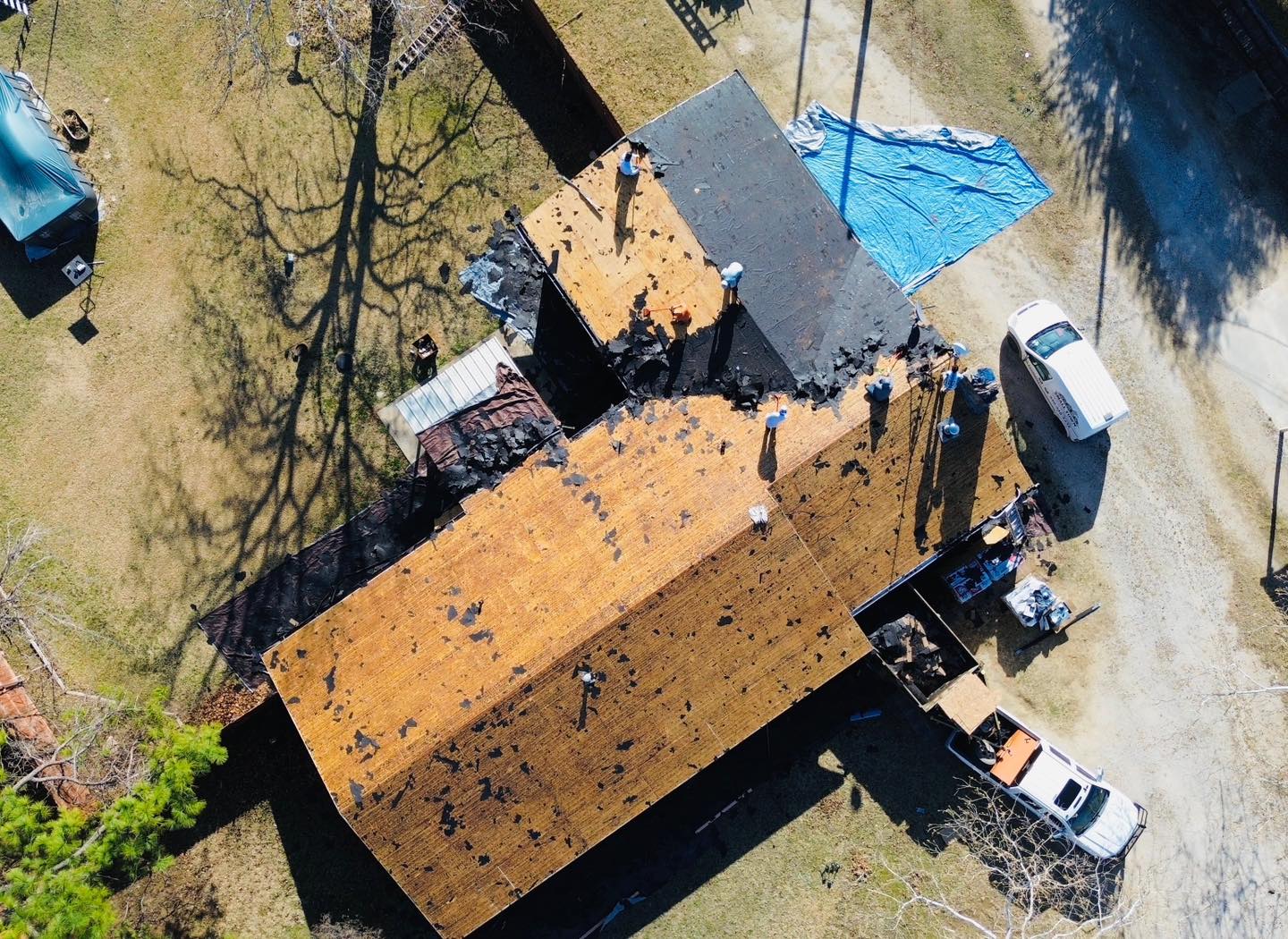
Environmental Benefits of Metal Roofing
Many homeowners today consider environmental responsibility alongside durability and cost when choosing building materials. Metal roofing offers several environmental advantages that make it an attractive option for those seeking more sustainable home improvements.
One important benefit is material longevity. Because metal roofs often last several decades, fewer replacement cycles are required over the lifetime of the home. Reduced replacement frequency means fewer discarded roofing materials entering landfills compared with products that require more frequent replacement.
Many metal roofing products are also manufactured using recycled materials. At the end of their service life, the panels themselves can frequently be recycled again rather than disposed of as construction waste. This continuous material reuse supports more sustainable manufacturing practices.
Metal roofing also contributes indirectly to environmental conservation through improved energy efficiency. Reflective roof surfaces help reduce cooling demands during warm weather, lowering household energy consumption and supporting more efficient use of electrical resources.
Another advantage involves responsible resource management. Long-lasting roofing materials reduce the need for repeated manufacturing, transportation, and installation over multiple replacement cycles. Fewer replacement projects generally translate into reduced consumption of raw materials throughout the building’s lifespan.
For homeowners seeking both practical performance and environmentally responsible construction choices, modern metal roofing represents a solution that balances durability, efficiency, and long-term sustainability.
Long Term Cost Savings Compared With Other Roofing Materials
The initial price of a metal roof is often higher than that of traditional asphalt shingles, but evaluating roofing costs over the long term tells a different story. A roof is a decades-long investment, and the total cost of ownership includes installation, maintenance, repairs, energy use, and eventual replacement.
Many homeowners replace asphalt roofs two or even three times during the period that a single metal roof continues to perform effectively. Each replacement involves labor, material costs, disposal fees, and temporary disruption to daily life. By lasting significantly longer, a metal roof can reduce the number of major roofing projects a homeowner must undertake.
Maintenance expenses also tend to remain lower throughout the roof’s lifespan. Metal panels resist many of the problems that commonly affect traditional roofing materials, including cracked shingles, curling edges, and granule loss. Fewer repairs mean lower ongoing maintenance costs and less time spent addressing roofing issues.
Energy savings contribute additional financial value over time. Reflective metal roofing can reduce cooling demands during warm months, helping homeowners manage utility expenses more efficiently. Although savings vary depending on climate, insulation, and home design, improved energy performance often becomes an important part of the roof’s overall value.
Insurance considerations may also play a role in long-term costs. Some insurers recognize the durability or fire-resistant properties of certain metal roofing systems, although available benefits vary by provider and local regulations.
Looking beyond the initial installation cost allows homeowners to better understand why many consider metal roofing a worthwhile long-term investment rather than simply a more expensive roofing option.
Increased Property Value and Buyer Appeal
A roof plays an important role in shaping a home’s appearance and influencing buyer confidence. Because metal roofing is widely recognized for its durability and modern performance, upgrading to a metal roof may enhance the property’s overall market appeal.
Prospective buyers often appreciate improvements that reduce future maintenance concerns. A recently installed metal roof signals that one of the home’s most important structural components is designed to provide reliable protection for many years. This added confidence can make the property more attractive during the home-buying process.
Curb appeal also benefits from modern metal roofing designs. Today’s products are available in a wide variety of colors, textures, and architectural profiles, allowing homeowners to select styles that complement both traditional and contemporary homes. A visually appealing roof contributes to a positive first impression long before buyers step inside.
Many buyers also value energy-efficient features. Homes with reflective roofing systems may stand out among comparable properties because of the potential for lower cooling costs and improved comfort during warmer seasons.
Long-term durability can further increase buyer interest. Purchasing a home with a roof expected to last for decades reduces concerns about major future replacement expenses, making the property more attractive to families planning long-term ownership.
Although property values depend on numerous market factors, a professionally installed metal roof often becomes a valuable selling point that distinguishes the home from similar listings.
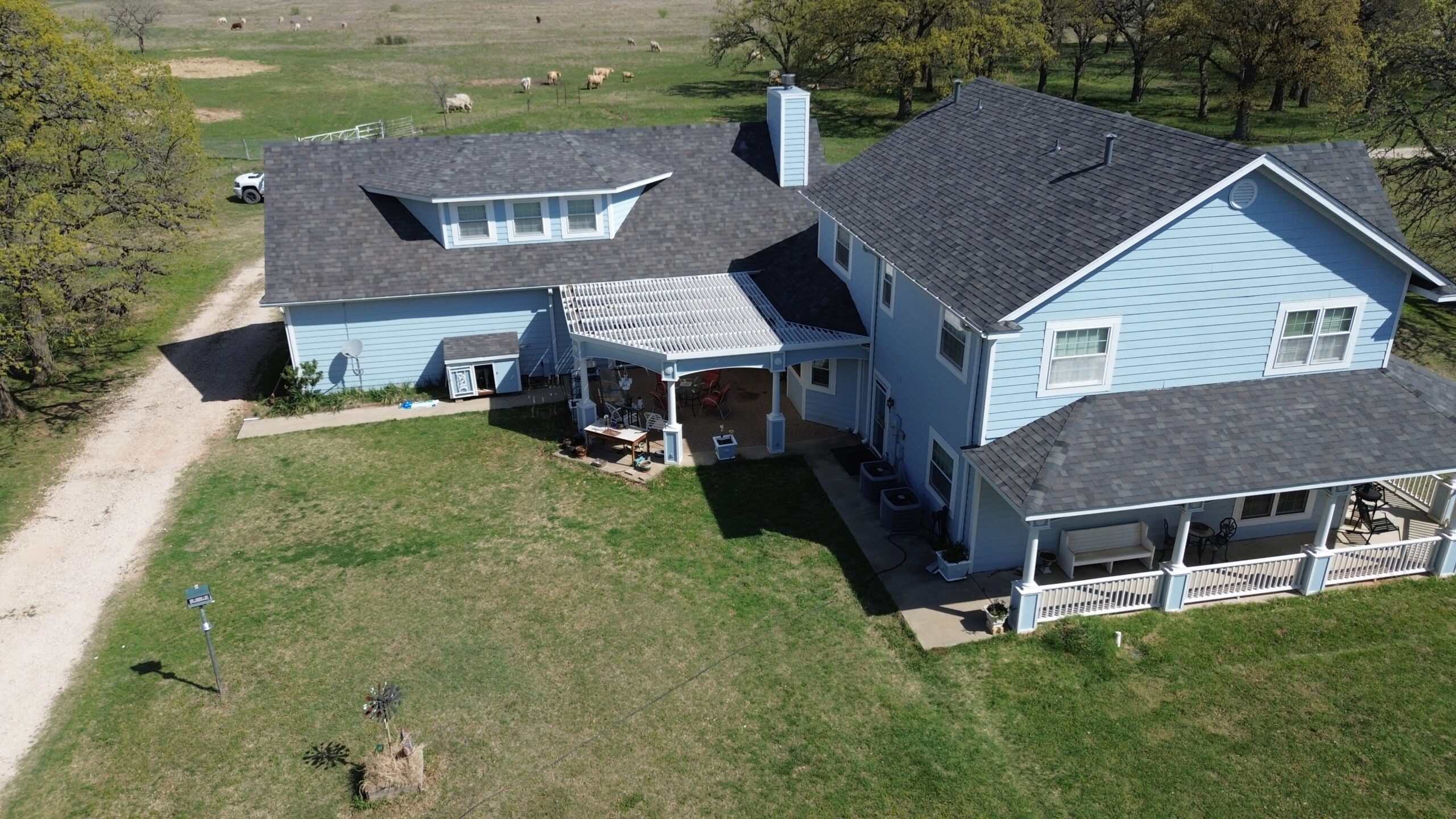
Low Maintenance Requirements Throughout the Roof’s Lifespan
One of the most appreciated advantages of metal roofing is its relatively low maintenance compared with many traditional roofing materials. Homeowners often choose metal roofs because they want dependable protection without the need for frequent repairs or constant upkeep.
Metal roofing panels resist common issues that gradually affect asphalt shingles. Cracking, curling, splitting, and granule loss are generally not concerns with properly manufactured and installed metal roofing systems. This durability allows homeowners to spend less time monitoring roof conditions and arranging repairs.
Routine maintenance remains important, but it is usually straightforward. Keeping gutters clean, removing accumulated leaves, and occasionally inspecting flashing or fasteners help maintain the roof’s performance over time. These simple maintenance tasks contribute to long-term reliability without requiring extensive effort.
Protective coatings further reduce maintenance requirements by resisting corrosion, fading, and weather-related wear. High-quality finishes maintain both appearance and structural integrity despite years of exposure to sunlight, rain, and changing temperatures.
Professional inspections every few years provide an additional layer of assurance. Experienced roofing professionals can identify minor concerns before they develop into larger problems, helping preserve the roof’s condition throughout its service life.
Lower maintenance demands make metal roofing especially attractive for homeowners seeking a roofing solution that combines durability with convenience.
Modern Design Styles and Color Choices
Many homeowners are surprised by the wide range of design options available with modern metal roofing. Advances in manufacturing have transformed metal roofs from simple functional coverings into architectural features that enhance the overall appearance of a home.
Today’s metal roofing products are available in numerous panel profiles, textures, and finishes. Some systems feature clean vertical seams that create a contemporary appearance, while others closely resemble traditional shingles, slate, clay tile, or wood shakes. This versatility allows homeowners to achieve their desired architectural style without sacrificing the benefits of metal construction.
Color selection has expanded significantly as well. Neutral tones remain popular, but manufacturers now offer a broad spectrum of shades designed to complement different siding materials, brick finishes, and exterior paint colors. Durable factory-applied coatings help maintain color consistency for many years.
Surface finishes also contribute to the roof’s visual appeal. Matte, textured, and gloss options provide additional flexibility when coordinating the roof with the home’s overall design. These finishes are engineered not only for aesthetics but also for long-term weather resistance.
Modern design flexibility allows homeowners to prioritize both beauty and performance. Rather than compromising appearance for durability, they can select roofing systems that achieve both objectives.
Lightweight Construction and Structural Advantages
Despite its impressive strength, metal roofing is considerably lighter than many homeowners expect. This combination of durability and reduced weight provides several structural advantages during both installation and long-term performance.
A lighter roofing system places less stress on the home’s framing, roof deck, and supporting structural components. Although residential structures are engineered to support various roofing materials, reducing unnecessary weight can contribute to overall structural efficiency.
The lighter nature of metal roofing may also simplify certain aspects of installation. Roofing professionals can often transport and position materials more efficiently compared with heavier alternatives, helping maintain an organized workflow throughout the project.
In some replacement situations, the existing roof structure may already be suitable for supporting a metal roofing system without requiring significant structural modifications. However, every home should be evaluated individually by qualified roofing professionals before installation begins.
Reduced weight also benefits homes located in regions that experience snow accumulation. While snow loads depend on climate and roof design, beginning with a lighter roofing material allows more of the structural capacity to remain available for temporary seasonal loads.
These structural characteristics contribute to the overall practicality and engineering advantages associated with modern metal roofing systems.
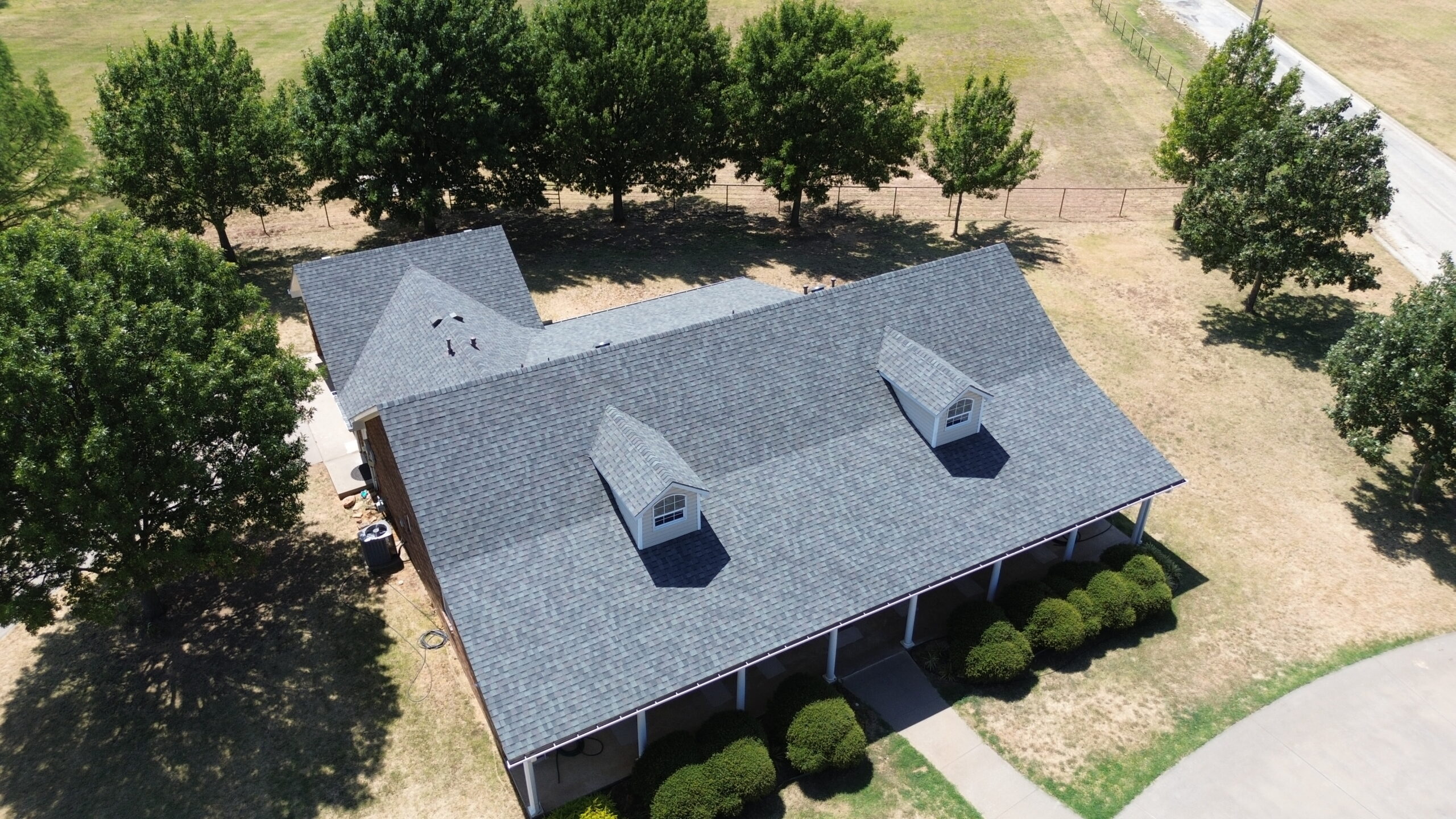
Improved Performance During Heavy Rain, Snow, and Wind
Weather resistance remains one of the defining strengths of metal roofing. Homeowners living in regions with changing climates often appreciate the confidence that comes from installing a roofing system designed to withstand demanding environmental conditions.
Rainwater flows efficiently across properly installed metal panels because of their smooth surfaces and carefully engineered profiles. Quick drainage reduces opportunities for standing water while supporting the overall effectiveness of gutters and downspouts.
Snow behaves differently on metal roofs than on many traditional roofing materials. The smooth surface encourages snow to slide away more easily as temperatures rise, reducing prolonged accumulation that could otherwise place additional weight on the roof.
High winds also demonstrate the strength of professionally installed metal roofing systems. Secure fastening methods and precision-engineered panel connections help the roof remain stable during severe weather events, reducing the likelihood of wind-related damage.
Rapid changes in temperature can affect roofing materials through repeated expansion and contraction. Modern metal roofing systems are designed to accommodate these natural movements while maintaining structural integrity throughout changing seasons.
These weather-resistant qualities make metal roofing an appealing choice for homeowners seeking reliable year-round protection.
Better Moisture Control and Ventilation Opportunities
Moisture management is essential for maintaining the health of both the roof and the home itself. A properly designed metal roofing system works together with underlayment, flashing, and ventilation components to help manage moisture effectively.
The roof’s first responsibility is preventing water from entering the structure. Metal roofing panels provide continuous protective surfaces that direct rainwater toward gutters while minimizing opportunities for moisture infiltration when installed correctly.
Ventilation plays an equally important role. Balanced attic ventilation helps regulate temperature and humidity beneath the roof, reducing condensation that could otherwise affect insulation, wooden framing, or interior finishes over time.
Proper airflow also supports energy efficiency by reducing excessive attic heat during summer months. When ventilation systems work together with reflective metal roofing, homeowners often enjoy improved indoor comfort and more consistent attic temperatures.
Moisture control extends beyond rainfall alone. Everyday household activities generate humidity that naturally moves upward through the home. Well-designed roofing systems help manage this moisture while supporting healthier indoor conditions.
The combination of durable roofing materials and effective ventilation contributes significantly to the long-term performance of the entire roofing assembly.
Noise, Insulation, and Comfort Considerations
A common misconception about metal roofing is that it creates excessive noise during rainfall or hail. In reality, modern residential metal roofing systems are installed over solid roof decking and underlayment that significantly reduce sound transmission into the living space.
Proper insulation also contributes to indoor comfort. Attic insulation works together with the roofing system to regulate indoor temperatures throughout the year, helping maintain a comfortable environment regardless of seasonal weather conditions.
The combination of insulation, underlayment, and roof decking absorbs much of the sound generated by rain, making interior noise levels comparable to many other roofing materials when installation is completed correctly.
Indoor comfort extends beyond sound control. Reflective roof coatings reduce heat absorption, allowing cooling systems to operate more efficiently during warm weather. This helps maintain comfortable indoor temperatures while reducing strain on heating and cooling equipment.
Ventilation further enhances comfort by allowing warm air to escape from the attic rather than becoming trapped beneath the roof. Together, these features create a roofing system that supports both energy efficiency and year-round livability.
Homeowners considering metal roofing should evaluate the entire roofing assembly rather than focusing solely on the visible metal panels. Proper installation of all supporting components contributes significantly to overall comfort.
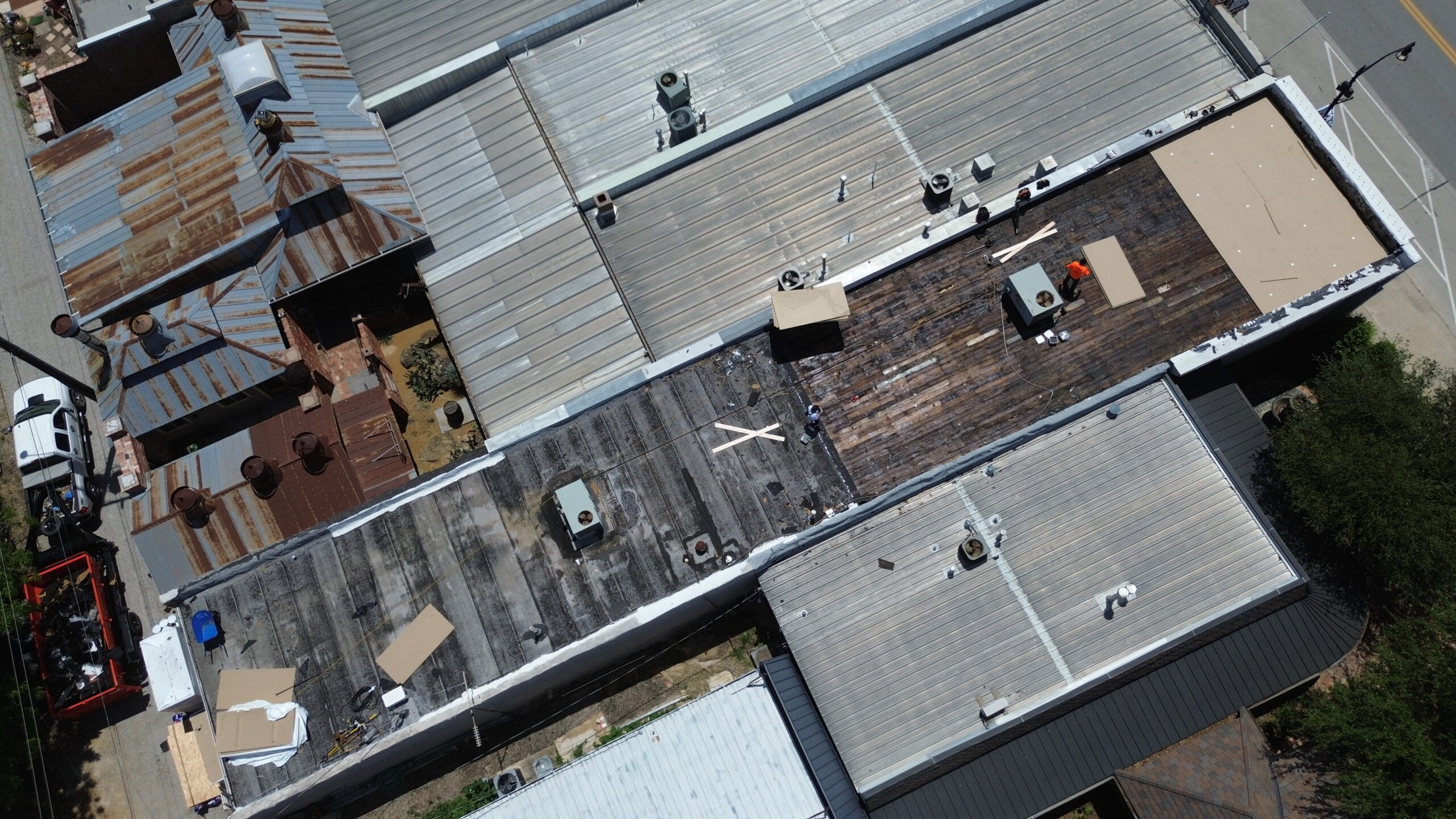
Common Myths About Metal Roofing Explained
Although metal roofing has become increasingly popular, several misconceptions continue to influence homeowners’ opinions. Understanding the facts behind these myths helps people make informed roofing decisions based on accurate information rather than outdated assumptions.
One common belief is that metal roofs attract lightning. In reality, metal roofing does not increase the likelihood of a lightning strike. If lightning does occur nearby, properly installed metal roofing is non-combustible and can actually contribute to improved fire resistance.
Another myth suggests that metal roofs rust quickly. Modern residential metal roofing is manufactured with advanced protective coatings designed to resist corrosion and weather-related deterioration. High-quality products maintain their appearance and structural performance for many years under normal conditions.
Some homeowners also believe metal roofs are suitable only for modern or commercial buildings. Today’s products are available in architectural styles that complement traditional homes, historic properties, cottages, farmhouses, and contemporary residences alike.
Another misconception is that metal roofing requires constant maintenance. While every roof benefits from periodic inspections, metal roofing generally requires less maintenance than many conventional roofing materials because it resists common forms of aging and weather damage.
Finally, many assume that the higher purchase price automatically makes metal roofing less economical. When lifespan, maintenance, energy efficiency, and replacement frequency are considered together, many homeowners find that metal roofing delivers substantial long-term value.
Separating facts from myths allows homeowners to evaluate metal roofing based on its actual performance characteristics and determine whether it is the right solution for their home’s long-term roofing needs.
Factors to Consider Before Upgrading to a Metal Roof
Choosing a metal roof replacement is a major decision that should be based on careful planning rather than appearance alone. Every home has unique structural characteristics, climate conditions, and budget considerations that influence which roofing system will deliver the best long-term results. Evaluating these factors before installation helps homeowners make confident and informed choices.
One of the first considerations is the condition of the existing roof structure. Although metal roofing is relatively lightweight, the roof deck should still be inspected for signs of water damage, rot, or structural weakness before installation begins. Addressing these issues beforehand ensures the new roofing system has a solid and reliable foundation.
Climate also plays an important role in selecting the right metal roofing system. Homes located in coastal regions may benefit from materials that offer exceptional corrosion resistance, while properties exposed to heavy snowfall or high winds require roofing products specifically engineered to perform well under those conditions. Choosing materials that match the local environment contributes to better long-term performance.
Architectural style should not be overlooked. Modern metal roofing is available in numerous profiles, allowing homeowners to maintain the character of their property while enjoying the benefits of advanced roofing technology. Selecting a design that complements the home’s exterior creates a balanced appearance and improves overall curb appeal.
Budget planning is equally important. While the upfront investment is often higher than traditional roofing materials, homeowners should evaluate the expected lifespan, maintenance requirements, and energy savings rather than focusing only on installation costs. Considering the total cost of ownership provides a more accurate picture of the roof’s long-term value.
It is also helpful to review manufacturer warranties before making a final decision. Understanding what is covered and the maintenance requirements necessary to maintain warranty protection helps homeowners protect their investment for many years.
Choosing the Right Metal Roofing Material
Not all metal roofing systems are manufactured from the same material. Each option offers unique advantages related to durability, appearance, weight, corrosion resistance, and expected lifespan. Understanding these differences helps homeowners select a roofing system that aligns with both their practical needs and design preferences.
Steel remains one of the most commonly used residential roofing materials because it combines excellent strength with affordability. Modern protective coatings help prevent corrosion while maintaining an attractive appearance throughout decades of service. Steel is often an excellent choice for homeowners seeking dependable performance at a reasonable cost.
Aluminum roofing is valued for its natural resistance to corrosion. This characteristic makes it particularly suitable for coastal environments where salt exposure can affect certain building materials over time. Aluminum is also lightweight, reducing structural loads while providing reliable weather protection.
Copper is considered a premium roofing material because of its distinctive appearance and remarkable longevity. Over time, copper develops a natural patina that many homeowners find visually appealing. Although the initial investment is higher, copper roofs are often chosen for luxury homes and historic restoration projects.
Zinc roofing has gained popularity because of its impressive durability and self-healing surface characteristics. Minor surface scratches gradually blend into the surrounding finish as the protective patina develops, helping maintain the roof’s appearance with minimal maintenance.
The following comparison summarizes several popular residential metal roofing materials.
| Metal Roofing Material | Primary Benefits | Typical Lifespan | Best Suited For |
|---|---|---|---|
| Steel | Strong, durable, cost effective | 40 to 70 years | Most residential homes |
| Aluminum | Corrosion resistant and lightweight | 40 to 60 years | Coastal and humid climates |
| Copper | Premium appearance and exceptional longevity | 70 years or more | Luxury and historic properties |
| Zinc | Self-healing finish with low maintenance | 60 to 100 years | Sustainable residential construction |
Selecting the right material involves balancing budget, environmental conditions, desired appearance, and long-term performance expectations.
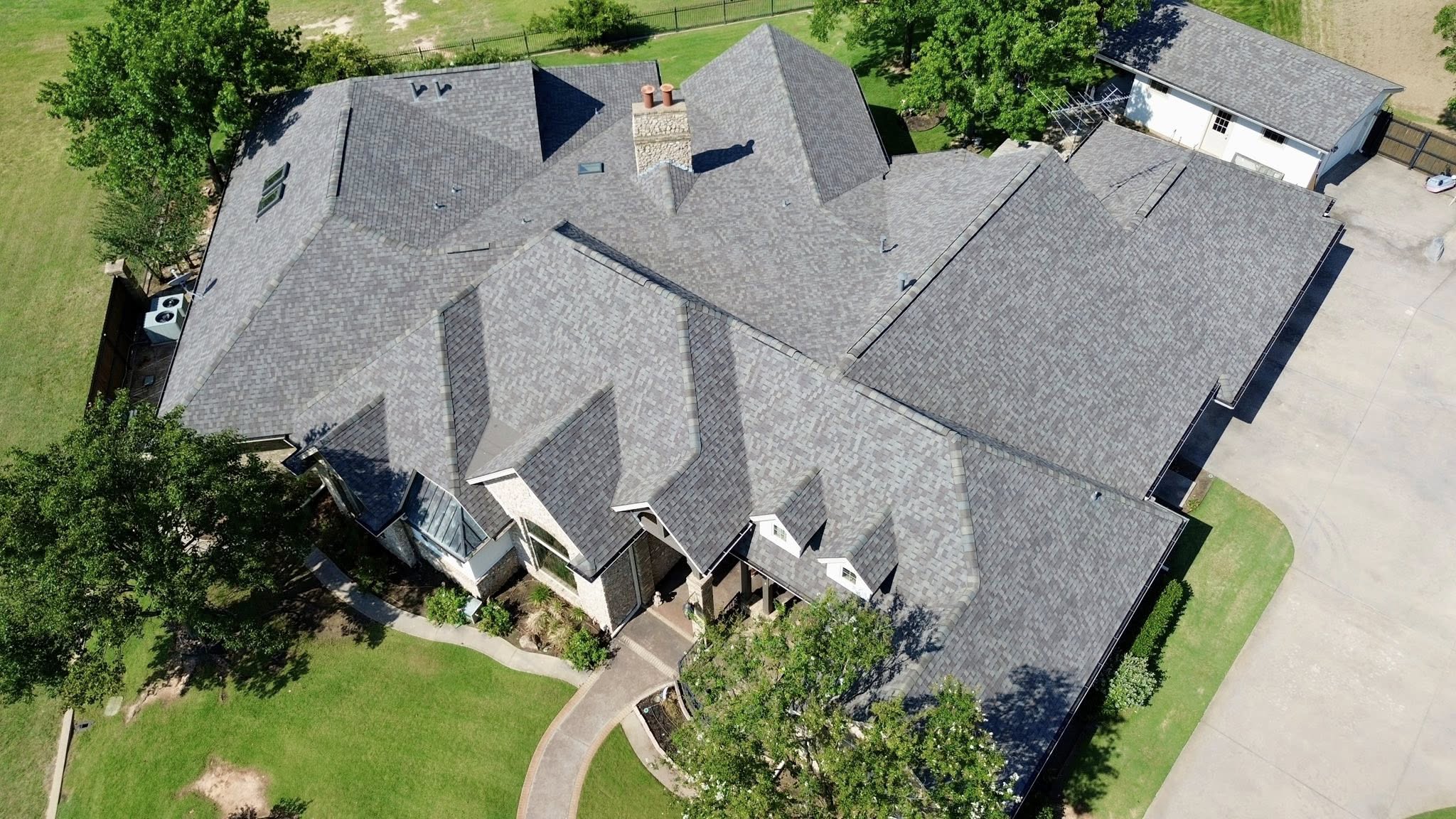
Working With a Qualified Roofing Contractor
Even the highest quality roofing materials cannot perform as intended without proper installation. Choosing an experienced and reputable roofing contractor is one of the most important decisions homeowners make during a metal roof replacement project.
Begin by researching contractors with experience installing residential metal roofing systems. Metal roofing requires specialized knowledge, tools, and installation techniques that differ from traditional asphalt shingle projects. Selecting a contractor with proven expertise helps ensure the roof performs according to manufacturer specifications.
Request references from previous customers and review examples of completed projects whenever possible. Seeing finished installations provides confidence in the contractor’s workmanship while allowing homeowners to evaluate the overall quality of previous work.
Licensing, insurance, and certifications should also be verified before signing a contract. Proper credentials demonstrate professionalism and help protect both the homeowner and the contractor throughout the installation process.
Clear communication remains essential from the initial consultation through project completion. Discuss timelines, material selections, warranties, cleanup procedures, and payment schedules before work begins. A written contract that clearly outlines these details reduces misunderstandings and establishes realistic expectations.
Professional contractors are also willing to answer questions throughout the project. They explain installation procedures, identify any unexpected structural concerns, and recommend appropriate solutions without creating unnecessary confusion.
Choosing an experienced roofing professional contributes directly to the long-term success of the entire roofing system.
What to Expect During Metal Roof Replacement
Understanding the installation process helps homeowners prepare for the temporary disruption associated with replacing a roof. Although each project differs slightly depending on the home’s size and design, most metal roof replacements follow a similar sequence of work.
The project typically begins with material delivery and site preparation. Roofing panels, underlayment, flashing, fasteners, and specialized equipment are organized before the existing roofing materials are removed. Contractors also establish safety barriers and designate work areas around the property.
Once installation begins, the old roofing materials are removed to expose the roof deck. The decking is carefully inspected for signs of damage, moisture intrusion, or structural deterioration. Any necessary repairs are completed before new roofing materials are installed.
The next phase includes installing moisture barriers, underlayment, flashing, ventilation components, and fastening systems. These layers work together to create a complete roofing assembly that provides protection against water, wind, and temperature changes.
Metal panels are then installed according to manufacturer specifications. Precision alignment and secure fastening are essential because they influence both appearance and long-term performance. Experienced contractors carefully position each panel to ensure proper fit and weather resistance.
After installation is complete, the crew performs a thorough cleanup. Debris is removed, nails are collected using magnetic equipment, and the completed roof is inspected to verify workmanship before the project is officially finished.
Knowing what to expect throughout this process allows homeowners to prepare their property and maintain realistic expectations during construction.
Long Term Maintenance Tips
One of the reasons homeowners choose metal roofing is its relatively low maintenance requirements. Although these roofs are designed for exceptional durability, routine care helps preserve both appearance and performance throughout their long service life.
Regular visual inspections are recommended after severe weather events. Strong winds, hail, or falling tree branches may affect any roofing system, making early identification of minor issues valuable before they develop into larger repairs.
Keeping gutters clean is another important maintenance task. Leaves, twigs, and debris can restrict water flow, causing moisture to accumulate around roof edges and drainage systems. Clean gutters support effective water management and help protect the roofing structure.
Tree maintenance also contributes to roof longevity. Overhanging branches should be trimmed to reduce the possibility of scratches, falling limbs, or excessive debris accumulating on the roof surface. Proper landscaping helps preserve both the roof and surrounding property.
Professional inspections every few years provide additional reassurance. Experienced roofing specialists can examine flashing, fasteners, sealants, and ventilation components to confirm the roofing system continues performing as intended.
A simple maintenance routine includes the following steps:
- Inspect the roof after severe storms or high winds.
- Clean gutters and downspouts regularly.
- Remove leaves, branches, and other debris from the roof.
- Trim trees that overhang the roofing system.
- Schedule professional inspections at recommended intervals.
These straightforward maintenance practices require relatively little effort while helping maximize the lifespan and reliability of the roofing system.
Conclusion
Upgrading to a metal roof replacement system offers benefits that extend far beyond simply replacing an aging roof. Modern metal roofing combines exceptional durability, energy efficiency, weather resistance, and attractive design options to create a roofing solution that serves homeowners reliably for decades.
Compared with many traditional roofing materials, metal roofs require less maintenance, withstand demanding environmental conditions, and often provide a significantly longer service life. Their ability to resist fire, manage moisture effectively, and improve energy efficiency makes them a practical choice for homeowners seeking both performance and long-term value.
The wide variety of available materials, colors, and architectural styles ensures that homeowners can select a roofing system that complements their property’s appearance while meeting specific structural and environmental requirements. Whether choosing steel, aluminum, copper, or zinc, each material offers unique advantages that can be matched to the home’s location and design goals.
Working with an experienced roofing contractor is equally important. Professional installation ensures every component of the roofing system functions together properly, allowing homeowners to enjoy the full benefits of their investment while maintaining manufacturer warranty protection.
Although the initial installation cost may be higher than some conventional roofing options, the combination of reduced maintenance, lower energy consumption, improved property value, and extended lifespan often results in outstanding long-term value. Rather than viewing a metal roof as simply another replacement, many homeowners consider it a lasting improvement that enhances both the protection and the overall quality of their home.
For those planning a roof replacement, upgrading to a modern metal roofing system represents an investment in durability, efficiency, safety, and lasting peace of mind. With proper installation and routine maintenance, a quality metal roof can continue protecting a home for generations while delivering dependable performance through every season.