

Working With Adjusters for Roof Replacement Approval Process
Introduction
Roof replacement is one of the most significant repairs a homeowner may face, especially after severe weather causes extensive damage. While choosing quality roofing materials and a reliable contractor is important, obtaining insurance approval is often the step that determines whether the project can move forward. This is where insurance adjusters become a central part of the process, as they evaluate damage and help determine what your policy will cover.
Many homeowners are unfamiliar with how insurance adjusters work until they experience roof damage themselves. The process can feel confusing because it involves inspections, documentation, policy interpretation, repair estimates, and communication between multiple parties. Understanding each step before filing a claim makes the experience less stressful and improves your ability to respond effectively.
Working with an adjuster does not have to be an intimidating experience. When homeowners prepare properly, provide accurate documentation, and communicate clearly, the inspection usually becomes much more productive. Preparation also reduces misunderstandings that could delay claim approval or require additional inspections later.
It is equally important to recognize that adjusters and roofing contractors have different responsibilities. The adjuster evaluates the insurance claim according to the policy, while the contractor focuses on identifying damage and estimating the work required to restore the roof. Knowing how these professionals work together helps homeowners navigate the approval process with greater confidence.
This guide explains how insurance adjusters evaluate roof replacement claims, what homeowners should expect before and during inspections, and how proper preparation can improve the chances of a successful outcome. By understanding the process from the beginning, homeowners can make informed decisions and avoid common mistakes that often complicate insurance claims.
Understanding the Role of an Insurance Adjuster
An insurance adjuster is the professional responsible for investigating property damage and determining how much of the loss is covered under an insurance policy. Their findings help the insurance company decide whether repairs or a full roof replacement should be approved. Every recommendation they make is based on policy terms, inspection findings, and supporting documentation.
Many people believe an adjuster’s primary goal is to deny claims, but that is not an accurate understanding of the profession. Their responsibility is to evaluate damage objectively while following the guidelines established by the insurance company and the homeowner’s policy. A thorough inspection benefits everyone because it creates a factual basis for the claim decision.
Adjusters examine much more than visible roof damage. They often inspect gutters, flashing, vents, skylights, siding, and other nearby components that may have been affected by the same weather event. They also consider whether the observed damage is consistent with the reported cause of loss.
During the inspection, adjusters document their observations using photographs, measurements, notes, and specialized software. These records become part of the official claim file and are used to prepare repair estimates or replacement recommendations. Accurate documentation is essential because it supports every decision made during the approval process.
Homeowners should understand that adjusters are not responsible for selecting roofing materials or hiring contractors. Their role is limited to evaluating the damage and determining insurance coverage based on the policy. The homeowner remains responsible for choosing a qualified contractor to complete the approved work.
Types of Insurance Adjusters
Not every adjuster works in the same way. Understanding the different types helps homeowners know who they are working with and what responsibilities each professional has.
| Adjuster Type | Who They Work For | Primary Responsibility | When You May Encounter Them |
|---|---|---|---|
| Staff Adjuster | Insurance company | Evaluates claims for their employer | Common for routine residential claims |
| Independent Adjuster | Insurance company through contract | Handles claims during busy periods or large disasters | After widespread storms or hurricanes |
| Public Adjuster | Homeowner | Represents the homeowner during the claims process | When homeowners hire independent claim representation |
Although their employment arrangements differ, every adjuster should inspect the property carefully and document findings professionally. Understanding these distinctions helps homeowners communicate more effectively throughout the claim.
When an Adjuster Becomes Involved in a Roof Replacement Claim
The process usually begins shortly after a homeowner discovers storm damage or another covered event affecting the roof. Contacting the insurance company promptly allows the claim to be opened and an inspection to be scheduled. Delaying the report may create unnecessary questions about when the damage occurred.
Once the claim is assigned, the insurance company contacts the homeowner to arrange an inspection date. Depending on the severity of regional storm activity, scheduling may take anywhere from a few days to several weeks. Major weather events often increase claim volumes, which can extend waiting times.
Before the inspection, homeowners may receive instructions regarding temporary repairs or documentation. Emergency measures such as placing tarps over exposed areas are generally encouraged to prevent additional damage. These temporary repairs should be documented carefully because they may become part of the insurance claim.
The inspection appointment is an opportunity for the homeowner to explain what happened and point out any areas of concern. While the adjuster conducts an independent evaluation, sharing observations about leaks, fallen branches, or visible damage can provide useful context. Honest communication helps create a complete picture of the event.
After completing the inspection, the adjuster usually reviews the collected information before preparing a report. In some situations, additional documentation or specialist inspections may be requested if the damage requires further evaluation. The homeowner should remain available to answer follow up questions during this stage.
Preparing Before the Adjuster Inspection
Preparation is one of the most effective ways to improve the roof replacement approval process. Homeowners who organize documents and gather evidence before the inspection often experience fewer delays because important information is readily available. Good preparation also demonstrates that the claim is being handled responsibly.
One of the first steps is photographing all visible roof damage from safe locations. Pictures should include damaged shingles, gutters, flashing, ceiling stains, fallen tree limbs, and any other evidence related to the reported event. Taking photographs immediately after the storm provides valuable documentation before conditions change.
Keeping records of weather events can also strengthen the claim. Local storm reports, hail notifications, or photographs showing hail accumulation and fallen debris help establish when the damage likely occurred. While the adjuster will conduct an independent evaluation, supporting evidence provides useful context.
Homeowners should also collect maintenance records whenever possible. Receipts for previous roof repairs, inspections, or routine maintenance demonstrate that the roof was properly cared for before the damage occurred. Insurance companies often distinguish between sudden storm damage and long term deterioration.
Another valuable step is scheduling an inspection with a reputable roofing contractor before the adjuster’s visit. Contractors frequently identify damage that homeowners may overlook, allowing potential concerns to be discussed during the insurance inspection. This preparation helps ensure that significant issues receive appropriate attention.
It is equally important to review the insurance policy before the appointment. Understanding deductibles, coverage limits, exclusions, and replacement provisions allows homeowners to ask informed questions and better understand the adjuster’s findings. A basic understanding of policy language makes later conversations much easier.
Common Documents That Support Roof Replacement Approval
Documentation plays an important role throughout the insurance claim process. Well organized records help verify the cause of damage, establish the roof’s condition before the loss, and support repair estimates submitted during the claim. Missing documentation can slow the review process or require additional follow up.
The following table summarizes several documents that commonly support roof replacement approval.
| Document | Why It Matters | When It Is Most Useful |
|---|---|---|
| Insurance policy | Defines coverage, exclusions, and deductible | Before filing the claim and throughout review |
| Roof inspection report | Provides professional assessment of damage | Before or during adjuster inspection |
| Photographs of damage | Documents visible roof conditions | Immediately after the storm |
| Repair and maintenance records | Shows responsible roof maintenance | During claim evaluation |
| Weather reports | Supports the reported date of loss | During claim verification |
| Contractor estimate | Explains expected repair or replacement costs | After inspection and before final approval |
Organizing these documents in either printed or digital form makes them easier to share when requested. Homeowners who respond quickly to documentation requests often help keep the claim moving efficiently.
Keeping all claim related communication together is equally valuable. Emails, claim numbers, inspection appointments, repair invoices, and written correspondence create a complete record that can be referenced if questions arise later. Good organization becomes especially important when claims involve multiple inspections or supplemental reviews.
Mistakes That Can Delay Approval
Many roof replacement claims experience delays because of avoidable mistakes rather than major disagreements. Understanding these common issues allows homeowners to prepare more effectively before the adjuster’s visit. Small oversights sometimes create unnecessary complications that extend the review process.
One frequent mistake is waiting too long to report roof damage. Weather events become more difficult to verify as time passes, and additional deterioration may make it harder to distinguish storm damage from normal aging. Reporting damage promptly helps establish a clear timeline.
Another common issue is failing to document damage before making temporary repairs. Protecting the home from further water intrusion is important, but homeowners should photograph damaged areas before covering them whenever it is safe to do so. These photographs may become valuable evidence during claim evaluation.
Some homeowners unintentionally discard damaged roofing materials before the inspection. Keeping samples of broken shingles or other damaged components can sometimes assist with documentation if questions arise later. Unless safety requires immediate disposal, preserving evidence is generally beneficial.
Poor communication can also slow the approval process. Missing phone calls, delaying requested documents, or forgetting inspection appointments often extends claim timelines unnecessarily. Responding promptly to requests helps maintain steady progress.
Another mistake involves assuming that every damaged roof automatically qualifies for full replacement. Insurance coverage depends on policy language, inspection findings, and the extent of covered damage. Understanding that each claim is evaluated individually helps set realistic expectations.
Homeowners should also avoid exaggerating damage during conversations with the adjuster. Honest and accurate information creates credibility throughout the inspection process. If additional damage is discovered later, it can still be documented through proper supplemental procedures.
Finally, selecting an inexperienced roofing contractor may create confusion if inspection findings differ significantly from insurance estimates. Choosing a contractor familiar with insurance restoration projects encourages clearer communication and helps reduce misunderstandings during the approval process.
As the claim progresses beyond the initial preparation stage, the adjuster’s inspection becomes the foundation for determining whether repairs or a complete roof replacement will be approved. Understanding exactly what happens during that inspection, how contractors contribute to the evaluation, and how adjusters prepare their reports will make the next stage of the process much easier to navigate.
What Happens During the Roof Inspection
The roof inspection is one of the most important stages of the insurance claim because it provides the information used to determine whether repairs or a complete replacement are justified. During this visit, the adjuster carefully evaluates the roof and other affected components to identify damage that resulted from the reported event. The inspection is designed to gather facts rather than make immediate decisions on site.
Homeowners should expect the inspection to take anywhere from thirty minutes to several hours, depending on the size of the property and the complexity of the damage. Larger homes, multiple roof sections, or extensive storm damage naturally require more time. Weather conditions and roof accessibility may also influence the duration of the inspection.
The adjuster typically begins by discussing the reported event with the homeowner. They may ask when the damage occurred, whether leaks have appeared inside the home, and whether temporary repairs have already been completed. These questions help establish a timeline and provide context before the physical inspection begins.
The inspection usually starts with an exterior assessment of the property. Before climbing onto the roof, the adjuster often examines the surrounding area for evidence of storm activity such as damaged gutters, dented metal surfaces, broken fencing, fallen tree branches, or damaged outdoor equipment. These observations help determine whether the reported weather event affected multiple parts of the property.
Once on the roof, the adjuster carefully evaluates every section rather than focusing only on the area where damage was first reported. Damage patterns often reveal valuable information about the direction of wind, hail impact, or falling debris. A systematic inspection ensures that all affected areas receive attention.
The adjuster also documents every observation with photographs and written notes. Modern inspection software allows adjusters to organize measurements, damage locations, and images into detailed reports that support their final recommendations. Thorough documentation reduces uncertainty when the claim is later reviewed by the insurance company.
Components Commonly Examined During the Inspection
Although shingles receive significant attention, adjusters evaluate many other roofing components because damage often extends beyond the visible roof covering. Each part contributes to the overall condition of the roofing system and may influence the final claim decision.
Some of the areas commonly inspected include:
- Asphalt shingles or other roofing materials for missing, cracked, lifted, or bruised sections.
- Flashing around chimneys, skylights, vents, and roof valleys.
- Ridge caps and hip shingles that protect roof intersections.
- Gutters and downspouts for dents, impact marks, or separation.
- Roof vents, pipe boots, and ventilation systems.
- Fascia boards and soffits for structural damage.
- Skylights and roof penetrations.
- Signs of moisture intrusion inside the attic or ceilings.
Inspecting these components helps determine whether damage is isolated or affects the roofing system as a whole. Even relatively small issues in flashing or ventilation can contribute to larger problems if they remain unaddressed.
Looking Beyond Surface Damage
An experienced adjuster understands that not every roofing problem is immediately visible from the surface. Wind can loosen shingles without removing them completely, while hail may bruise materials in ways that shorten their service life without creating obvious holes. Recognizing these hidden forms of damage requires careful observation and professional experience.
Interior signs are equally important during many inspections. Water stains on ceilings, damp insulation, mold growth, or attic moisture may indicate roof damage that cannot be fully understood from the exterior alone. These findings help connect interior problems with exterior roof conditions.
The age of the roof may also influence the inspection process. Older roofs often contain both storm related damage and normal wear from years of exposure. The adjuster must distinguish between covered damage and deterioration caused by aging or inadequate maintenance.
Working Alongside Your Roofing Contractor
Many homeowners wonder whether a roofing contractor should attend the insurance inspection. In many situations, having an experienced contractor present benefits everyone involved because technical roofing questions can be addressed immediately. Their presence also helps ensure that all visible damage receives appropriate attention.
Roofing contractors understand construction methods, material performance, and installation standards that homeowners may not be familiar with. They can identify damage patterns, explain how certain failures developed, and answer technical questions that arise during the inspection. This creates a more complete discussion about the roof’s condition.
The contractor should never attempt to interfere with the adjuster’s evaluation. Instead, both professionals should exchange information respectfully while focusing on the evidence observed during the inspection. A cooperative approach generally produces more accurate assessments than an adversarial one.
Experienced insurance restoration contractors are also familiar with local building codes and manufacturer installation requirements. If code upgrades are necessary during replacement, these requirements may become relevant when estimating the scope of work. Early discussion helps prevent unexpected issues later in the project.
Contractors can also point out damage that may not be immediately obvious to someone unfamiliar with the property’s maintenance history. Previous repairs, hidden flashing problems, or ventilation deficiencies sometimes become apparent during detailed conversations. Sharing this information helps create a more comprehensive inspection.
Homeowners benefit most when they allow each professional to perform their respective responsibilities. The adjuster determines insurance coverage, while the contractor evaluates construction requirements and prepares repair recommendations. Clear communication between both parties usually leads to a smoother approval process.
Understanding the Adjuster’s Report
After completing the inspection, the adjuster organizes all collected information into a formal report. This document summarizes inspection findings, identifies covered damage, estimates repair costs, and explains how the insurance policy applies to the claim. The report becomes one of the primary references used during claim review.
The report usually contains detailed descriptions of damaged roofing components along with supporting photographs and measurements. Each observation helps justify the estimated scope of repairs or replacement. Comprehensive documentation reduces the likelihood of misunderstandings during claim processing.
Insurance estimates are generally prepared using specialized estimating software that reflects regional labor rates and material pricing. These estimates attempt to calculate the reasonable cost of restoring the damaged property according to accepted industry standards. Pricing may vary slightly depending on location and current market conditions.
One section of the report often explains depreciation. Insurance companies recognize that roofing materials lose value as they age, which affects certain types of policies. Understanding how depreciation is calculated helps homeowners interpret payment amounts more accurately.
Another important concept is the distinction between Actual Cash Value and Replacement Cost Value. Although both relate to insurance payments, they calculate reimbursement differently.
| Coverage Type | How Payment Is Calculated | Typical Effect on Homeowner |
|---|---|---|
| Actual Cash Value (ACV) | Replacement cost minus depreciation | Initial payment is generally lower because age and wear are considered. |
| Replacement Cost Value (RCV) | Cost to replace with comparable materials | Eligible homeowners may recover withheld depreciation after approved work is completed, depending on policy terms. |
The report may also include notes regarding policy deductibles, excluded damage, temporary repairs, or additional inspections. Reading the report carefully allows homeowners to understand exactly how the adjuster reached their conclusions. If anything appears unclear, asking questions early helps avoid confusion later.
Handling Disagreements Professionally
Not every roof replacement claim ends with complete agreement between the homeowner, contractor, and insurance company. Sometimes the adjuster concludes that repairs are sufficient, while the contractor believes a full replacement is necessary. These situations require patience, documentation, and professional communication rather than confrontation.
The first step is understanding why the disagreement exists. It may involve differences in damage interpretation, building code requirements, repair methods, or policy language rather than simple opinion. Identifying the specific issue makes it easier to address constructively.
If the contractor identifies additional damage after the initial inspection, supplemental documentation can often be submitted. Clear photographs, measurements, and written explanations provide valuable evidence supporting a request for further review. Supplemental claims are a normal part of many insurance restoration projects.
Homeowners may also request a reinspection if significant information was unavailable during the original visit. A second inspection allows the adjuster to evaluate newly documented damage or consider additional evidence. Maintaining respectful communication throughout this process encourages productive discussions.
Detailed records become especially valuable during disagreements. Saving inspection reports, contractor estimates, emails, photographs, and repair invoices creates a complete history of the claim. Organized documentation supports accurate conversations if questions arise later.
It is equally important to remain realistic throughout the process. Insurance policies cover specific types of damage under defined conditions, and not every roofing issue qualifies for replacement. Understanding policy limitations helps homeowners focus discussions on documented evidence rather than assumptions.
Questions Every Homeowner Should Ask the Adjuster
Good communication reduces misunderstandings and helps homeowners understand what will happen after the inspection. Asking thoughtful questions also demonstrates an interest in following the claim process correctly.
The following questions are especially helpful during or after the inspection:
- What type of roof damage did you identify during today’s inspection?
- Does the inspection indicate repairs or a complete roof replacement?
- Are there any additional documents you need before completing your report?
- Does my policy include replacement cost coverage or actual cash value coverage?
- Were any portions of the damage excluded under my policy, and why?
- Will local building code requirements affect the approved scope of work?
- What is the expected timeline for completing the claim review?
- If additional damage is discovered during construction, what is the procedure for submitting a supplemental claim?
These questions encourage clear communication and help homeowners understand both the current status of the claim and the next steps in the approval process. They also reduce uncertainty by ensuring important topics are addressed before work begins.
As the inspection and report move through the insurance review process, several additional factors ultimately determine whether full roof replacement approval is granted. Understanding those factors, along with what happens after approval and how payments are handled, completes the overall picture of working successfully with insurance adjusters during a roof replacement claim.
Factors That Influence Final Roof Replacement Approval
After the inspection is complete and the adjuster’s report has been submitted, the insurance company reviews all available information before making a final decision. Approval is based on much more than the visible condition of the roof. Policy language, supporting documentation, and the cause of damage all play important roles in determining whether the claim qualifies for coverage.
One of the most significant factors is whether the reported damage resulted from a covered event. Most homeowner policies provide coverage for sudden and accidental events such as hailstorms, windstorms, or falling trees. Damage caused by neglect, poor maintenance, manufacturing defects, or gradual wear is generally handled differently and may not qualify for insurance benefits.
The condition of the roof before the loss is another important consideration. A well-maintained roof with documented inspections and routine repairs often provides stronger evidence that recent damage resulted from a specific weather event. Maintenance records help demonstrate that the homeowner took reasonable steps to care for the property over time.
Insurance companies also compare inspection findings with local weather data. If a homeowner reports hail damage, adjusters may review weather reports to confirm that hail occurred in the area during the claimed time period. Matching inspection evidence with weather records strengthens the credibility of the claim.
Building codes can also influence the final approval process. Some older roofs were installed under previous building standards, and replacement projects may require upgrades to meet current code requirements. Depending on the policy, certain code related costs may be covered while others may remain the homeowner’s responsibility.
Material availability sometimes affects the decision as well. If damaged roofing materials are no longer manufactured or cannot be matched with existing sections, replacing only part of the roof may not provide a consistent appearance or performance. In some situations, matching requirements become an important consideration when determining the appropriate scope of work.
The insurance company may also evaluate whether additional property damage occurred beyond the roof itself. Damage to gutters, flashing, siding, windows, or interior ceilings can provide supporting evidence that the reported event affected multiple parts of the home. These related findings help establish the overall impact of the loss.
Another factor involves the completeness of the claim documentation. Claims supported by clear photographs, contractor reports, maintenance records, and timely communication are generally easier to review. Missing or inconsistent information may require additional clarification before approval can be finalized.
When Supplemental Approvals Become Necessary
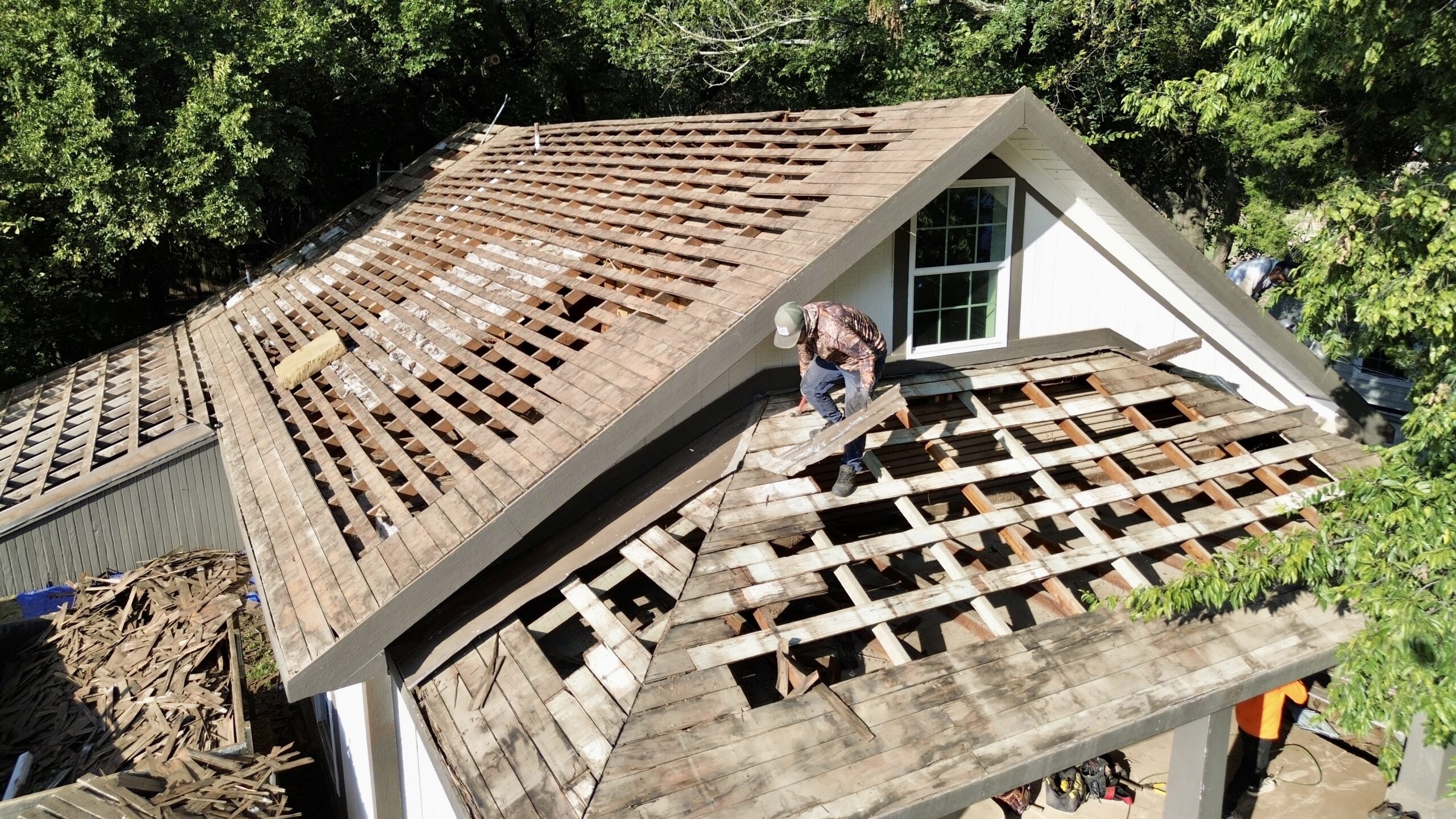
Not every roofing issue is discovered during the initial inspection. Once contractors begin removing roofing materials, hidden damage may become visible beneath the surface. Structural deterioration, damaged decking, wet insulation, or concealed flashing problems are examples of conditions that cannot always be identified during the first inspection.
When previously hidden damage is discovered, the contractor usually documents the findings with photographs and written explanations. This information is submitted to the insurance company as a supplemental request for additional review. Supplemental claims are common during roof replacement projects and should not automatically be viewed as unusual.
The insurance company reviews the additional documentation before deciding whether the newly discovered damage falls within the policy’s coverage. If approved, the claim amount may be adjusted to include the necessary repairs. Proper documentation remains essential throughout this process.
After Approval Is Granted
Receiving approval is a major milestone, but it does not immediately complete the project. Several important steps still remain before the new roof is fully installed. Good coordination between the homeowner, contractor, and insurance company helps keep the project moving efficiently.
The roofing contractor usually reviews the approved scope of work before ordering materials. Comparing the insurance estimate with the contractor’s plan ensures that both parties understand what work has been authorized. Addressing questions before construction begins helps prevent unnecessary delays.
Material selection is another important stage. Homeowners often choose shingle colors, ventilation components, flashing options, and other materials that meet both insurance requirements and personal preferences. Selecting materials early helps avoid scheduling interruptions.
The contractor then schedules the roof replacement based on material availability, crew schedules, and weather conditions. While many residential roofs can be replaced within one or two days, larger or more complex projects may require additional time. Weather delays are common and should be expected during certain seasons.
Before construction begins, homeowners should prepare the property for roofing activities. Vehicles may need to be moved from the driveway, outdoor furniture relocated, and fragile items secured inside the home. These preparations improve safety and provide workers with easier access to the property.
During construction, roofing crews remove the existing roofing materials before inspecting the roof deck. If hidden structural issues are discovered, they are documented and addressed according to the approved scope of work or through supplemental approval if necessary. Careful documentation continues throughout the project.
After the new roofing system is installed, the contractor performs a final cleanup. Nails, roofing debris, packaging materials, and unused supplies are removed from the property using magnetic sweepers and other cleanup equipment. A clean job site reflects professional workmanship and improves homeowner satisfaction.
The final inspection confirms that the completed roof meets installation standards and the approved project scope. Both the contractor and homeowner typically review the finished work to verify that all agreed upon repairs have been completed. Any remaining concerns should be addressed before final payments are issued.
Understanding the Payment Process
Many homeowners are surprised to learn that insurance payments are often issued in stages rather than as a single payment. Understanding this process helps prevent confusion when reviewing claim documents.
The payment process commonly follows this sequence:
- The insurance company issues the initial payment based on the approved estimate and applicable policy terms.
- The homeowner pays any required deductible according to the insurance policy.
- The roofing contractor completes the approved replacement work.
- Final invoices and completion documents are submitted to the insurance company if required.
- Any recoverable depreciation or remaining approved amounts are released according to the policy.
Although payment procedures vary between insurance companies and policy types, maintaining organized documentation helps each stage proceed more smoothly. Homeowners should carefully review all payment statements to understand how funds are being distributed.
Tips for a Smooth Insurance Claim Experience
Successful roof replacement claims rarely depend on a single factor. Instead, they result from consistent preparation, organized documentation, and effective communication throughout the entire process. Homeowners who remain actively involved often experience fewer complications.
Some practical habits can significantly improve the overall experience:
- Report roof damage as soon as it is discovered after a covered event.
- Take clear photographs before making temporary repairs whenever it is safe to do so.
- Keep copies of inspection reports, invoices, emails, and claim documents together.
- Attend the adjuster inspection whenever possible.
- Work with an experienced roofing contractor who understands insurance restoration projects.
- Read the insurance policy carefully before making assumptions about coverage.
- Respond promptly to requests for additional information or documentation.
- Maintain respectful communication with both the insurance company and the contractor throughout the project.
These practices encourage transparency and help reduce unnecessary delays. While every claim is different, consistent organization makes the process easier to manage from beginning to end.
Frequently Asked Questions About Working With Adjusters
How long does the roof replacement approval process usually take?
The timeline varies depending on the insurance company, the severity of regional storm activity, and the complexity of the claim. Some claims are completed within a few weeks, while others require additional inspections or supplemental reviews that extend the process.
Should my roofing contractor attend the adjuster inspection?
Many homeowners find it beneficial to have an experienced contractor present. The contractor can answer technical roofing questions, identify visible damage, and provide construction related information while allowing the adjuster to make independent coverage decisions.
What happens if my claim is approved for repairs instead of a full replacement?
If the insurance company determines that repairs are sufficient under the policy, the homeowner may discuss the findings with the contractor. If additional documented damage exists, a supplemental review or reinspection may be appropriate depending on the circumstances.
Can hidden damage discovered during construction be added to the claim?
Yes, hidden damage is often documented after roofing materials are removed. Contractors typically submit photographs, measurements, and written explanations so the insurance company can evaluate whether supplemental approval is appropriate.
Will insurance always pay for a complete roof replacement?
No. Coverage depends on the insurance policy, the cause of the damage, inspection findings, and other supporting evidence. Some situations qualify for repairs, while others meet the requirements for complete replacement.
What should I do if I disagree with the adjuster’s findings?
Begin by reviewing the adjuster’s report carefully and discussing the differences with both the adjuster and your roofing contractor. Providing additional documentation or requesting a reinspection may help resolve disagreements when new evidence is available.
Is it necessary to keep maintenance records for my roof?
Maintenance records are valuable because they demonstrate that the roof was properly cared for before the reported damage occurred. Inspection reports, repair receipts, and photographs may strengthen the overall claim documentation.
How can I make communication easier throughout the claim?
Keep all claim related documents in one location, respond promptly to requests for information, and record important conversations with dates and names. Organized communication reduces confusion and helps every participant stay informed.
Conclusion
Working with insurance adjusters during a roof replacement claim is a process that benefits from preparation, patience, and clear communication. Understanding how adjusters evaluate damage, interpret policy coverage, and prepare inspection reports allows homeowners to participate confidently at every stage of the claim. Rather than viewing the inspection as an obstacle, it should be seen as an opportunity to document the full extent of the damage accurately.
Preparation before the inspection often has a meaningful impact on the overall experience. Organized photographs, maintenance records, contractor evaluations, weather documentation, and policy information provide valuable support for the claim and help reduce unnecessary delays. Homeowners who understand their responsibilities are better equipped to answer questions and respond quickly when additional information is requested.
Professional collaboration between the homeowner, roofing contractor, and insurance adjuster also contributes to a smoother approval process. Each party brings different expertise, and respectful communication helps ensure that important details are considered without creating unnecessary conflict. When additional damage is discovered during construction, proper supplemental documentation allows the claim to remain accurate as the project progresses.
Finally, roof replacement approval should be viewed as more than a single insurance decision. It is part of a structured process that protects both the homeowner and the insurer by ensuring repairs are supported by evidence, completed according to accepted standards, and consistent with the policy’s terms. By approaching the claim with preparation, organization, and realistic expectations, homeowners can navigate the roof replacement approval process more confidently and help ensure that their property is restored efficiently after a covered loss.