
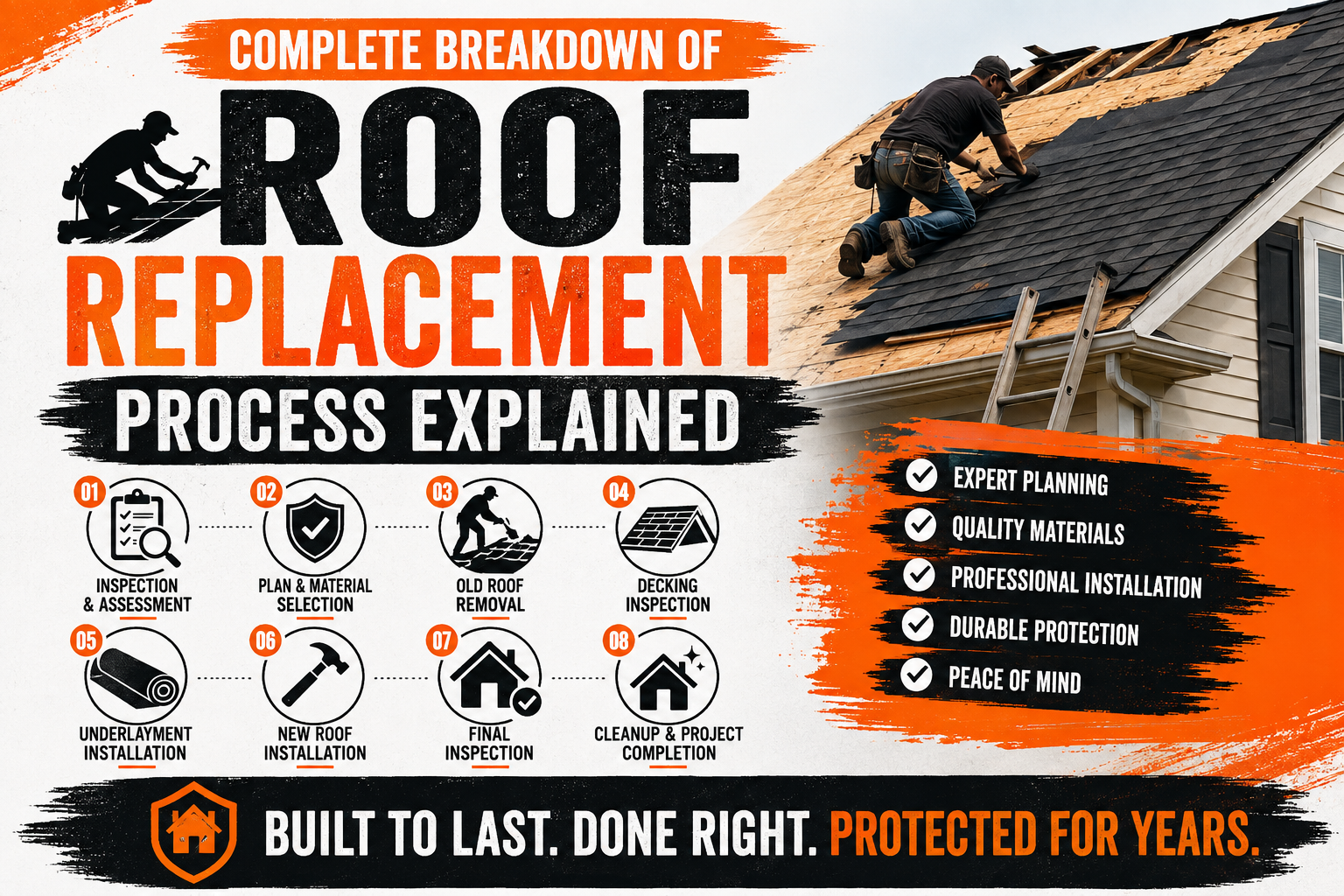
Complete Breakdown of Roof Replacement Process Explained
Introduction
A roof replacement is one of the most significant improvement projects a homeowner can undertake. It protects the entire structure from rain, wind, sunlight, snow, and other environmental conditions while also improving energy efficiency and property value. Because of its importance, understanding how the replacement process works helps homeowners prepare for the project with greater confidence and fewer surprises.
Many people only think about roof replacement when a leak develops or visible damage appears. However, a successful roofing project begins long before construction starts. Proper planning, professional inspections, budgeting, and material selection all play essential roles in ensuring the new roof performs reliably for decades.
The roof replacement process involves much more than removing old shingles and installing new ones. Every stage, from the initial inspection to the final cleanup, contributes to the quality, durability, and long term performance of the finished roofing system. Skipping or rushing any step can increase the risk of future repairs and reduce the lifespan of the investment.
Modern roofing systems are also more advanced than ever before. Improved underlayment materials, better ventilation systems, stronger flashing products, and energy efficient roofing options provide homeowners with opportunities to upgrade both protection and comfort during replacement. Understanding these improvements allows homeowners to make informed decisions that benefit their homes well into the future.
Whether a roof is being replaced because of age, severe weather, or recurring repairs, knowing what to expect makes the entire experience less stressful. Homeowners who understand each stage of the project are better prepared to communicate with contractors, compare estimates, and recognize quality workmanship throughout construction.
This guide provides a complete breakdown of the roof replacement process from beginning to end. It starts by explaining what roof replacement involves, when it becomes necessary, how to prepare for the project, and the factors that influence every stage of the replacement process.
What Is a Roof Replacement?
Roof replacement is the process of removing an existing roofing system and installing a completely new one that restores the roof’s ability to protect the home. Depending on the condition of the existing structure, the project may include replacing damaged decking, upgrading ventilation, installing new flashing, and adding modern underlayment before the final roofing material is installed.
Unlike simple repairs, which focus on isolated problems, roof replacement renews the entire roofing system. Every major component works together to provide consistent protection against weather, moisture, and temperature changes. This comprehensive approach often delivers better long term value than repeatedly repairing an aging roof.
A complete roof replacement also provides an opportunity to inspect structural components that are normally hidden beneath the roofing material. Contractors can identify moisture damage, weakened decking, ventilation issues, or deteriorated flashing before the new roof is installed. Correcting these problems during replacement strengthens the entire roofing system.
Homeowners may choose roof replacement for several reasons. Some roofs have reached the end of their expected lifespan, while others have suffered extensive storm damage or repeated leaks. In many cases, replacement also becomes part of a larger home improvement project designed to increase energy efficiency or improve curb appeal.
Understanding the purpose of roof replacement helps homeowners appreciate that the project is about much more than improving appearance. A properly installed roof protects the home’s structure, supports indoor comfort, and contributes to the property’s overall value.
Roof Replacement Versus Roof Repair
Many homeowners wonder whether repairing the roof is enough or if complete replacement is necessary. The answer depends on several factors, including the age of the roof, the extent of the damage, and the remaining condition of the roofing system.
Roof repairs are generally appropriate when damage is limited to a small area. Replacing a few missing shingles, repairing flashing, or sealing isolated leaks often restores the roof without requiring extensive work. Repairs can be a practical and cost effective solution when the remainder of the roof remains in good condition.
Replacement becomes the better choice when roofing problems occur repeatedly across different sections of the roof. Multiple leaks, widespread deterioration, or advanced aging often indicate that repairs will only provide temporary relief rather than a lasting solution.
The roof’s age should also influence this decision. Roofing materials gradually lose their ability to resist weather as they age, even if they appear acceptable from the ground. Investing in major repairs near the end of the roof’s lifespan may not provide good long term value.
Professional inspections help homeowners make informed decisions by evaluating both visible and hidden roofing conditions before recommending repair or replacement.
Complete Replacement Versus Roof Overlay
Roof replacement projects can follow different approaches depending on the condition of the existing roof and local building regulations. Understanding these methods helps homeowners appreciate why contractors often recommend complete replacement over simpler alternatives.
A roof overlay involves installing new roofing materials directly over the existing roof. This approach reduces labor costs because demolition work is minimized. In certain situations, overlays may also shorten project duration since the old roofing materials remain in place.
However, overlays have important limitations. Existing moisture damage, deteriorated decking, or ventilation problems remain hidden beneath the new roofing materials. As a result, underlying issues may continue developing even after the new roof has been installed.
Complete roof replacement removes all existing roofing materials before installation begins. This allows contractors to inspect every structural component, repair hidden damage, and create a solid foundation for the new roofing system. Because of these advantages, complete replacement is generally considered the most reliable long term solution.
Many local building codes also limit the number of roofing layers allowed on residential properties. Consulting experienced contractors helps homeowners determine which approach complies with local regulations while providing the greatest long term benefit.
When Roof Replacement Becomes Necessary
Recognizing when a roof requires replacement is one of the most important parts of home maintenance. Acting at the appropriate time helps prevent structural damage while giving homeowners greater flexibility when planning the project.
Roofs naturally deteriorate over many years because of continuous exposure to weather. Sunlight, rainfall, wind, temperature changes, and seasonal storms gradually weaken roofing materials until they can no longer provide dependable protection.
Age remains one of the most reliable indicators that replacement should be considered. While every roofing material has a different expected lifespan, older roofs should be inspected regularly to determine whether replacement is approaching.
Waiting too long increases the likelihood of moisture intrusion, structural deterioration, and expensive interior repairs. Planning replacement before severe damage develops often reduces overall project costs and simplifies scheduling.
Understanding the most common causes of roof replacement allows homeowners to respond before small concerns become major structural problems.
Aging Roofing Materials
Every roofing material experiences gradual wear over time. Asphalt shingles may lose protective granules and become brittle, metal roofs can develop corrosion if coatings deteriorate, and tiles may crack after years of weather exposure.
Sealants around flashing and roof penetrations also age, reducing their ability to prevent water intrusion. These changes often develop slowly, making them difficult to notice without regular inspections.
Although individual roofing materials age differently, their protective performance gradually declines. Scheduling inspections as the roof approaches the end of its expected lifespan helps homeowners prepare for replacement before significant damage occurs.
Replacing aging roofing materials before widespread failure develops provides greater control over project timing and budgeting.
Storm and Weather Damage
Severe weather is another common reason homeowners replace their roofs. High winds may loosen or remove shingles, hail creates impact damage, and heavy rainfall often exposes weaknesses that previously remained unnoticed.
Even if damage appears minor after a storm, hidden problems may exist beneath the roofing surface. Moisture entering through small openings can gradually weaken decking, insulation, and structural framing over time.
Snow accumulation and repeated freeze and thaw cycles also contribute to roof deterioration. Ice dams may force water beneath roofing materials, while temperature fluctuations place additional stress on sealants and flashing.
Professional inspections following major storms help identify damage early, allowing homeowners to make informed decisions about repairs or replacement.
Structural Concerns
Not every roof replacement begins because of damaged shingles or tiles. Sometimes the underlying structure itself requires attention before the roof can continue protecting the home safely.
Roof decking serves as the structural base beneath the roofing materials. Moisture damage may weaken this decking until it can no longer support the roofing system effectively. Replacing deteriorated sections ensures the new roof rests on a strong and stable foundation.
Structural framing may also require repairs if prolonged leaks have weakened rafters or other supporting components. Addressing these issues during roof replacement improves both safety and long term performance.
Visible signs such as sagging rooflines, uneven surfaces, or persistent interior water stains should always receive immediate professional evaluation.
Repeated Repairs
One of the clearest indicators that replacement should be considered is the need for repeated repairs. While occasional maintenance is normal, frequent service calls often signal that the roofing system has reached the end of its useful life.
Repairing isolated leaks may temporarily solve individual problems, but recurring issues appearing in different areas usually indicate widespread deterioration. Continuing this cycle often costs more over time than installing a completely new roof.
Repeated repairs may also create inconsistent roof performance because new materials are combined with much older sections. This difference in material age sometimes leads to uneven wear and additional maintenance concerns.
Replacing the roof eliminates many recurring repair expenses while providing homeowners with a fresh roofing system designed to perform consistently.
Preparing for a Roof Replacement
Successful roof replacement begins long before construction starts. Careful preparation allows homeowners to make informed decisions while reducing delays and unexpected expenses during the project.
The preparation stage includes scheduling inspections, establishing a realistic budget, selecting roofing materials, and choosing a qualified contractor. Each decision influences both the quality and efficiency of the replacement process.
Planning ahead also allows homeowners to compare multiple estimates instead of making rushed decisions after severe roof damage has already occurred. This additional time often results in better material choices and stronger contractor relationships.
Preparing thoroughly creates a smoother project from beginning to end while reducing unnecessary stress throughout construction.
Professional Roof Inspection
A professional roof inspection provides the foundation for every successful replacement project. Contractors evaluate roofing materials, flashing, decking, gutters, ventilation, insulation, and structural components to determine the overall condition of the roof.
Exterior inspections identify visible damage such as missing shingles, cracked flashing, blocked valleys, and deteriorated sealants. Interior attic inspections reveal moisture damage, mold growth, ventilation concerns, and hidden leaks that may not be visible from outside.
Detailed inspection reports help homeowners understand exactly why replacement is recommended. They also allow contractors to prepare more accurate estimates based on the true condition of the roofing system.
Professional evaluations reduce uncertainty while supporting better decision making throughout the project.
Budget Planning
Developing a realistic budget before construction begins helps homeowners avoid financial surprises later. Roofing costs include much more than visible materials, making careful planning essential.
Material costs, labor, permits, flashing replacement, ventilation upgrades, waste disposal, structural repairs, and cleanup all contribute to the total project investment. Understanding these expenses helps homeowners compare estimates more effectively.
Including contingency funds within the budget is equally important. Hidden structural damage may only become visible after the old roof has been removed, making financial flexibility valuable during construction.
A well planned budget supports informed decisions while reducing stress throughout the replacement process.
Choosing Roofing Materials
Selecting the right roofing material influences the appearance, durability, maintenance requirements, and energy efficiency of the finished roof. Every material offers different advantages depending on climate, budget, and homeowner preferences.
Asphalt shingles remain popular because they combine affordability with dependable performance. Metal roofing provides exceptional durability and energy efficiency, while clay tiles, slate, and synthetic materials offer distinctive appearance and extended lifespan.
Homeowners should evaluate materials based on long term value rather than initial purchase price alone. Considering maintenance requirements, expected lifespan, and local weather conditions leads to better decisions.
Experienced contractors can recommend roofing materials that perform well under local environmental conditions while matching the homeowner’s budget and design preferences.
Selecting the Right Contractor
Choosing the right contractor is one of the most important preparation steps because installation quality directly affects roof performance. Even premium roofing materials require proper installation to deliver their expected lifespan.
Homeowners should compare multiple contractors by reviewing experience, licensing, insurance, references, customer reviews, and written estimates. Detailed proposals provide greater transparency regarding project scope and overall value.
Communication during the estimate process also reveals much about a contractor’s professionalism. Clear explanations, realistic timelines, and thorough documentation indicate a company committed to delivering quality workmanship.
Selecting an experienced contractor establishes the foundation for every stage that follows in the roof replacement process.
Understanding the Timeline of a Roof Replacement Project
Every roof replacement follows a general sequence, although project duration varies depending on roof size, complexity, material selection, weather conditions, and structural repairs. Understanding this timeline helps homeowners prepare for construction while setting realistic expectations.
Planning, inspections, budgeting, and material selection occur before installation begins. Once construction starts, the existing roof is removed, structural repairs are completed if necessary, underlayment is installed, and the new roofing system is assembled before final inspection and cleanup.
Unexpected weather or hidden structural damage may occasionally extend the schedule. However, experienced contractors communicate these changes promptly while maintaining quality throughout the project.
Knowing the overall timeline helps homeowners remain informed and confident during every stage of the roof replacement journey.
Factors That Affect the Replacement Process
Several factors influence how smoothly a roof replacement project progresses. Roof size, architectural complexity, weather conditions, material availability, and structural condition all affect scheduling and installation requirements.
Steeper roofs or homes with multiple chimneys, skylights, valleys, and dormers generally require more installation time than simpler roof designs. Premium roofing materials may also involve specialized installation techniques that influence project duration.
Weather remains one of the most unpredictable influences. Rain, high winds, or extreme temperatures may temporarily pause construction to protect both workers and roofing materials.
Understanding these variables helps homeowners appreciate why every roof replacement project is unique and why flexibility contributes to better overall results.
Removing the Existing Roof
Once planning has been completed and materials have arrived, the roof replacement project moves into the construction phase. The first major step is removing the existing roofing system. Although this stage appears straightforward, it is carefully organized to protect the home while preparing a strong foundation for the new roof.
Professional roofing crews usually begin by positioning equipment, waste containers, and safety barriers around the property. These preparations help control debris while creating a safe work environment for both workers and homeowners. Organizing the site before demolition also allows materials and equipment to move efficiently throughout the project.
The removal process involves stripping away shingles, tiles, metal panels, or other roofing materials until the roof deck is completely exposed. This allows contractors to inspect structural components that have remained hidden beneath the roof for many years.
Removing the old roof rather than installing new materials over existing layers provides several advantages. It reveals hidden damage, improves installation quality, and creates a stronger foundation that supports the long term performance of the replacement roof.
Preparing the Property Before Removal
Before demolition begins, contractors take several precautions to reduce the risk of damage to the surrounding property. Vehicles should be moved away from the house so that equipment and delivery vehicles have sufficient working space. This also protects automobiles from falling debris during the removal process.
Outdoor furniture, grills, potted plants, and decorative items should be relocated to protected areas whenever possible. Although roofing professionals use tarps and protective coverings, moving valuable belongings provides an additional level of protection throughout construction.
Inside the home, homeowners should secure fragile wall decorations and valuable objects displayed on shelves. Vibrations created while removing old roofing materials may cause these items to shift unexpectedly.
Preparing the property before work begins creates a safer and more organized environment for everyone involved.
Removing Old Roofing Materials
Roof removal typically starts at the highest sections of the roof and progresses downward in a controlled manner. Contractors use specialized tools to loosen roofing materials while protecting the roof deck beneath whenever possible.
As materials are removed, they are transferred directly into designated waste containers rather than being allowed to accumulate on the roof. Maintaining an organized worksite reduces safety hazards while improving overall project efficiency.
Roofing crews usually remove manageable sections instead of exposing the entire roof at once. This approach provides better protection if unexpected weather develops during construction and allows structural inspections to begin as work progresses.
Although this stage generates considerable noise, it is essential because it creates the clean surface needed for the new roofing system.
Waste Disposal
Proper disposal of old roofing materials is an important part of every roof replacement project. Shingles, flashing, underlayment, nails, and other construction debris must be removed responsibly while keeping the property clean and safe.
Professional contractors typically arrange disposal containers before demolition begins. These containers allow roofing materials to be removed efficiently without creating unnecessary clutter around the property.
Recyclable materials may be separated whenever local recycling facilities accept roofing products. Metal roofing, certain flashing materials, and some construction waste can often be processed for recycling rather than being sent entirely to landfills.
Responsible waste management reflects professional workmanship while minimizing the environmental impact of the project.
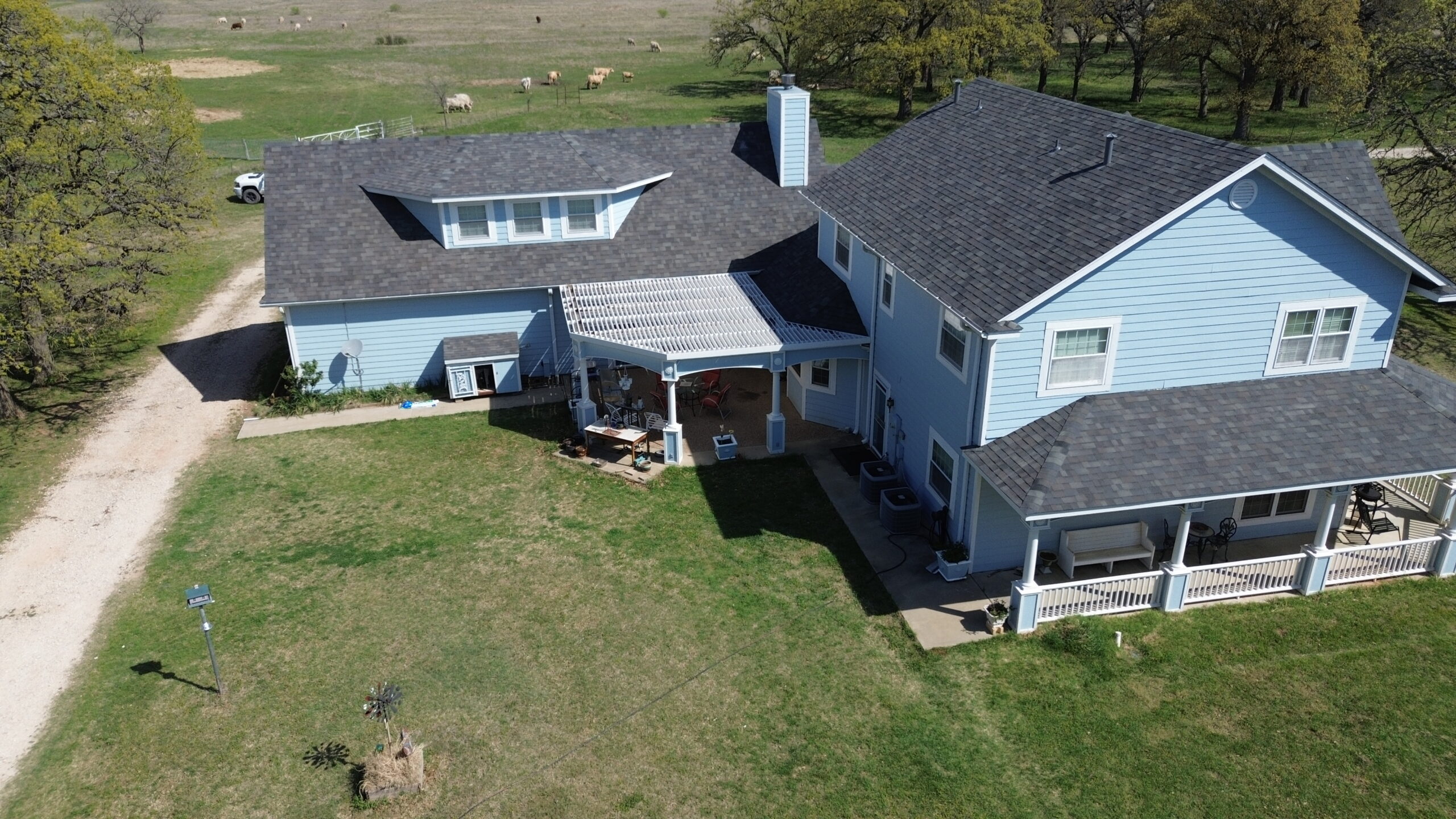
Safety Procedures During Roof Removal
Roof replacement involves working at significant heights while handling heavy materials and specialized equipment. Safety therefore remains a priority throughout every stage of the removal process.
Professional roofing companies provide workers with protective equipment, fall protection systems, secure ladders, and designated work zones. These precautions reduce the risk of accidents while allowing construction to continue efficiently.
Homeowners should avoid entering active construction areas unless specifically invited by the project supervisor. Roofing work creates hazards such as falling materials, exposed nails, and moving equipment that require careful management.
Children and pets should also remain away from the work area until installation has been completed. Limiting access helps protect everyone while allowing roofing crews to focus on their work safely.
Inspecting the Roof Deck
After the old roofing materials have been removed, contractors perform one of the most important stages of the entire project by inspecting the roof deck. The roof deck serves as the structural base that supports every component of the roofing system.
Many roofing problems remain hidden until this stage because the deck is normally covered by underlayment and roofing materials. Once exposed, contractors carefully examine its condition to determine whether repairs are required before installation continues.
This inspection protects homeowners from investing in new roofing materials over weakened structural components. Identifying problems now helps ensure the replacement roof performs as expected for many years.
Although homeowners may hope that the deck remains in excellent condition, minor repairs are relatively common and should not necessarily be viewed as unexpected failures.
Structural Evaluation
Contractors begin by checking the overall structural integrity of the roof deck. Soft areas, loose panels, warping, or visible deterioration indicate that repairs may be necessary before new roofing materials can be installed safely.
Supporting components such as rafters and framing are also evaluated if there is evidence of structural concerns. Long term moisture exposure or previous storm damage may have weakened these elements without creating obvious exterior warning signs.
Repairing structural issues during roof replacement strengthens the foundation supporting the new roof. Completing this work now prevents future problems that would otherwise require removing newly installed roofing materials.
A solid roof deck is essential for achieving maximum performance from the replacement roofing system.
Moisture Damage
Moisture is one of the most destructive forces affecting residential roofing systems. Water entering beneath roofing materials may remain hidden for years while gradually weakening decking, insulation, and structural framing.
Contractors carefully inspect for discoloration, mold, soft wood, or other signs of moisture intrusion during the deck evaluation. Identifying these areas allows damaged materials to be replaced before they compromise the new roof.
Early detection is particularly important because hidden moisture often spreads farther than homeowners expect. Addressing these concerns during replacement reduces future repair costs while protecting the overall structure of the home.
Moisture related repairs may increase project costs slightly, but they significantly improve long term durability.
Roof Deck Repairs
If damaged sections of the roof deck are discovered, they are repaired or replaced before installation continues. Contractors remove deteriorated panels and install new structural materials that match the surrounding roof deck.
Completing these repairs ensures that the new roofing system rests on a stable, uniform surface capable of supporting its weight for many years. Skipping this step would reduce the effectiveness of the replacement and increase the likelihood of future structural concerns.
Repair work also provides an opportunity to strengthen areas that previously experienced repeated leaks or excessive moisture exposure. These improvements contribute to a more dependable roofing system overall.
Once repairs have been completed, contractors perform another inspection before moving to the next stage of the project.
Flashing Inspection
Flashing protects areas where the roof meets chimneys, skylights, vents, valleys, and walls. Because these locations experience greater exposure to water, flashing plays a vital role in preventing leaks.
During the deck inspection, contractors examine all flashing components carefully. Old flashing often shows signs of corrosion, separation, or worn sealants after many years of service.
Most roofing professionals recommend replacing flashing rather than reusing older materials. Installing new flashing provides improved moisture protection while reducing the likelihood of future leaks.
Replacing flashing during roof replacement is generally much more efficient than attempting to repair these areas later.
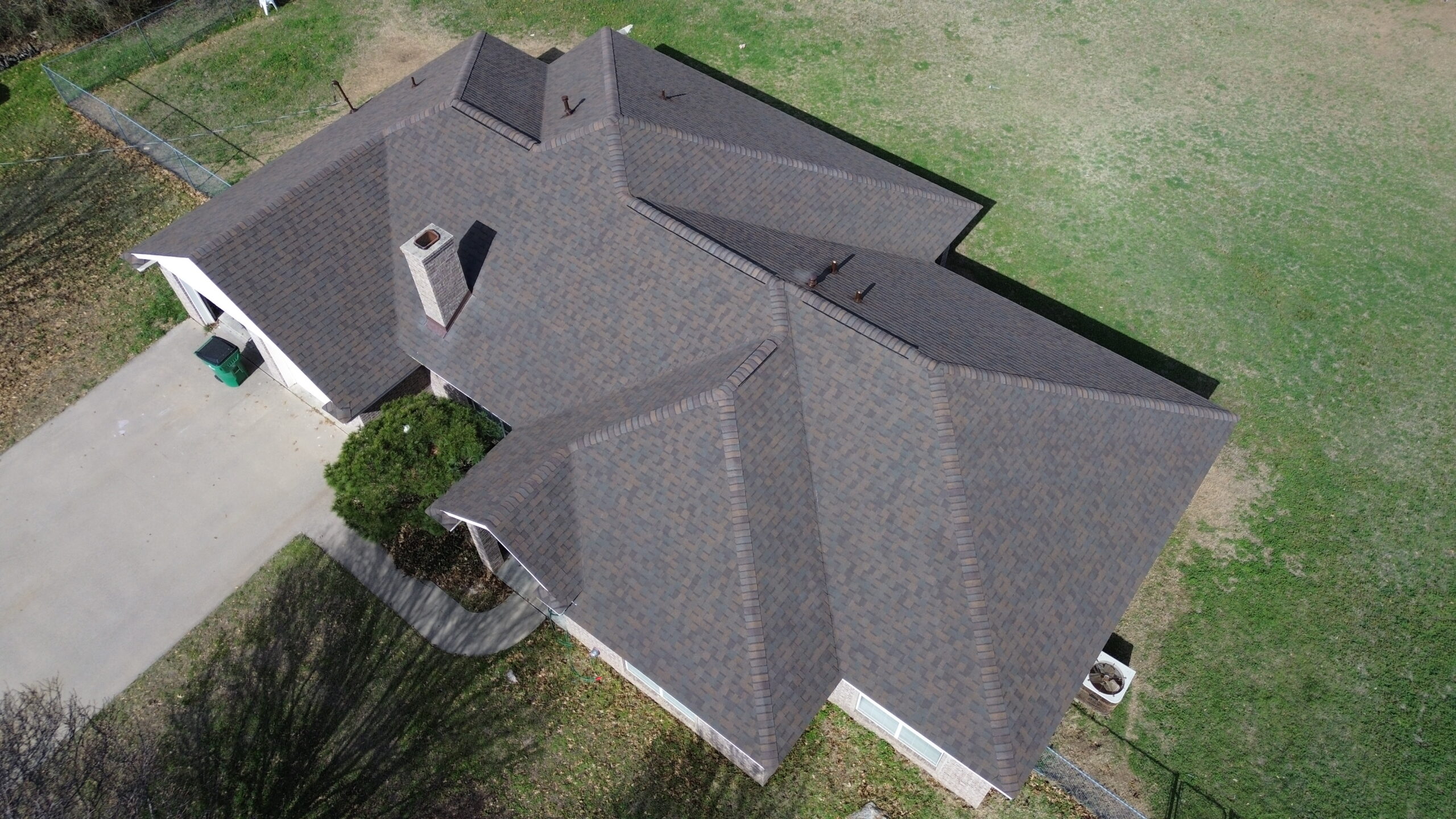
Installing the Foundation of the New Roof
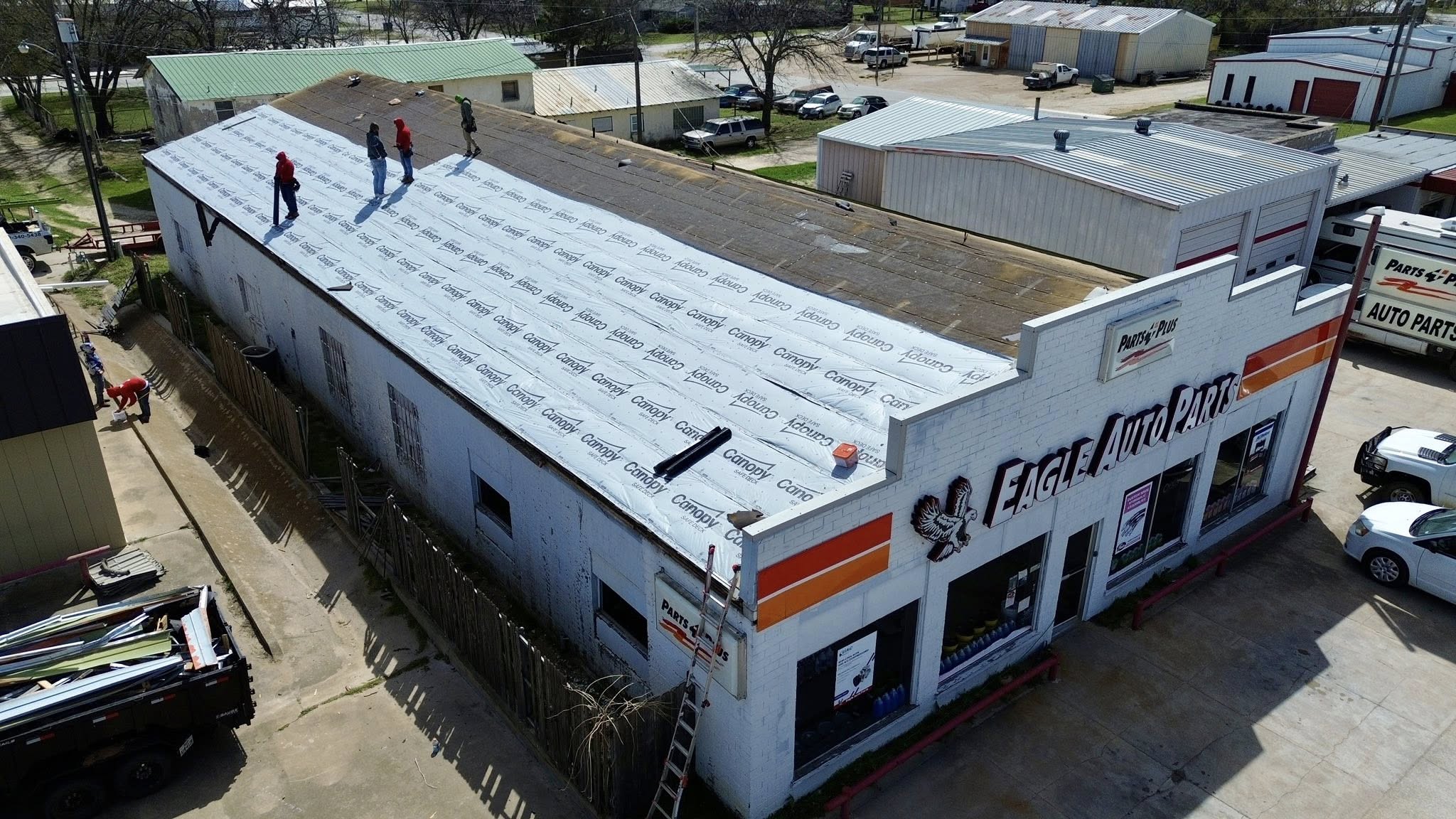
With the roof deck repaired and inspected, installation of the protective foundation for the new roofing system begins. These components remain hidden after the project is complete, but they are essential for long term weather resistance and structural protection.
Modern roofing systems rely on multiple protective layers working together. Underlayment, waterproof barriers, flashing, and ventilation components all contribute to the roof’s ability to resist moisture while maintaining healthy airflow throughout the attic.
Although homeowners rarely see these materials after installation, their quality has a major influence on the performance of the finished roof.
Careful installation at this stage creates the foundation upon which every visible roofing material depends.
Underlayment Installation
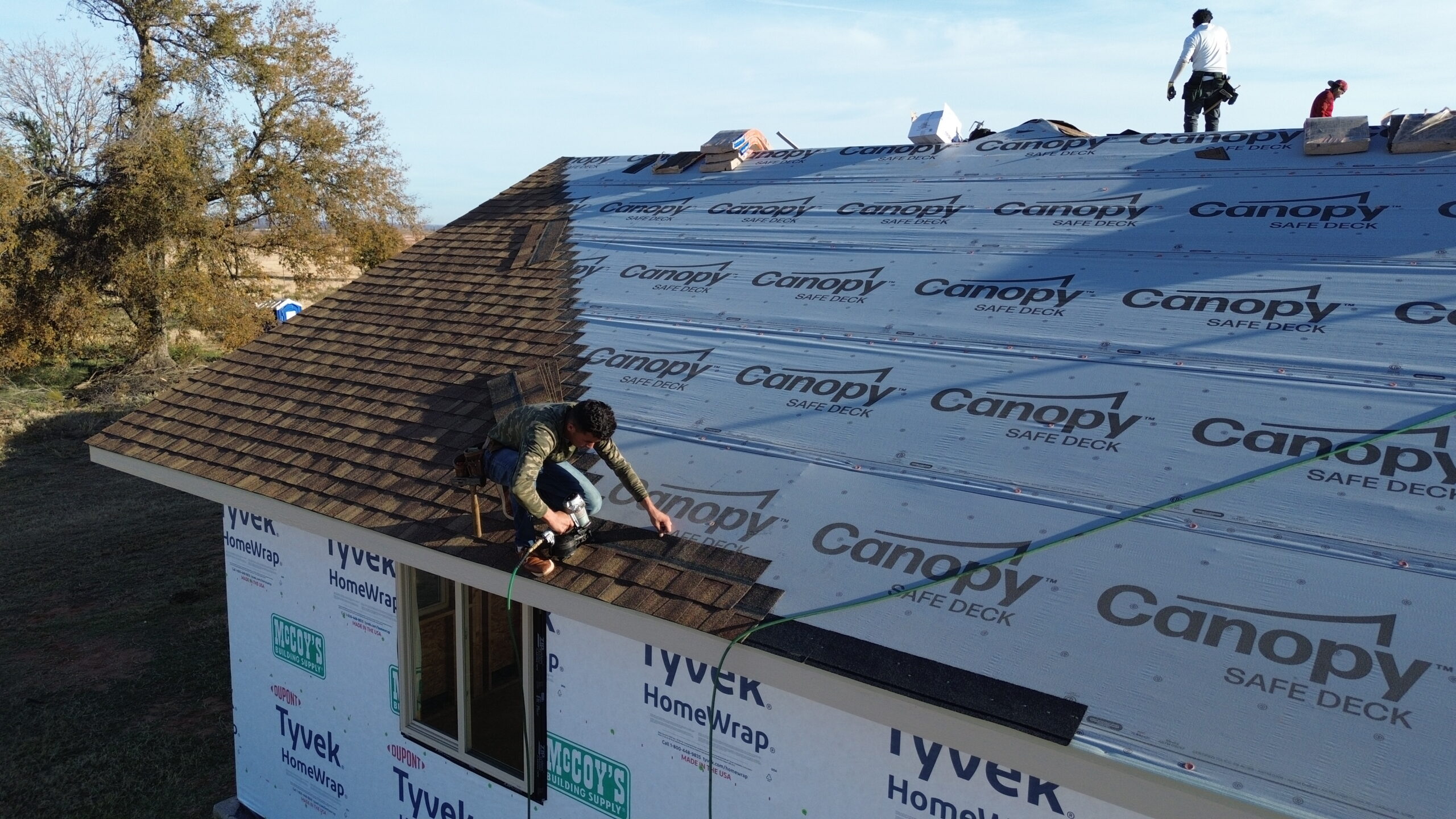
The first protective layer installed over the roof deck is the underlayment. This material provides an additional moisture barrier beneath the visible roofing surface and protects the home if water penetrates beyond the outer roofing materials.
Modern synthetic underlayments offer improved strength and durability compared to older felt products. They resist tearing during installation while providing dependable protection against moisture.
Proper installation requires careful overlapping and secure fastening to maintain continuous coverage across the entire roof surface. Even small gaps may reduce the effectiveness of this protective layer.
Quality underlayment contributes significantly to the long term reliability of the roofing system.
Ice and Water Barriers
In areas that experience heavy rainfall or winter weather, contractors often install specialized waterproof membranes in vulnerable roof sections. These barriers provide additional protection where water is more likely to collect or back up beneath roofing materials.
Roof valleys, eaves, chimneys, skylights, and roof penetrations commonly receive these protective membranes. These locations experience greater moisture exposure than other sections of the roof.
The waterproof barrier adheres tightly to the roof deck, helping prevent water infiltration even if surface roofing materials become damaged during severe weather.
Adding these barriers strengthens the roofing system without significantly increasing maintenance requirements.
Ventilation Improvements
Roof replacement provides an excellent opportunity to improve attic ventilation. Proper airflow helps regulate temperature while reducing moisture accumulation that could otherwise shorten the lifespan of roofing materials.
Balanced ventilation systems include intake vents that allow fresh air to enter and exhaust vents that release warm, moist air from the attic. This continuous airflow improves energy efficiency while protecting insulation and structural components.
Poor ventilation often contributes to premature roof aging, mold growth, and higher heating or cooling costs. Correcting these issues during replacement enhances both roof performance and household comfort.
Ventilation improvements represent one of the most valuable upgrades available during roof replacement.
Flashing Replacement
Once underlayment and waterproof barriers have been installed, contractors replace flashing around all roof penetrations and intersections. Fresh flashing creates secure waterproof transitions that protect vulnerable areas from leaks.
Proper flashing installation requires precision because even small gaps may allow water to enter beneath roofing materials. Professional contractors follow manufacturer recommendations carefully to ensure dependable protection.
Replacing flashing rather than reusing older components significantly improves the reliability of the new roofing system.
Attention to these details helps maximize the roof’s expected lifespan.
Installing the New Roofing Material
After the protective foundation has been completed, the visible roofing material is installed. The exact installation method depends on the type of roofing selected, but careful workmanship remains essential regardless of the material.
Contractors generally begin at the lower edge of the roof and work upward in overlapping rows. This pattern encourages water to flow naturally down the roof while minimizing opportunities for moisture intrusion.
Consistent spacing, proper fastening, and accurate alignment all contribute to both appearance and long term performance. Every section of roofing material must integrate correctly with flashing, ventilation components, and drainage systems.
Quality installation during this stage determines how effectively the roof protects the home for decades to come.
Asphalt Shingles
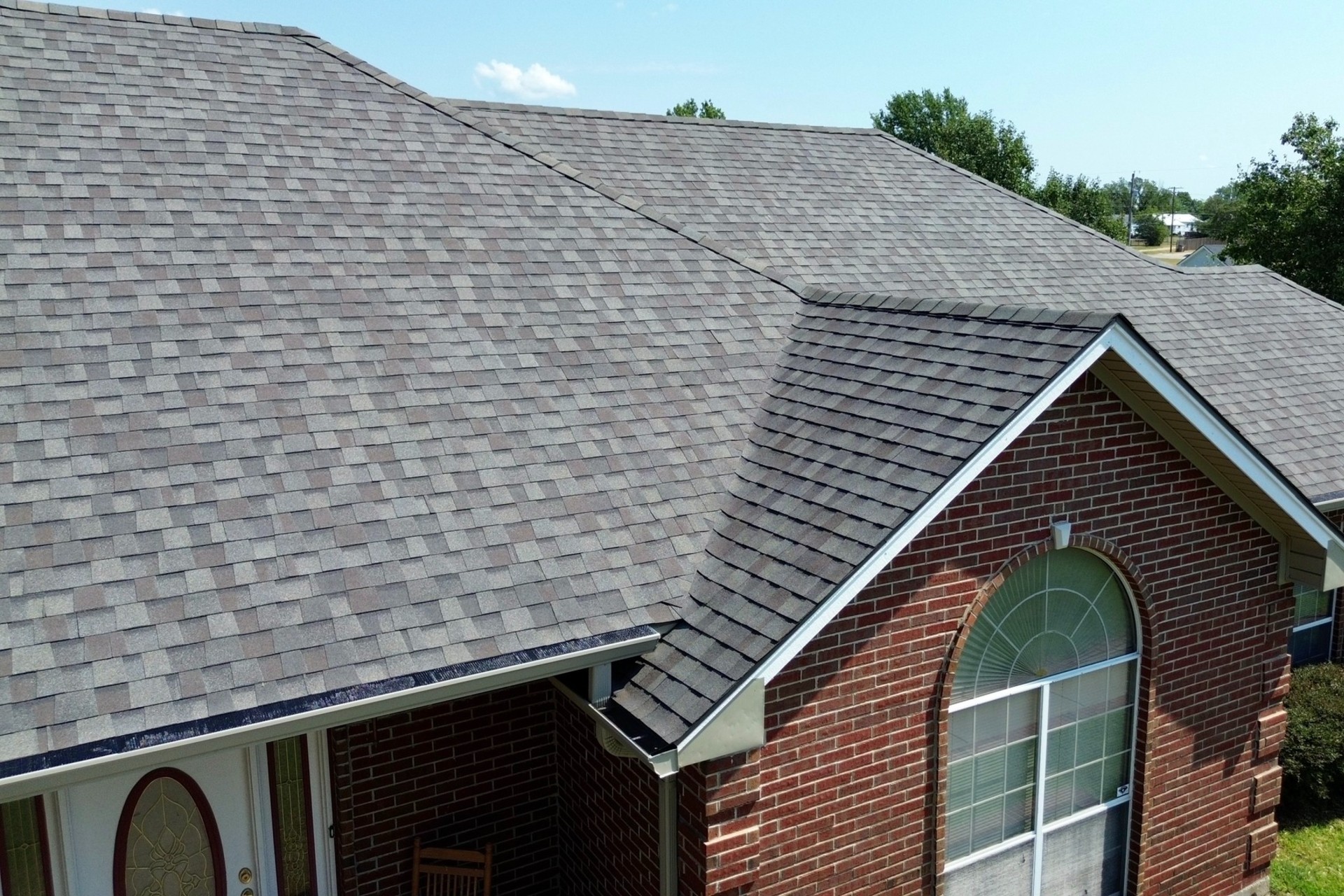
Asphalt shingles remain one of the most common residential roofing materials because they combine affordability with dependable performance. Contractors install them in overlapping rows using manufacturer approved fastening methods that provide strong resistance to wind and rain.
Attention is given to alignment, nail placement, and ridge installation throughout the process. Proper installation improves weather resistance while creating a clean and attractive finished appearance.
Architectural shingles require careful positioning because their layered design contributes to both durability and visual appeal.
Experienced installers understand these requirements and maintain consistent workmanship across the entire roof.
Metal Roofing
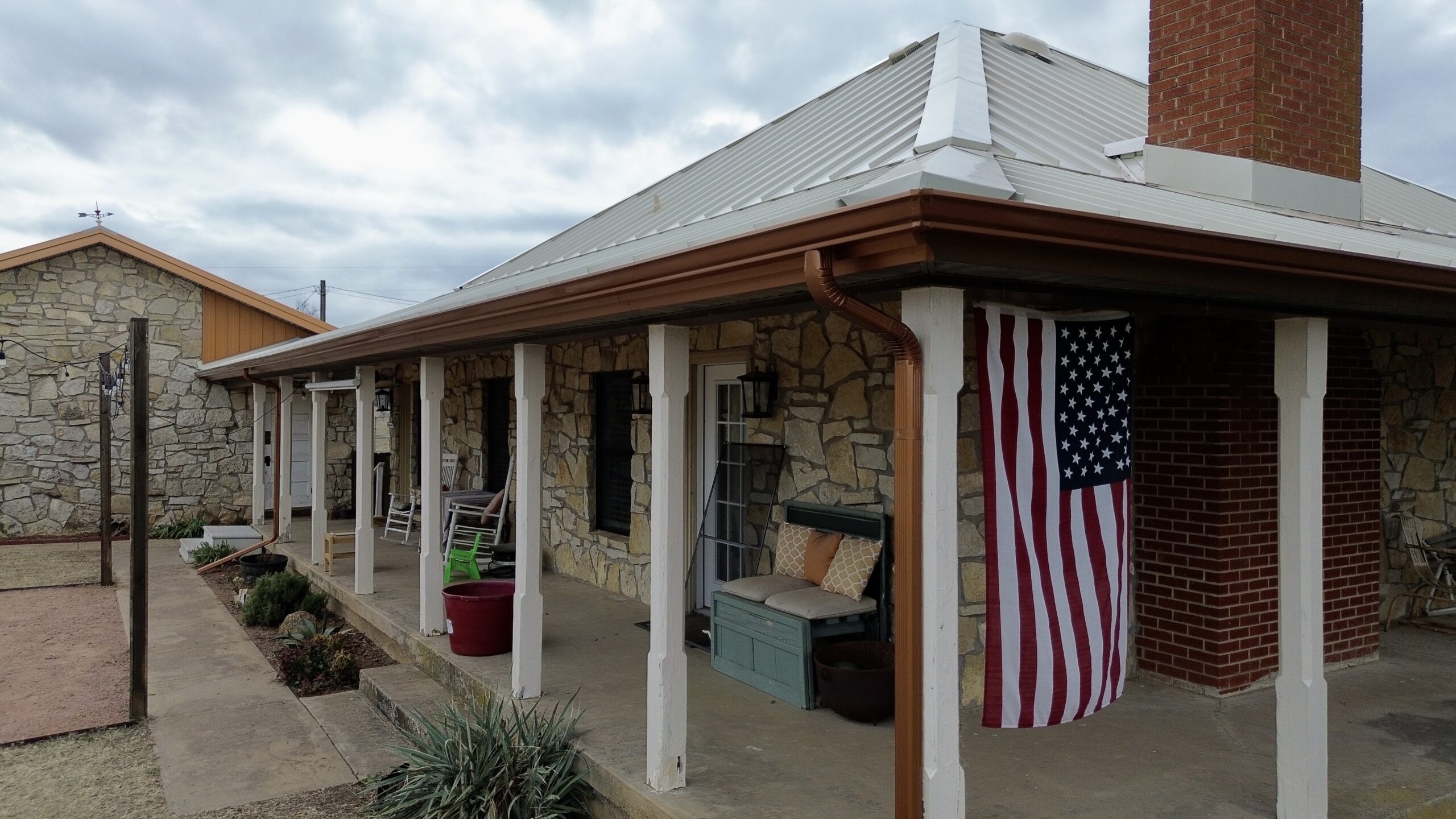
Metal roofing panels require specialized installation techniques because they expand and contract with temperature changes. Contractors use manufacturer approved fastening systems that accommodate this movement while maintaining weather resistance.
Seams and panel connections receive particular attention because these areas influence water drainage and wind performance. Proper installation creates a durable roofing system capable of resisting severe weather for many years.
Metal roofing also benefits from careful flashing integration around roof penetrations to maintain watertight protection.
Experienced installers ensure every panel fits accurately before moving to the next section.
Tile and Synthetic Roofing
Clay, concrete, and synthetic roofing products require careful placement because of their individual weight and design characteristics. Contractors follow precise spacing and fastening methods that support proper drainage while maintaining structural stability.
Synthetic roofing products often imitate traditional materials while offering lighter weight and improved impact resistance. Despite these differences, professional installation remains essential for achieving long term performance.
Each roofing material has unique installation requirements that experienced contractors understand thoroughly.
Proper workmanship ensures the finished roof performs as intended.
Roofing Material Comparison
The following table compares the characteristics of common roofing materials used during replacement projects.
| Roofing Material | Installation Complexity | Durability | Maintenance | Best Known For |
|---|---|---|---|---|
| Asphalt Shingles | Moderate | Good | Low | Affordability |
| Metal Roofing | Moderate to High | Excellent | Low | Long lifespan |
| Clay Tiles | High | Excellent | Low | Classic appearance |
| Concrete Tiles | High | Very Good | Low to Moderate | Strength |
| Synthetic Roofing | Moderate | Very Good | Low | Lightweight durability |
Understanding these differences helps homeowners appreciate why installation methods vary between roofing systems and why contractor experience is so important.
Roof Installation Process Checklist
Before installation progresses to the final inspection, contractors generally confirm that all major construction stages have been completed.
- Remove all existing roofing materials.
- Inspect and repair the roof deck.
- Install underlayment across the entire roof.
- Apply waterproof barriers in vulnerable areas.
- Improve attic ventilation if necessary.
- Replace flashing around roof penetrations.
- Install the selected roofing material.
- Verify alignment and fastening throughout the roof.
- Prepare for final inspection and cleanup.
Completing each task carefully creates a strong, weather resistant roofing system designed for long term performance.
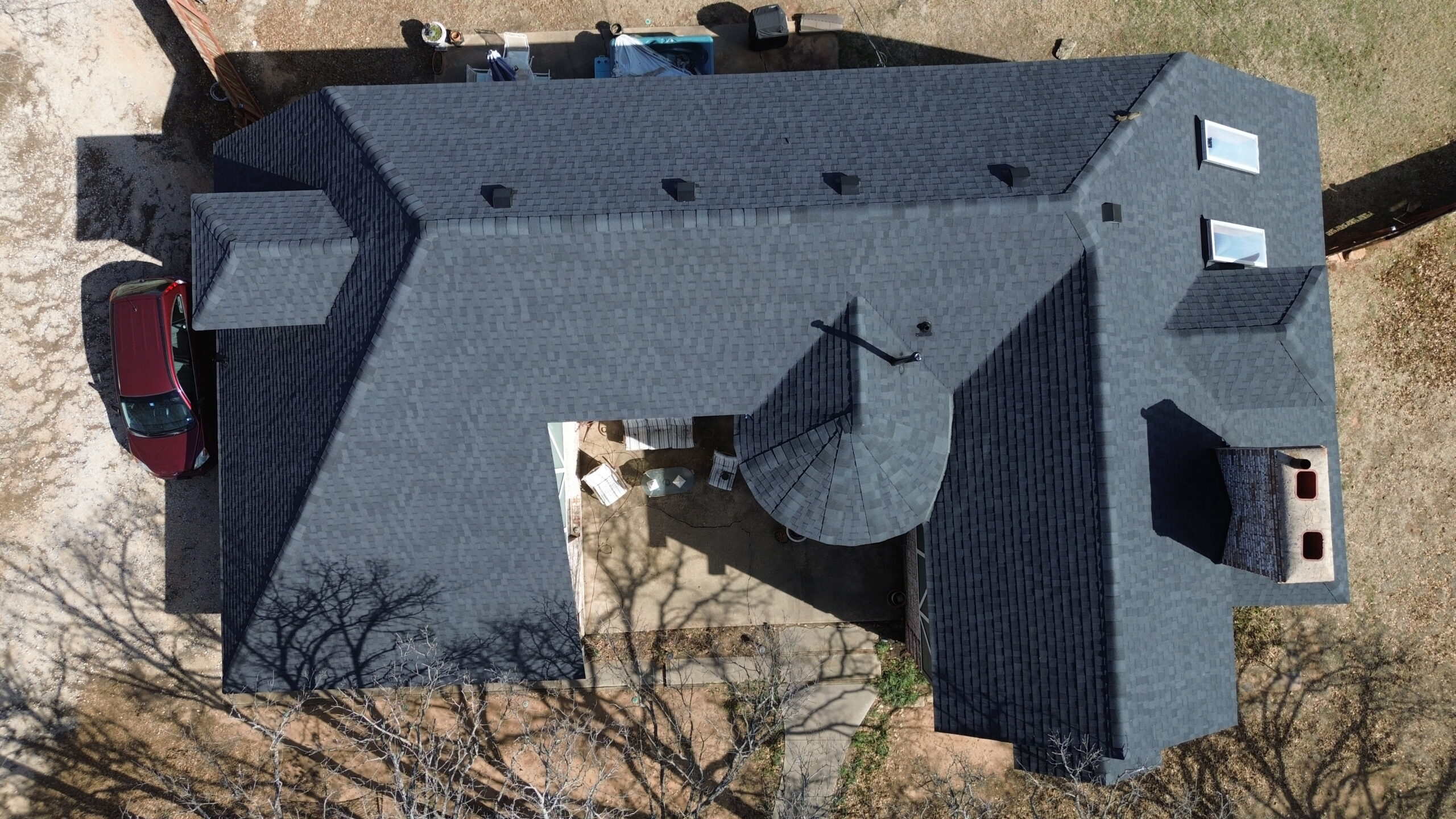
Step by Step Roof Replacement Process
Following a structured installation process helps ensure nothing is overlooked during construction.
- Prepare the property and establish safety measures.
- Remove the existing roofing materials.
- Dispose of old materials responsibly.
- Inspect the roof deck and structural components.
- Repair damaged decking if necessary.
- Install underlayment and waterproof barriers.
- Upgrade ventilation and replace flashing.
- Install the new roofing material.
- Review workmanship before final inspection.
- Complete cleanup and prepare warranty documentation.
Each step builds upon the previous one, ensuring the roof replacement progresses in an organized and professional manner. Careful attention throughout installation creates the foundation for a roofing system that delivers reliable protection for many years.
Final Inspection and Quality Assurance
As the installation phase comes to an end, the project enters one of its most important stages, the final inspection. Although the visible roofing work may appear complete, a thorough inspection ensures that every component has been installed correctly and that the finished roof meets both professional standards and the homeowner’s expectations. This final review provides confidence that the investment has been completed properly.
Professional roofing contractors usually perform their own quality checks before inviting the homeowner to inspect the completed project. They verify that roofing materials have been installed according to manufacturer guidelines, flashing is secure, ventilation components function correctly, and all visible roofing sections are properly aligned. Identifying small issues before project completion allows corrections to be made quickly and efficiently.
Homeowners should also participate in the final walkthrough whenever possible. Walking around the property with the contractor provides an opportunity to ask questions, understand the completed work, and discuss any remaining concerns before the project is officially closed. This collaborative approach strengthens communication while ensuring complete satisfaction.
A careful inspection at the end of the project also establishes a useful reference point for future maintenance. Homeowners become familiar with the appearance of a properly installed roof, making it easier to identify unusual changes during later inspections.
Reviewing Workmanship
One of the primary goals of the final inspection is evaluating the quality of the installation. Roofing materials should appear evenly aligned, securely fastened, and professionally finished across the entire roof surface. Consistency in appearance often reflects careful workmanship throughout the project.
Special attention is given to roof edges, valleys, ridges, and areas surrounding chimneys, skylights, and vents. These locations experience greater weather exposure and therefore require precise installation to prevent future leaks. Contractors inspect these details carefully before considering the project complete.
Visible roofing materials should also match the specifications outlined in the original contract. Homeowners should verify that the correct product, color, and style have been installed before signing final project documents.
Professional workmanship is about more than appearance. Proper installation directly influences the roof’s durability, weather resistance, and expected lifespan.
Creating a Punch List
Occasionally, minor adjustments remain after the primary installation has been completed. These items are documented on a punch list so they can be corrected before final payment is released. Using a punch list helps ensure that even small details receive proper attention.
Punch list items may include replacing a damaged trim piece, correcting minor alignment issues, improving cleanup, or completing small cosmetic adjustments. Although these tasks are generally minor, addressing them demonstrates a commitment to delivering a finished project that meets professional standards.
Homeowners should review the punch list together with the contractor to confirm that every concern has been documented clearly. Once these items have been completed, the project can be closed with confidence.
Taking the time to resolve small issues before completion helps prevent misunderstandings after the contractor has left the property.
Warranty Documentation
Roof replacement projects usually include both manufacturer warranties and contractor workmanship warranties. These documents provide valuable protection if material defects or installation related problems develop after construction.
Manufacturer warranties generally cover defects in roofing products, while workmanship warranties protect homeowners against installation errors. Coverage periods vary depending on the roofing material and the contractor’s warranty policy.
Homeowners should receive copies of all warranty documents before the project is officially completed. Reviewing these documents carefully helps clarify coverage periods, maintenance requirements, and procedures for filing future claims if necessary.
Keeping warranty information organized alongside contracts, invoices, permits, and inspection reports simplifies future maintenance and property transactions.
Final Cleanup
A professional roof replacement should conclude with a thorough cleanup of the property. Contractors remove leftover materials, packaging, and construction debris while restoring the surrounding area as closely as possible to its original condition.
Magnetic tools are commonly used to collect nails hidden in grass, flower beds, driveways, and walkways. This important safety step helps protect children, pets, lawn equipment, and vehicle tires after construction has ended.
Gutters should also be checked for roofing debris before the project is completed. Proper cleanup ensures that drainage systems function normally during the next rainfall.
A clean property reflects the professionalism of the roofing contractor and provides homeowners with confidence that every aspect of the project has been handled responsibly.
Common Challenges During Roof Replacement
Even carefully planned roof replacement projects occasionally encounter unexpected challenges. Understanding these situations helps homeowners remain flexible while avoiding unnecessary stress if adjustments become necessary during construction.
Some challenges become visible only after the existing roof has been removed, while others result from changing weather conditions or supply chain delays. Experienced contractors anticipate these possibilities and develop practical solutions that keep the project moving forward whenever possible.
Open communication between homeowners and contractors is essential during these situations. Prompt discussions allow informed decisions to be made without compromising installation quality.
Preparing for unexpected developments also reinforces the importance of including contingency funds during the budgeting stage.
Hidden Structural Damage
One of the most common surprises during roof replacement is discovering structural damage that was not visible before demolition began. Moisture trapped beneath roofing materials may weaken decking, rafters, or other supporting components without creating obvious exterior warning signs.
Once these problems become visible, contractors should explain the findings clearly and recommend appropriate repairs before installation continues. Repairing structural damage immediately prevents future problems while providing a stronger foundation for the new roof.
Although additional repairs may increase project costs slightly, addressing them during replacement is usually far less expensive than returning later after the new roof has already been installed.
Homeowners should view these repairs as an investment in the long term reliability of the roofing system.
Weather Delays
Weather remains one of the few factors that contractors cannot control. Heavy rainfall, strong winds, lightning, or extremely high temperatures may temporarily interrupt construction to protect workers and roofing materials.
While delays can be frustrating, working under unsafe weather conditions increases the likelihood of installation mistakes and creates unnecessary safety risks. Waiting for suitable conditions generally produces better long term results.
Professional contractors monitor weather forecasts closely and adjust schedules whenever necessary. They also take steps to protect exposed sections of the roof if construction must pause unexpectedly.
Flexibility during weather delays helps maintain installation quality while protecting the home from unnecessary exposure.
Material Shortages
Occasionally, roofing projects experience delays because of limited material availability. Specialized roofing products, custom colors, or premium materials may require additional manufacturing or shipping time before they can be delivered.
Planning material orders well in advance reduces this risk, although some delays remain beyond the contractor’s control. Clear communication regarding delivery schedules helps homeowners understand any necessary adjustments to the project timeline.
If substitutions become necessary, homeowners should carefully review proposed alternatives before approving changes. Any replacement materials should provide comparable quality, durability, and warranty protection.
Maintaining flexibility while prioritizing quality ensures the completed roof continues meeting long term expectations.
Budget Adjustments
Unexpected structural repairs or project changes sometimes require budget adjustments after construction has already begun. Homeowners who established contingency funds during planning are generally better prepared to manage these situations without delaying the project.
Contractors should provide written explanations for any additional work along with updated cost estimates before proceeding. Clear documentation protects both parties while supporting informed decision making.
Written change orders also establish revised project timelines whenever additional repairs affect the construction schedule. Maintaining accurate records reduces misunderstandings and preserves strong communication throughout the project.
Thoughtful financial planning allows necessary improvements to be completed without compromising installation quality.
Caring for Your New Roof
Completing a roof replacement marks the beginning of a long period of routine maintenance rather than the end of roofing responsibilities. Proper care helps preserve the roof’s appearance, maximize its lifespan, and reduce the likelihood of expensive repairs.
Regular maintenance allows homeowners to identify small concerns before they develop into significant structural problems. Many roofing issues can be corrected quickly when discovered early, protecting both the roofing system and the home’s interior.
Preventive maintenance also supports warranty compliance because many manufacturers recommend routine inspections throughout the roof’s service life. Following these recommendations helps maintain warranty protection while preserving long term performance.
Consistent care ensures that the investment continues providing reliable protection for many years.
Seasonal Inspections
Inspecting the roof during spring and autumn helps identify changes caused by seasonal weather conditions. High winds, heavy rainfall, snow, and prolonged sunlight all affect roofing materials differently throughout the year.
Professional inspections every few years provide a more detailed evaluation than routine visual observations from the ground. Contractors examine flashing, drainage systems, roof penetrations, and ventilation components while identifying potential concerns before they require major repairs.
Additional inspections should also be arranged following severe storms involving hail, high winds, or falling tree branches. Even if visible damage appears limited, hidden problems may still exist beneath the roofing surface.
Routine inspections represent one of the most effective ways to extend roof lifespan.
Gutter Maintenance
Clean gutters play a critical role in protecting the roof and the home’s foundation. They direct rainwater safely away from the structure while preventing moisture from collecting beneath roofing materials.
Leaves, twigs, and other debris should be removed regularly to maintain unrestricted water flow. Overflowing gutters may damage fascia boards, siding, landscaping, and roofing components if left unattended.
Downspouts should also be inspected periodically to ensure water drains efficiently away from the building. Maintaining effective drainage reduces the likelihood of moisture related structural damage.
Simple gutter maintenance provides substantial long term benefits.
Tree Trimming
Trees located close to the home should be maintained regularly to reduce unnecessary wear on the roof. Branches rubbing against roofing materials during windy conditions may gradually damage protective surfaces.
Overhanging limbs also increase the accumulation of leaves and organic debris on the roof. Removing excess branches improves drainage while reducing opportunities for moss growth and moisture retention.
Regular trimming also minimizes the risk of storm damage caused by falling branches. Preventive maintenance protects both the roof and the surrounding property.
Healthy trees and a well maintained roof can coexist successfully with proper care.
Ventilation Monitoring
Proper attic ventilation remains important throughout the entire lifespan of the roofing system. Balanced airflow helps regulate attic temperature while preventing excessive moisture accumulation that may damage insulation and structural components.
Homeowners should remain alert for signs of poor ventilation, including excessive attic heat, condensation, or mold growth. Addressing these issues early protects the roofing system while improving indoor comfort and energy efficiency.
Ventilation inspections require relatively little effort but contribute significantly to long term roof performance. Healthy airflow reduces stress on roofing materials during every season.
Monitoring ventilation complements other maintenance activities and supports the overall health of the roofing system.
Preventive Maintenance
Preventive maintenance involves more than responding to visible damage. It includes routinely checking flashing, monitoring roof penetrations, removing accumulated debris, and observing changes in the roof’s appearance over time.
Promptly repairing minor concerns prevents moisture from entering the roofing system and reduces the likelihood of more extensive structural damage. Small maintenance tasks completed consistently often save homeowners substantial repair costs in the future.
Maintaining organized records of inspections and repairs also helps track the roof’s condition throughout its lifespan. These records may prove valuable during warranty claims or future property sales.
Preventive care protects the investment while maximizing the roof’s expected service life.
Frequently Asked Questions About Roof Replacement
How long does a complete roof replacement usually take?
Project duration depends on roof size, material type, structural complexity, and weather conditions. Many residential projects are completed within several days, while larger or more complex roofs may require additional time.
Can hidden damage increase the overall project cost?
Yes. Moisture damaged decking, weakened framing, or deteriorated flashing sometimes become visible only after the old roof has been removed. Including contingency funds during planning helps homeowners manage these situations.
Is it necessary to replace flashing during roof replacement?
In most cases, replacing flashing is recommended because it provides improved moisture protection around chimneys, vents, skylights, and roof valleys. New flashing also reduces the likelihood of future leaks.
How often should a new roof be inspected?
Professional inspections every few years and after severe storms help identify minor concerns before they become major repairs. Regular maintenance significantly extends the lifespan of the roofing system.
Will a new roof improve energy efficiency?
Modern roofing systems often include improved ventilation, advanced underlayment, and energy efficient materials that help regulate indoor temperatures and reduce heating or cooling costs.
What records should homeowners keep after replacement?
Contracts, invoices, warranty certificates, permits, inspection reports, and maintenance records should all be stored together in a secure location. These documents simplify future maintenance and support warranty claims if necessary.
Conclusion
Understanding the complete roof replacement process allows homeowners to approach one of the most important home improvement projects with confidence and realistic expectations. Every stage, from the initial inspection and planning to the final cleanup and ongoing maintenance, contributes to the overall success of the investment. Careful preparation and informed decision making help ensure the finished roofing system delivers reliable protection for many years.
A successful roof replacement depends on more than choosing attractive roofing materials. Professional inspections, accurate budgeting, experienced contractors, quality workmanship, and careful attention to structural details all work together to create a durable and dependable roofing system. Investing time in understanding the replacement process reduces uncertainty while helping homeowners avoid costly mistakes.
The project does not end when construction crews leave the property. Routine inspections, clean gutters, healthy ventilation, and preventive maintenance preserve the roof’s appearance and performance while protecting warranty coverage. Small maintenance efforts performed consistently often prevent expensive repairs and significantly extend the lifespan of the roof.
By understanding every stage of the roof replacement process, homeowners are better prepared to make informed decisions that balance cost, quality, durability, and long term value. A professionally installed roof provides far more than weather protection. It strengthens the home, improves energy efficiency, enhances property value, and offers lasting peace of mind through every season.