Signs Flat Roof Systems Need Full Replacement Immediately
Introduction
Flat roof systems are widely used on commercial buildings, apartment complexes, industrial facilities, schools, healthcare centers, and modern residential properties because they provide efficient use of space and simplified access for maintenance. Their clean appearance and practical design make them a popular choice across many climates, but like every roofing system, they eventually reach the end of their service life. While routine maintenance and timely repairs can extend their lifespan, there comes a point when repairs no longer solve the underlying problems.
Many property owners delay replacement because small leaks or isolated damage may appear manageable. Unfortunately, roofing issues often develop beneath the visible surface long before they become obvious inside the building. By the time significant symptoms appear, the roofing system may already have widespread deterioration that affects insulation, structural components, and overall building performance.
Recognizing the warning signs early helps property owners avoid unexpected emergencies, expensive interior repairs, and potential safety hazards. Understanding when a flat roof requires complete replacement instead of another repair also makes budgeting easier and allows work to be scheduled before major failures occur. Acting proactively often reduces long term expenses while protecting the value of the property.
This guide explains the most important signs that indicate a flat roof system may need immediate replacement. It also discusses why these issues occur, how they affect the building, and why delaying replacement can create much larger problems in the future. By understanding these warning signs, property owners can make informed decisions before small concerns become costly structural failures.
Understanding the Purpose of Flat Roof Systems
Flat roofing systems are designed to provide reliable weather protection while supporting the daily demands placed on commercial and residential buildings. Unlike steep roofs that quickly shed water, flat roofs rely on carefully engineered drainage systems, waterproof membranes, insulation, and structural support to keep the building dry and energy efficient. Every layer works together, meaning failure in one component often affects the entire roofing assembly.
Modern flat roofs are available in several materials, including TPO, EPDM, PVC, modified bitumen, and built up roofing systems. Although each material has different characteristics, all require regular inspections and maintenance to achieve their expected lifespan. Even premium roofing materials eventually deteriorate because they remain exposed to sunlight, temperature fluctuations, rain, standing water, wind, and physical wear every day.
Environmental conditions also influence how quickly a flat roof ages. Buildings located in areas with intense sunlight, heavy rainfall, snow accumulation, or frequent storms generally experience faster material degradation than those in milder climates. Seasonal expansion and contraction gradually weaken roofing materials, creating opportunities for cracks, separation, and moisture intrusion.
Many owners assume a flat roof will simply begin leaking when replacement becomes necessary. In reality, roof deterioration usually progresses through several stages before major leaks appear. Internal moisture damage, insulation saturation, membrane separation, and structural weakening often develop silently, making regular inspections essential for identifying problems before they become severe.
Understanding how flat roofing systems function helps property owners recognize why certain warning signs should never be ignored. A roof that has lost its ability to protect the structure cannot continue performing effectively through repeated patch repairs alone.
Why Flat Roofs Eventually Require Replacement
Every roofing system has a limited service life regardless of its original quality or installation standards. Over time, constant exposure to weather gradually reduces the effectiveness of waterproof membranes, adhesives, insulation, flashing, and drainage components. While maintenance can slow this process, it cannot stop natural aging.
Ultraviolet radiation is one of the biggest contributors to roof deterioration. Continuous sunlight causes roofing materials to dry out, lose flexibility, and become increasingly brittle. As the membrane becomes less elastic, normal building movement creates cracks that allow moisture to enter beneath the roofing system.
Temperature changes also place constant stress on flat roofs. Roofing materials expand during hot weather and contract during colder temperatures. After years of repeated movement, seams weaken, fasteners loosen, and protective coatings begin to deteriorate. Even well installed roofs eventually experience fatigue from these natural cycles.
Moisture infiltration creates another major challenge. Once water penetrates beneath the membrane, insulation may absorb moisture and lose much of its thermal performance. Wet insulation often remains trapped because it cannot dry effectively beneath the roofing surface. As moisture spreads, deterioration accelerates throughout the roof assembly instead of remaining isolated to one location.
Routine repairs remain valuable when damage is limited. However, replacement becomes the better solution when repairs only address visible symptoms while hidden deterioration continues spreading underneath. Investing in a complete replacement at the appropriate time often costs less over the long term than repeatedly repairing an aging system that has already reached the end of its useful life.
Property owners should also remember that roofing technology continues to improve. Modern materials frequently provide better energy efficiency, stronger weather resistance, and lower maintenance requirements than systems installed decades ago. Replacing an outdated roof can therefore improve both building performance and operating costs.
Early Warning Signs That Become Serious Problems
Many severe roof failures begin with relatively small symptoms that appear harmless at first. Ignoring these early warning signs often allows damage to spread beneath the surface until repairs become impractical. Understanding which indicators deserve immediate attention helps prevent emergency situations.
Some warning signs are easy to recognize from ground level, while others require professional roof inspections. Both visible damage and hidden deterioration deserve equal attention because each can indicate significant problems within the roofing system.
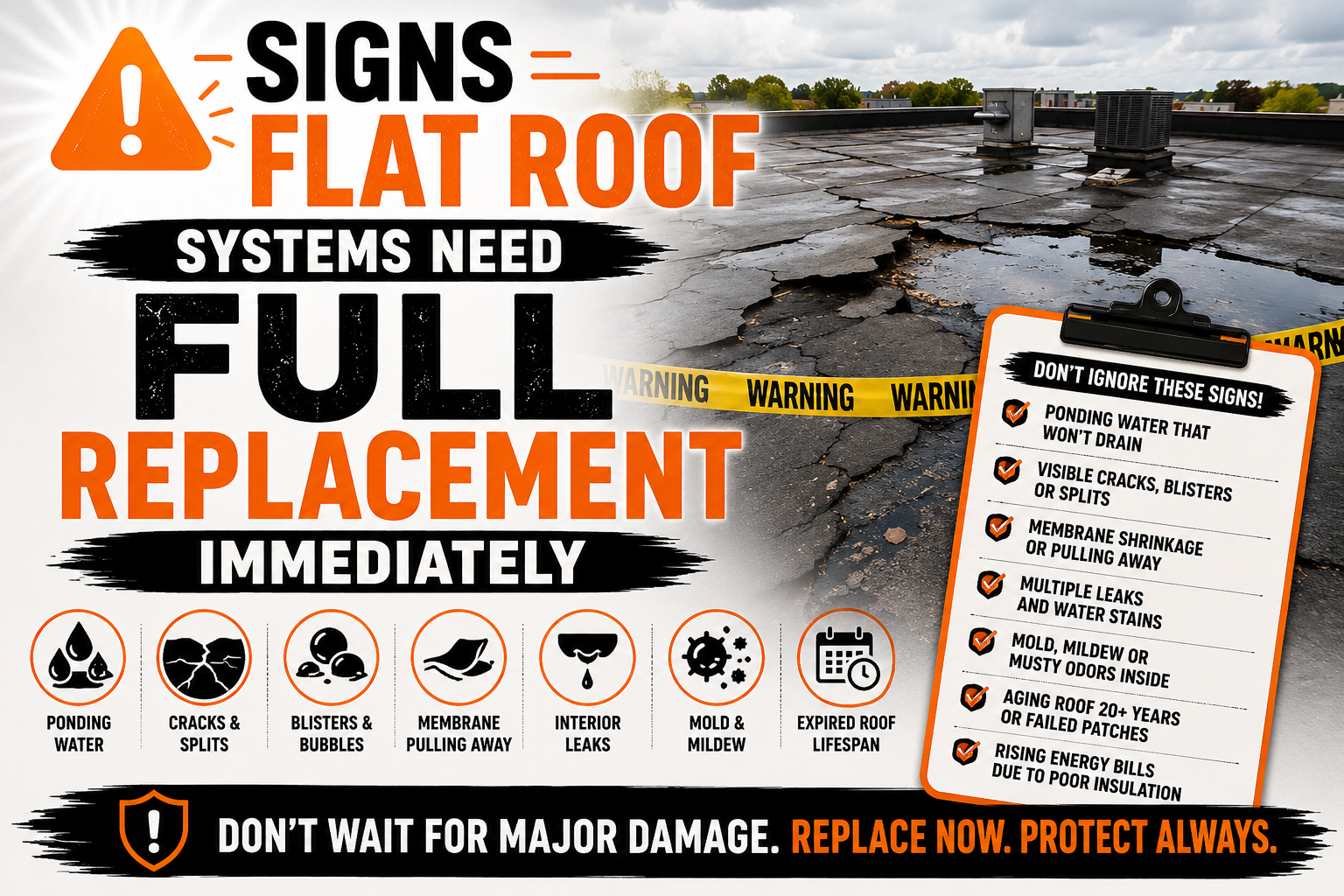
The following conditions commonly signal that a flat roof may be approaching complete replacement rather than another repair.
- Multiple recurring leaks despite previous repairs.
- Large areas of visible membrane deterioration.
- Standing water that remains for extended periods.
- Widespread blistering or surface separation.
- Sagging roof sections or structural movement.
- Moisture damage appearing throughout the building.
These warning signs rarely improve without intervention. Instead, they generally become more extensive over time, increasing repair costs and creating greater risks for the building structure.
Persistent Water Ponding That Damages the Roof Structure
Flat roofs are designed with slight slopes that direct water toward drains, gutters, or scuppers. Although they appear completely level from the ground, properly constructed flat roofs should remove rainwater efficiently within a reasonable period after rainfall ends. Water that remains for long periods indicates a drainage problem that requires careful evaluation.
Persistent ponding water places constant stress on roofing materials. Instead of allowing the membrane to dry between rain events, standing water keeps the surface saturated for extended periods. Continuous moisture exposure gradually weakens seams, adhesives, protective coatings, and waterproof membranes.
Ponding also increases structural loading. Water is surprisingly heavy, and large areas of standing water add substantial weight to the roof deck. If structural components have already weakened from age or moisture damage, this additional load may accelerate sagging and further reduce drainage efficiency, creating a cycle that becomes progressively worse.
Temperature changes make ponding even more damaging. During warm weather, standing water heats roofing materials and increases thermal stress. In colder climates, repeated freezing and thawing may expand existing cracks while allowing additional moisture to penetrate beneath the membrane. These seasonal cycles often transform relatively small defects into widespread roof deterioration.
Not every isolated puddle requires complete replacement. However, replacement becomes much more likely when ponding occurs across multiple sections of an aging roof or when standing water has already caused insulation damage beneath the membrane. Professional moisture testing often reveals that visible ponding represents only a small portion of the overall deterioration occurring below the surface.
Property owners should also consider how persistent ponding affects maintenance. Roof inspections become more difficult, debris accumulates more easily, drainage systems clog faster, and algae or vegetation may begin growing in permanently wet areas. These secondary issues accelerate deterioration while increasing maintenance requirements throughout the year.
Large or Multiple Membrane Cracks and Splits
The roofing membrane serves as the primary waterproof barrier protecting every component beneath it. Once this protective layer develops significant cracks or splits, water gains direct access into the roofing system. Small isolated damage can often be repaired successfully, but widespread cracking usually indicates that the membrane has lost much of its flexibility and durability.
Membrane deterioration often develops gradually as roofing materials age. Continuous exposure to sunlight, temperature fluctuations, and environmental pollutants slowly weakens the surface until cracks begin appearing across different sections of the roof. Older roofing materials become increasingly brittle, making them more susceptible to tearing during routine expansion and contraction.
Cracks frequently appear near seams, flashing connections, rooftop equipment, and locations where building movement creates additional stress. Over time, these individual defects expand and connect with one another, allowing moisture to spread beneath larger sections of the roofing system. Water infiltration beneath the membrane may remain unnoticed for months before interior leaks become visible.
Repairs become increasingly ineffective when new cracks continue appearing after previous repairs. Patching one damaged section does not restore flexibility to surrounding materials that have reached the end of their service life. Instead, additional defects often emerge nearby as the aging membrane continues deteriorating.
Building owners should also watch for changes in membrane texture and appearance. Discoloration, excessive shrinking, loose seams, exposed reinforcement layers, and surface erosion often accompany widespread cracking. Together, these symptoms indicate that the roofing material is no longer providing reliable waterproof protection.
Professional inspections usually evaluate not only the visible cracks but also the overall condition of the surrounding membrane. If deterioration extends across large portions of the roof, complete replacement often provides a more dependable and cost effective solution than repeated localized repairs.
Extensive Blistering and Surface Separation
Blistering is one of the most recognizable signs that moisture or trapped air has become sealed beneath the roofing membrane. Small isolated blisters may remain stable for years without causing immediate problems. However, extensive blistering across large areas usually indicates deeper issues affecting the integrity of the entire roofing system.
Blisters develop when moisture, air, or vapor becomes trapped beneath roofing layers. As temperatures rise during sunny weather, these trapped pockets expand, creating raised bubbles beneath the membrane. Continuous expansion and contraction gradually weaken surrounding materials until blisters rupture or separate completely.
Once blistering becomes widespread, the roofing membrane loses consistent contact with the layers beneath it. This separation reduces the overall strength of the roofing assembly while increasing vulnerability to wind uplift, punctures, and additional moisture infiltration. Even if individual blisters remain intact, they often indicate hidden deterioration that extends beyond their visible boundaries.
Surface separation may also occur around seams, flashing details, or insulation boards where adhesives have begun failing. These detached areas allow water to travel beneath the roofing membrane, sometimes reaching locations far from the original point of entry. As moisture spreads, insulation becomes saturated and structural components may begin deteriorating.
Property owners occasionally mistake blistering as purely cosmetic damage because the roof may not leak immediately. In reality, widespread blistering often represents advanced aging that requires comprehensive evaluation rather than simple patching. Addressing only the visible bubbles rarely solves the underlying causes responsible for continued deterioration.
In the next part, we will examine additional warning signs that often confirm a flat roof has reached the point where complete replacement becomes the safest and most economical solution. Topics will include structural sagging, flashing failures, hidden moisture damage, roof lifespan considerations, and how professional inspections determine whether repairs are still practical or replacement is the better investment.
Severe Roof Sagging and Structural Movement
A flat roof should maintain a consistent surface that allows water to flow toward designated drainage points. Minor variations can occur over time, but noticeable sagging is a serious warning sign that should never be ignored. When sections of the roof begin to dip or appear uneven, the problem often extends far beyond the roofing membrane itself.
Roof sagging usually develops because structural components have weakened after years of supporting heavy loads and enduring repeated weather exposure. Water infiltration is one of the most common causes, as moisture gradually damages insulation, wooden decking, steel supports, or concrete components beneath the roofing system. As these materials lose strength, they begin to deform under normal roof loads.
The situation becomes even more concerning because sagging often creates additional drainage problems. Low spots collect standing water after rainfall, increasing the weight placed on already weakened structural elements. This extra load accelerates deterioration and causes the depressed areas to become deeper over time.
Ignoring structural movement can eventually create safety risks for occupants and maintenance personnel. A severely weakened roof may no longer safely support rooftop equipment, workers performing inspections, or the weight of accumulated rainwater. Although complete structural failure is uncommon, the possibility increases significantly when deterioration continues unchecked.
Professional roofing contractors often work alongside structural engineers when significant sagging is discovered. Their inspections determine whether the supporting framework requires repairs before a new roofing system can be installed. In many situations, replacing only the membrane would leave the underlying structural problems unresolved, making complete roof restoration the most appropriate solution.
Property owners should also remember that structural movement rarely affects only one component. Sagging often changes how flashing, seams, drainage systems, and rooftop penetrations perform. As the roof shape changes, additional stress develops throughout the roofing assembly, causing multiple areas to deteriorate simultaneously.
Flashing Failure Around Roof Edges and Penetrations
Flashing plays a critical role in protecting areas where the roofing membrane meets walls, vents, skylights, HVAC units, drains, and roof edges. These transition points are naturally more vulnerable because different materials move independently during temperature changes. Properly installed flashing creates a waterproof seal while allowing limited movement without creating leaks.
Over time, flashing materials begin to deteriorate just like the primary roofing membrane. Sealants dry out, metal components corrode, fasteners loosen, and adhesive bonds weaken. Once flashing loses its waterproof integrity, water can easily enter beneath the roofing system and spread into surrounding insulation and structural components.
One damaged flashing section does not always require a complete roof replacement. However, widespread flashing failures around multiple penetrations often indicate that the roofing system has reached the end of its useful life. Repairing each isolated area may temporarily reduce leaks, but additional failures frequently appear because surrounding materials have aged similarly.
Roof edges deserve particular attention because they experience constant wind pressure and repeated expansion and contraction. Loose edge flashing allows wind driven rain to penetrate beneath the membrane while increasing the likelihood of wind uplift during severe storms. Once wind begins lifting roofing materials, deterioration often accelerates rapidly.
Signs of flashing failure may include visible gaps, cracked sealant, rust, lifted edges, loose fasteners, interior water stains near walls, or recurring leaks around rooftop equipment. These symptoms often appear before widespread interior damage becomes obvious, making early inspection especially valuable.
Experienced roofing professionals evaluate flashing as part of the entire roofing system rather than treating it as an isolated component. If extensive flashing deterioration accompanies membrane aging and insulation damage, complete replacement usually provides a more reliable long term solution than repeated repairs.
Widespread Moisture Trapped Beneath the Roofing System
One of the most significant reasons aging flat roofs require replacement is hidden moisture trapped beneath the waterproof membrane. While surface damage is often visible, moisture infiltration below the membrane can remain undetected for months or even years. During this time, water slowly reduces the performance of insulation while damaging structural materials from the inside.
Unlike steep roofing systems that encourage water to drain quickly, flat roofs may allow moisture to remain trapped within the roofing assembly once the membrane has been breached. Wet insulation loses much of its thermal resistance, making it more difficult to regulate indoor temperatures. Heating and cooling systems must then work harder, increasing energy consumption throughout the building.
Hidden moisture also creates favorable conditions for biological growth. Mold, mildew, and fungal activity may develop inside roofing materials when moisture remains trapped for extended periods. Although these organisms are not always visible from inside the building, they contribute to material deterioration and may eventually affect indoor air quality if the problem becomes severe.
Another challenge is that moisture rarely remains confined to its original entry point. Water often travels horizontally through insulation layers before eventually appearing as interior leaks in completely different locations. This movement makes locating the true source of leaks much more difficult and often leads to repeated repairs that address symptoms rather than the underlying problem.
Modern inspection techniques help identify hidden moisture without removing the entire roofing system. Contractors may use infrared scanning, moisture meters, core sampling, or other diagnostic methods to determine how extensively water has spread beneath the membrane. These evaluations provide valuable information when deciding whether repairs remain practical.
If testing reveals widespread saturated insulation across large sections of the roof, replacement generally becomes the preferred option. Installing a new membrane over moisture damaged materials simply traps the existing deterioration beneath the new roof, reducing its expected lifespan and performance.
Aging Roof Materials Beyond Their Expected Lifespan
Every flat roofing material has an expected service life based on its design, installation quality, maintenance history, and environmental exposure. While regular maintenance can help maximize longevity, no roofing system lasts indefinitely. Eventually, aging materials lose the flexibility, strength, and waterproof performance needed to protect the building effectively.
Many older roofs continue functioning reasonably well despite showing visible signs of age. However, appearance alone should not determine whether replacement is necessary. The cumulative effects of ultraviolet radiation, moisture, temperature fluctuations, wind, and pollution gradually weaken roofing materials even when no obvious leaks are present.
Older membranes often become brittle and less capable of accommodating normal building movement. Instead of flexing with seasonal expansion and contraction, they begin cracking around seams, penetrations, and stress points. Surface coatings may wear away, exposing underlying materials to faster deterioration.
Property owners sometimes invest heavily in repairing roofs that have already exceeded their expected lifespan. Although these repairs may temporarily control individual leaks, they cannot reverse decades of material aging. New defects frequently appear because the remaining roof continues deteriorating despite successful repairs elsewhere.
Several factors influence how quickly roofing materials reach the end of their service life.
- Continuous exposure to intense sunlight and ultraviolet radiation.
- Frequent standing water caused by inadequate drainage.
- Repeated expansion and contraction from seasonal temperature changes.
- Limited maintenance throughout the roof’s lifespan.
- Previous storm damage or physical impacts.
- Improper installation during the original construction.
A roof does not automatically require replacement simply because it reaches a certain age. However, when aging materials coincide with recurring leaks, widespread membrane damage, moisture intrusion, and declining performance, replacement usually becomes the most dependable investment.
Repeated Repair Costs That No Longer Make Financial Sense
Roof repairs are an essential part of responsible property maintenance. Addressing isolated leaks quickly often prevents much larger problems while extending the life of the roofing system. The challenge arises when repairs become increasingly frequent without providing lasting results.
Many property owners initially choose repairs because they involve lower immediate costs than complete replacement. While this approach is appropriate for localized damage, repeated repairs eventually create diminishing returns. Each repair addresses one problem, but new failures continue appearing elsewhere as the aging roof deteriorates.
The true cost of postponing replacement extends beyond roofing expenses alone. Interior water damage may affect ceilings, insulation, drywall, flooring, electrical systems, office equipment, inventory, and personal belongings. Business interruptions or tenant complaints can further increase the financial impact of recurring roof failures.
Maintenance records often reveal useful patterns when evaluating repair history. A roof requiring multiple service calls every year is usually signaling that isolated repairs are no longer solving the underlying deterioration. Reviewing these records helps owners compare cumulative repair expenses against the cost of installing a new roofing system.
The following comparison illustrates why replacement often becomes the more economical long term decision.
| Condition | Continued Repairs | Complete Replacement |
|---|---|---|
| Small isolated leak | Usually appropriate | Usually unnecessary |
| Multiple recurring leaks | Temporary relief | Long term solution |
| Extensive membrane deterioration | Frequent patching required | Restores full protection |
| Widespread wet insulation | Does not resolve hidden damage | Removes damaged materials |
| Structural concerns | Limited effectiveness | Allows complete restoration |
| Long term maintenance costs | Often increase over time | Generally lower during early years |
Evaluating costs over several years rather than focusing only on immediate expenses often changes the decision. Although replacement requires a larger initial investment, it frequently reduces emergency repair costs, energy losses, and interior damage over the remaining life of the new roofing system.
How Professional Roof Inspections Confirm Replacement Needs
Professional roof inspections provide the information needed to determine whether repairs remain practical or whether complete replacement is the better option. Rather than relying solely on visible leaks, experienced inspectors evaluate every component of the roofing system to understand its overall condition.
The inspection usually begins with a thorough exterior examination of the membrane, seams, flashing, drainage components, rooftop equipment, and visible structural conditions. Inspectors document signs of aging, physical damage, ponding water, membrane shrinkage, punctures, and previous repair areas. These observations help identify patterns that may indicate widespread deterioration.
Interior inspections are equally important because water damage often appears inside the building before it becomes obvious on the roof surface. Ceiling stains, peeling paint, mold growth, damp insulation, and unusual odors can all provide valuable clues regarding hidden moisture infiltration. Comparing interior observations with rooftop findings allows inspectors to identify likely sources of water entry.
When necessary, specialized diagnostic tools provide additional information about hidden conditions beneath the membrane. Moisture detection equipment, infrared imaging, and limited core samples help determine whether insulation remains dry or has become saturated across large areas. These techniques allow property owners to make informed decisions based on measurable evidence rather than assumptions.
Professional inspection reports also prioritize observed problems according to their severity. Minor maintenance items are separated from conditions that require immediate attention, making it easier for owners to develop realistic budgets and replacement schedules. Clear documentation is especially valuable when planning major capital improvements or discussing roofing needs with insurance providers.
An experienced inspection does more than identify existing damage. It also estimates how much useful service life remains, explains the likely consequences of delaying replacement, and recommends practical solutions based on the overall condition of the roof rather than isolated defects.
Comparing Repair Versus Complete Replacement
Choosing between repairing an existing roof and installing a completely new system is one of the most important decisions a property owner will make. The correct choice depends on the age of the roof, the extent of deterioration, the condition of underlying materials, and the expected long term costs associated with each option.
Repairs remain appropriate when damage is limited to small, well defined areas and the surrounding roofing materials remain in good condition. A relatively young roof with isolated storm damage, a single puncture, or minor flashing problems can often continue performing well after professional repairs. In these situations, replacing the entire roof would provide little additional benefit.
The decision changes when multiple warning signs appear together. Recurring leaks, widespread membrane cracking, extensive moisture beneath the roof, structural movement, and repeated repair history usually indicate that the roofing system has reached the end of its practical service life. Continuing to patch isolated areas often becomes less effective each year because the remaining roof continues aging.
Property owners should also consider future building plans when making this decision. If the property will remain in service for many years, investing in a modern roofing system often provides greater value through improved energy efficiency, reduced maintenance requirements, stronger weather resistance, and increased reliability. These long term benefits frequently outweigh the higher initial installation cost.
In the final part of this guide, we will explore the risks of delaying roof replacement, explain how to choose the most suitable replacement system, describe what property owners should expect during the installation process, discuss maintenance practices that maximize the lifespan of a new roof, answer common questions, and conclude with practical guidance for protecting your investment.
Safety Risks of Delaying Flat Roof Replacement
Delaying a necessary flat roof replacement often appears to save money in the short term, but the decision can create far more expensive and dangerous consequences over time. Once a roofing system has reached the point where replacement is needed, every season of delay allows deterioration to spread further. What begins as isolated damage may eventually affect structural components, building interiors, and even occupant safety.
One of the greatest concerns is the increasing likelihood of unexpected roof failure during severe weather. Heavy rain, strong winds, snow accumulation, or prolonged storms place significant stress on an aging roof. Materials that have already weakened from years of exposure may no longer withstand these conditions, resulting in sudden leaks or widespread membrane failure.
Water infiltration also creates electrical hazards. Moisture entering ceilings or walls can reach wiring, lighting systems, electrical panels, and mechanical equipment. Even small leaks may eventually cause short circuits, equipment damage, or costly interruptions to building operations if left unresolved.
Indoor environments may also suffer when roof deterioration continues. Damp insulation and hidden moisture create favorable conditions for mold and mildew growth, particularly in areas with limited ventilation. Besides damaging building materials, excessive moisture can produce unpleasant odors and reduce overall indoor comfort for occupants.
Commercial properties face additional operational challenges when roof problems worsen. Unexpected leaks may interrupt business activities, damage inventory, affect sensitive equipment, or require temporary closure of certain building areas. Residential property owners experience similar inconveniences through damaged ceilings, flooring, furniture, and personal belongings.
Safety concerns become even greater if structural components begin weakening beneath the roofing system. Although complete structural collapse is uncommon, prolonged water damage can reduce the strength of decking, support beams, and other load bearing elements. Identifying these issues early through timely replacement helps prevent more extensive restoration work later.
Replacing an aging roof before major failures occur is ultimately a proactive investment in both property protection and occupant safety. Planned replacement projects are typically less disruptive, more affordable, and easier to schedule than emergency repairs following severe roof failure.
Choosing the Right Replacement System for Long Term Performance
Once replacement becomes necessary, selecting the right roofing system is just as important as deciding to replace the roof itself. Modern flat roofing materials offer significant improvements in durability, weather resistance, and energy efficiency compared to many older systems. Choosing the most suitable option depends on the building’s design, local climate, maintenance expectations, and long term budget.
Thermoplastic Polyolefin, commonly known as TPO, remains one of the most widely installed flat roofing systems today. Its reflective surface helps reduce heat absorption, making it attractive for buildings seeking improved energy efficiency. TPO also provides strong resistance to ultraviolet radiation and many common environmental contaminants.
Ethylene Propylene Diene Monomer, better known as EPDM, has earned a reputation for durability and flexibility. Its ability to accommodate building movement makes it suitable for regions experiencing significant seasonal temperature changes. Properly maintained EPDM roofs often provide dependable performance for many years.
PVC roofing systems offer excellent resistance to chemicals, grease, and moisture, making them particularly valuable for restaurants, manufacturing facilities, and commercial buildings where rooftop contaminants may be present. Welded seams also contribute to reliable waterproof performance when installed correctly.
Modified bitumen and built up roofing systems continue serving many buildings successfully because of their layered construction and proven durability. Although these systems may require more maintenance than some modern single ply membranes, they remain appropriate for certain applications depending on project requirements.
Selecting the right replacement system should never focus solely on material cost. Property owners should evaluate the complete value offered by each option, including expected lifespan, maintenance requirements, warranty coverage, installation quality, energy performance, and compatibility with the existing building structure.
Working with experienced roofing professionals helps ensure the selected system matches both current needs and future expectations. Proper design, quality materials, and skilled installation together have a much greater impact on long term performance than choosing the least expensive roofing product available.
Preparing Your Property for a Full Roof Replacement Project
A successful roof replacement begins long before the first roofing materials arrive at the job site. Careful preparation helps minimize disruption, protects occupants and property, and allows contractors to complete the project more efficiently. Understanding what to expect before work begins also reduces unnecessary stress throughout the installation process.
Property owners should first review the project schedule with their roofing contractor. Knowing when material deliveries, tear off work, installation, inspections, and final cleanup will occur allows occupants to prepare accordingly. Commercial facilities may coordinate roofing work around business operations, while homeowners may plan daily activities to avoid unnecessary inconvenience.
Protecting interior spaces is another important step. Although experienced contractors take precautions to prevent water intrusion, valuable equipment, electronics, furniture, and sensitive documents should be covered or relocated whenever practical. Vibrations from roof removal may also cause dust to fall from ceilings in older buildings.
Outdoor preparation is equally important. Vehicles may need to be moved away from the building, landscaping near work areas should be protected, and outdoor furniture or decorative items should be relocated to prevent accidental damage. Clear access around the property also improves safety for roofing crews and delivery vehicles.
Communication remains essential throughout the project. Building occupants should understand which entrances remain accessible, where temporary safety barriers will be installed, and whether certain rooftop equipment may require temporary shutdown during construction. Good communication minimizes confusion while helping everyone remain safe.
Property owners should also prepare for normal construction noise. Roof replacement involves removing existing materials, transporting debris, installing new components, and operating specialized equipment. Although these activities are temporary, understanding what to expect helps occupants plan meetings, work schedules, or daily routines more effectively.
What to Expect During the Replacement Process
Many property owners feel uncertain about what actually happens during a complete flat roof replacement. While every project differs depending on building size and roofing system, most replacements follow a similar sequence designed to ensure quality installation and long term performance.
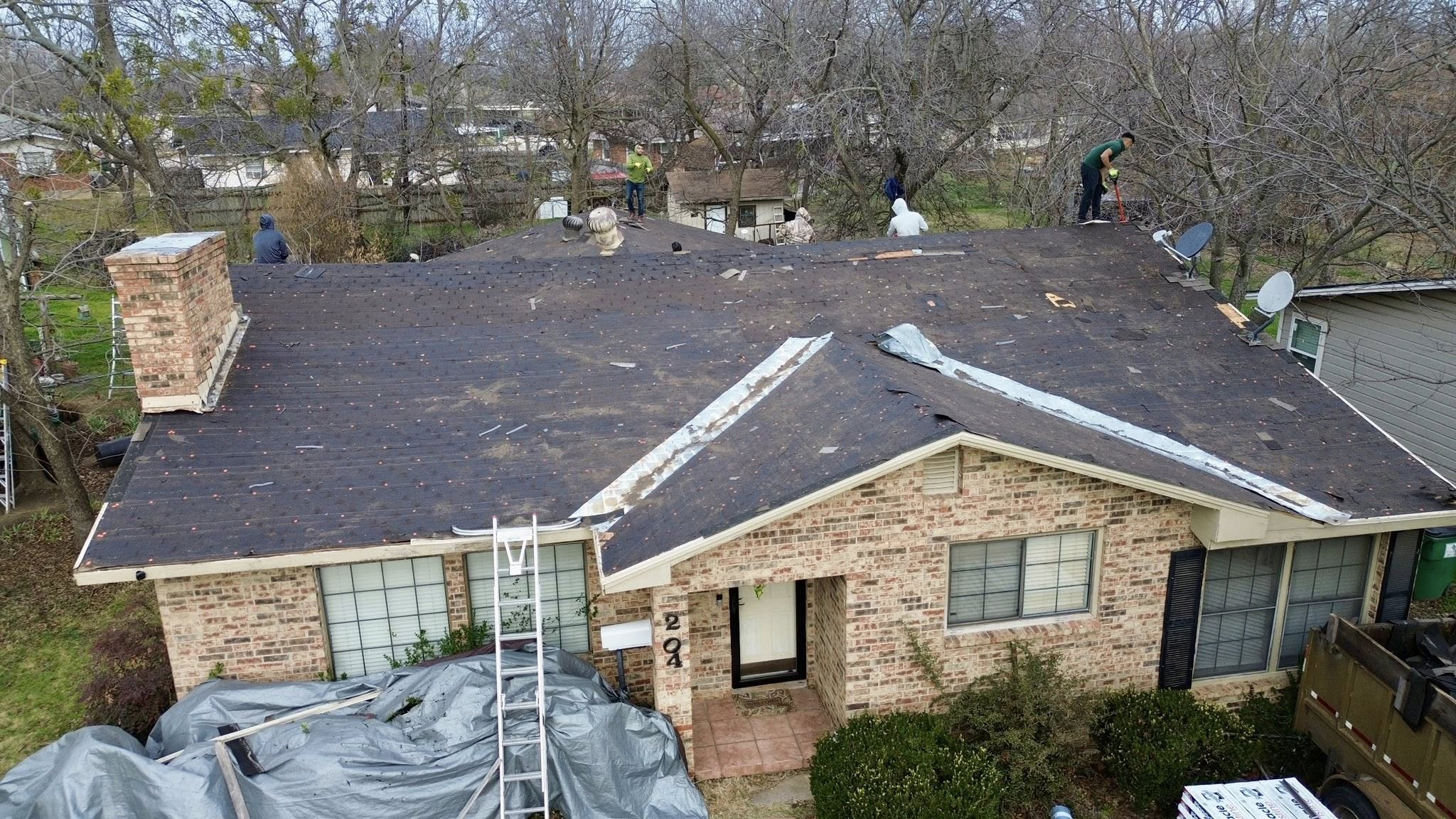
The project usually begins with removing existing roofing materials. Contractors carefully strip away the old membrane, insulation when necessary, damaged flashing, and other deteriorated components until the roof deck becomes accessible. Removing these materials allows hidden damage to be identified before new roofing products are installed.
After the existing roof has been removed, the roof deck undergoes detailed inspection. Any deteriorated structural components, damaged decking, or weakened support areas are repaired or replaced before installation continues. Addressing these issues at this stage creates a solid foundation for the new roofing system.
New insulation is then installed according to the project’s design requirements. Modern insulation improves energy efficiency while helping create proper drainage slopes where necessary. Correct insulation installation also contributes significantly to the overall performance of the finished roofing system.
Once the insulation is complete, contractors install the new waterproof membrane along with flashing, edge details, drains, and rooftop penetrations. Careful attention to seams and transition points is especially important because these areas experience the greatest exposure to water infiltration throughout the roof’s lifespan.
The replacement process generally follows these major stages.
- Remove the existing roofing materials.
- Inspect and repair the roof deck if needed.
- Install new insulation and drainage components.
- Apply the new roofing membrane.
- Install flashing and waterproof transition details.
- Perform final inspections and quality testing.
- Complete cleanup and remove construction debris.
Before the project concludes, contractors perform final inspections to verify installation quality and ensure all roofing components meet project specifications. Any remaining debris is removed, surrounding property is cleaned, and warranty documentation is provided to the property owner. This final review helps confirm that the new roof is ready to provide reliable long term protection.
Maintenance Practices That Extend the Life of a New Flat Roof
Installing a new roof represents a significant investment, and proper maintenance helps maximize that investment for many years. Even the highest quality roofing materials require routine care to achieve their expected service life. Regular inspections and timely maintenance reduce the likelihood of unexpected repairs while preserving warranty coverage.
One of the simplest yet most valuable maintenance practices is keeping drainage systems clear. Leaves, branches, dirt, and other debris can block drains, gutters, and scuppers, allowing water to accumulate on the roof surface. Removing these obstructions helps maintain proper drainage and reduces the risk of ponding water.
Routine inspections should also include careful examination of flashing, seams, rooftop equipment, and penetrations. These locations naturally experience greater movement and weather exposure, making them more likely to develop problems before the rest of the roofing system. Identifying minor defects early often prevents larger repairs later.
Property owners should avoid unnecessary rooftop traffic whenever possible. Repeated foot traffic, especially from unauthorized personnel, increases the likelihood of punctures, membrane wear, and accidental damage to roofing components. When rooftop access is necessary, designated walkways help reduce concentrated wear.
Weather events deserve special attention as well. Strong storms, hail, heavy snowfall, or high winds may damage roofing materials even when no immediate leaks appear inside the building. Scheduling professional inspections after severe weather allows hidden problems to be identified before they worsen.
A practical maintenance program generally includes the following activities.
- Schedule professional roof inspections at least twice each year.
- Inspect the roof after major storms or unusual weather events.
- Keep drains, gutters, and scuppers free of debris.
- Repair minor damage before it expands into larger problems.
- Limit unnecessary rooftop traffic whenever possible.
- Maintain accurate records of inspections and maintenance work.
Consistent maintenance not only extends the roof’s service life but also improves energy efficiency, reduces emergency repair costs, and provides greater confidence that the roofing system will continue protecting the building under changing weather conditions.
Frequently Asked Questions
Can a flat roof always be repaired instead of replaced?
No. Small isolated problems can often be repaired successfully, but widespread membrane deterioration, saturated insulation, structural damage, or recurring leaks usually indicate that replacement is the more reliable and cost effective solution.
How can I tell if leaks are coming from more than one area?
Multiple interior leaks, water stains appearing in different locations, or recurring leaks after previous repairs often suggest widespread roofing deterioration. Professional inspections can determine whether moisture is entering through several locations or traveling beneath the membrane.
Does a new flat roof improve energy efficiency?
Yes. Modern roofing systems often include improved insulation and reflective materials that reduce heat transfer. This can help lower heating and cooling costs while improving indoor comfort throughout the year.
How often should a flat roof be inspected?
Most roofing professionals recommend comprehensive inspections at least twice each year, typically during spring and autumn. Additional inspections after severe storms are also beneficial because weather related damage is easier to address before it becomes more serious.
Is replacing a roof during minor damage better than waiting?
In many situations, yes. Replacing a roof before deterioration becomes extensive often prevents interior damage, structural repairs, business interruptions, and emergency replacement costs. Planned projects also provide more flexibility in scheduling and budgeting.
Conclusion
Recognizing the signs that a flat roof system needs full replacement is one of the most important responsibilities of any property owner. While routine maintenance and timely repairs remain essential throughout a roof’s lifespan, there comes a stage when continued patching only delays the inevitable. Persistent ponding water, widespread membrane cracking, structural sagging, flashing failures, hidden moisture, aging materials, and increasing repair costs all indicate that the roofing system may no longer provide dependable protection.
Replacing an aging flat roof before catastrophic failure occurs offers significant long term benefits. A professionally installed modern roofing system improves weather resistance, energy efficiency, structural reliability, and overall property value while reducing the likelihood of unexpected emergency repairs. Planning replacement at the right time also allows owners to budget effectively instead of reacting to costly damage caused by sudden roof failure.
Every building is different, which is why professional inspections remain essential when evaluating roof condition. Experienced roofing specialists can accurately assess visible and hidden damage, recommend the most appropriate replacement system, and develop a solution tailored to the property’s specific needs. Their expertise helps ensure that investment decisions are based on the complete condition of the roofing system rather than isolated symptoms.
Ultimately, a flat roof is more than just the top layer of a building. It protects occupants, preserves valuable assets, supports energy efficiency, and contributes to the long term performance of the entire structure. By recognizing the warning signs early and acting before problems become severe, property owners can safeguard their investment and enjoy the confidence that comes from a durable, dependable roofing system built to perform for decades to come.