
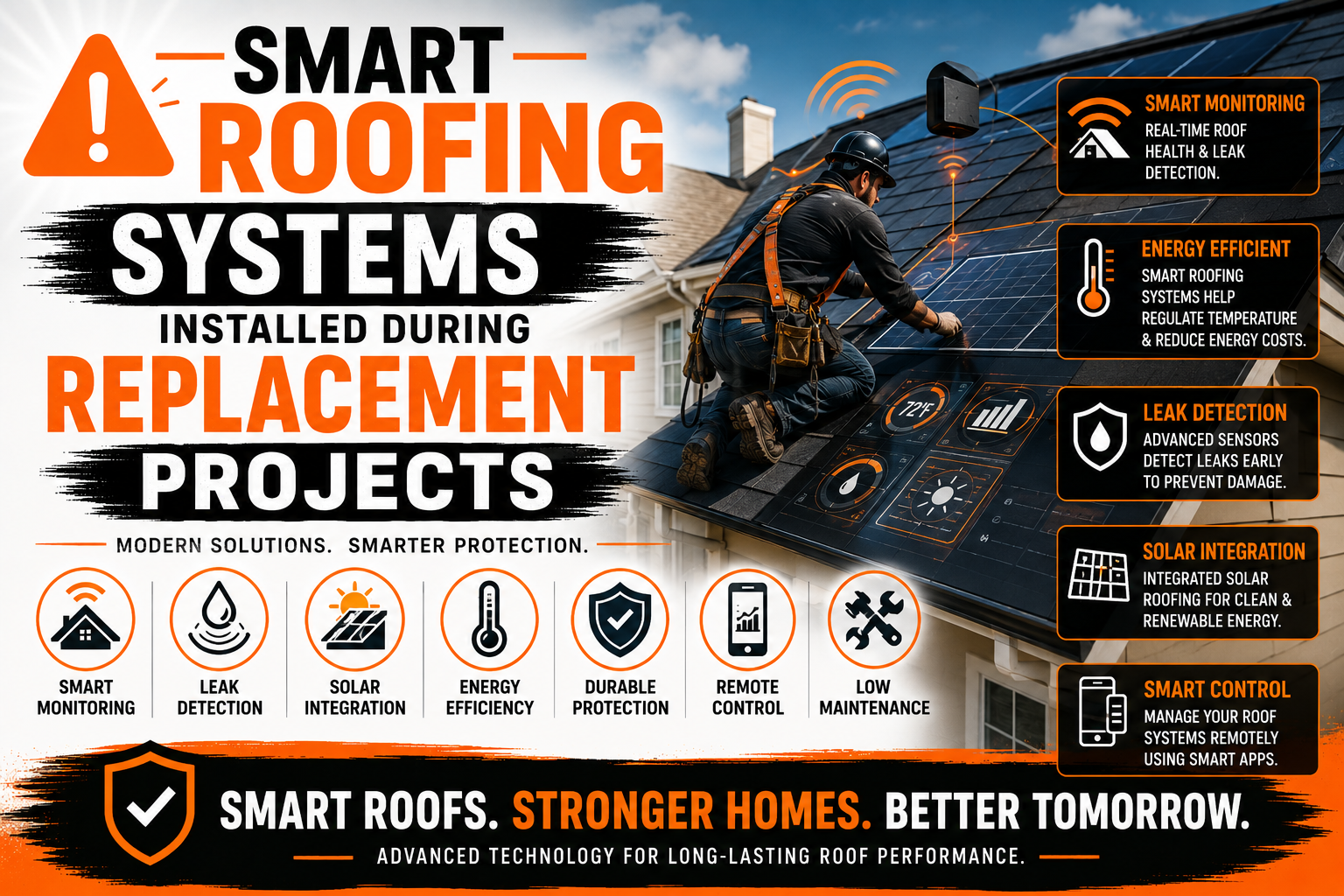
Smart Roofing Systems Installed During Replacement Projects
Introduction
Replacing a roof has traditionally been viewed as an opportunity to restore protection, improve appearance, and increase the lifespan of a home. While these goals remain important, modern replacement projects now offer homeowners something far more advanced. Smart roofing systems combine durable construction materials with intelligent technologies that monitor roof performance, detect problems early, and provide valuable information that helps prevent costly damage. Instead of functioning as a passive barrier against the weather, today’s roofs can actively collect data and communicate important updates about their condition.
As homes become increasingly connected through smart thermostats, security systems, lighting controls, and energy management devices, roofing technology has evolved alongside them. Manufacturers now develop roofing products that integrate sensors, wireless communication, and monitoring platforms into traditional roofing assemblies. These innovations allow homeowners to gain greater awareness of how their roof performs under changing weather conditions while helping contractors identify maintenance needs before they develop into major structural problems.
Installing smart roofing technology during a replacement project is often the most practical approach because many components can be incorporated while the existing roof is removed. This reduces installation complexity and ensures that sensors, monitoring devices, insulation, and protective layers work together as one integrated system. Rather than adding technology after construction, homeowners can build intelligence directly into the roof from the beginning.
This article explores how smart roofing systems are transforming roof replacement projects. It explains the technologies involved, examines the benefits they provide, and discusses how intelligent roofing solutions improve durability, energy efficiency, maintenance planning, and long-term property protection. Understanding these systems helps homeowners make informed decisions when investing in one of the most important components of their property.
Understanding Smart Roofing Systems
A smart roofing system is more than a roof made from advanced materials. It combines physical roofing components with digital technology that collects information about the roof’s condition and surrounding environment. These systems continuously monitor performance while providing alerts when unusual conditions require attention. Instead of waiting for visible signs of damage, homeowners receive early warnings that allow problems to be addressed before repairs become expensive.
Smart roofs often include sensors positioned beneath roofing materials or attached to structural elements. These sensors measure conditions such as moisture, temperature, movement, humidity, and weather exposure. The collected information is transmitted through wireless communication systems to mobile applications or monitoring platforms where property owners can review real time updates.
The intelligence of these systems comes from analyzing data rather than simply collecting it. Software compares current conditions with expected performance patterns and identifies abnormalities that may indicate developing issues. For example, moisture detected beneath shingles after several dry days could suggest a hidden leak, while unusual temperature variations might reveal insulation problems or inadequate ventilation.
Modern roofing technology continues expanding beyond simple monitoring. Some systems integrate with broader home automation platforms, allowing roofing data to work alongside heating, cooling, ventilation, and energy management systems. This creates a more comprehensive understanding of overall building performance and improves efficiency across the entire property.
Why Homeowners Are Choosing Smart Roofs During Replacement
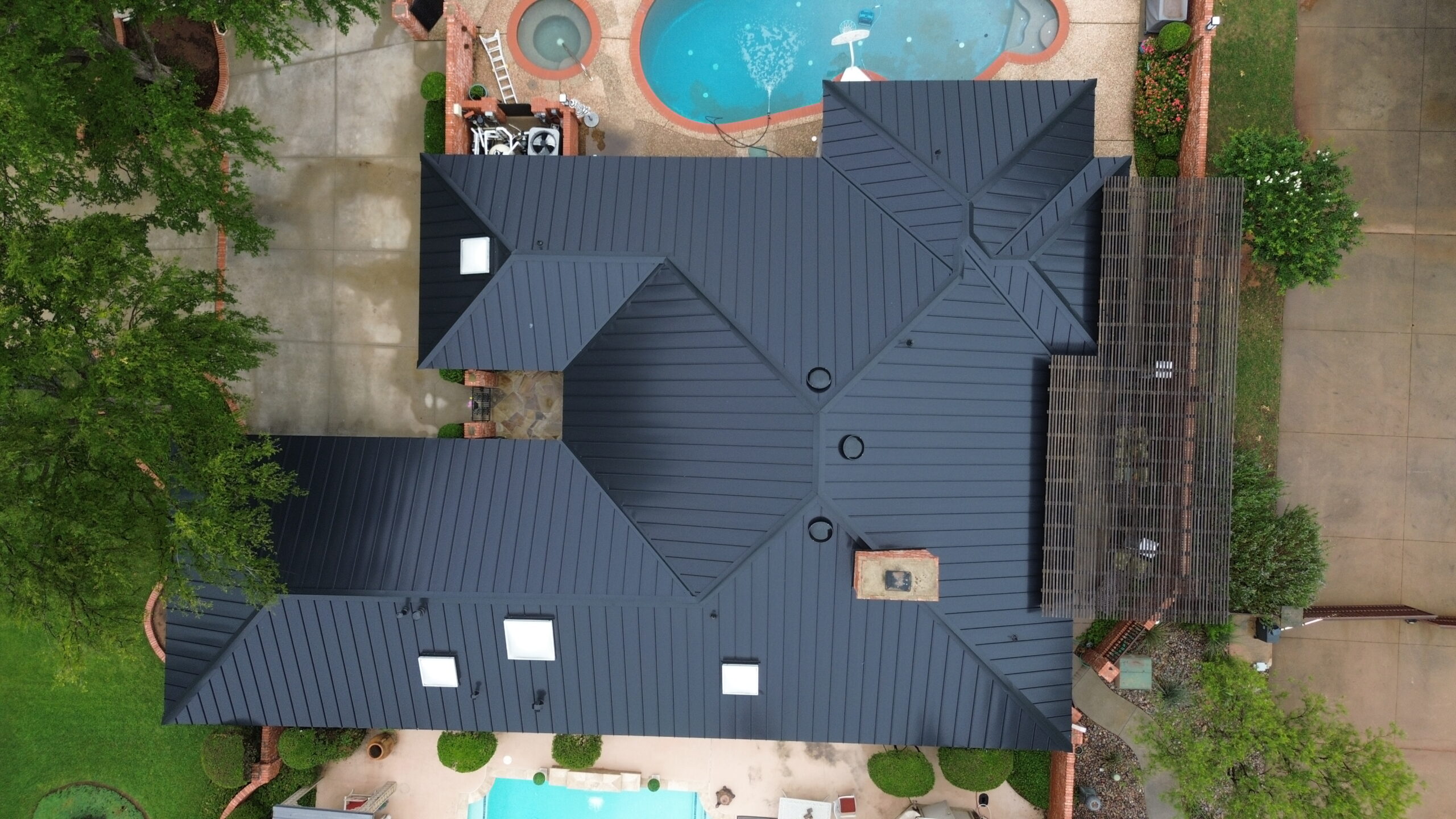
Roof replacement is a significant investment that often occurs only once or twice during a homeowner’s ownership of a property. Because the roof structure is already being removed and rebuilt, replacement offers the ideal opportunity to install technologies that would otherwise require additional labor or partial roof removal. This timing makes smart roofing solutions more cost effective than retrofitting an existing roof.
Homeowners increasingly recognize that preventive maintenance saves considerably more money than emergency repairs. Traditional inspections usually occur once or twice each year, leaving long periods when developing issues remain unnoticed. Smart roofing systems reduce this uncertainty by monitoring conditions continuously instead of relying solely on scheduled inspections.
Weather patterns have also become more unpredictable in many regions. Heavy rainfall, stronger winds, hailstorms, prolonged heat, and freezing temperatures place greater stress on roofing materials throughout the year. Smart monitoring helps homeowners understand how their roof responds to these changing conditions and provides alerts when severe weather may have caused hidden damage.
Insurance considerations also influence replacement decisions. Although coverage varies by provider, some insurers appreciate technologies that reduce the likelihood of major claims through early detection of leaks and structural issues. Faster identification of roofing problems can minimize interior damage, reducing repair costs after storms or plumbing failures.
Another reason for growing interest is increased awareness of energy efficiency. Smart roofing systems provide valuable information about heat transfer, insulation performance, and ventilation effectiveness. These insights allow homeowners to improve indoor comfort while reducing unnecessary energy consumption throughout the year.
Core Components of a Smart Roofing System
Every smart roofing installation combines several physical and digital components that work together to monitor roof performance. While individual systems vary between manufacturers, most include similar technologies that support continuous observation and analysis.
The primary elements commonly found in smart roofing systems include:
- Environmental sensors that measure temperature, humidity, moisture, wind exposure, and sunlight.
- Wireless communication devices that securely transmit collected information to monitoring platforms.
- Data processing software that analyzes readings and identifies unusual patterns.
- Mobile applications or web dashboards that allow homeowners to review roof conditions remotely.
- Power sources that may include batteries, low energy electronics, or integrated solar charging technologies.
Each component plays a specific role within the monitoring network. Sensors collect accurate environmental information, communication devices transfer the data, software evaluates performance, and user interfaces present understandable reports that help homeowners make informed maintenance decisions.
Successful installation depends on careful placement of these components during roof replacement. Contractors coordinate sensor locations with structural framing, insulation layers, ventilation pathways, and roofing materials to maximize monitoring accuracy while protecting equipment from unnecessary exposure.
Although technology receives significant attention, the traditional roofing materials remain equally important. Durable shingles, metal panels, underlayment, flashing, ventilation systems, and waterproof barriers continue providing the primary defense against weather. Smart technology enhances these materials rather than replacing their essential protective functions.
Sensors and Monitoring Technology Explained
Sensors form the foundation of every smart roofing system because they collect the information needed to evaluate roof health. Modern sensors are compact, energy efficient, and capable of operating for many years with minimal maintenance. Their ability to gather continuous measurements allows homeowners to detect gradual changes that might otherwise remain invisible.
Moisture sensors are among the most valuable monitoring devices installed beneath roofing materials. They detect water intrusion before stains appear on ceilings or walls, giving homeowners time to repair small leaks before extensive structural damage develops. Early detection can significantly reduce repair costs by preventing moisture from reaching insulation, wood framing, or interior finishes.
Temperature sensors monitor thermal conditions across different areas of the roof. Uneven temperatures may indicate ventilation problems, insulation gaps, or excessive solar heat absorption. Contractors use this information to evaluate roof efficiency and recommend improvements that enhance indoor comfort while reducing heating and cooling demands.
Movement sensors measure slight structural shifts caused by weather, settling, or thermal expansion. While small movements are often normal, unusual patterns may indicate developing structural concerns that deserve professional inspection. Continuous monitoring helps distinguish normal seasonal changes from conditions requiring immediate attention.
Some advanced systems also include weather monitoring equipment that records rainfall, wind speed, sunlight intensity, and air pressure. Combining environmental information with roof performance data provides a more complete understanding of how external conditions influence roofing materials over time.
Smart Roofing Materials That Improve Performance
Smart roofing systems rely not only on electronic technology but also on advanced materials designed to improve durability, energy efficiency, and environmental performance. These materials work alongside digital monitoring systems to create roofing assemblies that outperform many traditional installations.
Reflective roofing materials reduce solar heat absorption by reflecting a larger percentage of sunlight away from the building. Lower roof temperatures help reduce cooling requirements during warm seasons while extending the lifespan of roofing materials exposed to constant ultraviolet radiation. Smart monitoring systems measure these temperature improvements and help verify long term performance.
Modern insulation products also contribute to intelligent roofing systems. High performance insulation maintains consistent indoor temperatures while minimizing energy loss through the roof structure. When combined with temperature sensors, homeowners gain valuable information about insulation effectiveness throughout changing seasonal conditions.
Self sealing underlayment materials provide another layer of protection beneath visible roofing surfaces. These membranes help prevent water infiltration around fasteners and vulnerable roof penetrations. Although largely hidden after installation, they significantly improve long term weather resistance and complement moisture monitoring technologies.
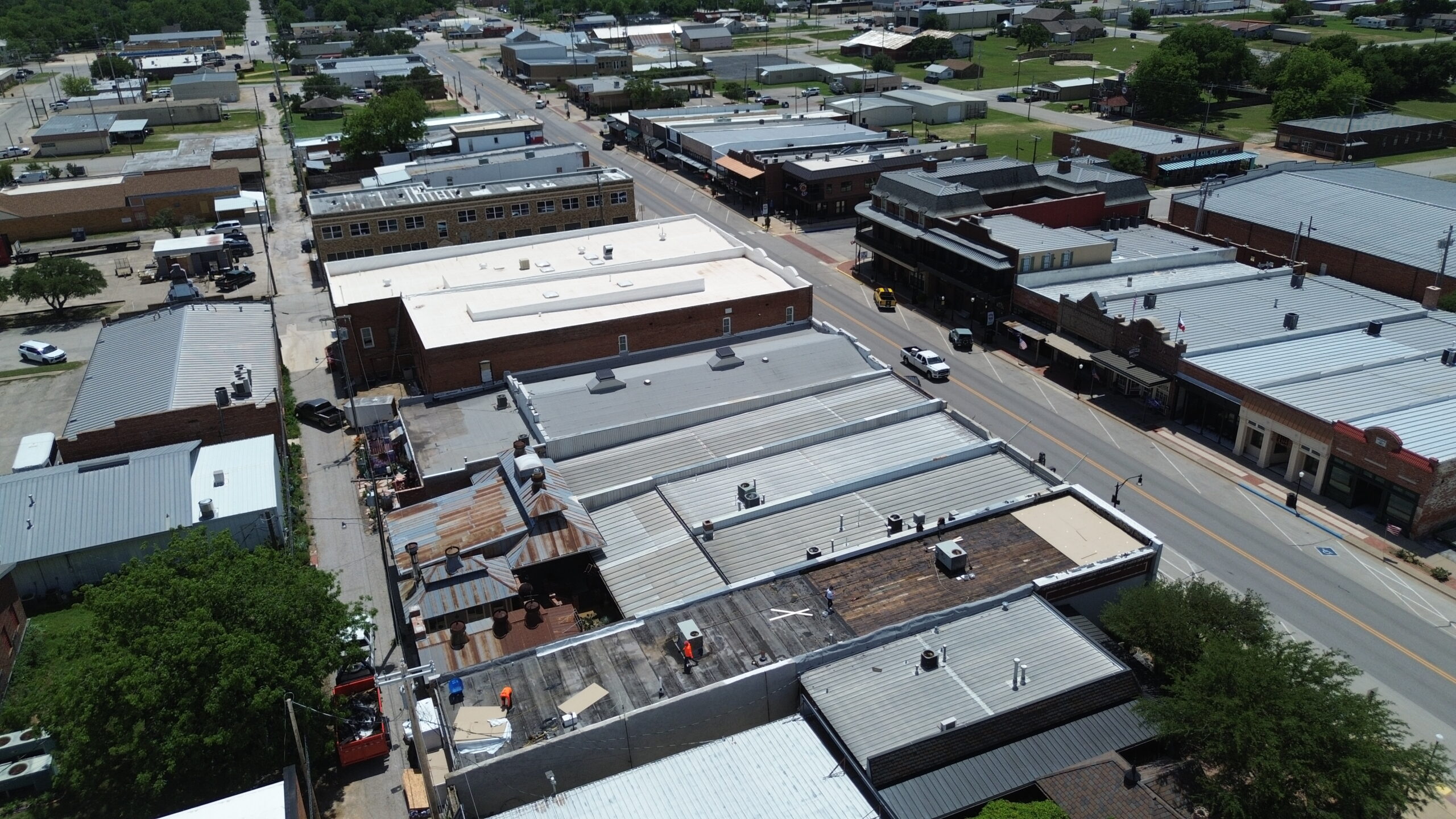
Metal roofing systems have also become increasingly compatible with smart technology. Their durability, longevity, and resistance to extreme weather make them excellent platforms for integrating sensors, solar components, and communication equipment. Metal roofs also experience predictable thermal movement, allowing monitoring software to distinguish normal expansion from unusual structural behavior.
Manufacturers continue developing roofing products that incorporate recycled materials while maintaining excellent performance characteristics. Combining sustainability with intelligent monitoring allows homeowners to reduce environmental impact without sacrificing durability or long term reliability.
How Connected Roofing Systems Protect Homes
Traditional roofs perform one essential task by protecting the building from rain, wind, sunlight, and temperature changes. Connected roofing systems continue providing this protection while adding the ability to communicate valuable information that helps preserve the entire structure. Instead of reacting only after visible damage appears, homeowners can take action based on early warnings generated through continuous monitoring.
Water intrusion illustrates one of the greatest advantages of connected roofing technology. A small leak hidden beneath roofing materials may remain unnoticed for weeks or months before interior stains appear. During that time, moisture can damage insulation, weaken wooden framing, encourage mold growth, and reduce indoor air quality. Smart moisture sensors identify these conditions much earlier, allowing repairs while damage remains limited.
Roof ventilation also benefits from continuous monitoring. Proper airflow removes excess heat and moisture from attic spaces, helping roofing materials perform as intended. Temperature and humidity sensors provide valuable information about ventilation efficiency, making it easier to identify blocked vents or airflow imbalances before they shorten roof lifespan.
Storm response becomes more effective with connected roofing systems as well. After severe weather, homeowners often wonder whether hidden damage exists even when no obvious problems are visible from the ground. Monitoring systems can identify unusual moisture levels, structural movement, or sudden performance changes that suggest a professional inspection should be scheduled.
Long term maintenance planning also improves because connected roofs create historical performance records. Instead of relying solely on visual inspections, contractors can review years of environmental data when evaluating roof condition. This information supports better repair decisions and helps prioritize maintenance activities based on actual performance rather than assumptions.
Common Myths About Smart Roofing Technology
Despite growing interest in intelligent roofing systems, several misconceptions still discourage some homeowners from considering these technologies during replacement projects. Understanding the facts behind these myths helps clarify what smart roofs can realistically provide.
One common misconception is that smart roofing systems constantly require expensive maintenance. In reality, most monitoring components are designed for long service lives with minimal attention. Routine roof inspections remain important, but sensors generally operate quietly in the background without requiring frequent adjustments.
Another misunderstanding is that only luxury homes benefit from intelligent roofing technology. While advanced systems were initially introduced in commercial and high end residential construction, continued technological development has expanded availability across a much wider range of replacement projects. Homeowners can now choose monitoring features that match both their needs and their budget.
Some people also believe that electronic monitoring replaces professional roof inspections. Smart technology provides valuable information, but experienced roofing professionals still play an essential role in evaluating physical conditions, performing repairs, and confirming that roofing materials remain structurally sound. Technology works best when combined with skilled inspection rather than replacing it entirely.
Privacy concerns occasionally arise because homeowners assume roofing systems continuously transmit personal information. In reality, most smart roofing platforms monitor environmental and structural conditions rather than collecting personal household data. Their primary purpose is evaluating roof performance, not tracking homeowner activities.
Finally, some homeowners assume that smart roofing systems become obsolete quickly because technology changes rapidly. While software platforms continue evolving, many monitoring devices are designed with long operational lifespans and receive periodic updates that improve functionality without requiring complete replacement. Careful product selection during roof replacement helps ensure compatibility with future improvements as technology continues advancing.
Integration with Home Automation Systems
One of the most exciting developments in modern roofing technology is its ability to communicate with other smart devices throughout the home. Rather than functioning as an isolated system, a smart roof can become part of a connected ecosystem where information flows between multiple devices. This integration helps homeowners manage comfort, energy use, and maintenance from a single platform instead of monitoring each system separately.
Many smart roofing platforms can share information with home automation hubs that also control lighting, heating, cooling, security, and ventilation. For example, if roof sensors detect unusually high attic temperatures, the automation system may increase ventilation or adjust cooling settings to maintain a comfortable indoor environment. These automatic responses improve efficiency without requiring manual intervention from the homeowner.
Mobile applications provide another layer of convenience. Instead of climbing onto the roof or scheduling inspections after every storm, homeowners can review current roof conditions from their smartphone or computer. Alerts are often delivered immediately when sensors detect abnormal moisture, excessive heat, or unusual structural movement, allowing prompt action before damage spreads.
Integration also supports long term property management. Historical roofing data can be stored alongside information from HVAC systems, solar panels, and energy monitoring devices. Reviewing these records together helps homeowners understand how different building systems influence one another and where future improvements may produce the greatest benefits.
As smart home technology continues expanding, compatibility between roofing systems and connected devices is expected to improve further. Manufacturers increasingly design their monitoring platforms using standardized communication methods that simplify integration with both current and future home automation products.
Energy Efficiency Benefits of Smart Roofing
Energy efficiency has become a major priority for homeowners planning roof replacement projects. Rising utility costs and increased awareness of environmental sustainability encourage many property owners to look beyond basic weather protection when selecting roofing materials. Smart roofing systems contribute to these goals by combining efficient construction with continuous performance monitoring.
Heat naturally moves through the roof during every season. During summer, solar radiation warms roofing materials and transfers heat into the attic. During winter, indoor heat escapes through poorly insulated roof assemblies. Smart roofing technology helps identify these energy losses by monitoring temperature variations across different sections of the roof.
Reflective roofing materials reduce the amount of solar heat absorbed by the building. When combined with smart temperature sensors, homeowners can observe how these materials perform under changing weather conditions. Instead of relying solely on manufacturer specifications, they receive real world information showing how effectively the roof limits heat gain throughout the year.
Ventilation also plays a critical role in energy performance. Proper airflow removes excess heat from attic spaces during warm weather while reducing moisture accumulation during colder months. Smart monitoring systems continuously measure attic temperature and humidity, helping contractors verify that ventilation systems operate as intended after roof replacement.
Improved insulation contributes significantly to overall efficiency. Smart monitoring identifies areas where insulation performance differs from expected values, making it easier to locate thermal weak points. Addressing these issues improves indoor comfort while reducing unnecessary heating and cooling expenses over the life of the roof.
Some advanced roofing systems also support solar energy installations by monitoring roof temperature, weather conditions, and structural performance. This information helps optimize solar panel efficiency while ensuring that roofing materials continue performing effectively beneath renewable energy equipment.
Although no roofing system eliminates energy costs entirely, intelligent monitoring helps homeowners maximize the efficiency of every component working together within the roofing assembly.
Leak Detection and Moisture Monitoring
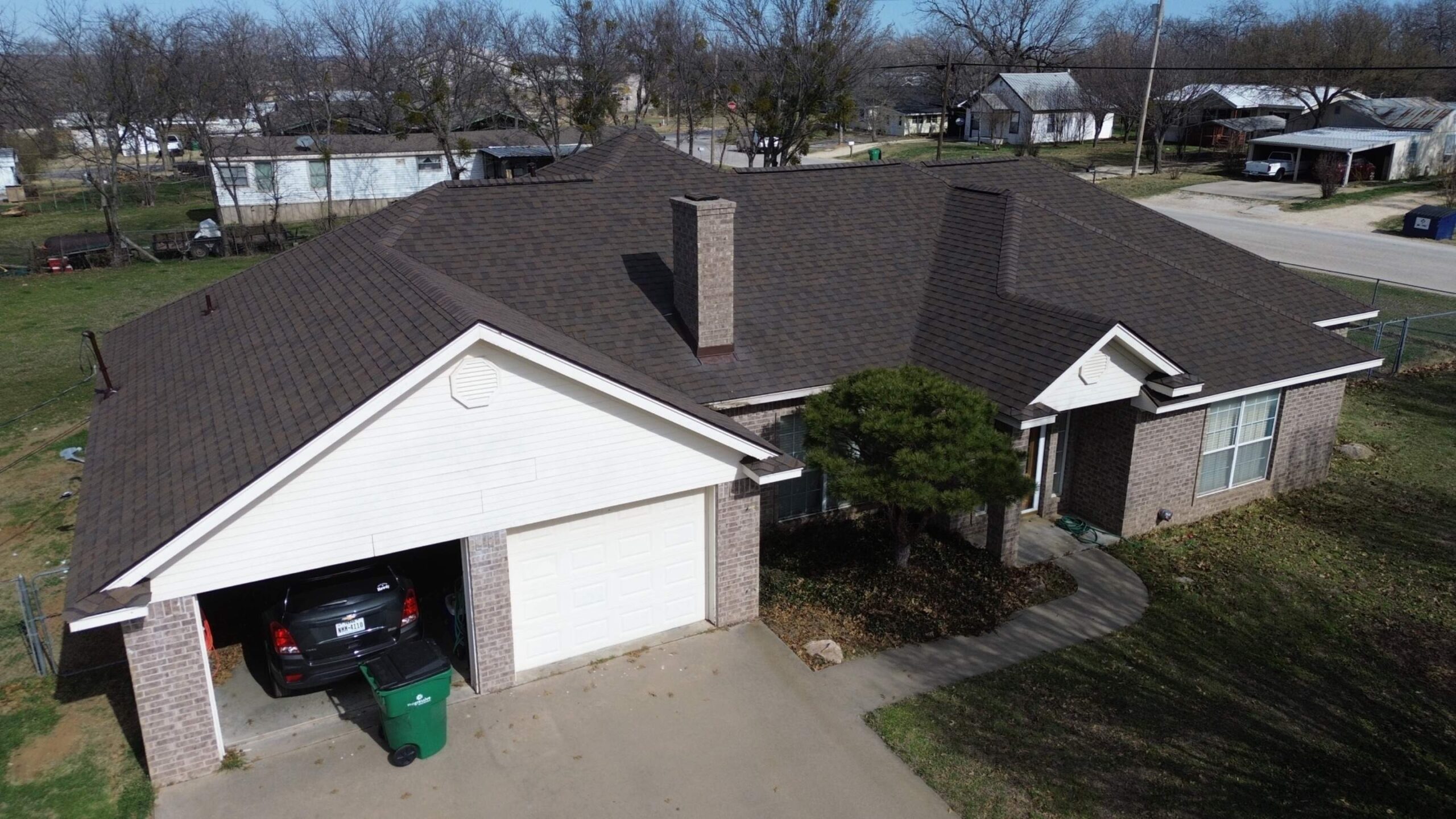
Water is one of the most destructive forces affecting residential roofing systems. Even a small leak can gradually damage insulation, weaken structural framing, stain ceilings, and encourage mold growth if it remains unnoticed. Traditional inspections often identify leaks only after visible signs appear inside the home, by which time repairs may become far more expensive than the original roofing problem.
Smart roofing systems significantly improve leak detection by monitoring moisture levels continuously beneath the roofing surface. Sensors installed within vulnerable areas identify abnormal moisture before water penetrates deeper into the building. Instead of waiting for interior damage, homeowners receive notifications that allow repairs to begin much earlier.
Early detection is particularly valuable after severe weather events. Heavy rain, hail, and strong winds may damage shingles or flashing without creating immediate interior leaks. Moisture sensors continue monitoring conditions after the storm passes, identifying hidden water intrusion that might otherwise remain undetected for weeks.
Monitoring also helps distinguish between temporary moisture caused by condensation and ongoing water infiltration from roofing failures. This distinction is important because the recommended repair strategy depends on identifying the true source of moisture rather than simply treating visible symptoms.
Commercial buildings have benefited from moisture monitoring technology for many years, and similar systems are becoming increasingly available for residential roof replacement projects. As installation costs continue decreasing, more homeowners recognize the financial value of preventing water damage instead of paying for extensive structural repairs later.
Continuous monitoring creates detailed records that help roofing professionals evaluate recurring moisture patterns. Rather than investigating isolated incidents, contractors can review long term data to determine whether leaks occur during specific weather conditions, helping them diagnose roofing problems with greater accuracy.
Weather Response and Environmental Adaptation
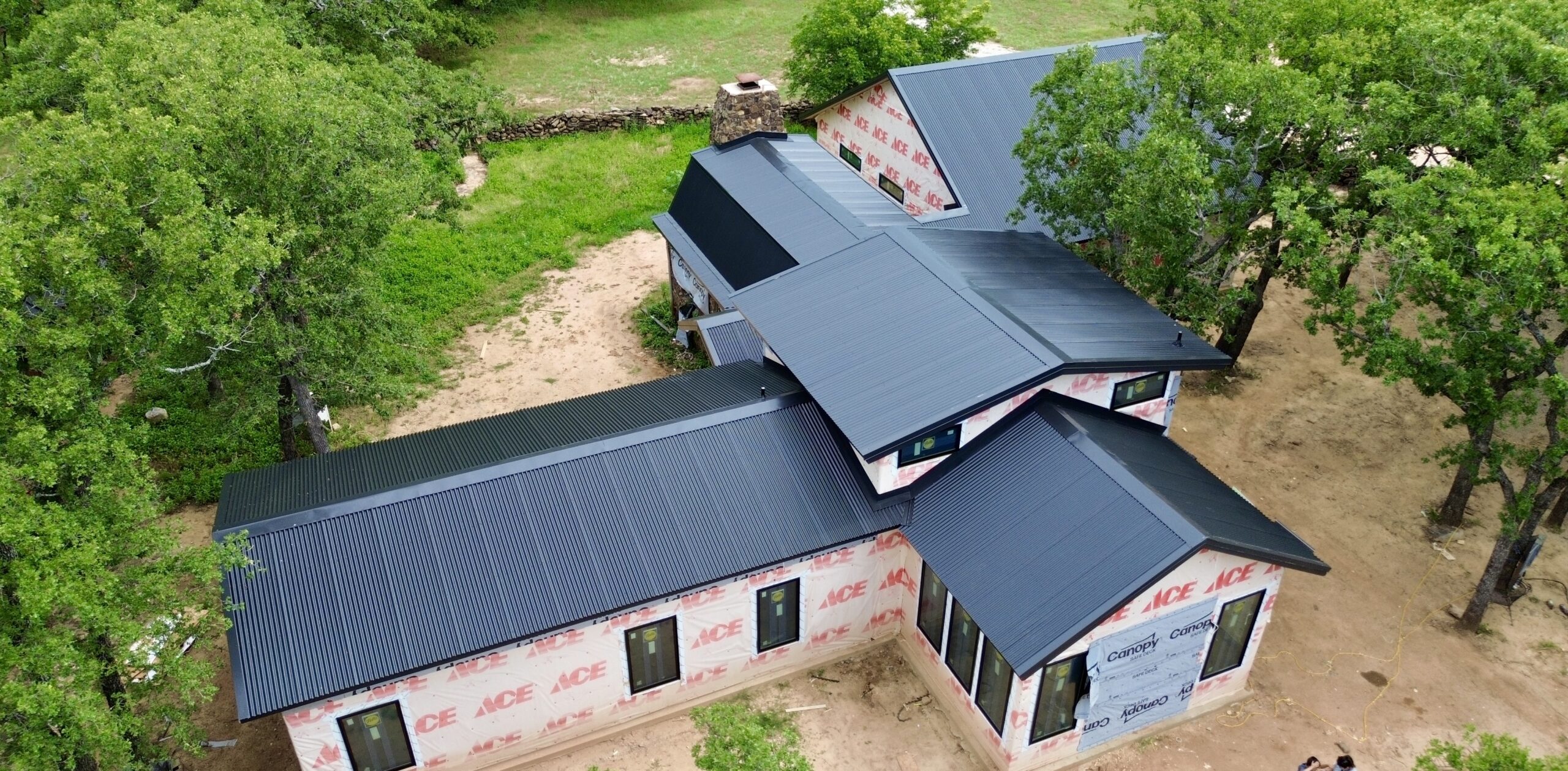
Every roof experiences constant exposure to changing environmental conditions throughout its lifespan. Intense sunlight, freezing temperatures, strong winds, heavy rainfall, hail, snow, and rapid temperature fluctuations all influence roofing performance in different ways. Smart roofing systems provide valuable insight into how these environmental factors affect individual homes over time.
Weather sensors measure conditions such as rainfall intensity, wind speed, humidity, and solar exposure. When this information is combined with structural monitoring data, homeowners gain a clearer understanding of how their roof responds during different seasons and weather events.
Extreme heat provides an excellent example of environmental adaptation. Roofing materials naturally expand as temperatures rise and contract when temperatures fall. Smart monitoring systems measure these movements to confirm they remain within expected ranges. If unusual expansion patterns develop, contractors can investigate whether ventilation, insulation, or material performance requires attention.
Strong winds create another challenge for roofing systems. Wind uplift places stress on shingles, flashing, fasteners, and roof edges. Monitoring devices help identify unusual structural responses following storms, allowing inspections to focus on areas most likely to have experienced damage.
Regions with heavy rainfall also benefit from environmental monitoring. Smart systems evaluate how efficiently water drains from the roof while identifying areas where moisture remains for unusually long periods. Standing water or slow drainage may indicate blocked gutters, drainage design issues, or developing structural problems that deserve further evaluation.
Environmental adaptation extends beyond responding to severe weather. Long term monitoring also helps homeowners understand seasonal performance changes that occur gradually over many years. This information supports more accurate maintenance planning while extending the useful life of the roofing system.
Predictive Maintenance Using Smart Roof Data
Traditional roof maintenance often follows either a scheduled inspection routine or a reactive approach in which repairs begin only after visible damage appears. Smart roofing systems introduce a third strategy known as predictive maintenance. Instead of relying solely on calendars or emergencies, maintenance decisions are guided by actual roof performance data collected over time.
Predictive maintenance analyzes patterns rather than isolated measurements. Software reviews historical sensor readings and identifies gradual changes that may indicate developing problems. Small increases in moisture levels, recurring temperature differences, or subtle structural movement can all suggest that maintenance should be scheduled before major damage occurs.
This approach provides several practical advantages. Repairs performed during the early stages of deterioration are generally less expensive than emergency restoration following significant failures. Contractors can also schedule work during favorable weather instead of responding urgently during storms when repair conditions may be less safe.
Historical data improves maintenance planning because roofing professionals can compare current performance with previous years. If certain roof sections consistently experience higher temperatures or increased moisture after heavy rainfall, those areas can receive additional attention during inspections.
Predictive maintenance also helps property owners allocate maintenance budgets more effectively. Rather than replacing components based solely on age, decisions can be guided by measurable performance indicators. Some roofing materials may continue performing well beyond typical expectations, while others exposed to harsher conditions may require earlier replacement.
Another advantage involves documentation. Smart roofing systems maintain detailed maintenance records that support warranty claims, insurance discussions, and future property sales. Buyers often appreciate evidence showing that the roof has been monitored carefully and maintained proactively rather than only repaired after visible damage occurred.
Comparing Traditional Roofing and Smart Roofing Systems
Although both traditional and smart roofing systems provide essential weather protection, their capabilities differ significantly beyond the basic roofing structure. Understanding these differences helps homeowners evaluate whether intelligent monitoring aligns with their long term property management goals.
| Feature | Traditional Roofing | Smart Roofing System |
|---|---|---|
| Monitoring | Periodic manual inspections | Continuous sensor monitoring |
| Leak Detection | Usually after visible damage | Early moisture detection before major damage |
| Maintenance | Time based or reactive | Predictive and data driven |
| Energy Performance | Estimated through inspections | Continuously monitored with sensor data |
| Weather Response | Visual inspection after storms | Real time environmental monitoring |
| Home Integration | Independent roofing system | Connects with smart home platforms |
| Performance Records | Limited documentation | Historical digital performance data |
The comparison shows that traditional roofing continues providing reliable structural protection when properly installed and maintained. Smart roofing systems build upon this foundation by adding information, automation, and monitoring capabilities that improve maintenance decisions throughout the roof’s lifespan.
It is important to remember that technology does not replace quality workmanship. Even the most advanced monitoring system depends on proper installation, durable materials, and regular professional inspections to achieve its full potential.
Key Benefits Homeowners Can Expect
Choosing a smart roofing system during a replacement project provides advantages that extend well beyond the installation period. Many benefits become increasingly valuable as years pass because continuous monitoring generates information that improves maintenance planning and protects the home’s overall condition.
Among the most important benefits are:
- Earlier identification of leaks before extensive structural damage develops.
- Better understanding of roof performance throughout changing weather conditions.
- Improved energy efficiency through continuous monitoring of temperature and ventilation.
- Reduced likelihood of unexpected emergency repairs.
- More informed maintenance decisions supported by historical performance data.
- Greater confidence when evaluating the long term condition of the roofing system.
These advantages contribute to both financial savings and peace of mind. Homeowners spend less time wondering about hidden roofing problems because monitoring systems provide ongoing information instead of relying entirely on occasional inspections.
Smart roofing technology also encourages proactive property management. Rather than waiting until visible damage affects interior spaces, homeowners can address developing issues while repairs remain relatively simple and affordable.
As intelligent building technologies continue advancing, roofing systems are expected to play an even larger role within connected homes. Installing smart features during roof replacement positions homeowners to benefit from future innovations while protecting one of their property’s most valuable structural investments.
Smart Roof Installation During Replacement Projects
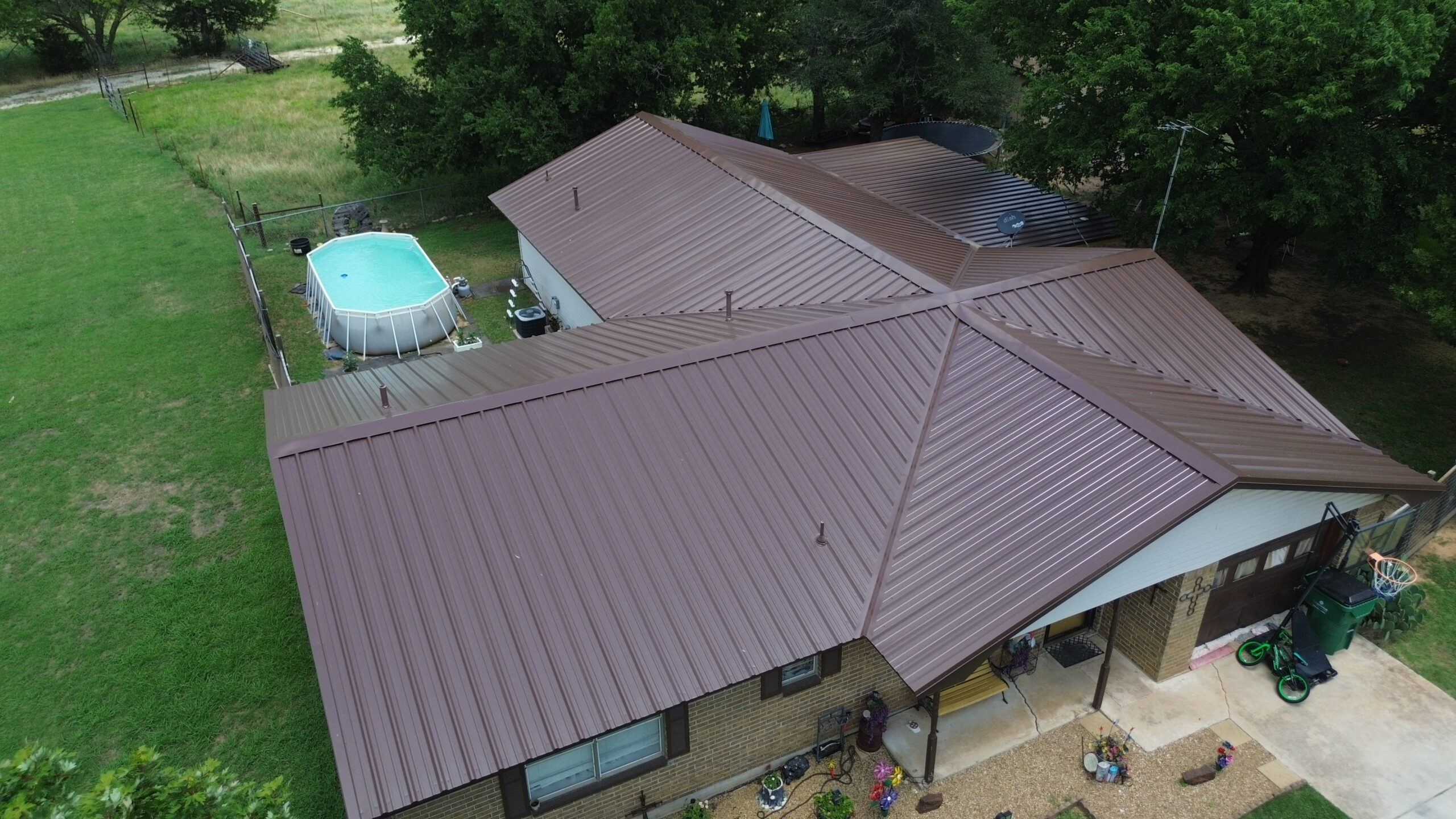
Installing a smart roofing system is most efficient when it is incorporated into a complete roof replacement rather than added to an existing roof later. Since the old roofing materials are already being removed, contractors have full access to the roof deck, structural components, insulation, and ventilation pathways. This allows sensors, communication devices, and other smart components to be positioned correctly without disturbing finished roofing materials in the future.
The installation process begins with a thorough inspection of the roof structure. Contractors evaluate the condition of the roof deck, rafters, flashing, ventilation system, and drainage components before any new materials are installed. Any structural deficiencies are repaired first because even the most advanced monitoring technology cannot compensate for an unstable roofing foundation.
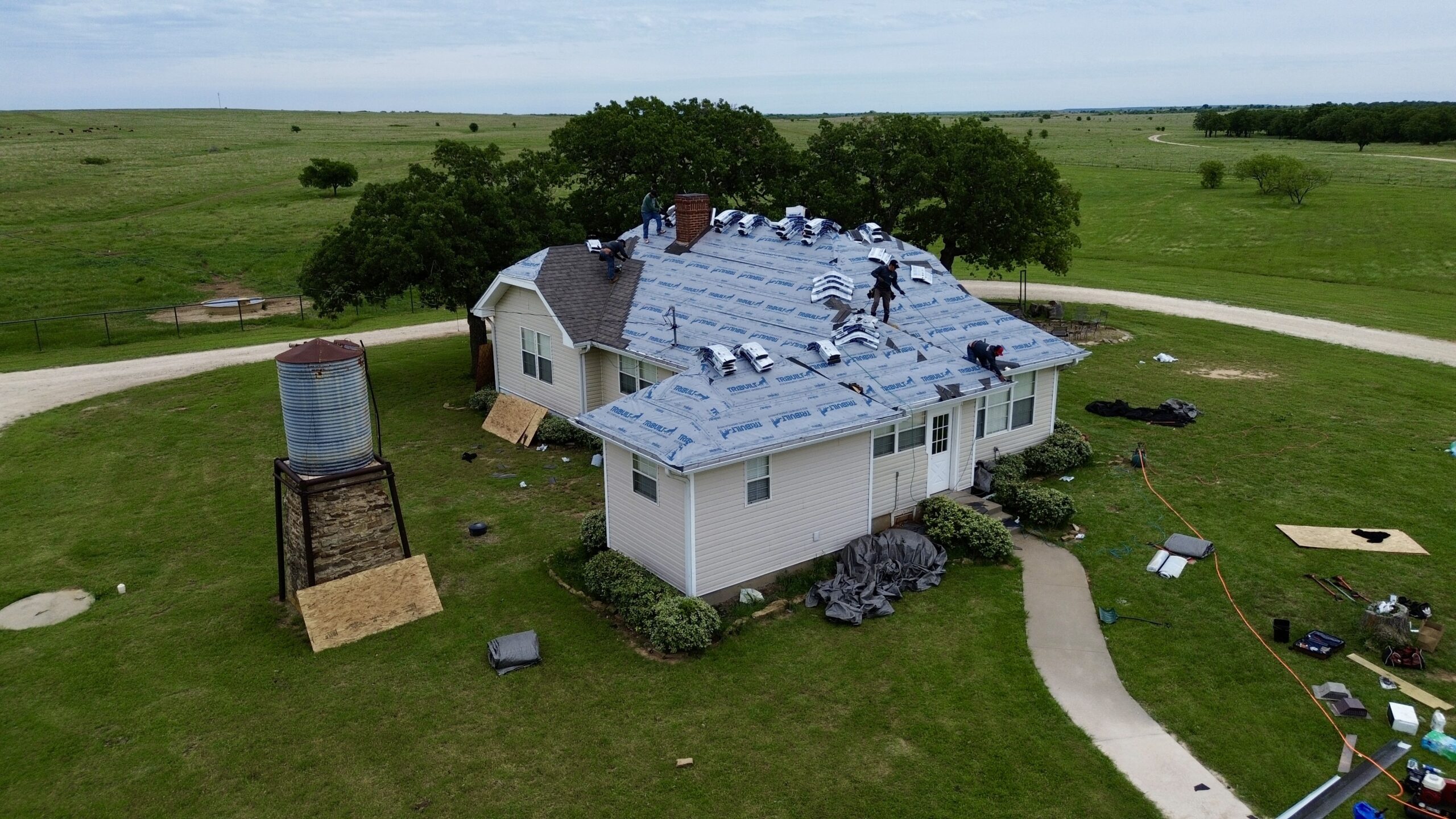
Once the roof deck is prepared, waterproof underlayment and moisture barriers are installed according to the manufacturer’s specifications. At this stage, designated sensors are positioned in strategic locations where leaks, temperature changes, or structural movement are most likely to occur. Careful placement is essential because accurate monitoring depends on collecting reliable data from areas that represent overall roof performance.
Communication modules are then connected to the monitoring network while remaining protected beneath the roofing assembly. Modern systems use low power wireless technology that allows sensors to transmit information without requiring extensive wiring throughout the home. This simplifies installation while reducing the likelihood of future maintenance issues.
After sensors have been tested, roofing materials such as shingles, metal panels, or tiles are installed using standard roofing techniques. The technology remains largely invisible after construction is complete, preserving the appearance of the roof while adding valuable monitoring capabilities beneath the surface.
Before the project is finished, contractors verify that every sensor communicates correctly with the monitoring platform. Homeowners are typically guided through the mobile application or online dashboard so they understand how to review reports, receive alerts, and interpret the information collected by the roofing system.
A successful installation combines traditional roofing craftsmanship with modern technology. Neither element is sufficient on its own, but together they create a roofing system that delivers both physical protection and valuable long term insight.
Cost Considerations and Return on Investment
Every roof replacement represents a significant financial commitment, making cost an important factor when evaluating smart roofing technology. While intelligent monitoring systems generally increase the initial installation cost, many homeowners view the investment as worthwhile because of the long term savings they can provide through preventive maintenance and improved energy efficiency.
The total cost depends on several factors, including roof size, roofing material, the number of monitoring devices installed, communication technology, and the complexity of the software platform. Some homeowners choose comprehensive monitoring systems that track multiple environmental conditions, while others begin with basic moisture detection and gradually expand their system as needed.
Installation during a roof replacement is usually more economical than adding technology later. Since contractors already have access to the roof structure, sensor placement requires less additional labor compared with retrofitting an existing roof after construction has been completed.
The financial return is often measured through avoided repair costs rather than direct income. Detecting a small leak before it damages insulation, drywall, flooring, or electrical systems can prevent repairs that cost significantly more than the monitoring equipment itself. Similarly, identifying ventilation problems early may extend the lifespan of roofing materials and delay future replacement expenses.
Energy savings may also contribute to long term value. Improved insulation monitoring, better ventilation management, and reflective roofing materials can reduce heating and cooling demands throughout the year. Although savings vary depending on climate and home design, many homeowners appreciate the increased comfort that accompanies improved energy performance.
Property value is another consideration. Buyers increasingly recognize the advantages of homes equipped with modern monitoring technologies. A well documented smart roofing system that includes maintenance records and performance history may strengthen buyer confidence during future property transactions.
Rather than focusing solely on the initial purchase price, homeowners should evaluate the complete ownership experience over the expected lifespan of the roof. When viewed over several decades, intelligent monitoring often provides value through reduced uncertainty, improved maintenance planning, and lower risk of expensive hidden damage.
Challenges and Limitations of Smart Roofing Systems
Despite their many advantages, smart roofing systems are not without limitations. Understanding these challenges allows homeowners to make balanced decisions and develop realistic expectations before beginning a roof replacement project.
One limitation involves initial cost. Although prices have gradually become more affordable, advanced monitoring systems still require additional investment compared with conventional roofing installations. Homeowners must decide whether the long term benefits justify the higher upfront expense based on their individual circumstances and property goals.
Technology also requires occasional software updates to maintain compatibility, improve security, and introduce new features. While these updates are generally straightforward, homeowners should understand that digital systems require periodic attention in addition to traditional roof maintenance.
Sensor placement must be planned carefully during installation. Improper positioning may reduce monitoring accuracy or limit the system’s ability to detect developing problems. This highlights the importance of selecting experienced roofing professionals who understand both construction practices and intelligent monitoring technologies.
Wireless communication can present occasional challenges in homes with weak network coverage or significant electronic interference. Modern systems are designed to minimize these issues, but homeowners should verify that reliable communication can be maintained between roof sensors and monitoring devices.
Battery powered sensors eventually require replacement after many years of operation. Fortunately, most modern sensors are designed for long service life, and replacement schedules are typically measured in years rather than months. Even so, homeowners should include sensor maintenance within their overall property management plan.
Another consideration is that smart monitoring supplements rather than replaces professional inspections. Sensors provide valuable information about measurable conditions, but experienced roofing contractors still evaluate physical wear, flashing integrity, sealant condition, and other construction details that electronic devices cannot fully assess.
Recognizing these limitations helps homeowners appreciate smart roofing as an enhancement to traditional roofing practices instead of viewing technology as a complete substitute for proper installation and regular maintenance.
Future Innovations in Intelligent Roofing Technology
Roofing technology continues evolving rapidly as manufacturers explore new ways to improve durability, efficiency, and predictive maintenance. The intelligent roofing systems available today represent only the beginning of a broader transformation that is expected to influence residential and commercial construction for many years.
Artificial intelligence is becoming increasingly important in roof monitoring software. Instead of simply reporting sensor readings, future platforms will analyze complex environmental patterns and predict maintenance requirements with greater accuracy. Machine learning algorithms can compare information collected from thousands of roofs, helping identify subtle warning signs that might otherwise go unnoticed.
Improved sensor technology is another area of development. Researchers continue designing smaller, more accurate devices that consume less power while collecting more detailed information. Longer battery life and increased durability will further reduce maintenance requirements throughout the life of the roofing system.
Integration with renewable energy technologies is also expected to expand. Smart roofs may eventually coordinate more closely with solar panels, battery storage systems, and home energy management platforms to maximize electricity generation while protecting roofing materials from excessive heat and environmental stress.
Drone technology may become more closely connected with intelligent roofing systems as well. Automated drone inspections could verify sensor alerts by capturing detailed aerial images after storms or during scheduled maintenance visits. Combining visual inspections with continuous sensor data would provide contractors with a more comprehensive understanding of roof condition.
Advanced weather forecasting may further enhance smart roofing capabilities. Future systems could prepare homeowners for approaching severe weather by analyzing forecast information alongside existing roof conditions. This proactive approach may help prioritize inspections or recommend temporary protective measures before storms arrive.
Sustainability will likely remain an important area of innovation. Manufacturers continue researching environmentally responsible materials that offer longer service life, improved recyclability, and better energy performance while remaining compatible with intelligent monitoring systems.
Although future technologies cannot eliminate every roofing challenge, they are expected to make maintenance more efficient, improve decision making, and extend the service life of residential roofing systems.
How to Choose the Right Smart Roofing System
Selecting the appropriate smart roofing system requires careful evaluation of both technology and construction quality. Homeowners should avoid focusing exclusively on digital features while overlooking the importance of durable roofing materials and skilled installation.
Several practical considerations help guide the decision making process. Climate conditions, roof design, budget, expected ownership period, and maintenance preferences all influence which monitoring features provide the greatest value. A system that performs well in one region may include capabilities that are less important in another environment.
Compatibility is another important factor. Homeowners who already use smart home technology may prefer roofing systems that integrate easily with existing automation platforms. Simple compatibility reduces future expansion challenges and allows multiple building systems to communicate more effectively.
Manufacturer reputation should also be considered carefully. Companies with established histories of producing roofing materials and monitoring equipment are often better positioned to provide long term software support, warranty coverage, and replacement components if needed.
Professional installation remains one of the most critical factors affecting long term performance. Even the most advanced monitoring technology cannot compensate for improper flashing installation, poor ventilation design, or inadequate waterproofing. Choosing experienced contractors is therefore just as important as selecting quality roofing products.
Before signing a contract, homeowners should discuss monitoring capabilities, maintenance expectations, software support, warranty coverage, and future upgrade options. Clear communication helps ensure that the selected system matches both current needs and long term property goals.
Questions to Ask Before Installation
Before investing in a smart roofing system, homeowners should gather enough information to understand exactly what they are purchasing and how the technology will function throughout the roof’s lifespan.
- Which environmental conditions will the system monitor?
- Where will sensors be installed within the roofing assembly?
- How are alerts delivered if unusual conditions are detected?
- Does the monitoring platform require ongoing subscription fees?
- How long are sensors expected to operate before replacement?
- What warranty applies to both the roofing materials and smart technology?
- Can the system integrate with existing smart home devices?
- Who provides technical support if monitoring equipment experiences problems?
Discussing these questions before installation helps homeowners compare different products while avoiding misunderstandings after construction has been completed.
Maintenance Best Practices
Although smart roofing systems reduce uncertainty through continuous monitoring, regular maintenance remains essential for achieving the longest possible service life. Combining technology with routine care provides the greatest level of protection for both the roof and the home beneath it.
Recommended maintenance practices include:
- Review monitoring reports regularly instead of ignoring system notifications.
- Schedule professional roof inspections even if no alerts have been received.
- Keep gutters and drainage systems free from debris to maintain proper water flow.
- Trim nearby tree branches that could damage roofing materials during storms.
- Update monitoring software whenever recommended by the manufacturer.
- Replace sensor batteries or components according to the maintenance schedule provided with the system.
These straightforward maintenance habits allow smart roofing technology to perform at its highest level while preserving the structural integrity of the roofing system over many years.
Conclusion
Smart roofing systems represent an important step forward in the evolution of residential roof replacement projects. By combining durable roofing materials with intelligent monitoring technology, these systems transform the roof from a passive protective structure into an active source of valuable information. Continuous monitoring allows homeowners to understand how their roof performs under changing weather conditions while identifying developing problems before they become expensive repairs.
Installing smart technology during a roof replacement provides an efficient opportunity to integrate sensors, communication devices, and advanced materials into the roofing assembly from the beginning. When supported by quality workmanship, proper ventilation, and durable construction materials, intelligent monitoring enhances maintenance planning, improves energy efficiency, and strengthens long term property protection.
Although smart roofing systems require thoughtful planning and additional investment, they offer practical benefits that extend throughout the lifespan of the roof. Early leak detection, predictive maintenance, improved environmental awareness, and better energy management all contribute to lower ownership costs and greater confidence in the condition of the home.
As technology continues advancing, intelligent roofing solutions are expected to become even more capable, affordable, and integrated with other smart home systems. Homeowners who understand these innovations can make informed replacement decisions that balance modern technology with proven roofing practices. A well designed smart roof not only protects the structure from the elements but also provides the information needed to preserve that protection for decades to come.